Since 1910
A short history of Cranston
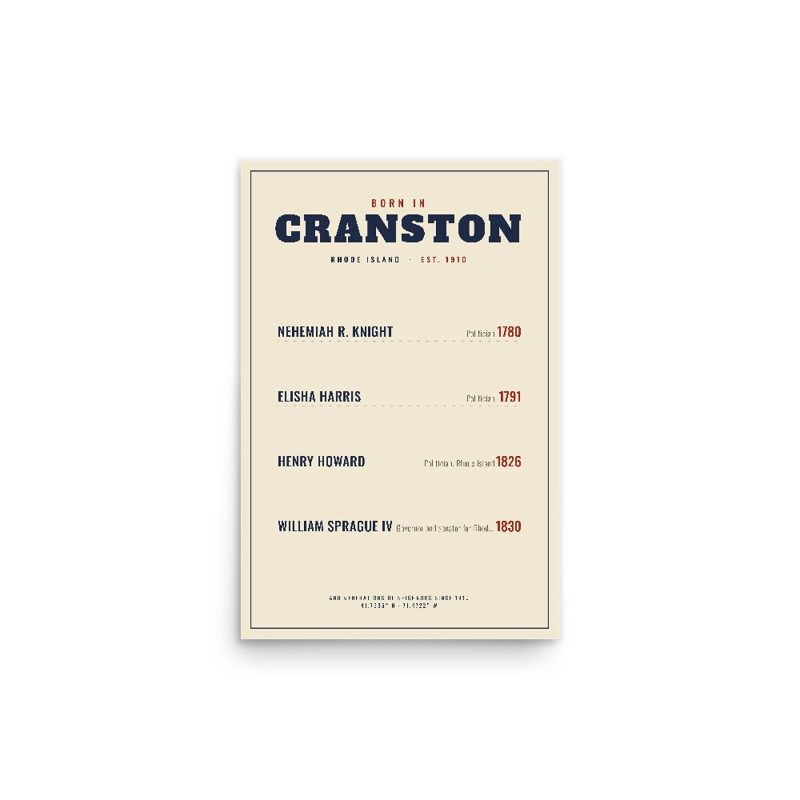
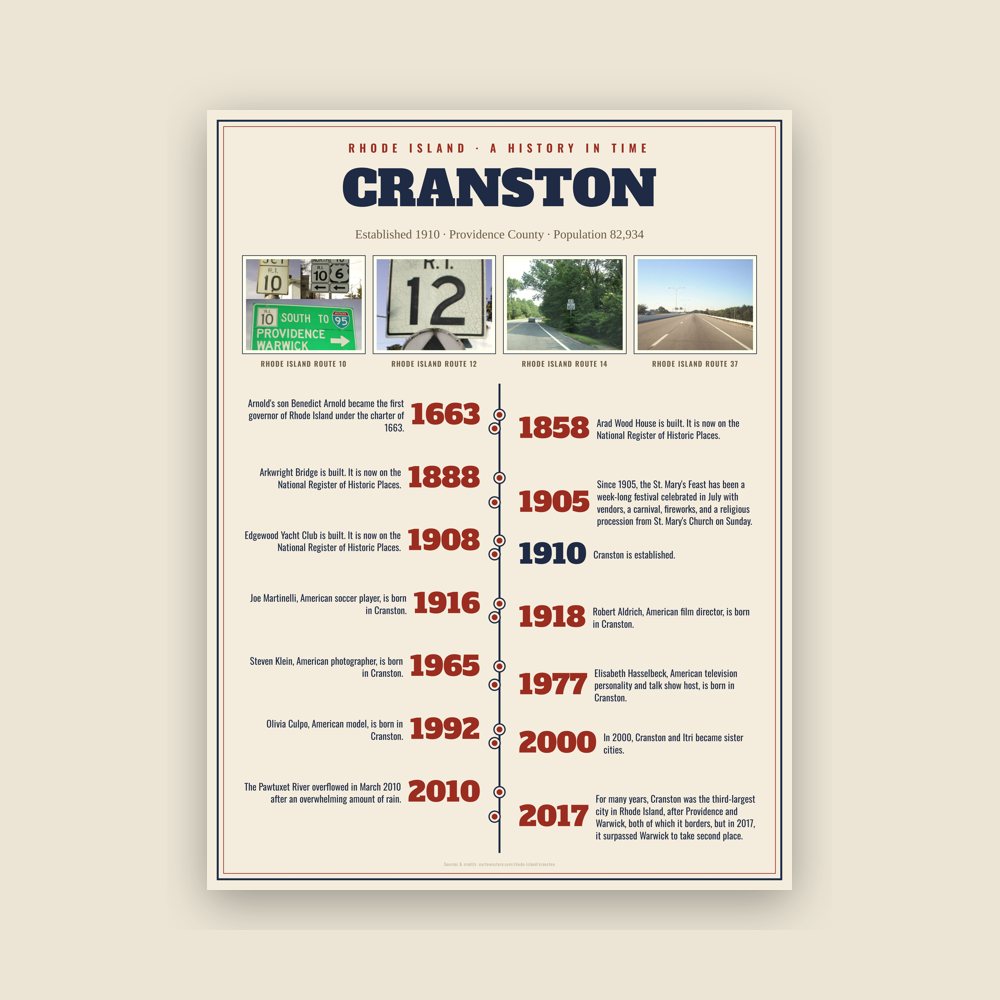
Much of the land was purchased by Roger Williams from the Narragansett Indians in 1638 as part of the Pawtuxet Purchase, and the first settler in the area was William Arnold, who was followed shortly by William Harris, William Carpenter, and Zachariah Rhodes. Stephen Arnold, a brother-in-law of Rhodes and William Arnold's, built a gristmill on the Pawtuxet Falls, and laid out the Arnold Road (modern-day Broad Street) connecting it to the Pequot Trail leading to Connecticut. Arnold's son Benedict Arnold became the first governor of Rhode Island under the charter of 1663. Residents could not agree on a name for a new town for decades, and the Town of Cranston was eventually created by the General Assembly in 1754 from a portion of Providence north of the Pawtuxet River. Historians debate whether the town was named after Governor Samuel Cranston, the longest-serving Rhode Island governor, or his grandson Thomas Cranston, who was serving as speaker of the Rhode Island House of Representatives when the town was created. In the early 1770s, town meetings were held at the taverns of Caleb Arnold and Nehemiah Knight, where residents voted in favor of a resolution opposing the British Parliament's Coercive Acts; the town heavily supported the Patriot cause during the Revolutionary War. The town lost much of its territory to neighboring towns and the city of Providence over the 19th century, and Cranston became a city on March 10, 1910.
Many Italian Americans in Cranston are descended from immigrants of Itri, Italy, who settled mainly in the Knightsville section of Cranston during the early 1900s. Cranston is known for its St. Mary's Feast, inspired by the Feast of the Madonna della Civita celebrated in Itri. Since 1905, the St. Mary's Feast has been a week-long festival celebrated in July with vendors, a carnival, fireworks, and a religious procession from St. Mary's Church on Sunday. In 2000, Cranston and Itri became sister cities.
For many years, Cranston was the third-largest city in Rhode Island, after Providence and Warwick, both of which it borders, but in 2017, it surpassed Warwick to take second place. Though Cranston's overall population density was already much greater than the geographically larger Warwick, a major factor contributing to its growth has been a large and semirural section west of Interstate 295, which has seen a high volume of housing development in recent years; Warwick has significantly less open land available for development.
Adapted (trimmed) from the Wikipedia article Cranston, Rhode Island, revision 1378188349 by its contributors, licensed CC BY-SA 4.0.
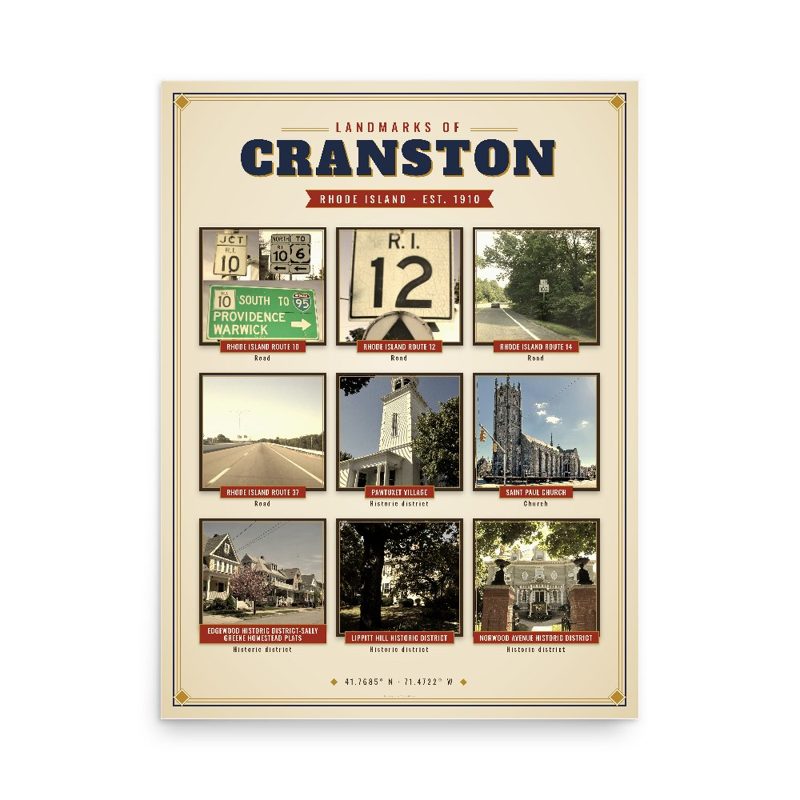
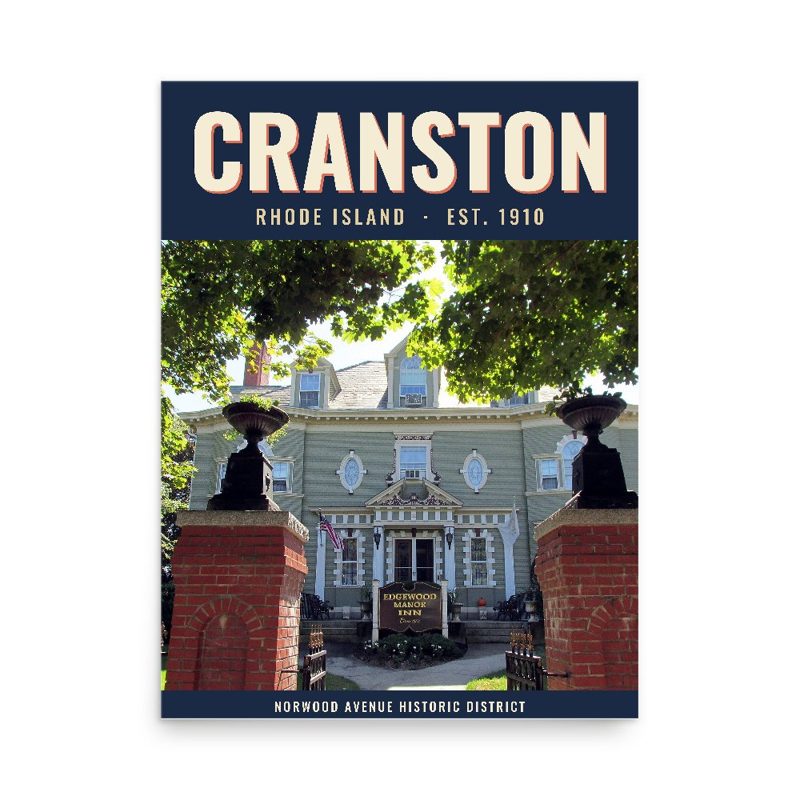
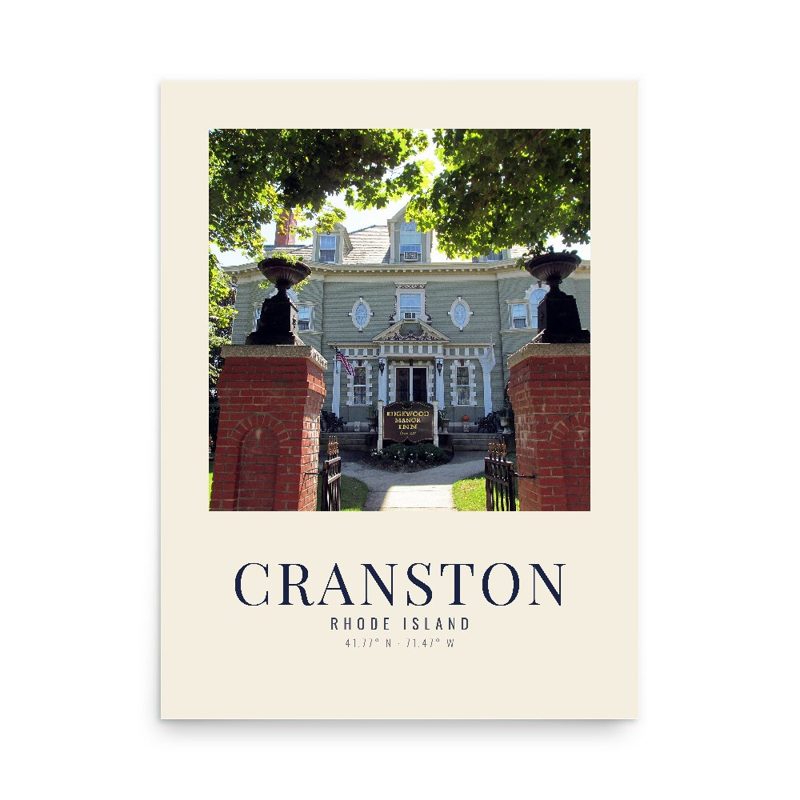
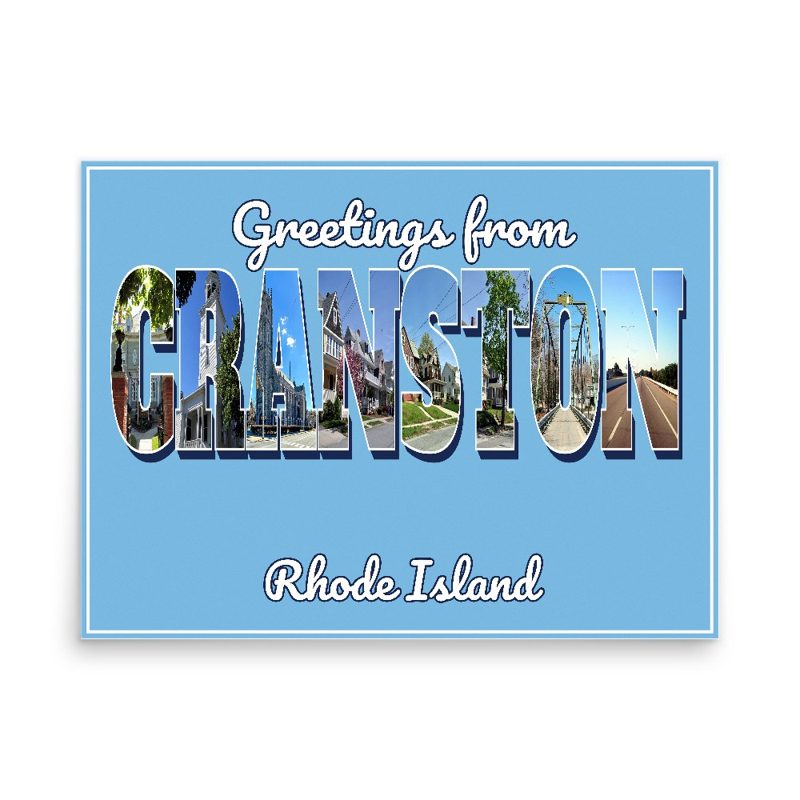
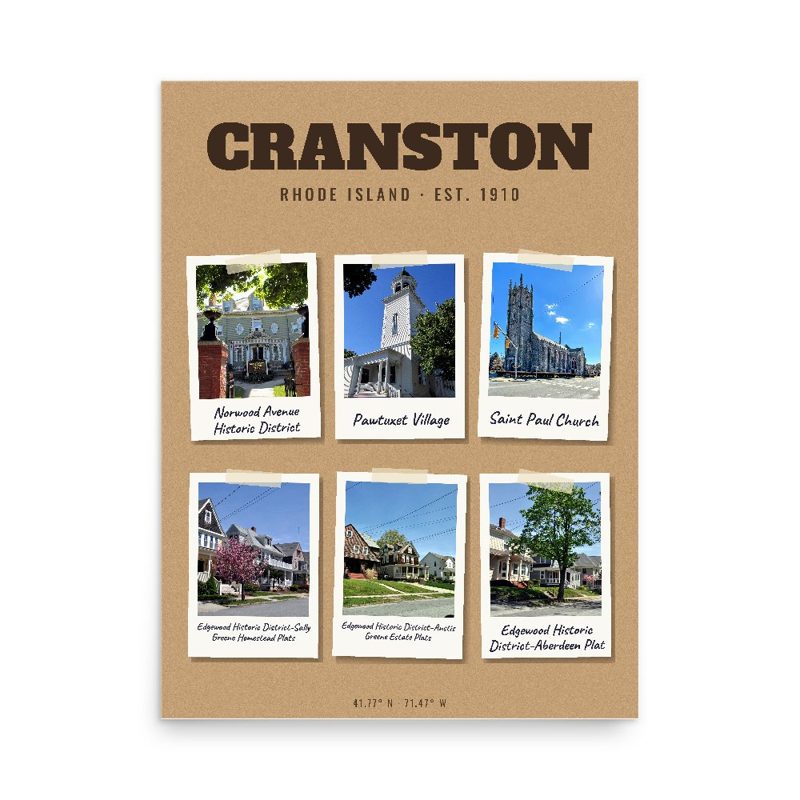
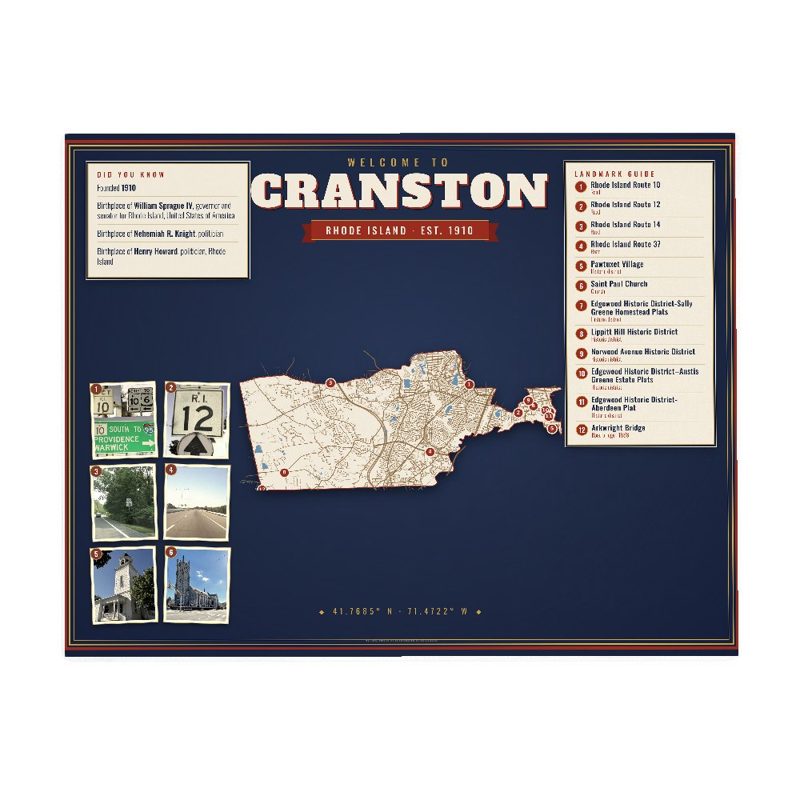



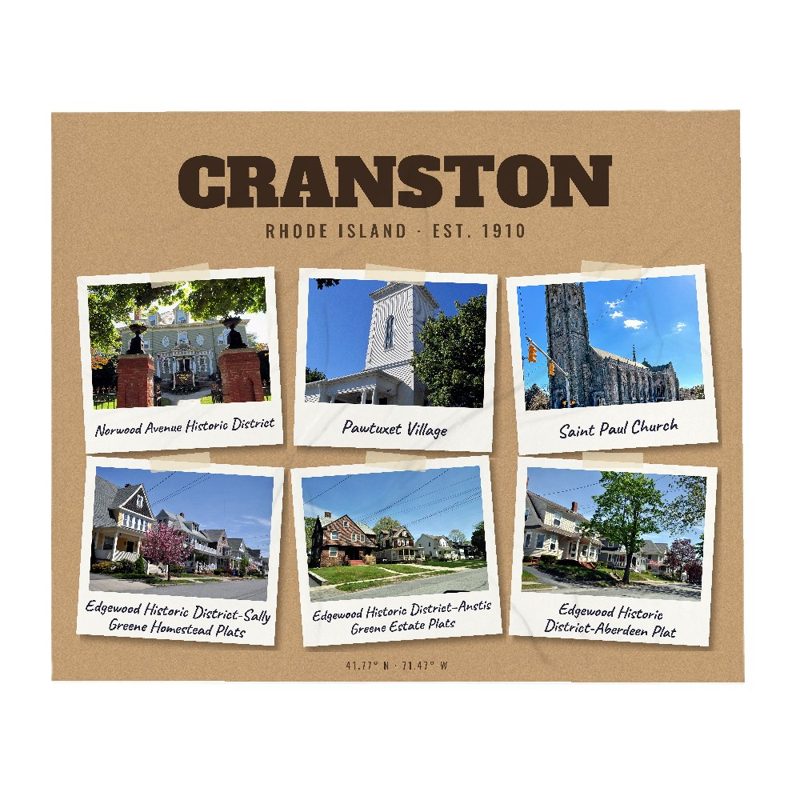
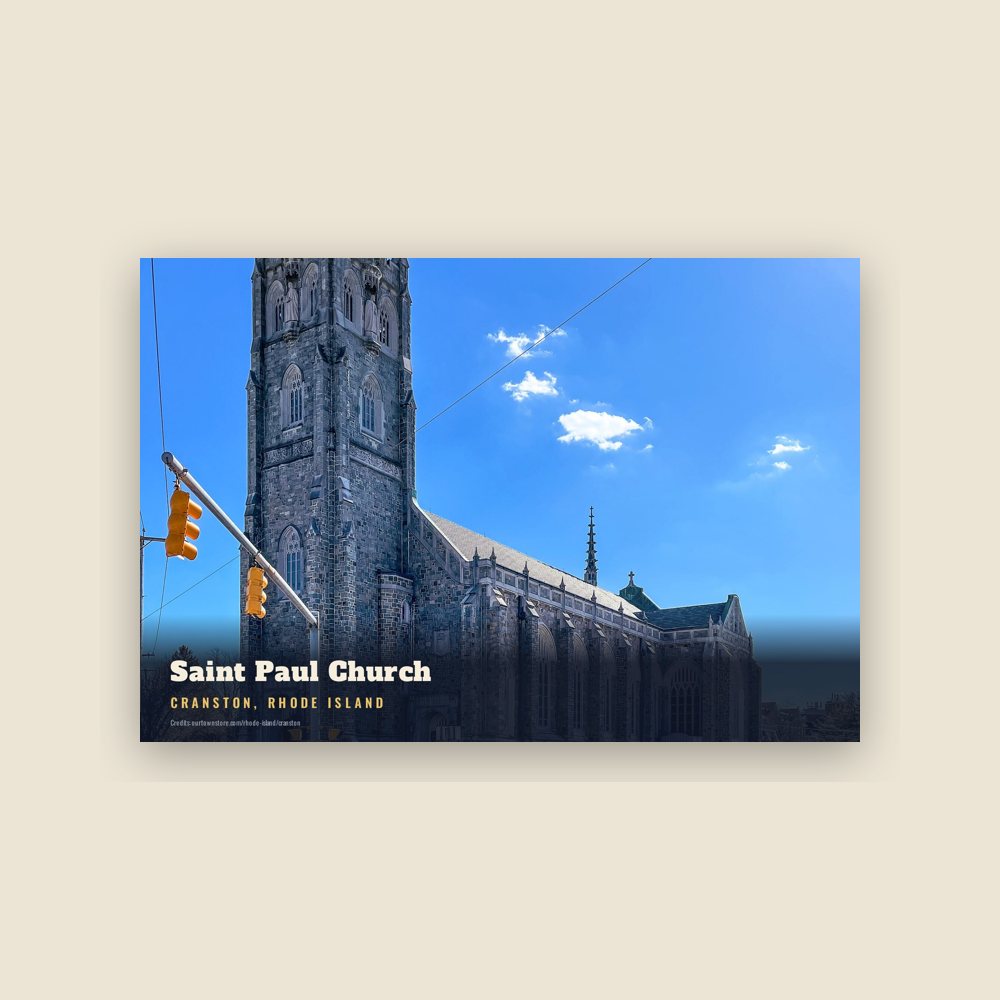
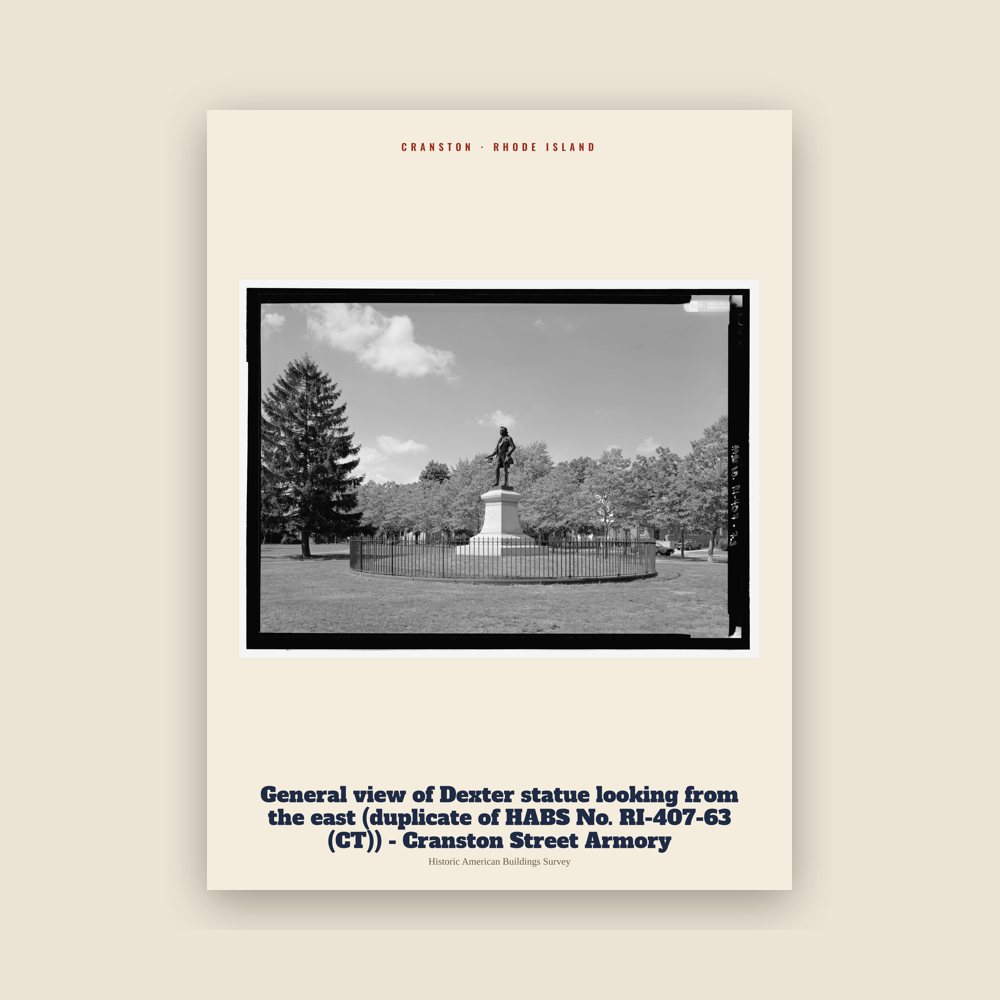
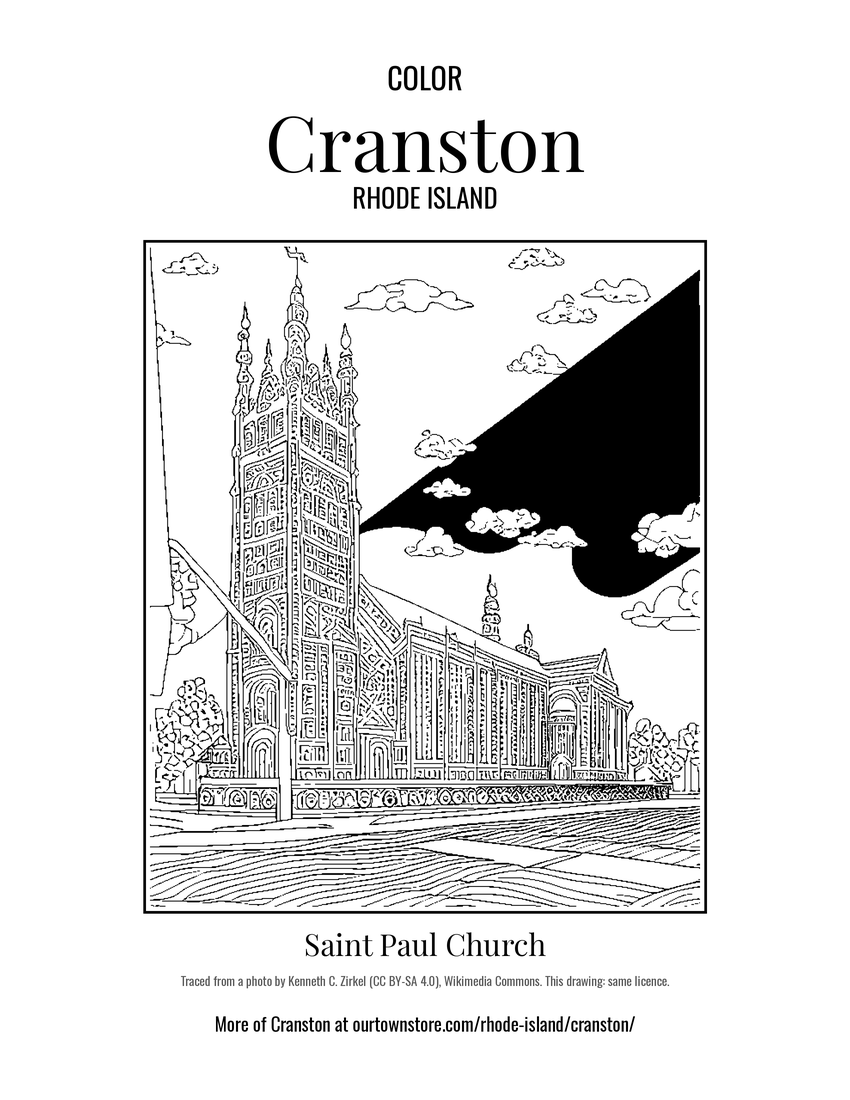 Saint Paul Church
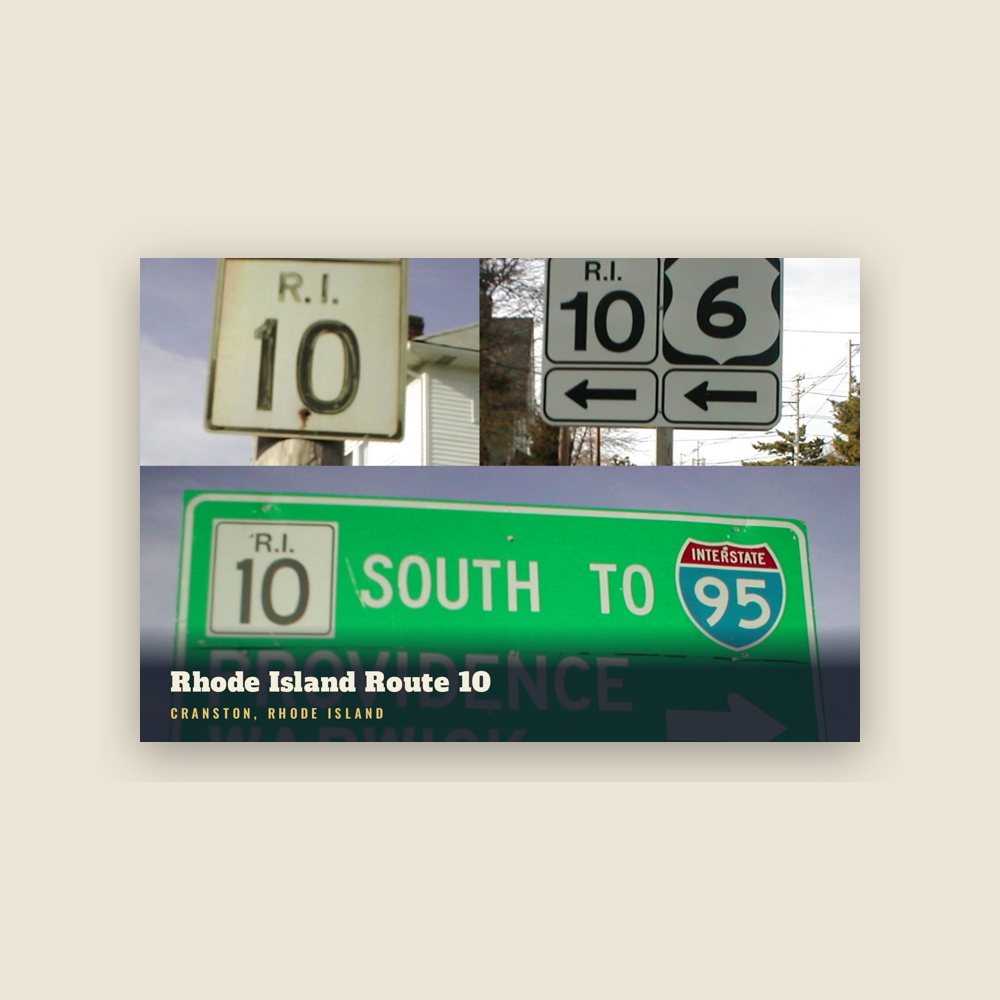
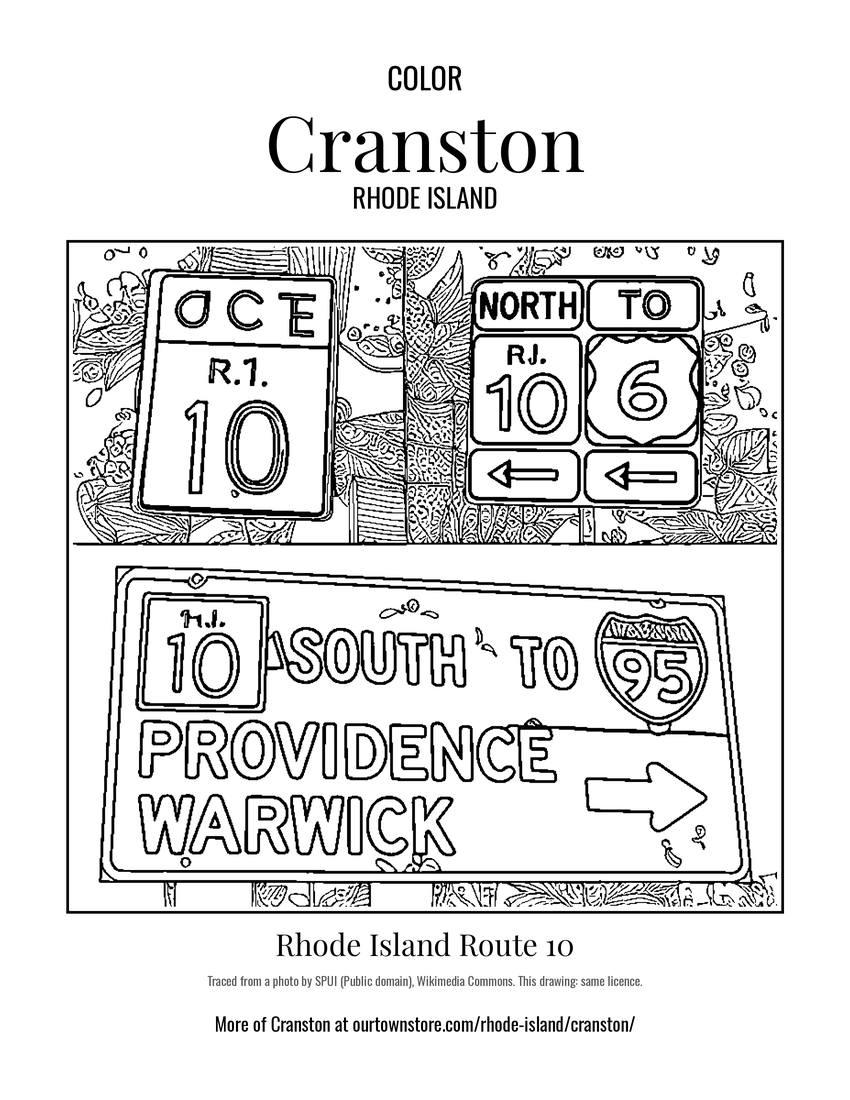 Rhode Island Route 10
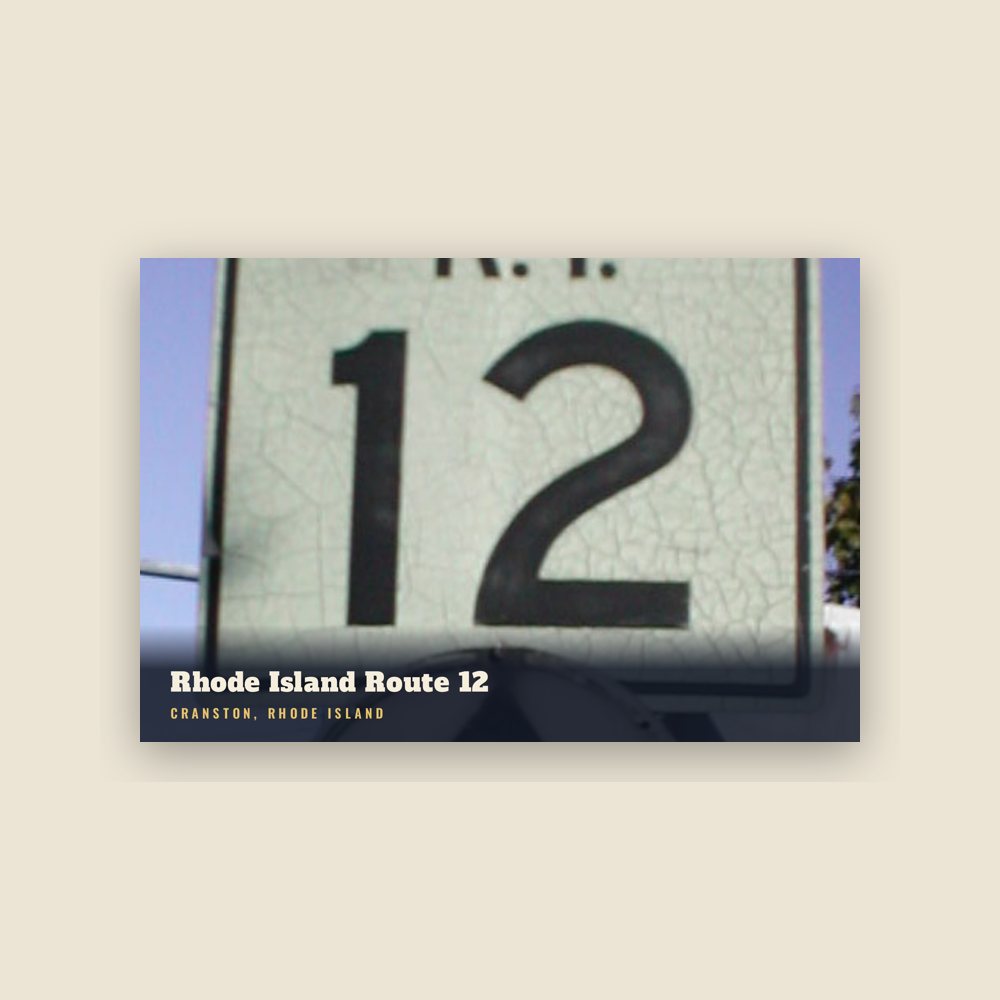
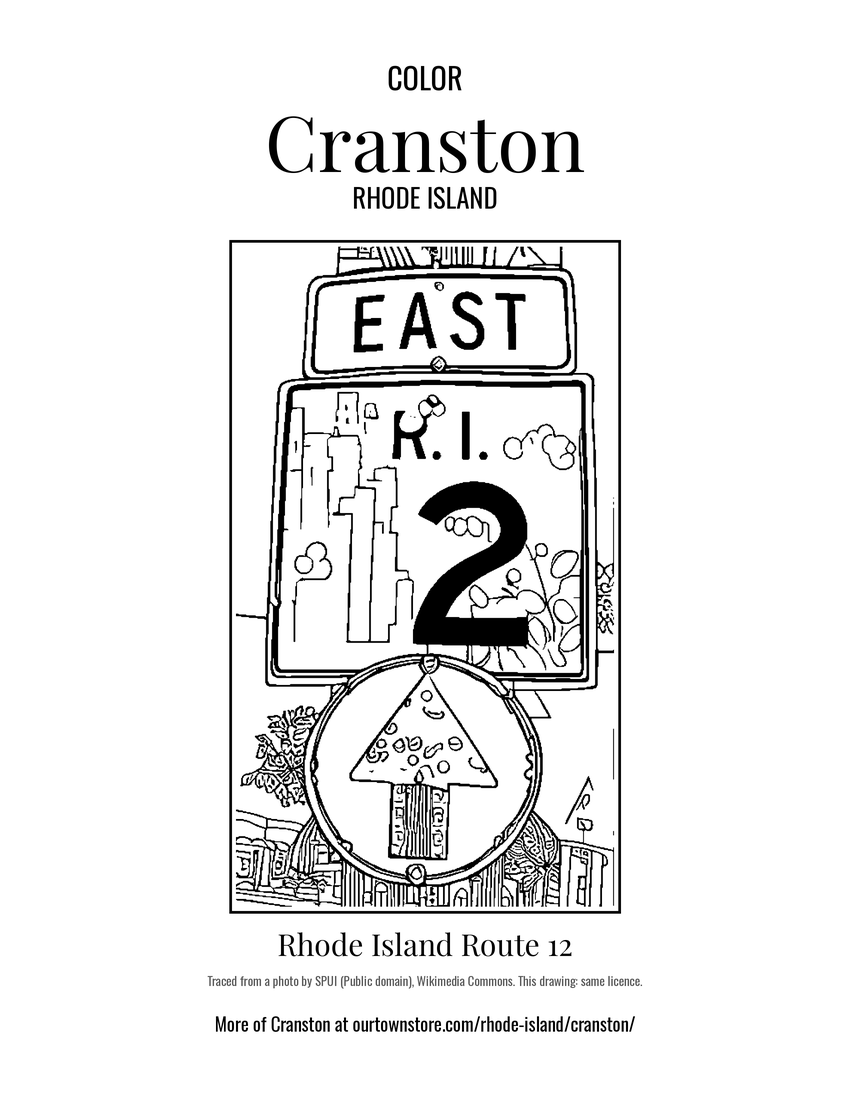 Rhode Island Route 12
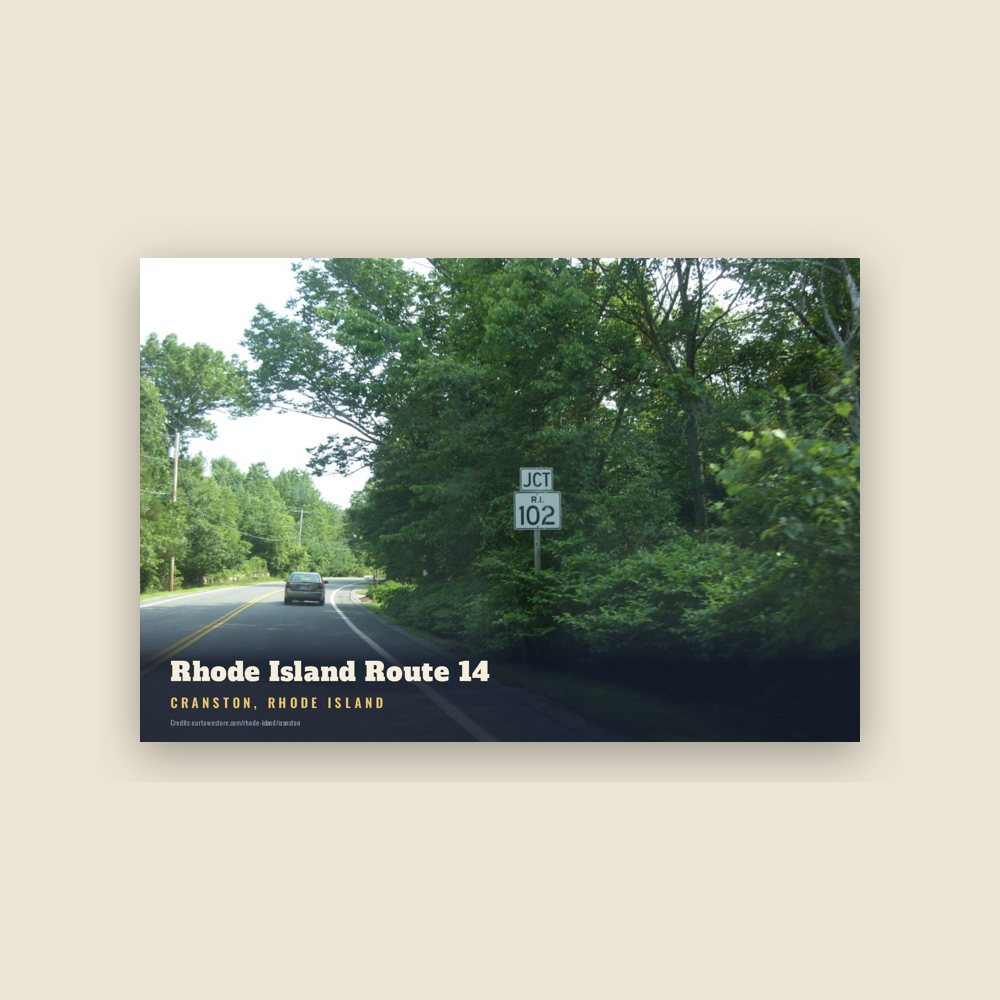
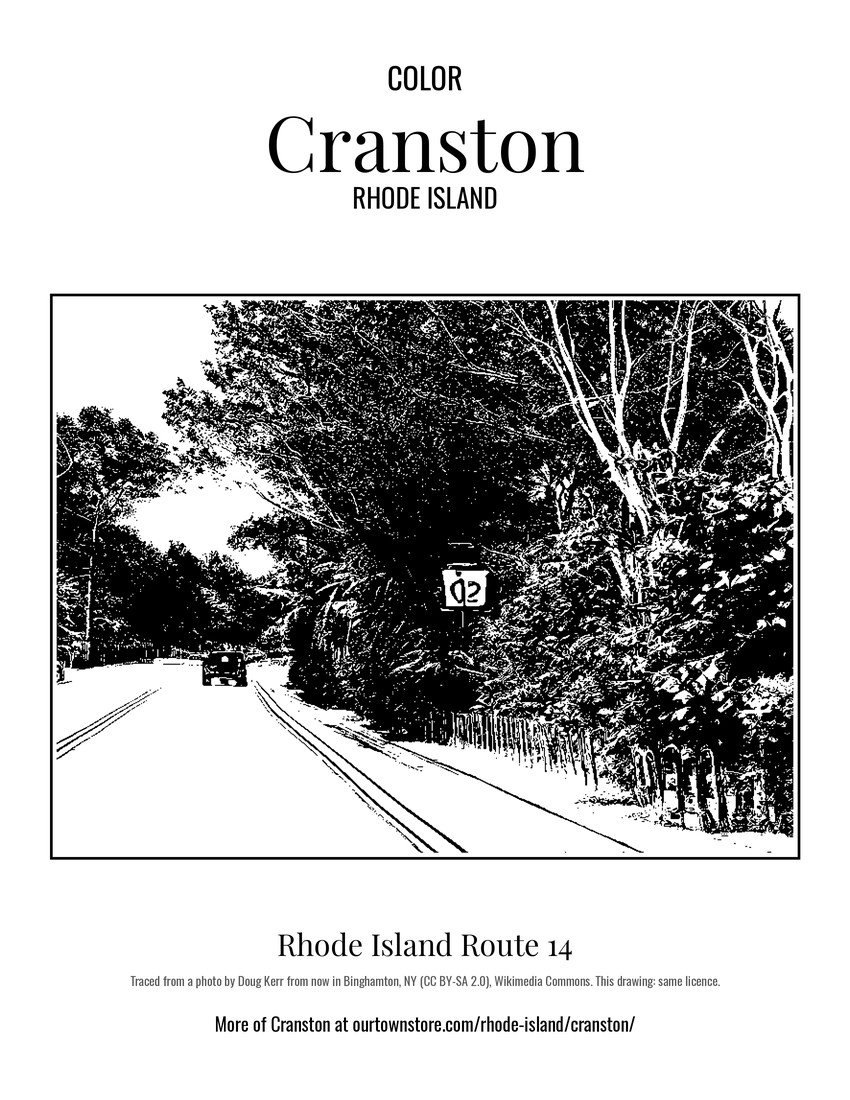 Rhode Island Route 14