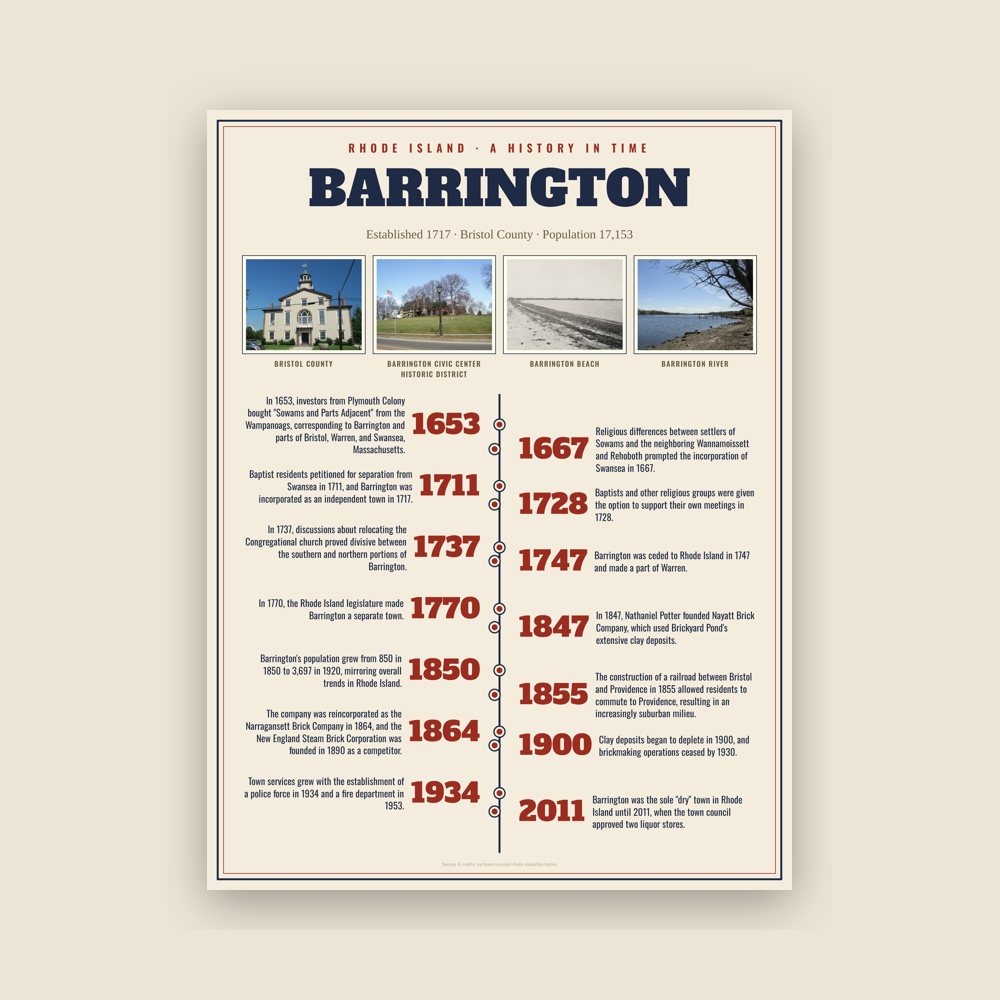
Barrington was originally occupied by the Wampanoag Indians, whose territory spread from Narragansett Bay to Cape Cod. But epidemics largely eliminated their coastal settlements, and their main settlement was roughly Bristol, Barrington, and Warren, Rhode Island at the time of the Pilgrims' arrival in 1620. The Narragansetts called the area Sowams. In 1653, investors from Plymouth Colony bought "Sowams and Parts Adjacent" from the Wampanoags, corresponding to Barrington and parts of Bristol, Warren, and Swansea, Massachusetts. Some areas in Barrington draw their name from the initial proprietors of this land, such as Prince's Hill, named for Thomas Prince.
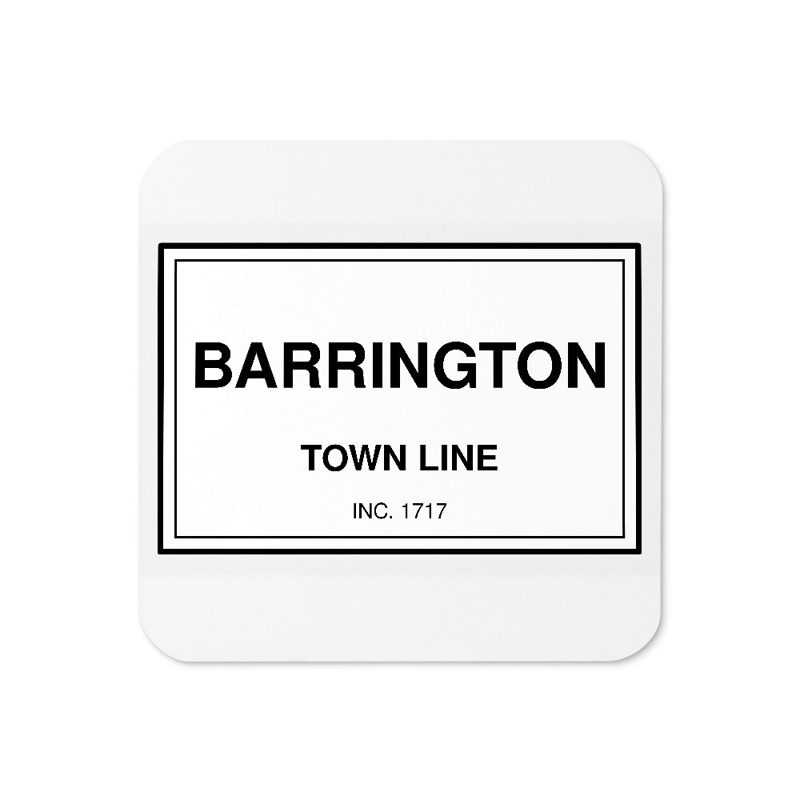
Religious differences between settlers of Sowams and the neighboring Wannamoissett and Rehoboth prompted the incorporation of Swansea in 1667. Plymouth created Bristol County in 1685 to improve administration of western lands, which was followed by a merger of the Plymouth and Massachusetts Bay colonies orchestrated by the British government. Baptist residents petitioned for separation from Swansea in 1711, and Barrington was incorporated as an independent town in 1717. Barrington likely received its name from Barrington, Somerset, the origin of several settlers. Barrington was ceded to Rhode Island in 1747 and made a part of Warren. In 1770, the Rhode Island legislature made Barrington a separate town.
Read the full history
Townhood
Agriculture provided the basis for Barrington's economy in the early decades. Farmers typically cultivated grains, especially corn, rye, oats, and barley. Many farmers planted fruit trees and some developed large orchards, as apple cider was an important commodity for trade. Farming significantly affected the landscape, separating large grassland fields with fencing and stone walls.
Religion continued to influence Barrington politics. The new Congregational Society was formally declared the town's religion, following Massachusetts custom. Taxes supported the Congregational minister until 1797, and he was employed by the town meeting. Baptists and other religious groups were given the option to support their own meetings in 1728. In 1737, discussions about relocating the Congregational church proved divisive between the southern and northern portions of Barrington. The southern area was the historical center of town where the Congregational church and original Sowams settlers had been. But rapid population increases shifted influence northward, where abundant marshland and fertile soil allowed farmers to establish large, successful farms. Ultimately, the church relocated to the north, using a lot provided by Joshua Bicknell along County Road. The north continued to develop due to a combination of commercial establishments (mainly taverns and inns) and farmhouses near the relocated church.
Industrial production and suburbanization
In 1847, Nathaniel Potter founded Nayatt Brick Company, which used Brickyard Pond's extensive clay deposits. The company was reincorporated as the Narragansett Brick Company in 1864, and the New England Steam Brick Corporation was founded in 1890 as a competitor. Brick production resulted in road-building, visits from seafaring vessels, and other such economic activity. These companies' original employees were mainly of French-Canadian descent, but Italians immigrated to the U.S. as a result of economic depression in the 1880s. A few hundred came to Barrington and worked at the brickyard, and their descendants make up a significant portion of the town population. Barrington's population grew from 850 in 1850 to 3,697 in 1920, mirroring overall trends in Rhode Island. Clay deposits began to deplete in 1900, and brickmaking operations ceased by 1930.
The construction of a railroad between Bristol and Providence in 1855 allowed residents to commute to Providence, resulting in an increasingly suburban milieu. The railroad led to the creation of several manufacturing industries in West Barrington, such as O'Bannon Mill and Rhode Island Laceworks (which provided commercial firefighting services for the town). New public facilities were also constructed during this period, such as a high school, town hall, and library. Developments catered to wealthy residents of urban areas who came to Barrington in the summer for its location near the shore, such as the Barrington Yacht Club and Rhode Island Country Club.
Modern era
Manufacturing establishments continued to operate in West Barrington throughout the 20th century. Throughout the 1930s, the Neweth Rubber Company produced retread tires, but its building burned down in the 1940s and was not rebuilt. Rhode Island Laceworks continued to operate until 1990, when its owners deemed profits insufficient. The 1938 New England hurricane caused considerable damage to homes along the shoreline and pleasure craft, and railroad service was discontinued shortly afterward.
Trends continued towards suburbanization, spurred by the availability of the automobile and the later post–World War II baby boom. Commercial establishments on County Road further reduced the need for outside travel and significantly altered the existing town landscape. Barrington Shopping Center was constructed in 1948 and included a supermarket, pharmacy, and bank; two smaller shopping centers were constructed afterward. Six schools comprise Barrington's modern education system, constructed throughout the 1950s. Town services grew with the establishment of a police force in 1934 and a fire department in 1953. Rapid population growth led the town to adopt a council-manager charter in 1960. New churches also opened, accommodating Roman Catholic, Baptist, Methodist, and Presbyterian citizens. In the 1980s, the East Bay Bike Path was constructed along the former railroad lines connecting Providence to Bristol. In the 1990s, the American Civil Liberties Union (ACLU) sued the town for its Christmas display, which featured a crèche. The town removed the display, and someone placed a privately owned scene on the road neighboring the town hall. Similarly, a lawsuit filed in 1996 by the ACLU regarding the town's decision to plow church parking lots for free was not contested. Barrington was the sole "dry" town in Rhode Island until 2011, when the town council approved two liquor stores.
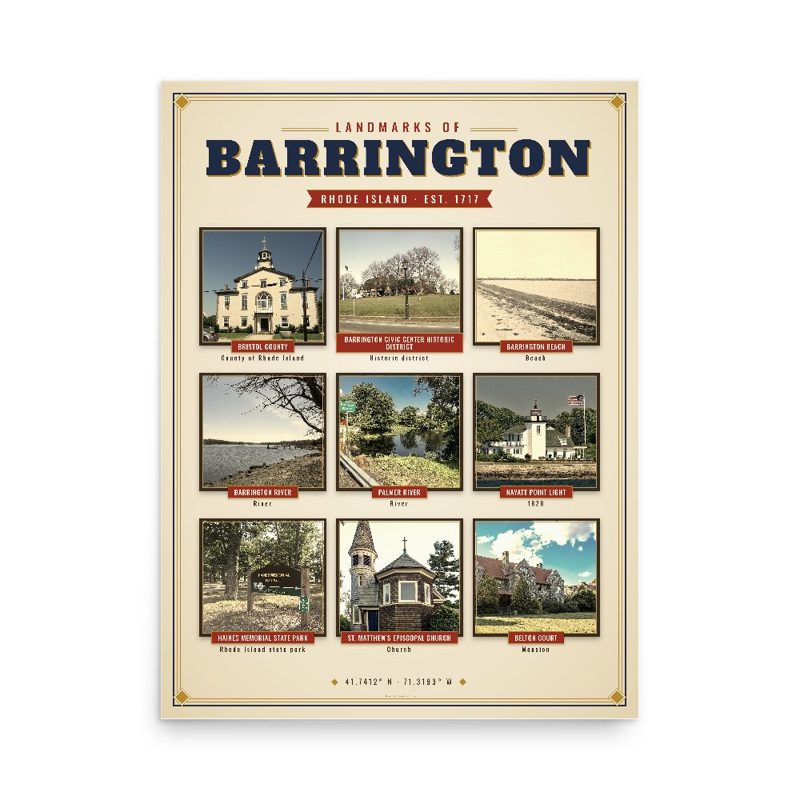
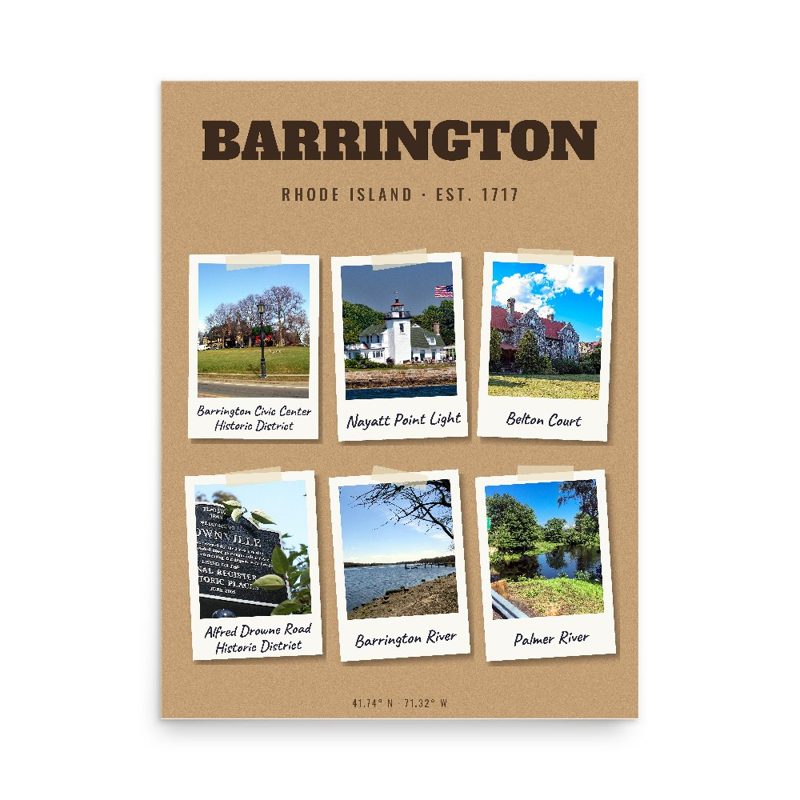
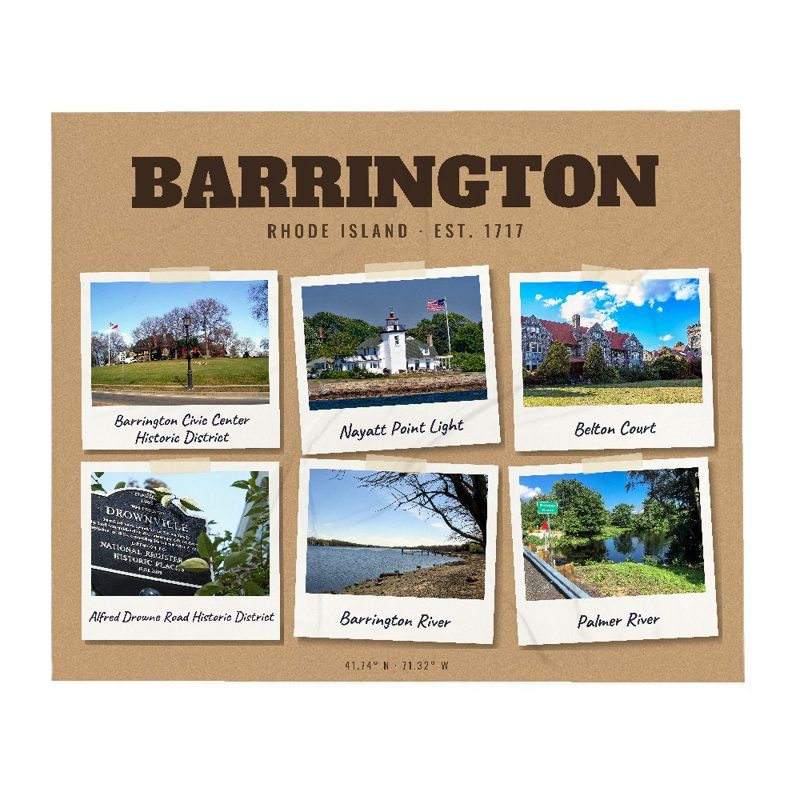
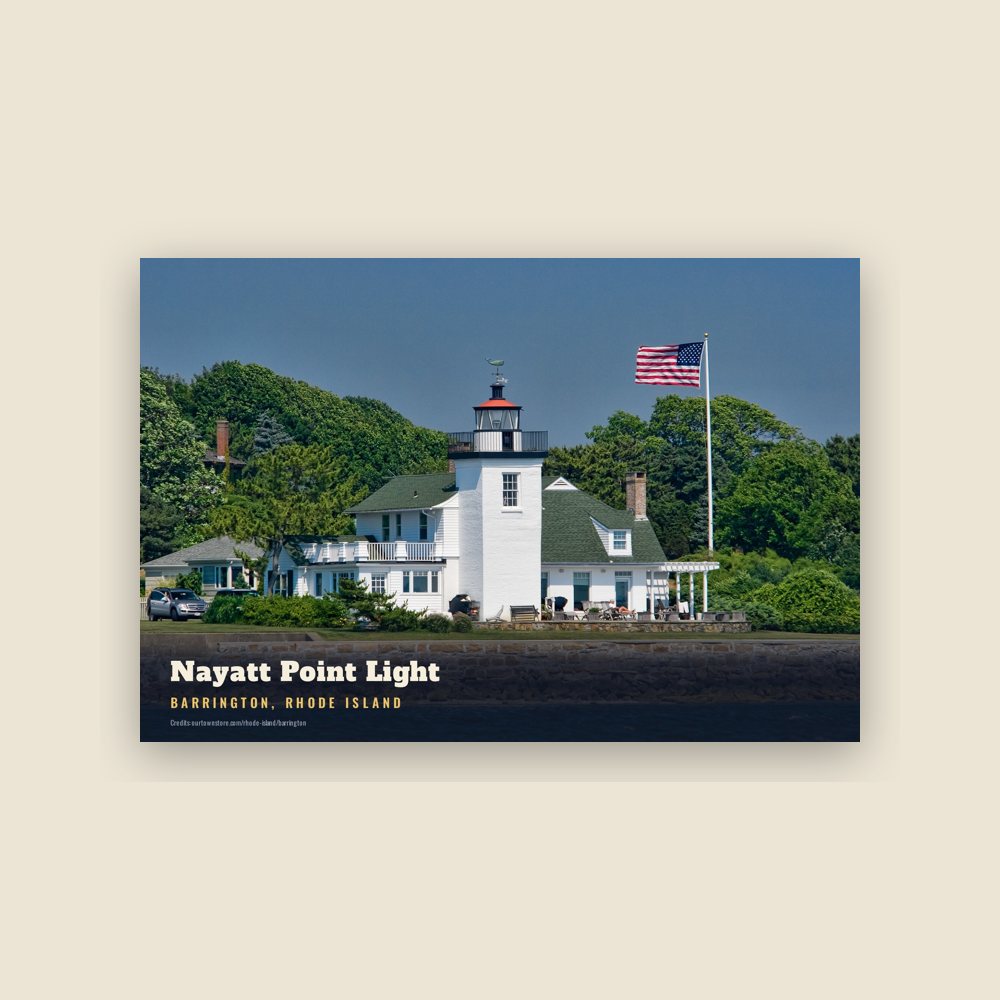
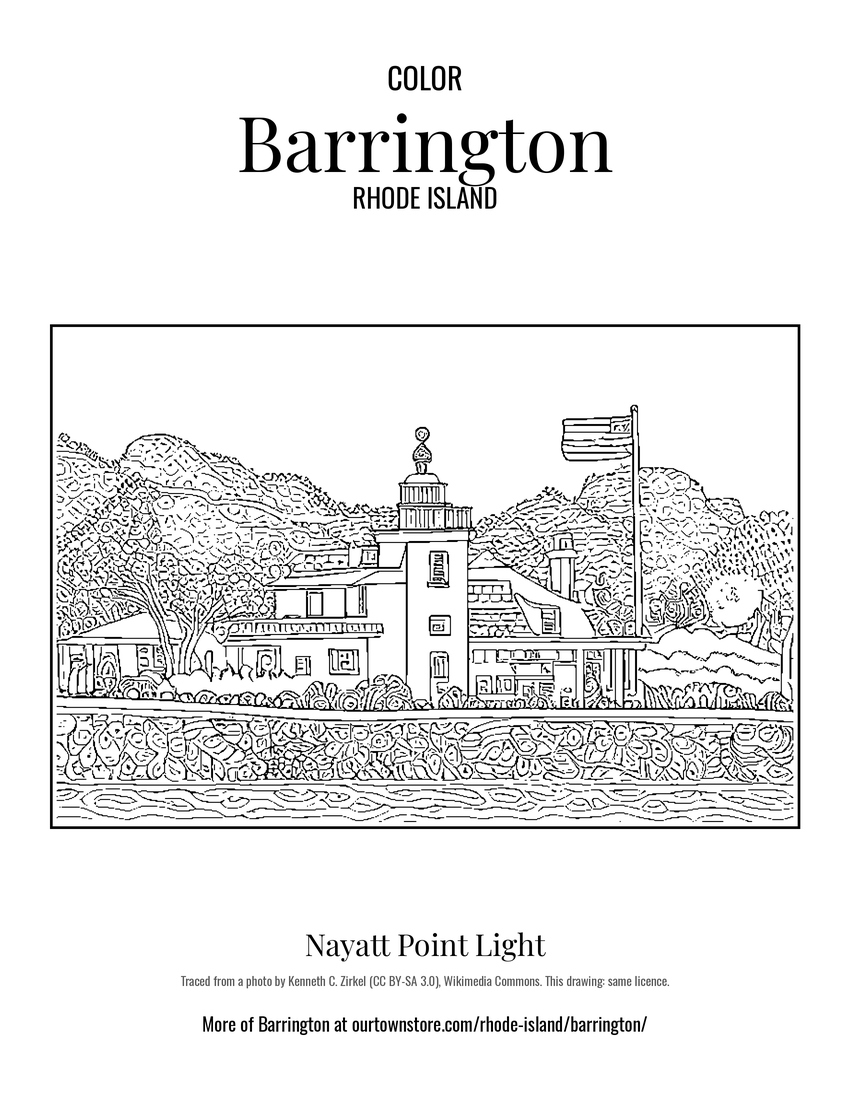 Nayatt Point Light
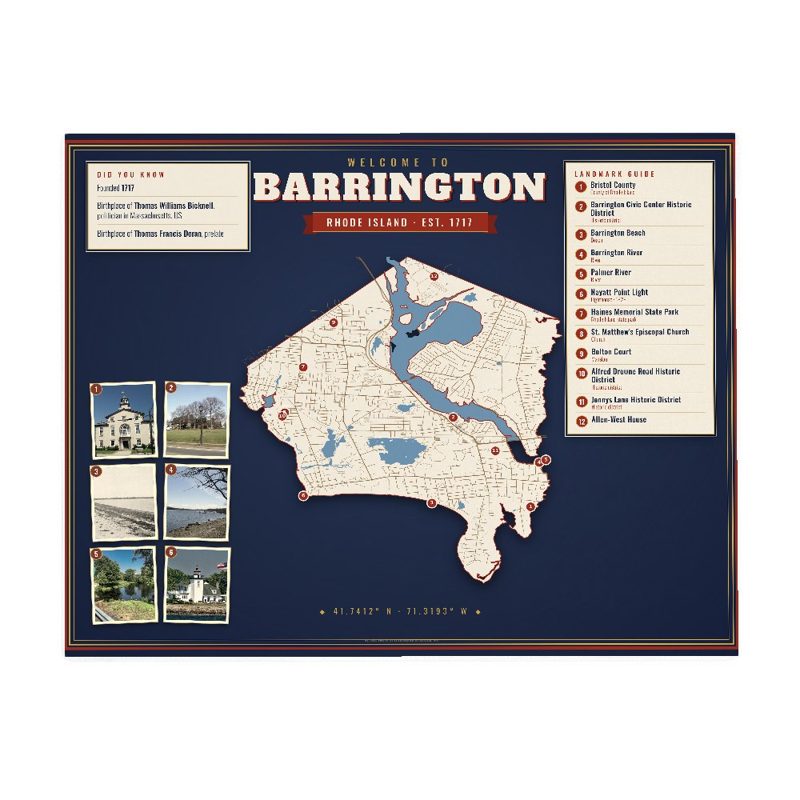
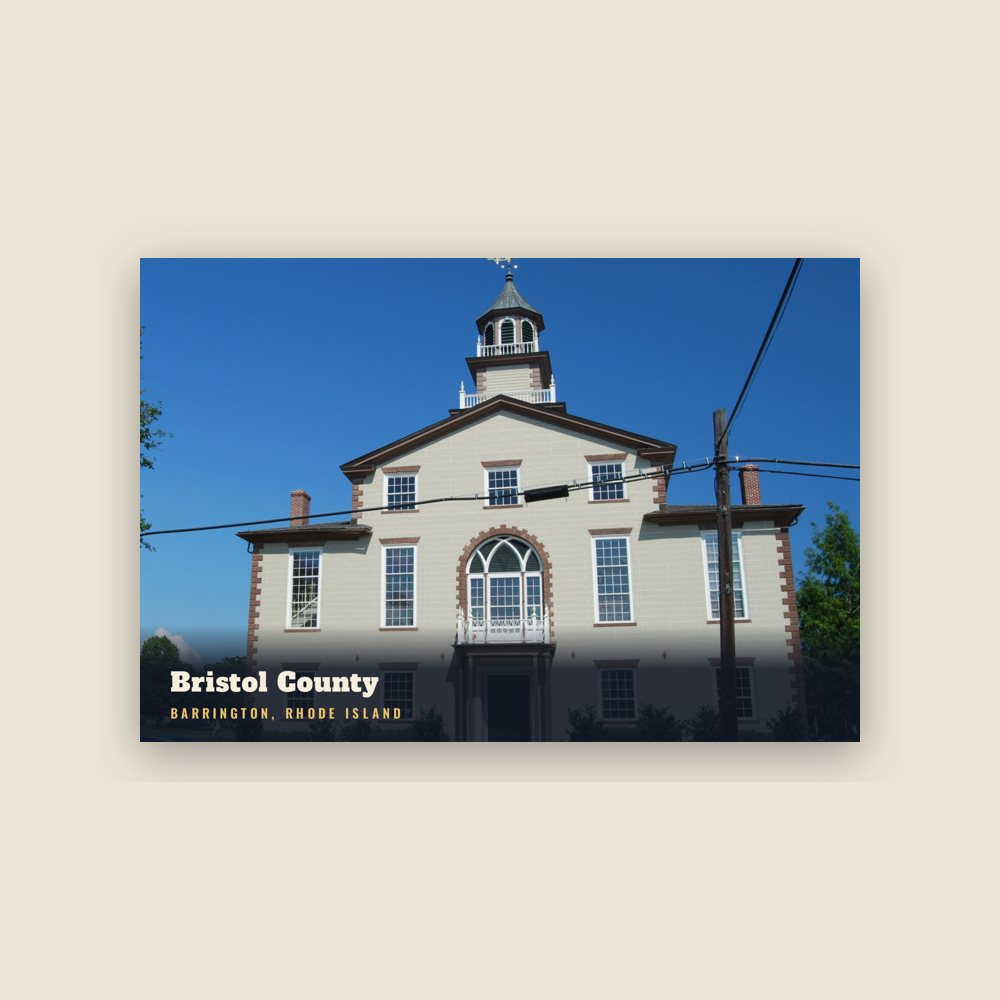
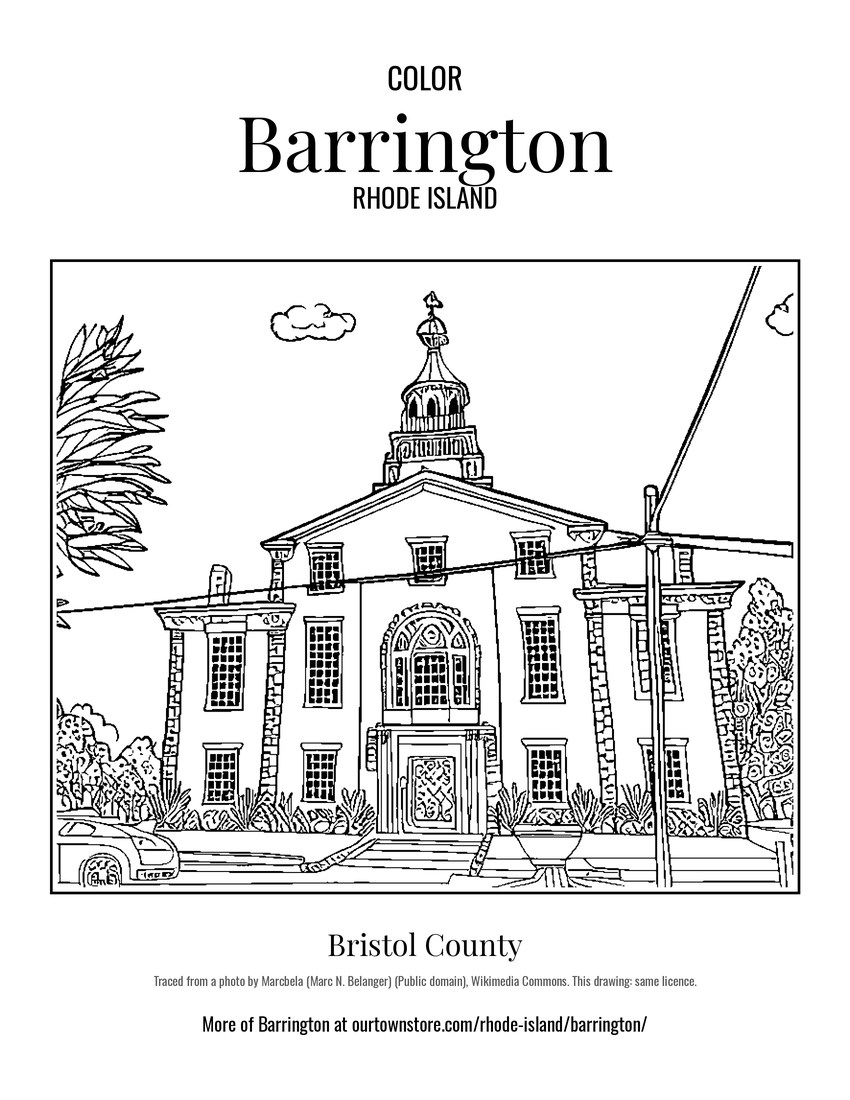 Bristol County
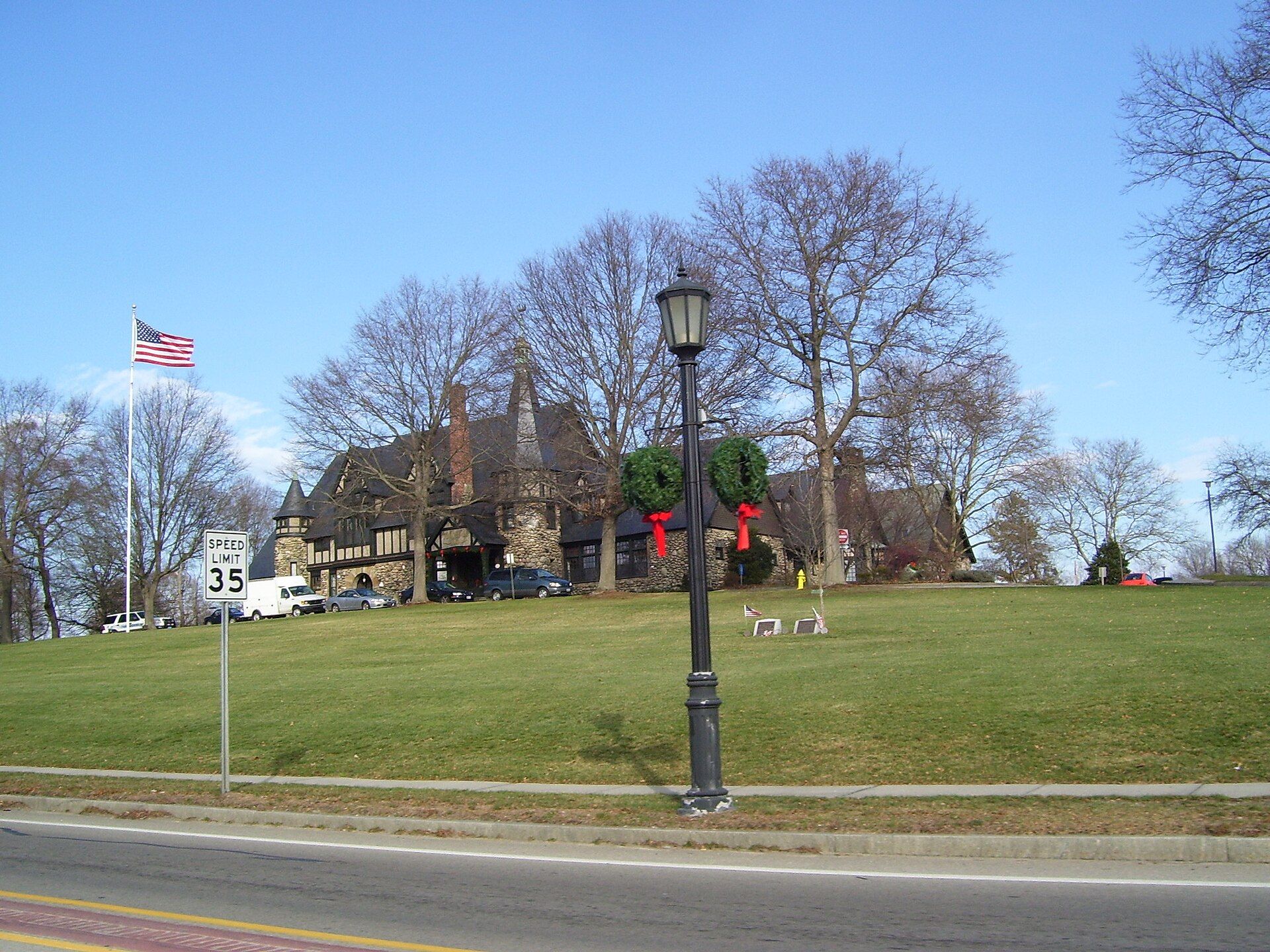
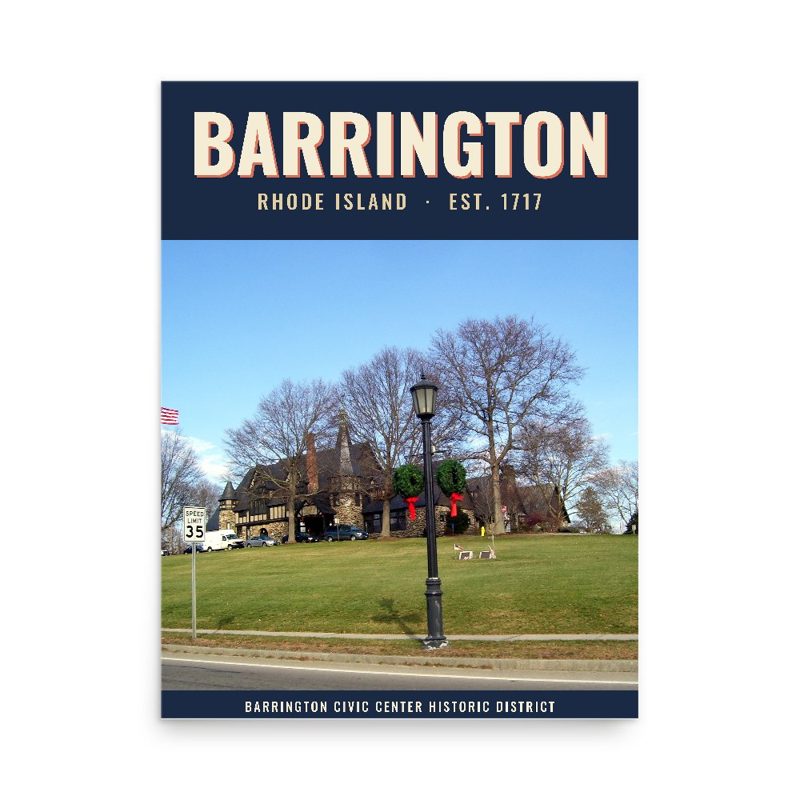
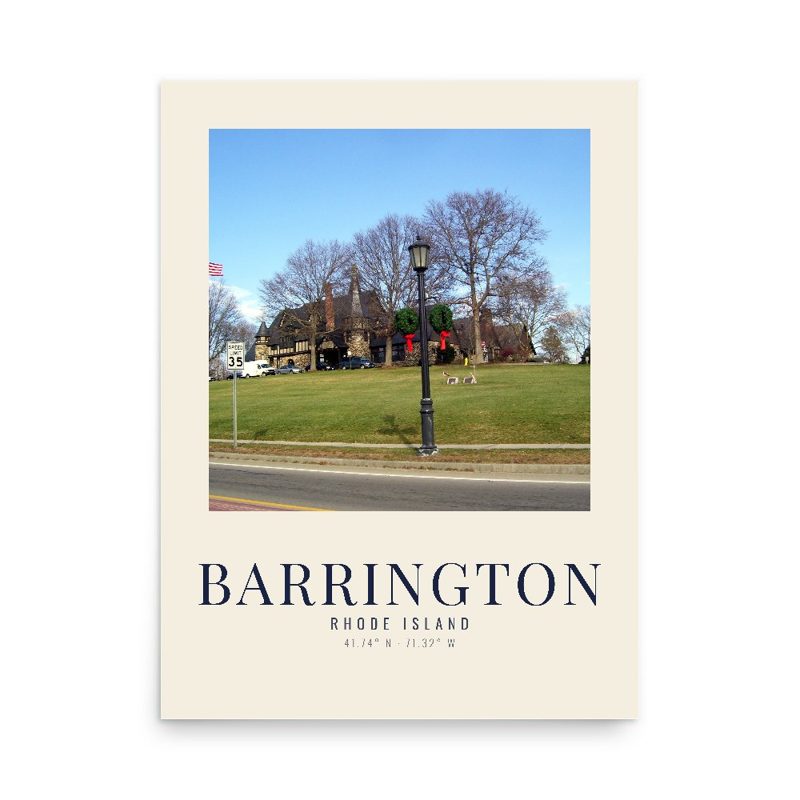
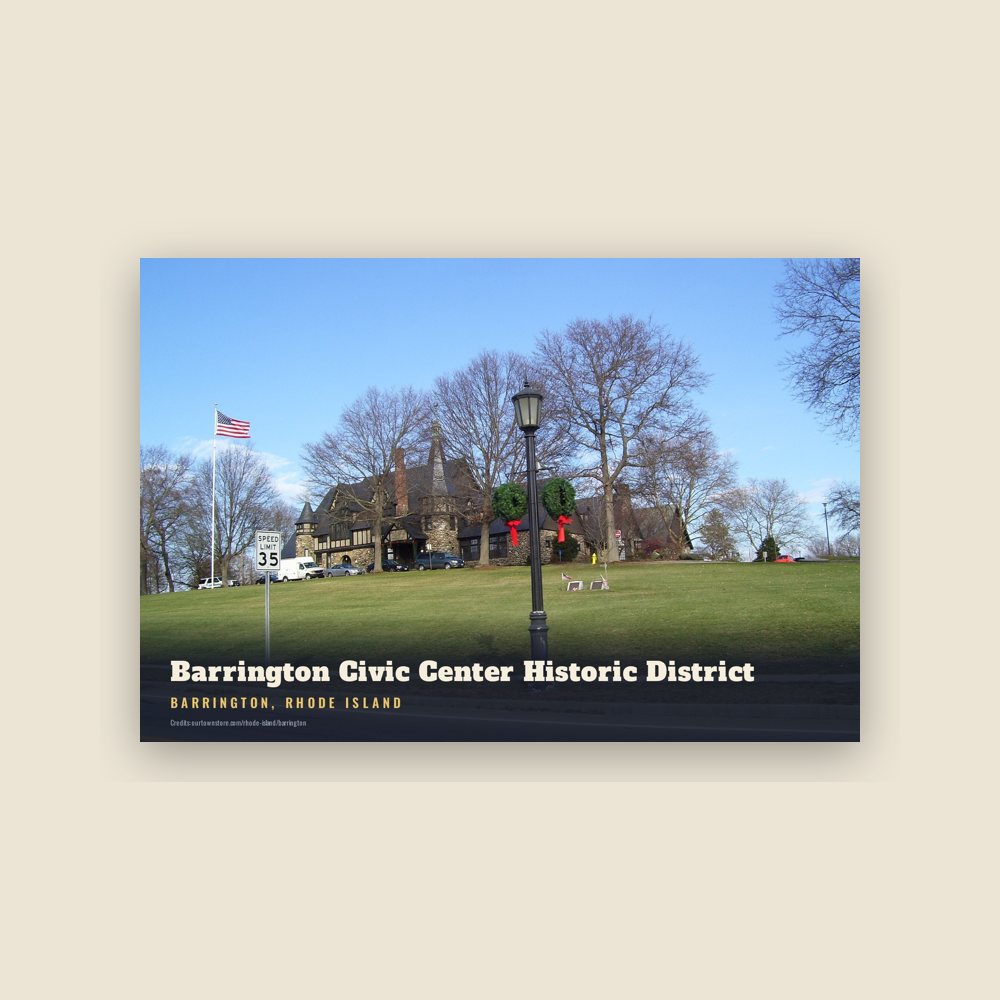
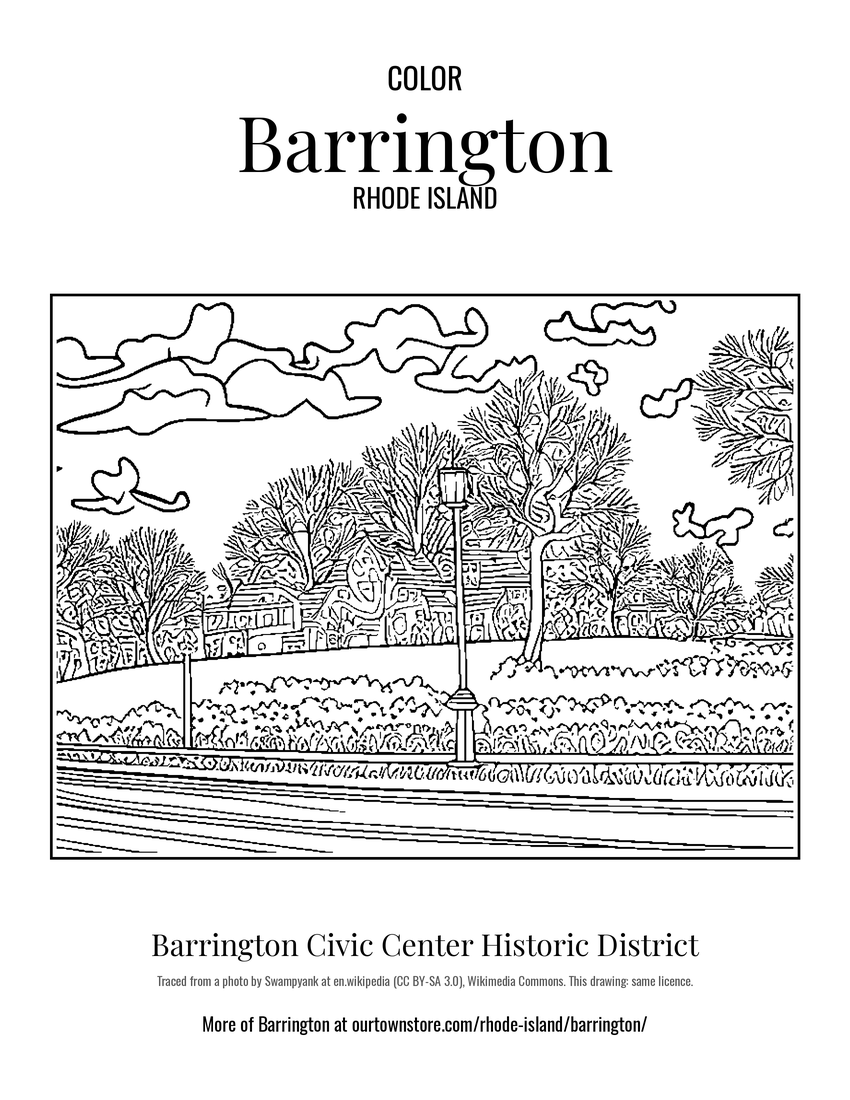 Barrington Civic Center Historic District
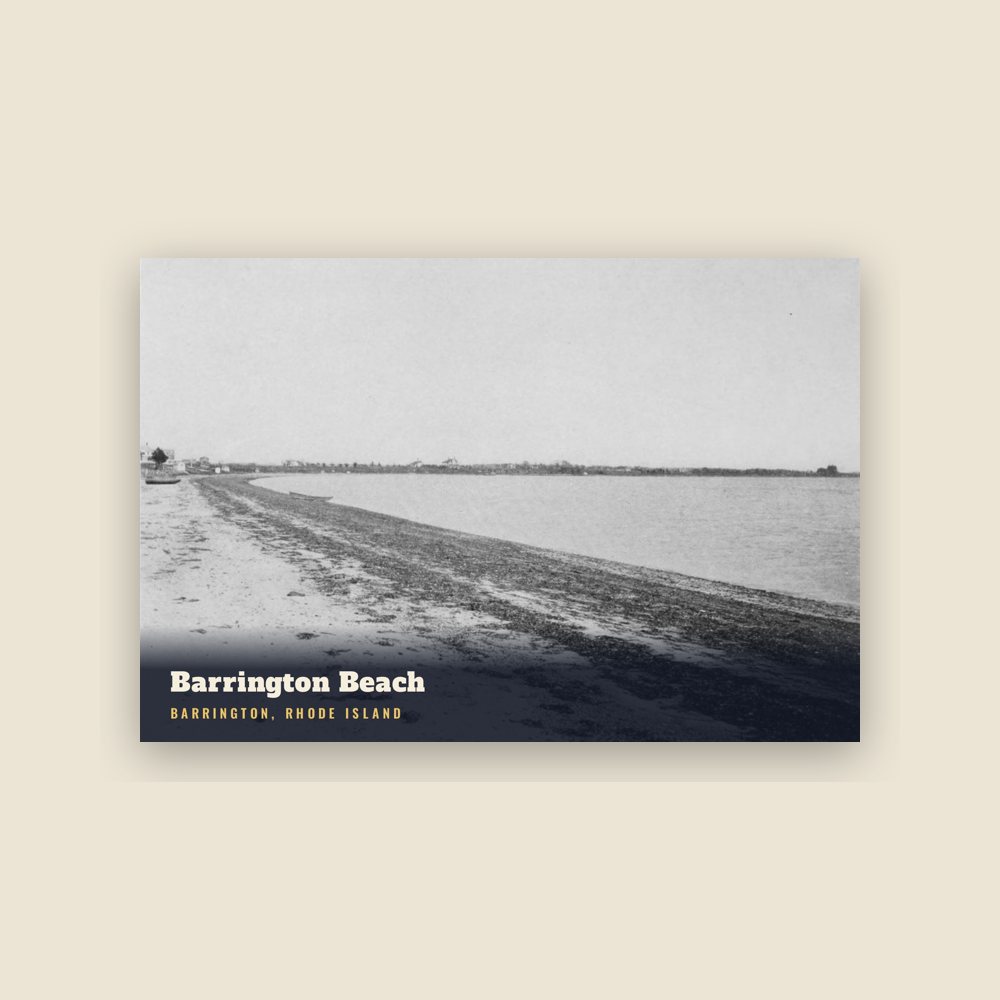
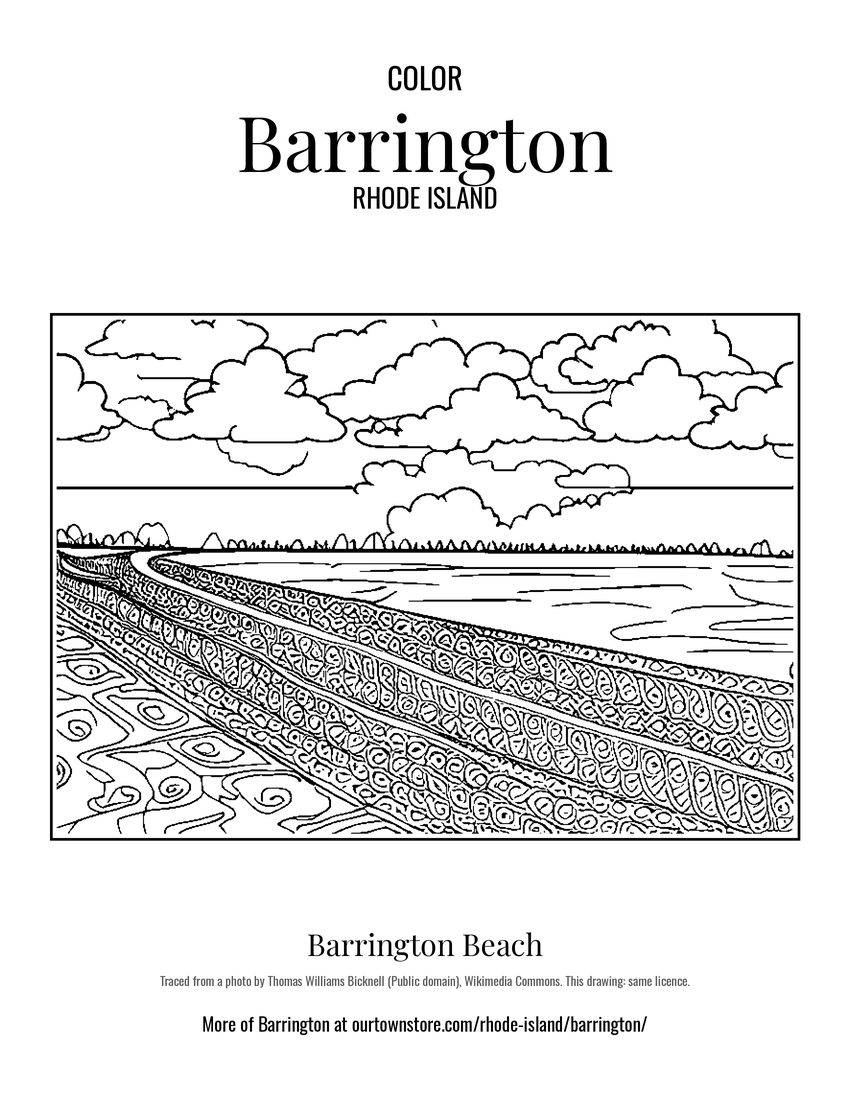 Barrington Beach