A short history of North Providence
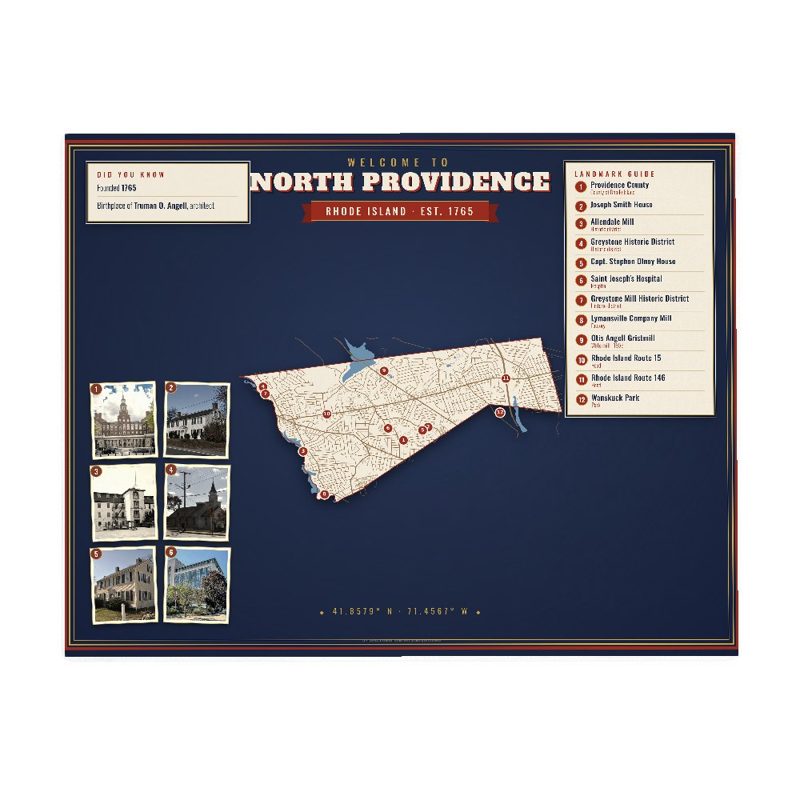
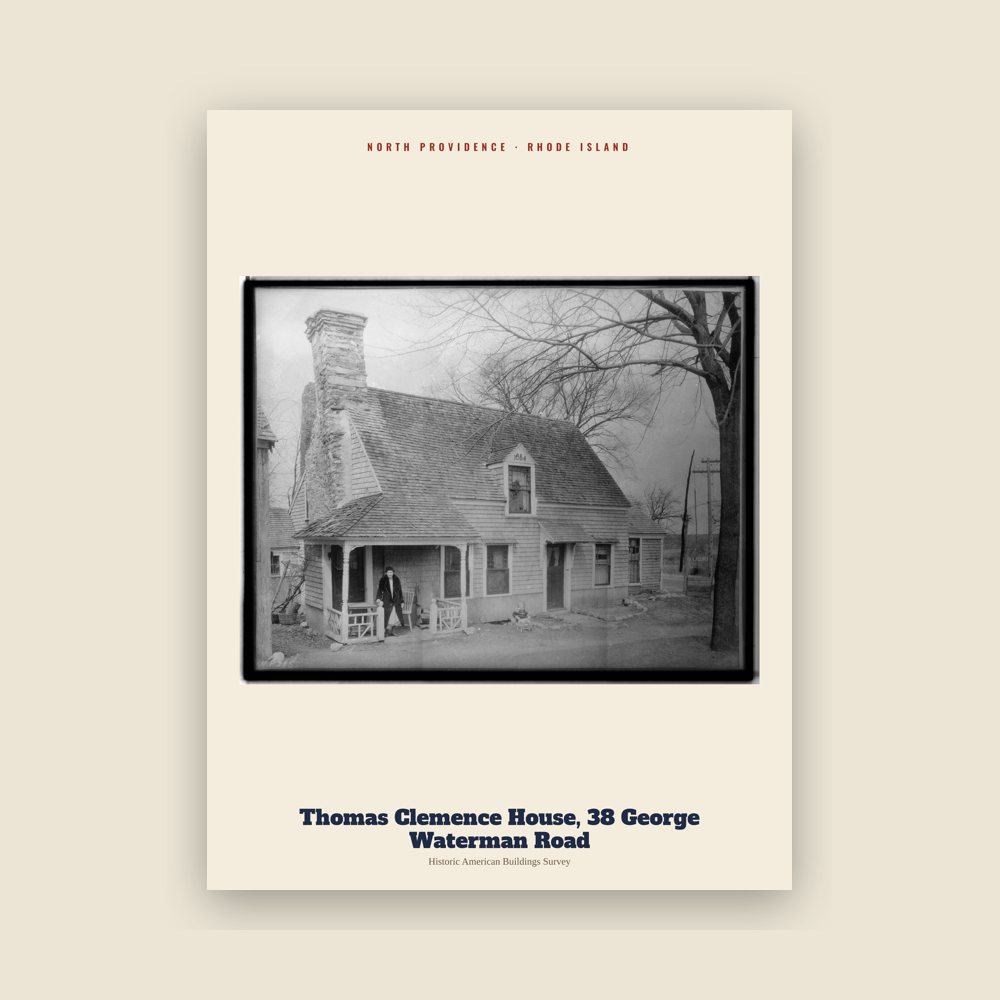
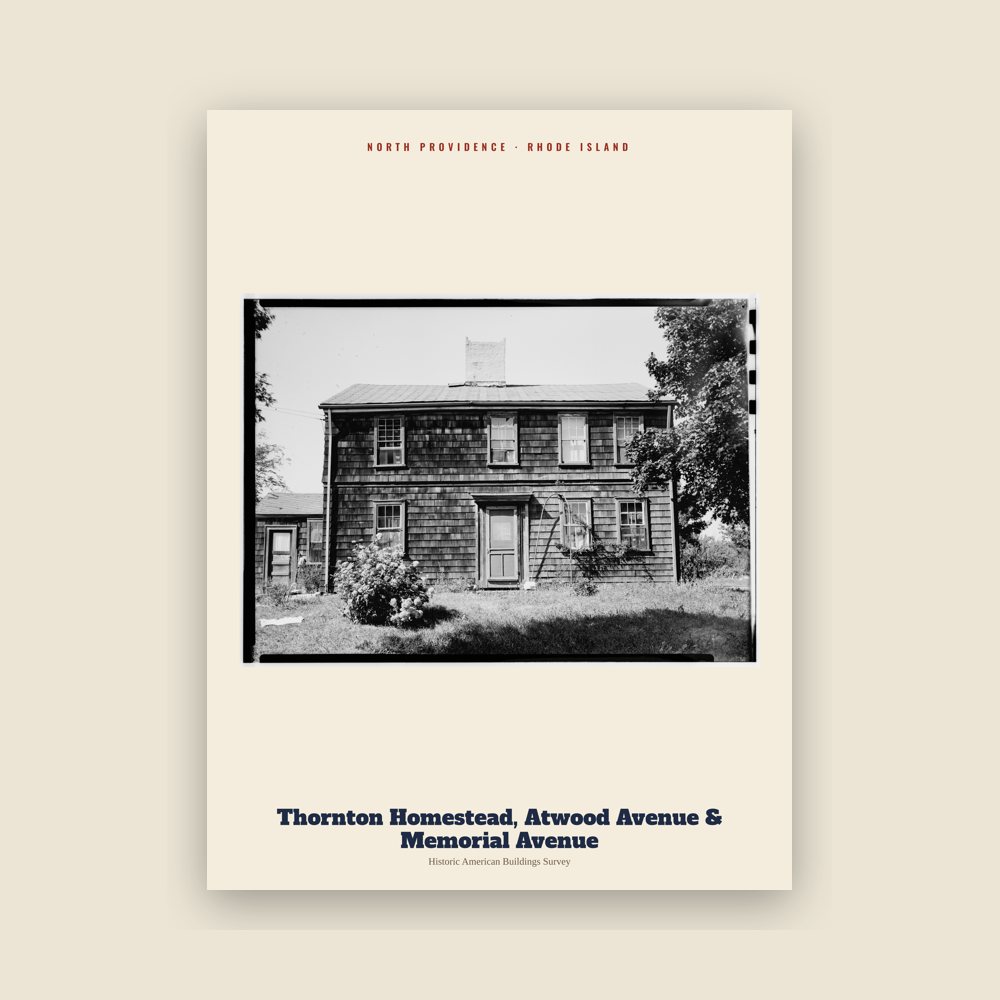
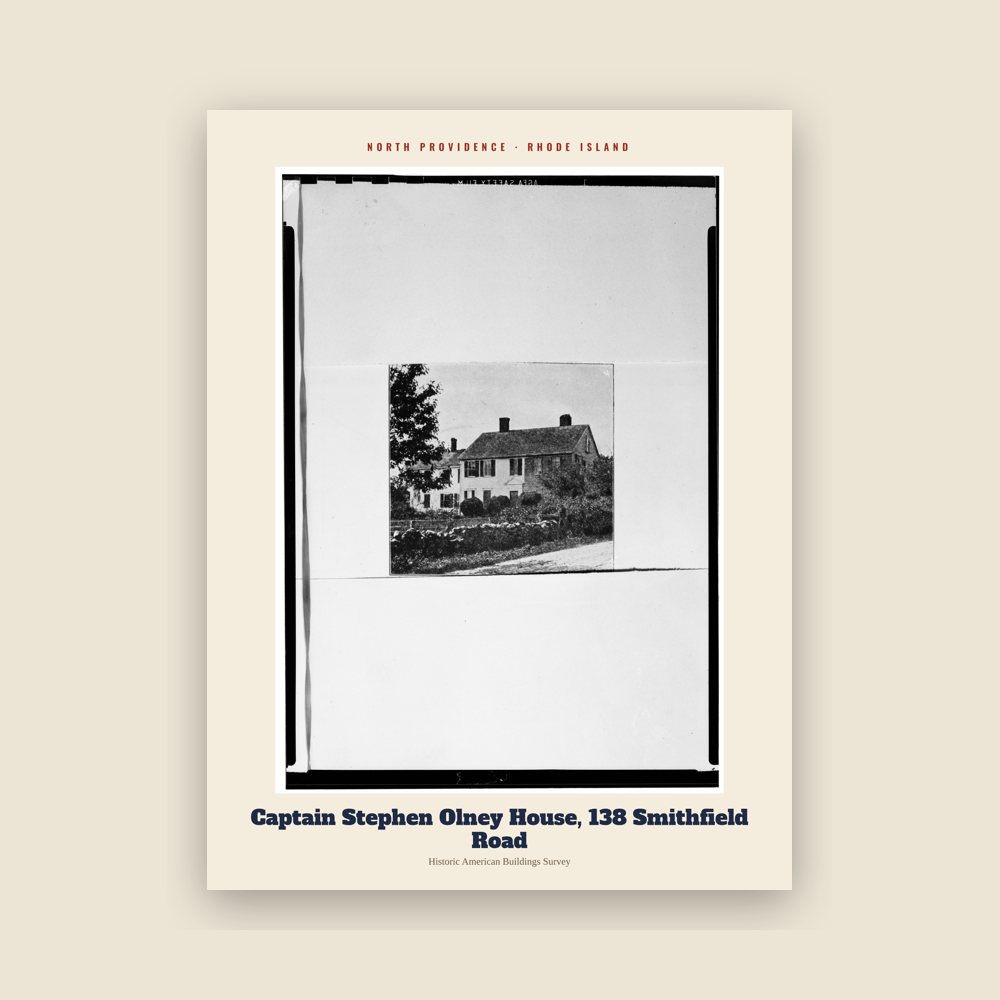
Settled shortly after the arrival of Roger Williams in 1636, North Providence was incorporated as a town in 1765. The originally incorporated town area included sections of the present-day cities of Providence and Pawtucket. Early colonial settlers in North Providence built stone-ender houses, such as the Joseph Smith House (1705) at 109 Smithfield Road, which is now listed in the National Register of Historic Places. In 1793, the first fully mechanized cotton-spinning mill in the United States, Slater Mill, was founded by Samuel Slater on the banks of the Blackstone River in North Providence. In 1874, the eastern section of North Providence where Slater Mill is located became Pawtucket, resulting in a large population decrease.
From at least 1921–1971, the Centredale Manor area of North Providence was contaminated by textile, chemical, and drum recycling industries that discarded toxic liquids and wastes into the surrounding soil and river (EPA 1999).
In 2000, the United States Environmental Protection Agency declared a 9-acre (36,000 m2) area including parts of Centredale Manor and Brook Village, both affordable housing units for senior citizens, a superfund site. The agency documented high levels of toxic chemicals like dioxin, VOCs, and PCBs in fish as well as soil from the area. Because of this the area has been fenced off from the community with warning signs against eating contaminated fish, and is undergoing evaluation for clean-up.
On May 4, 2010, three members of the North Providence Town Council were arrested by the FBI and charged in Federal Court with taking a $25,000 bribe so that a developer could build a supermarket in their town. After the arrests, Councilman Mansuet J. Giusti would become the new Town Council President and lead the remaining members out of difficult times to regain the trust of the public.
Adapted (trimmed) from the Wikipedia article North Providence, Rhode Island, revision 1374776824 by its contributors, licensed CC BY-SA 4.0.
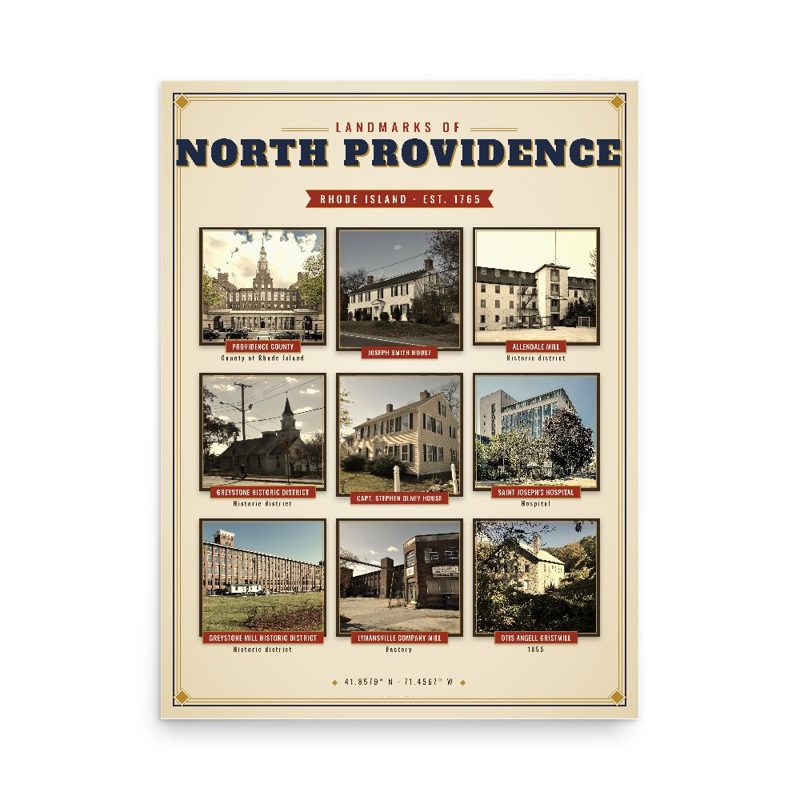
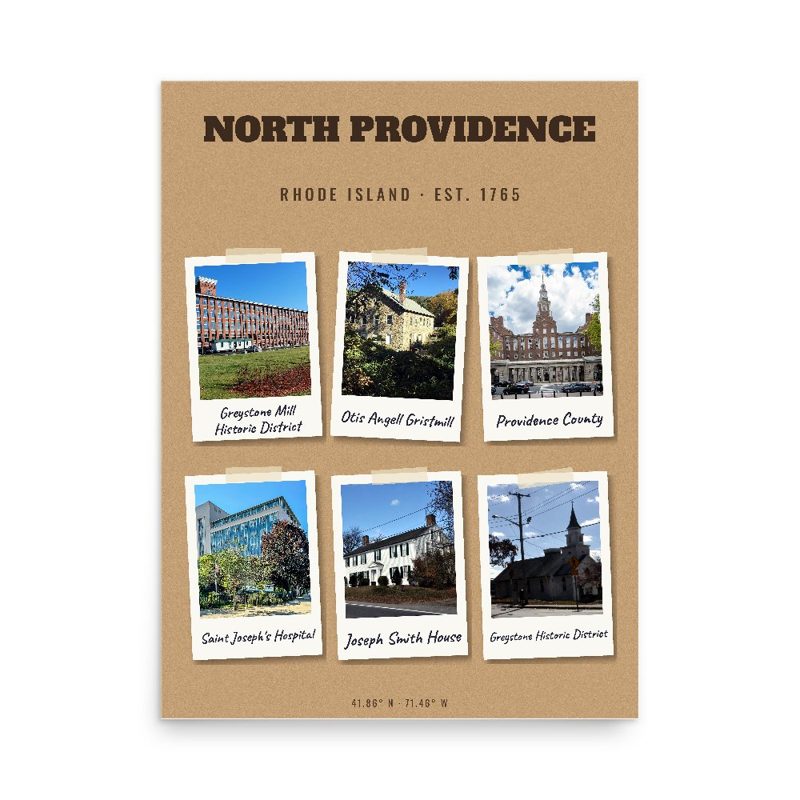
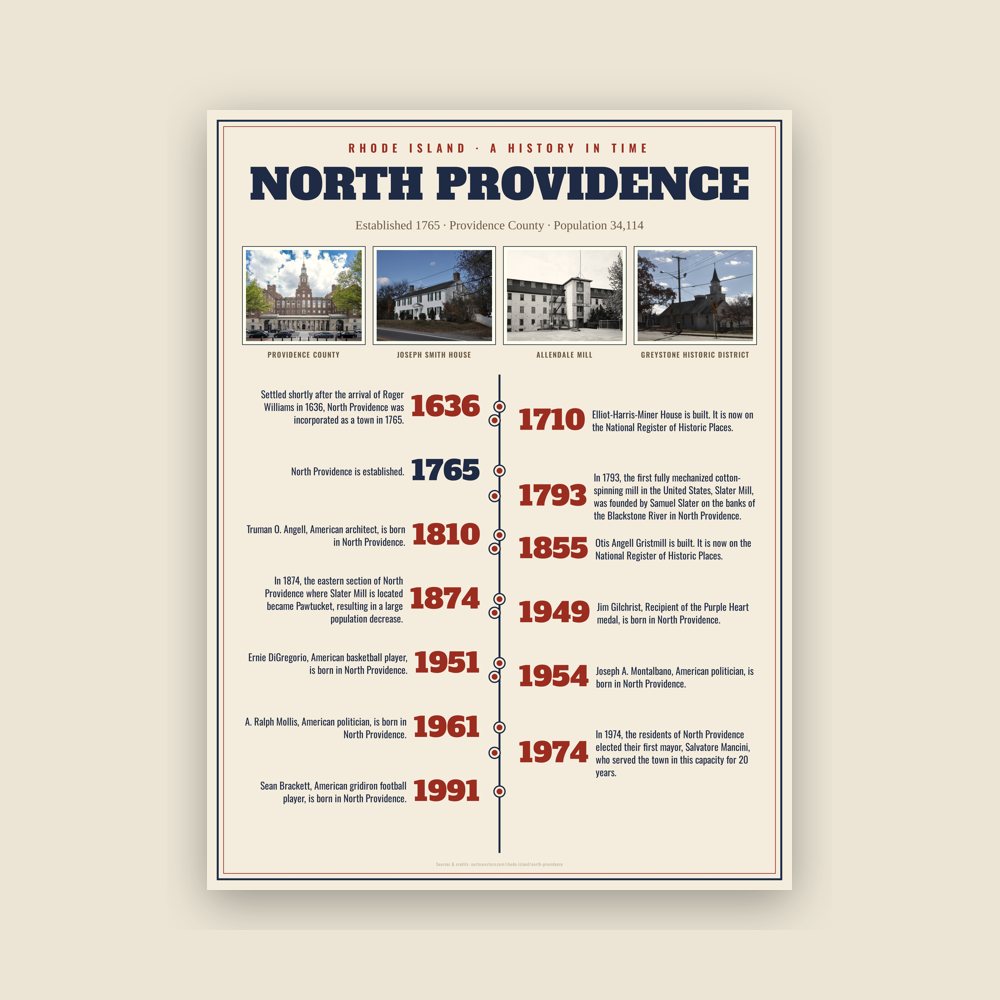









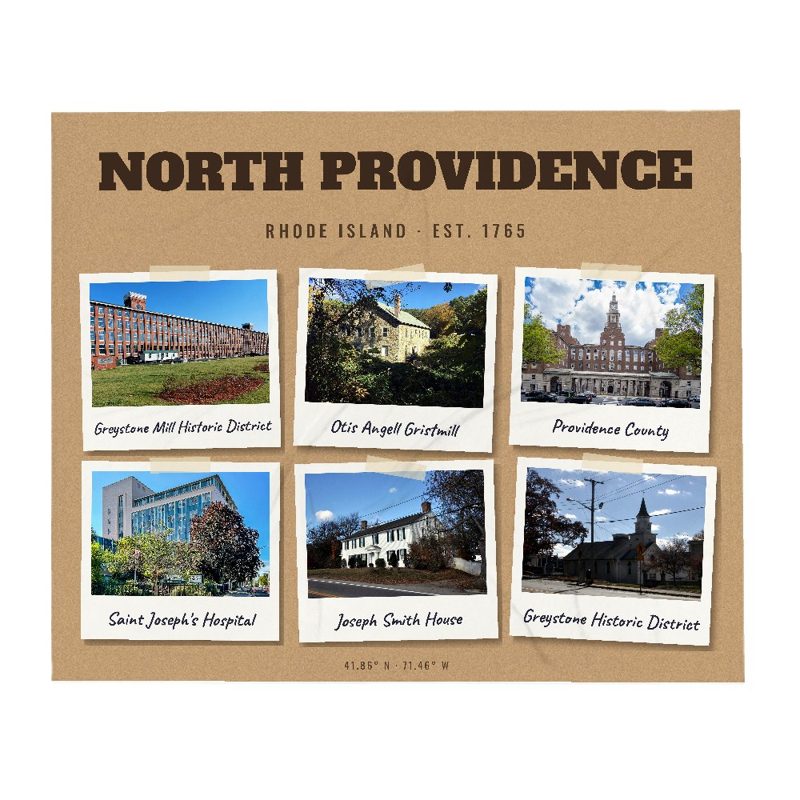
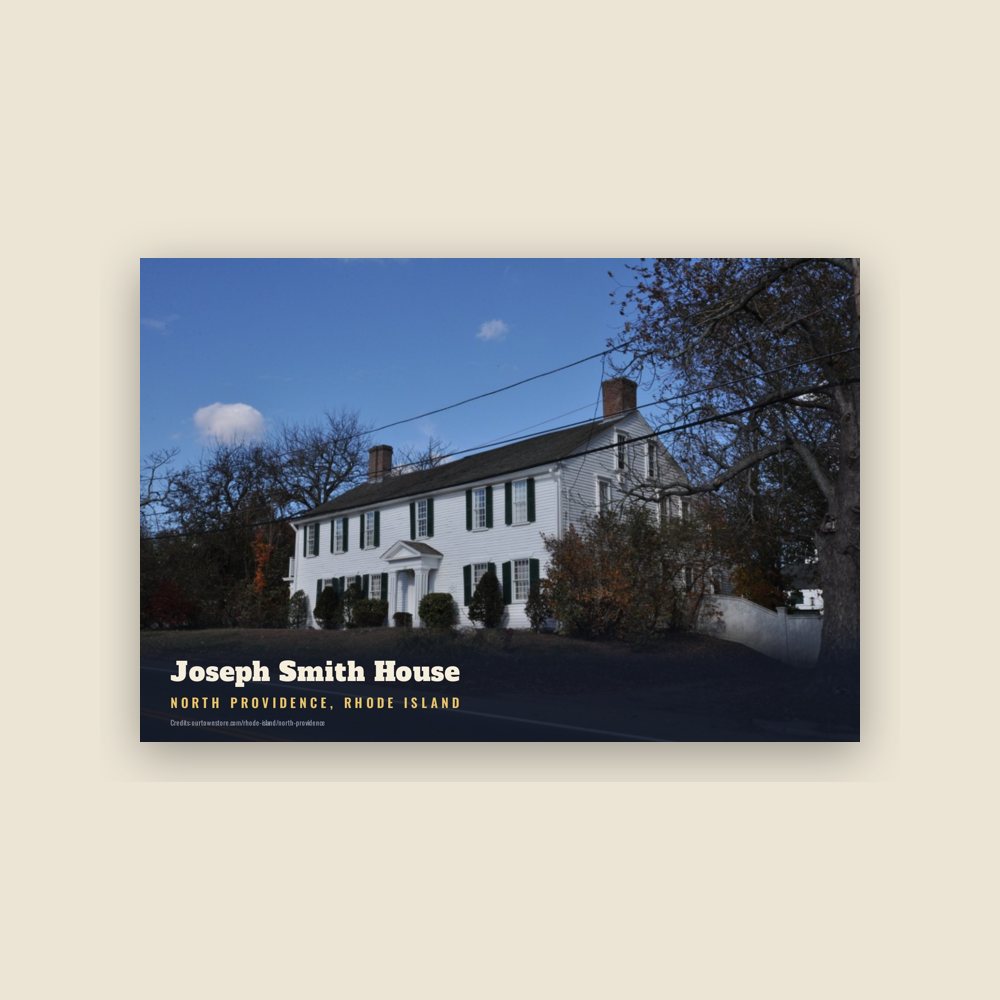
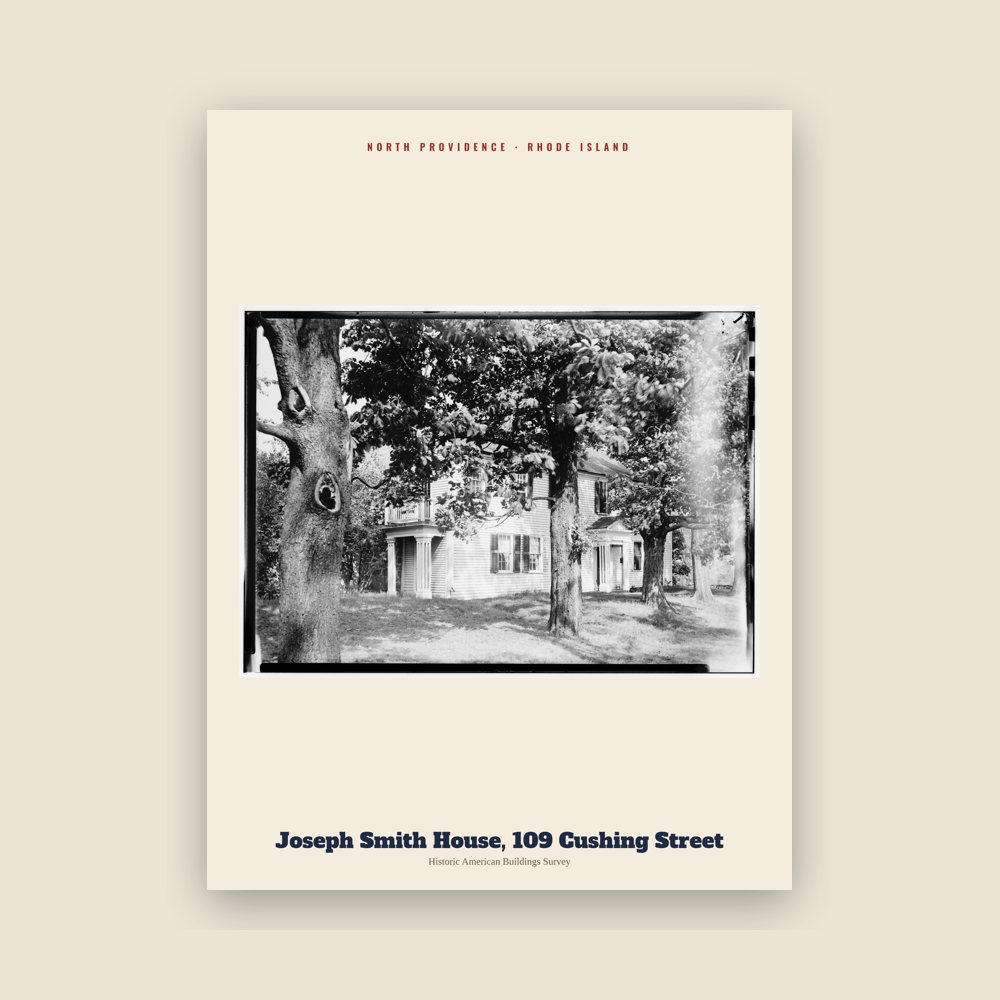
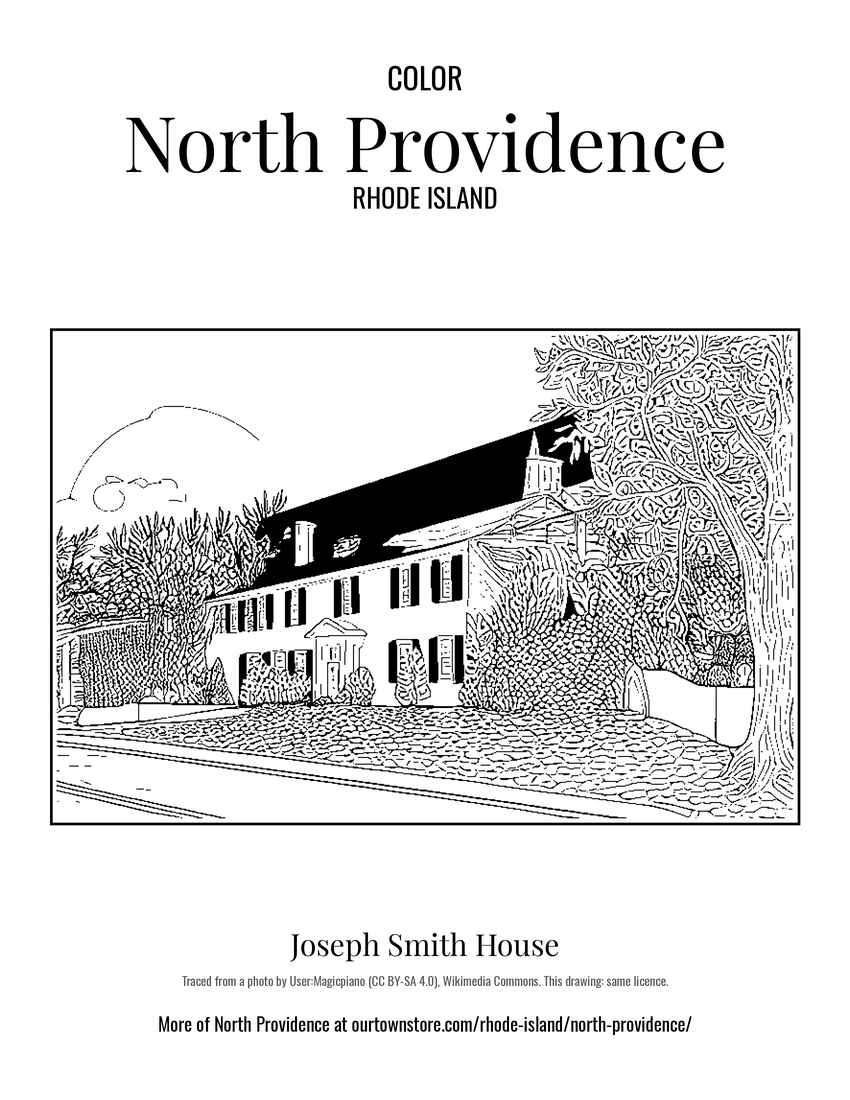 Joseph Smith House
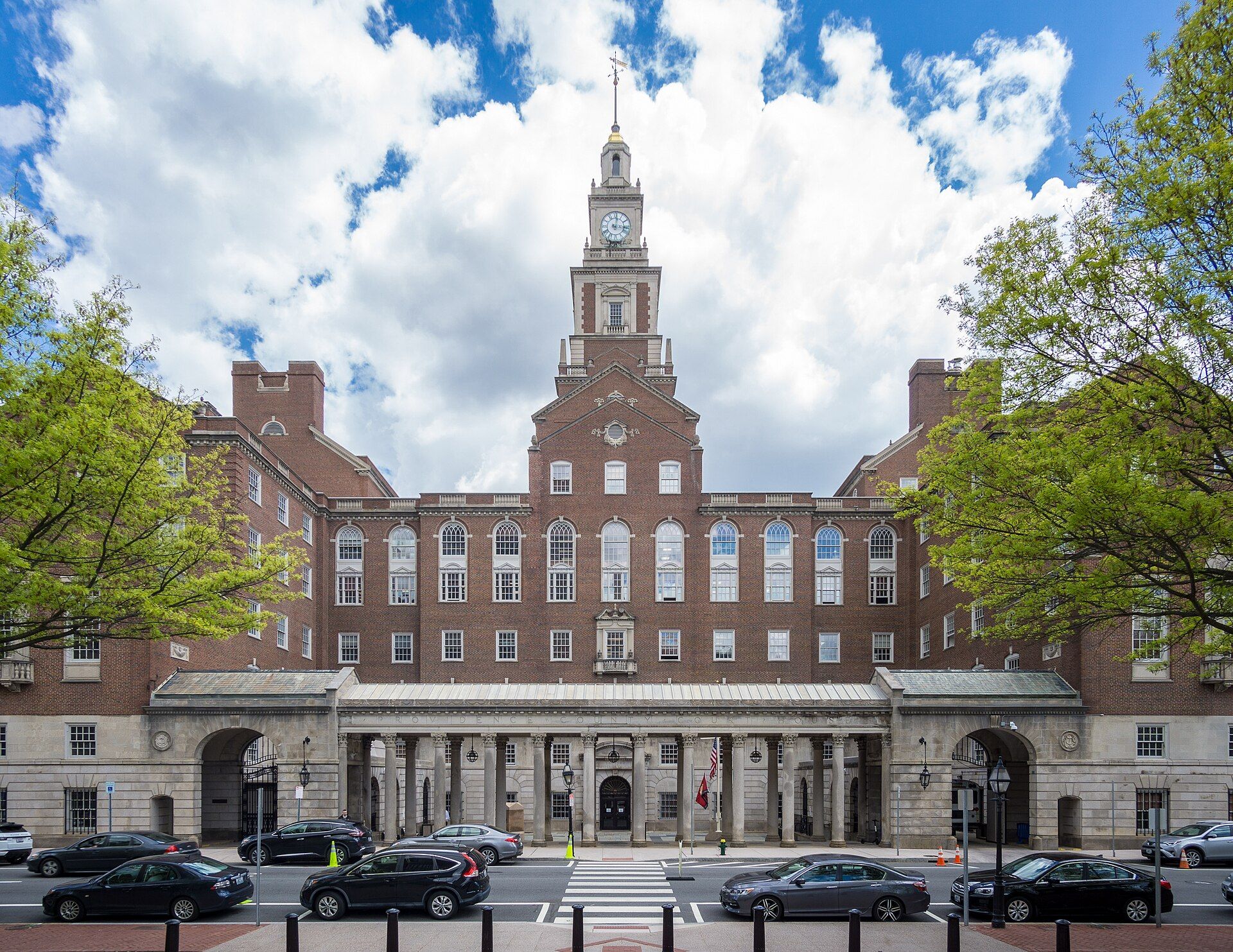
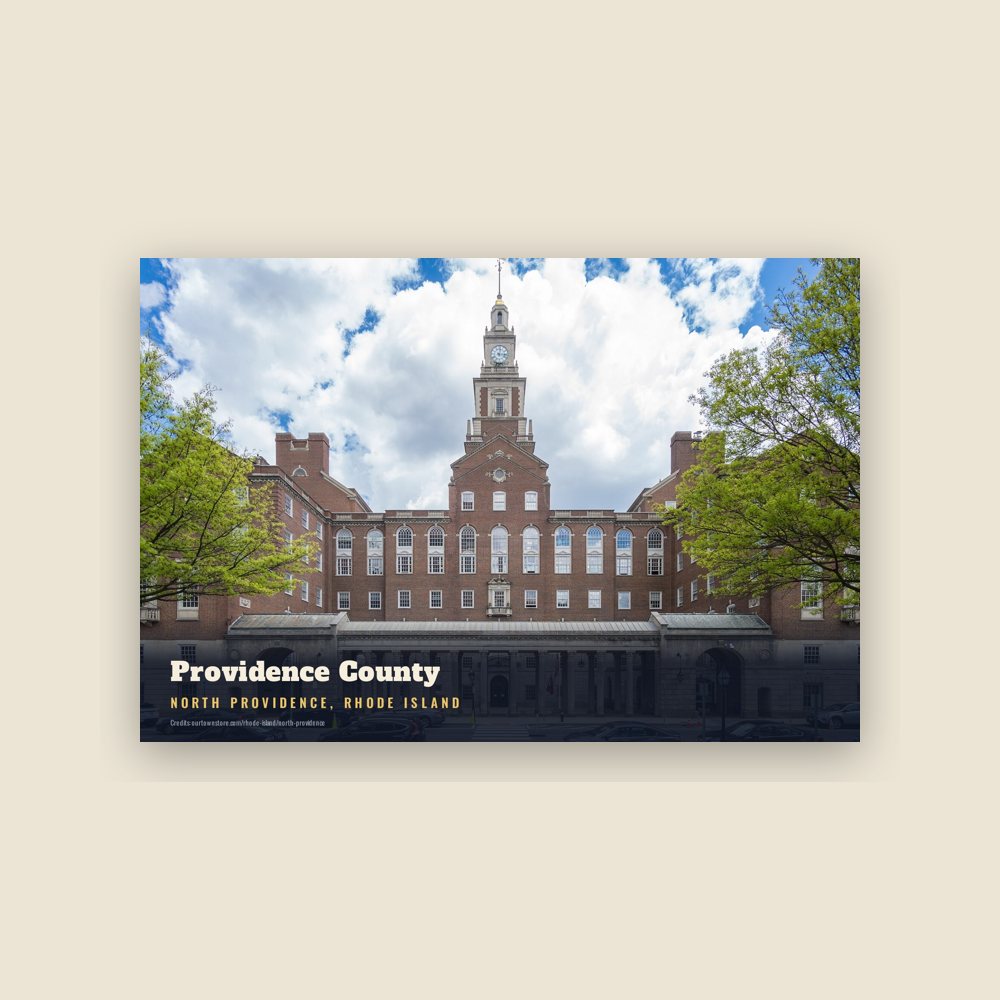
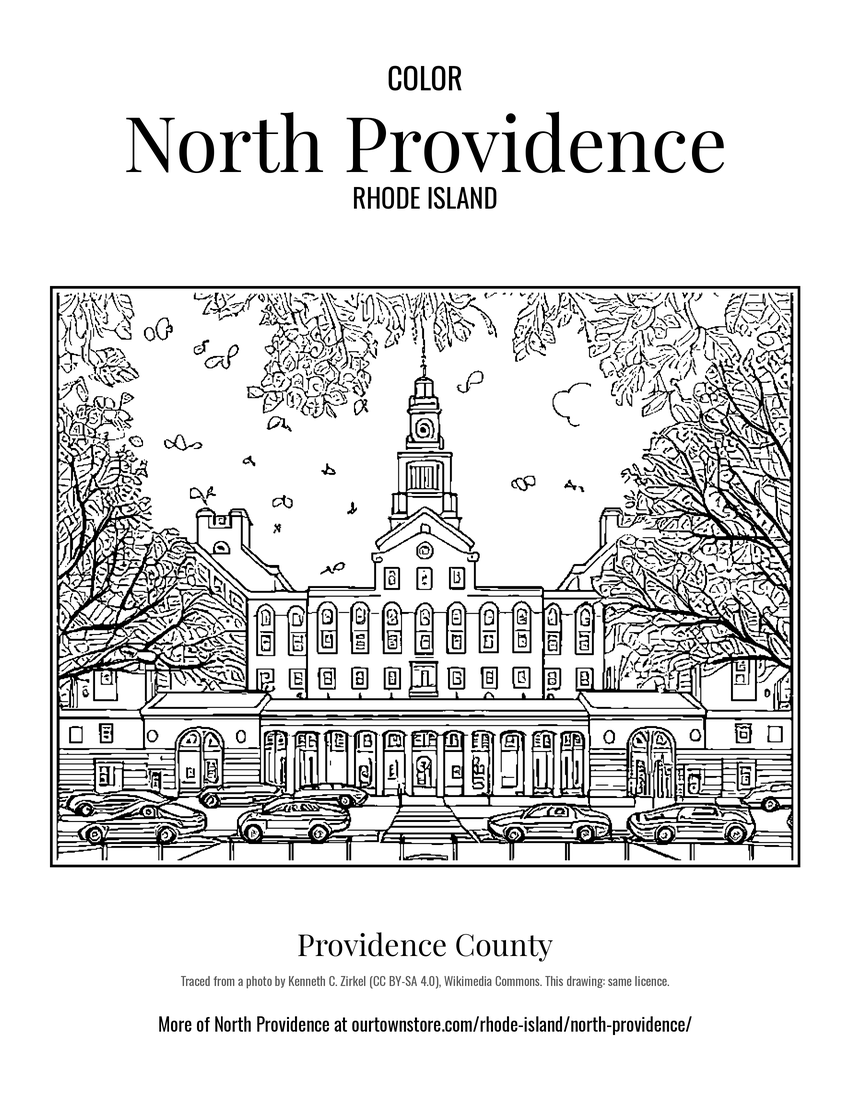 Providence County
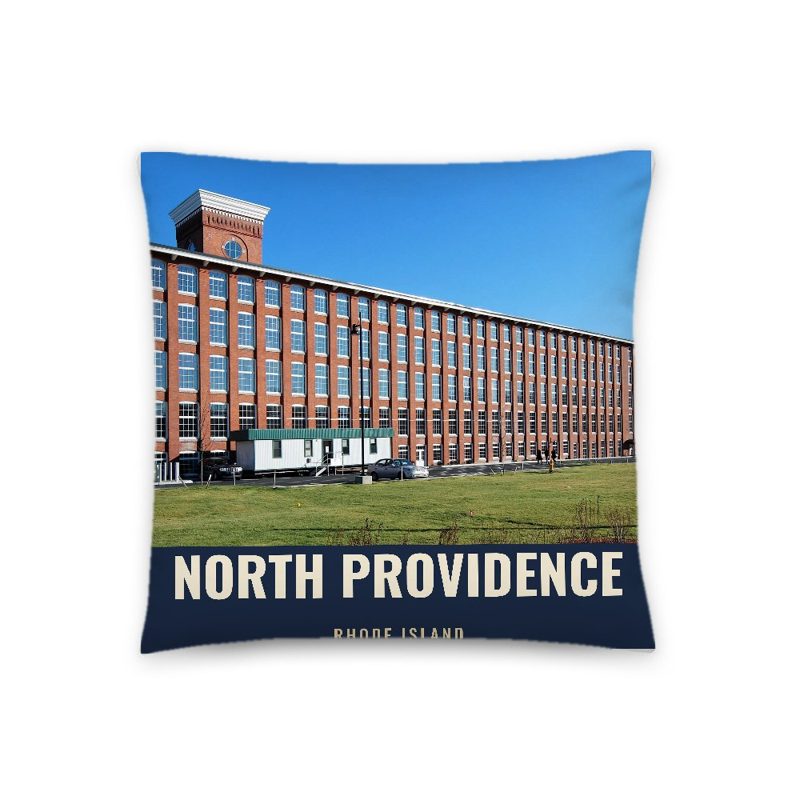
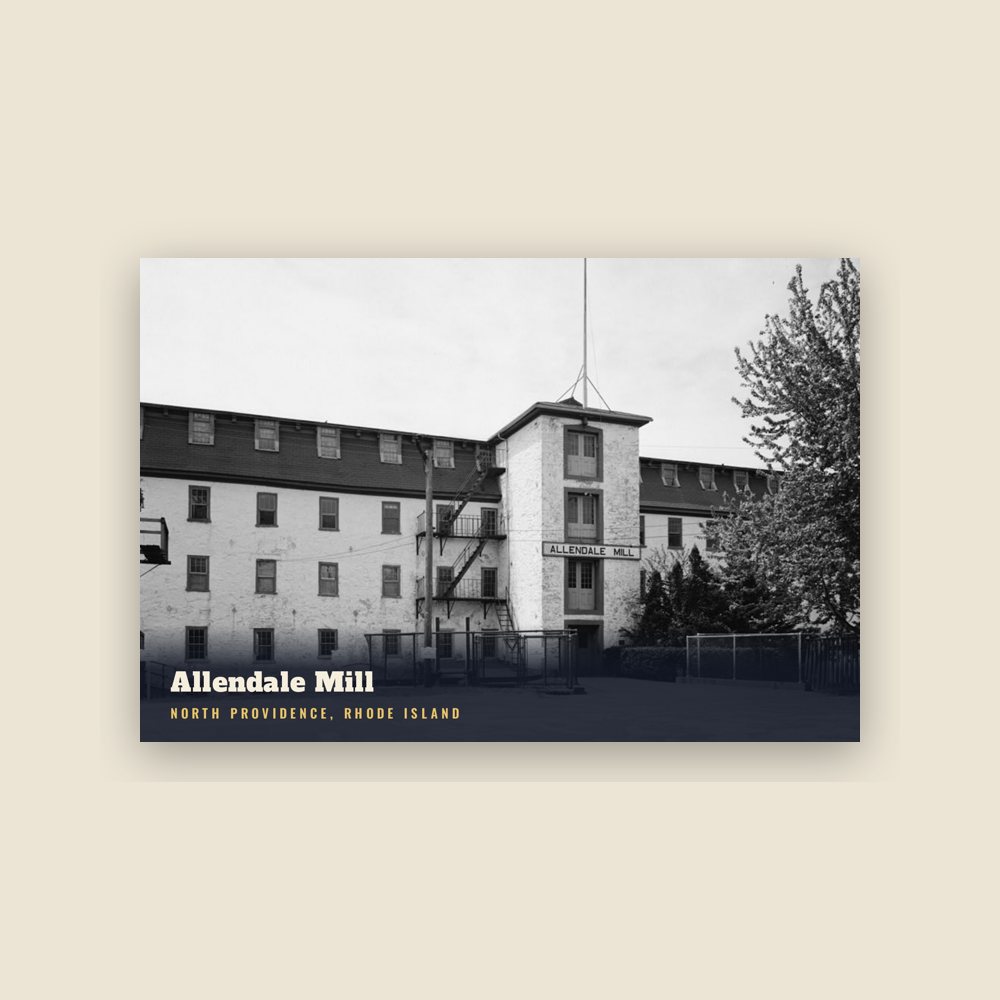
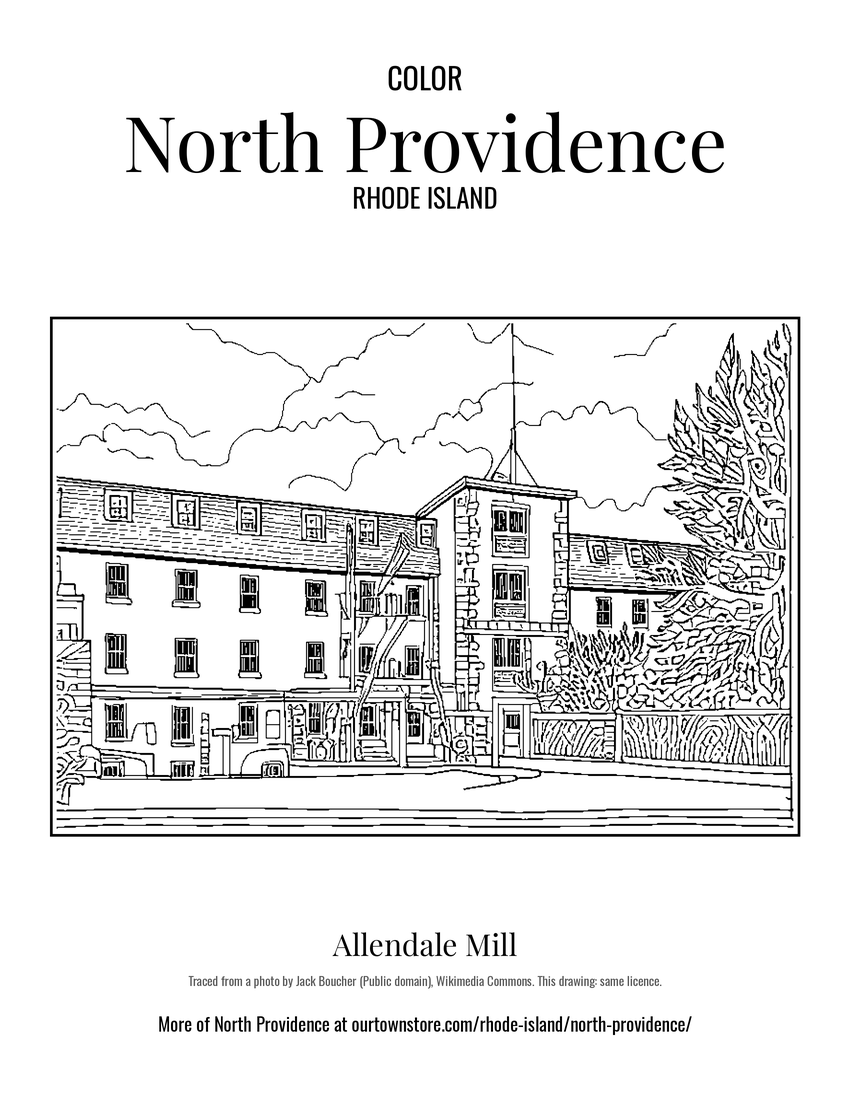 Allendale Mill
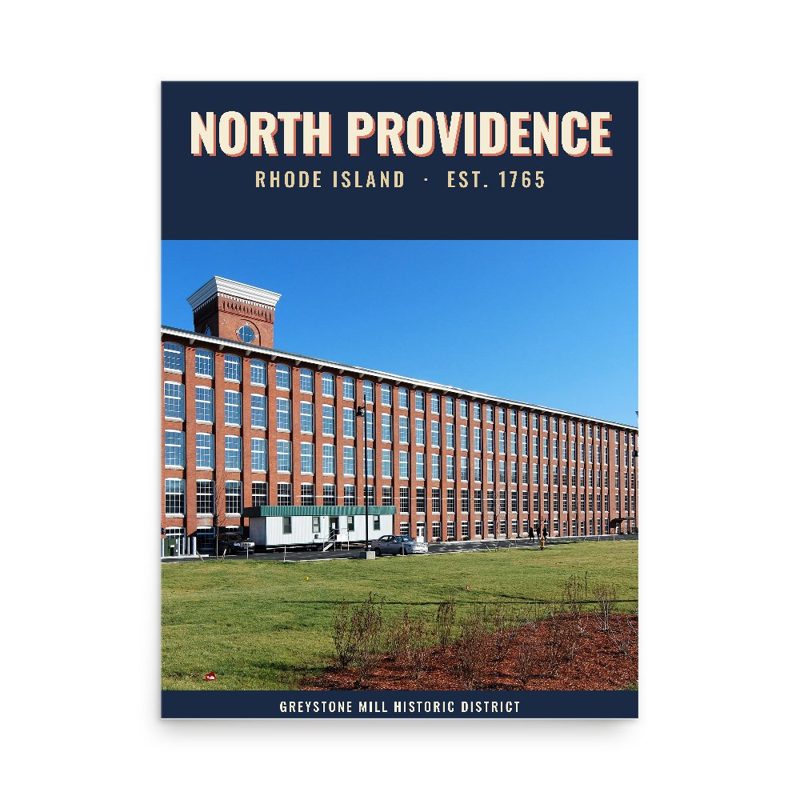
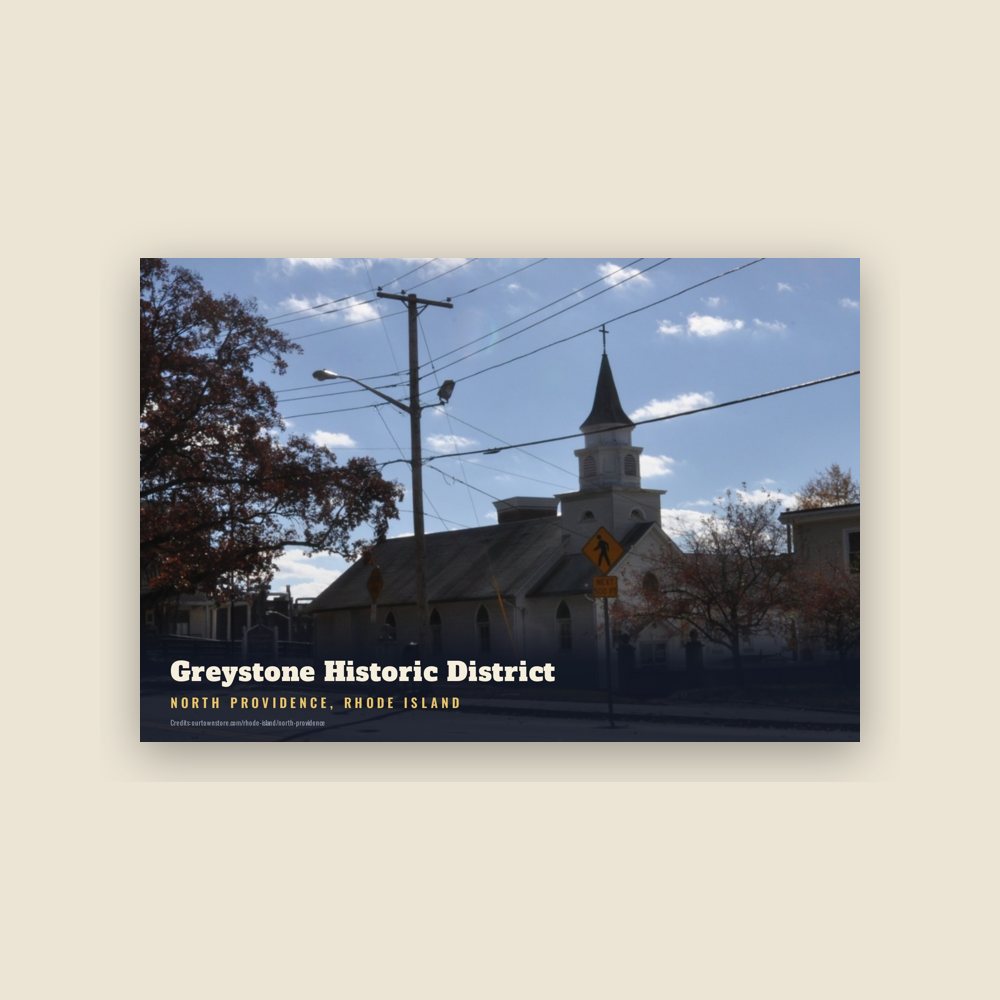
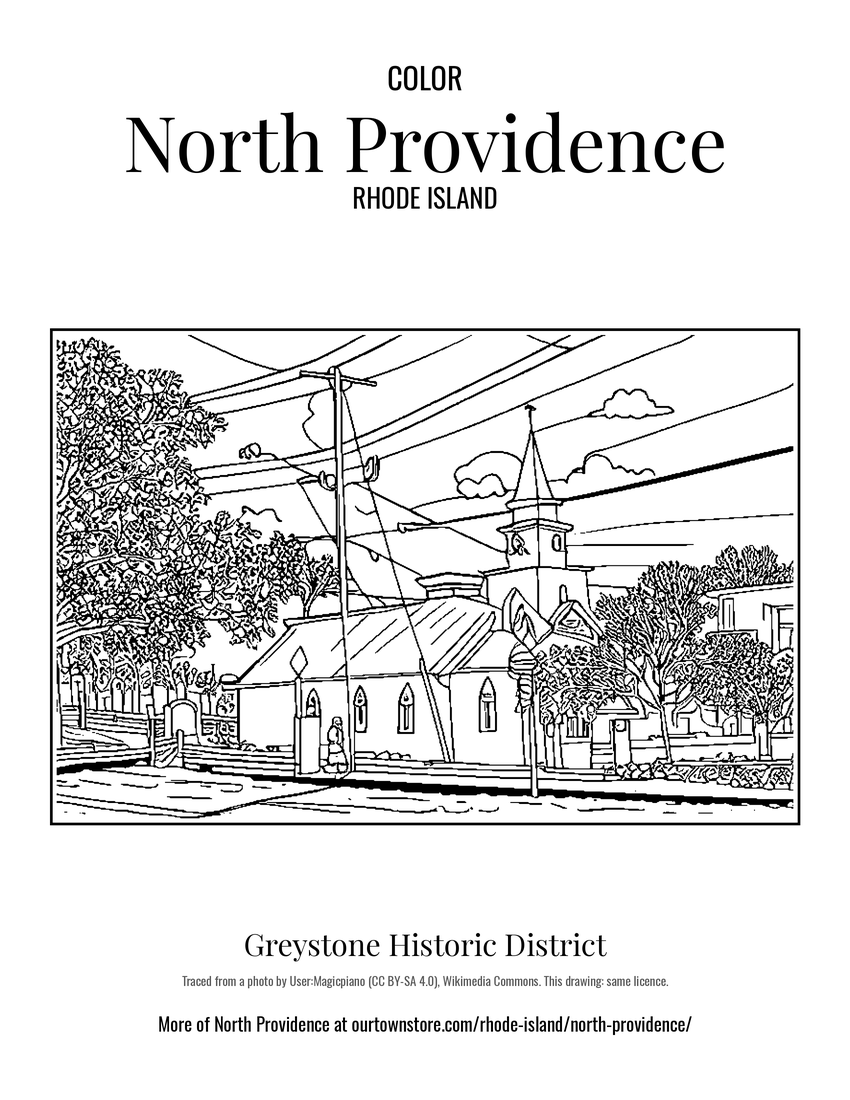 Greystone Historic District