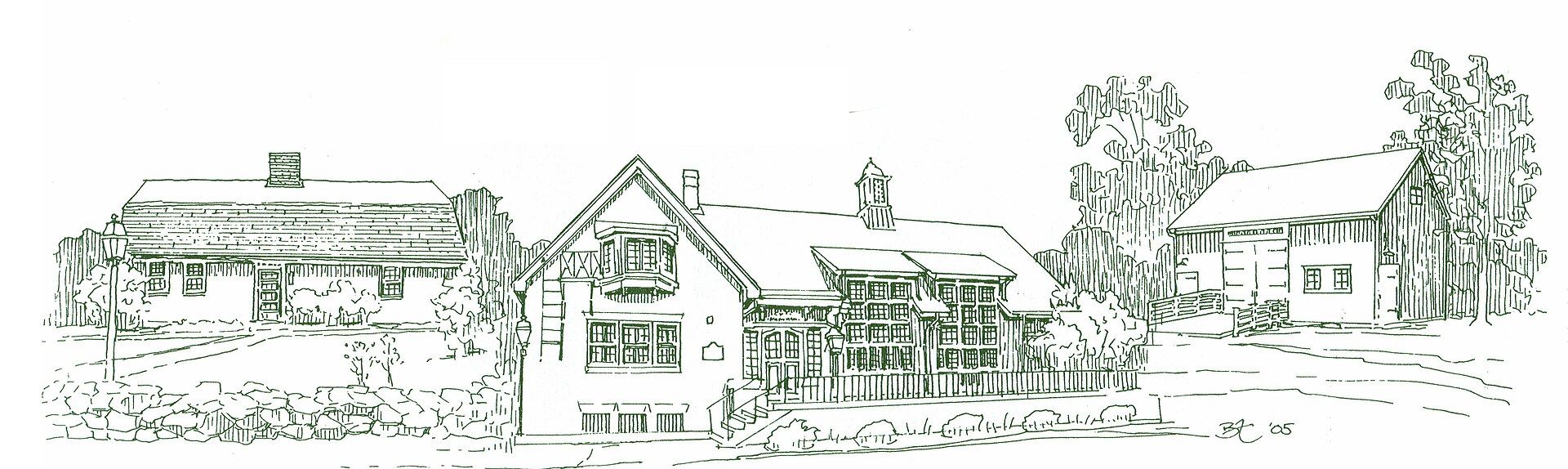
Rehoboth is a historic town in Bristol County, Massachusetts, United States. Landmarks include Anawan Rock, Carpenter Museum and Hornbine Baptist Church. Rehoboth is the birthplace of Susanna Paine, artist.
Every piece is drawn from Rehoboth's own map data and historic archives, then printed and shipped from the USA when you order. No two towns look alike.
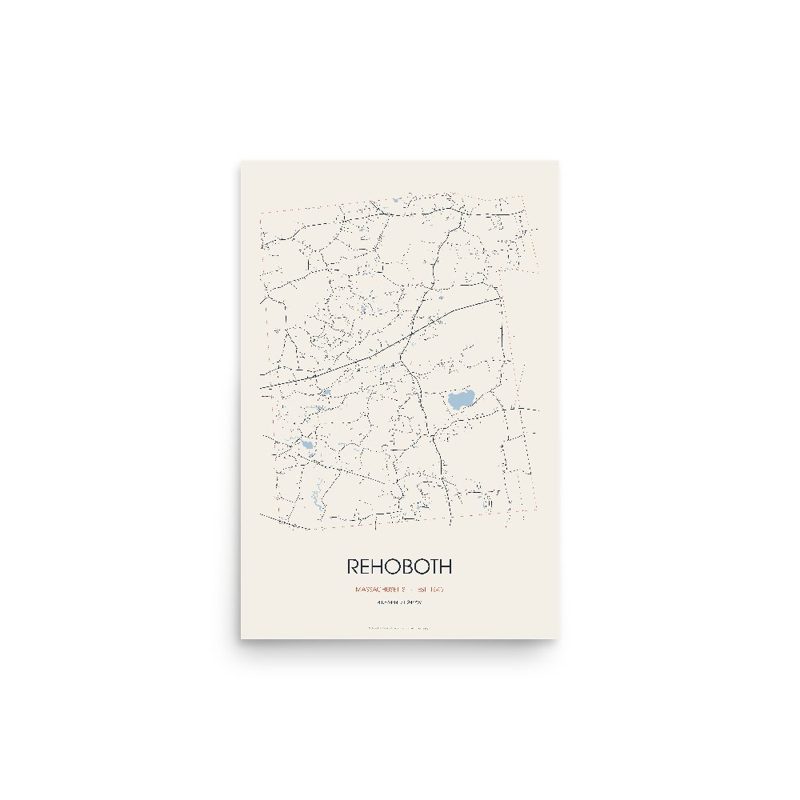
Every road in town, on archival matte paper
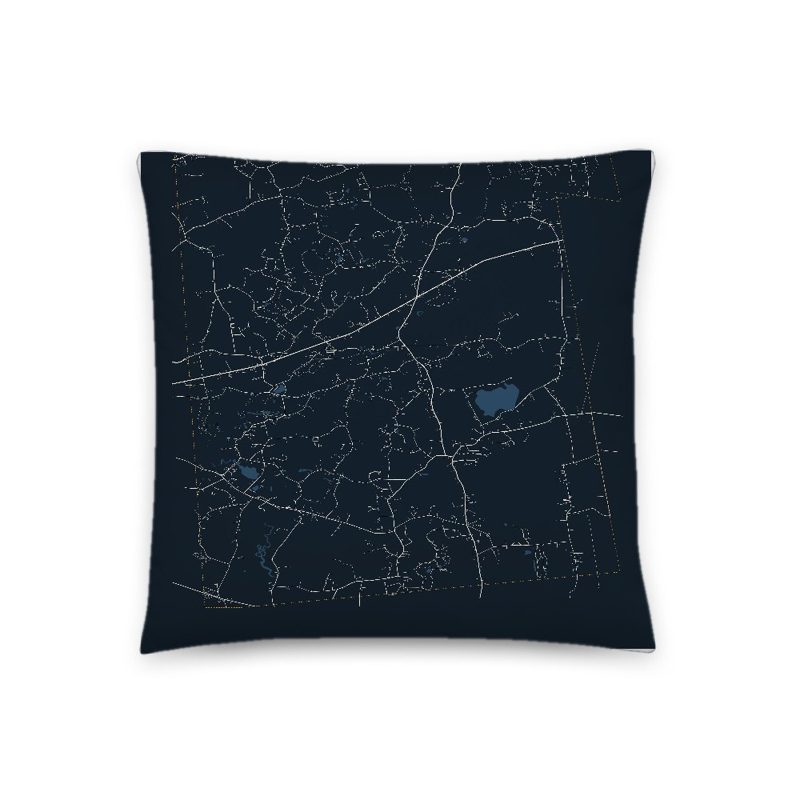
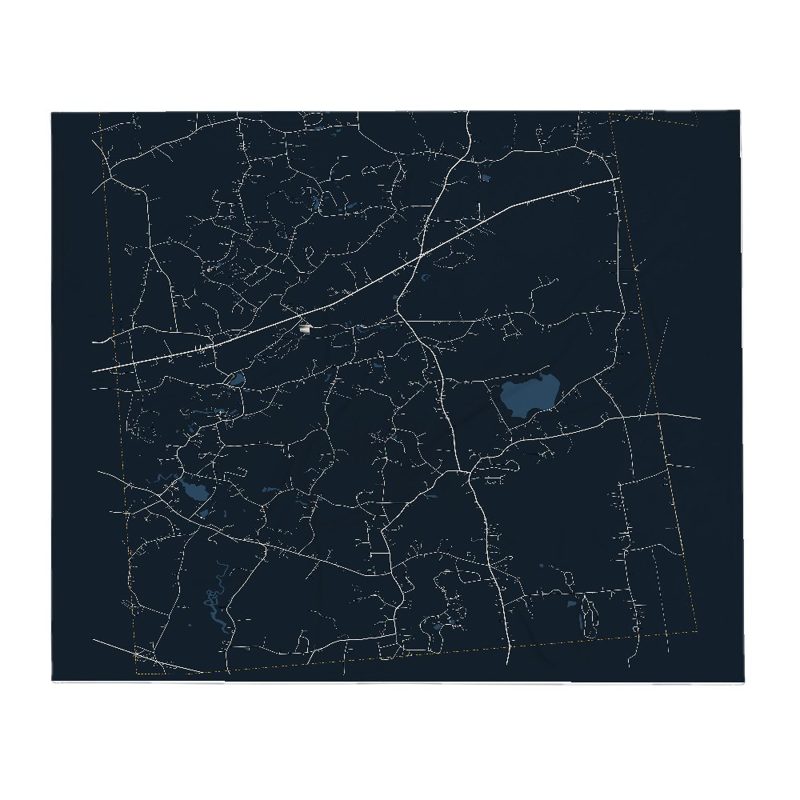
The same map, in navy and silver
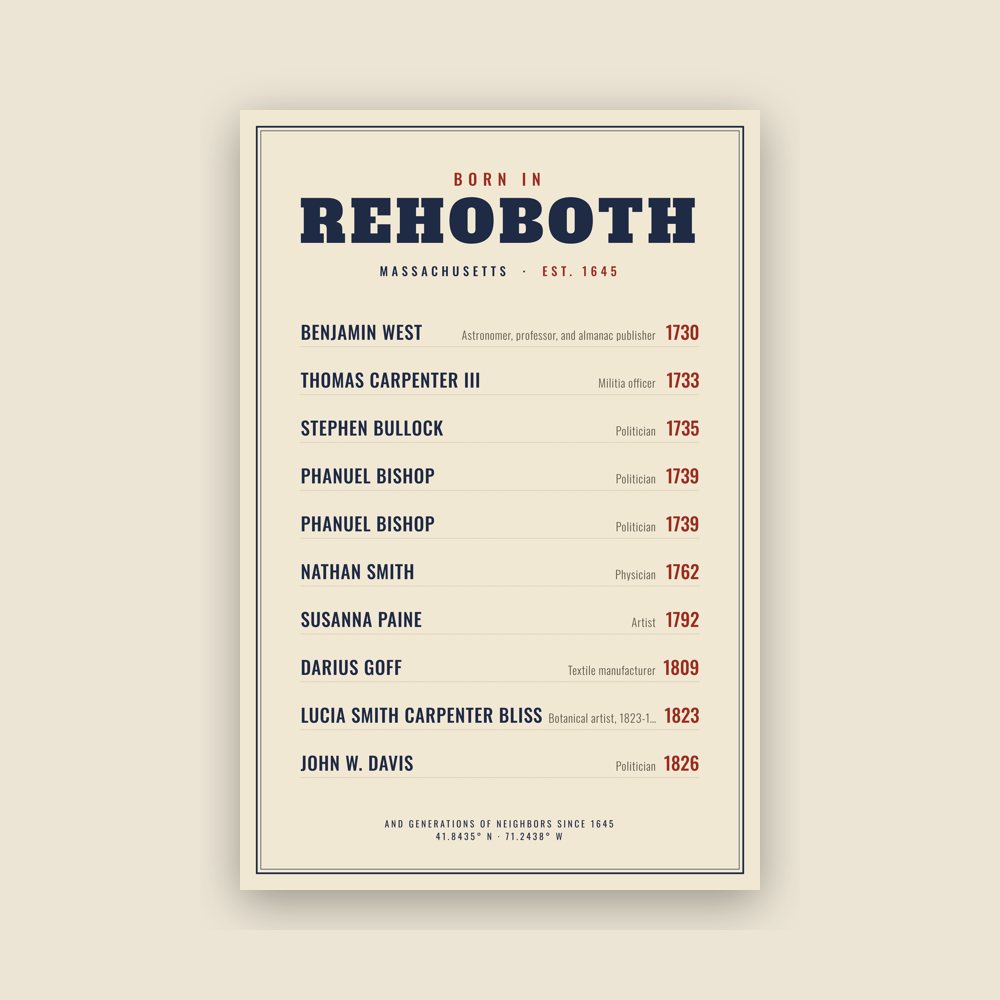
Famous natives, by birth year
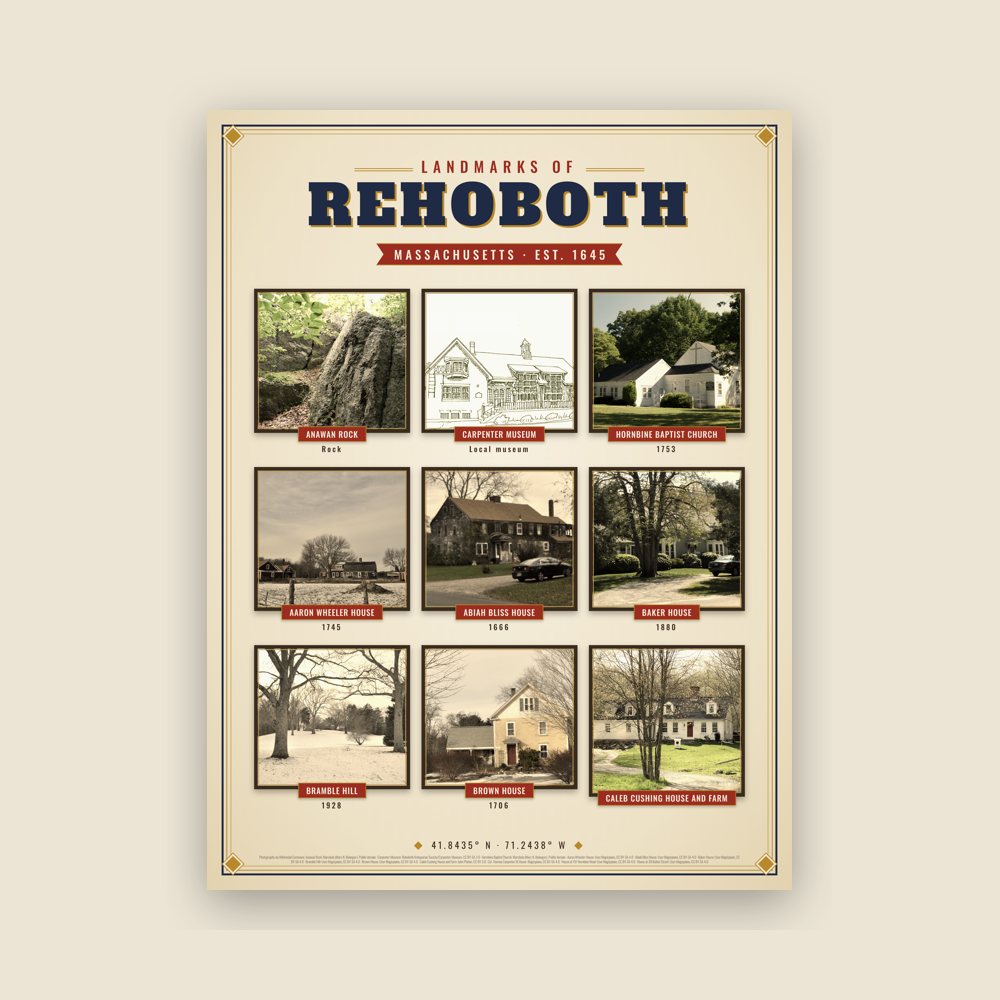
Nine local landmarks, archival matte
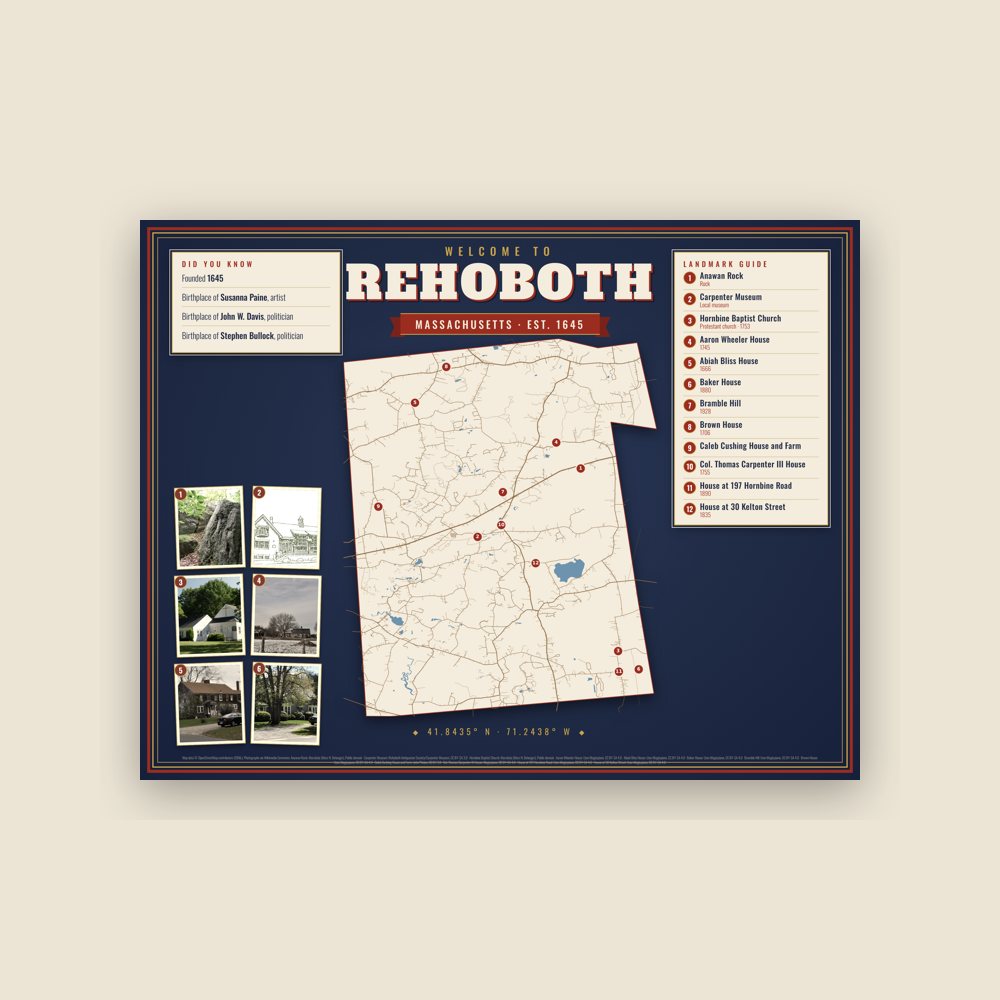
Map of local landmarks, washable fabric
Heavy-blend fleece, street map printed on the back
Soft Bella+Canvas jersey
Glossy ceramic, dishwasher safe
Ceramic keepsake, gold ribbon
Weatherproof, for the front walk
Soft-touch, zip cover
Sturdy all-over-print tote
Glossy top, cork back
Soft fleece, 50″×60″
20 oz, double-wall stainless
Population 2010: 11,608 → 2020: 12,502
From Wikidata (CC0).
Rehoboth was established in 1643 by Samuel Newman (born 1602), Walter Palmer (born 1585), and William Sabin. It was incorporated in 1645, one of the earliest Massachusetts towns to be incorporated. Newman named the town Rehoboth (Gen. 26:22), the Hebrew scriptural word for "enlargement," (Broad Places) signifying the space settlers enjoyed (God has given us room).
Early Rehoboth, known as Old Rehoboth, included all of what is now Seekonk, Massachusetts, and East Providence, Rhode Island, as well as parts of the nearby communities of Attleboro, North Attleborough, Swansea, and Somerset in Massachusetts, and Barrington, Bristol, Warren, Pawtucket, Cumberland, and Woonsocket in Rhode Island. The town was and still is a site of a crossroads which help to serve Taunton, Providence, Fall River and points to the north.
One of the founding fathers of Rehoboth was Samuel Newman, a clergyman from Weymouth, Massachusetts who moved to the Sakonnet area near to Little Compton in the Plymouth Colony. Samuel Newman and his followers migrated north and established a huge town common in what is now Rumford, Rhode Island. They gave the roundabout a distinctive name: "The Ring of the Green." Newman Congregational Church (founded 1643, current building dates to 1810) still stands at the intersections of Pawtucket Ave, Newman Ave and Ferris Ave. The area was known as Rehoboth village. Somewhat of a celebrity, Newman's famous bible concordance (the third ever printed in English) had just been published in London. He spent the next few years revising the concordance with a second edition published in 1650 that includes on the title page, "By Samuel Newman, now teacher of the Church at Rehoboth in New England." According to legend, he worked on the revisions by burning pine knots instead of candles. The concordance, later called the Cambridge Concordance, was reprinted as late as 1889, almost 250 years after it was first published by the founder of Rehoboth.
The Rehoboth Carpenter family was one of the founding families. Among the earliest purchasers of the land that is now Rehoboth and nearby communities was the Peck family, who came from nearby Hingham, Massachusetts, initially. Joseph Peck, the brother of the Rev. Robert Peck,[4] the disaffected Puritan who had fled his Hingham church in England, after the crackdown by Archbishop Laud, had purchased sizable tracts of lands from the Native Americans. Peck's son was fined fifty shillings for making continuous sexual advances toward the maid. Peck died in Rehoboth in 1697. These tracts of land Peck willed to his son Samuel, who served as Deputy to the General Court at Plymouth, as well as the first representative from the town of Rehoboth after the Plymouth Colony and Massachusetts were united. The family continued to live in the area through the twentieth century. Today's Pecks Corner in Rehoboth is named for this early Puritan family.
Rehoboth was a significant site during King Philip's War. On June 30, 1675, King Philip led a small force in a surprise attack against the undefended settlement, killing settlers, burning houses, and causing residents to live in constant fear of attack.
On March 28, 1676, Canonchet led the Narragansetts in a second attack, destroying 42 homes, 21 barns, corn mills and a sawmill.
On August 28, 1676, Captain Benjamin Church surrounded and captured Anawan, a Wampanoag sachem who had become chief upon the death of King Philip two weeks earlier. The Wampanoags had taken a position above Squannakonk Swamp to hide from the colonists. Church's capture and execution of Anawan effectively ended the campaigns in southeastern Massachusetts of King Philip's War. Anawan Rock, a large puddingstone, still marks the location. Although a desolate place at the time, the rock is not far off modern-day Route 44.
Rehoboth is the birthplace of public education in North America. Upon incorporation, members of the Rehoboth community and Newman Church (in present-day East Providence, Rhode Island) elected to collect funds to pay a teacher for the settlement's children. Church and government were closely tied in early colonial villages, so the word 'public' refers instead to access to education by all children in the community, not just those of wealthy parents. Another town landmark is related to education: The historic Hornbine School, built in 1845, is located in the southeast corner of town and is open to the public for visiting and educational purposes from May to September.
For the town's 350th anniversary in 1992, the town conducted a promotional "take back" of the communities that were once the original Rehoboth. With encouragement from musket-bearing members of the 13th Continental Regiment, Rehoboth Minutemen, other towns and cities ceremonially 'returned' their land for the duration of the anniversary year celebration.
Adapted (trimmed) from the Wikipedia article Rehoboth, Massachusetts, revision 1377041076 by its contributors, licensed CC BY-SA 4.0.
We share a part of every Rehoboth sale with local partners, and we'd love to print from your collection. Old photographs, maps and postcards make the best keepsakes.
Partner with us