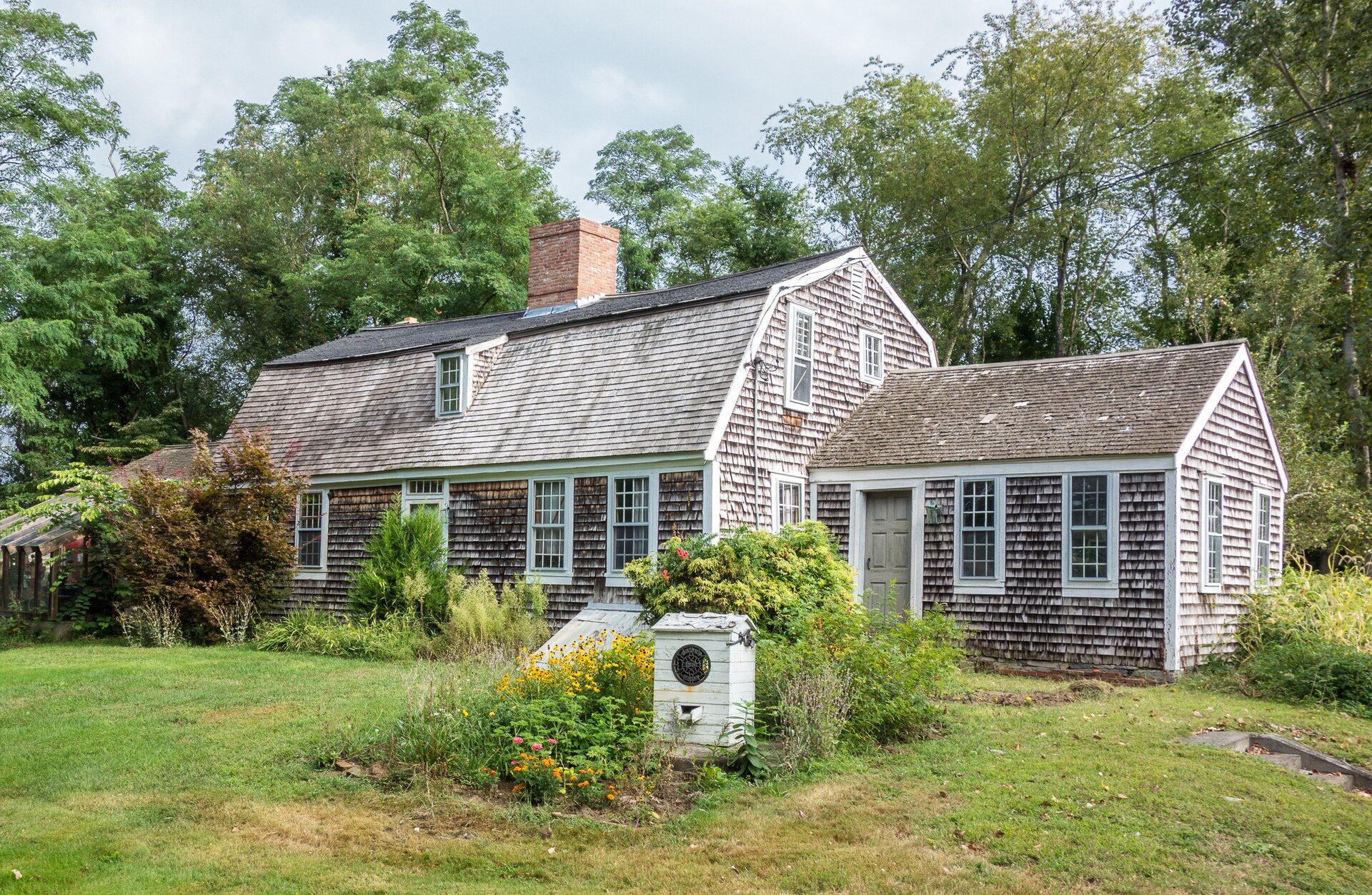
Swansea was named after the Welsh city of Swansea, which had been the hometown of some original settlers. Landmarks include Smuggler's House, Barneyville Historic District and Luther House. Swansea is the birthplace of Oliver Chace, businessman.
Every piece is drawn from Swansea's own map data and historic archives, then printed and shipped from the USA when you order. No two towns look alike.
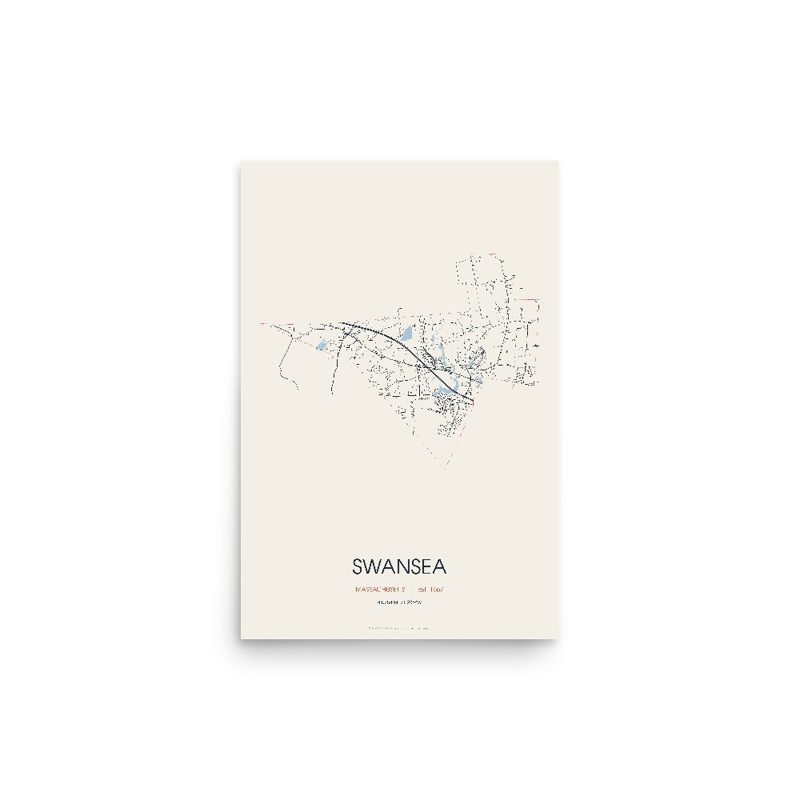
Every road in town, on archival matte paper
The same map, in navy and silver
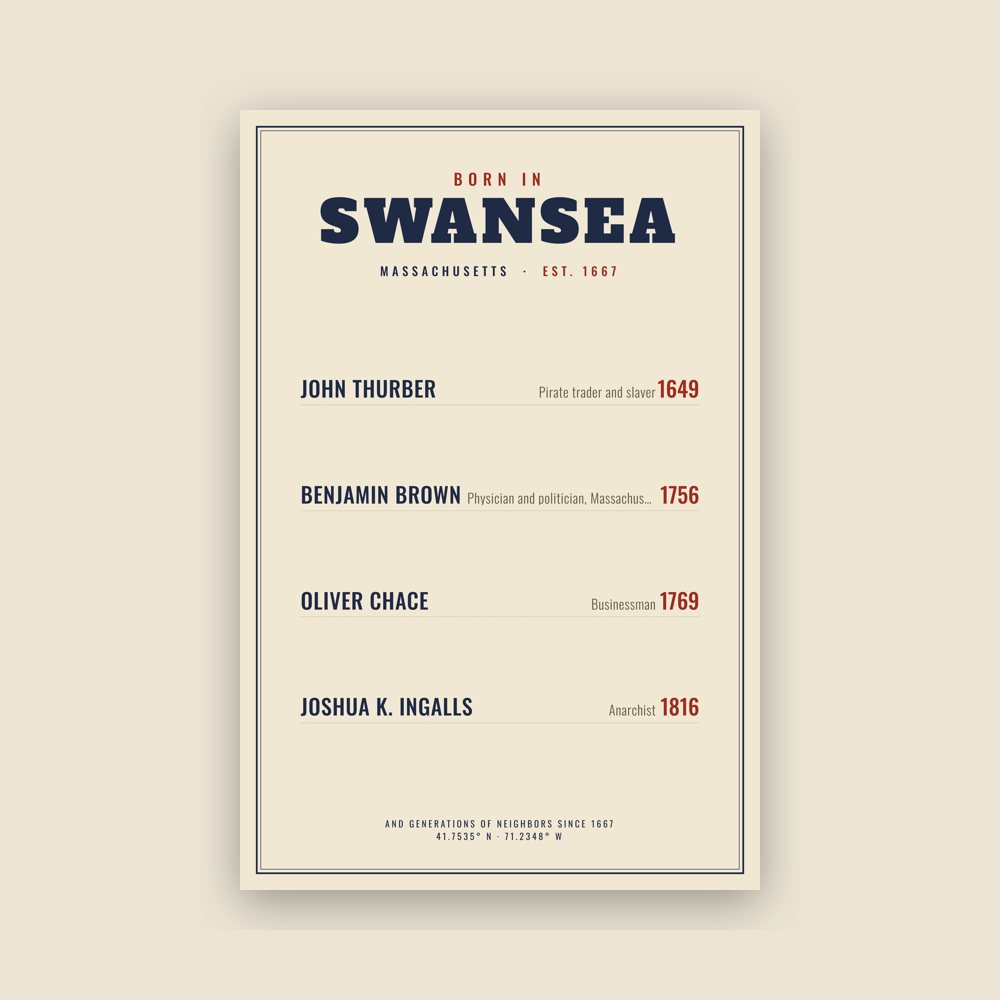
Famous natives, by birth year
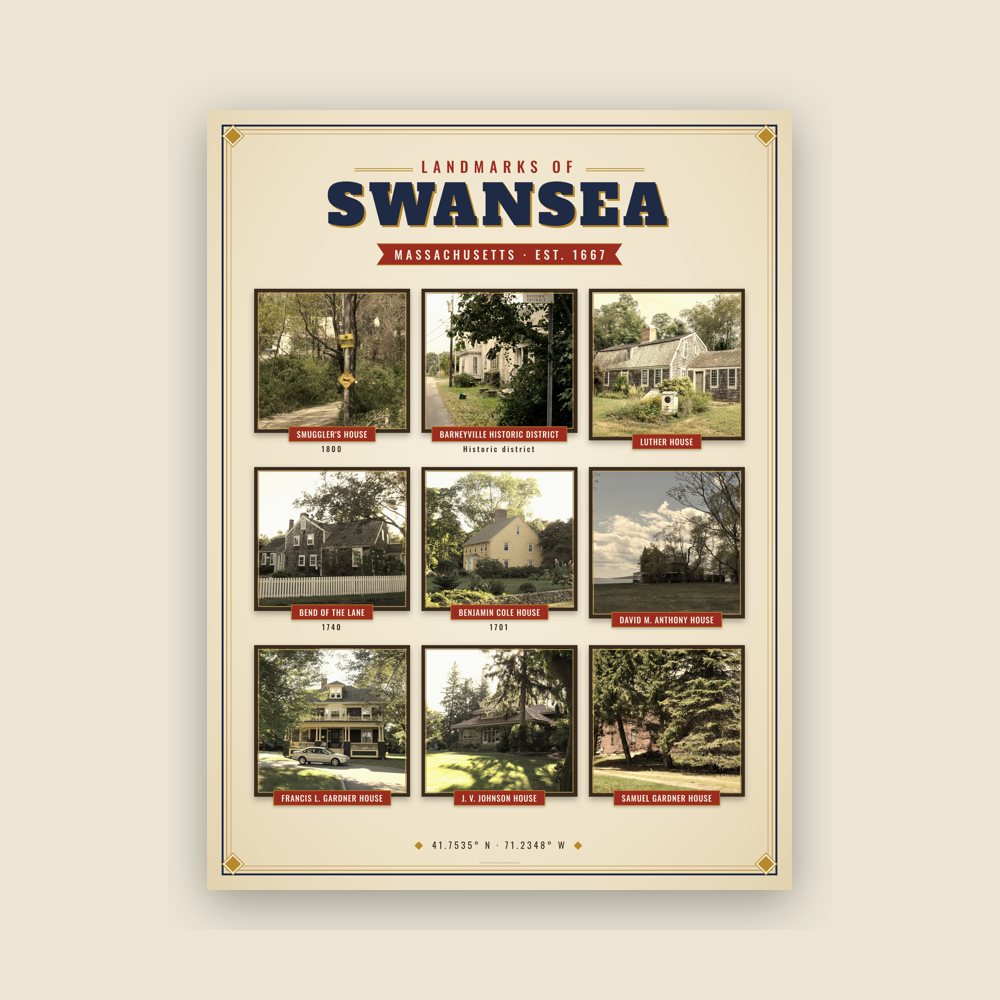
Nine local landmarks, archival matte
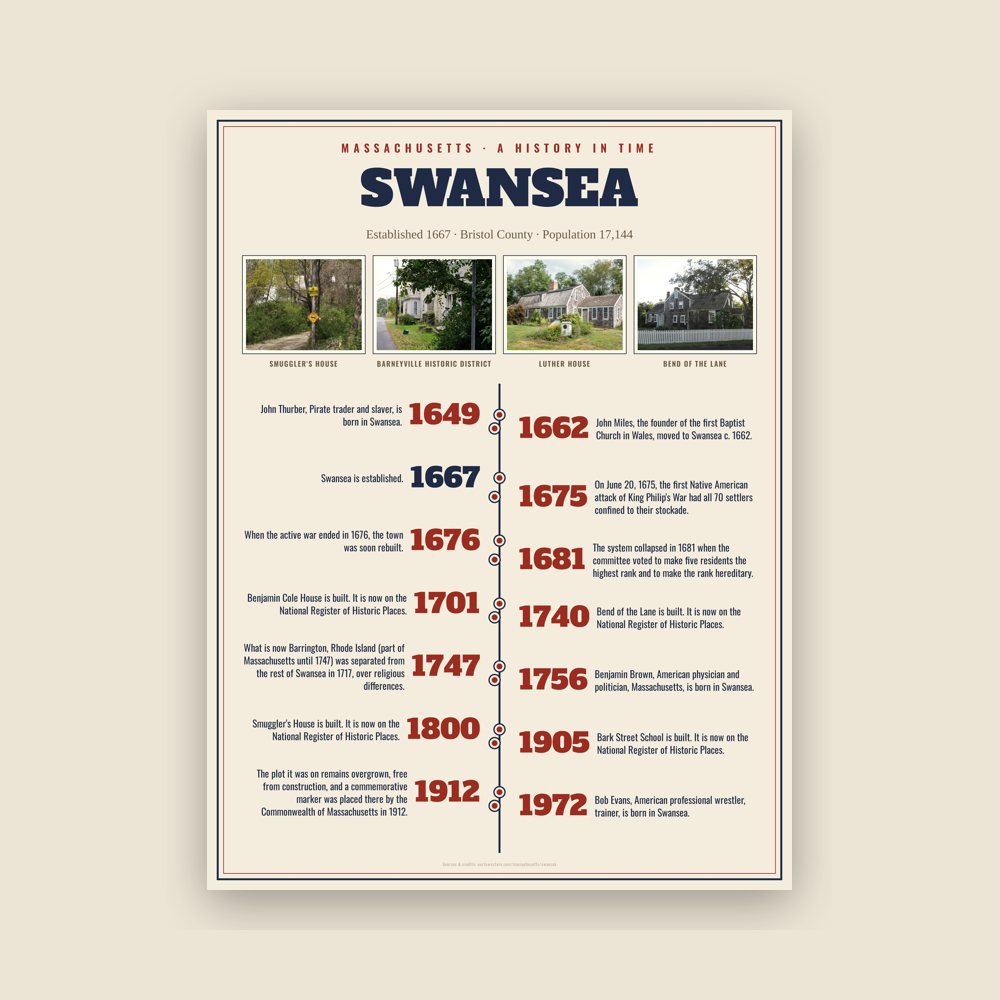
The town's story in dates, from its own records, for home or classroom
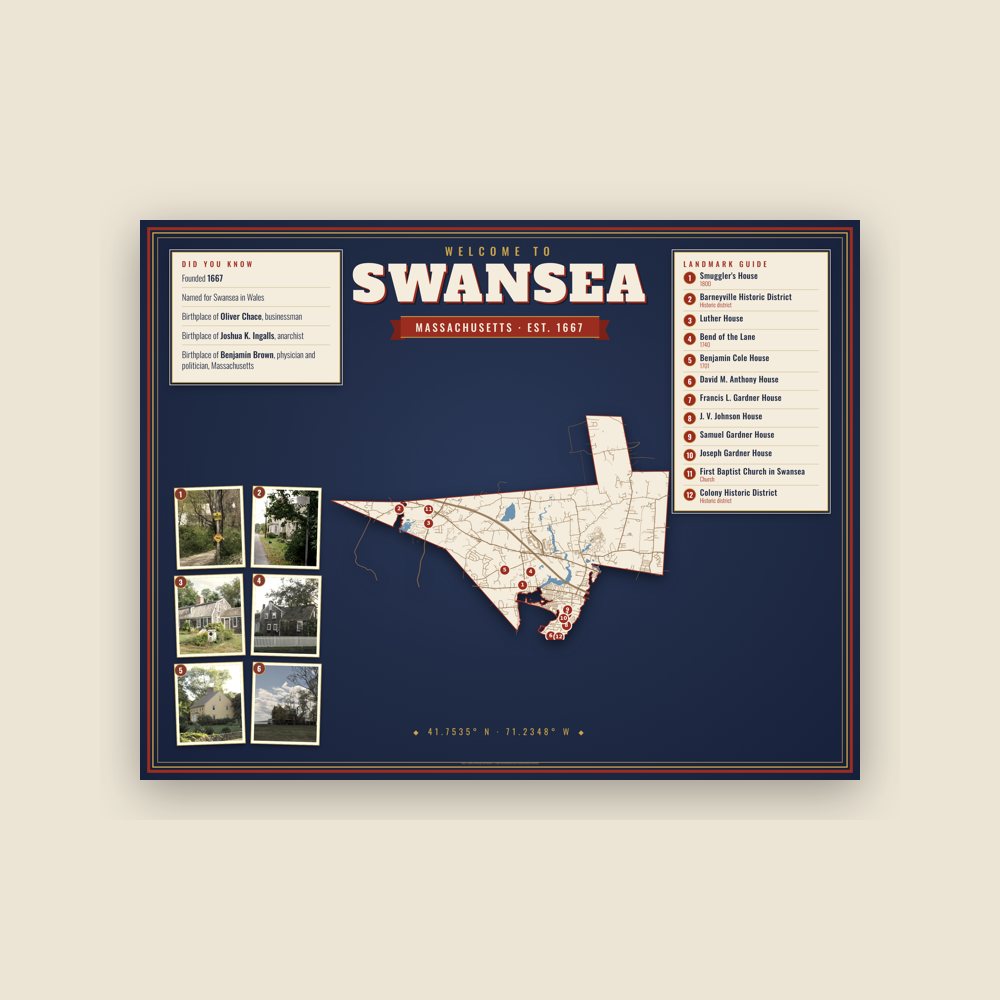
Map of local landmarks, washable fabric
Heavy-blend fleece, street map printed on the back
Soft Bella+Canvas jersey
Glossy ceramic, dishwasher safe
Ceramic keepsake, gold ribbon
Weatherproof, for the front walk
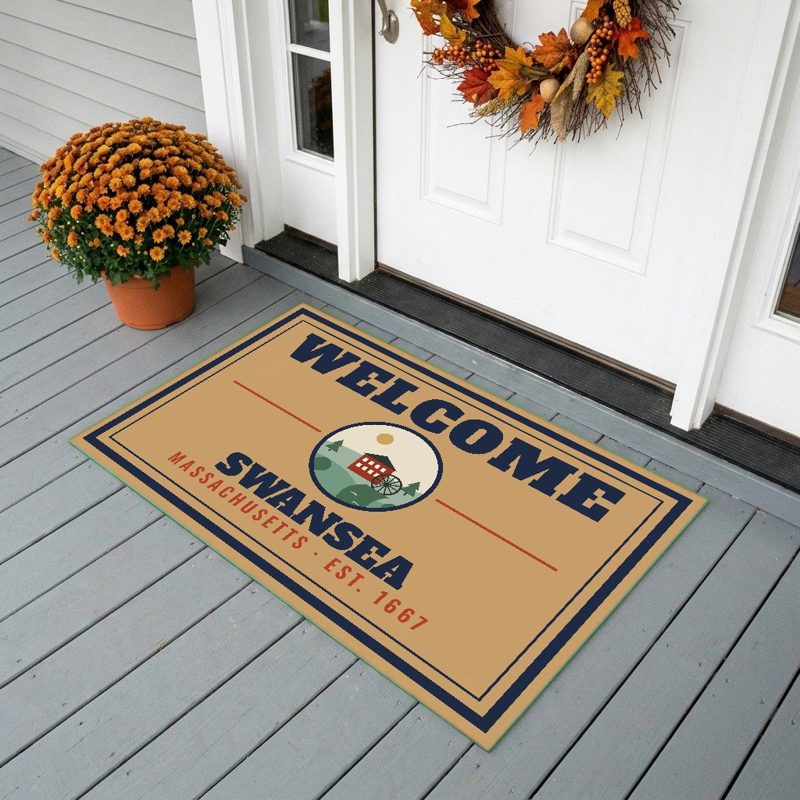
24″×16″, printed coir-look fibers, rubber back
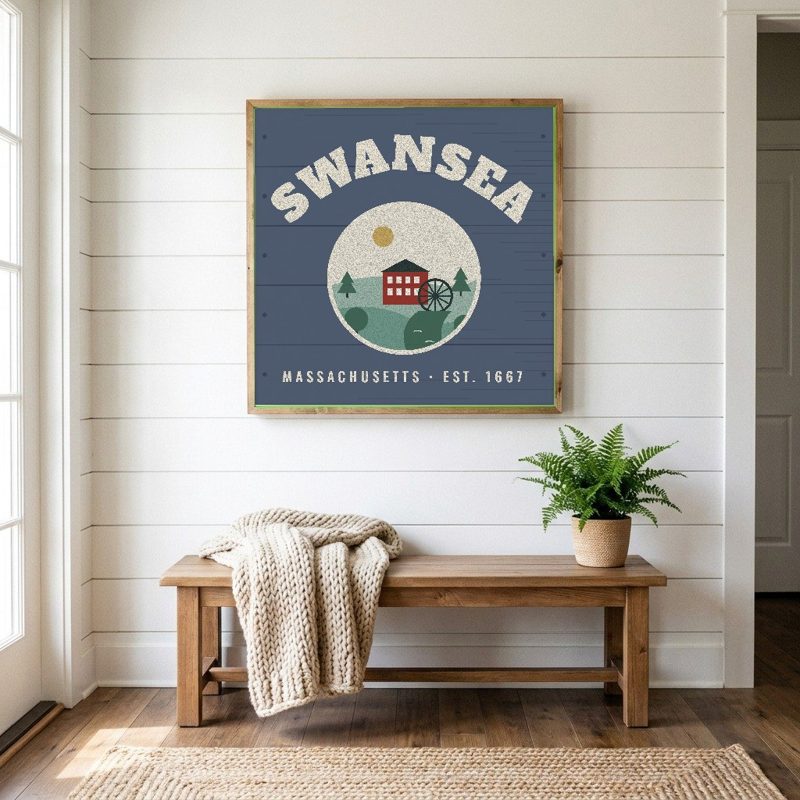
12″×12″ printed wood, ready to hang
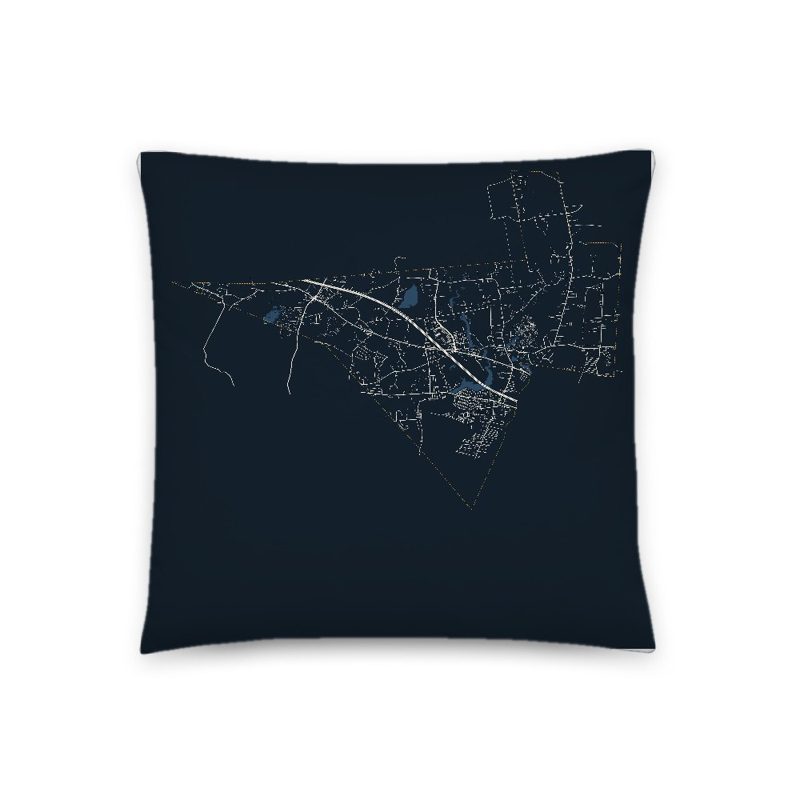
Soft-touch, zip cover
Sturdy all-over-print tote
Glossy top, cork back
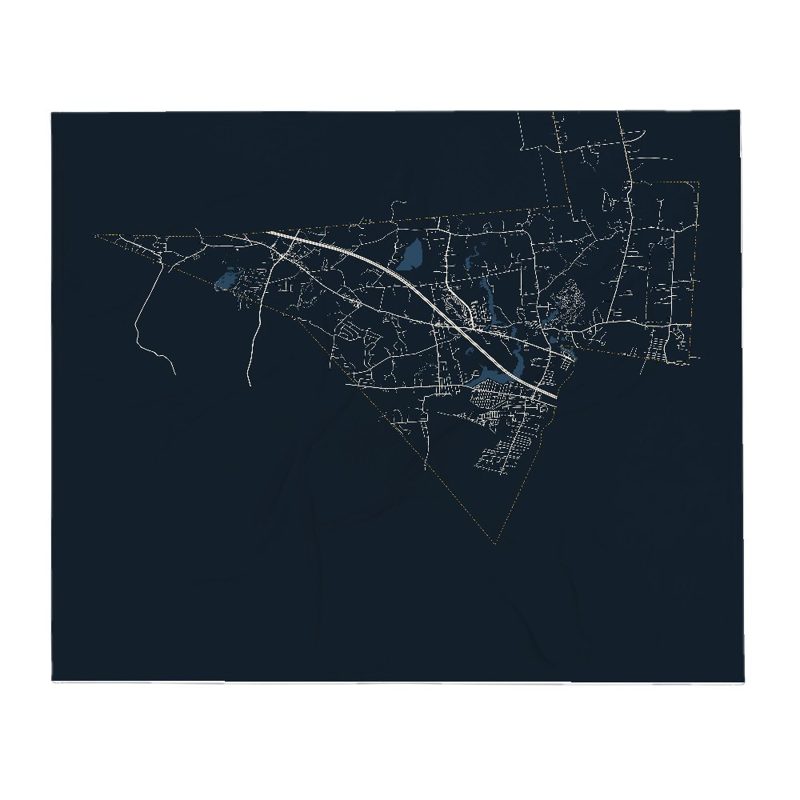
Soft fleece, 50″×60″
20 oz, double-wall stainless
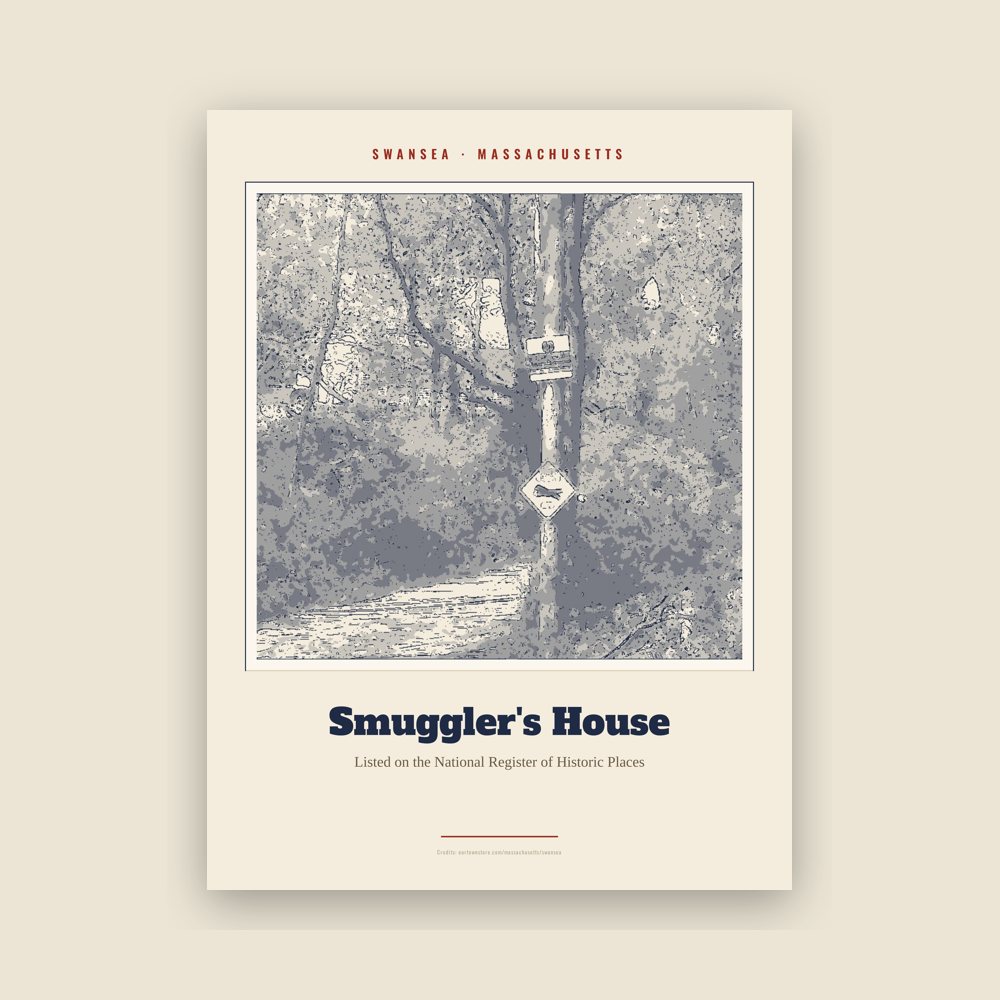
Archival matte print of a local landmark, credited to its photographer
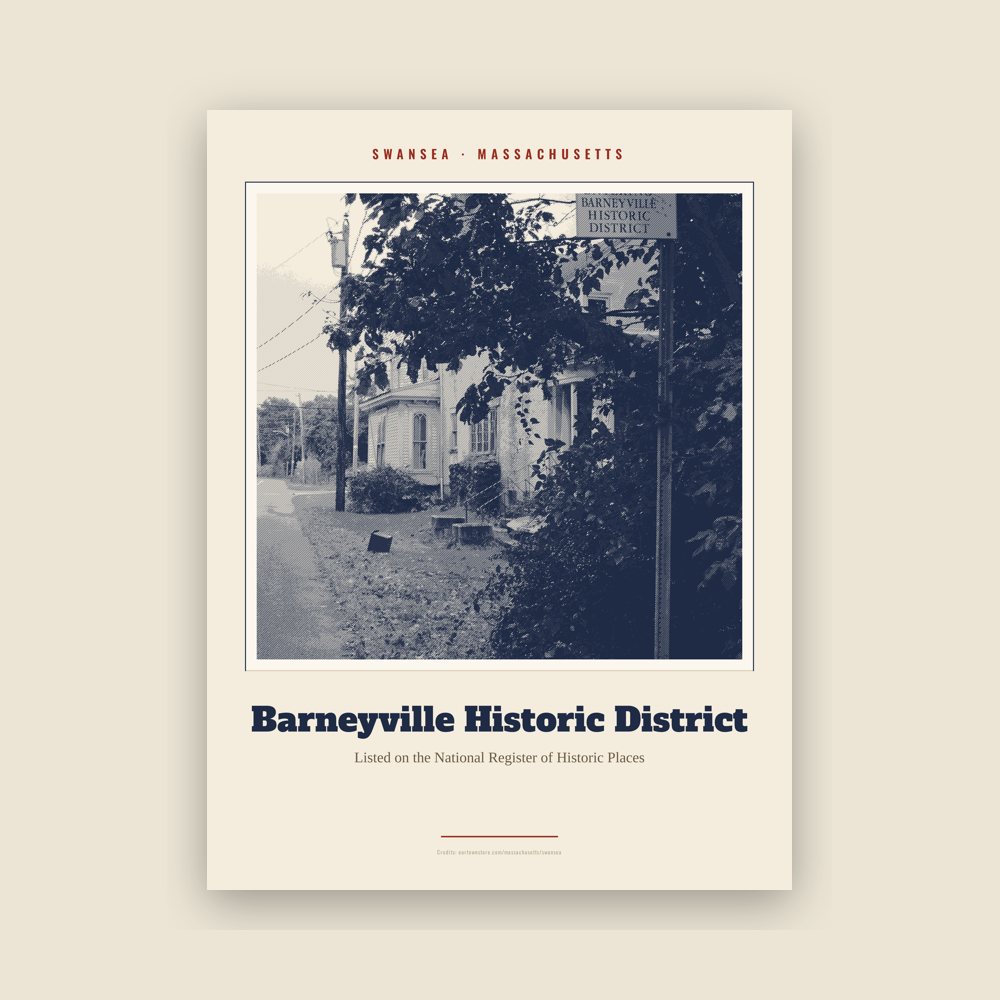
Archival matte print of a local landmark, credited to its photographer
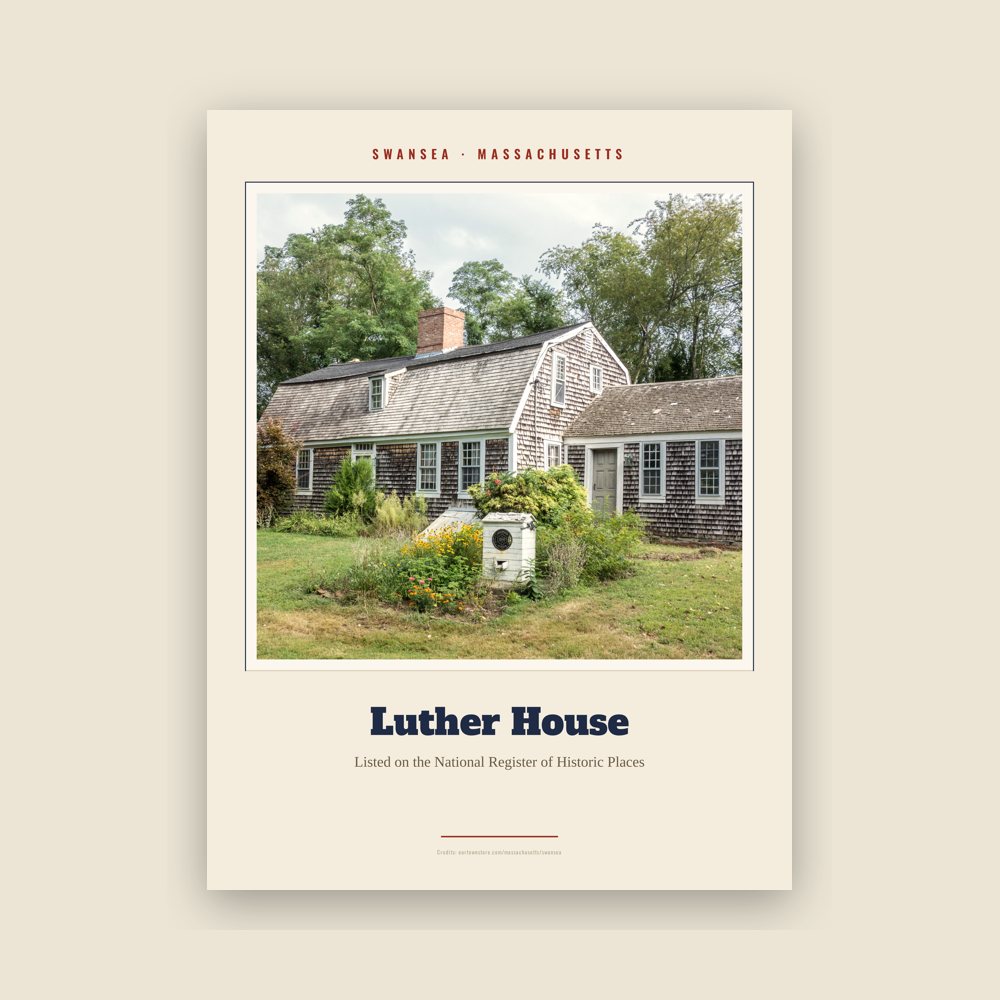
Archival matte print of a local landmark, credited to its photographer
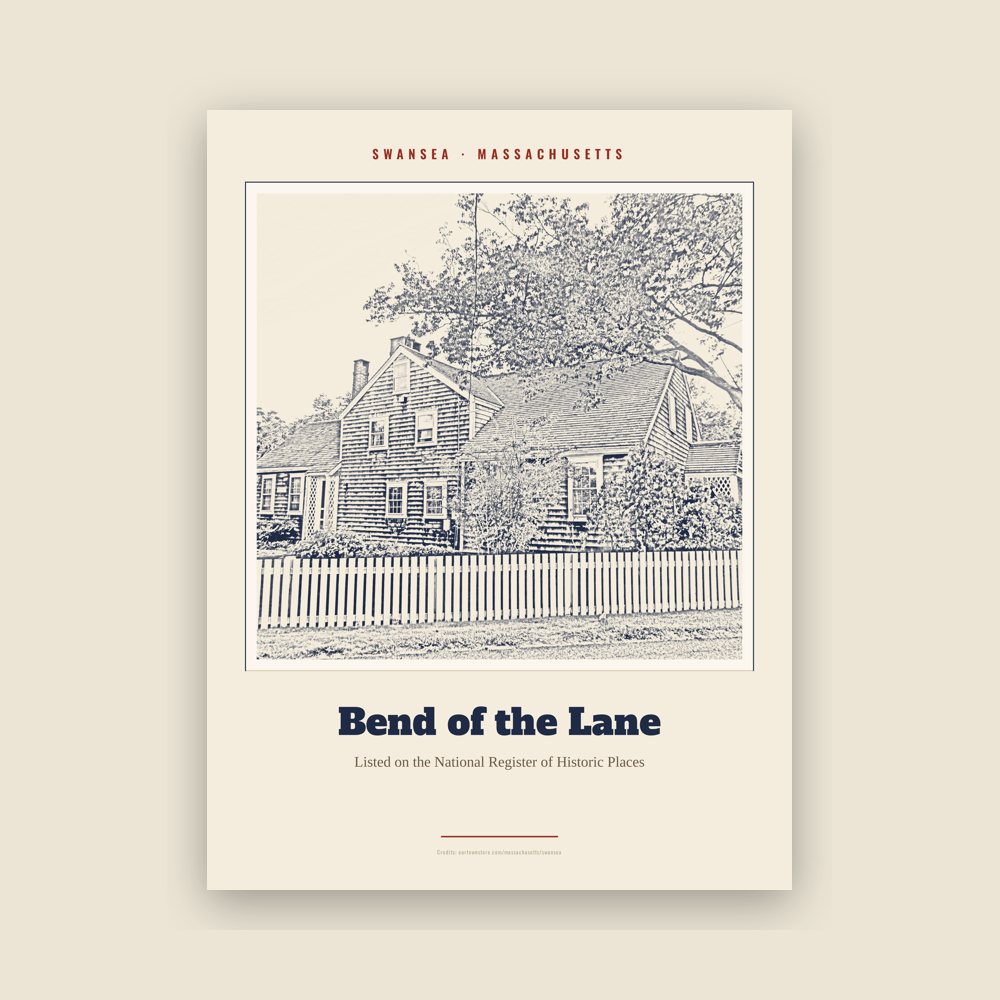
Archival matte print of a local landmark, credited to its photographer
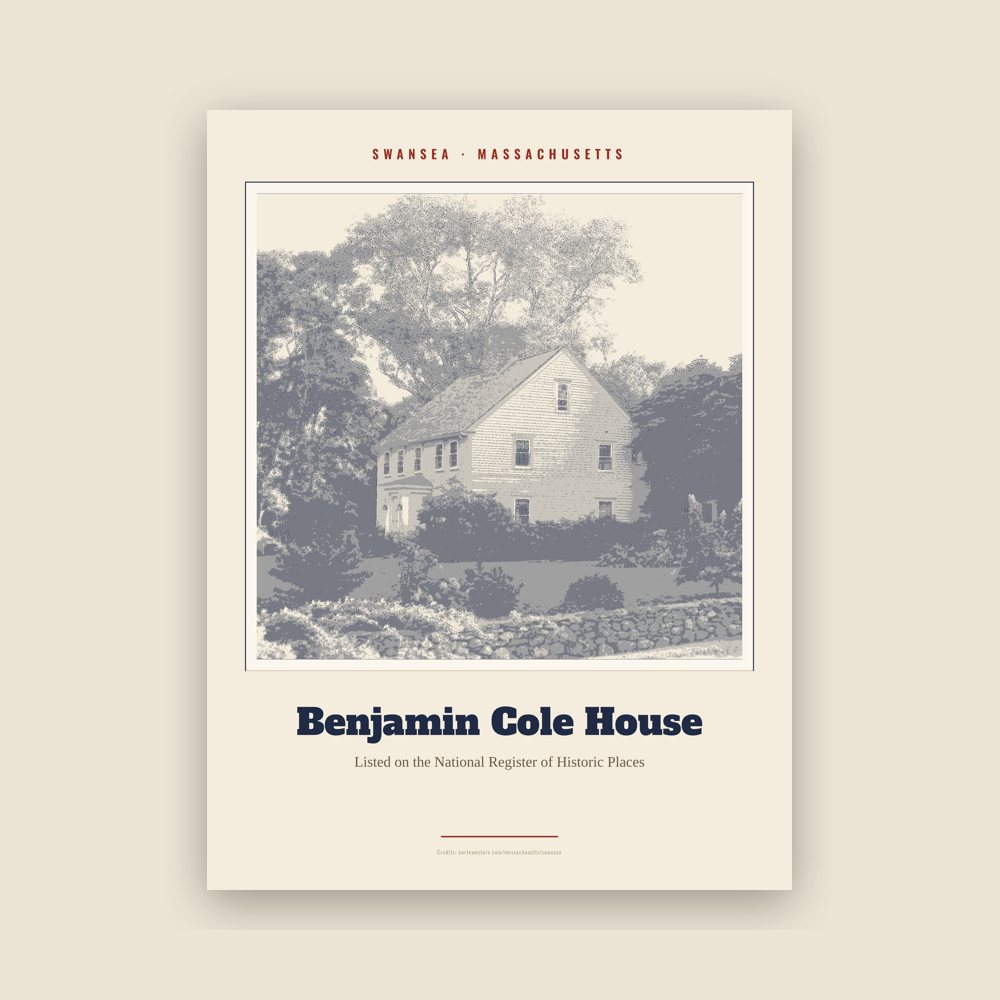
Archival matte print of a local landmark, credited to its photographer
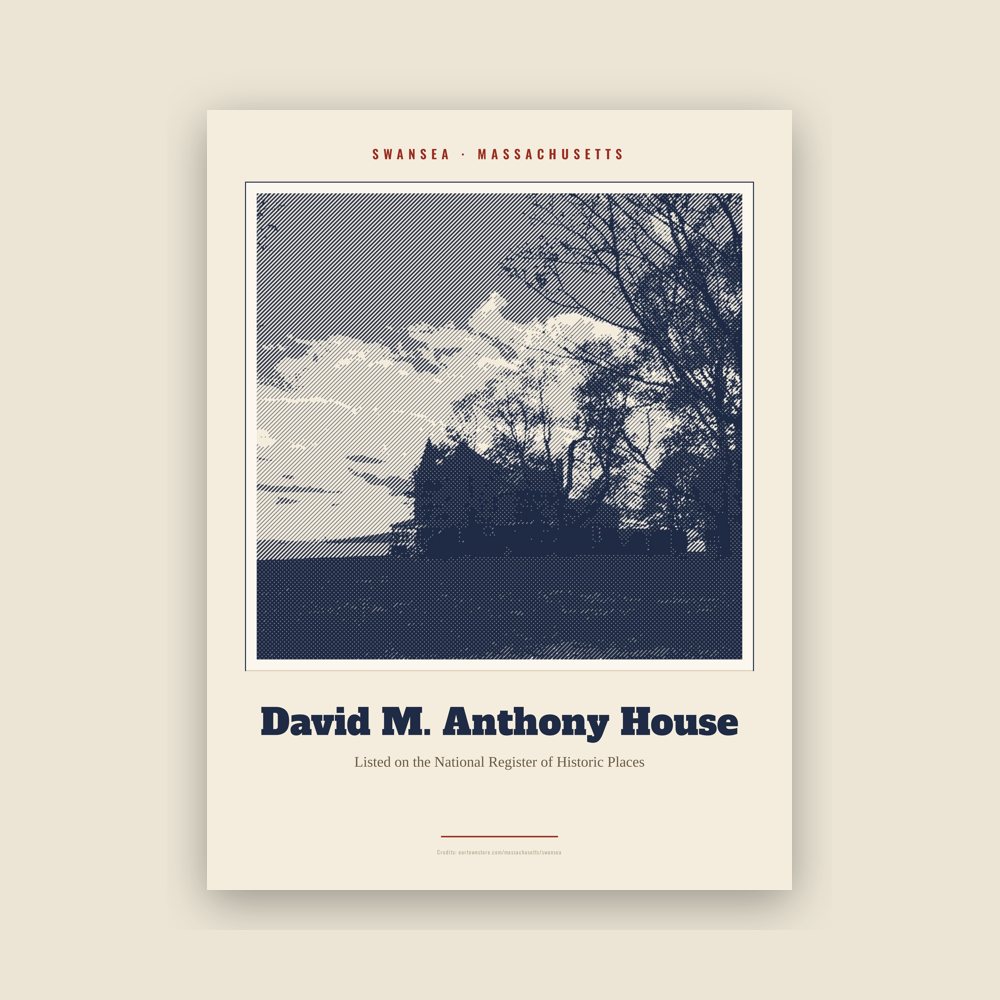
Archival matte print of a local landmark, credited to its photographer
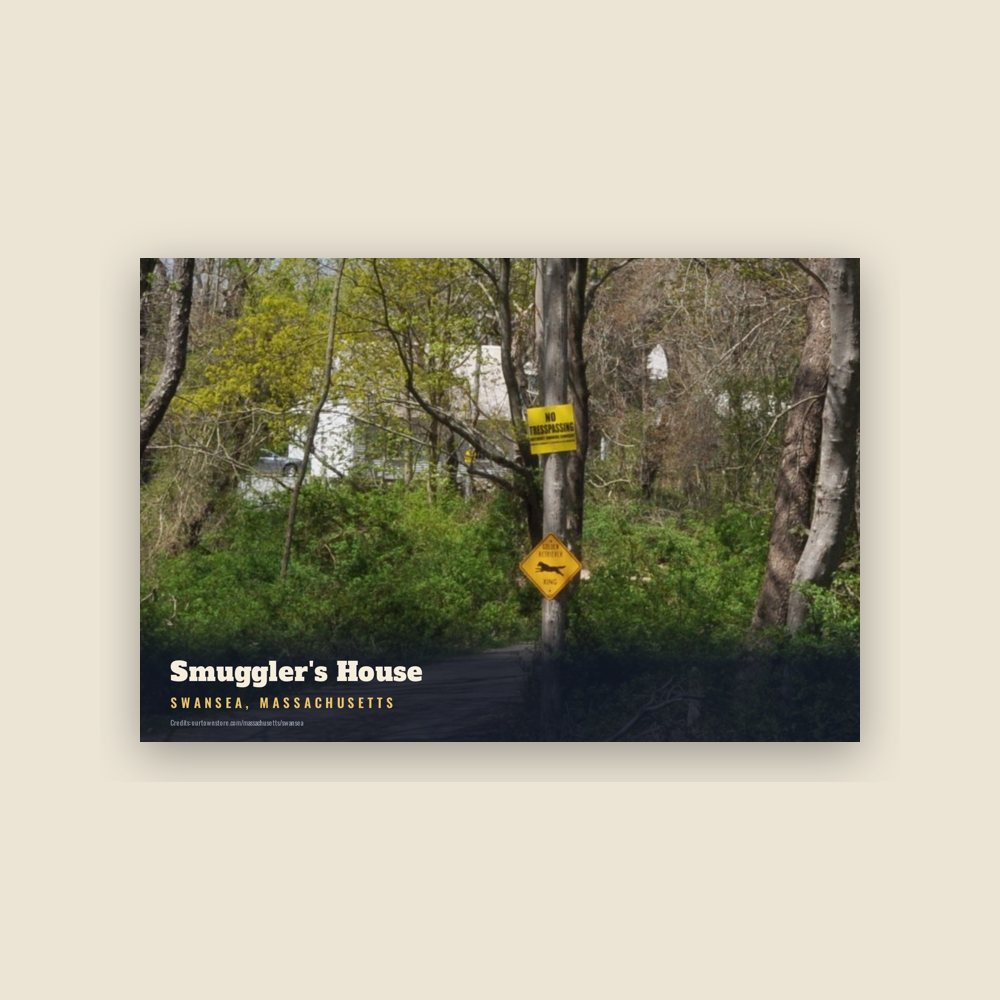
6″×4″ postcard, glossy front
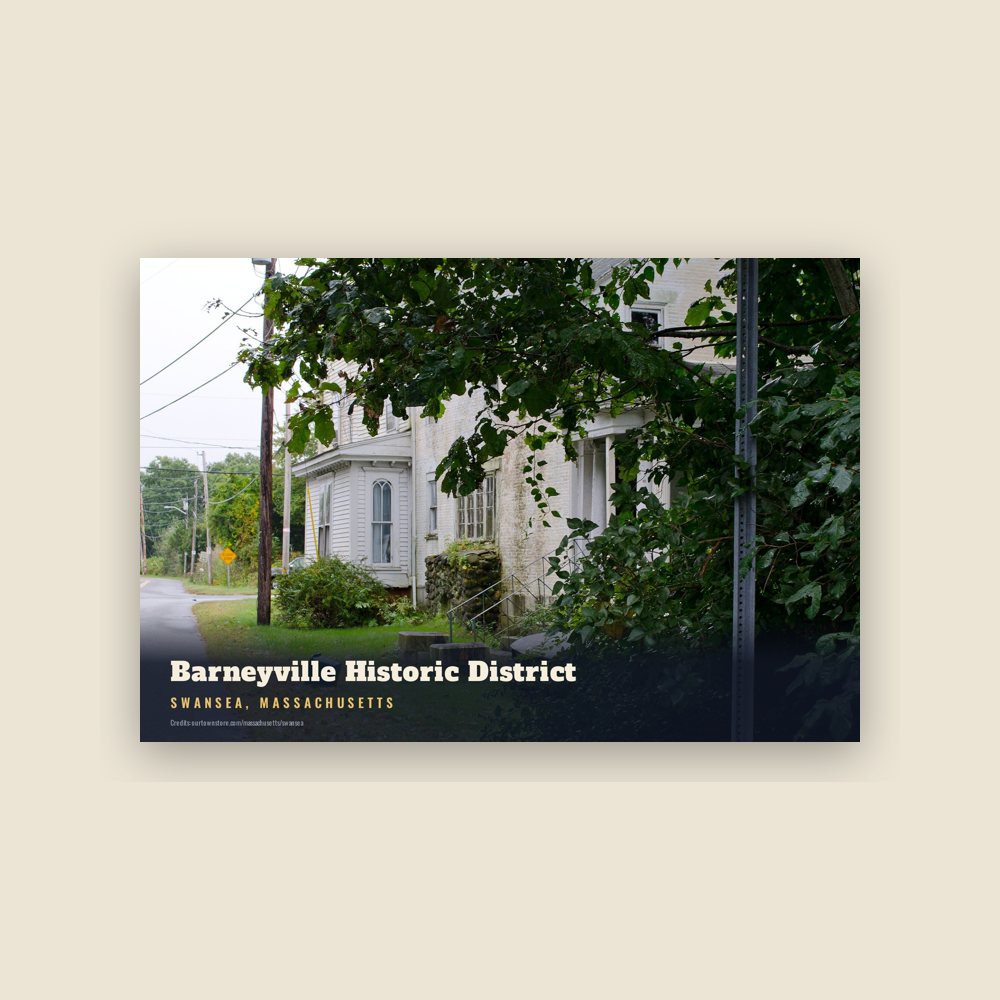
6″×4″ postcard, glossy front
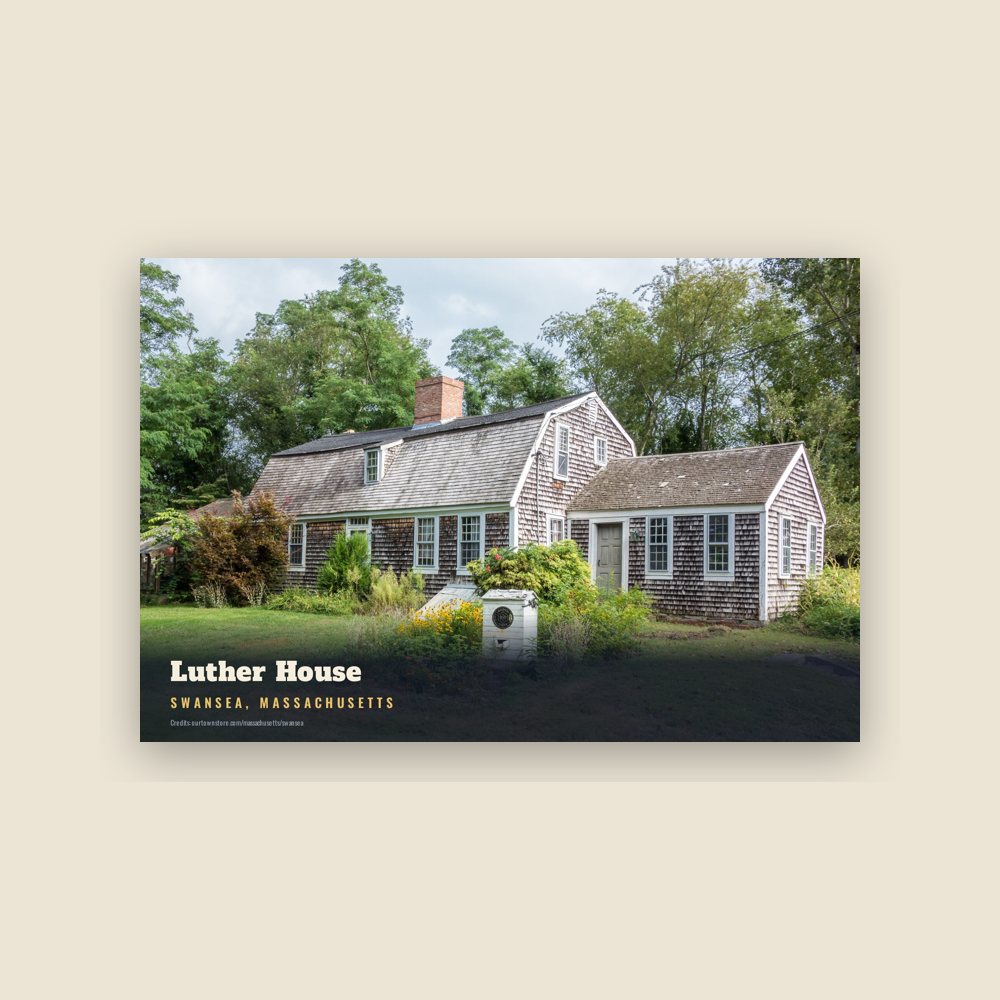
6″×4″ postcard, glossy front
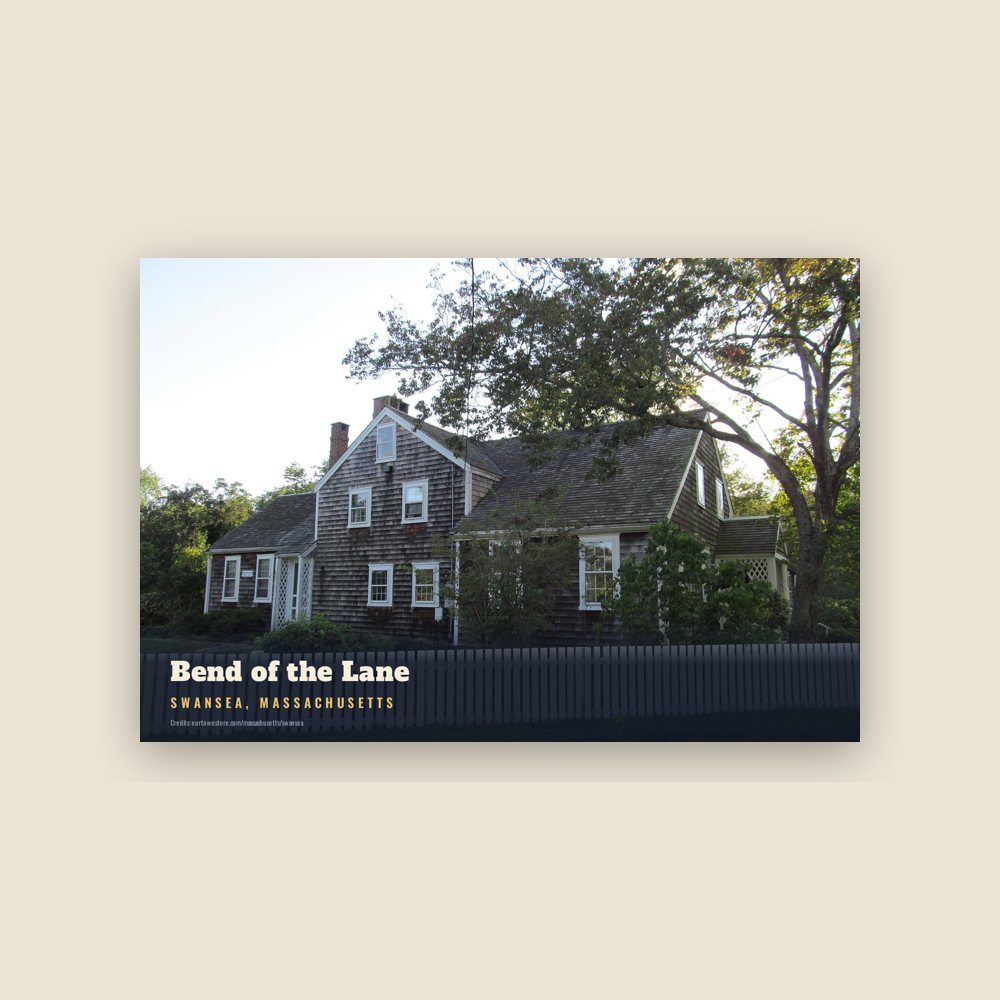
6″×4″ postcard, glossy front
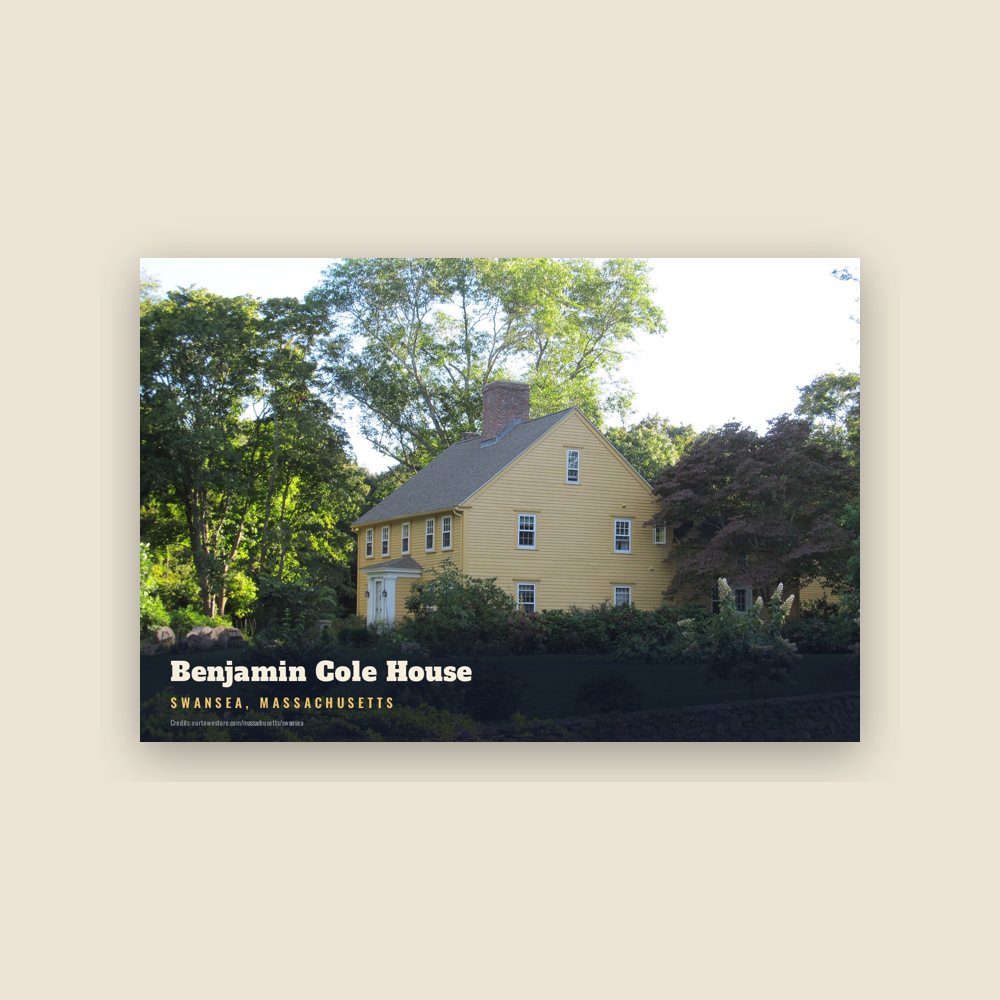
6″×4″ postcard, glossy front
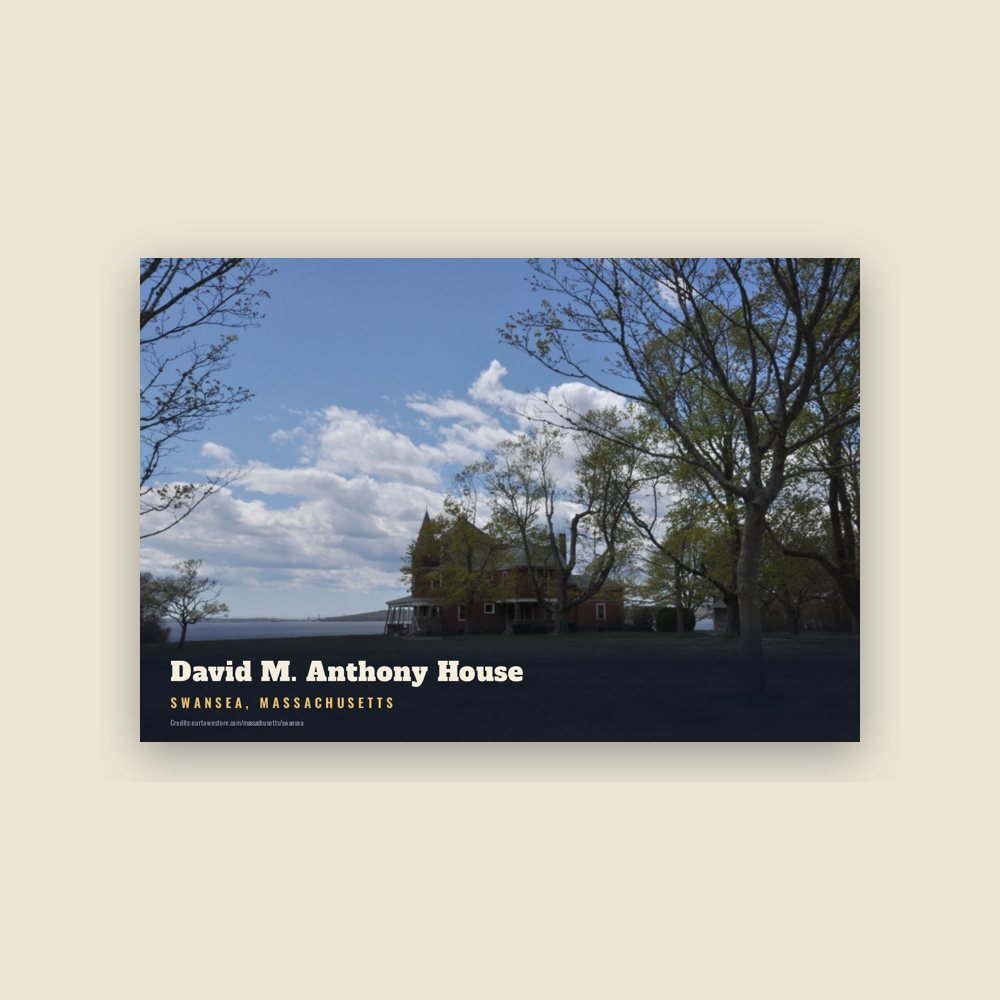
6″×4″ postcard, glossy front
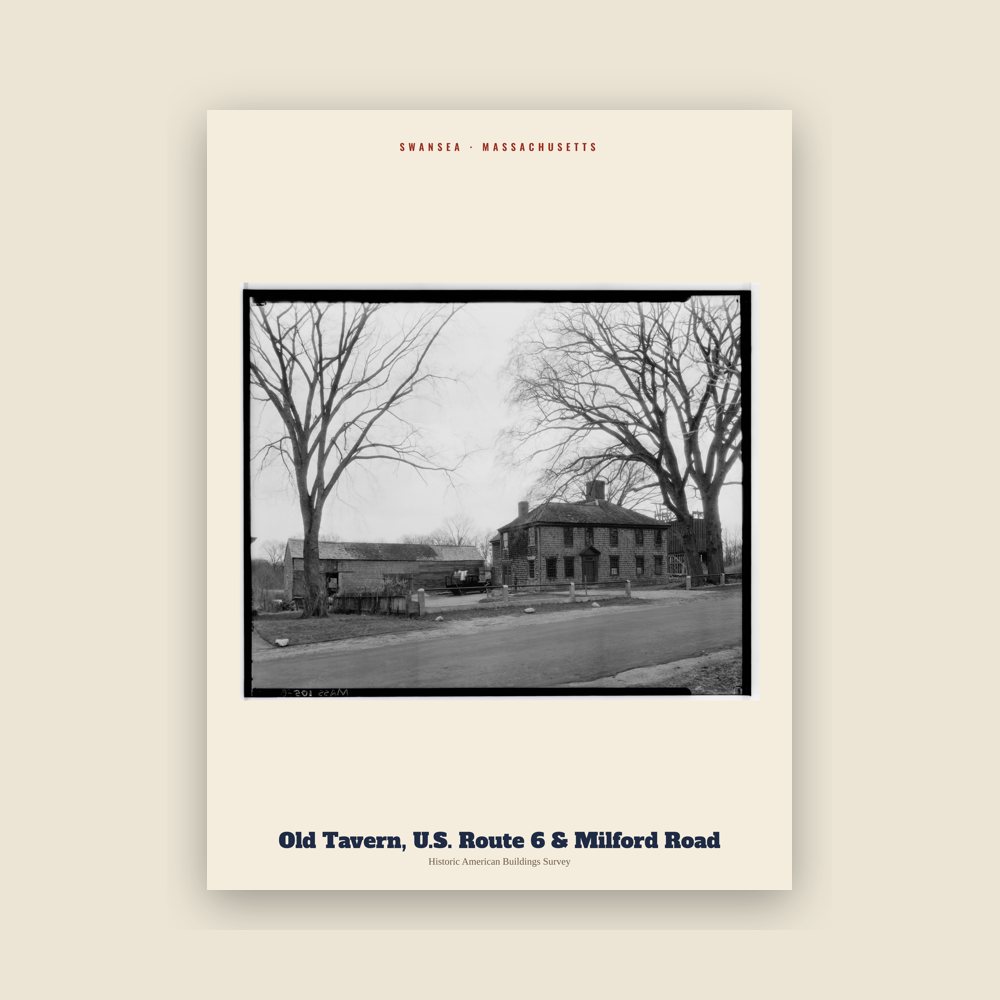
From the Library of Congress collections: a historic survey drawing or photograph of the town
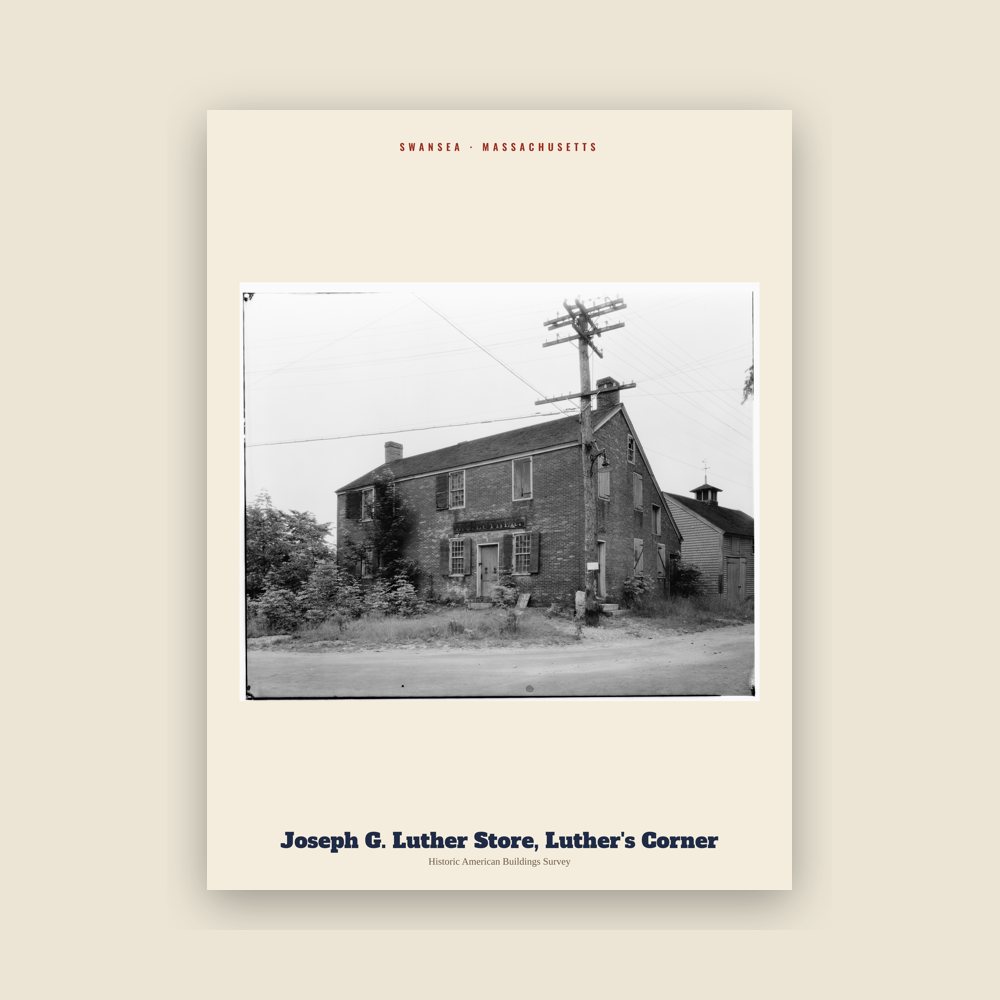
From the Library of Congress collections: a historic survey drawing or photograph of the town
Named for Swansea (city in Wales).
Population 2010: 15,865 → 2020: 17,144
From Wikidata (CC0).
Swansea was named after the Welsh city of Swansea, which had been the hometown of some original settlers. John Miles, the founder of the first Baptist Church in Wales, moved to Swansea c. 1662. William Brenton had purchased the land from Native Americans. Parts of its territory were originally part of Rehoboth, Massachusetts.
In 1667 the first Baptist church in Massachusetts relocated to Swansea from Rehoboth after experiencing religious intolerance there, and Swansea was incorporated as an independent town. Initially, the town established a committee to assign rank of 1, 2, or 3 to the residents with the first getting 3 acres of land, the second 2, and the third 1. The committee could promote and demote residents as it saw fit. The system collapsed in 1681 when the committee voted to make five residents the highest rank and to make the rank hereditary. The town unanimously voted to abolish the system.
On June 20, 1675, the first Native American attack of King Philip's War had all 70 settlers confined to their stockade. The attack had taken place at the Miles Garrison, near the Palmer River. By June 25 the entire town had been burned, although a handful of the colonists escaped to Taunton. When the active war ended in 1676, the town was soon rebuilt. The Miles (or Myles) Garrison stood the test of time, but was demolished in the 1970s. The plot it was on remains overgrown, free from construction, and a commemorative marker was placed there by the Commonwealth of Massachusetts in 1912.
After the war, many small industries, such as forges, ironworks and fisheries, opened up in the town. Many would later leave, and there remains a large agricultural sector.
What is now Barrington, Rhode Island (part of Massachusetts until 1747) was separated from the rest of Swansea in 1717, over religious differences.
In the late 1890s, trolleys connected the town to Providence, Fall River and Taunton, and the town has retained a suburban residential feel. Today Swansea is well known for its retail areas.
Swansea gained national attention in 1985 when Mark Hoyle, a young hemophiliac who had contracted AIDS through a blood transfusion, was allowed to attend public schools by Jack McCarthy, Superintendent of Schools. It was the first time in the U.S. that a student known to have the disease was allowed to enter public schools. The case came to national attention around the same time as that of Ryan White in Indiana, and helped many children with HIV attend schools throughout the country. Hoyle died one year later, and a new elementary school was named in his honor.
Adapted (trimmed) from the Wikipedia article Swansea, Massachusetts, revision 1379346601 by its contributors, licensed CC BY-SA 4.0.
We share a part of every Swansea sale with local partners, and we'd love to print from your collection. Old photographs, maps and postcards make the best keepsakes.
Partner with us