Charleston County, South Carolina
Street maps, historic prints and keepsakes for 15 Charleston County towns.
The oldest is Rockville, established 1784. The largest by population is Charleston (150,227).
| Town | Established | Population |
|---|---|---|
| Awendaw | – | 1,399 |
| Charleston | – | 150,227 |
| Folly Beach | 1938 | 2,078 |
| Hollywood | – | 5,339 |
| Isle Of Palms | 1938 | 4,347 |
| James Island | 1993 | 11,621 |
| Kiawah Island | 1938 | 2,013 |
| Mcclellanville | – | 605 |
| Meggett | – | 1,390 |
| Mount Pleasant | – | 90,801 |
| Ravenel | – | 2,542 |
| Rockville | 1784 | 141 |
| Seabrook Island | – | 2,050 |
| Sullivan'S Island | – | 1,891 |
| Summerville | 1847 | 50,915 |
About these towns
Awendaw: Awendaw was named by the Sewee tribe. Awendaw is thought to mean "Red Clay". It is also home to an oyster shell mound created by the Sewee tribe.
Charleston: King Charles II granted the chartered Province of Carolina to eight of his loyal friends, known as the Lords Proprietors, on March 24, 1663.
Folly Beach: Folly Beach is a public city on Folly Island in Charleston County, South Carolina, United States. Folly Beach is within the Charleston-North Charleston-Summerville metropolitan area and the Charleston-North Charleston Urbanized Areas.
Hollywood: Hollywood is part of the Charleston, South Carolina metropolitan area and the Charleston-North Charleston Urbanized Area.
Isle Of Palms: In the late nineteenth century, local residents began using the island as a vacation spot. At that time it was only accessible by ferry.
James Island: On November 14, 1782, Tadeusz Kościuszko, Colonel of the Continental Army, led the last known armed action of the Revolutionary War against the British and was nearly killed on James Island.
Kiawah Island: In 1699, former pirate Captain George Raynor gained possession of Kiawah Island. On November 1, 1701, Raynor sold half of the island to Captain William Davis and left the other half in his will for his granddaughter.
Mcclellanville: McClellanville village began in the late 1860s when local plantation owners A.J. McClellan and Richard Morrison II sold lots in the vicinity of Jeremy Creek to planters of the Santee Delta, who sought relief from summer fevers.
Meggett: Meggett is part of the Charleston-North Charleston-Summerville metropolitan area.
Mount Pleasant: The site of Mount Pleasant was originally occupied by the Sewee people, an Algonquian language–speaking tribe. The first European settlers arrived from England on July 6, 1680, under the leadership of Captain Florentia O'Sullivan.
Ravenel: Ravenel is part of the Charleston-North Charleston-Summerville metropolitan area.
Rockville: It is part of the Charleston-North Charleston-Summerville metropolitan area. The town is the site of the Rockville Regatta, an annual sailing event dating to 1890.
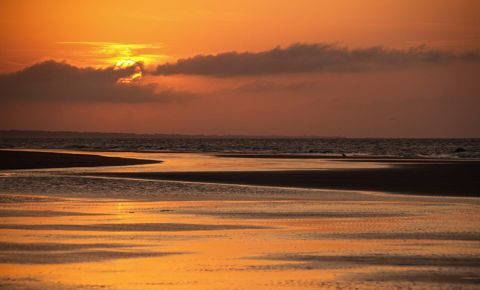
Seabrook Island: In 1666, British subject Lt. Col. Robert Sanford arrived on Seabrook as an explorer in royal service to King Charles II. By 1684, the local Stono Indians were persuaded to cede their lands to the proprietary government, which in turn sold the property to English settlers.
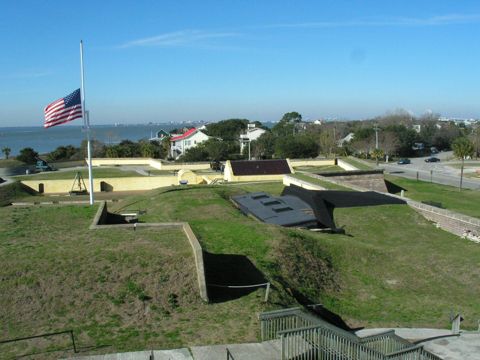
Sullivan'S Island: Sullivan's Island was the point of entry for approximately 40 to 50 percent of the 400,000 enslaved Africans brought to Colonial America, .
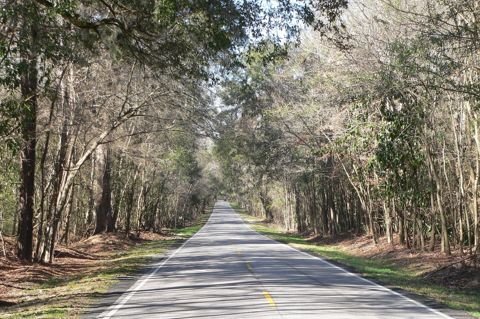
Summerville: The first settlement in Summerville began after the American Revolutionary War; it was called Pineland Village in 1785. Development in the area resulted from plantation owners who resided in the Charleston area and came to Summerville to escape seasonal insects and their attendant swamp fever.
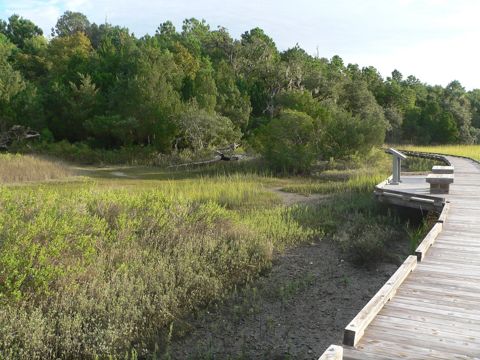 AwendawSouth Carolina
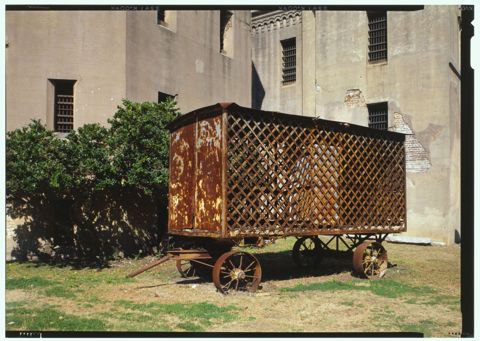 CharlestonSouth Carolina
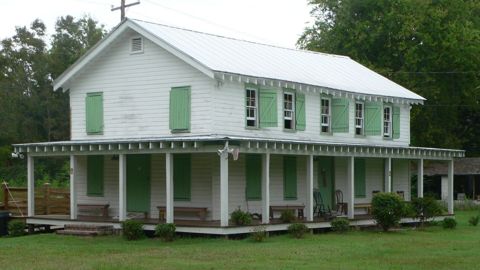 Folly BeachSouth Carolina · Est. 1938
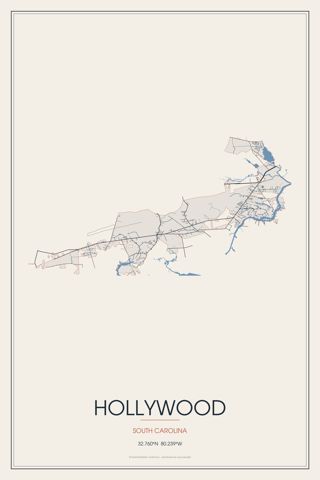 HollywoodSouth Carolina
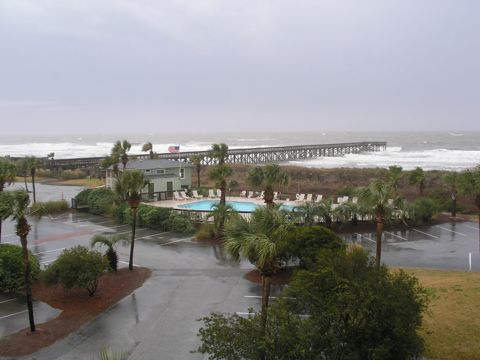 Isle Of PalmsSouth Carolina · Est. 1938
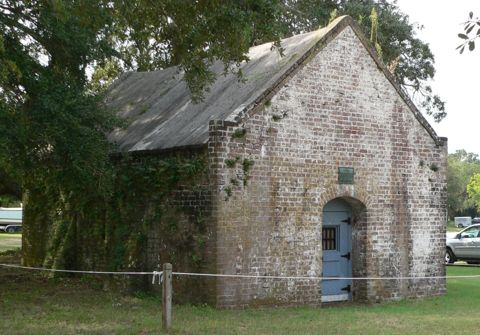 James IslandSouth Carolina · Est. 1993
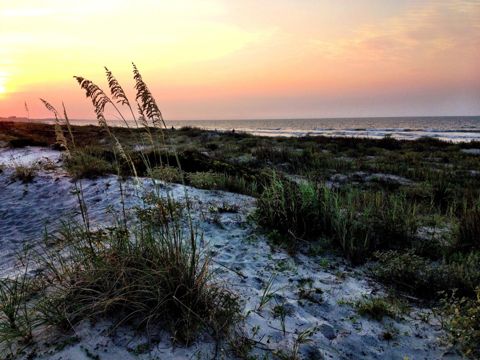 Kiawah IslandSouth Carolina · Est. 1938
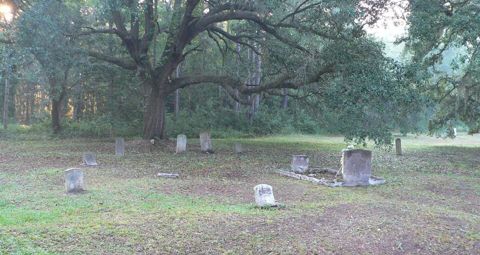 McclellanvilleSouth Carolina
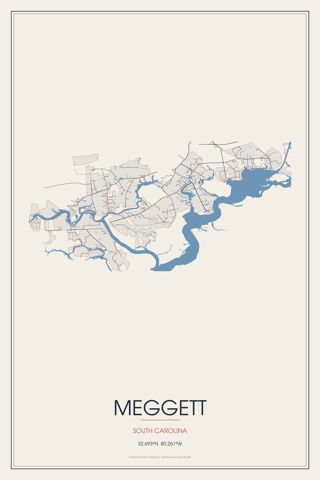 MeggettSouth Carolina
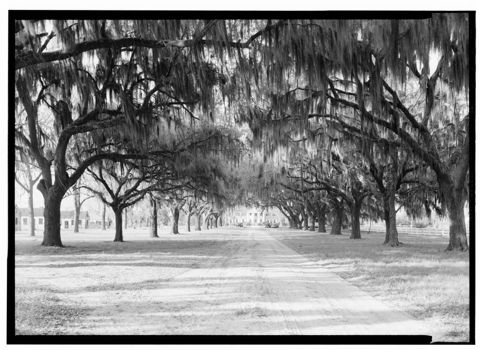 Mount PleasantSouth Carolina
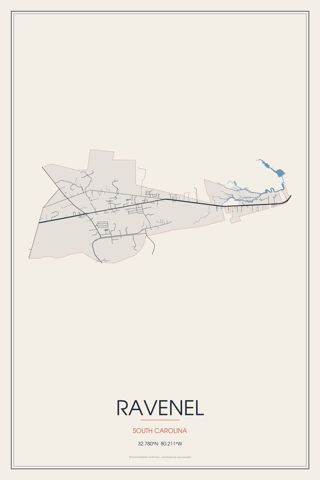 RavenelSouth Carolina
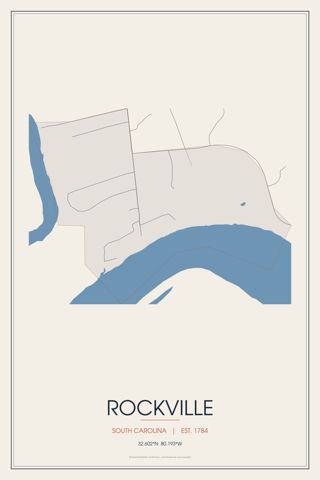 RockvilleSouth Carolina · Est. 1784
 Seabrook IslandSouth Carolina
 Sullivan'S IslandSouth Carolina
 SummervilleSouth Carolina · Est. 1847
Founding years, populations and town notes come from each town's Wikipedia and Wikidata entries. All South Carolina towns.