Cart 0
Kiawah Island, Kiawah Island, South Carolina

KIAWAH ISLAND

South Carolina · Est. 1938
Shop the collection
The Kiawah Island Collection

Made for Kiawah Island. Printed to order.

Kiawah Island, South Carolina gifts and souvenirs: 24 designs made from Kiawah Island's own map, landmarks and history, from $16 to $95. Printed to order and shipped free in the USA.

PopularPrice
Kiawah Island Hometown Ornament$23
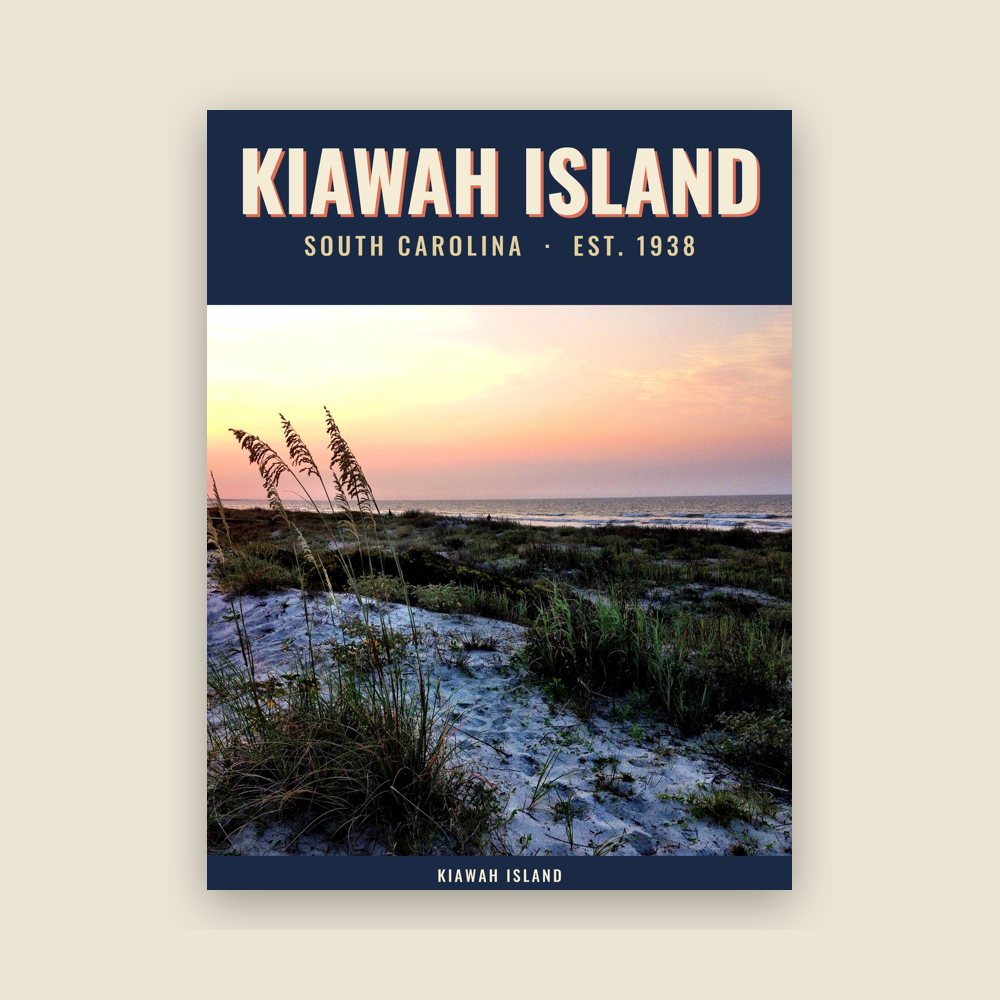
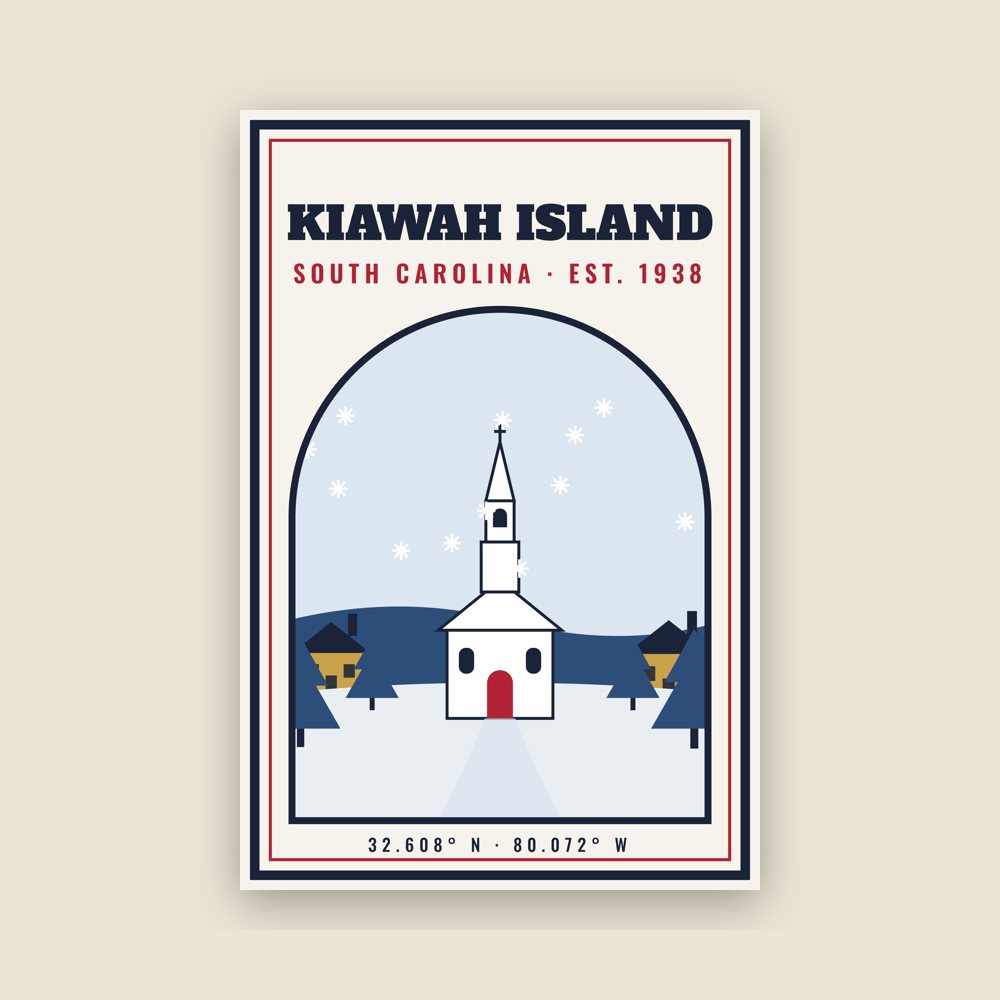
Kiawah Island Vintage Travel Posterfrom $40
Kiawah Island Varsity Crewneckfrom $57
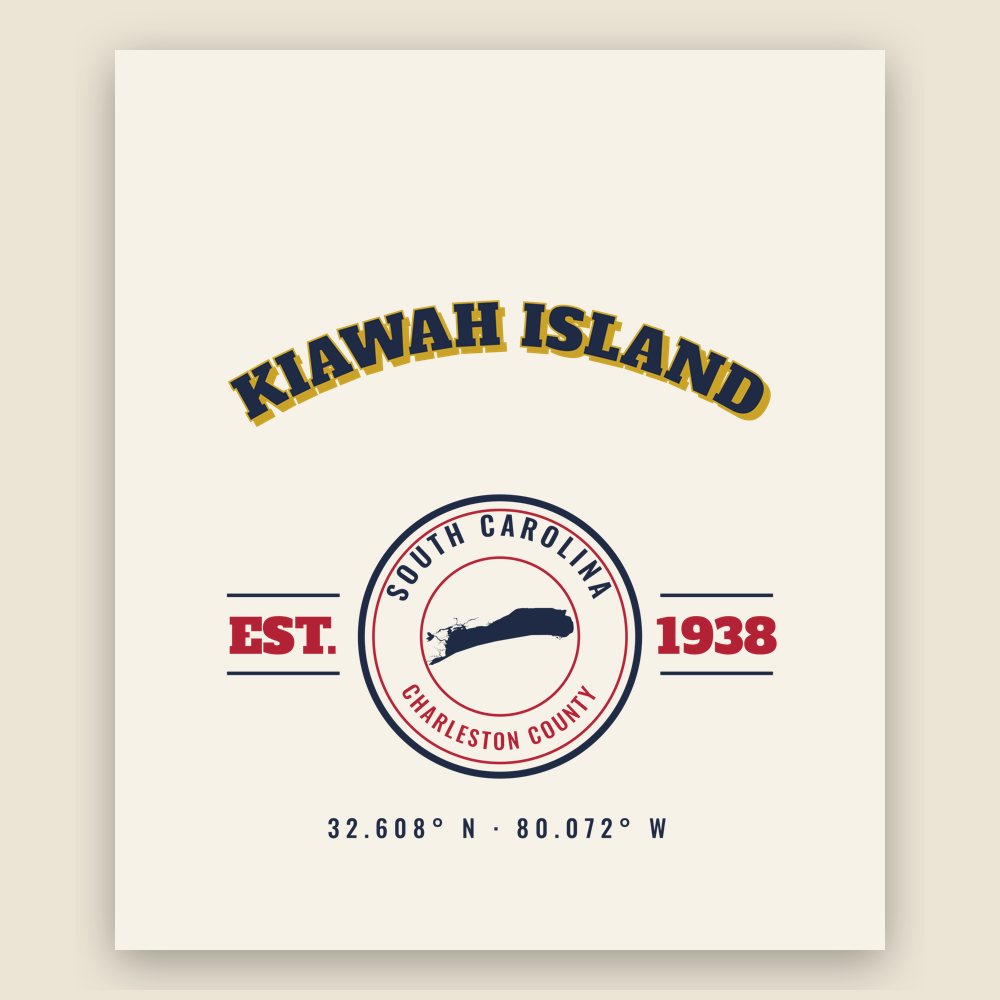
Kiawah Island Est. Teefrom $33
Kiawah Island Town Line Mugfrom $26
Kiawah Island Market Tote$37
Kiawah Island Hometown Ornament

Kiawah Island Hometown Ornament

Ceramic keepsake, gold ribbon

$23
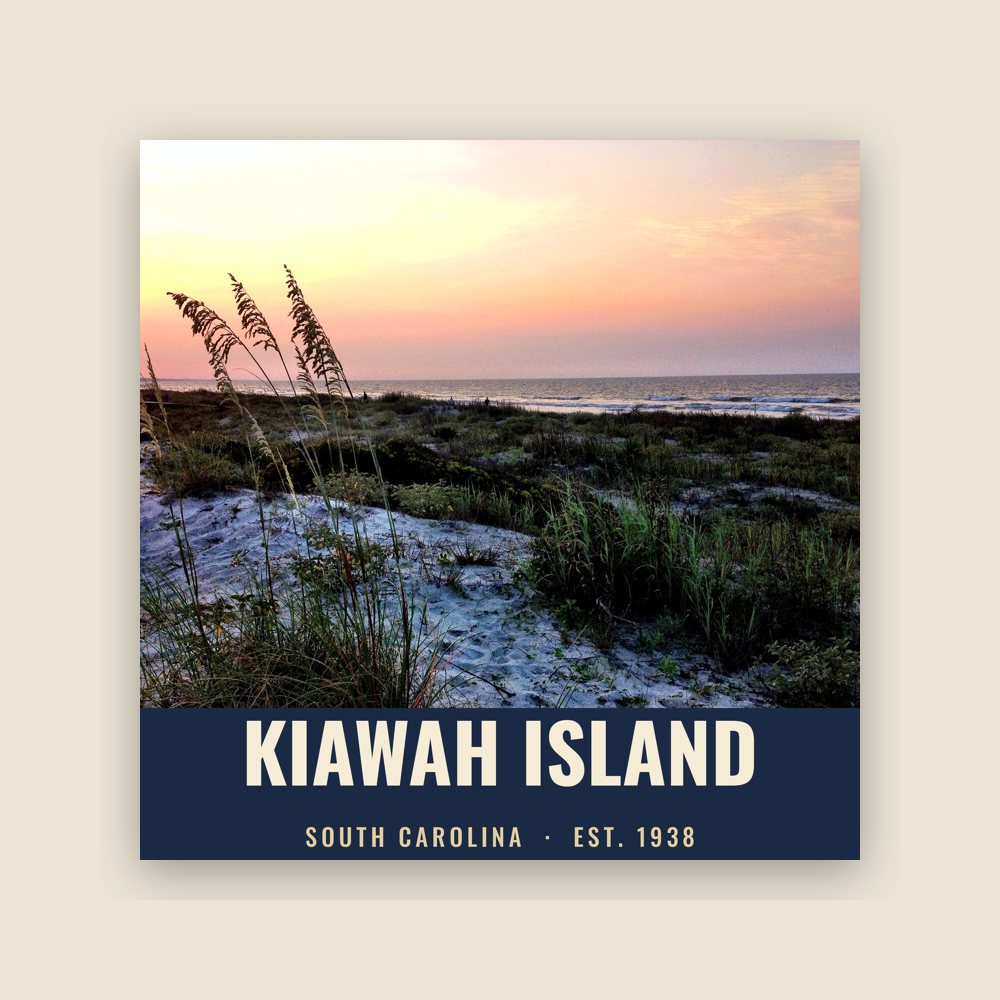
Kiawah Island Vintage Travel Poster

Kiawah Island Vintage Travel Poster

Its landmark photo in a classic travel-poster layout

from $40
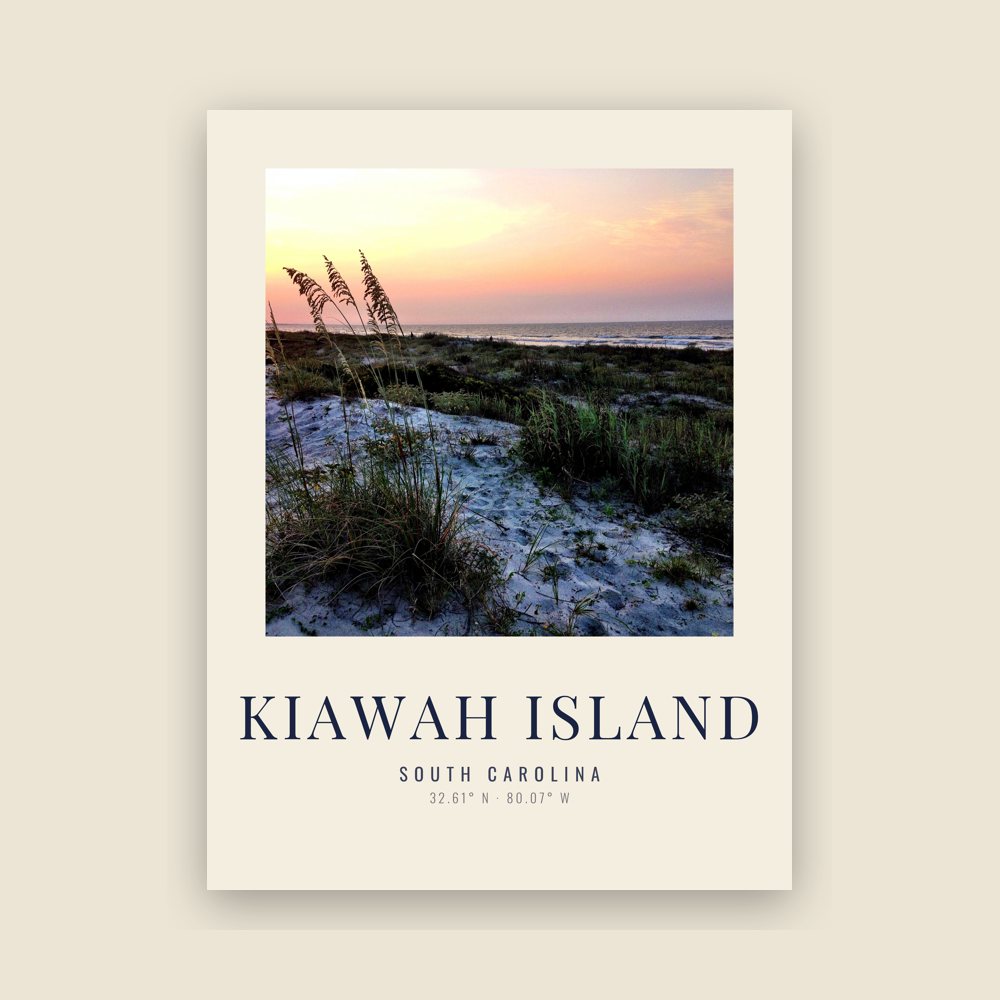
Kiawah Island Photo Art Print

Kiawah Island Photo Art Print

A local landmark photo as a gallery print

from $40
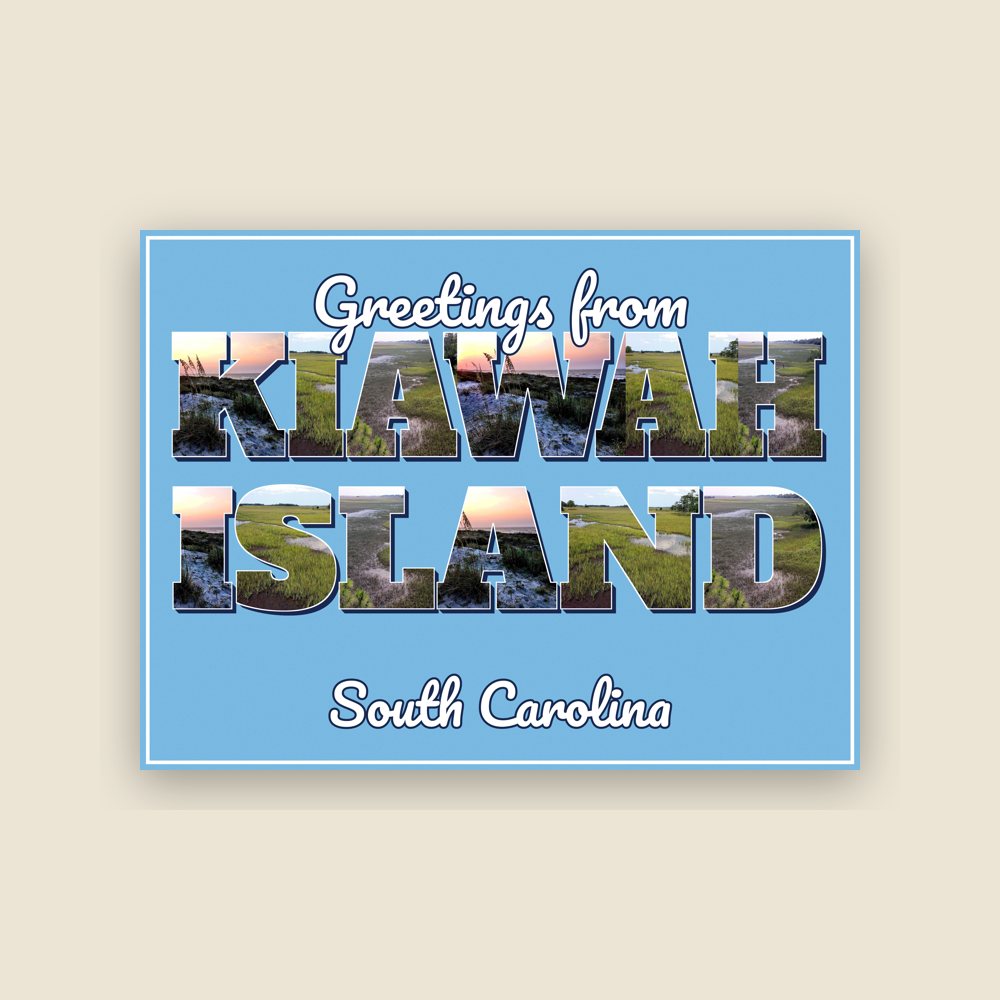
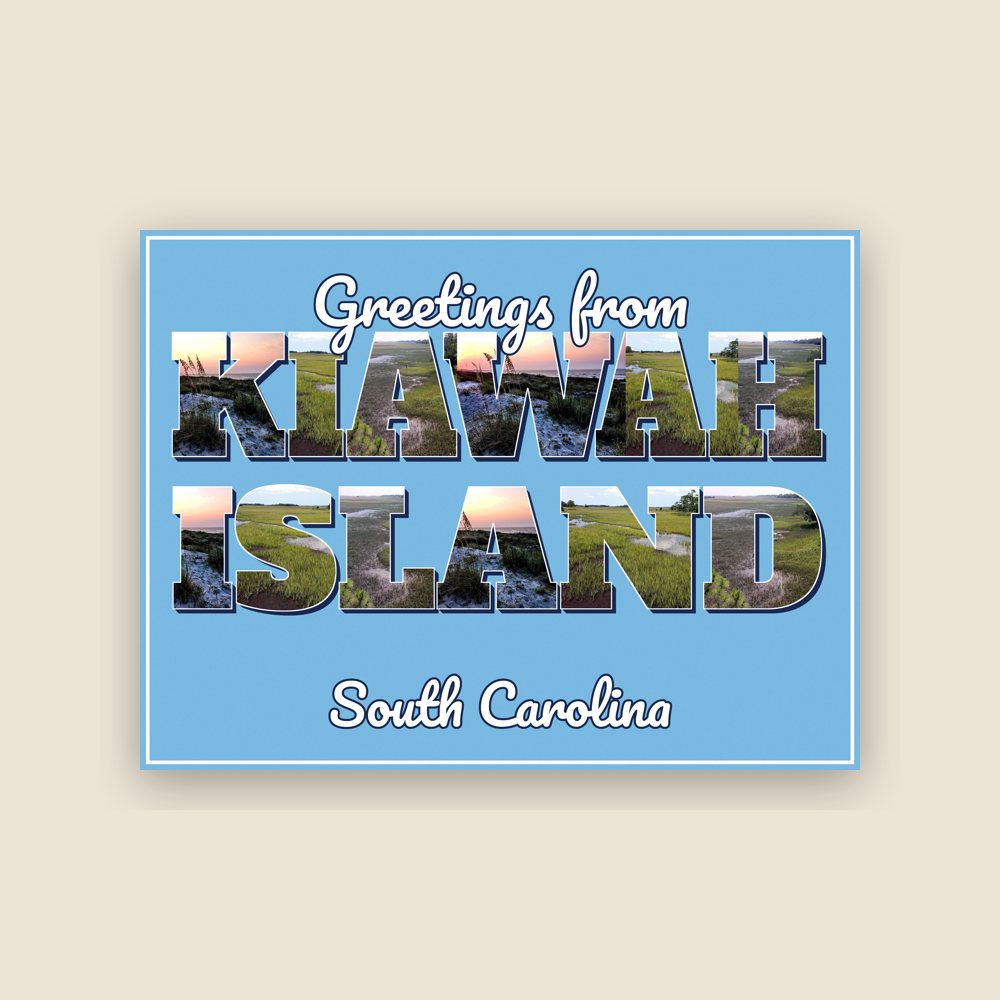
Kiawah Island “Greetings From” Poster

Kiawah Island “Greetings From” Poster

Classic large-letter postcard art, filled with local photos

from $40
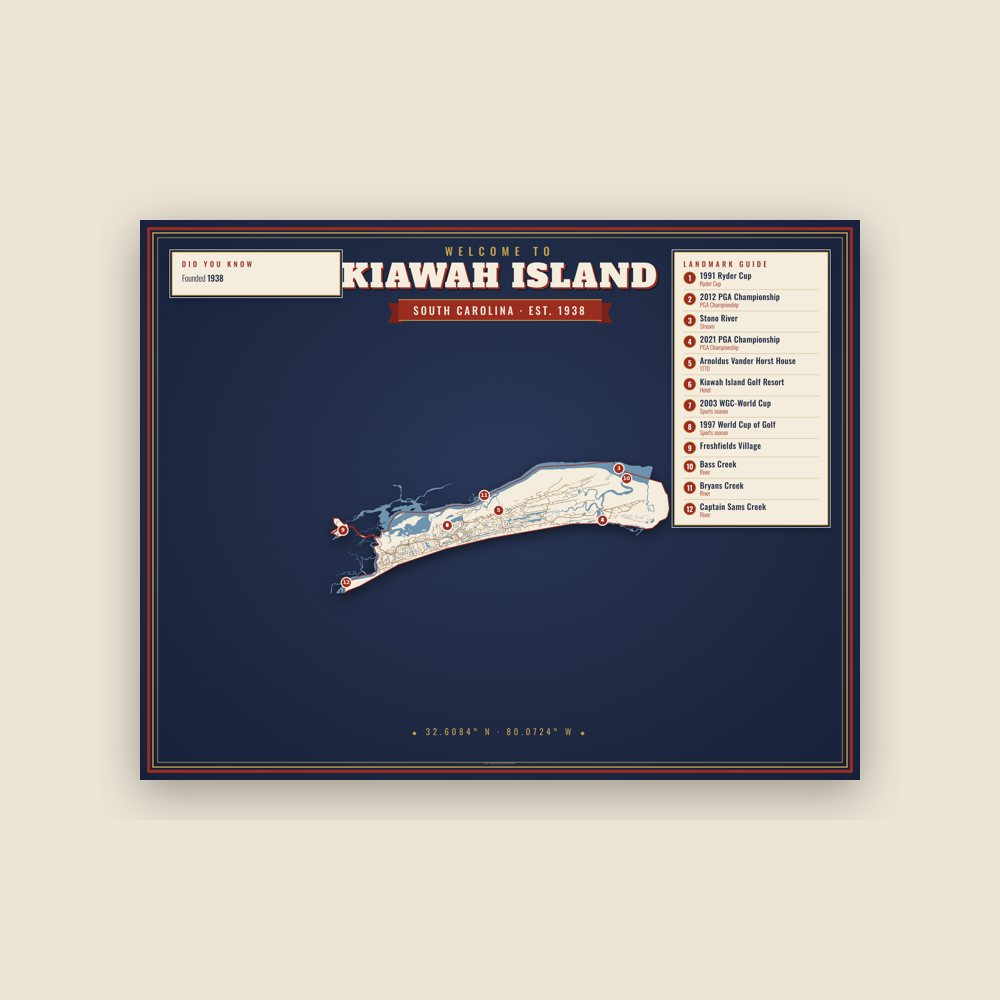
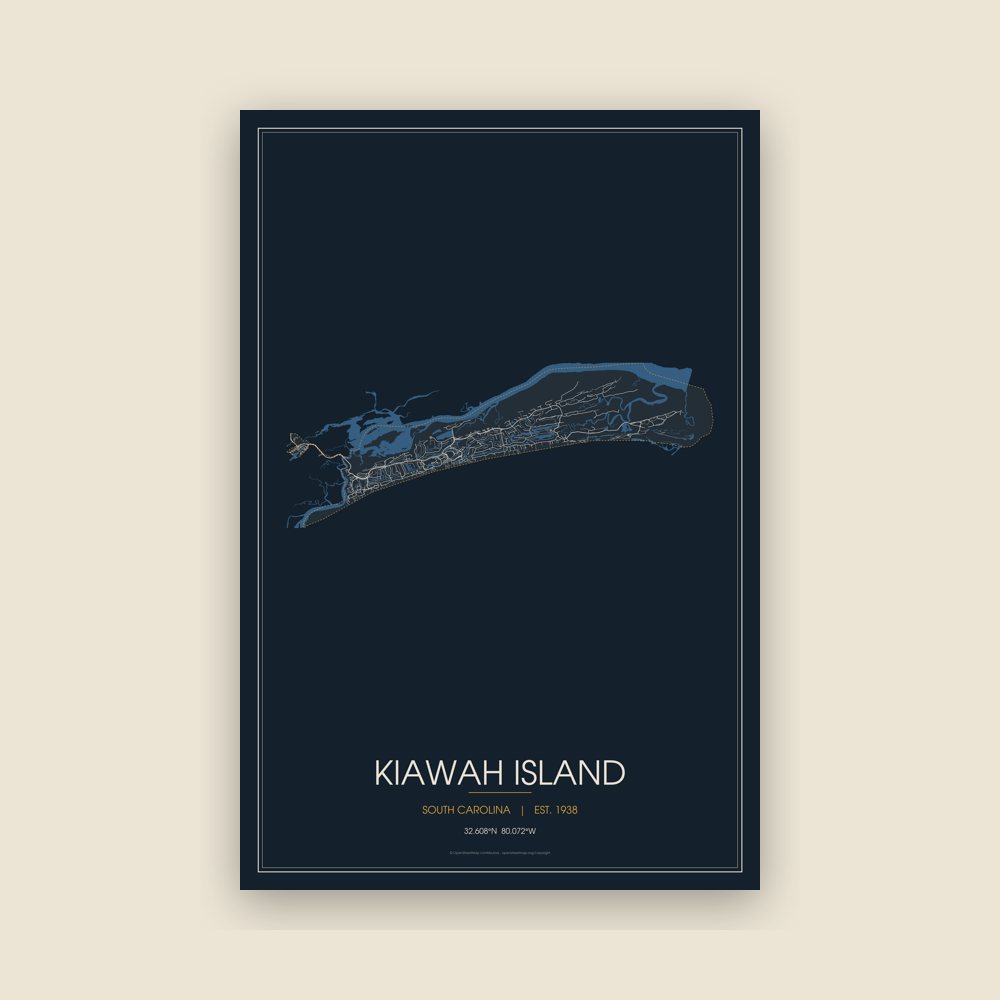
Kiawah Island Map Placemat

Kiawah Island Map Placemat

Map of local landmarks, washable fabric

$31
Kiawah Island Varsity Crewneck

Kiawah Island Varsity Crewneck

Heavy-blend fleece, street map printed on the back

from $57
Kiawah Island Est. Tee

Kiawah Island Est. Tee

Soft Bella+Canvas jersey

from $33
Kiawah Island Est. Youth Tee

Kiawah Island Est. Youth Tee

Kids' Bella+Canvas jersey, youth sizes

$30
Kiawah Island Est. Toddler Tee

Kiawah Island Est. Toddler Tee

Bella+Canvas toddler jersey

$29
Kiawah Island Est. Baby One Piece

Kiawah Island Est. Baby One Piece

Bella+Canvas baby bodysuit

$30
Kiawah Island “Greetings From” Tee

Kiawah Island “Greetings From” Tee

Large-letter postcard art filled with local photos

from $35
Kiawah Island Town Line Mug

Kiawah Island Town Line Mug

Glossy ceramic, dishwasher safe

from $26
Kiawah Island “Greetings From” Mug

Kiawah Island “Greetings From” Mug

Large-letter postcard art filled with local photos, 11 oz ceramic

from $29
Kiawah Island Garden Flag

Kiawah Island Garden Flag

Weatherproof, for the front walk

$31
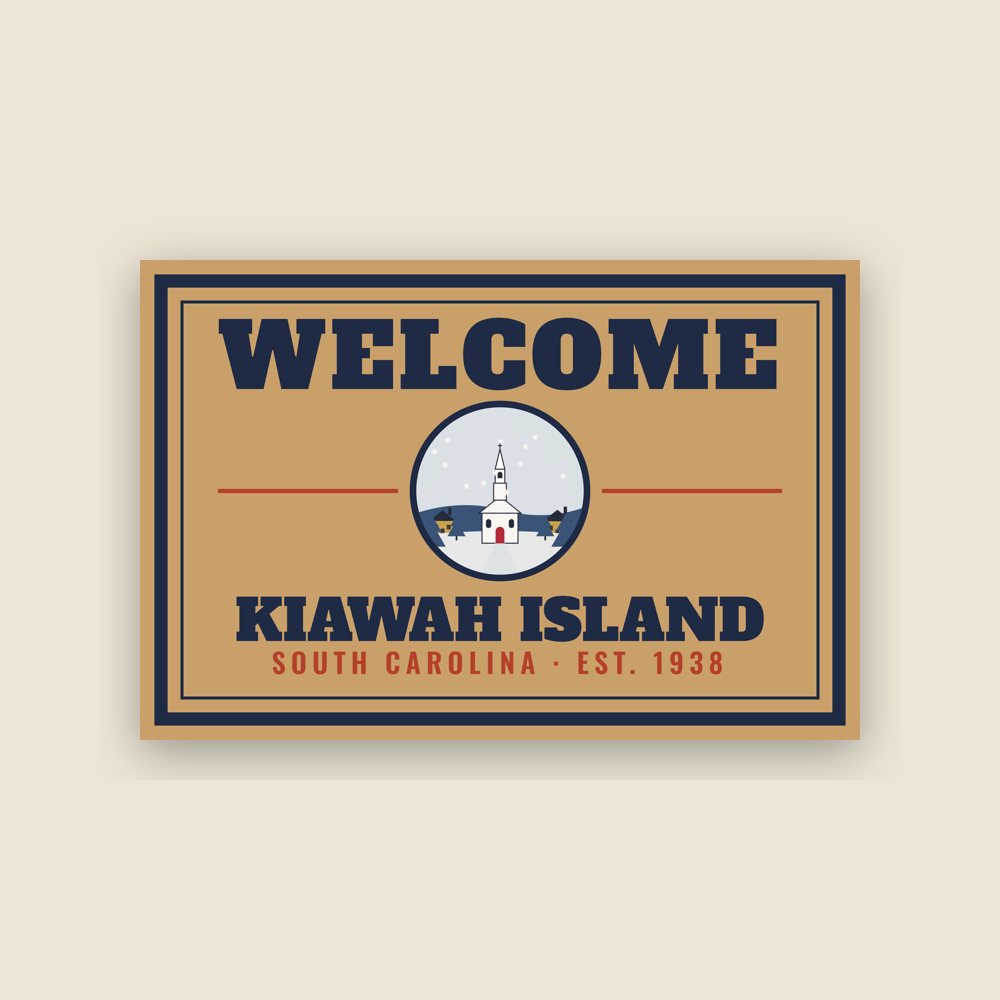
Kiawah Island Welcome Doormat

Kiawah Island Welcome Doormat

24″×16″, printed coir-look fibers, rubber back

$66
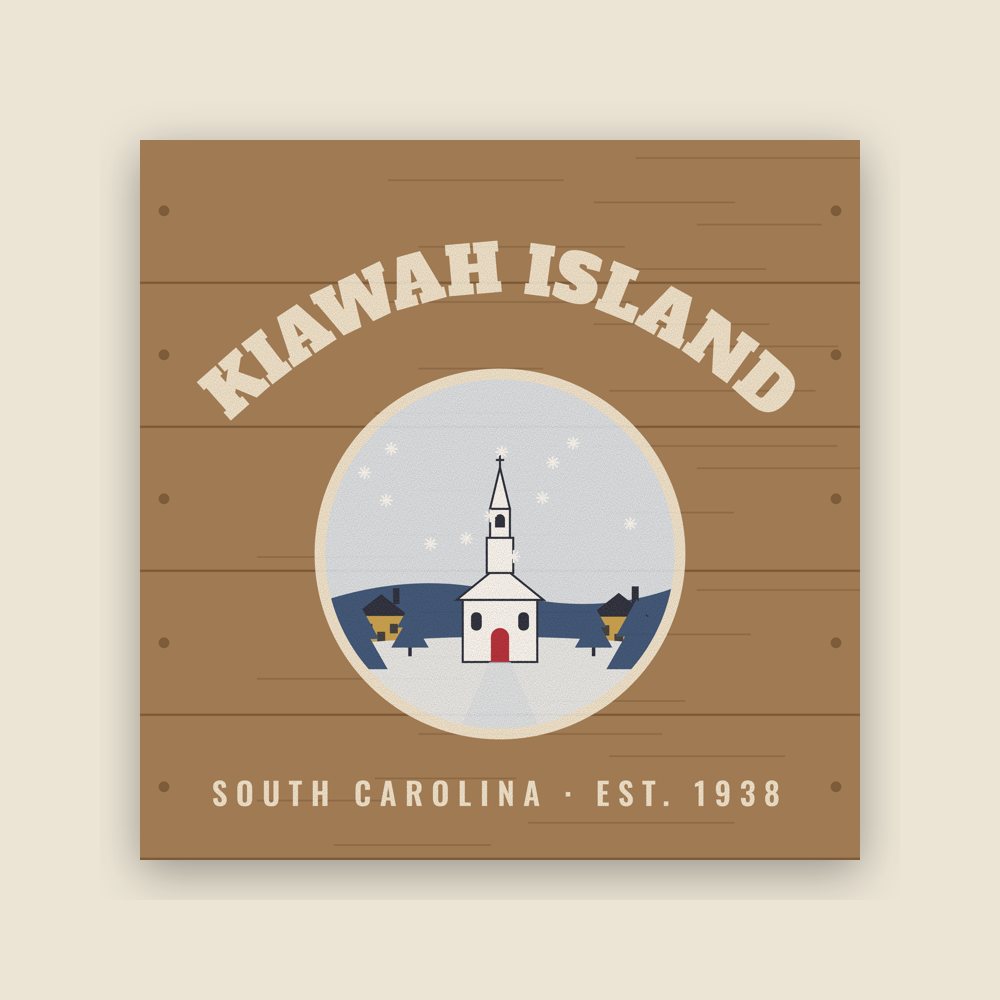
Kiawah Island Hometown Wood Sign

Kiawah Island Hometown Wood Sign

12″×12″ printed wood, ready to hang

$48
Kiawah Island Map Throw Pillow

Kiawah Island Map Throw Pillow

Soft-touch, zip cover

$47
Kiawah Island Landmark Photo Pillow

Kiawah Island Landmark Photo Pillow

A local landmark photo with the town name, 18″×18″

$49
Kiawah Island Market Tote

Kiawah Island Market Tote

Sturdy all-over-print tote

$37
Kiawah Island “Greetings From” Tote

Kiawah Island “Greetings From” Tote

Large-letter postcard art on a sturdy tote

$37
Kiawah Island “Greetings From” Trucker Cap

Kiawah Island “Greetings From” Trucker Cap

Foam-front trucker, printed (not embroidered) with local photos

$33
Kiawah Island Cork Coaster

Kiawah Island Cork Coaster

Glossy top, cork back

$16
Kiawah Island Street Map Throw Blanket

Kiawah Island Street Map Throw Blanket

Soft fleece, 50″×60″

from $72
Kiawah Island Est. Tumbler

Kiawah Island Est. Tumbler

20 oz, double-wall stainless

$51

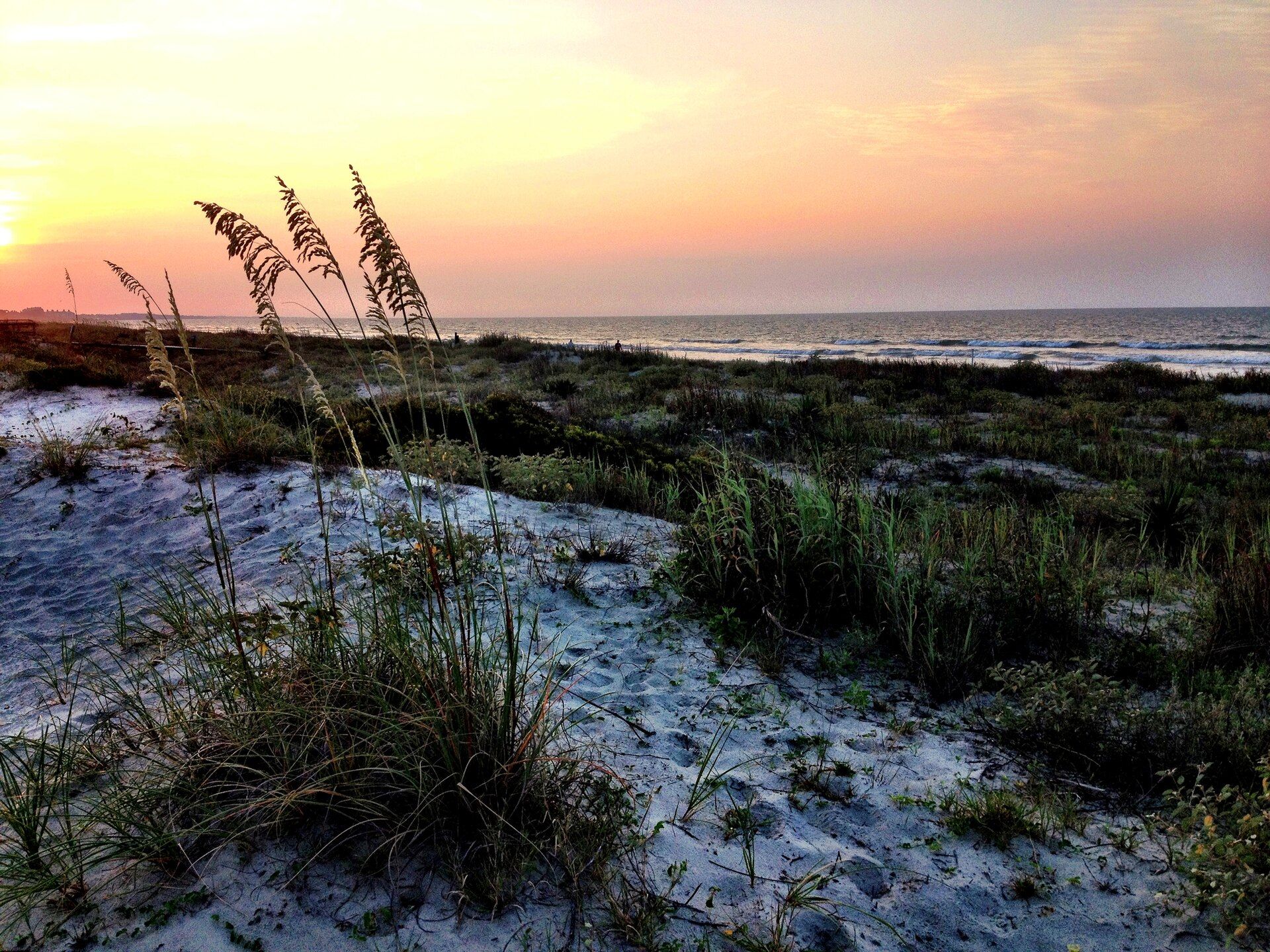
It is home to the Kiawah Island Golf Resort, with vacation houses and condos, beaches, golf courses, and other resort-like amenities. Landmarks include 1991 Ryder Cup, 2012 PGA Championship and 2021 PGA Championship.

On the National Register

Historic places

Population 2010: 1,626 → 2020: 2,013

From Wikidata (CC0).

Since 1938

A short history of Kiawah Island

Kiawah was named for the Kiawah people, who were led by their head chieftain or cacique. In 1670, the Kiawah cacique led English colonists to settle at Charlestowne Landing.

In 1699, former pirate Captain George Raynor gained possession of Kiawah Island. On November 1, 1701, Raynor sold half of the island to Captain William Davis and left the other half in his will for his granddaughter. The half left to his will was passed through family members until John Stanyarne acquired the property. Stanyarne subsequently purchased the remaining half of the island from the family of Captain Davis.

The island was primarily used for cattle farming prior to the Civil War. Stanyarne built an estate that was valued highly, falling into a category of value that only 19% of the properties of South Carolina qualified for. In his will he left the southwestern portion of the island to his granddaughter Mary Gibbs, and the northeastern portion to his granddaughter Elizabeth Vanderhorst. Both portions were to be passed down until the third generation, when they would become considered fee simple ownerships. Gibbs died at a young age; it is assumed that her father, Robert Gibbs, maintained her portion of the island.

During the Revolutionary War the island has very few records of events, other than its use as a safe recovery space for American soldiers and their families. The Vanderhorst property was burned down during the time of the Revolutionary War, but was rebuilt shortly after, and finished in the beginning of the 19th century. The Vanderhorst family infrequently inhabited the island, and often stayed in their homes elsewhere along the Carolina coast. The Vanderhorst family still only claimed ownership of half of the island, with the other half being passed through the wills of the Gibbs family. A portion of the island controlled by the Gibbs family was sold to William Seabrook. The other portion was sold to Isaac Wilson. The island during this time only remained inhabited by slaves and the properties built by the families.

The Civil War impacted Kiawah Island as it did the entire South. There were not damages recorded. The Vanderhorst family was not presently residing there, but they did check the state of the property in the earlier years of the war. There are not records of what occurred on Kiawah during the war in terms of battles, but it was sieged by the North with Charleston and taken over by Northern troops. They remained stationed there as a precautionary measure. The properties seemed to have obtained damage, but it is unclear how or how extensive.

The Vanderhorst family did not have many records from this time period. At the end of the war, they were in financial trouble and were unsure how to maintain ownership of Kiawah. They were able to keep their portion of the island, while the other two portions changed ownership. The Vanderhorsts hired freed slaves for labor and were able to produce cotton on the island. By 1870, Arnoldus Vanderhorst, the caretaker and owner of the Vanderhorst portion of Kiawah, recorded that the island was restored and there was agricultural growth.

Adapted (trimmed) from the Wikipedia article Kiawah Island, South Carolina, revision 1384999376 by its contributors, licensed CC BY-SA 4.0.
For local organizations

Are you with a Kiawah Island historical society?

We share a part of every Kiawah Island sale with local partners, and we'd love to print from your collection. Old photographs, maps and postcards make the best keepsakes.

Partner with us
Custom orders

Want something Kiawah Island we don't make yet?

A favorite landmark, your street, a school or team, an anniversary gift, a different product. Tell us and we'll get back to you by email.

Free printables

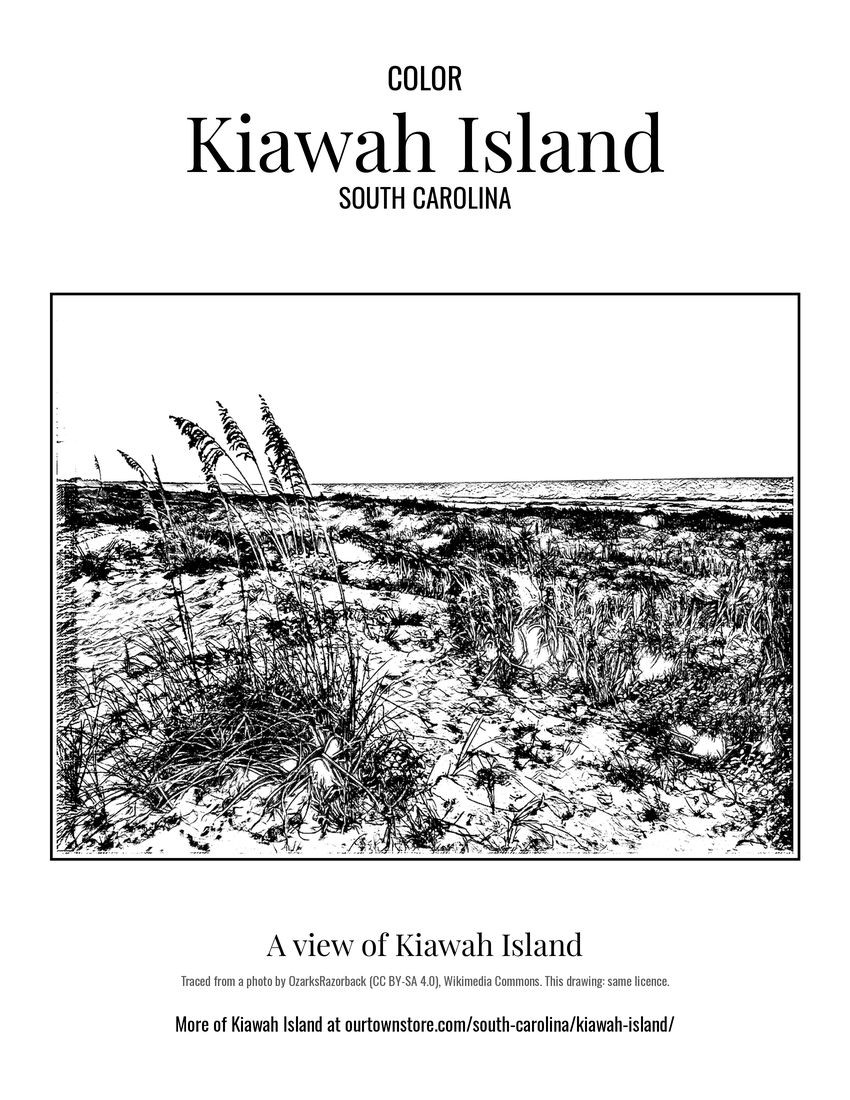
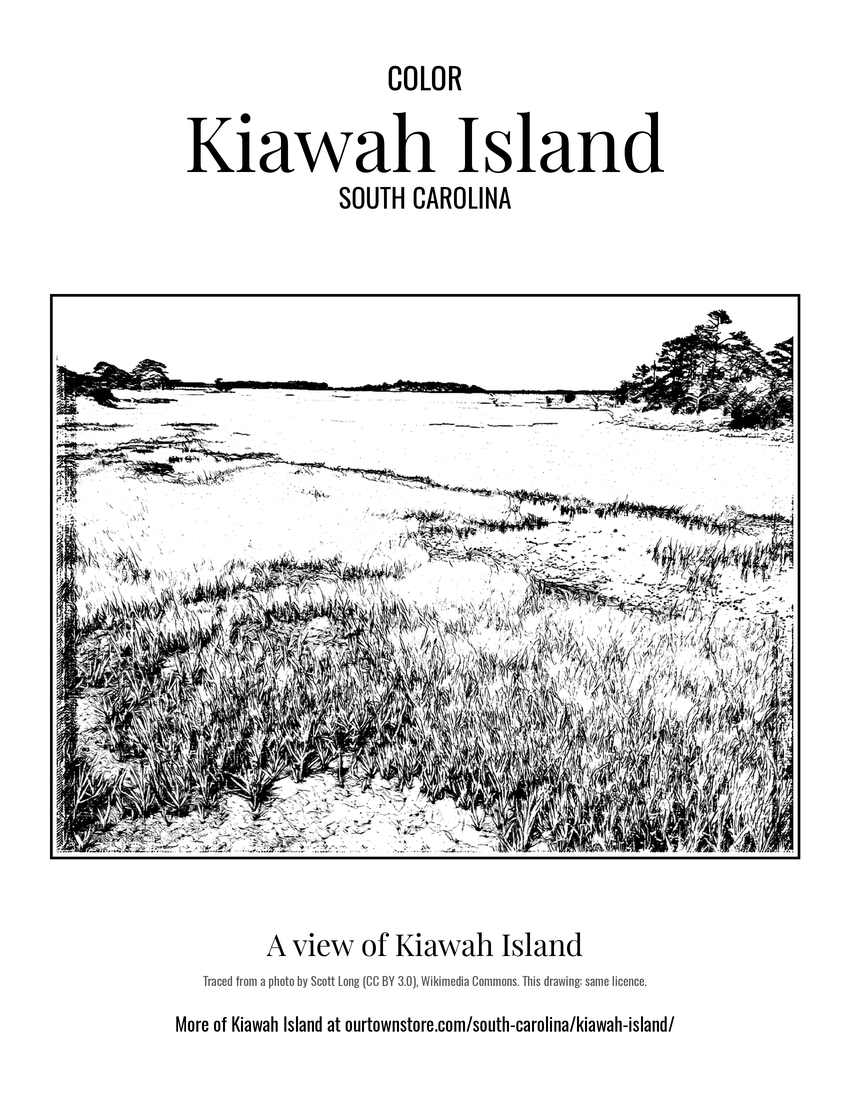
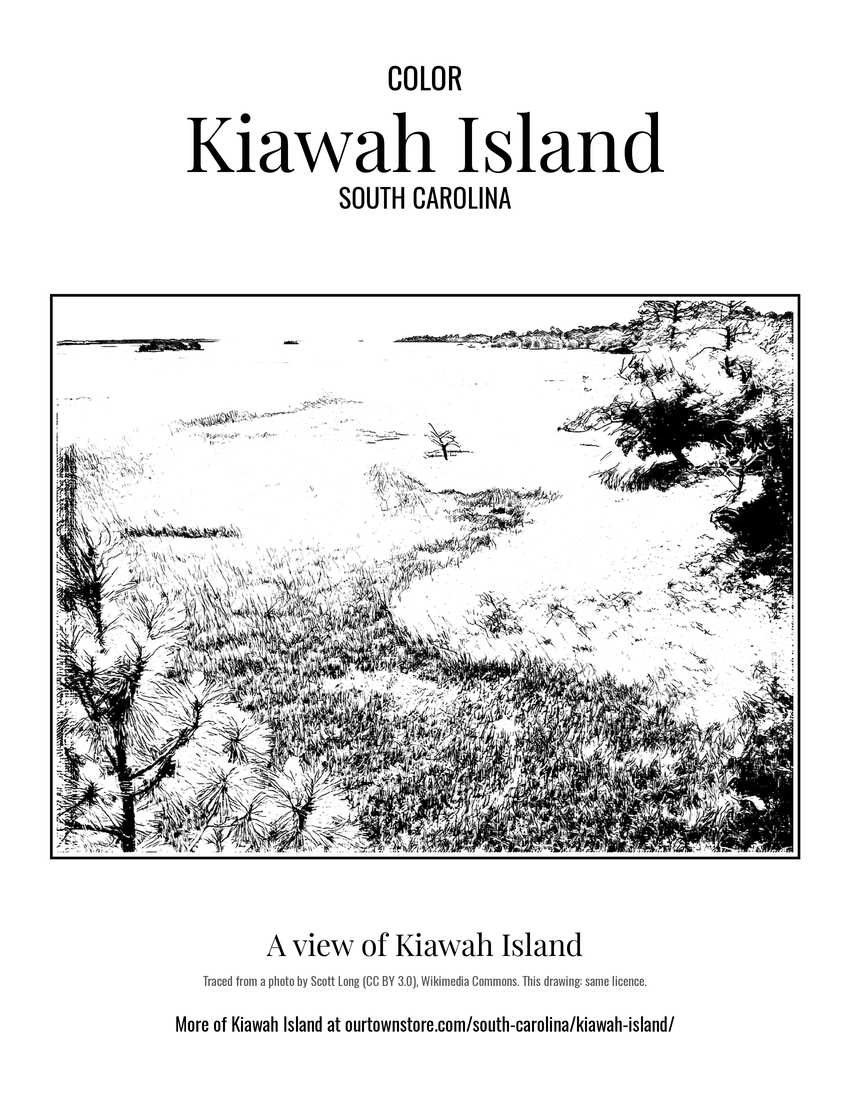
Color Kiawah Island

3 free coloring pages of Kiawah Island, each traced from a photo of a local landmark. Print them at home, at school or for story hour.

Nearby

Neighboring towns

Sources

Kiawah Island's population was 2,013 in the 2020 U.S. Census, up from 1,626 in 2010.