A short history of McClellanville
McClellanville village began in the late 1860s when local plantation owners A.J. McClellan and Richard Morrison II sold lots in the vicinity of Jeremy Creek to planters of the Santee Delta, who sought relief from summer fevers. Morrison's son, James Morrison served as the first Intendent as the town was founded in 1926. The first store opened soon after the Civil War, and the village became the social and economic center for a wide area that produced timber, rice, cotton, naval stores, and seafoods.
In 1989 the town was devastated by the full brunt of Hurricane Hugo which destroyed homes, downed century-old oaks, deposited shrimp boats in front yards, and otherwise altered much of the picturesque character of this historic fishing village. The stronger north side of the eyewall passed directly over the village while a Category 4 hurricane. Residents taking refuge in the local high school, a designated storm shelter, were surprised by a storm surge which threatened to drown the refugees. Helping one another in complete darkness, they managed to crawl into a space above the false ceilings of the building, and none were lost.
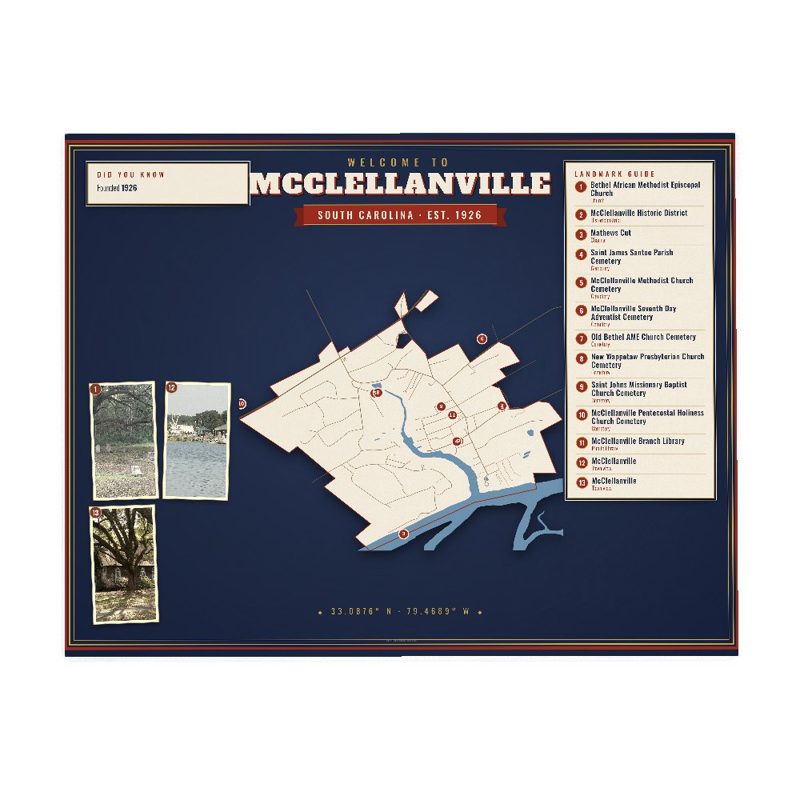
The Bethel African Methodist Episcopal Church, Cape Romain Lighthouses, Fairfield Plantation, Hampton Plantation, Harrietta Plantation, McClellanville Historic District, Wedge Plantation, and Old Georgetown Road are listed on the National Register of Historic Places.
Adapted (trimmed) from the Wikipedia article McClellanville, South Carolina, revision 1378566046 by its contributors, licensed CC BY-SA 4.0.
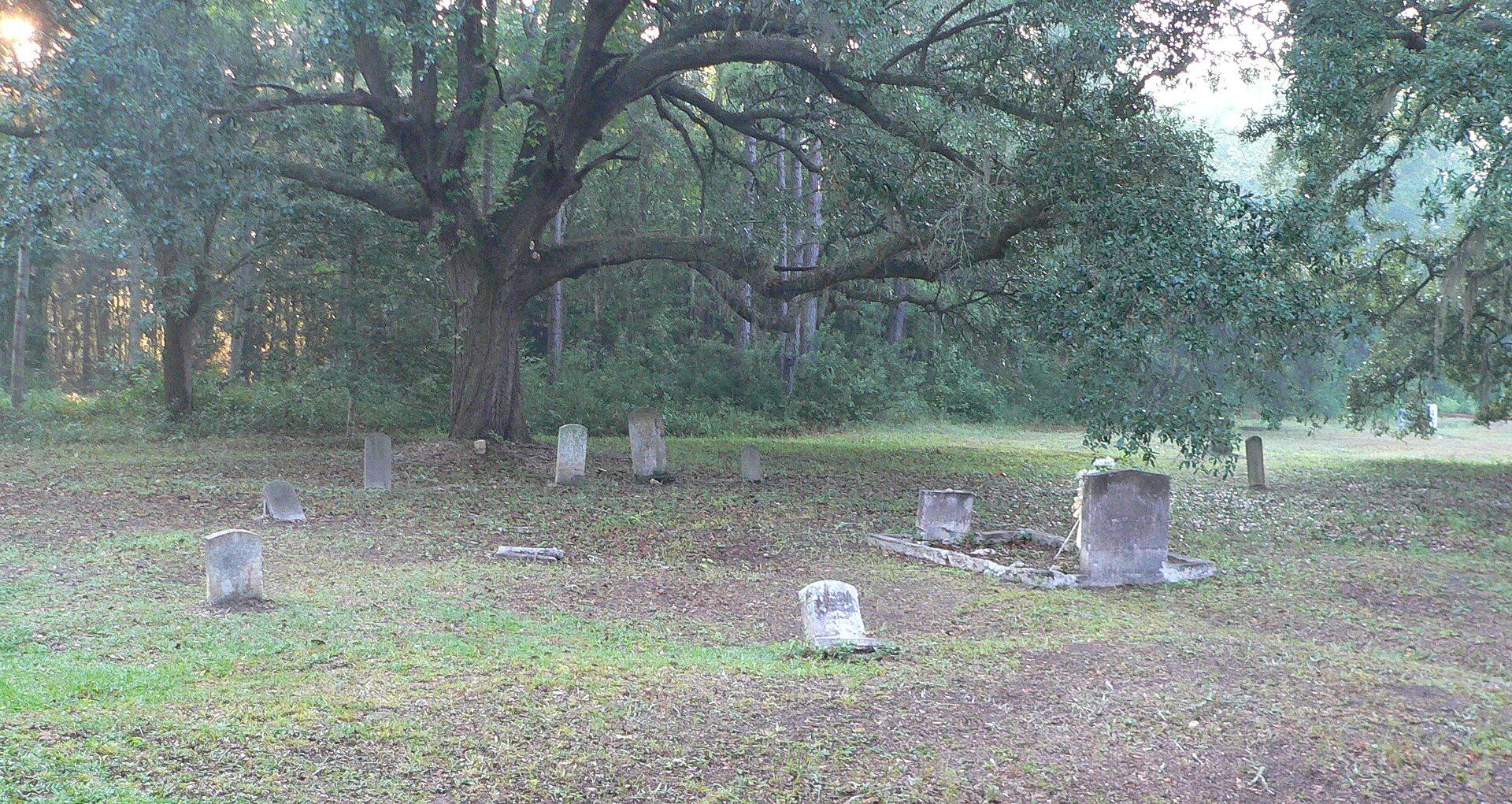






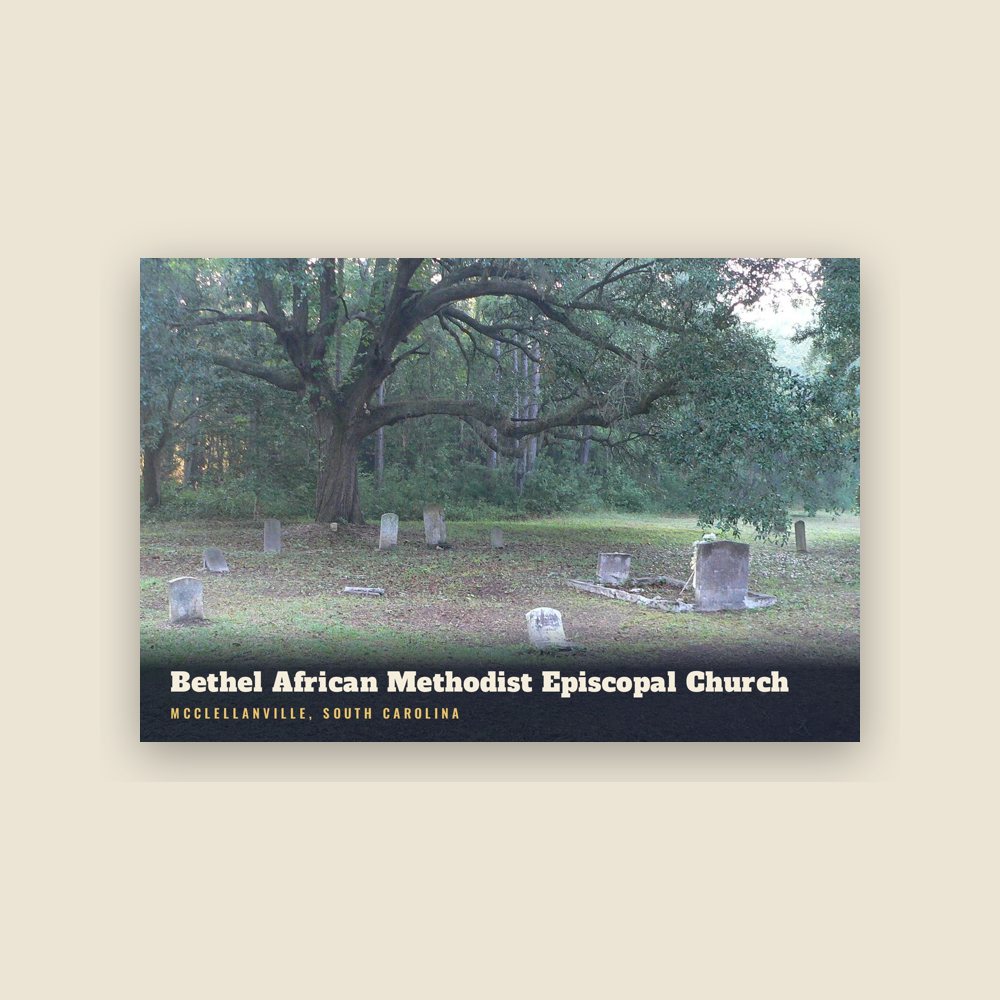
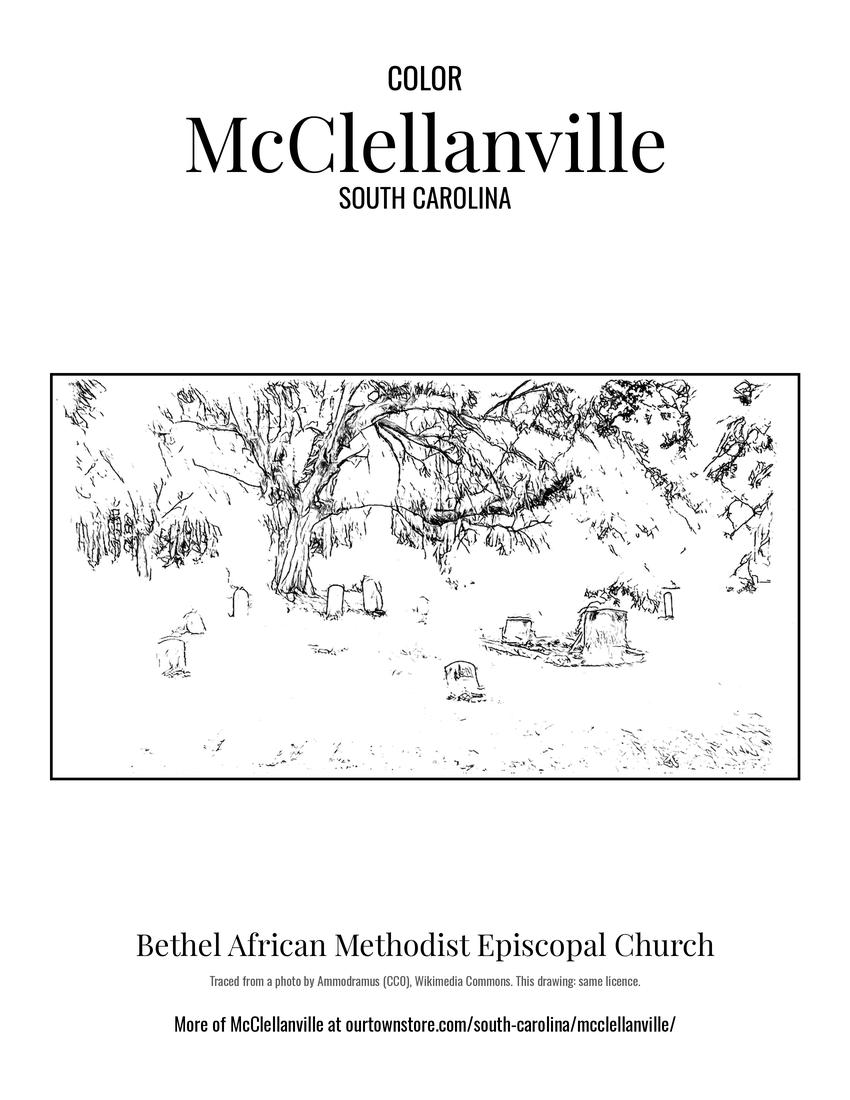 Bethel African Methodist Episcopal Church
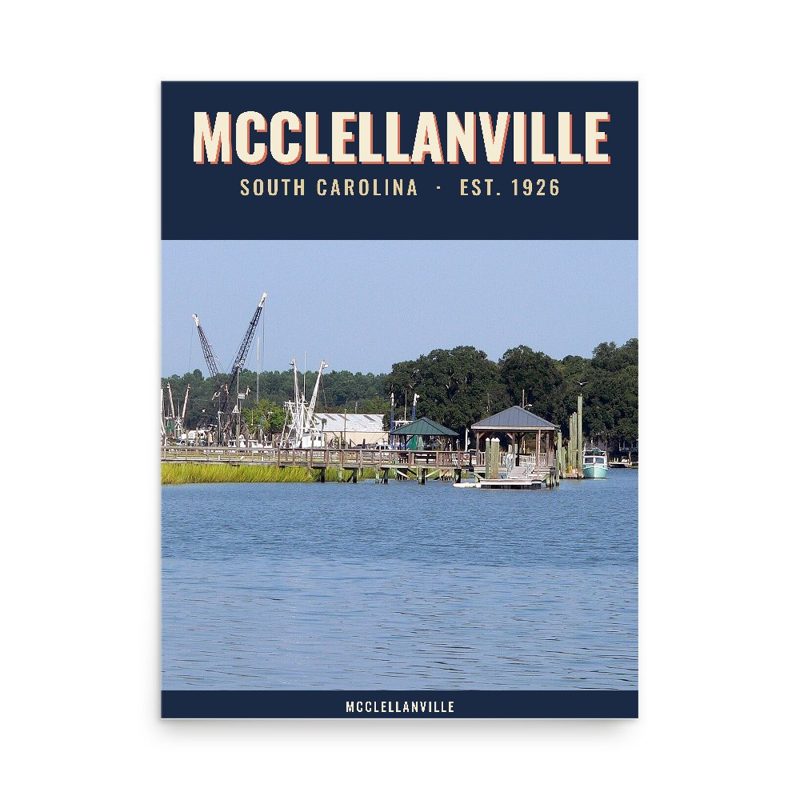
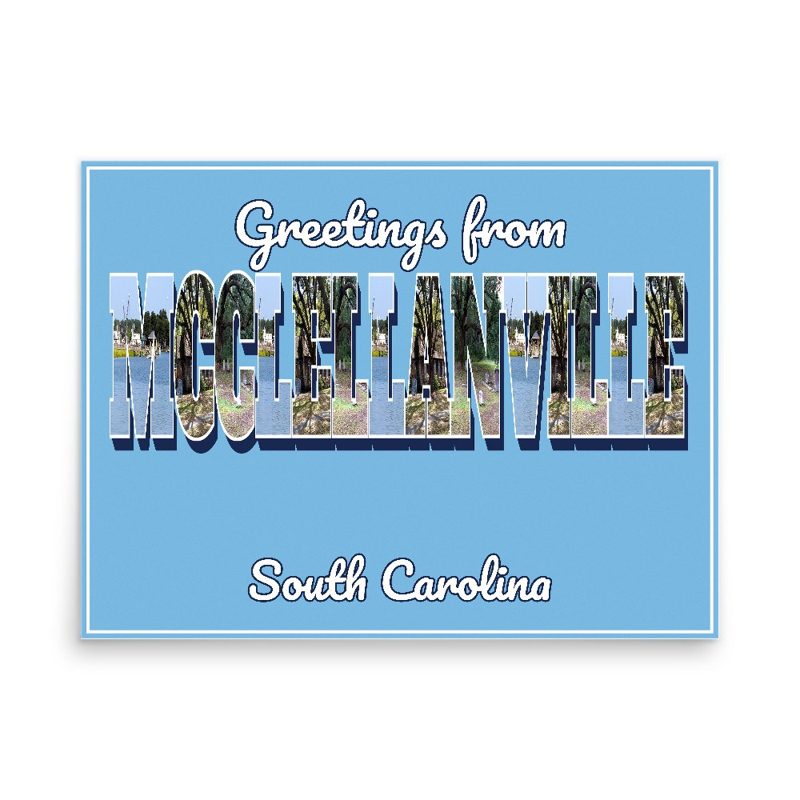
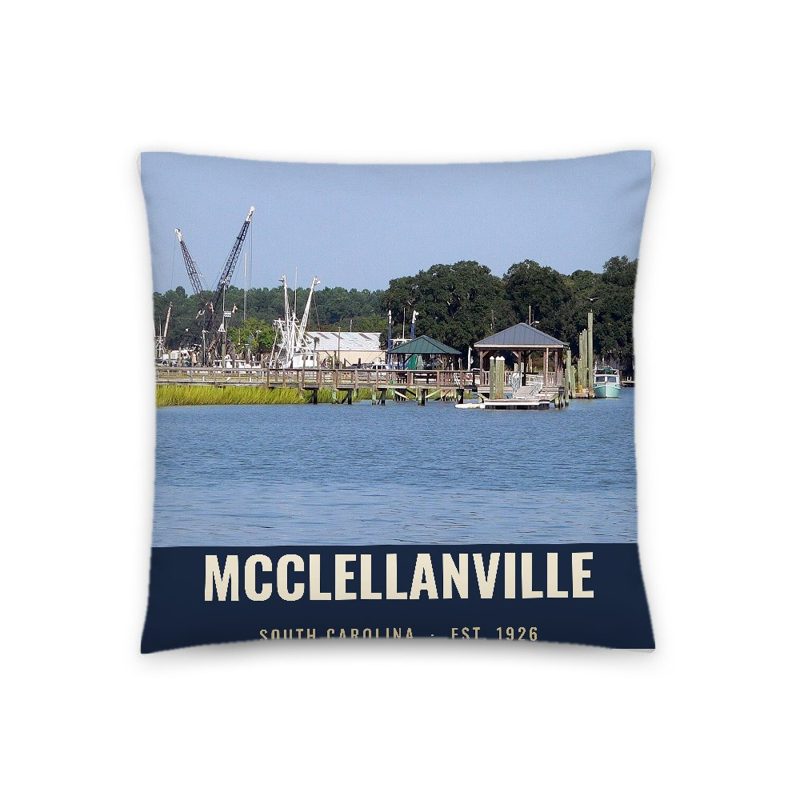
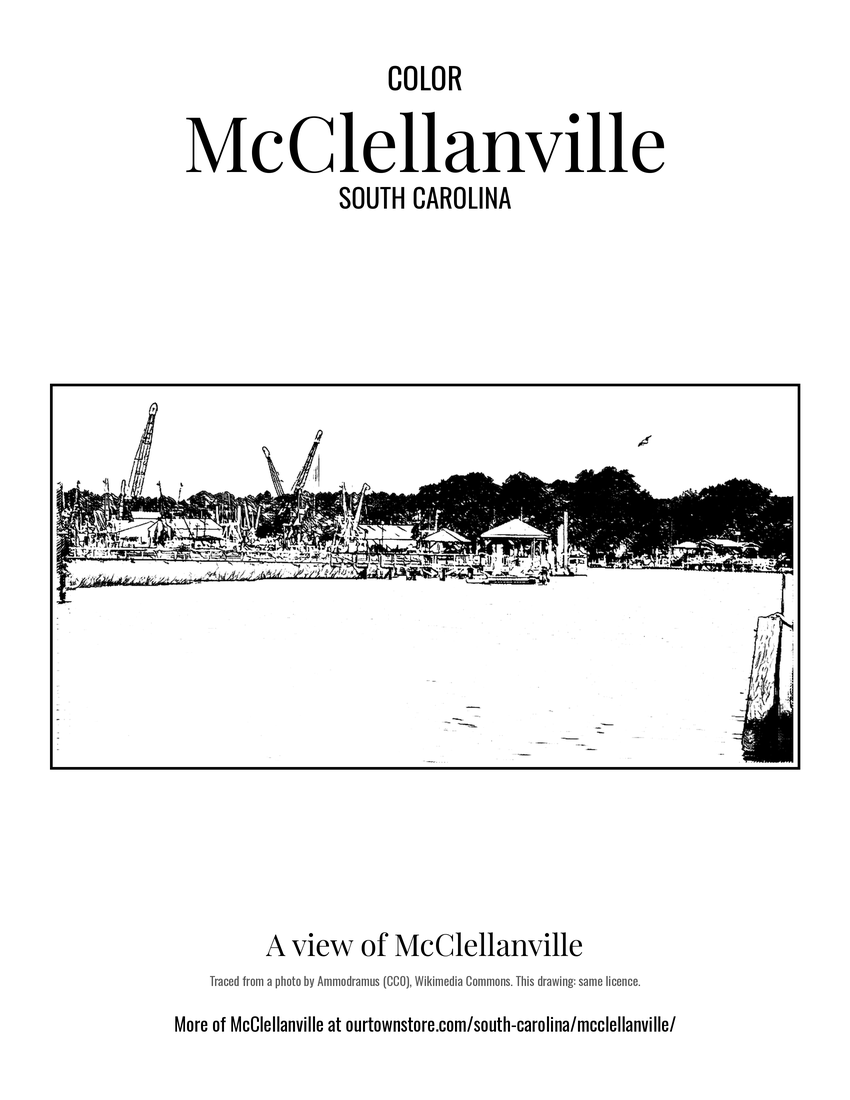 A view of McClellanville
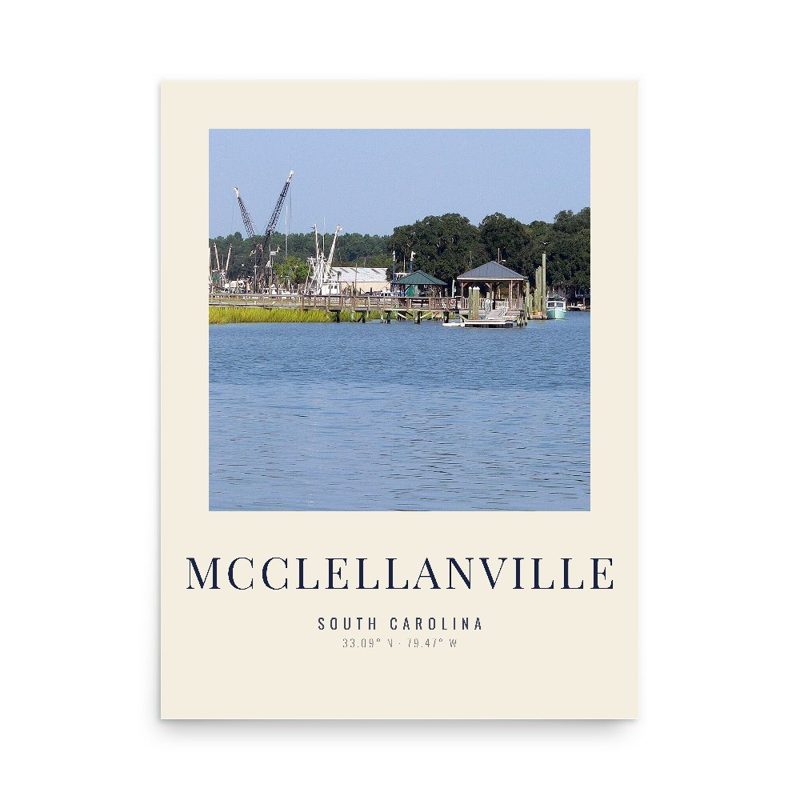
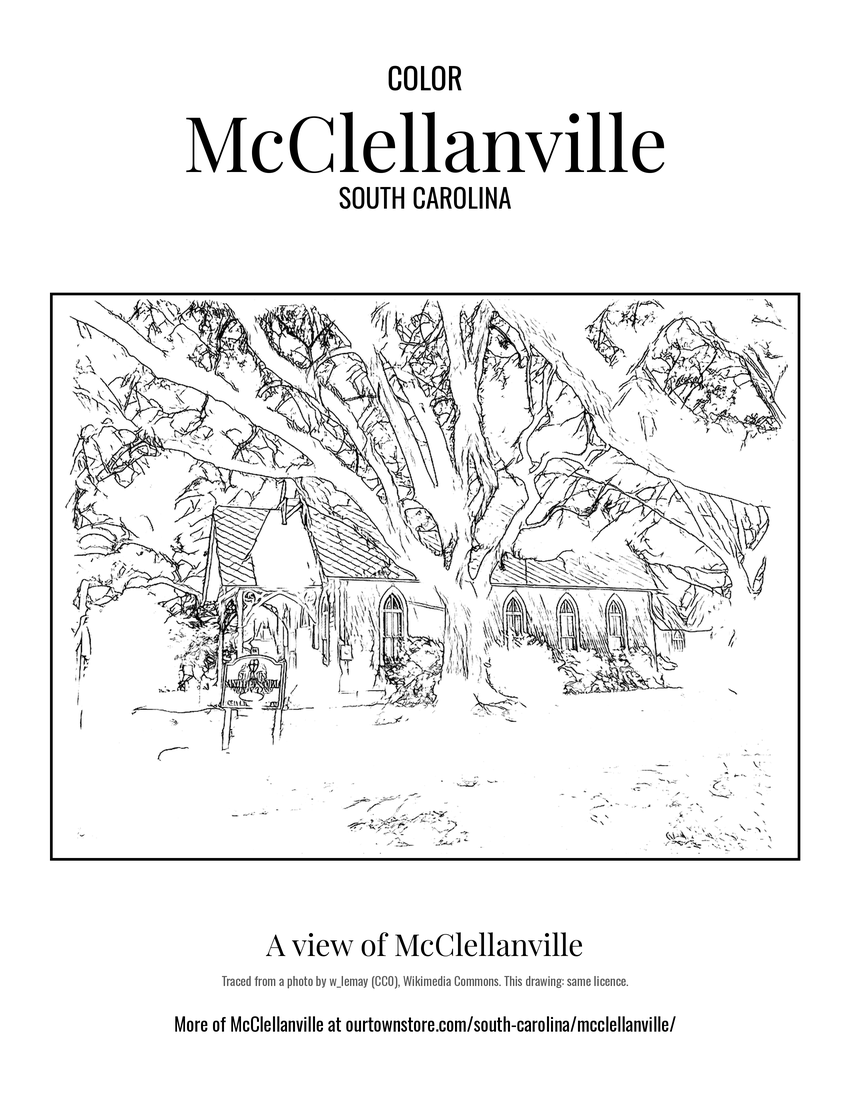 A view of McClellanville