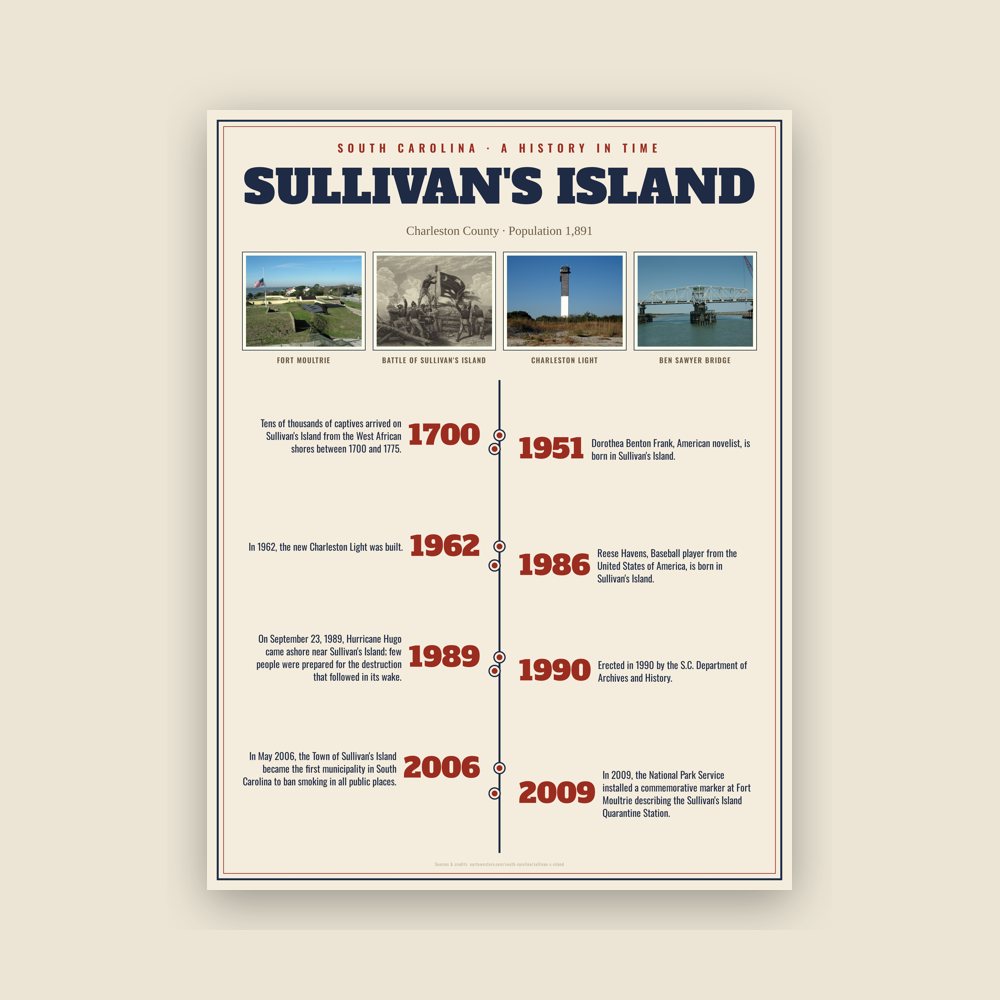
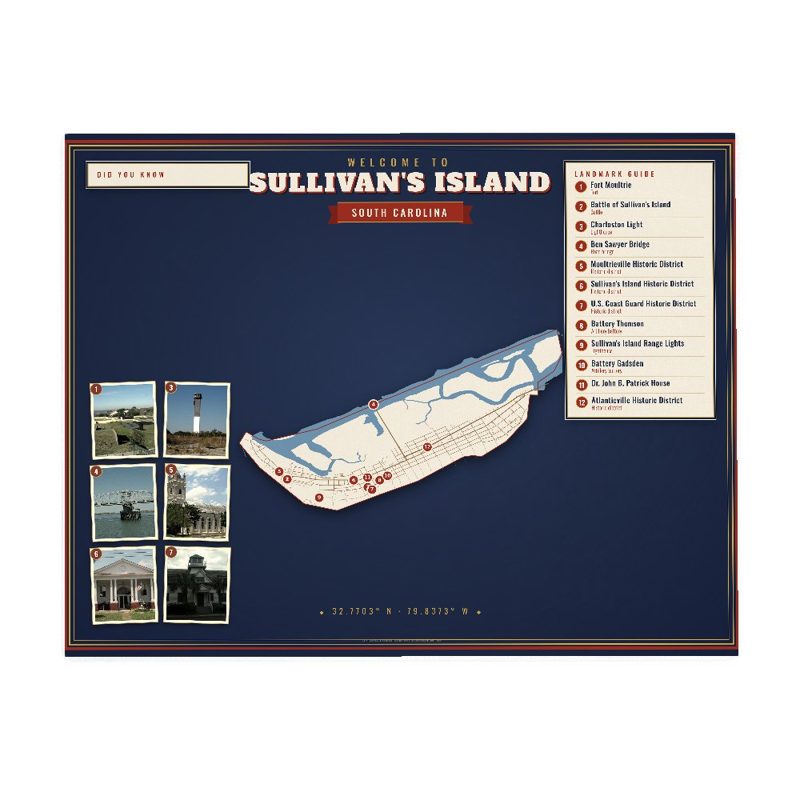
Sullivan's Island was the point of entry for approximately 40 to 50 percent of the 400,000 enslaved Africans brought to Colonial America, . It has been likened to Ellis Island, the 19th-century reception point for immigrants in New York City.
Read the full history
Battle of Sullivan Island
Captain Francis "The Swamp Fox" Marion was a notable figure at the famous Battle of Sullivan Island in which approximately 800 South Carolinians successfully repelled a Royal Navy fleet consisting of several naval frigates and an estimated 2,500 British soldiers.
While defending the island, the artillery battalion commanded by Captain Francis Marion ran out of black powder. Captain Francis Marion assembled a small team of men, traveled to Charleston and "procured" more black powder for his troops still defending the island. His actions held momentum for the outnumbered American forces, and forced a retreat after several shells sank a British frigate.
Captain Marion also directed his troops to utilize the local palmetto trees to build fortifications. According to reports, the spongy nature of the palmetto tree wood mitigated british cannon fire, with the cannon balls "sinking" into the wood instead of exploding and creating shrapnel.
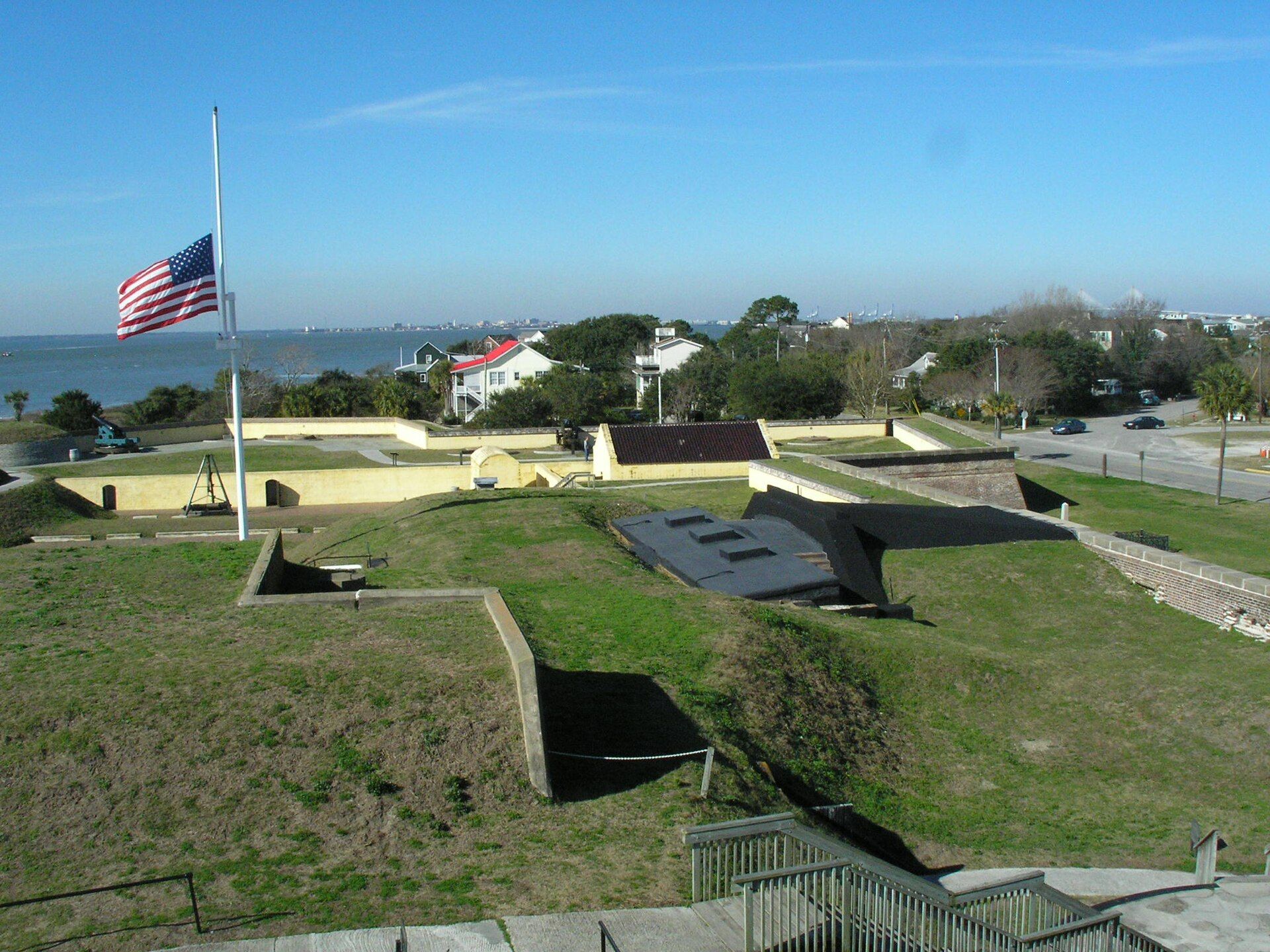
Fort Moultrie
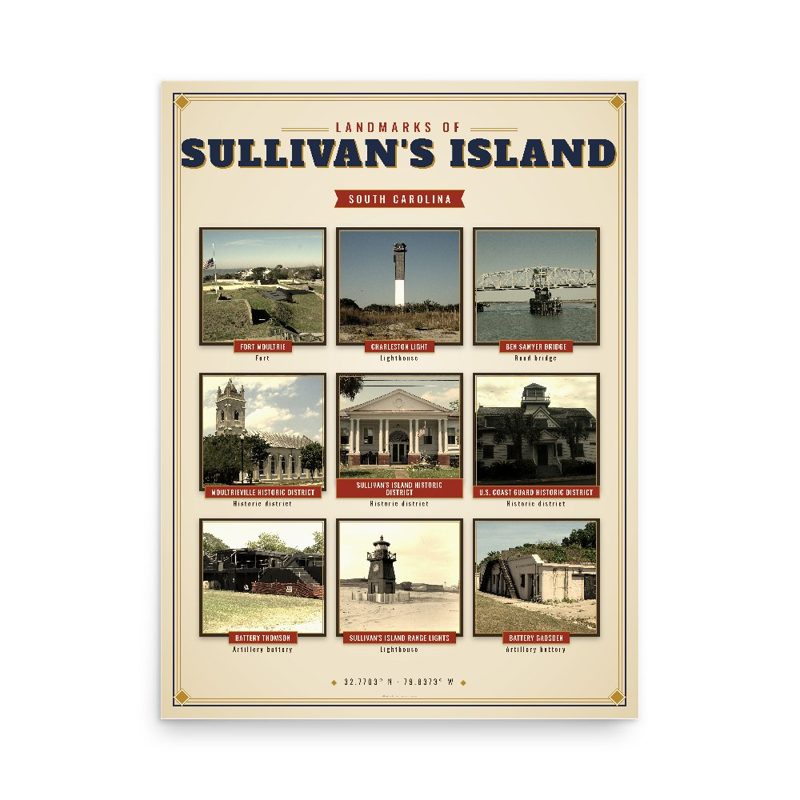
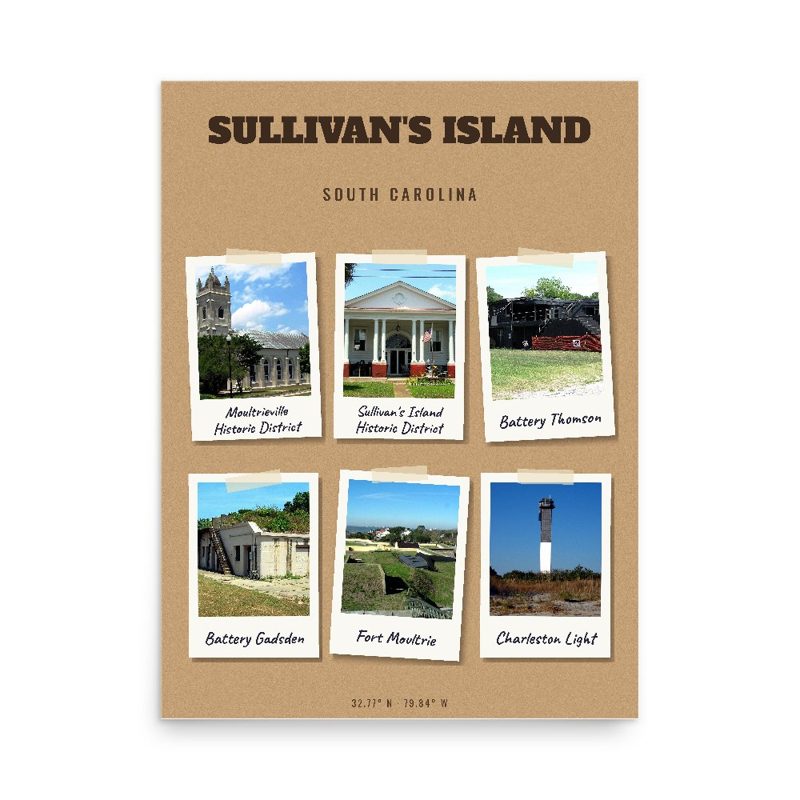
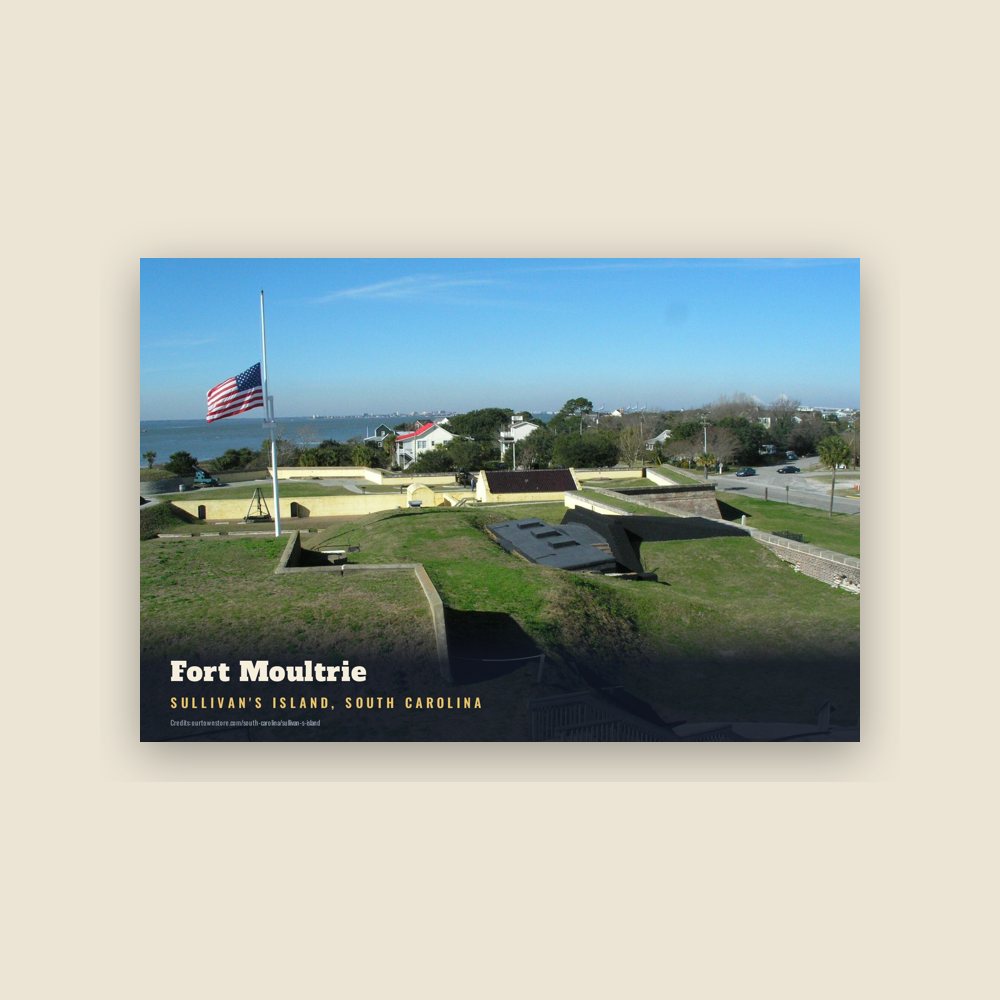
On June 28, 1776, an incomplete fort was held by South Carolinian forces under Colonel William Moultrie against an invasion by a British force under the command of Henry Clinton sailing with Commodore Sir Peter Parker's Royal Navy fleet. The British cannonade proved to have no effect on the sand-filled palmetto log walls of the fort; the only fatalities were the result of those shots that carried over the walls.
During this battle, a flag designed by Moultrie flew over the fortress; it was dark blue with a crescent moon on it bearing the word "liberty". When this flag was shot down, Sergeant William Jasper reportedly picked it up and held it aloft, rallying the troops until a new standard could be provided. Because of the importance of this pivotal battle, that flag became symbolic of liberty in South Carolina, the South, and the nation as a whole.
The Battle of Sullivan's Island was commemorated by the addition of a white palmetto tree to the flag used to rally that day, known as the Moultrie Flag. This was used as the basis of the state flag of South Carolina. The victory is celebrated and June 28 is known as Carolina Day.
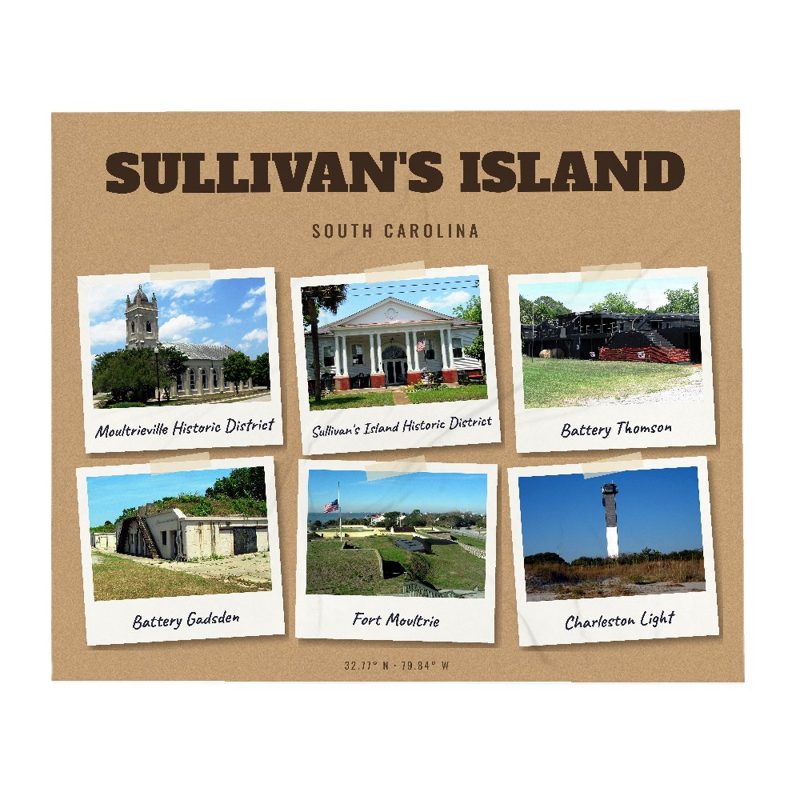
The history of the island has been dominated by Fort Moultrie, which, until its closure in the late 1940s, served as the base of command for the defense of Charleston. After World War II, the Department of Defense concluded that such coastal defense installations were no longer needed, given current technology and style of war. It is now used as heritage tourism.