Since 1886
A short history of Pawtucket
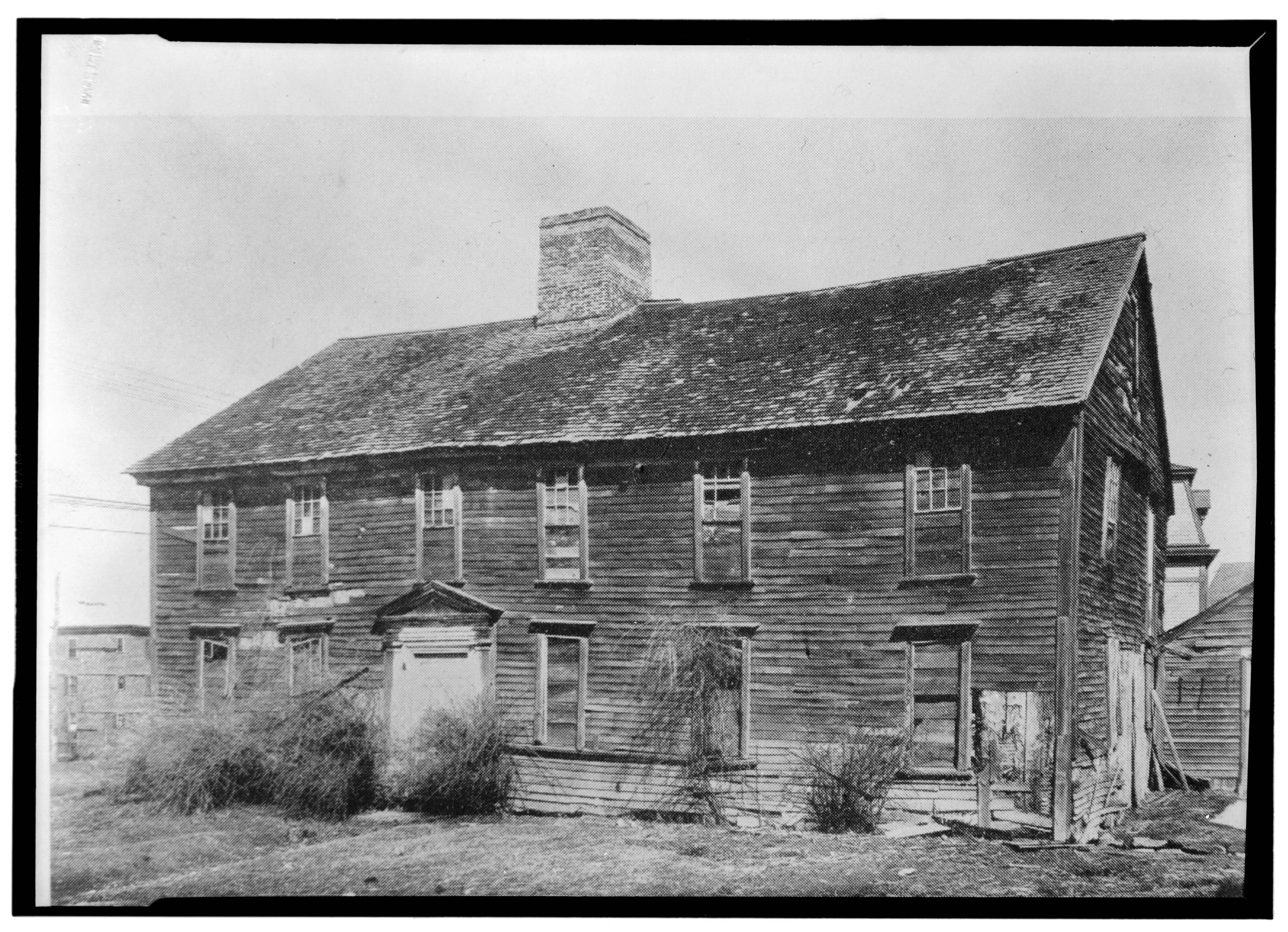
The Pawtucket region was said to have been one of the most populous places in New England prior to the arrival of European settlers. American Indians would catch the salmon and smaller fish that gathered at the falls. The first settler here was Joseph Jenckes Jr. who came to the region from Lynn, Massachusetts. He purchased about 60 acres near Pawtucket Falls in 1671, then established a sawmill and forge. The entire town was destroyed during King Philip's War.
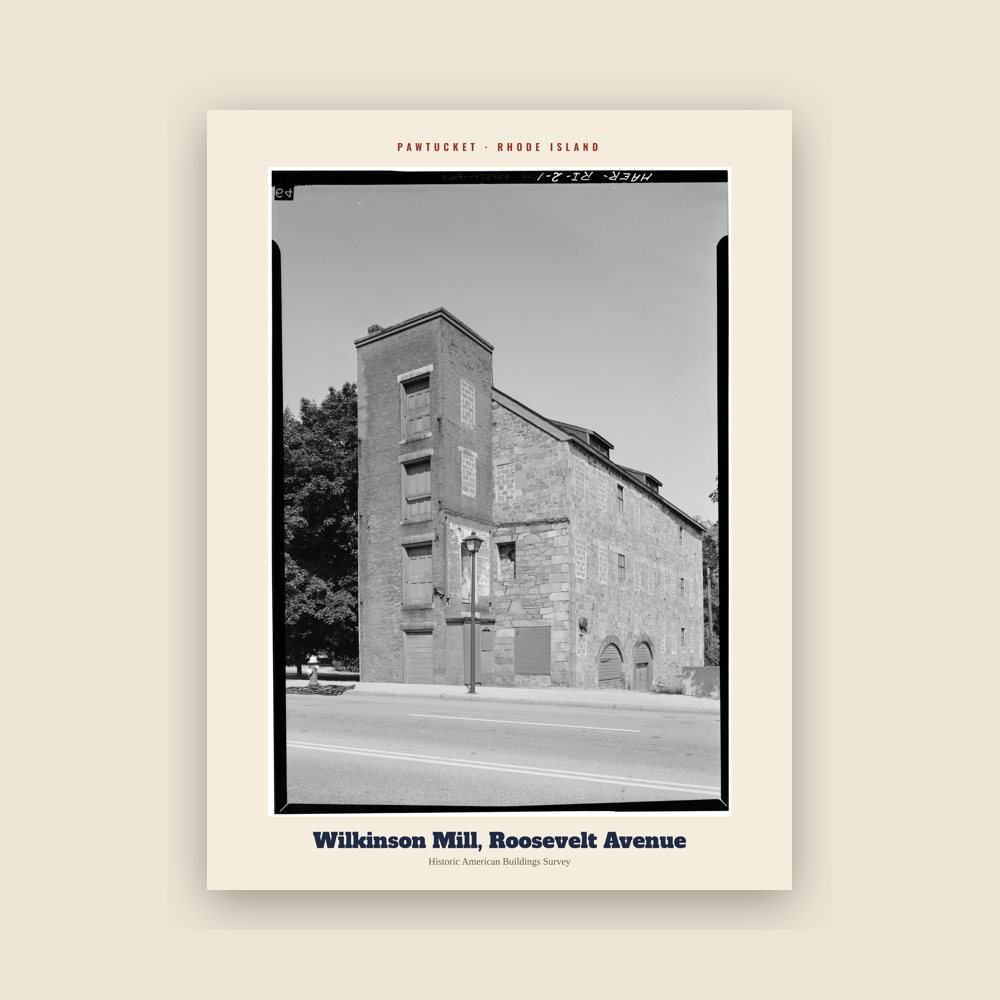
Other settlers followed Jenks, and the area became home to manufacturers of muskets, linseed oil, potash, and ships by 1775. Also around this time, Oziel Wilkinson and his family set up an iron forge that made anchors, nails, screws, farm implements, and cannons.
In the 1790s, investors started to build mills along the Blackstone River, which caused conflict over water rights and impacted local workers' lives. Following some difficulties in the textile industry in the early 1820s, a group of mill owners decided to extend the daily hours and lower the income of power-loom weavers, who were at the time all women aged 15–30 years. This led to the first factory strike in the US in May 1824, when about one hundred women left their workplaces at the mills, causing them to shut down. A large number of workers then joined the strike, which lasted from May 26 to June 3, when a compromise was reached. This first walkout led to labor organizing and further strikes in the whole region.
By the 1920s, Pawtucket was a prosperous mill town. The city had a half-dozen movie theaters, two dozen hotels, and a collection of fine commercial and residential architecture. Perhaps the most impressive public building in Pawtucket was the Leroy Theatre, an ornate movie palace that was called "Pawtucket's Million Dollar Theater". Many wealthy mill owners such as Darius Goff built their mansions in the area.
In 1922, it was affected by the 1922 New England Textile Strike, shutting down the mills in the city over an attempted wage cut and hours increase.
The textile business in New England declined during the Great Depression, with many manufacturers closing or moving their facilities to the South where operations and labor were cheaper. Later in the 20th century, Pawtucket began to lose some of its architectural heritage to the wrecking ball, including the Leroy Theatre.
Pawtucket retained much of its industrial base, however. Today, goods produced in the city include lace, non-woven and elastic woven materials, jewelry, silverware, metals, and textiles. Hasbro, one of the world's largest manufacturers of toys and games, is headquartered in Pawtucket.
Read the full history
Incorporation
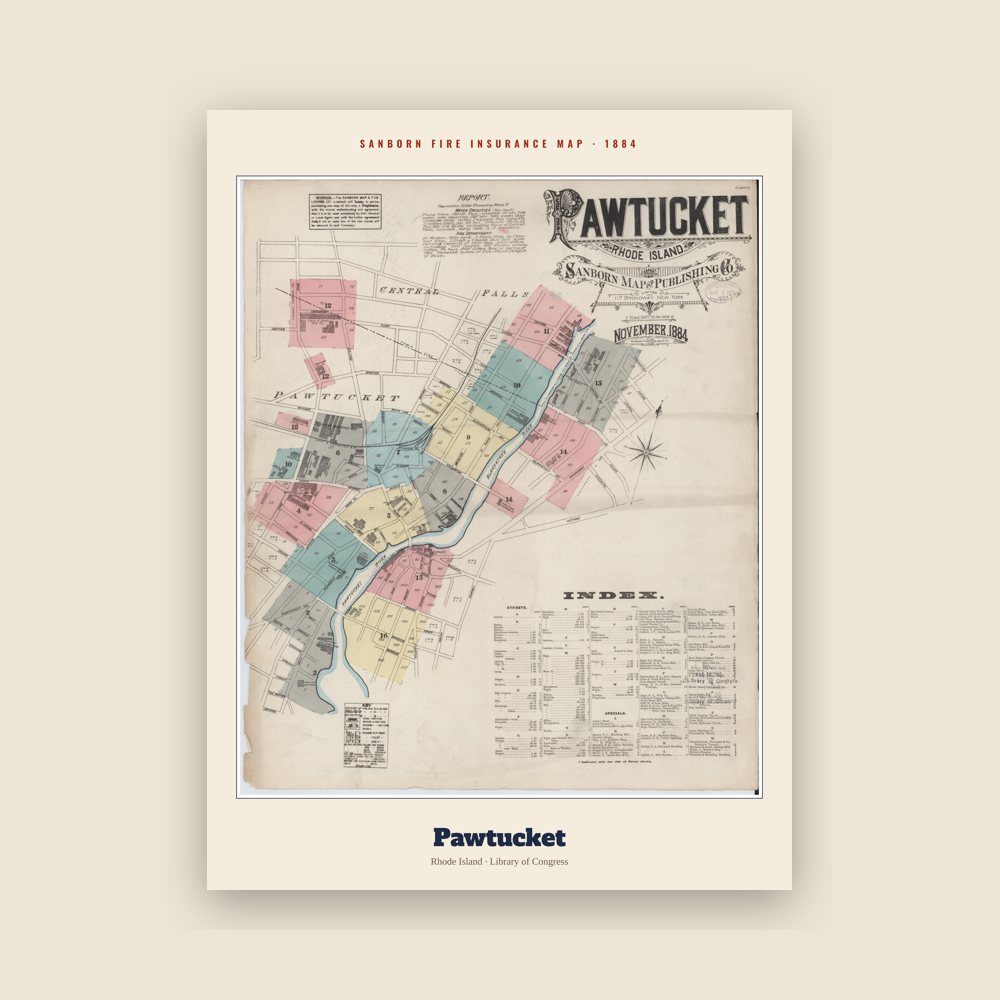
Originally, the land west of the Blackstone River was part of nearby North Providence, and east of the Blackstone River was originally settled as part of Rehoboth, Massachusetts. The first Pawtucket to be incorporated was when Rehoboth gave up their land in 1828, and Pawtucket became a new town in Massachusetts. In 1862, the eastern portion was absorbed into Providence County, Rhode Island. On March 1, 1862, the area of Pawtucket and East Providence was shifted into Rhode Island, and the new border remains to this day—following a 225-year border dispute among the Rhode Island Colony, Plymouth Colony, the State of Rhode Island, and the Commonwealth of Massachusetts. In 1874, the land west of the river was taken from North Providence and added to the town of Pawtucket, but it acted as two different towns. Finally in 1886, West and East Pawtucket were merged and the city was incorporated.
Adapted (trimmed) from the Wikipedia article Pawtucket, Rhode Island, revision 1380315951 by its contributors, licensed CC BY-SA 4.0.
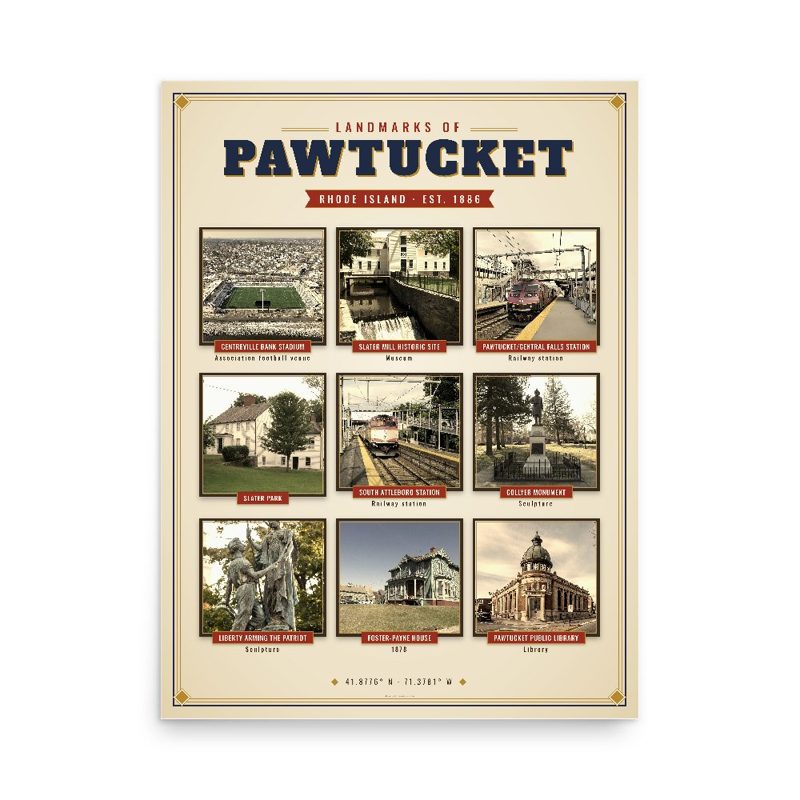
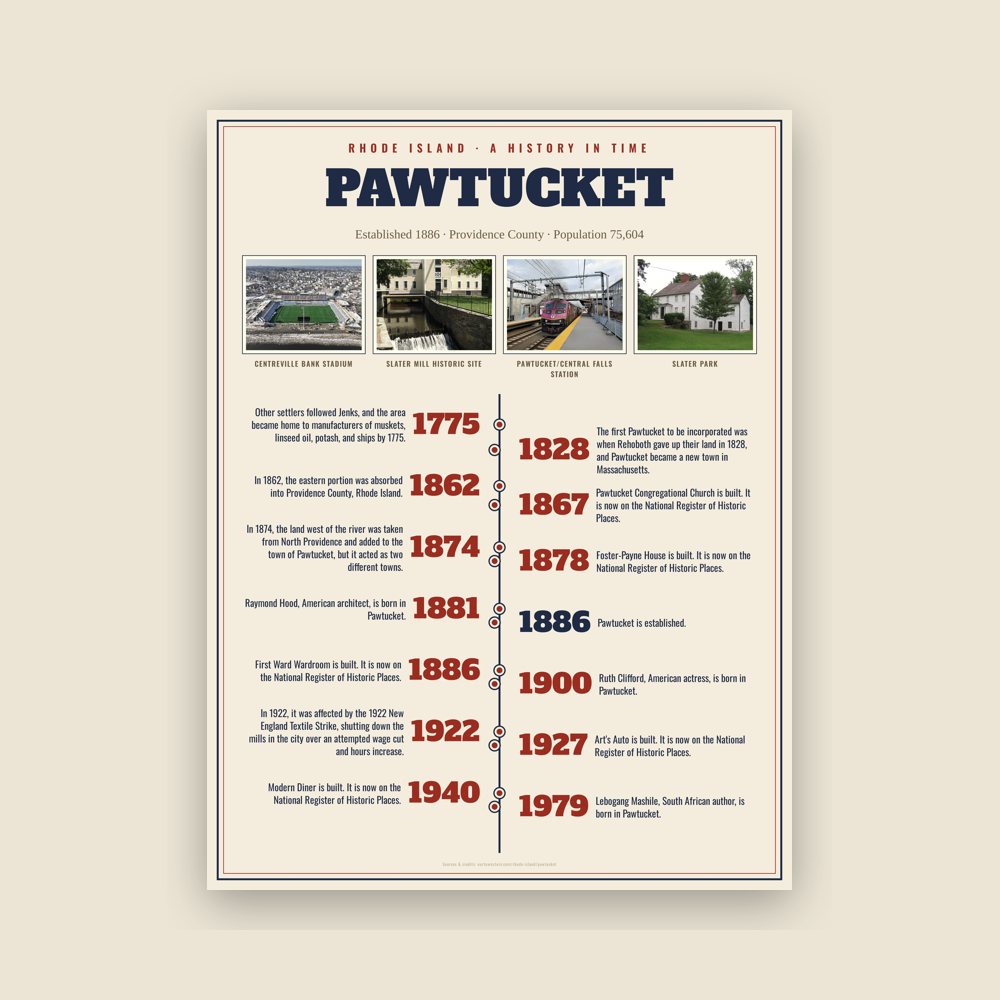
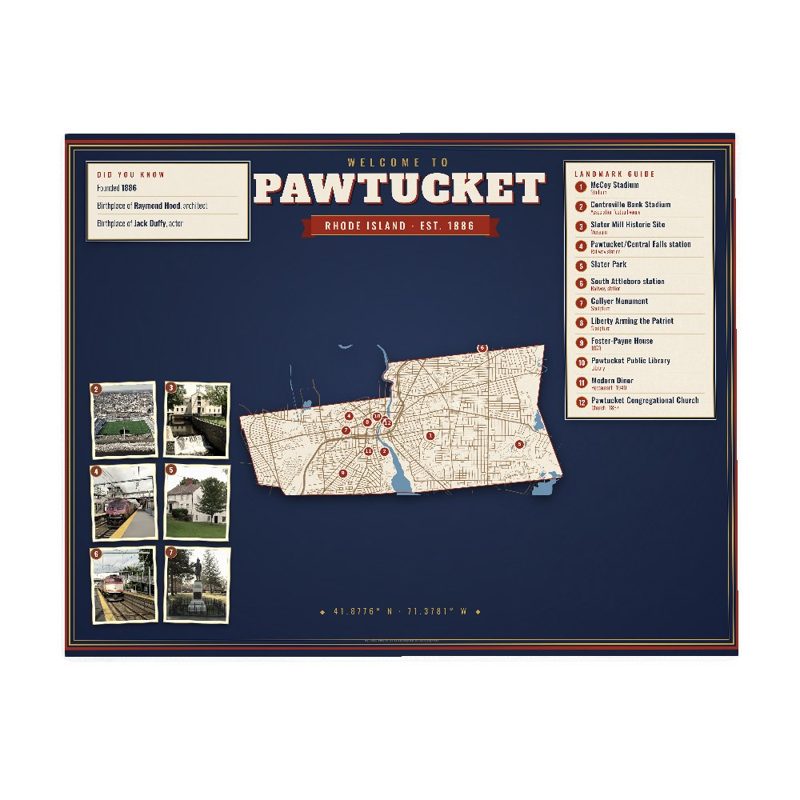





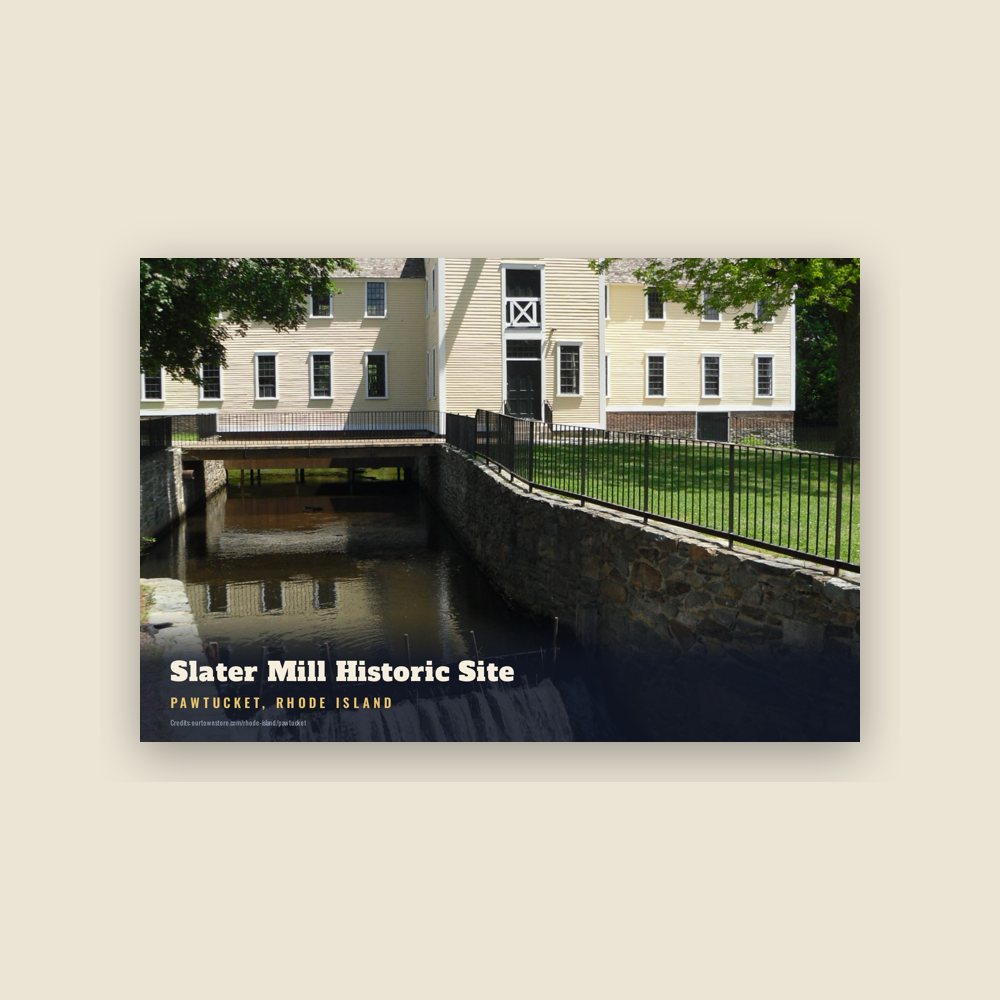
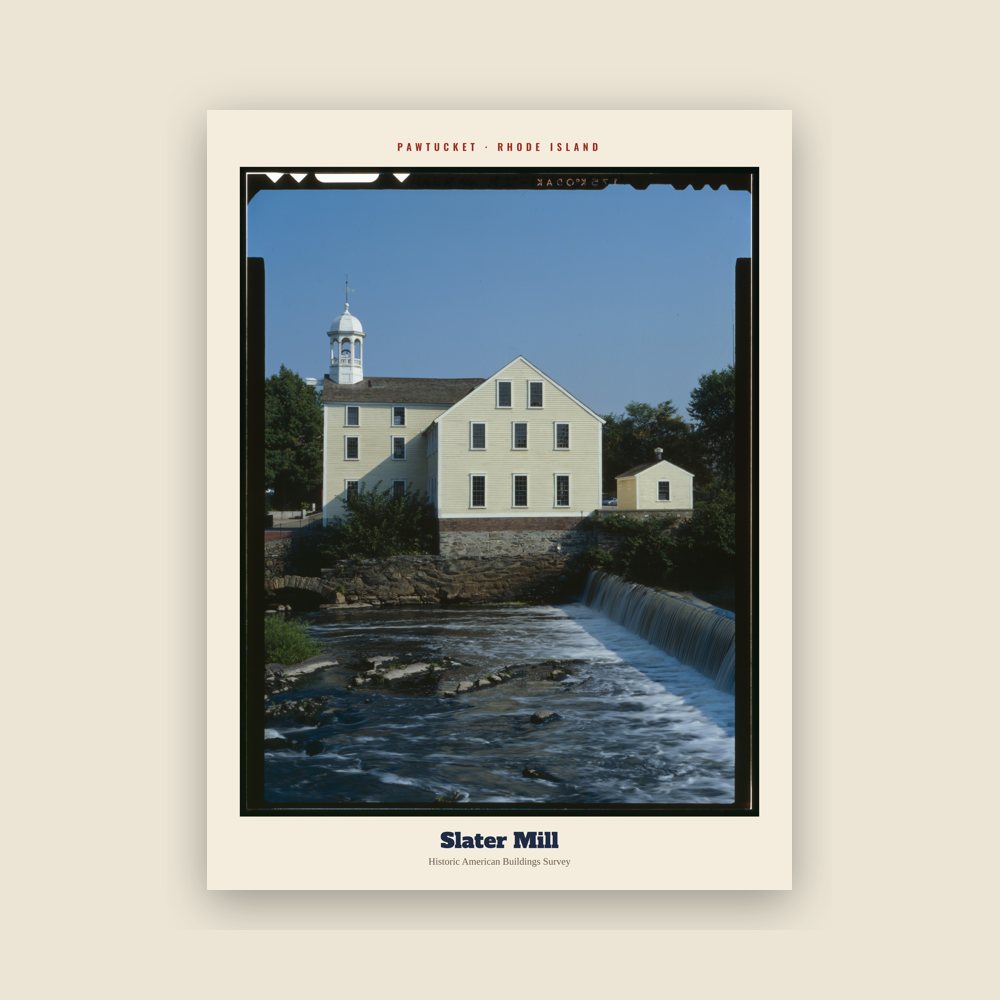
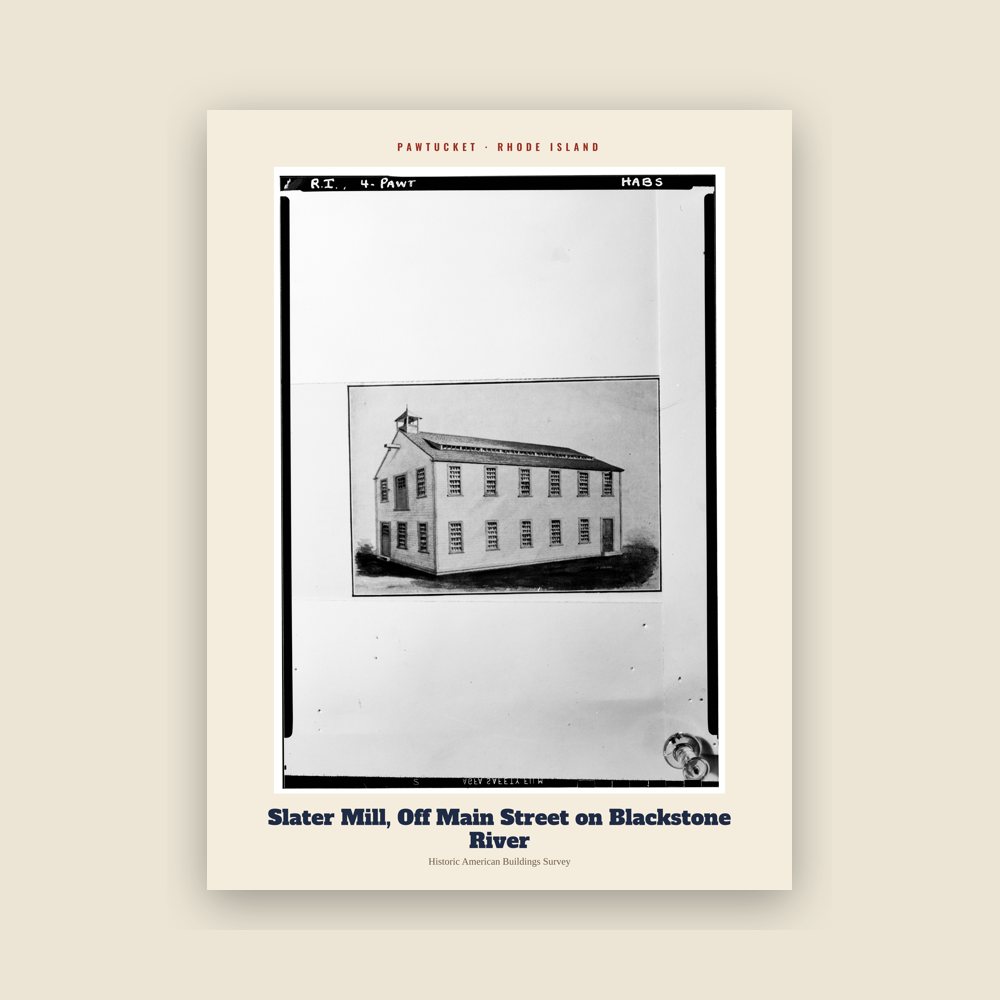
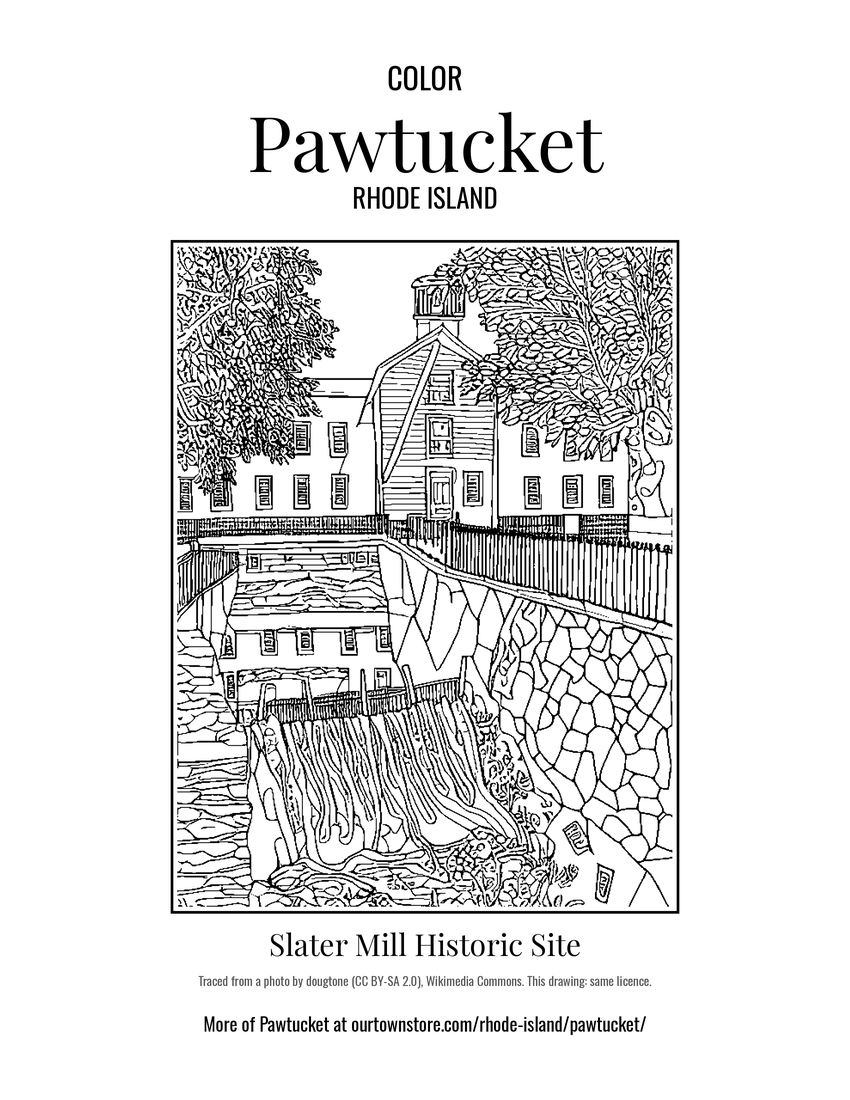 Slater Mill Historic Site
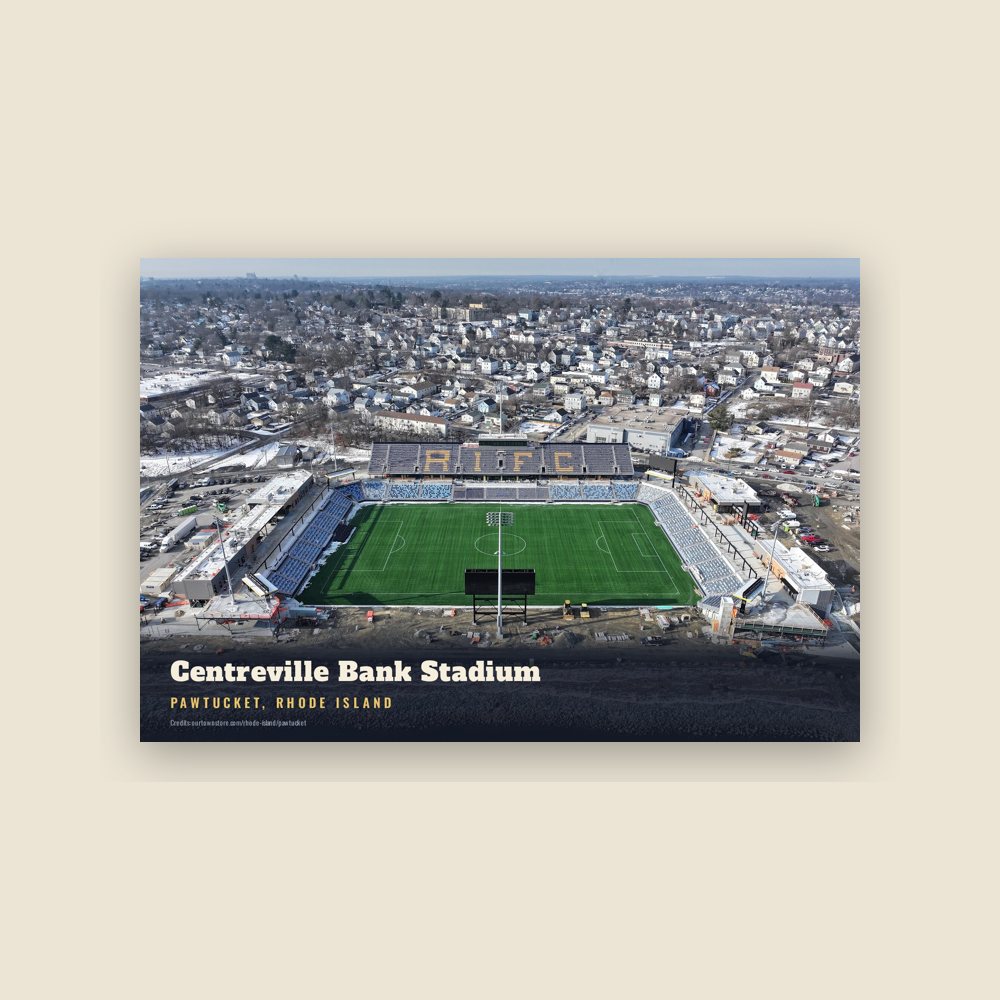
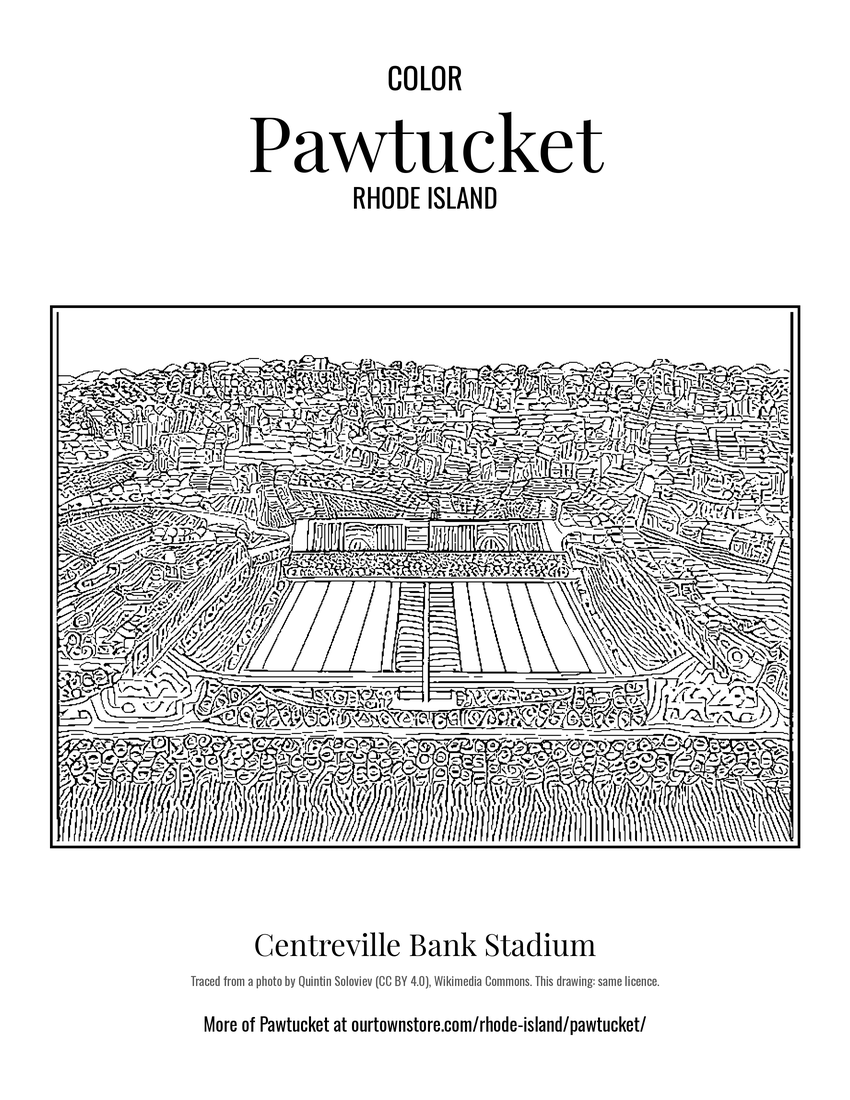 Centreville Bank Stadium
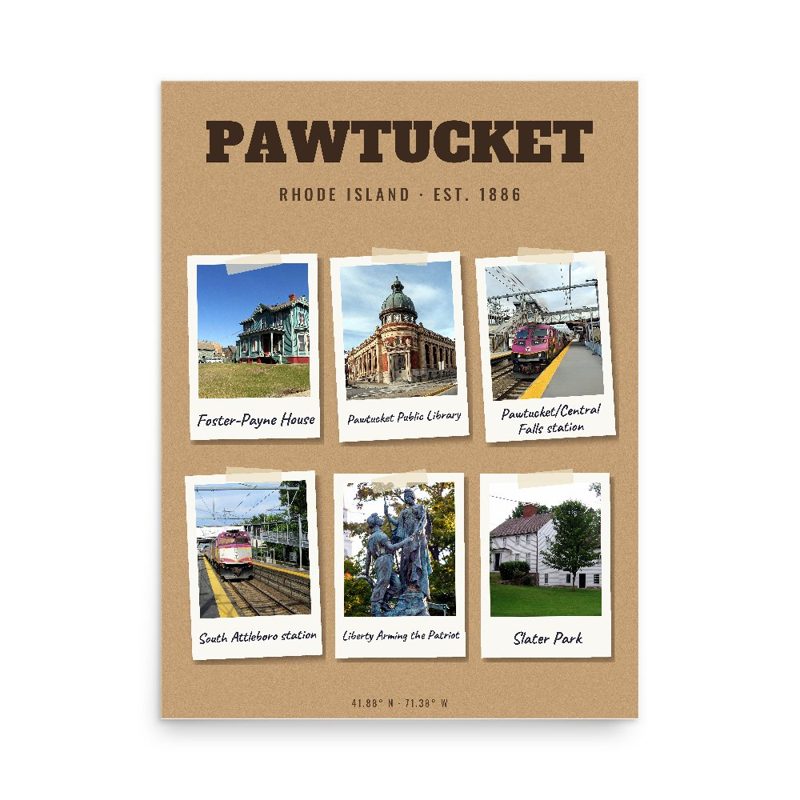
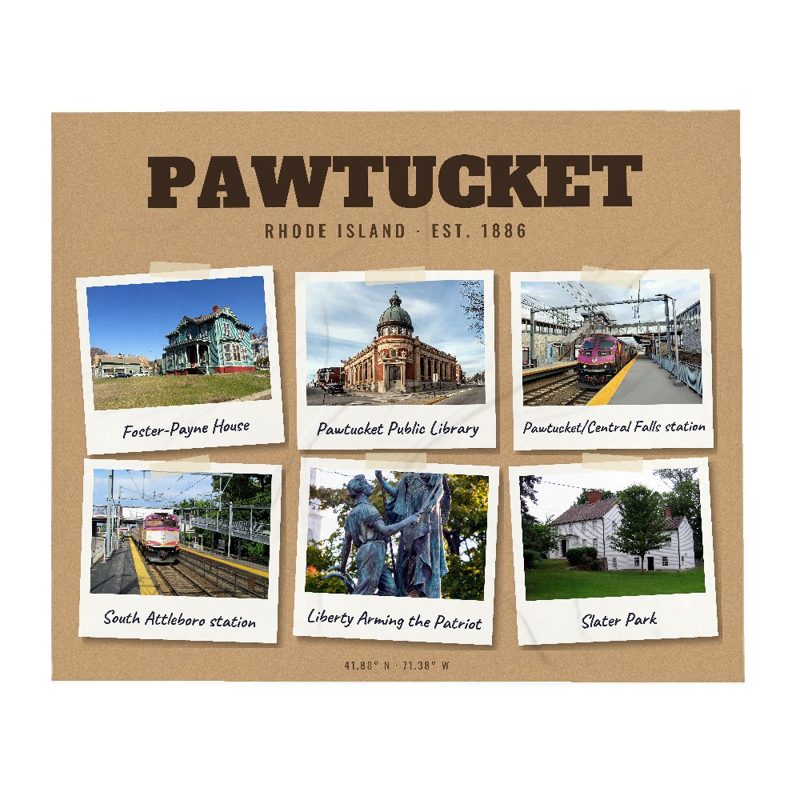
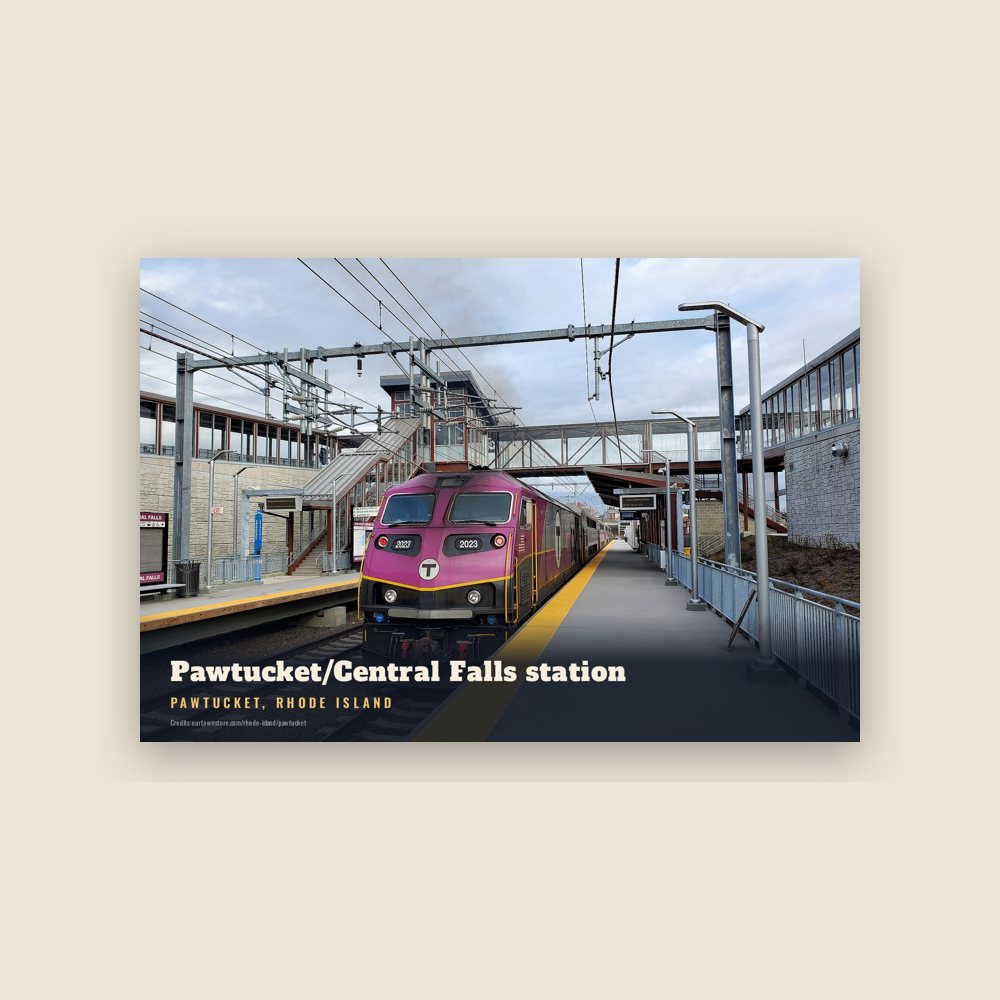
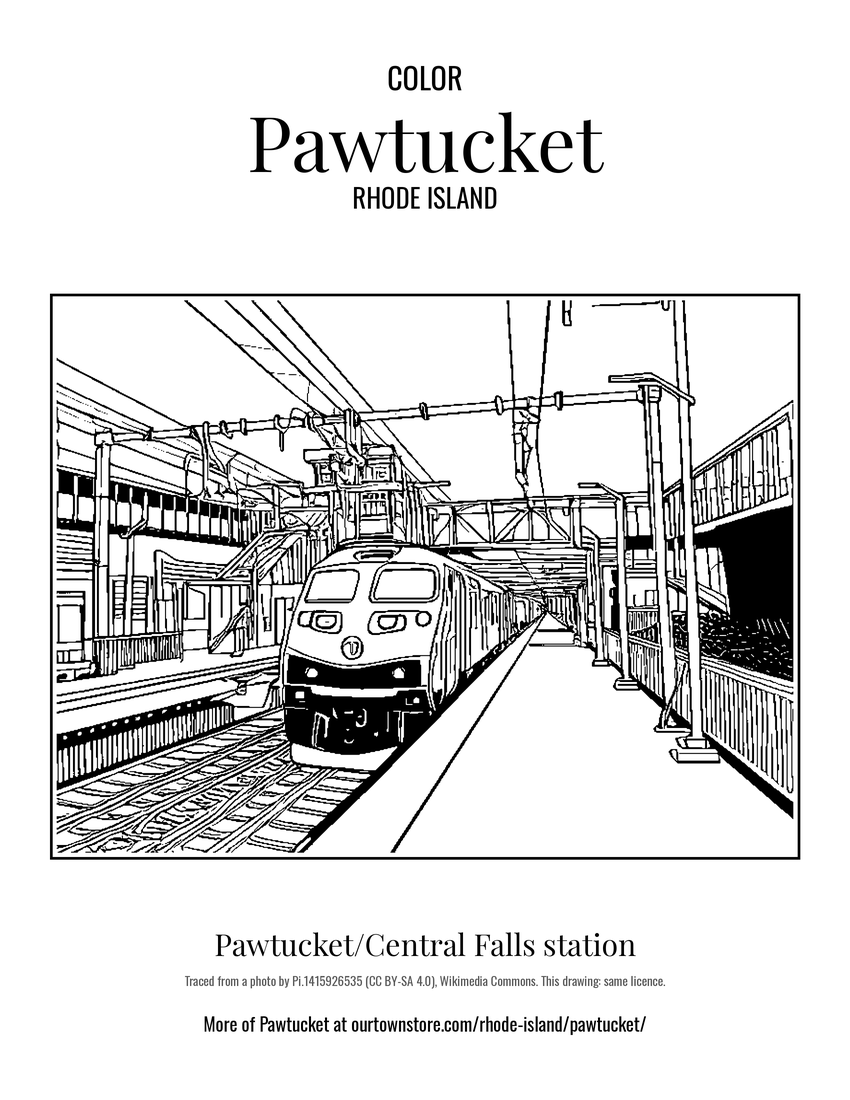 Pawtucket/Central Falls station
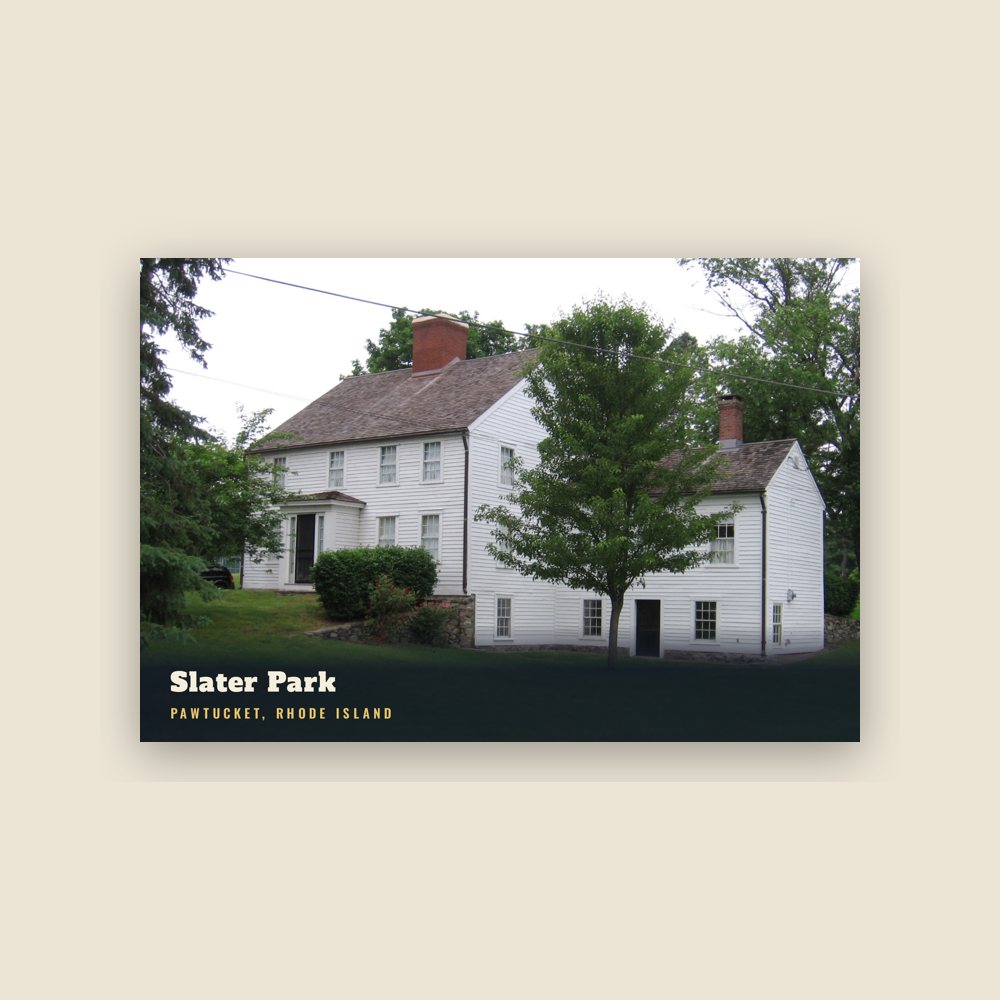
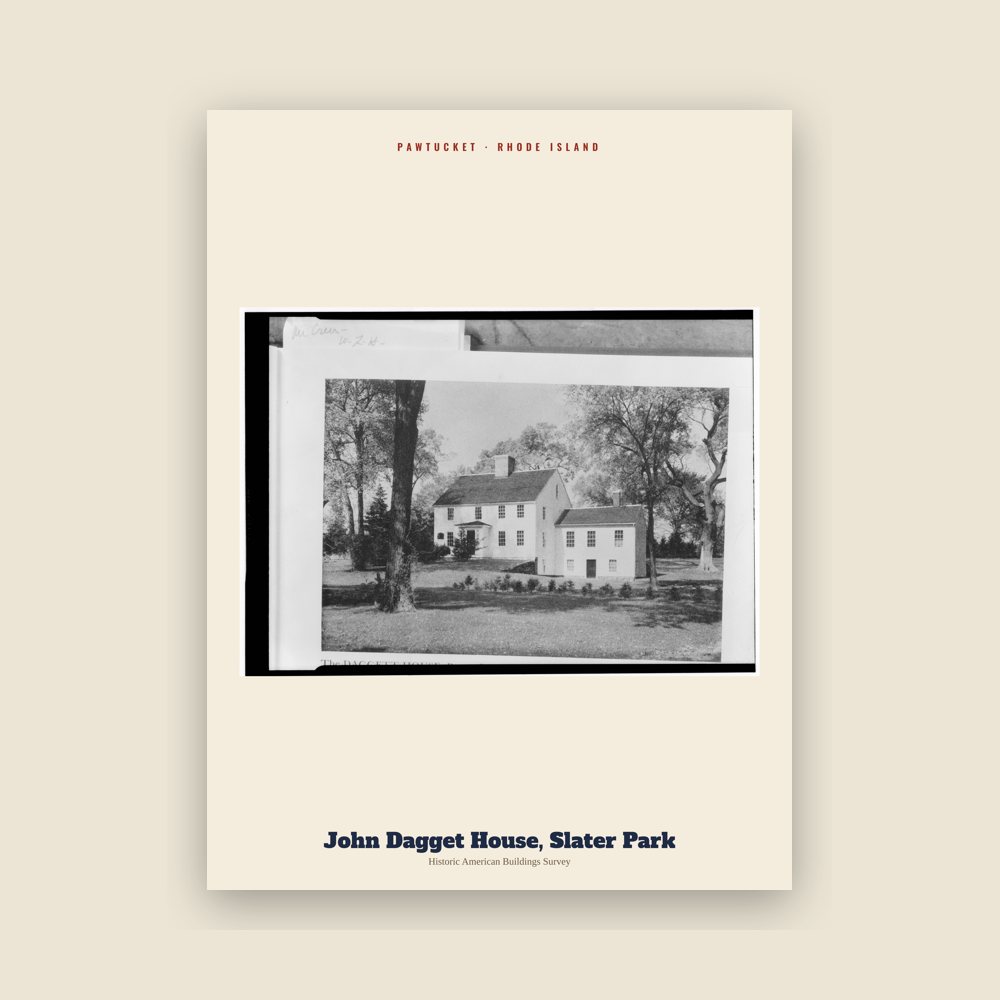
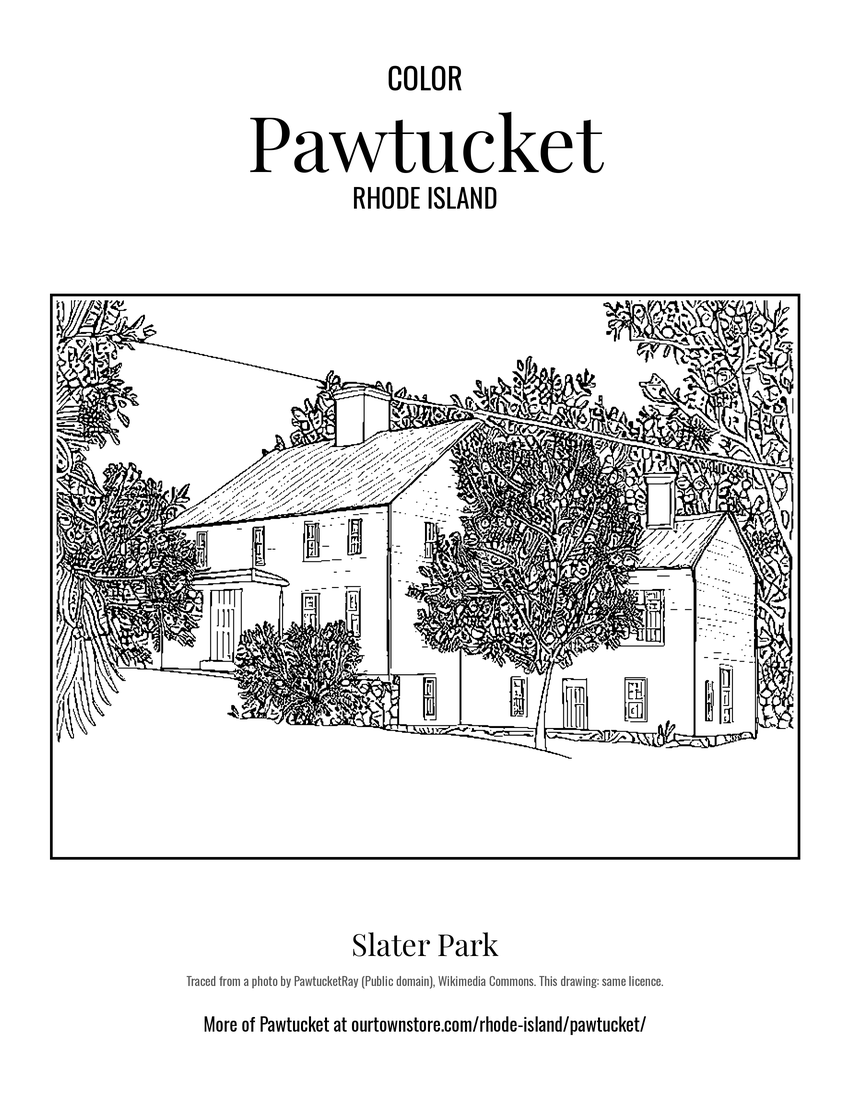 Slater Park