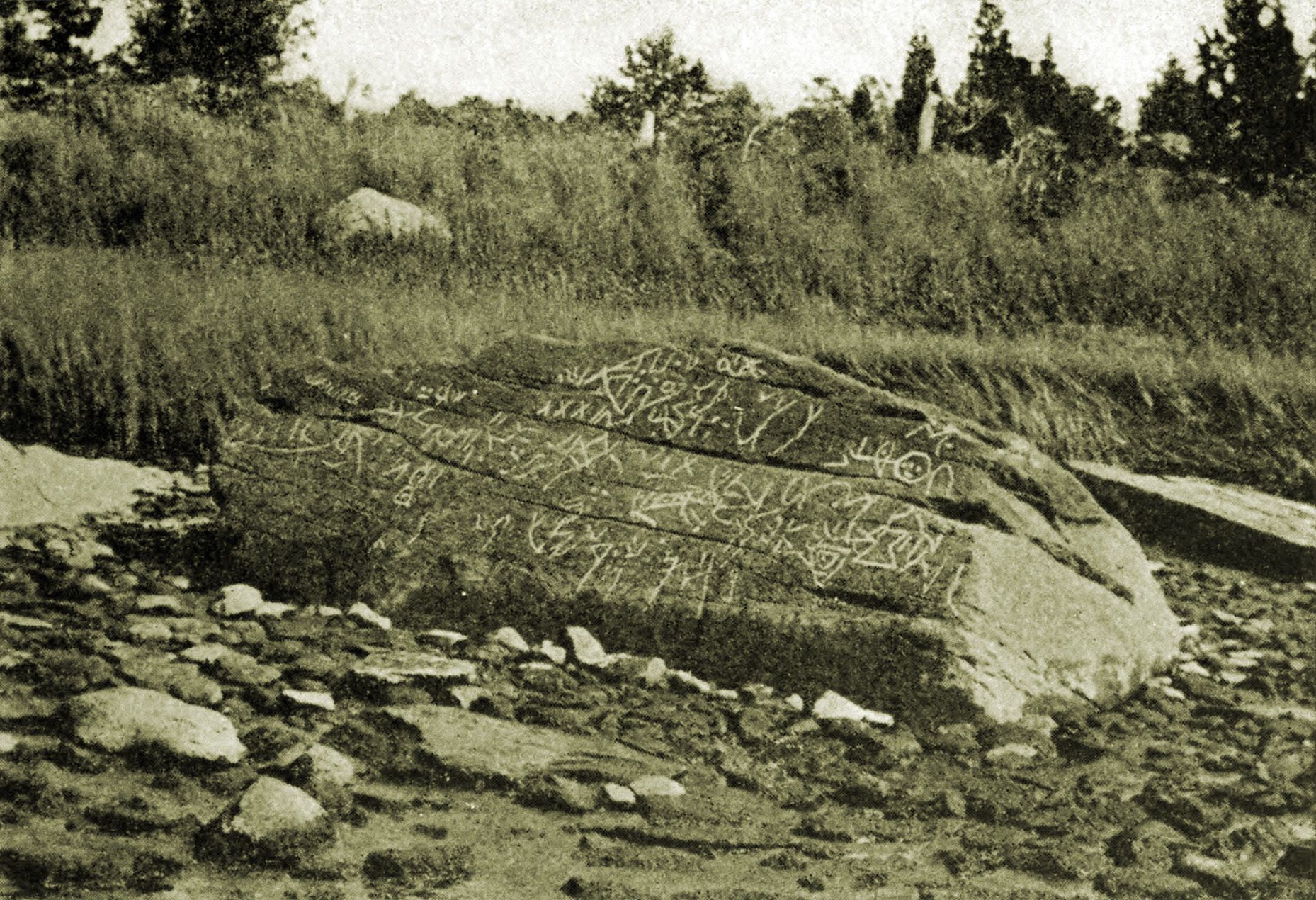
Dighton's location has long made it a crossroads for travel. Landmarks include Dighton Rock, Dighton Community Church and Berkley–Dighton Bridge. Dighton is the birthplace of Jack Teixeira, soldier and leaker of the 2023 Pentagon document leaks.
Every piece is drawn from Dighton's own map data and historic archives, then printed and shipped from the USA when you order. No two towns look alike.
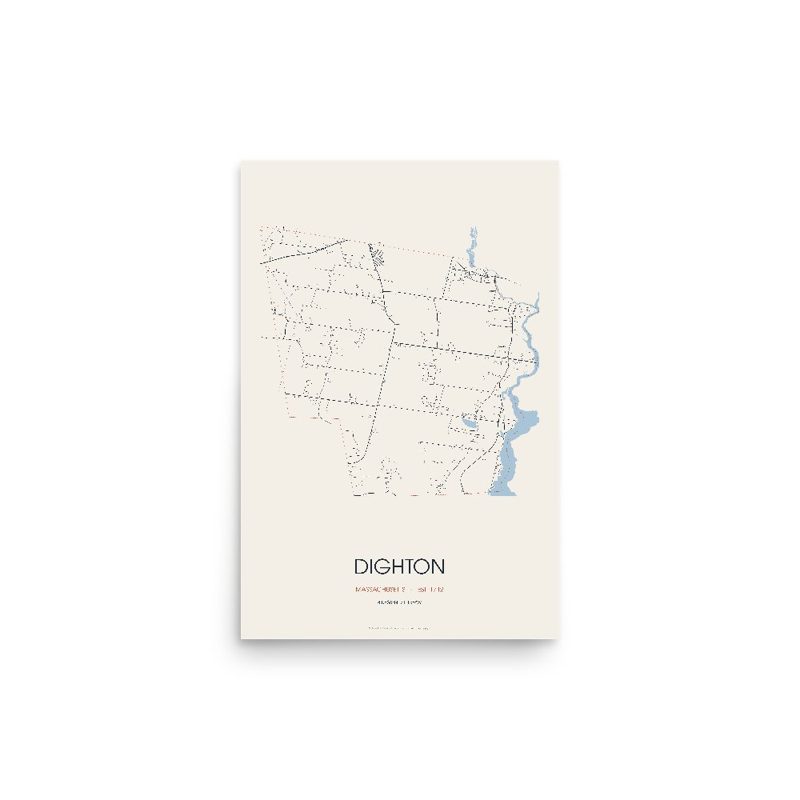
Every road in town, on archival matte paper
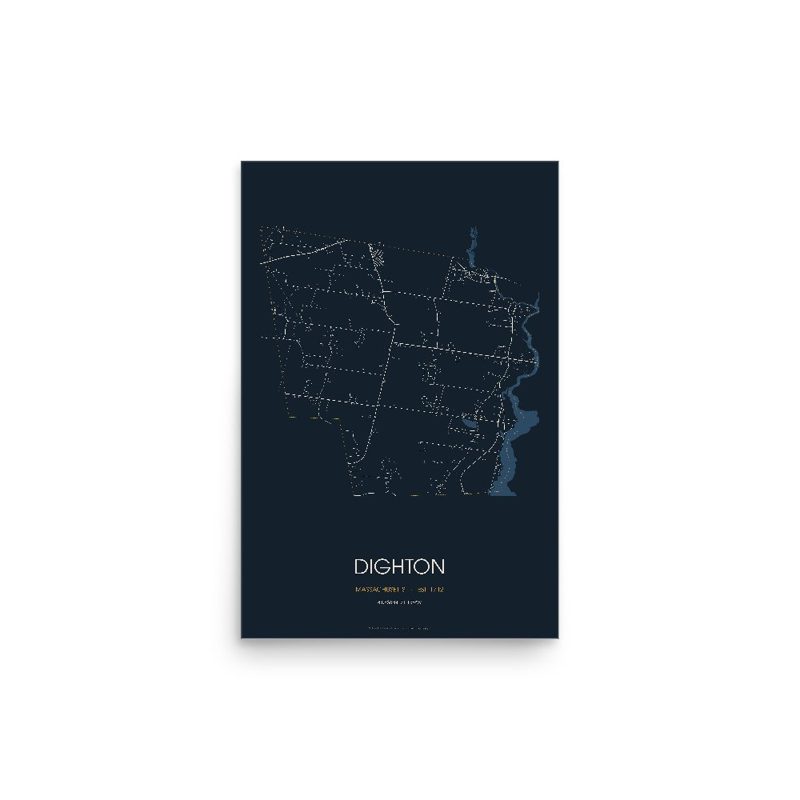
The same map, in navy and silver
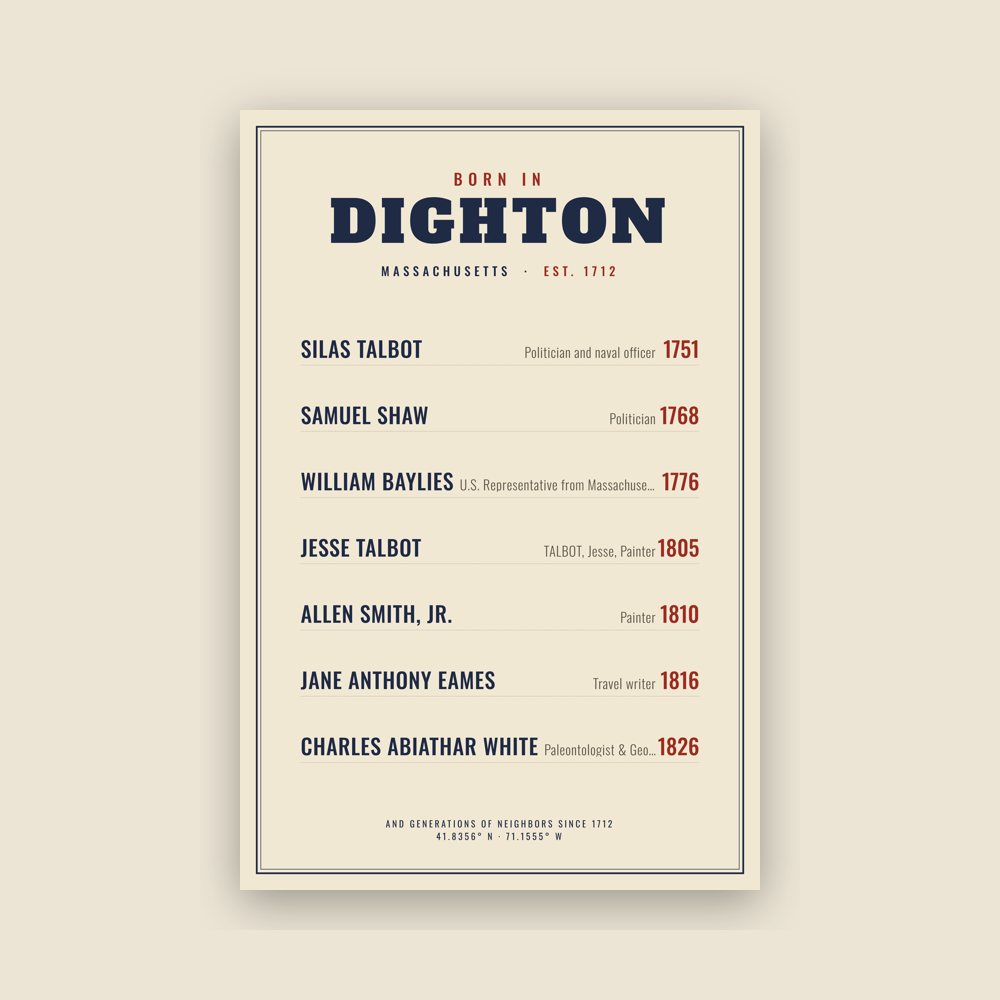
Famous natives, by birth year
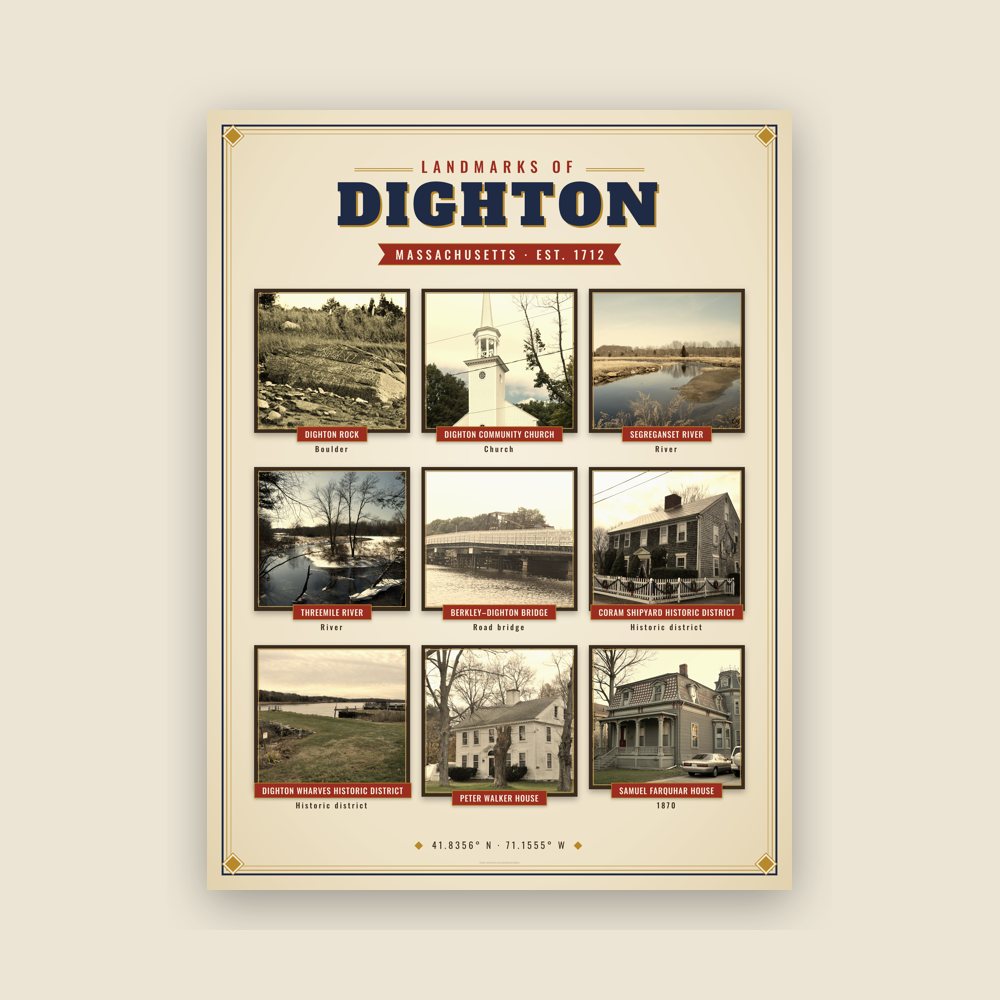
Nine local landmarks, archival matte
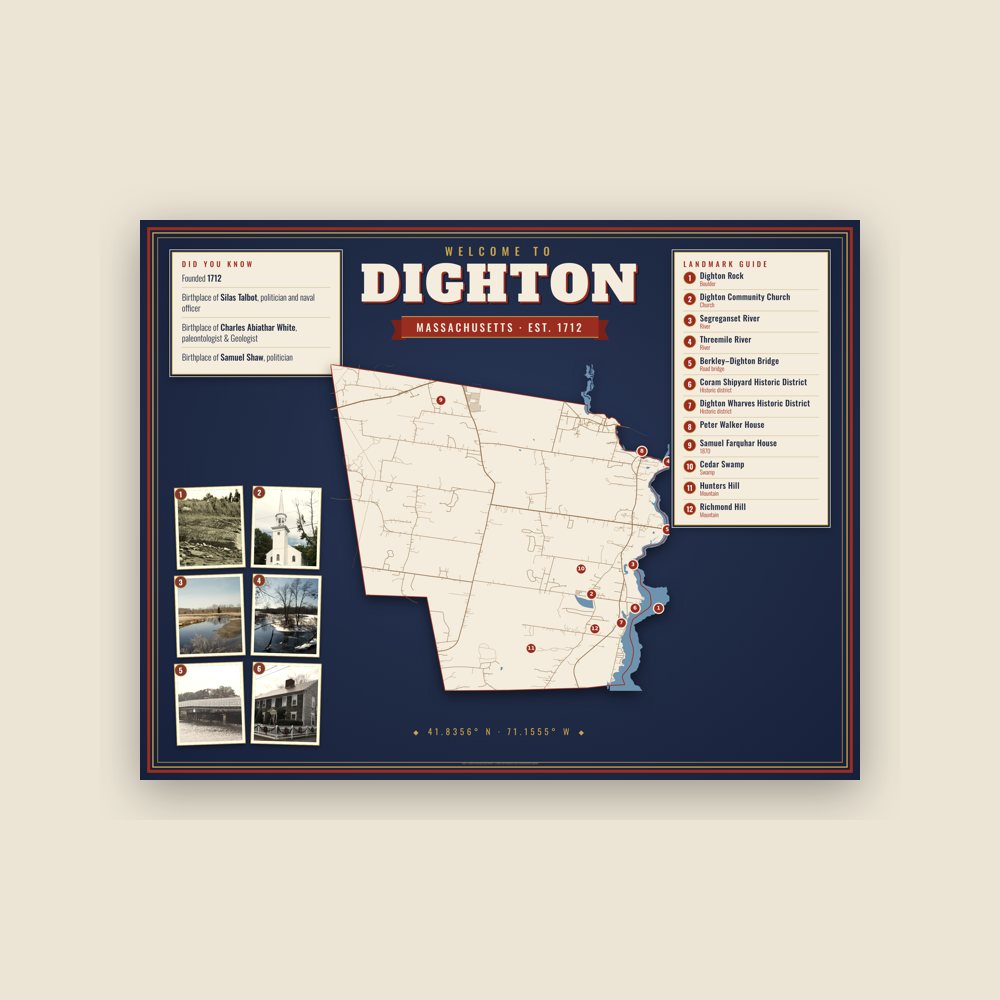
Map of local landmarks, washable fabric
Heavy-blend fleece, street map printed on the back
Soft Bella+Canvas jersey
Glossy ceramic, dishwasher safe
Ceramic keepsake, gold ribbon
Weatherproof, for the front walk
24″×16″, printed coir-look fibers, rubber back
12″×12″ printed wood, ready to hang
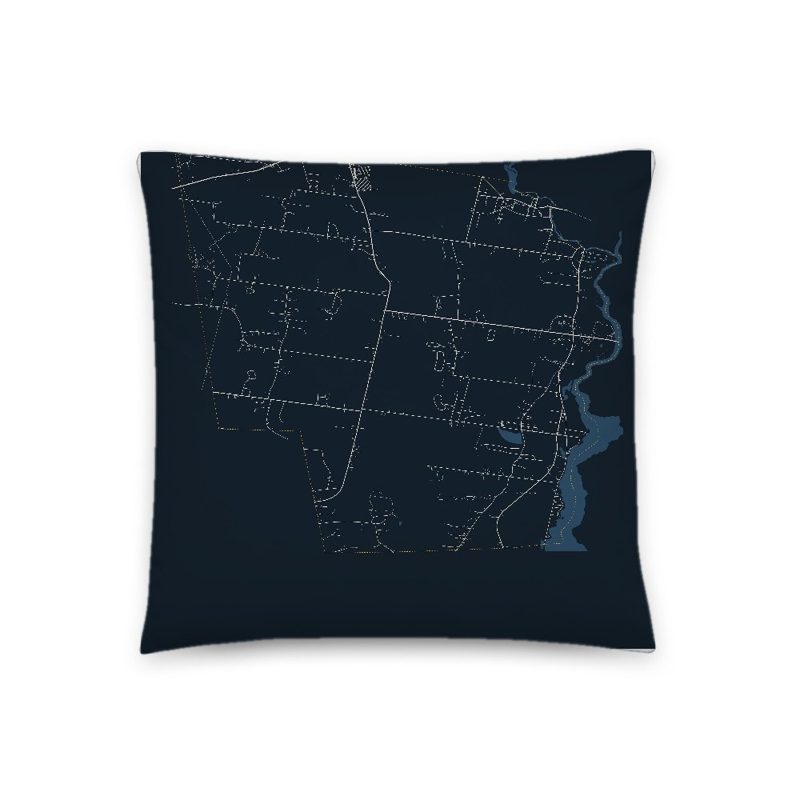
Soft-touch, zip cover
Sturdy all-over-print tote
Glossy top, cork back
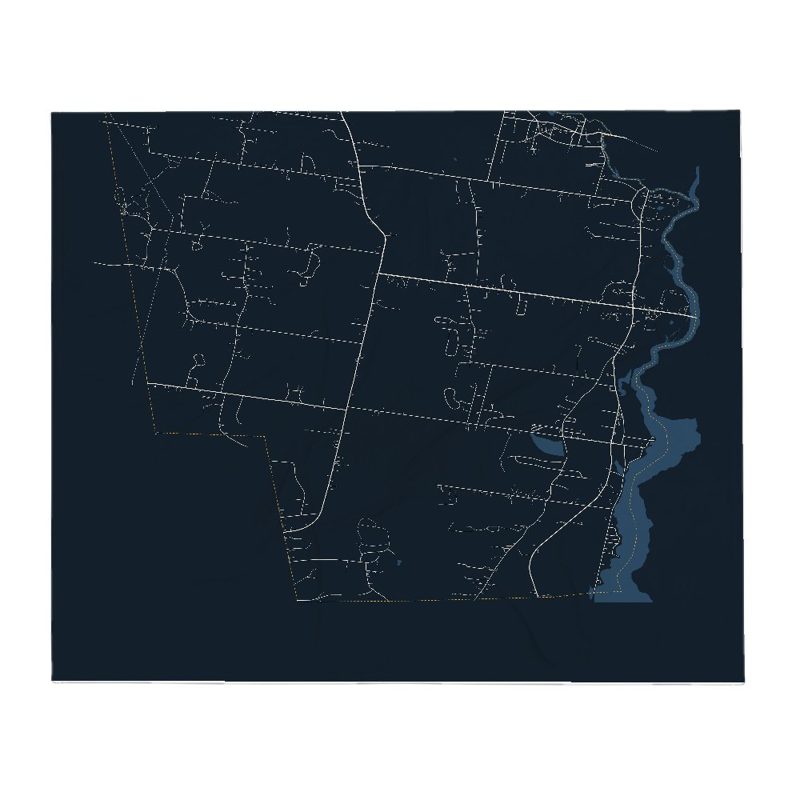
Soft fleece, 50″×60″
20 oz, double-wall stainless
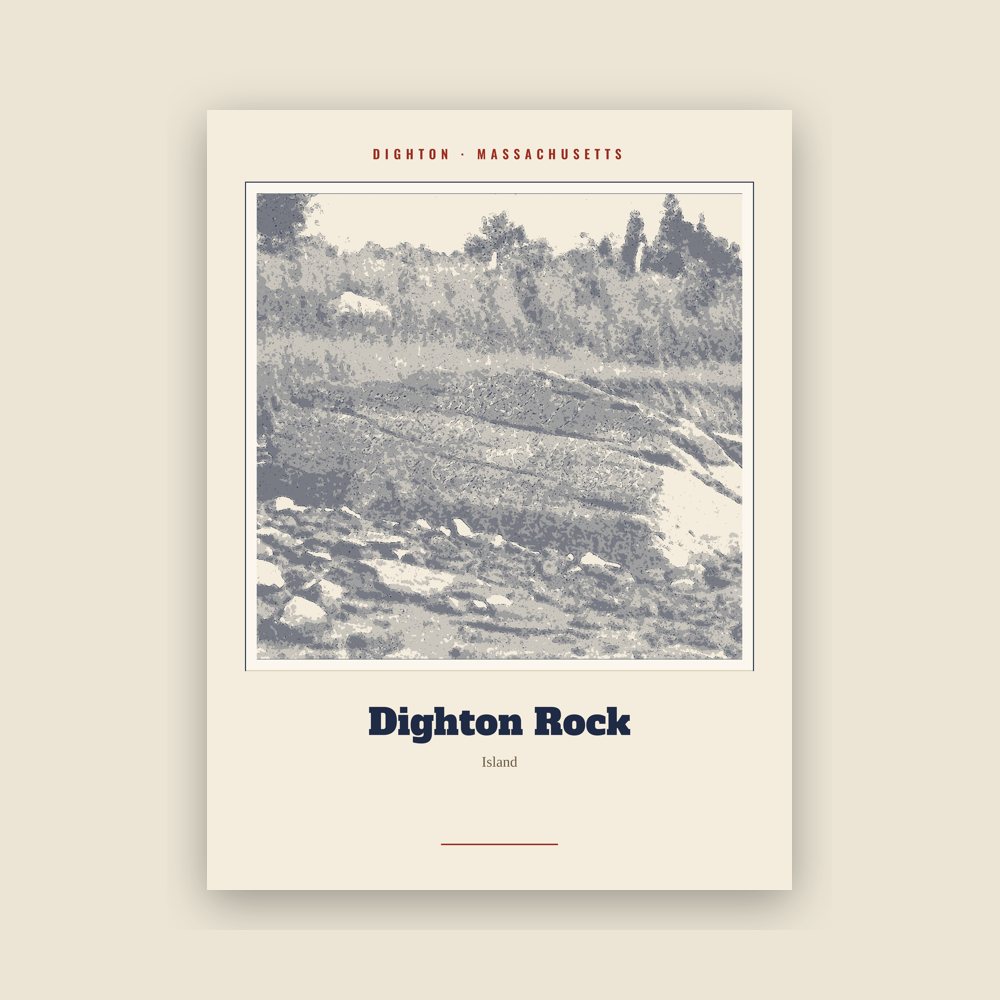
Archival matte print of a local landmark, credited to its photographer
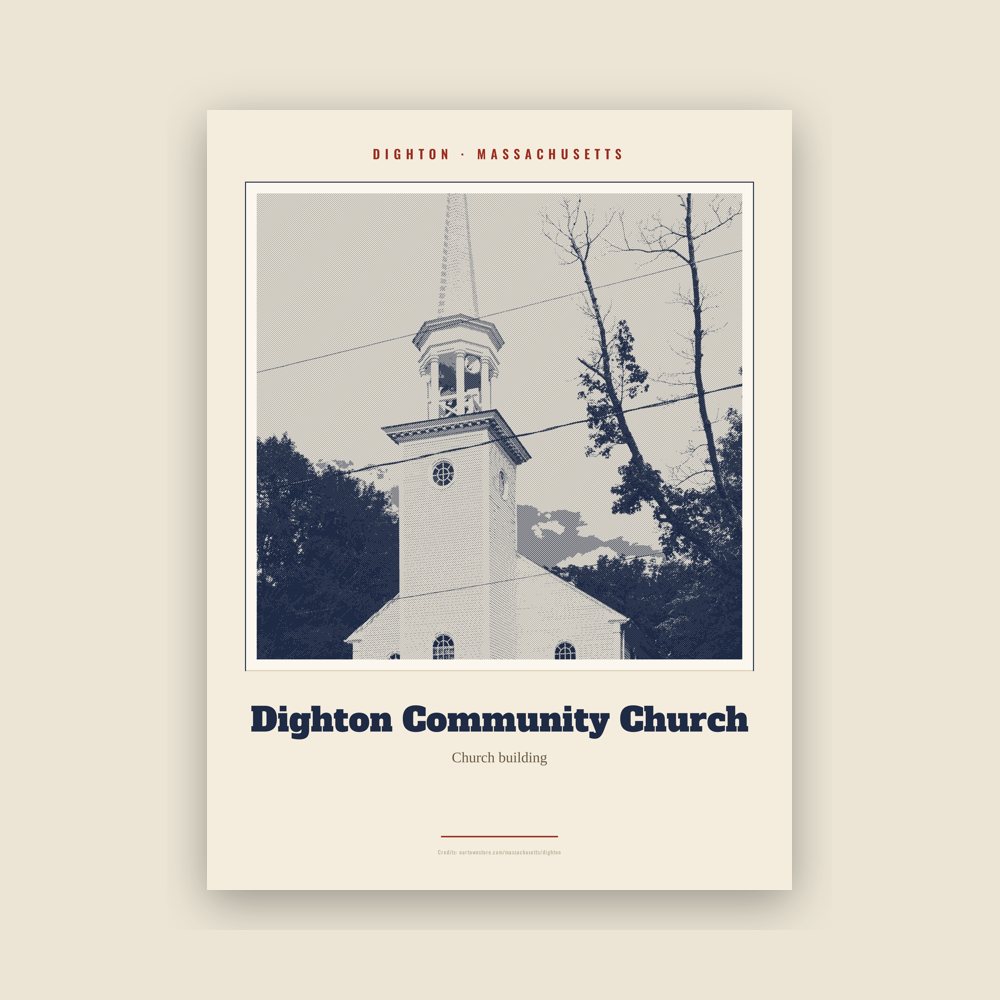
Archival matte print of a local landmark, credited to its photographer
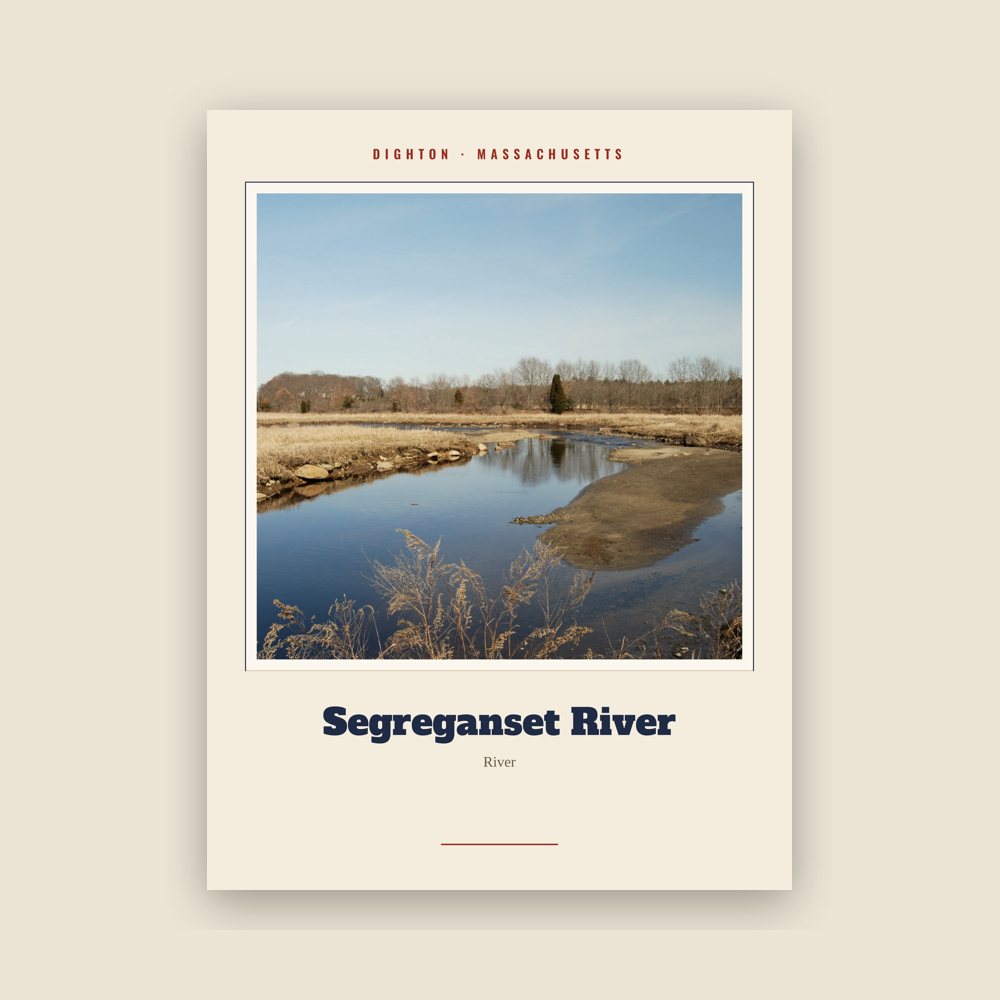
Archival matte print of a local landmark, credited to its photographer
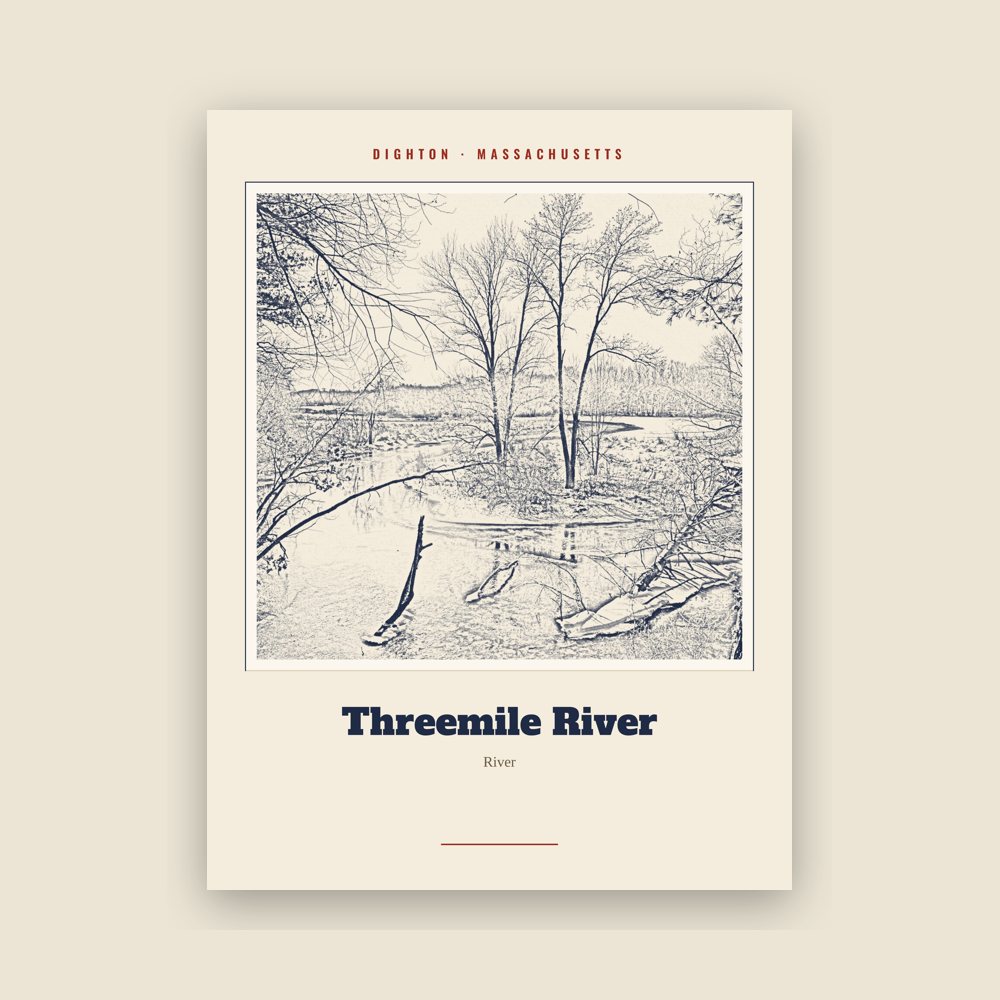
Archival matte print of a local landmark, credited to its photographer
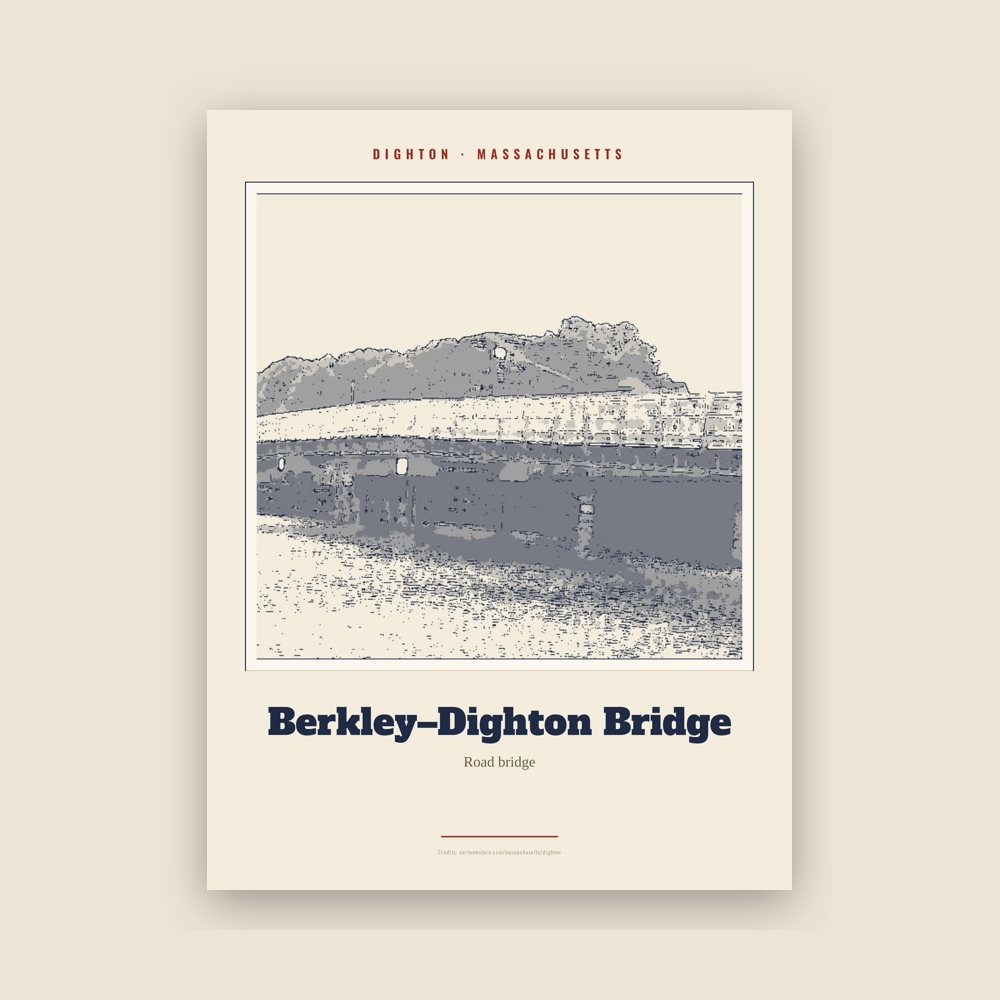
Archival matte print of a local landmark, credited to its photographer
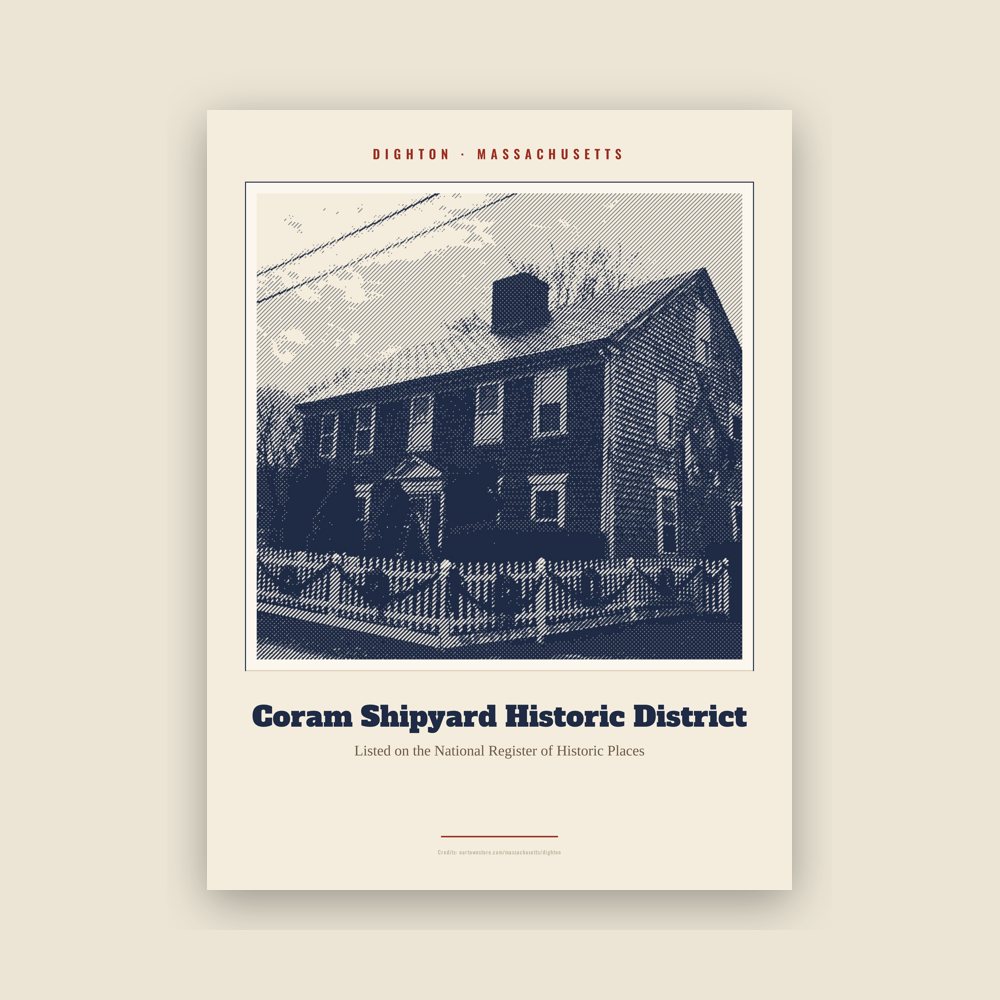
Archival matte print of a local landmark, credited to its photographer
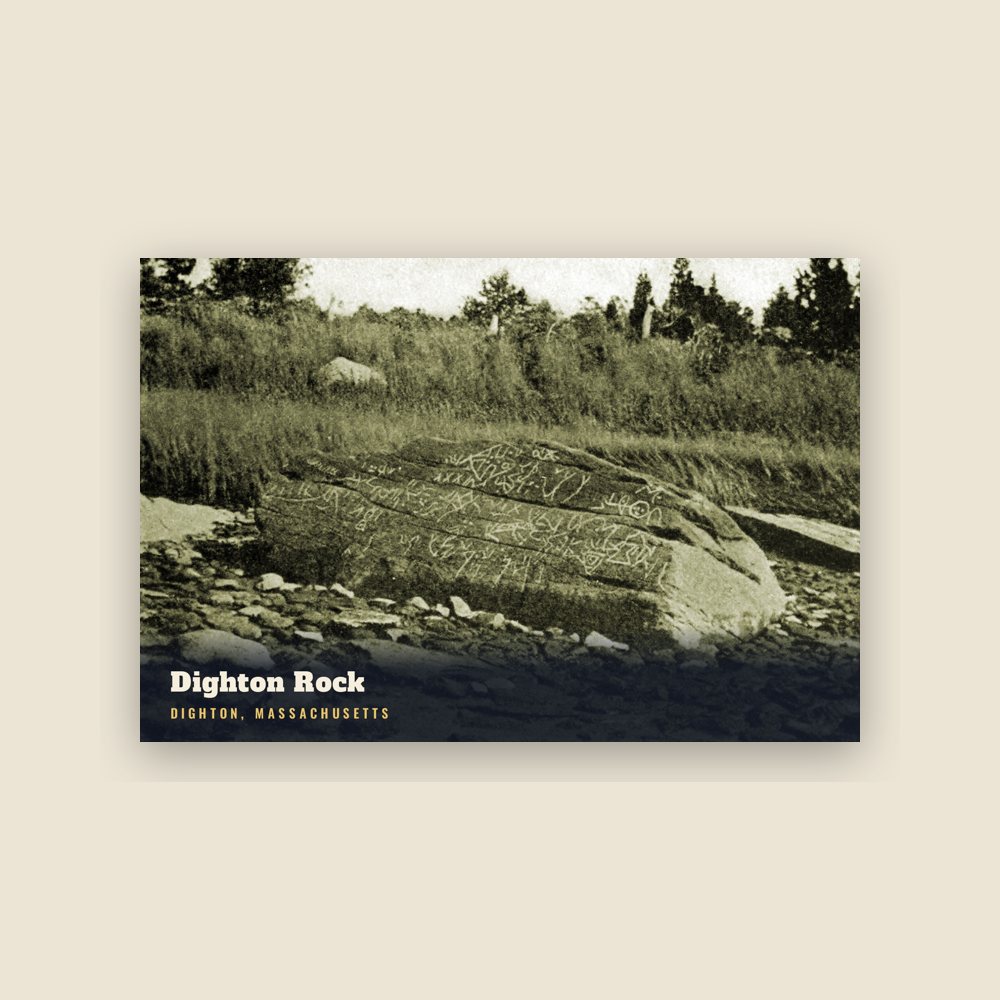
6″×4″ postcard, glossy front
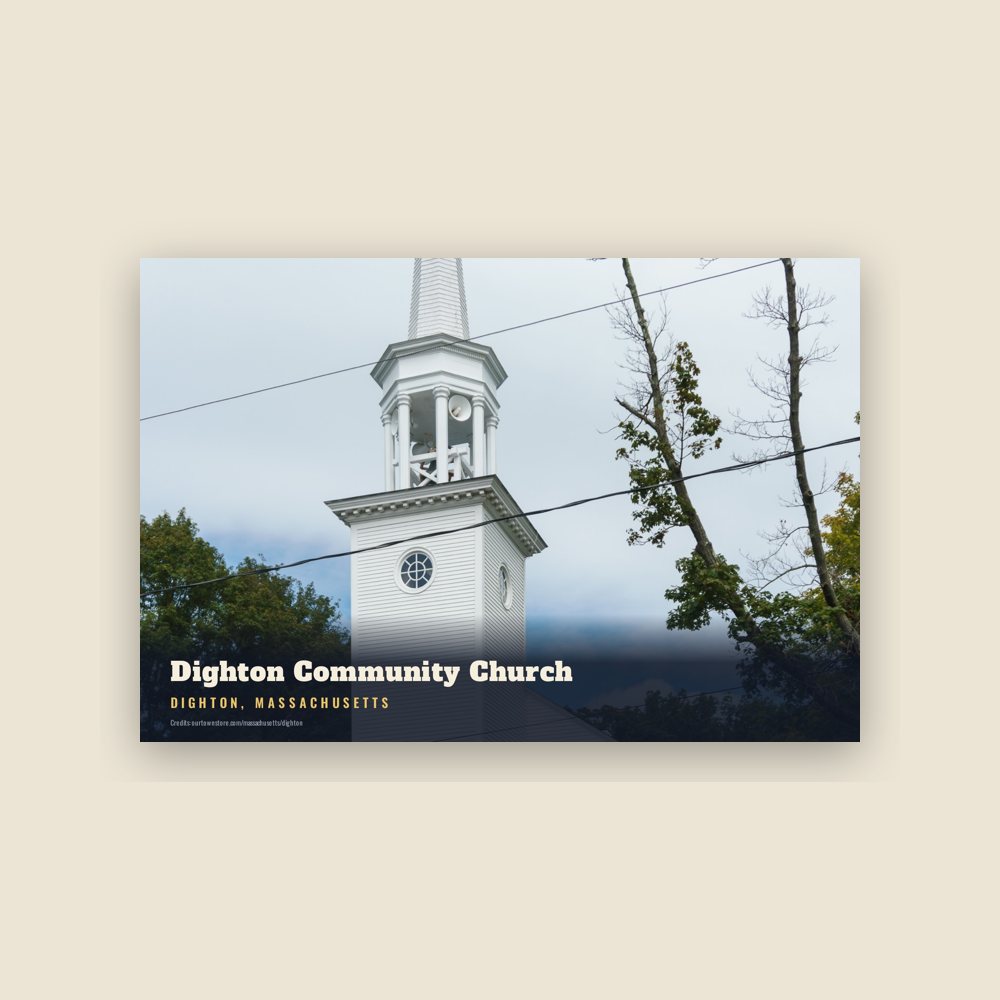
6″×4″ postcard, glossy front
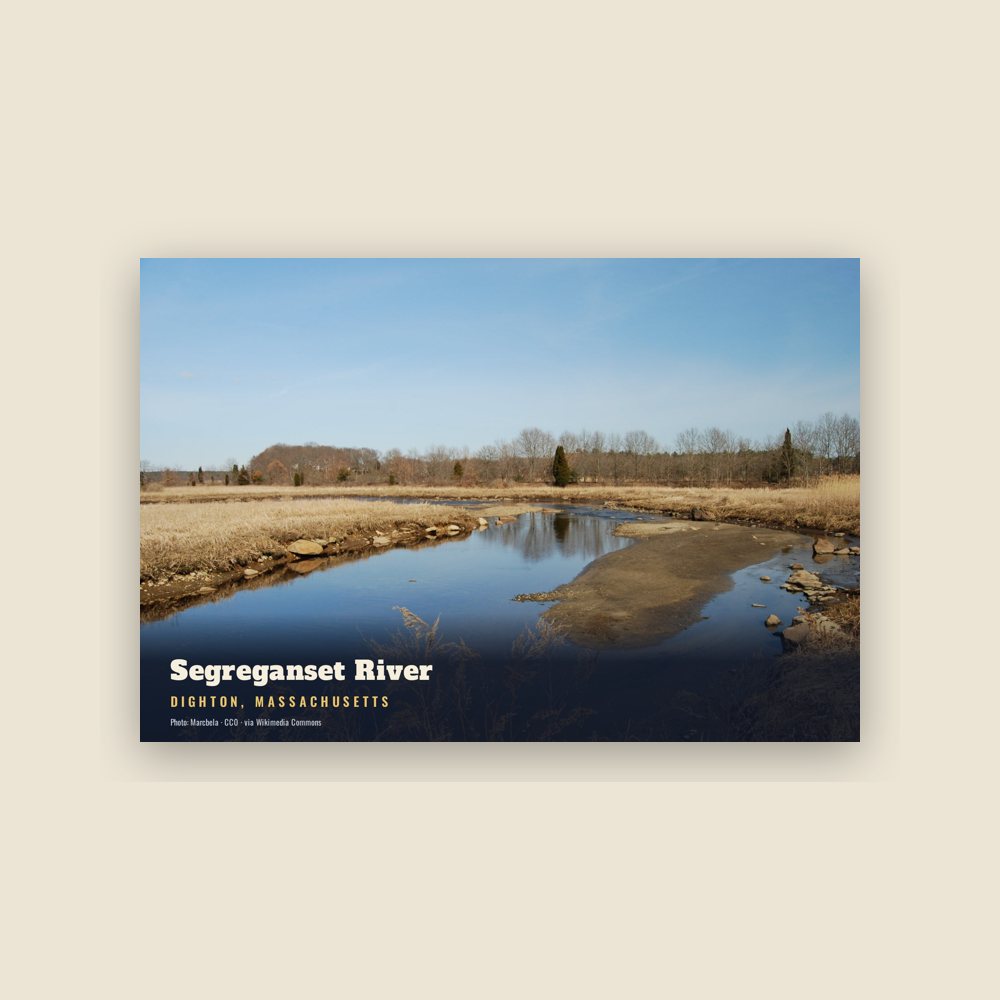
6″×4″ postcard, glossy front
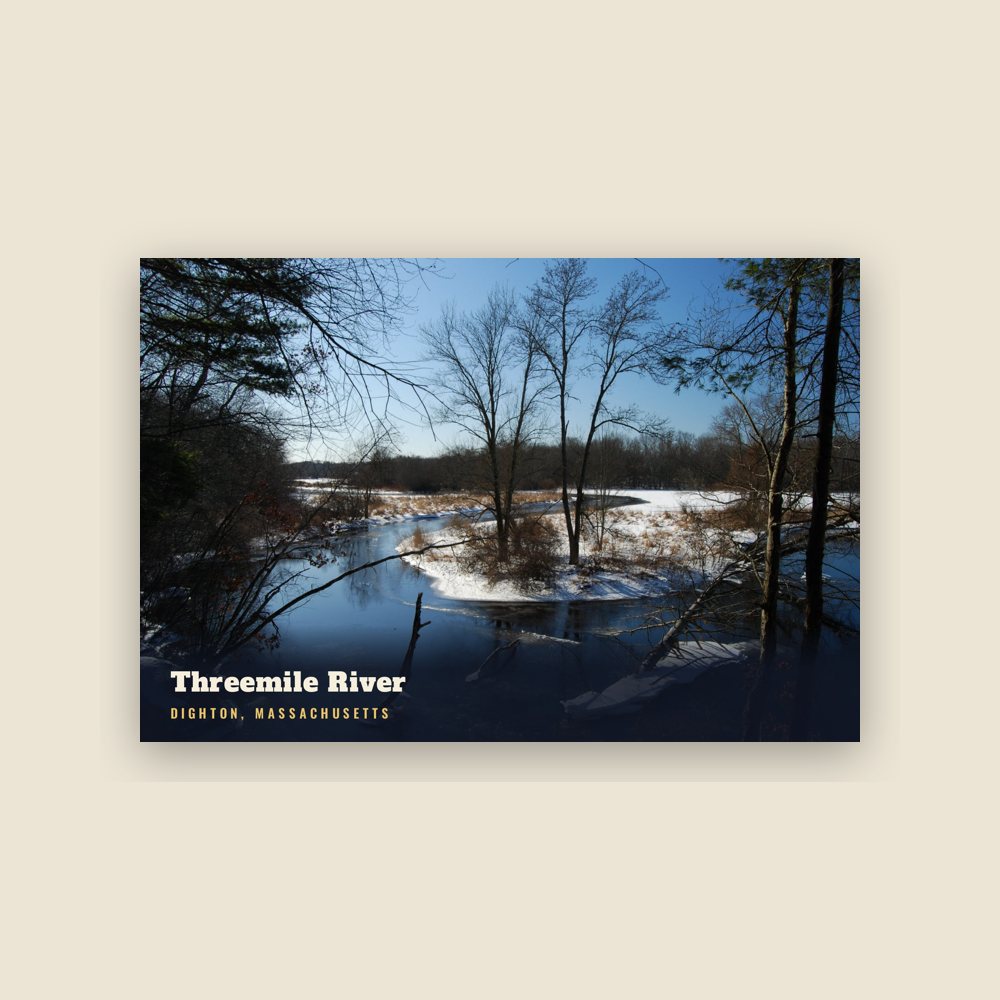
6″×4″ postcard, glossy front
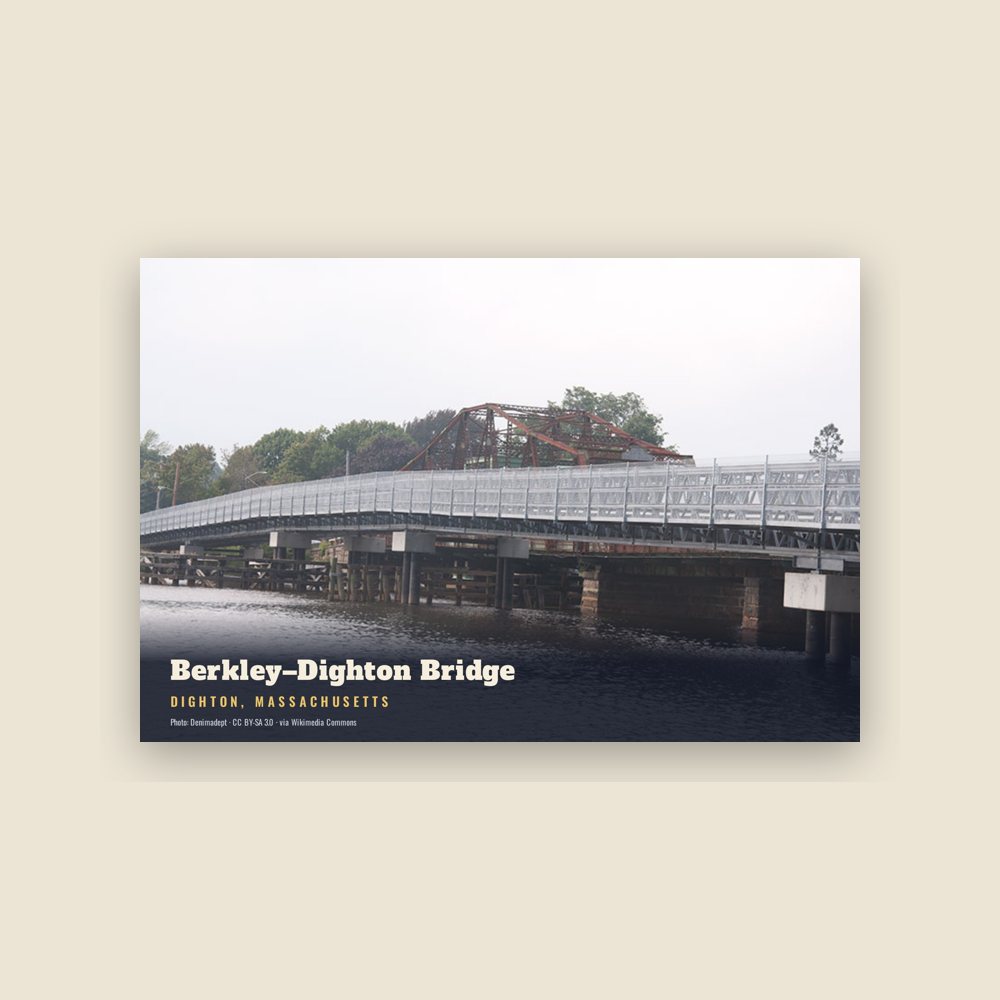
6″×4″ postcard, glossy front
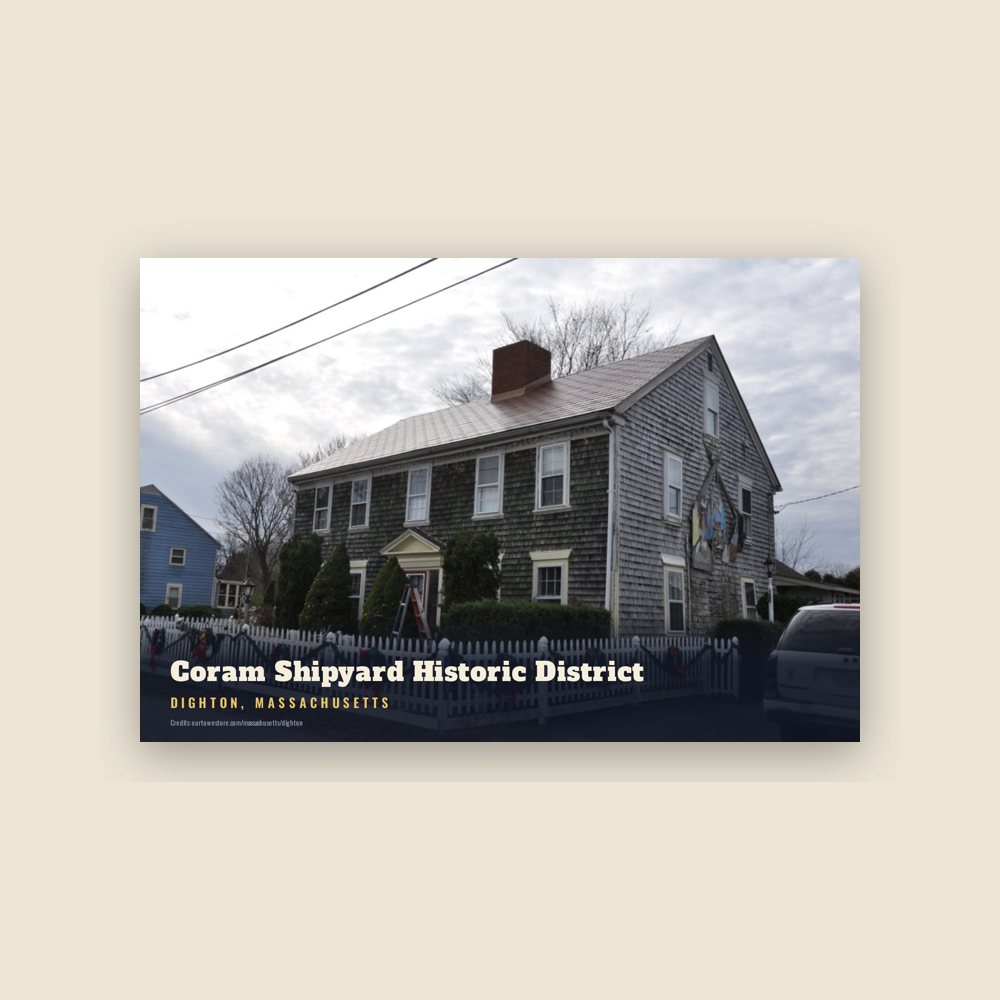
6″×4″ postcard, glossy front
Population 2010: 7,086 → 2020: 8,101
From Wikidata (CC0).
Dighton's location has long made it a crossroads for travel. The "Old Bristol Path" took early settlers from the Pilgrim settlement in Plymouth, Massachusetts to Bristol, Rhode Island, the home of Massasoit. A ferry took travelers across the Taunton River. Later, a stage coach ran through Dighton, connecting Taunton and Bristol. Dighton was also along the route between Fall River and Taunton.
Dighton was originally part of Taunton's South Purchase and other surrounding towns. It was separated in 1672, officially incorporated in 1712. It was named for Frances Dighton Williams, wife of Richard Williams, a town elder. At the time of incorporation, the town included land on both sides of the Taunton River, including the land of Assonet Neck, which includes Dighton Rock, a rock found in the shallows of the river which includes cryptic carvings whose origins are debated to this day. However, in 1799, that land on the east bank of the river was annexed by Berkley, thus giving that town the claim of being the home of the rock.
In 1765, shortly after the renewal of the Molasses Act, Dighton's wharves were the site of the "Molasses Affair," a protest of British taxes on molasses similar to the more famous Boston Tea Party. A local ship reported a cargo of 63 casks of molasses to the British custom officials, but the ship actually contained double that number. The customs official ordered the ship's cargo impounded while he departed for Newport for assistance. While he was gone, forty local men with blackened faces stole the cargo, ran the ship aground, and drilled holes in the hull to protest British tax policies.
During the time of the American Revolutionary War, Dighton gave refuge to several refugees from Newport, Rhode Island who had fled the British occupation there. These included Ezra Stiles and William Ellery. Stiles kept a diary of his time in Dighton. In January 1778 the town council voted in favor of the Articles of Confederation.
As it was located at the beginning of the tidewater of the river, Dighton was a shipbuilding community, and even had status as a port of call. North of Dighton the Taunton River becomes too shallow for ships to navigate, and this, along with its centralized location, allowed Dighton to become a shipping hub for southeastern Massachusetts. In 1789 Dighton was made a port of entry for the surrounding towns. Ships would unload in Dighton and goods were either transferred to smaller boats or towed by oxen along a tow path on the east side of the river to Taunton.
Herring were plentiful in the Taunton River, and at one point Dighton's herring fishery provided more income to the town than any other industry. Fish were preserved in salt and exported as far away as the West Indies.
Shipbuilding started in Dighton as early as 1698. Thomas Coram built Dighton's first shipyard on the west side of the Taunton River. Shipbuilding grew into a significant industry after 1800, peaking around 1850. During 1840–1845 twenty-two schooners, two sloops, four brigs, and three barks were built in Dighton.
There were also cotton mills, paper mills, manufacturers and farming concerns in the town. From before the Civil War to at least 1912, the town was regionally known for its strawberry farms. With time, however, many of these industries left, leaving the town as a rural suburban community with some small farms.
In 2012, Dighton celebrated its Tricentennial with town selectmen donning historic costumes and crossing the Taunton River to Ferry Landing. Afterwards they held a ceremony at Founders Hall.
Adapted (trimmed) from the Wikipedia article Dighton, Massachusetts, revision 1378166704 by its contributors, licensed CC BY-SA 4.0.
We share a part of every Dighton sale with local partners, and we'd love to print from your collection. Old photographs, maps and postcards make the best keepsakes.
Partner with us