Rockport is a popular tourist destination and art colony. Landmarks include Rockport Historic District, Megunticook Golf Club and Conway House.
- CountyKnox County
- Population3,644 (2020 U.S. Census)
- Historic places8 on the National Register
Rockport is a popular tourist destination and art colony. Landmarks include Rockport Historic District, Megunticook Golf Club and Conway House.
Rockport, Maine gifts and souvenirs: 39 designs made from Rockport's own map, landmarks and history, from $10 to $99. Printed to order and shipped free in the USA.
| Popular | Price |
|---|---|
| Rockport Hometown Ornament | $23 |
| Rockport Landmarks Photo Poster | from $40 |
| Rockport Vintage Travel Poster | from $40 |
| Rockport Varsity Crewneck | from $57 |
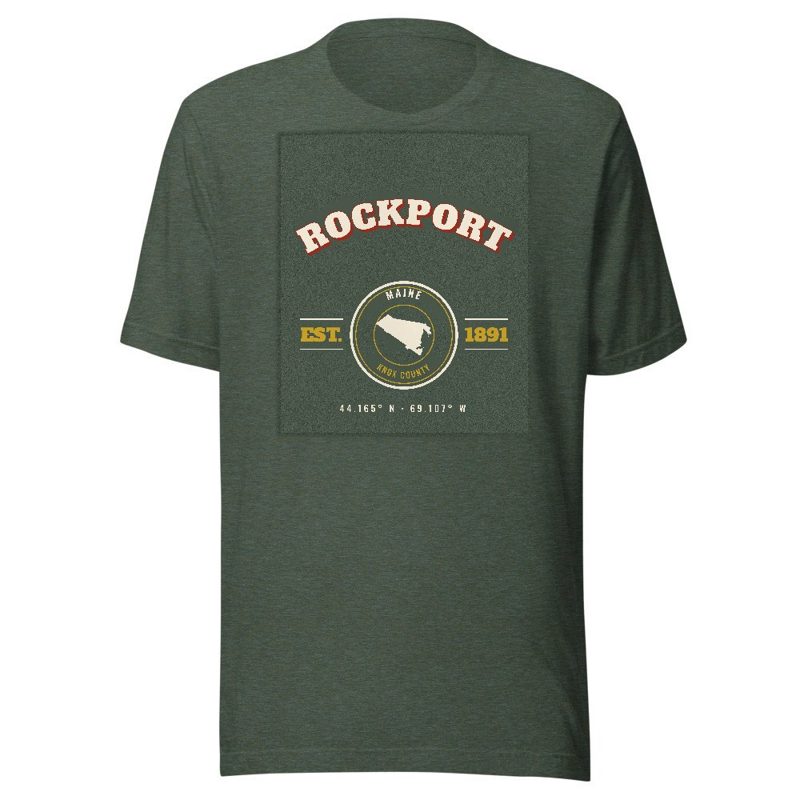
| Rockport Est. Tee | from $33 |
| Rockport Town Line Mug | from $26 |
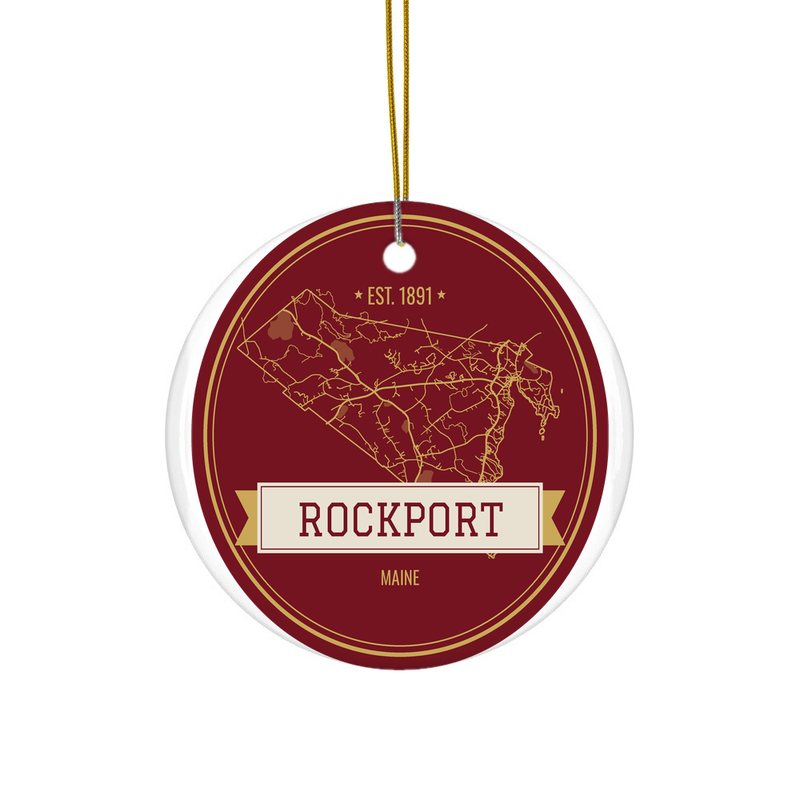
Ceramic keepsake, gold ribbon, in 4 styles
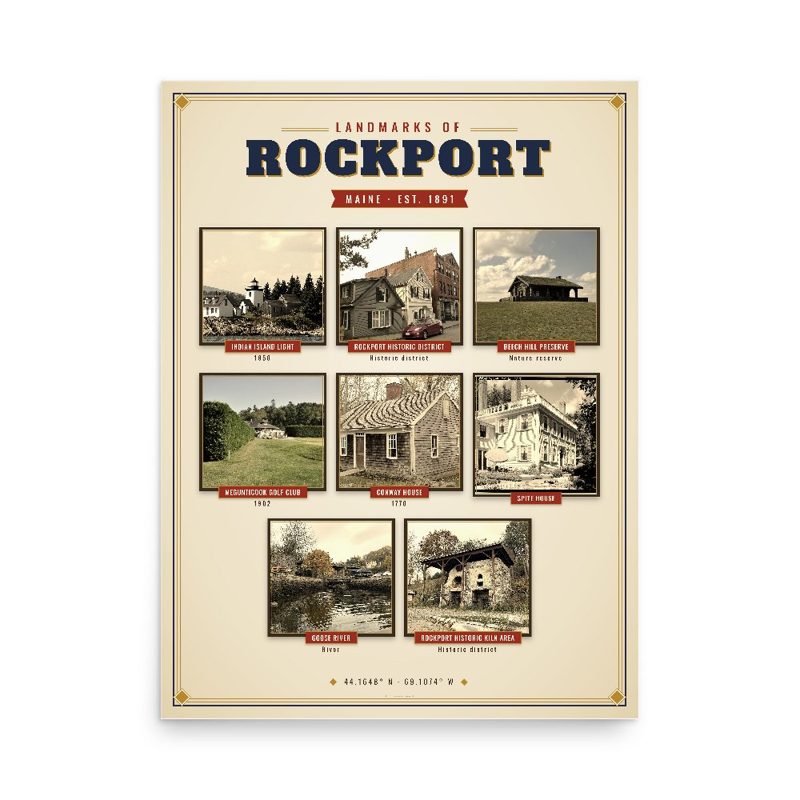
Nine local landmarks, archival matte
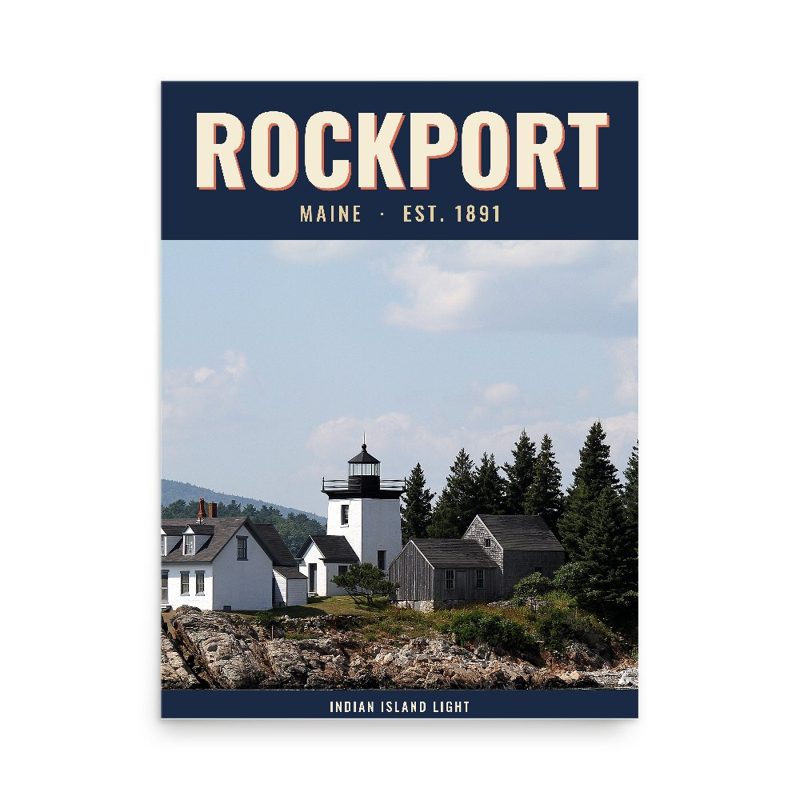
Its landmark photo in a classic travel-poster layout
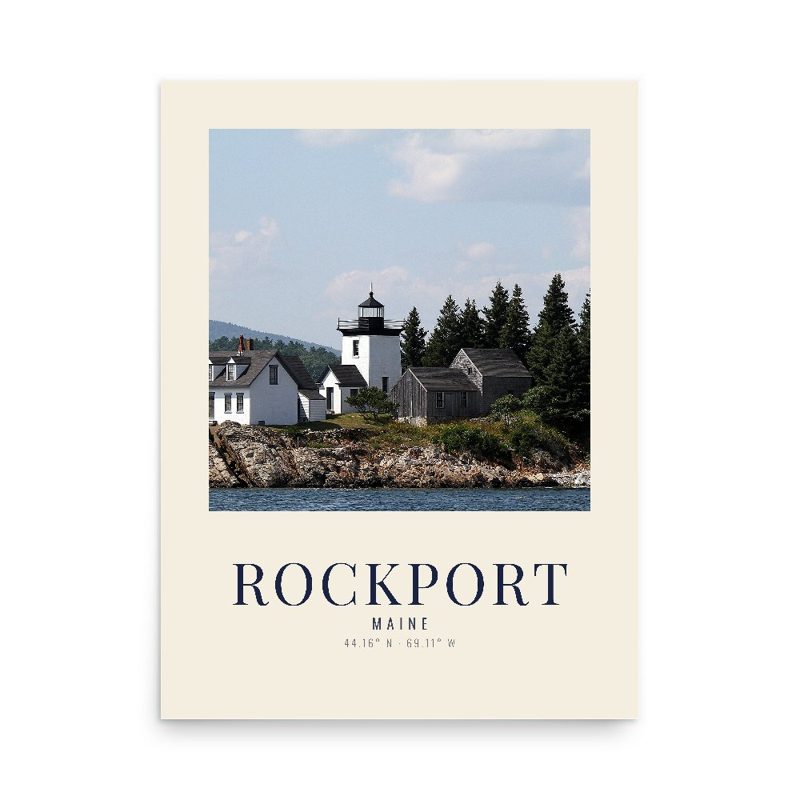
A local landmark photo as a gallery print
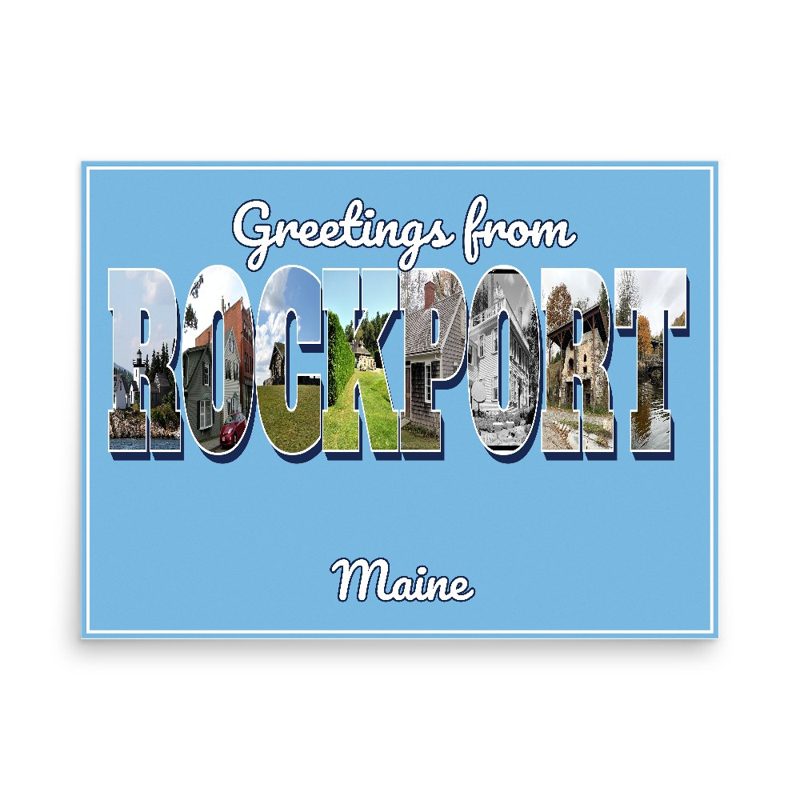
Classic large-letter postcard art, filled with local photos
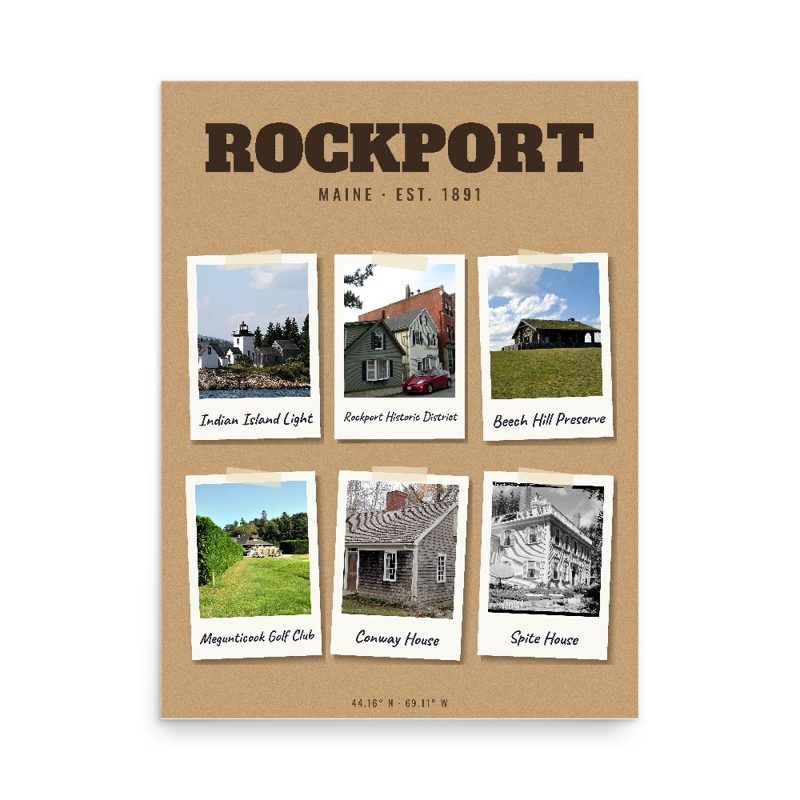
Six local landmarks as instant photos on kraft paper
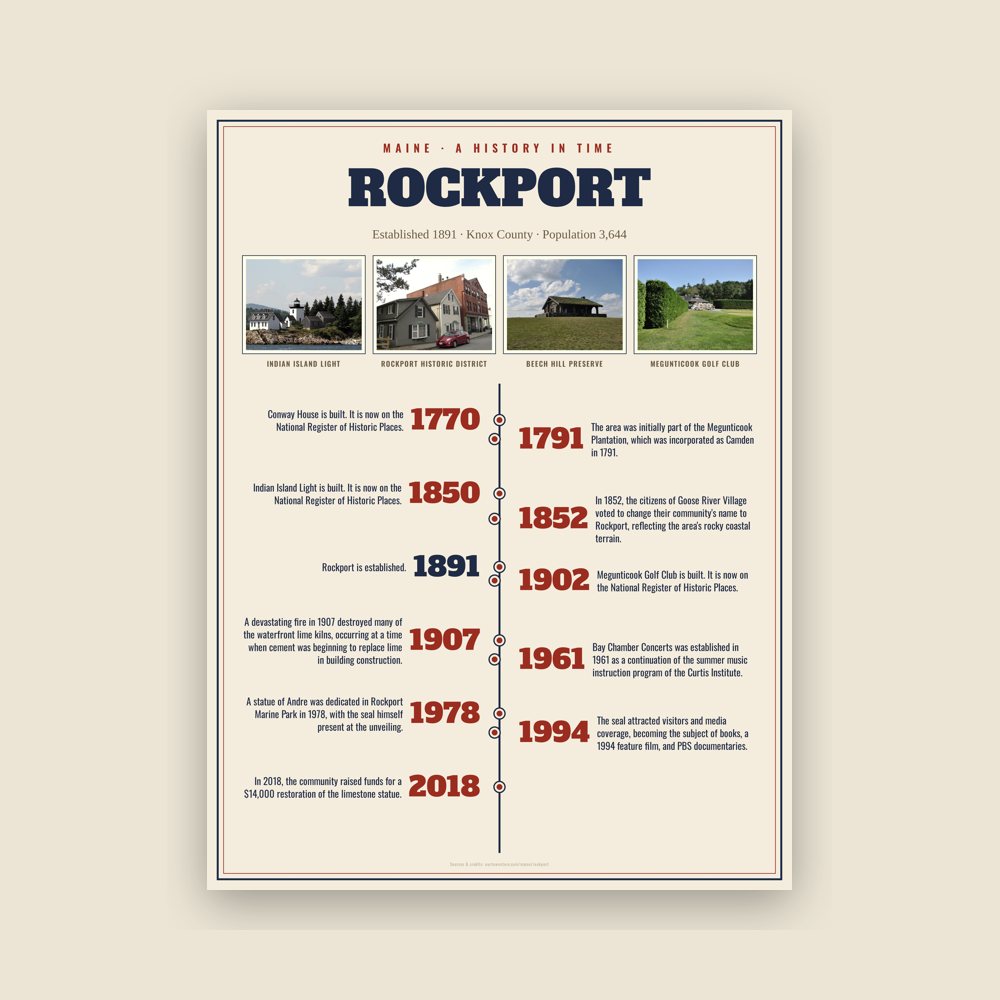
The town's story in dates, from its own records, for home or classroom
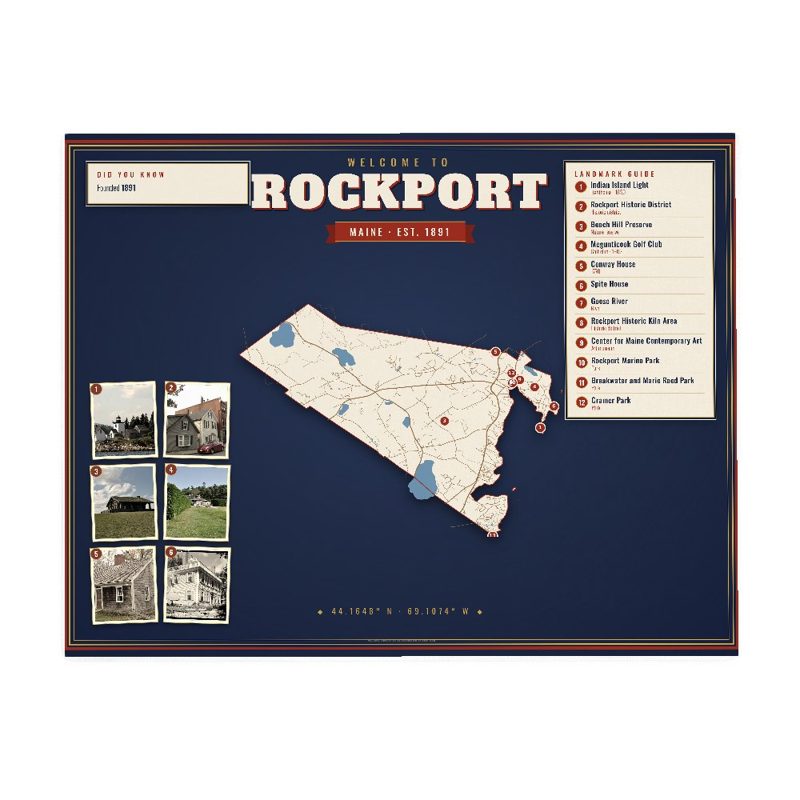
Map of local landmarks, washable fabric
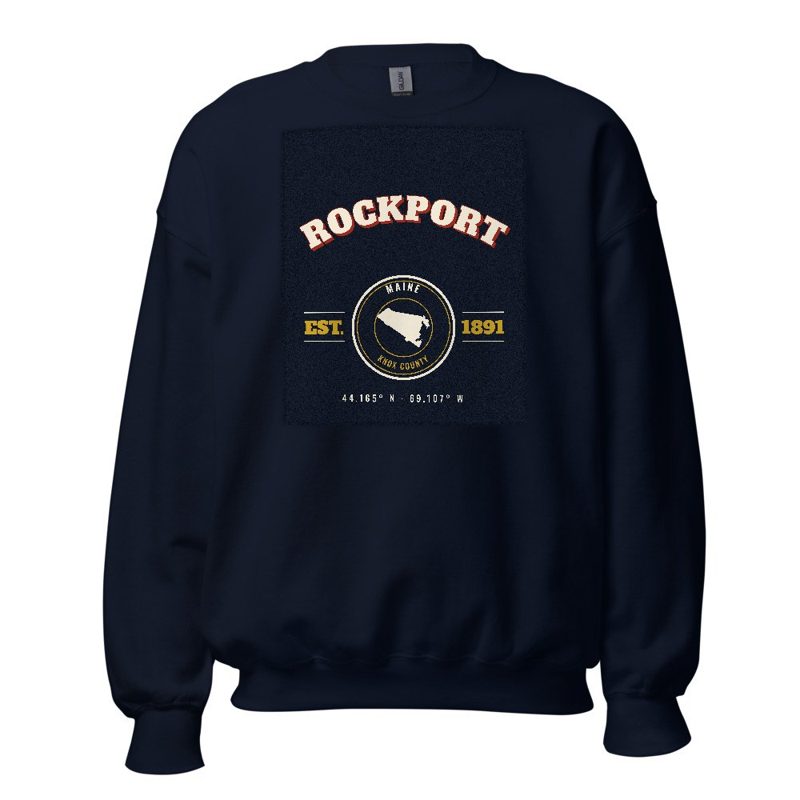
Heavy-blend fleece, street map printed on the back
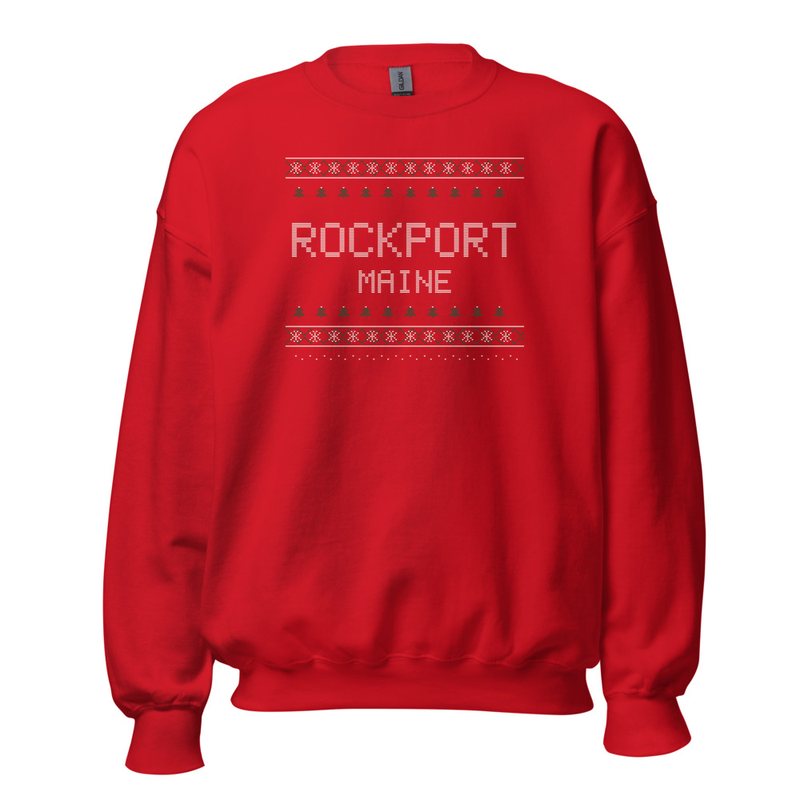
Red heavy-blend crewneck, knit-stitch town print
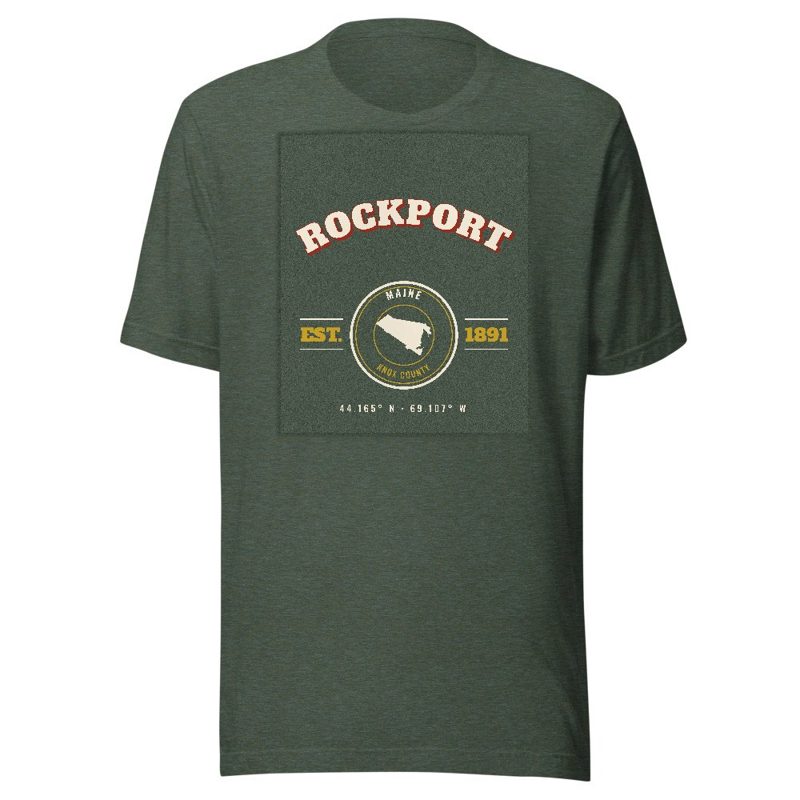
Soft Bella+Canvas jersey
Kids' Bella+Canvas jersey, youth sizes
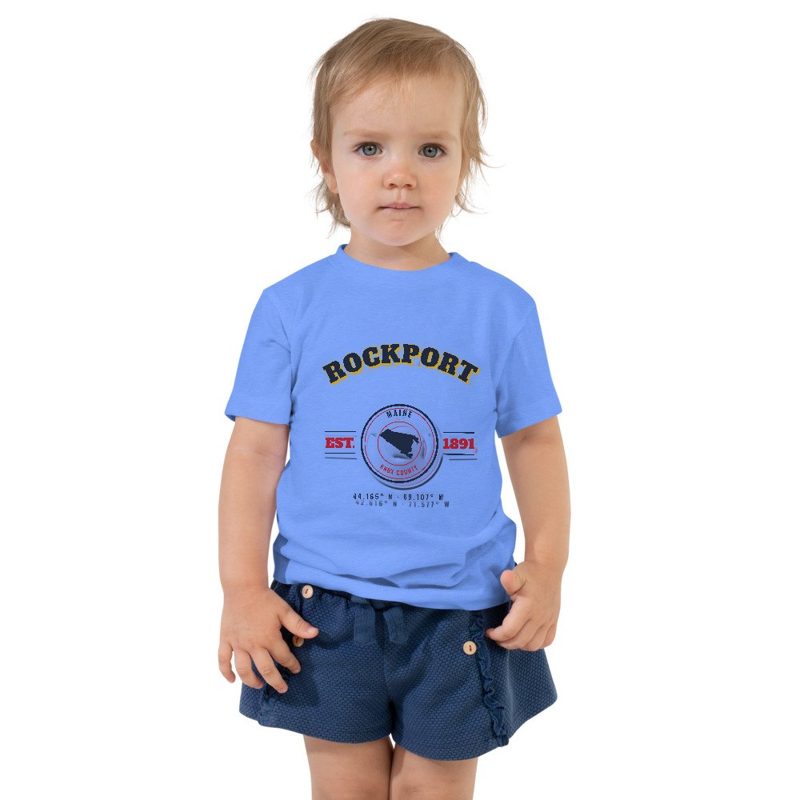
Bella+Canvas toddler jersey
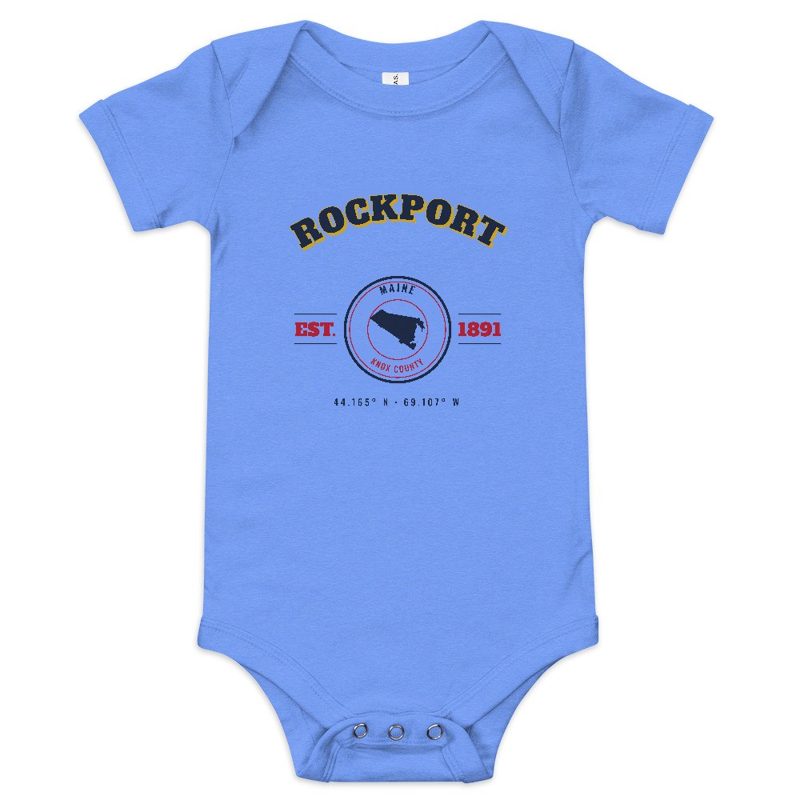
Bella+Canvas baby bodysuit

Large-letter postcard art filled with local photos
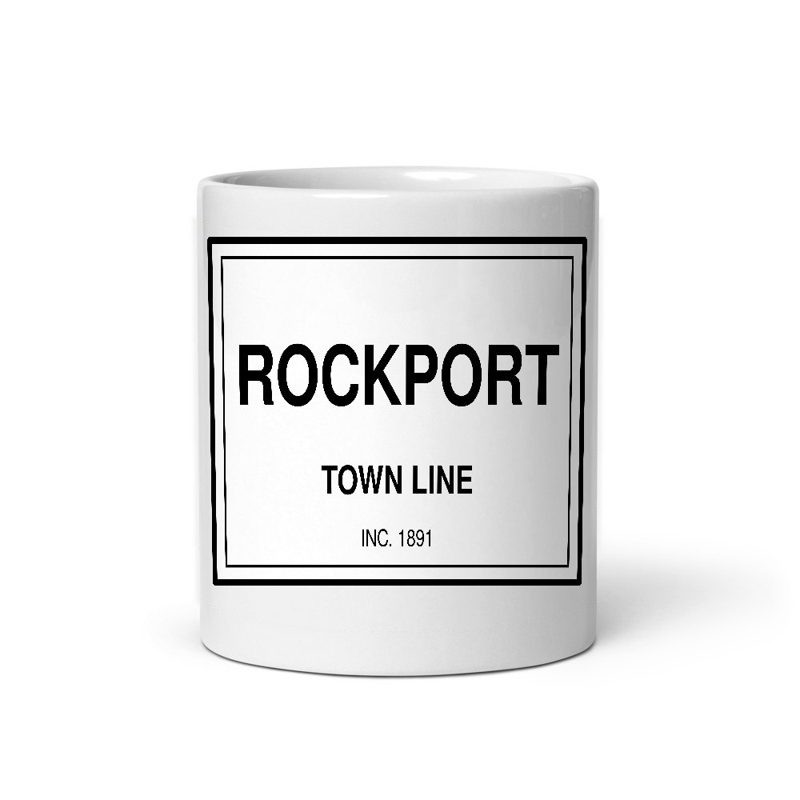
Glossy ceramic, dishwasher safe
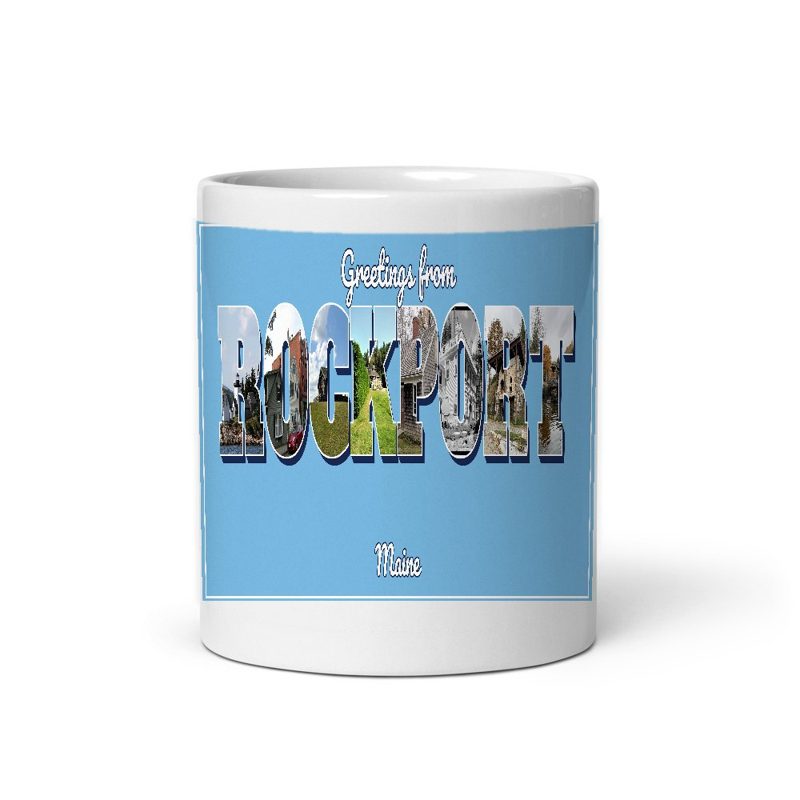
Large-letter postcard art filled with local photos, 11 oz ceramic
Weatherproof, for the front walk
24″×16″, printed coir-look fibers, rubber back
12″×12″ printed wood, ready to hang
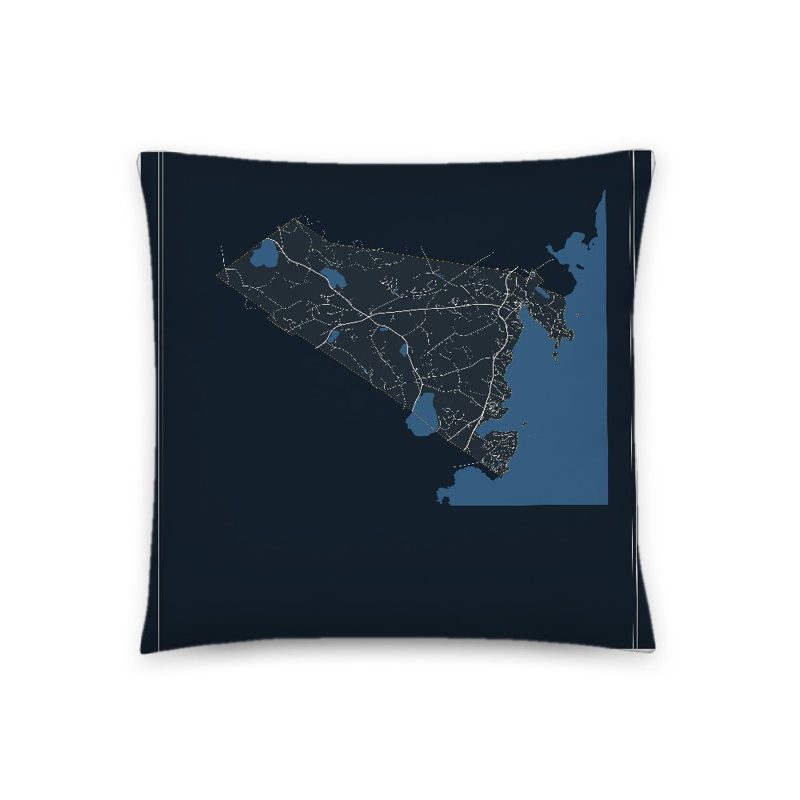
Soft-touch, zip cover
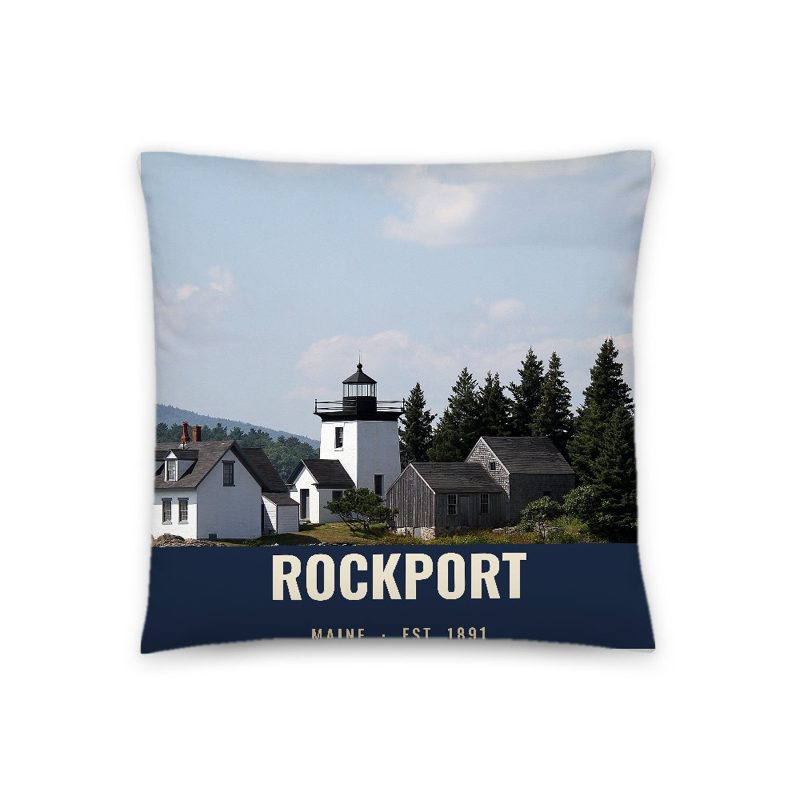
A local landmark photo with the town name, 18″×18″
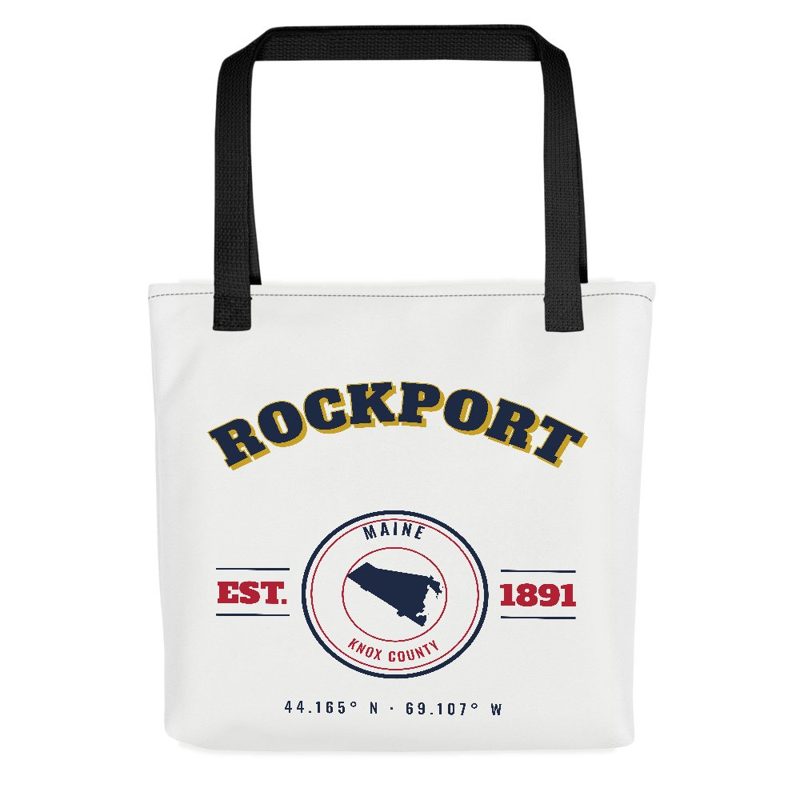
Sturdy all-over-print tote

Large-letter postcard art on a sturdy tote

Foam-front trucker, printed (not embroidered) with local photos
Glossy top, cork back
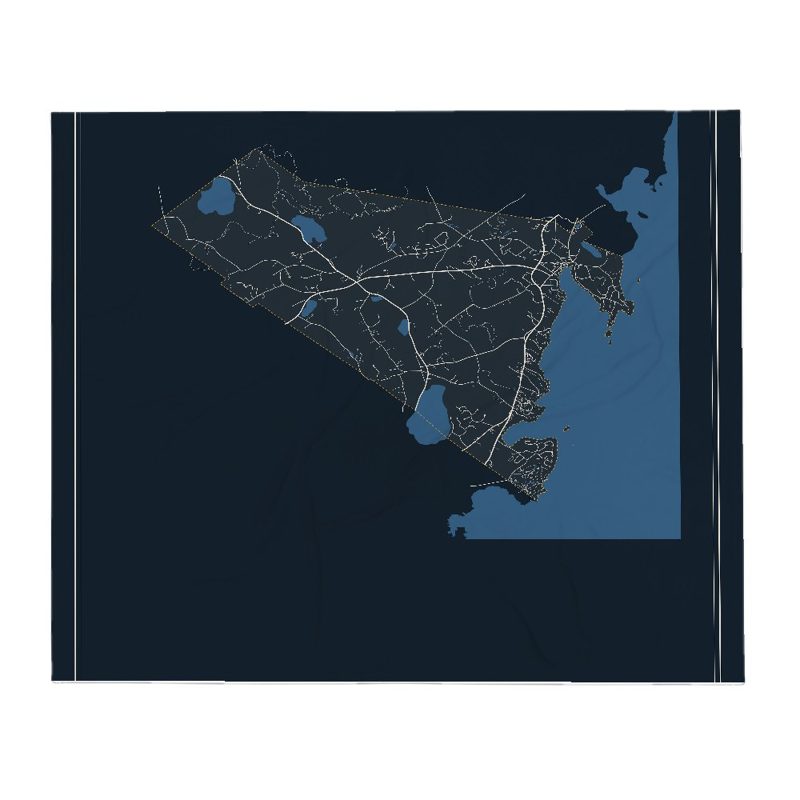
Soft fleece, 50″×60″
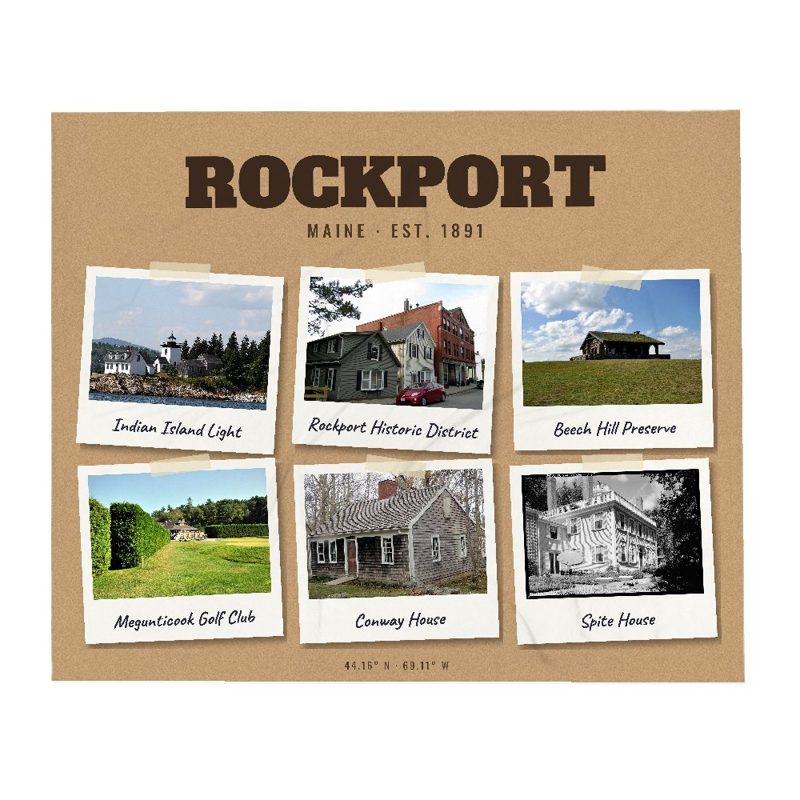
Six local landmarks as instant photos, soft fleece 50″×60″
20 oz, double-wall stainless
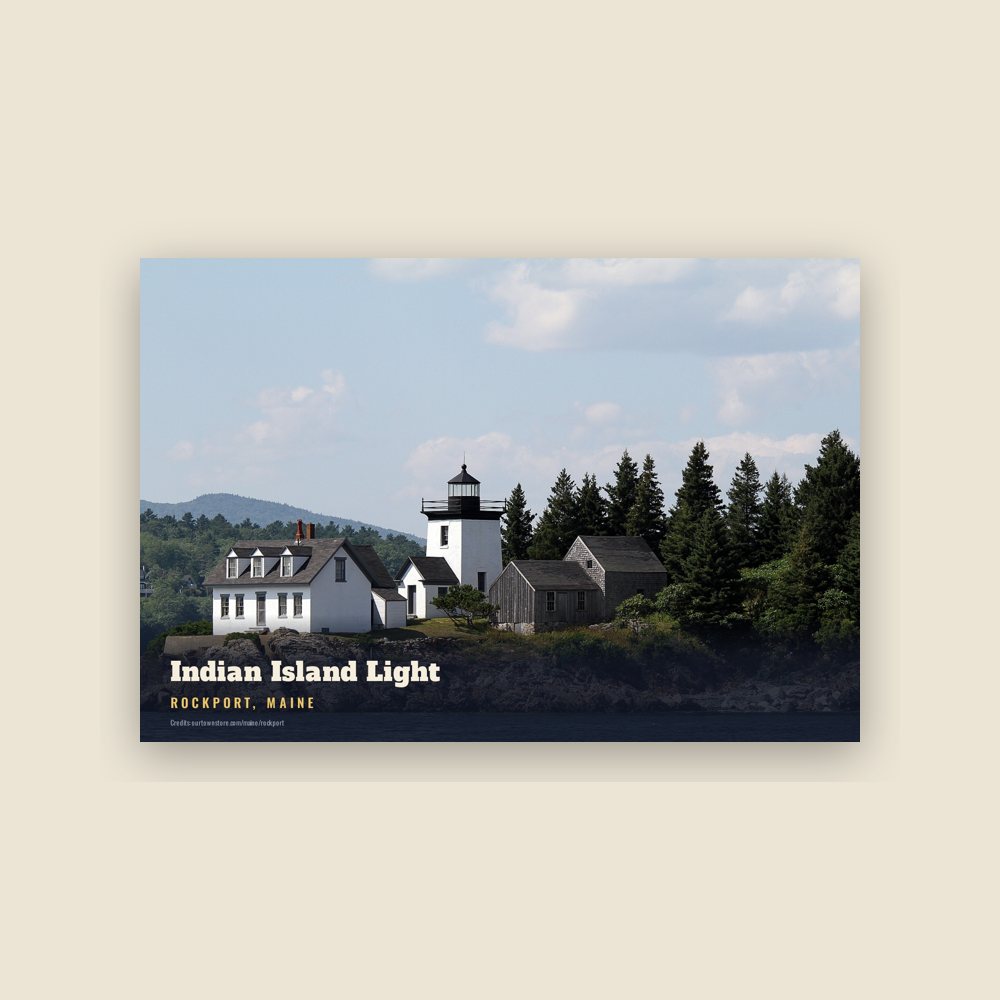
6″×4″ postcard, glossy front
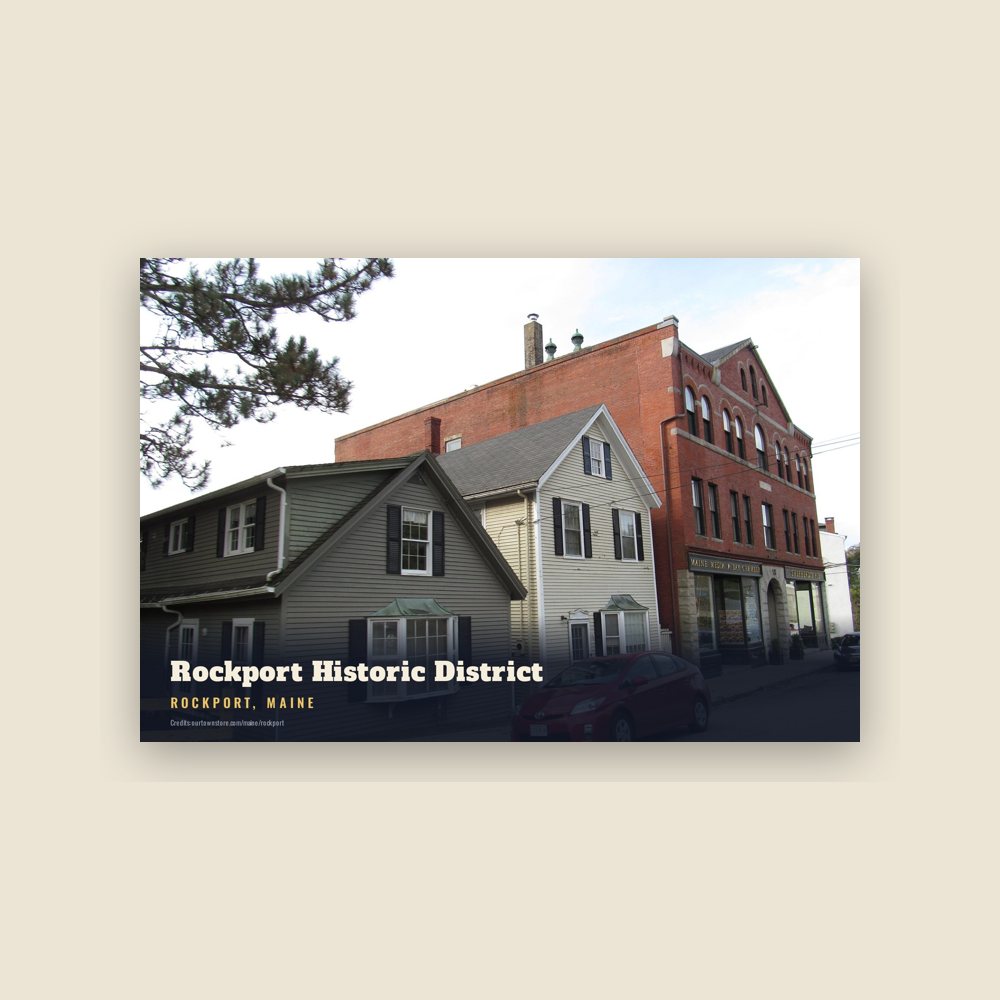
6″×4″ postcard, glossy front
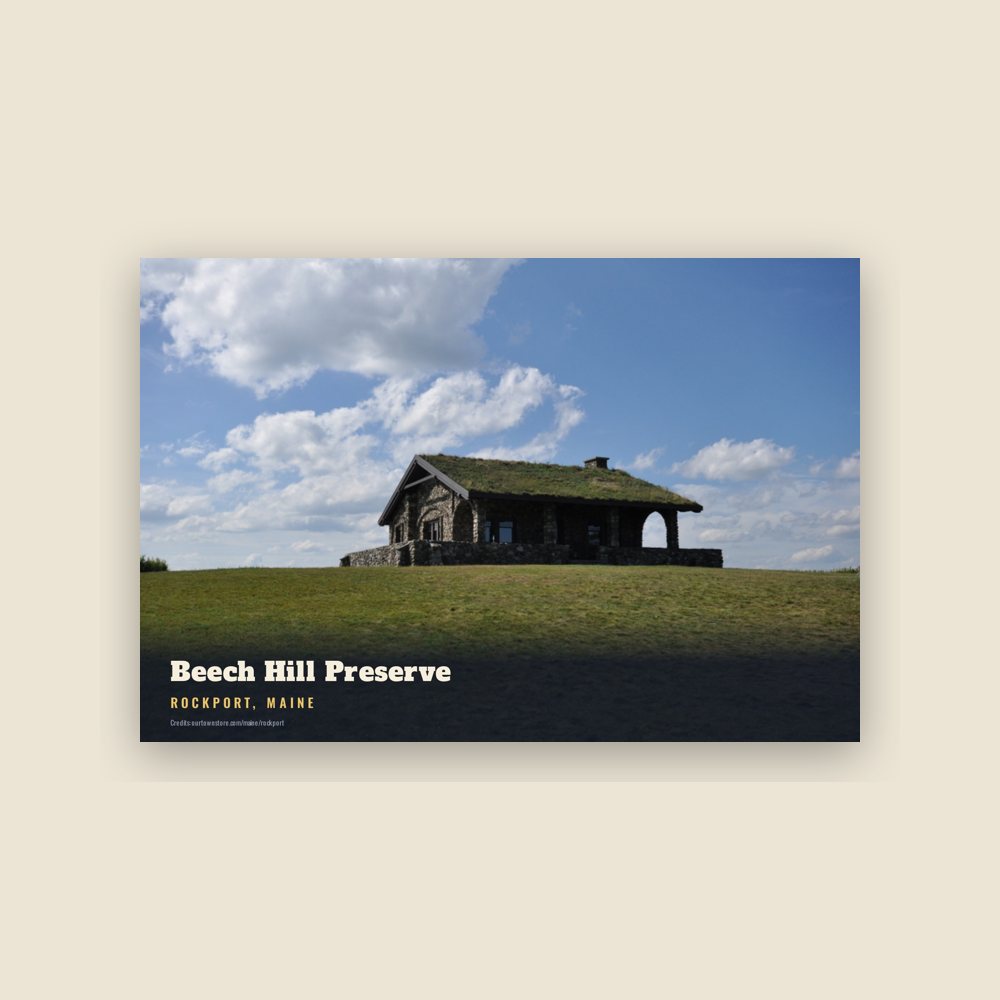
6″×4″ postcard, glossy front
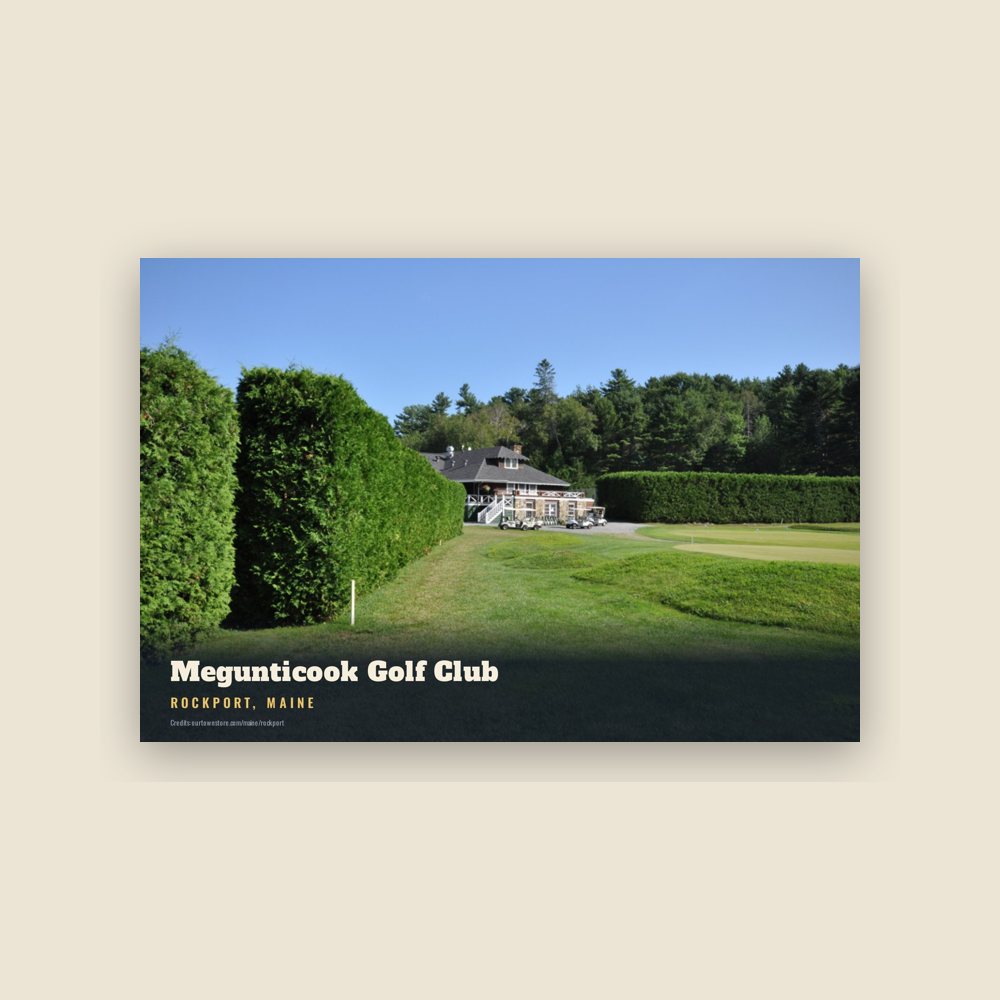
6″×4″ postcard, glossy front
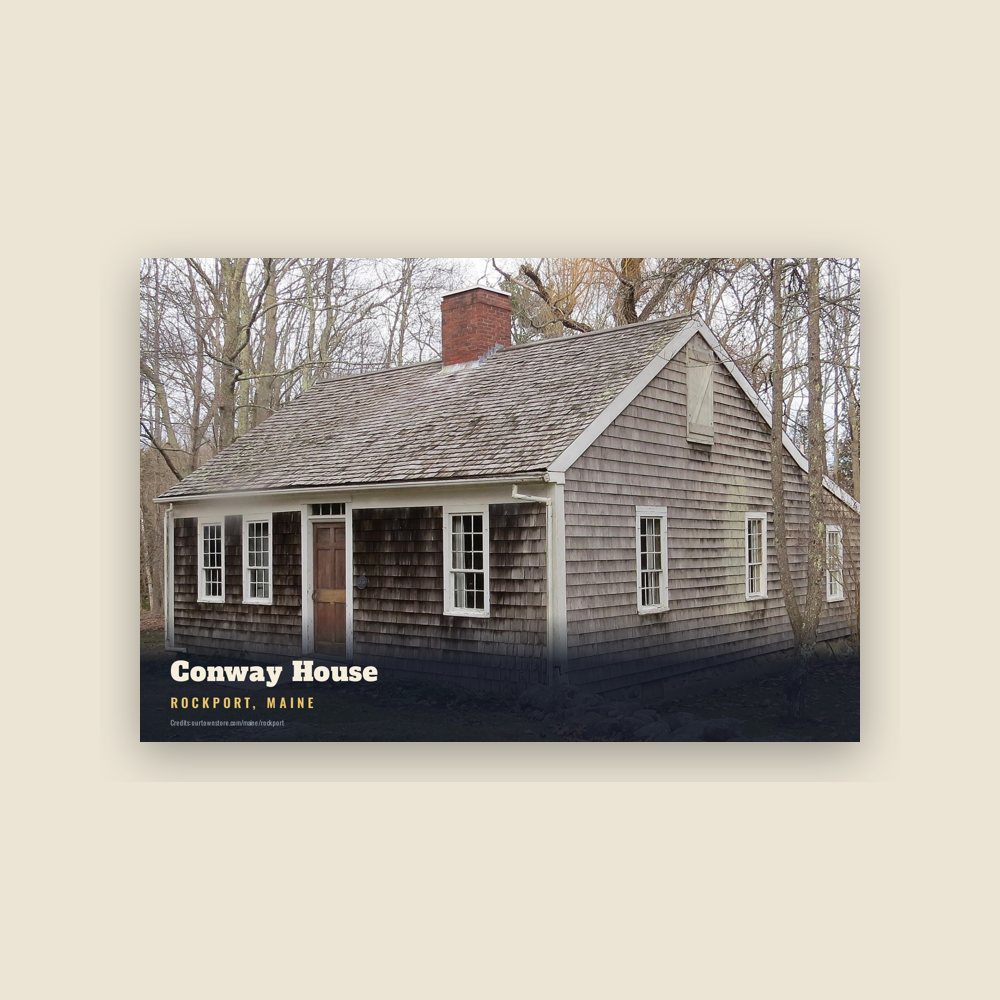
6″×4″ postcard, glossy front
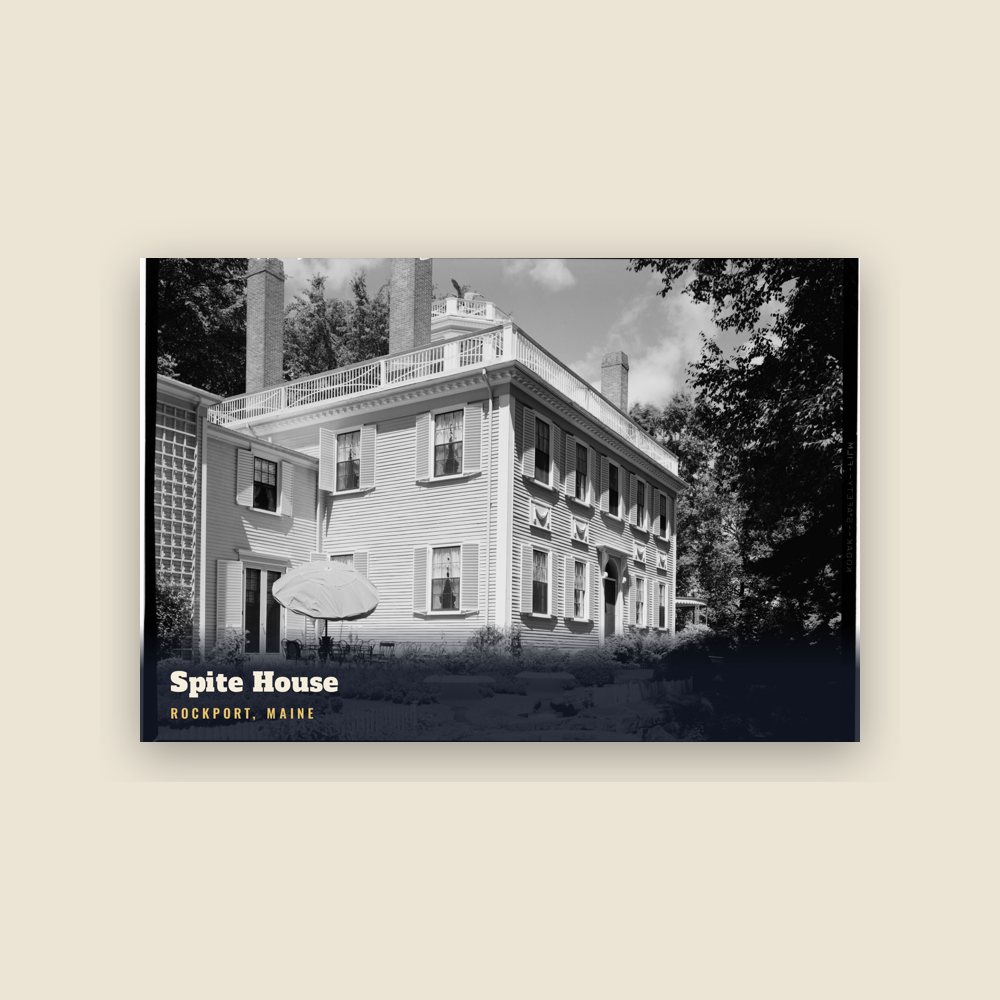
6″×4″ postcard, glossy front
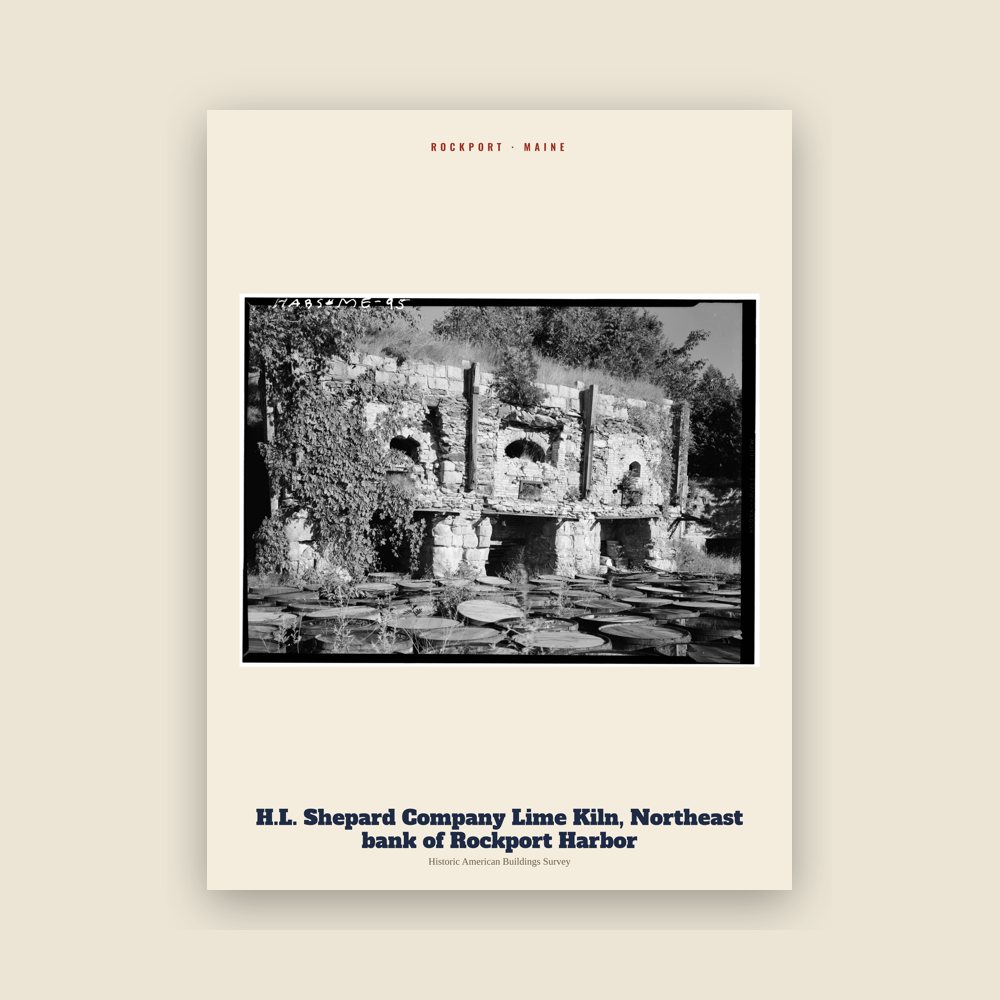
From the Library of Congress collections: a historic survey drawing or photograph of the town
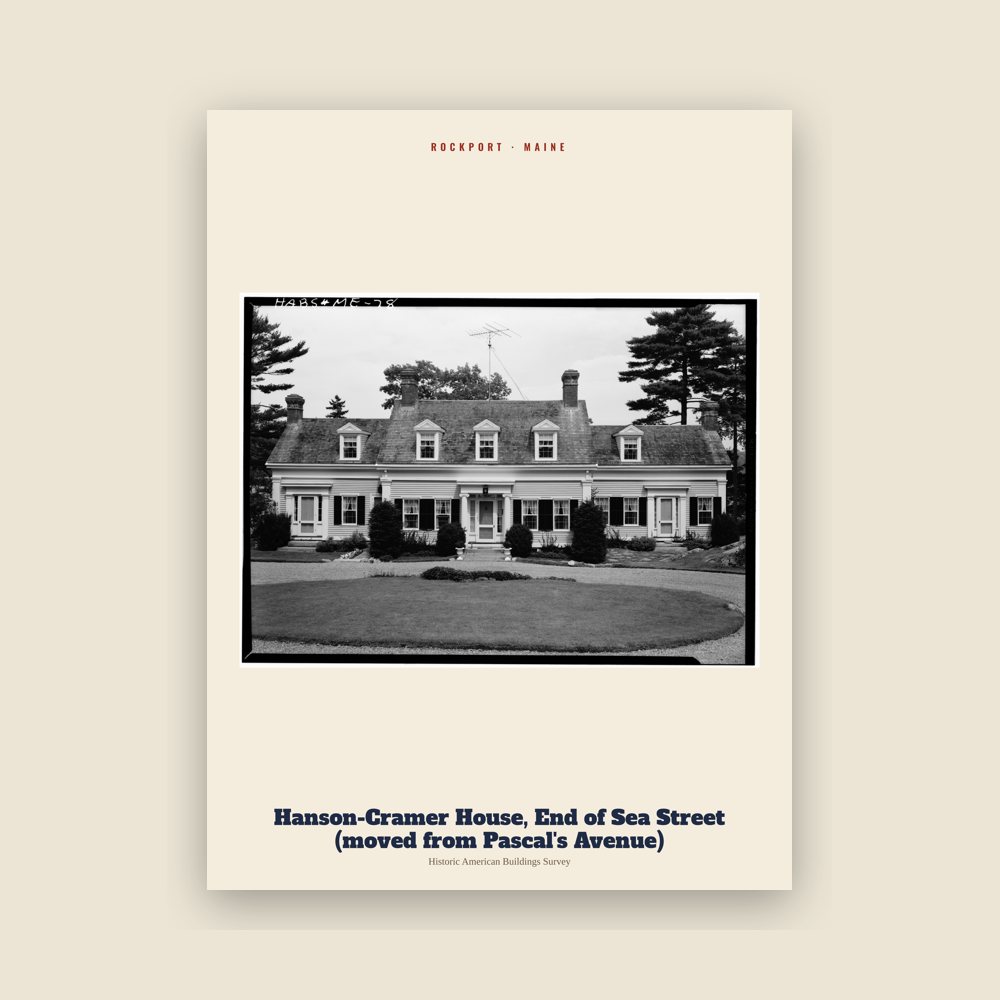
From the Library of Congress collections: a historic survey drawing or photograph of the town

From the Library of Congress collections: a historic survey drawing or photograph of the town
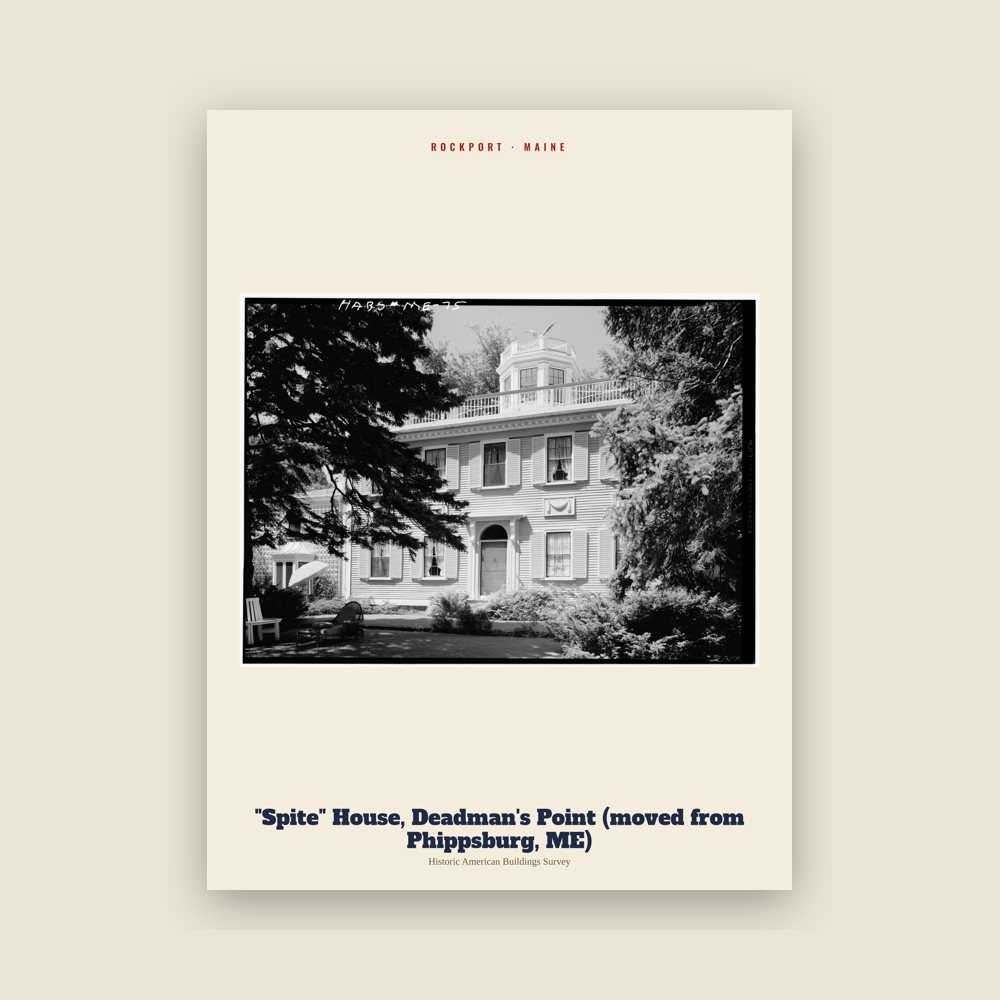
From the Library of Congress collections: a historic survey drawing or photograph of the town
Population 2010: 3,330 → 2020: 3,644
From Wikidata (CC0).
The coastal land that would eventually be incorporated as Rockport was a vast, resource-rich territory. Prior to permanent European settlement, the region was sparsely populated by various nomadic Native American groups, chiefly known as the Wabanaki, who utilized the natural resources of the coast and forest through a traditional hunting and gathering existence. This favorable environment was soon recognized by European pioneers as an ideal location for a successful settlement.
The documented history of the town officially began in 1769 with the arrival of the first European pioneer, Robert Thorndike, initiating an era of organized community development and industry in the region. Rockport was originally known as "the River" and later as Goose River Village. The area was initially part of the Megunticook Plantation, which was incorporated as Camden in 1791.
Rockport became a major center for lime production during the 19th century, capitalizing on extensive local limestone deposits. Shipbuilding, ice harvesting, and the manufacture of lime were the town's primary early industries. The limestone deposits in the Thomaston-Rockland-Rockport area were both high-quality and conveniently located near the coast, making them easily transportable by ship.
At the height of the industry, Rockport's lime kilns operated around the clock, 365 days a year, converting limestone from fifteen local quarries into lime for mortar and plaster. In 1817, three hundred casks of lime from Rockport were shipped to Washington, D.C. for use in rebuilding the United States Capitol, which had been damaged by the British during the War of 1812.
Rockport also became renowned for its ice harvesting operations. The annual harvest of Lily Pond produced 50,000 tons of clear ice that was shipped worldwide. Rockport Ice Company became known for its "Lily Pond Ice," which was so clear that one could read a newspaper through a thick slab of it.
In 1852, the citizens of Goose River Village voted to change their community's name to Rockport, reflecting the area's rocky coastal terrain.
On February 25, 1891, Rockport officially separated from Camden following a dispute known as "The Bridge Question" over the cost of constructing a bridge. The newly independent town of Rockport gained half of Camden's population, three-quarters of its land area, and control of the profitable lime and ice industries.
The lime industry's dominance began to wane in the early 20th century. A devastating fire in 1907 destroyed many of the waterfront lime kilns, occurring at a time when cement was beginning to replace lime in building construction. Another significant fire starting in the lime sheds spread across the harbor to the ice houses, effectively ending both industries. Neither was ever rebuilt, marking the beginning of Rockport's economic transition.
Rockport developed a significant reputation as an artists' community during the 20th century. Mary Louise Curtis Bok, who was instrumental in founding both Bay Chamber Concerts and the Curtis Institute of Music, became one of Rockport's largest landowners and played a role in developing the landscaping around the village's inner harbor, at one time owning most of the eastern shore.
Bay Chamber Concerts was established in 1961 as a continuation of the summer music instruction program of the Curtis Institute. Mary Lea Park, adjacent to the Rockport Opera House, honors both Curtis Bok and Rockport resident violinist Lea Luboshutz.
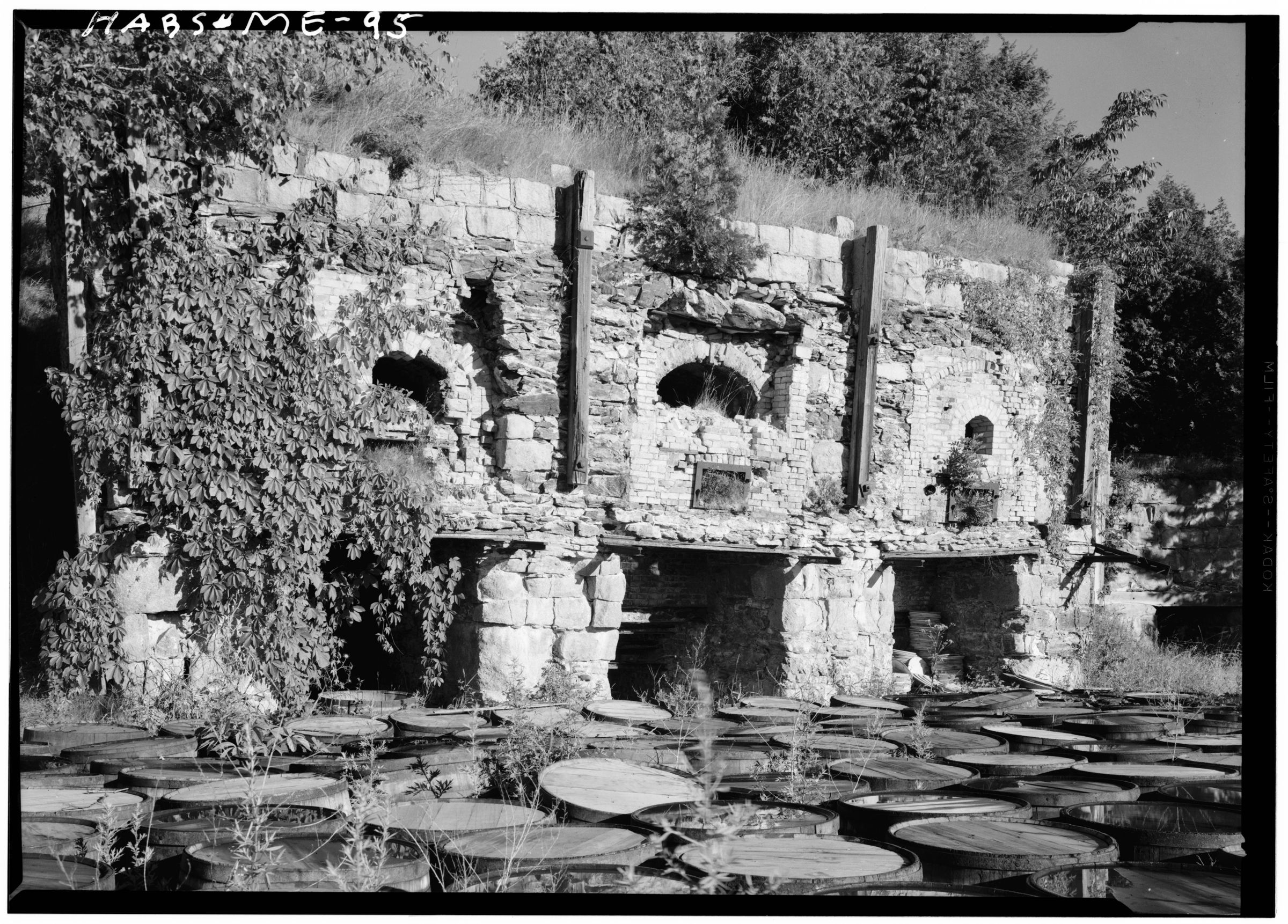
The lime kilns at Rockport Marine Park represent the last remaining multiple-kiln collection on the Maine coast. These kilns were listed on the National Register of Historic Places in 1970, and restoration efforts have continued to preserve this industrial heritage. The kilns are now part of Rockport Marine Park, which also includes a preserved Vulcan locomotive that transported limestone from local quarries to the harbor for processing.
From 1961 to 1986, Rockport gained national attention through Andre the Seal, a harbor seal adopted as a pup by local harbormaster Harry Goodridge. Andre developed a unique migration pattern, spending winters at aquariums in Boston and Connecticut before returning each spring to Rockport Harbor. The seal attracted visitors and media coverage, becoming the subject of books, a 1994 feature film, and PBS documentaries. A statue of Andre was dedicated in Rockport Marine Park in 1978, with the seal himself present at the unveiling. In 2018, the community raised funds for a $14,000 restoration of the limestone statue.
Today, Rockport continues to operate as an arts community and tourist destination, with institutions such as the Maine Media Workshops, the Rockport Opera House, and various art galleries. The town maintains a balance between preservation of its industrial heritage and contemporary development.
Adapted (trimmed) from the Wikipedia article Rockport, Maine, revision 1378584730 by its contributors, licensed CC BY-SA 4.0.
We share a part of every Rockport sale with local partners, and we'd love to print from your collection. Old photographs, maps and postcards make the best keepsakes.
Partner with usA favorite landmark, your street, a school or team, an anniversary gift, a different product. Tell us and we'll get back to you by email.
8 free coloring pages of Rockport, each traced from a photo of a local landmark. Print them at home, at school or for story hour.
Rockport's population was 3,644 in the 2020 U.S. Census, up from 3,330 in 2010.
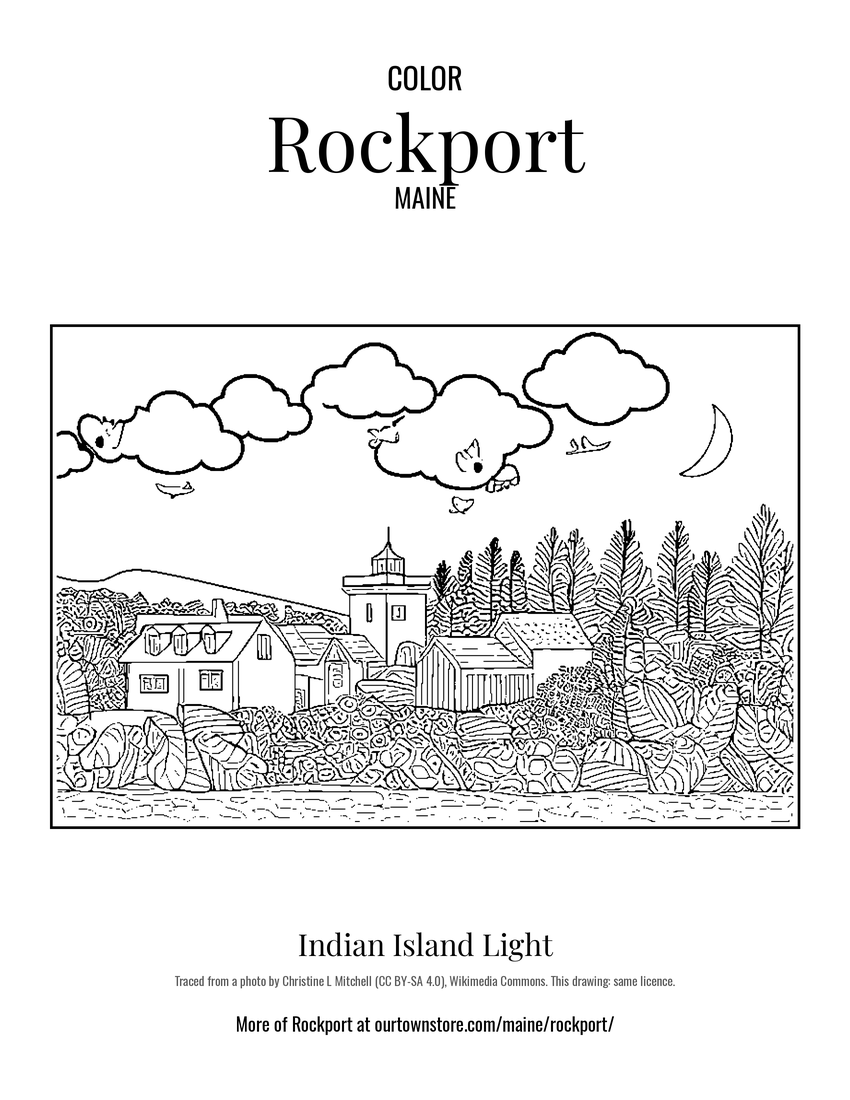 Indian Island Light
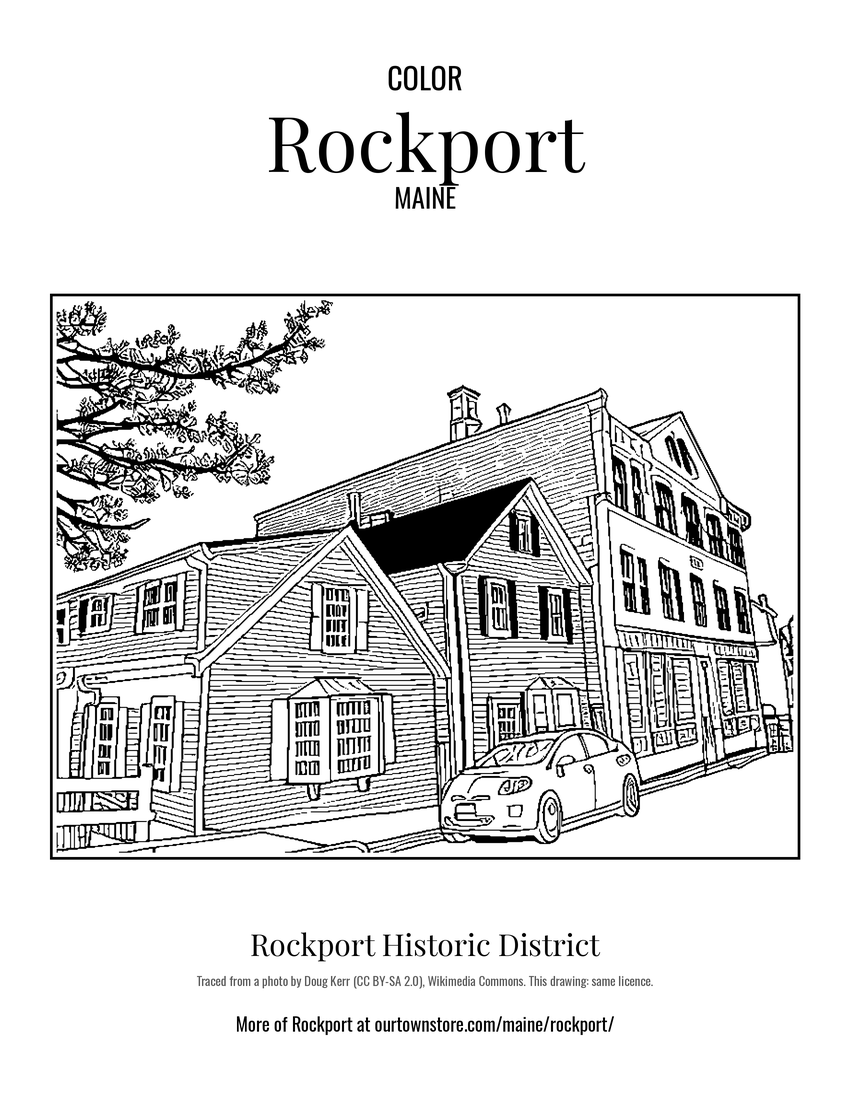 Rockport Historic District
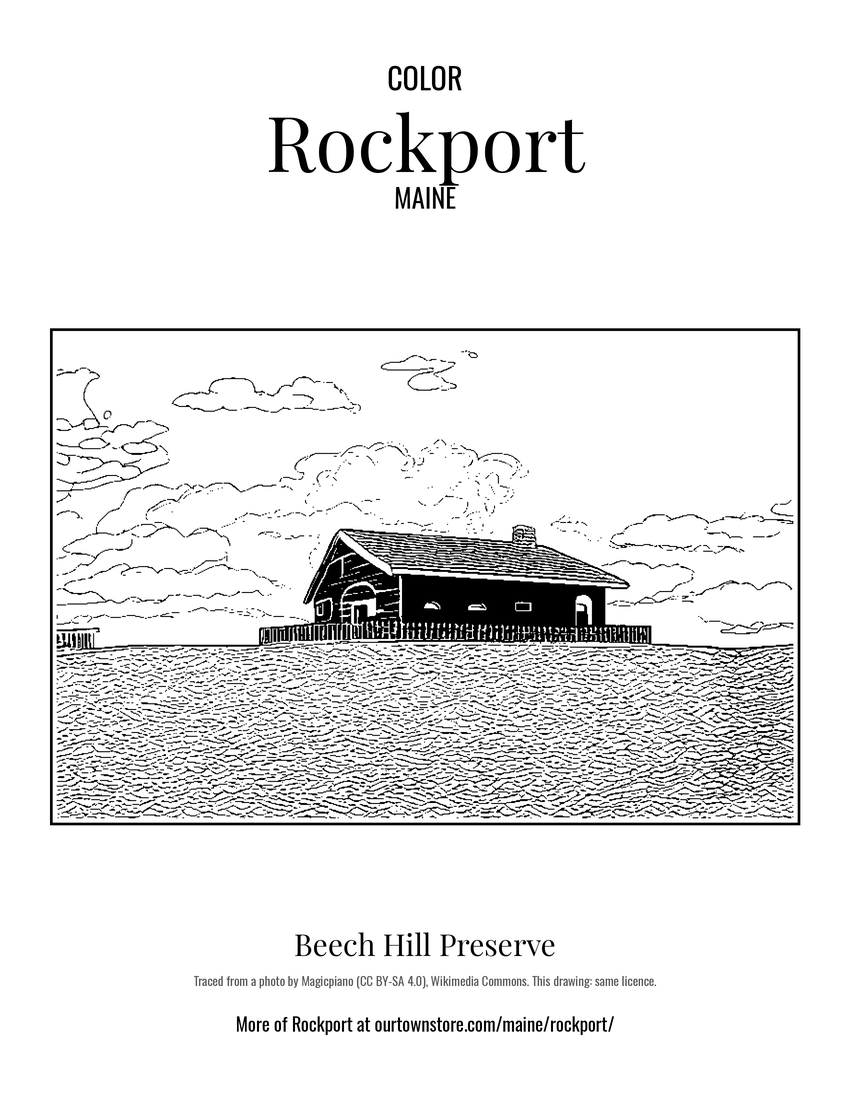 Beech Hill Preserve
 Megunticook Golf Club