European settlement of the area began in the 1780s. The land was initially part of a larger grant system, with the Twenty Associates becoming proprietors of land that would eventually encompass Camden, Hope, Appleton, Montville, and part of Liberty beginning in 1768. The area was organized as Barretstown Plantation, named after Charles Barrett, who owned significant portions of the land.
Read the full history
Incorporation
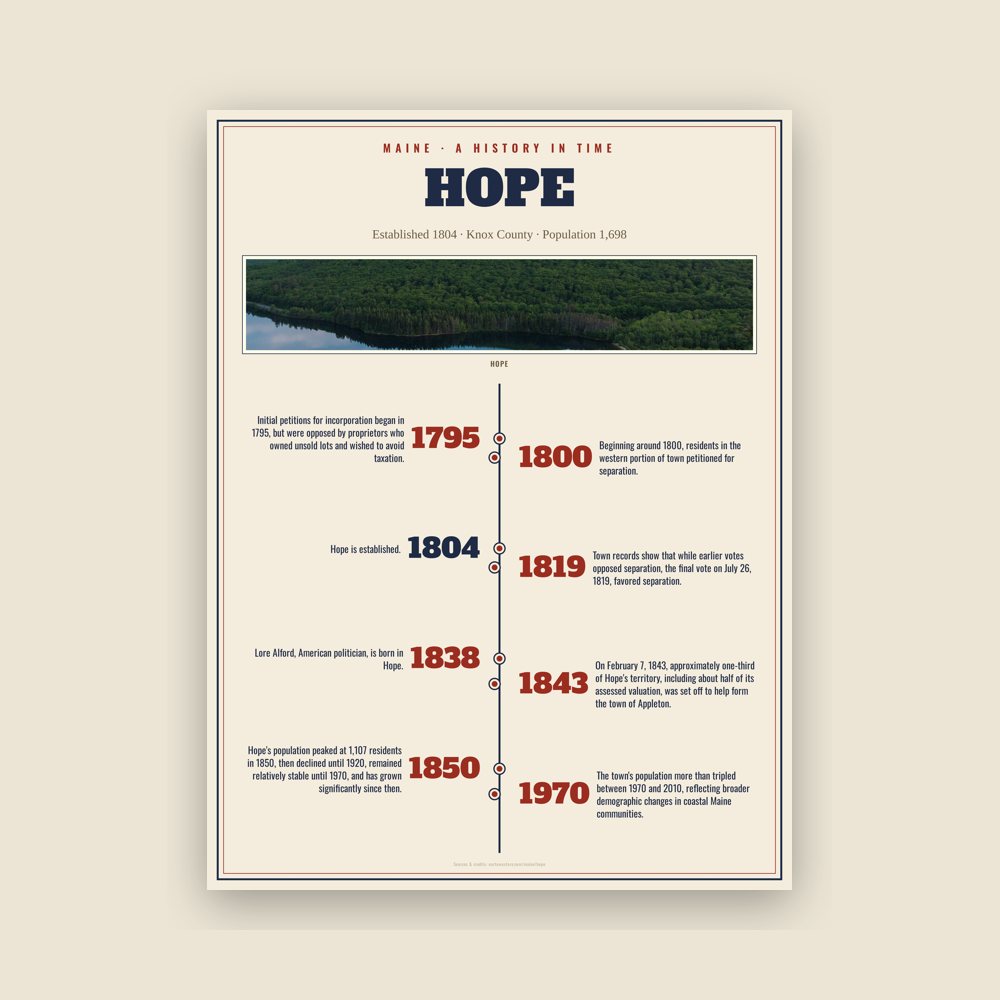
The process of incorporation was delayed due to conflicts between settlers and absentee landowners. Initial petitions for incorporation began in 1795, but were opposed by proprietors who owned unsold lots and wished to avoid taxation. Hope was finally incorporated as a town on June 23, 1804, formed from Barretstown Plantation.
The town participated in Maine's separation from Massachusetts. Town records show that while earlier votes opposed separation, the final vote on July 26, 1819, favored separation. Hope sent a delegate to the Constitutional Convention in Portland in October 1819, prior to Maine achieving statehood in 1820.
Territorial changes
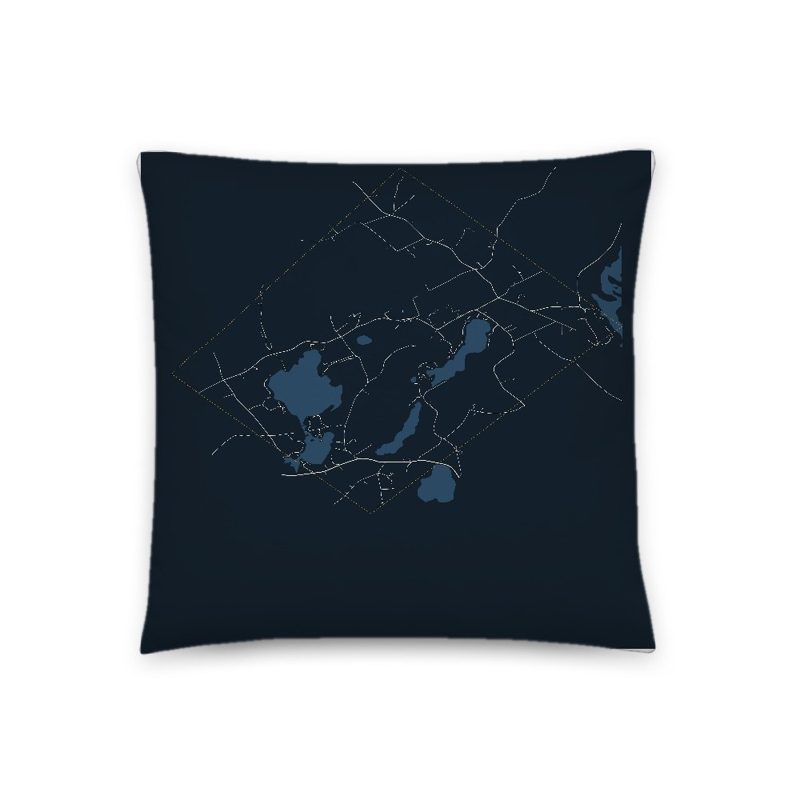
Hope's boundaries changed significantly in the 19th century. Beginning around 1800, residents in the western portion of town petitioned for separation. On February 7, 1843, approximately one-third of Hope's territory, including about half of its assessed valuation, was set off to help form the town of Appleton.
19th-century economy
By the 1880s, Hope had developed manufacturing centers in Hope Village and South Hope. According to the 1886 Gazetteer of Maine, Hope Village produced "boots and shoes, sleigh-tops, cider vinegar, staves, etc." while South Hope manufactured "sash, doors and furniture, lumber, staves and heads, carriages, mowing-machines, meal and flour." The town's economy was supported by water-powered mills along local streams and ponds.
Population trends
Hope's population peaked at 1,107 residents in 1850, then declined until 1920, remained relatively stable until 1970, and has grown significantly since then. The town's population more than tripled between 1970 and 2010, reflecting broader demographic changes in coastal Maine communities.
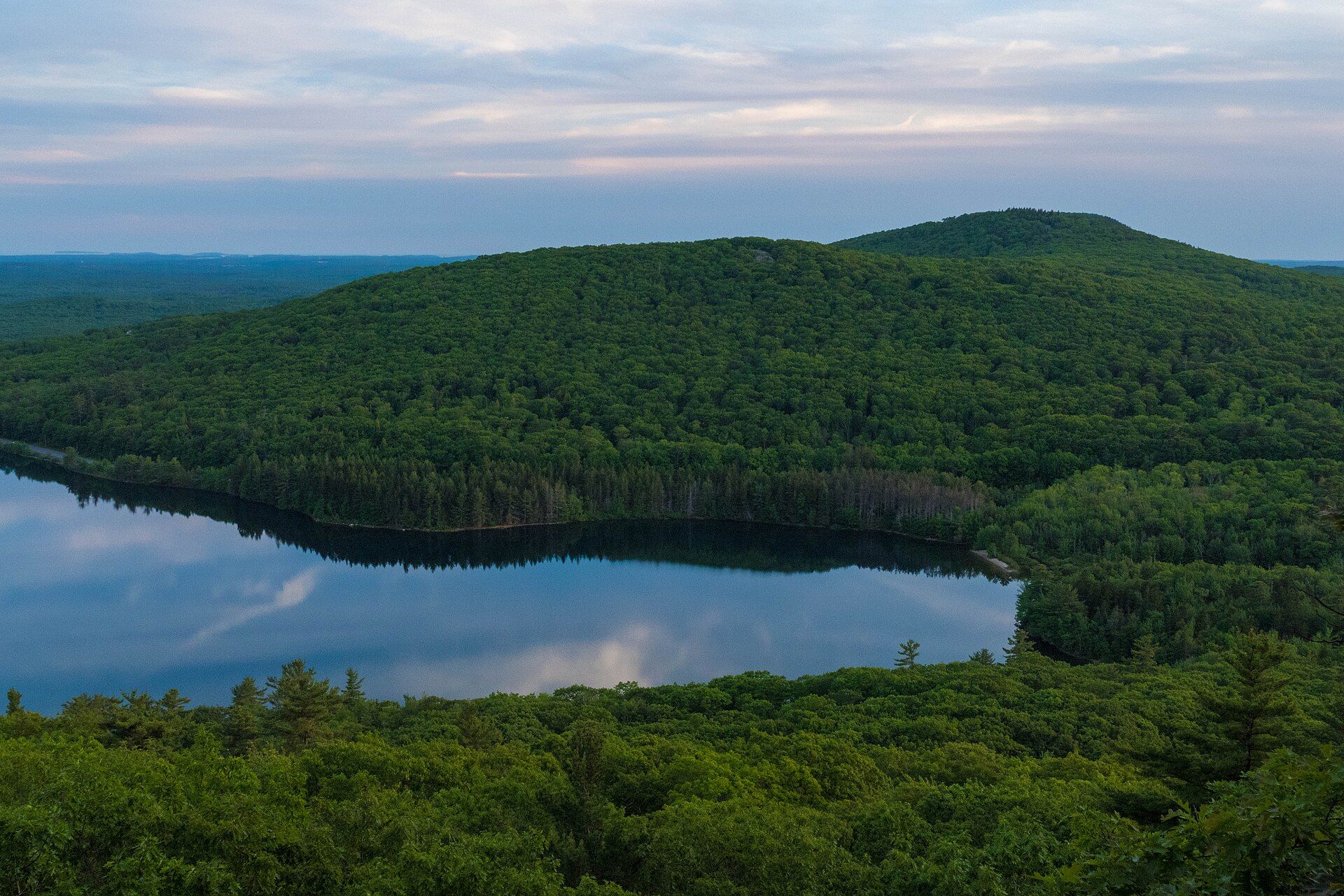
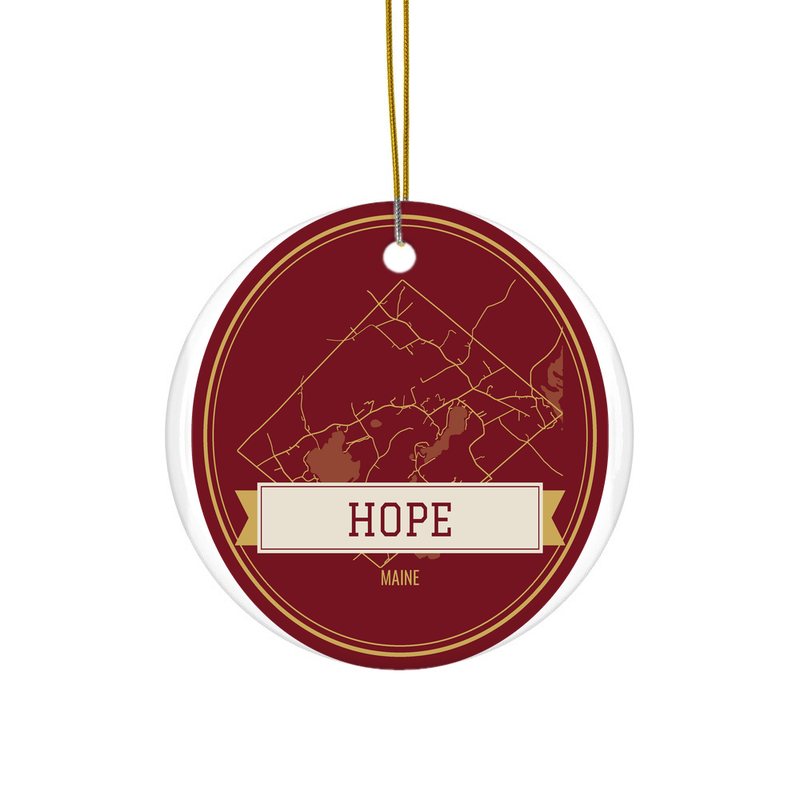
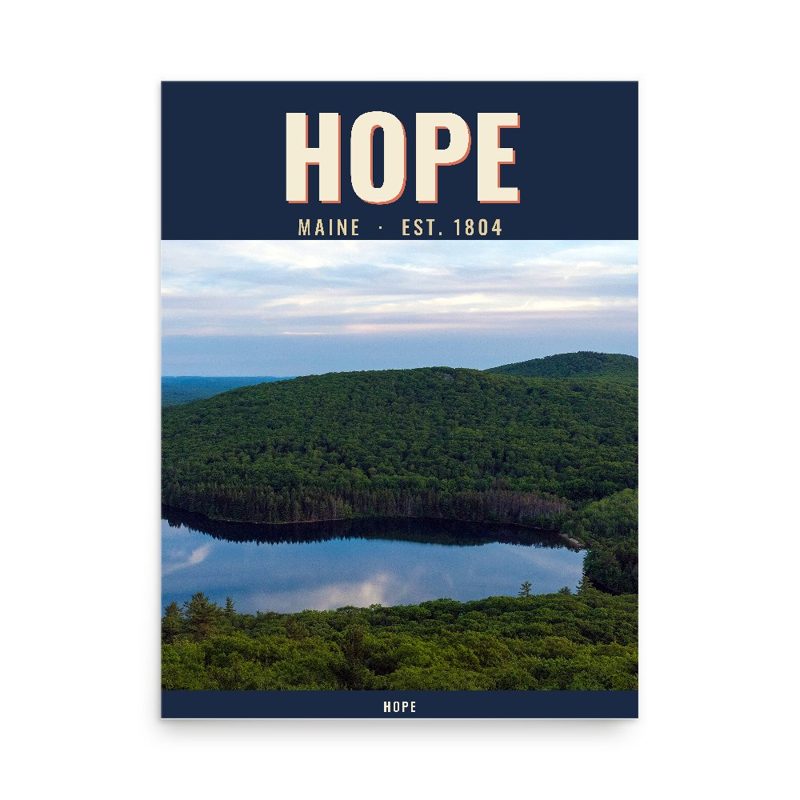
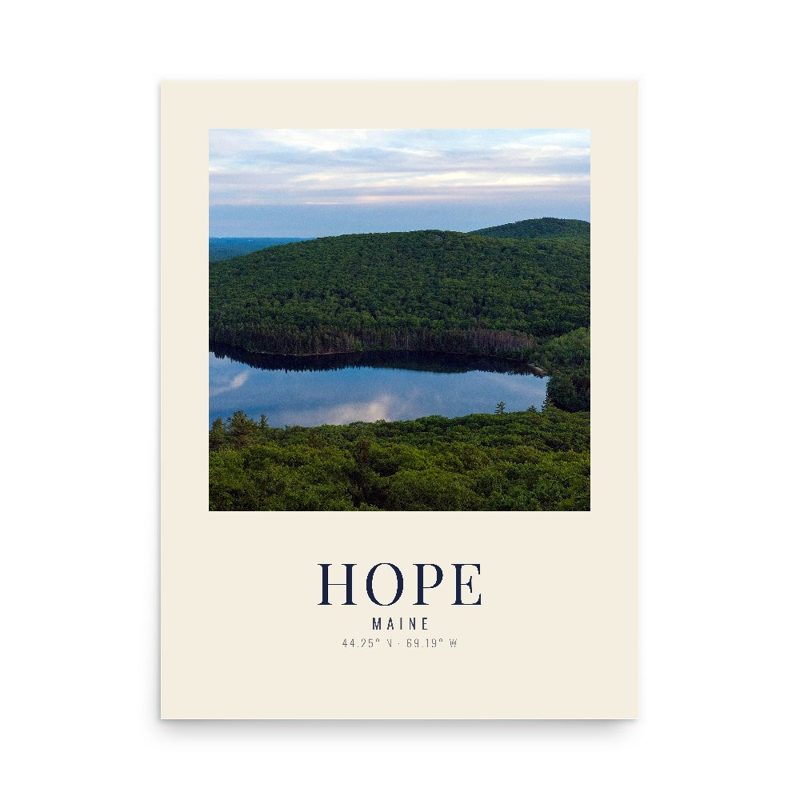
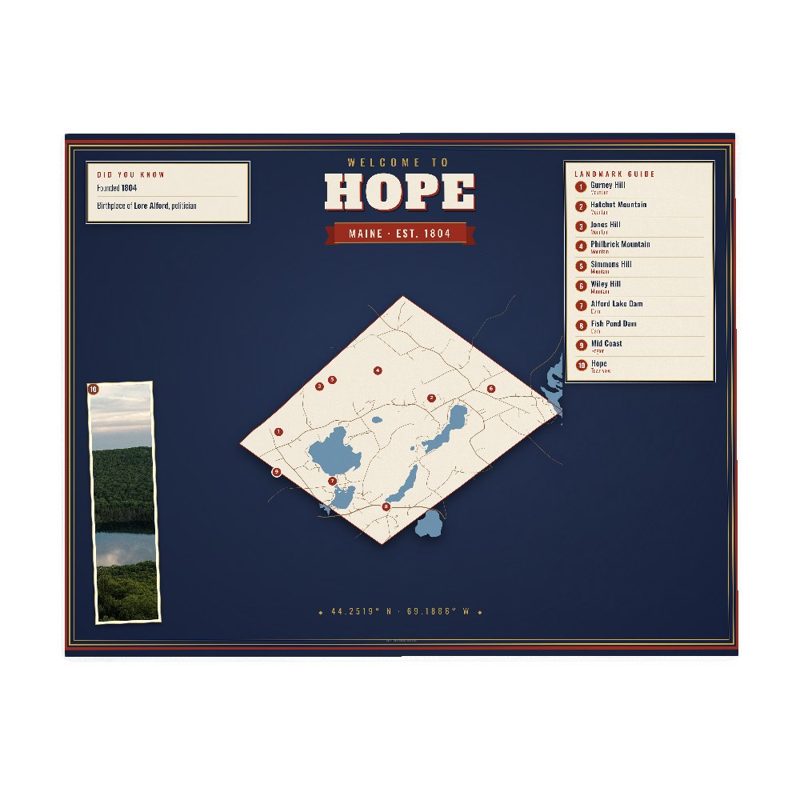



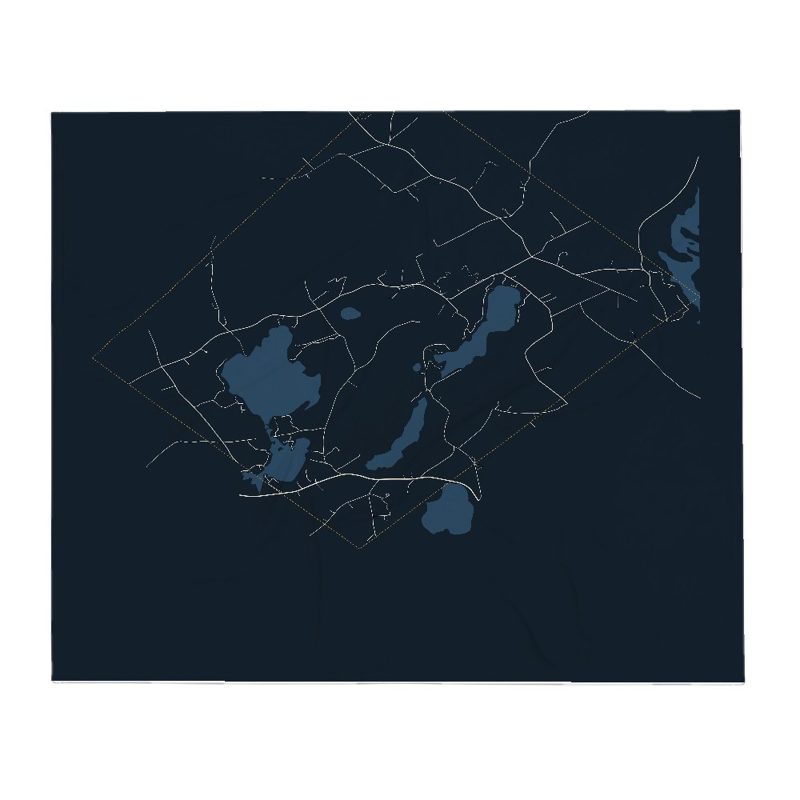
 A view of Hope