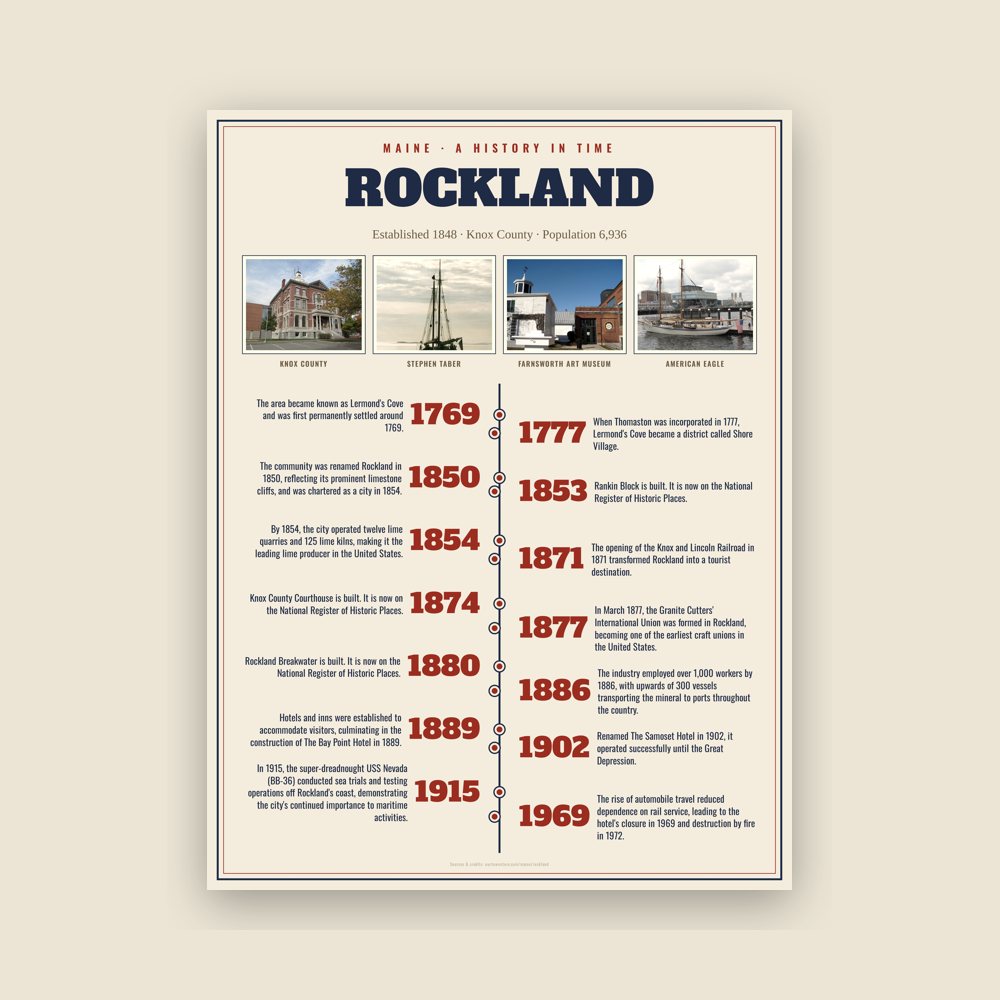
In 1767, John Lermond and his two brothers from Warren established a lumber operation, building a camp to produce oak staves and pine lumber. The area became known as Lermond's Cove and was first permanently settled around 1769. When Thomaston was incorporated in 1777, Lermond's Cove became a district called Shore Village.
Read the full history
Incorporation and municipal development
On July 28, 1848, the area was set off from Thomaston as the town of East Thomaston. The community was renamed Rockland in 1850, reflecting its prominent limestone cliffs, and was chartered as a city in 1854.
Industrial boom
Lime industry dominance
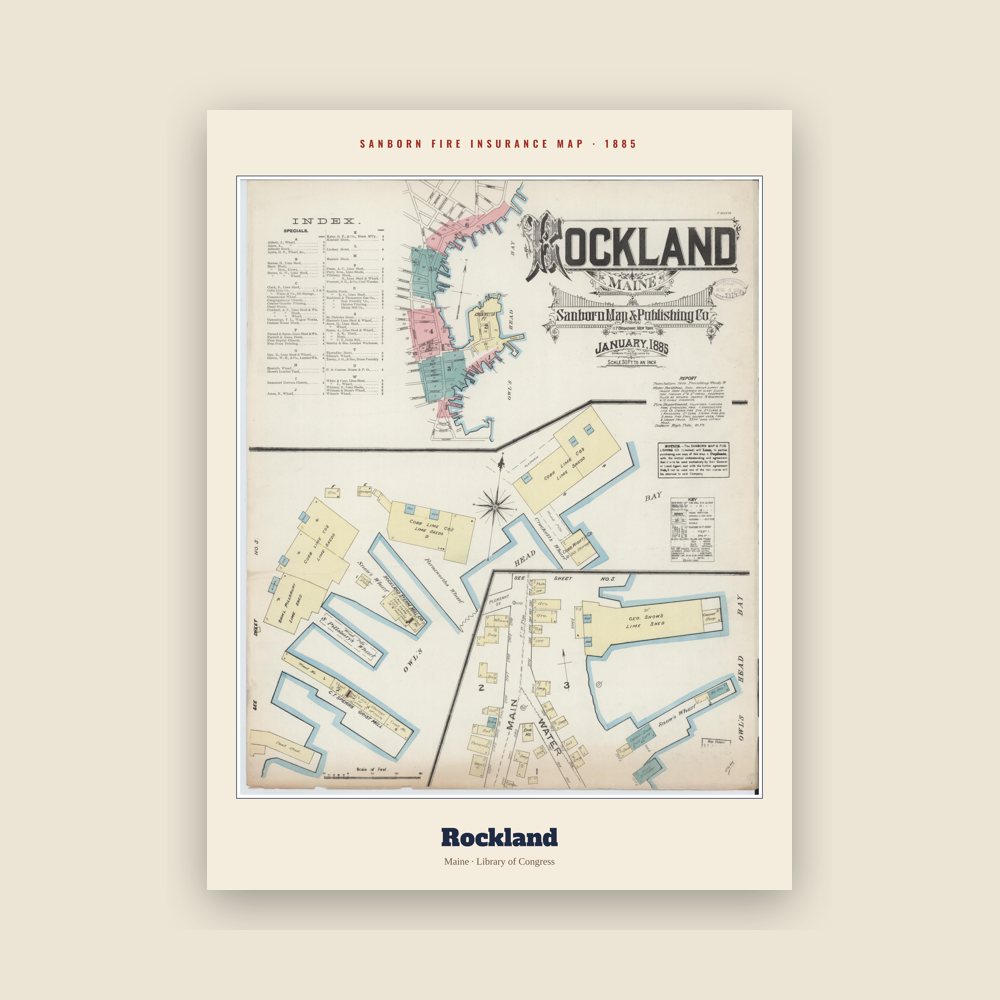
Rockland developed rapidly due to its abundant limestone deposits and strategic coastal location. By 1854, the city operated twelve lime quarries and 125 lime kilns, making it the leading lime producer in the United States. The industry employed over 1,000 workers by 1886, with upwards of 300 vessels transporting the mineral to ports throughout the country.
Shipbuilding and maritime commerce
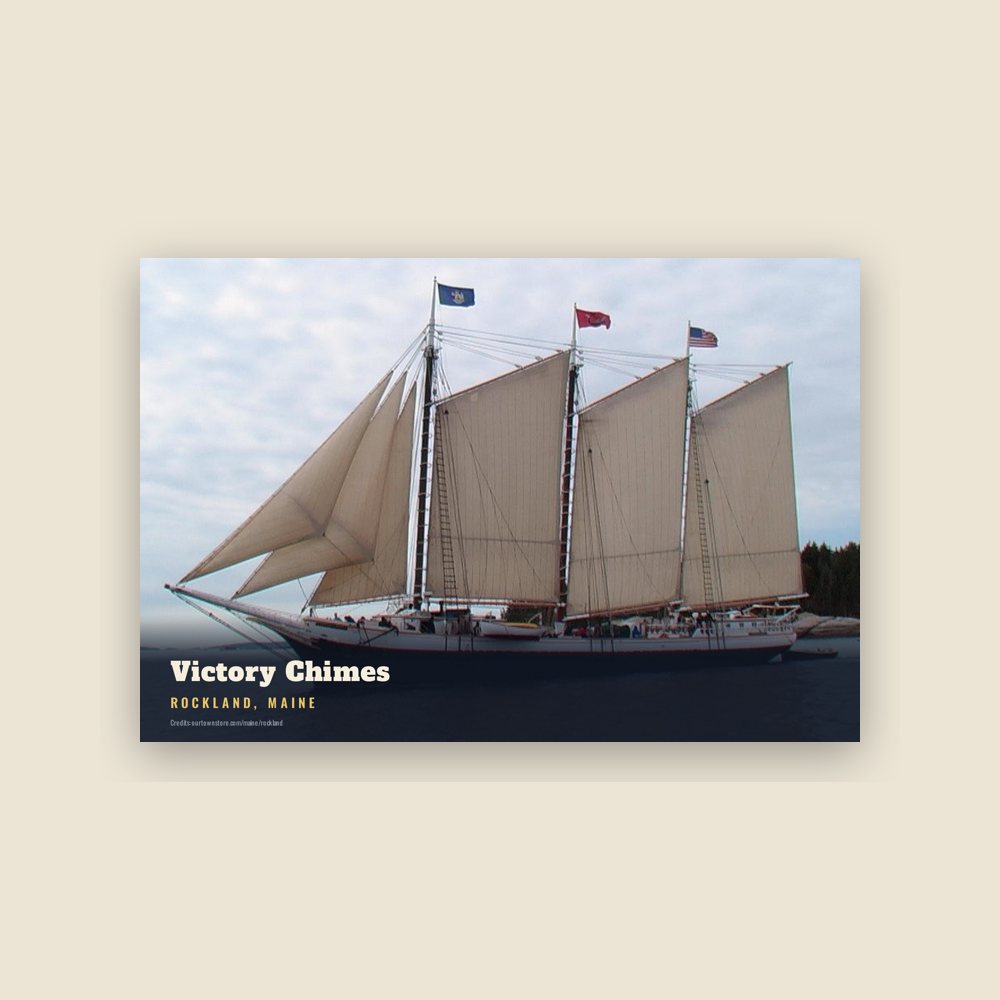
Shipbuilding flourished alongside the lime industry. In 1854 alone, Rockland built eleven ships, three barks, six brigs, and four schooners. The city maintained three or more shipyards, a marine railway, five sail lofts, and two boatbuilders. Maritime activity centered around fleets of Friendship Sloops that sailed between the harbor and fishing grounds across Penobscot Bay.
Labor movement origins
In March 1877, the Granite Cutters' International Union was formed in Rockland, becoming one of the earliest craft unions in the United States. The organization emerged from the region's growing granite industry, which employed skilled stoneworkers alongside the dominant lime operations.
Diversified manufacturing
By 1886, Rockland supported diverse industries beyond lime and shipbuilding, including three grain mills, two foundries, three carriage factories, six lumber mills, two machine shops, three cooperies, one tannery, four granite and marble works, two boot and shoe factories, and four printing offices.
Tourism development
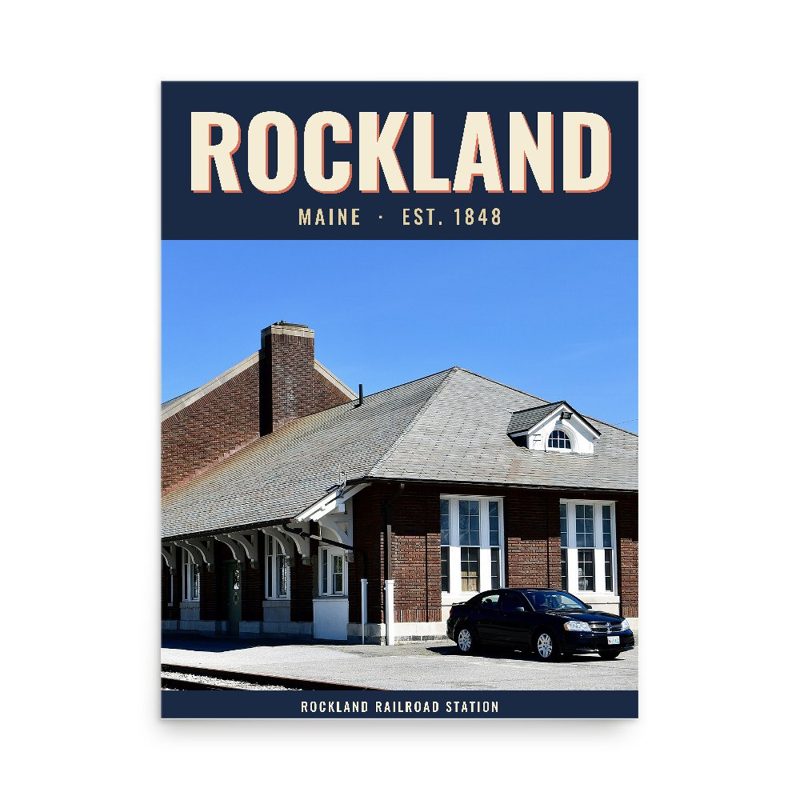
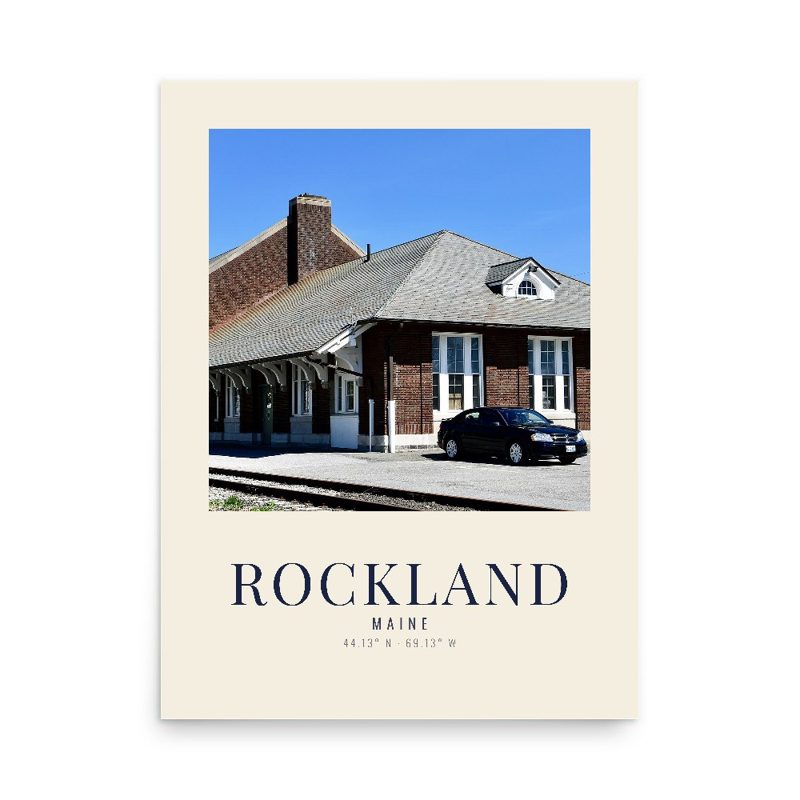
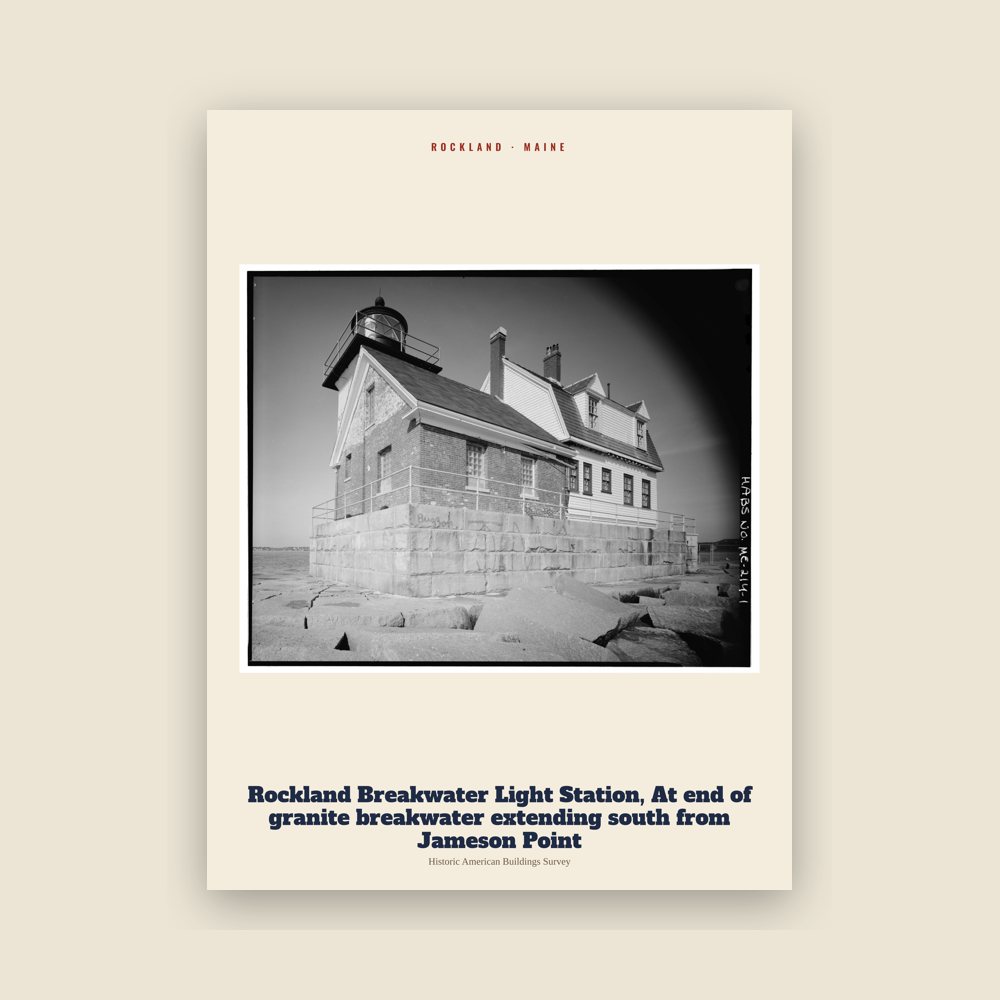
The opening of the Knox and Lincoln Railroad in 1871 transformed Rockland into a tourist destination. Hotels and inns were established to accommodate visitors, culminating in the construction of The Bay Point Hotel in 1889. Located near the breakwater with commanding views of Penobscot Bay, the luxury resort offered extensive amenities and entertainment. Renamed The Samoset Hotel in 1902, it operated successfully until the Great Depression. The rise of automobile travel reduced dependence on rail service, leading to the hotel's closure in 1969 and destruction by fire in 1972. A new Samoset Resort opened in 1974.
20th century transitions
Naval connections
In 1915, the super-dreadnought USS Nevada (BB-36) conducted sea trials and testing operations off Rockland's coast, demonstrating the city's continued importance to maritime activities.
Economic transformation
Beginning in the early 1990s, Rockland underwent significant economic restructuring, shifting from traditional fishing and industrial activities toward service industries and tourism. The downtown area was revitalized with unique shops, restaurants, art galleries, and cultural institutions. This transformation established Rockland as the commercial center of midcoast Maine.
Modern era
Cultural renaissance
Rockland emerged as a significant cultural center, anchored by institutions such as the Farnsworth Art Museum and the Center for Maine Contemporary Art. The city developed a reputation for fine dining, artisan businesses, and cultural events that attract visitors from throughout New England.
Contemporary recognition
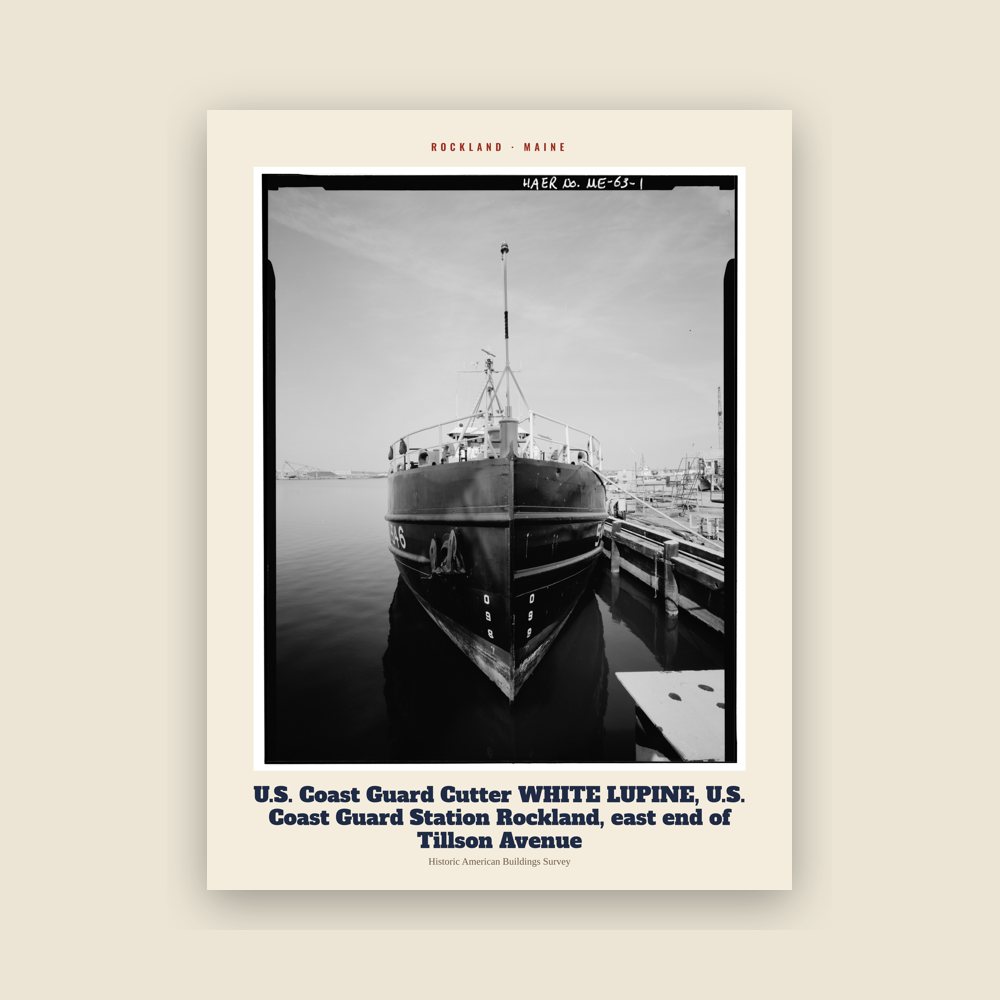
Rockland was designated an official micropolitan area and received recognition as a Coast Guard City in March 2008, acknowledging the long-standing relationship between the community and the United States Coast Guard.
Housing initiatives
Addressing the regional housing crisis that has affected midcoast Maine, Rockland became the first Maine municipality to authorize borrowing for affordable housing development. In June 2025, voters approved a $10 million bond by a margin of 352 to 250, enabling the city to provide low-interest loans, acquire property, and fund infrastructure improvements to support affordable and workforce housing. The initiative aims to add 50 housing units annually for ten years, targeting the "missing middle" of residents who earn too much to qualify for low-income programs but cannot afford market-rate housing. Concurrent affordable housing projects include the Firefly Field development by Midcoast Habitat for Humanity, which uses volunteer labor and innovative partnerships to build homes at approximately $200 per square foot, significantly below typical construction costs.
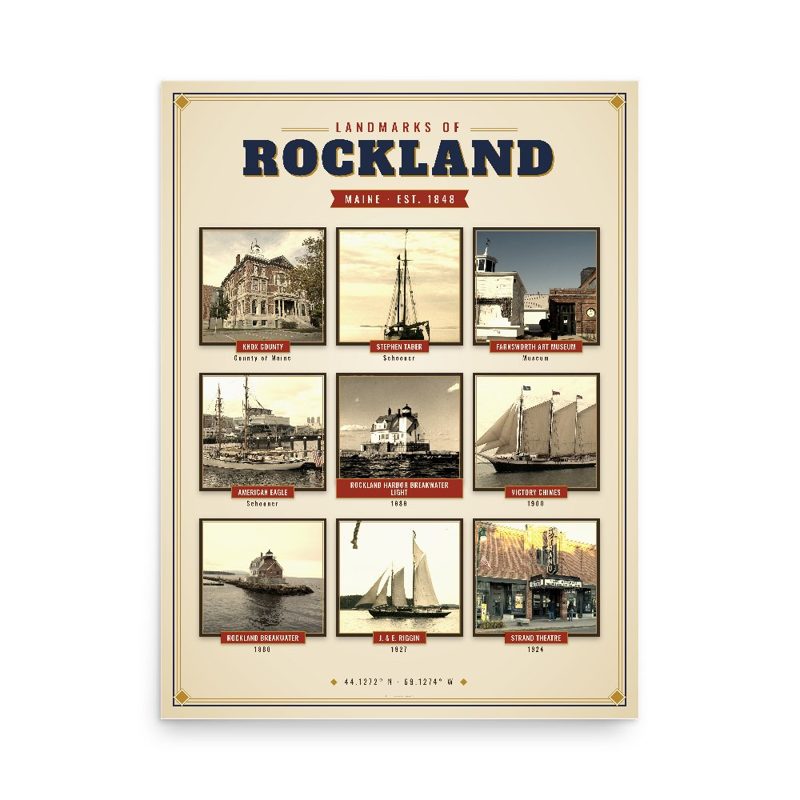
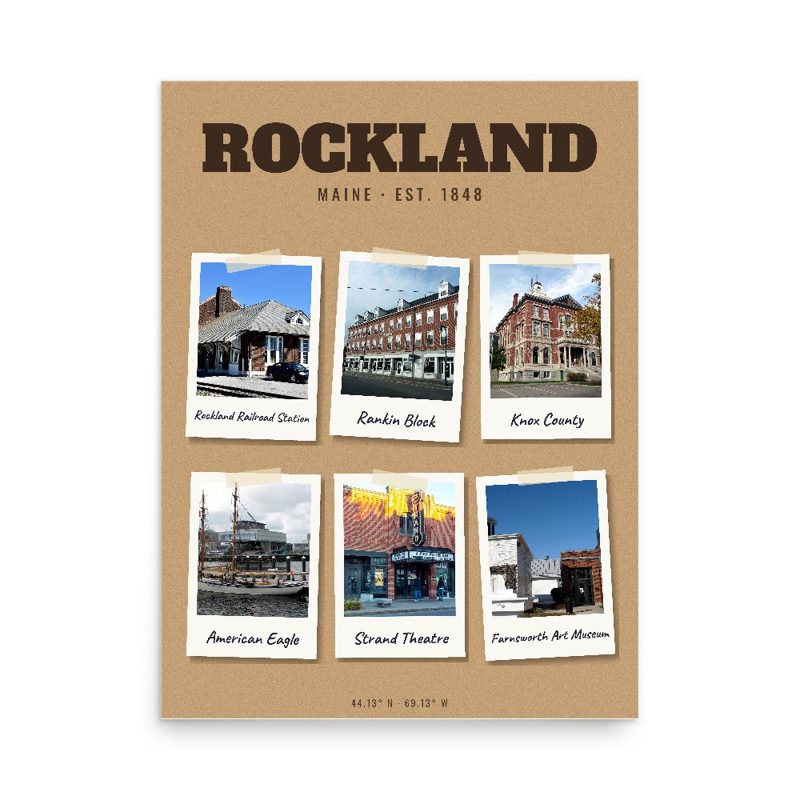
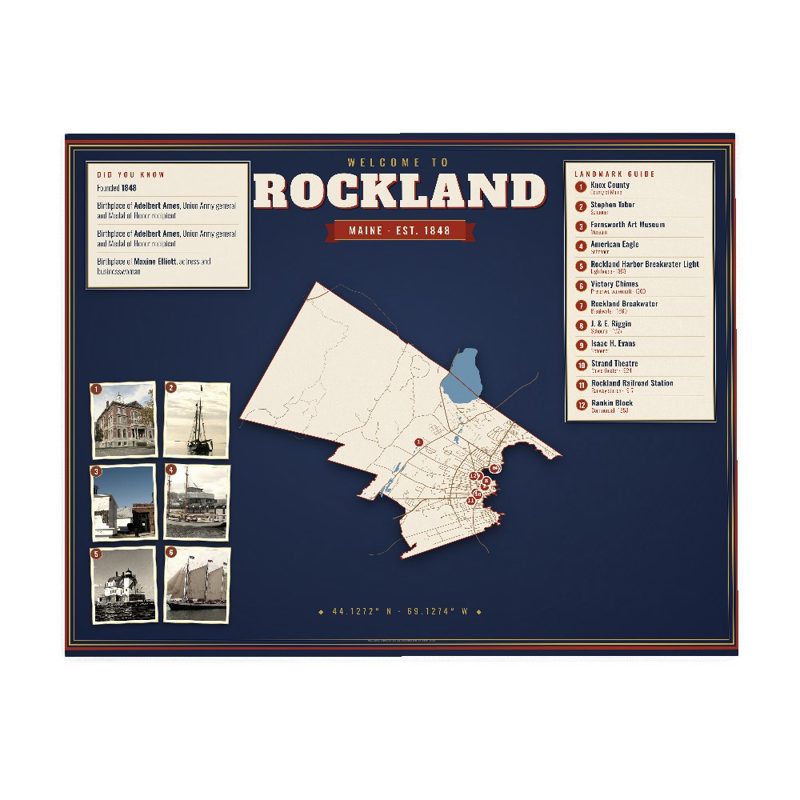




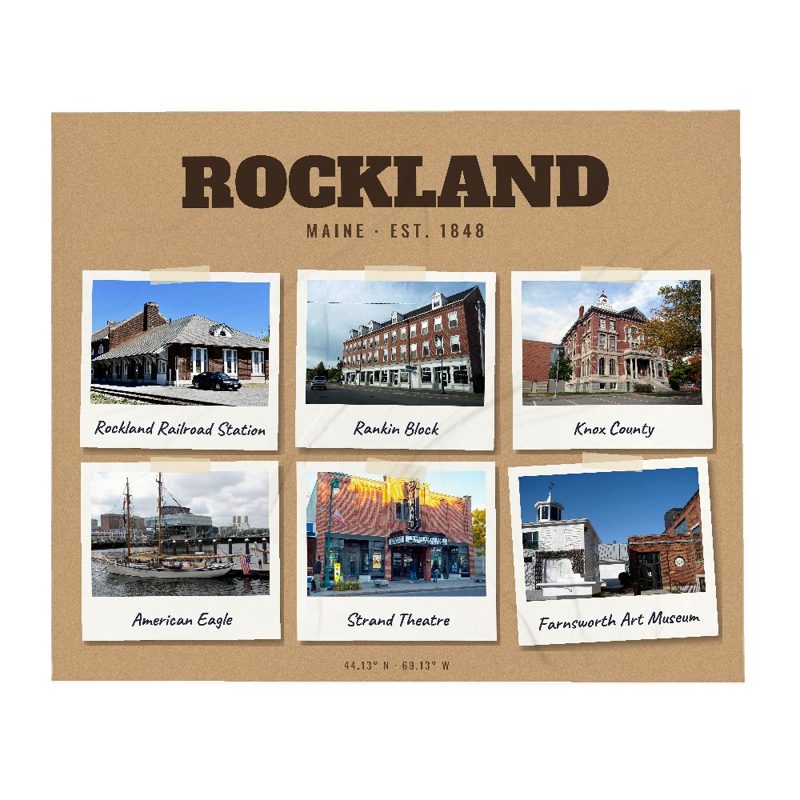
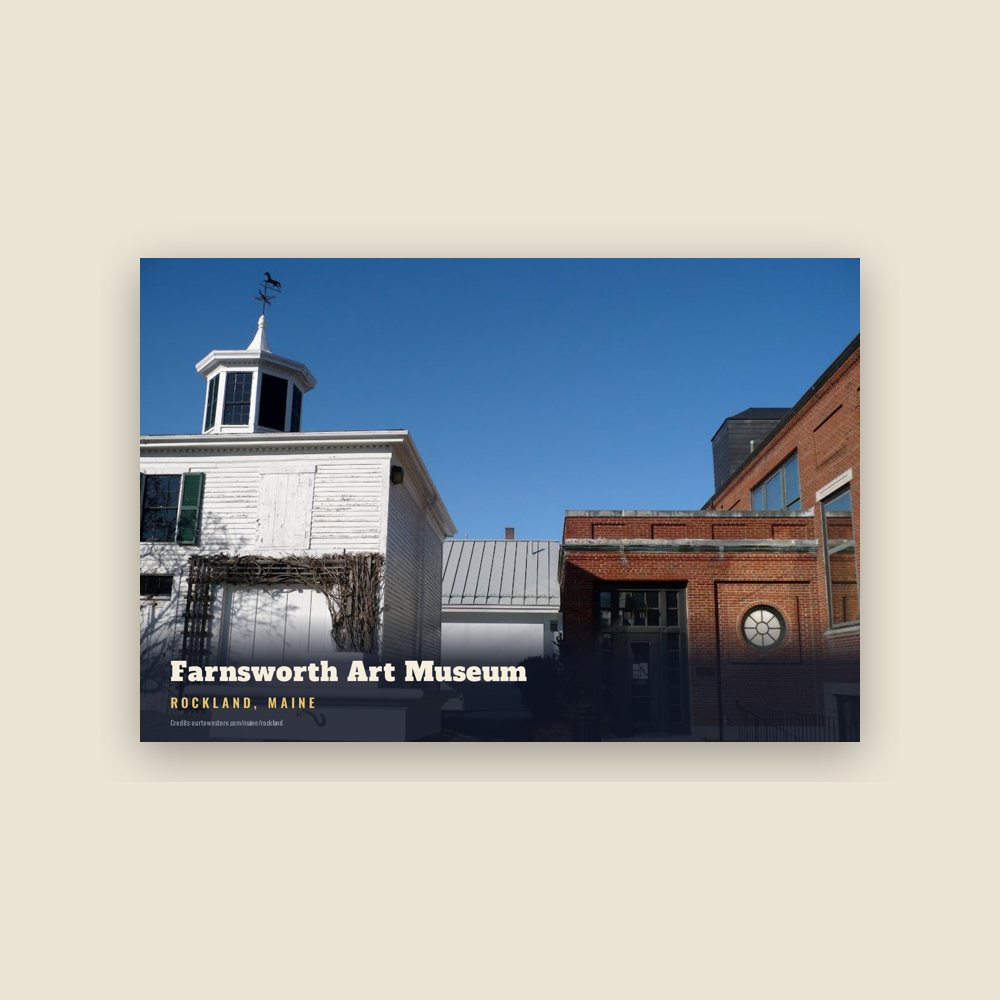
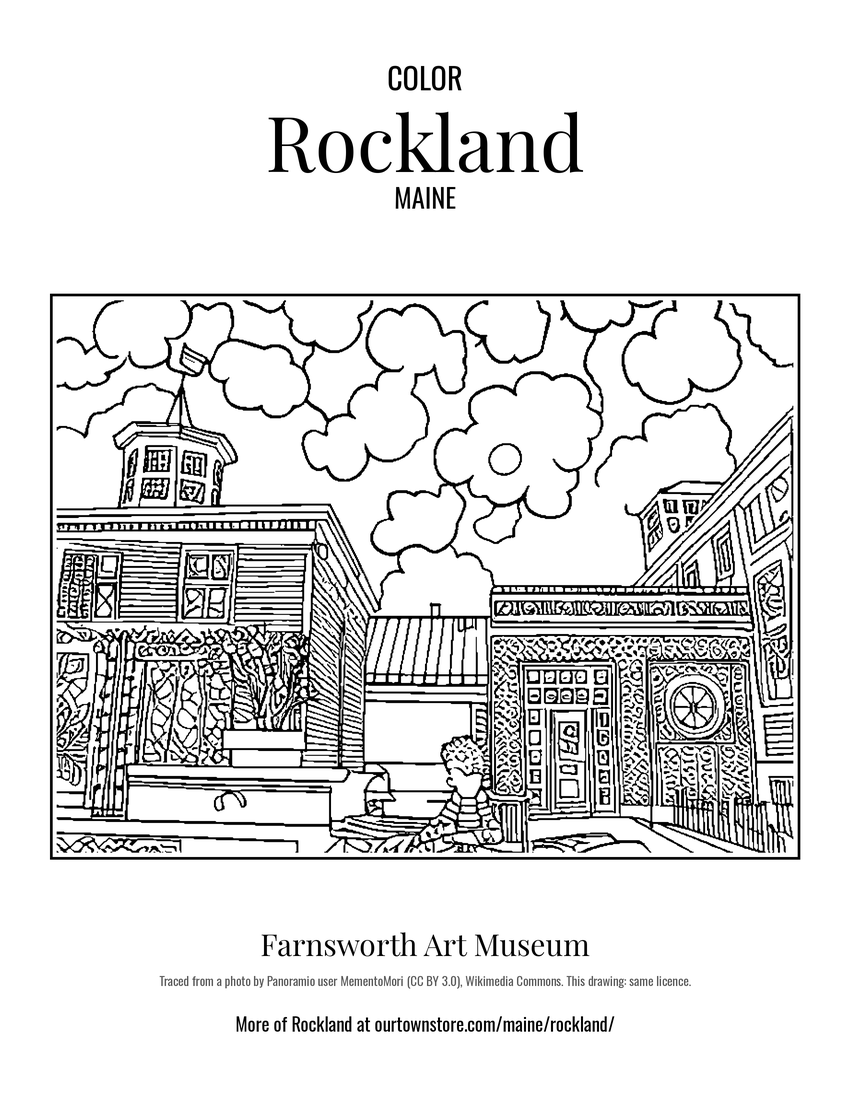 Farnsworth Art Museum
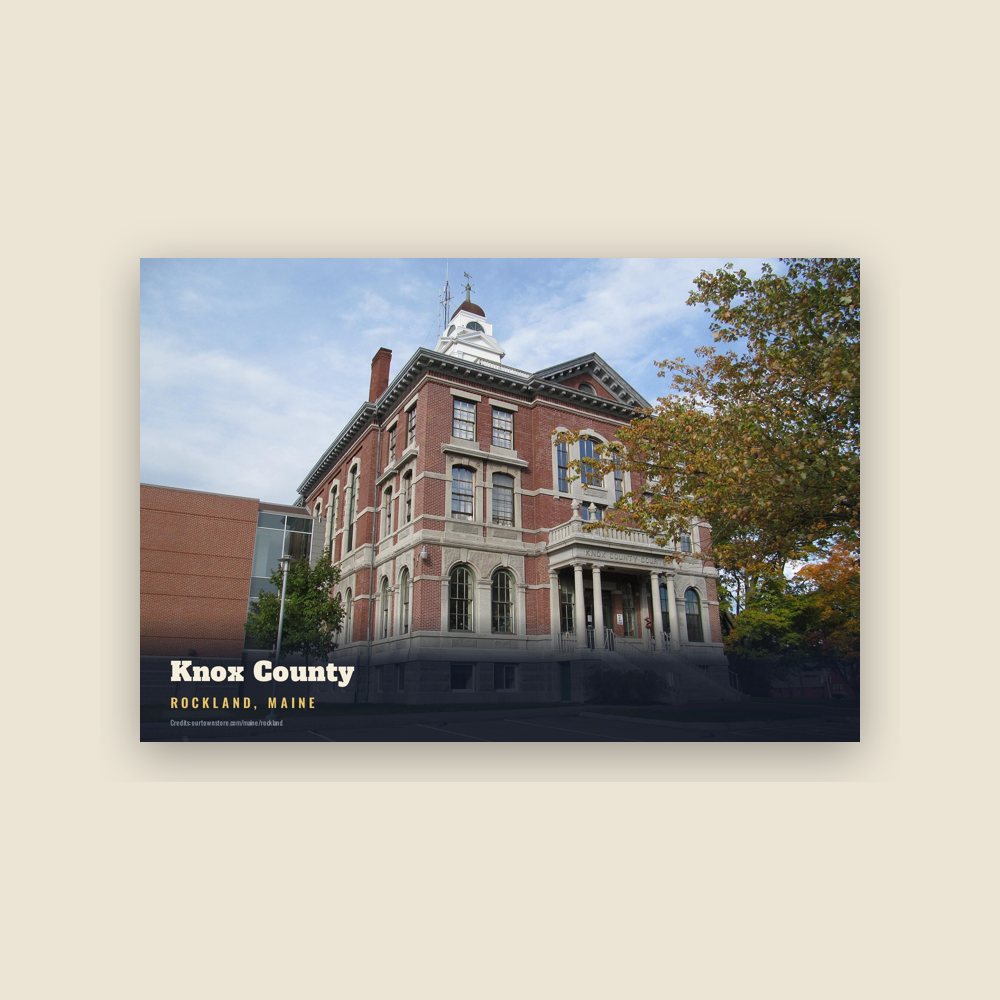
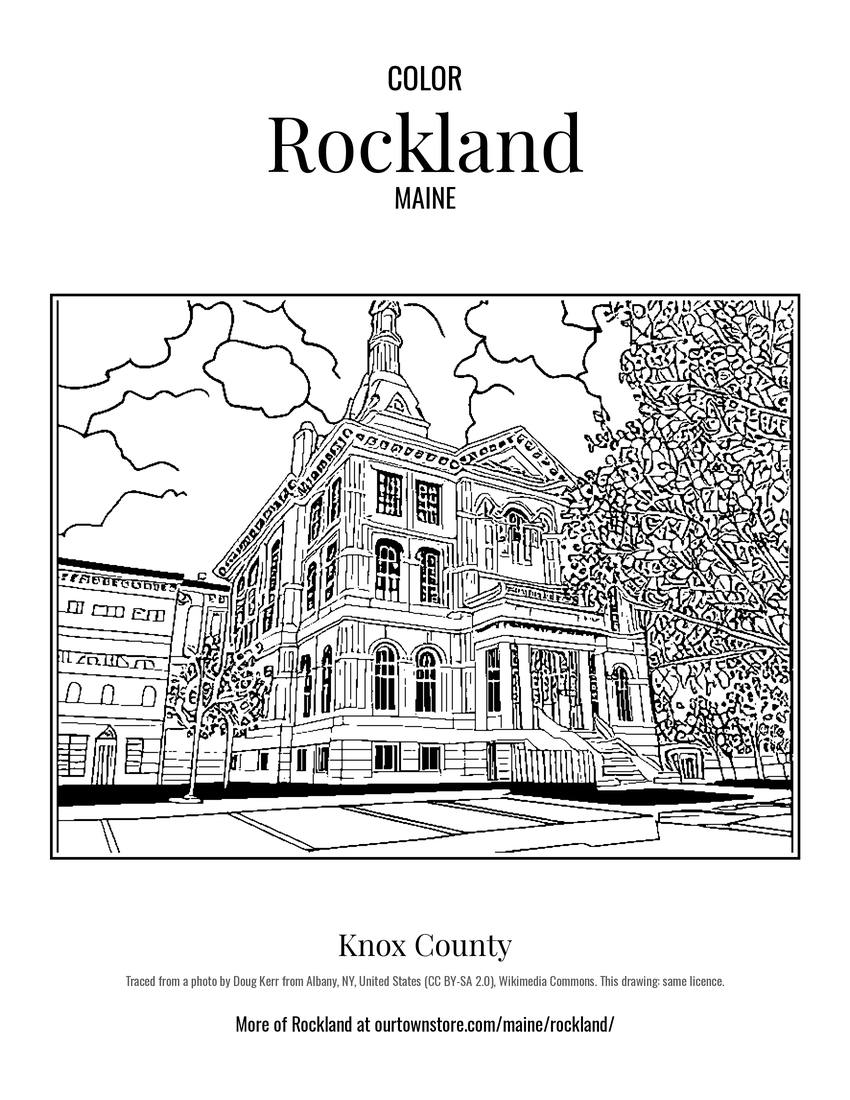 Knox County
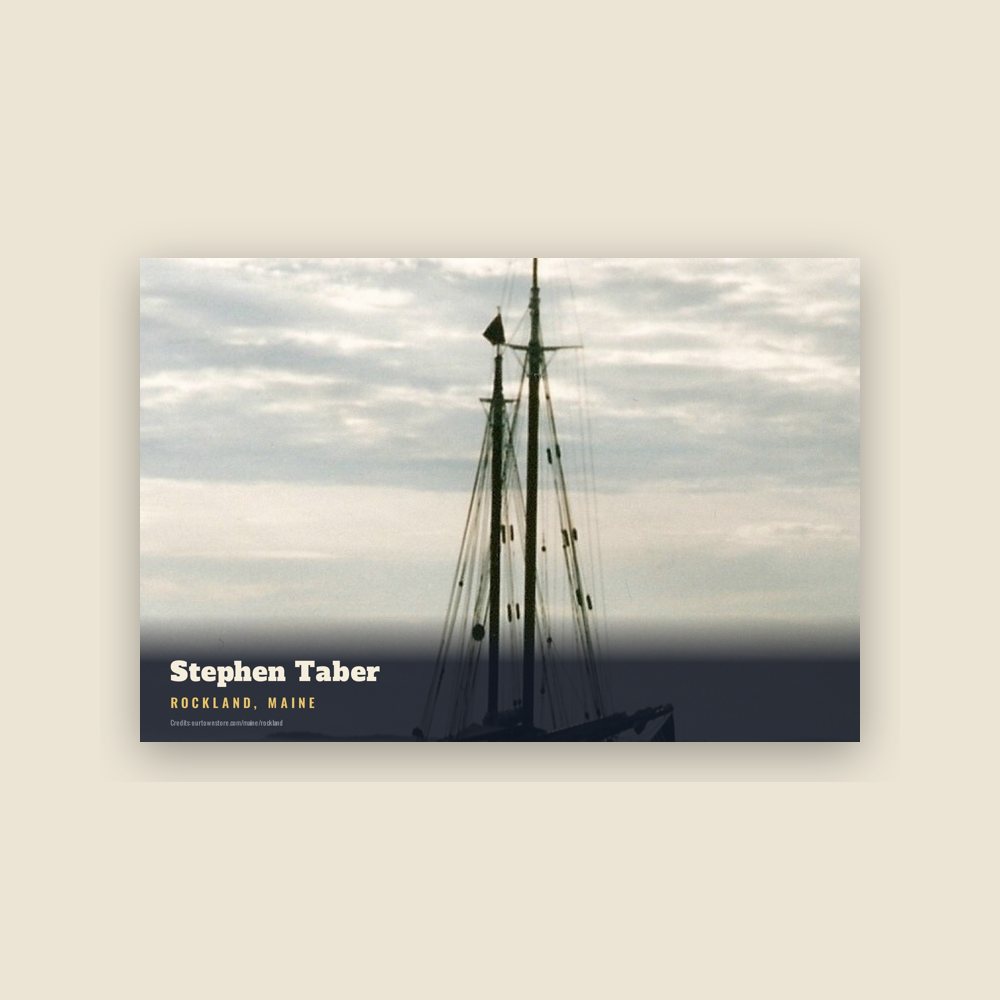
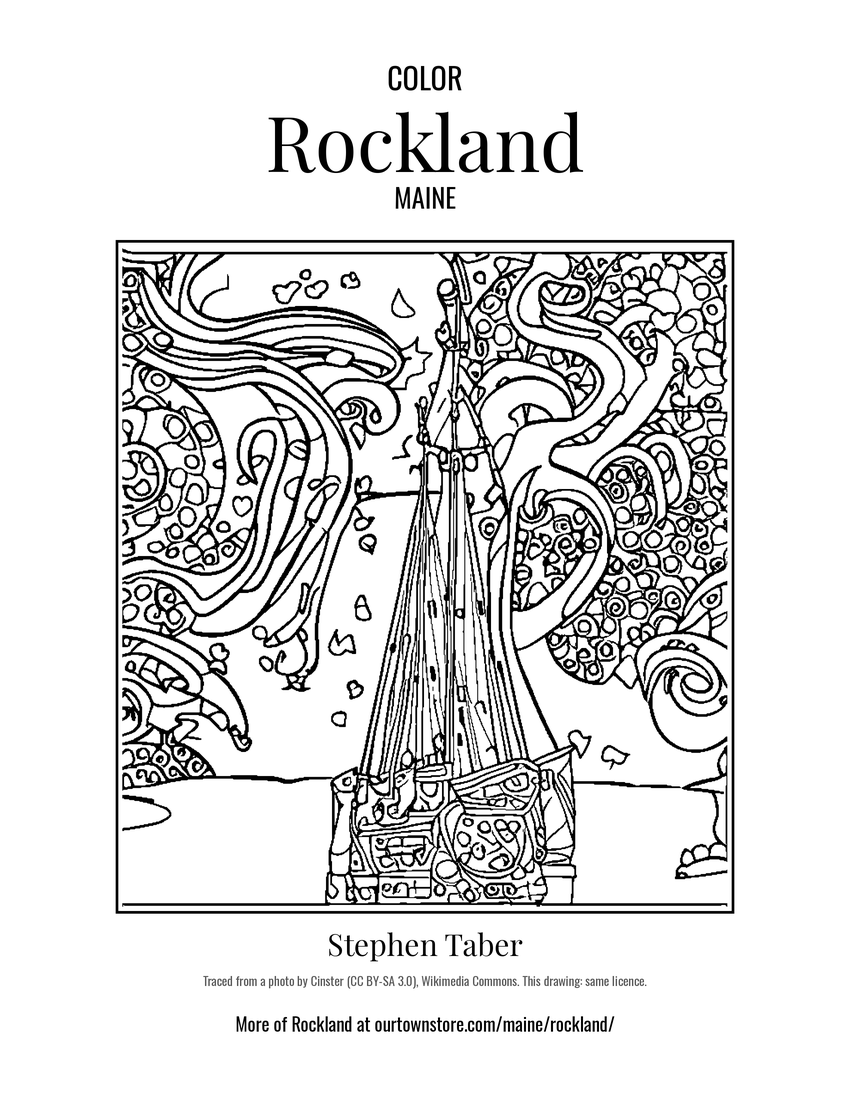 Stephen Taber
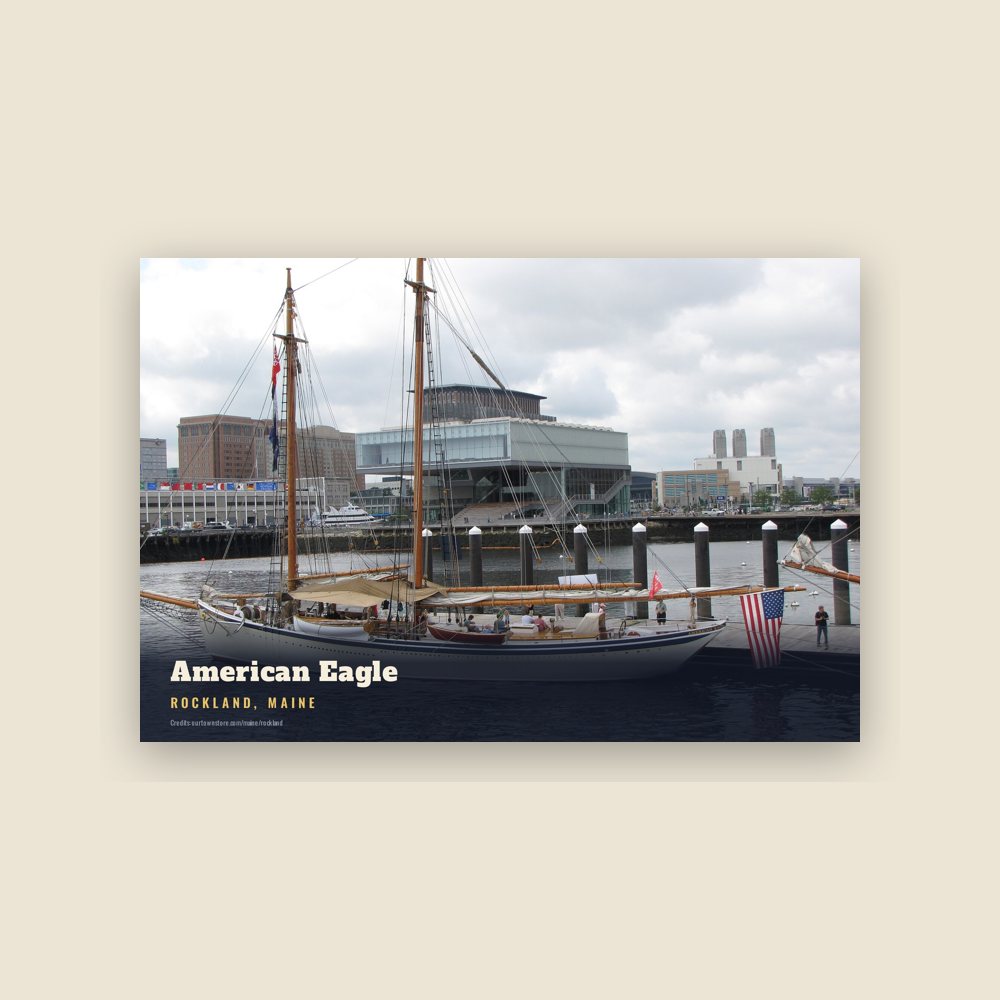
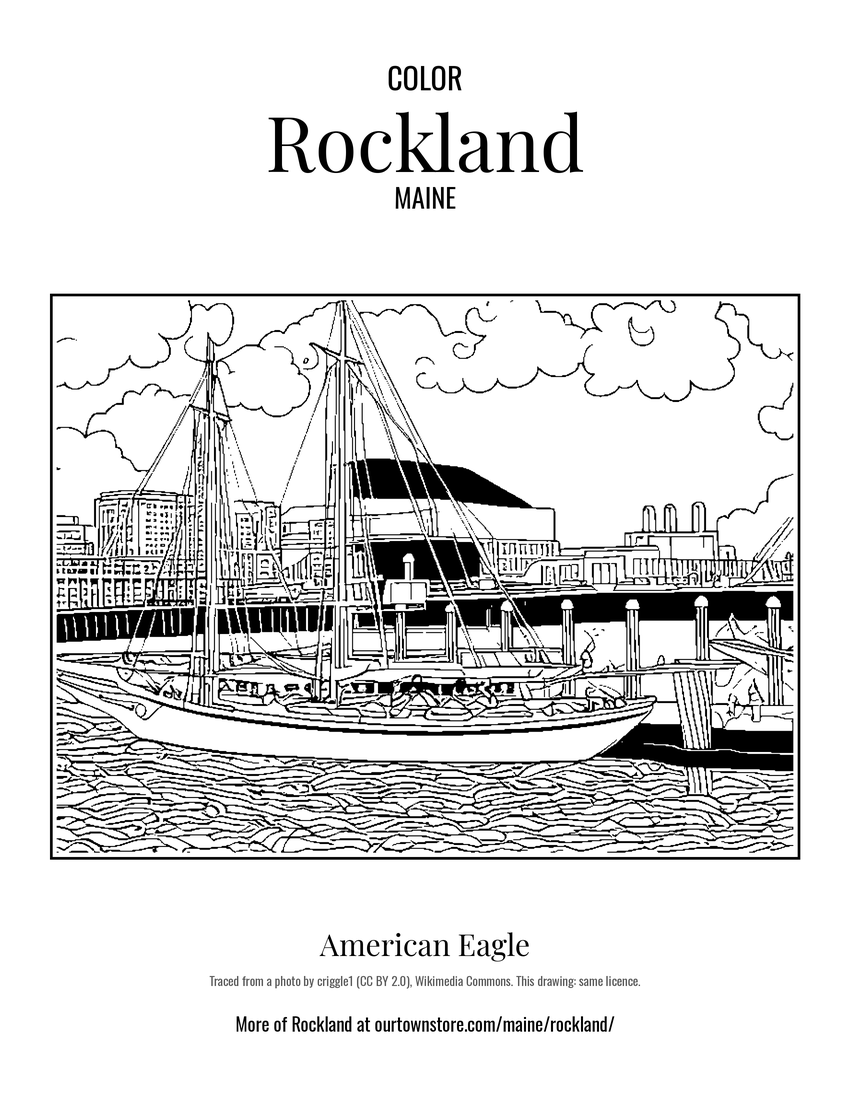 American Eagle