San Bernardino County, California
Street maps, historic prints and keepsakes for 24 San Bernardino County towns.
The oldest is Rancho Cucamonga, established 1977. The largest by population is San Bernardino (222,101).
| Town | Established | Population |
|---|---|---|
| Adelanto | – | 38,046 |
| Apple Valley | – | 75,791 |
| Barstow | – | 25,415 |
| Big Bear Lake | – | 5,046 |
| Chino | – | 91,403 |
| Chino Hills | – | 78,411 |
| Colton | – | 53,909 |
| Fontana | – | 208,393 |
| Grand Terrace | – | 13,150 |
| Hesperia | – | 99,818 |
| Highland | – | 56,999 |
| Loma Linda | – | 24,791 |
| Montclair | – | 37,865 |
| Needles | – | 4,931 |
| Ontario | – | 175,265 |
| Rancho Cucamonga | 1977 | 174,453 |
| Redlands | – | 73,168 |
| Rialto | – | 104,026 |
| San Bernardino | – | 222,101 |
| Twentynine Palms | – | 28,065 |
| Upland | – | 79,040 |
| Victorville | – | 134,810 |
| Yucaipa | – | 54,542 |
| Yucca Valley | – | 21,738 |
About these towns
Adelanto: Adelanto was founded in 1915 by E. H. Richardson, the inventor of what became the Hotpoint electric iron. He sold his patent and purchased land for $75,000.
Apple Valley: For centuries, Apple Valley was populated by Shoshonean, Paiute, Vanyume, Chemehuevi, and Serrano who were attracted to the water and vegetation around the Mojave River.
Barstow: Prehistoric Native American tribes inhabited the region as long as 3,000 years ago. The Native Americans hunted, fished and gathered turquoise. The indigenous people left hardly any discernible footprints along faint pathways as they traveled up to the Mexican territory to trade goods.
Big Bear Lake: Big Bear Lake was inhabited by the indigenous Serrano people for over 2,000 years before it was explored by Benjamin Wilson and his party.
Chino: The Tongva had a settlement called Wapijangna in the Santa Ana River watershed. Some residents of Wapijanga were baptized at Mission San Gabriel, which was established in 1771.
Chino Hills: Prior to the colonization of the area by the Spanish Empire in the late 18th century, the Tongva village of Wapijanga (submerged by the building of the Prado Dam in 1941) was the major point of influence in what would later become Chino Hills.
Colton: Before Spanish settlement, the area was inhabited by the Tongva, Serrano, and Cahuilla. Nicknamed "Hub City", Colton is located in the Inland Empire region of the state and is a suburb of San Bernardino, approximately 4 miles (6.4 km) south of the city's downtown.
Fontana: Fontana, formerly Rosena from 1890 to 1919, was founded in 1919 by Azariel Blanchard Miller. The name fontana is Italian for fountain or water source; the city is close to the Santa Ana River to the east.
Grand Terrace: Grand Terrace's roots go back to Mexican land grants dating from the period between 1830 and 1840. Mormon settlers came shortly after, arriving in the San Bernardino Valley, during the 1850s.
Hesperia: The first inhabitants of the area were the Serrano people (Yuhaaviatam), and possibly their Desert Serrano Vanyume subgroup. The village of Wá’peat, among several other villages that were located along the Mojave River, were within the vicinity of what is now Hesperia.
Highland: Henry Rabel, one of the area’s first settlers, bought over 100 acres of land in 1857 and built an 11-room hotel with bath houses for guests.
Loma Linda: The Tongva village of Wa’aachnga, or as the Spanish referred to it as the Rancheria Guachama, was located at what is now Loma Linda.
Montclair: The earliest known inhabitants of the area were from the Serrano tribe of Native Americans. The Serrano established their village along a creek named Arroyo de los Alisos, now named San Antonio Creek, which flowed along a route that is now Mills Avenue, the western border of the city.
Needles: Needles was founded in May 1883 during the construction of the Atchison, Topeka and Santa Fe Railway, which originally crossed the Colorado River at Eastbridge, Arizona, three miles southeast of modern Needles.
Ontario: Ontario was inhabited by the Tongva people for over 1,000 years. Their country is now known as Tovaangar. The Ontario area was connected to the village of Cucamonga, whose location is not precisely known.
Rancho Cucamonga: By 1200 AD, Kukamongan Native Americans had established a village settlement in the area around present-day Red Hill, near the city's western border, where Red Hill Country Club stands today.
Redlands: The area of Redlands was territory that historically was occupied by the Morongo and Aguas Calientes tribes of Cahuilla people. Explorations such as those of Pedro Fages and Francisco Garcés sought to extend Catholic influence to the indigenous people and the dominion of the Spanish crown into the area in the 1770s.
Rialto: Ancient artifacts discovered by archaeologists suggest that what is now the city of Rialto was settled prior to 1500. Such artifacts, now found at the Rialto Historical Society, indicate that the Serrano Indians lived in the Rialto area between 1500 and 1800 AD.
San Bernardino: The city of San Bernardino, California, occupies much of the San Bernardino Valley, a valley long inhabited by the Tongva. Several of their villages dotted the San Bernardino valley prior to the arrival of Europeans in the valley.
Twentynine Palms: Colonel Henry Washington made the first recorded exploration of Twentynine Palms, where he found people of the Chemehuevi tribe who lived in the surrounding hills and near the spring that they called "Mar-rah" or "Oasis of Mara".
Upland: Upland is located at the foot of the San Gabriel Mountains on an east–west trail that was used by the Native Americans and Spanish missionaries, part of what is now known as the Old Spanish Trail.
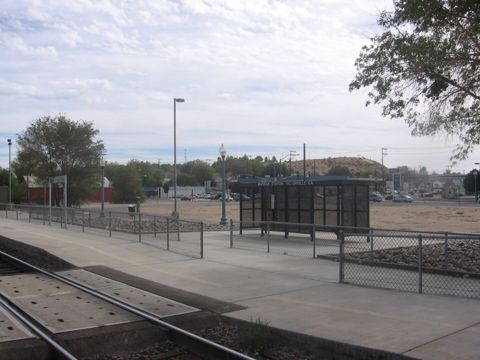
Victorville: In 1858, Aaron G. Lane came to what is now known as Victorville and founded a waystation called "Lane's Crossing." For many years it provided shelter and supplies for people journeying across the desert from the east to San Bernardino.
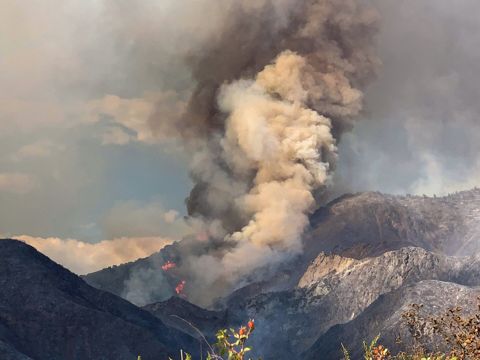
Yucaipa: Prior to the Spanish colonization of the Americas and the arrival of European settlers from Mexico, the Yucaipa Valley was known as Yukaipa't, which meant "green valley" in the Serrano American Language.
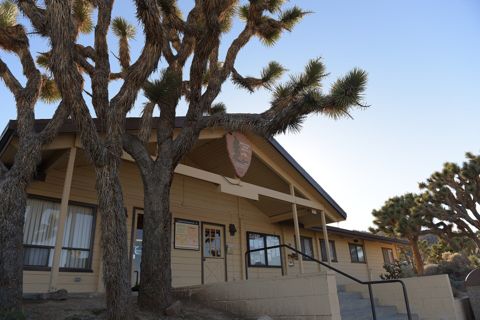
Yucca Valley: Norman J. Essig was key in the late 1950s in working towards establishing Yucca Valley as a place for entertainment celebrities to come and live in privacy.
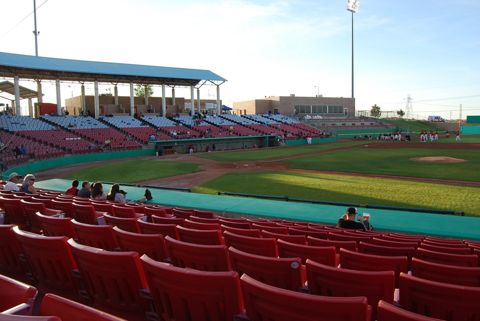 AdelantoCalifornia
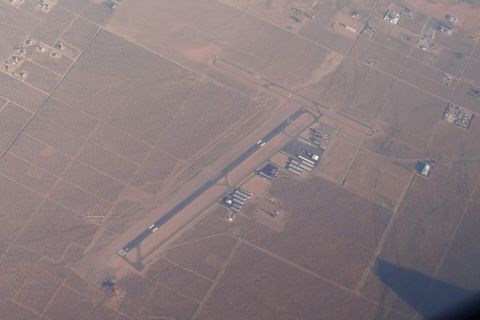 Apple ValleyCalifornia
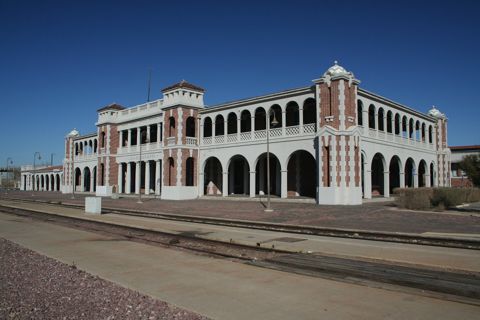 BarstowCalifornia
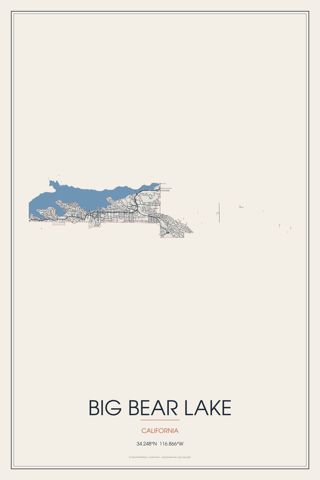 Big Bear LakeCalifornia
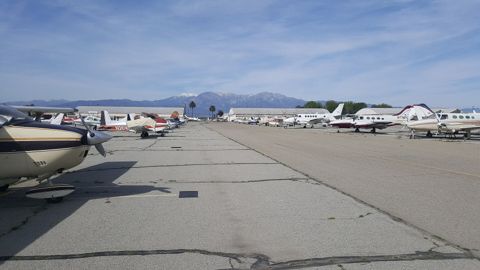 ChinoCalifornia
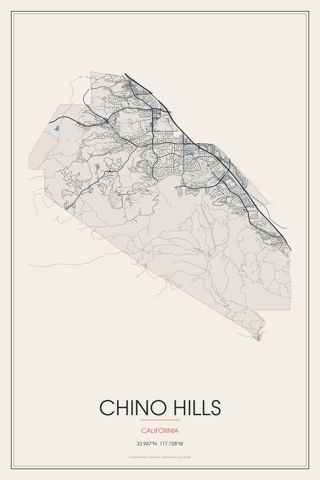 Chino HillsCalifornia
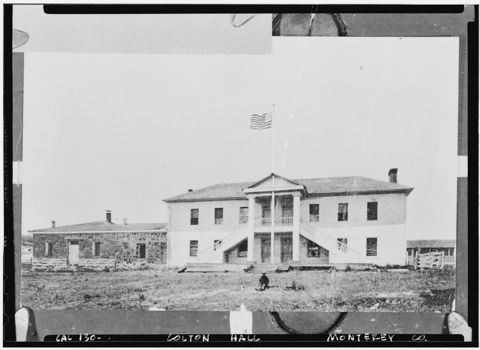 ColtonCalifornia
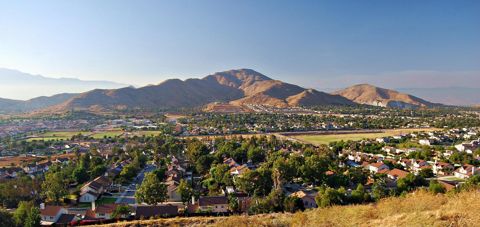 FontanaCalifornia
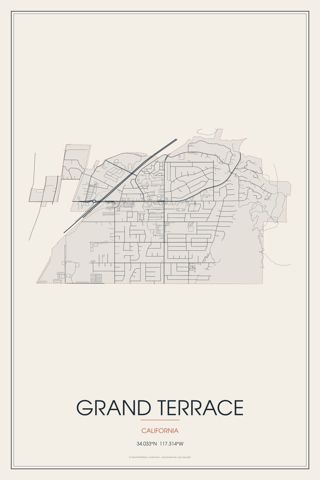 Grand TerraceCalifornia
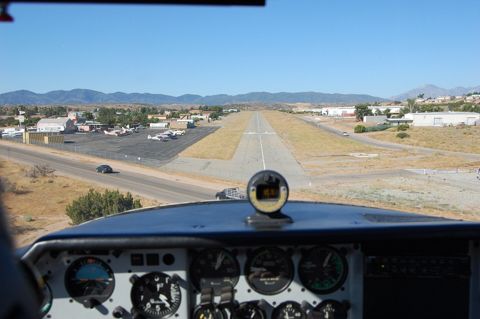 HesperiaCalifornia
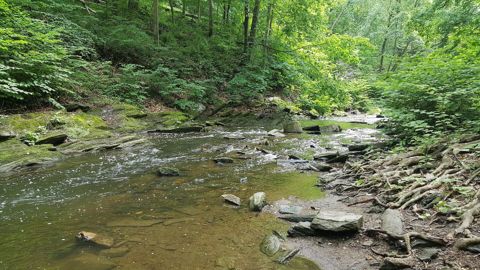 HighlandCalifornia
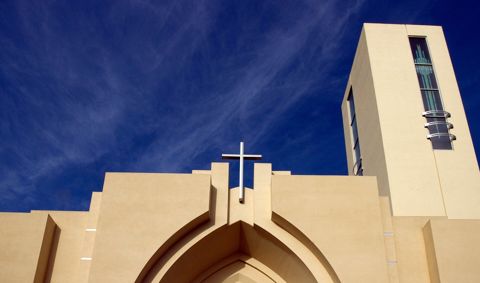 Loma LindaCalifornia
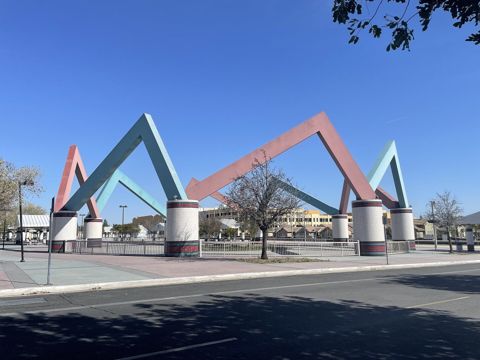 MontclairCalifornia
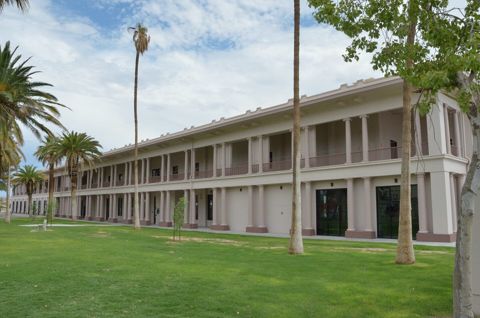 NeedlesCalifornia
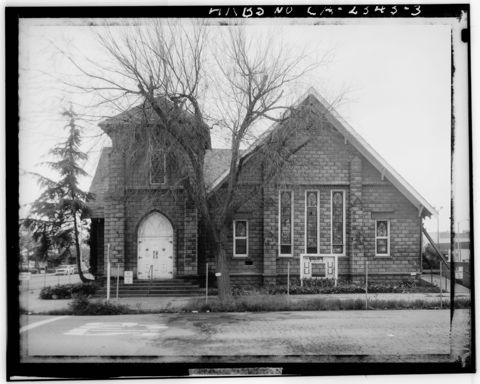 OntarioCalifornia
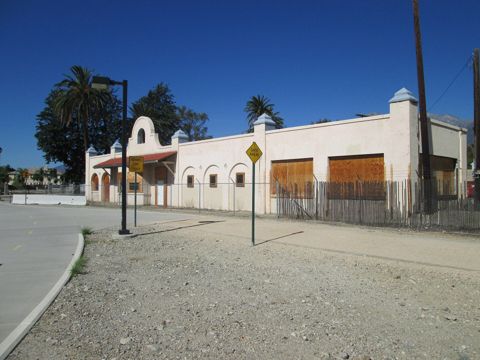 Rancho CucamongaCalifornia · Est. 1977
 RedlandsCalifornia
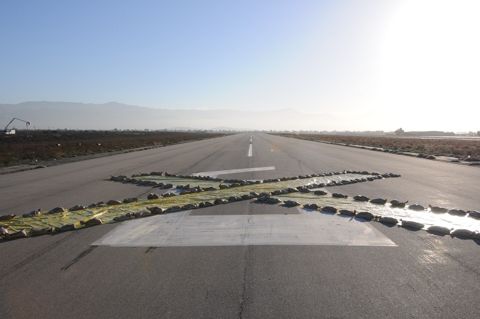 RialtoCalifornia
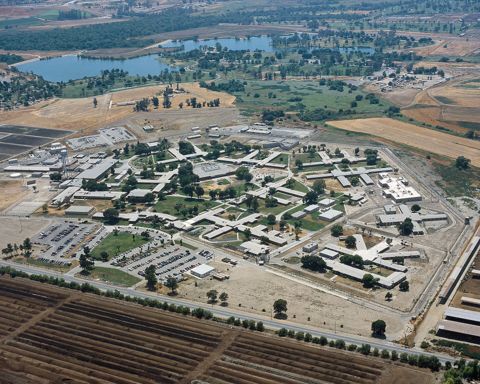 San BernardinoCalifornia
 Twentynine PalmsCalifornia
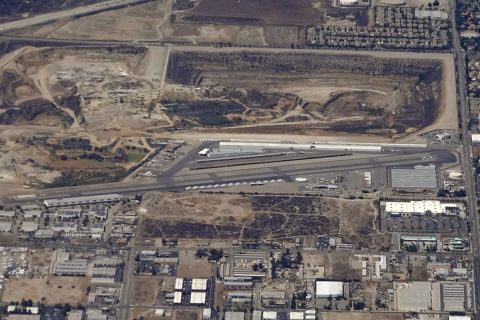 UplandCalifornia
 VictorvilleCalifornia
 YucaipaCalifornia
 Yucca ValleyCalifornia
Founding years, populations and town notes come from each town's Wikipedia and Wikidata entries. All California towns.