Read the full history
Spanish & Mexican
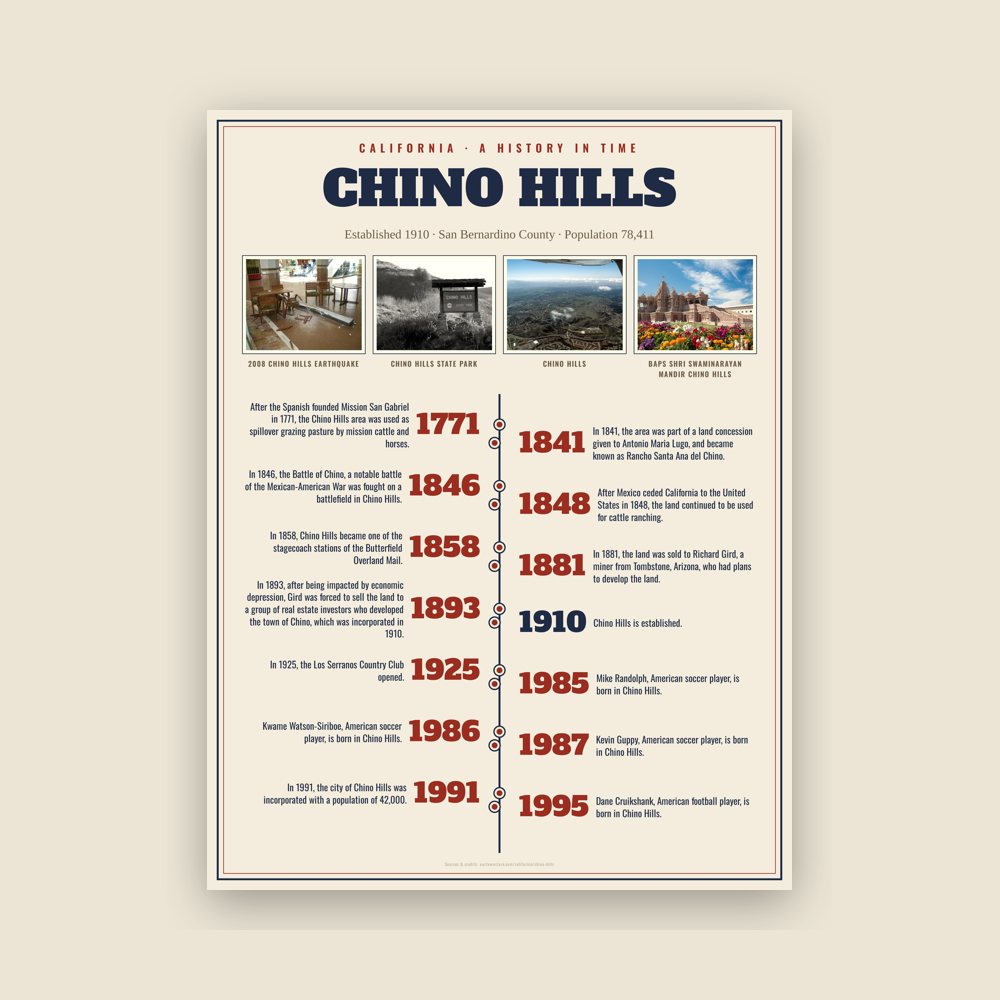
After the Spanish founded Mission San Gabriel in 1771, the Chino Hills area was used as spillover grazing pasture by mission cattle and horses. In 1841, the area was part of a land concession given to Antonio Maria Lugo, and became known as Rancho Santa Ana del Chino. In 1846, the Battle of Chino, a notable battle of the Mexican-American War was fought on a battlefield in Chino Hills. After Mexico ceded California to the United States in 1848, the land continued to be used for cattle ranching.
American
In 1848, the California gold rush began in Northern California. Meanwhile, in Southern California, cattle ranchers made fortunes in the beef trade, feeding the influx of migrants. In 1858, Chino Hills became one of the stagecoach stations of the Butterfield Overland Mail. In 1881, the land was sold to Richard Gird, a miner from Tombstone, Arizona, who had plans to develop the land. In 1893, after being impacted by economic depression, Gird was forced to sell the land to a group of real estate investors who developed the town of Chino, which was incorporated in 1910. Around this time, a resort was opened at La Vida Mineral Springs in Carbon Canyon, in the modern-day Sleepy Hollow region of the city. In 1925, the Los Serranos Country Club opened. The area became a destination for both tourists and bootleggers during the prohibition era because of its relative isolation. For the same reason, Sleepy Hollow became a destination for hippies and artists during the 1960s. As Southern California grew, suburban housing began replacing farmlands. Developers targeted Chino Hills for its scenic views and proximity to L.A. and Orange counties. During the late 1980s, the area experienced a surge of development, and an incorporation effort began. In 1991, the city of Chino Hills was incorporated with a population of 42,000.
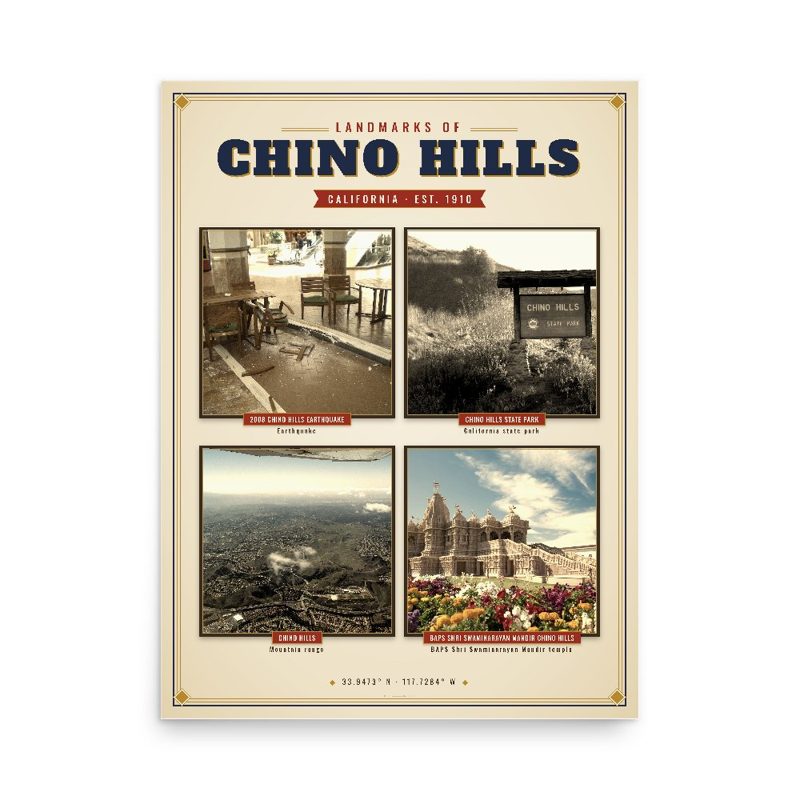
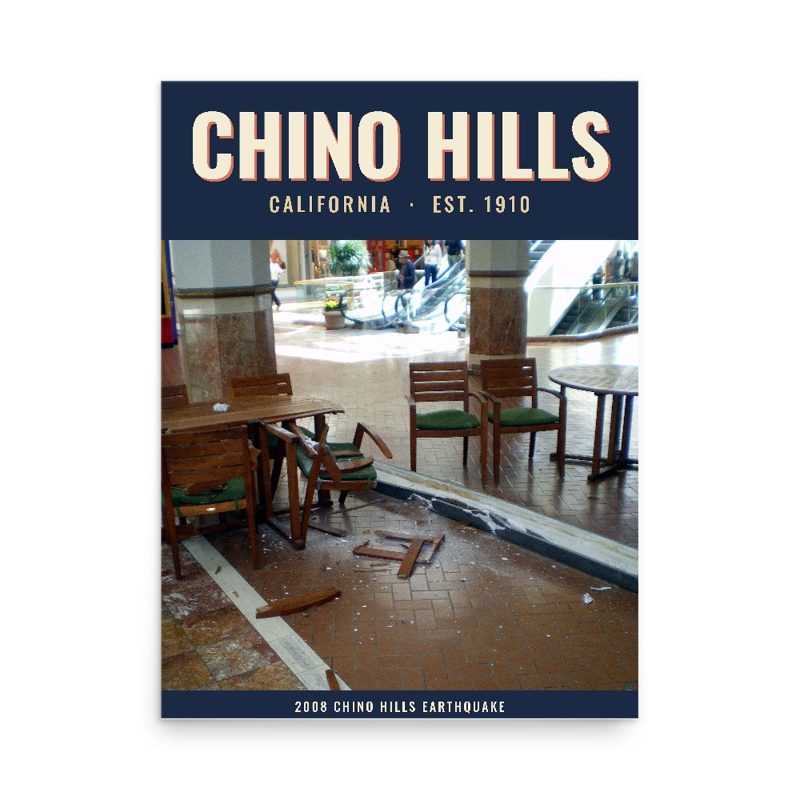
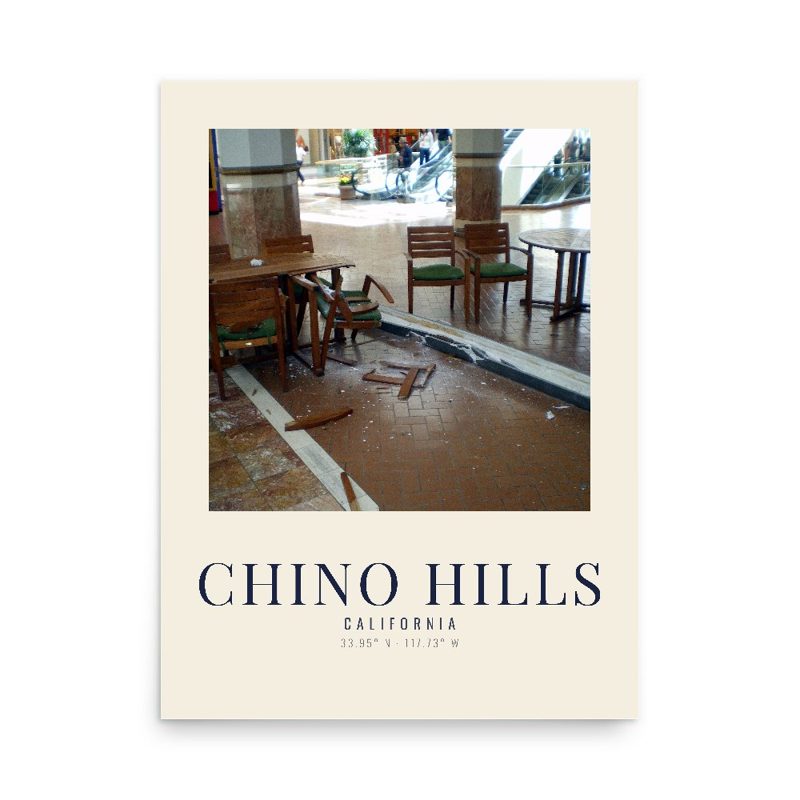
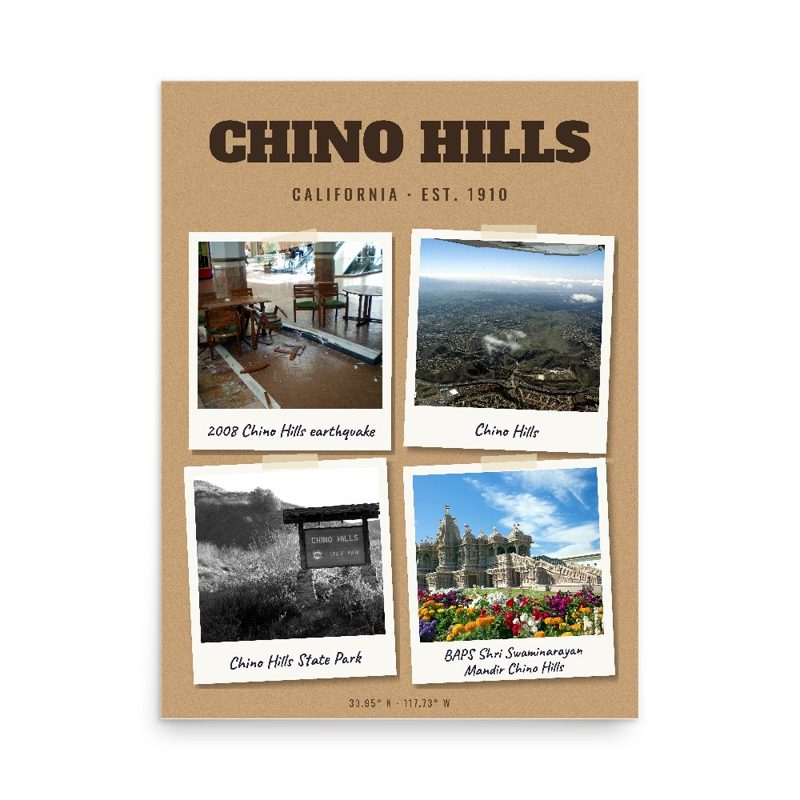
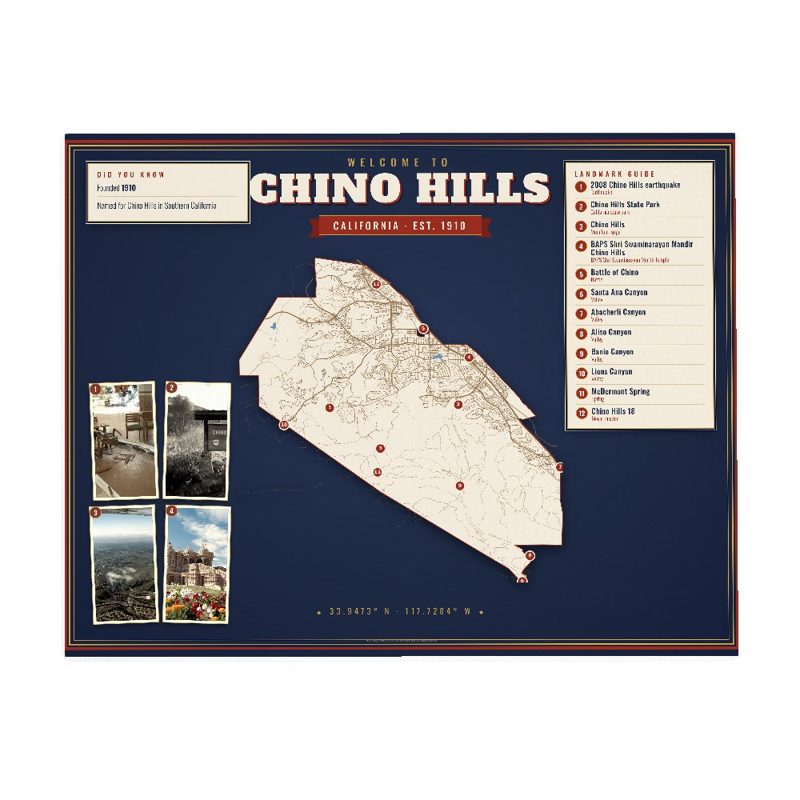

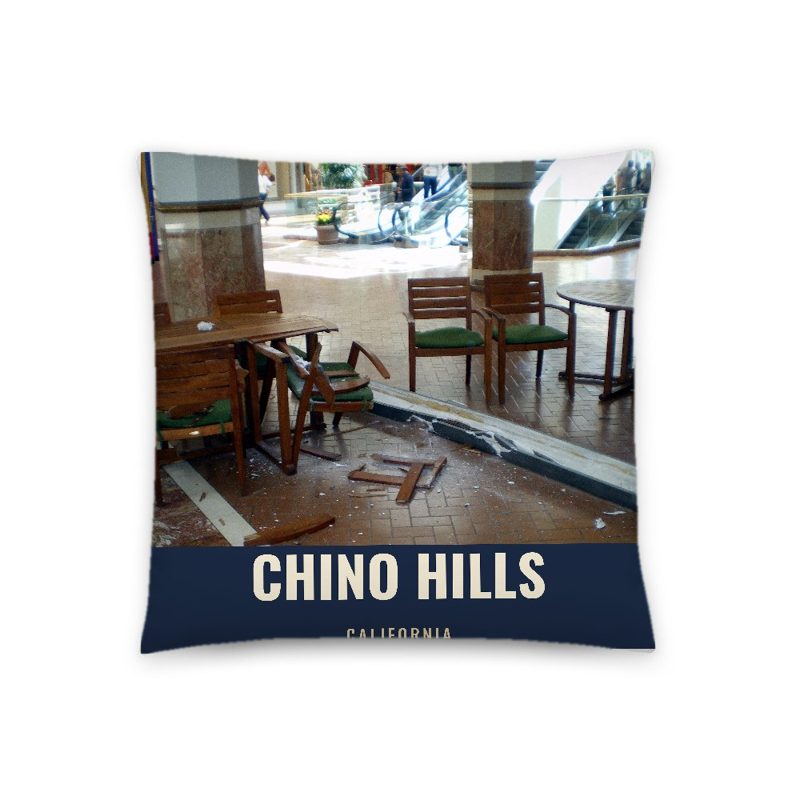

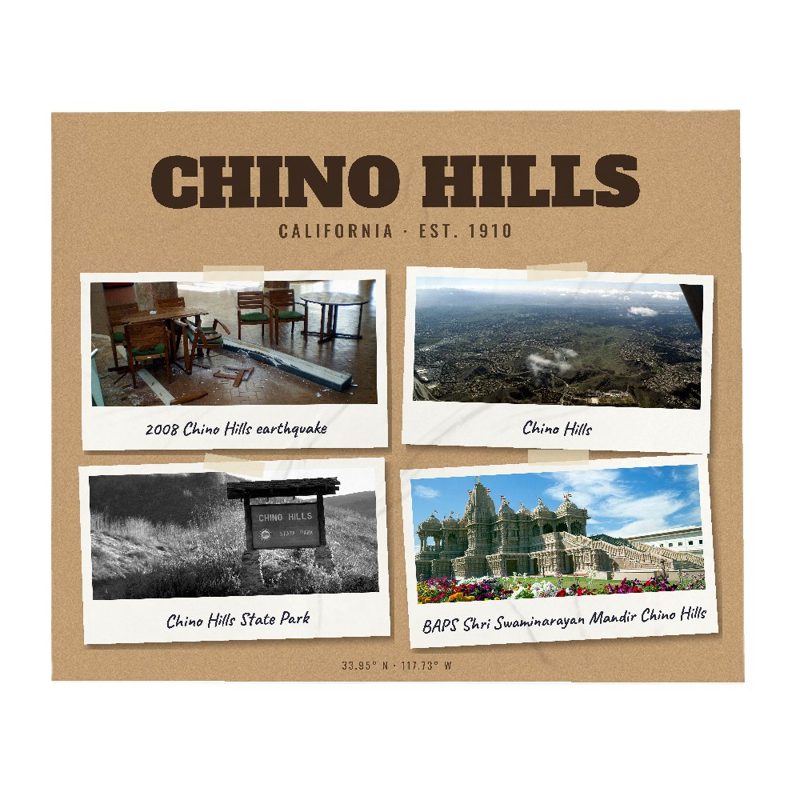
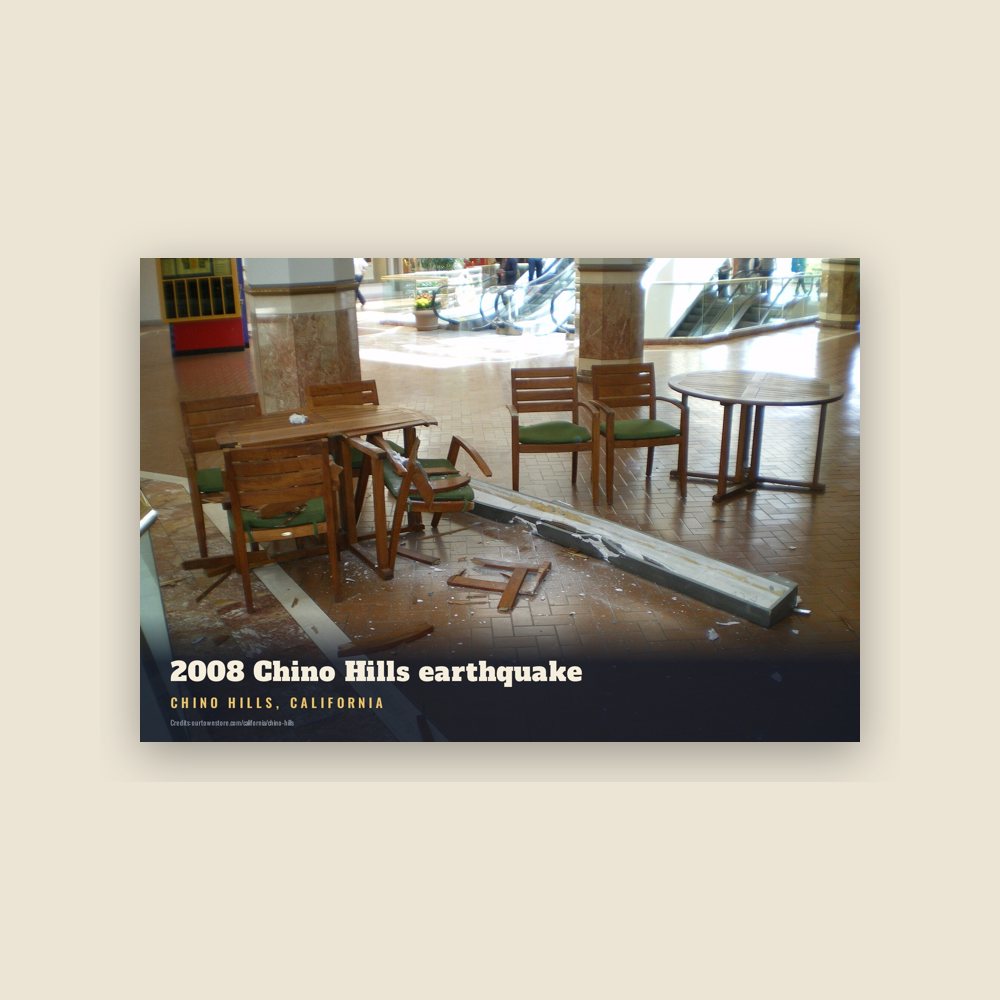
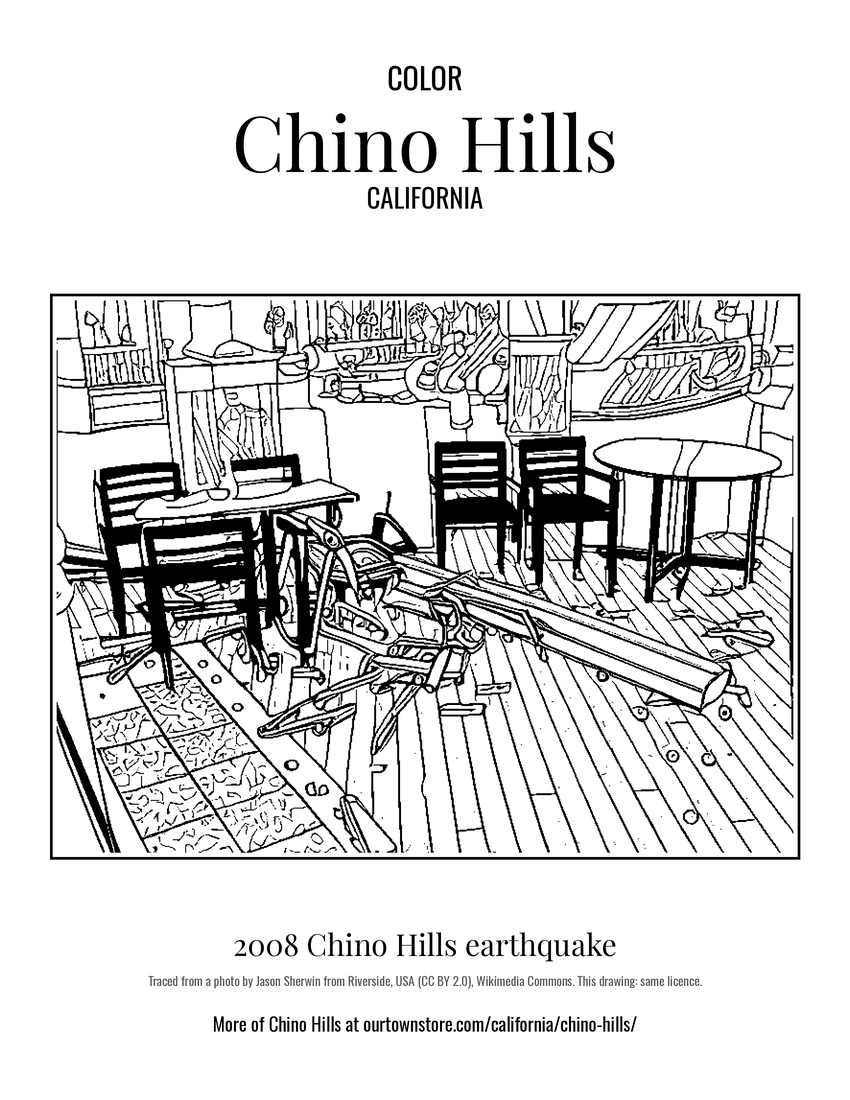 2008 Chino Hills earthquake
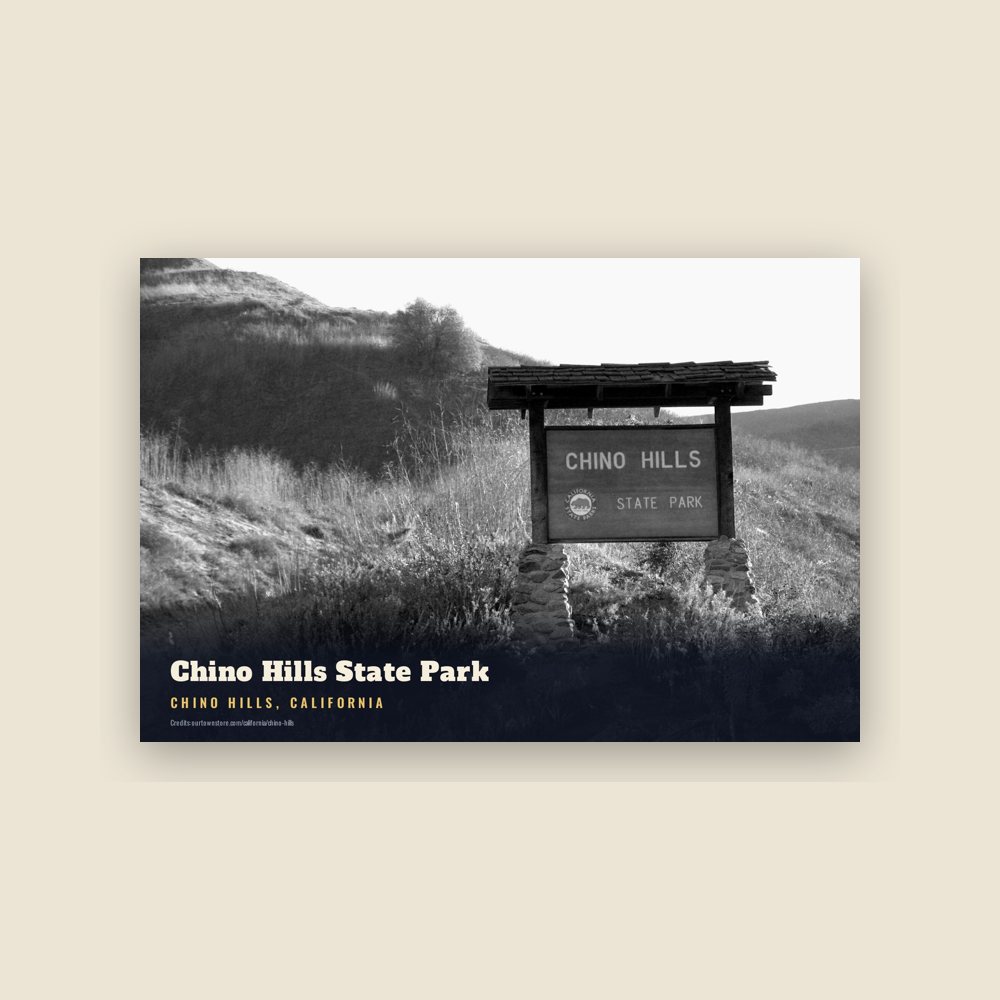
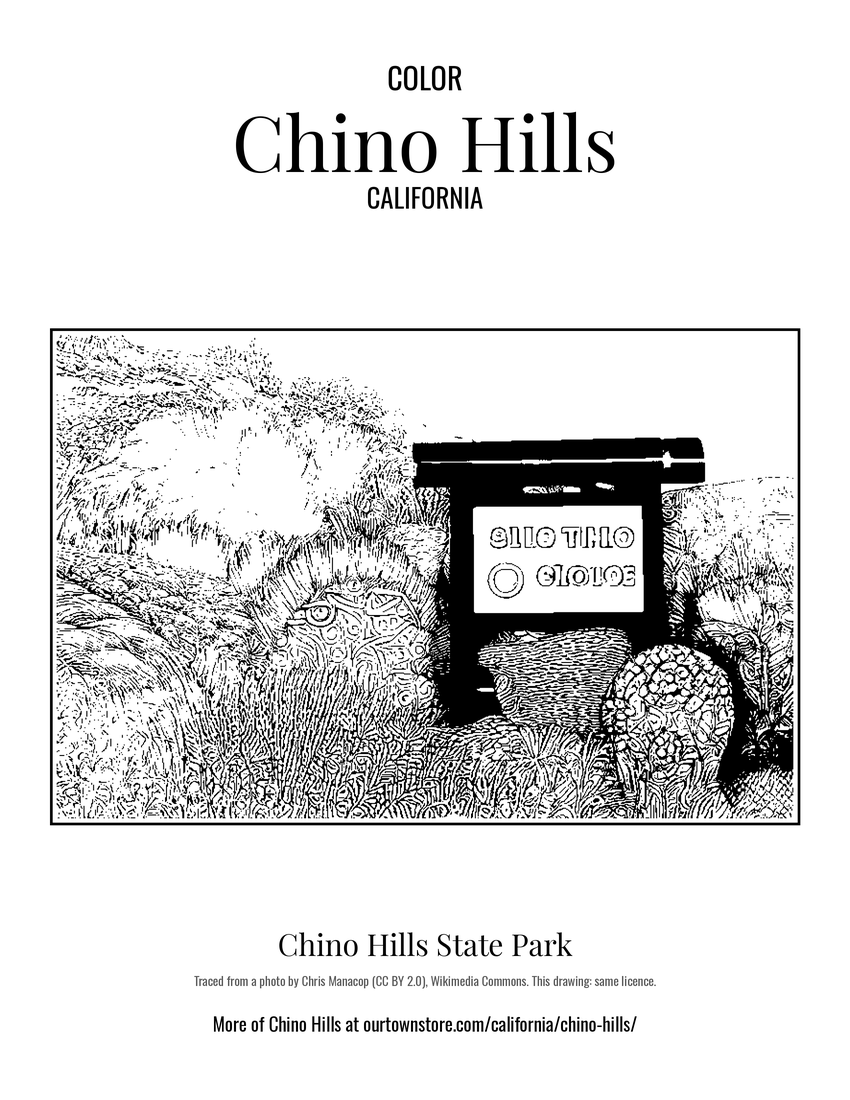 Chino Hills State Park
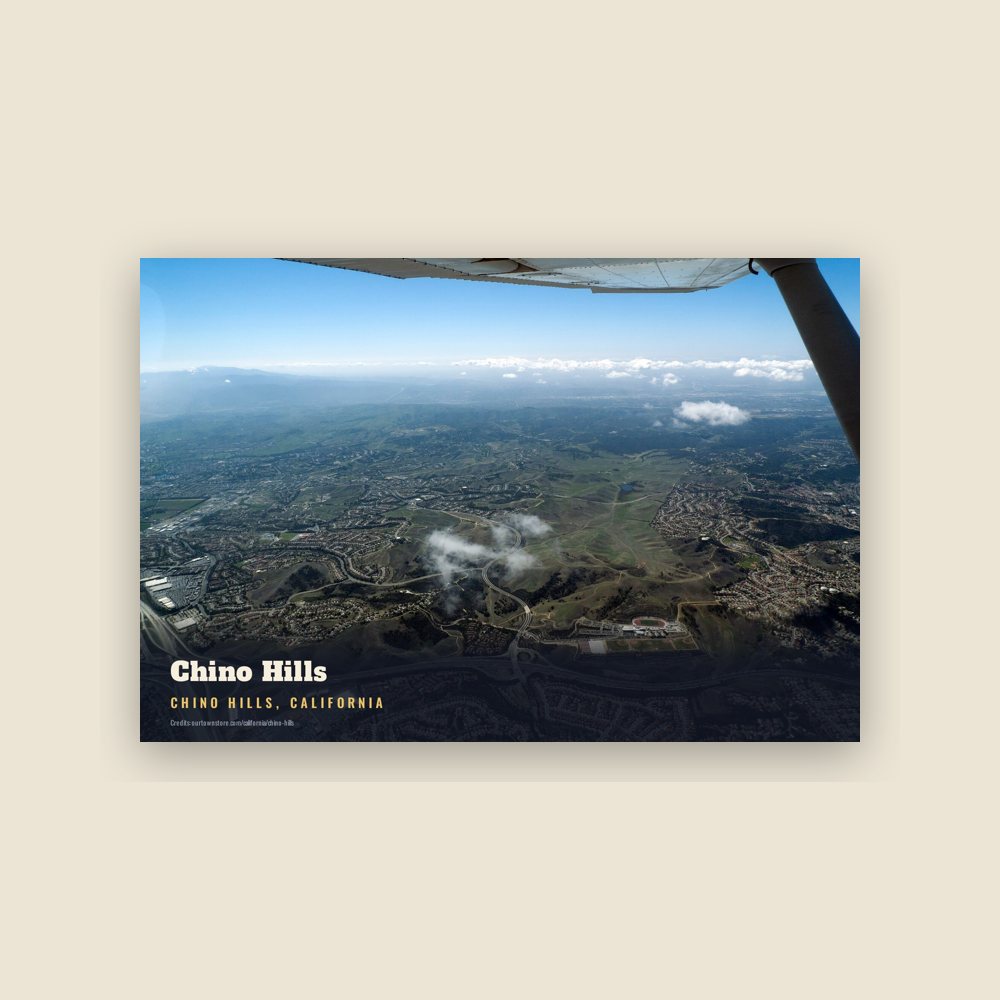
 A view of Chino Hills
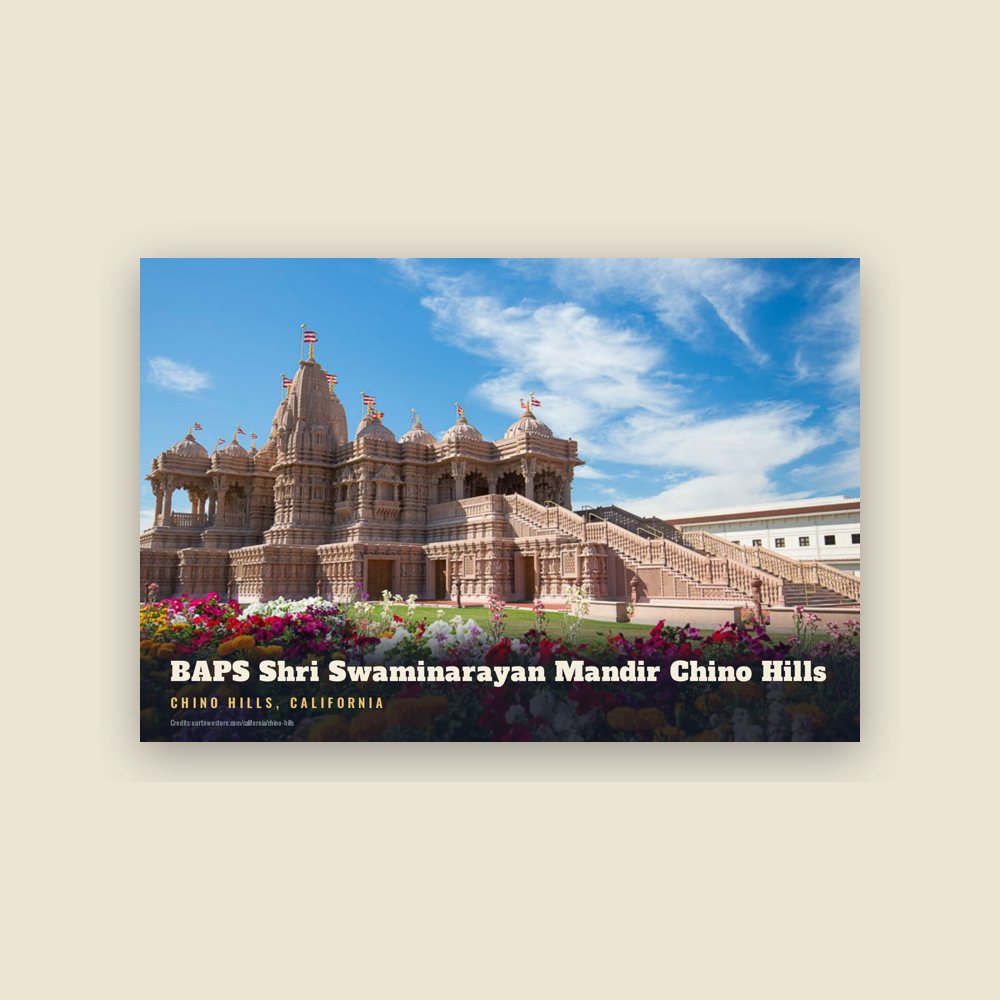
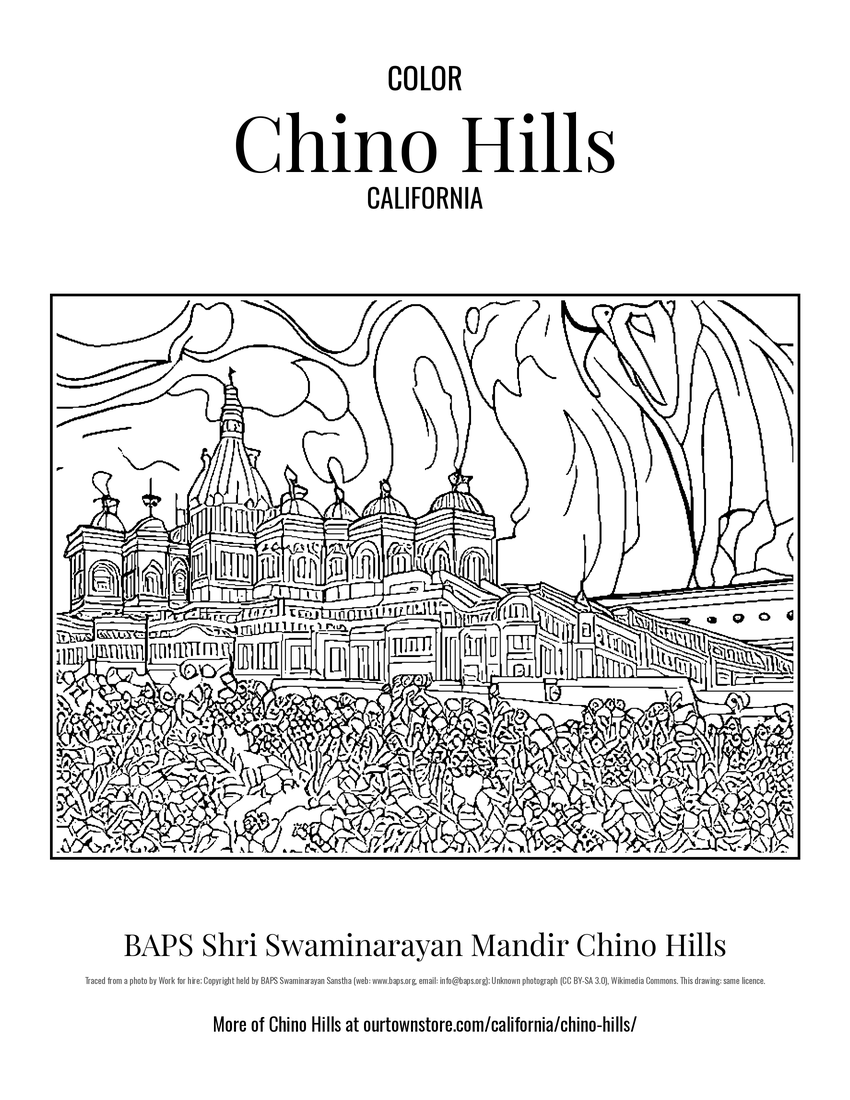 BAPS Shri Swaminarayan Mandir Chino Hills