A short history of Hesperia
The first inhabitants of the area were the Serrano people (Yuhaaviatam), and possibly their Desert Serrano Vanyume subgroup. The village of Wá’peat, among several other villages that were located along the Mojave River, were within the vicinity of what is now Hesperia. These villages were occupied into the early 1800s and had deep ties with one another. An acorn-gathering festival was held at Wá’peat that involved villagers from across the Mojave River area.
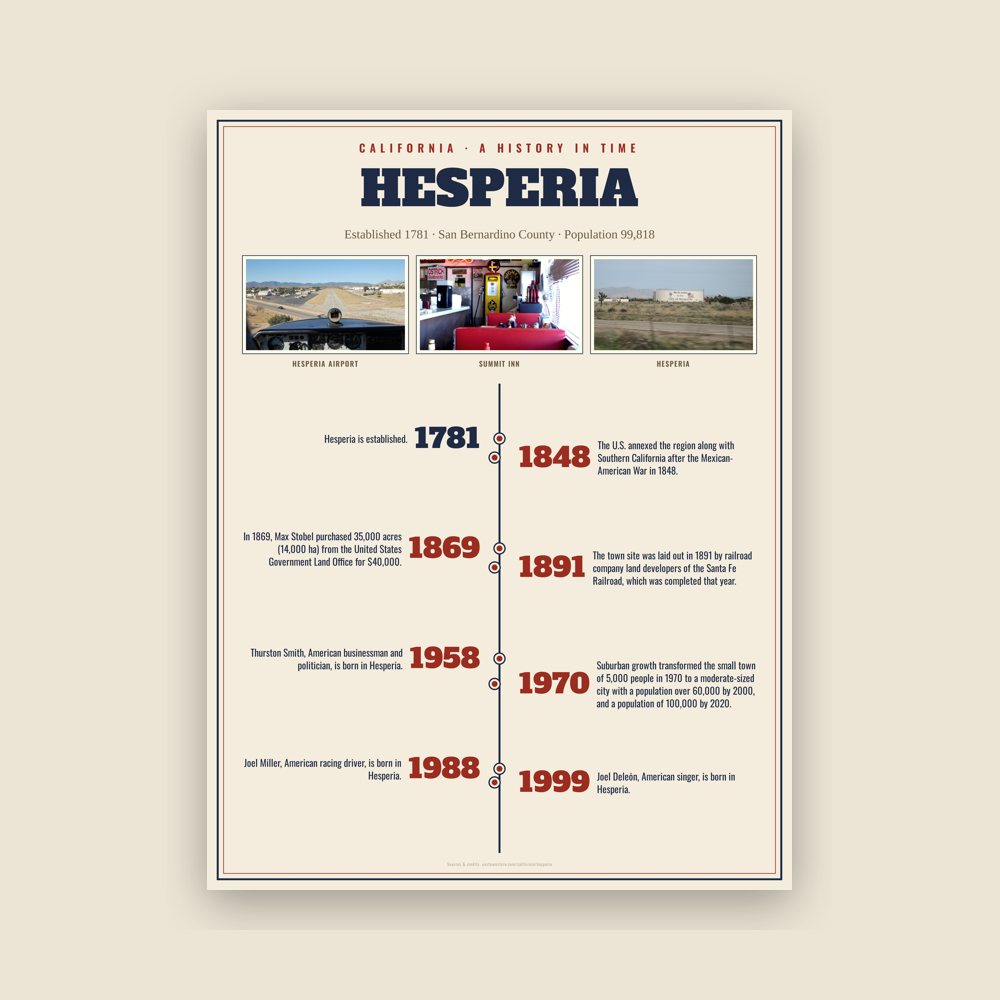
Hesperia began as a Spanish land grant: Rancho San Felipe, Las Flores, y el Paso del Cajon, founded in 1781. The land was sparsely inhabited desert during Spanish-Mexican rule in the 19th century. The U.S. annexed the region along with Southern California after the Mexican-American War in 1848.
In 1869, Max Stobel purchased 35,000 acres (14,000 ha) from the United States Government Land Office for $40,000. While several attempts were made to subdivide and encourage colonization, the land was primarily used for agricultural purposes, with raisin grapes the primary product.
The town site was laid out in 1891 by railroad company land developers of the Santa Fe Railroad, which was completed that year. Hesperia was named for Hesperus, the Greek god of the West. The railroad land developers published pamphlets distributed across the country with boosterism of Hesperia, California, as a potential metropolis, to become "the Omaha of the West" or projections to have over 100,000 people by 1900, but only 1,000 moved in.
Hesperia grew relatively slowly until the completion of US Routes 66, 91, and 395 in the 1940s, followed by Interstate 15 in the late 1960s. About 30 square miles (78 km2) of land were laid out for possible residential development.
In the early 1950s, land developer M. Penn Phillips and his silent financial partner, boxer Jack Dempsey, financed the building of roads and land subdivisions, promoting lots sales on television. They built the Hesperia Inn and golf course, which attracted a variety of Hollywood celebrities. The Hesperia Inn also housed the Jack Dempsey Museum.
The main wave of newcomers, though, arrived at Hesperia in the 1980s. Suburban growth transformed the small town of 5,000 people in 1970 to a moderate-sized city with a population over 60,000 by 2000, and a population of 100,000 by 2020.
Adapted (trimmed) from the Wikipedia article Hesperia, California, revision 1380464023 by its contributors, licensed CC BY-SA 4.0.
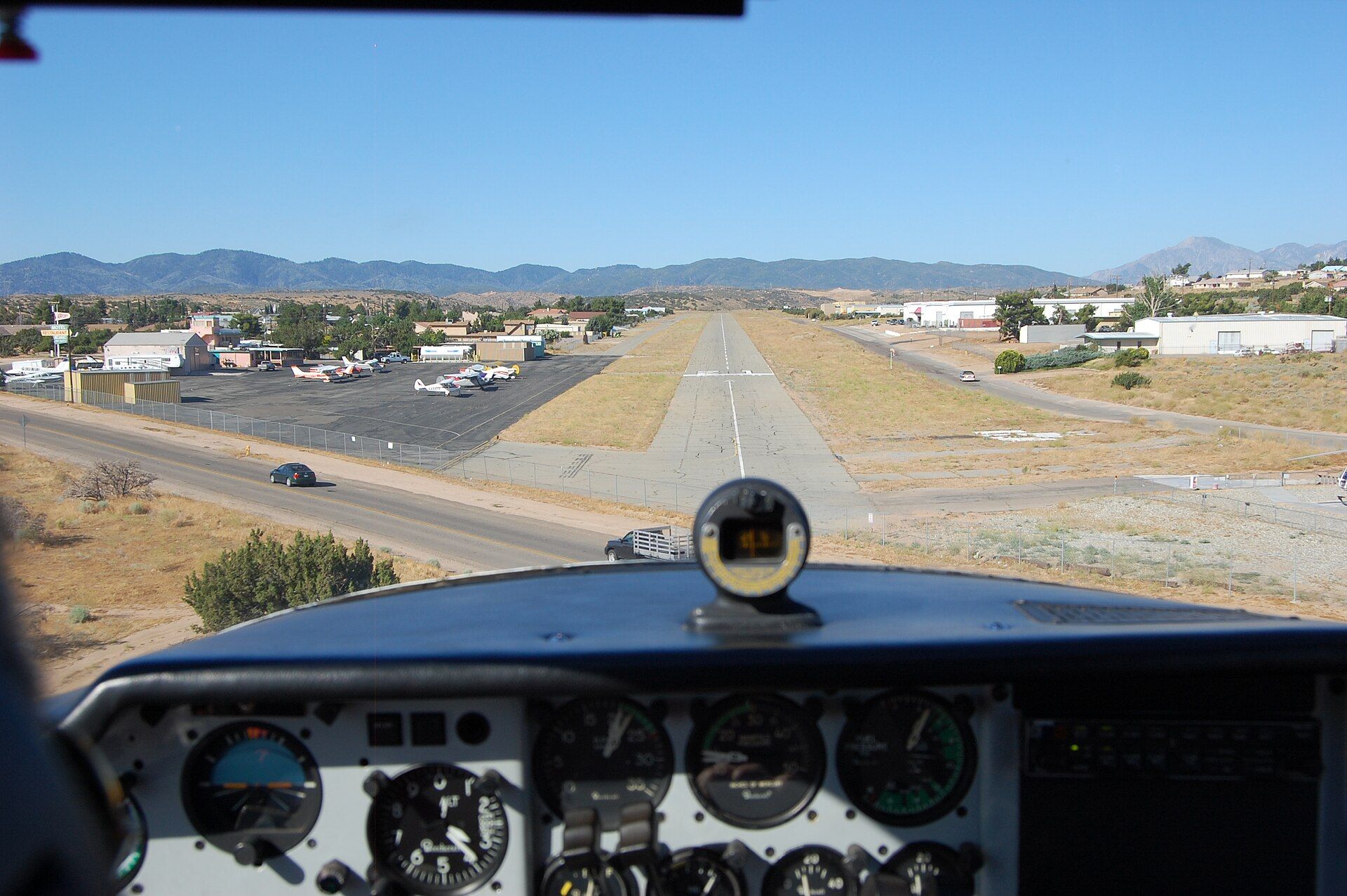
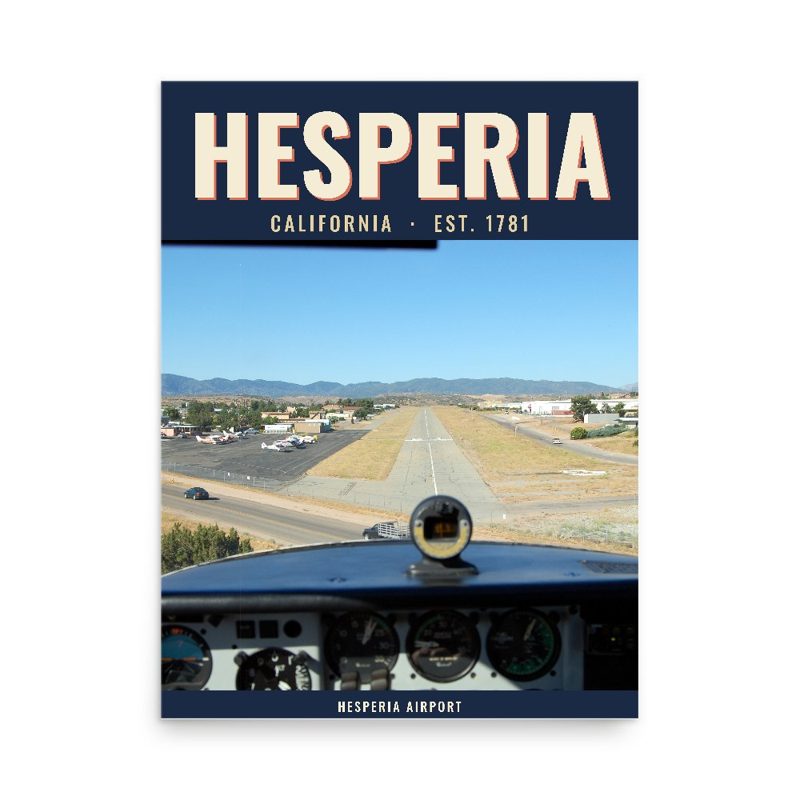
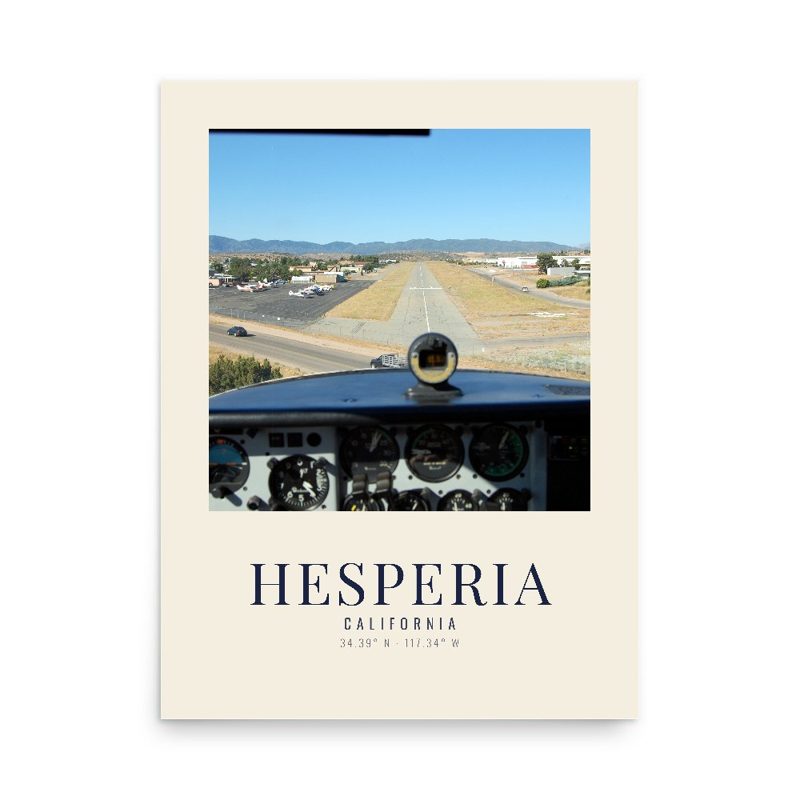
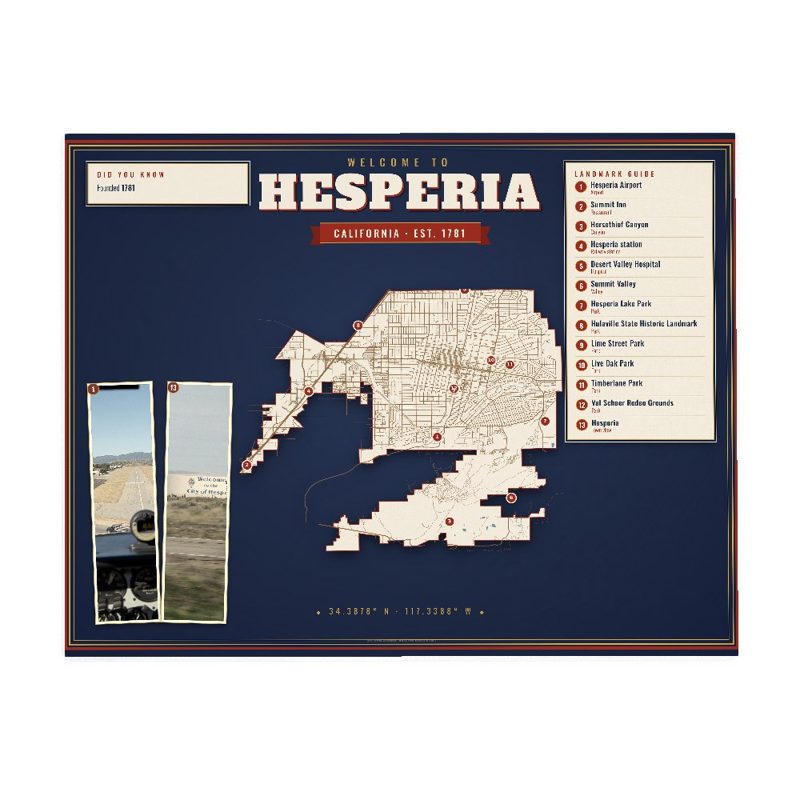
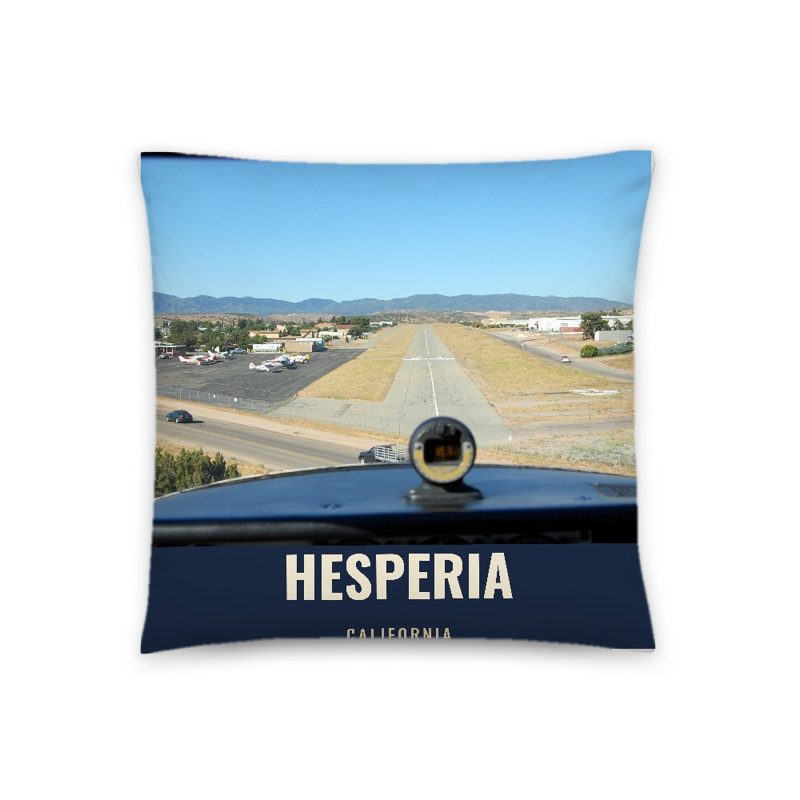
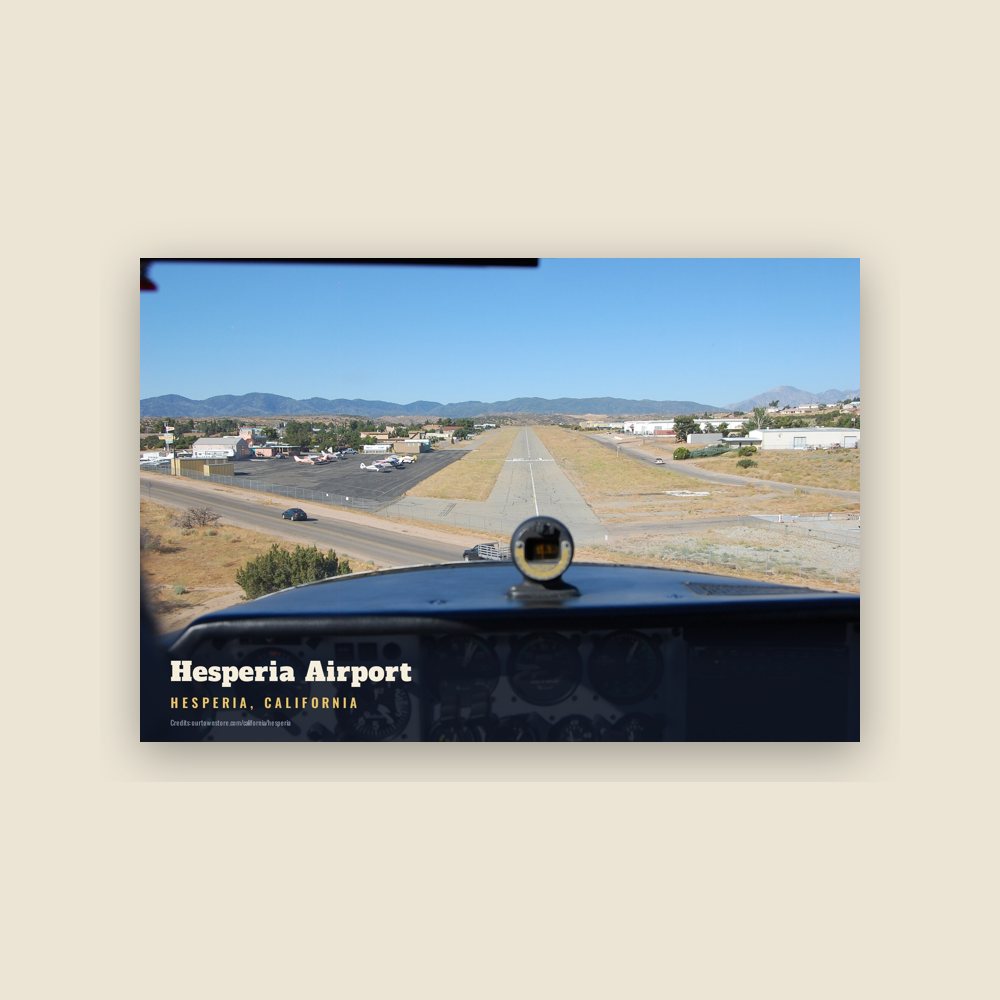
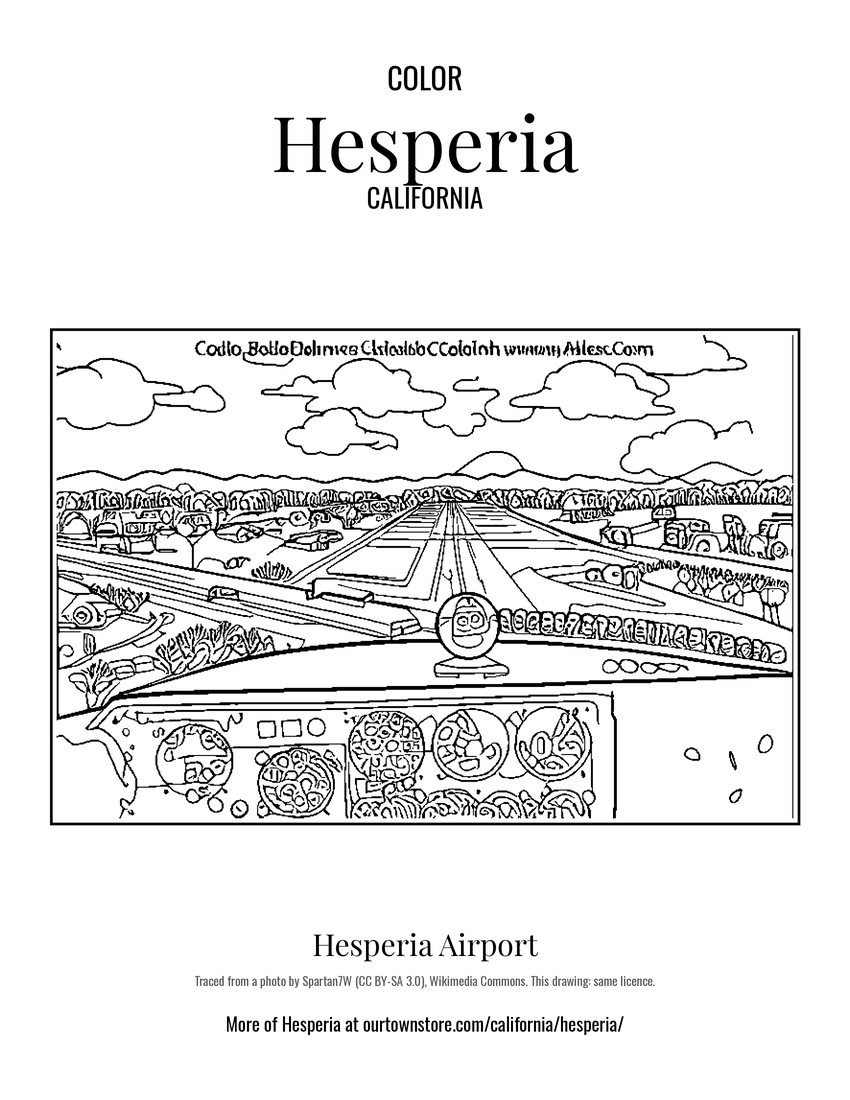 Hesperia Airport
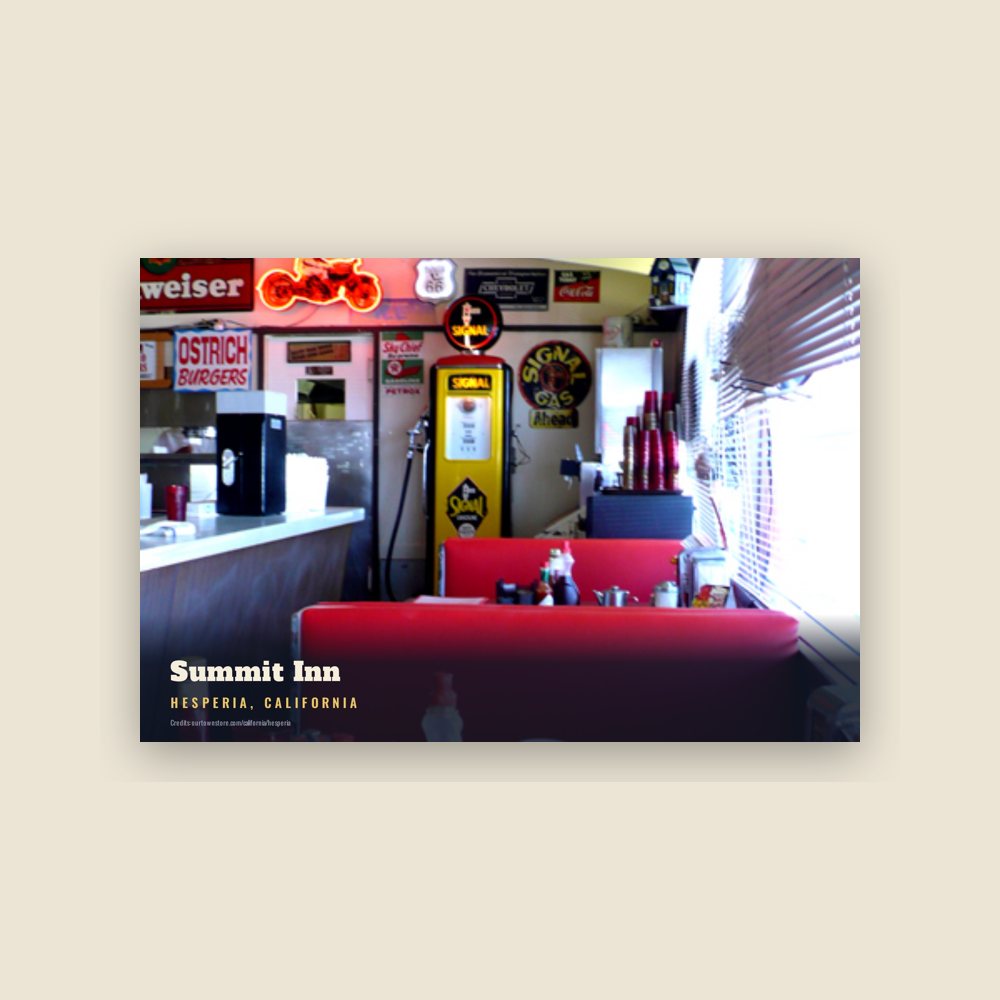
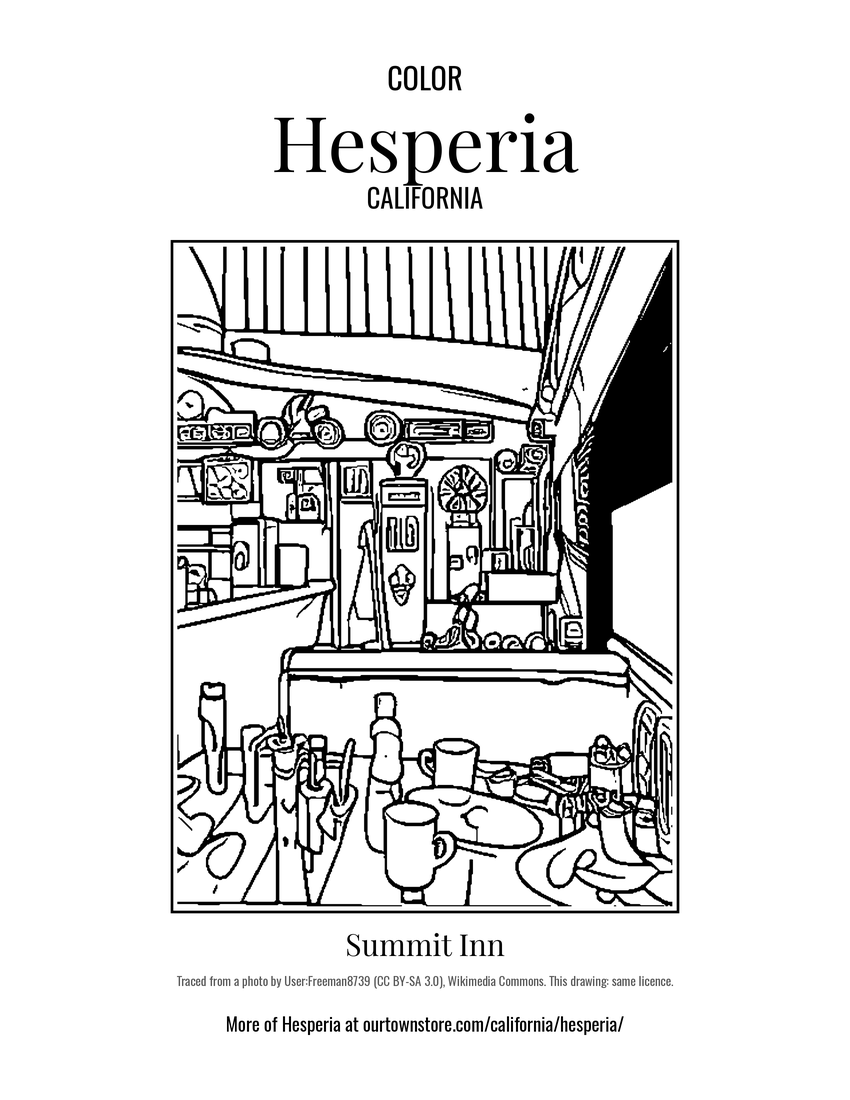 Summit Inn
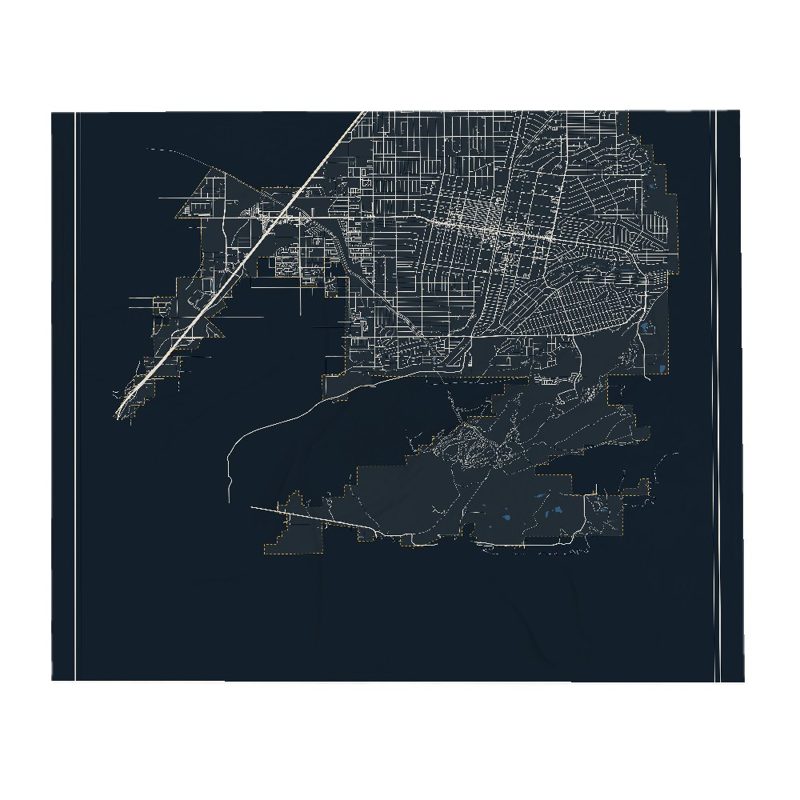
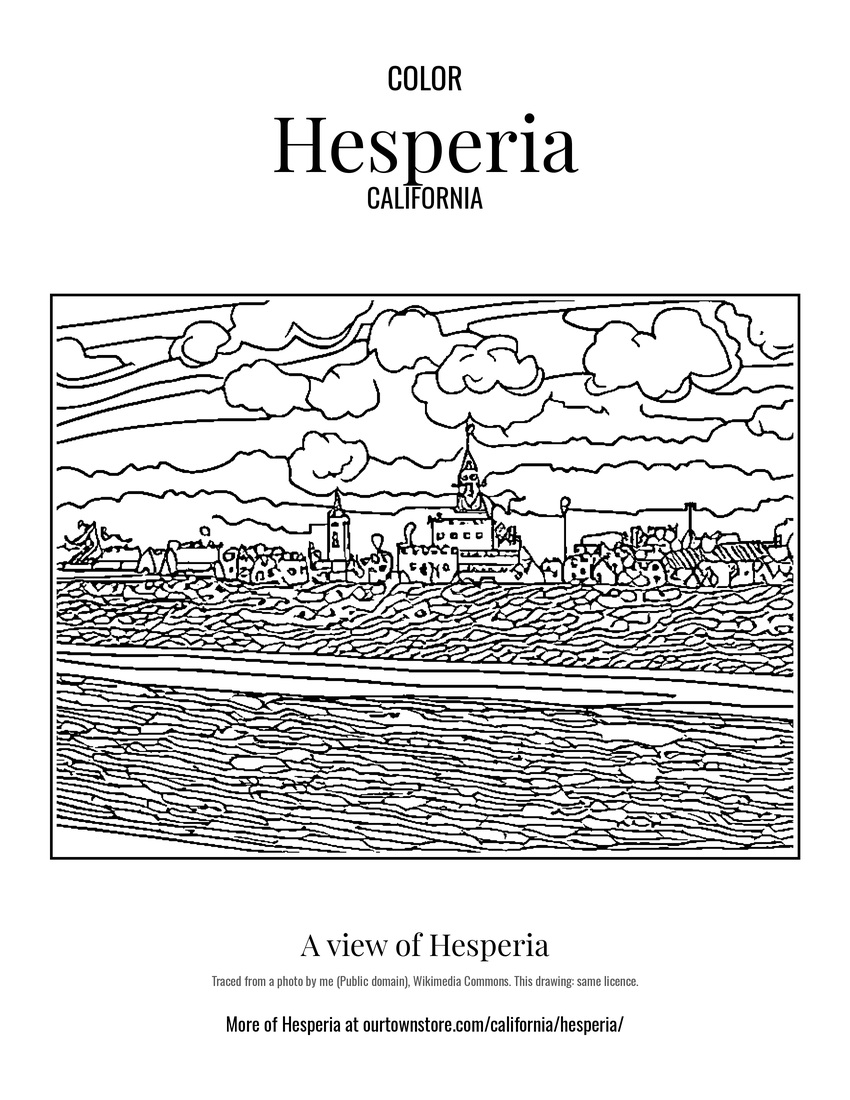 A view of Hesperia