The area is the home of the Tongva, Luiseño, and Juaneño tribal nations, who were there "as early as 4,000 years ago." The Tongva defined their world as Tovaangar, a nation which "extended from Palos Verdes to San Bernardino, from Saddleback Mountain to the San Fernando Valley" and included the entire territory of present-day Yorba Linda. Along with Western civilization, Spanish colonization between 1769 and 1840 brought disease, non-native species, and commercial livestock into the area, which dramatically altered the ecological balance of the region and caused the Tongva to resettle around three Catholic missions. The village of Hutuknga was located in the area of Yorba Linda.
Read the full history
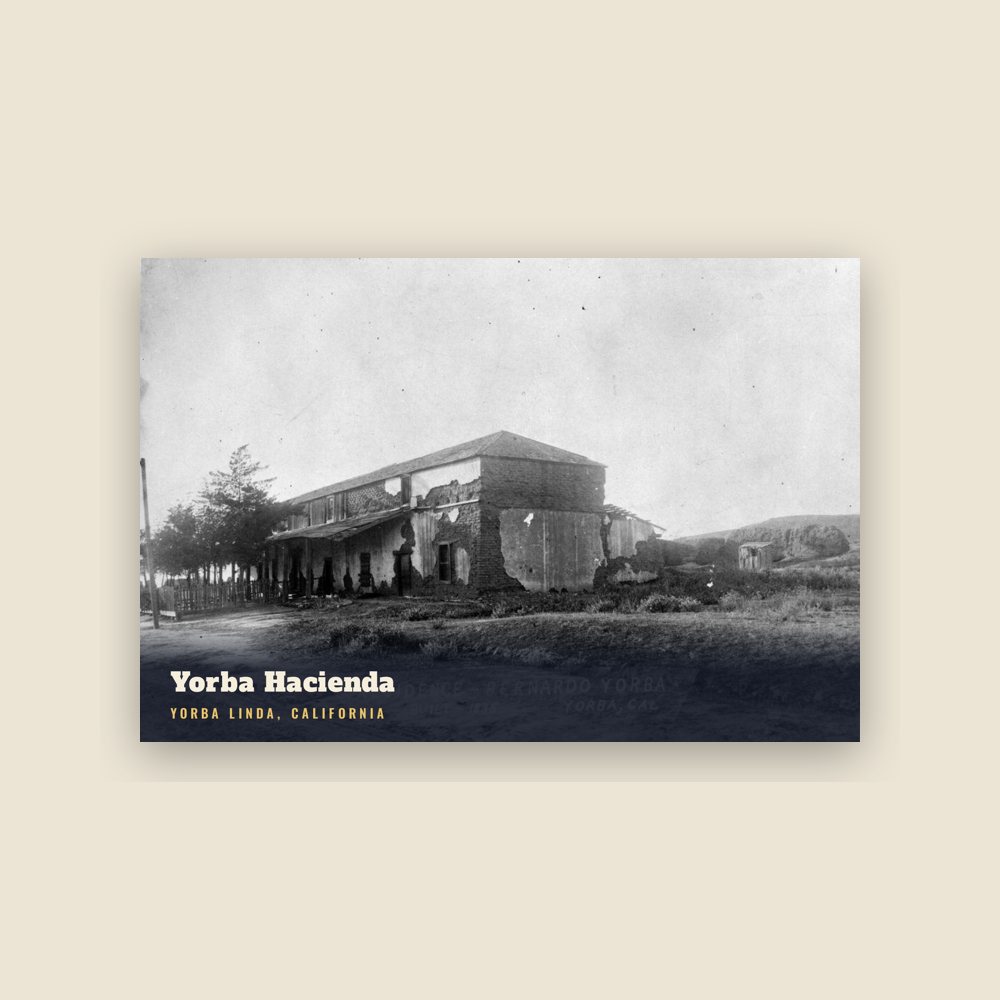
Early years
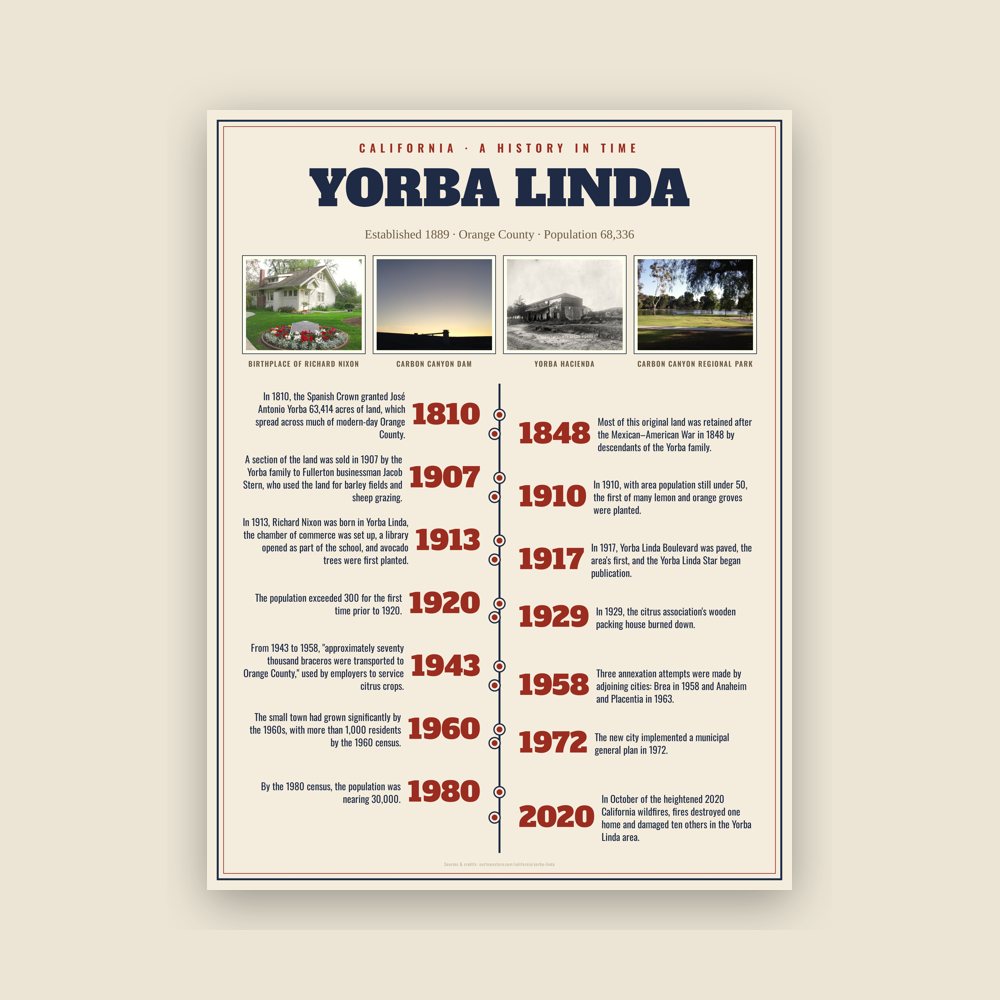
In 1810, the Spanish Crown granted José Antonio Yorba 63,414 acres of land, which spread across much of modern-day Orange County. In 1834, following Mexico's independence from Spain, Yorba's most successful son, Bernardo Yorba (after whom the city would later be named), was granted the 13,328-acre (53.94 km2) Rancho Cañón de Santa Ana by Mexican governor José Figueroa. Most of this original land was retained after the Mexican–American War in 1848 by descendants of the Yorba family. A portion of the city's land is still owned and developed by descendants of Samuel Kraemer, who acquired it through his 1886 marriage to Angelina Yorba, the great-granddaughter of Bernardo Yorba. The site of the Bernardo Yorba Hacienda, referred to as the Don Bernardo Yorba Ranch House Site, is listed as a California Historical Landmark.
Near that same site sits the second oldest private cemetery in the county, the historic Yorba Cemetery. The land was given to the Roman Catholic Archdiocese of Los Angeles by Bernardo Yorba in 1858 since Orange County was not established out of Los Angeles County as a separate county until 1889. The cemetery closed in 1939 and was subsequently vandalized; however, in the 1960s, the Orange County Board of Supervisors took possession of the property to repair the damage, and tours are now available one day per month.
Agricultural era
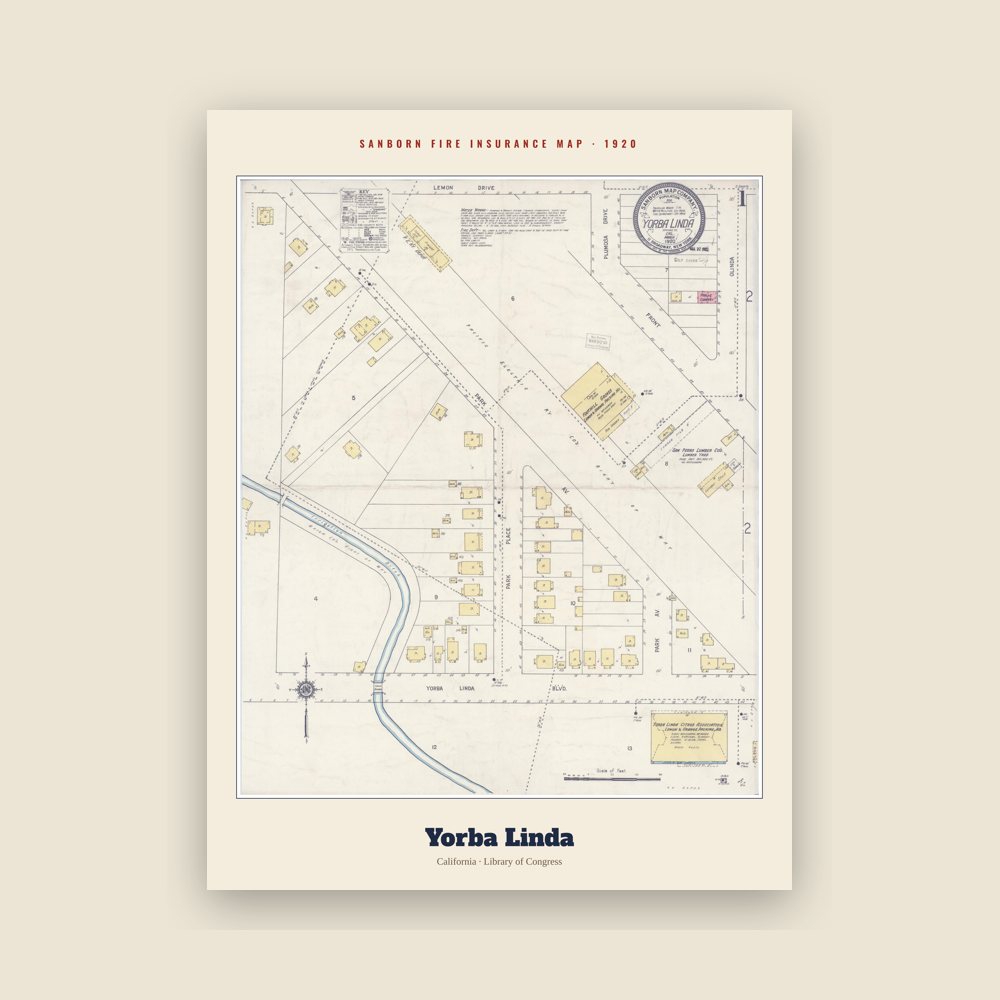
A section of the land was sold in 1907 by the Yorba family to Fullerton businessman Jacob Stern, who used the land for barley fields and sheep grazing. Stern subsequently sold the tract to the Janss Investment Company, which first called the area Yorba Linda, and proceeded to subdivide the land and sell it for agriculture and manufacturing. In 1910, with area population still under 50, the first of many lemon and orange groves were planted. A year later, The Pacific Telephone & Telegraph Company began serving Yorba Linda, and the first school! was constructed.
In 1912, Yorba Linda received its first post office; the Yorba Linda Citrus Association was founded; the Southern California Edison Company began providing electricity; the first church was constructed, and the area that would later become downtown was connected to Los Angeles by the Pacific Electric Railway, primarily for citrus transport.
In 1913, Richard Nixon was born in Yorba Linda, the chamber of commerce was set up, a library opened as part of the school, and avocado trees were first planted. A year later, a separate district was established for the library system.
In 1917, Yorba Linda Boulevard was paved, the area's first, and the Yorba Linda Star began publication. It has since become an online section of the OC Register. A printed version of the Star is available at various city buildings free of charge and is delivered to every household in Yorba Linda each Thursday. Past articles are on microfilm at the Yorba Linda Public Library.
The population exceeded 300 for the first time prior to 1920. In 1929, the citrus association's wooden packing house burned down. It reopened the next year. During this period, the eastern two-thirds of Yorba Linda (east of the Yorba Linda Country Club) remained part of cattle and agricultural ranches controlled by pioneer families such as the Yorba, de los Reyes, Kraemer, Travis, Dominguez, Friend, and Bryant ranches.
From 1943 to 1958, "approximately seventy thousand braceros were transported to Orange County," used by employers to service citrus crops. Braceros lived in temporary housing projects referred to as "camps," which were policed by local deputies throughout the county. The townspeople of Yorba Linda "refused to allow the housing of braceros in their city, forcing the nearby town of Placentia to board them within the segregated Mexican colonia."
Population growth
The small town had grown significantly by the 1960s, with more than 1,000 residents by the 1960 census. Three annexation attempts were made by adjoining cities: Brea in 1958 and Anaheim and Placentia in 1963. These experiences culminated in incorporation, which occurred in 1967.
The new city implemented a municipal general plan in 1972. By the 1980 census, the population was nearing 30,000. Within ten years it exceeded 50,000.
In 1990, the Richard Nixon Presidential Library and Museum opened as a privately owned, public museum and research library with ceremonies that included a joint appearance by Presidents Richard Nixon, Gerald Ford, Ronald Reagan and George H. W. Bush. The campus included the Birthplace of Richard Nixon. The facility would later join the presidential library system. In 1994, the community center opened.
With over 20,000 housing units in the city as of 2016, many residents now oppose further urban development and have organized to reduce traffic congestion. The Yorba Linda Preservation Foundation seeks to protect historical buildings in the city.
Post 2008
In November 2008, eastern Yorba Linda suffered from fires that destroyed 113 homes and damaged 50 others. The destruction was due largely to erratic winds causing embers to fly up to half a mile away.
On February 3, 2019, at approximately 1:45 pm, a twin engine 1981 Cessna (N414RS) on route from Fullerton Municipal Airport to Nevada crashed from roughly 7,500 ft into a single family residence in the 19700 block of Crestknoll Drive near Glenknoll Elementary School. The pilot (75-year-old Antonio Pastini) and four individuals in the residence were killed.
In October of the heightened 2020 California wildfires, fires destroyed one home and damaged ten others in the Yorba Linda area. Initially a brush fire, the Blue Ridge Fire quickly spread to 13,964 acres before being doused on November 11, 2020.
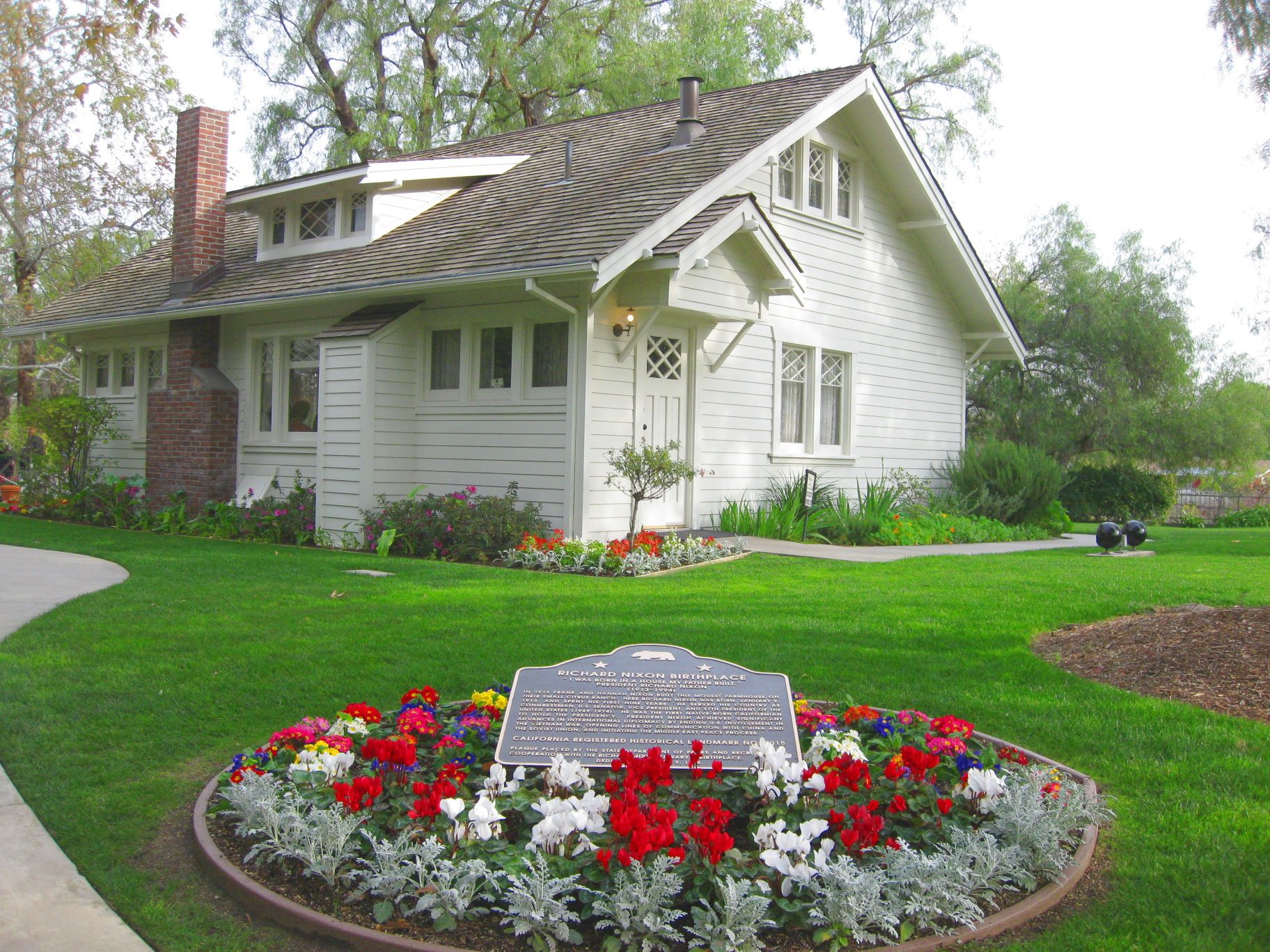
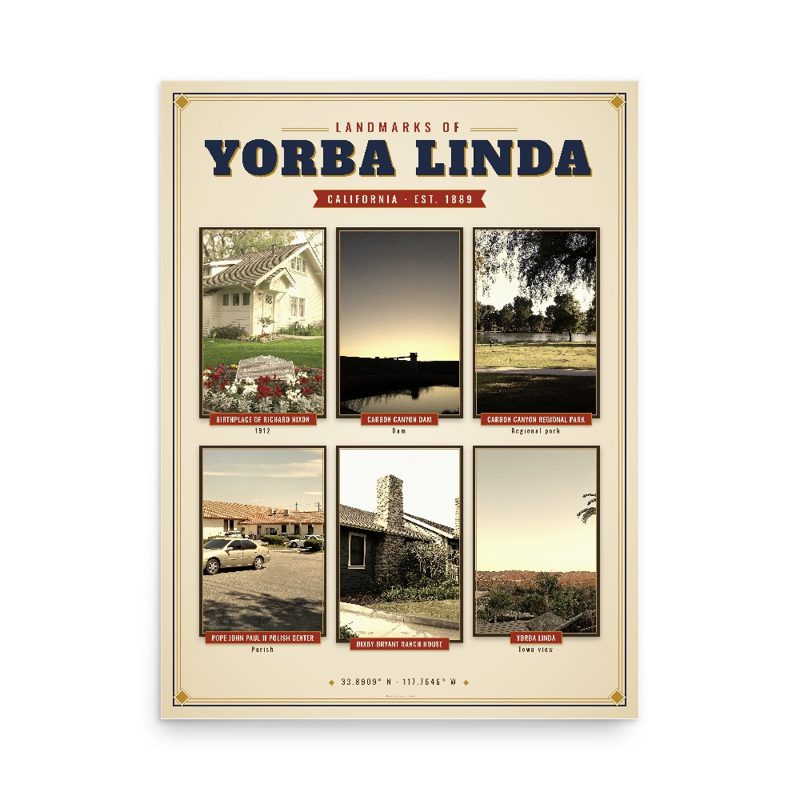
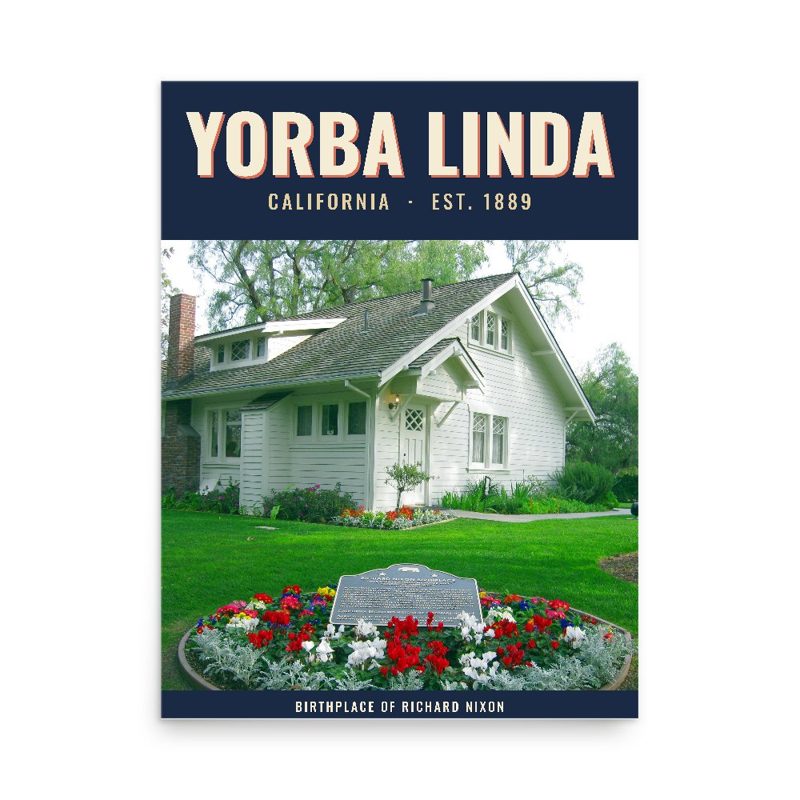
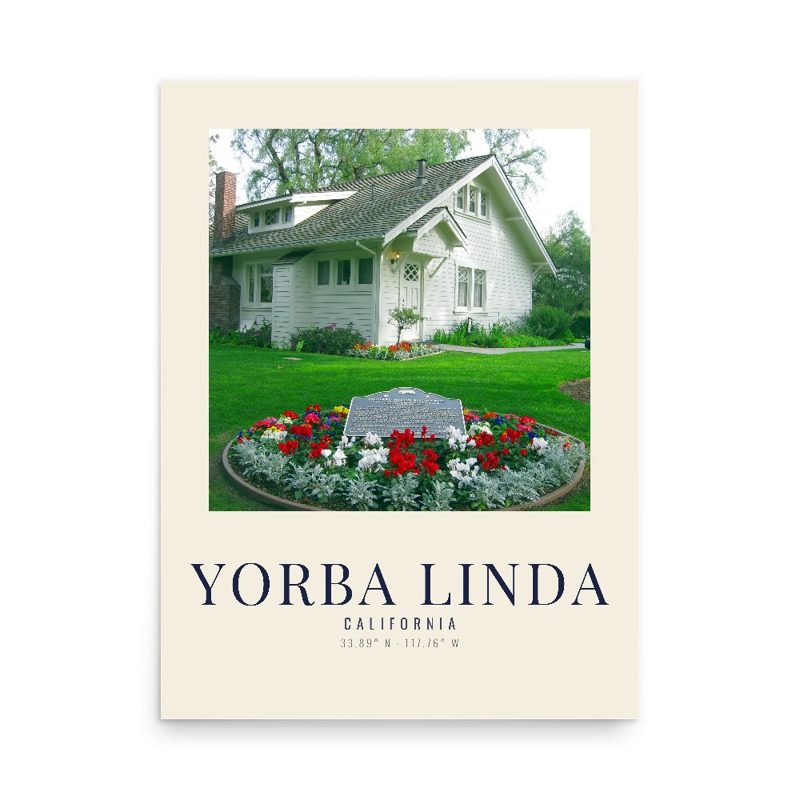
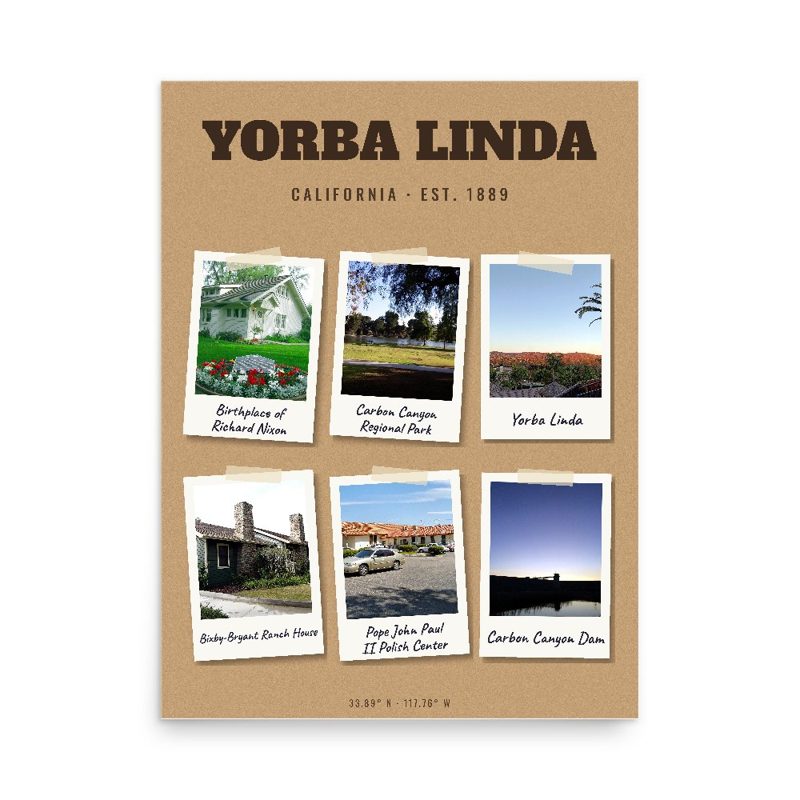
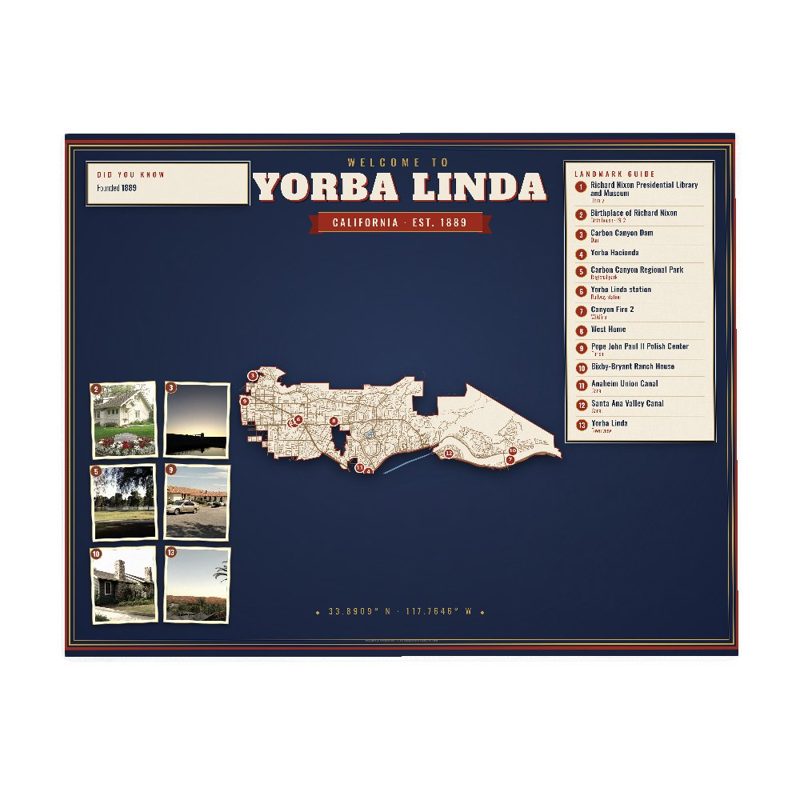
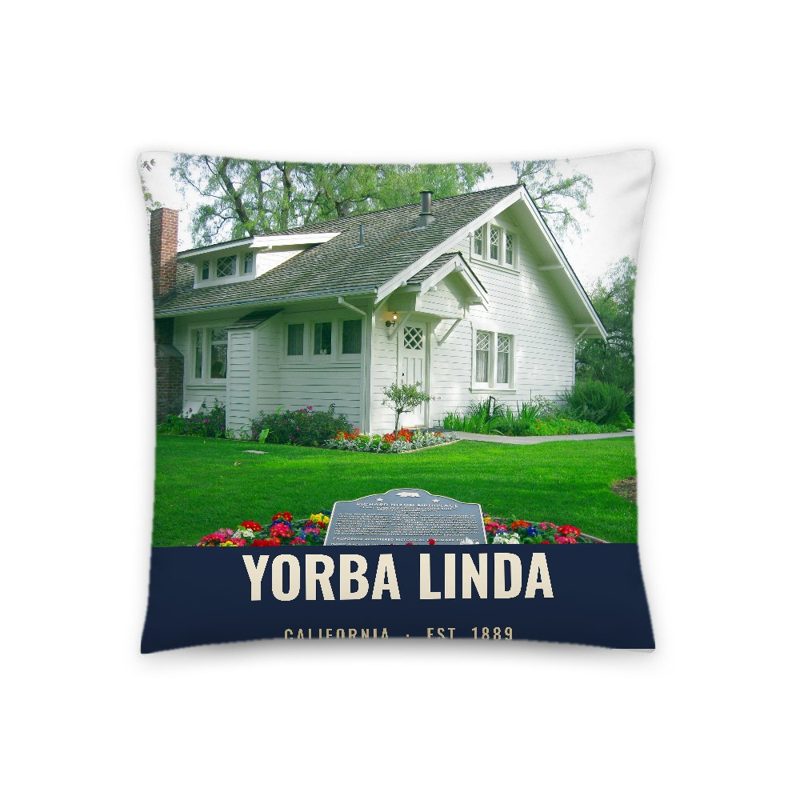

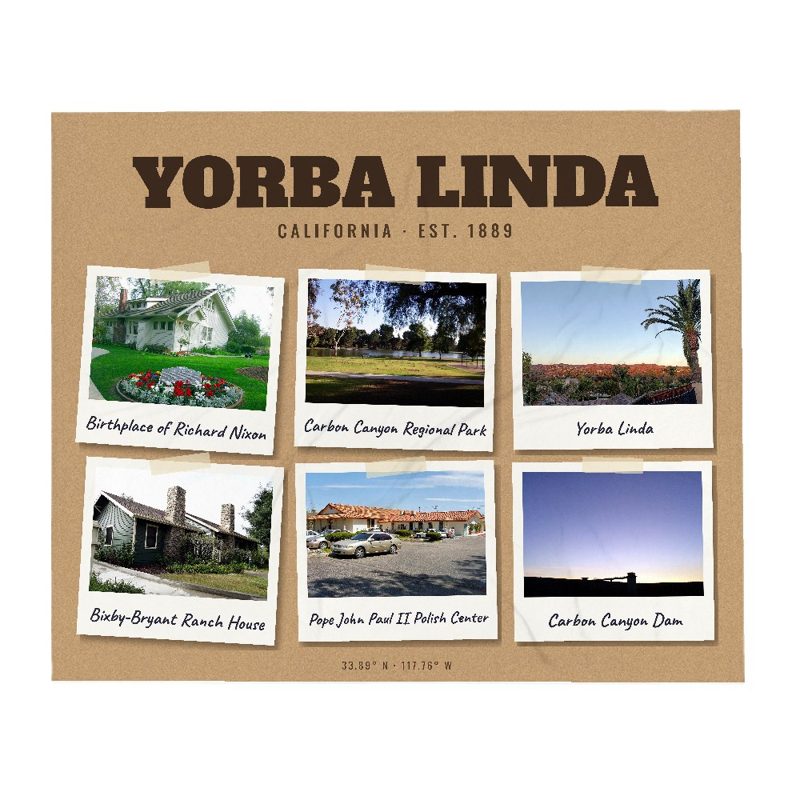
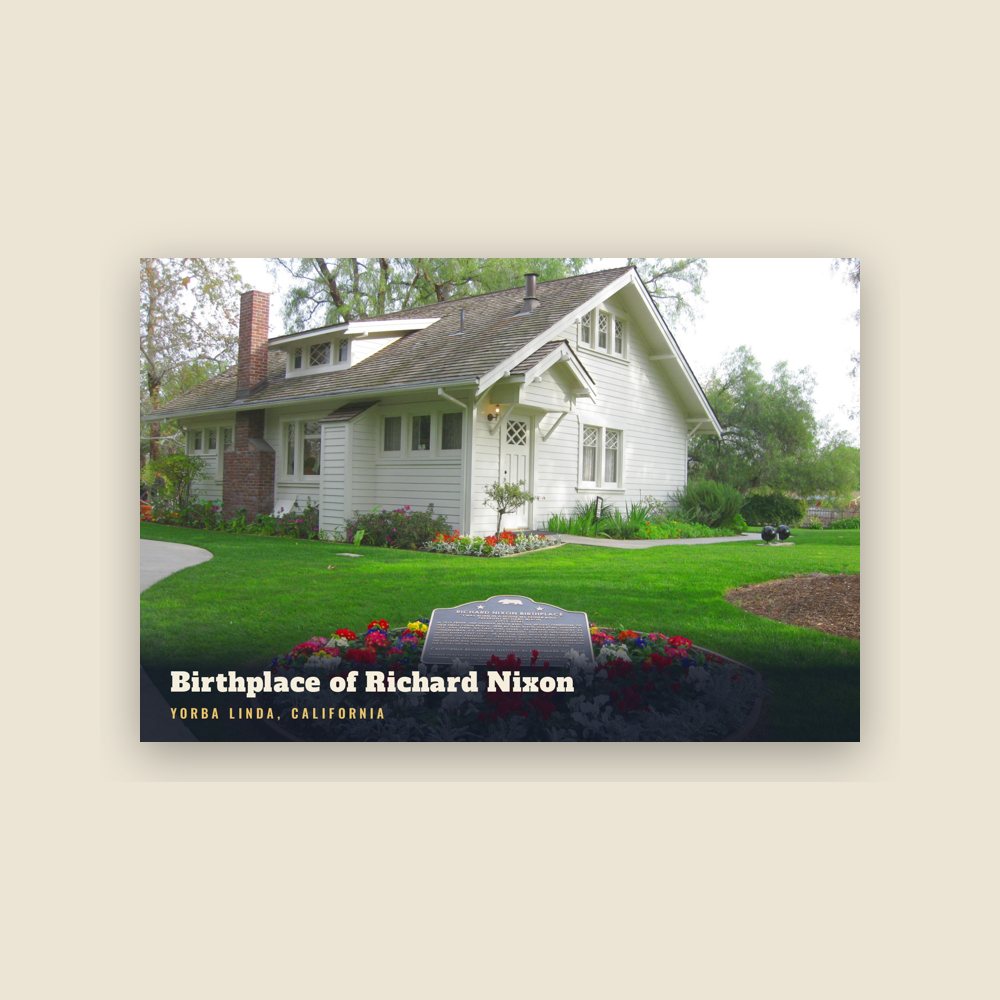
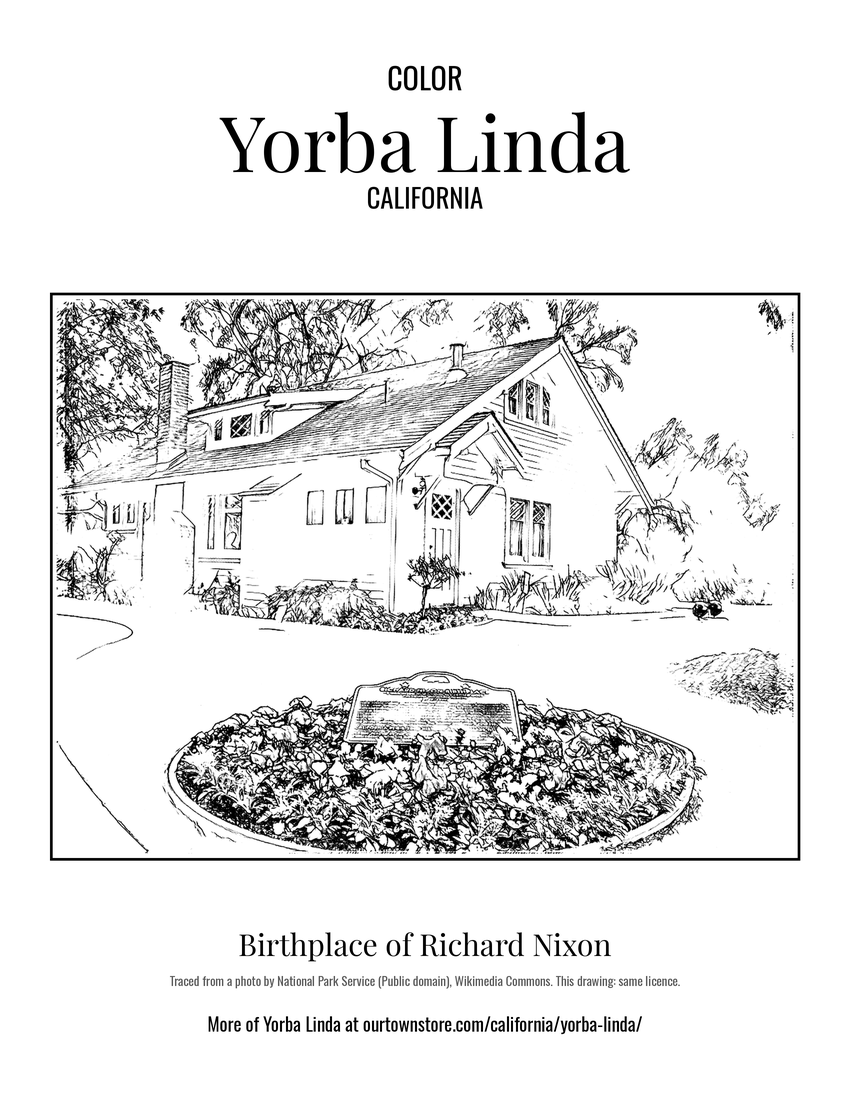 Birthplace of Richard Nixon
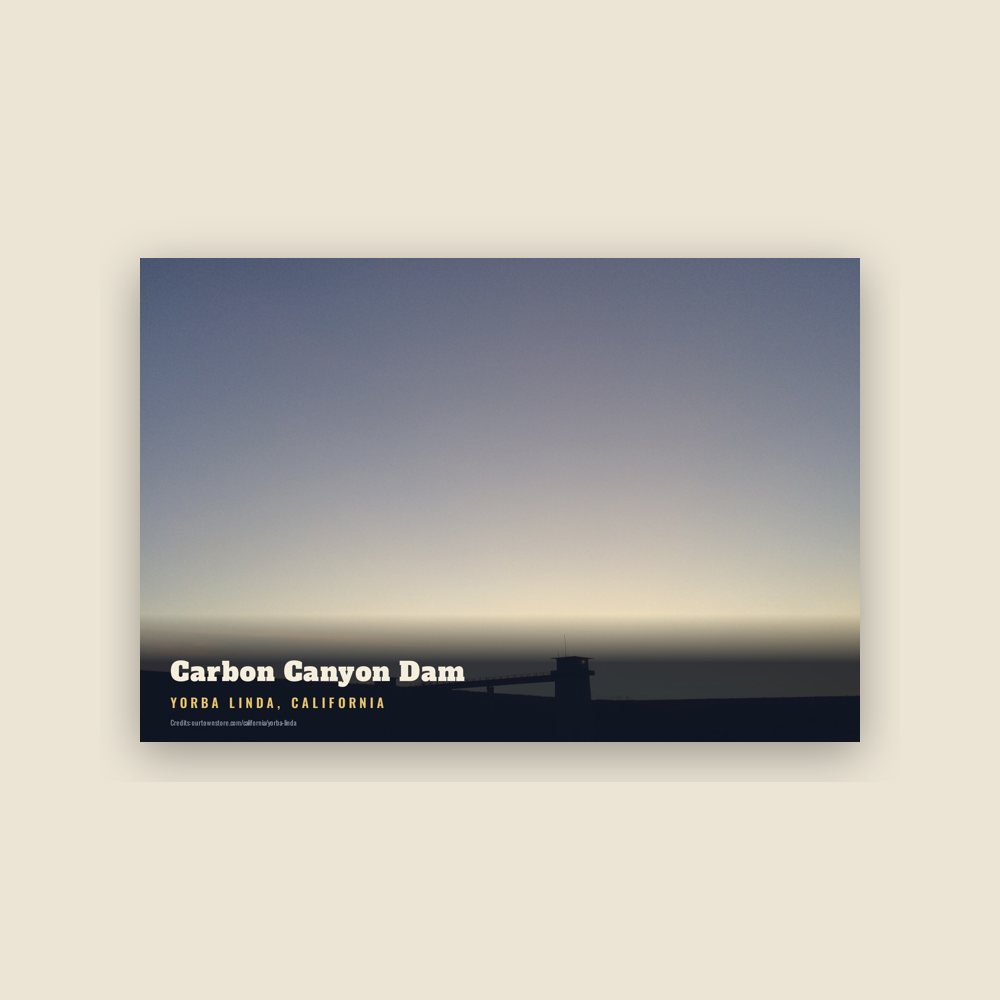
 Carbon Canyon Dam
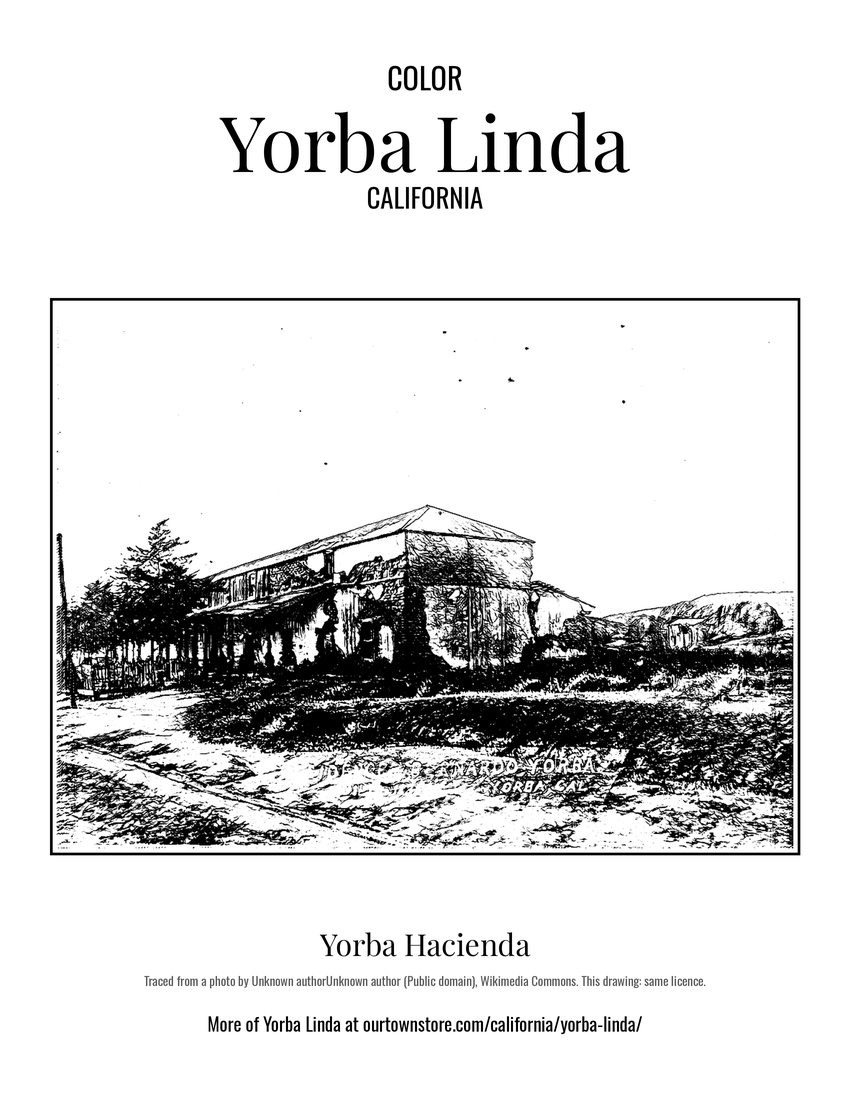 Yorba Hacienda
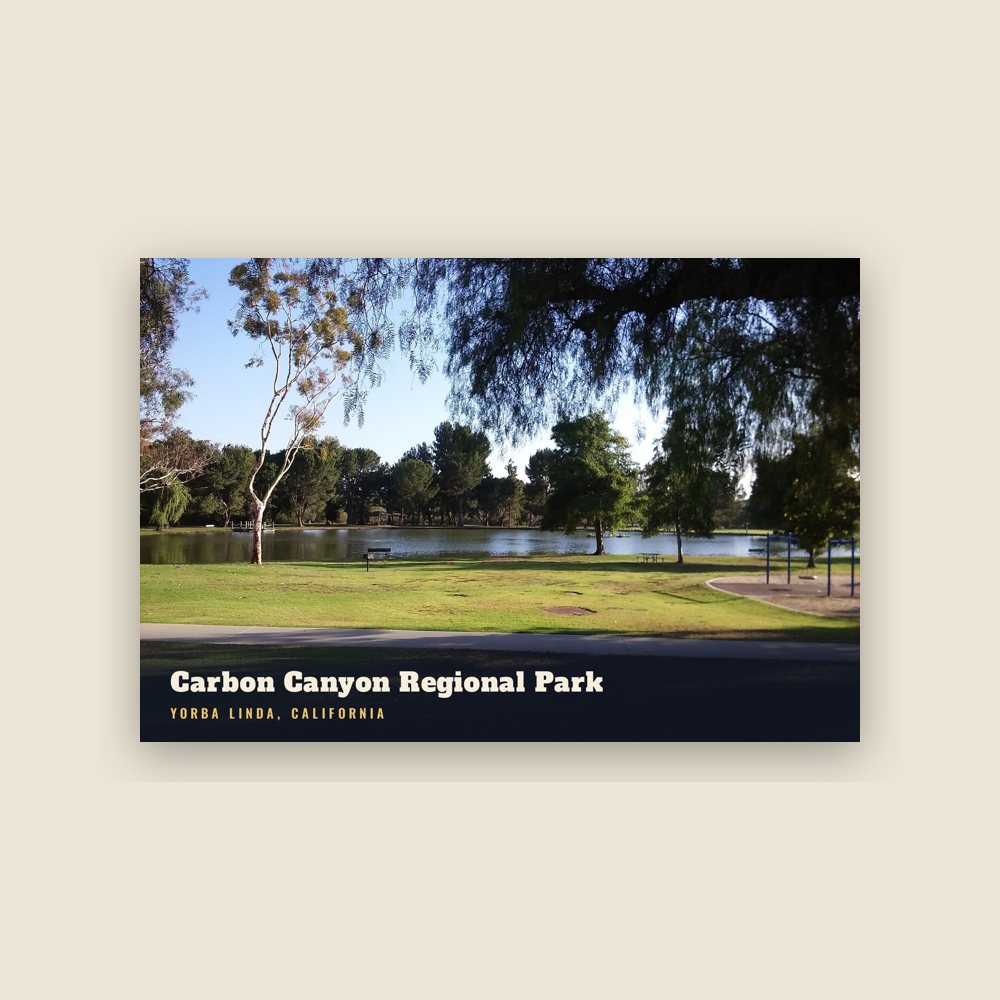
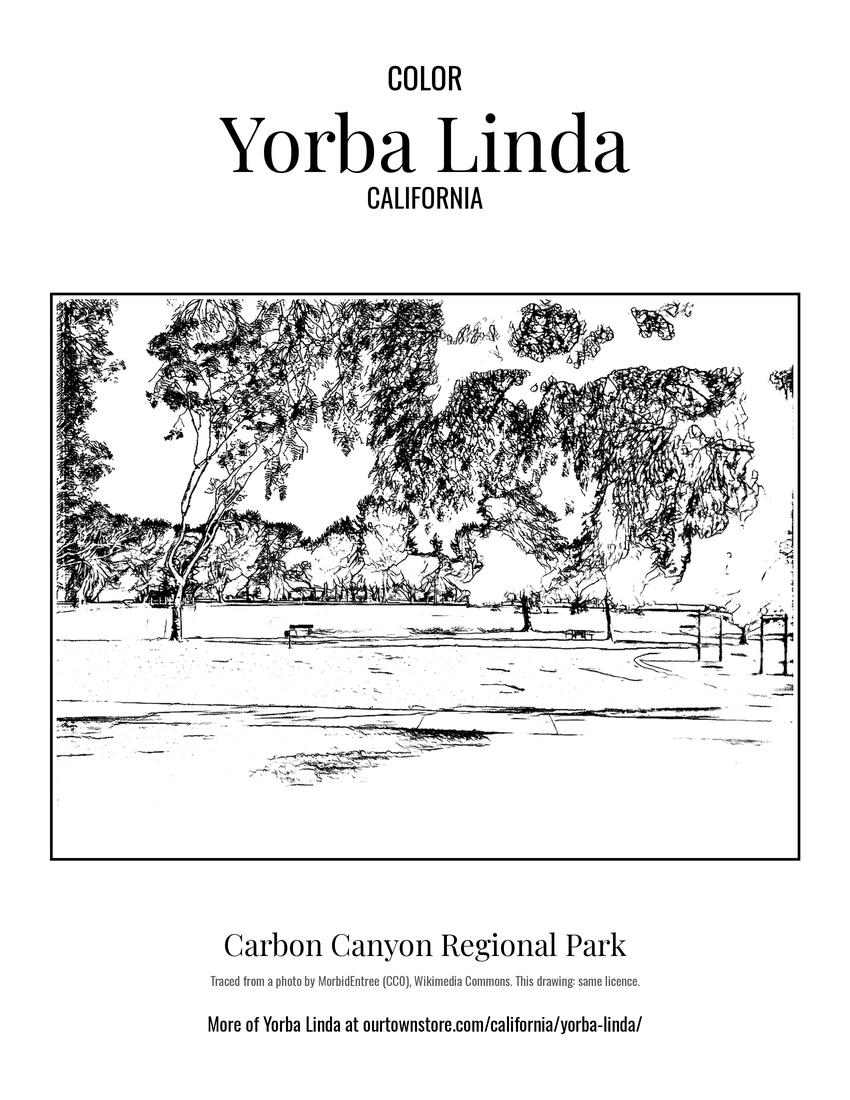 Carbon Canyon Regional Park