Since 1865
A short history of Burlington
Beginnings to early 20th century
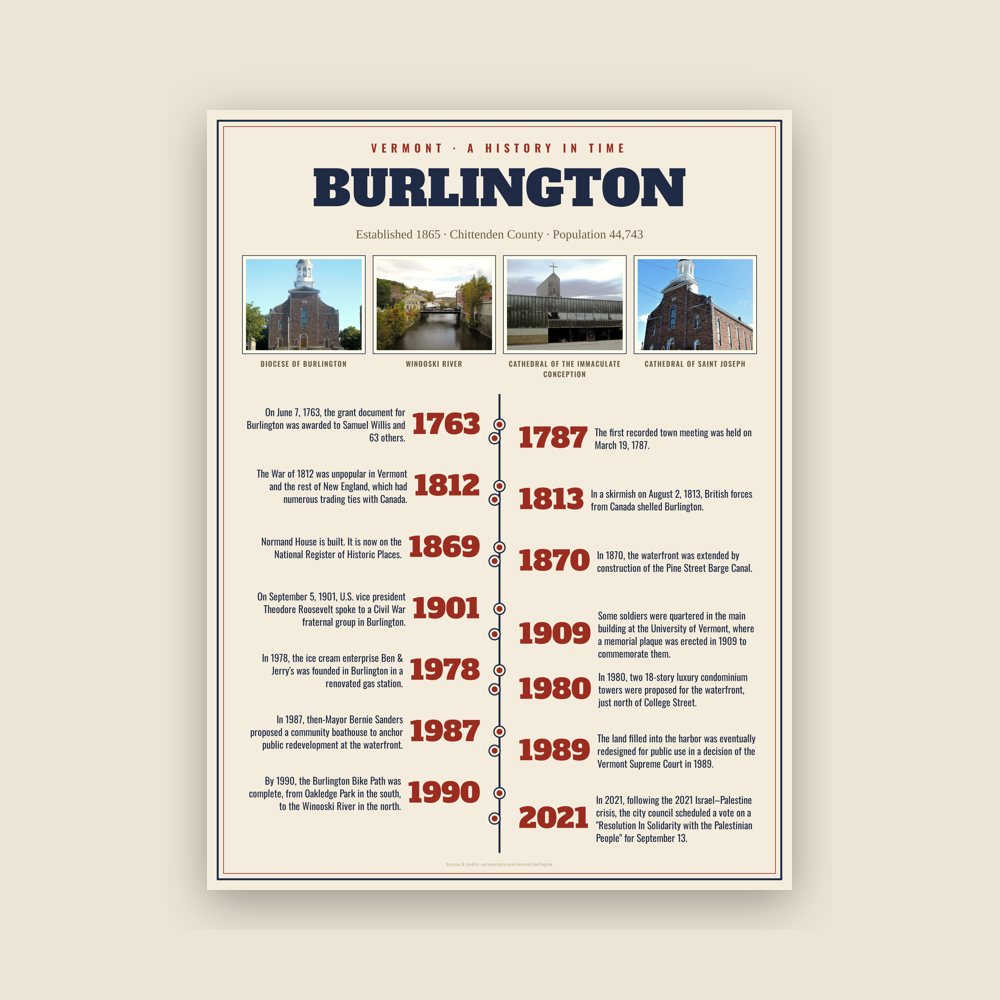
King George II of Great Britain placed the western border of the Province of New Hampshire twenty miles (32 km) east of the Hudson River. However, George III moved the Province of New York's border to the Connecticut River. He stated that the land claims of those currently in the area gained by New York were still valid, but New York courts ruled against the settlers. New Hampshire Governor Benning Wentworth continued to sell land in these areas in direct opposition to New York and royal demands. On June 7, 1763, the grant document for Burlington was awarded to Samuel Willis and 63 others. In the summer of 1775, settlers began clearing the land and built two or three log huts in 1775, but the outbreak of the American Revolutionary War delayed permanent settlement until after its conclusion. The first recorded town meeting was held on March 19, 1787.
The origins for the name Burlington is disputed. Benning Wentworth named many areas after rich people. Wealthy New Yorker Edward Burling who held land grants in Colchester, Vermont, or Richard Boyle, 3rd Earl of Burlington, who died a decade before the land grant, are the two candidates for the origin of the name. While no Burling family members are listed as grantees of the town, the family held large tracts of land in nearby towns, some of which were granted on the same day as Burlington. A settler from Burlington, Vermont, named Burlington, Iowa, in honor of it.
The War of 1812 was unpopular in Vermont and the rest of New England, which had numerous trading ties with Canada. Neither Vermont nor other New England states provided militia units or financial support. Vermont voters supported the Federalist Party, which opposed the war.
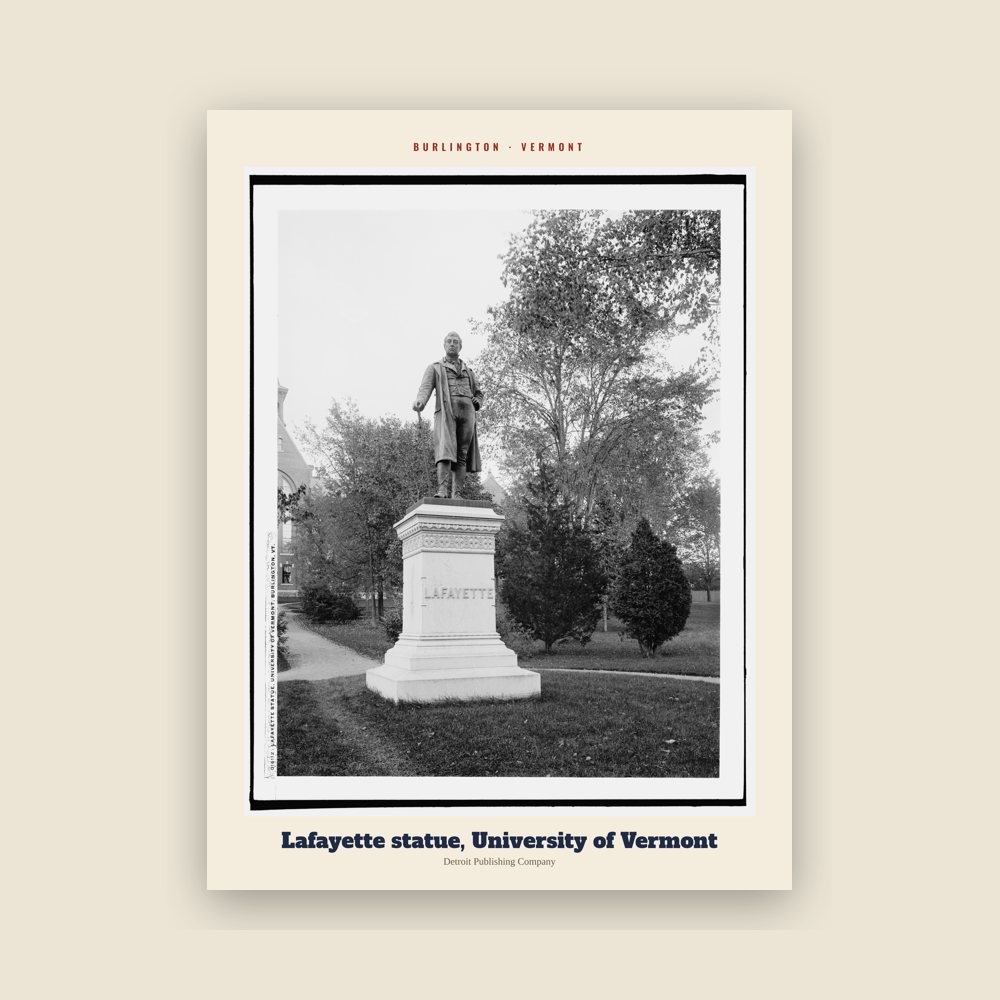
At one point during the war, the U.S. had 5,000 troops stationed in Burlington, outnumbering residents and putting a strain on resources. About 500 soldiers died of disease, which was always a problem due to poor sanitation in army camps. Some soldiers were quartered in the main building at the University of Vermont, where a memorial plaque was erected in 1909 to commemorate them.
In a skirmish on August 2, 1813, British forces from Canada shelled Burlington. This is described as either a bold stroke by the British with an ineffectual response from the Americans or as a weak sally by the British, which was rightly ignored by the Americans. The cannonade lasted about 10 minutes and caused no casualties. The American troops involved were commanded by Naval Lieutenant Thomas Macdonough, later a hero of the Battle of Lake Champlain.
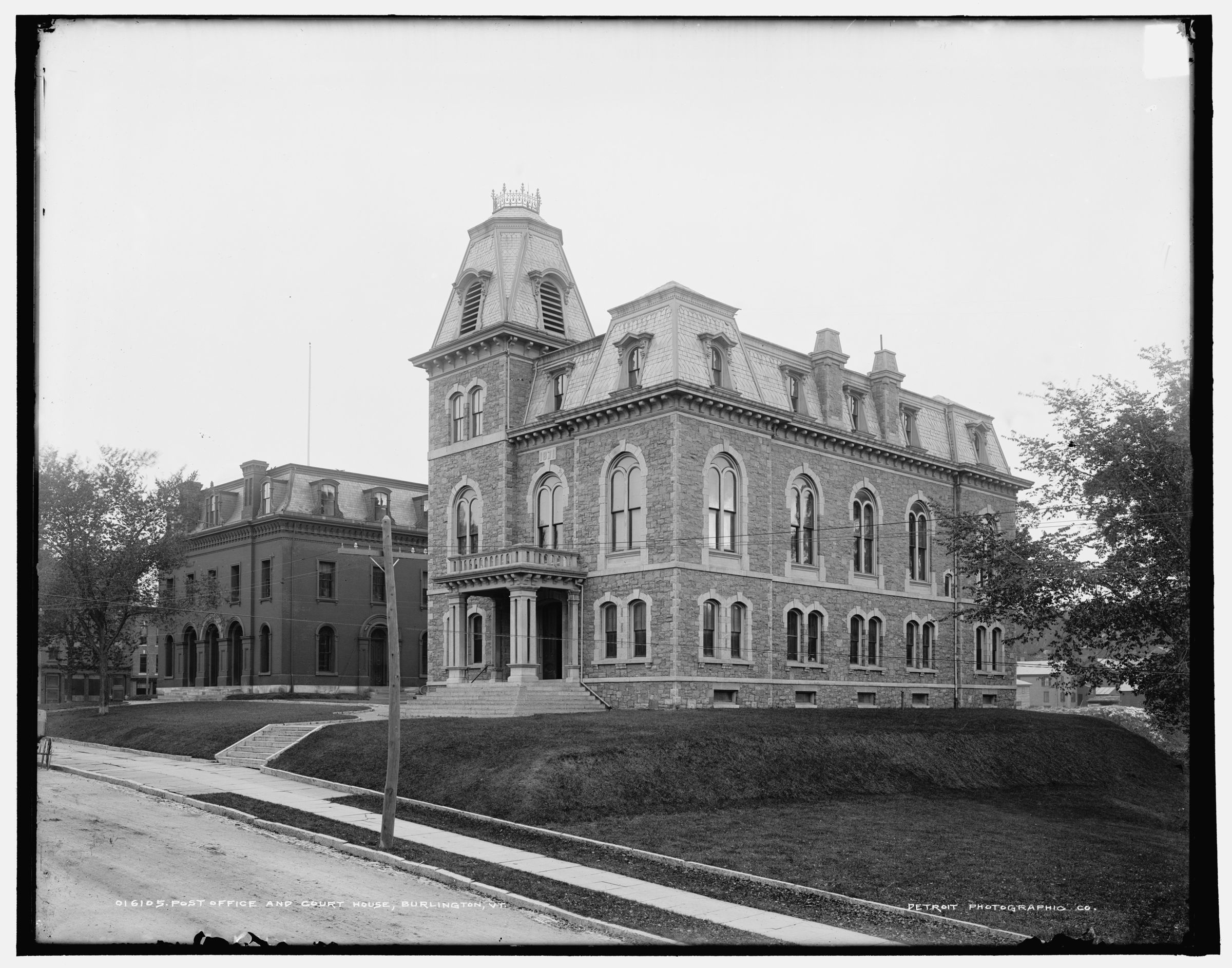
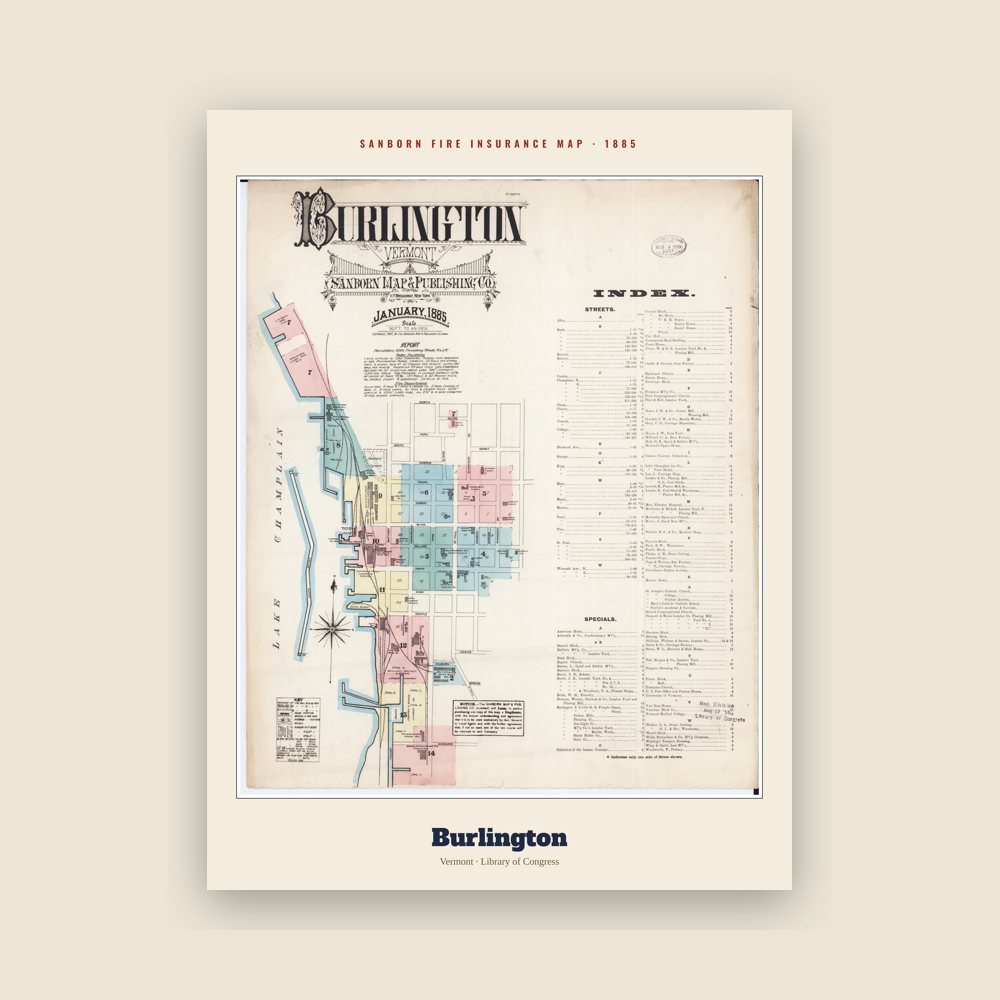
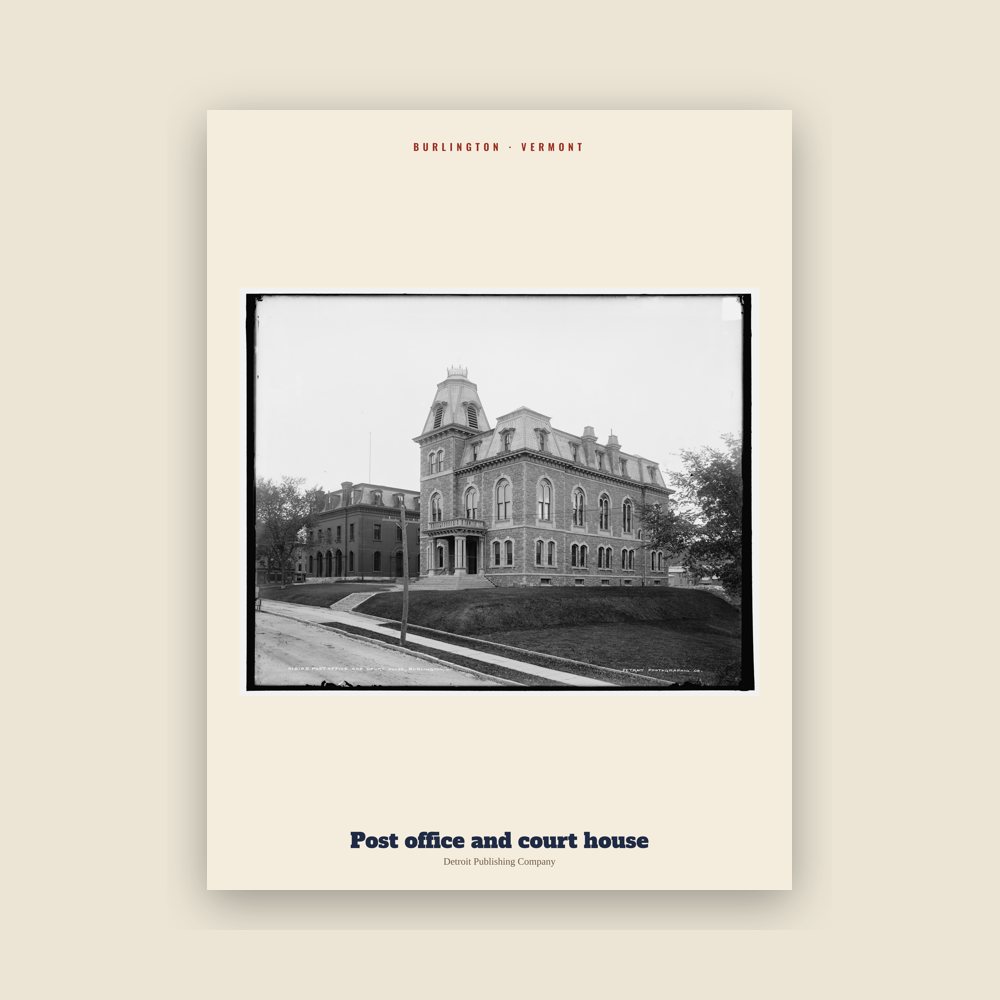
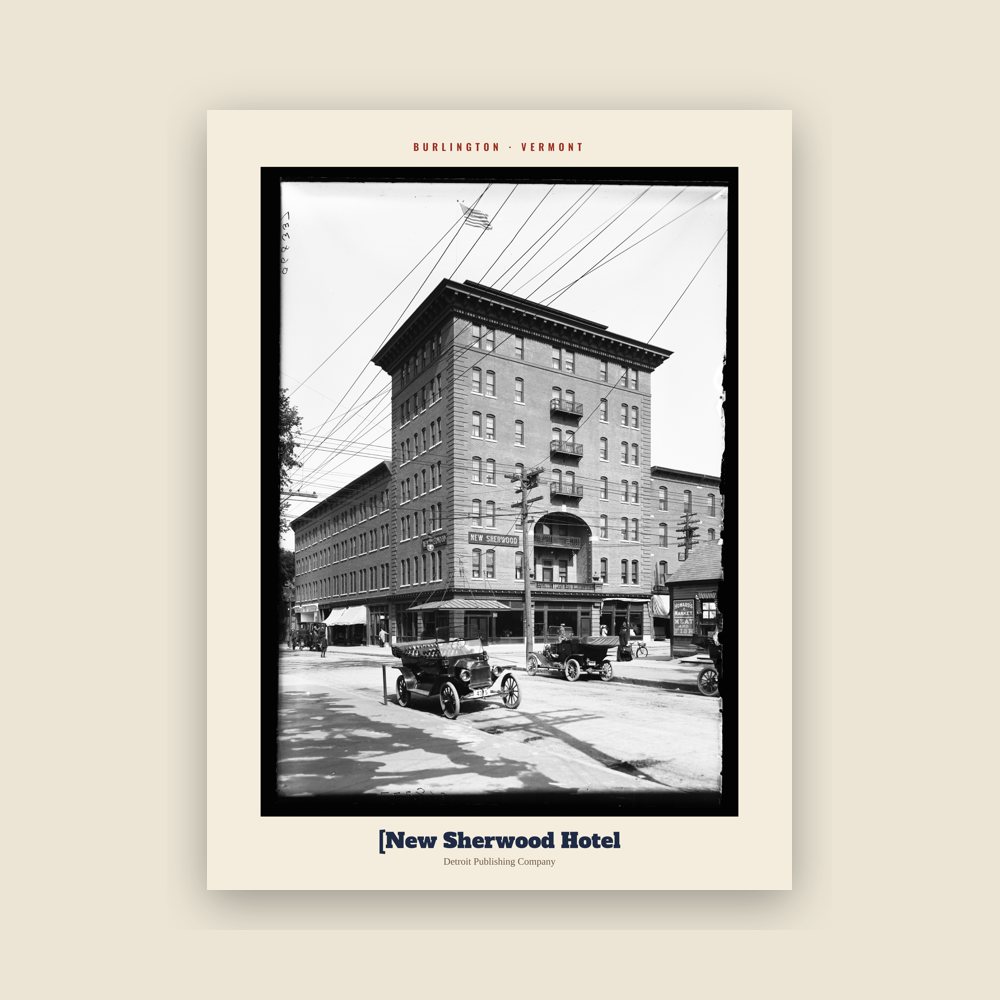
The town's position on Lake Champlain helped it develop into a port of entry and center for trade, particularly after completion of the Champlain Canal in 1823, the Erie Canal in 1825, and the Chambly Canal in 1843. Wharves allowed steamboats to connect freight and passengers with the Rutland & Burlington Railroad and the Vermont Central Railroad. Burlington became a bustling lumbering and manufacturing center – for some time the third largest lumber market in the world – and was incorporated as a city in 1865. Its Victorian-era prosperity left behind much fine architecture, including buildings by Ammi B. Young, H.H. Richardson, and McKim, Mead & White.
On September 5, 1901, U.S. vice president Theodore Roosevelt spoke to a Civil War fraternal group in Burlington. Nine days later, he became U.S. president when President William McKinley died.
Read the full history
Late 20th century to present
In 1870, the waterfront was extended by construction of the Pine Street Barge Canal. This became polluted over the years and was a focus for cleanup in 2009 under the U.S. Environmental Protection Agency's Superfund program. In fact, the entire Burlington waterfront was a derelict wasteland as late as the mid-1980s, with rail yards, industrial uses and 90 oil storage tanks crowding the 60 acres of shoreline filled into the harbor during the lumbering era.
In 1978, the ice cream enterprise Ben & Jerry's was founded in Burlington in a renovated gas station. It became a national brand, with retail outlets in numerous cities.
In 1980, two 18-story luxury condominium towers were proposed for the waterfront, just north of College Street. Opposition to that proposal led to the formation of the Citizens Waterfront Group to advocate for a bike path along the shore instead.
In 1987, then-Mayor Bernie Sanders proposed a community boathouse to anchor public redevelopment at the waterfront. The land filled into the harbor was eventually redesigned for public use in a decision of the Vermont Supreme Court in 1989.
By 1990, the Burlington Bike Path was complete, from Oakledge Park in the south, to the Winooski River in the north. In 2004, Governor Howard Dean obtained funding for construction of a bike bridge across the Winooski River, allowing the bike path to be extended four miles out into the lake on the old railroad causeway toward the Champlain Islands, now known as the Island Line Trail. The local bicycle advocacy that emerged from this effort led to the formation of the non-profit agency Local Motion. This agency runs a bike ferry during the summer so bicycles can cross a 200-yard gap in the railroad causeway, which enables riders to reach the Lake Champlain islands. and, via Quebec's Route verte, the city of Montreal.
In 2021, following the 2021 Israel–Palestine crisis, the city council scheduled a vote on a "Resolution In Solidarity with the Palestinian People" for September 13. The resolution called on the city council to "express its solidarity with the Palestinian people, condemn anti-boycott legislation, and endorse the Palestinian-led Boycott, Divestment and Sanctions movement, which calls for nonviolent pressure on Israel." The authors' stated reasons for introducing the resolution were Israeli settlements in the West Bank, an ongoing "military siege and an economic blockade" of Gaza, and US military aid to Israel. They also cited reports by Human Rights Watch and B'Tselem that find Israel guilty of the crime of apartheid.
The American Jewish Committee condemned the resolution as "deceptive and one-sided" and criticized it for its sole focus on Israel. A coalition of local rabbis and community groups condemned the resolution as well, citing the timing of the vote during the Jewish High Holy Days, between Rosh Hashanah and Yom Kippur, and fears that the resolution would fuel antisemitism. Former mayor Miro Weinberger called the resolution "inappropriate and counterproductive". In a 6–5 vote, the council decided to withdraw the resolution.
Adapted (trimmed) from the Wikipedia article Burlington, Vermont, revision 1380438468 by its contributors, licensed CC BY-SA 4.0.
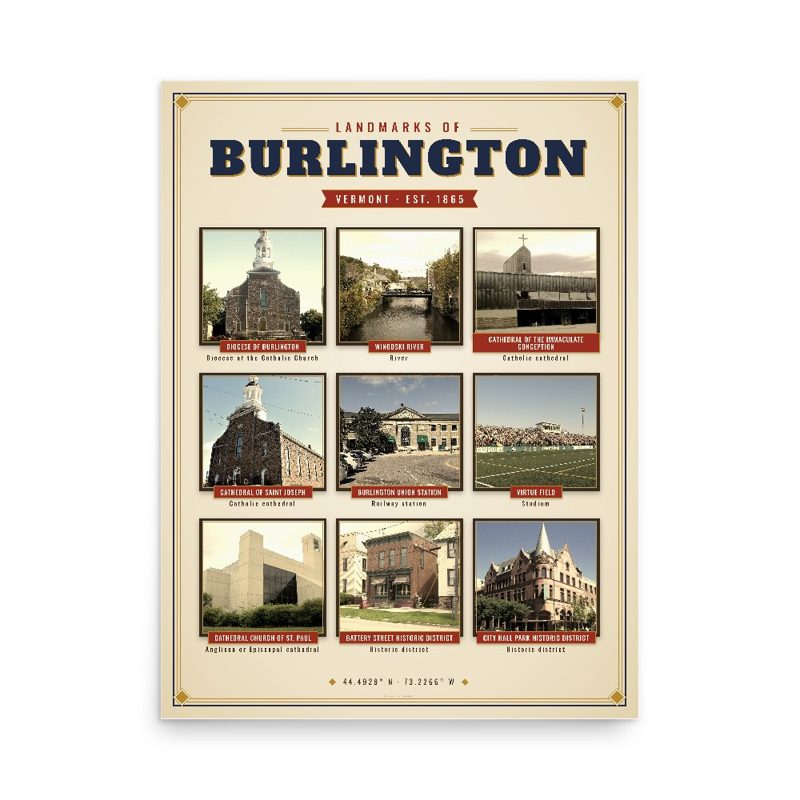
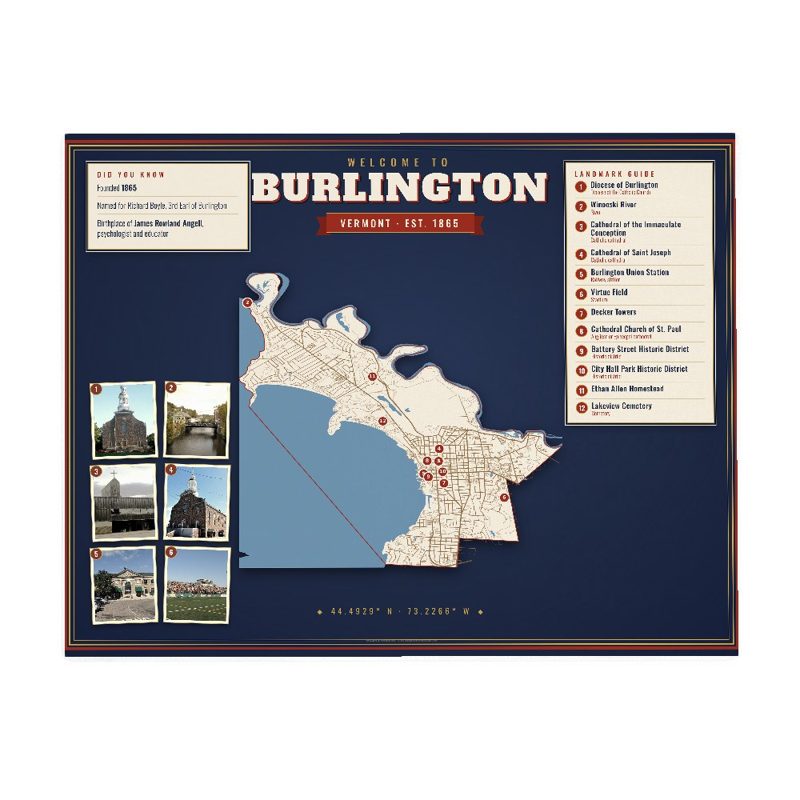
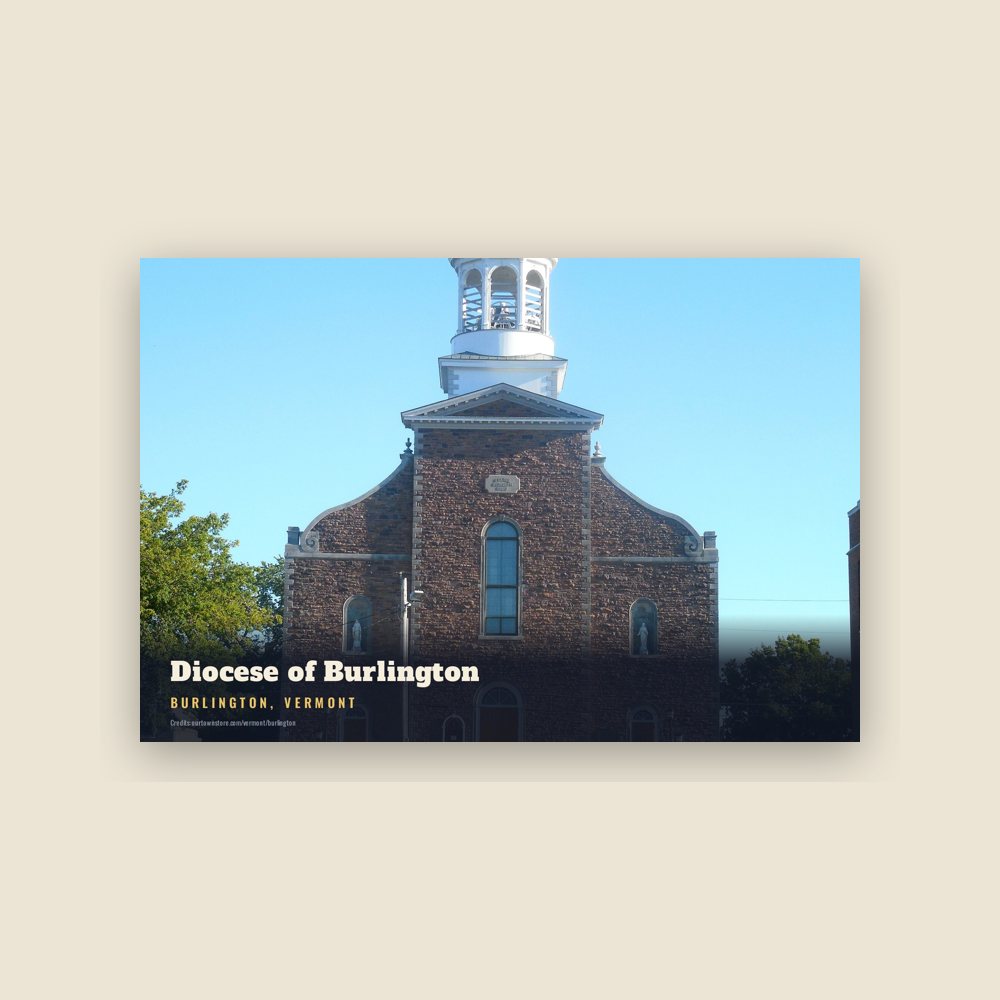
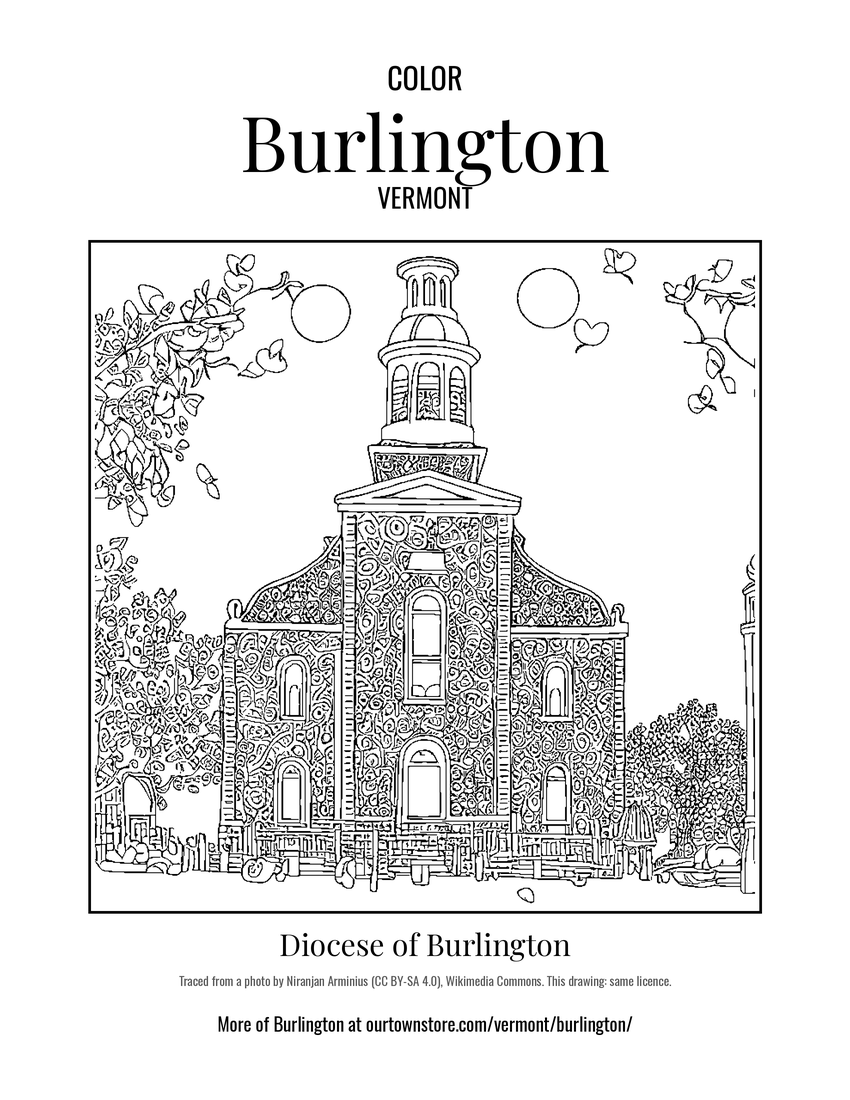 Diocese of Burlington
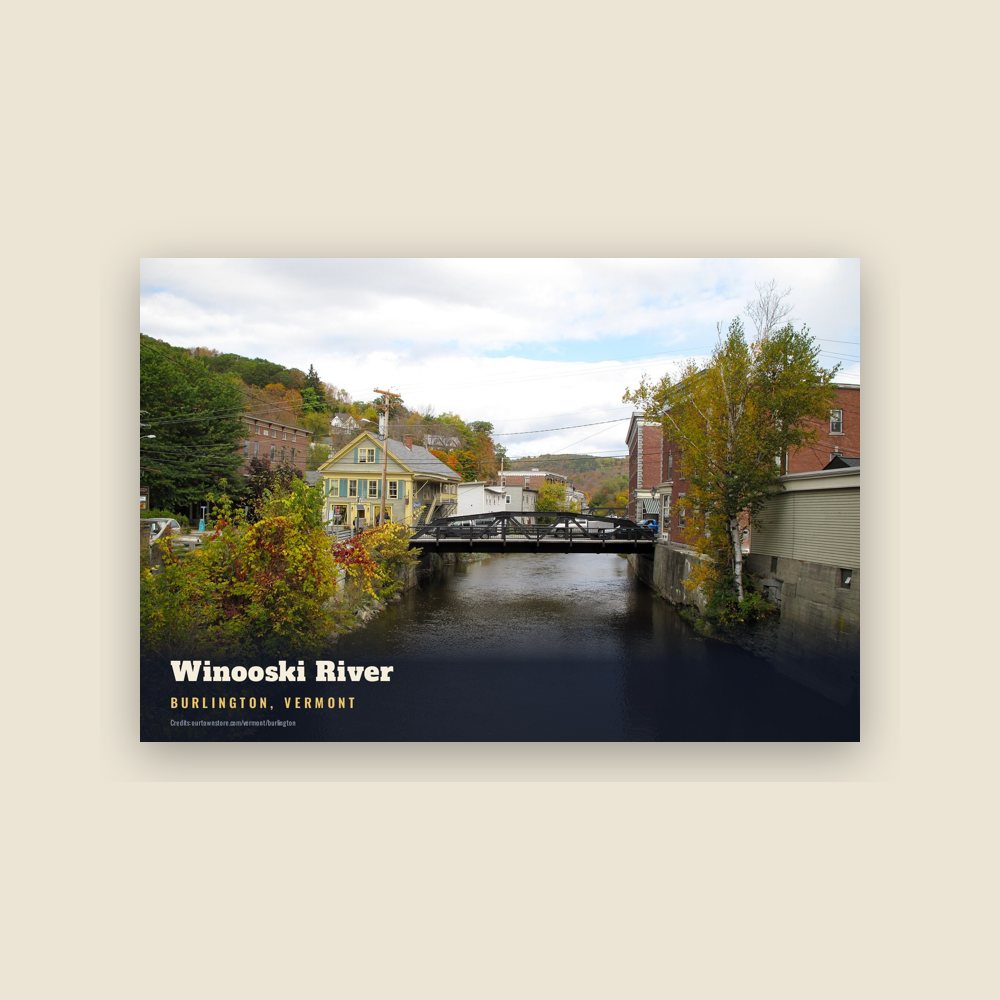
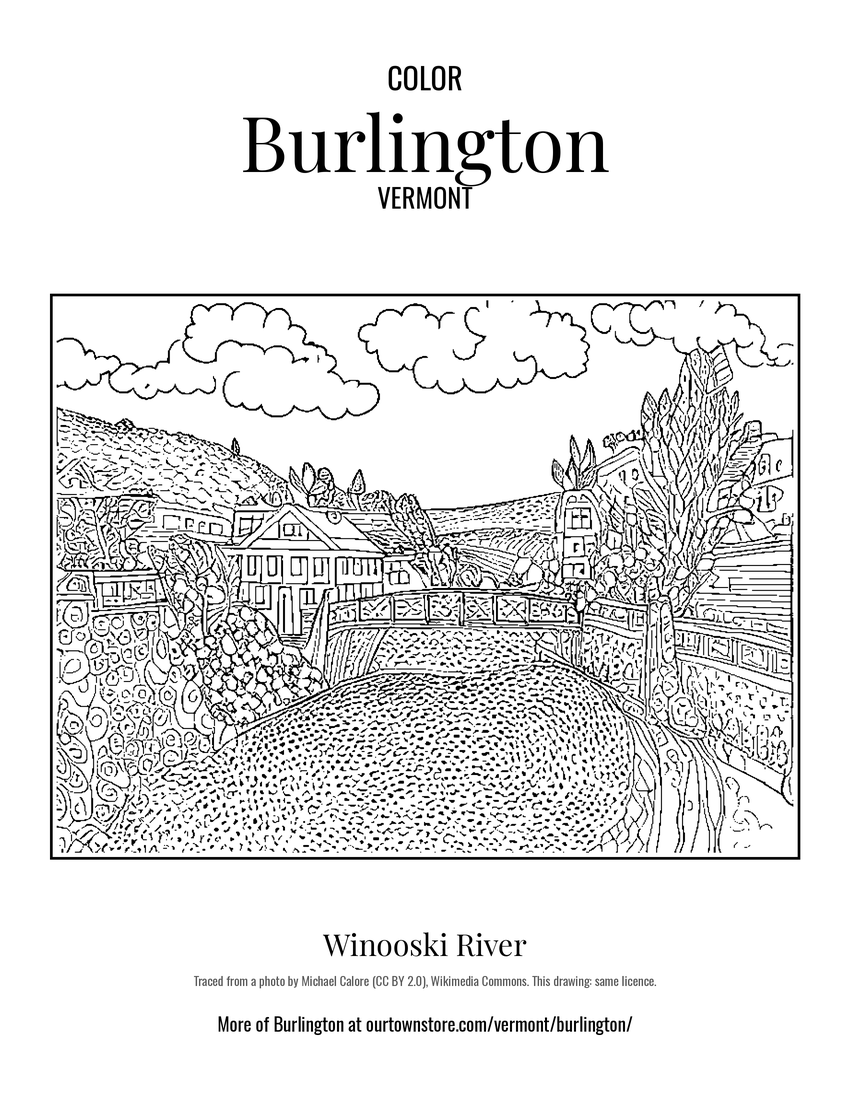 Winooski River
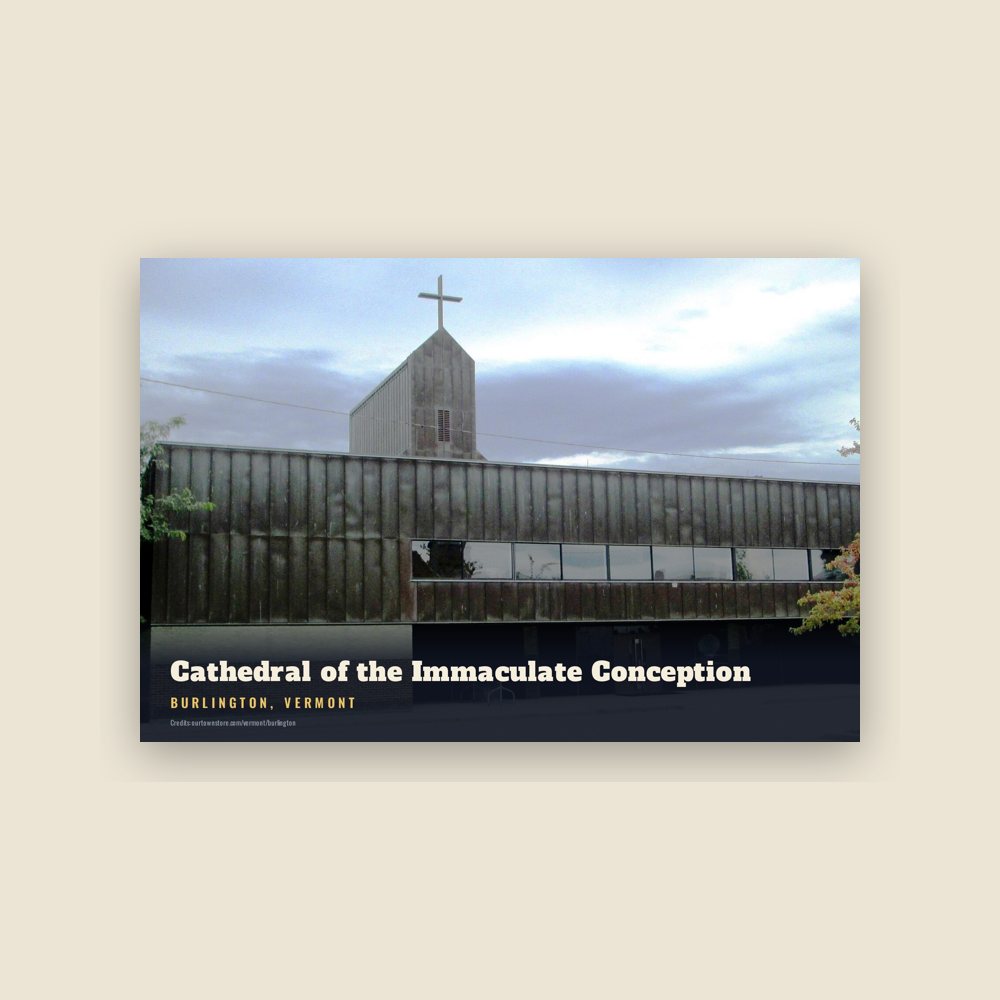
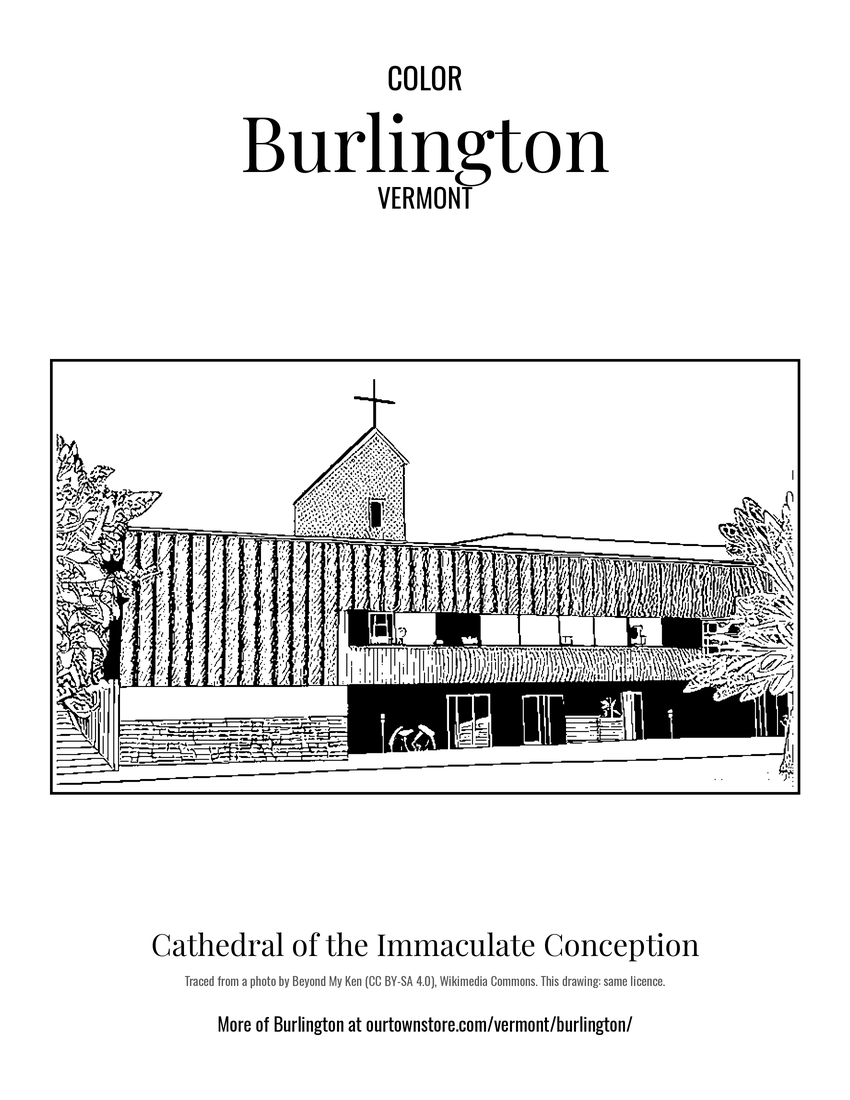 Cathedral of the Immaculate Conception
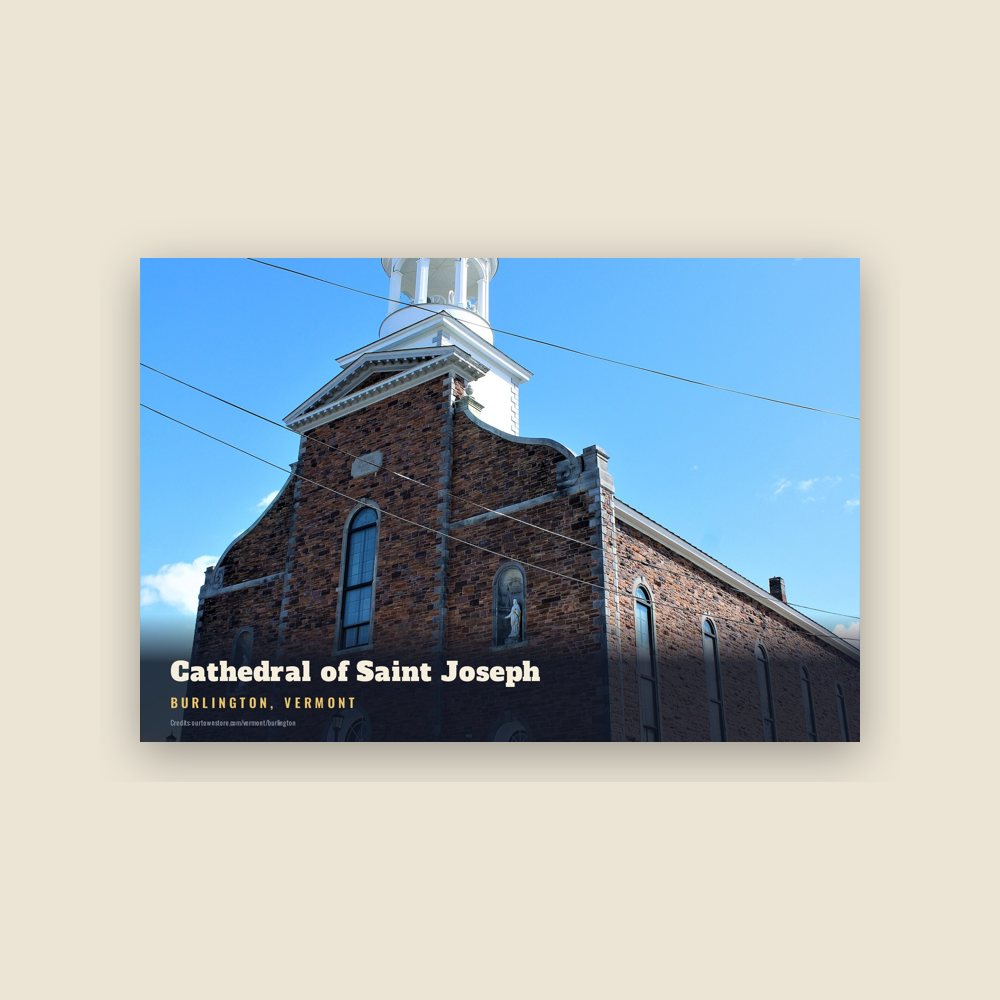
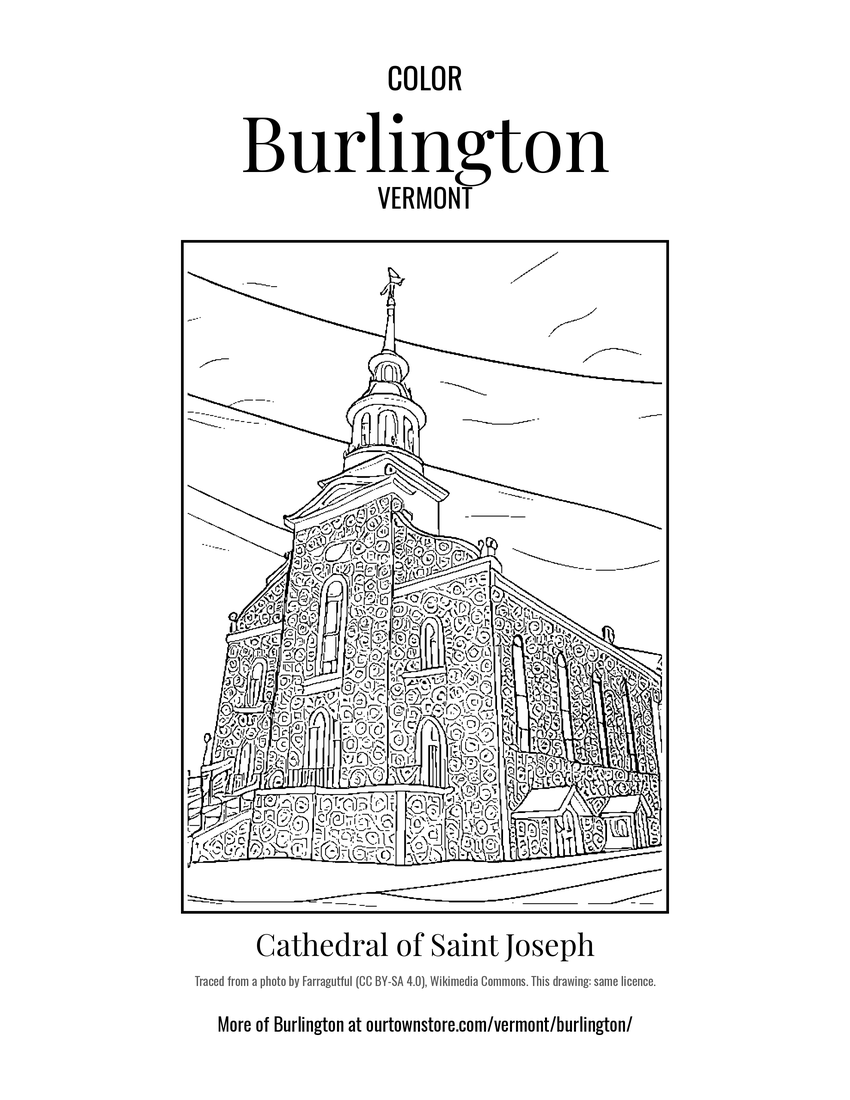 Cathedral of Saint Joseph