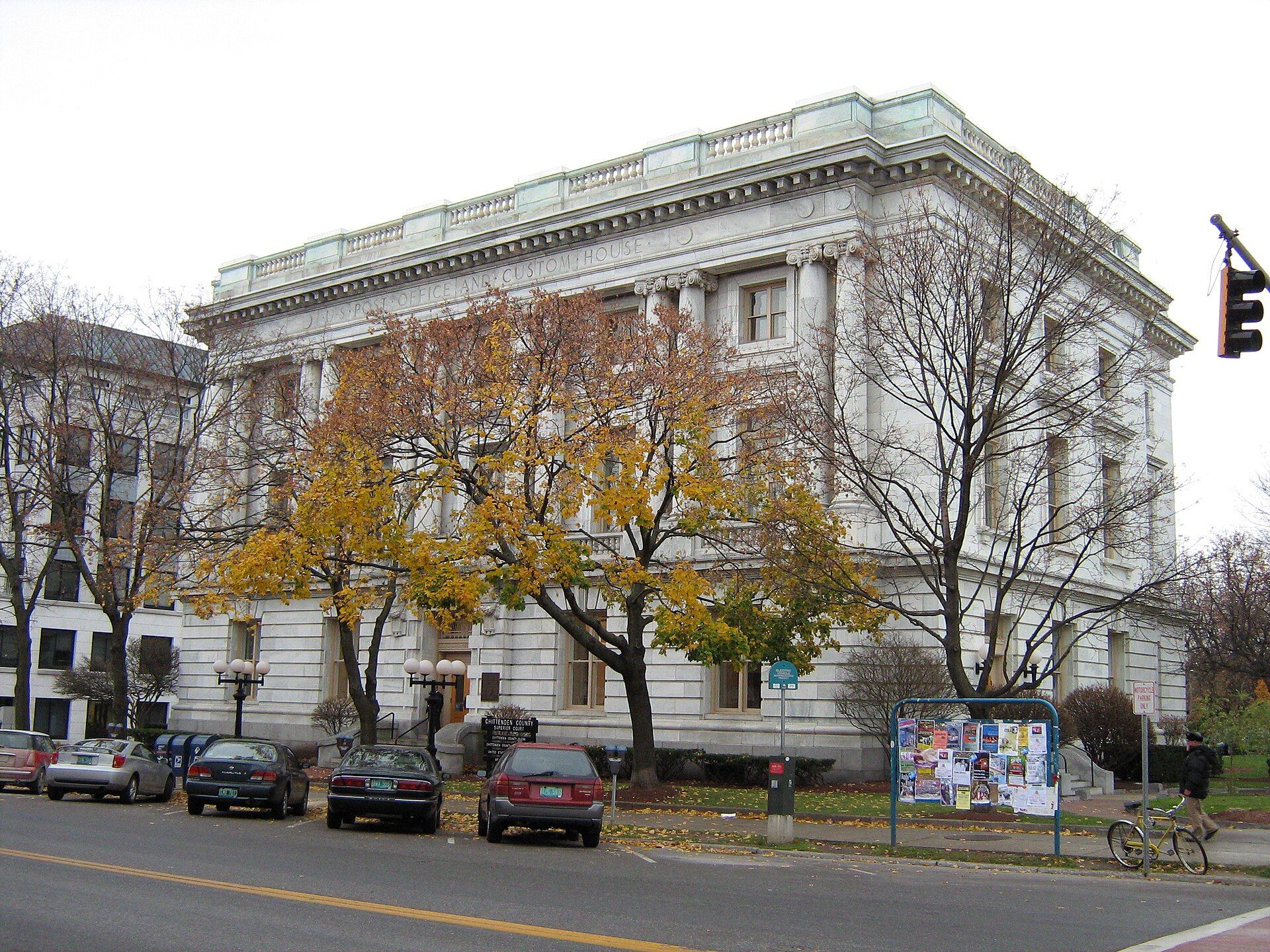
Williston is one of Vermont's fastest-growing towns and has become a major retail center for the Burlington area as well as much of central and northern Vermont. Landmarks include Chittenden County, Williston Village Historic District and Murray-Isham Farm. Williston is the birthplace of Chauncey W. Brownell, politician.
Every piece is drawn from Williston's own map data and historic archives, then printed and shipped from the USA when you order. No two towns look alike.
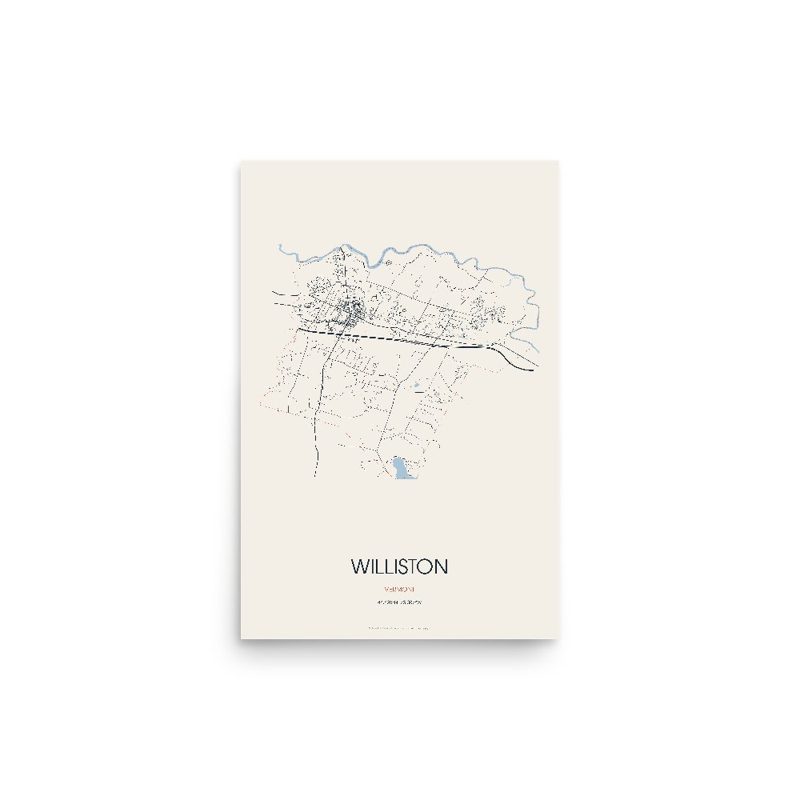
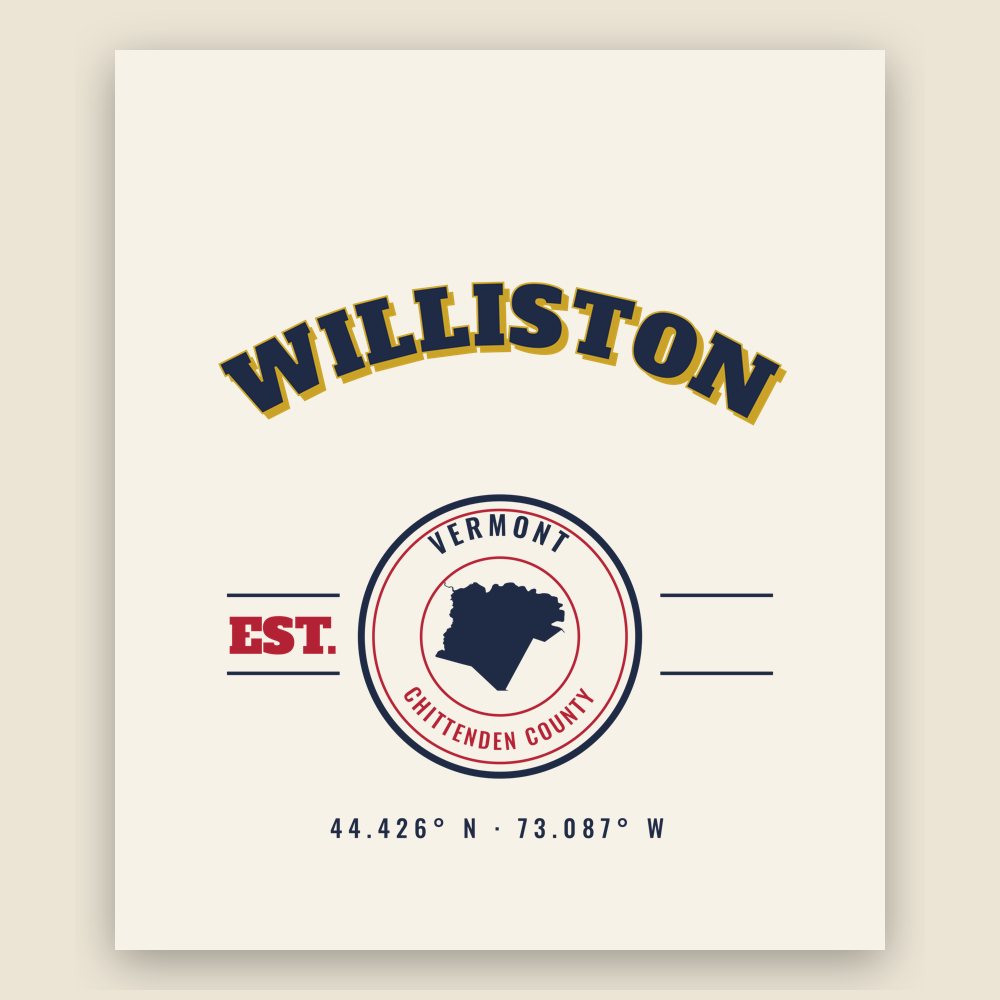
Every road in town, on archival matte paper
The same map, in navy and silver
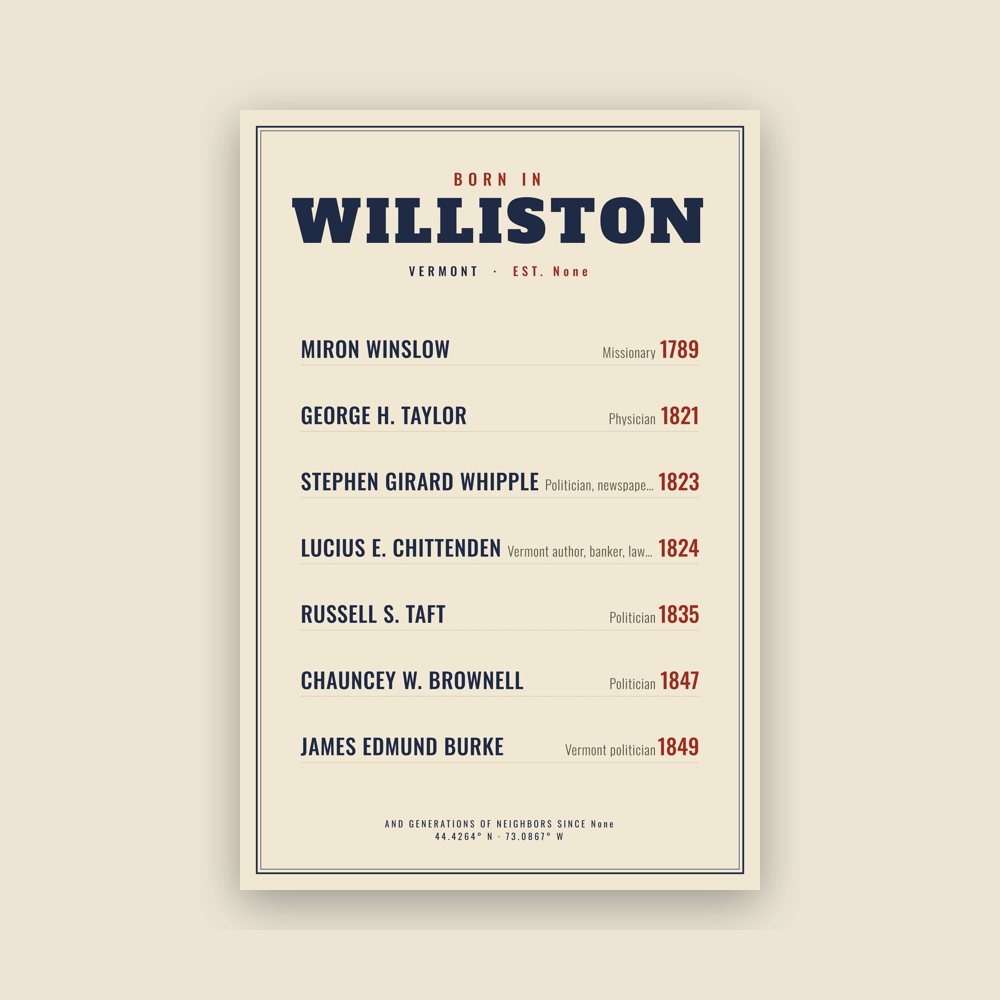
Famous natives, by birth year
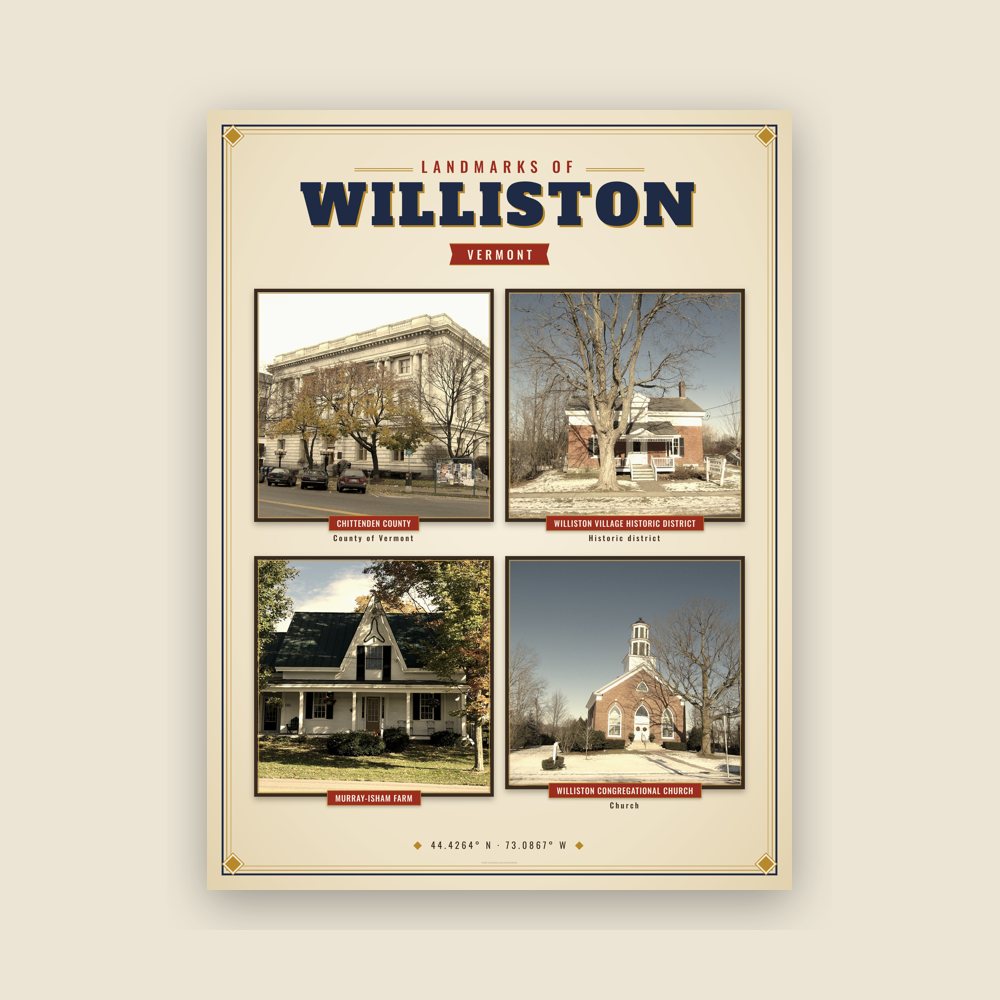
Nine local landmarks, archival matte
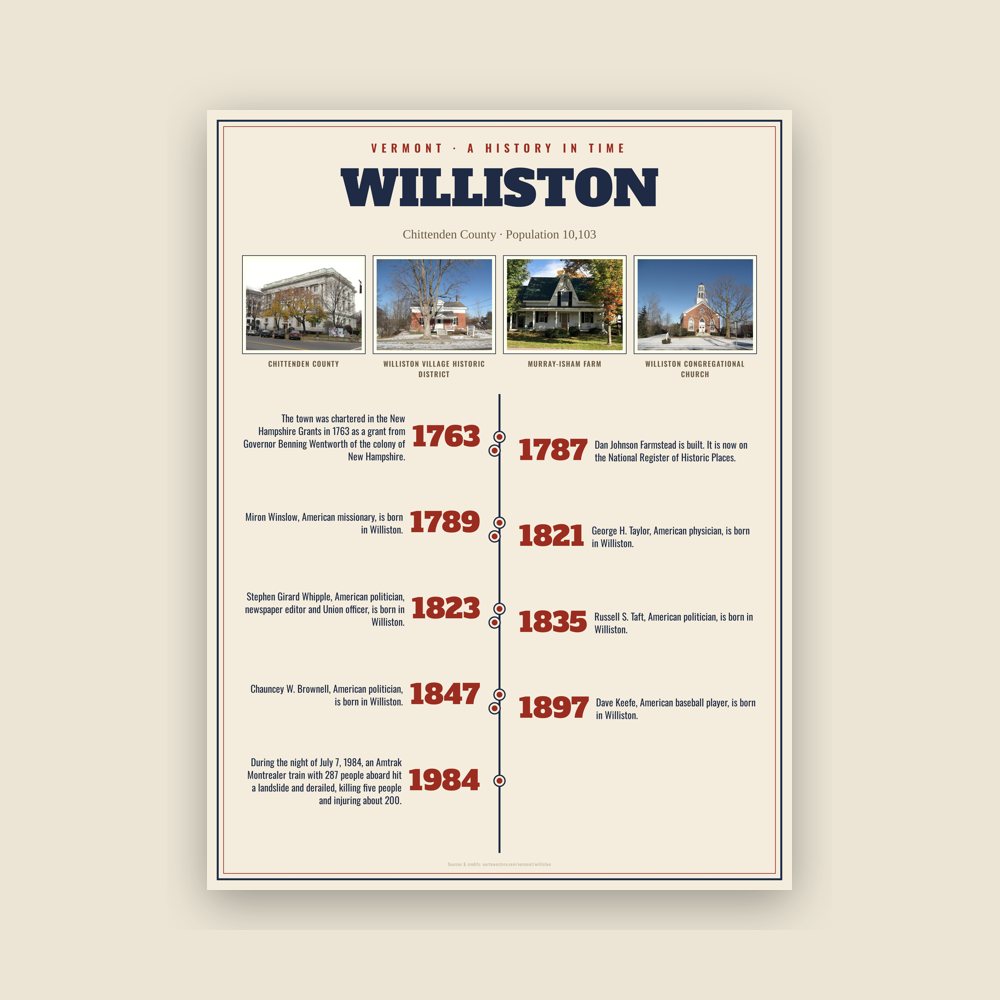
The town's story in dates, from its own records, for home or classroom
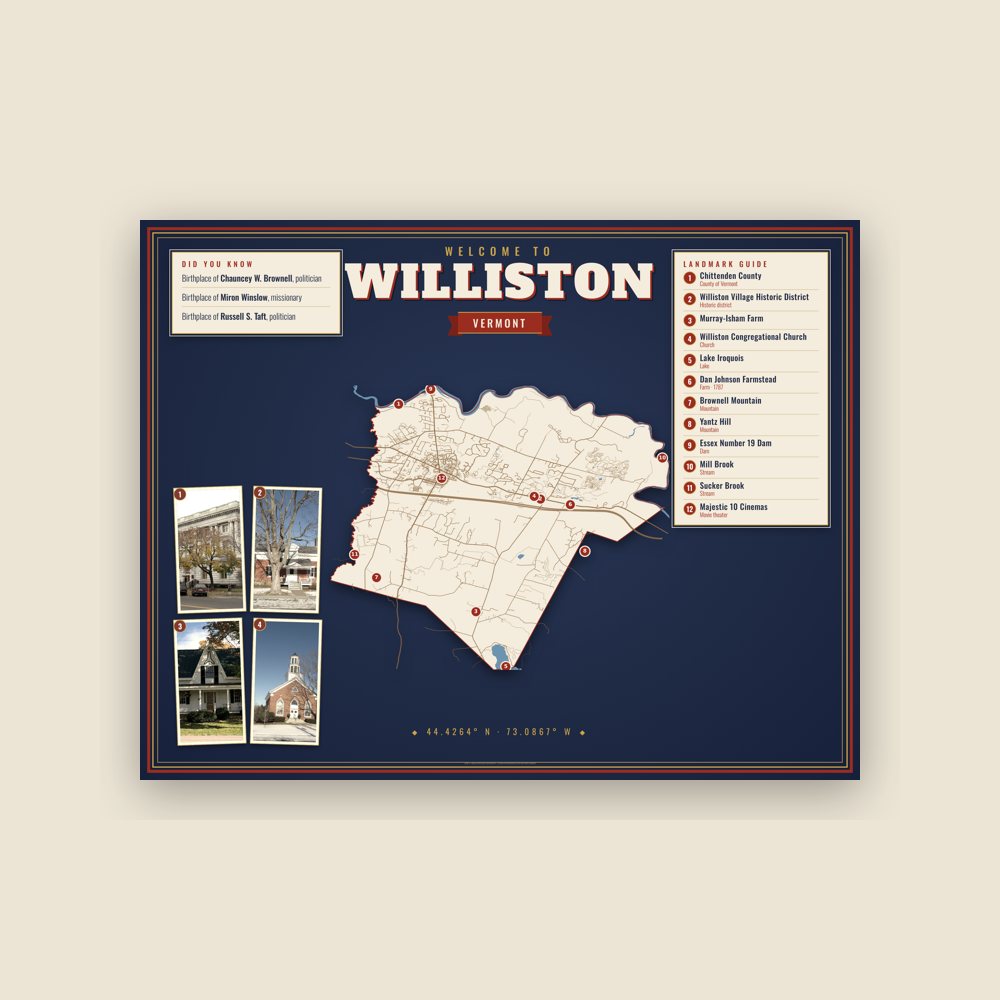
Map of local landmarks, washable fabric
Heavy-blend fleece, street map printed on the back
Soft Bella+Canvas jersey
Glossy ceramic, dishwasher safe
Ceramic keepsake, gold ribbon
Weatherproof, for the front walk
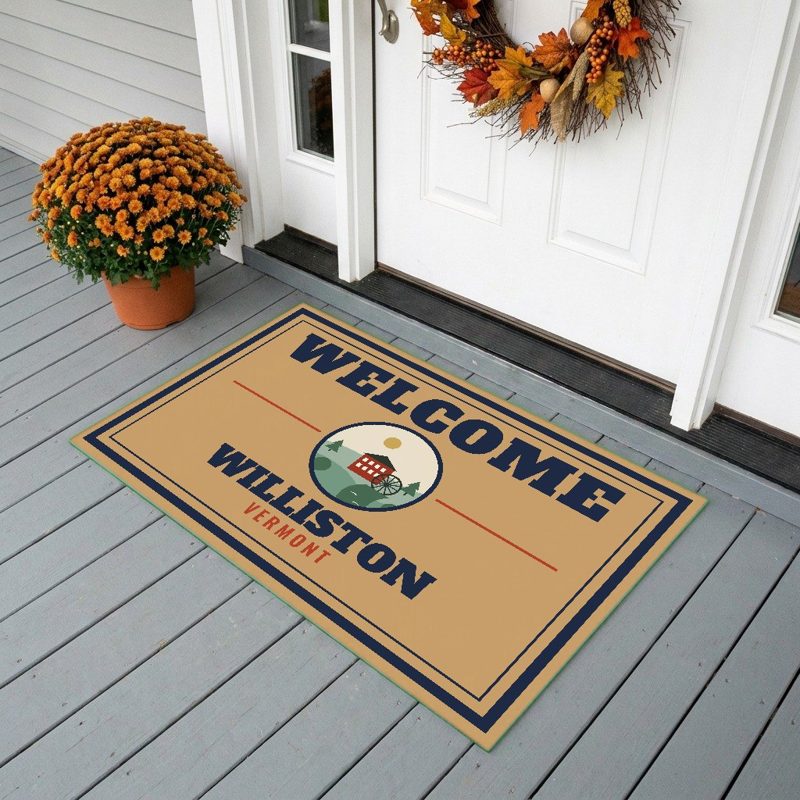
24″×16″, printed coir-look fibers, rubber back
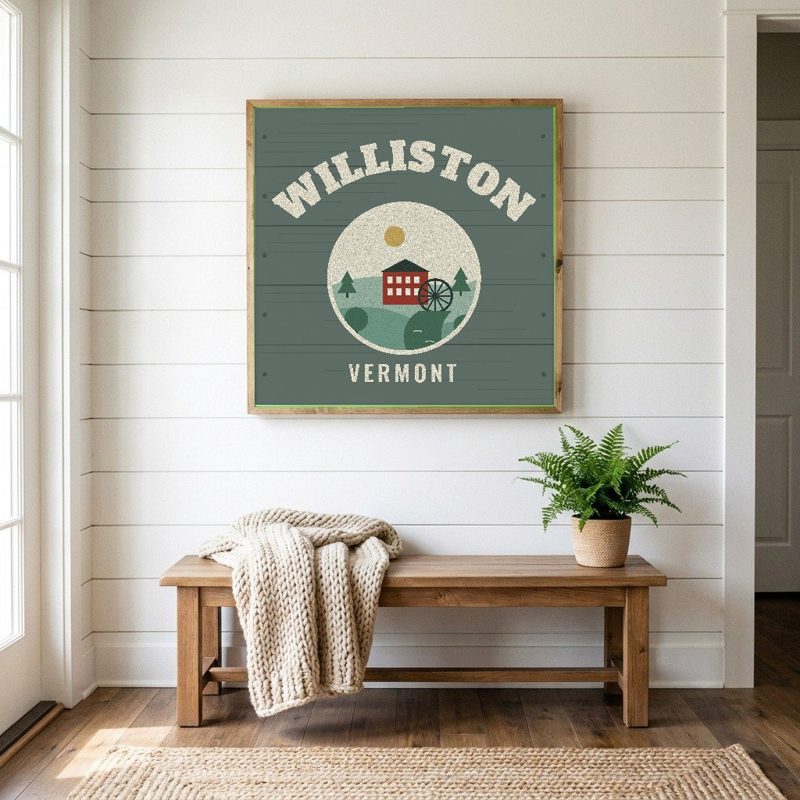
12″×12″ printed wood, ready to hang
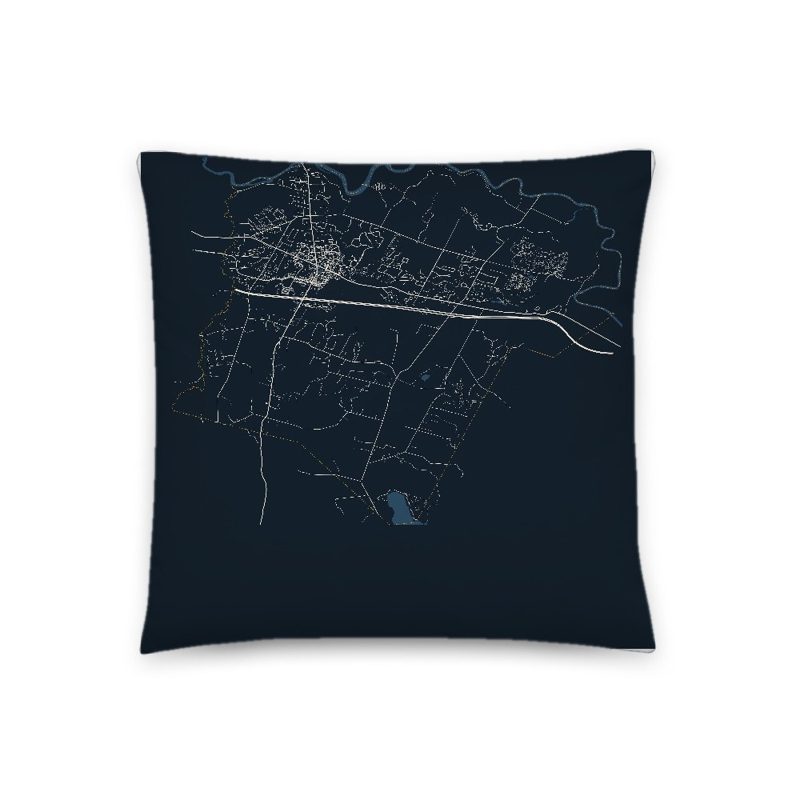
Soft-touch, zip cover
Sturdy all-over-print tote
Glossy top, cork back
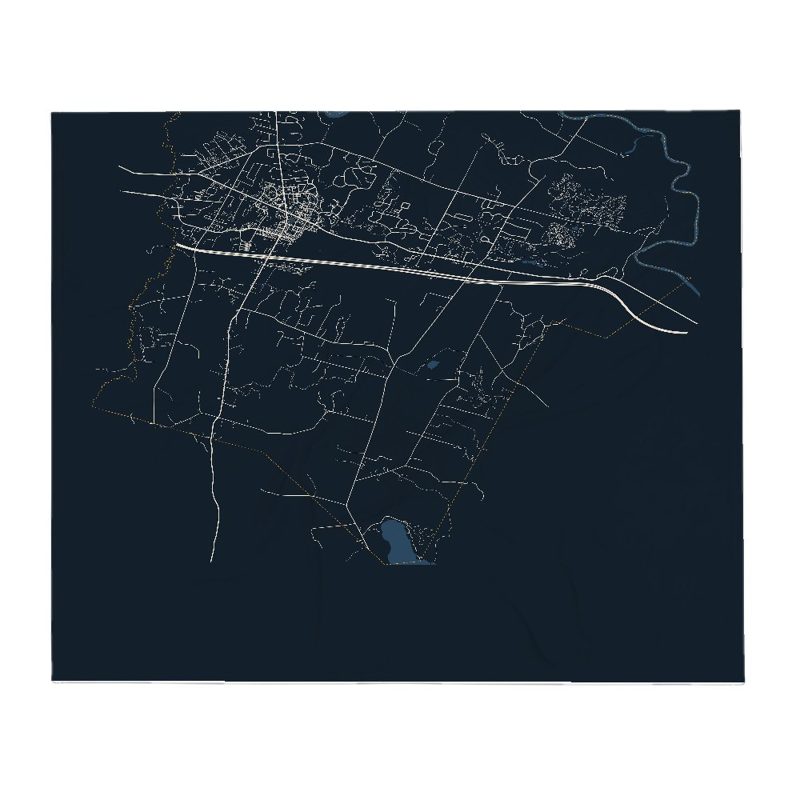
Soft fleece, 50″×60″
20 oz, double-wall stainless
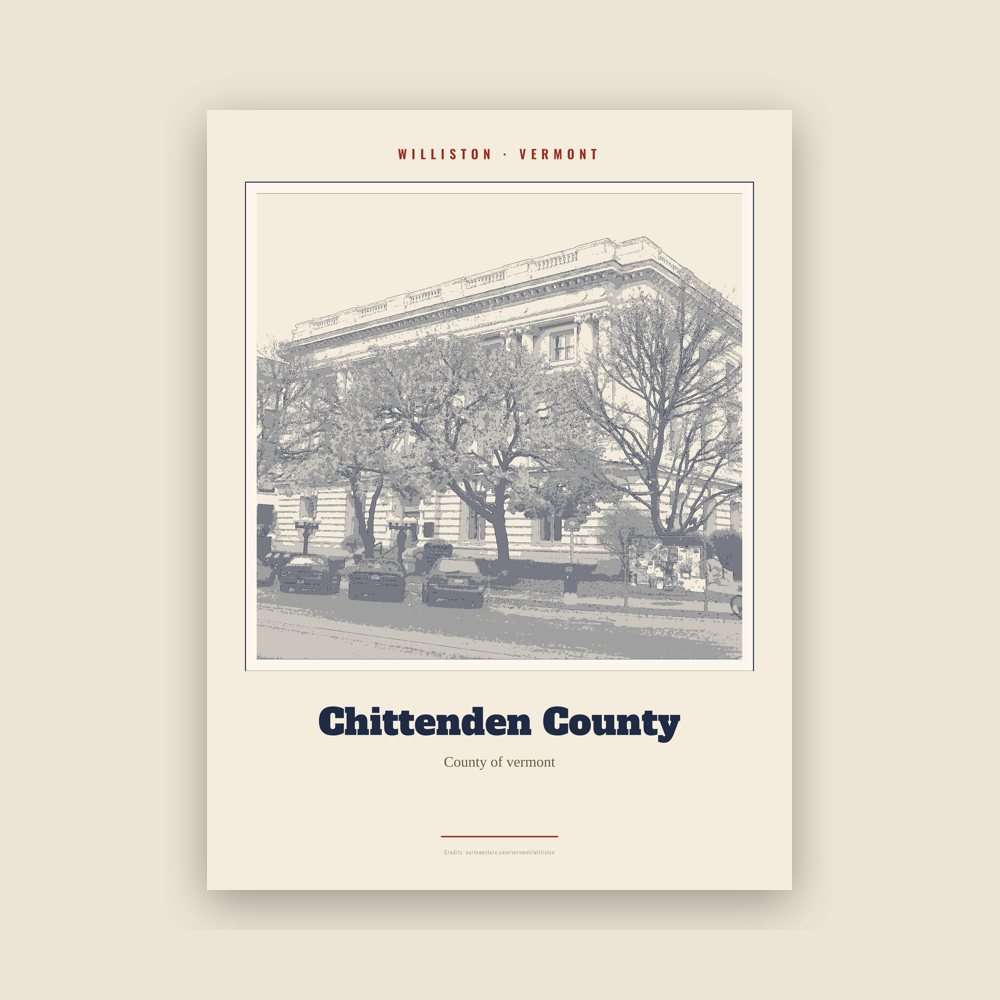
Archival matte print of a local landmark, credited to its photographer
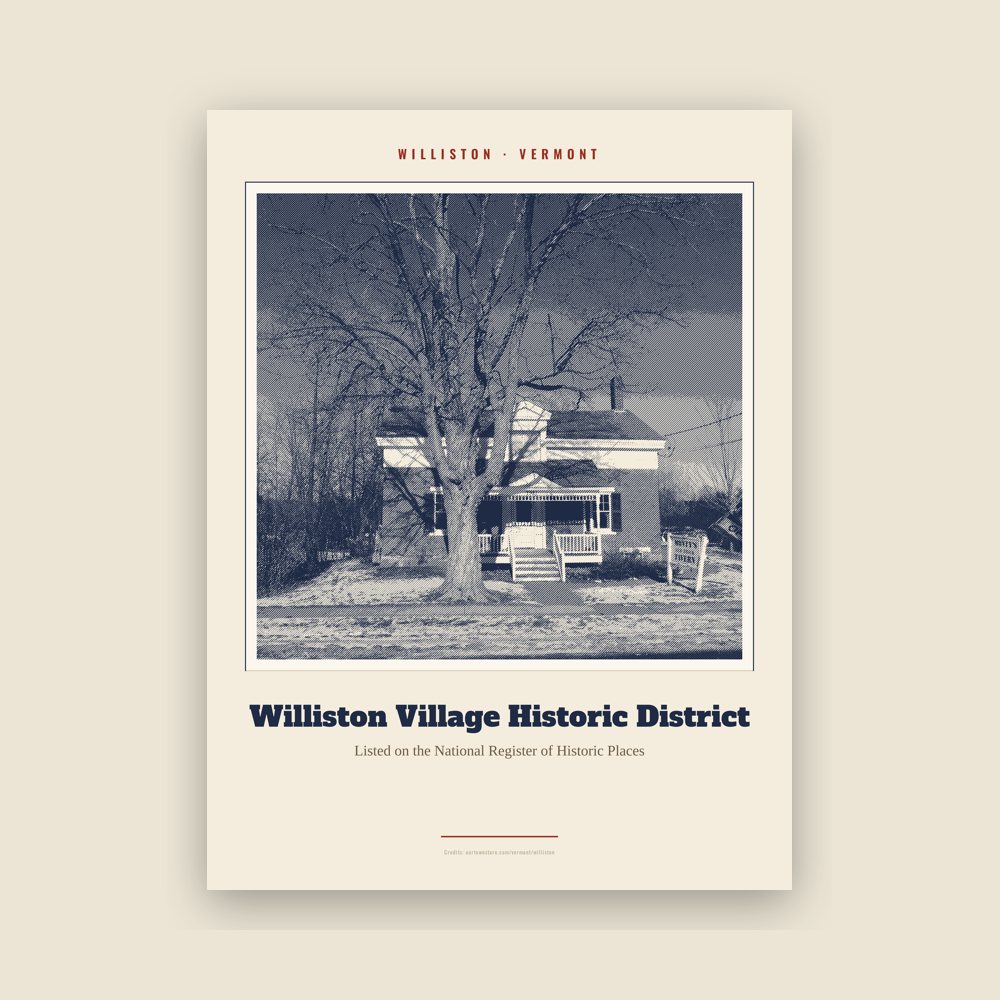
Archival matte print of a local landmark, credited to its photographer
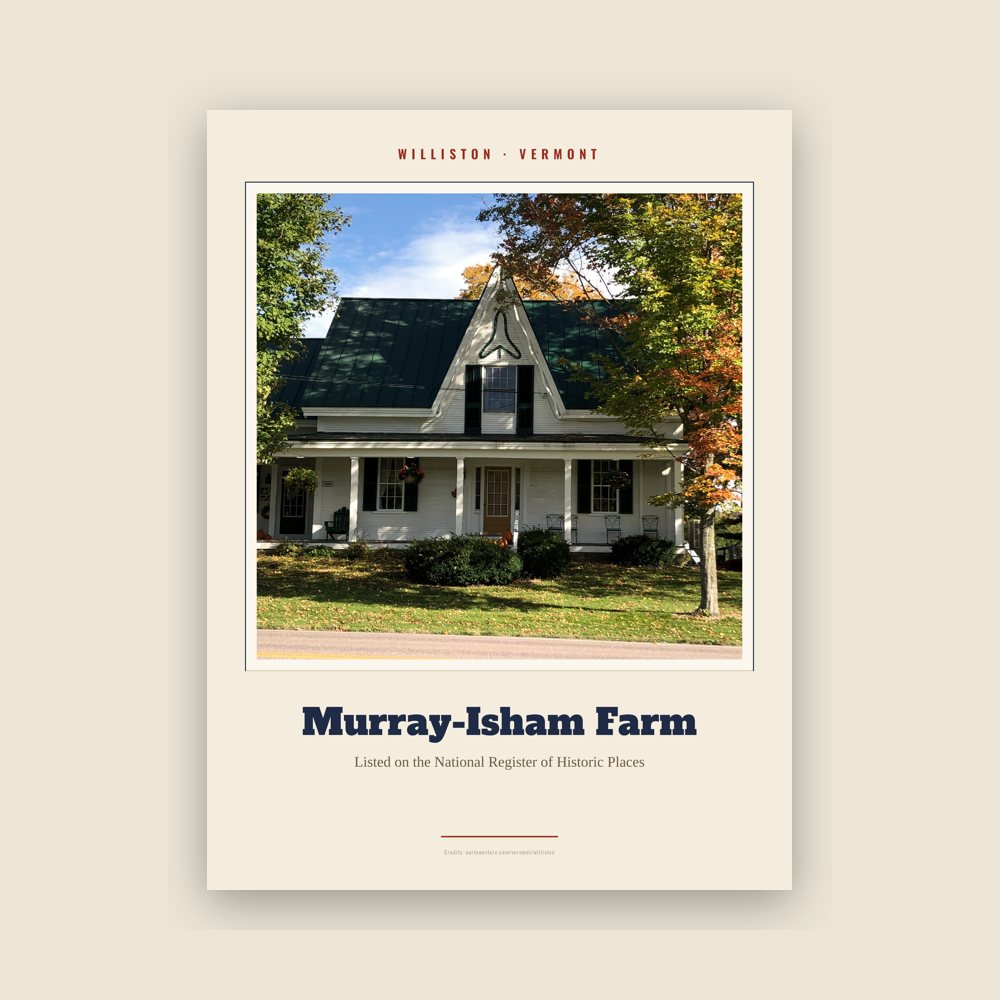
Archival matte print of a local landmark, credited to its photographer
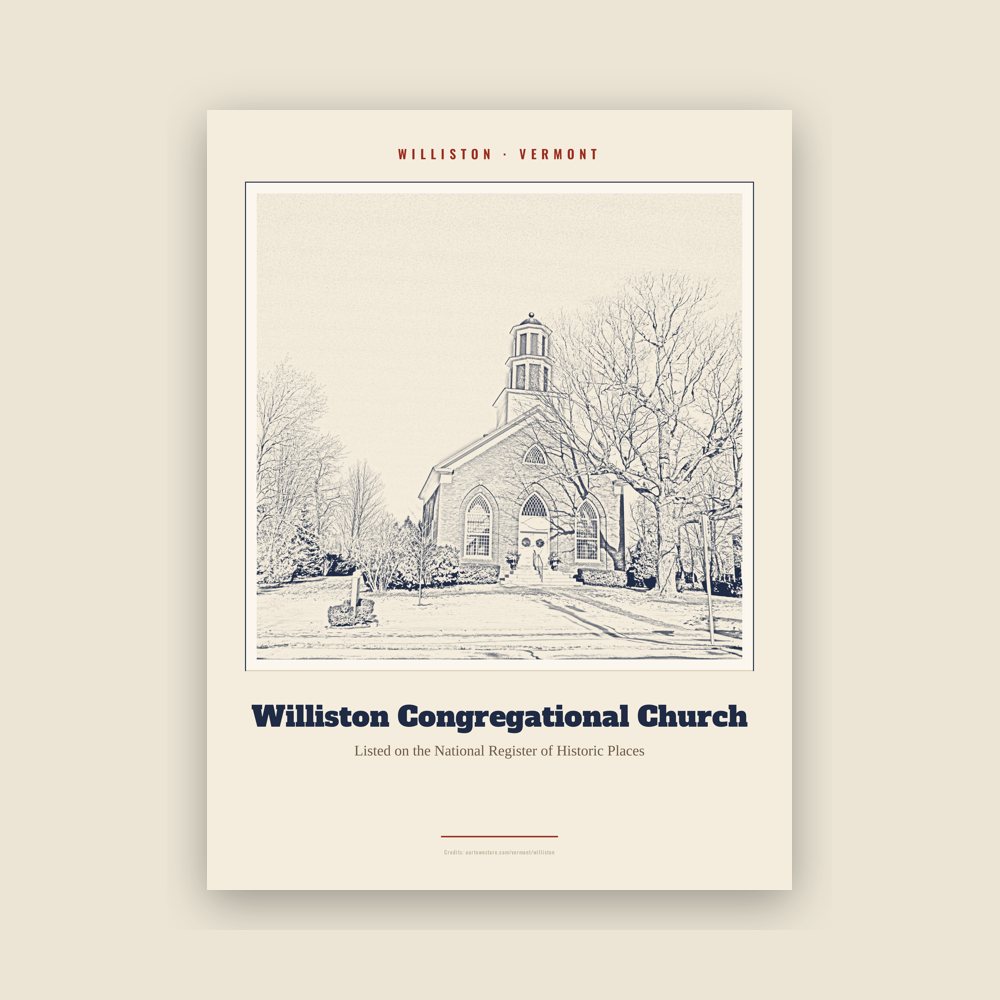
Archival matte print of a local landmark, credited to its photographer
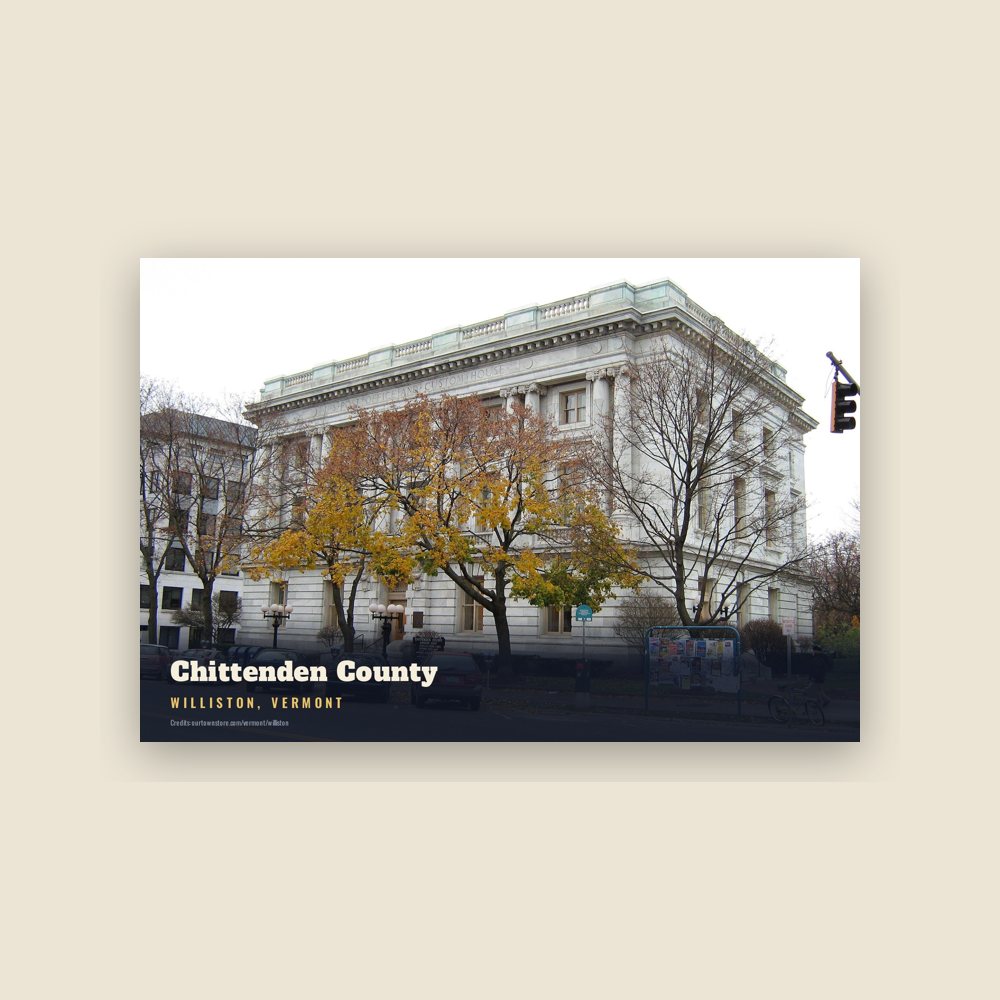
6″×4″ postcard, glossy front
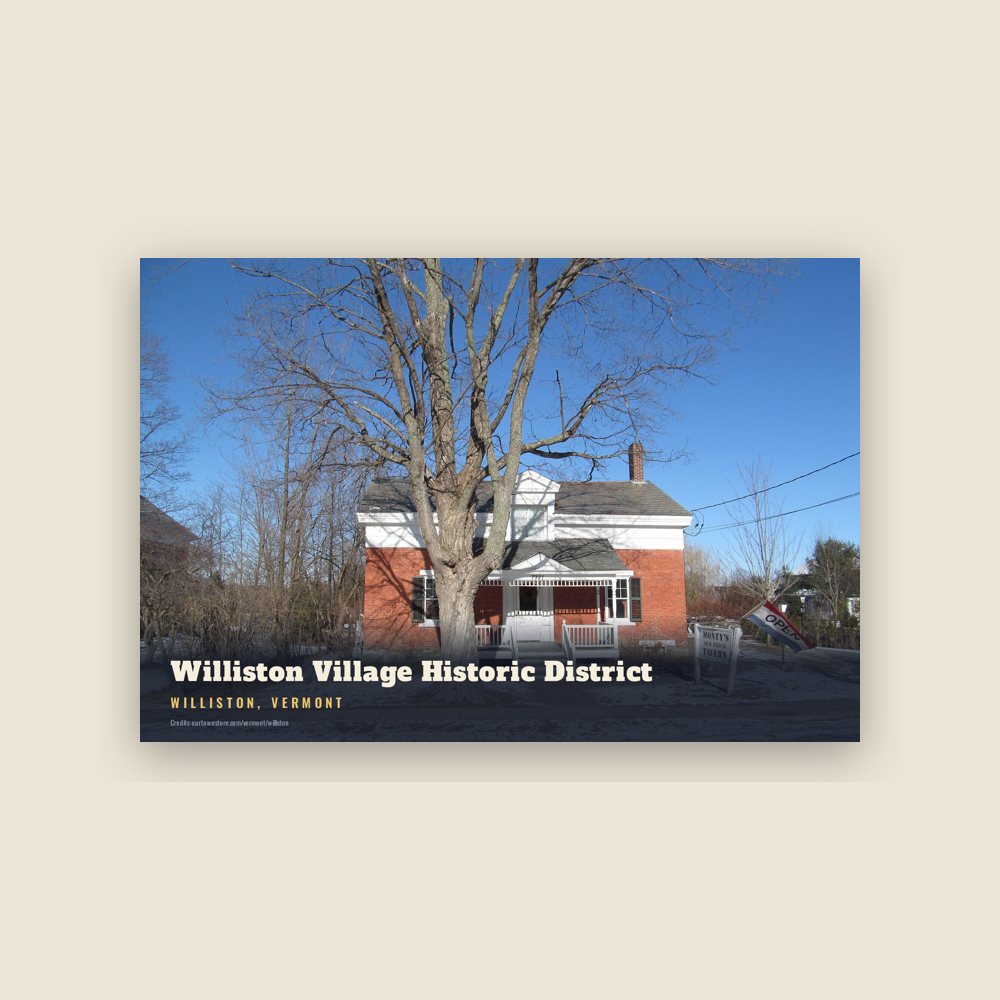
6″×4″ postcard, glossy front
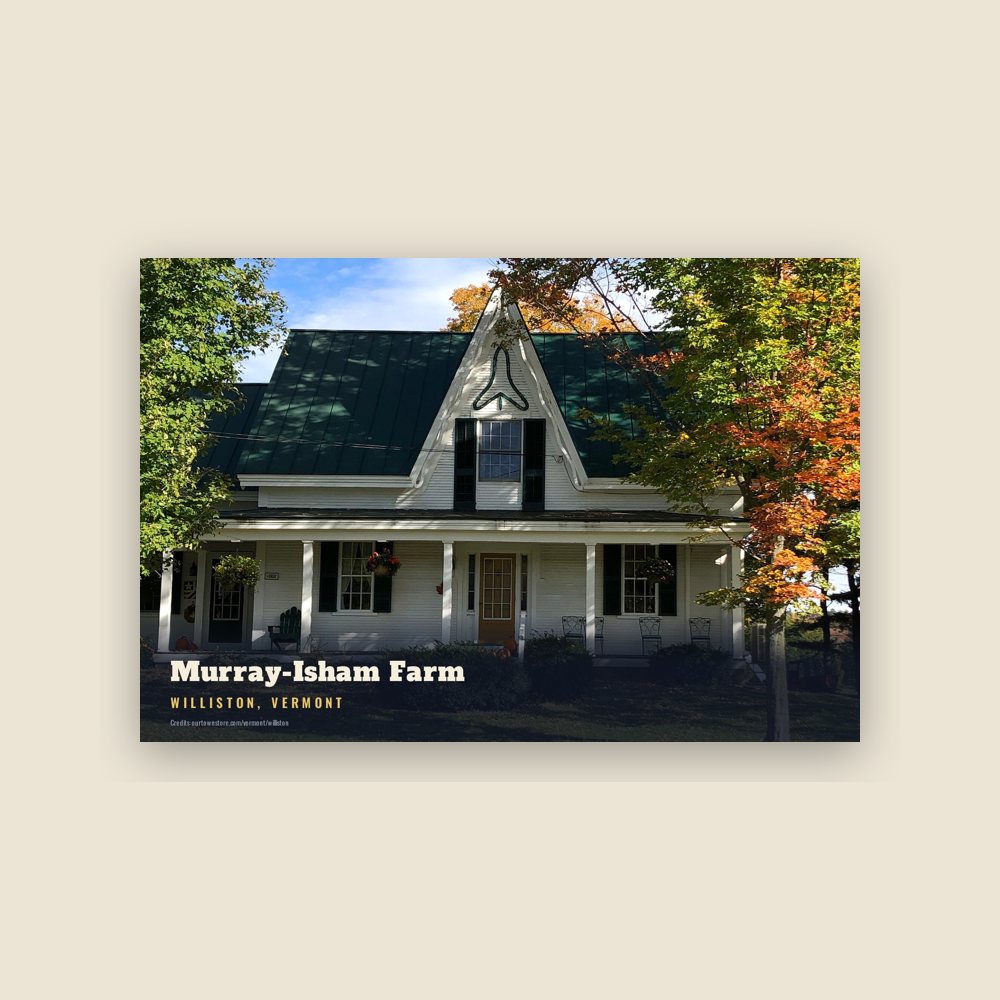
6″×4″ postcard, glossy front
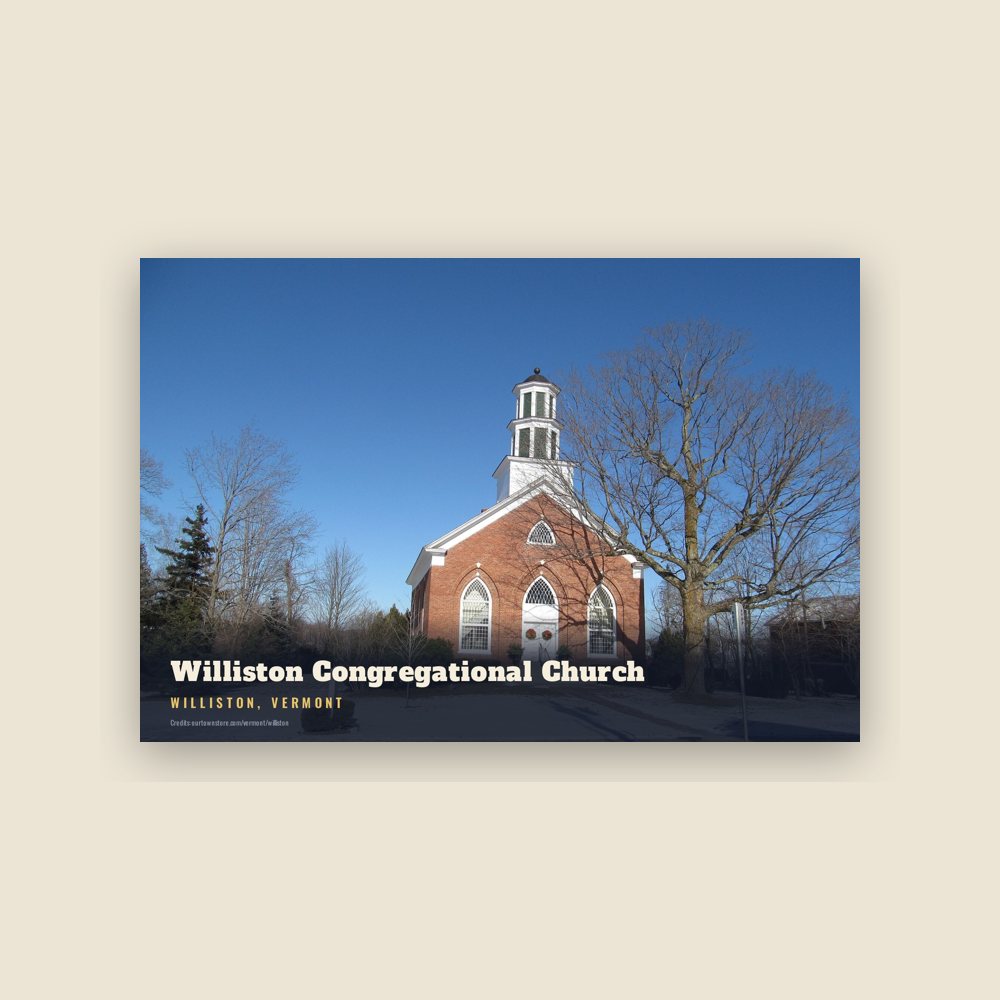
6″×4″ postcard, glossy front
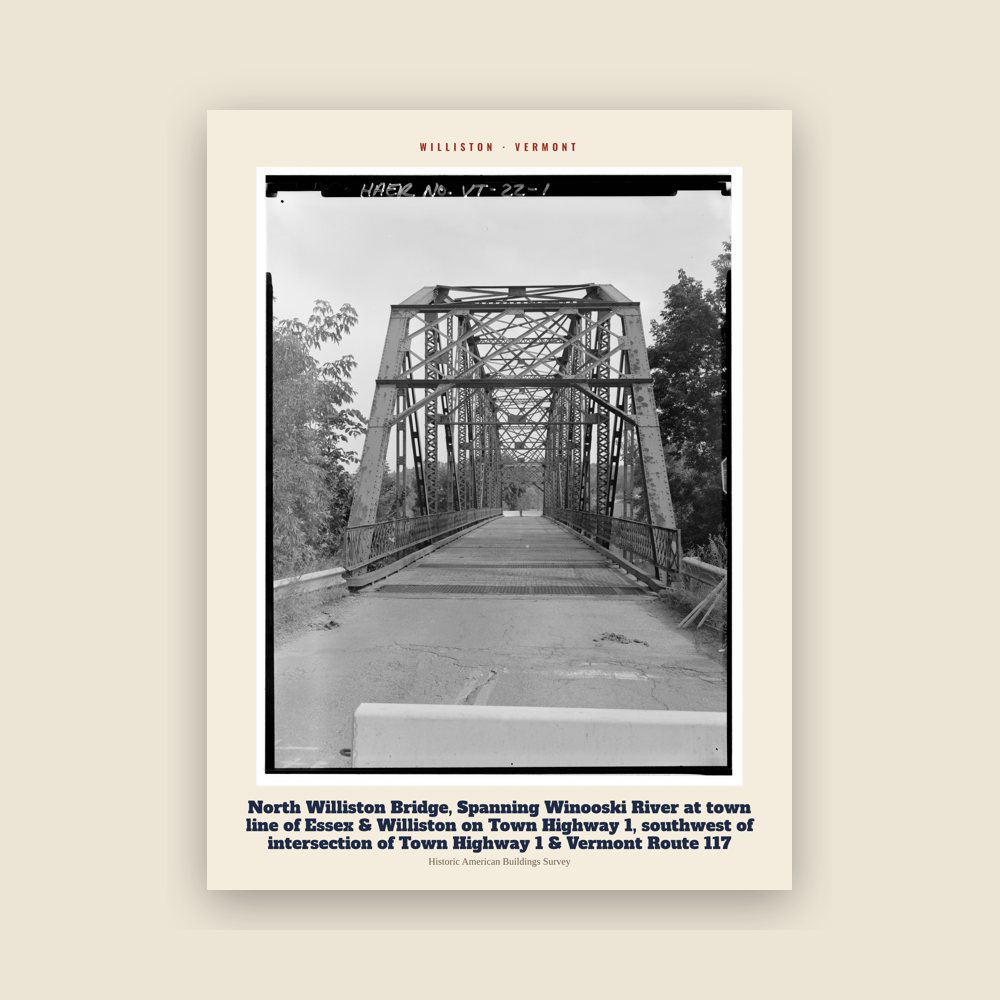
From the Library of Congress collections: a historic survey drawing or photograph of the town
Population 2010: 8,698 → 2020: 10,103
From Wikidata (CC0).
The town was chartered in the New Hampshire Grants in 1763 as a grant from Governor Benning Wentworth of the colony of New Hampshire. It was named for Samuel Willis, a New York merchant who was one of the original 65 grantees, though he never visited the town.
The town is notable for its well-preserved central collection of brick 19th-century civic and religious buildings, including the "old Brick Church" of 1832, considered one of Vermont's finest country Gothic churches; the former Universalist Church, now the Town Hall, of 1860; the former Methodist Church of 1848, now the Town Annex; the former Town Hall, of around 1840; and the Federated Church of 1867, formerly the Methodist Episcopal Church, designed by Boston architect John Stevens. On the western side of the town, bordering South Burlington, is Vermont's largest mercantile development, with numerous "big box" stores and other commercial activity.
The town was also the home of several generations of the Chittenden family, for whom the surrounding county, Vermont's most populous, is named. Several original Chittenden family homes still stand. Thomas Chittenden, president of the Vermont Republic and the state's first governor, lived in Williston and is buried in the central cemetery, with a prominent memorial.
During the night of July 7, 1984, an Amtrak Montrealer train with 287 people aboard hit a landslide and derailed, killing five people and injuring about 200. The accident triggered one of Vermont's most intensive emergency responses, but the final victims were not rescued until the end of the day.
Adapted (trimmed) from the Wikipedia article Williston, Vermont, revision 1378275241 by its contributors, licensed CC BY-SA 4.0.
We share a part of every Williston sale with local partners, and we'd love to print from your collection. Old photographs, maps and postcards make the best keepsakes.
Partner with us