A short history of Kerrville
Archeological evidence (including burned rock middens, lithic artifacts, and Caddoan pottery pieces) suggests that humans lived in the area known as Kerrville as early as 10,000 years ago. Native American tribes in the area have included the Lipan Apache, Kiowa, and Comanche.
Early white settlers included successful shinglemakers whose mercantile business became a hub that served the middle and upper Hill Country area in the late 1840s. One of the earliest shinglemakers was Joshua D. Brown. With his family, Brown had led several other families on an exploration of the Guadalupe Valley. These early pioneers organized their settlements near a bluff just north of the Guadalupe River in the eastern half of the future county location. The settlement was referred to as "Brownsborough", but after the area was formally platted in 1856 by James Kerr, a major in the Texas Revolution, the settlement was formally known as "Kerrville" and maintained a county seat with Texas.
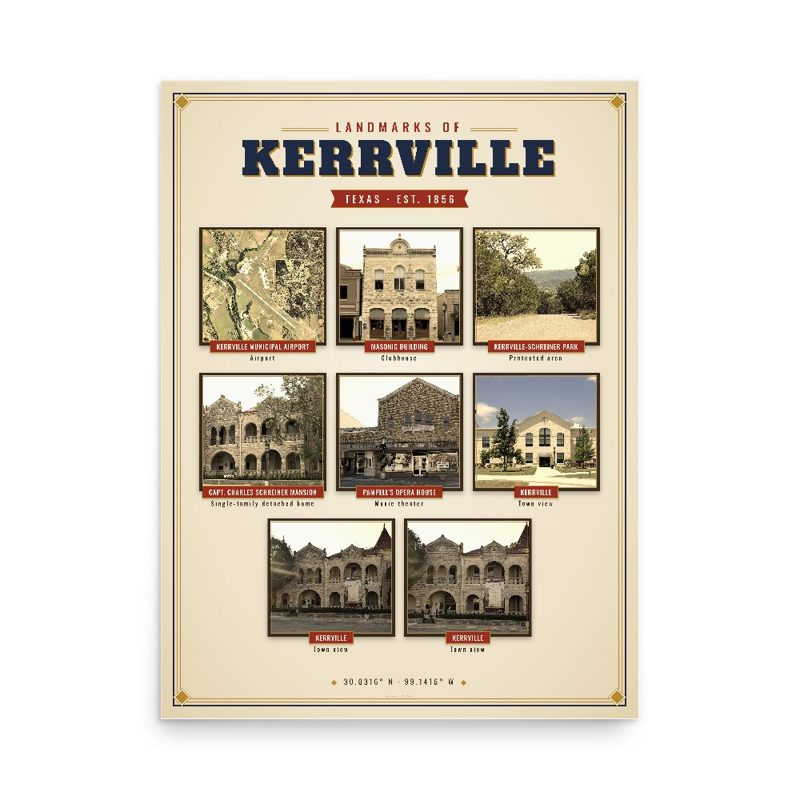
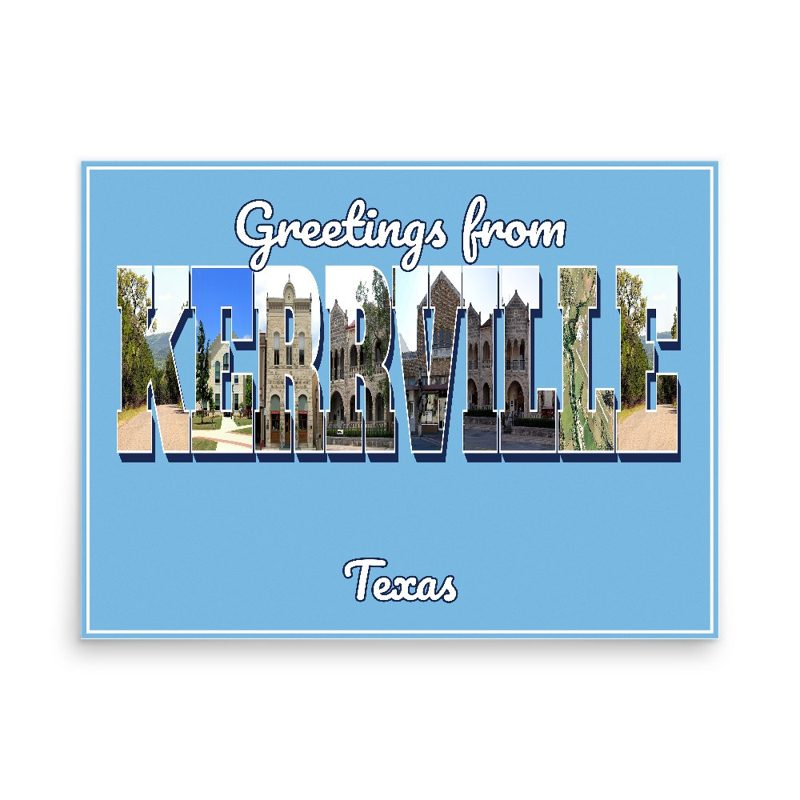
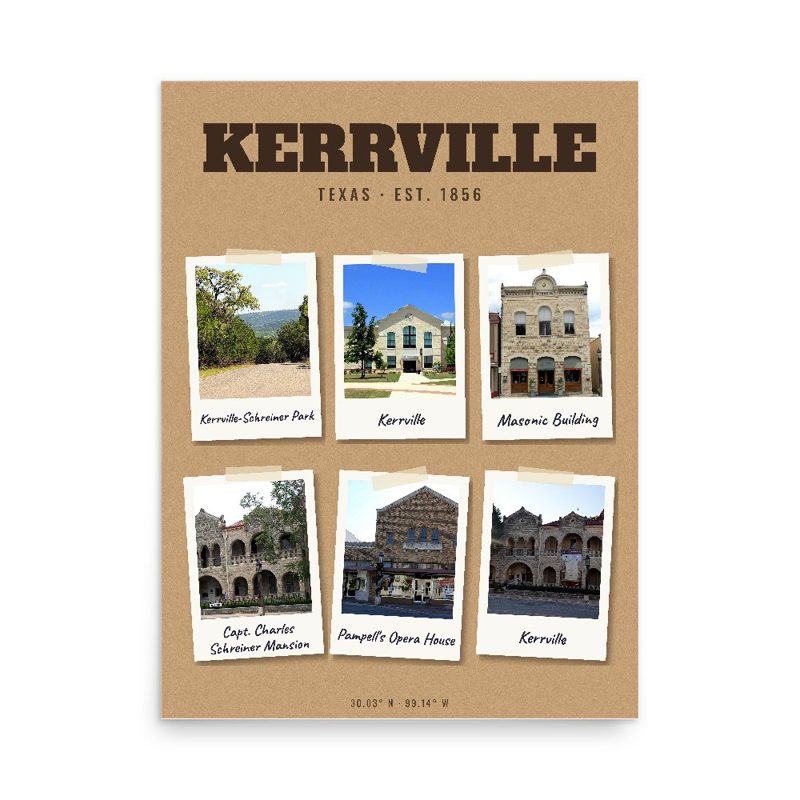
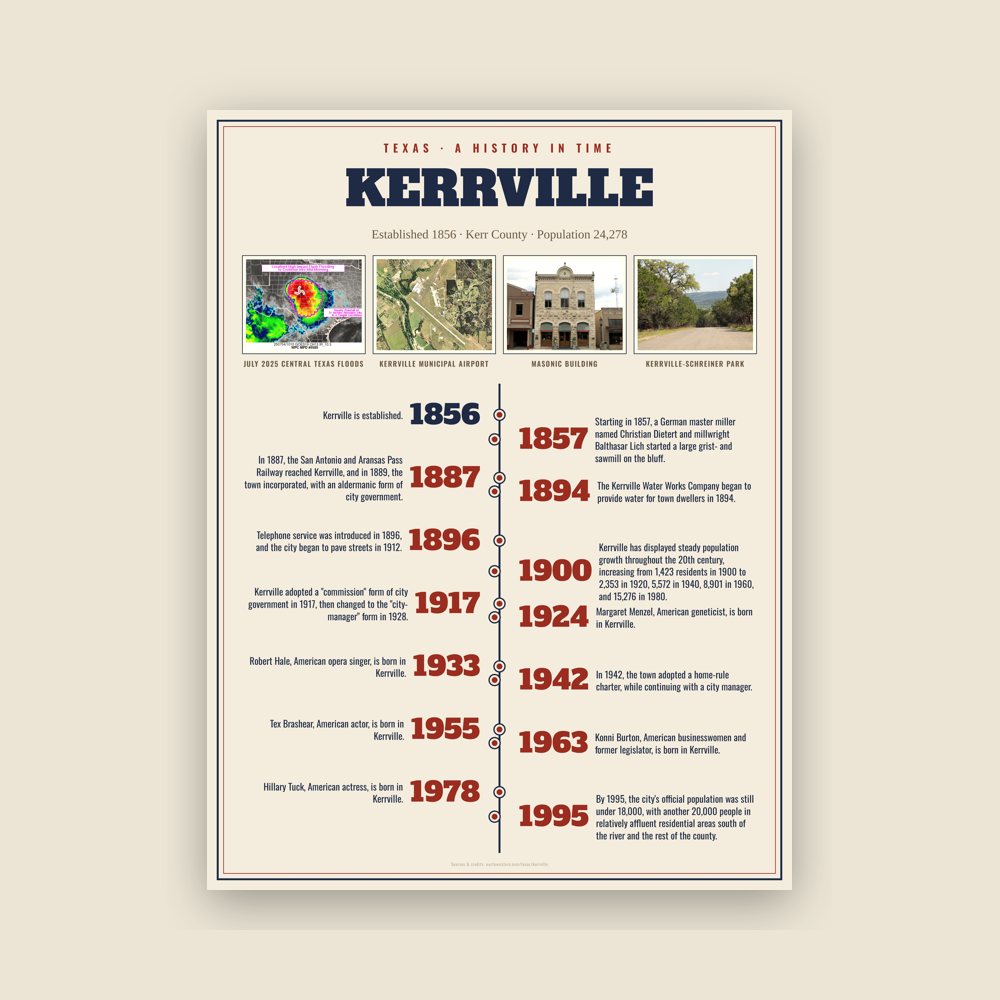
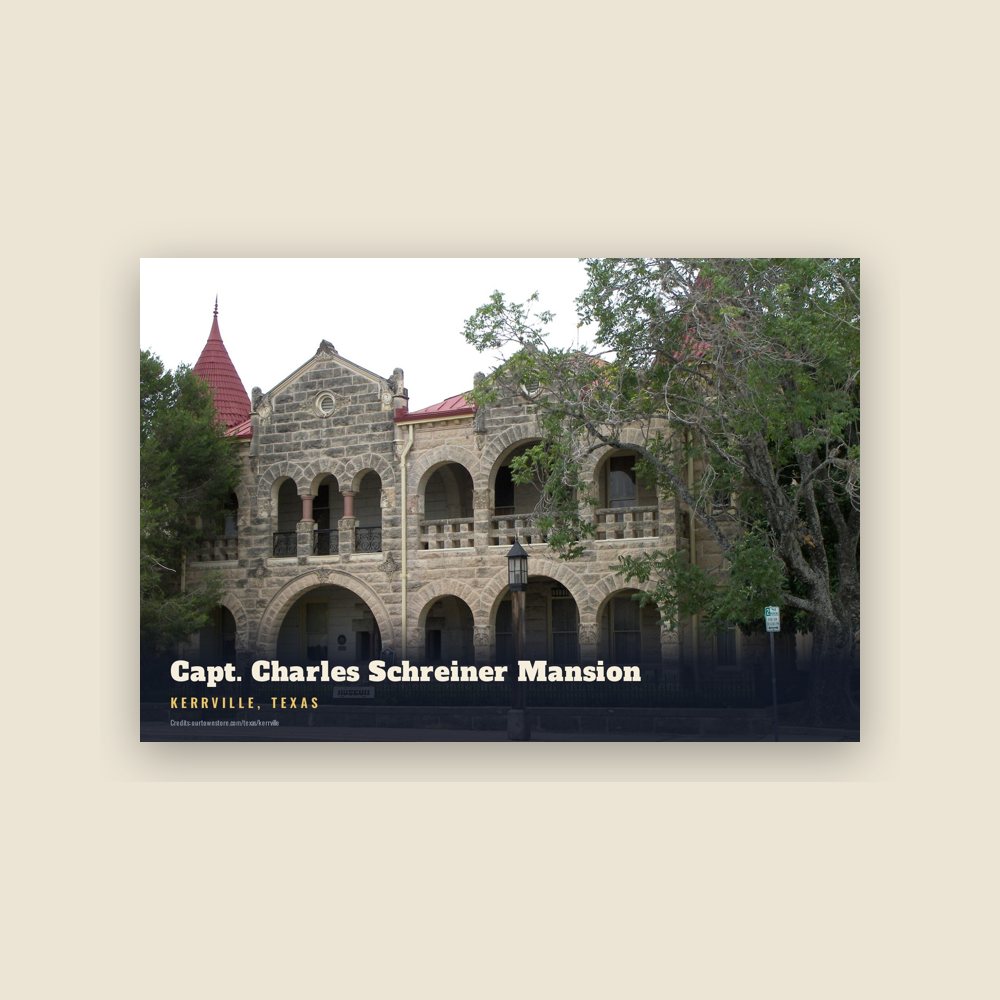
Starting in 1857, a German master miller named Christian Dietert and millwright Balthasar Lich started a large grist- and sawmill on the bluff. This mill established a permanent source of power and protection from floods, and became the most extensive operation of its kind in the Hill Country area west of New Braunfels and San Antonio. Soon afterwards, Charles A. Schreiner rode Kerrville's newly found popularity by serving Kerrville's mercantile needs. Schreiner established a family-run empire that helped build Kerrville's early prosperity by owning almost all of Kerrville's business sectors, including freighting enterprises, retail, wholesale, banking, ranching, marketing, and brokering operations. Schreiner's elegant downtown home, a Romanesque stone structure at 226 Earl Garrett Street, is the site of the Hill Country Museum in downtown Kerrville.
The Civil War slowed Kerrville's development, but with the start of the Reconstruction era, Kerrville's economic boom and ethnic diversification continued anew as demand grew in San Antonio for lumber, produce, and craftsmen. Kerrville's boom was also catalyzed by the combination of the cessation of Indian raids and the expansion into the business of cattle, sheep, and goat ranching. Cattle drives punctuated the boom years of the late 1880s and the 1890s. In 1887, the San Antonio and Aransas Pass Railway reached Kerrville, and in 1889, the town incorporated, with an aldermanic form of city government.
The Kerrville Water Works Company began to provide water for town dwellers in 1894. Telephone service was introduced in 1896, and the city began to pave streets in 1912. Kerrville adopted a "commission" form of city government in 1917, then changed to the "city-manager" form in 1928. In 1942, the town adopted a home-rule charter, while continuing with a city manager. Kerrville has displayed steady population growth throughout the 20th century, increasing from 1,423 residents in 1900 to 2,353 in 1920, 5,572 in 1940, 8,901 in 1960, and 15,276 in 1980. Its economic base has diversified and broadened through business, agriculture, light manufacturing, health care, transportation, services, education, the arts, and tourism. By the mid-1990s, the Wall Street Journal described Kerrville as one of the wealthiest small towns in America. By 1995, the city's official population was still under 18,000, with another 20,000 people in relatively affluent residential areas south of the river and the rest of the county. In 2000, its population reached 20,425. Much of the growth included retirees and young professionals and semiprofessionals; for many years, Kerrville also experienced significant emigration of young adults raised in the area.
Adapted (trimmed) from the Wikipedia article Kerrville, Texas, revision 1379997571 by its contributors, licensed CC BY-SA 4.0.
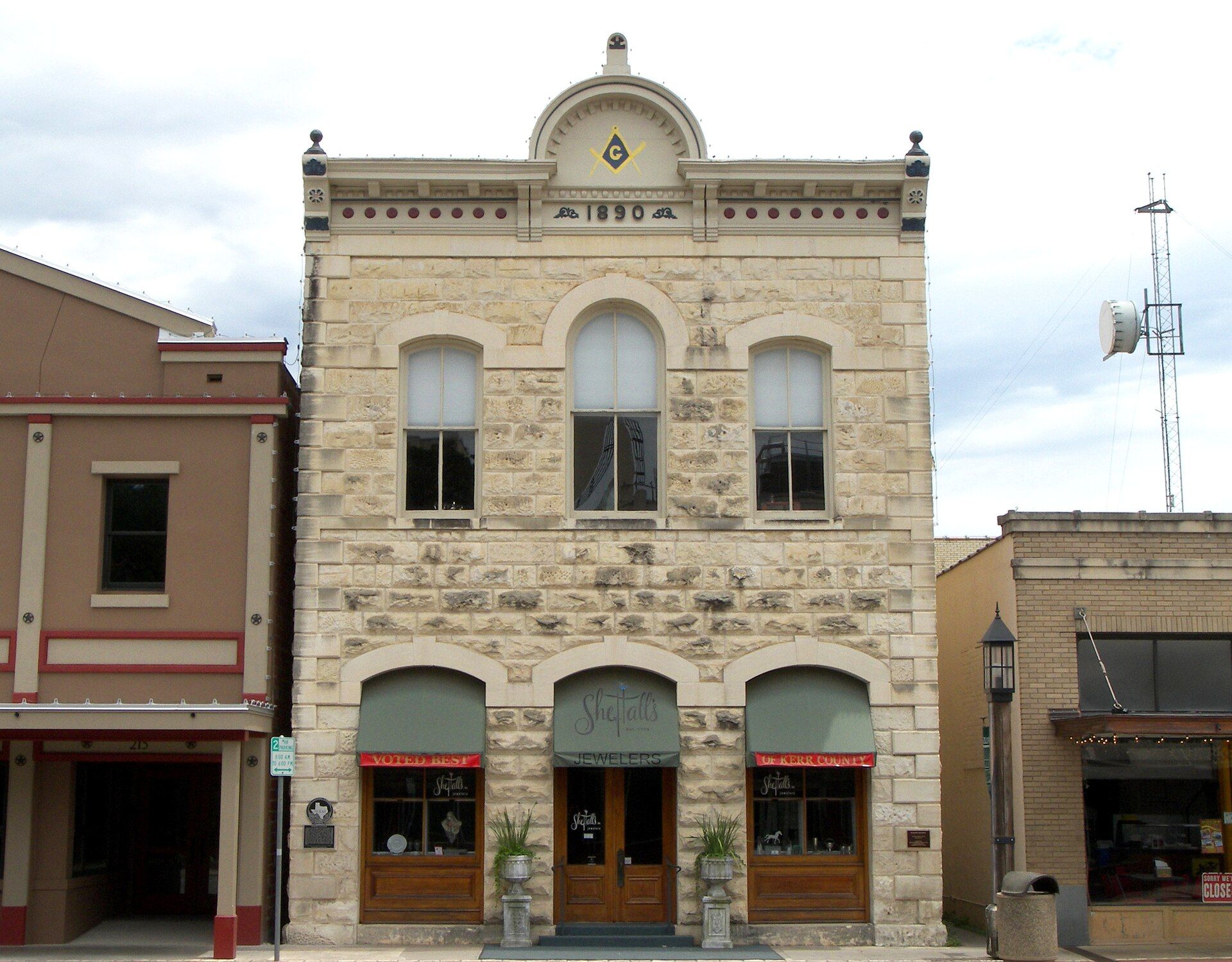
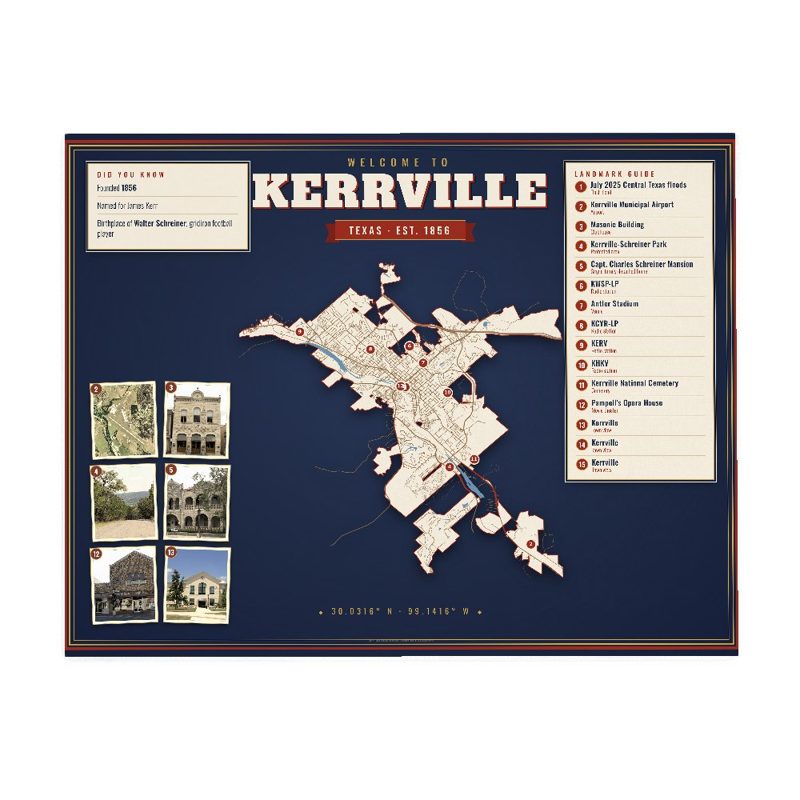












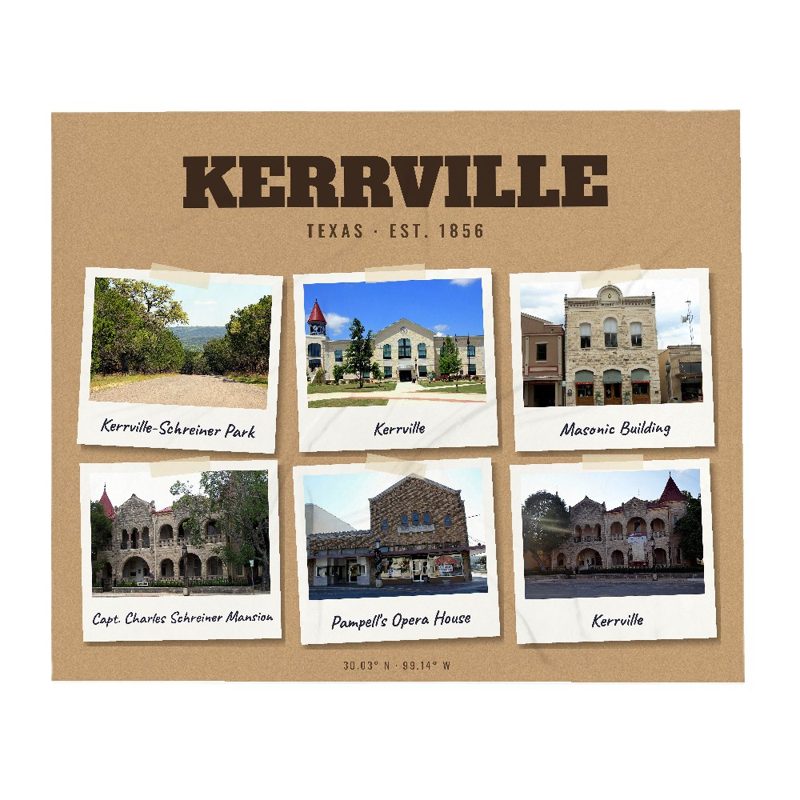
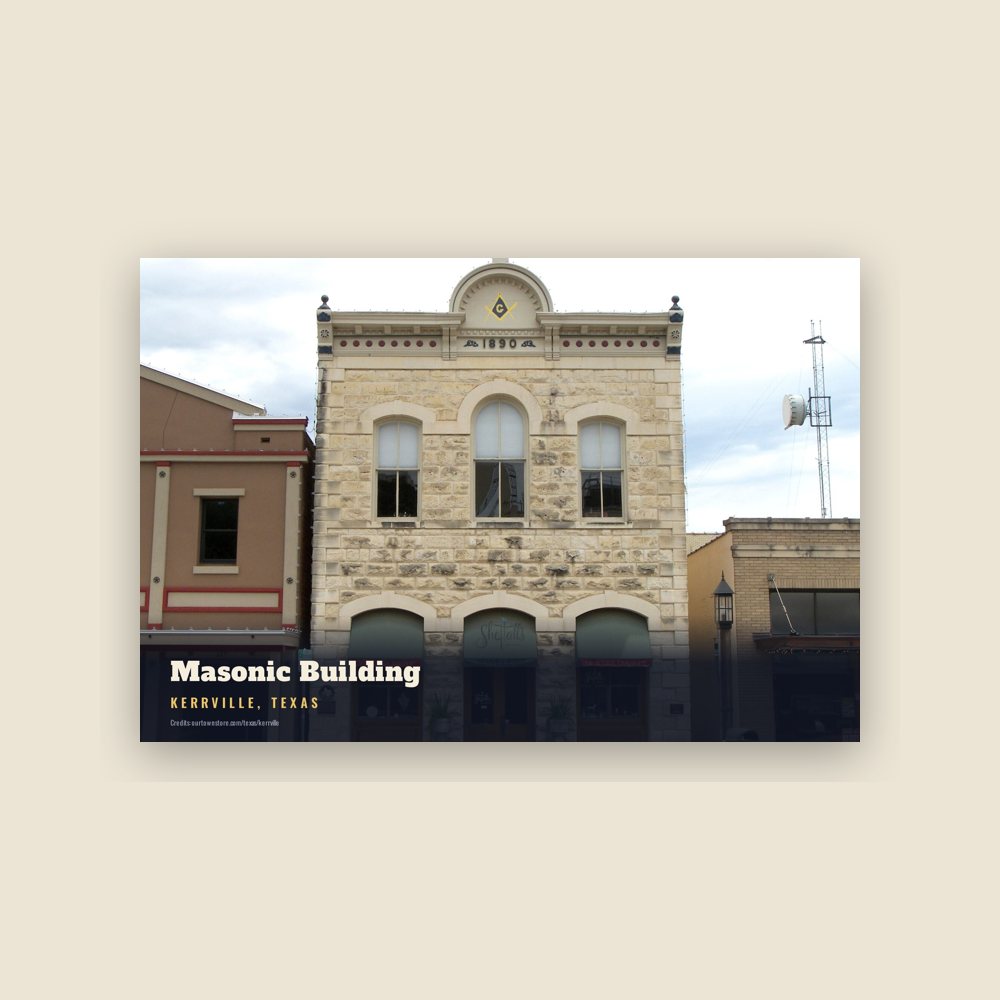
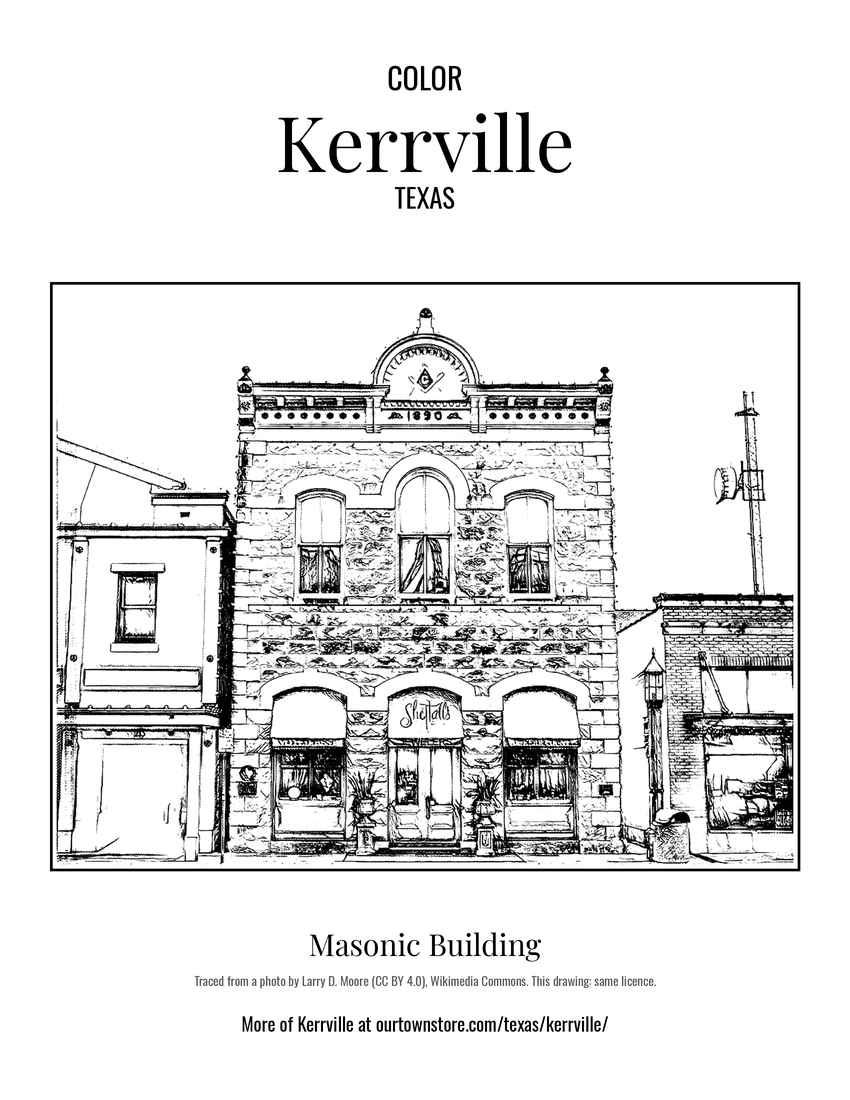 Masonic Building
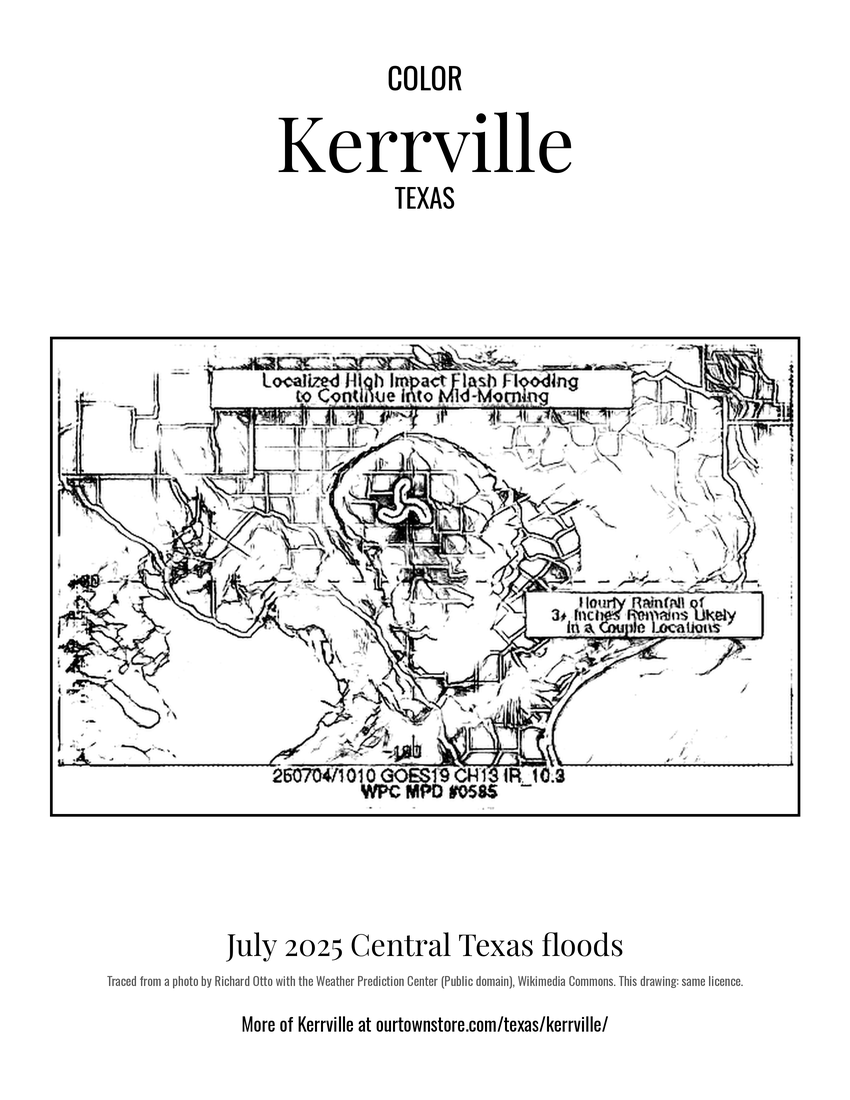 July 2025 Central Texas floods
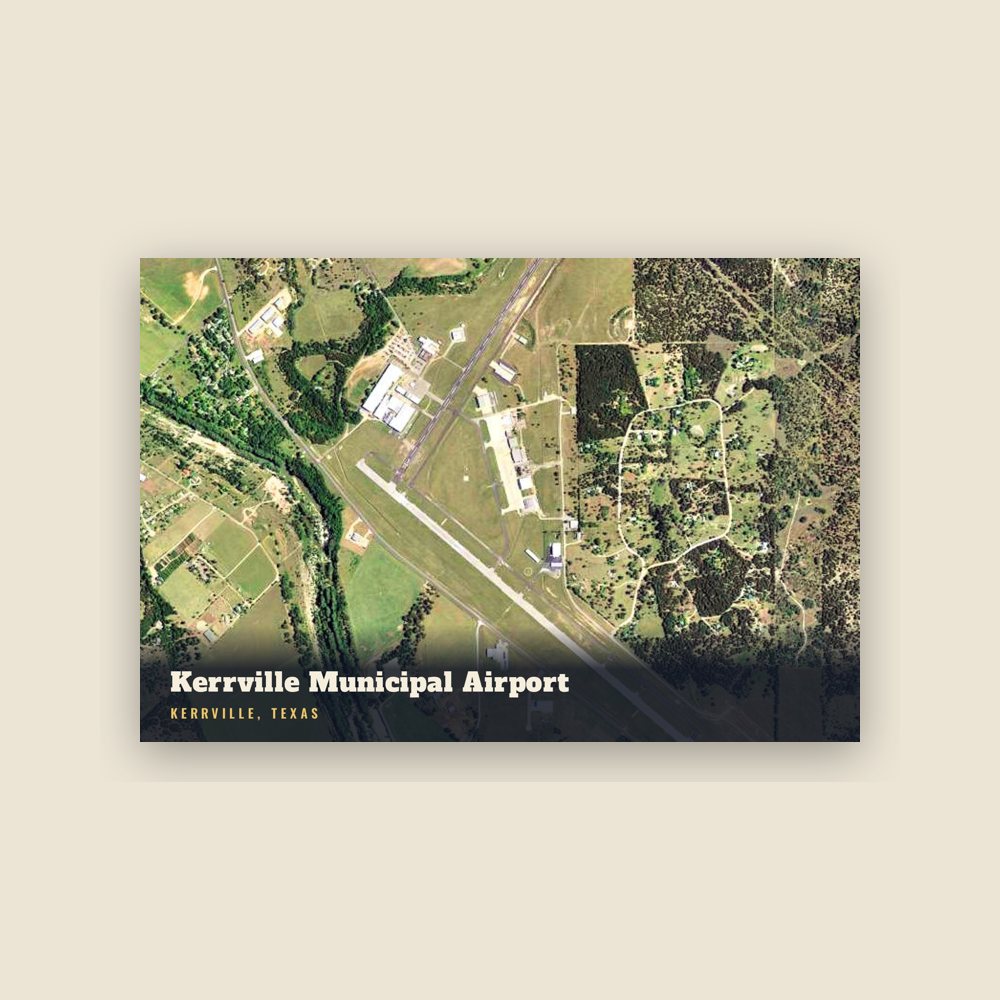
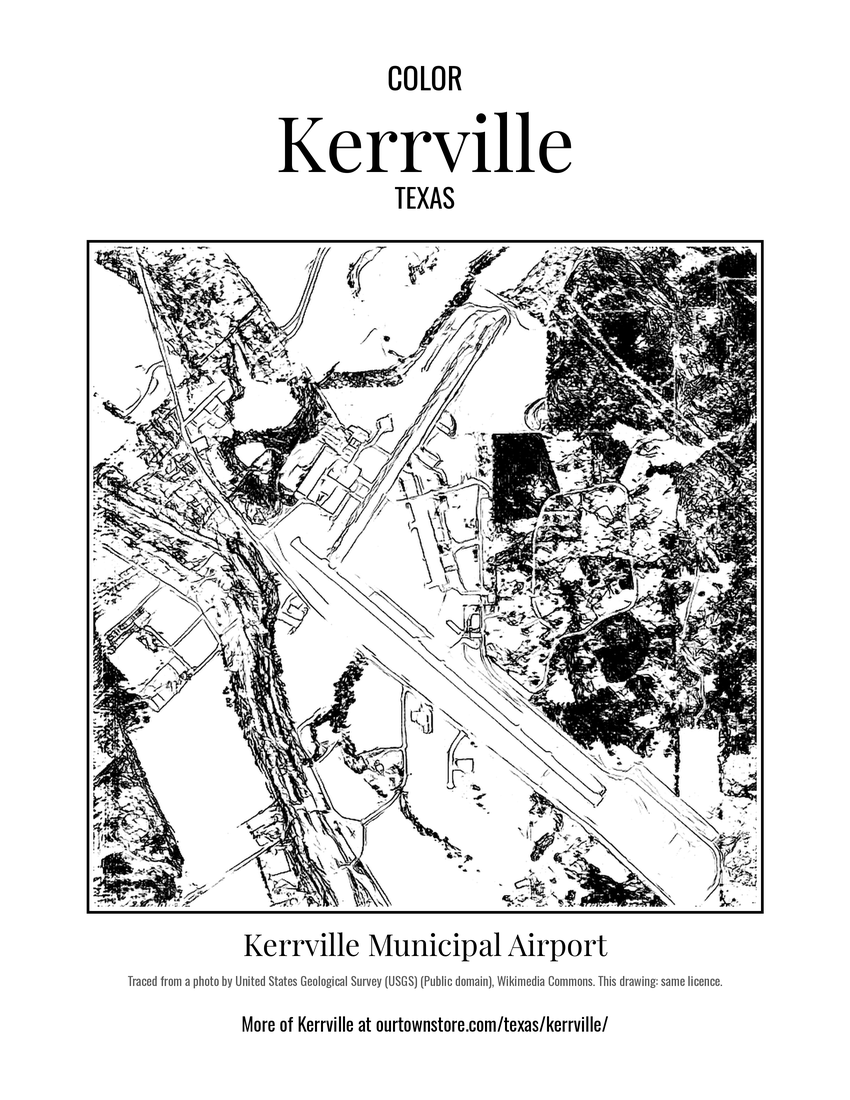 Kerrville Municipal Airport
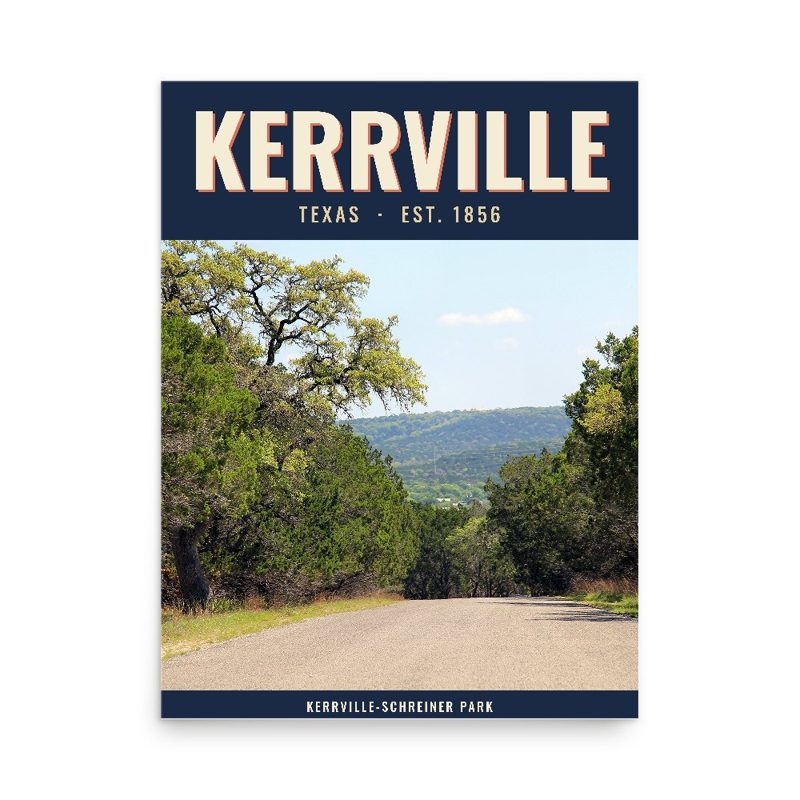
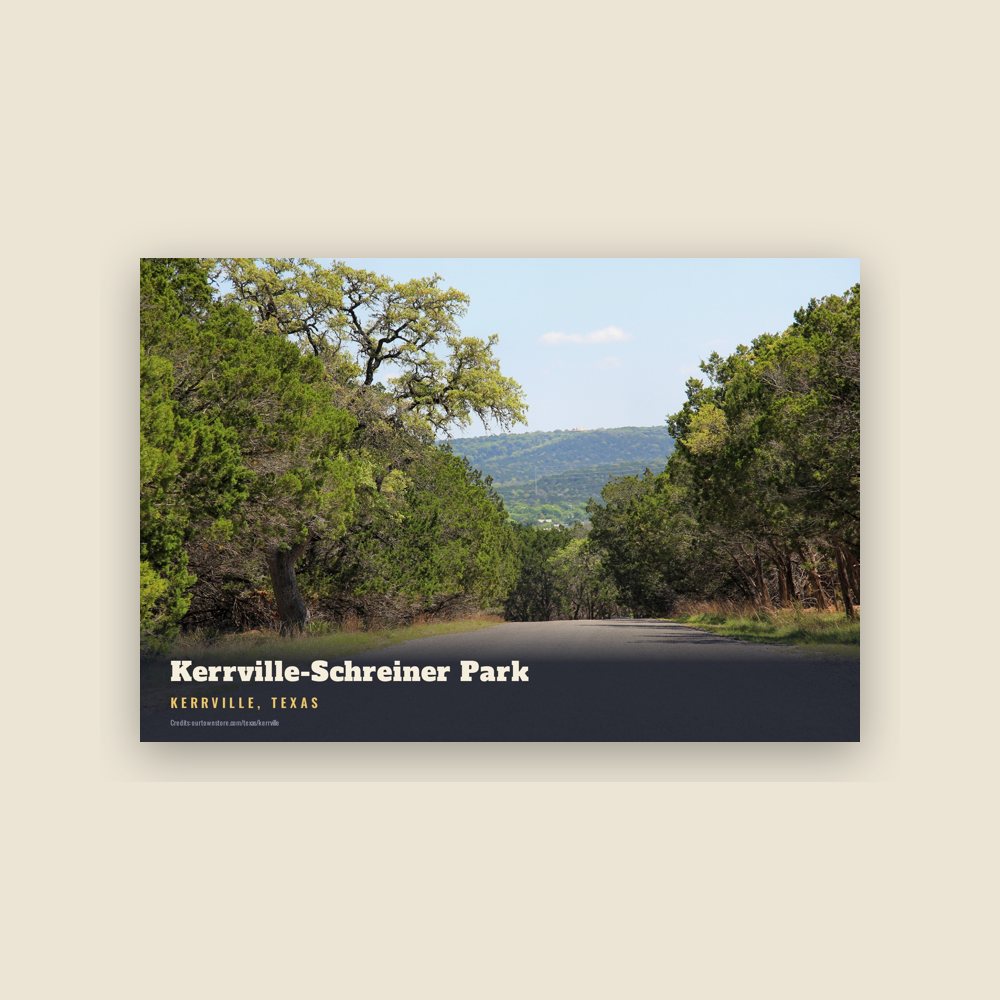
 Kerrville-Schreiner Park