A short history of Boerne
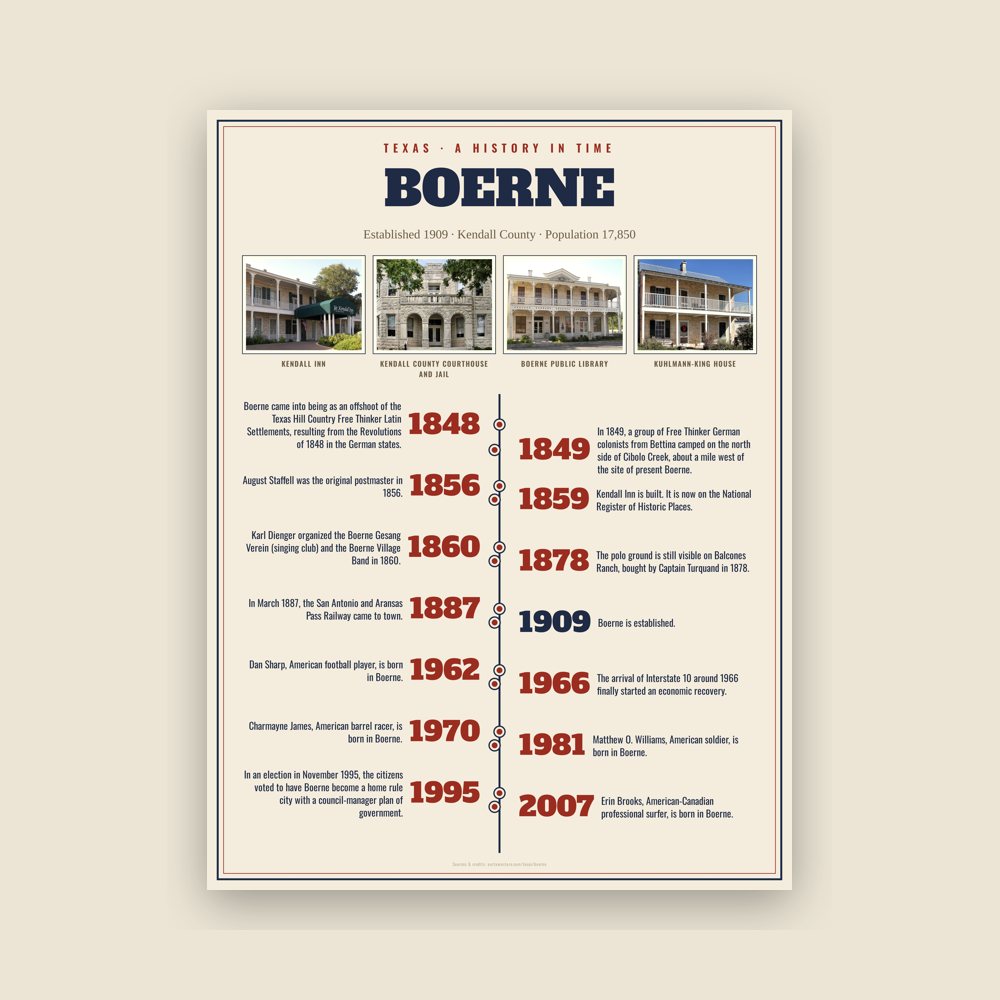
Boerne came into being as an offshoot of the Texas Hill Country Free Thinker Latin Settlements, resulting from the Revolutions of 1848 in the German states. Those who came were Forty-Eighters, intellectual liberal abolitionists who enjoyed conversing in Latin and who believed in utopian ideals that guaranteed basic human rights to all. They reveled in passionate conversations about science, philosophy, literature, and music. The Free Thinkers first settled Castell, Bettina, Leningen, and Schoenburg in Llano County. These experimental communities were supported for one year by the Adelsverein, a group of German nobles. The communities eventually failed due to lack of finances after the Adelsverein funding expired, and also due to conflicts of structure and authority. Many of the pioneers from these communities moved to Sisterdale, Boerne, and Comfort.
In 1849, a group of Free Thinker German colonists from Bettina camped on the north side of Cibolo Creek, about a mile west of the site of present Boerne. They named their new community after Cicero's Tusculum home in ancient Rome. In 1852, surveyor John James and businessman Gustav Theissen, who had helped settle Sisterdale, platted the townsite, renamed it in honor of German author Karl Ludwig Börne, (with the Anglicized spelling of "Boerne") and sold off the platted lots. The town was not incorporated until 1909. August Staffell was the original postmaster in 1856. Early businesses in Boerne included a sawmill/gristmill, blacksmith shop and meat market.
Karl Dienger organized the Boerne Gesang Verein (singing club) and the Boerne Village Band in 1860. The family and descendants of Sisterdale resident Baron Ottomar von Behr have included three generations of directors of the Boerne Village Band, and four generations of musicians. The band is billed as the "Oldest Continuously Organized German Band in the World outside Germany", and in 1998 the Federal Republic of Germany recognized the Boerne Village Band for its contribution to the German heritage in Texas and America.
During the Civil War, Boerne voted against secession and was a mostly pro-Union town; many communities in Kendall County were part of the formation of the Union League, which supported the Union and Abraham Lincoln.
The 1870 limestone courthouse, second-oldest in Texas, was designed by architects Philip Zoeller and J. F. Stendebach, and stands directly across the street from the current 1998 courthouse designed by architects Rehler, Vaughn & Koone, Inc.
In the 1870s and 1880s, immigrants from England began arriving in the Texas Hill Country. In the late 1870s, retired British army officers, including Glynn Turquand and Captain Egremont Shearburn, played one of the first polo matches in the United States in Boerne. The polo ground is still visible on Balcones Ranch, bought by Captain Turquand in 1878.
In March 1887, the San Antonio and Aransas Pass Railway came to town. The coming of the railroad was an economic boost of some magnitude, and it created better conditions for the area.
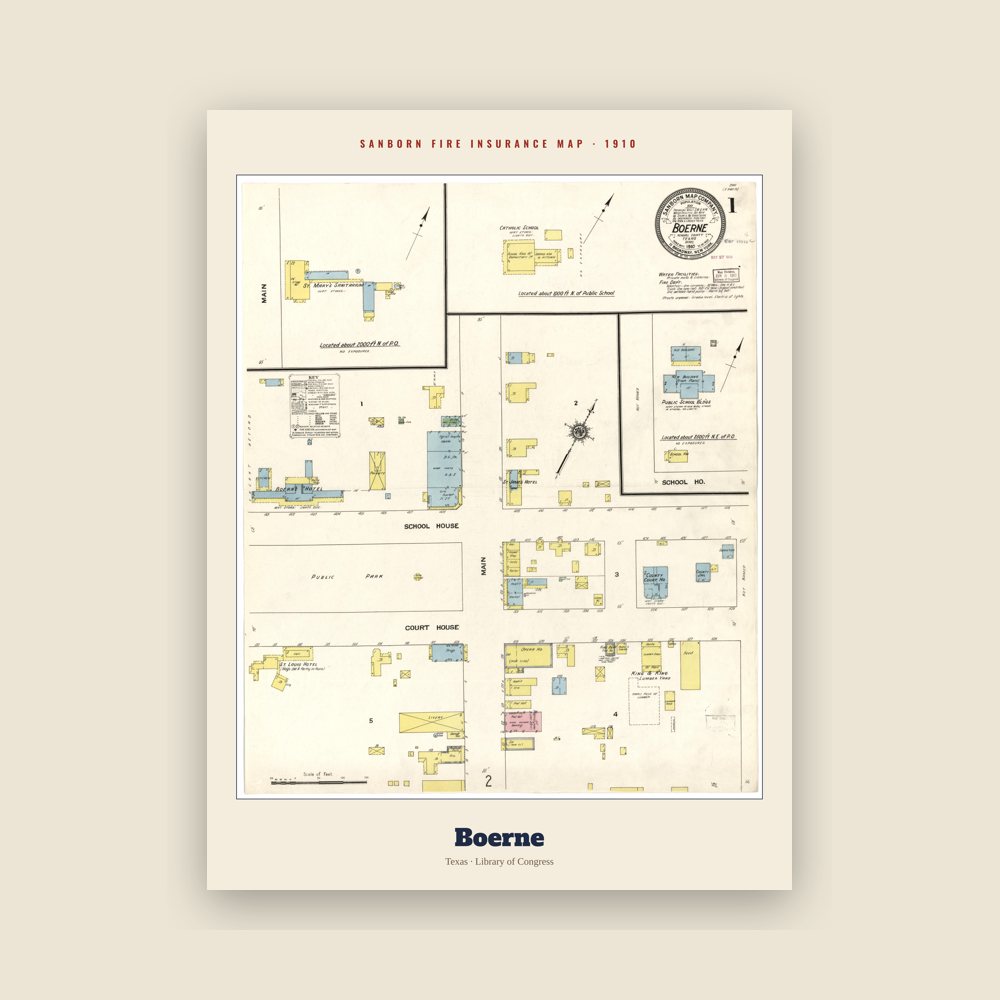
Boerne's robust environment encouraged the health resort industry. Sisters of the Incarnate Word founded the St. Mary's Sanitarium in 1896 for pulmonary patients; Dr. W.E. Wright contracted with the Veterans Administration in 1919 to provide care for World War I veterans suffering from lung ailments; the William L. Sill Tuberculosis Resort operated northwest of Boerne; and Mrs. Adolph (Emilie) Lex opened her home to recovering patients, eventually converting two rooms into operating rooms.
When incorporated in 1909, Boerne was a general-law municipality with a mayor-alderman form of government. In an election in November 1995, the citizens voted to have Boerne become a home rule city with a council-manager plan of government.
The arrival of the boll weevil, World War I, the Great Depression and World War II all contributed to decades of economic decline in Boerne. The arrival of Interstate 10 around 1966 finally started an economic recovery.
Adapted (trimmed) from the Wikipedia article Boerne, Texas, revision 1381086802 by its contributors, licensed CC BY-SA 4.0.
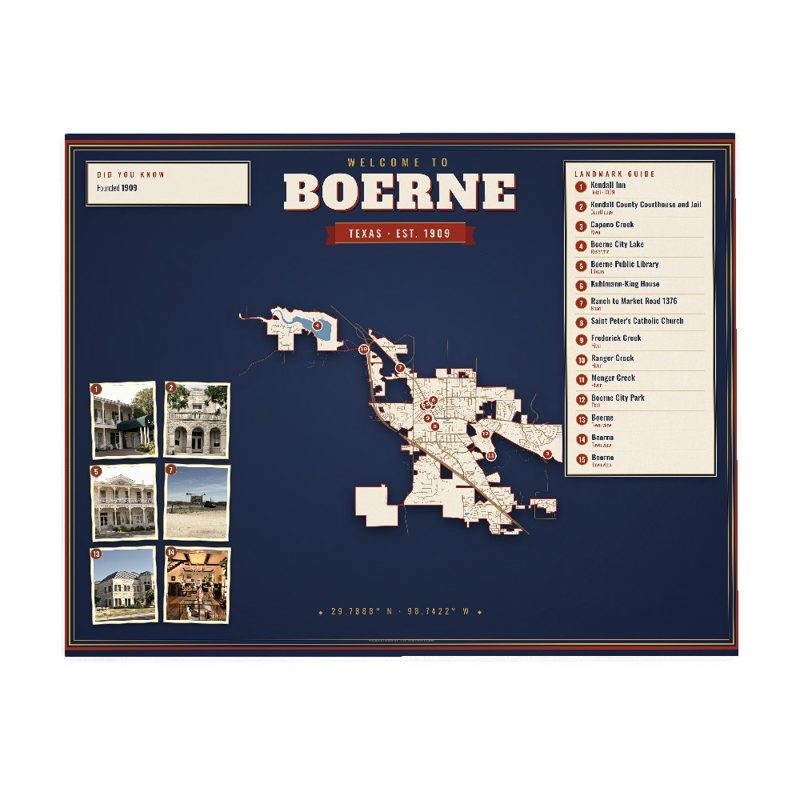







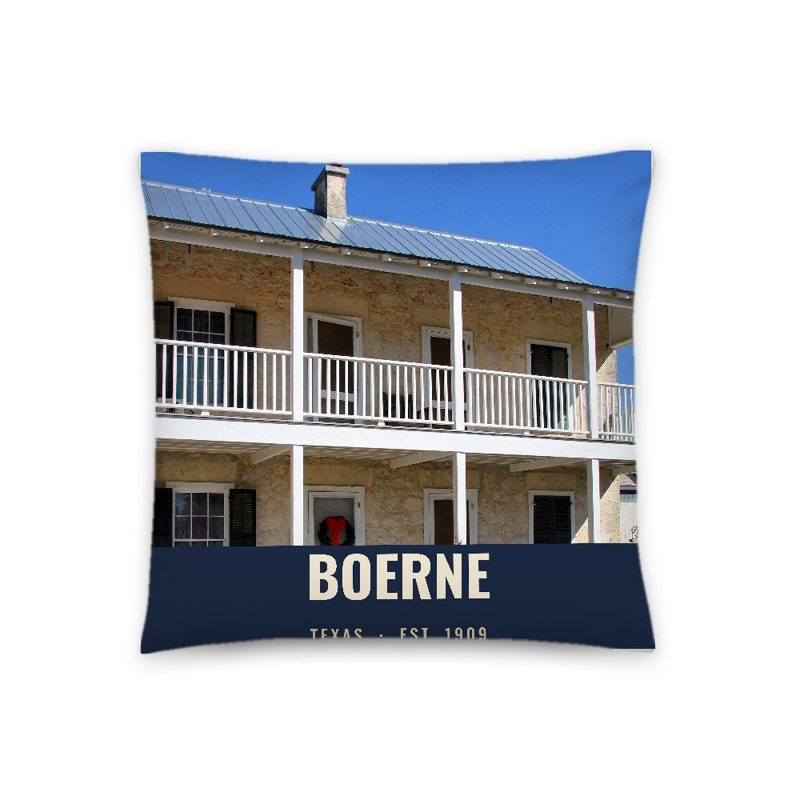



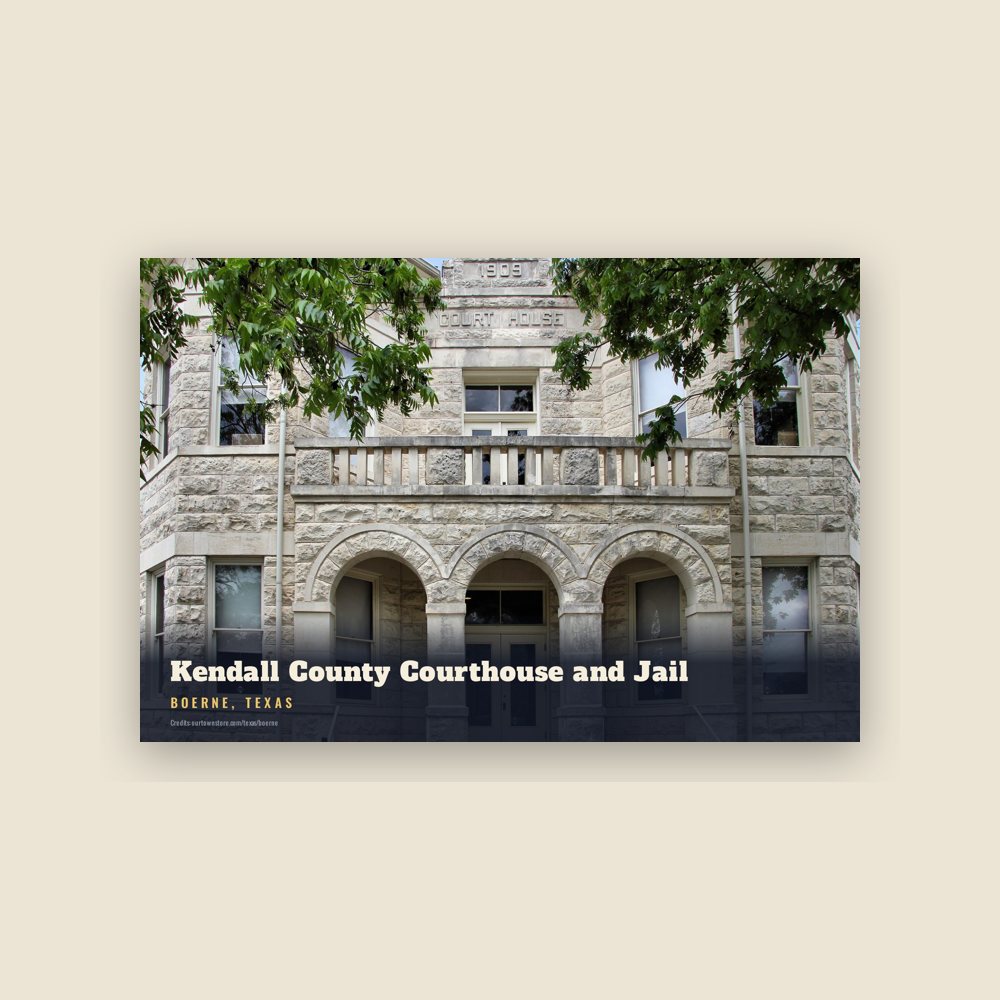
 Kendall County Courthouse and Jail
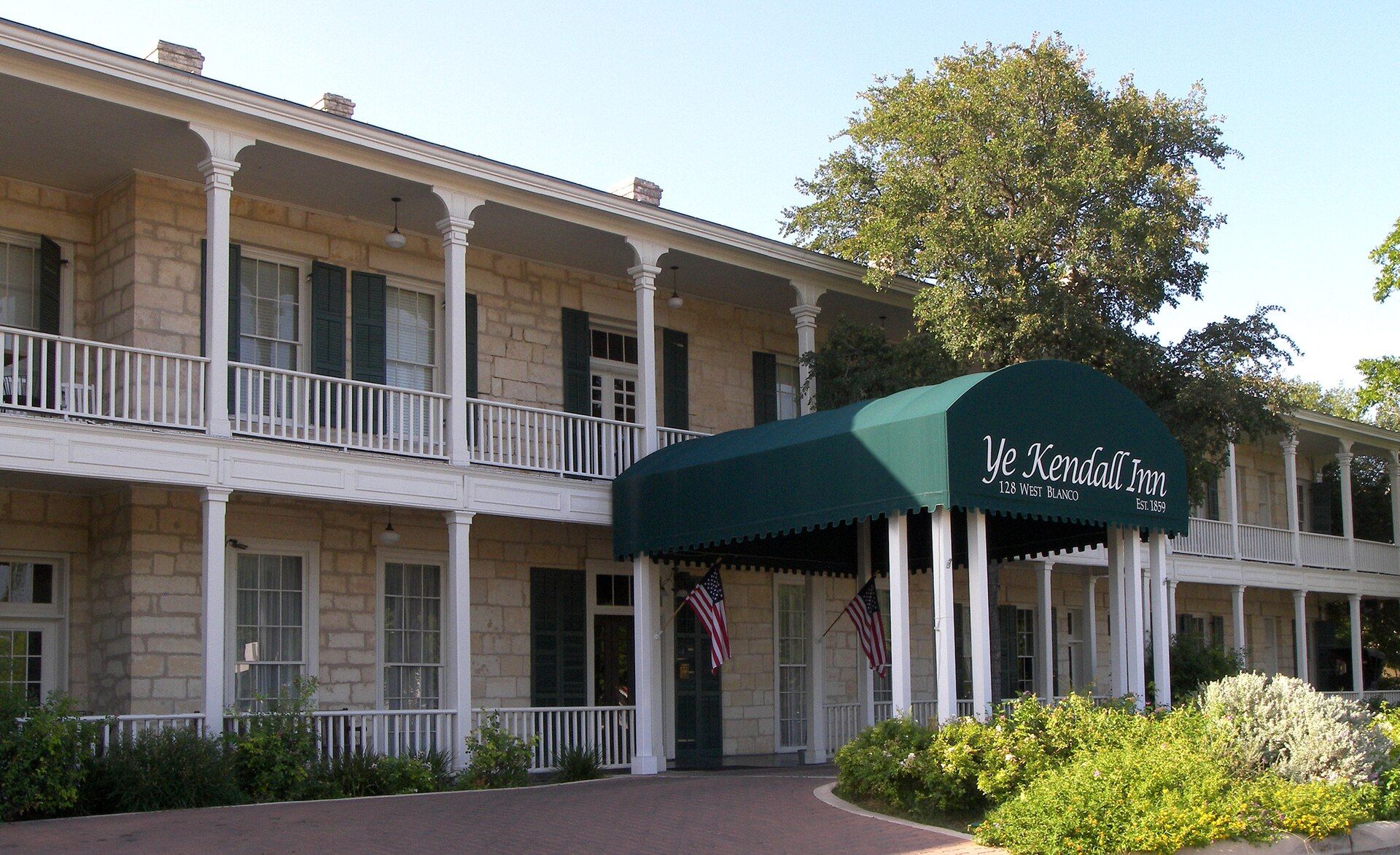
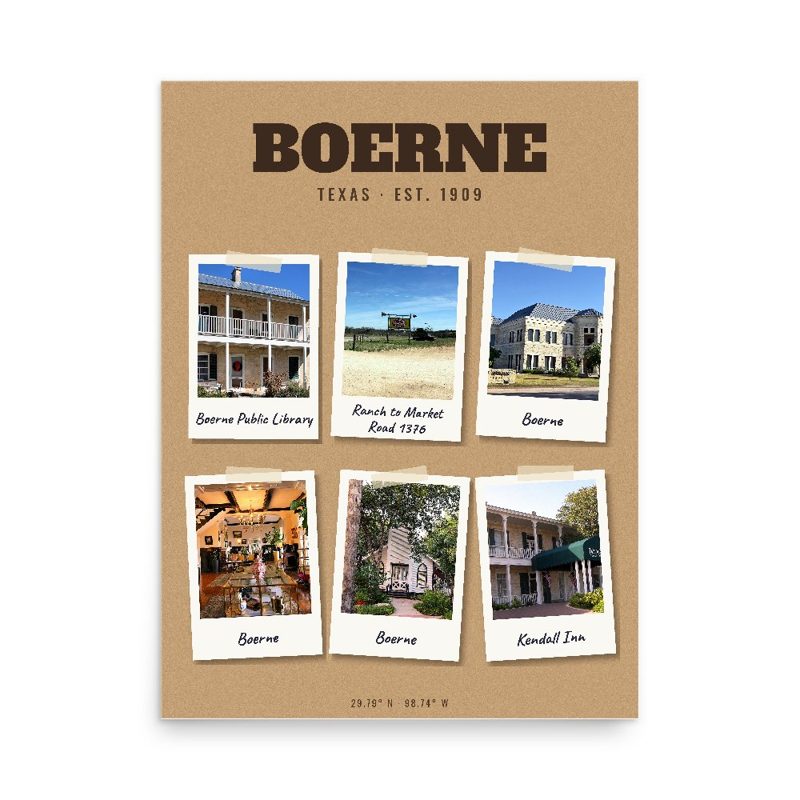
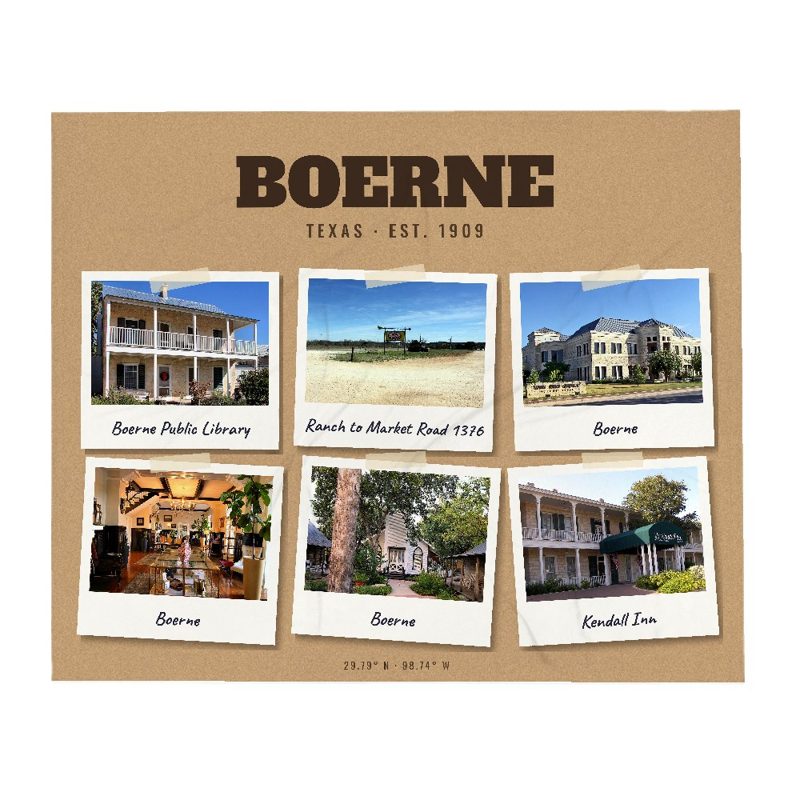
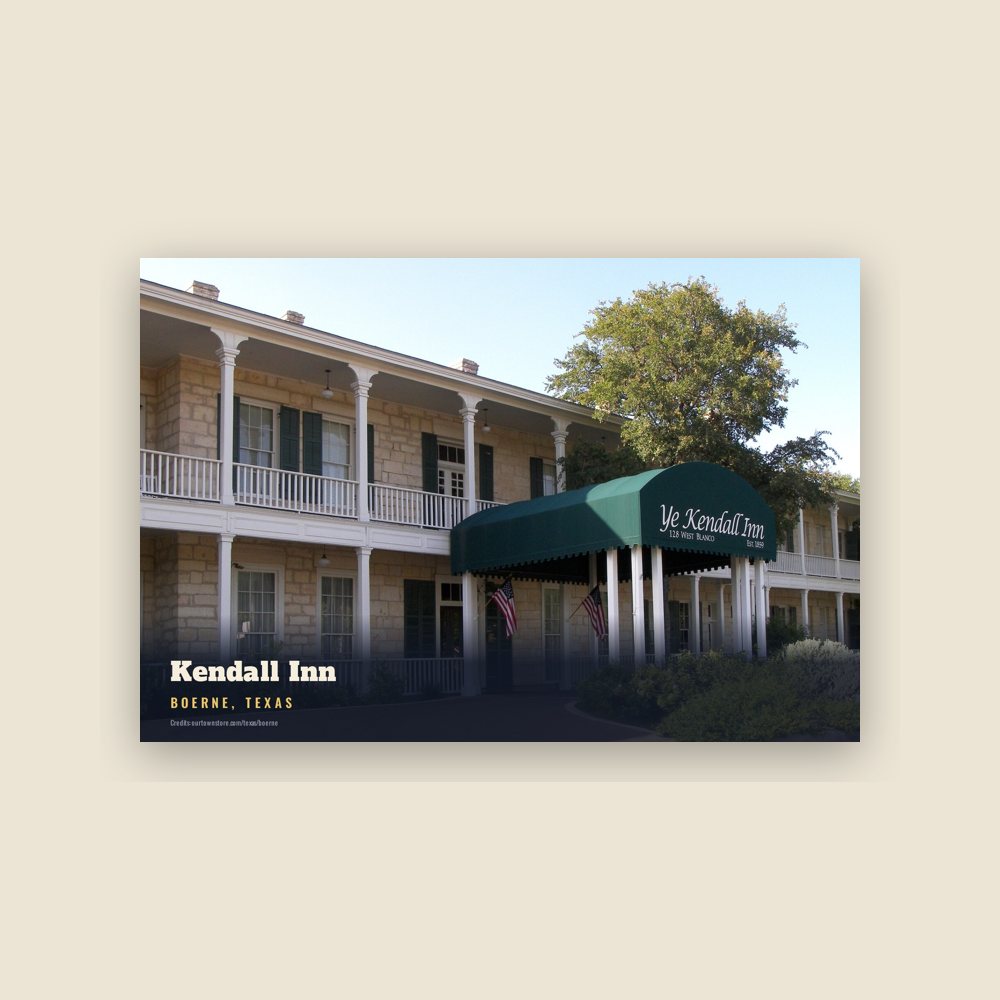
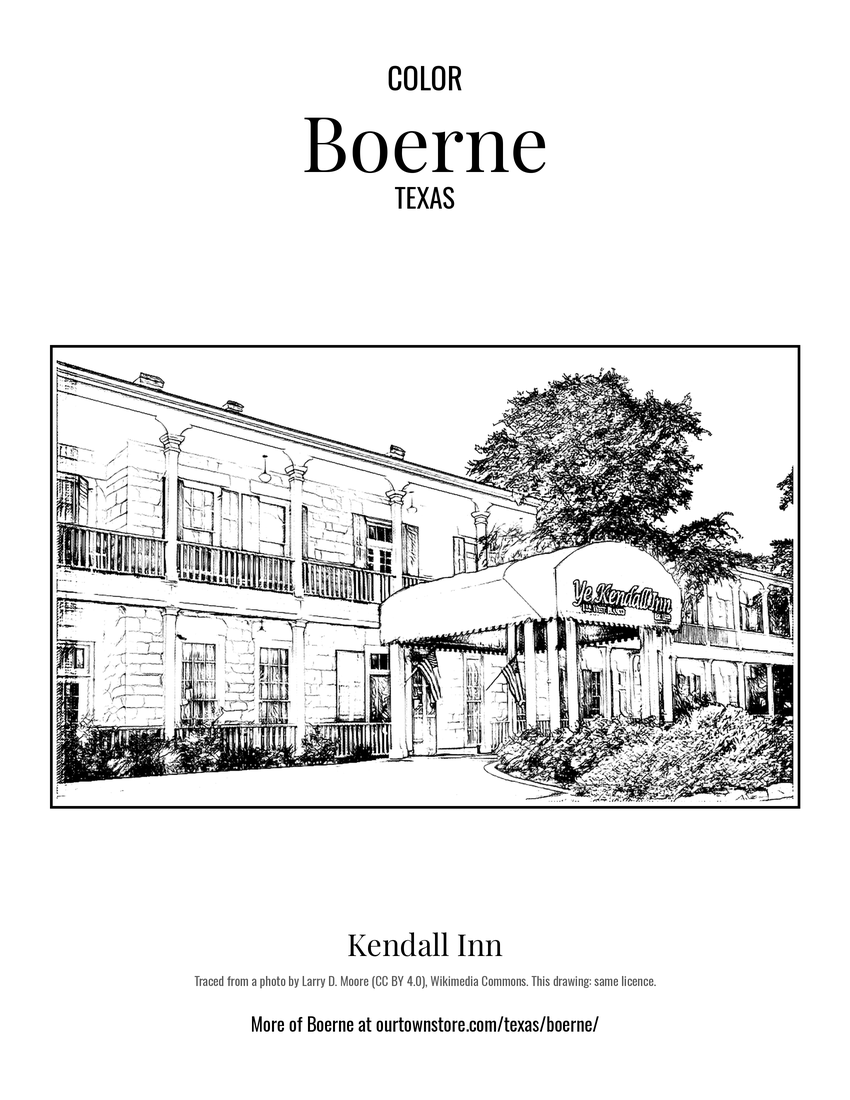 Kendall Inn
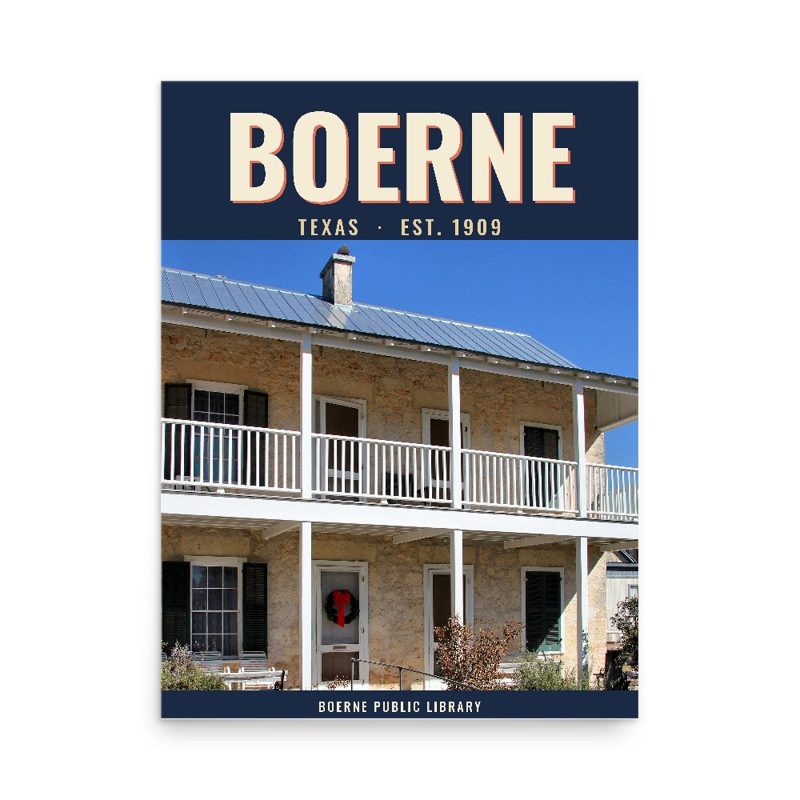
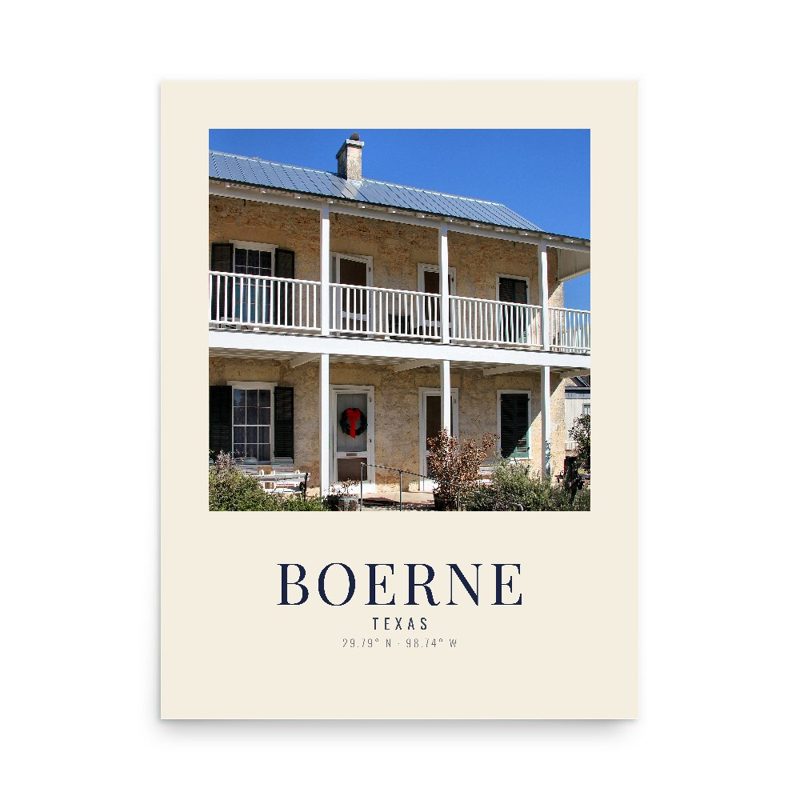
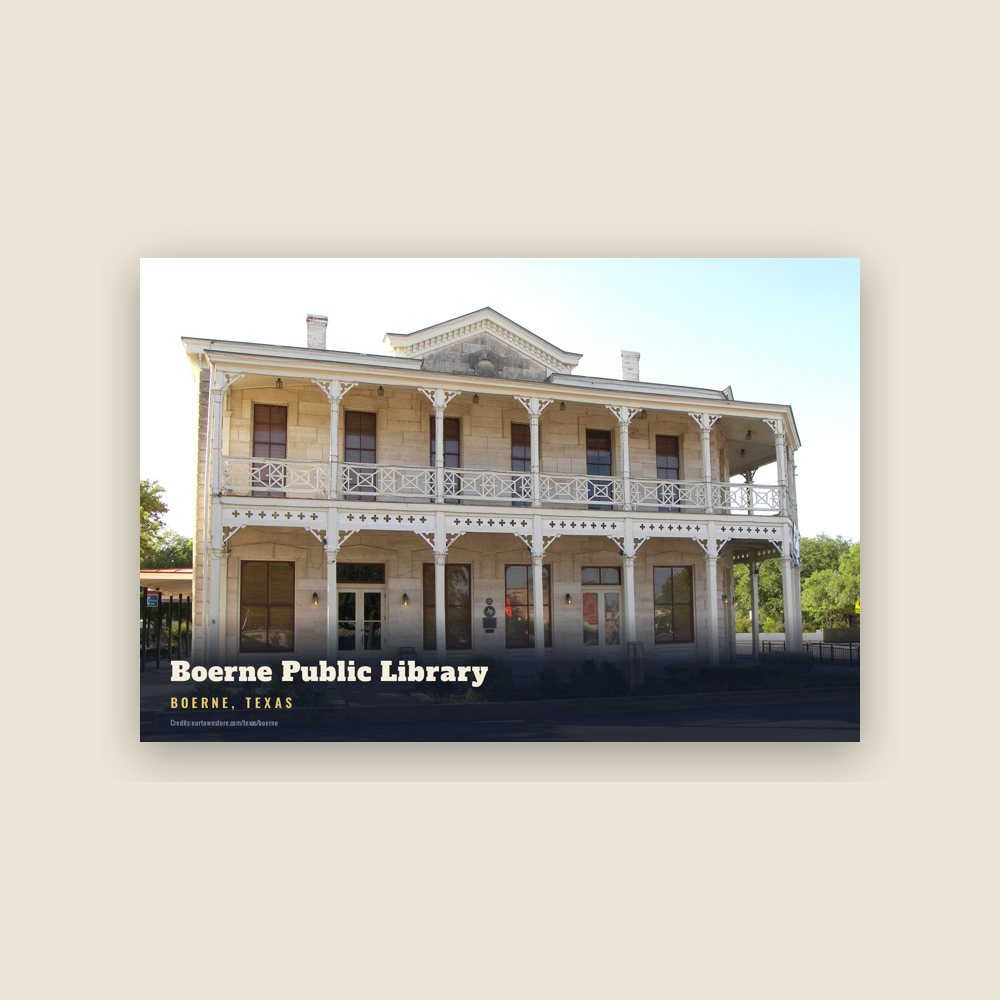
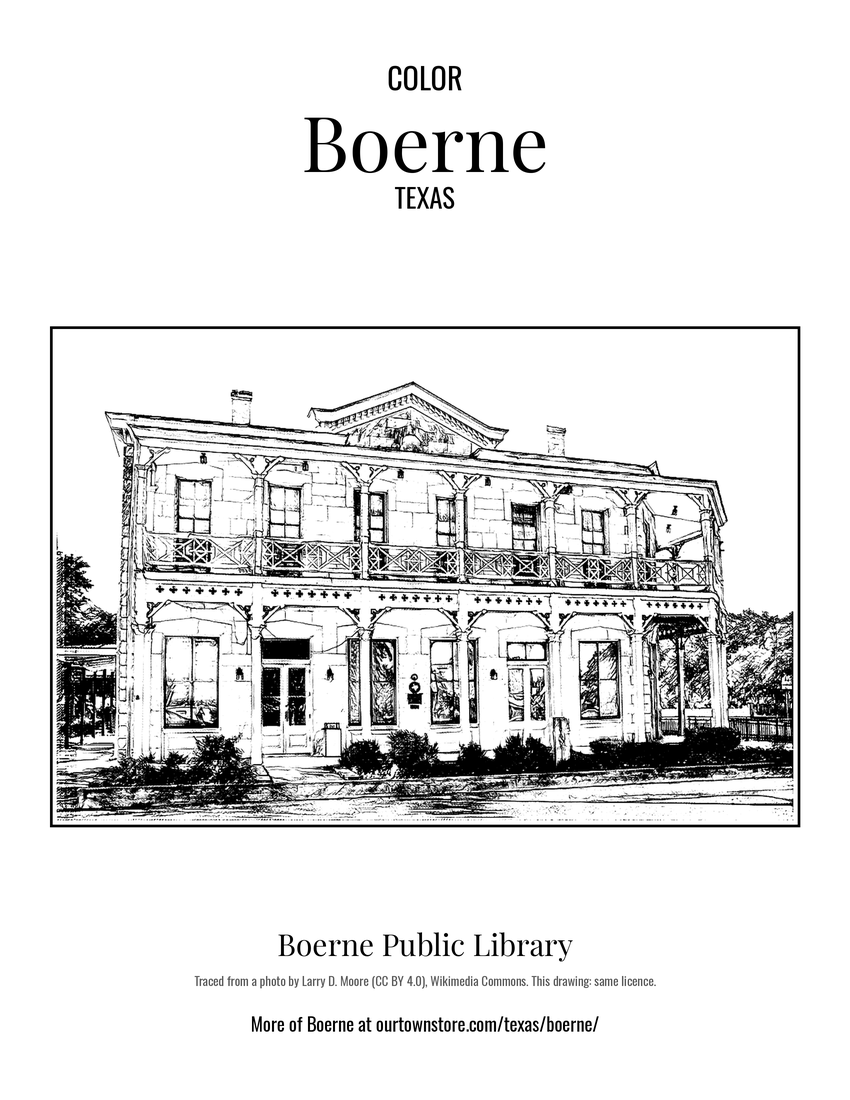 Boerne Public Library
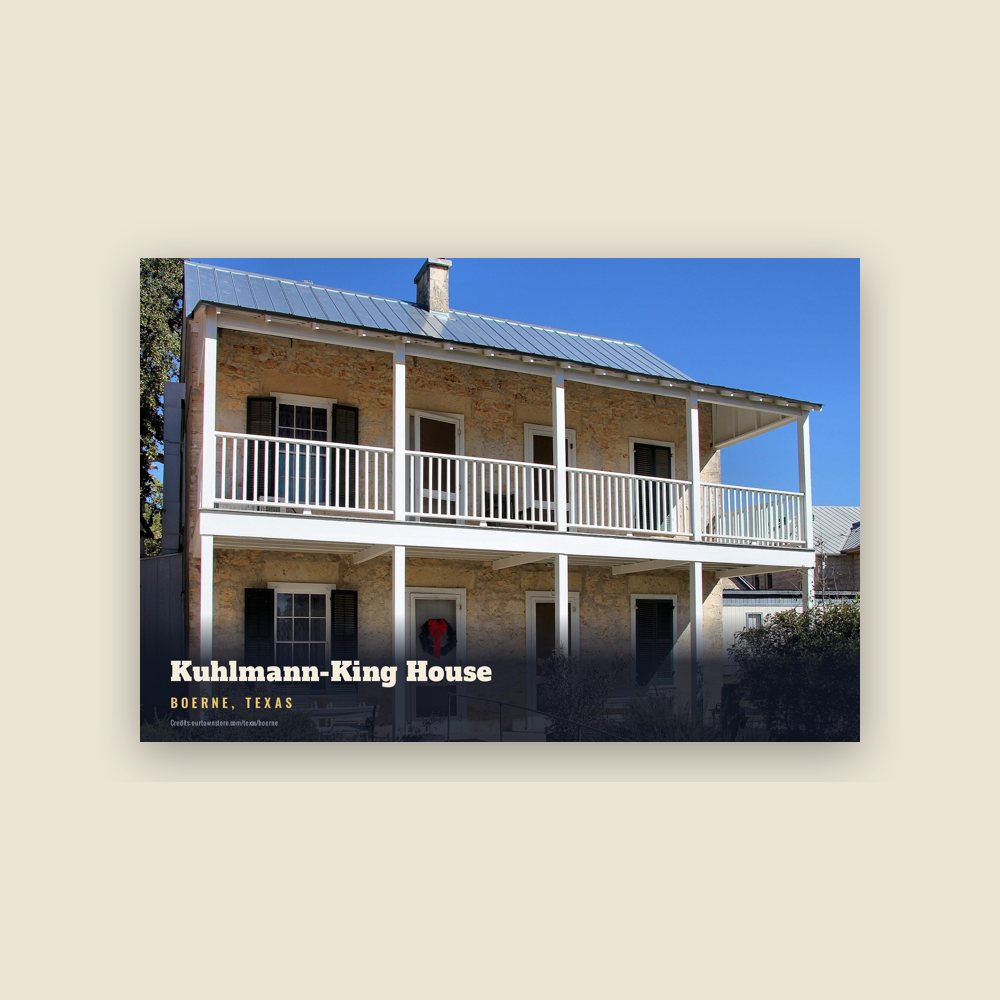
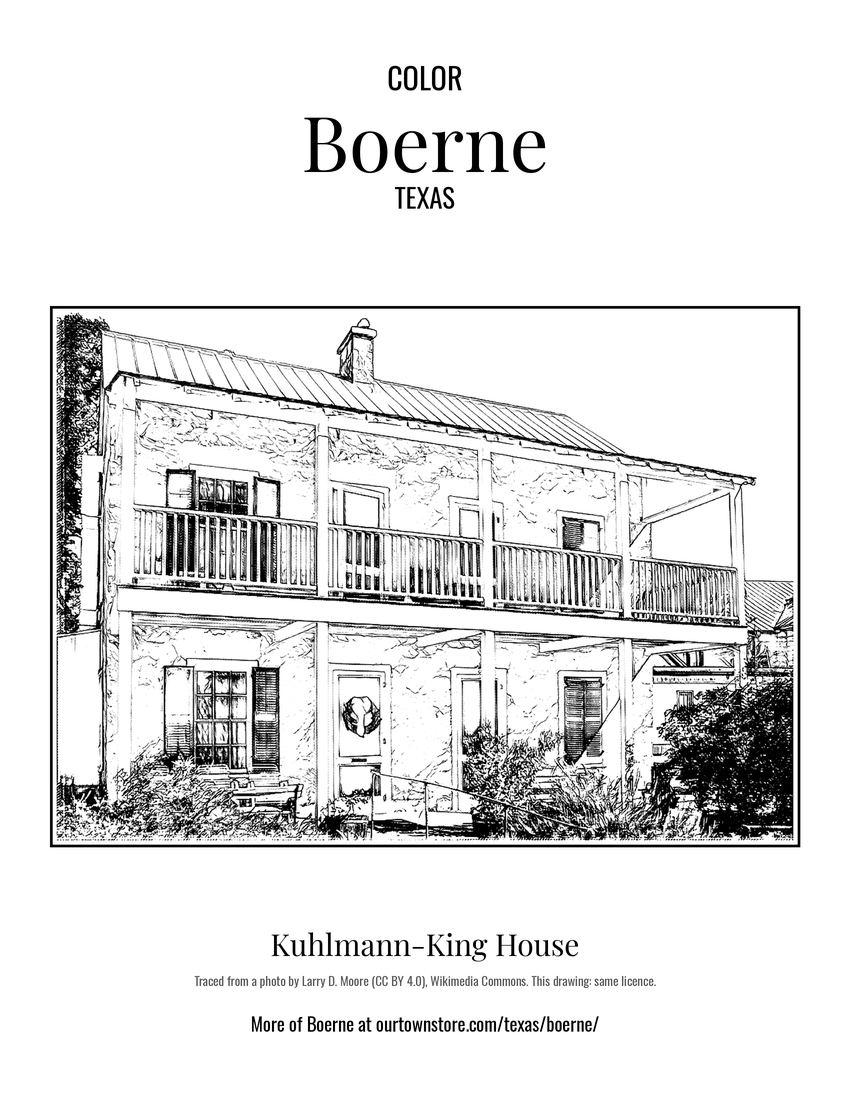 Kuhlmann-King House