Lytle grew out of 321 acres (130 ha) located around the head of Atascosa Creek, patented to Henry Volkner in 1856.
- CountyMedina County
- Population2,914 (2020 U.S. Census)
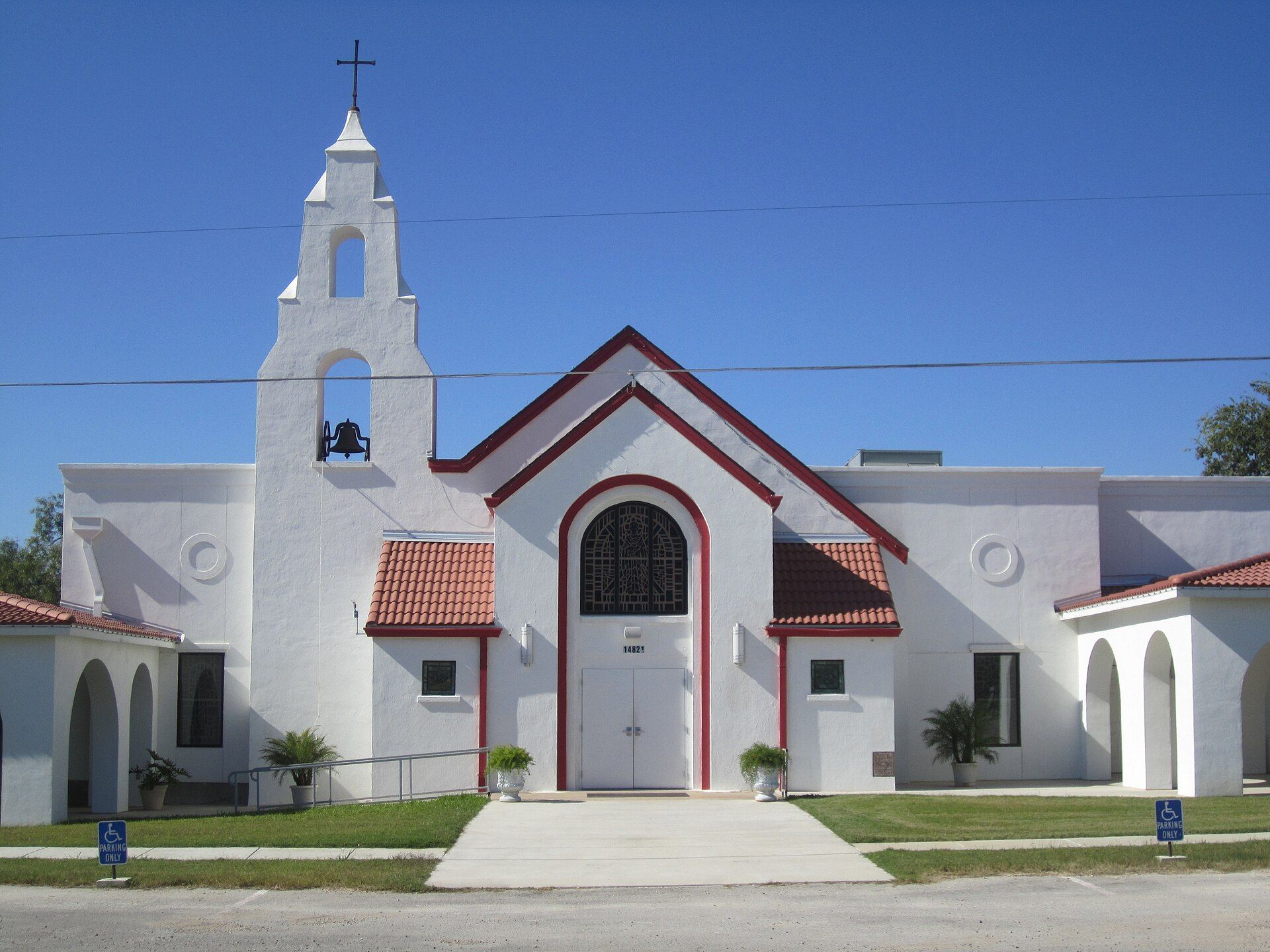
Lytle grew out of 321 acres (130 ha) located around the head of Atascosa Creek, patented to Henry Volkner in 1856.
Lytle, Texas gifts and souvenirs: 26 designs made from Lytle's own map, landmarks and history, from $16 to $95. Printed to order and shipped free in the USA.
| Popular | Price |
|---|---|
| Lytle Hometown Ornament | $23 |
| Lytle Vintage Travel Poster | from $40 |
| Lytle Varsity Crewneck | from $57 |
| Lytle Est. Tee | from $33 |
| Lytle Town Line Mug | from $26 |
| Lytle Market Tote | $37 |
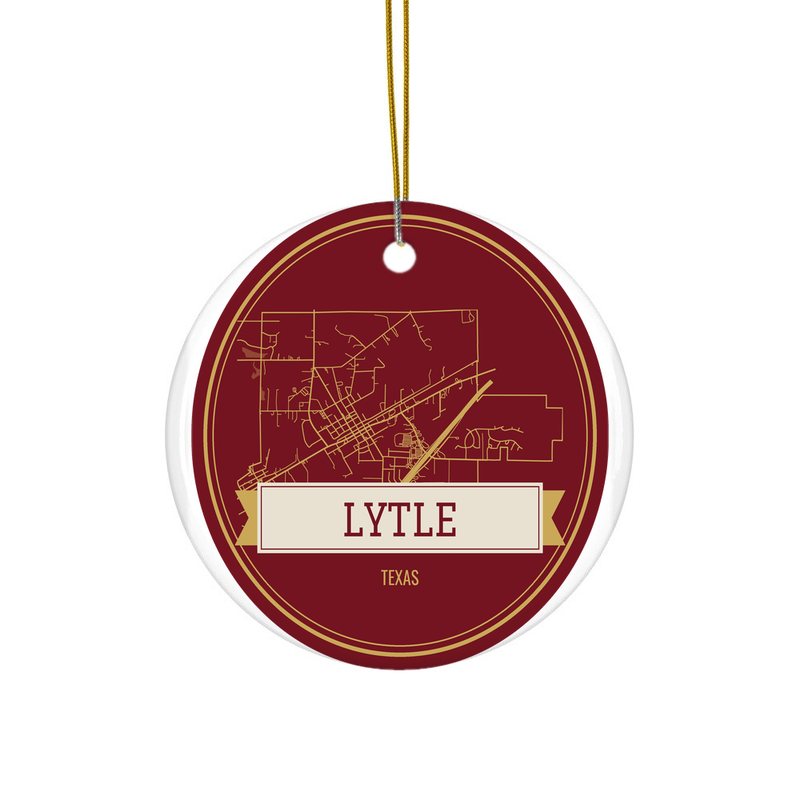
Ceramic keepsake, gold ribbon, in 3 styles
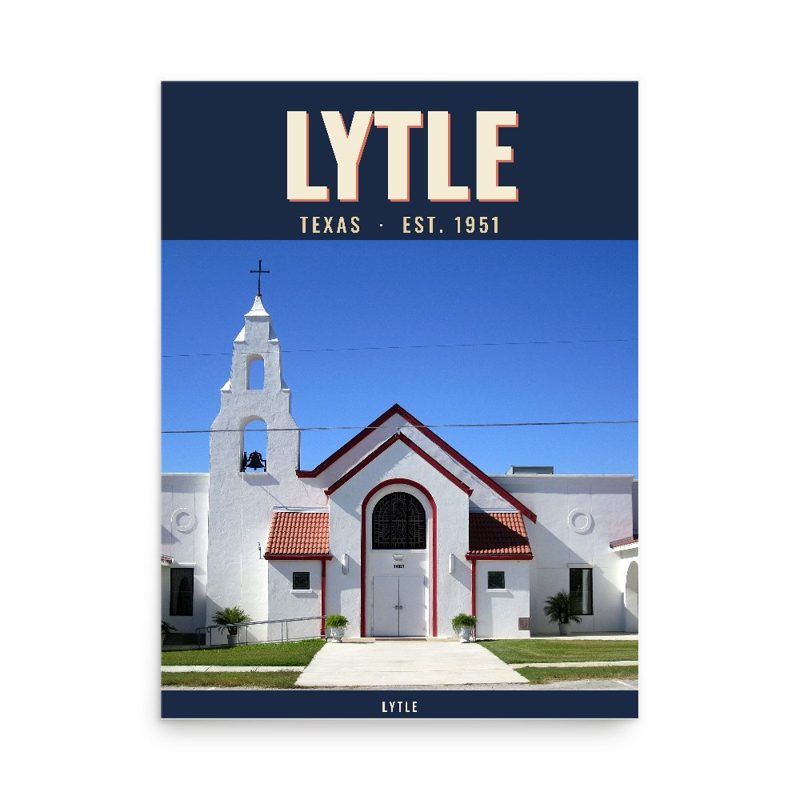
Its landmark photo in a classic travel-poster layout
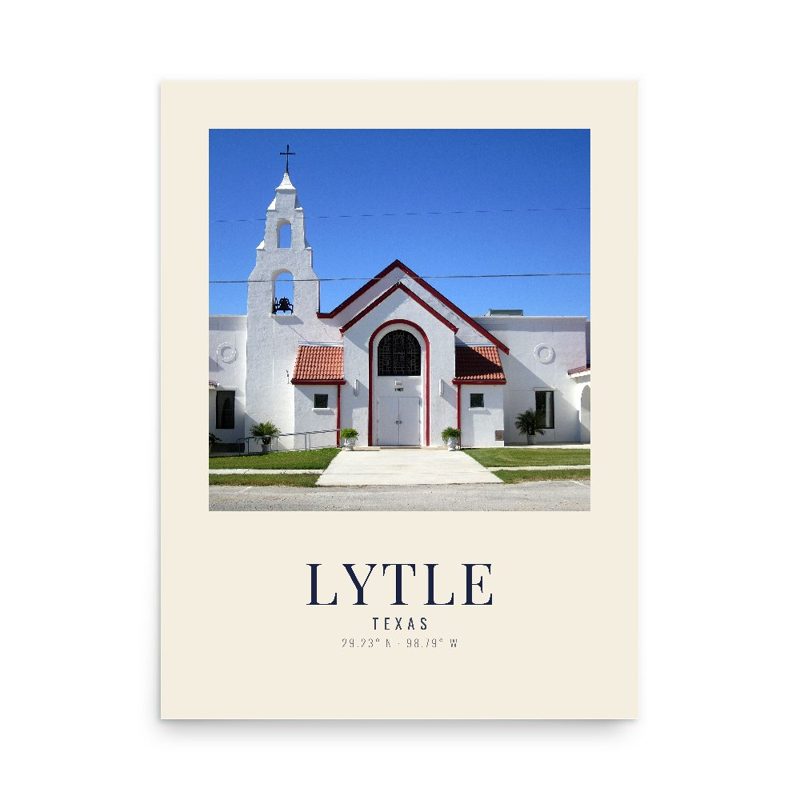
A local landmark photo as a gallery print
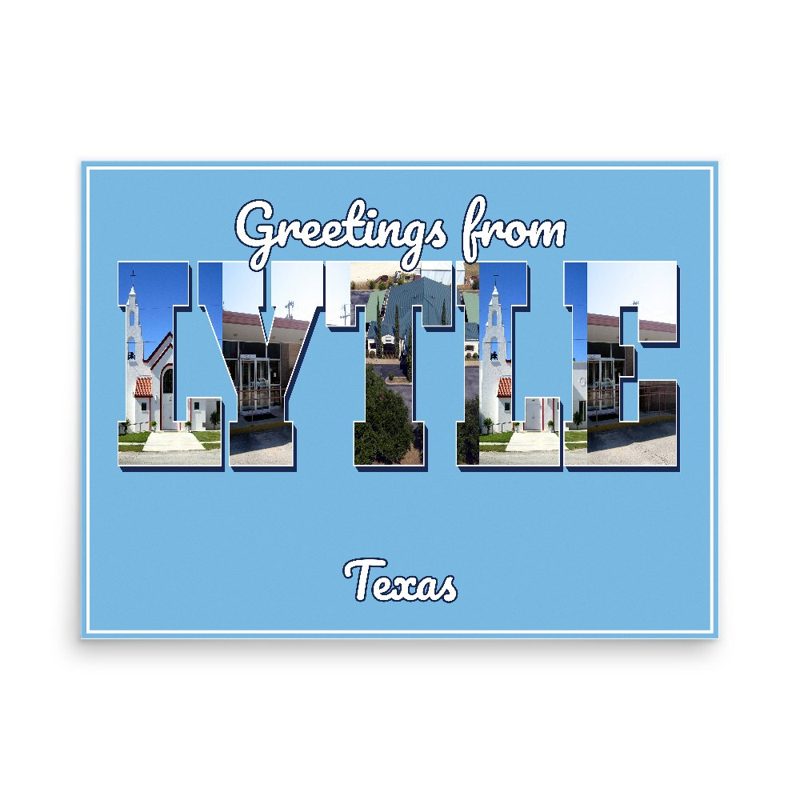
Classic large-letter postcard art, filled with local photos
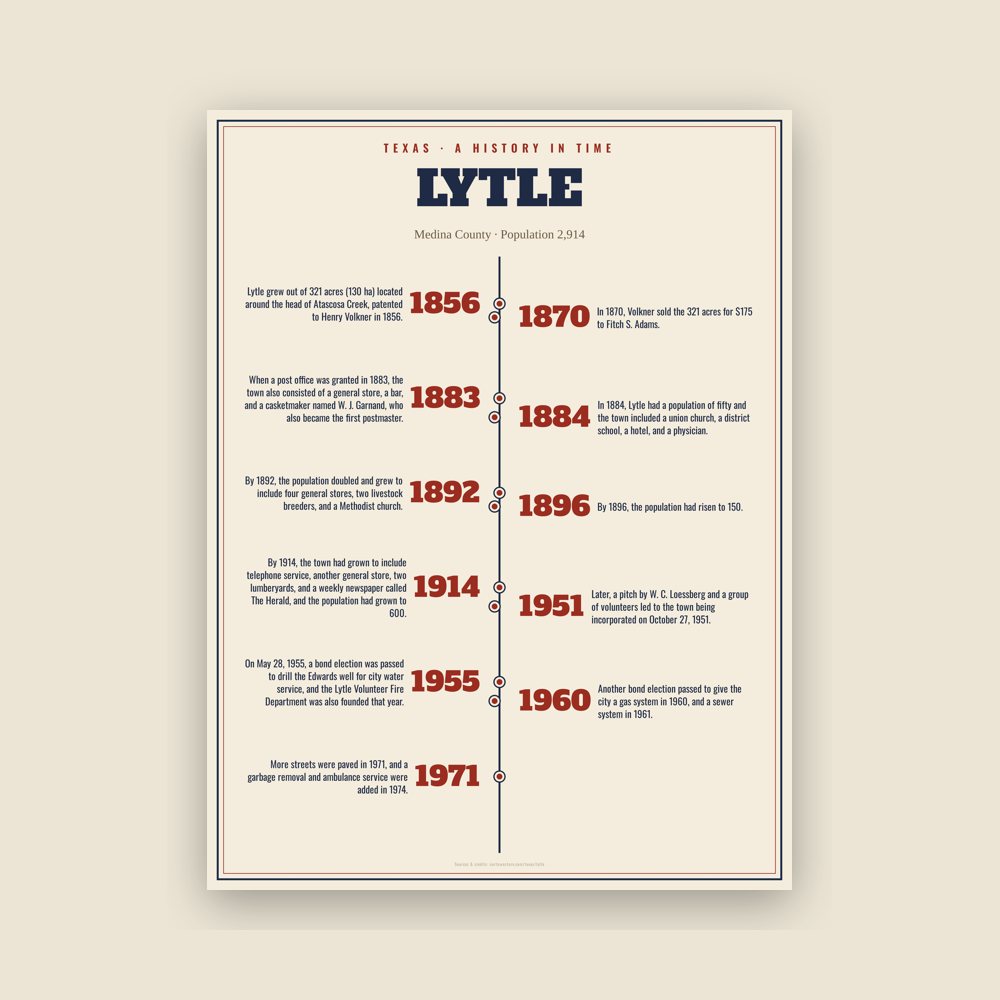
The town's story in dates, from its own records, for home or classroom
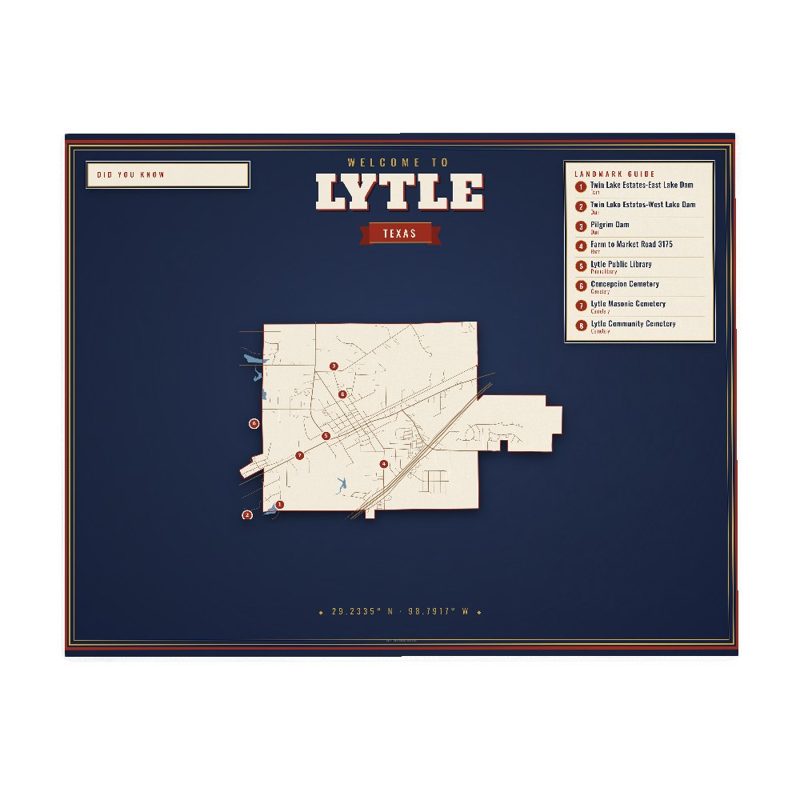
Map of local landmarks, washable fabric

Heavy-blend fleece, street map printed on the back
Red heavy-blend crewneck, knit-stitch town print

Soft Bella+Canvas jersey
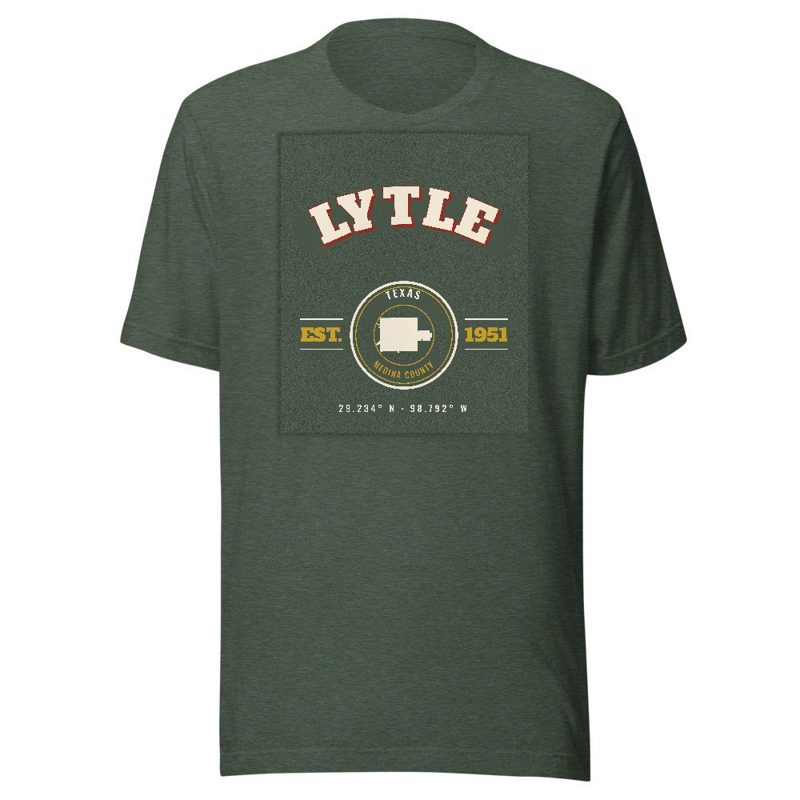
Kids' Bella+Canvas jersey, youth sizes
Bella+Canvas toddler jersey
Bella+Canvas baby bodysuit
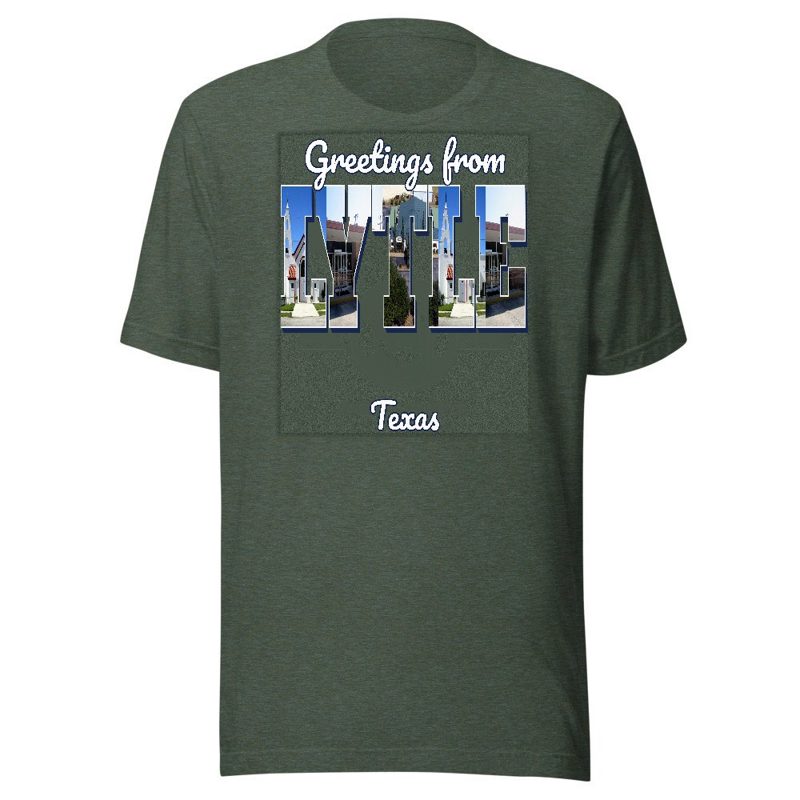
Large-letter postcard art filled with local photos
Glossy ceramic, dishwasher safe

Large-letter postcard art filled with local photos, 11 oz ceramic
Weatherproof, for the front walk
24″×16″, printed coir-look fibers, rubber back
12″×12″ printed wood, ready to hang
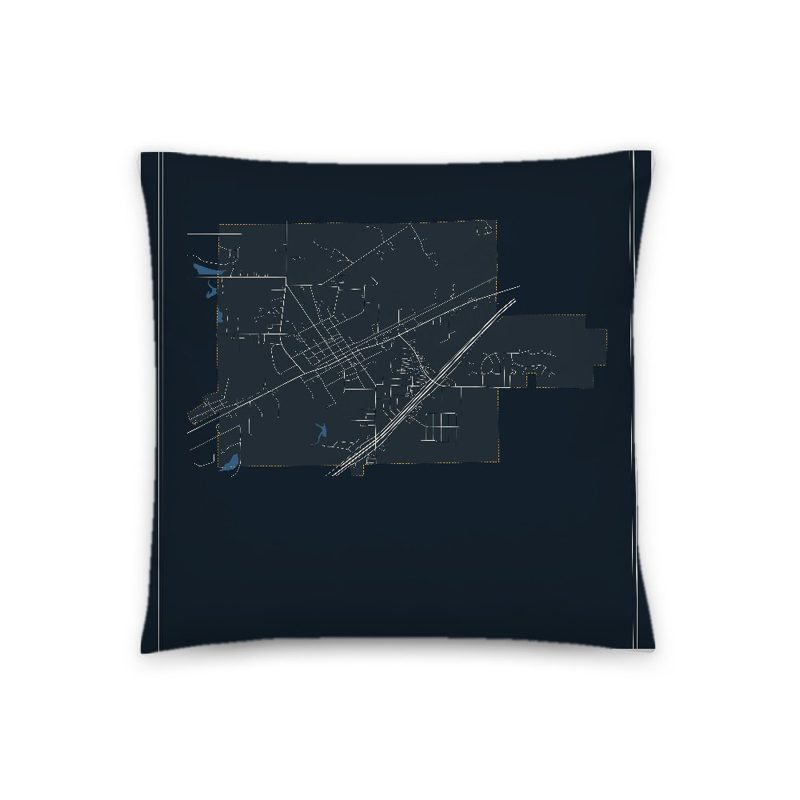
Soft-touch, zip cover

A local landmark photo with the town name, 18″×18″
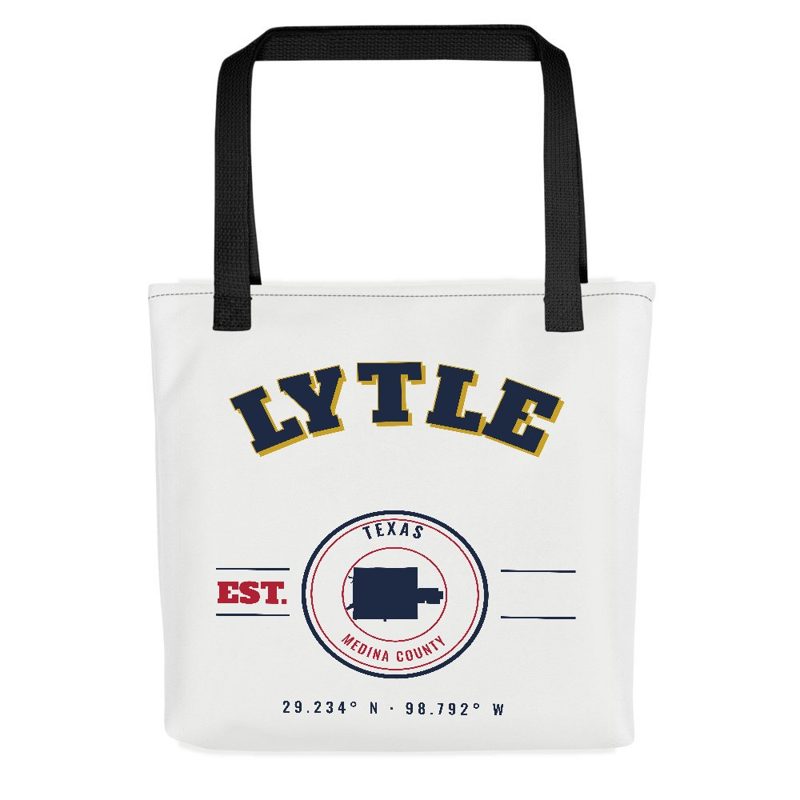
Sturdy all-over-print tote

Large-letter postcard art on a sturdy tote

Foam-front trucker, printed (not embroidered) with local photos

Glossy top, cork back
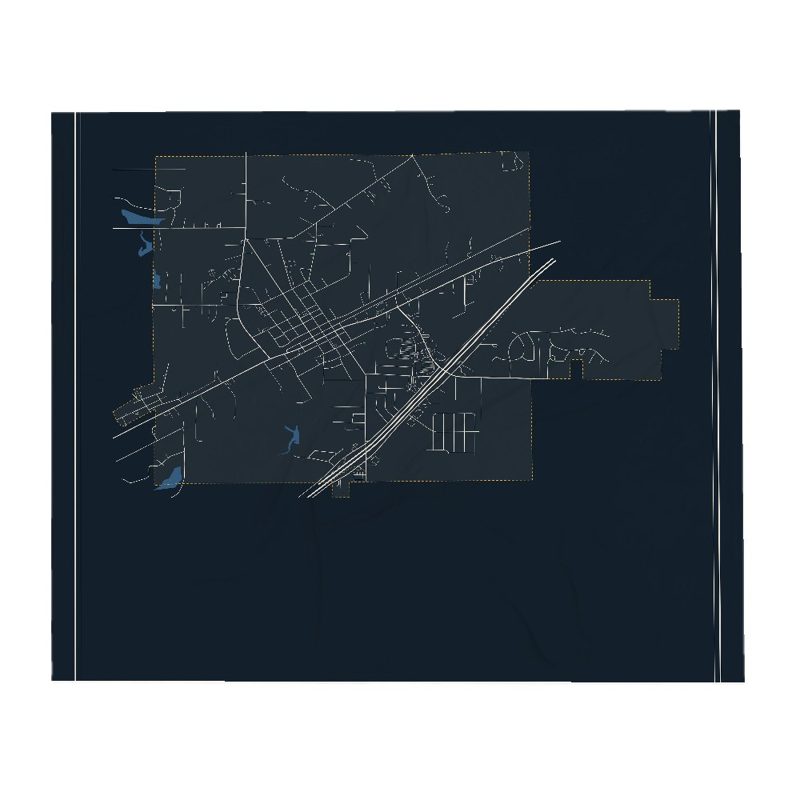
Soft fleece, 50″×60″
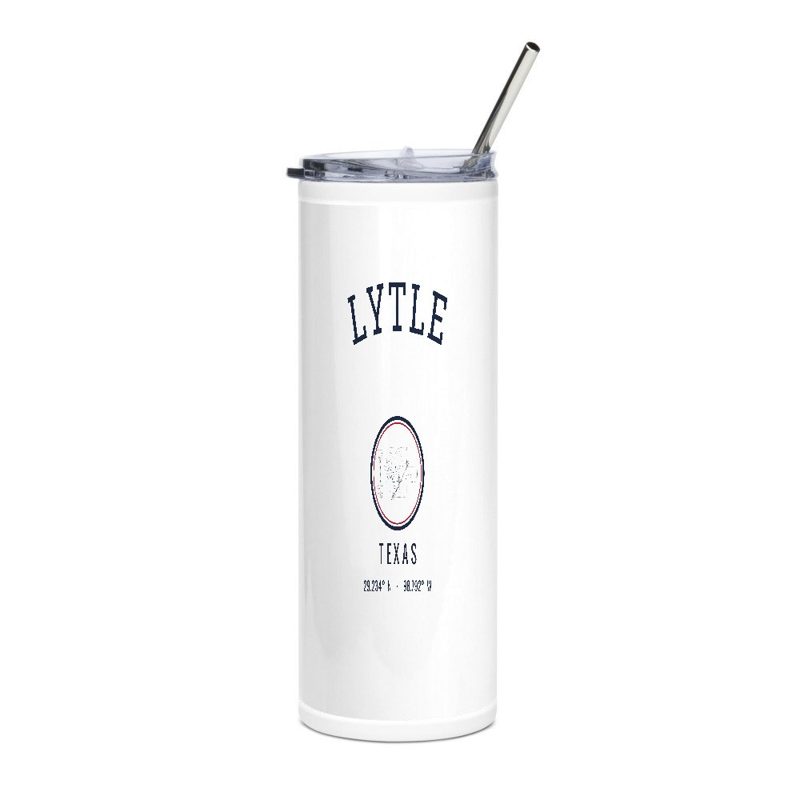
20 oz, double-wall stainless
Lytle grew out of 321 acres (130 ha) located around the head of Atascosa Creek, patented to Henry Volkner in 1856. Volkner was the assignee of Mahan Matter, and the patent was signed by Elisha M. Pease, Governor of Texas. In 1870, Volkner sold the 321 acres for $175 to Fitch S. Adams. Lytle's first school was built on Adams' property with a verbal agreement that as long as the school building was there, the land it stood would belong to the school.
In 1881, officials from the International–Great Northern Railroad made an agreement with B. G. Andrews in which he was to give land for a new station ("Andrews Station"). There was some misunderstanding in making the deed, and the dispute ended with Mr. Andrews refusing to submit the property deed. Cattleman John T. Lytle then secured land some three miles southwest of Andrews Station, and one morning in 1882 railroad employees loaded Andrews Station on two flat cars, and moved it to the present site near the Lytle-McDaniel Ranch, which became known as Lytle or Lytle Station. When a post office was granted in 1883, the town also consisted of a general store, a bar, and a casketmaker named W. J. Garnand, who also became the first postmaster. An undated newspaper clipping entitled "Pioneer of Lytle" reads, "...W. J. Garnand was the first man to locate in the town of Lytle. That was in 1883. He was the first postmaster there and has been a leading citizen all the time."
In 1884, Lytle had a population of fifty and the town included a union church, a district school, a hotel, and a physician. By 1892, the population doubled and grew to include four general stores, two livestock breeders, and a Methodist church. Lytle's early settlers were primarily engaged in farming and raising cattle. Over time, Lytle became a major shipping point for cattle, and for years the old stock pens and loading chute were familiar landmarks until they were removed in the late 1960s and early 1970s. Cotton and corn were also two important crops, and cotton gins were located in both Lytle and in now-abandoned Benton City. In the late 1890s, coal mining also contributed to the local economy. By 1896, the population had risen to 150. By 1914, the town had grown to include telephone service, another general store, two lumberyards, and a weekly newspaper called The Herald, and the population had grown to 600. Lytle School had 127 students. During the Great Depression, the school was enlarged as part of a WPA project.
After World War II, the Chamber of Commerce raised enough money together with property owner participation to pave the streets. Later, a pitch by W. C. Loessberg and a group of volunteers led to the town being incorporated on October 27, 1951. On May 28, 1955, a bond election was passed to drill the Edwards well for city water service, and the Lytle Volunteer Fire Department was also founded that year. Another bond election passed to give the city a gas system in 1960, and a sewer system in 1961. More streets were paved in 1971, and a garbage removal and ambulance service were added in 1974. Since that time, the city has continued to grow.
Adapted (trimmed) from the Wikipedia article Lytle, Texas, revision 1378748543 by its contributors, licensed CC BY-SA 4.0.
We share a part of every Lytle sale with local partners, and we'd love to print from your collection. Old photographs, maps and postcards make the best keepsakes.
Partner with usA favorite landmark, your street, a school or team, an anniversary gift, a different product. Tell us and we'll get back to you by email.
3 free coloring pages of Lytle, each traced from a photo of a local landmark. Print them at home, at school or for story hour.
Lytle's population was 2,914 in the 2020 U.S. Census, up from 2,492 in 2010.
 A view of Lytle
 A view of Lytle
 A view of Lytle