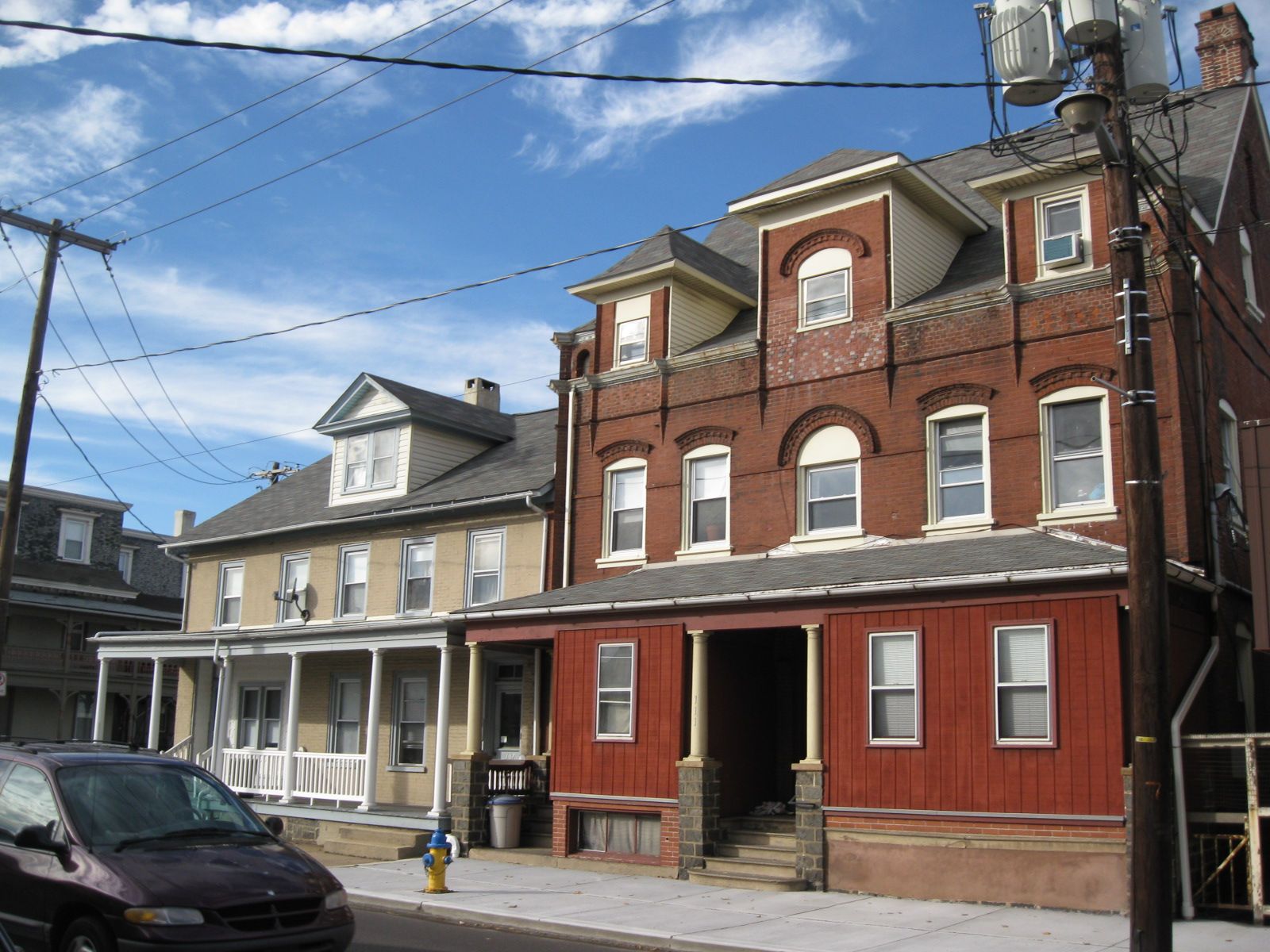
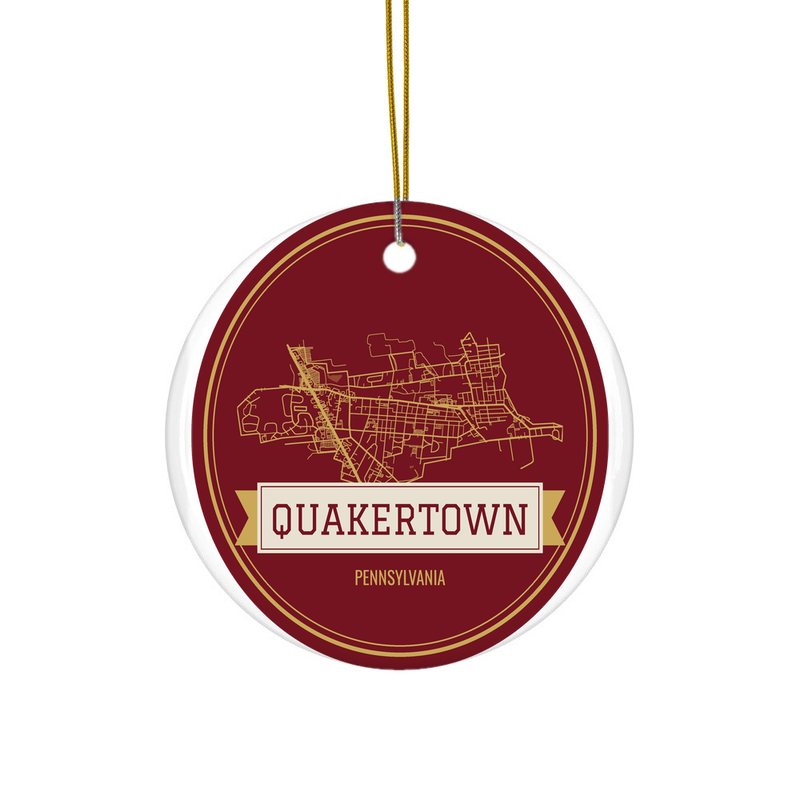
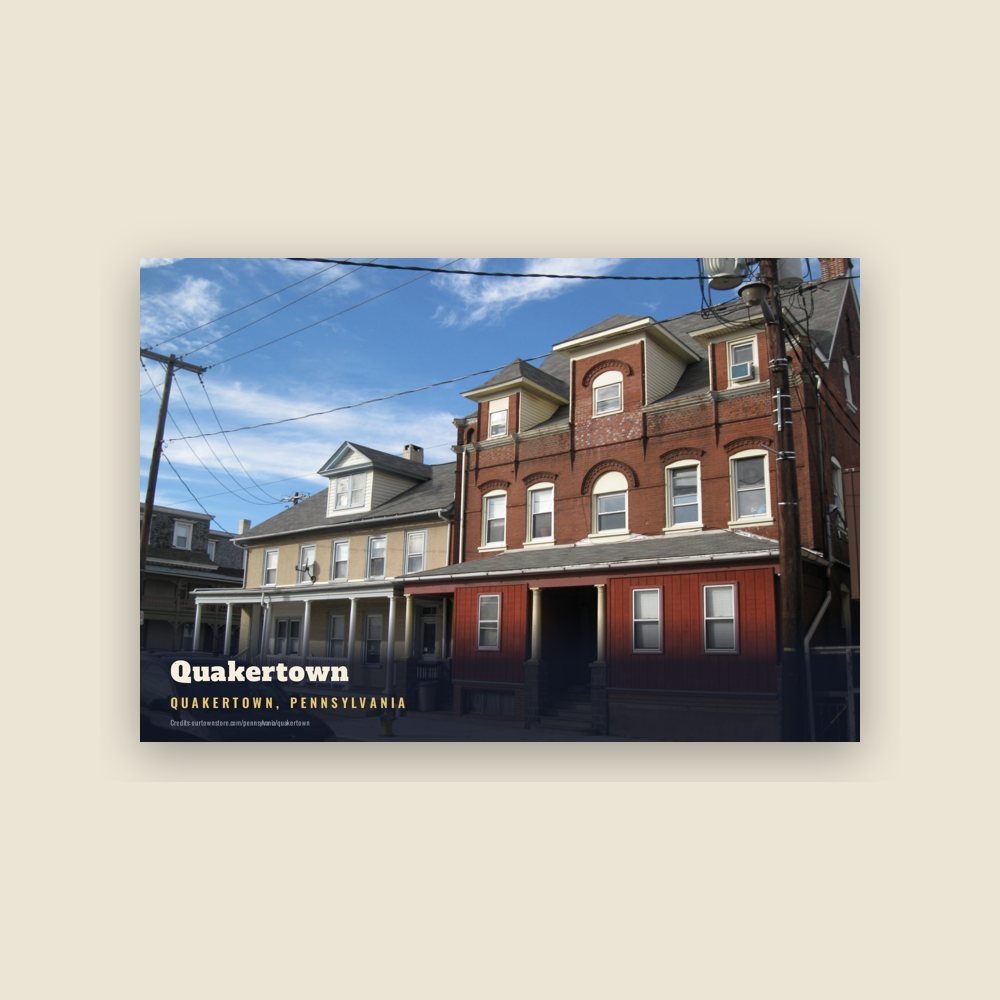
The region of Quakertown was initially referred to as the Great Swamp, a wilderness inhabited by Native Americans, specifically the Lenape tribe.
Read the full history
18th century
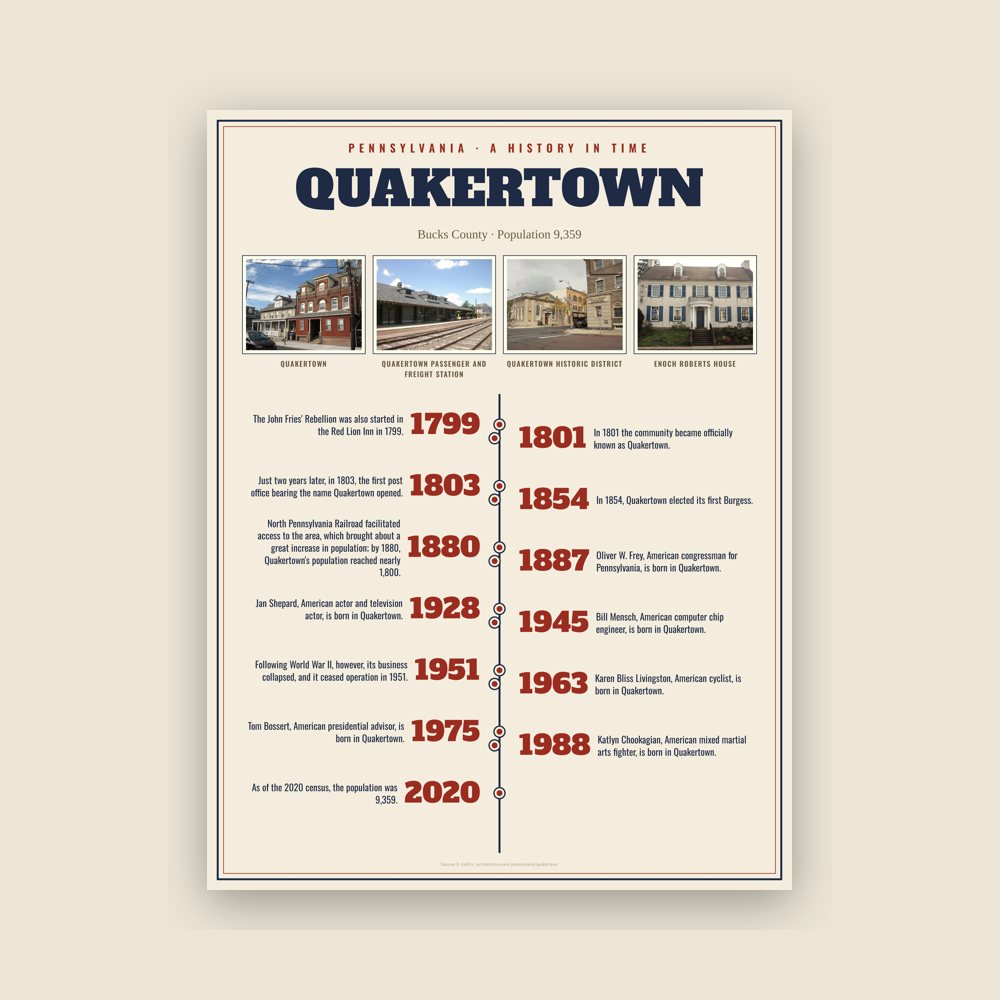
On September 18, 1777, during the American Revolutionary War, a convoy of wagons carrying the Liberty Bell from Philadelphia to Allentown, under the command of Col. Thomas Polk of Charlotte, North Carolina, stopped in Quakertown. The Liberty Bell was stored overnight behind the home of Evan Foulke (1237 West Broad Street), and the entourage stayed at the Red Lion Inn. The John Fries' Rebellion was also started in the Red Lion Inn in 1799.
19th century
In 1801 the community became officially known as Quakertown. Just two years later, in 1803, the first post office bearing the name Quakertown opened. During this period, Quakertown functioned as a stopping point for travelers between Philadelphia and Allentown. Although many travelers used Quakertown as a stopover, the town remained a small community of German and Welsh farmers.
In the decades before the Civil War, Quakertown was a hub of the Underground Railroad, with stationmaster Richard Moore aiding over 600 freedom seekers.
The Civil War, along with national economic expansion, changed Quakertown from a tiny village to a commercial manufacturing center. In the 19th century, local industrial establishments included cigar and cigar box factories, silk mills, harness factories, and stove foundries.
In 1854, Quakertown elected its first Burgess. North Pennsylvania Railroad facilitated access to the area, which brought about a great increase in population; by 1880, Quakertown's population reached nearly 1,800.
20th century
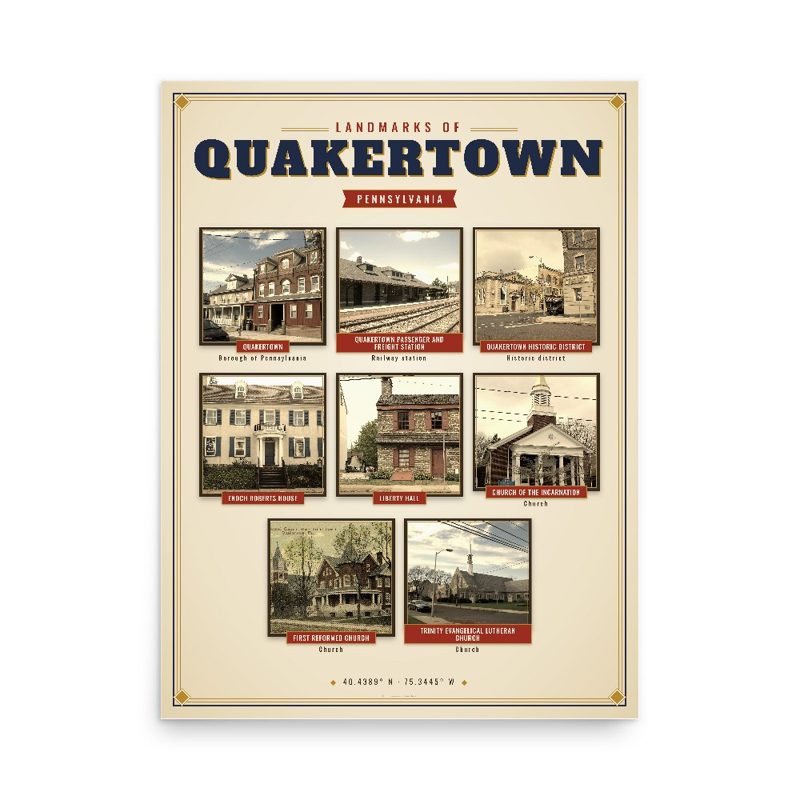
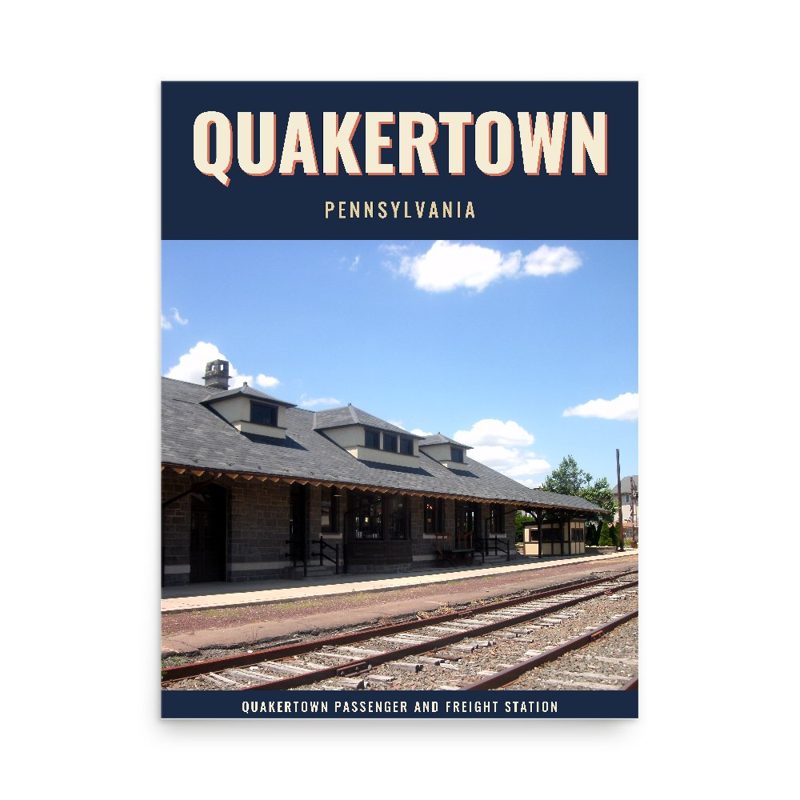
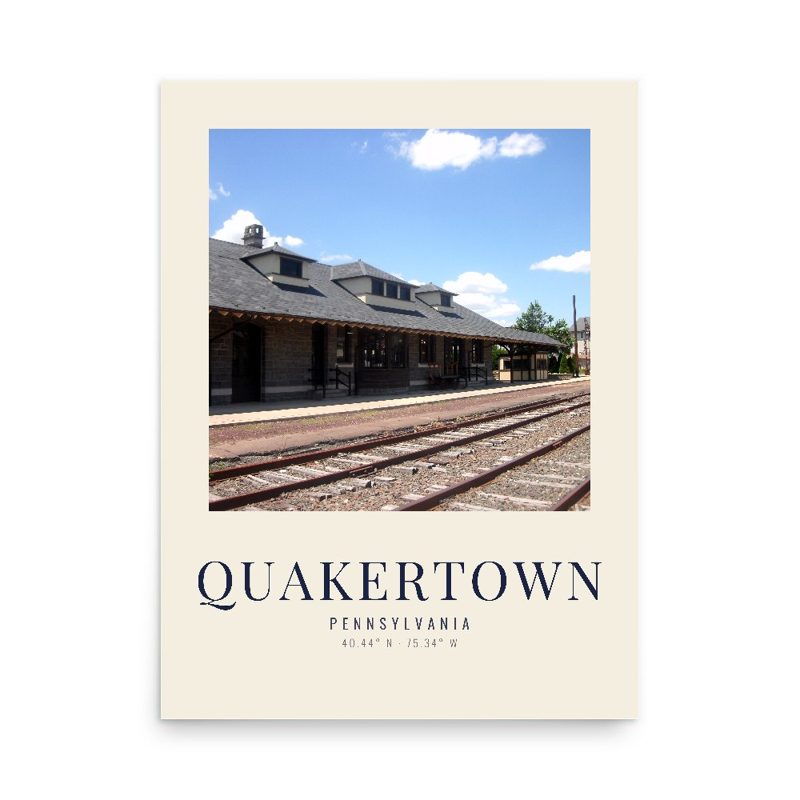
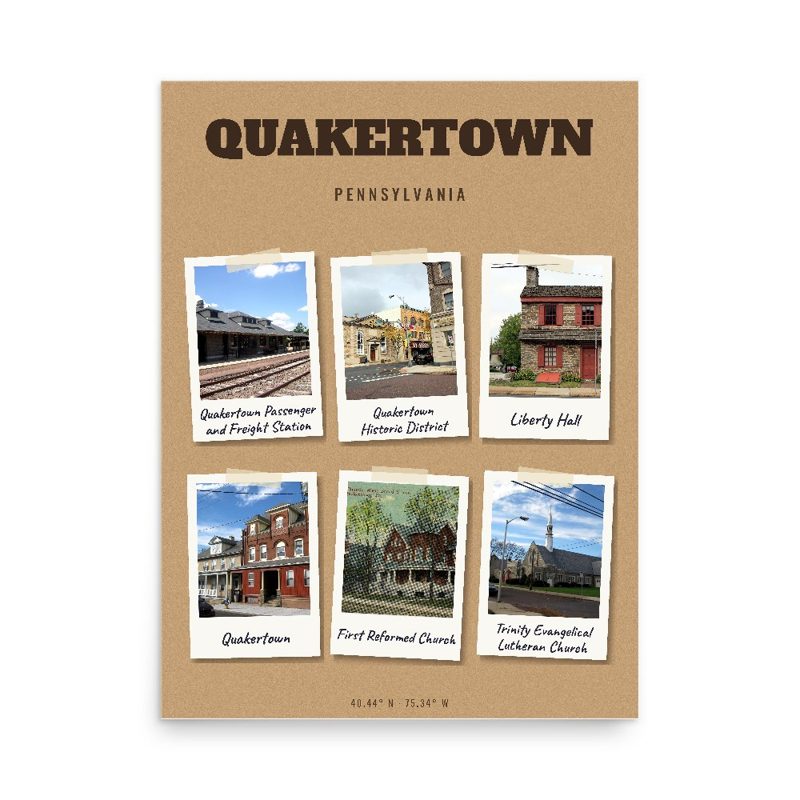
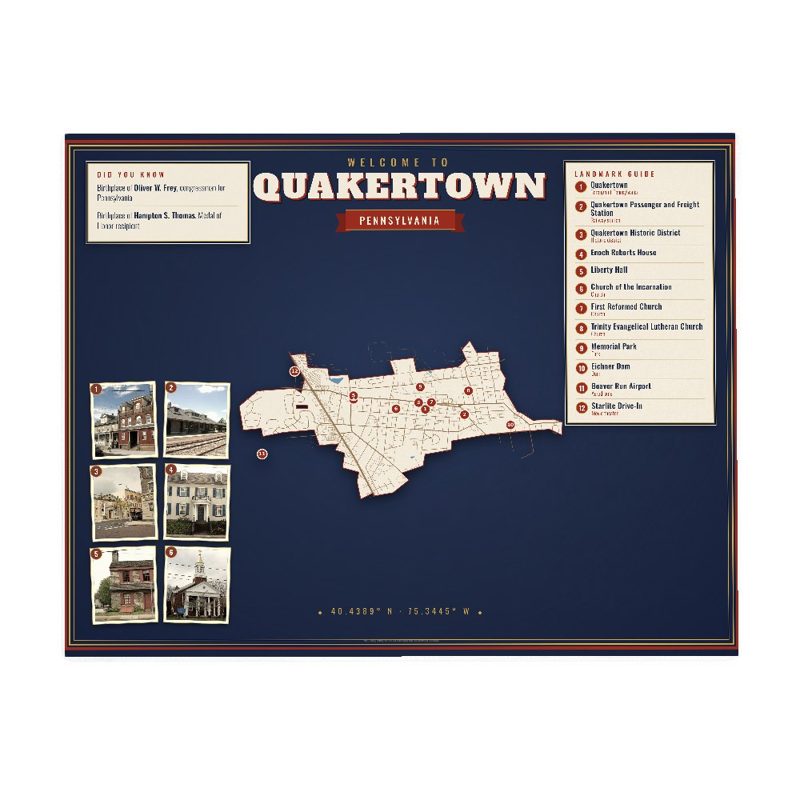
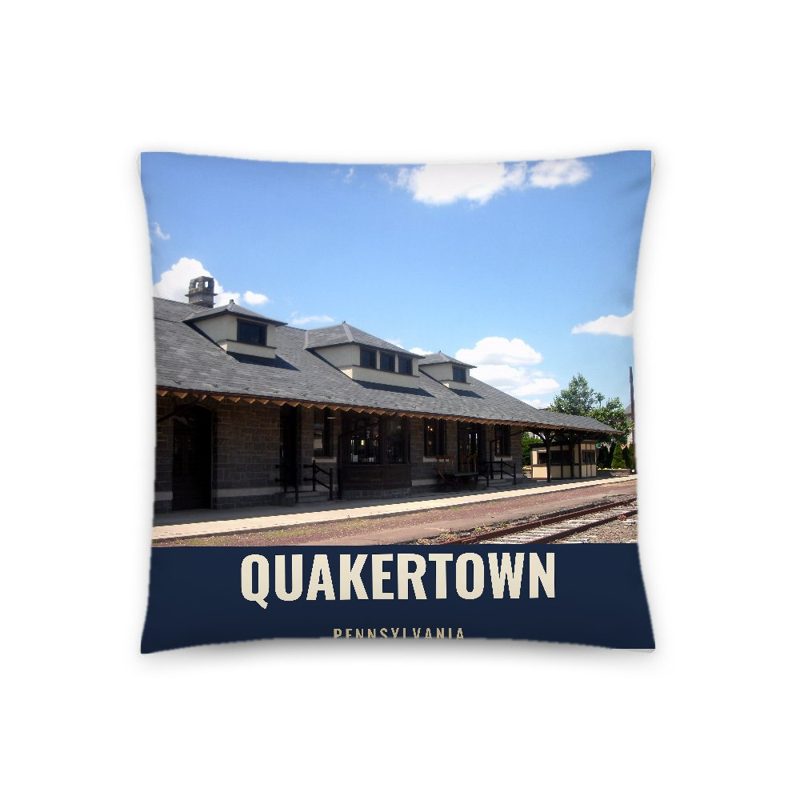
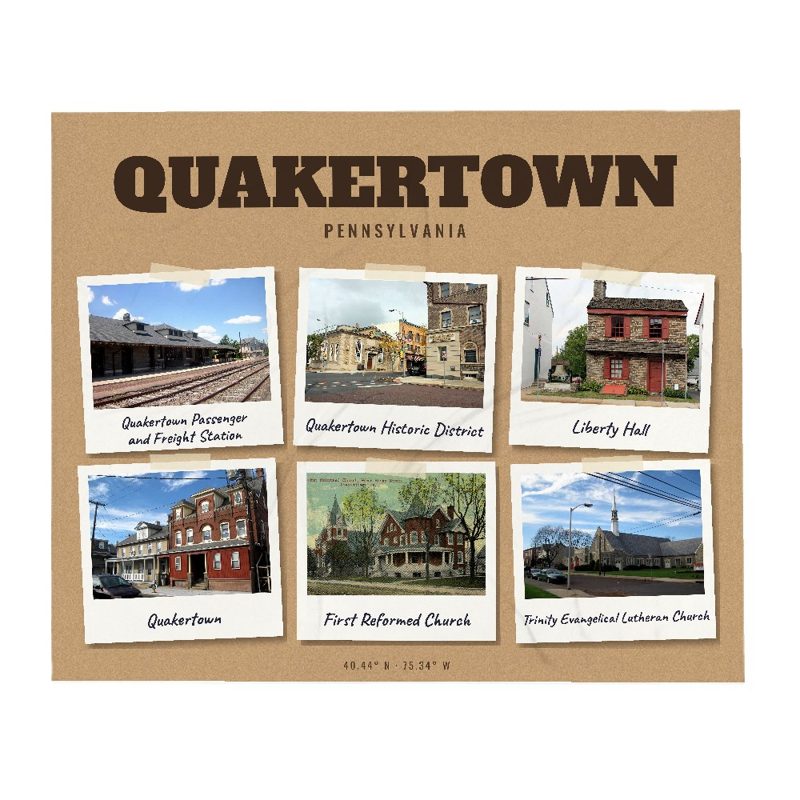
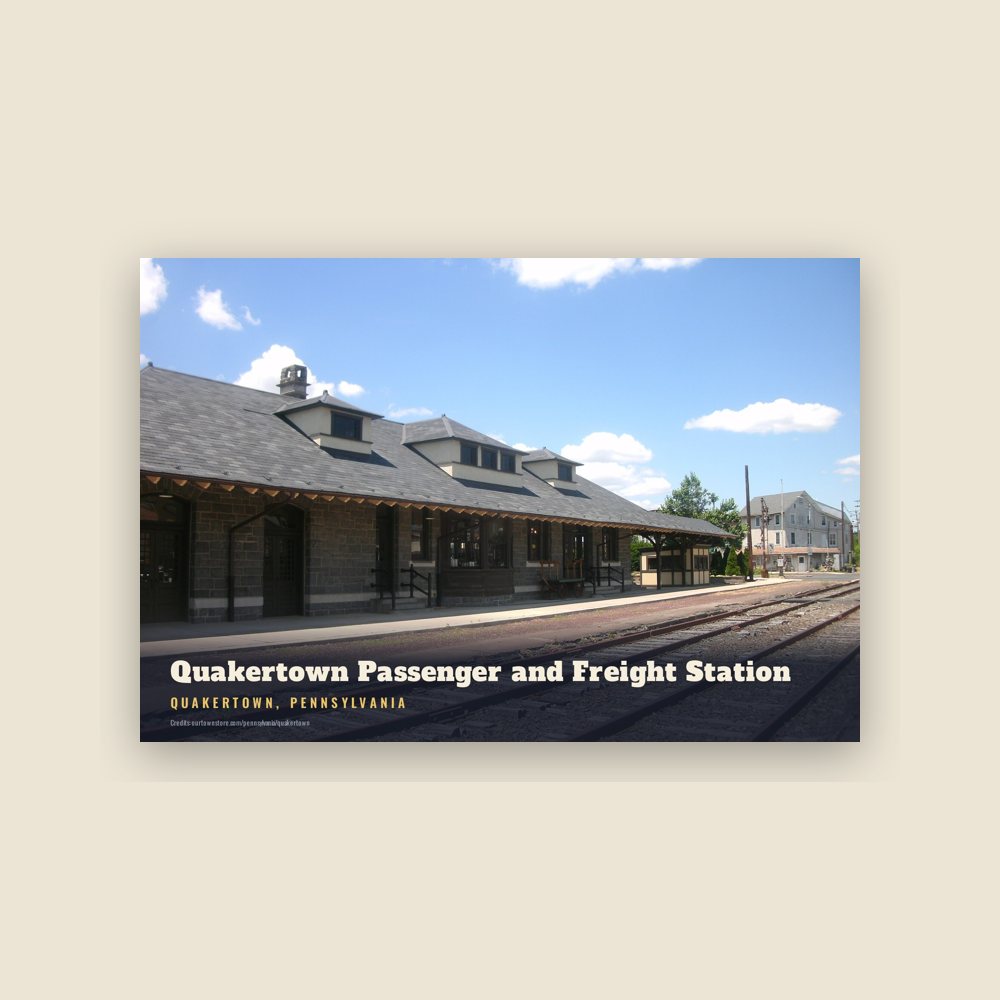
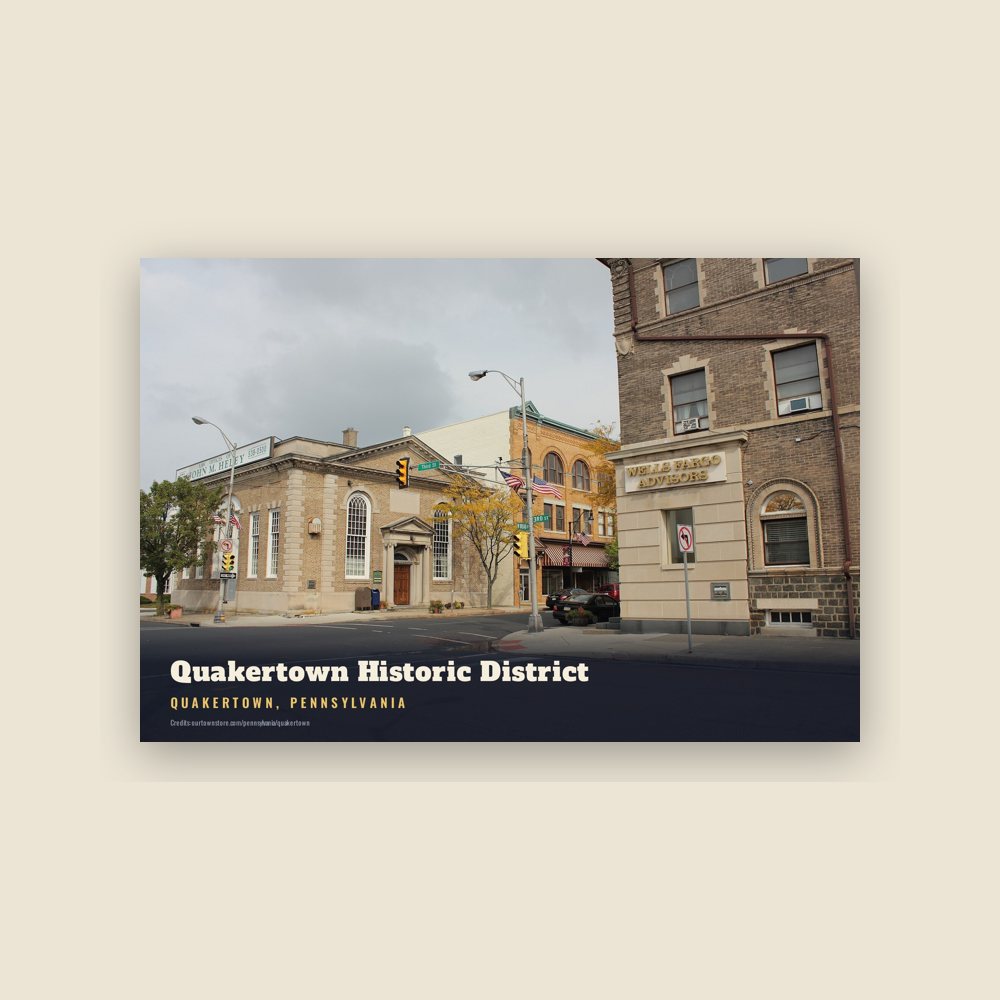
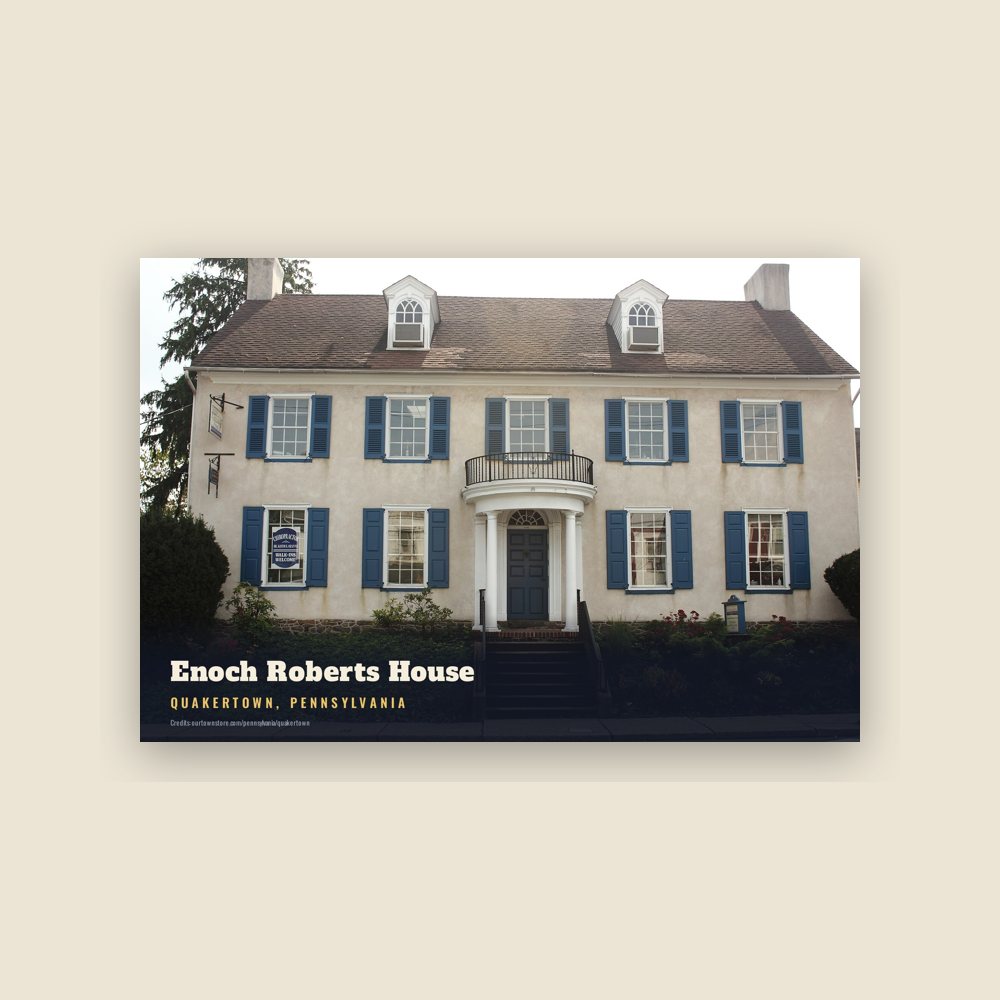
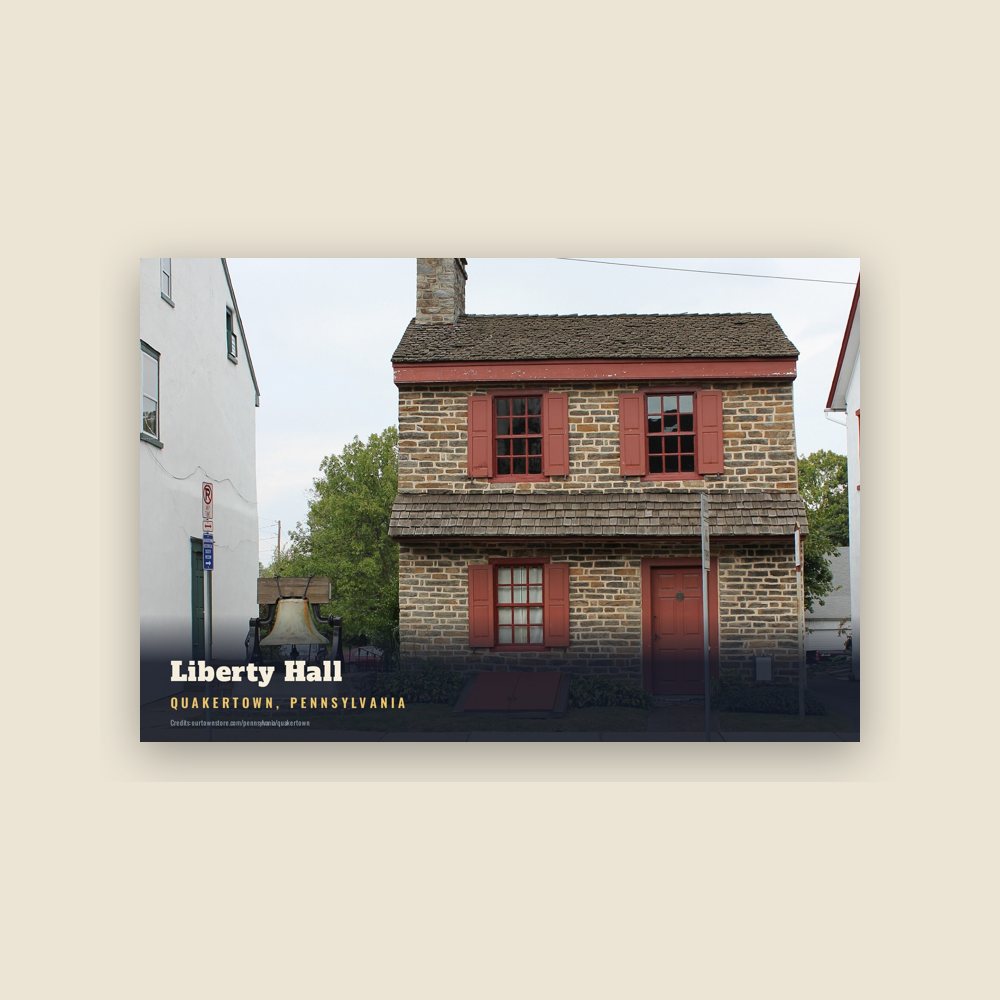
Quakertown has four historical areas or structures that have been named to the National Register of Historic Places; Liberty Hall, Quakertown Historic District, Quakertown Passenger and Freight Station, and Enoch Roberts House.
From 1901 to 1951, Quakertown was an hourly stop on the Lehigh Valley Transit Company's electric interurban trolley line from Allentown and Coopersburg through Quakertown then south through Perkasie, Sellersville, Souderton, Lansdale and Norristown to Philadelphia. With car use limited during World War II due to gasoline rationing, the trolley line moved a very large number of passengers.
Following World War II, however, its business collapsed, and it ceased operation in 1951. The Lehigh Valley Transit station in Quakertown, located at the northwestern corner of Main and Broad streets across from the Red Lion Inn, still stands and its historical significance is marked on the former station's wall. The trolley ran through the center of Main Street on its southbound route to Perkasie.
21st century
Quakertown has extensive commercial development along Pennsylvania Route 309, including restaurants, businesses, and retail outlets.
Quakertown's population has grown steadily throughout the 20th and 21st centuries. In 1900, it was 3,014. It rose to 3,801 in 1910. By 1940, the population was 5,150. As of the 2020 census, the population was 9,359.