A short history of Northampton
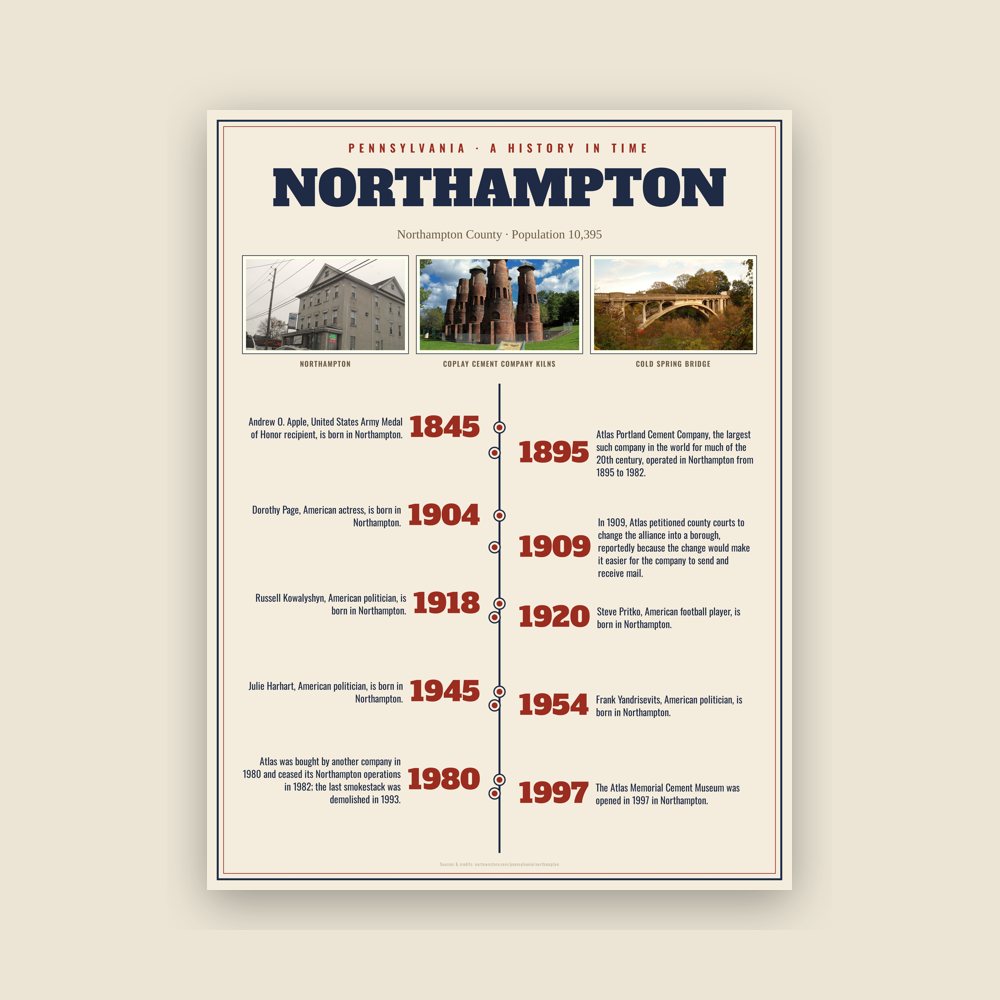
Due to the limestone formations in the region, Northampton became a global center for the manufacturing of cement. Atlas Portland Cement Company, the largest such company in the world for much of the 20th century, operated in Northampton from 1895 to 1982. It produced some eight million barrels of cement for construction of the Panama Canal, which included most of the cement used on the canal's construction.
In 1909, Atlas petitioned county courts to change the alliance into a borough, reportedly because the change would make it easier for the company to send and receive mail.
During the 1940s and 1950s, Northampton hosted the Northampton County Fair, which was held annually and spread out across the Lappawinzo Fish and Game Club property north of Northampton off Kreidersville Road. There were large numbers of vendor stands, fair rides, animals, shows, performances, 4-H Club judgings, and Ringling Brothers and Barnum and Bailey shows. Visitors came from all over the East Coast to attend the two-week event, and hourly buses ran from downtown Northampton and nearby cities to the fair.
Atlas was bought by another company in 1980 and ceased its Northampton operations in 1982; the last smokestack was demolished in 1993. Current technology and automation mean that the cement industry can manufacture a great amount of product with 150-200 workers, rather than the thousands who were required to work in these plants in the first half of the 20th century.
Borough residents, many of them former Atlas employees or their descendants, still identify strongly with the company and its history. For example, the Northampton Area School District mascot is the "Konkrete Kid." Historical community events include the Northampton Jack Frost Parade every October before Halloween, celebrating the onset of winter. It includes marching bands and floats.
The Atlas Memorial Cement Museum was opened in 1997 in Northampton. It was founded by Edward Pany, who worked at the company in summers during the 1950s. His father, an immigrant from Austria, worked all his life at Atlas. Immigrant workers from Poland, Ukraine, and other eastern European nations also worked there. The museum commemorates the importance of the cement industry and Atlas Cement to the area.
Adapted (trimmed) from the Wikipedia article Northampton, Pennsylvania, revision 1378117758 by its contributors, licensed CC BY-SA 4.0.
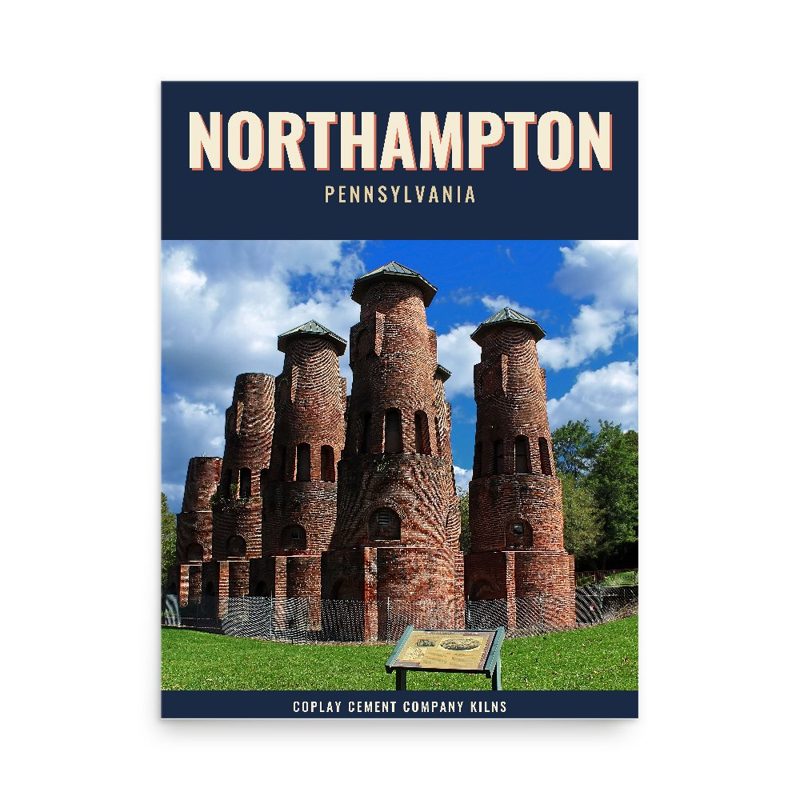
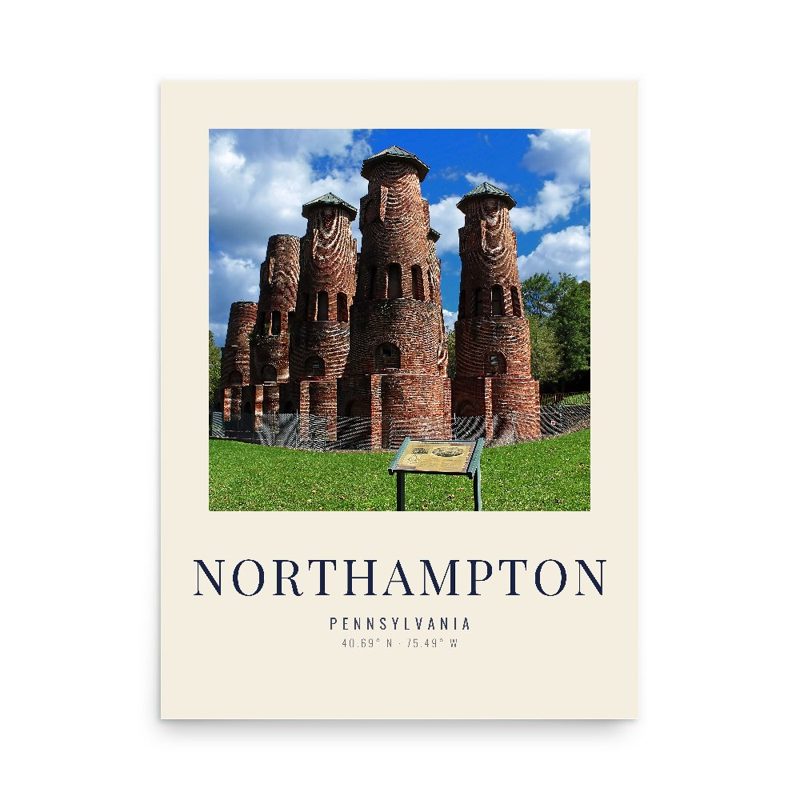
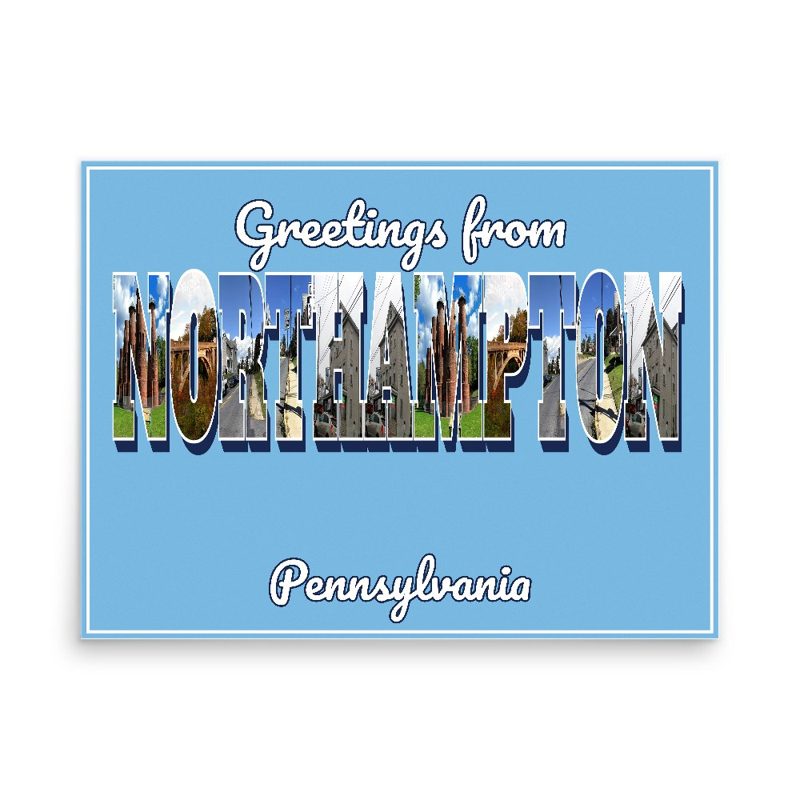
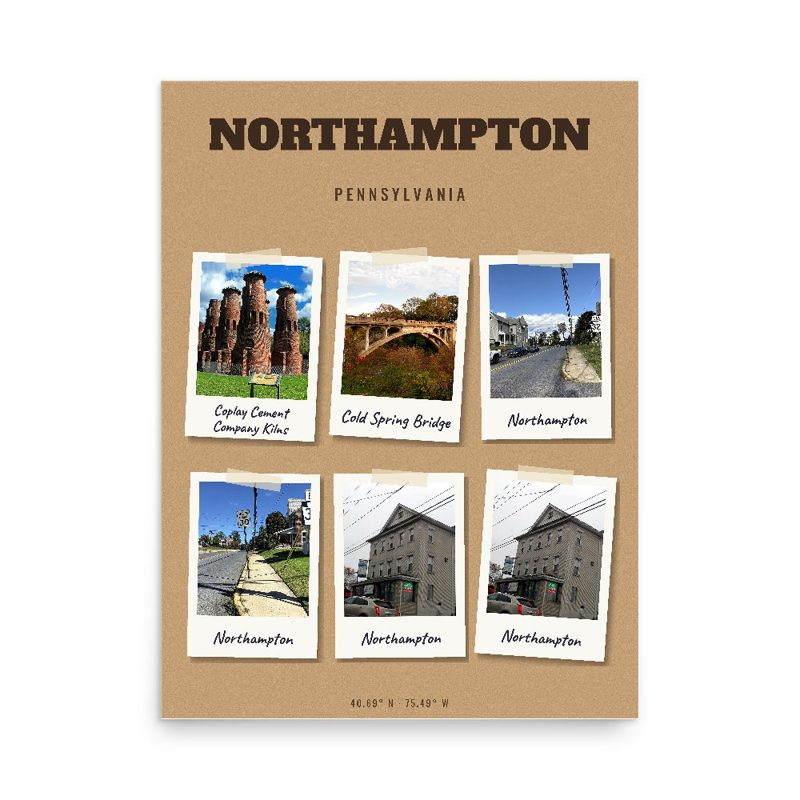
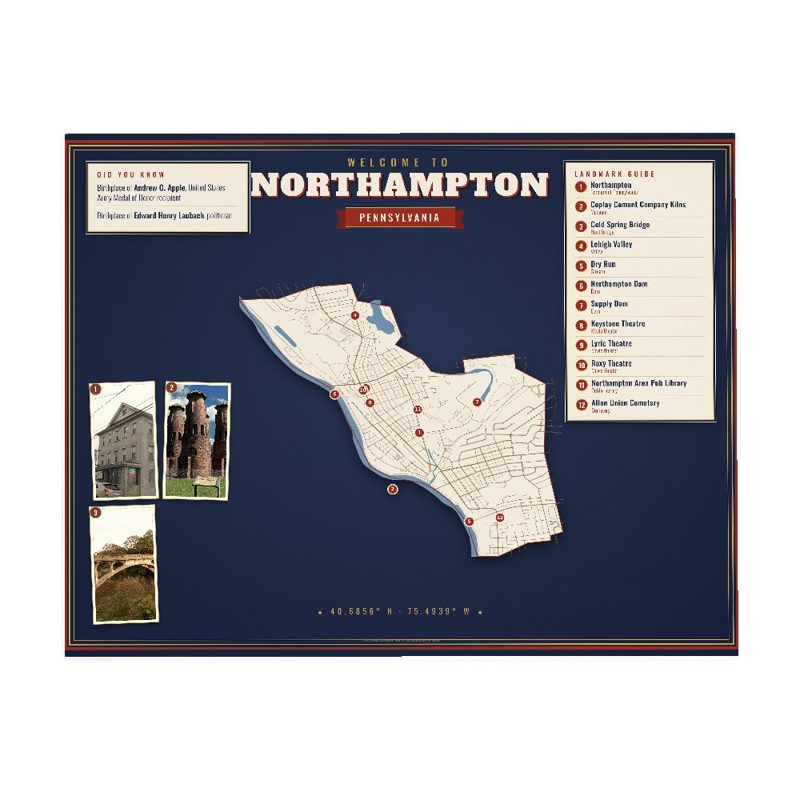


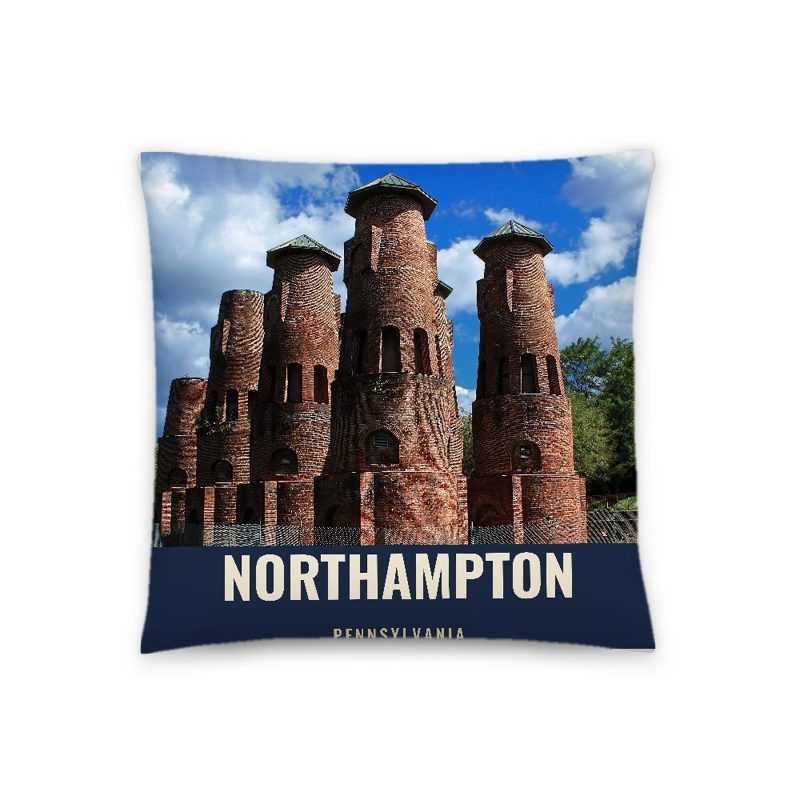

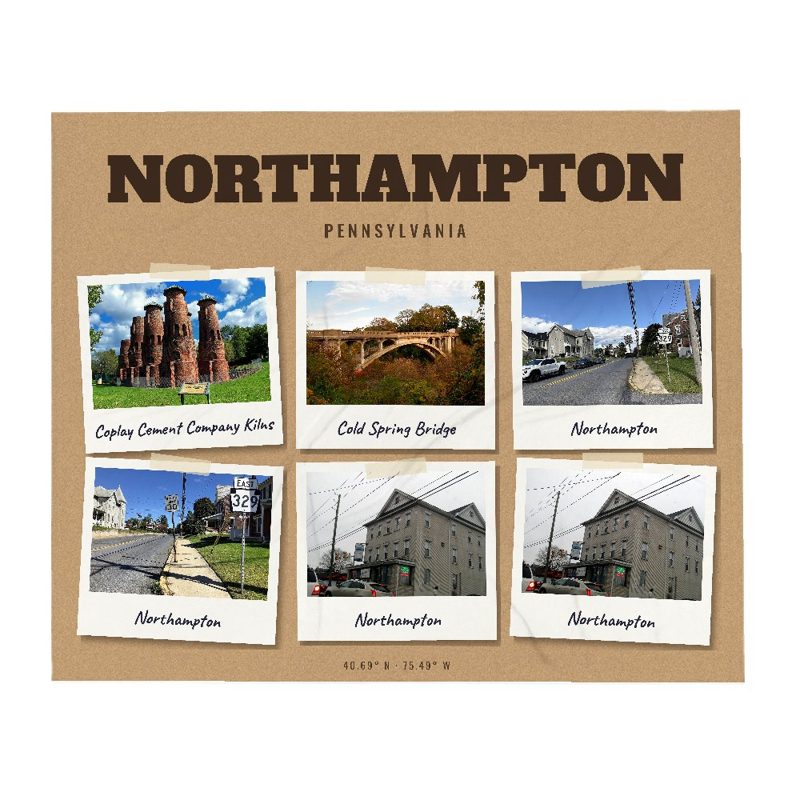
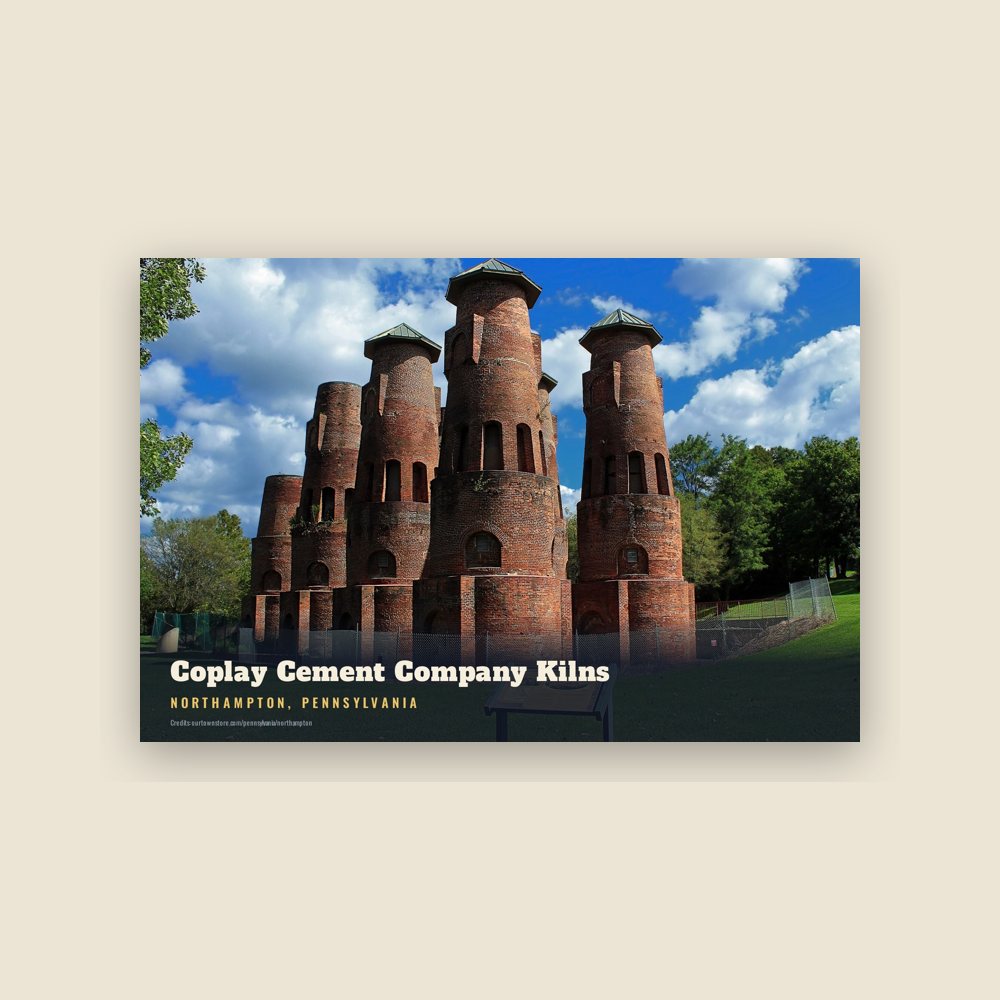

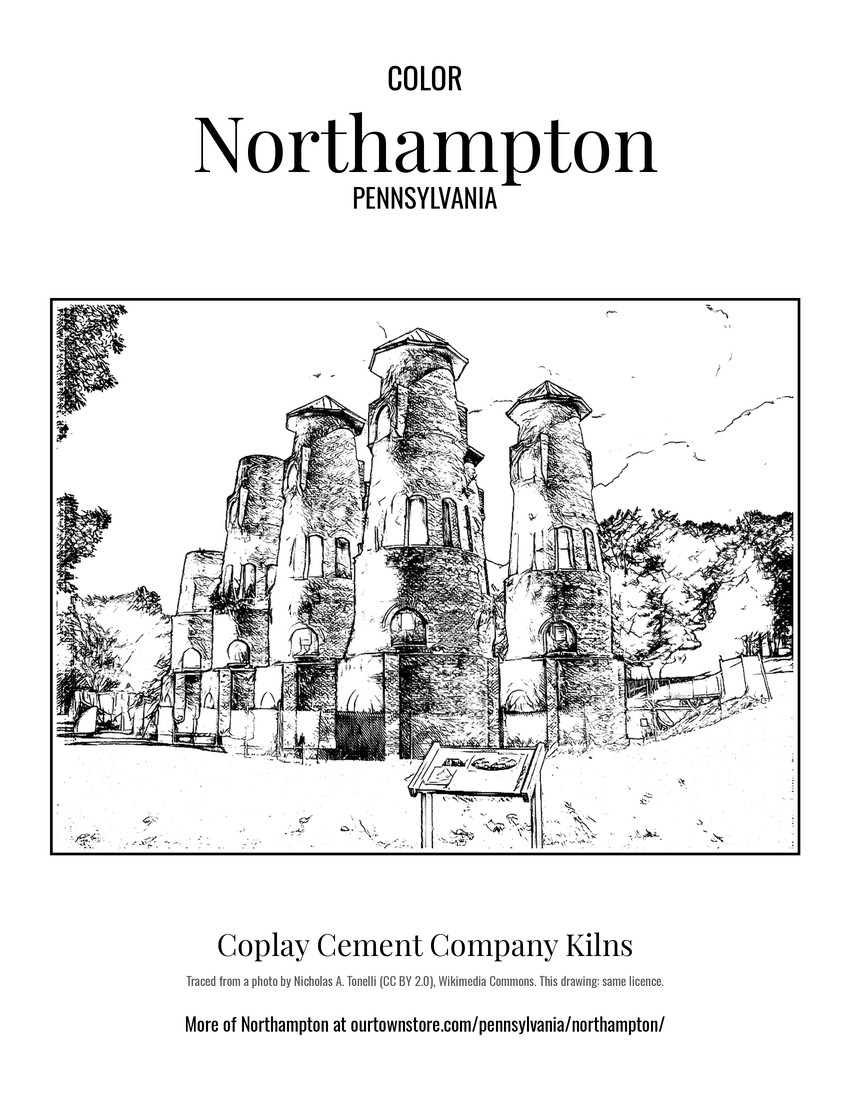 Coplay Cement Company Kilns
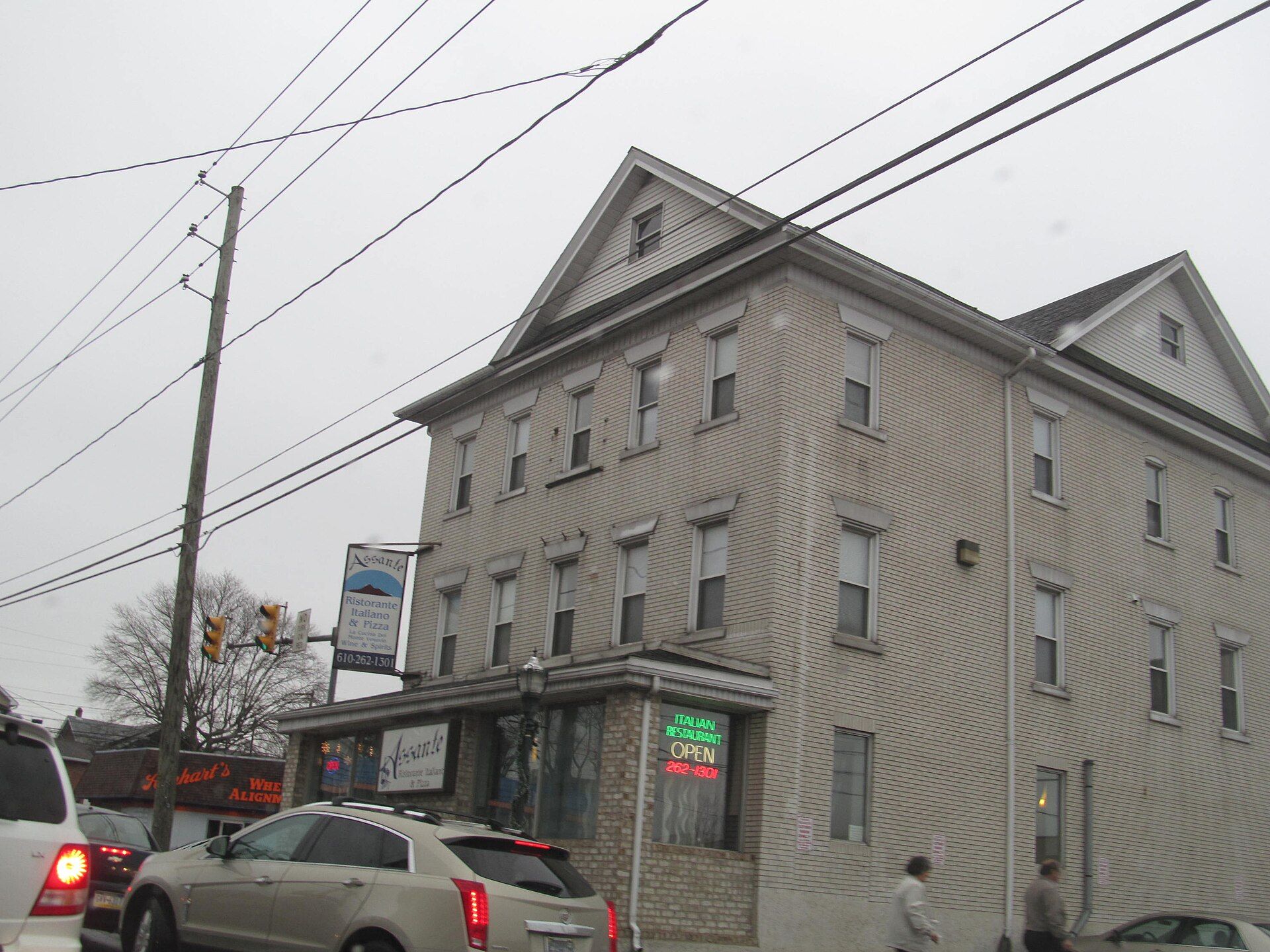
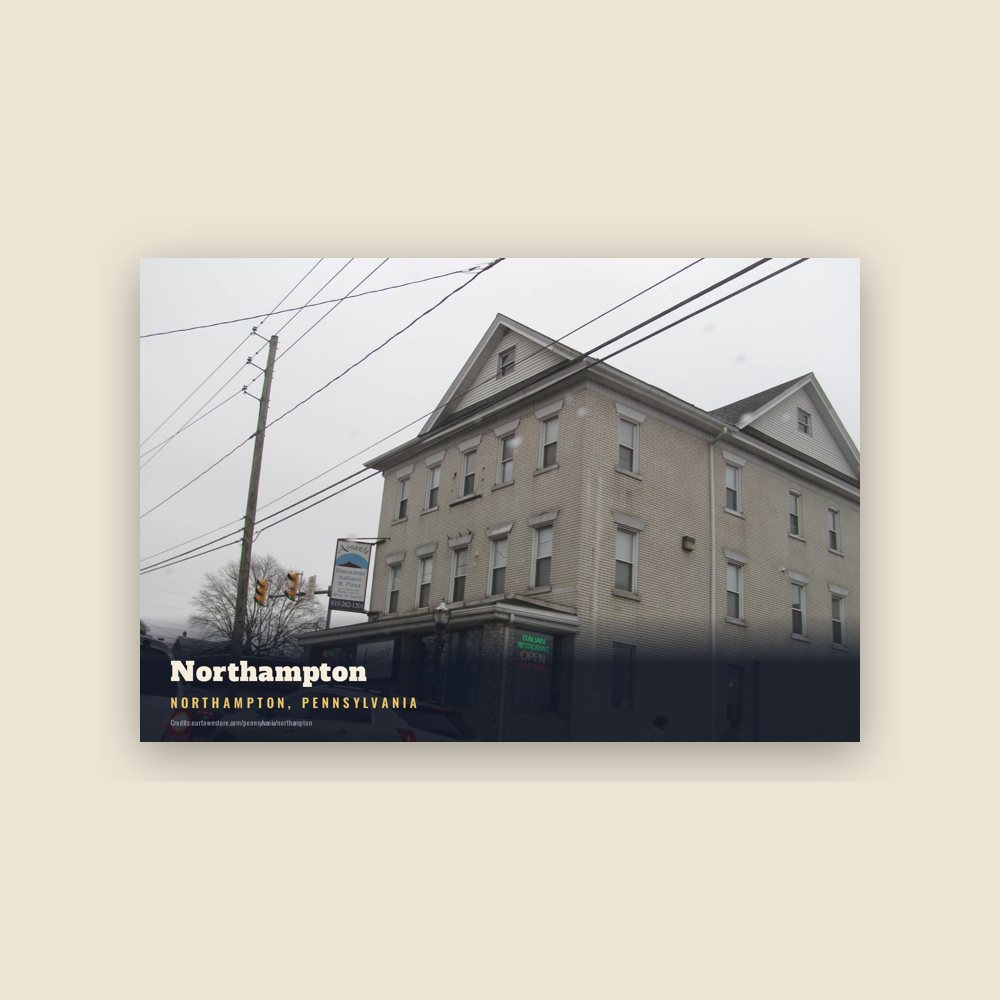
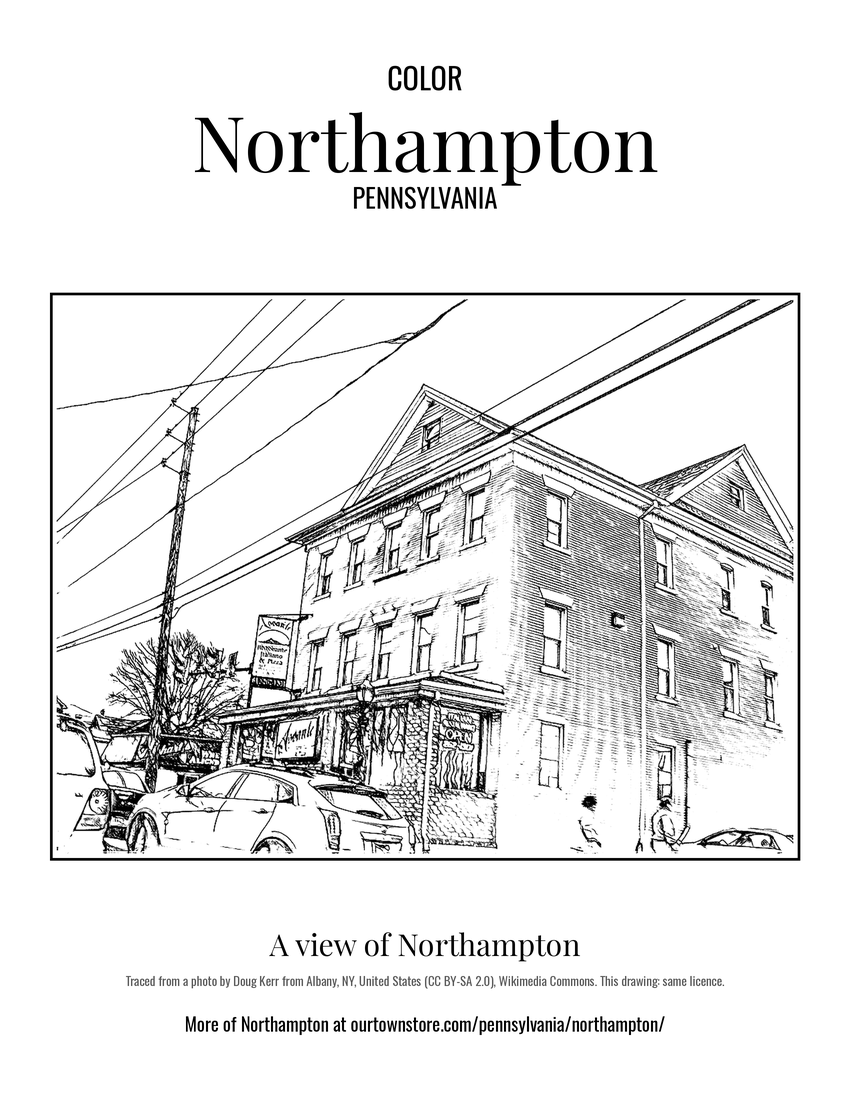 A view of Northampton
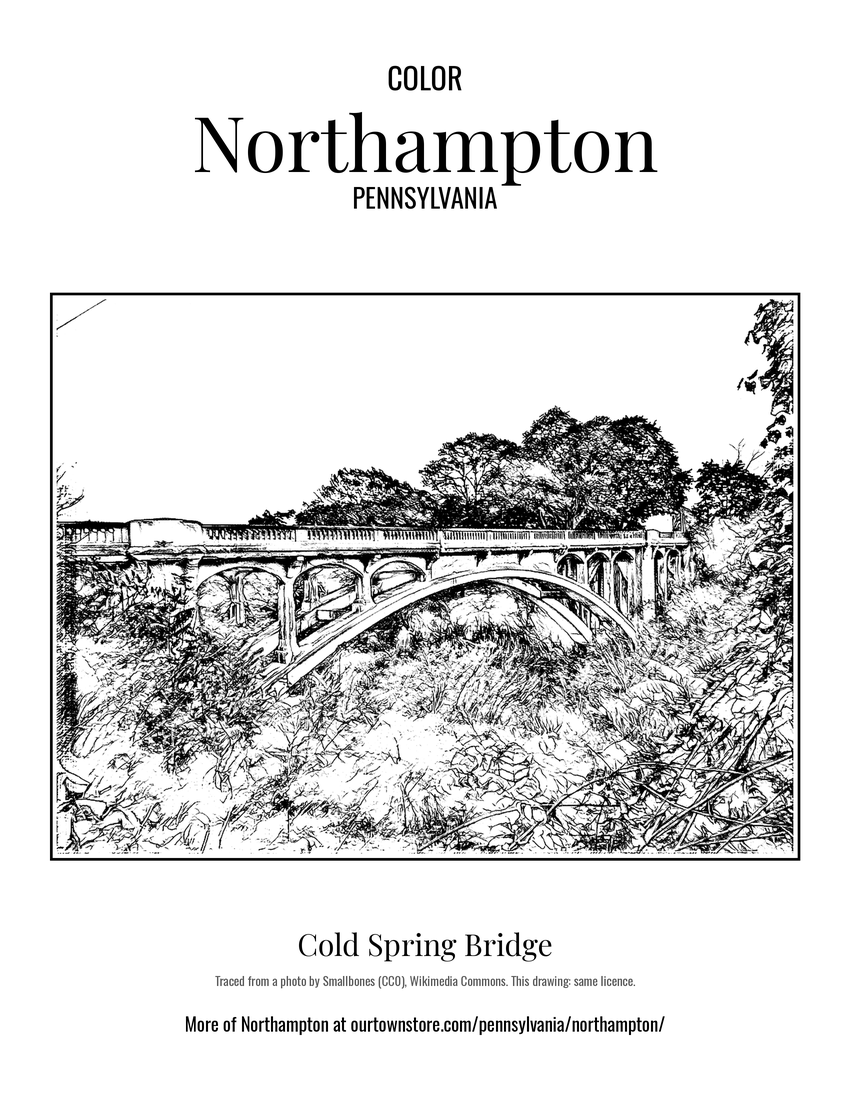 Cold Spring Bridge
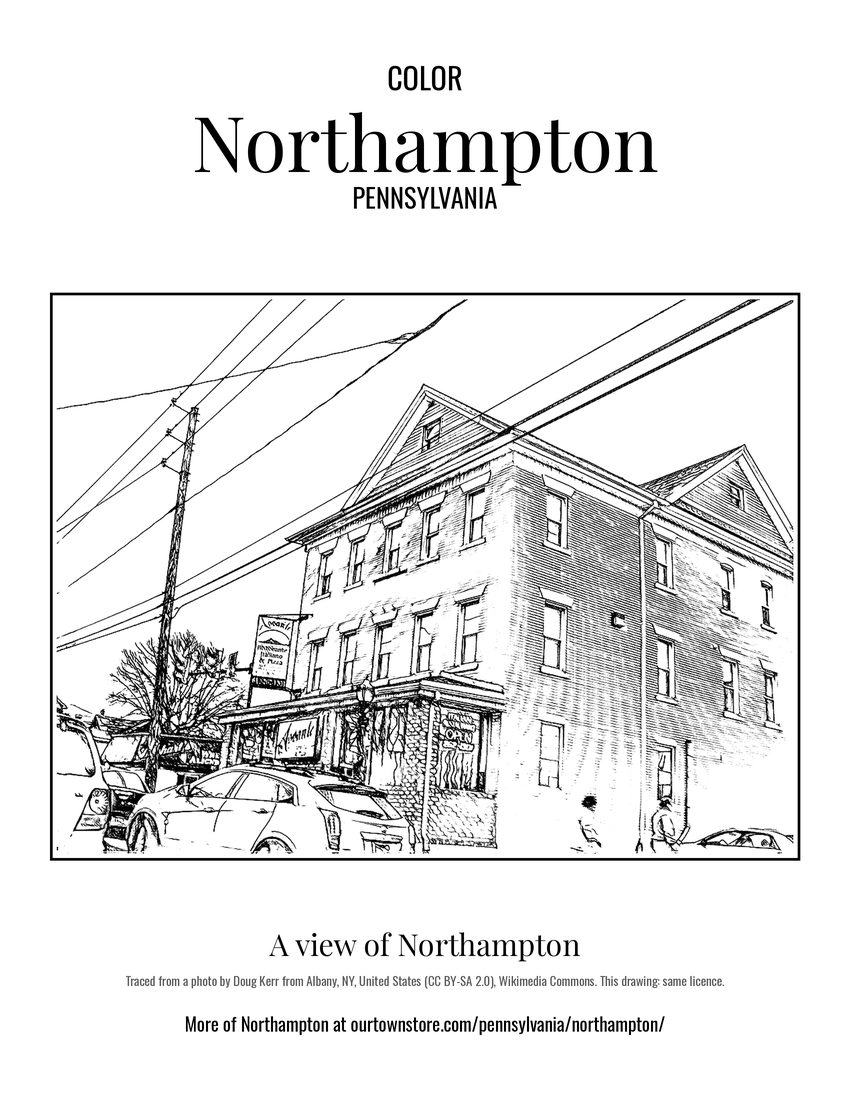 A view of Northampton