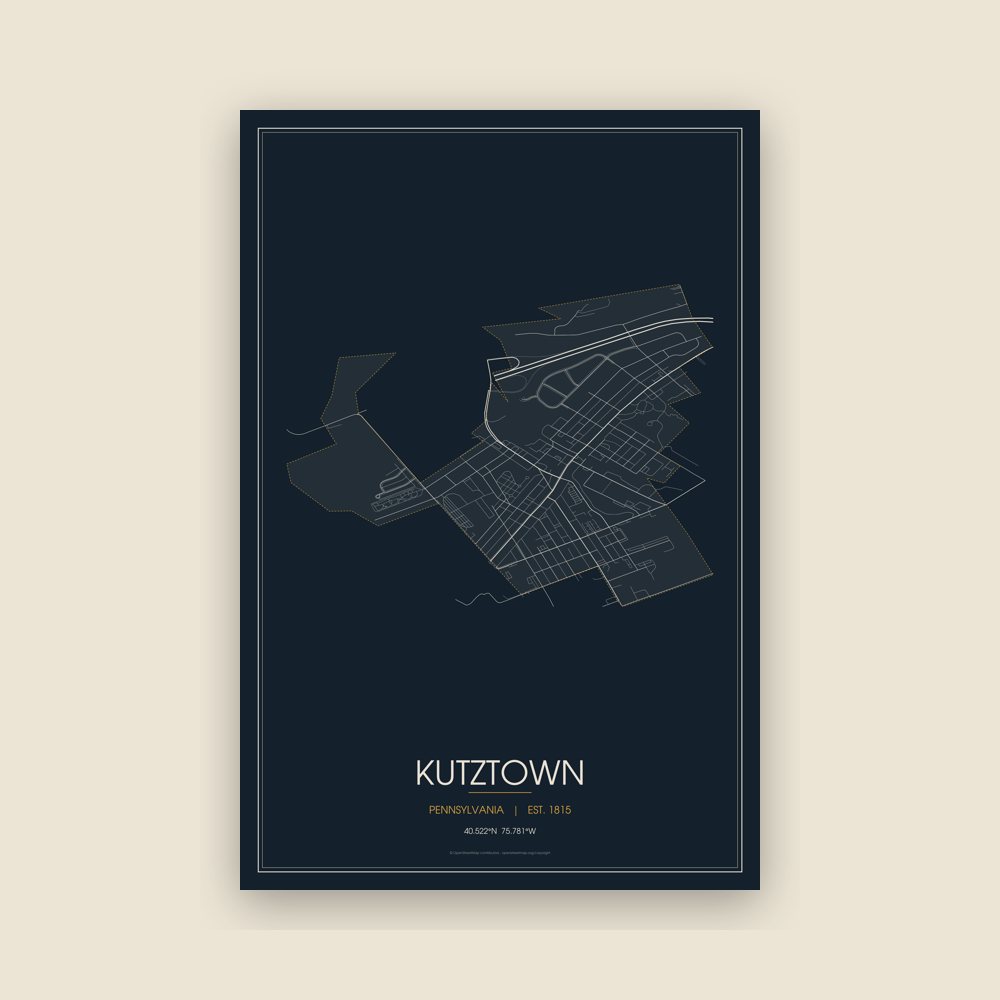
Since 1815
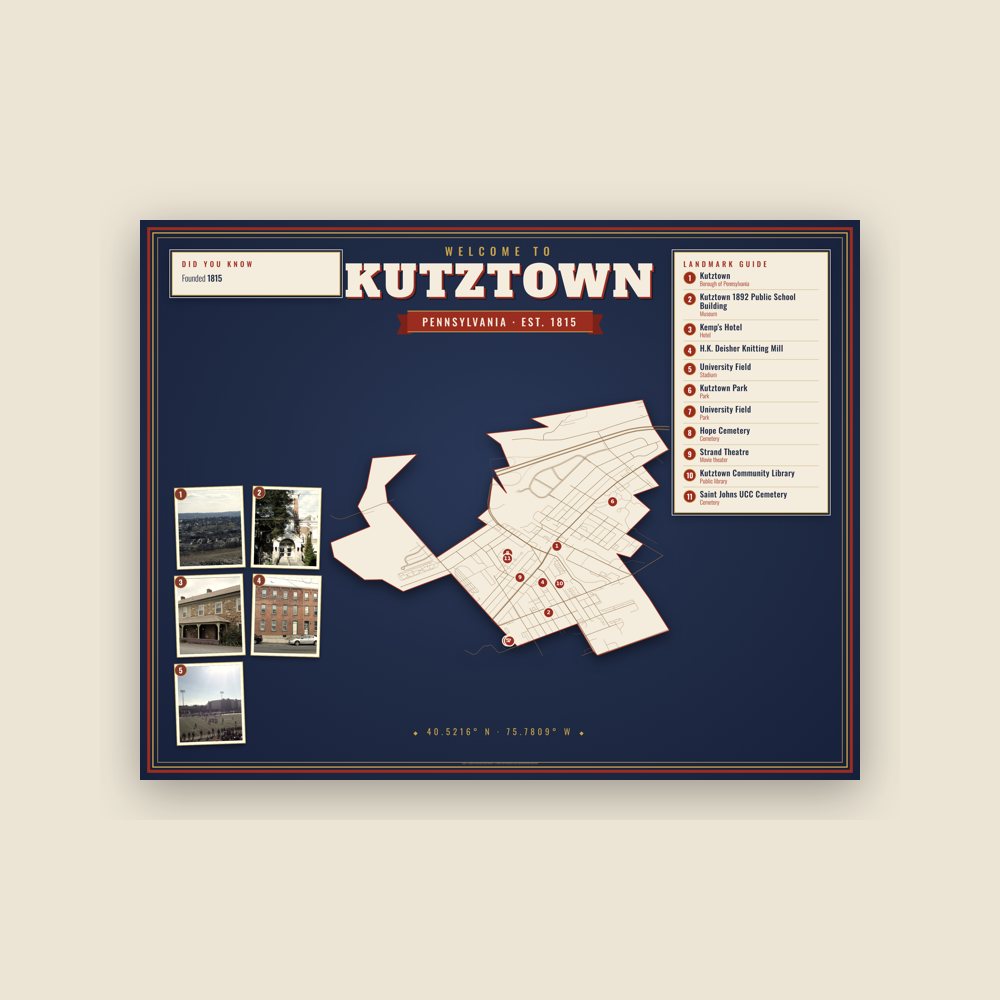
A short history of Kutztown
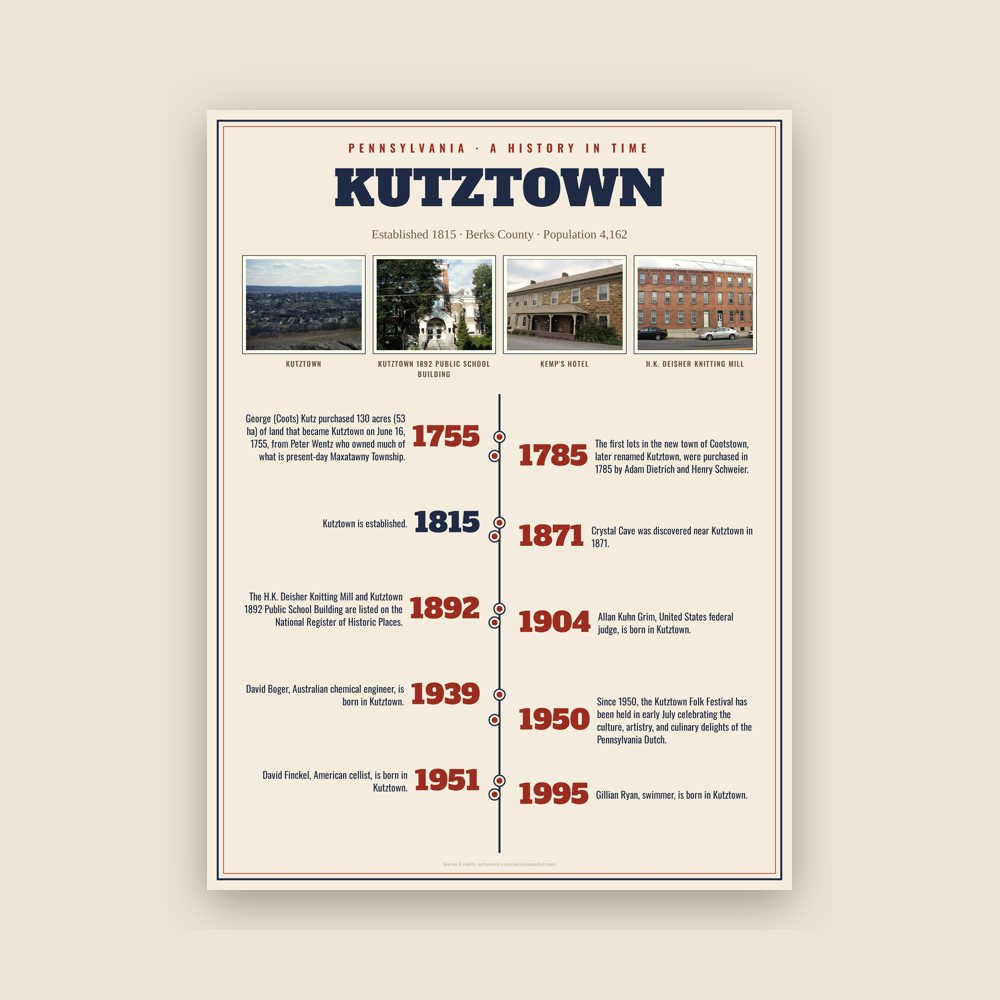
George (Coots) Kutz purchased 130 acres (53 ha) of land that became Kutztown on June 16, 1755, from Peter Wentz who owned much of what is present-day Maxatawny Township. Kutz first laid out his plans for the town in 1779. The first lots in the new town of Cootstown, later renamed Kutztown, were purchased in 1785 by Adam Dietrich and Henry Schweier.
Kutztown was incorporated as a borough on April 7, 1815, and is the second oldest borough in Berks County after Reading, which became a borough in 1783 and became a city in 1847.
Like most of Berks County, Kutztown was settled predominantly by Germans, most of whom came from the Palatinate region of southwest Germany, which borders the Rhine river.
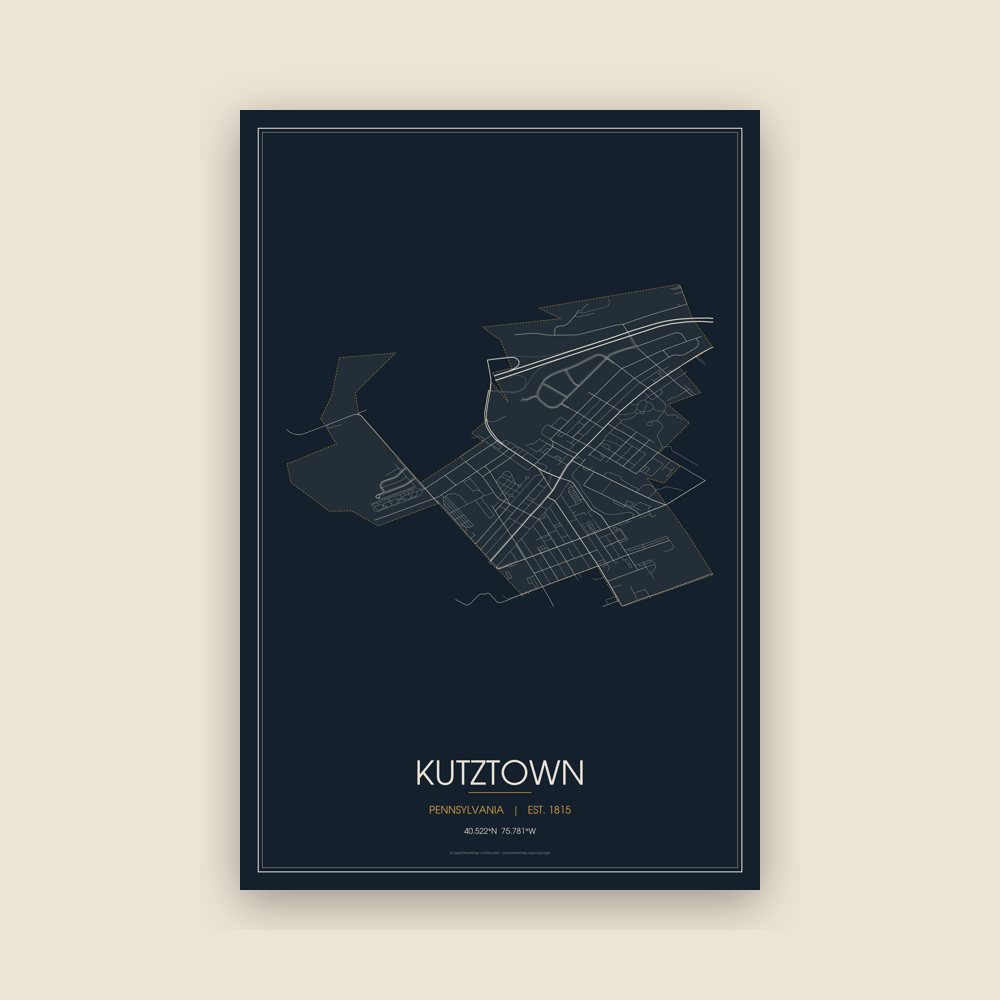
The Kutztown area encompasses an area of land also known as the East Penn Valley, a broad limestone valley situated in northern and eastern Berks County, bounded by the Blue Mountain and South Mountain ranges to the north and south, respectively, by the Lehigh County border to the east, and by Ontelaunee Creek (Maiden Creek) to the west. Crystal Cave was discovered near Kutztown in 1871.
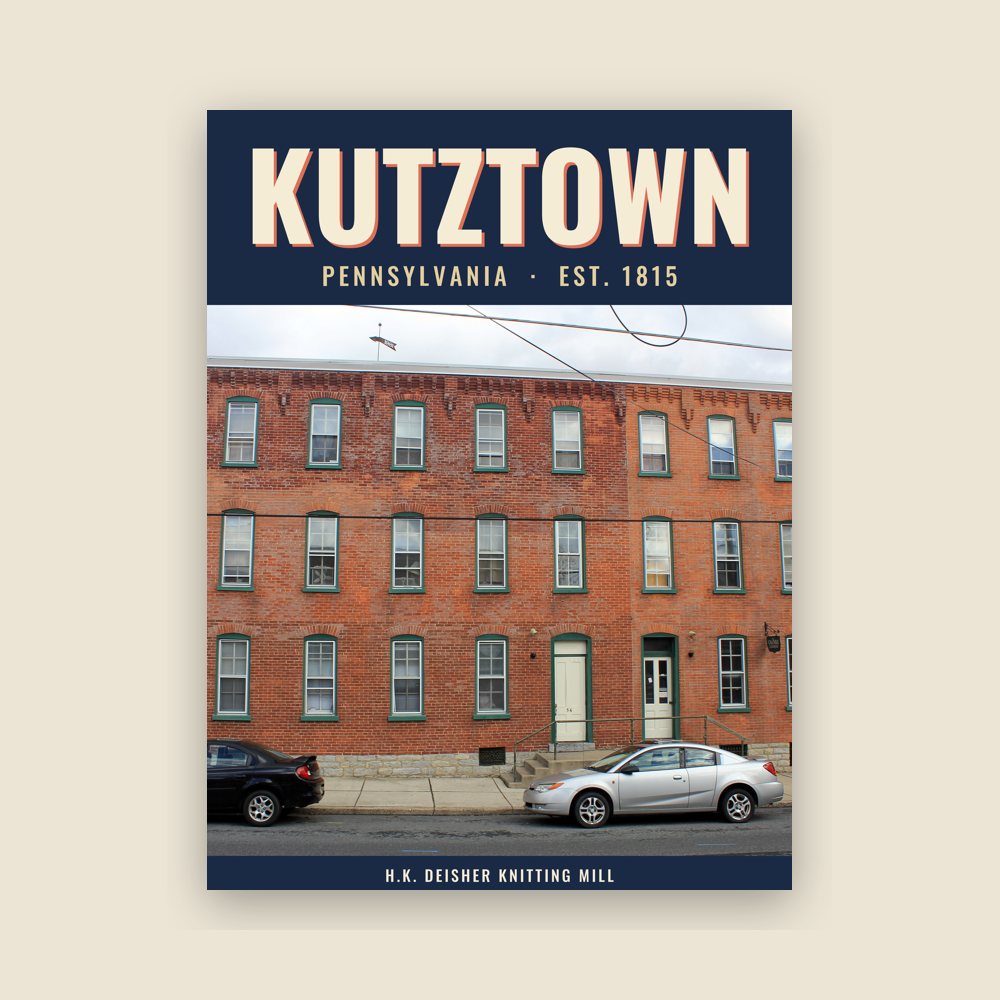
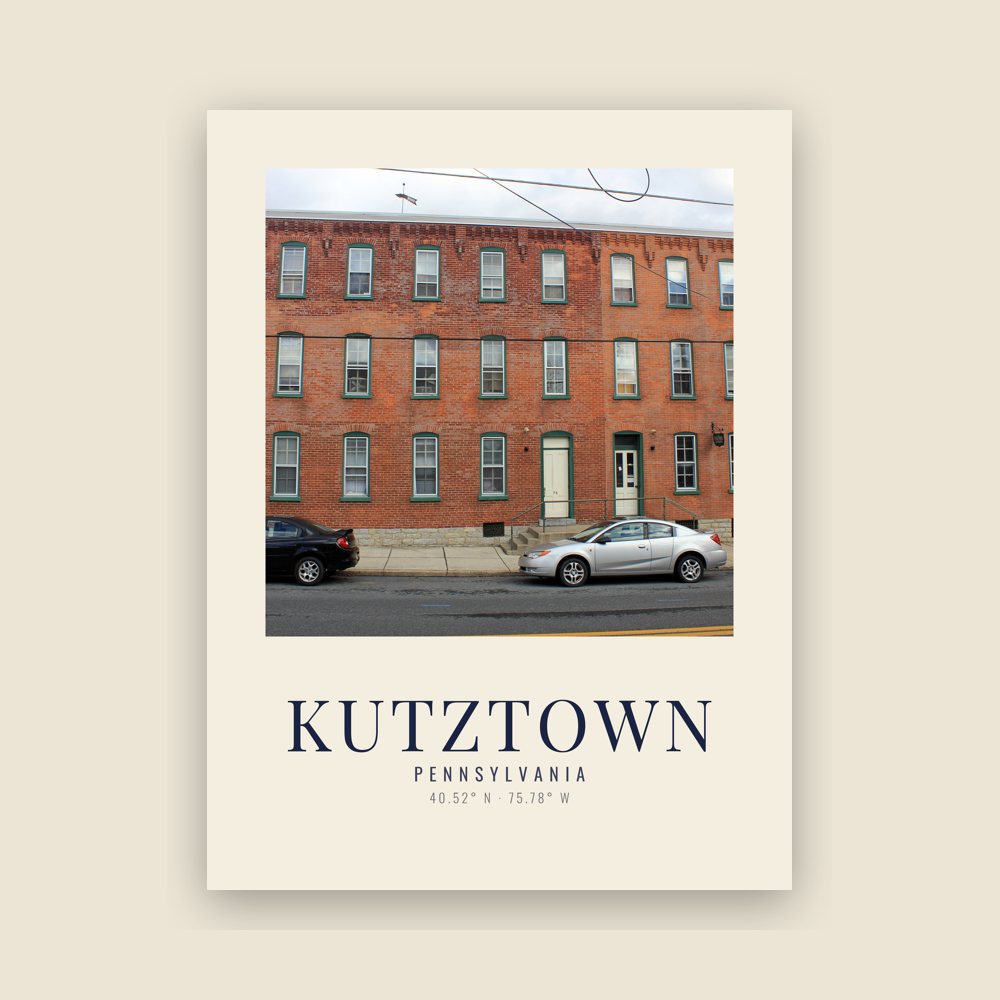
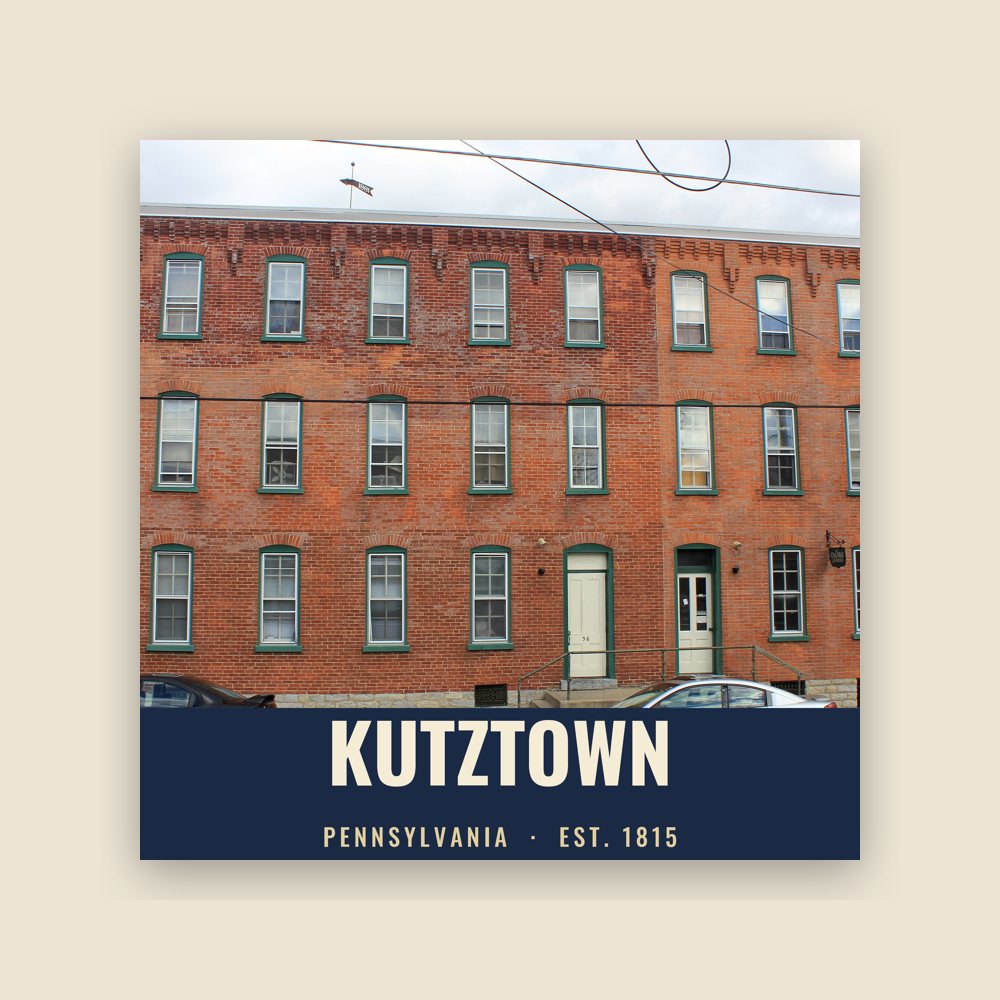
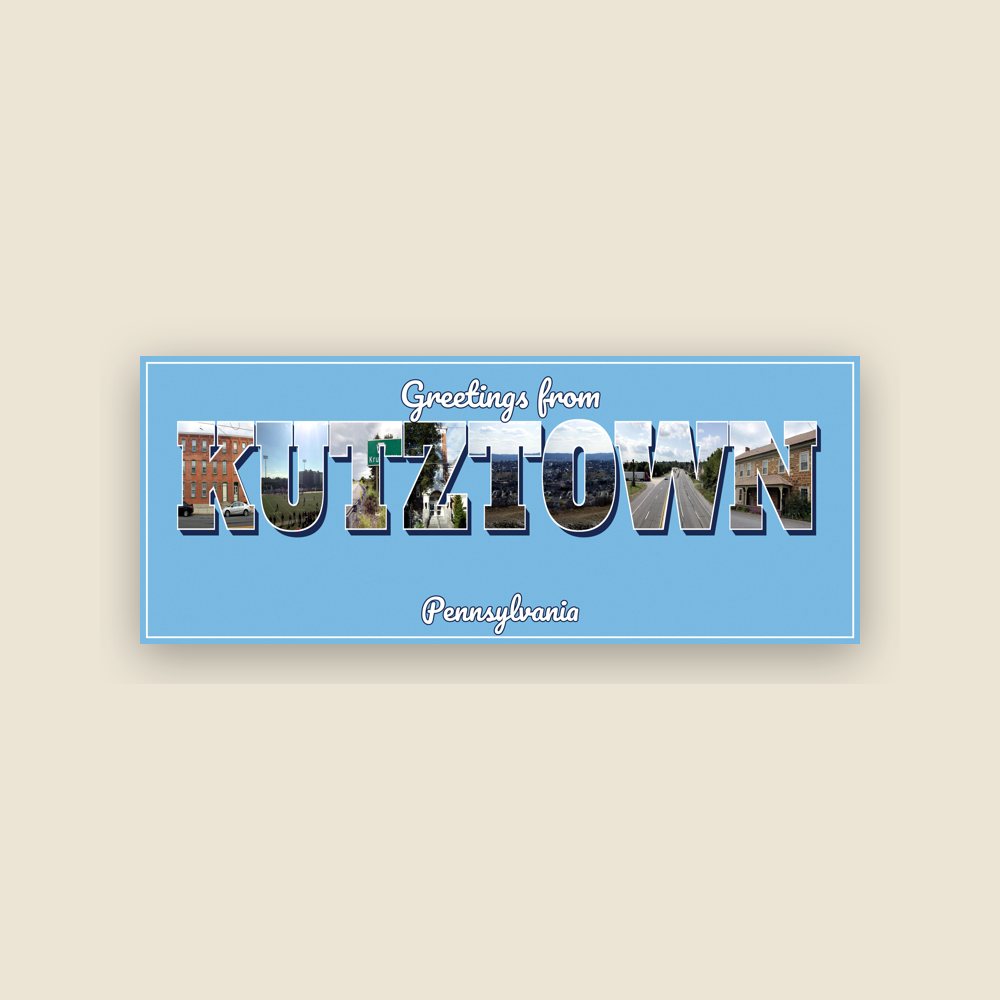
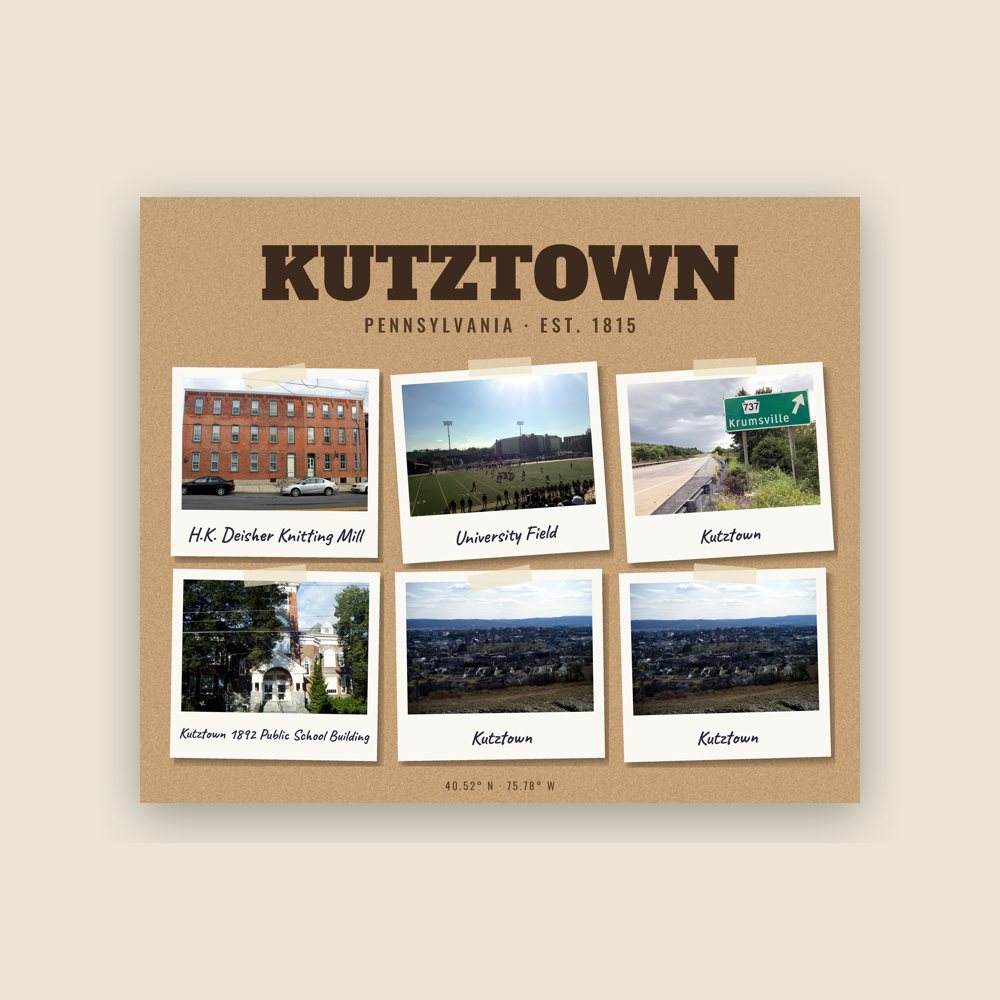
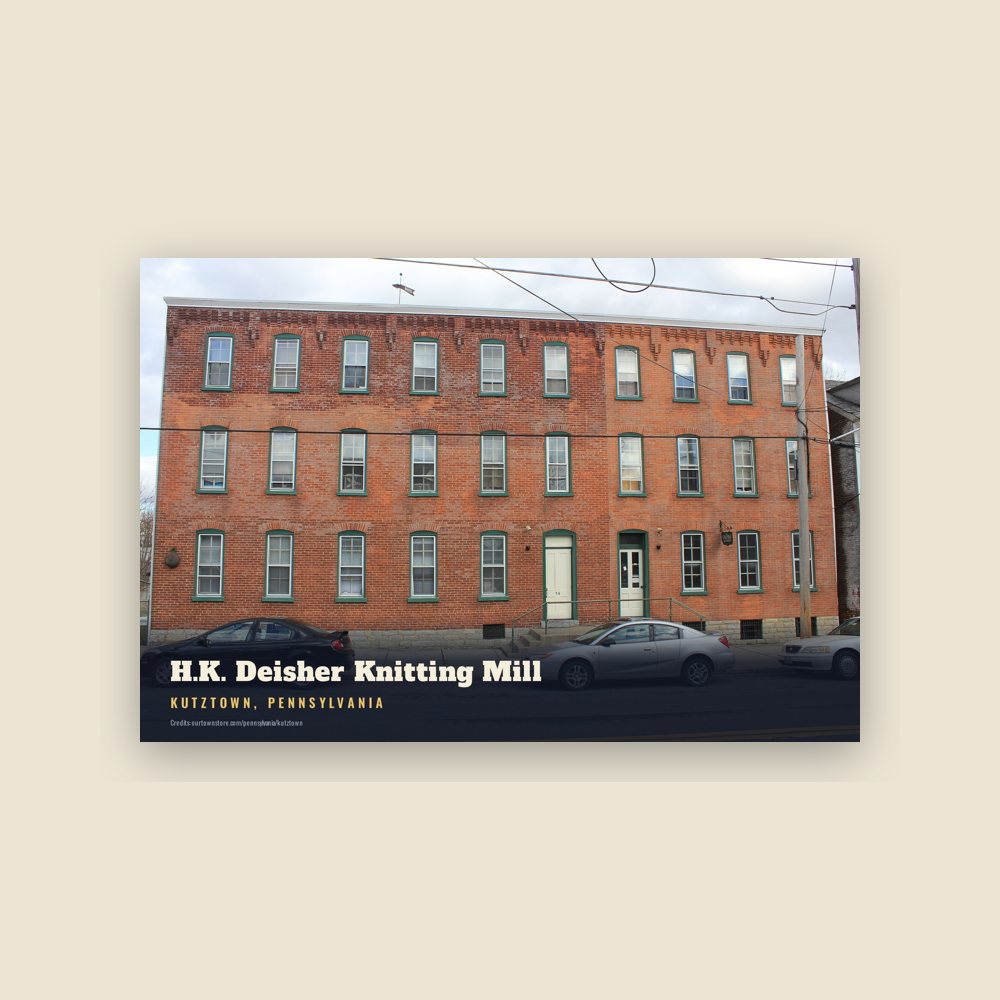
The H.K. Deisher Knitting Mill and Kutztown 1892 Public School Building are listed on the National Register of Historic Places.
Since 1950, the Kutztown Folk Festival has been held in early July celebrating the culture, artistry, and culinary delights of the Pennsylvania Dutch.
Adapted (trimmed) from the Wikipedia article Kutztown, Pennsylvania, revision 1379817816 by its contributors, licensed CC BY-SA 4.0.
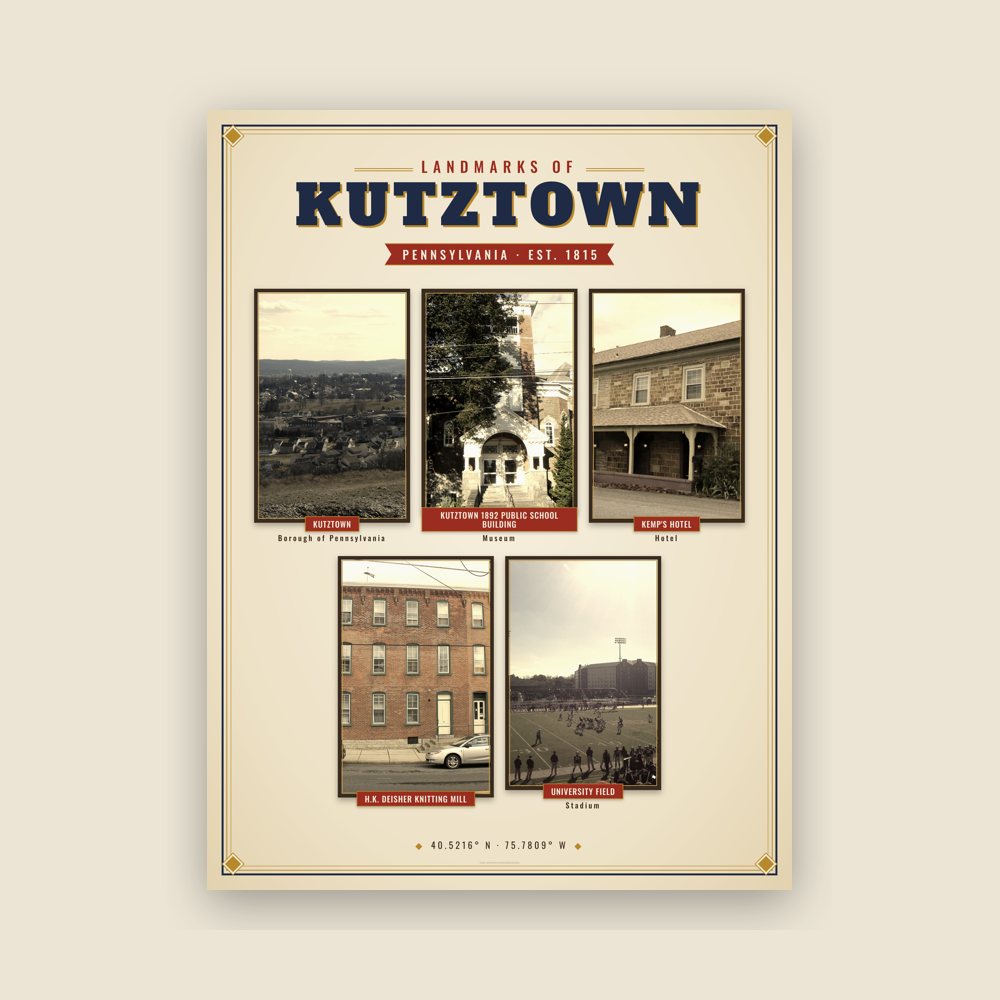
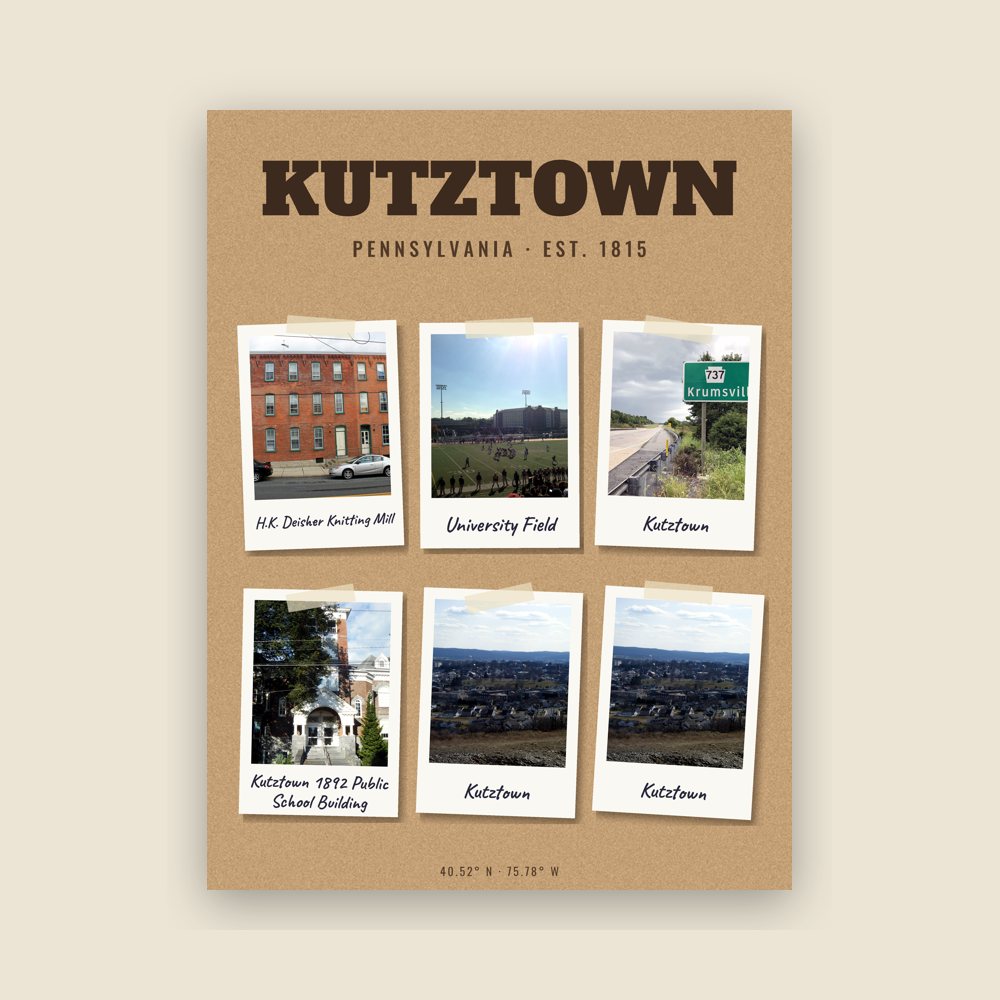
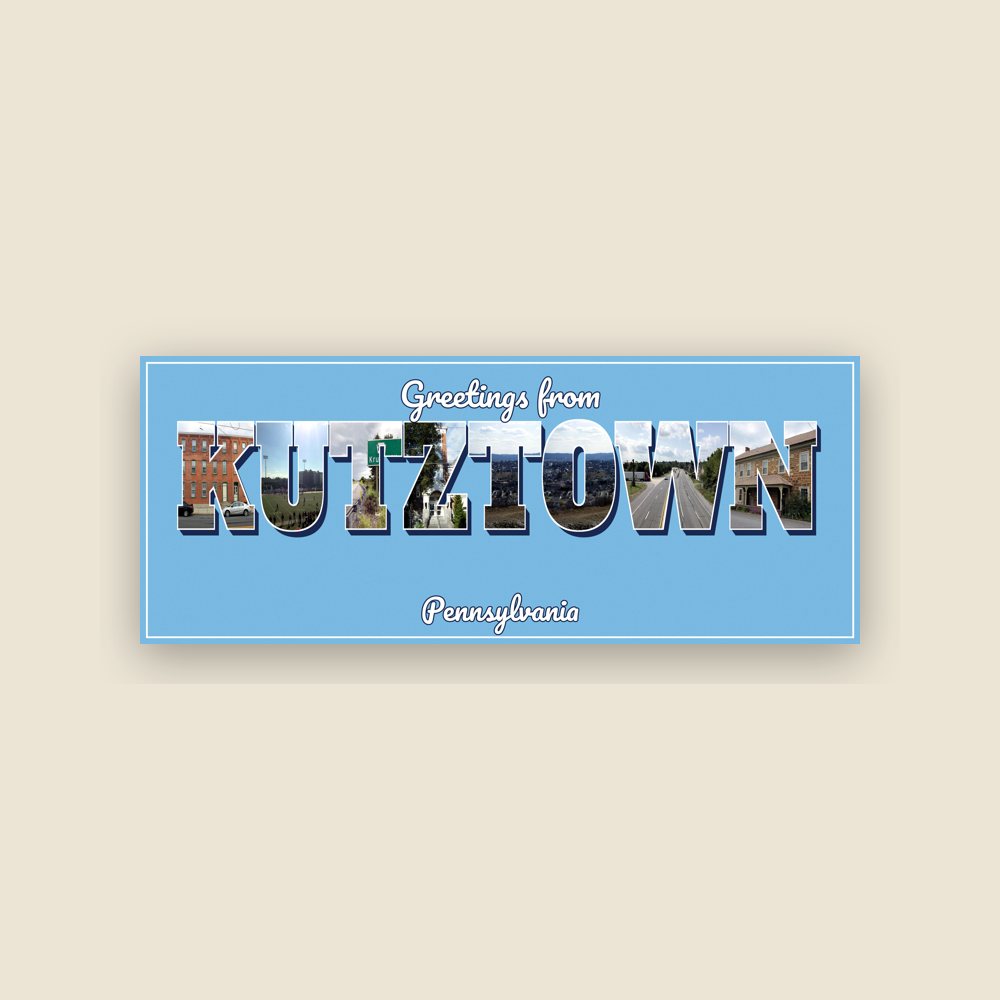
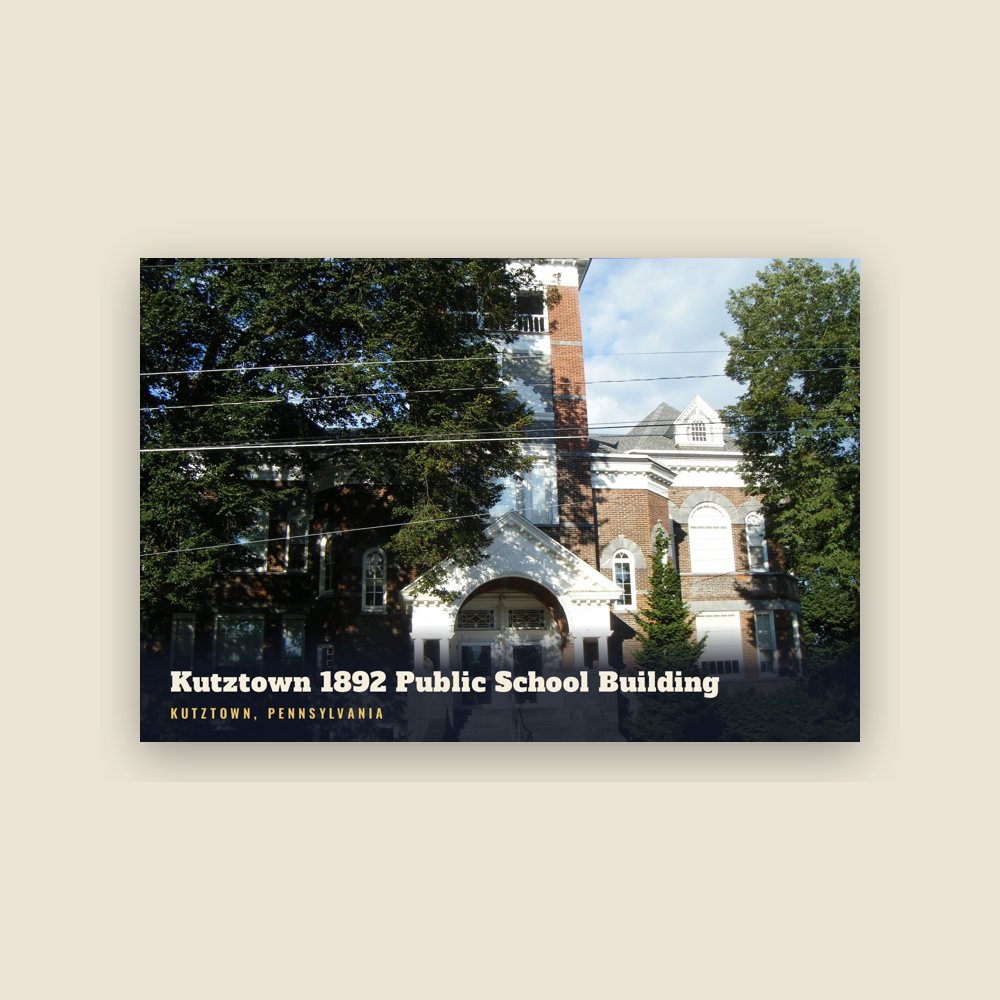
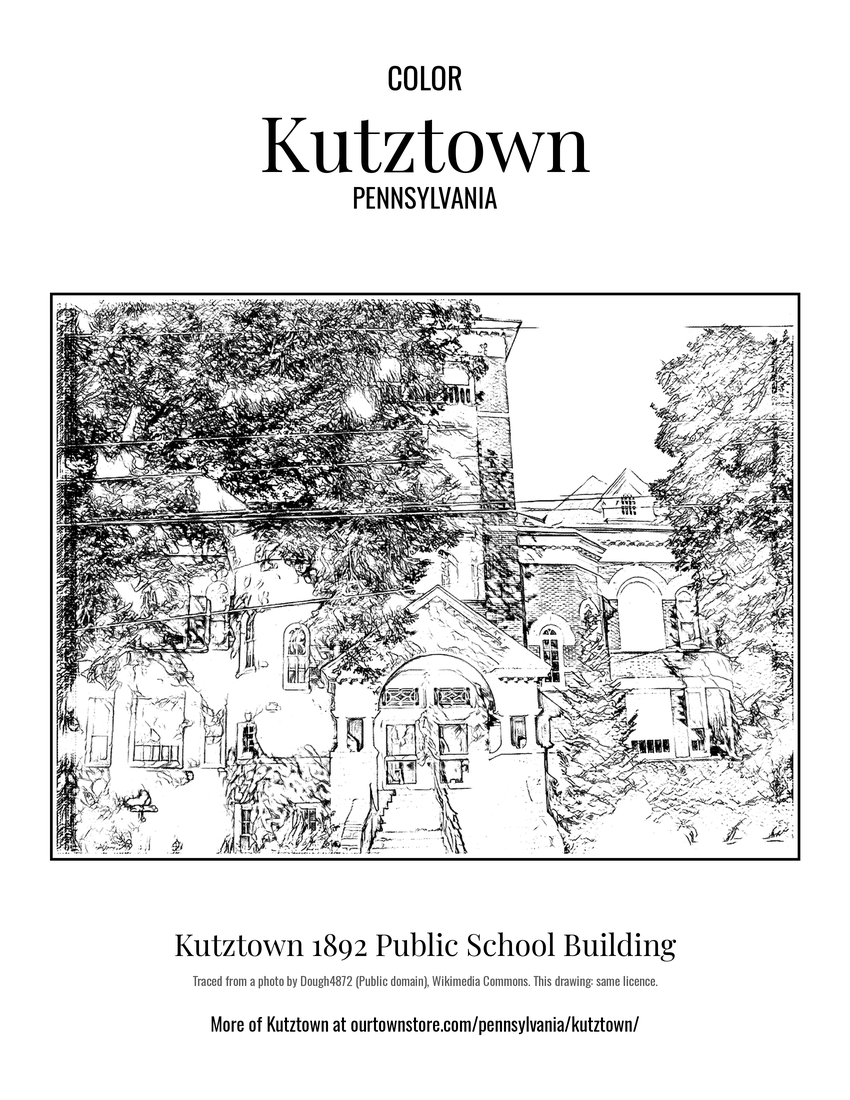 Kutztown 1892 Public School Building
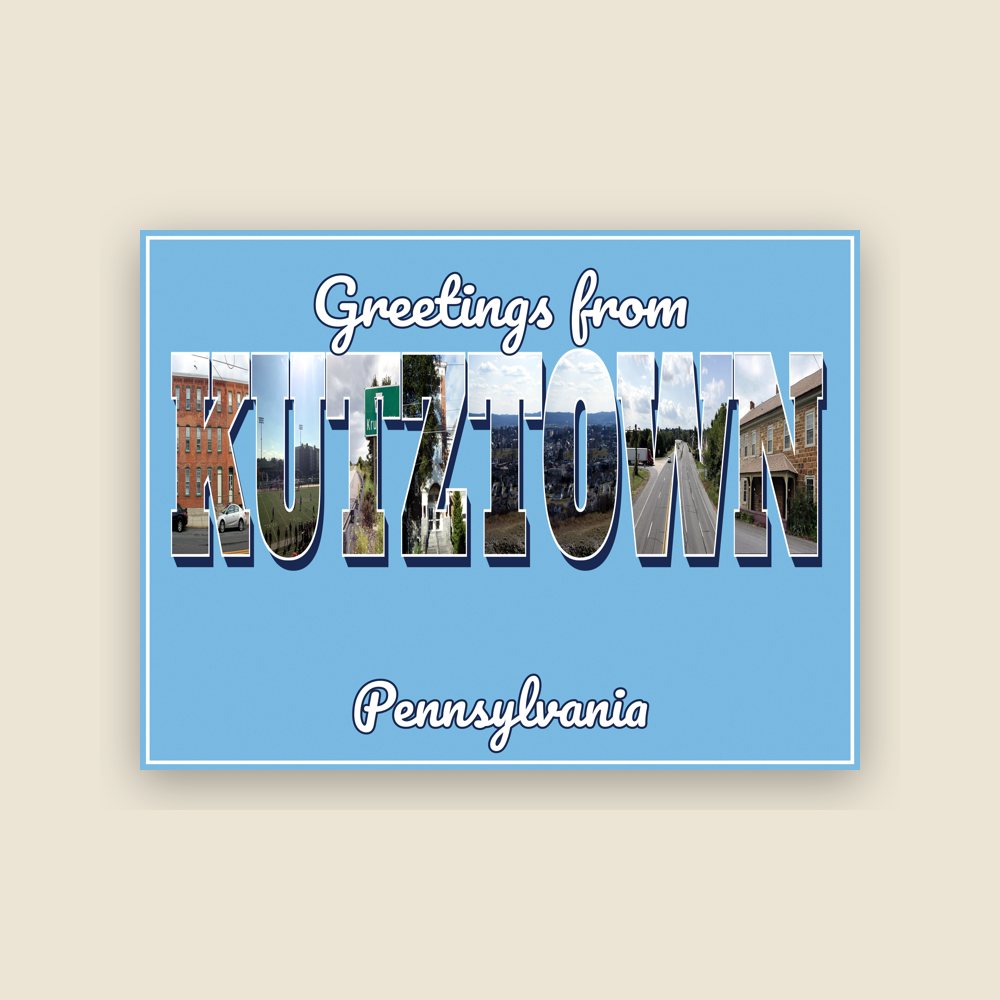
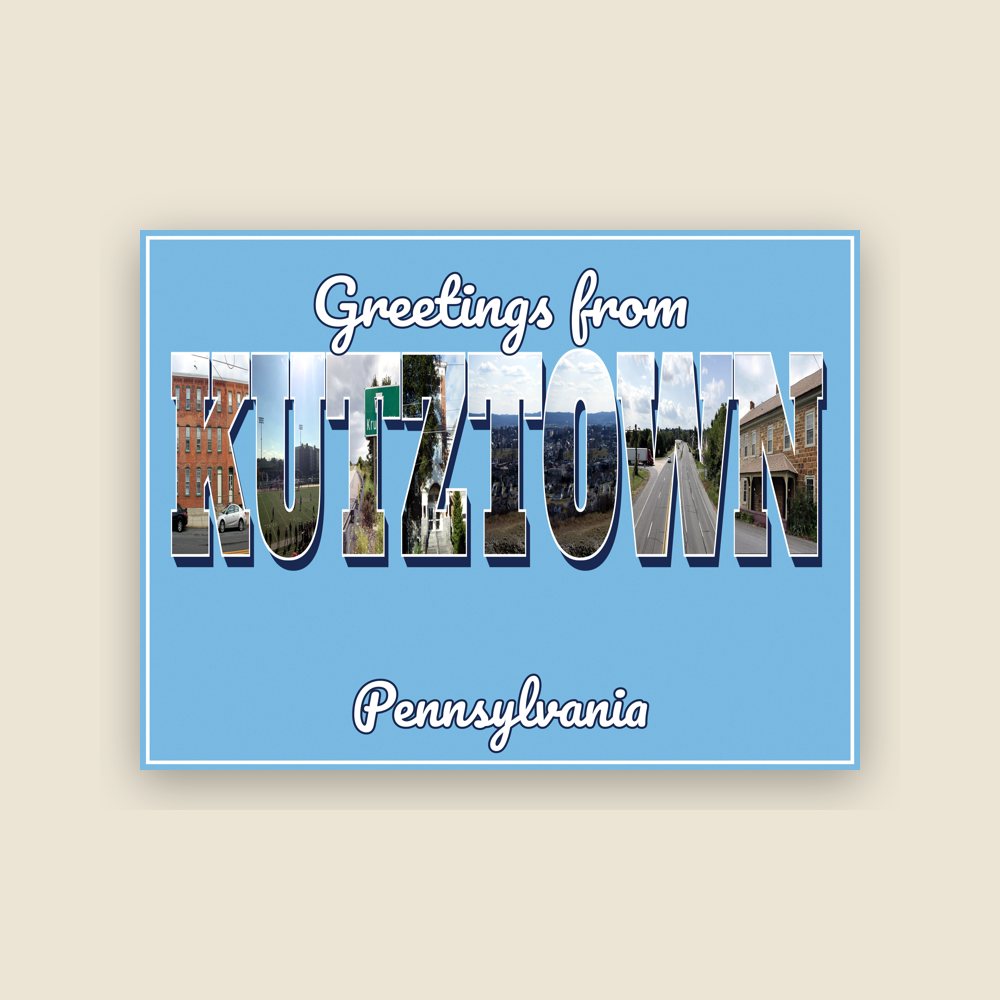
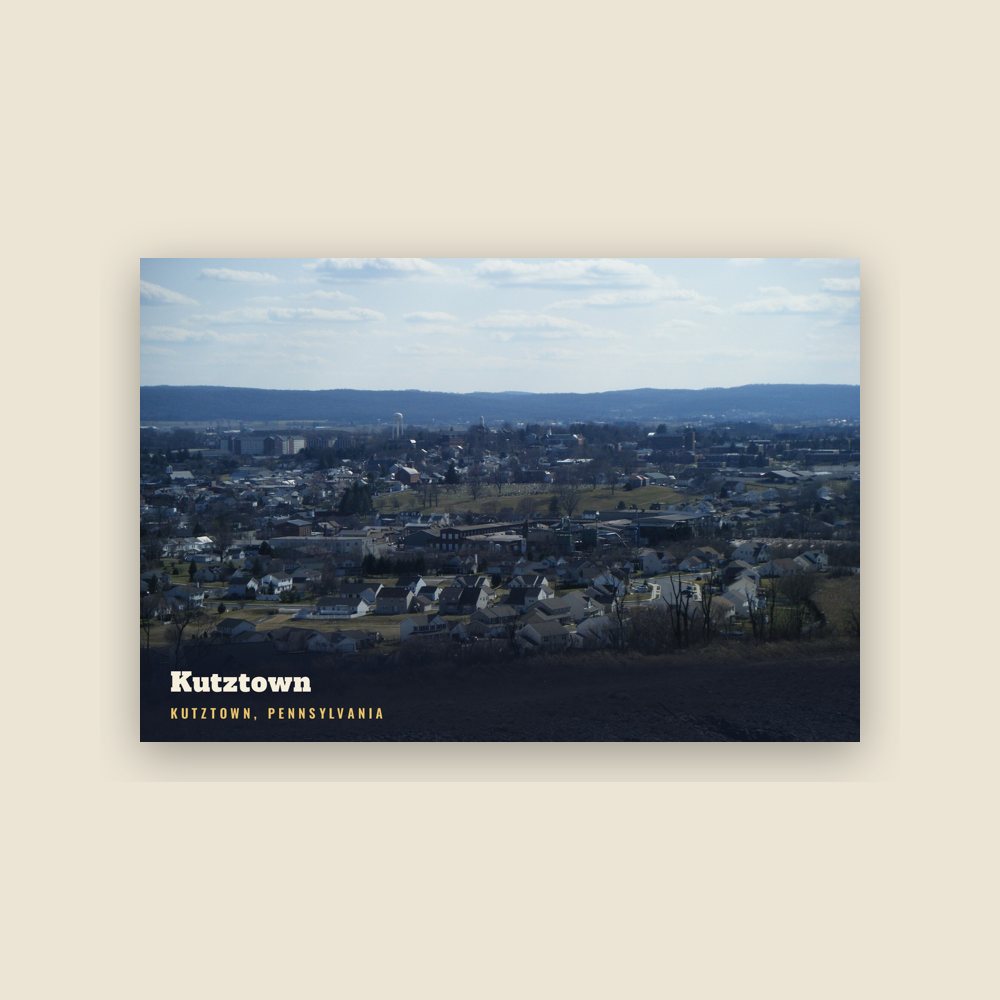
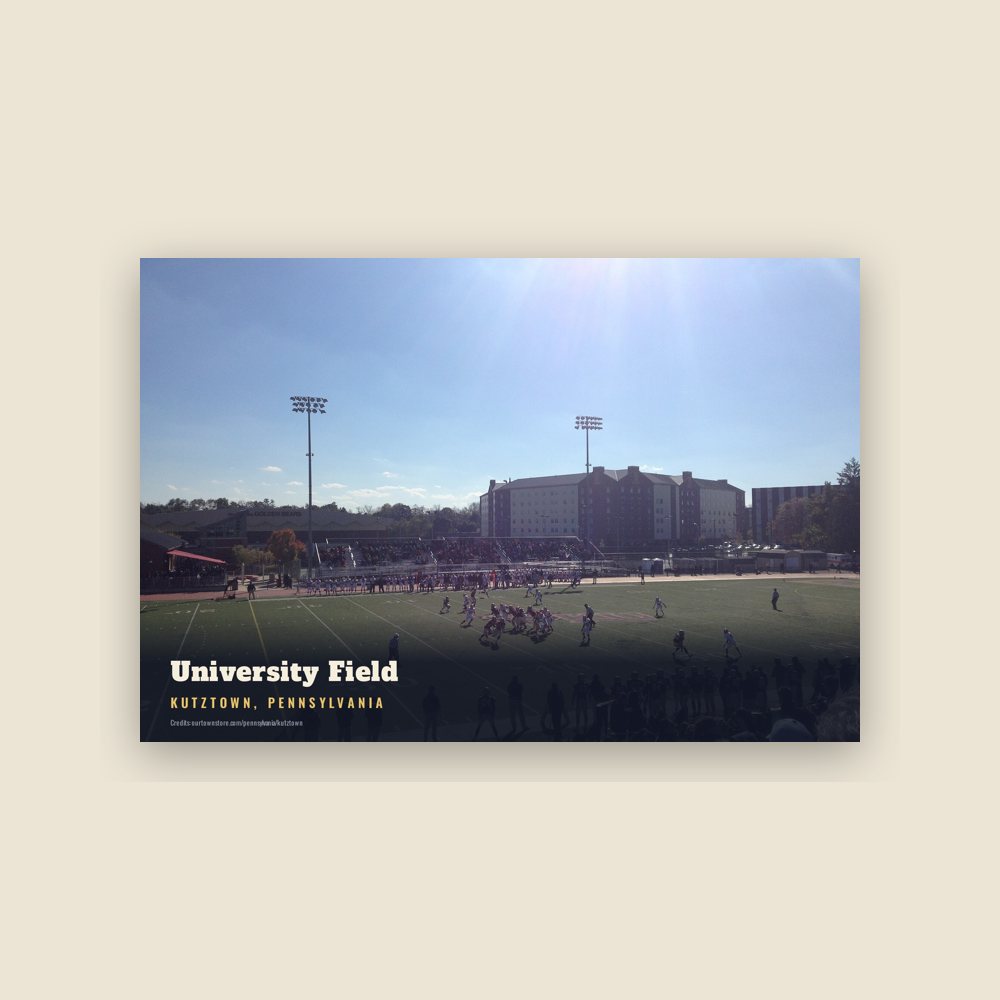
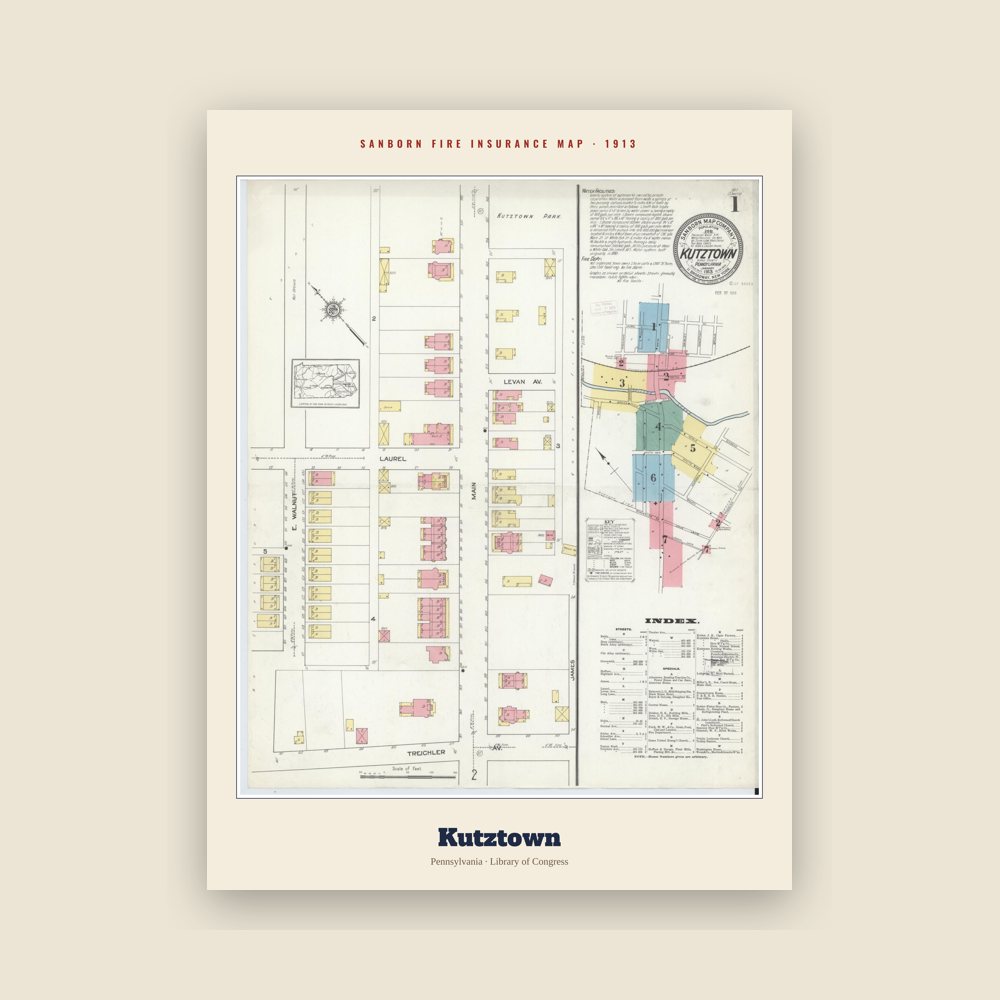
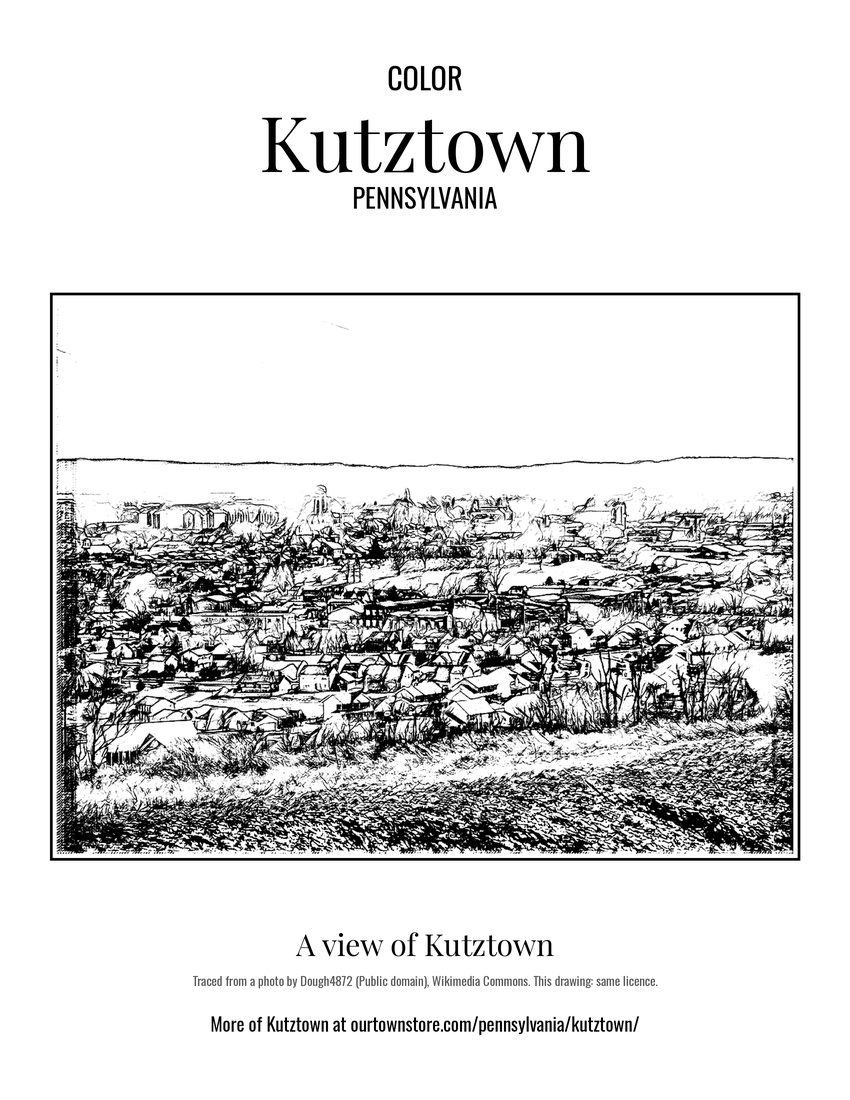 A view of Kutztown
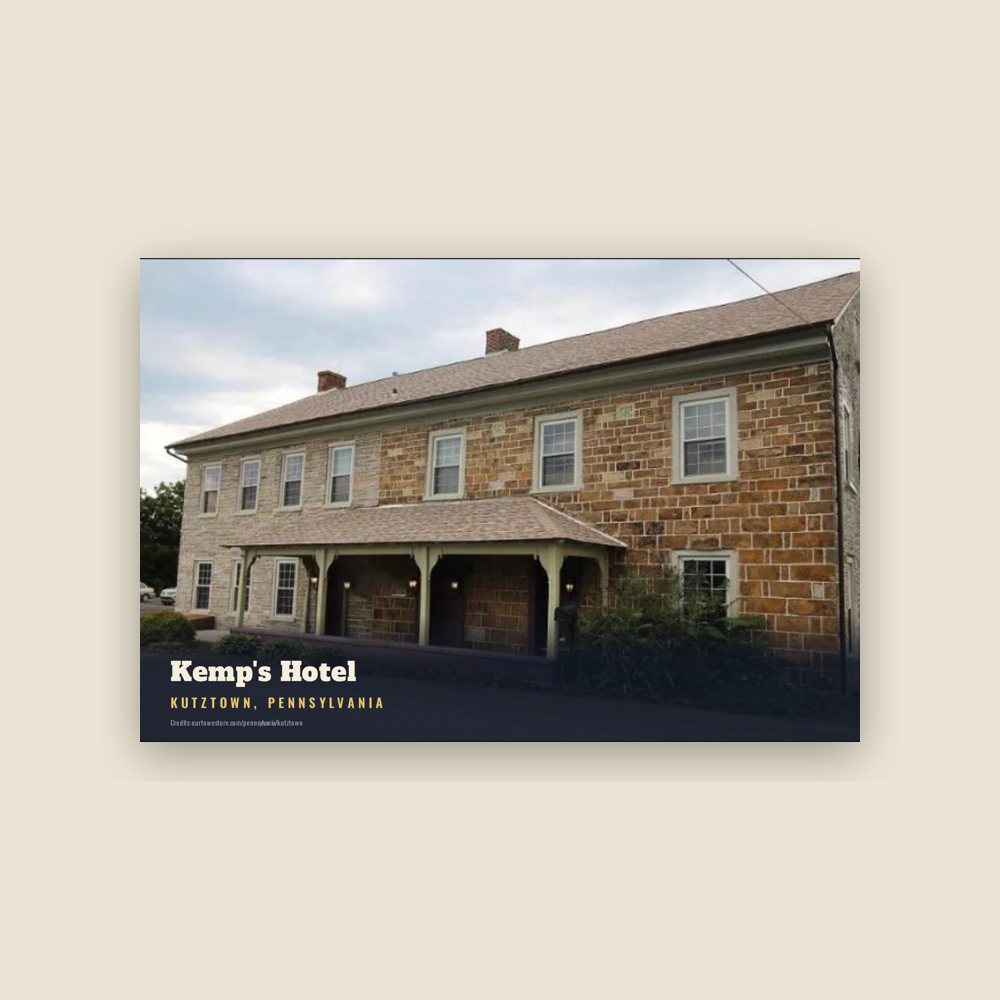
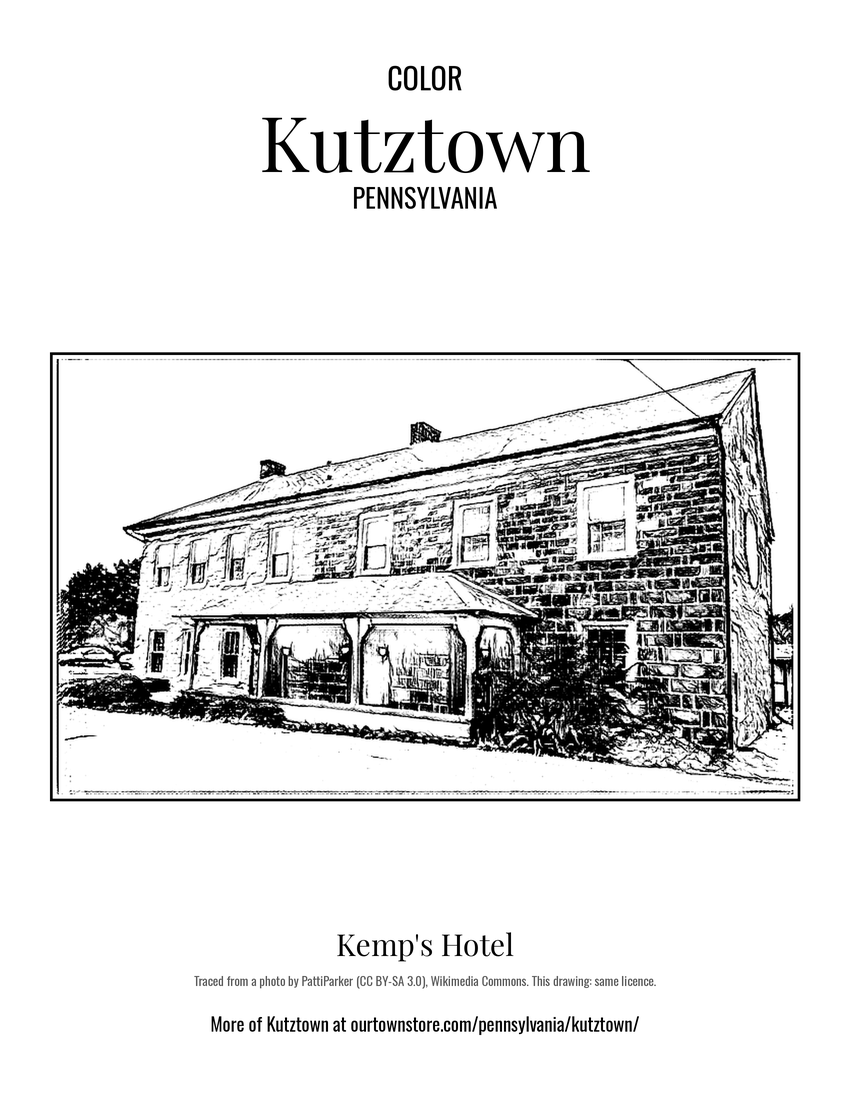 Kemp's Hotel
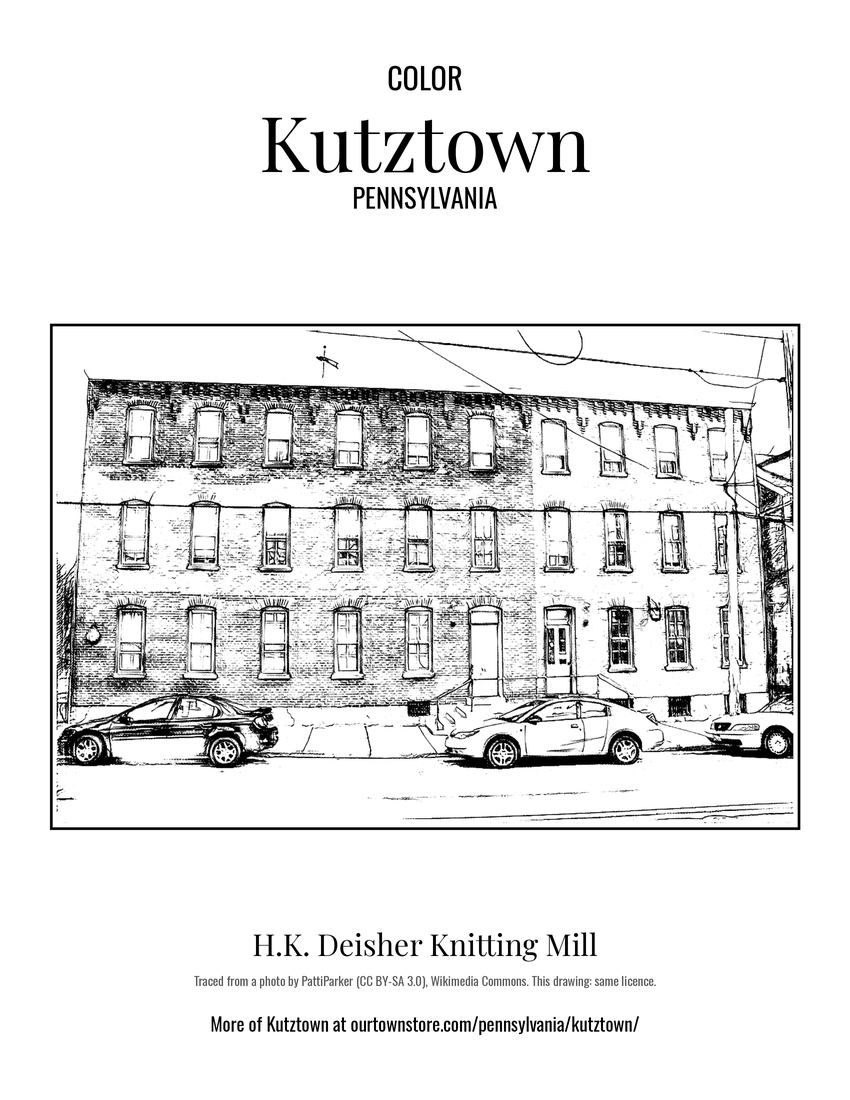 H.K. Deisher Knitting Mill