A short history of Hermiston
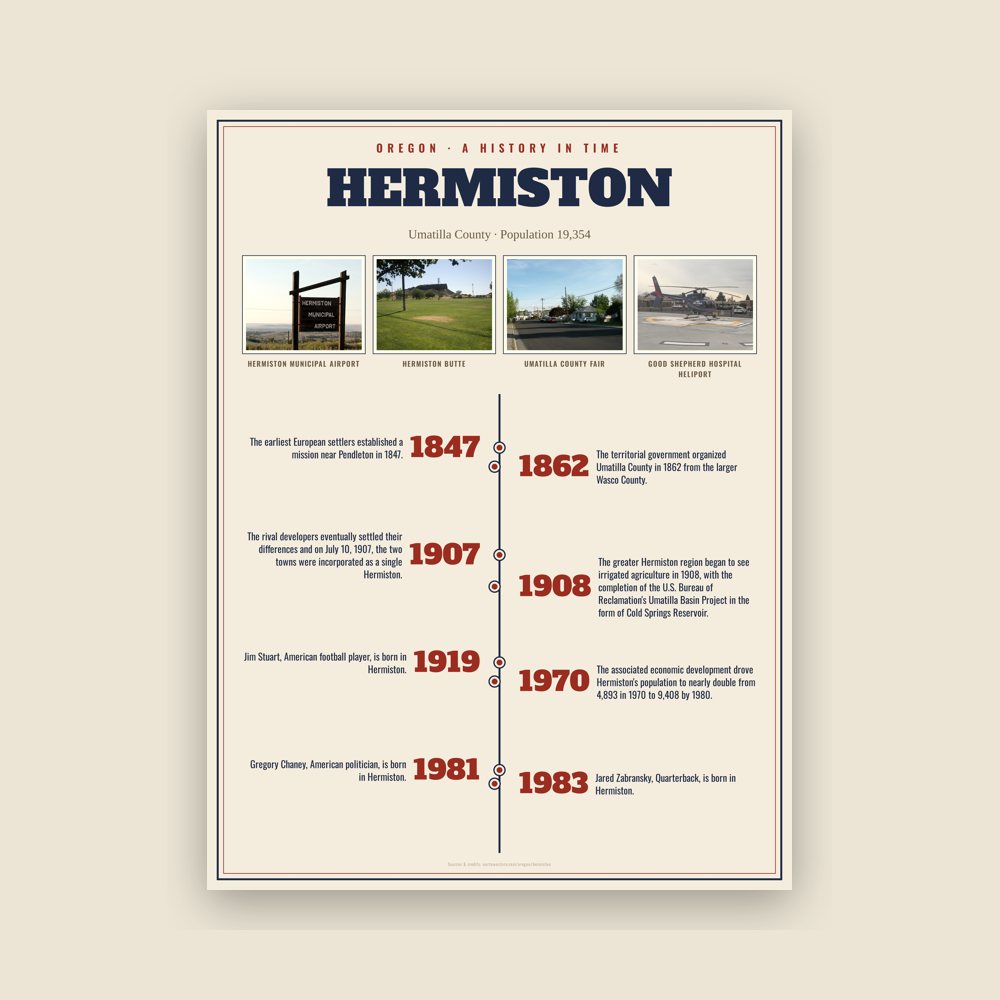
The historic inhabitants of the area were the indigenous Umatilla, Cayuse, Walla Walla, and Columbia Indians, descendants of peoples who lived in this area for thousands of years. The earliest European settlers established a mission near Pendleton in 1847. The territorial government organized Umatilla County in 1862 from the larger Wasco County.
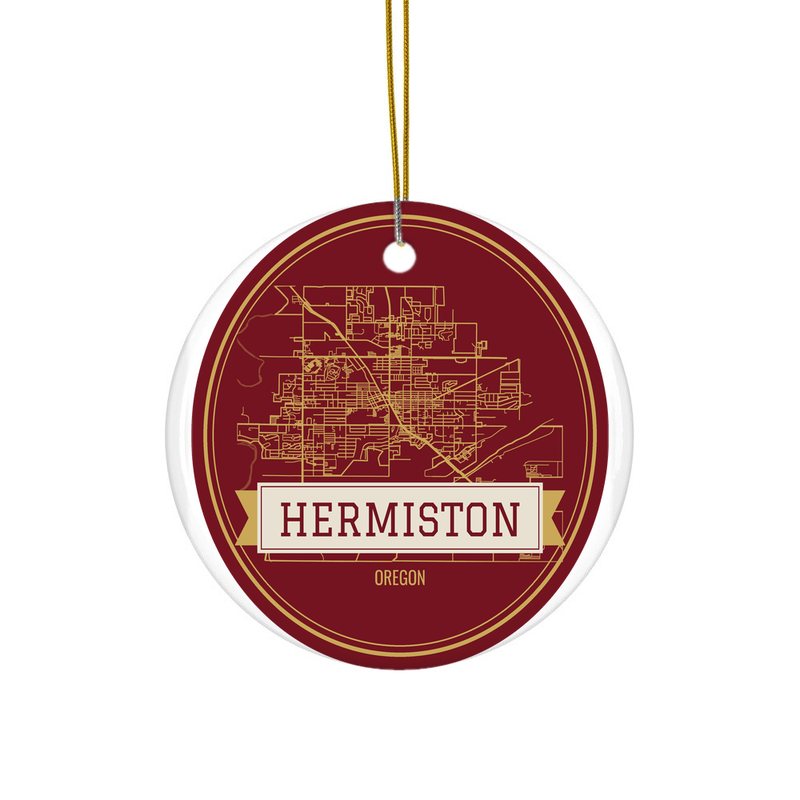
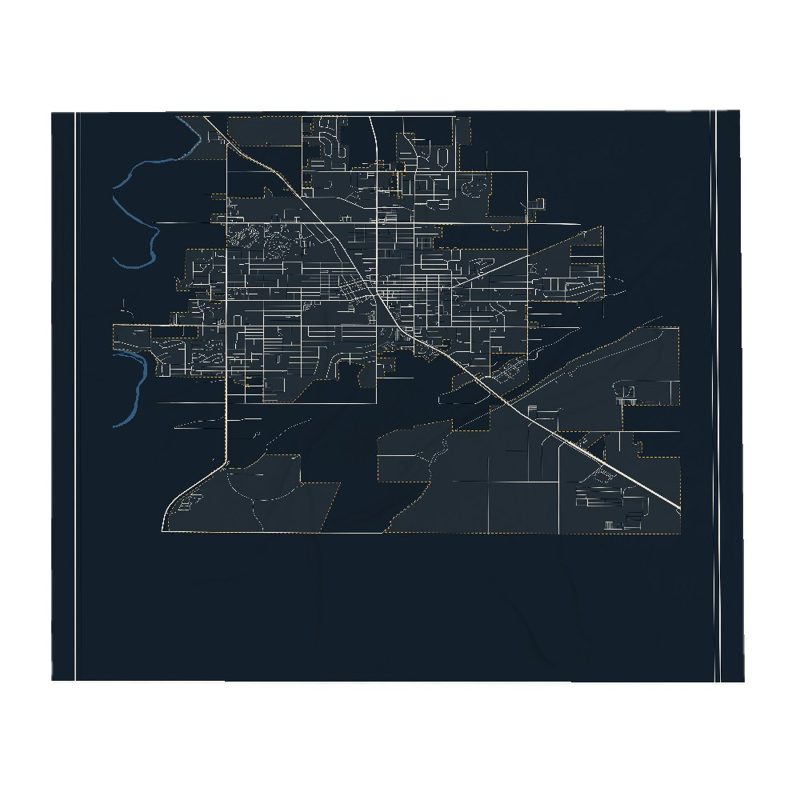
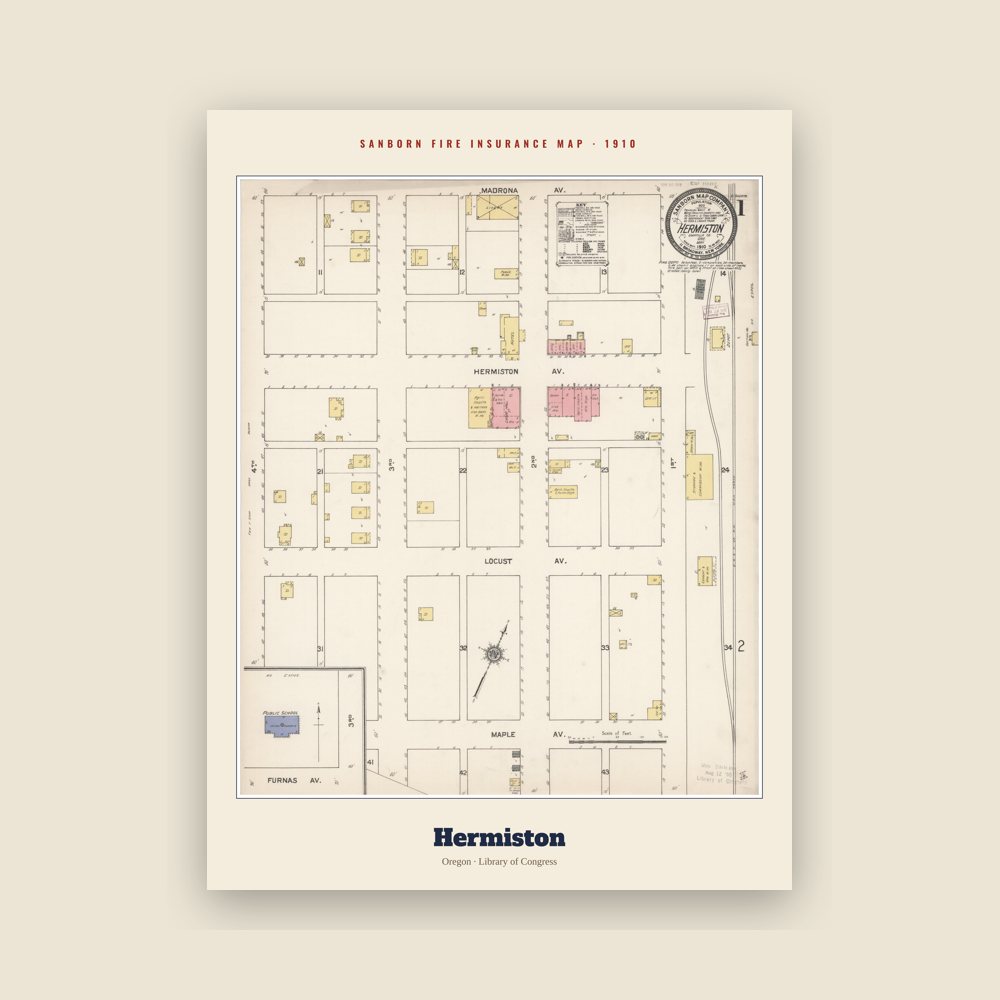
Hermiston's early development was plagued by rivalry between The Maxwell Land & Irrigation Company and developers Skinner & Newport, who both fought to establish their own town of Hermiston in the exact same spot, centrally located in the irrigation district along the Oregon Railway and Navigation Company's main line. While Maxwell was able to secure the train depot on the West side of the tracks, initially naming it after themselves, Skinner & Newport filed their own Hermiston plat directly across the tracks in November 1904, beating the Maxwell Company's filing by two days. With neither side willing to cede to the other, two separate business districts formed on either side of the tracks, Hermiston Avenue on the West side and East Main street (there is no West Main Street) on the East side, defiantly placed one block off so they didn't align. Each district featured its own bank, hotel and mercantile but East Main Street would eventually win out.
The rival developers eventually settled their differences and on July 10, 1907, the two towns were incorporated as a single Hermiston. Colonel J. F. McNaught, an early settler in the region, is credited with originally coming up with the Hermiston name, which was taken from Robert Louis Stevenson's unfinished novel Weir of Hermiston.
The greater Hermiston region began to see irrigated agriculture in 1908, with the completion of the U.S. Bureau of Reclamation's Umatilla Basin Project in the form of Cold Springs Reservoir. The region saw modest growth until the outbreak of World War II, when the Umatilla Army Depot was constructed, causing Hermiston's population to jump from 803 at the 1940 US Census to 3,804 in 1950. The region continued to experience modest growth for the next several decades until the 1970s, when low power costs coupled with the development of center-pivot irrigation resulted in a significant expansion in agricultural acreage put into potato production. The expansion of potato production coincided with the development of large potato processing plants by Lamb-Weston and Simplot, focusing on frozen potato products. The associated economic development drove Hermiston's population to nearly double from 4,893 in 1970 to 9,408 by 1980. The 1990s brought additional large employment developments to the Hermiston region in the form of Two Rivers Correctional Institution, a Wal-Mart Distribution Center, expansion of the Union Pacific Hinkle Rail Yard, and the beginning of the Umatilla Army Depot's Chemical Weapon Incineration process. The 2000s have seen continued growth and diversification of the regional economy as Hermiston has grown to a population of 19,354 at the 2020 Census and has become a regional center for commercial and professional services.
Adapted (trimmed) from the Wikipedia article Hermiston, Oregon, revision 1378976927 by its contributors, licensed CC BY-SA 4.0.
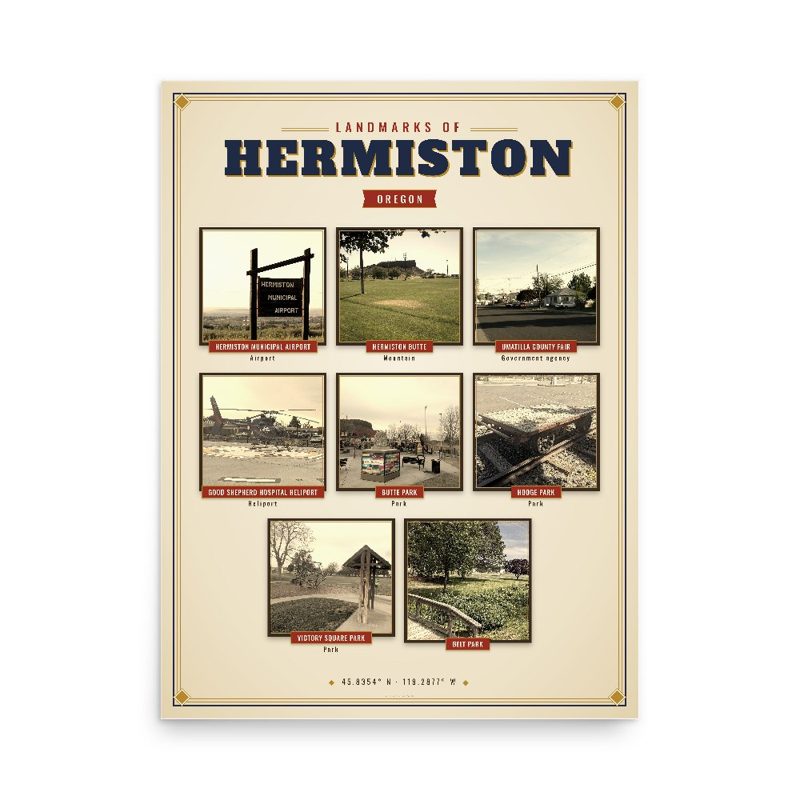
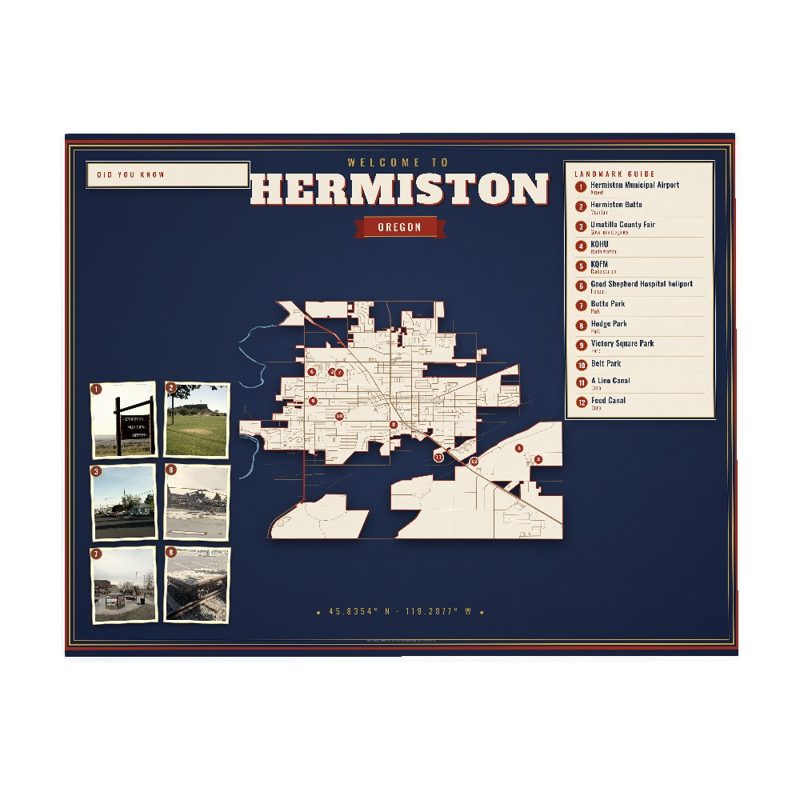

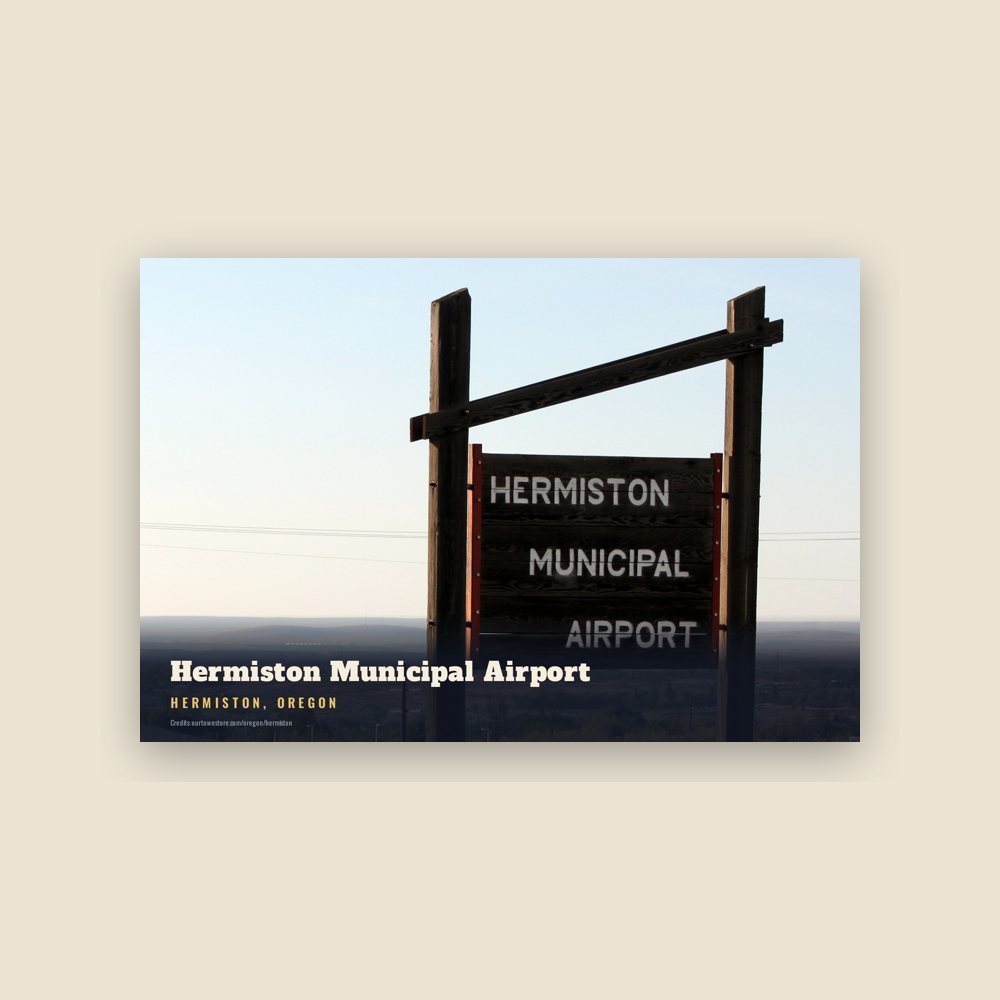

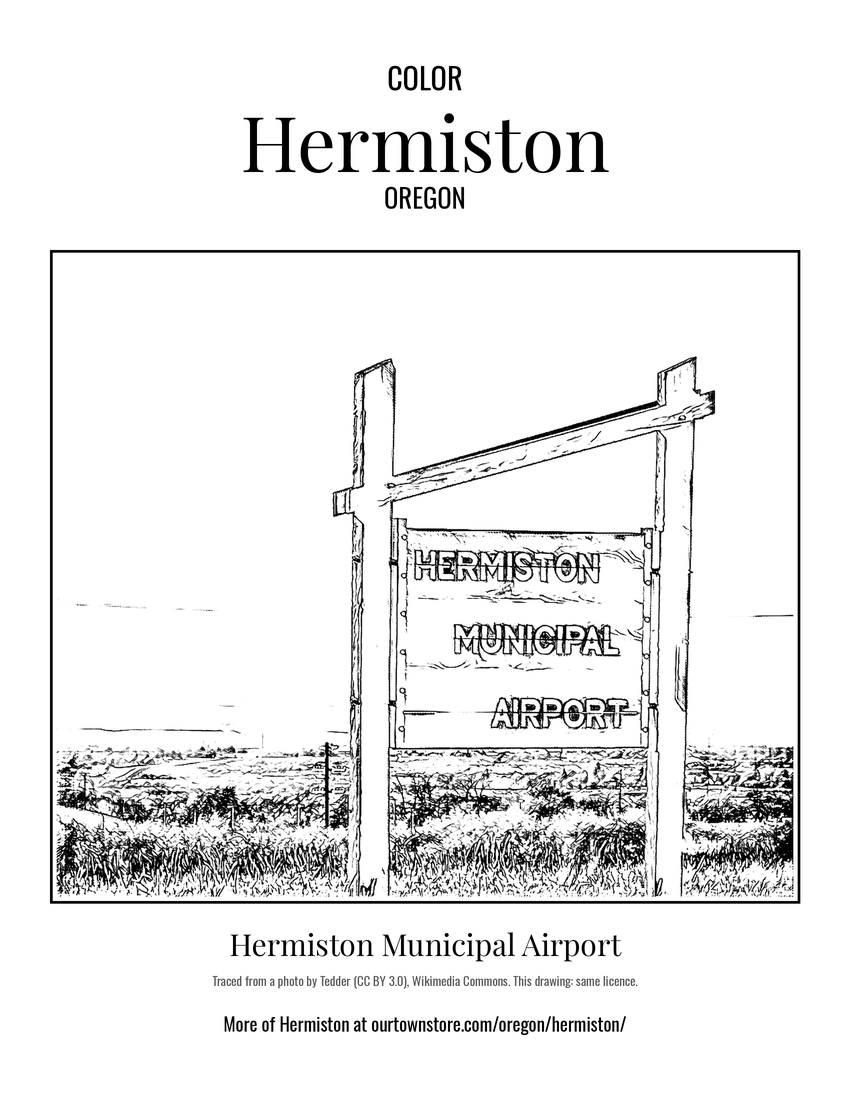 Hermiston Municipal Airport
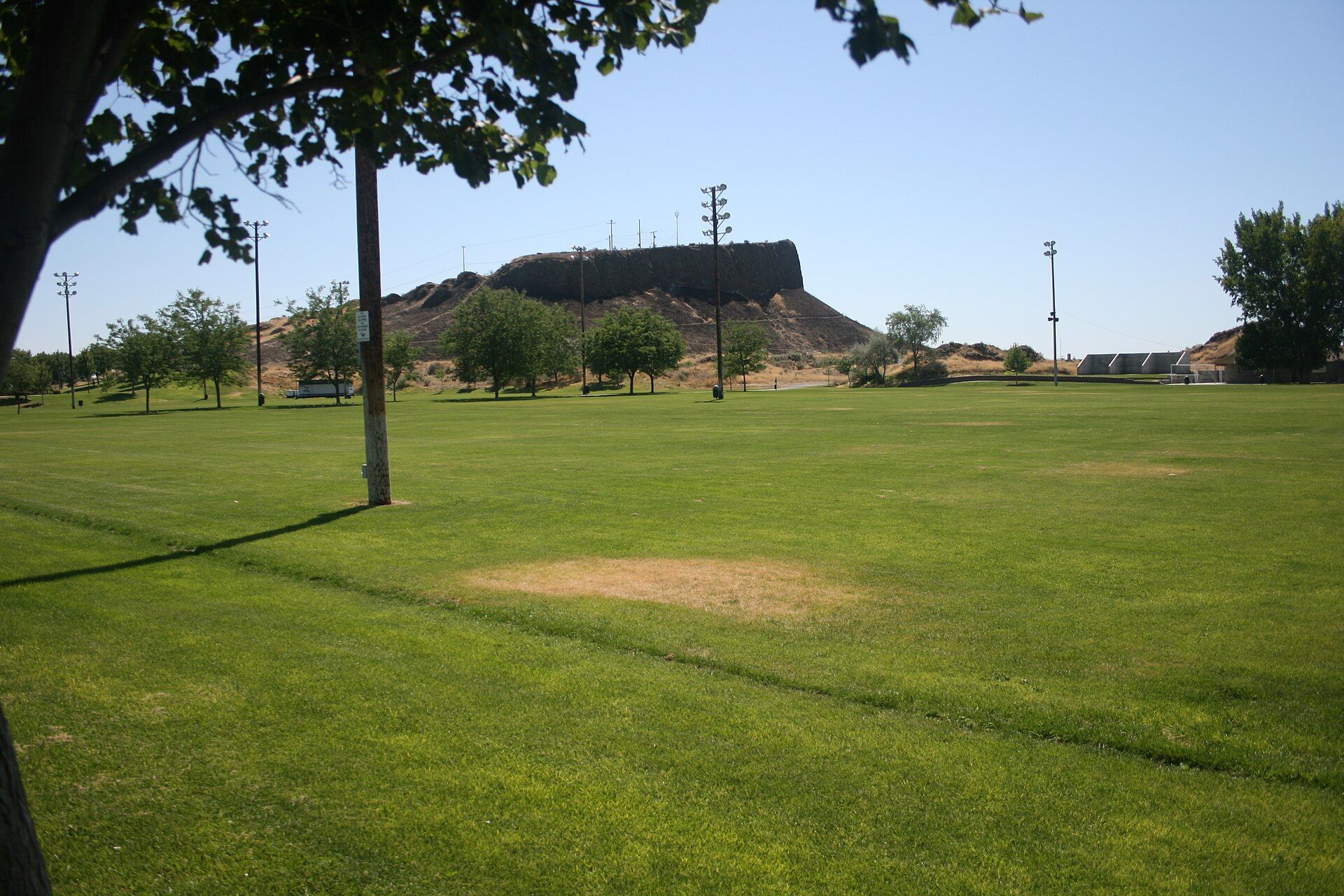
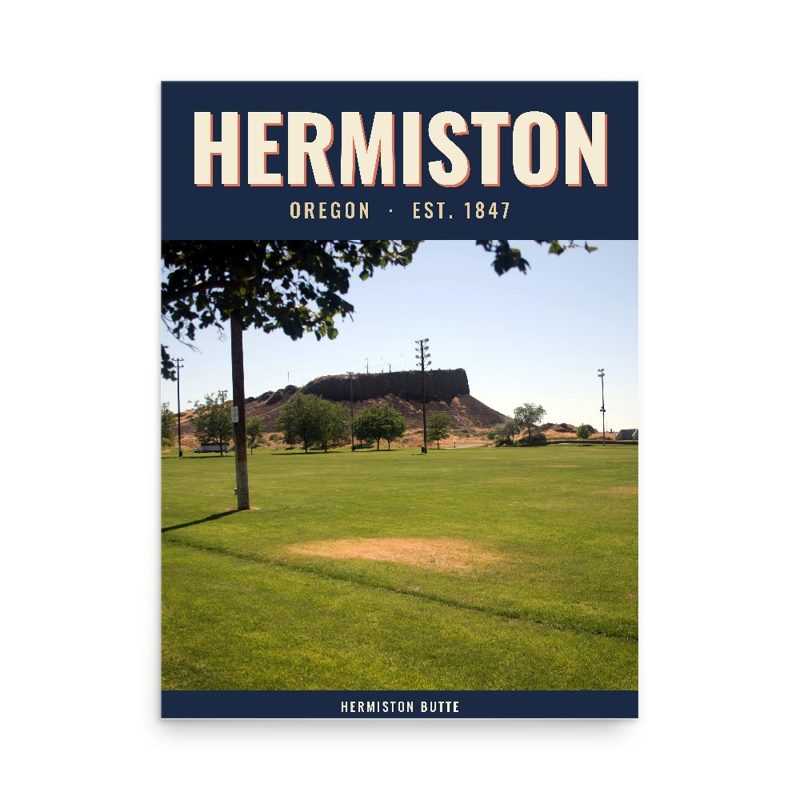
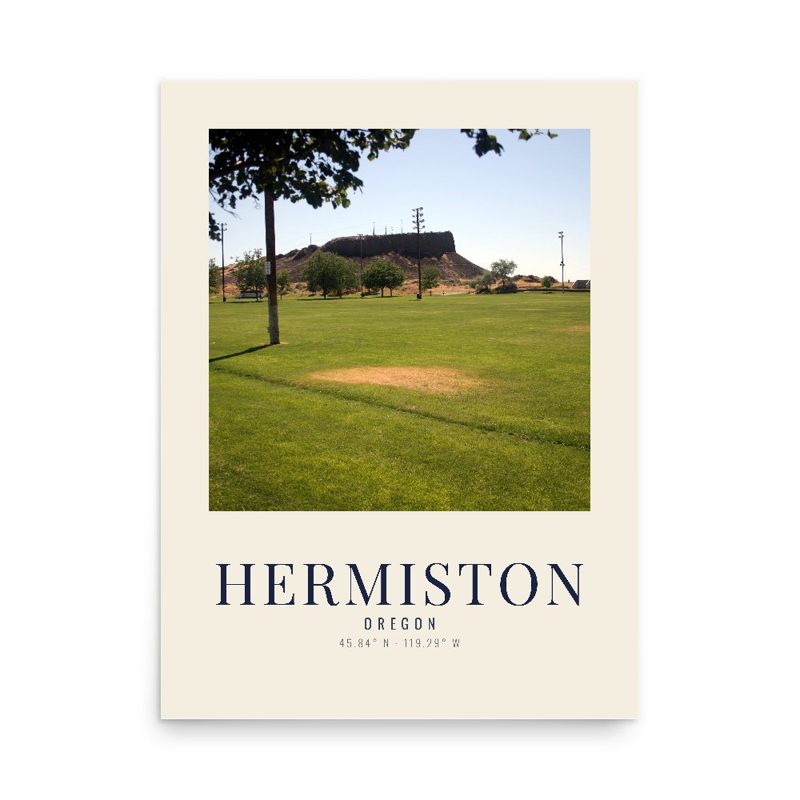
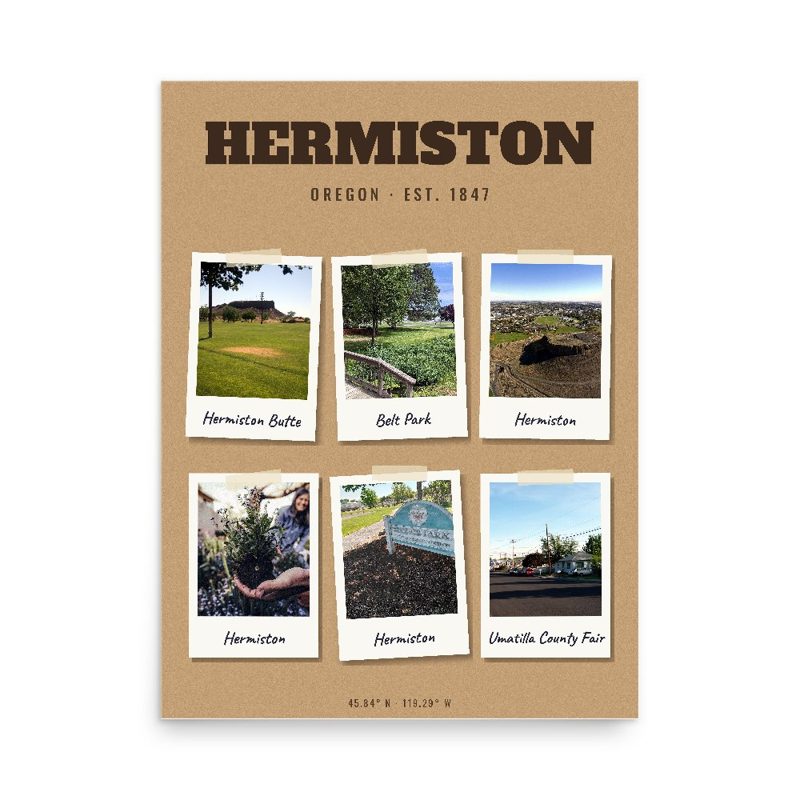
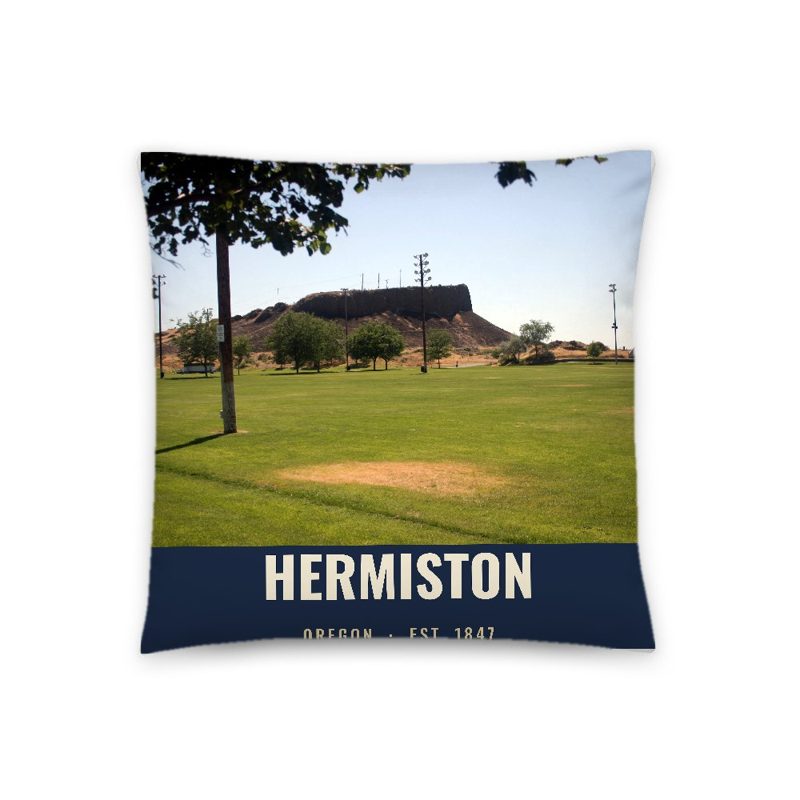
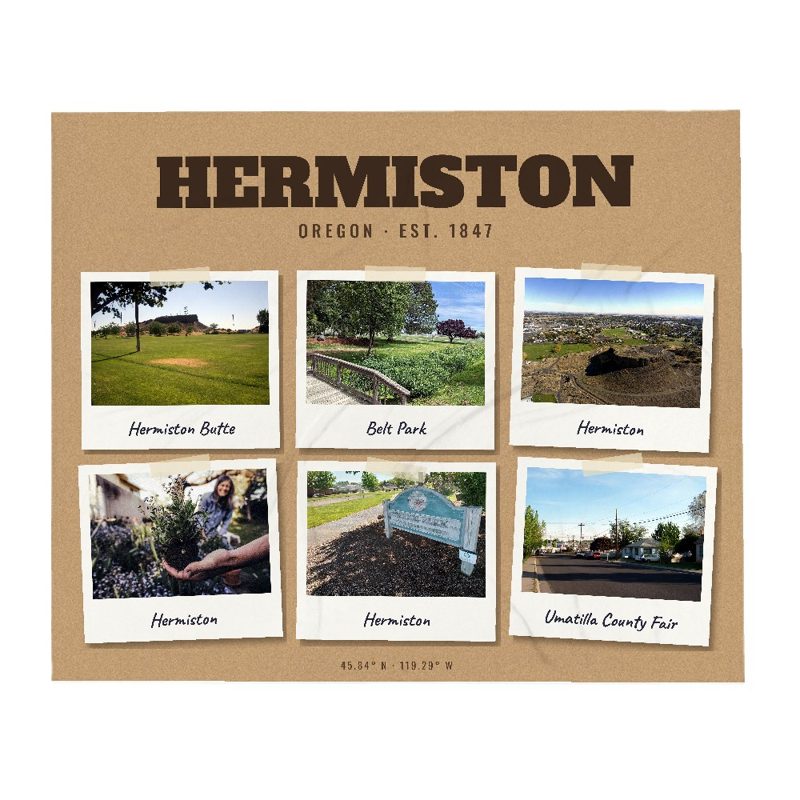
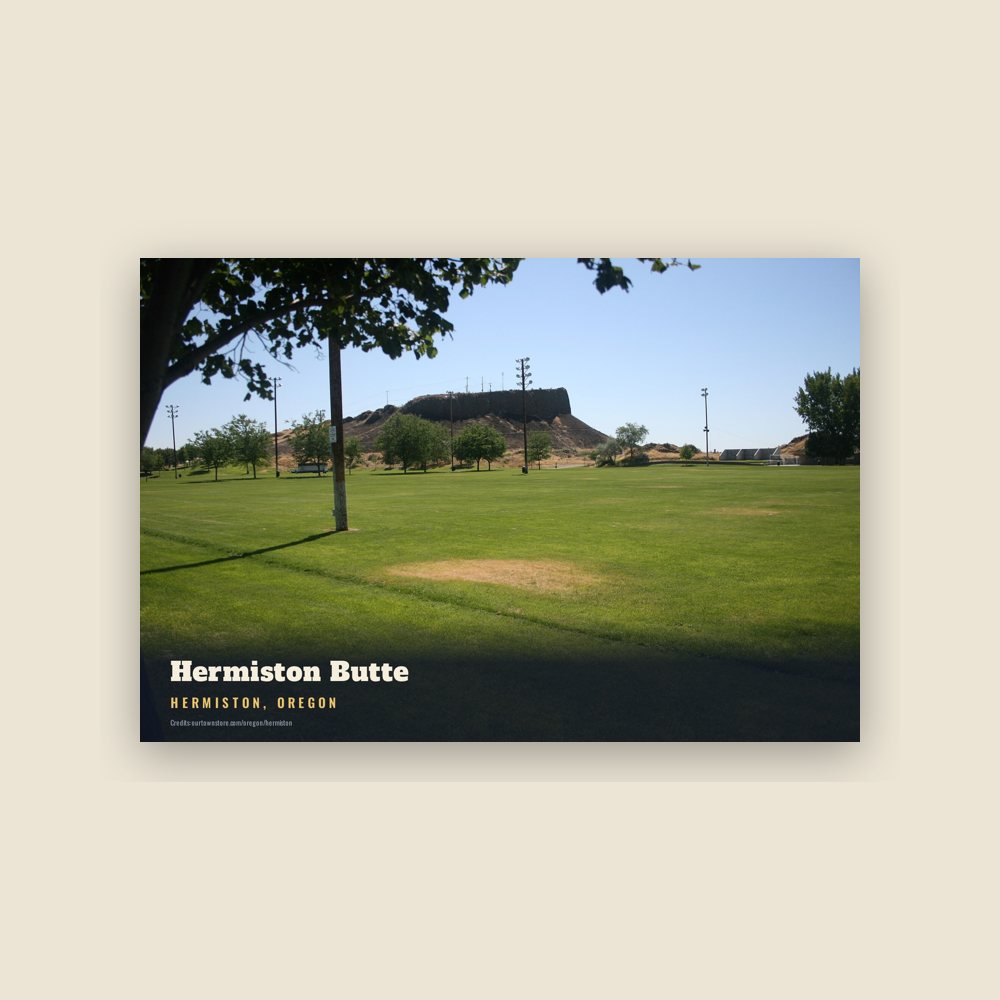
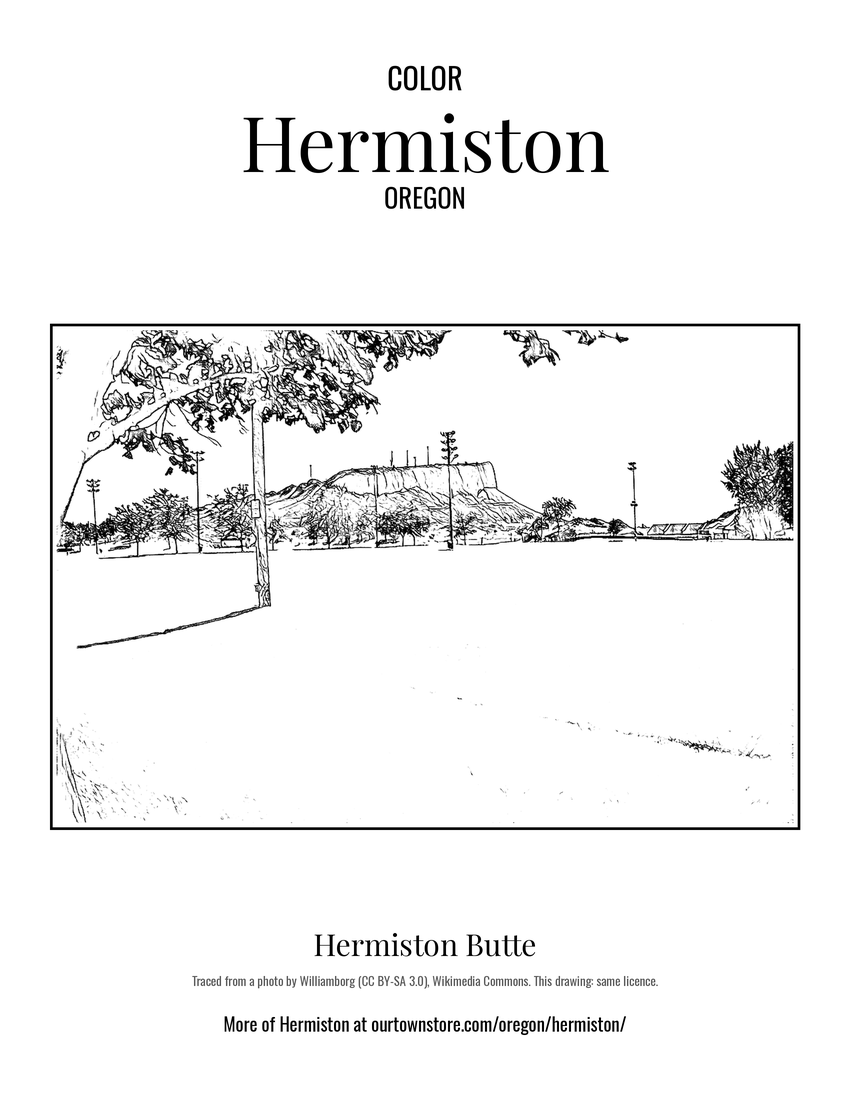 Hermiston Butte
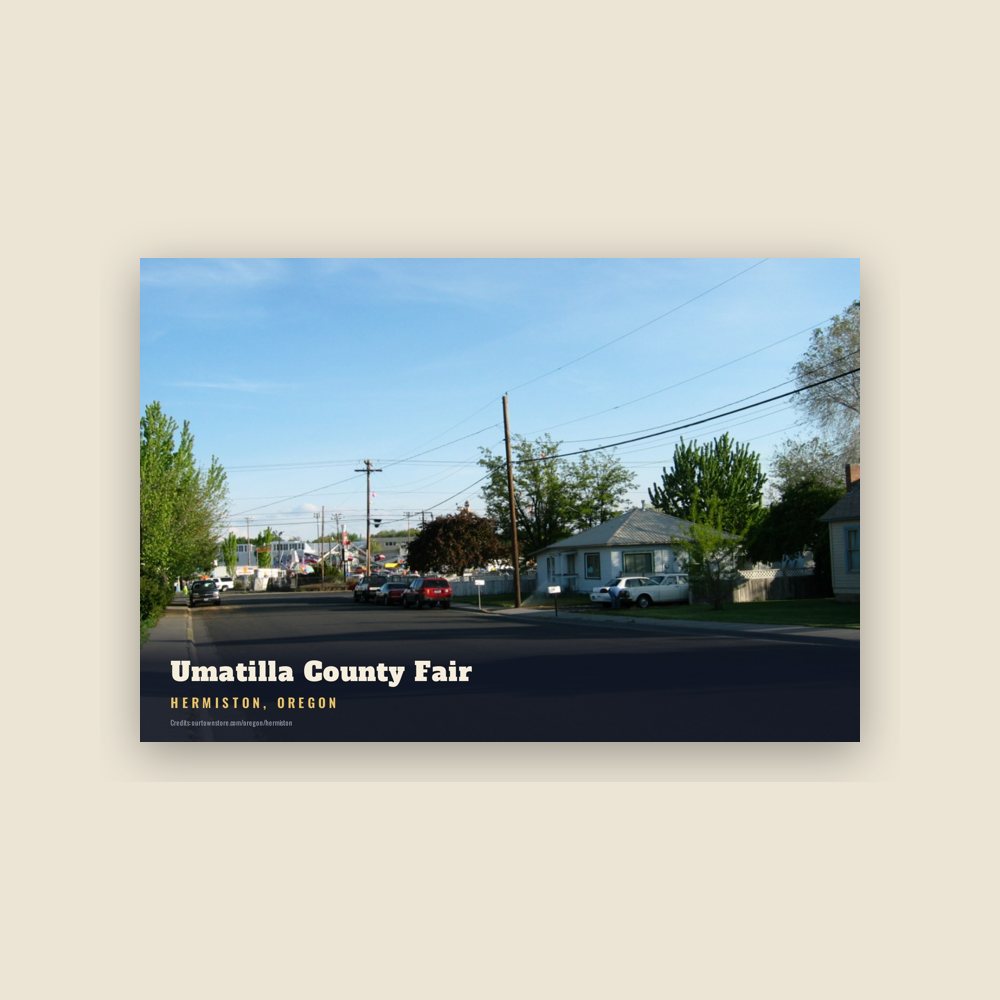
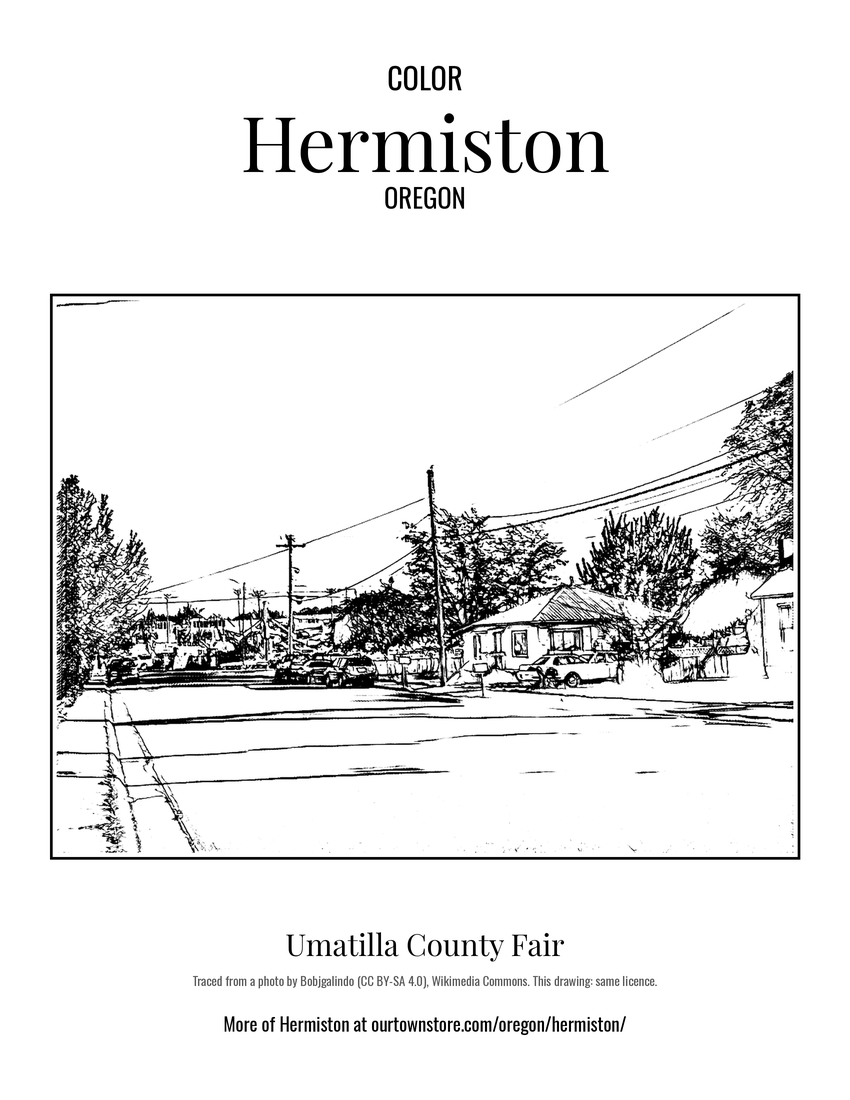 Umatilla County Fair
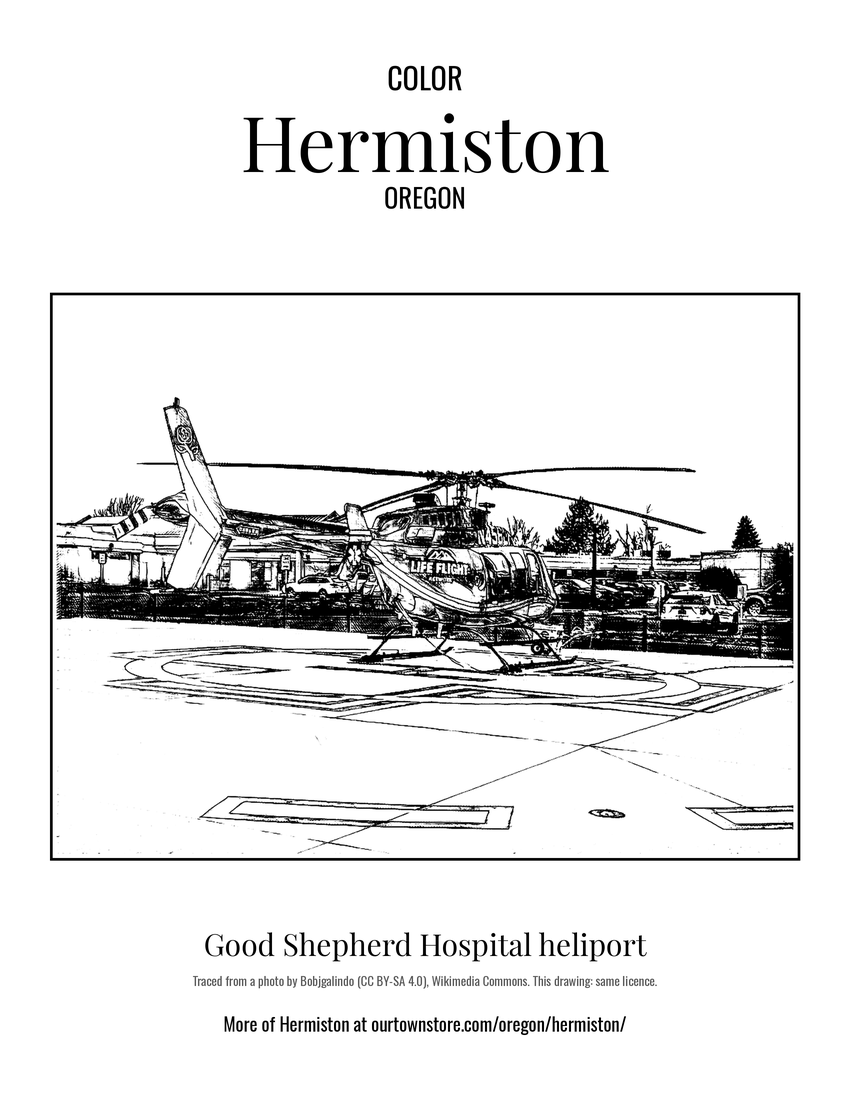 Good Shepherd Hospital heliport