Since 1927
A short history of Clinton
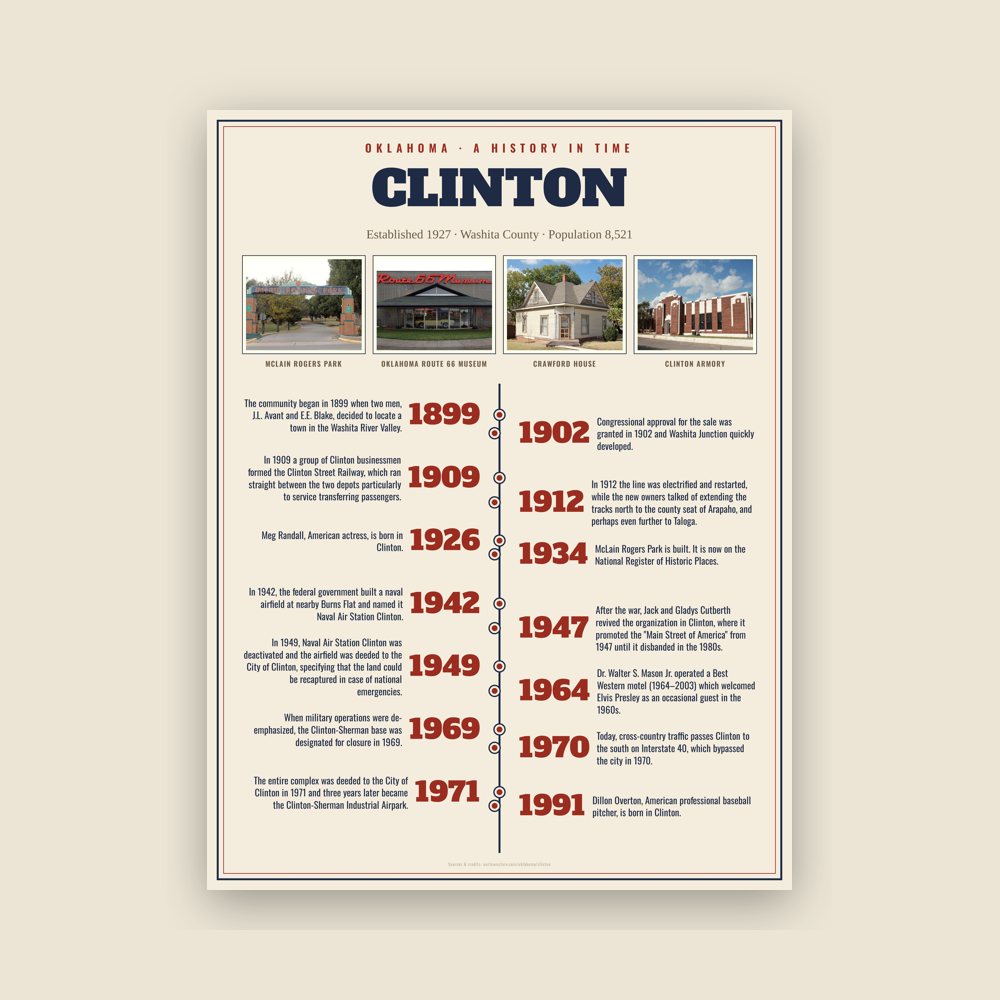
The community began in 1899 when two men, J.L. Avant and E.E. Blake, decided to locate a town in the Washita River Valley.
Because of governmental stipulations that an Indian could sell no more than one half of a 160-acre (0.6 km2) allotment, the men made plans to purchase 320 acres (1.3 km2) from four different Indians (Hays, Shoe-Boy, Nowahy, and Night Killer) and paid them each $2,000 for 80 acres (320,000 m2) to begin the small settlement of Washita Junction.
Congressional approval for the sale was granted in 1902 and Washita Junction quickly developed. The first businesses were the office of the Custer County Chronicle newspaper and the First National Bank building. When a post office was started, the postal department would not accept the name of Washita Junction; so the town was named for Judge Clinton F. Irwin.
Early on, Clinton was well-served by railroads: the Kansas City, Mexico and Orient Railway—which had its depot west of downtown—and both the St. Louis–San Francisco Railway and the Chicago, Rock Island and Pacific Railroad—which had their combined depot east of downtown. In 1909 a group of Clinton businessmen formed the Clinton Street Railway, which ran straight between the two depots particularly to service transferring passengers. But the line’s single gas-powered railcar proved problematic, and service stopped by 1911. In 1912 the line was electrified and restarted, while the new owners talked of extending the tracks north to the county seat of Arapaho, and perhaps even further to Taloga. However, a trolley’s collision in 1914 with an SLSF switch engine, killing one passenger and injuring others, caused the line to dissolve under lawsuits, and the rails were dug up and salvaged by 1915 to pay legal fees.
Clinton particularly benefited from the presence of U.S. Highway 66. Like most other cities and towns on Route 66, Clinton was home of tourist businesses including several restaurants, cafés, motels and filling stations. The Pop Hicks Restaurant was once the longest running restaurant on Route 66. It opened in 1936 and closed after a fire in 1999. The U.S. Highway 66 Association, founded 1927 in Tulsa, Oklahoma, curtailed its activity when World War II rationing of rubber and fuel disrupted leisure travel. After the war, Jack and Gladys Cutberth revived the organization in Clinton, where it promoted the "Main Street of America" from 1947 until it disbanded in the 1980s. Dr. Walter S. Mason Jr. operated a Best Western motel (1964–2003) which welcomed Elvis Presley as an occasional guest in the 1960s.
Today, cross-country traffic passes Clinton to the south on Interstate 40, which bypassed the city in 1970. Clinton remains a popular tourist stop as one of the largest Route 66 cities between Oklahoma City and Amarillo, Texas. Much of the old U.S. 66 route that passed through the city is now designated as an I-40 business loop; the town became home to the first state sponsored Route 66 Museum in the nation.
In 1942, the federal government built a naval airfield at nearby Burns Flat and named it Naval Air Station Clinton. During the World War II period, the population of Clinton grew to nearly 7,000 residents. In 1949, Naval Air Station Clinton was deactivated and the airfield was deeded to the City of Clinton, specifying that the land could be recaptured in case of national emergencies. Later, the government leased the site back and used it as Clinton-Sherman Air Force Base a bomber base supporting 4123rd Strategic Wing, then the 70th Bombardment Wing, Heavy of the Strategic Air Command (SAC), operating B-52 Stratofortress and KC-135 Stratotanker aircraft. Purchasing more land, the site soon expanded to more than 3,500 acres (14 km2), where both the U.S. Air Force and the U.S. Navy utilized the airfield for both operational and training purposes. When military operations were de-emphasized, the Clinton-Sherman base was designated for closure in 1969. The entire complex was deeded to the City of Clinton in 1971 and three years later became the Clinton-Sherman Industrial Airpark.
Clinton is also home to the Clinton Daily News, a five-day daily newspaper edited by Sean Stephens which has a circulation of 4,500. The newspaper has been published continuously from its inception in 1927 to the current day.
Adapted (trimmed) from the Wikipedia article Clinton, Oklahoma, revision 1381402593 by its contributors, licensed CC BY-SA 4.0.
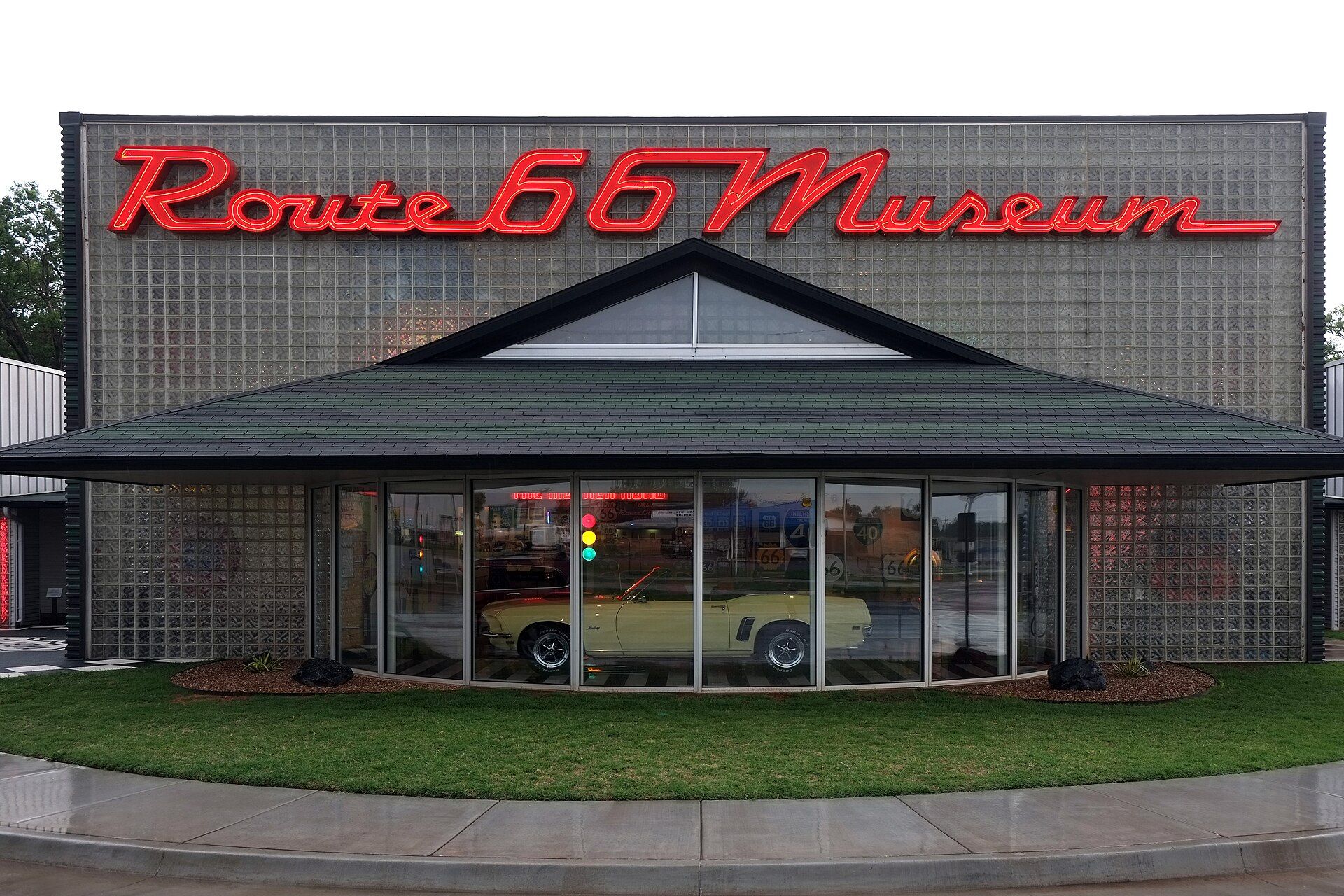
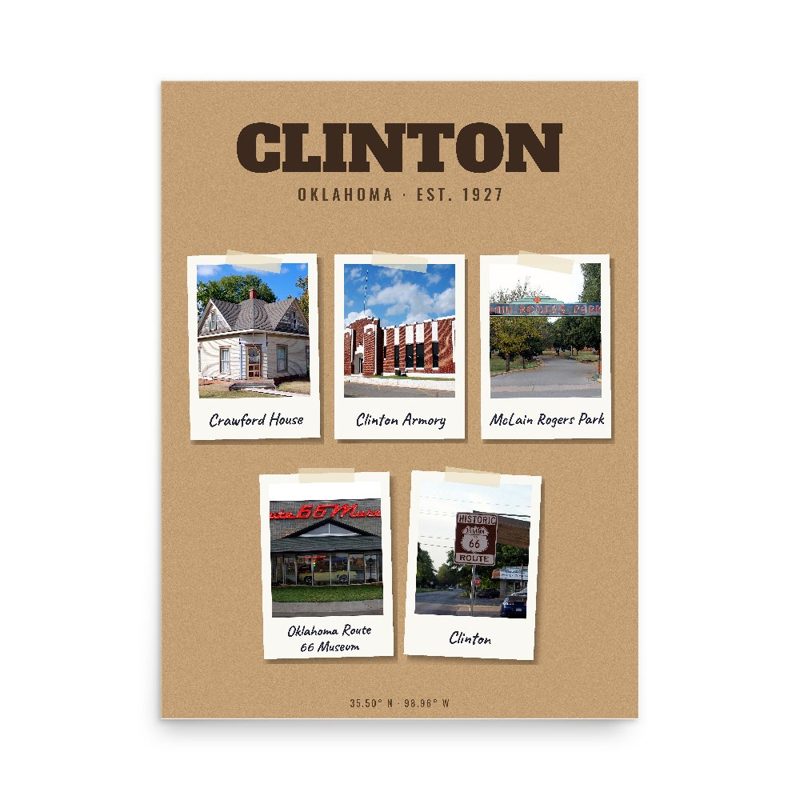
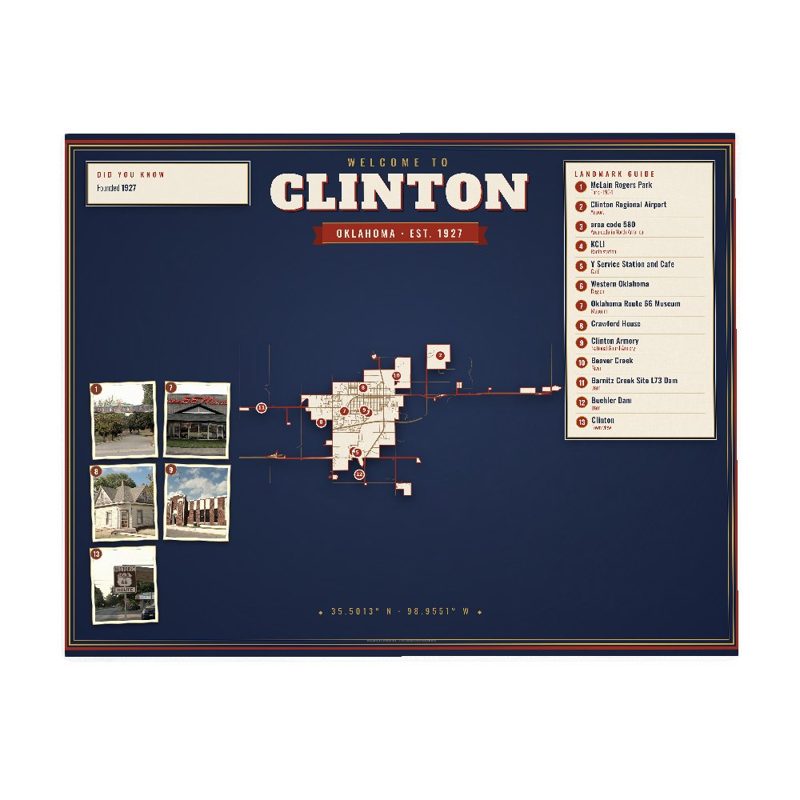



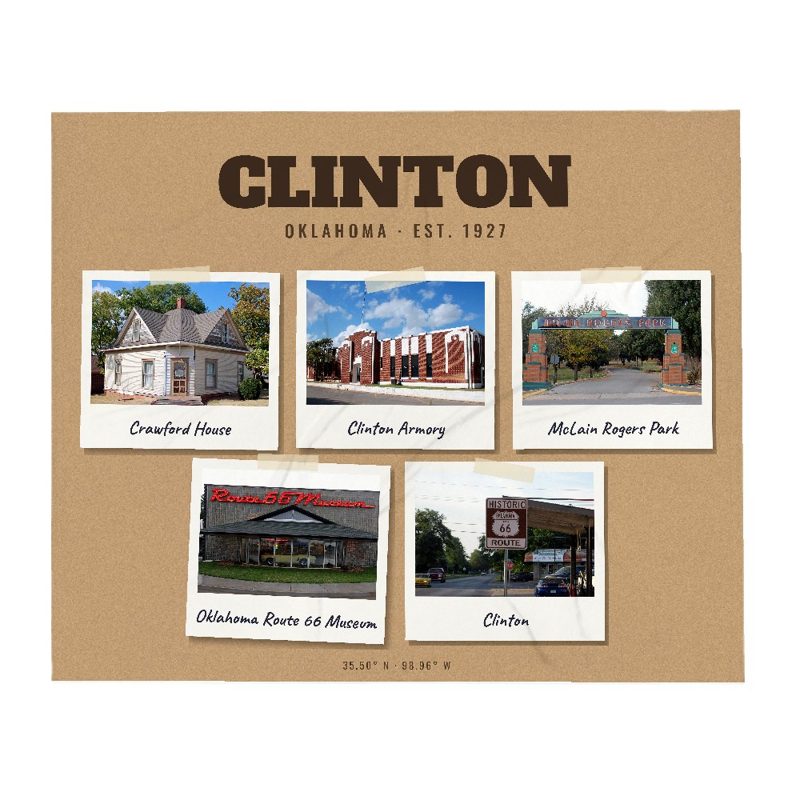
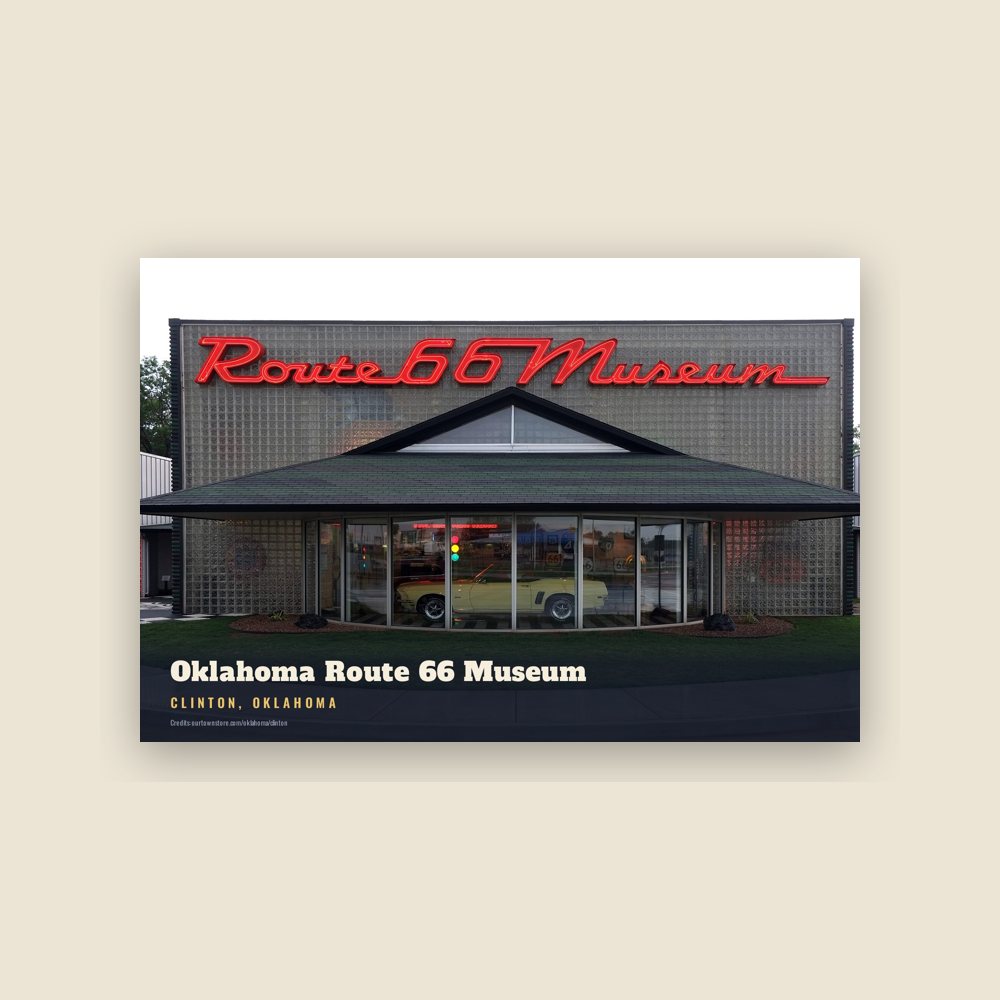
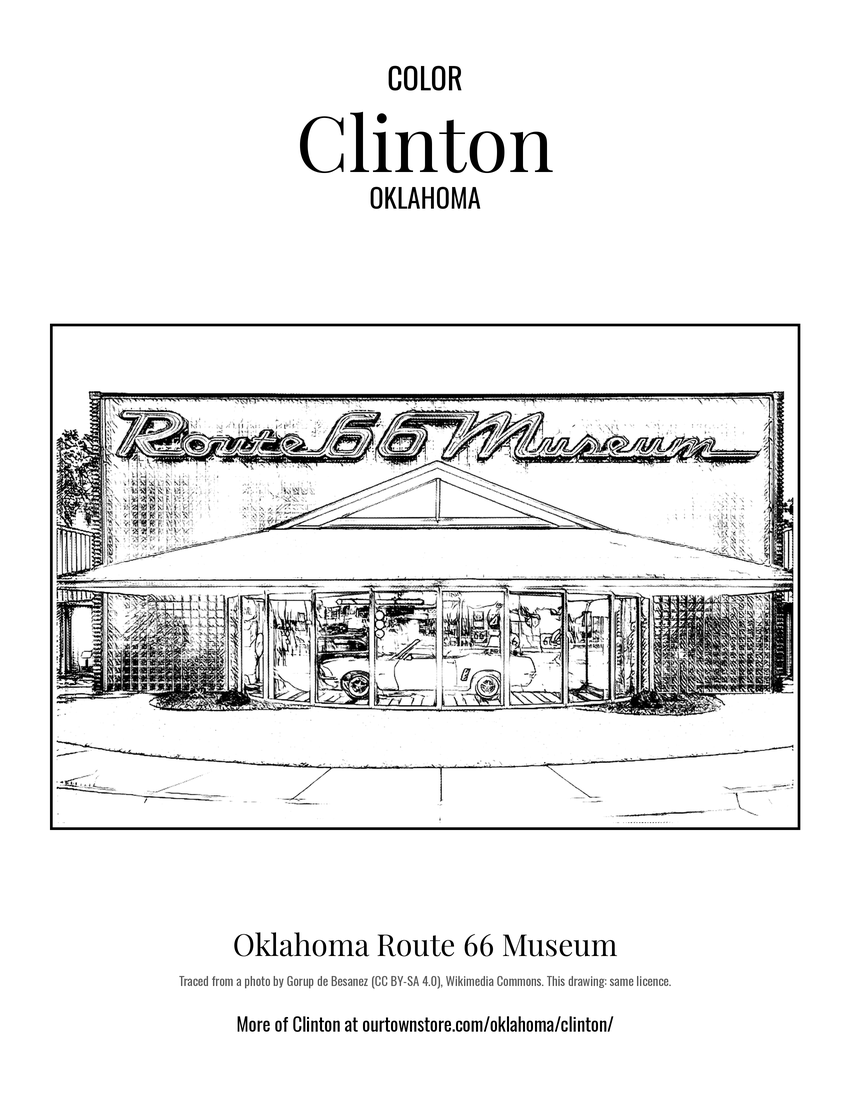 Oklahoma Route 66 Museum
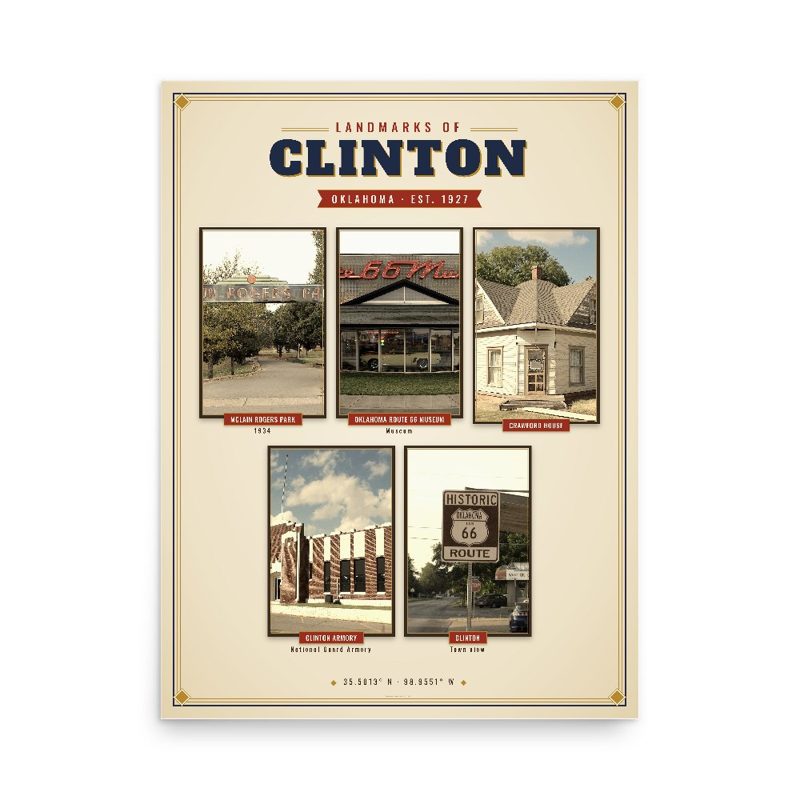
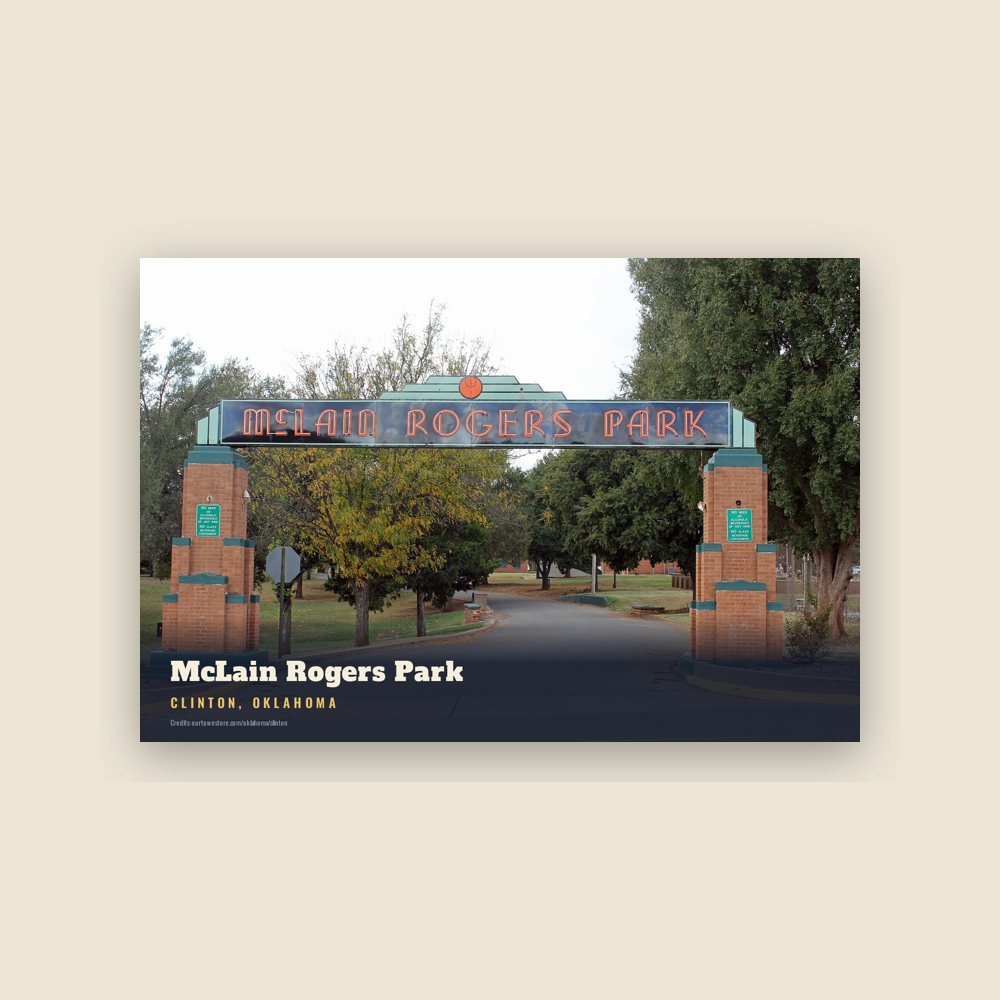
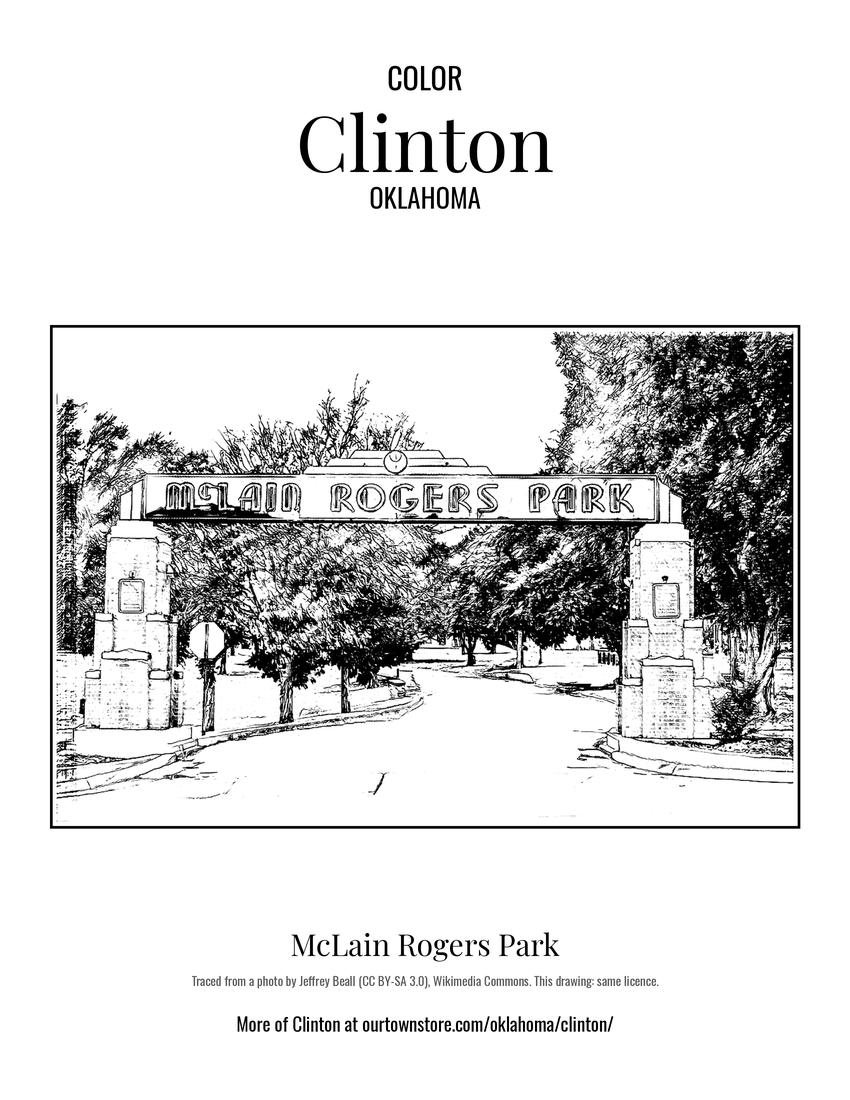 McLain Rogers Park
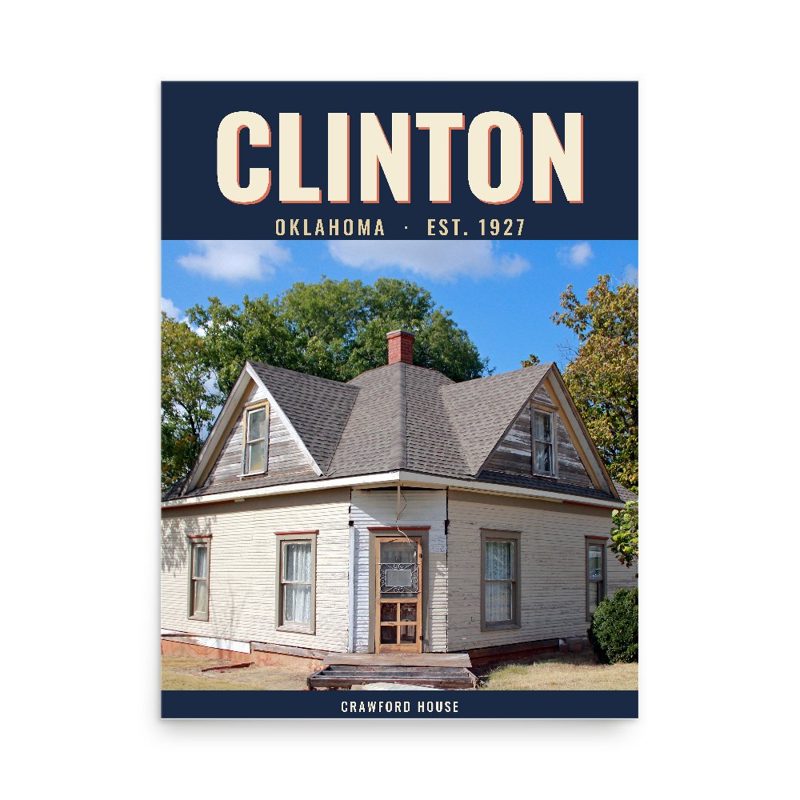
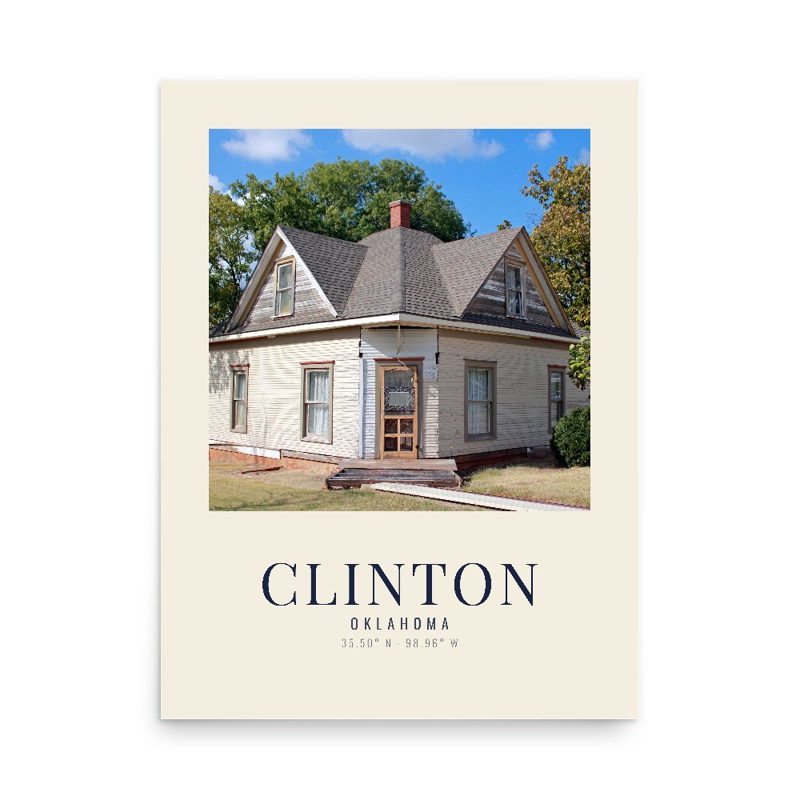
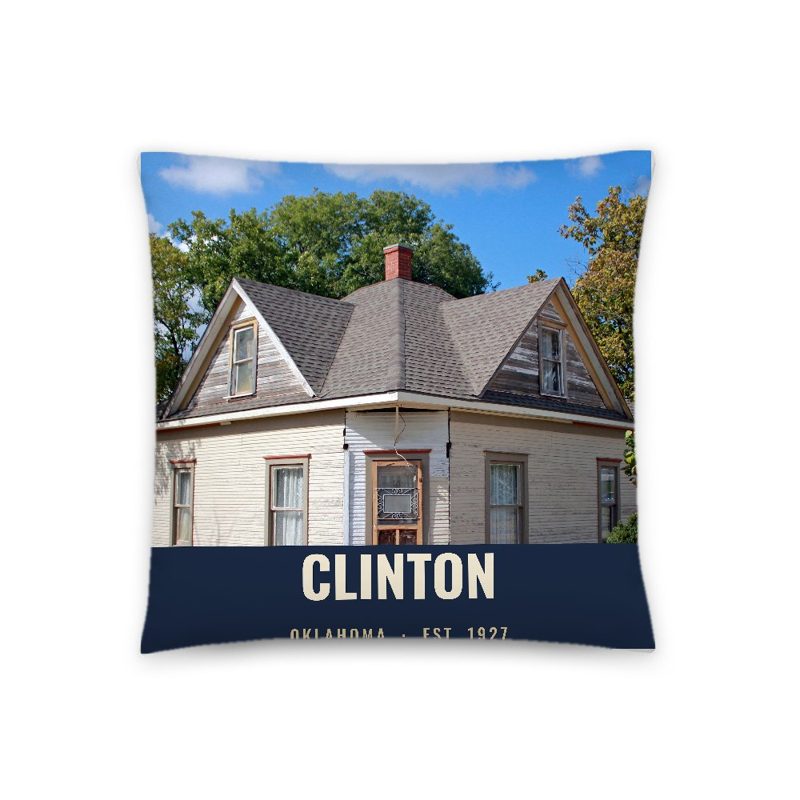
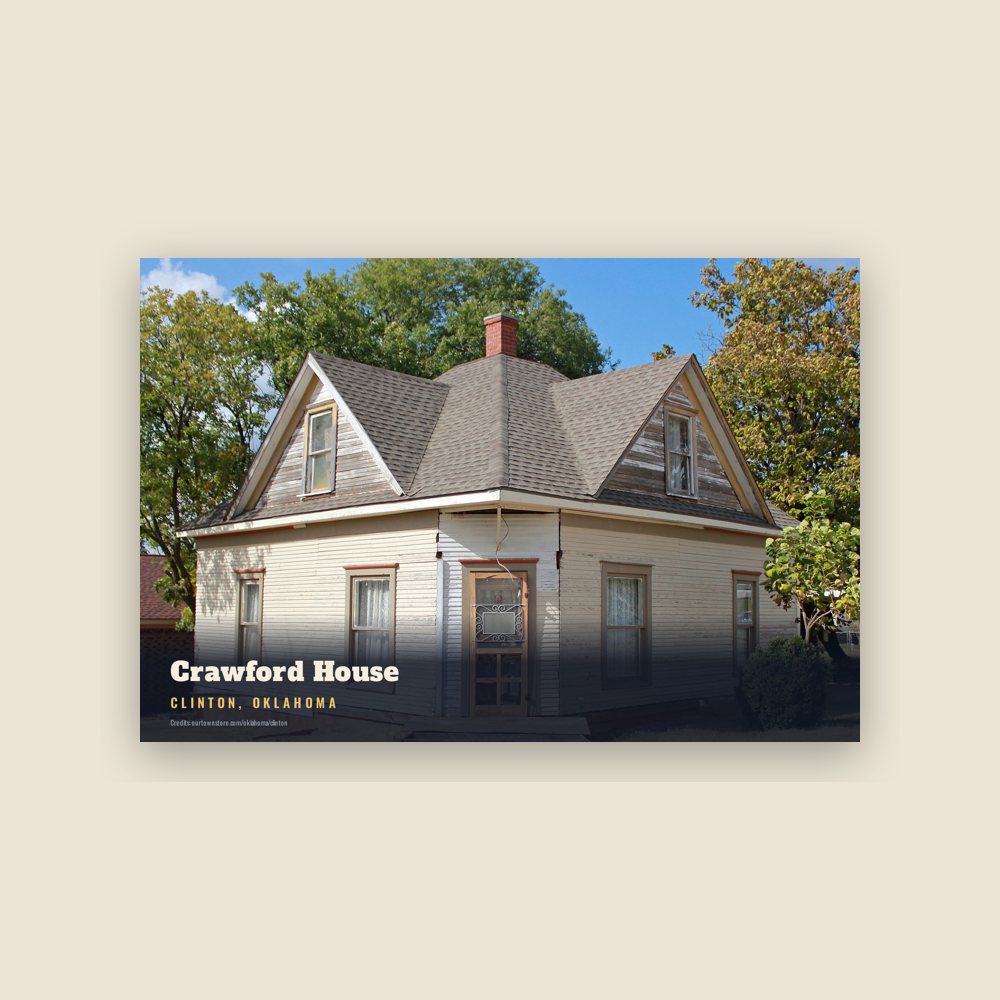
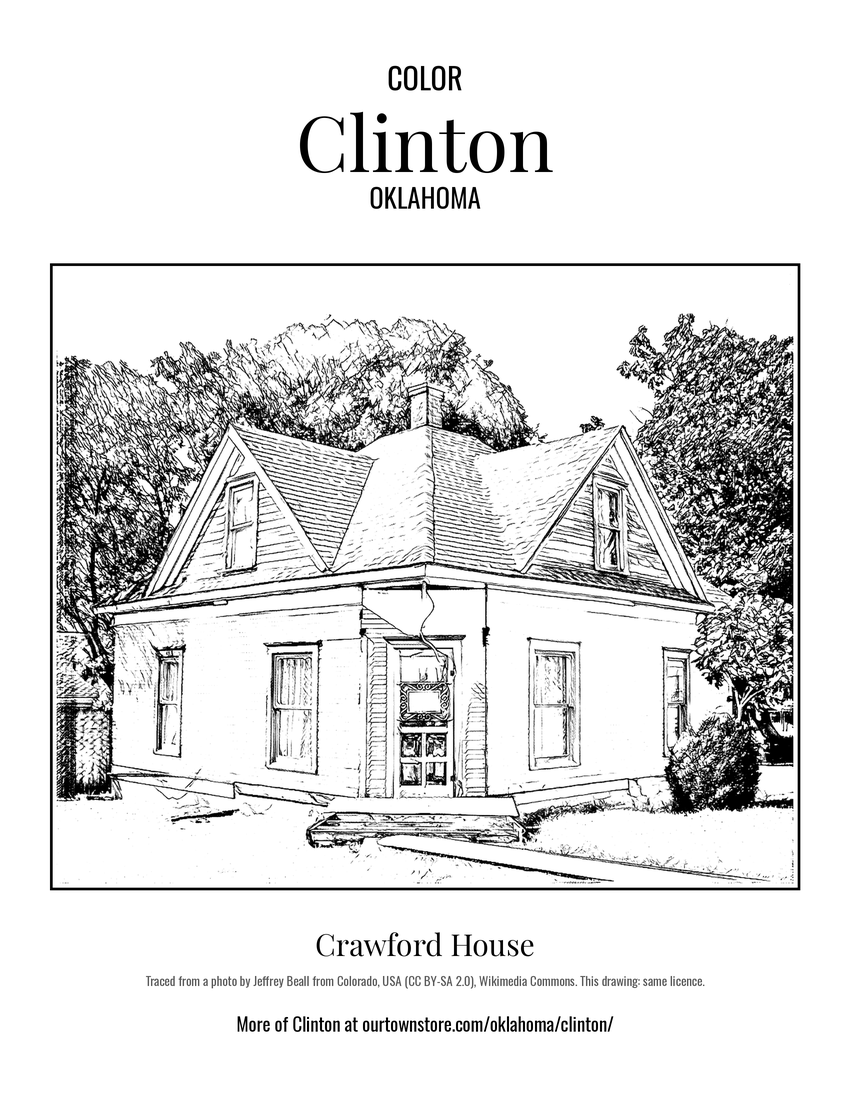 Crawford House
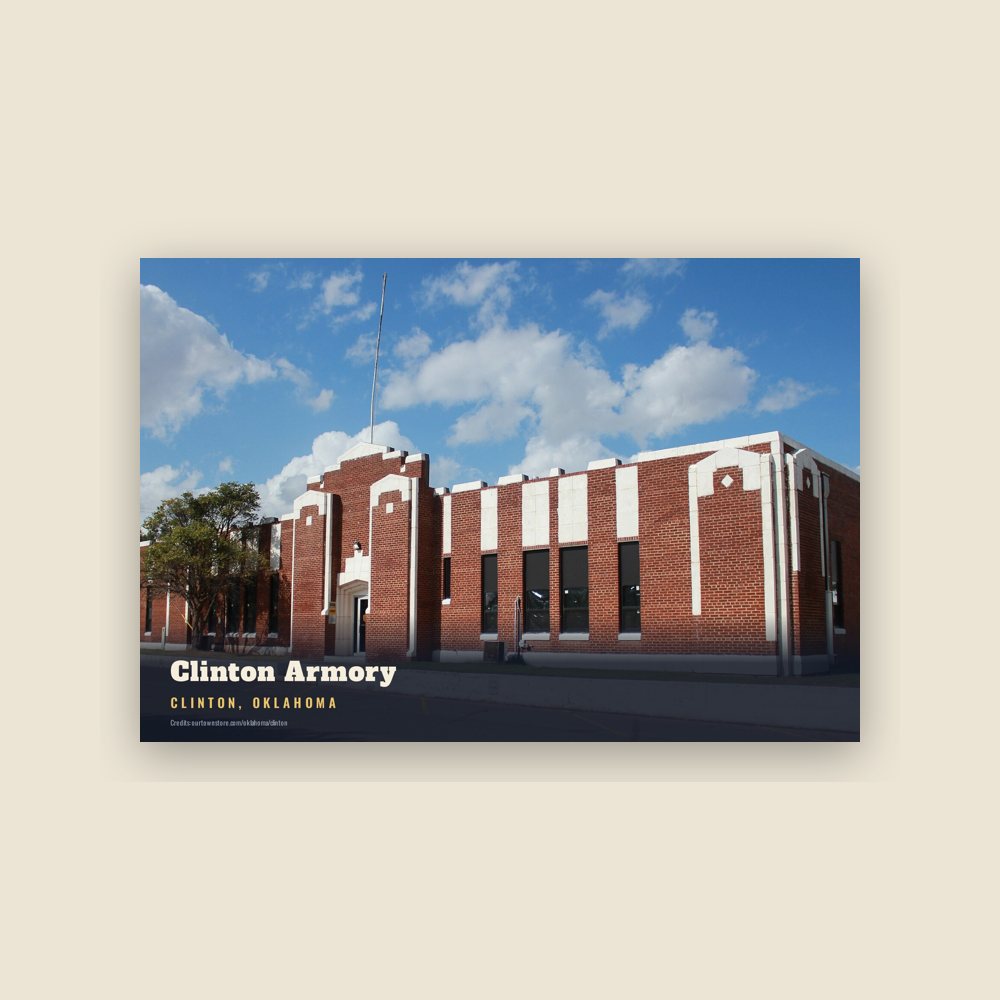
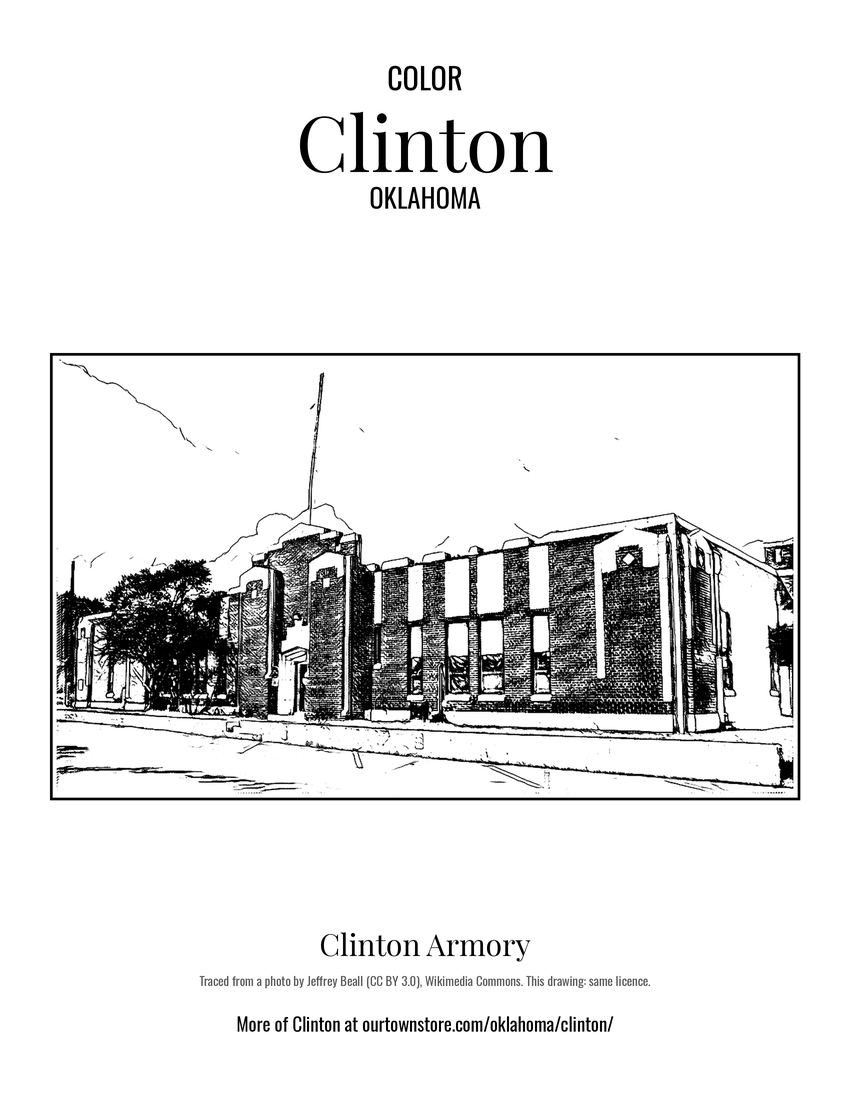 Clinton Armory