A short history of Pecos
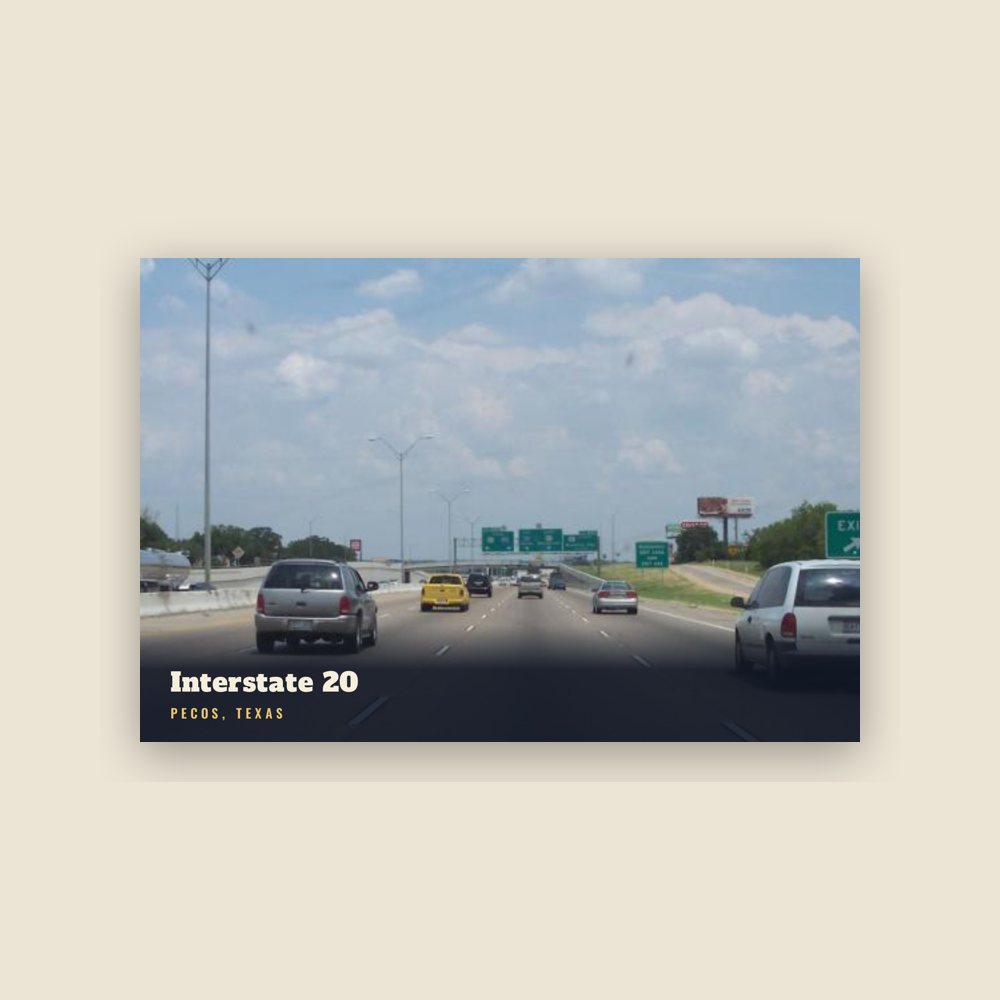
Pecos is one of the numerous towns in West Texas organized around a train depot during the construction of the Texas and Pacific Railway. These towns were subsequently linked by the construction of U.S. Highway 80 and Interstate 20. Prior to the arrival of the railroad, a permanent camp existed nearby where cattle drives crossed the Pecos River. With the introduction of irrigation from underground aquifers, the city became a center of commerce for extensive local agricultural production of cotton, onions, and cantaloupes. The introduction of large-scale sulfur mining in adjacent Culberson County during the 1960s led to significant economic and population growth. The growth was reversed after mining operations ceased in the 1990s.
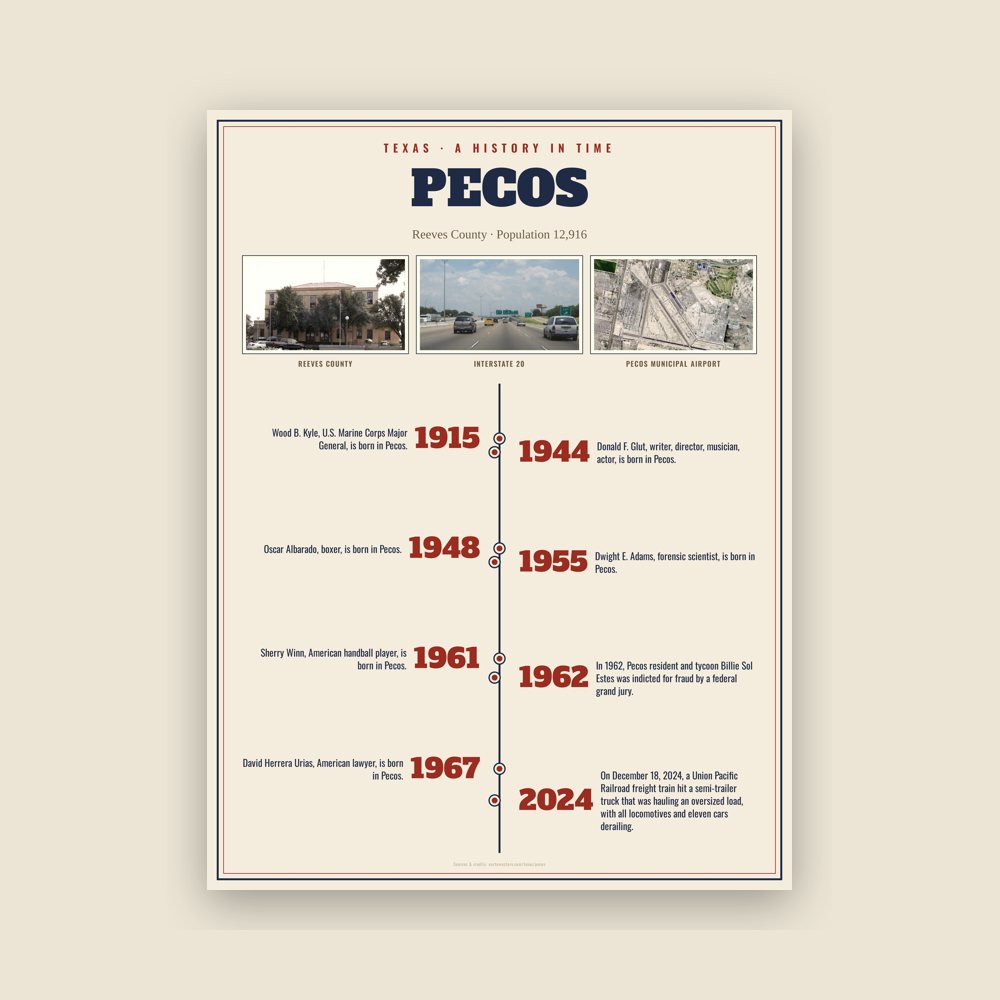
In 1962, Pecos resident and tycoon Billie Sol Estes was indicted for fraud by a federal grand jury. Estes' extensive machinations caused a national-level scandal, resulting in a shakeup at the Department of Agriculture. Oscar Griffin, Jr., of the Pecos Independent and Enterprise newspaper won a Pulitzer Prize for breaking the story.
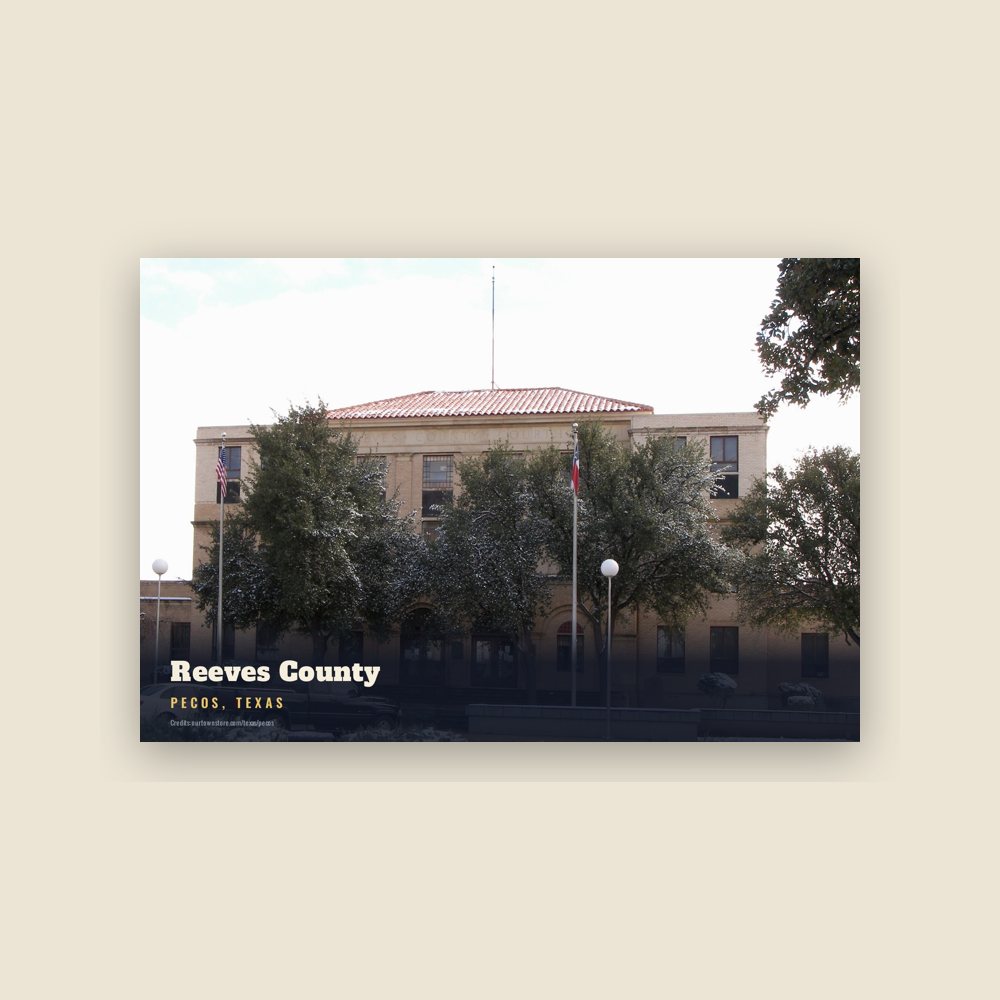
Pecos is the site of the largest private prison in the world, the Reeves County Detention Complex, operated by the GEO Group.
On December 18, 2024, a Union Pacific Railroad freight train hit a semi-trailer truck that was hauling an oversized load, with all locomotives and eleven cars derailing. Both crew members onboard the leading locomotive were killed and three people on the ground were injured. The former Texas & Pacific train depot, occupied by the town's Chamber of Commerce, was damaged during the derailment.
Adapted (trimmed) from the Wikipedia article Pecos, Texas, revision 1378787105 by its contributors, licensed CC BY-SA 4.0.