Since 1884
A short history of Cornwall-on-Hudson
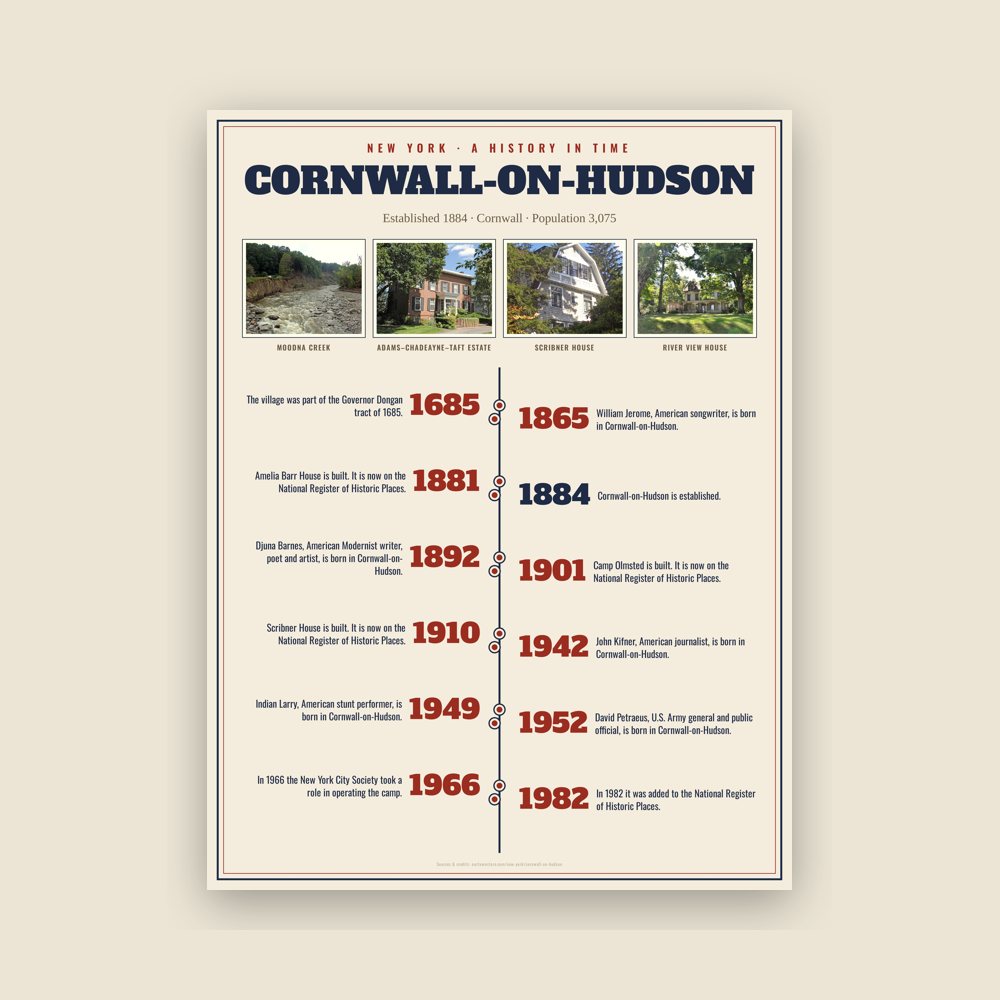
The village was part of the Governor Dongan tract of 1685. Willisville was an early name for Cornwall-on-Hudson. Settlement in the area occurred at Cornwall Landing, a hamlet on the Hudson River below Butter Hill. It was the only river landing in the town. In the early 1800s, Daniel Tobias sailed a sloop from Cornwall Landing. As there was no direct communication between the river and the table-land above, in 1807, his brother, Isaac S. Tobias, built a road, at his own expense, as far as the first bridge on the road to Willisville. The Mead and Taft Company lumberyard once employed 500 people at the Landing. Cornwall Landing became a commercial hub with its own post office. The Landing began to decline after World War II when passenger train service ended, and Conrail demolished the buildings. Cornwall-on-Hudson incorporated as a village in December 1884, within the Town of Cornwall.
Read the full history
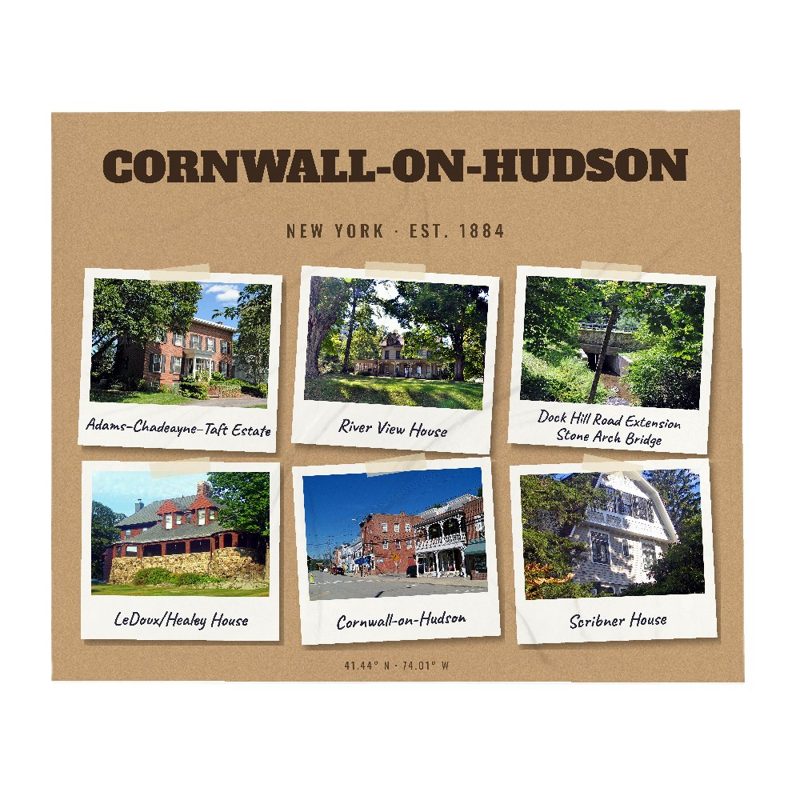
Historic places
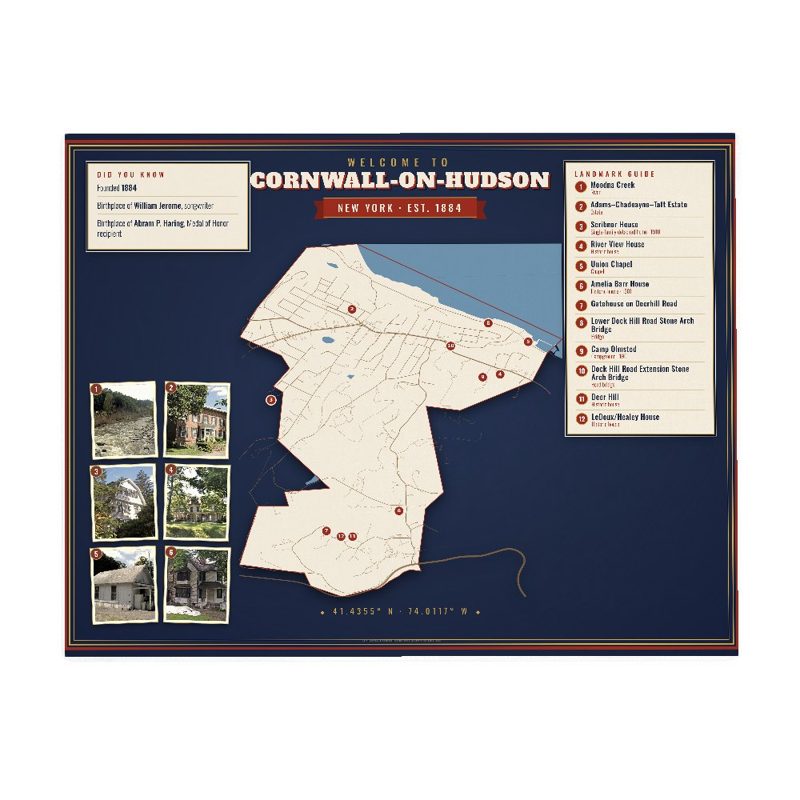
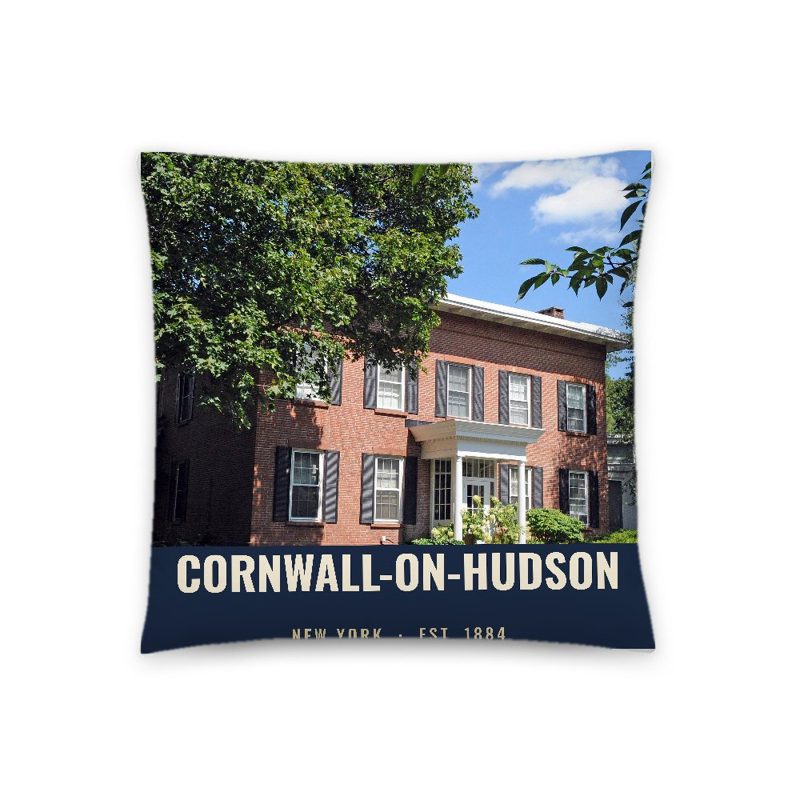
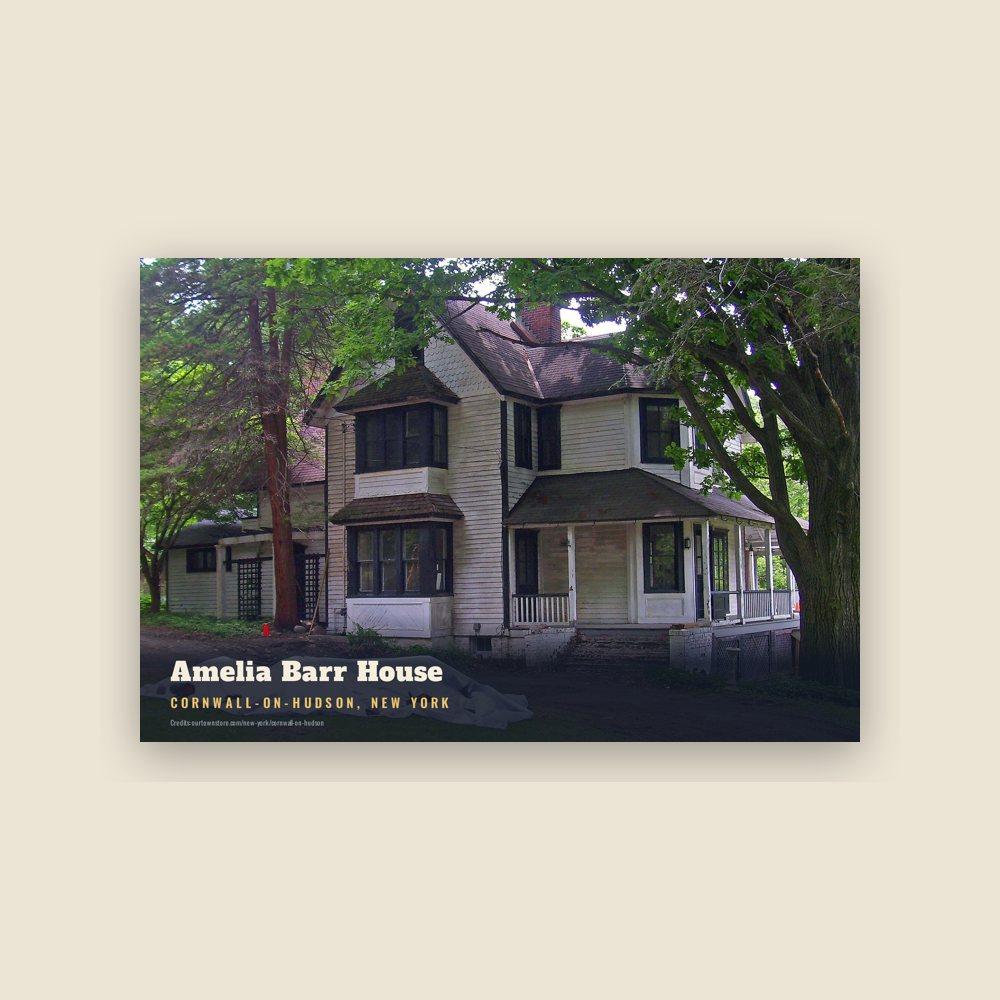
The Amelia Barr House, also known as "Cherry Croft", is located on Mountain Road in Cornwall-on-Hudson, on the slopes of Storm King Mountain. Barr, an American writer born in the 19th century, lived here during the most prolific and successful period of her career. In 1982 it was added to the National Register of Historic Places.
Camp Olmsted is a summer camping facility in Cornwall-on-Hudson, New York, operated by the Five Points Mission, a Methodist organization. It is located along Bayview Avenue, NY-218, near Storm King Mountain. It was founded in 1901. Siblings Sarah and John Olmsted donated the 21-acre (8 ha) parcel. Campers would take the Hudson River Day Line ferry from the city to Cornwall and then proceed to the camp. In 1966 the New York City Society took a role in operating the camp. The camp was added to the National Register of Historic Places in 1982.
Adapted (trimmed) from the Wikipedia article Cornwall-on-Hudson, New York, revision 1374299642 by its contributors, licensed CC BY-SA 4.0.