Since 1912
A short history of Alamogordo
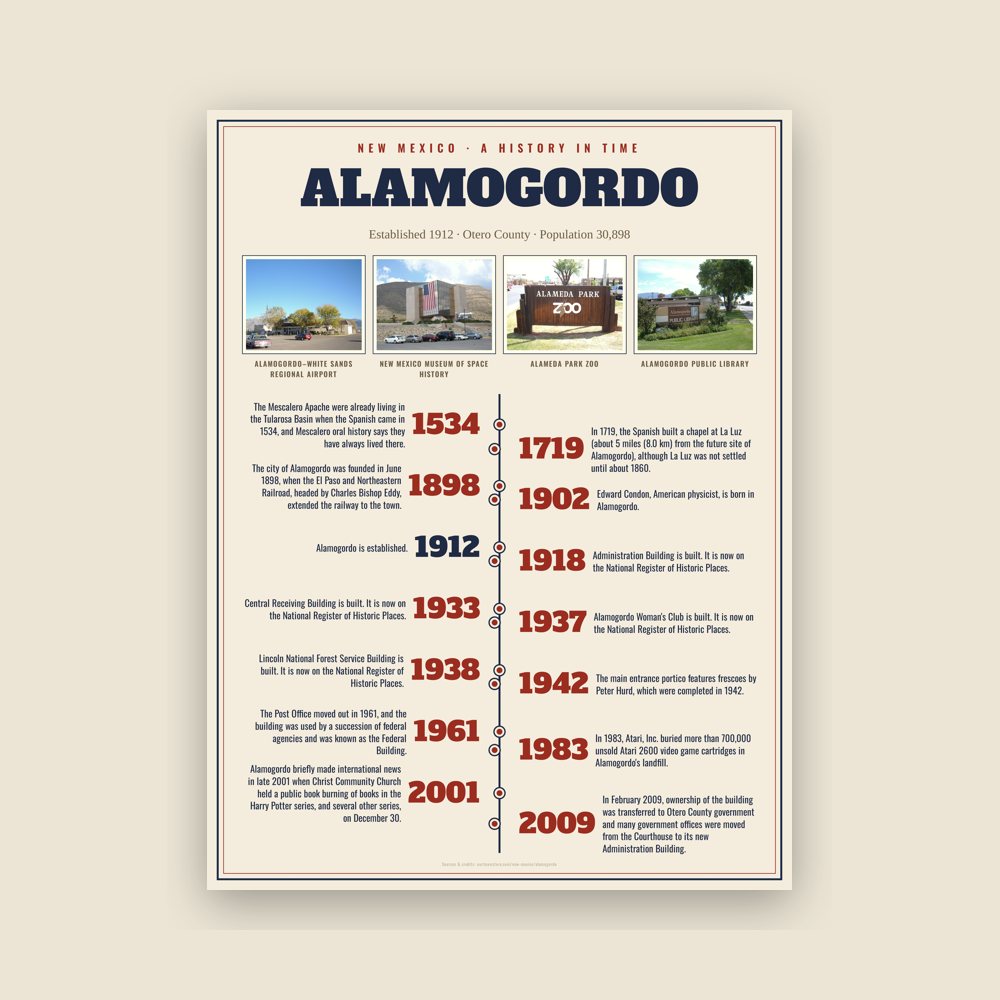
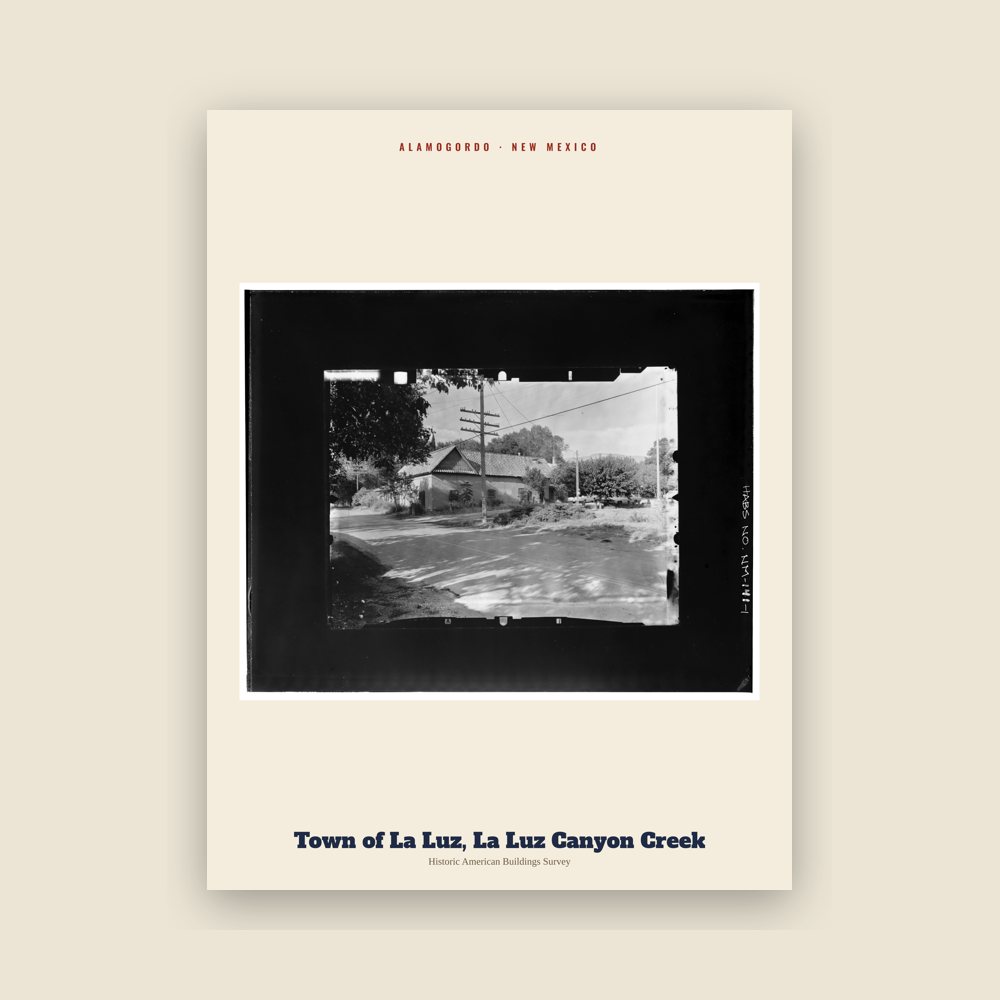
Tularosa Basin has been inhabited for at least 11,000 years. There are signs of previous inhabitants in the area such as the Clovis culture, the Folsom culture, the peoples of the Archaic period, and the Formative stage. The Mescalero Apache were already living in the Tularosa Basin when the Spanish came in 1534, and Mescalero oral history says they have always lived there. In 1719, the Spanish built a chapel at La Luz (about 5 miles (8.0 km) from the future site of Alamogordo), although La Luz was not settled until about 1860.
The city of Alamogordo was founded in June 1898, when the El Paso and Northeastern Railroad, headed by Charles Bishop Eddy, extended the railway to the town. Eddy influenced the design of the community, which included large, wide thoroughfares and tree-lined irrigation canals. Charles Eddy's brother, John Arthur Eddy, named the new city. He created a neologism adapted from the Spanish words for "large/fat cottonwood" after a grove of stout cottonwoods he remembered from the Pecos River area. However, the word "Alamogordo" was not used in the Spanish language. When Alamogordo was laid out in 1898, the east–west streets were given numerical designations, while north–south streets were named after states. The present-day White Sands Boulevard was then called Pennsylvania Avenue.
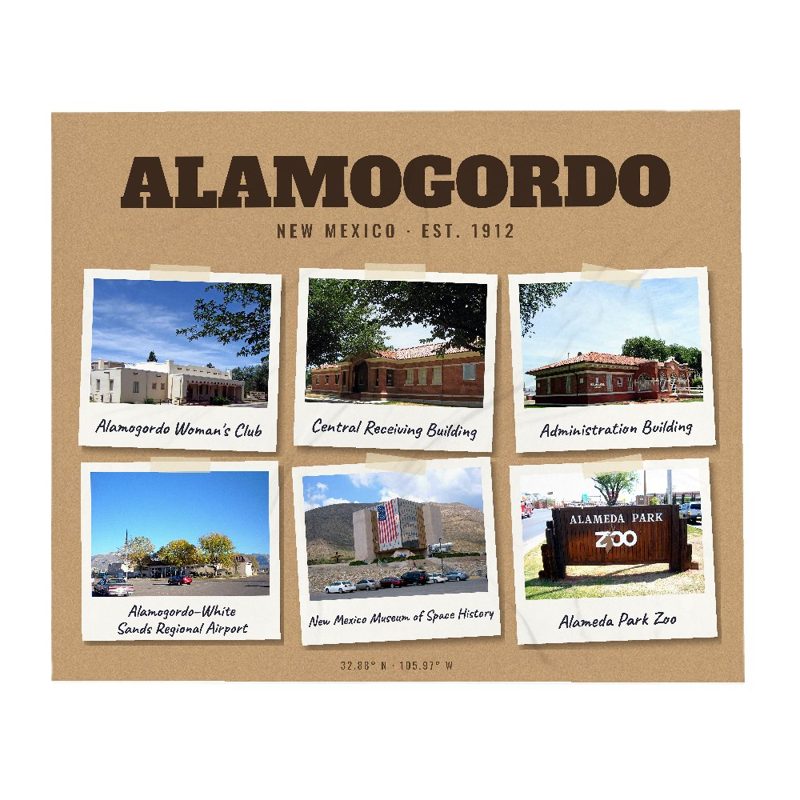
The Works Progress Administration, a government program created in 1935 in response to the Great Depression, was responsible for the construction of several government buildings in Alamogordo. These include the Otero County Administration Building at 1101 New York Avenue, a Pueblo style building originally constructed as the main U.S. Post Office in 1938. The building is listed in the National Register of Historic Places. The main entrance portico features frescoes by Peter Hurd, which were completed in 1942.
The Post Office moved out in 1961, and the building was used by a succession of federal agencies and was known as the Federal Building. The last federal agency to occupy it was the United States Forest Service who used it as the headquarters of the Lincoln National Forest until October 2008, when that agency moved to a newly constructed building. In February 2009, ownership of the building was transferred to Otero County government and many government offices were moved from the Courthouse to its new Administration Building.
In 1983, Atari, Inc. buried more than 700,000 unsold Atari 2600 video game cartridges in Alamogordo's landfill. Most notably, Atari discarded many copies of the unpopular E.T. the Extra-Terrestrial. This event was often believed to be an urban legend, until it was confirmed by Atari and excavations at the landfill.
Alamogordo briefly made international news in late 2001 when Christ Community Church held a public book burning of books in the Harry Potter series, and several other series, on December 30.
Adapted (trimmed) from the Wikipedia article Alamogordo, New Mexico, revision 1378681754 by its contributors, licensed CC BY-SA 4.0.
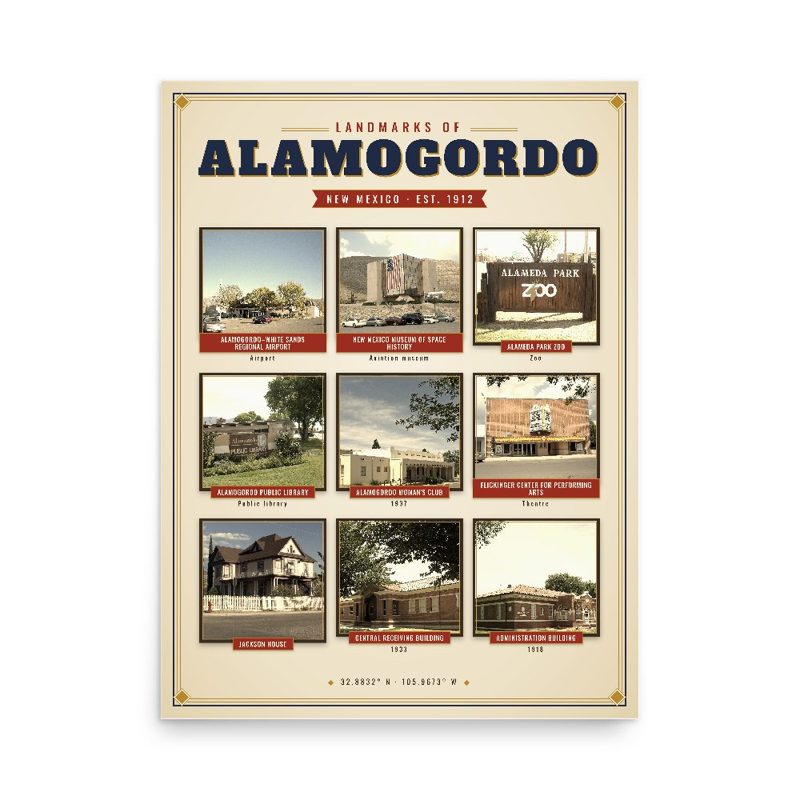
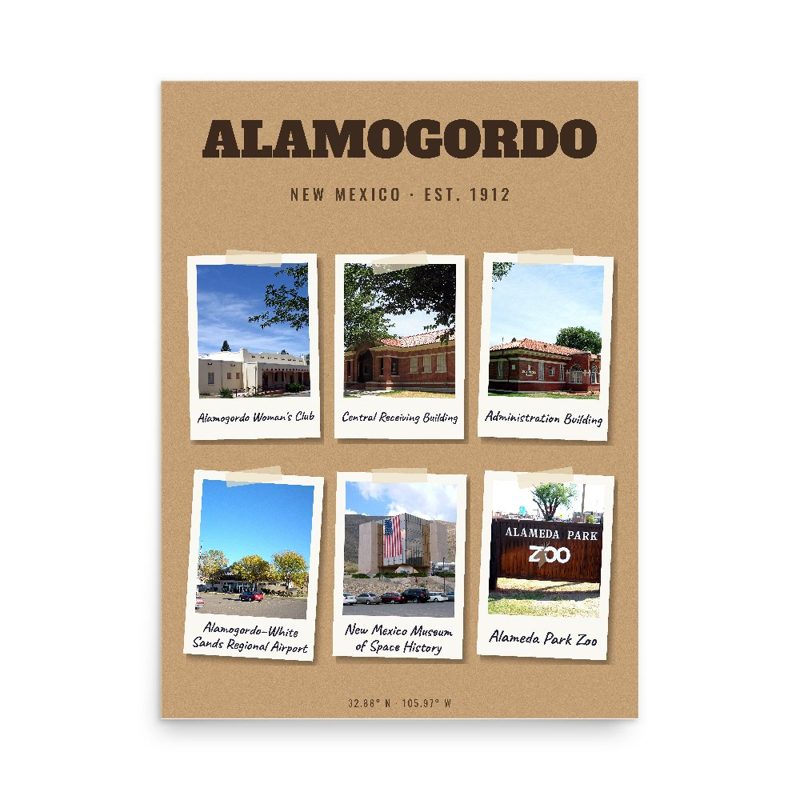
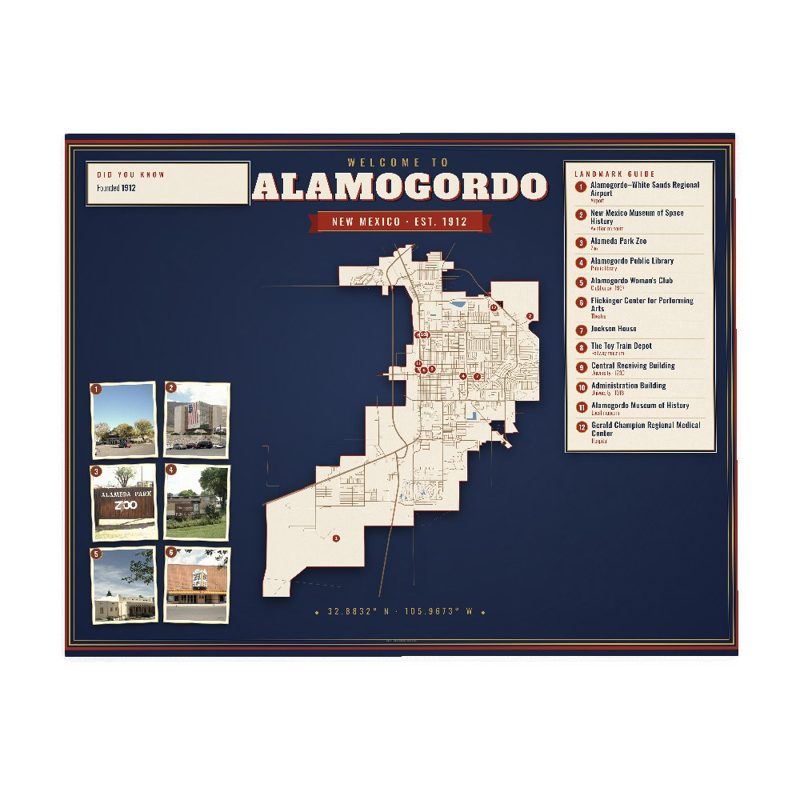











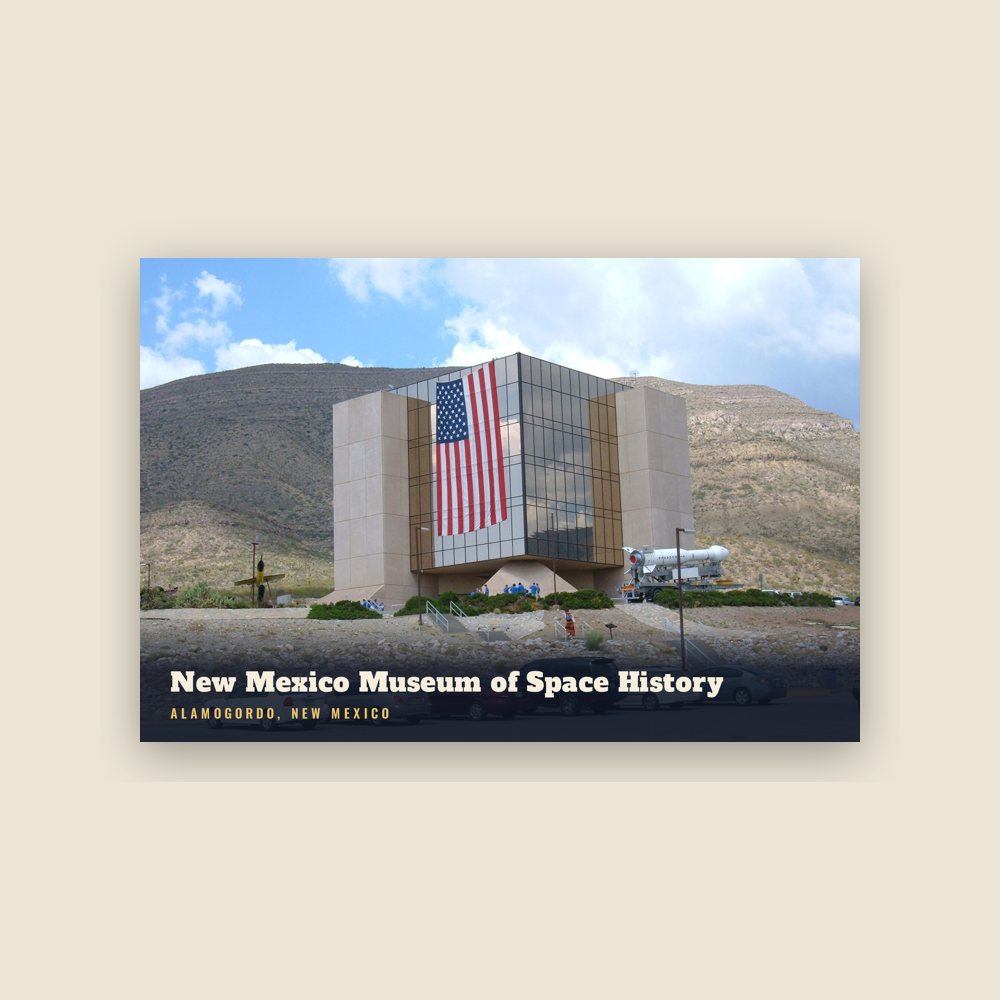
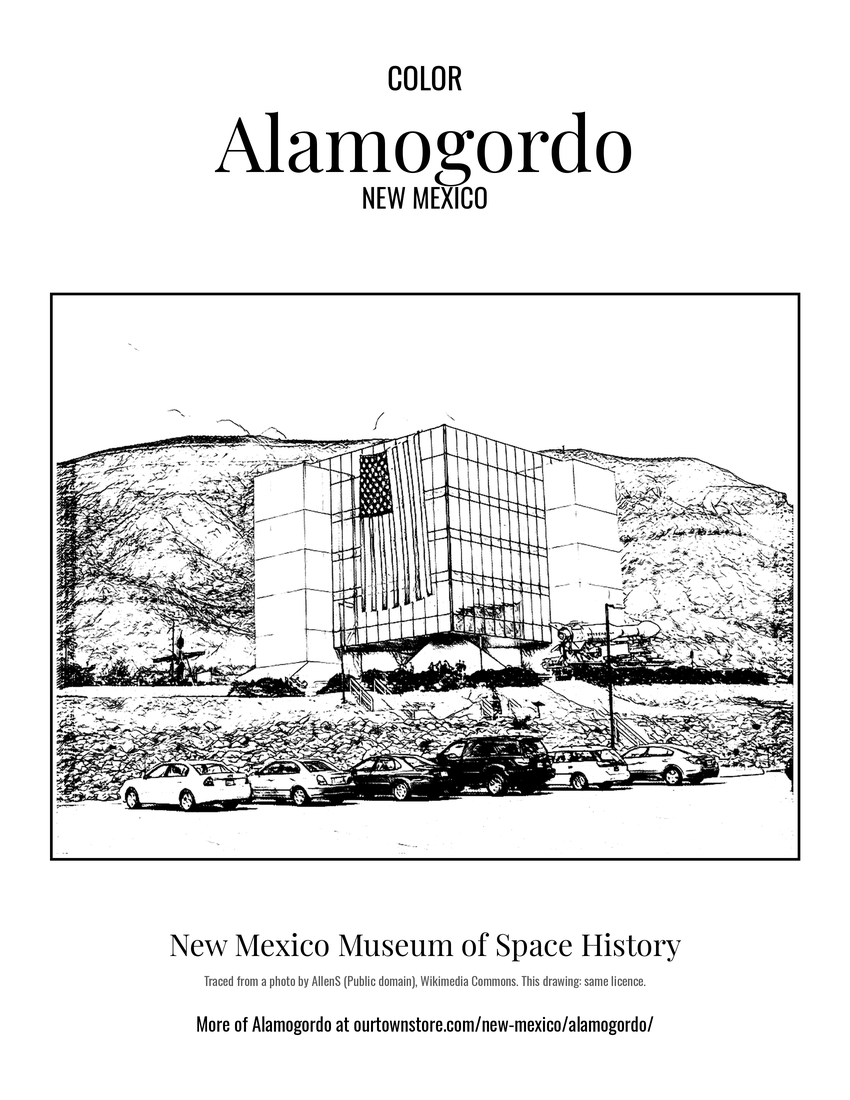 New Mexico Museum of Space History
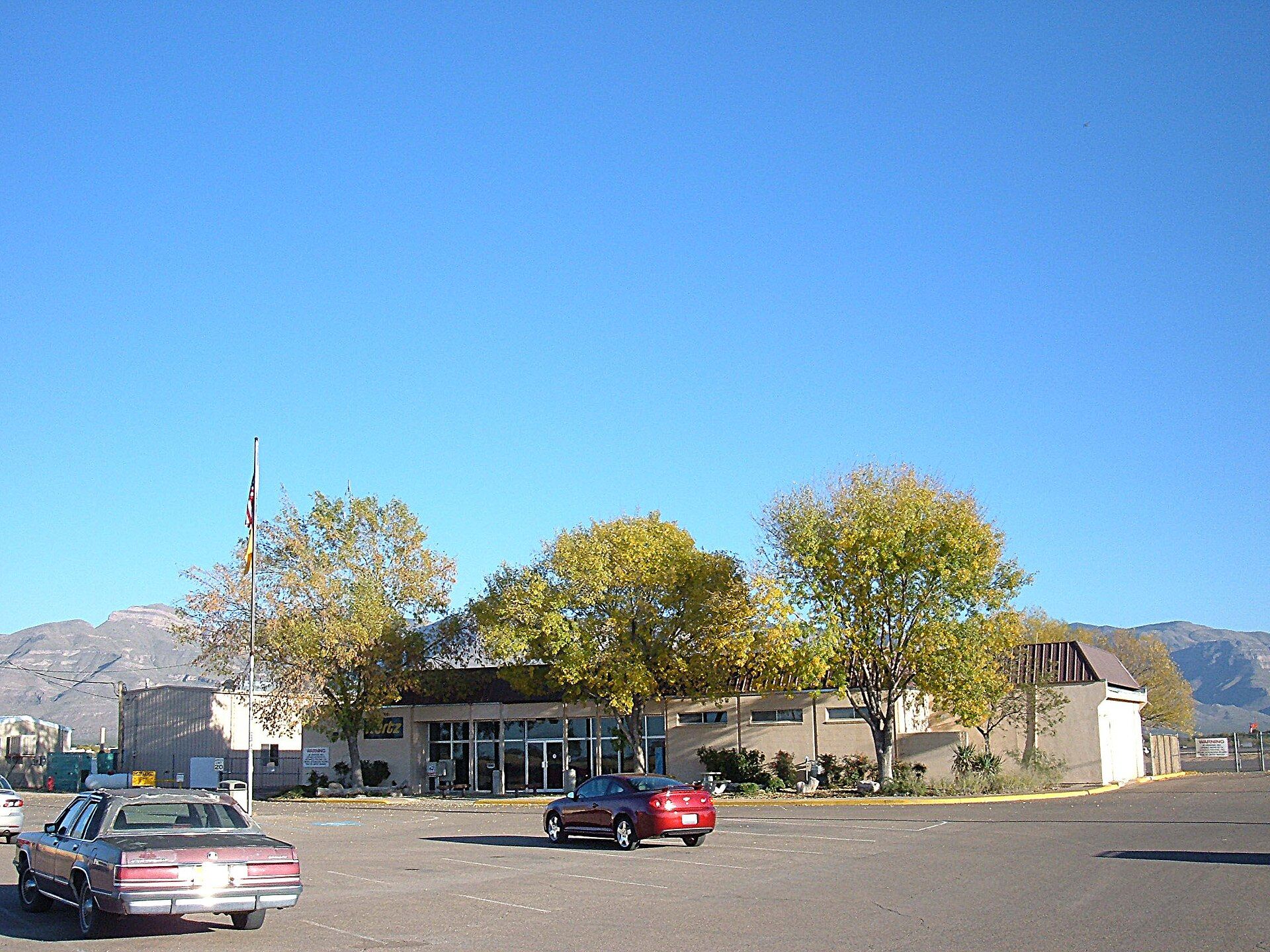
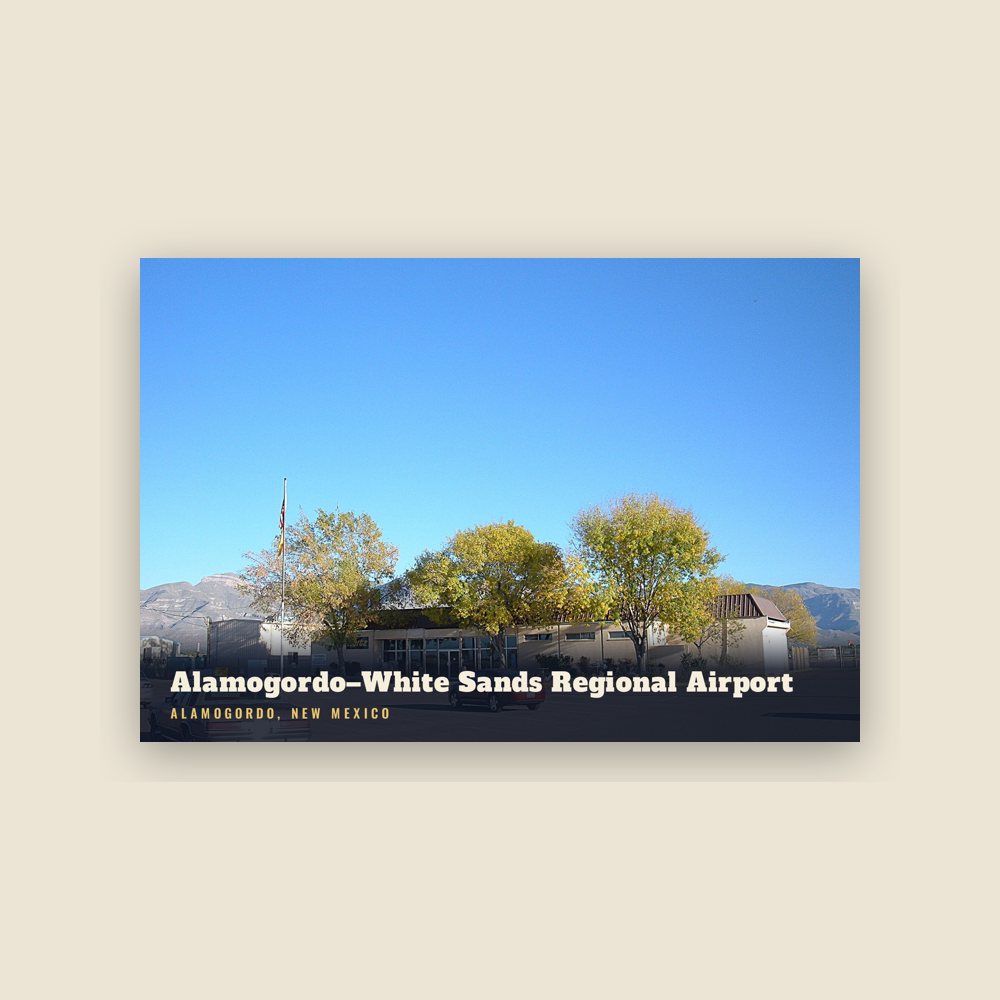
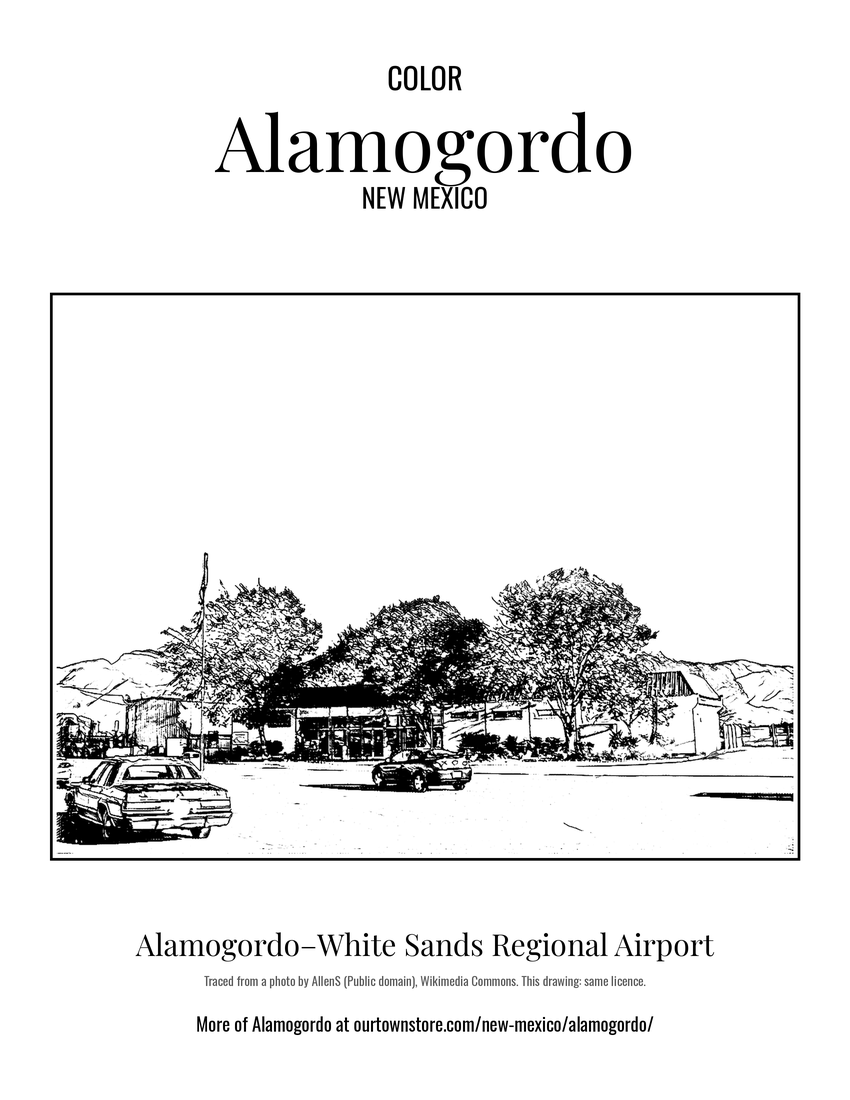 Alamogordo–White Sands Regional Airport
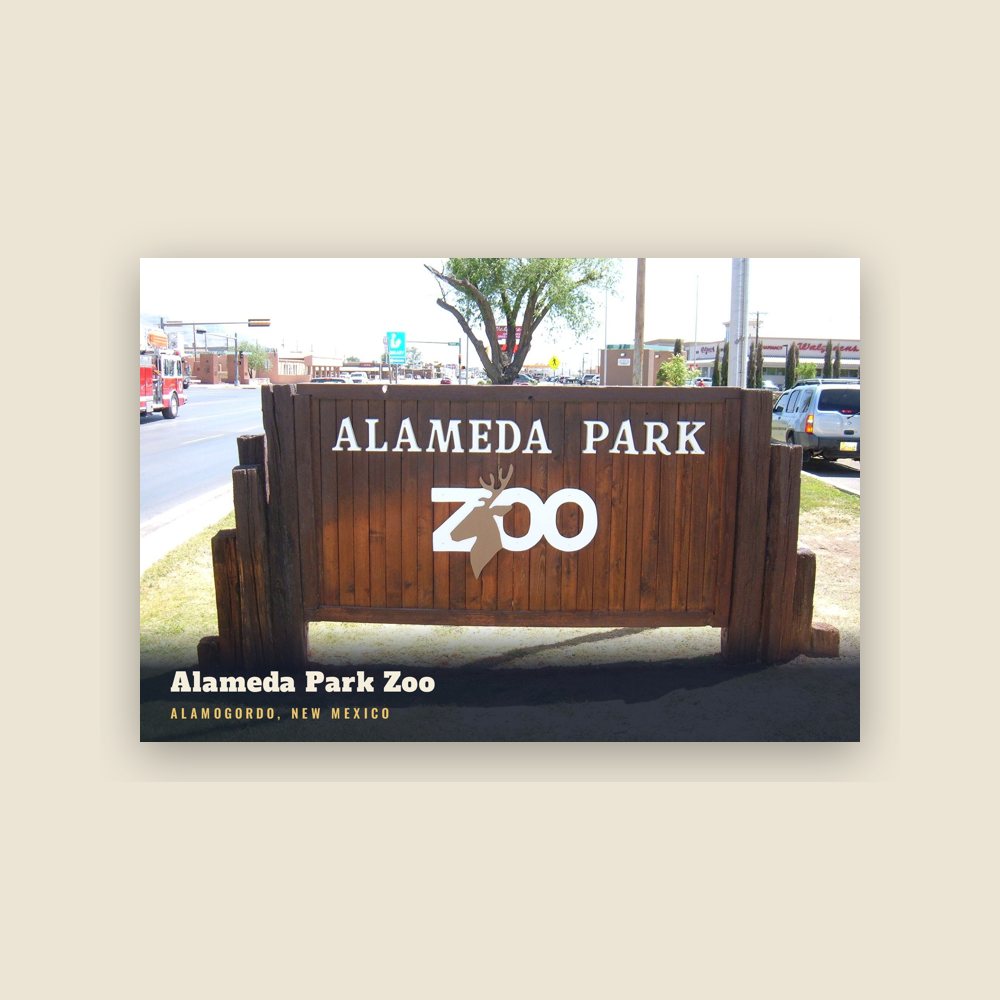
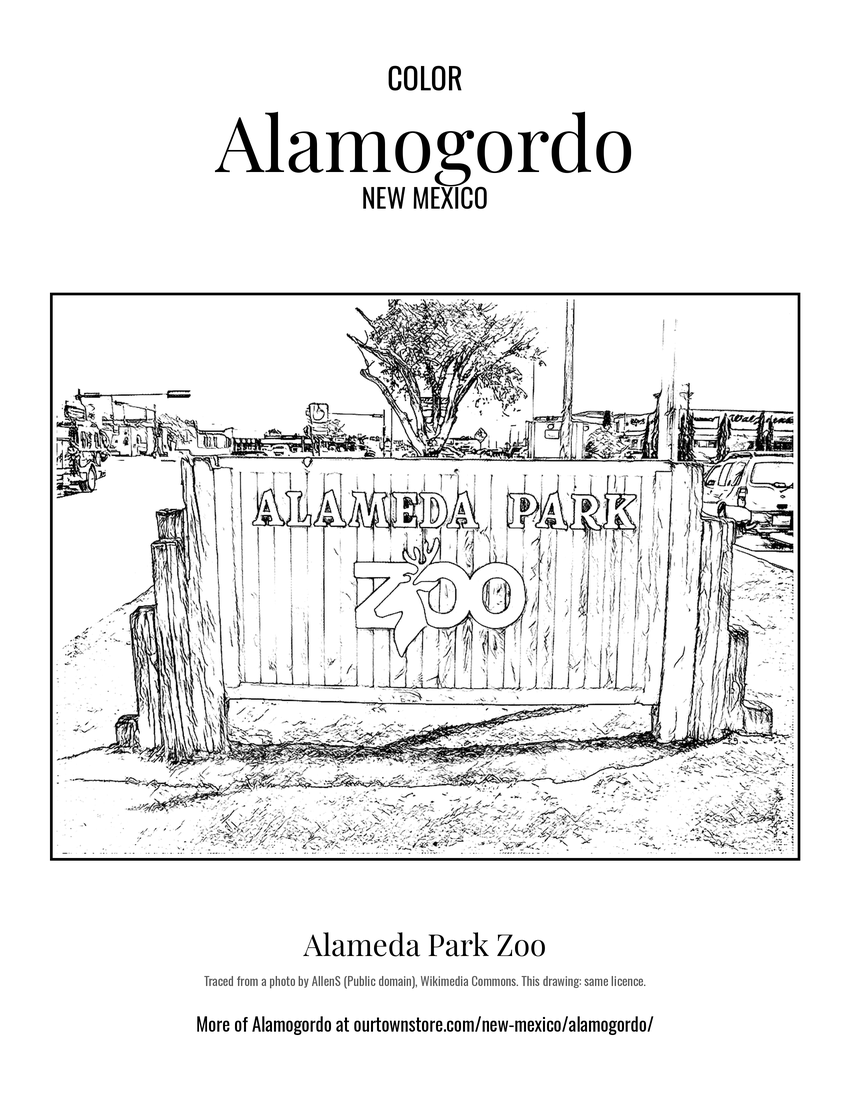 Alameda Park Zoo
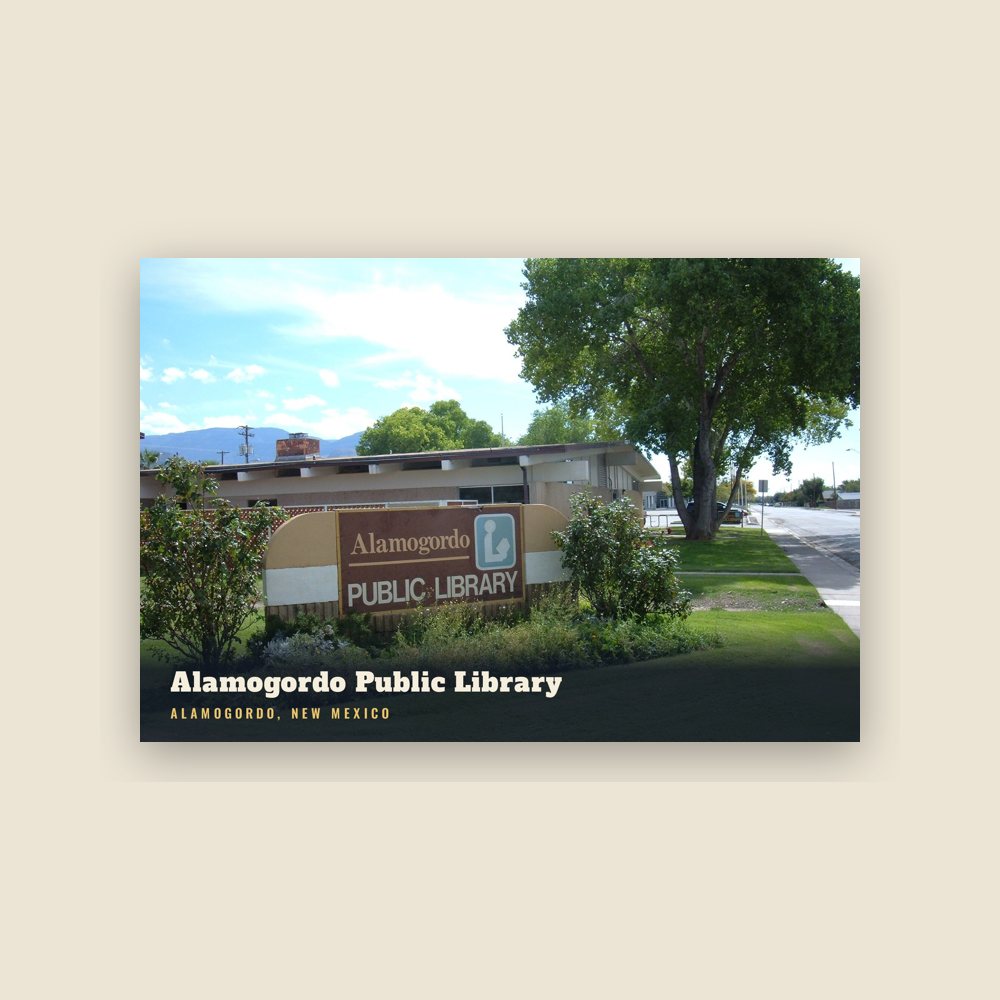
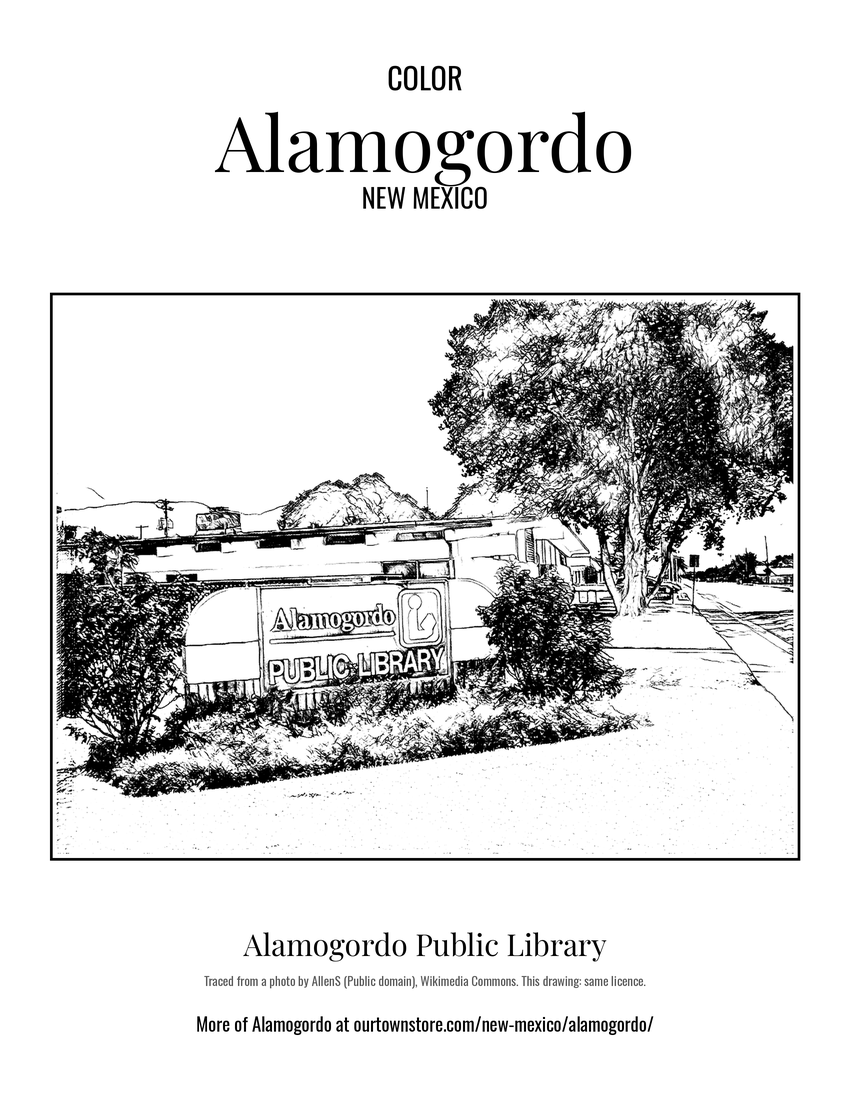 Alamogordo Public Library