A short history of Carrizozo
Prior to 1899, the area was primarily a few ranches and a stagecoach crossing with limited permanent settlement. Lawrence Murphy, a merchant active in the Lincoln County War (1878), owned a major ranch in the area. The location of Carrizozo was selected as the site for a station on the El Paso and Northeastern Railway (EP&NE) main line in 1899. Carrizozo was chosen over the nearby booming mine town of White Oaks, resulting in large-scale migration from White Oaks to Carrizozo.
The railroad brought businesses, growing population, and increased importance to the town of Carrizozo. As a result, a county referendum in 1909 moved the seat of Lincoln County from the town of Lincoln to Carrizozo. This decision resulted in a four-year legal battle that was eventually resolved in favor of Carrizozo by the Supreme Court of the United States in the case of Gray v. Taylor. The result was a boom in which railroad access and political importance combined to lead to significant population growth in Carrizozo. The population reached around 2,000 by 1920.
During this time, Albert B. Fall, a U.S. Senator from New Mexico and later Secretary of the Interior, owned the Three Rivers Ranch just south of Carrizozo, but had to sell it to settle legal debts as a result of his involvement in the Teapot Dome scandal (1922–1923). During the same time, journalist Quentin Reynolds visited the town and wrote a piece on it for Collier's. Later, he wrote in The Wounded Don't Cry that "I used to agree with Bugs that once you left New York, you were strictly on the horse and buggy circuit. But of late years I've had to modify that. Since then I've discovered New Orleans, San Francisco and a little place called Carrizozo, New Mexico, where I want to go when I die. I want to go there and gang around the drug store and sneak behind the prescription counter with Art Rolland and have a nip of what he calls Old Granddaddy then type out his prescriptions for him."
Carrizozo is about 35 miles (56 km) east of the Trinity Site, where the first nuclear bomb was detonated on July 16, 1945. Residents reported tremors like an earthquake and, as the first major downwind settlement, the town received a significant part of the remnants of the mushroom cloud resulting in nuclear fallout of the area, which caused radioactive contamination. Bonito Lake which also lies within the estimated radioactive fallout zone of the 1945 Trinity test, was a water source for Carrizozo.
With the rise of the automobile, Carrizozo's proximity to the railroad became less important starting in the 1950s, and the last passenger train passed through in 1968. The result was a decrease in economic opportunity in Carrizozo, and the population fell back to about 1,200 people for much of the end of the 20th century. Recently, the town has seen increasing focus on tourism, and cherry cider produced in the town was known nationally. The Carrizozo Orchard has since been permanently closed.
Adapted (trimmed) from the Wikipedia article Carrizozo, New Mexico, revision 1382163721 by its contributors, licensed CC BY-SA 4.0.
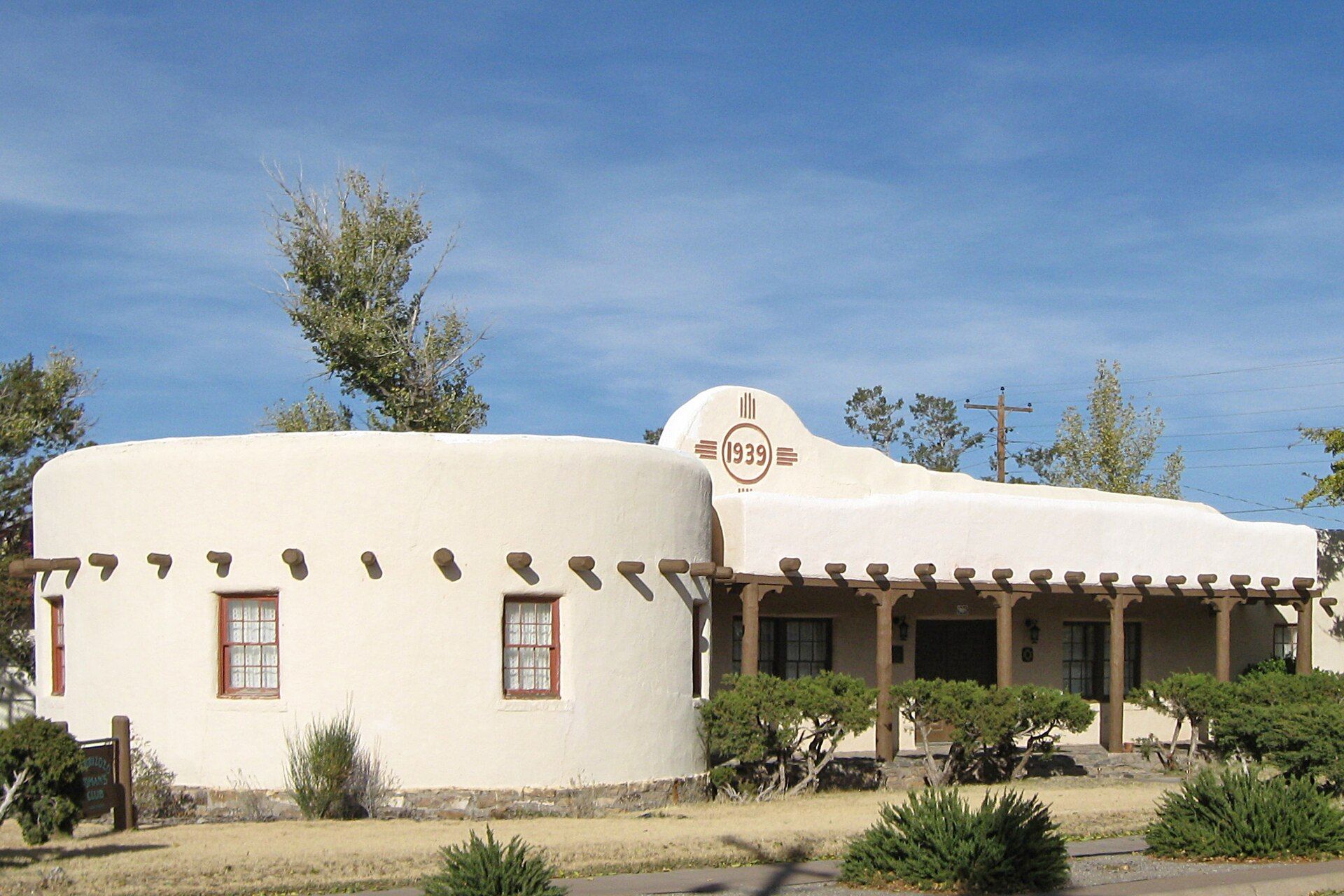
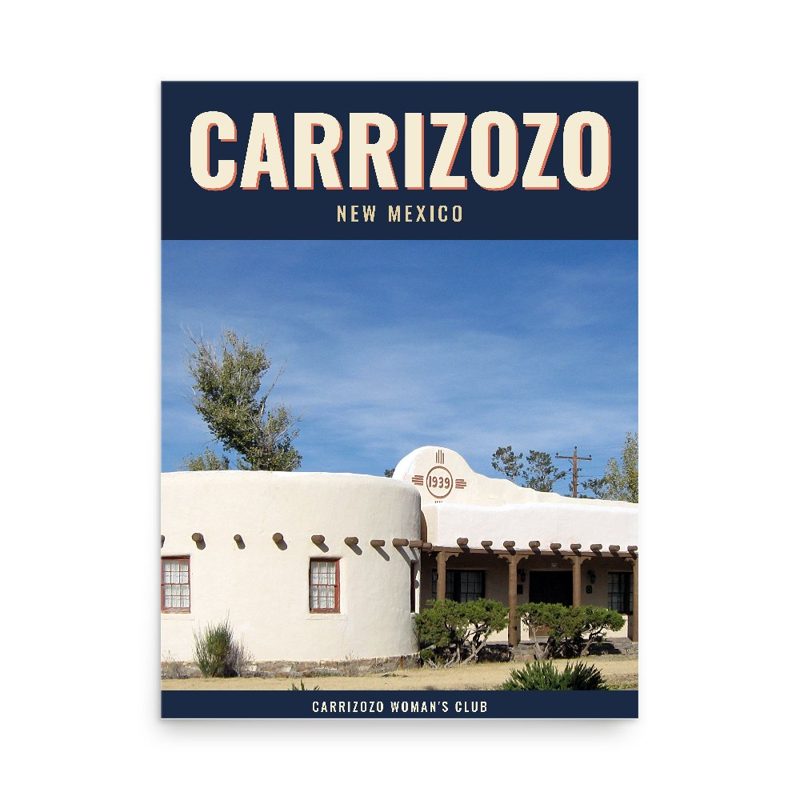
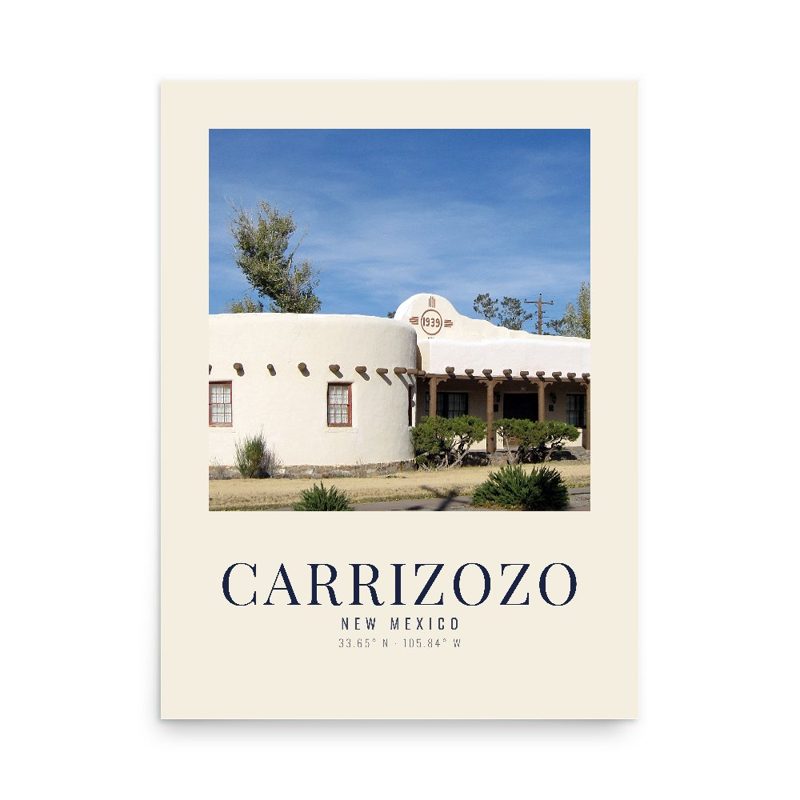
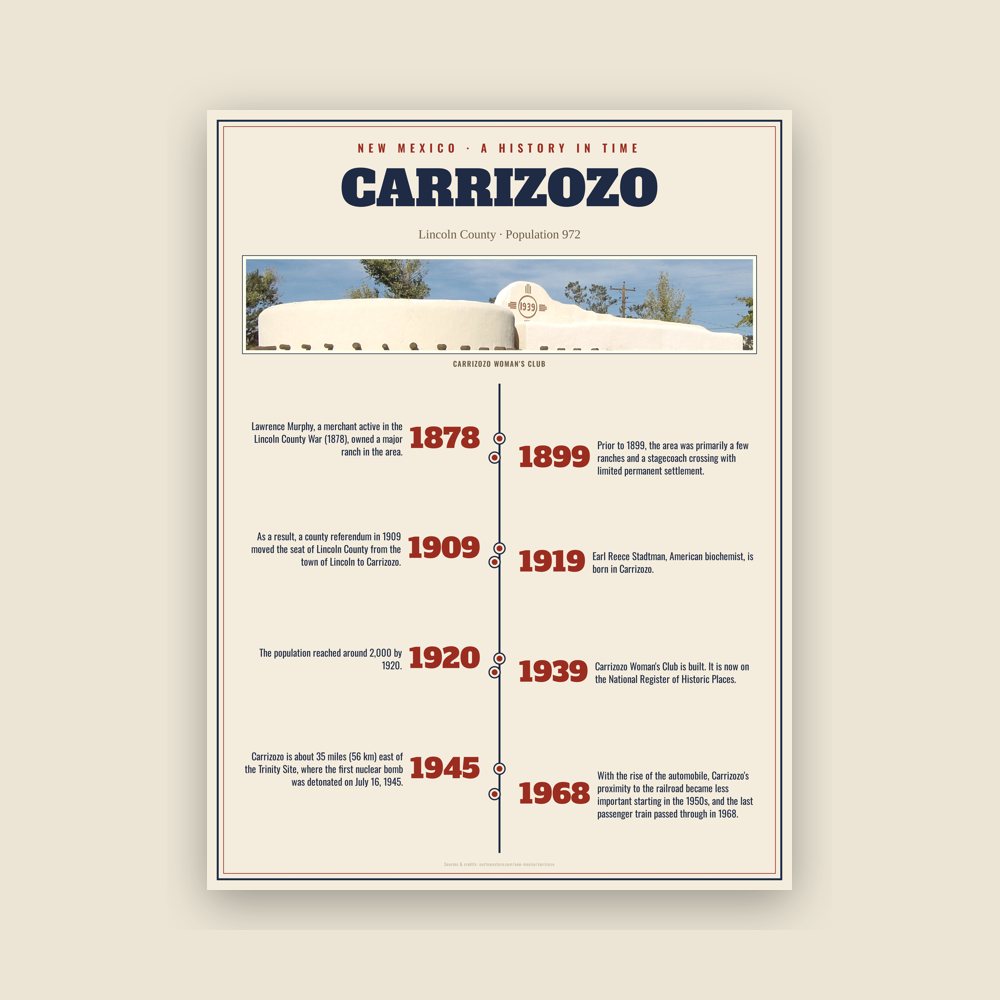

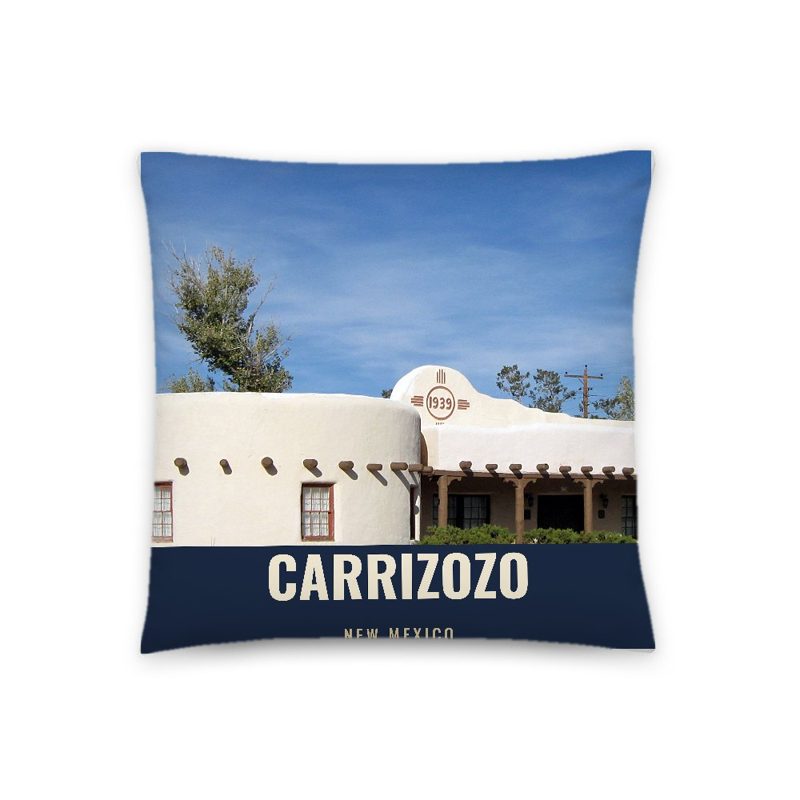
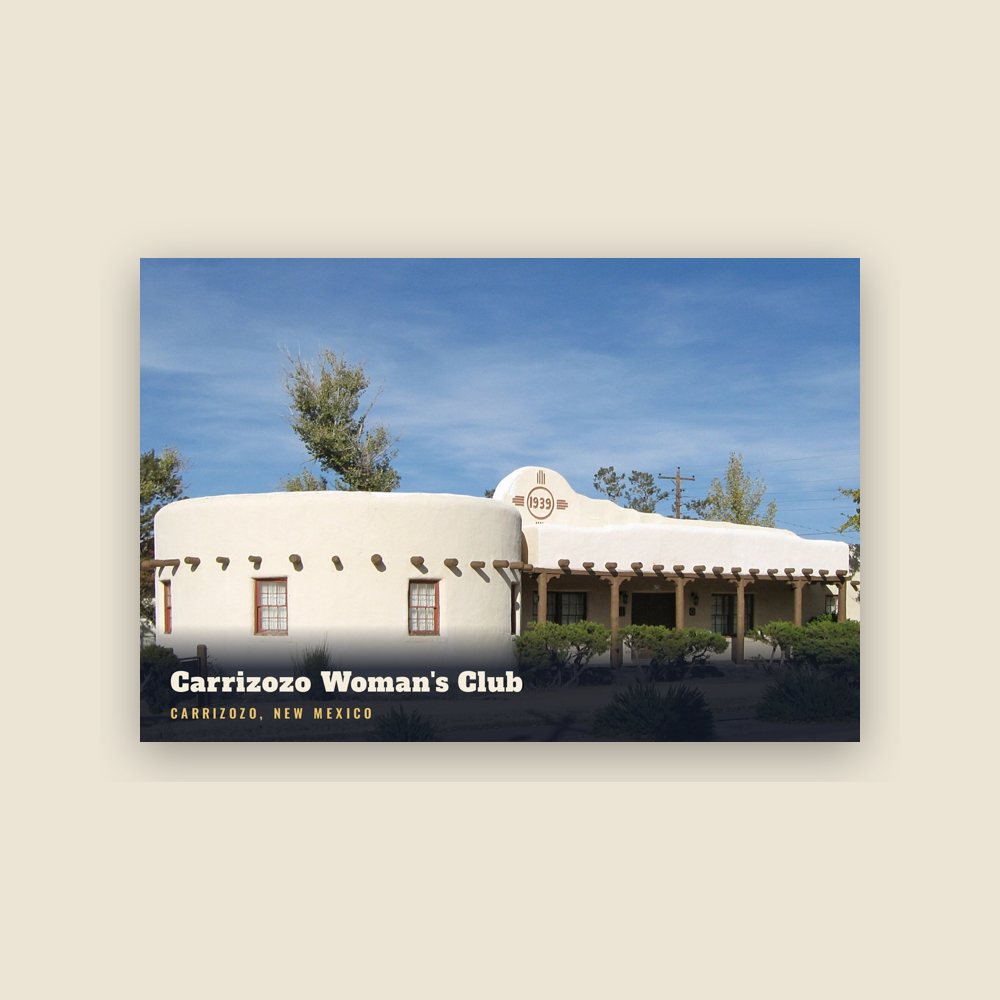
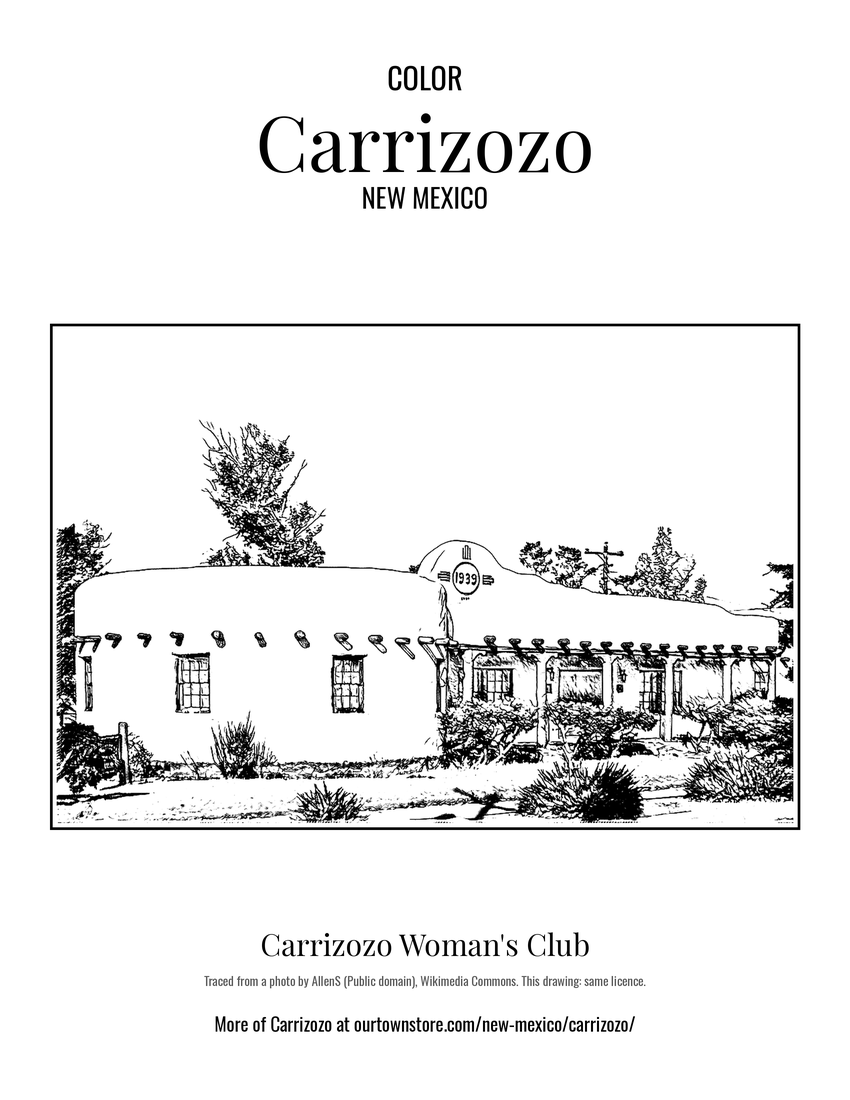 Carrizozo Woman's Club
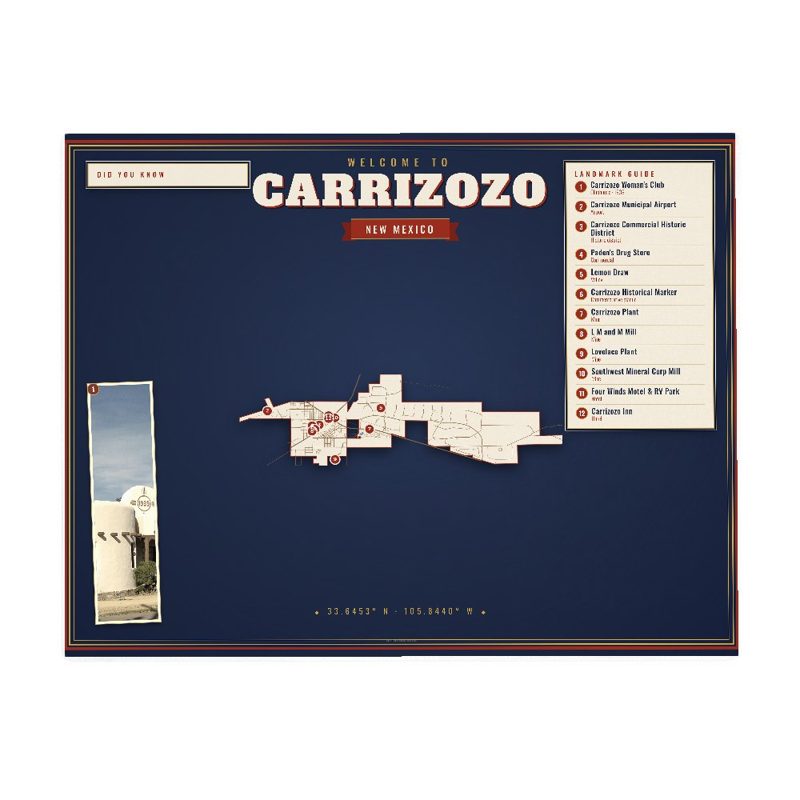
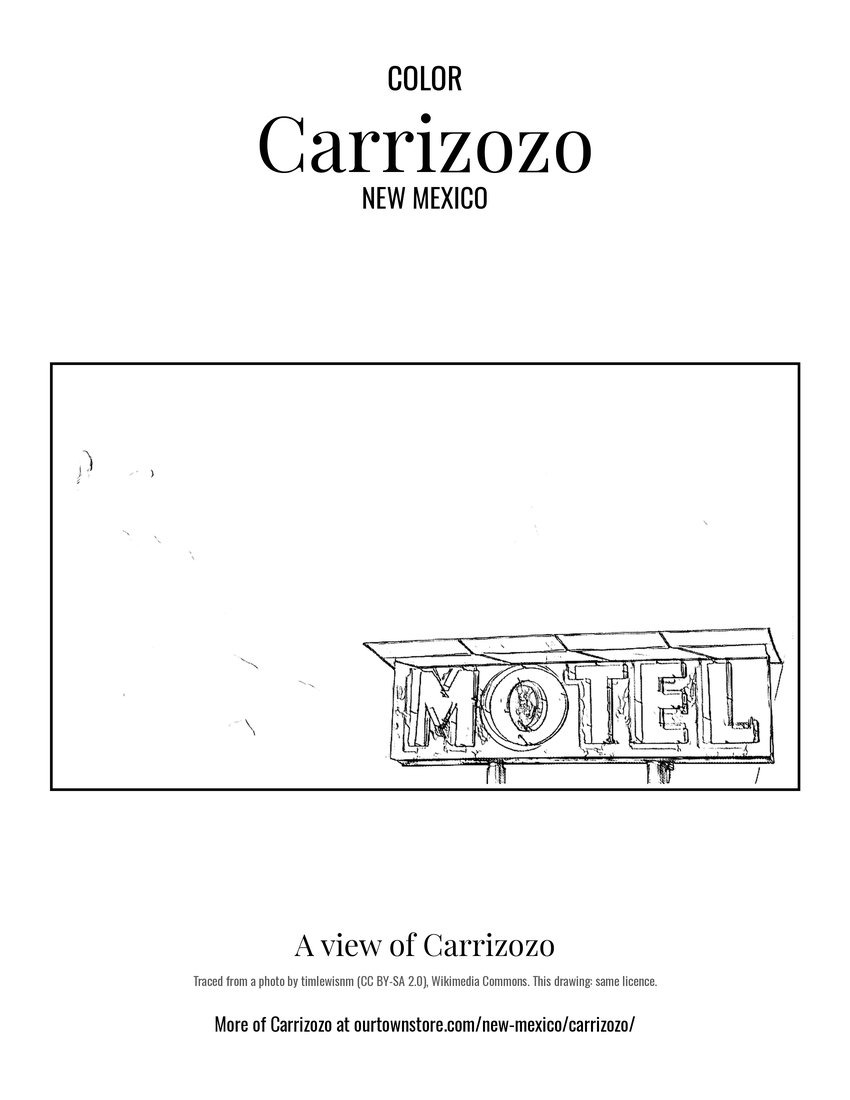 A view of Carrizozo