Since 1907
A short history of Las Cruces
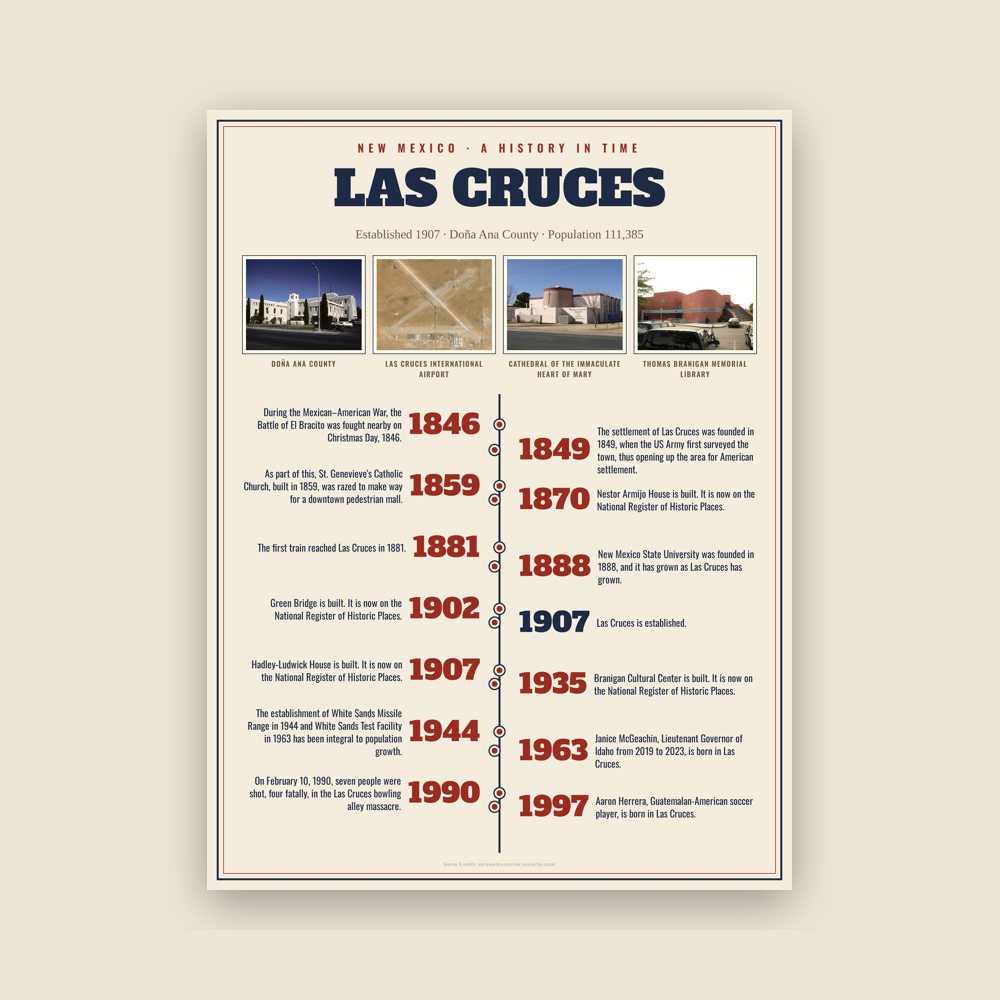
During the Mexican–American War, the Battle of El Bracito was fought nearby on Christmas Day, 1846. The settlement of Las Cruces was founded in 1849, when the US Army first surveyed the town, thus opening up the area for American settlement. The town was first surveyed as the result of the American acquisition of the land surrounding Las Cruces, which later became the New Mexico Territory. This land had been ceded to the United States as a result of the Treaty of Guadalupe Hidalgo of 1848, which ended the Mexican-American War. The town was named Las Cruces (Spanish: "the crosses") after three crosses that its earliest settlers had reported seeing just north of the town. The crosses were thought to be "either marked graves or were similar to roadside memorials called descansos".
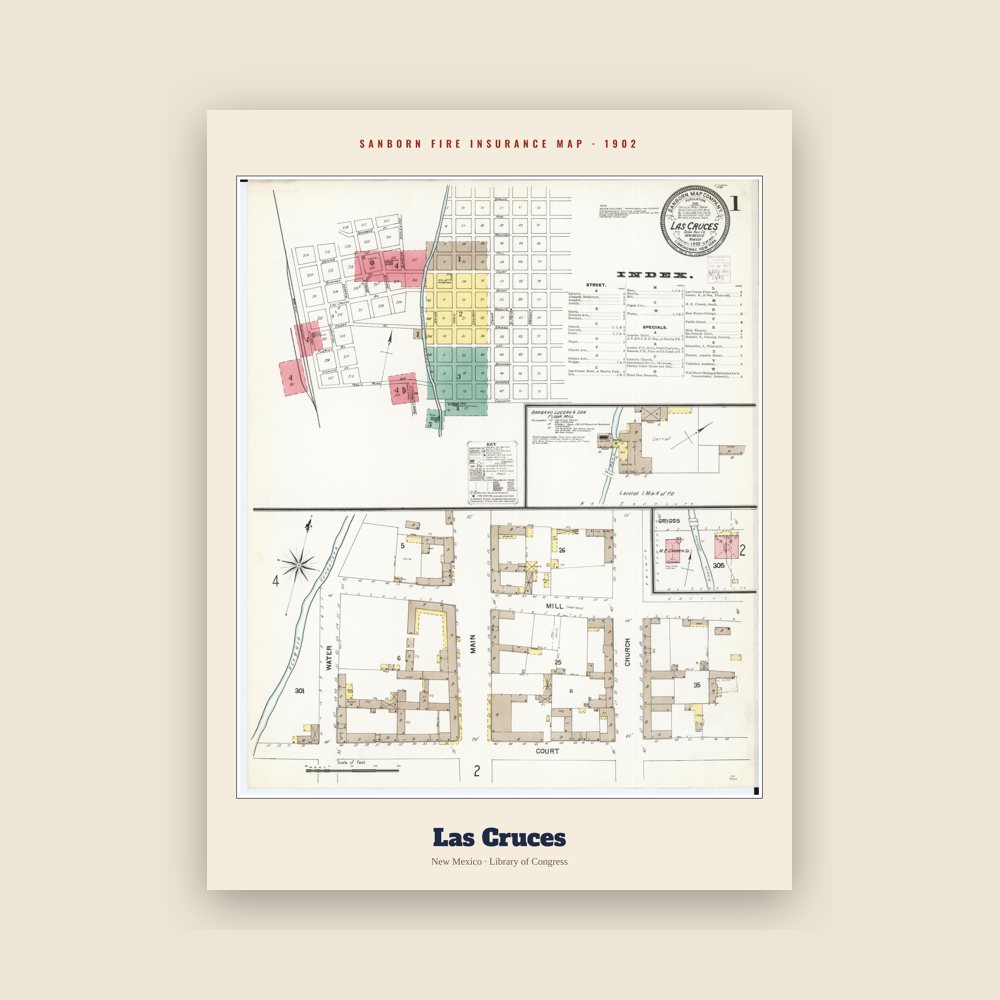
Initially, Mesilla became the leading settlement of the area, with more than 2,000 residents in 1860, more than twice what Las Cruces had; at that time, Mesilla had a population primarily of Mexican descent. When the Atchison, Topeka, and Santa Fe Railway reached the area, the landowners of Mesilla refused to sell it the rights-of-way, and instead residents of Las Cruces donated the rights-of-way and land for a depot in Las Cruces. The first train reached Las Cruces in 1881. Las Cruces was not affected as strongly by the train as some other villages, as it was not a terminus or a crossroads, but the population did grow to 2,300 in the 1880s. Las Cruces was incorporated as a town in 1907.
Pat Garrett is best known for his involvement in the Lincoln County War, but he also worked in Las Cruces on a famous case, the disappearance of Albert Jennings Fountain in 1896.
New Mexico State University was founded in 1888, and it has grown as Las Cruces has grown. The growth of Las Cruces has been attributed to the university, government jobs, and recent retirees.
The establishment of White Sands Missile Range in 1944 and White Sands Test Facility in 1963 has been integral to population growth. Las Cruces is the nearest city to each, and they provide Las Cruces' workforce with many high-paying, stable, government jobs. In recent years, the influx of retirees from out of state has also increased Las Cruces' population.
In the 1960s, Las Cruces undertook a large urban renewal project, intended to convert the old downtown into a modern city center. As part of this, St. Genevieve's Catholic Church, built in 1859, was razed to make way for a downtown pedestrian mall. The original covered walkways have been removed in favor of a more traditional main-street thoroughfare.
On February 10, 1990, seven people were shot, four fatally, in the Las Cruces bowling alley massacre. The incident remains unsolved.
Adapted (trimmed) from the Wikipedia article Las Cruces, New Mexico, revision 1382946811 by its contributors, licensed CC BY-SA 4.0.

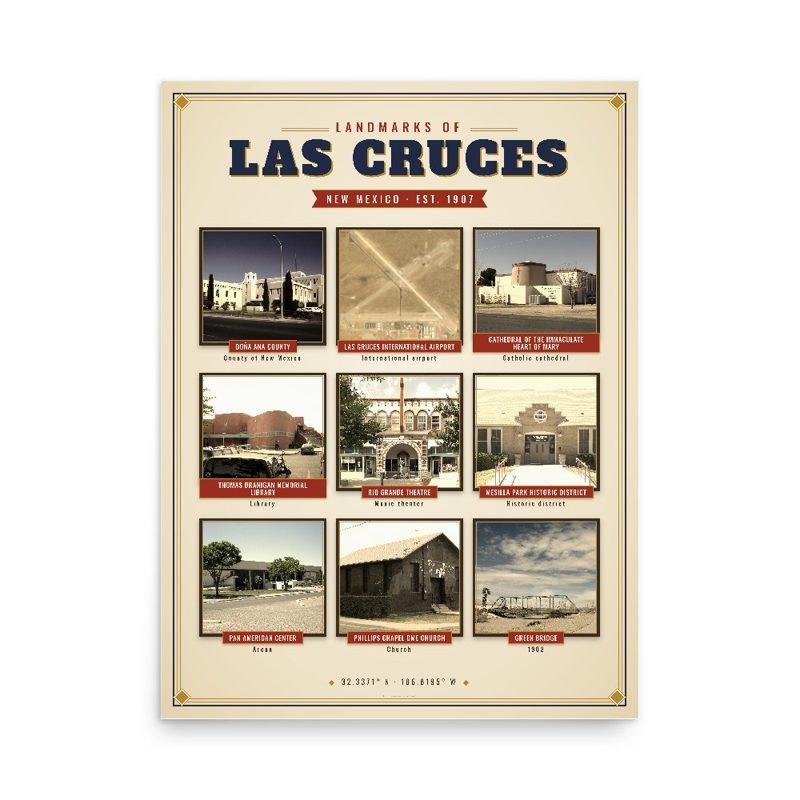






















 Thomas Branigan Memorial Library
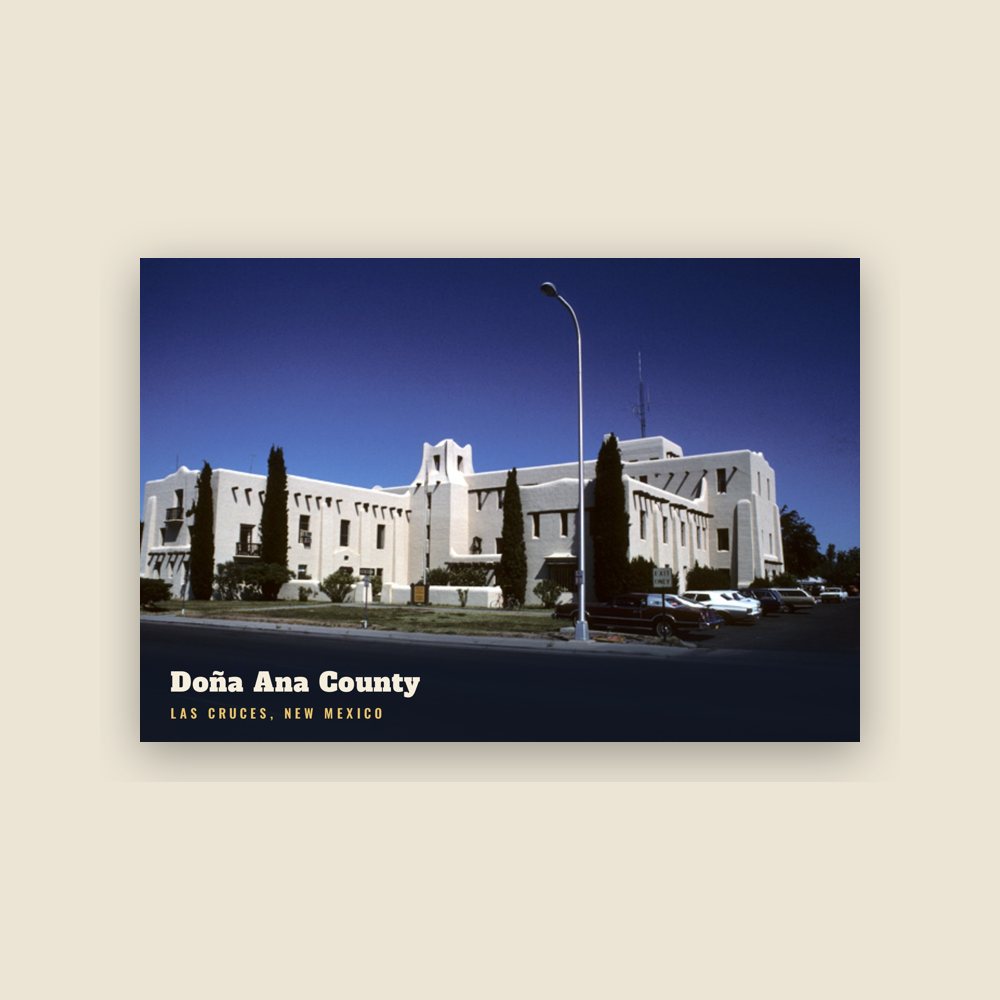
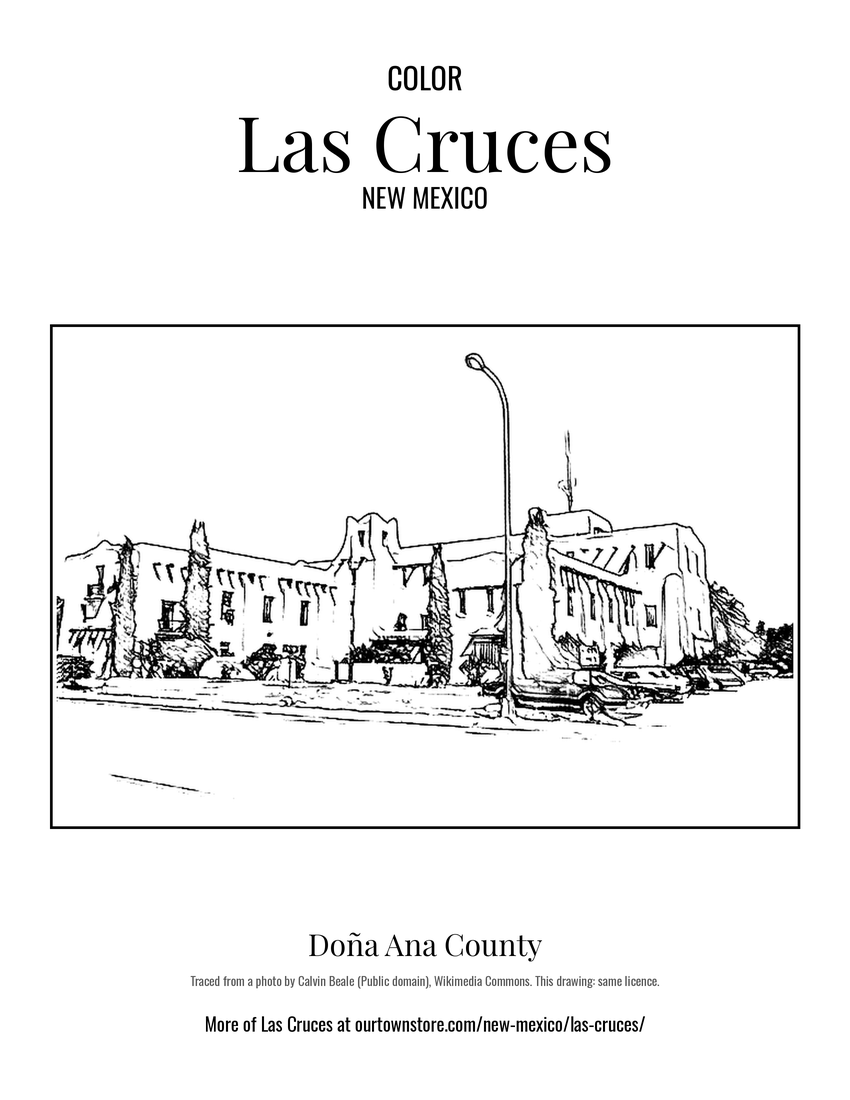 Doña Ana County
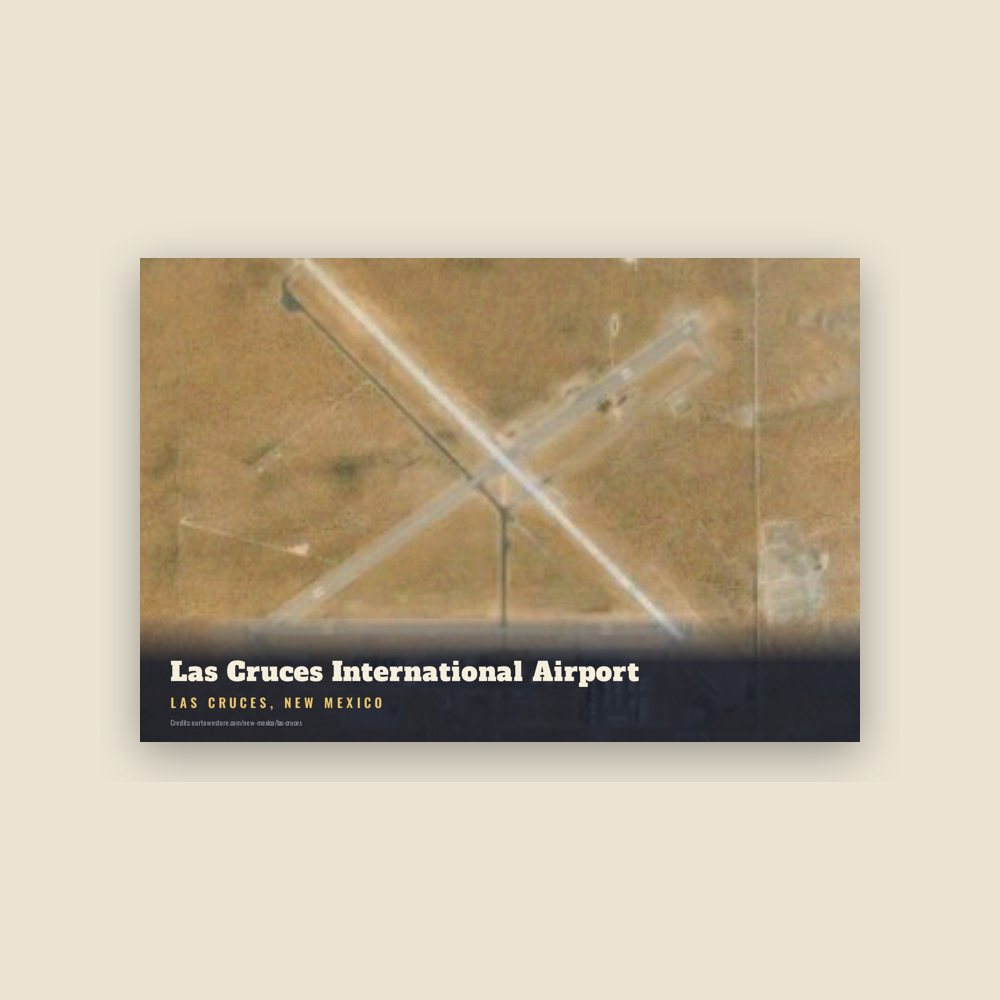
 Las Cruces International Airport
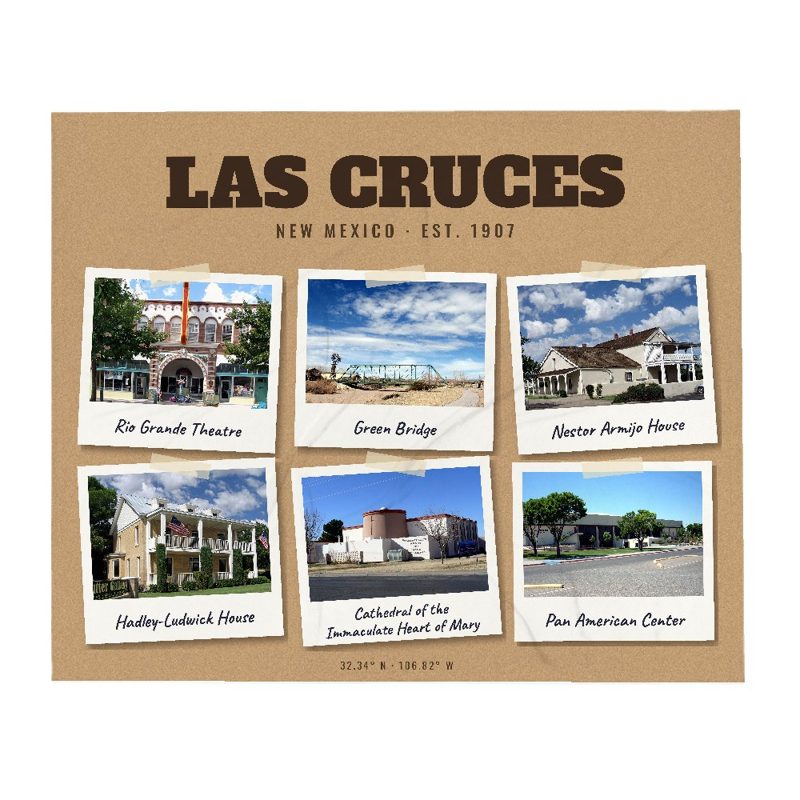
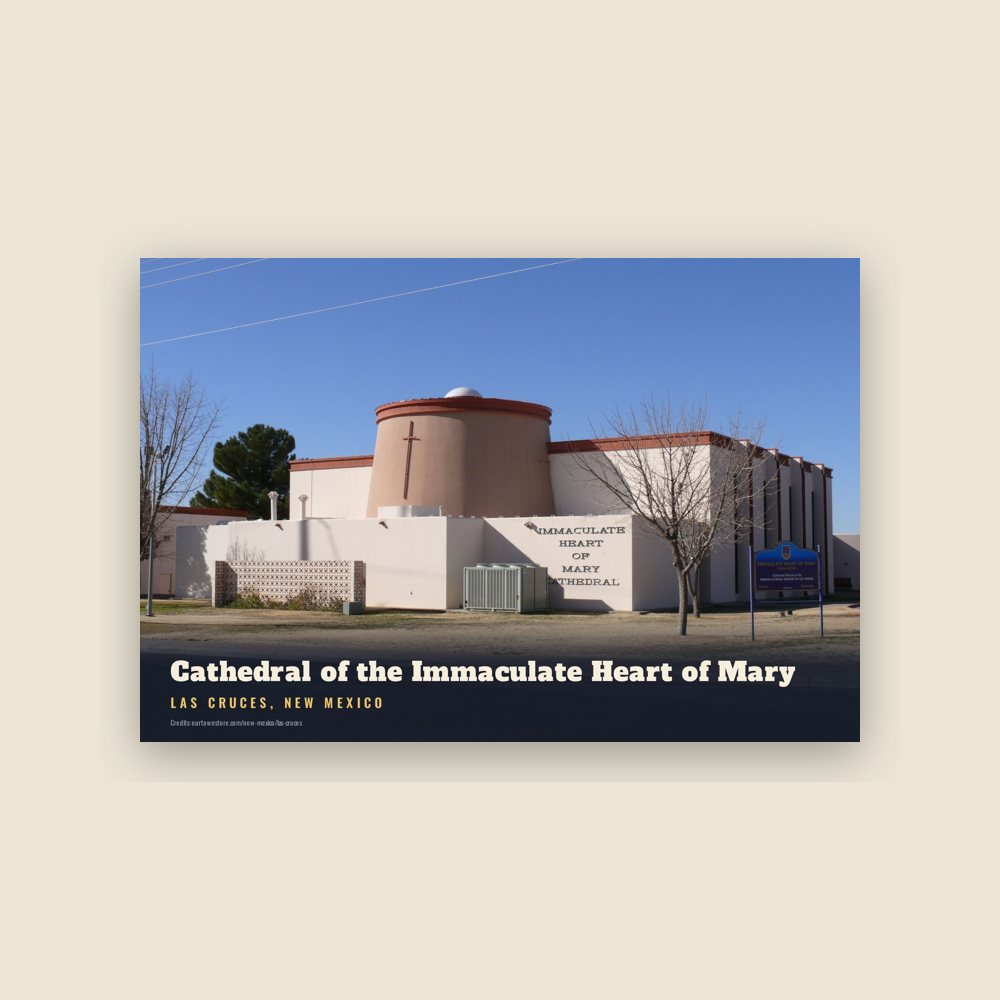
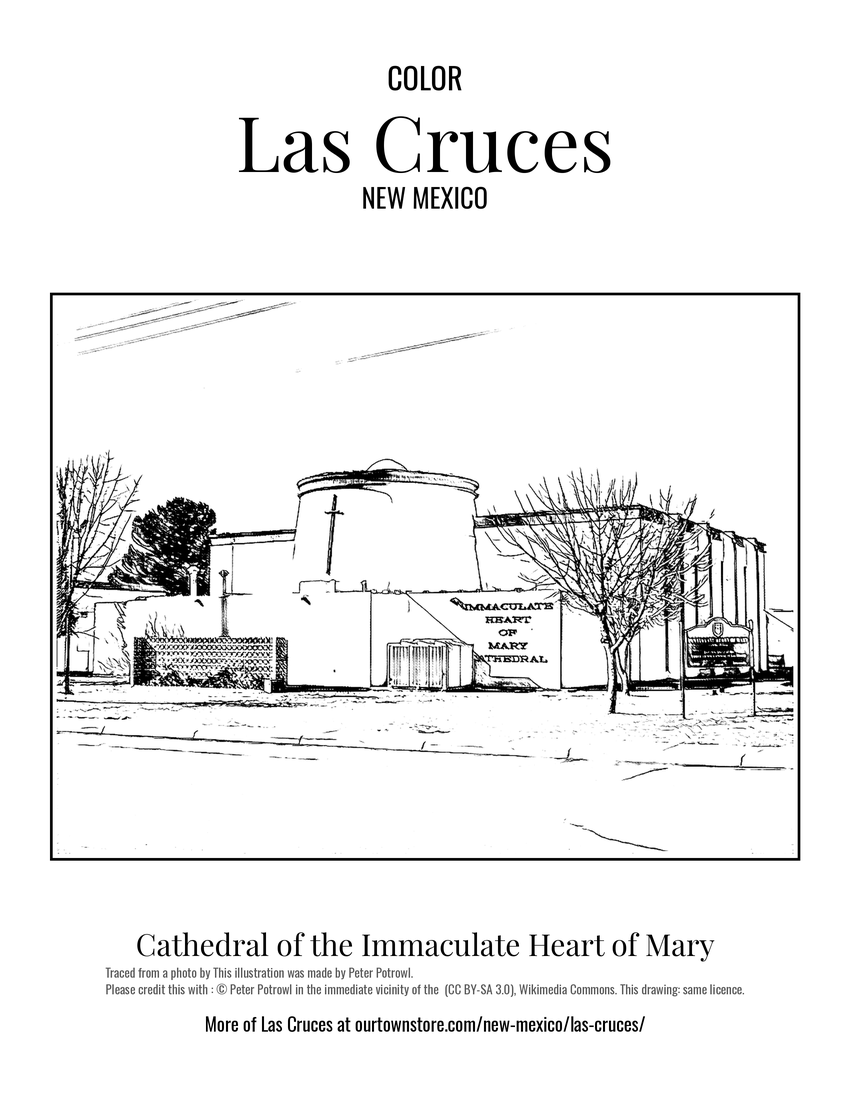 Cathedral of the Immaculate Heart of Mary