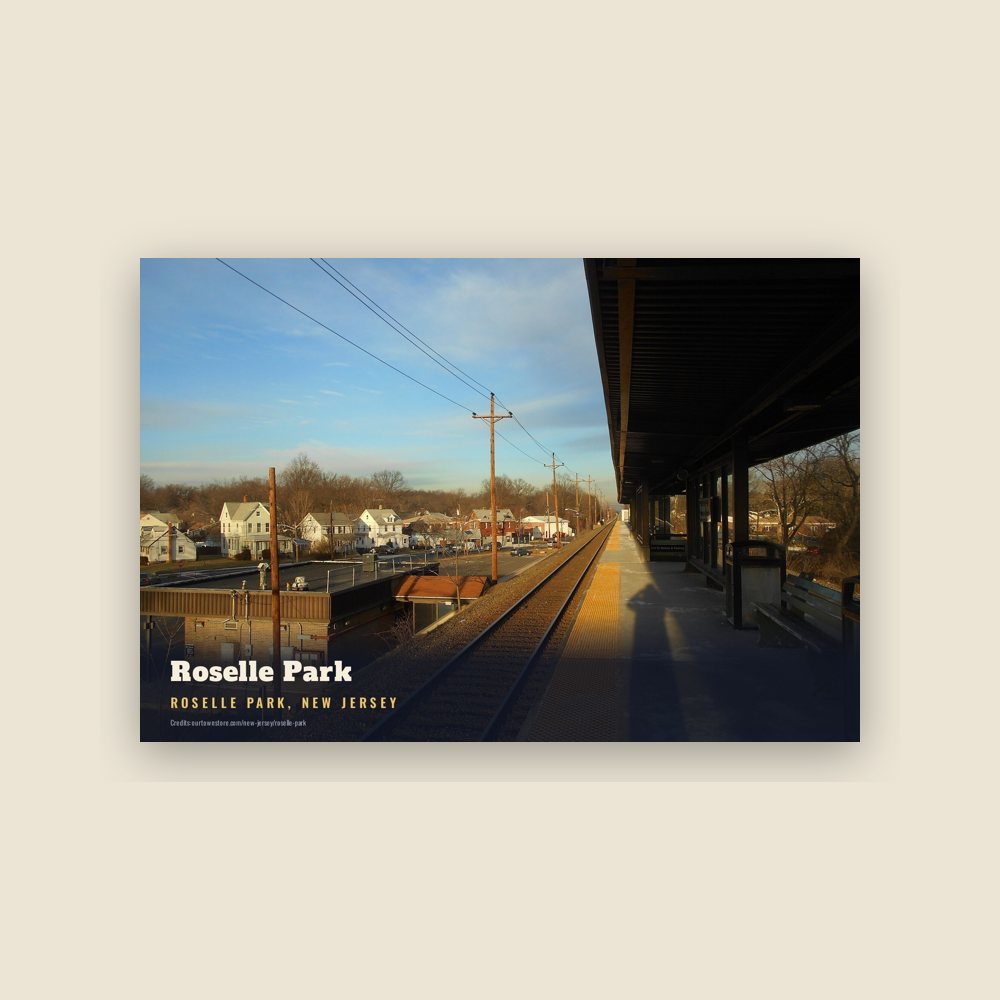
A short history of Roselle Park
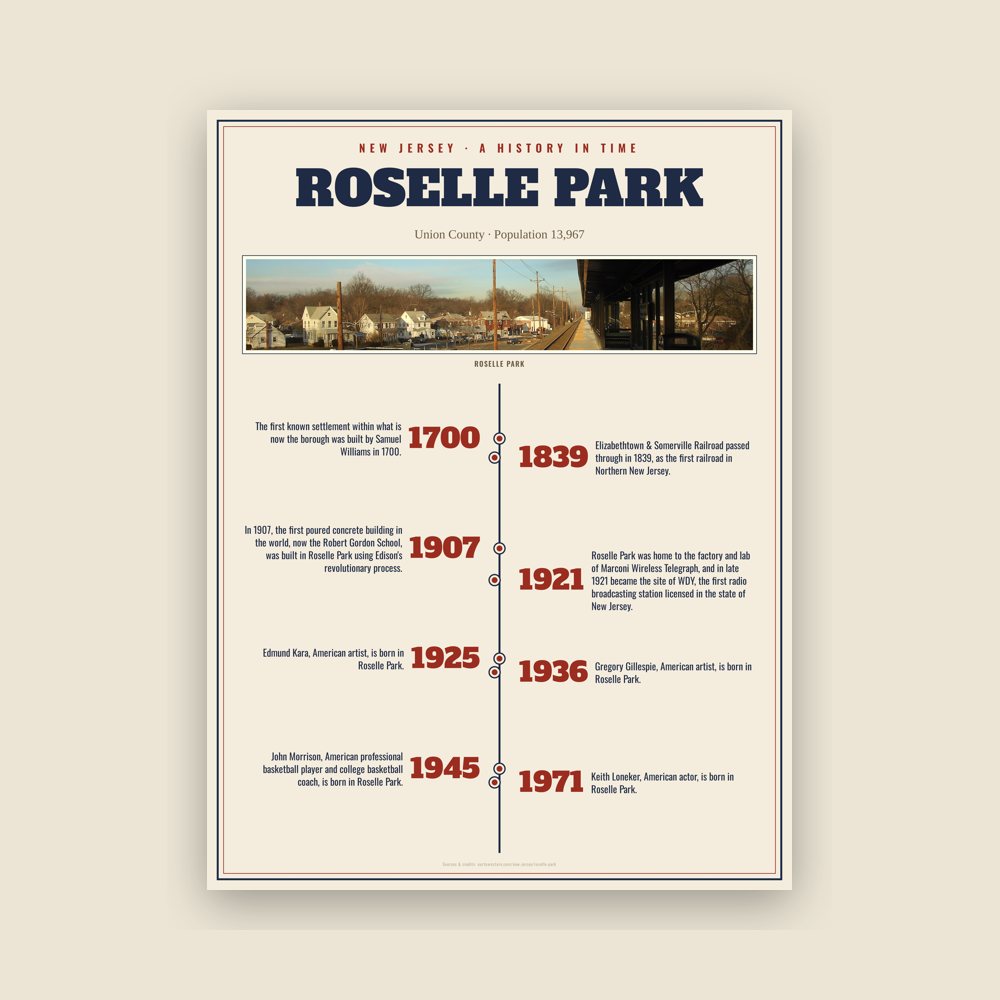
The first known settlement within what is now the borough was built by Samuel Williams in 1700. Galloping Hill Road was continually used by revolutionary war scouts, delivering messages to and from General George Washington and Governor Livingston. Galloping Hill Road also believed to be the route traveled by the British columns en route to the Battle of Connecticut Farms, battling the New Jersey militia the entire way. Son of American general William Crane, was bayoneted and killed by the British near what is now Galloping Hill Road and Colonial Road.
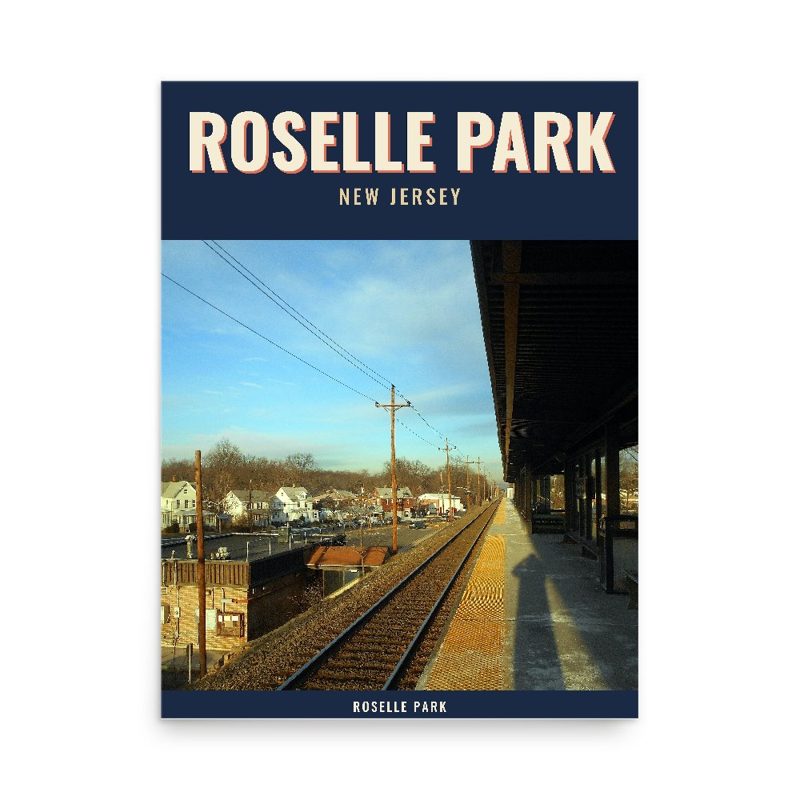
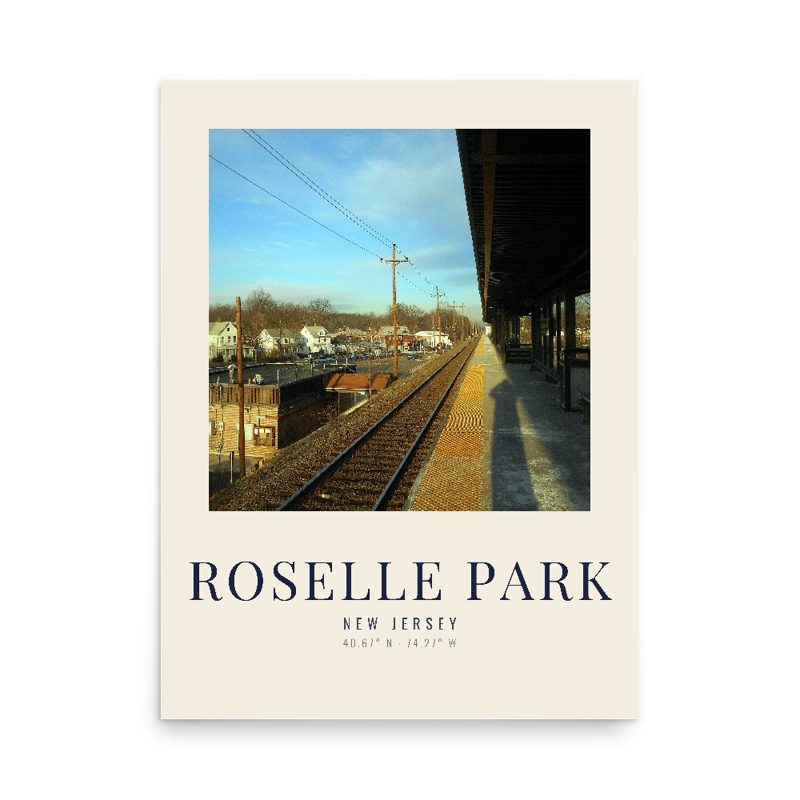
Elizabethtown & Somerville Railroad passed through in 1839, as the first railroad in Northern New Jersey. The first store in the world to be lit by electric light was Stone's Store on Westfield Avenue, lit by Thomas Edison's carbon filament prototype.
The formation of Roselle Park in 1901 occurred due to a number of grievances based on a lack of sufficient public services, including; lack of a modern sewage system, poor schools, neglected roads, and minimal public safety measures.
In 1907, the first poured concrete building in the world, now the Robert Gordon School, was built in Roselle Park using Edison's revolutionary process. Roselle Park was home to the factory and lab of Marconi Wireless Telegraph, and in late 1921 became the site of WDY, the first radio broadcasting station licensed in the state of New Jersey.
Adapted (trimmed) from the Wikipedia article Roselle Park, New Jersey, revision 1382650863 by its contributors, licensed CC BY-SA 4.0.