A short history of Roseland
Roseland was part of the Horseneck Tract, which was an area that consisted of what are now the municipalities of Caldwell, West Caldwell, North Caldwell, Fairfield, Verona, Cedar Grove, Essex Fells, Roseland, and portions of Livingston and West Orange. In 1702, settlers purchased the 14,000 acres (57 km2) Horseneck Tract—so-called because of its irregular shape that suggested a horse's neck and head—from the Lenni Lenape Native Americans for goods equal to $325. This purchase encompassed much of western Essex County, from the First Mountain to the Passaic River.
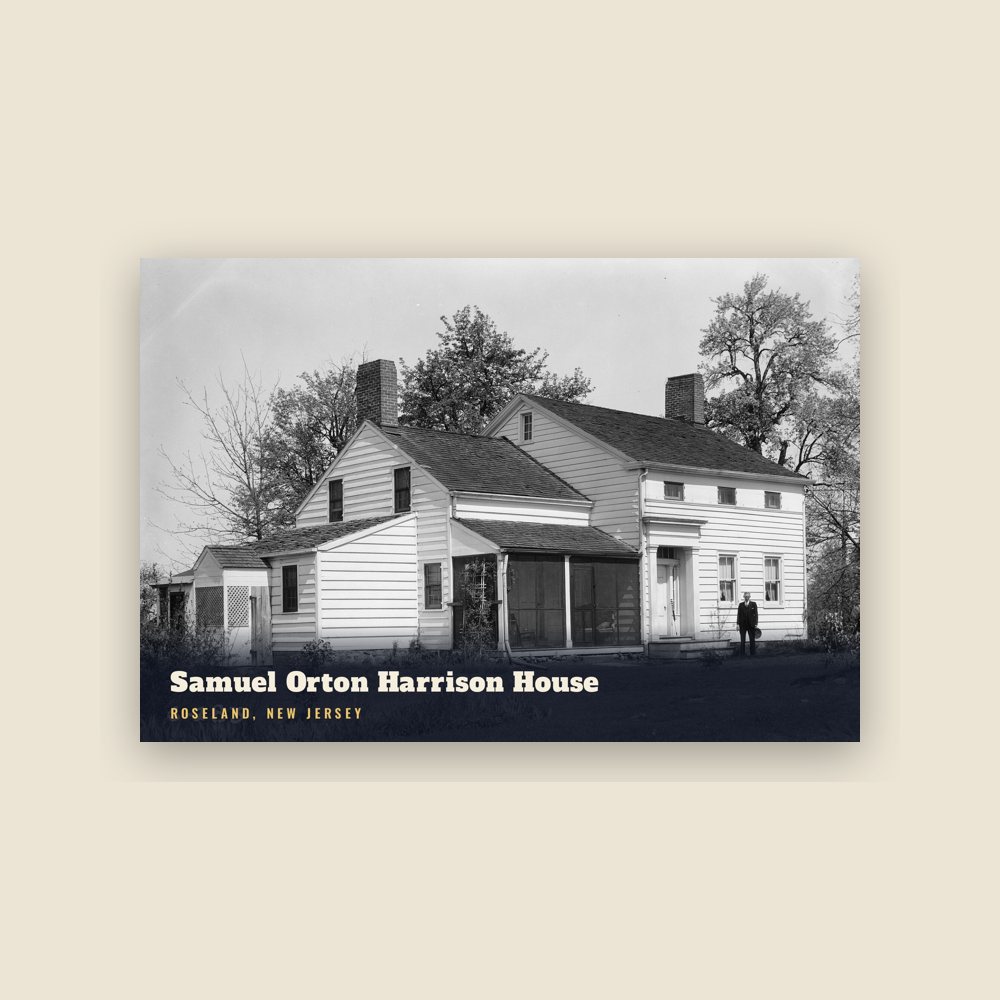
Originally named Centerville, the name of the community was changed in 1874 to Roseland to avoid confusion with the several other Centervilles spread across the state, most specifically Centerville, Hunterdon County, New Jersey, which already had a post office under that name. Roseland was chosen over the alternative proposed name of "Roselyn".
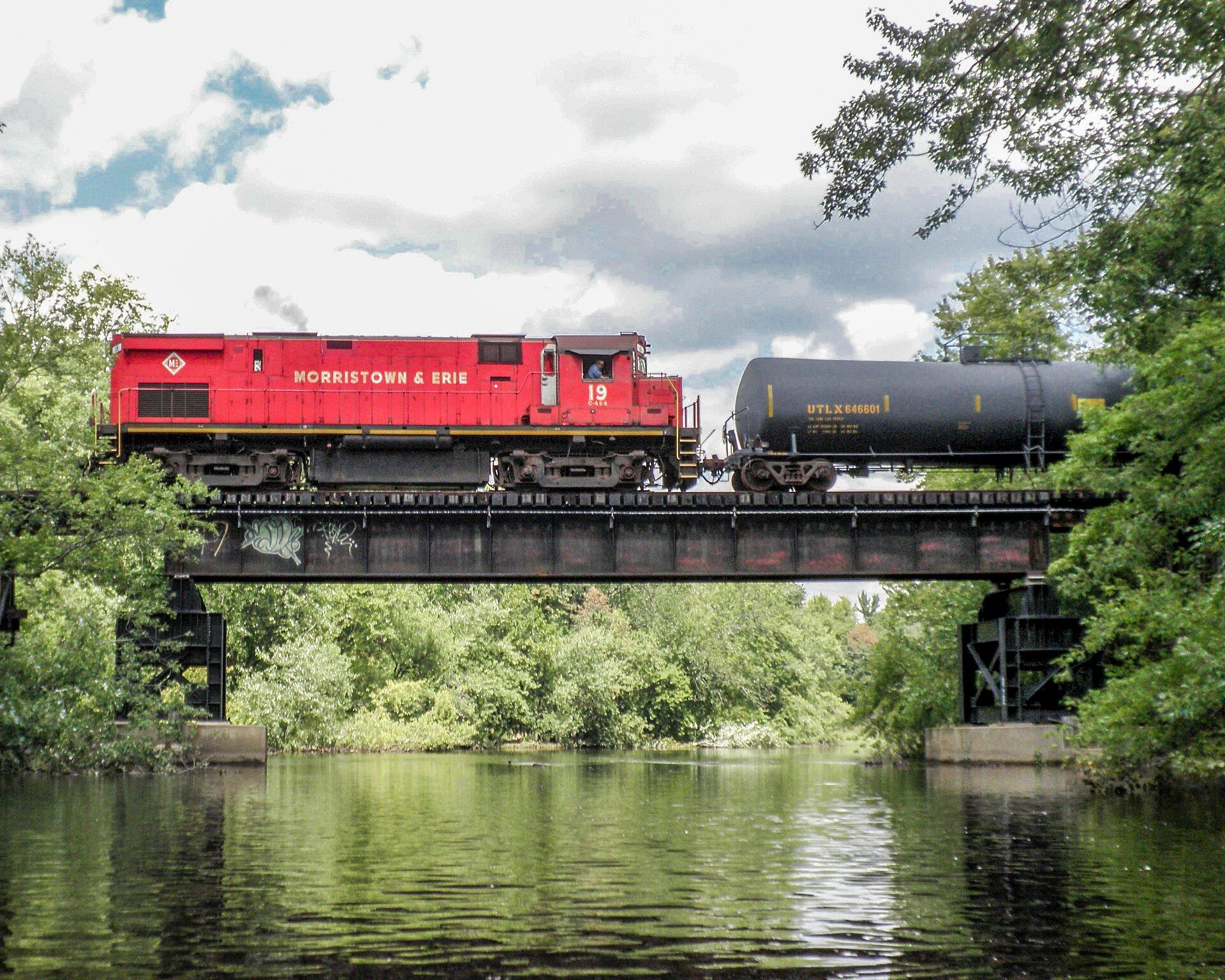
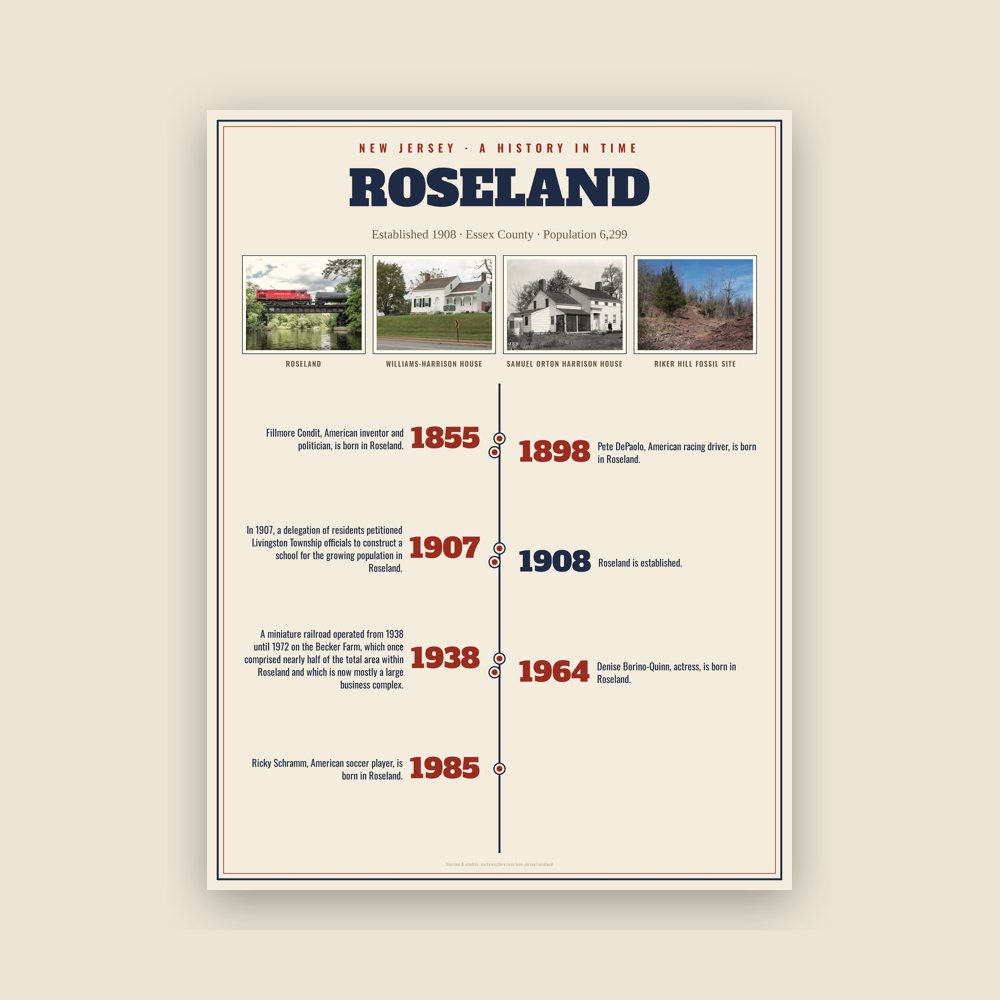
One of the most notable places of interest in the borough was the Becker Farm Railroad, otherwise known as the Centerville & Southwestern Railroad. A miniature railroad operated from 1938 until 1972 on the Becker Farm, which once comprised nearly half of the total area within Roseland and which is now mostly a large business complex. Some vestiges of the railroad still exist.
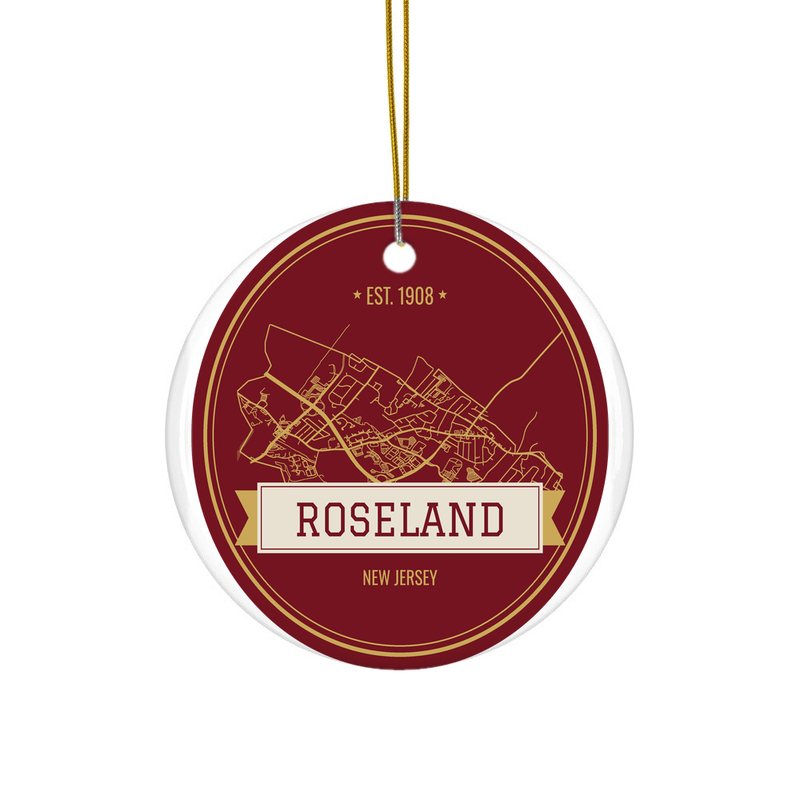
In 1907, a delegation of residents petitioned Livingston Township officials to construct a school for the growing population in Roseland. The rejection of their request led to the efforts to create an independent municipality, which was established on April 10, 1908.
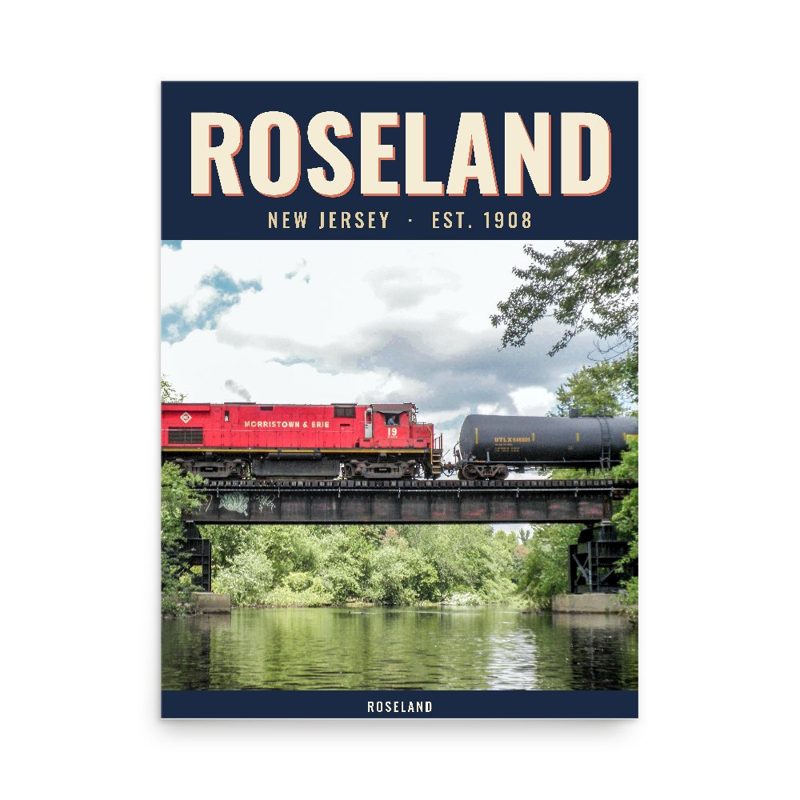
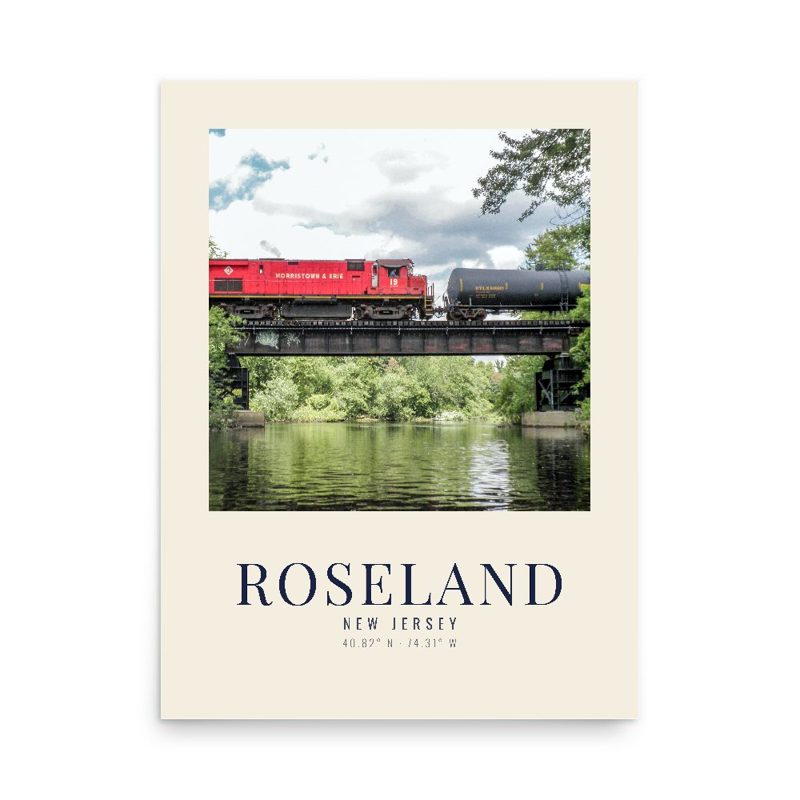
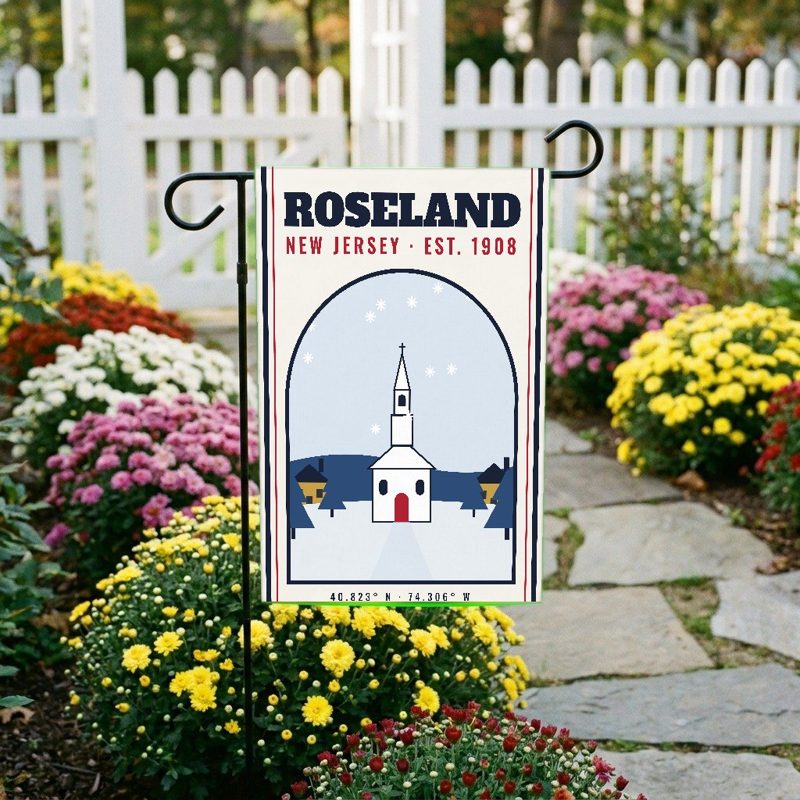
Roseland was incorporated as a borough by an act of the New Jersey Legislature on April 10, 1908, from portions of Livingston Township.
Adapted (trimmed) from the Wikipedia article Roseland, New Jersey, revision 1377400361 by its contributors, licensed CC BY-SA 4.0.