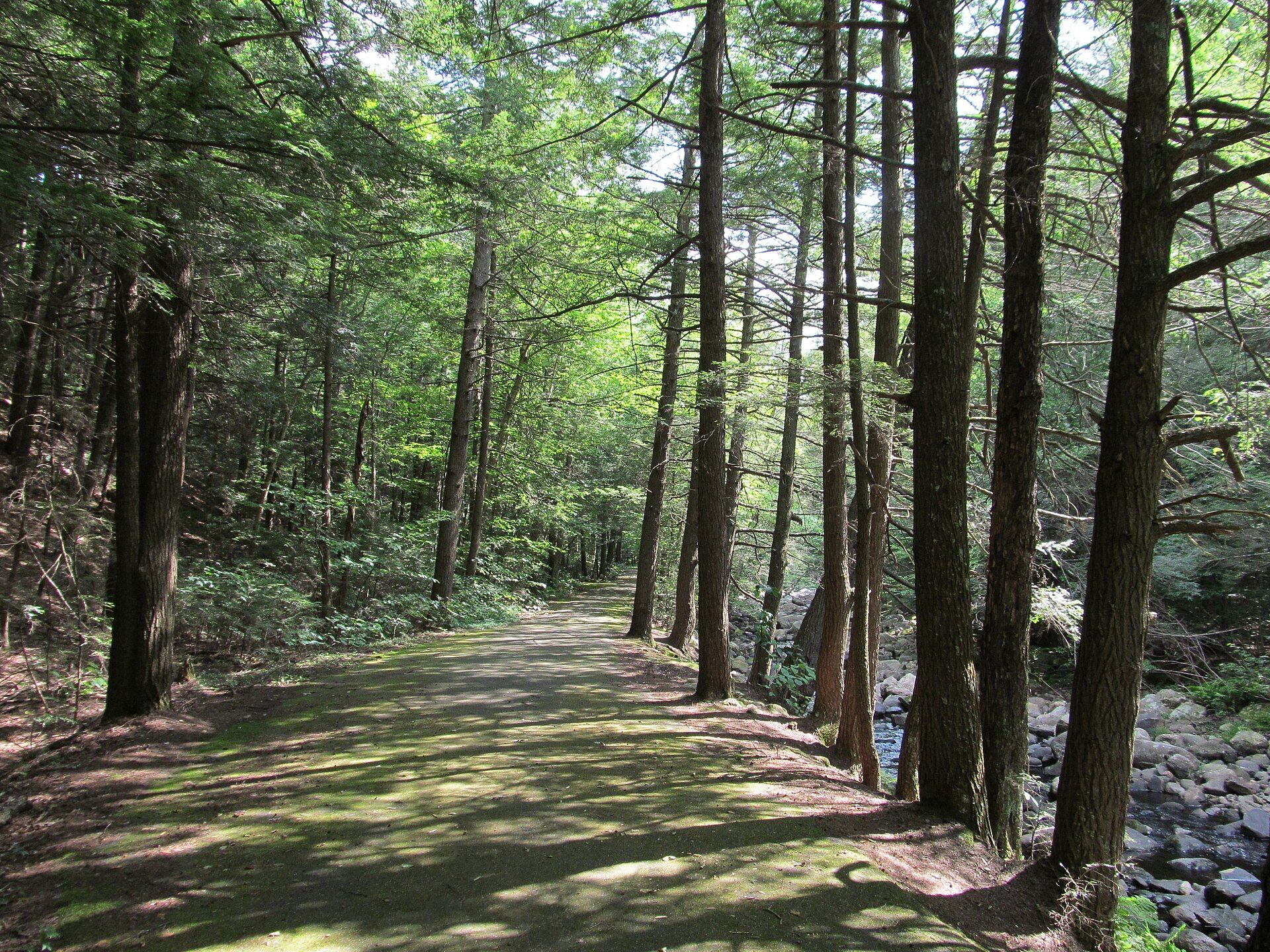
The town is named for John Carteret, 2nd Earl Granville. Landmarks include Granville State Forest, West Granville Historic District and John and Ruth Rose House. Granville is the birthplace of Isaac C. Bates, politician.
Every piece is drawn from Granville's own map data and historic archives, then printed and shipped from the USA when you order. No two towns look alike.
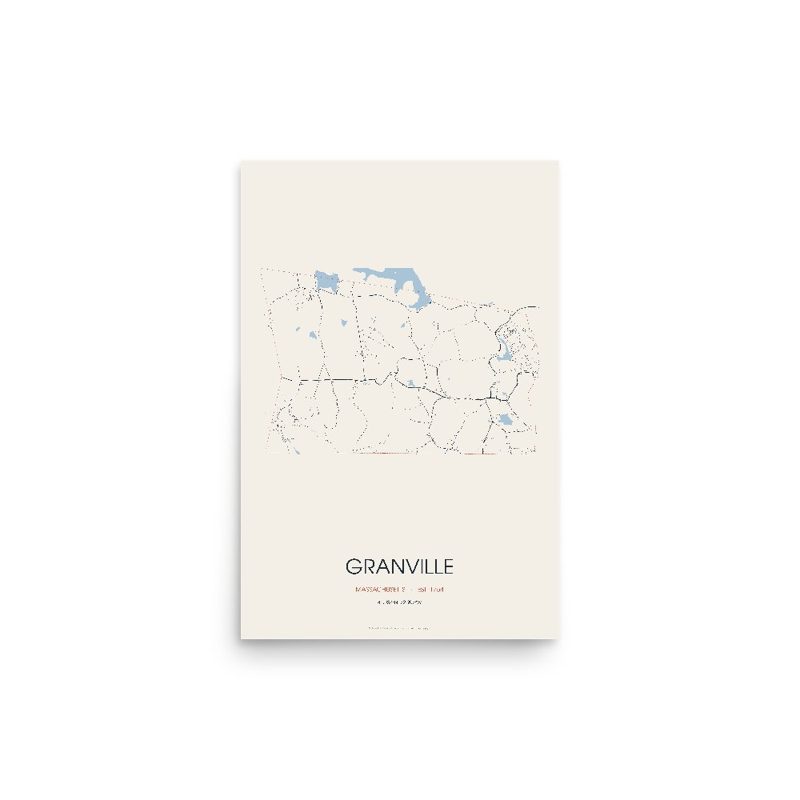
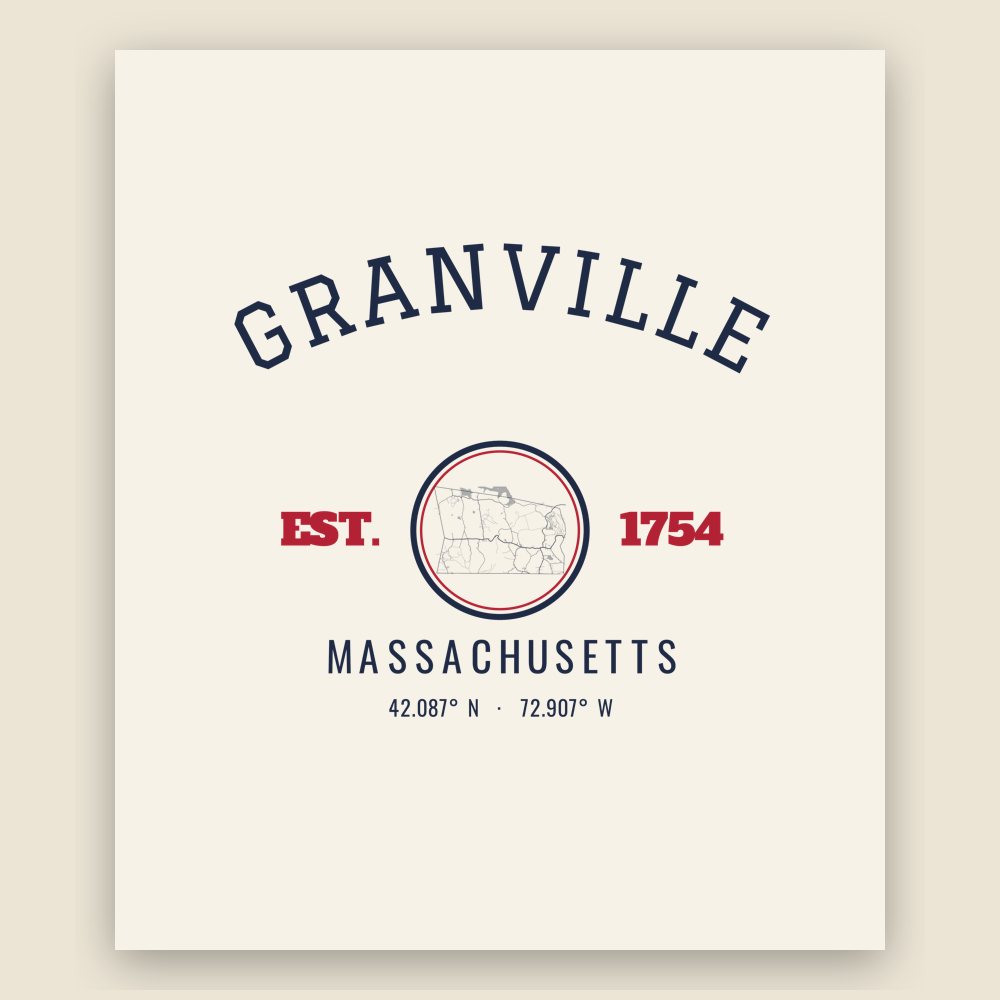
Every road in town, on archival matte paper
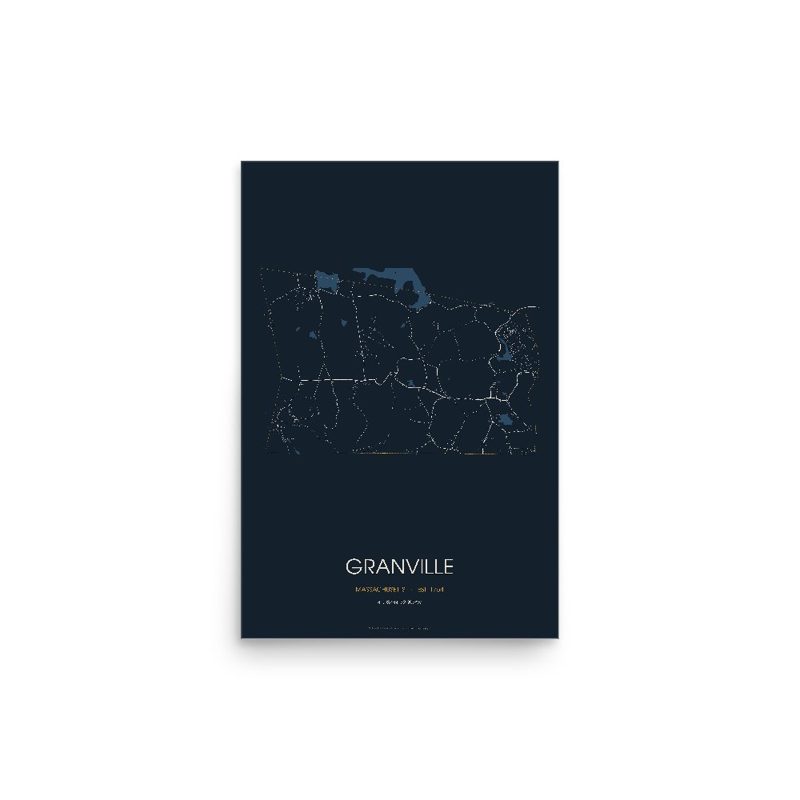
The same map, in navy and silver
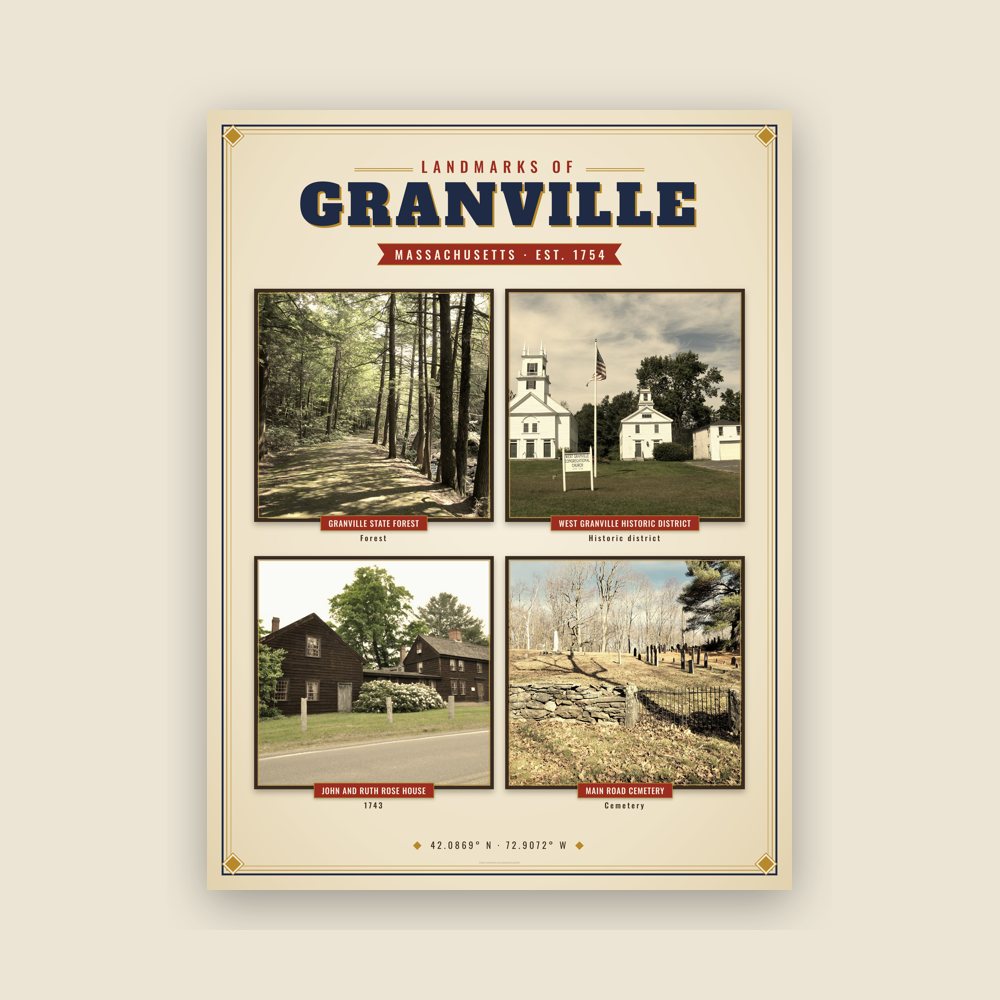
Nine local landmarks, archival matte
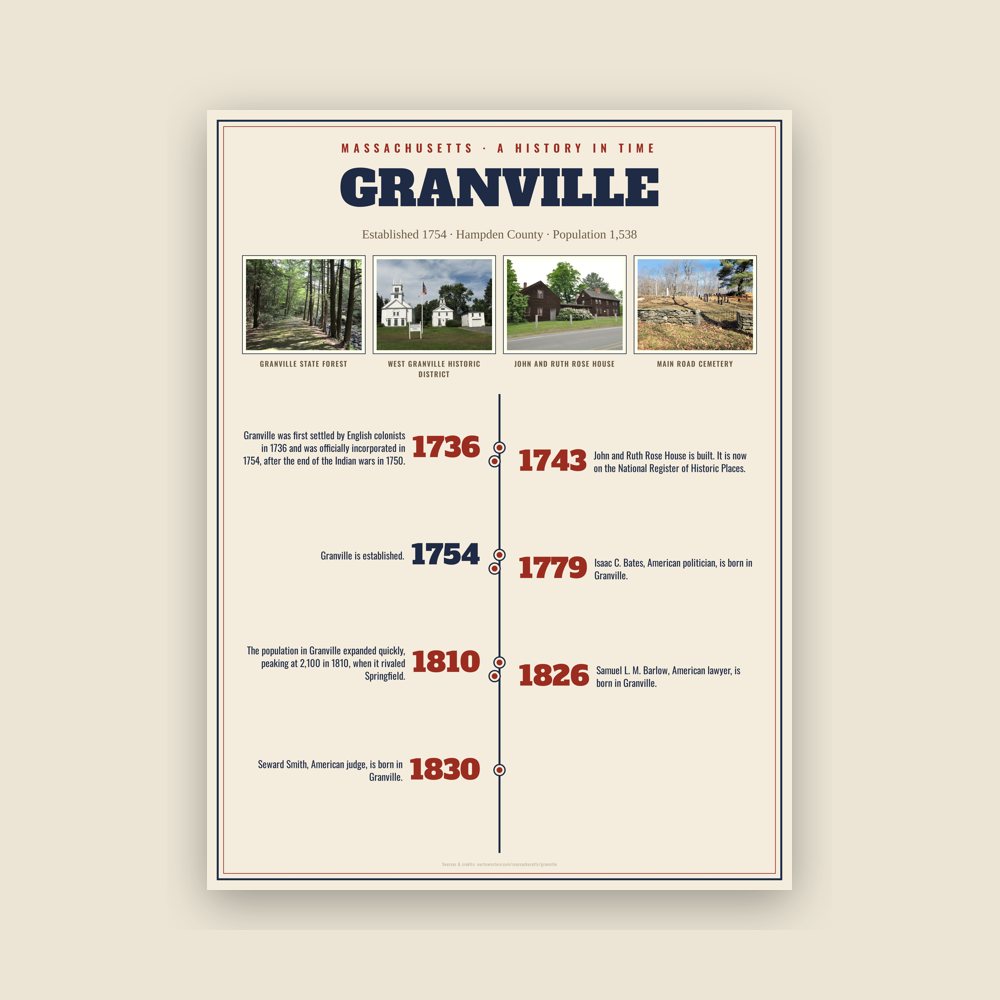
The town's story in dates, from its own records, for home or classroom
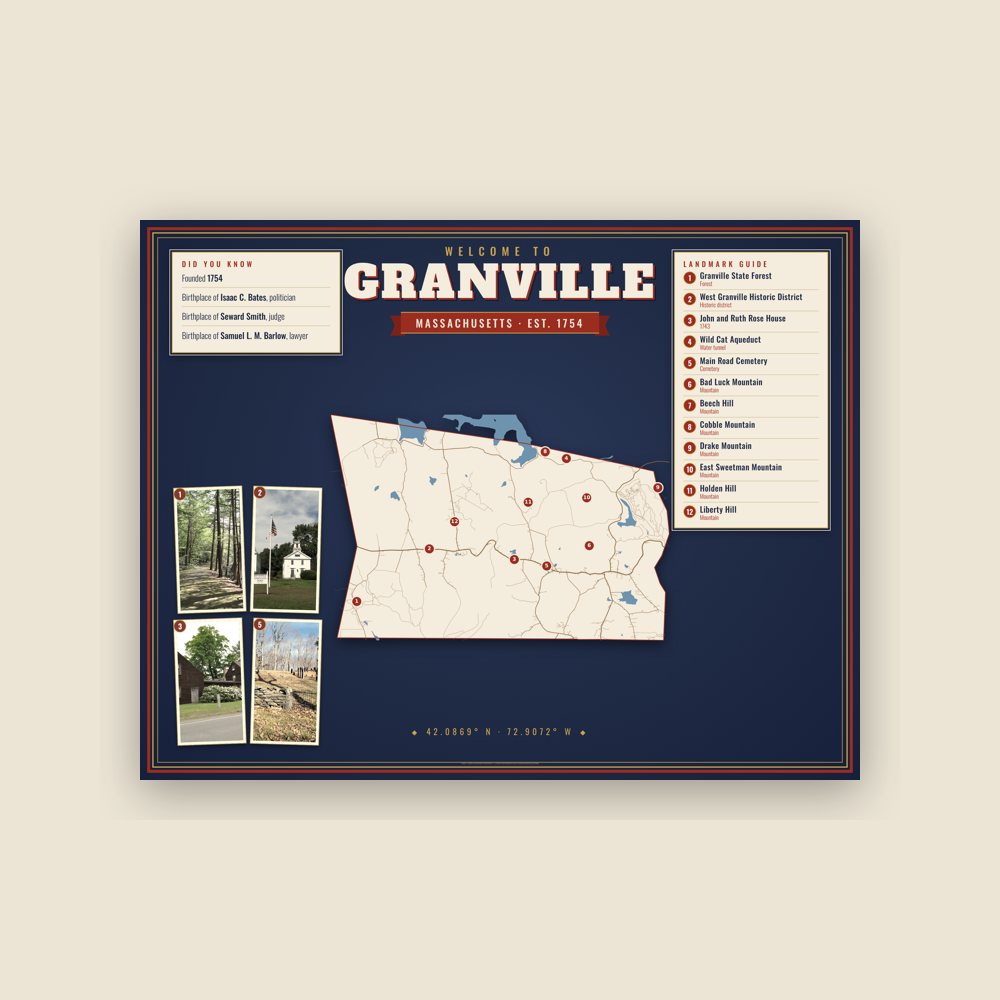
Map of local landmarks, washable fabric
Heavy-blend fleece, street map printed on the back
Soft Bella+Canvas jersey
Glossy ceramic, dishwasher safe
Ceramic keepsake, gold ribbon
Weatherproof, for the front walk
24″×16″, printed coir-look fibers, rubber back
12″×12″ printed wood, ready to hang
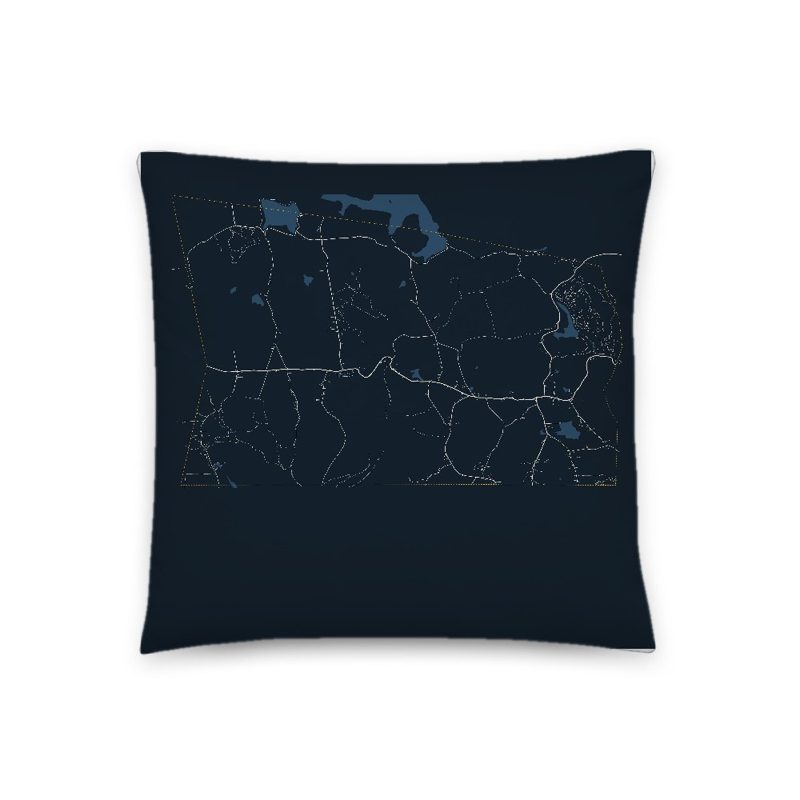
Soft-touch, zip cover
Sturdy all-over-print tote
Glossy top, cork back
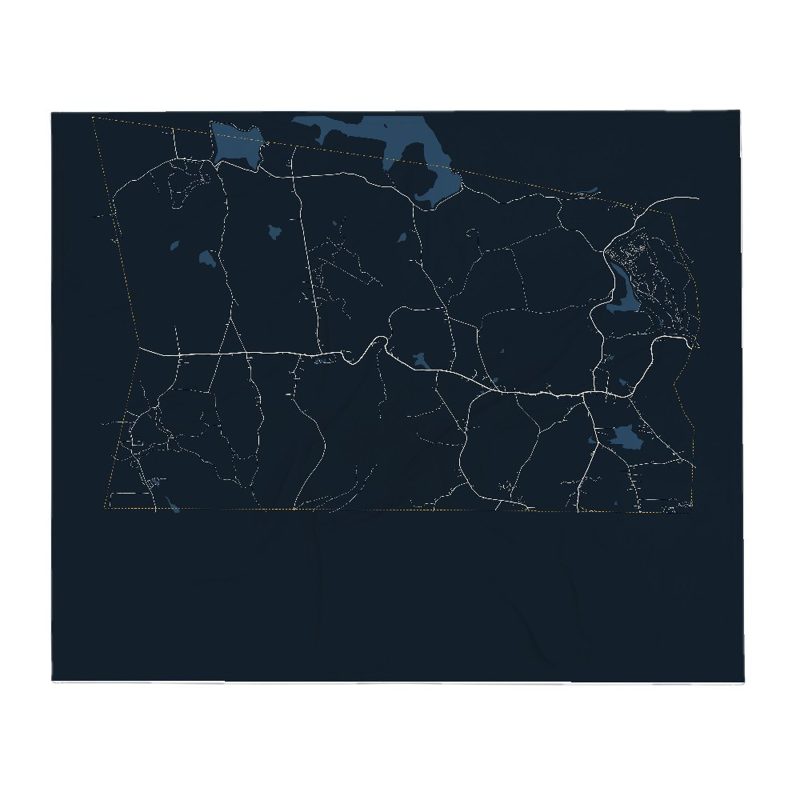
Soft fleece, 50″×60″
20 oz, double-wall stainless
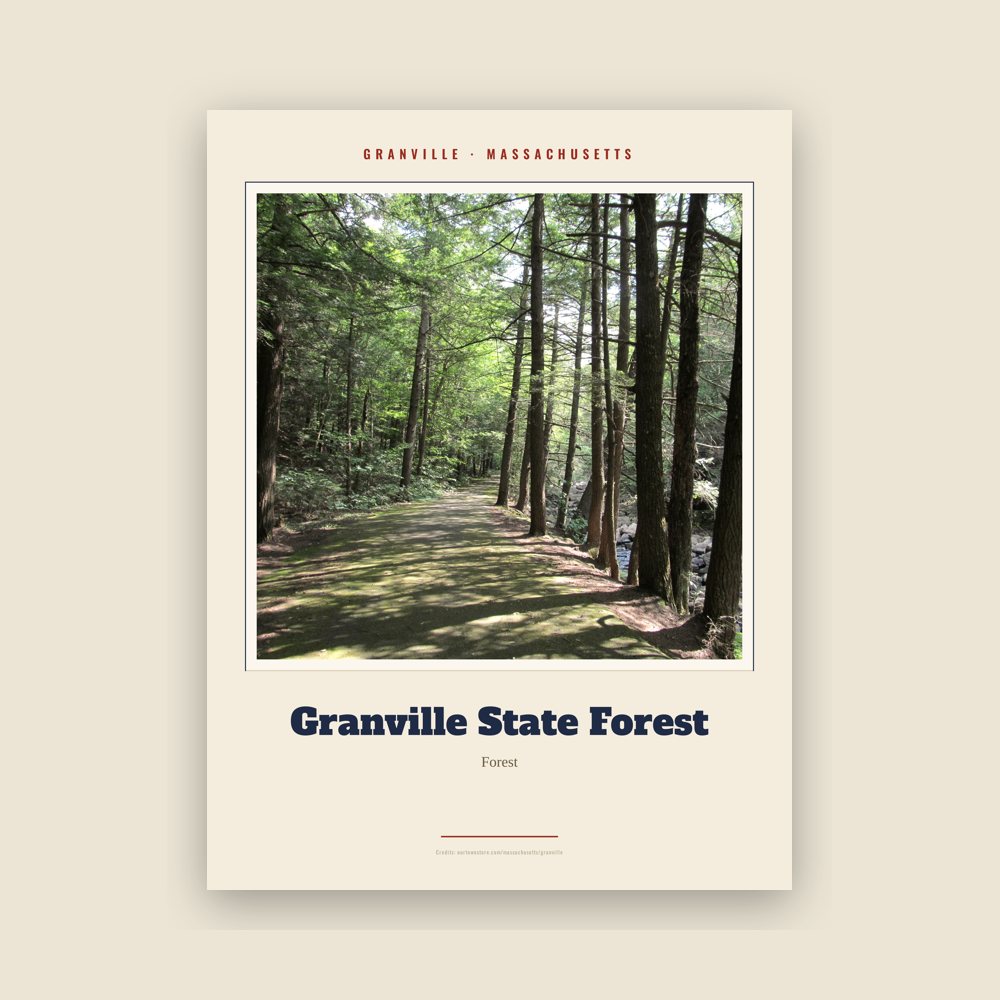
Archival matte print of a local landmark, credited to its photographer
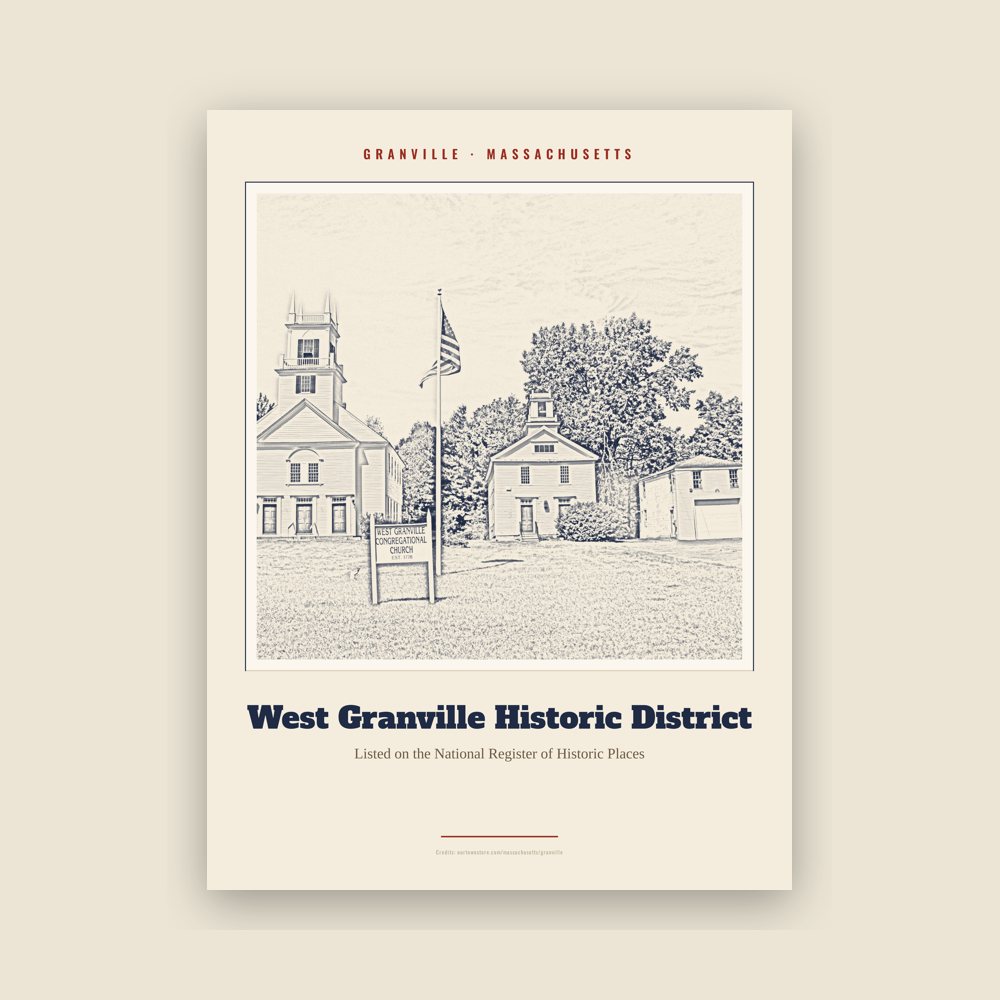
Archival matte print of a local landmark, credited to its photographer
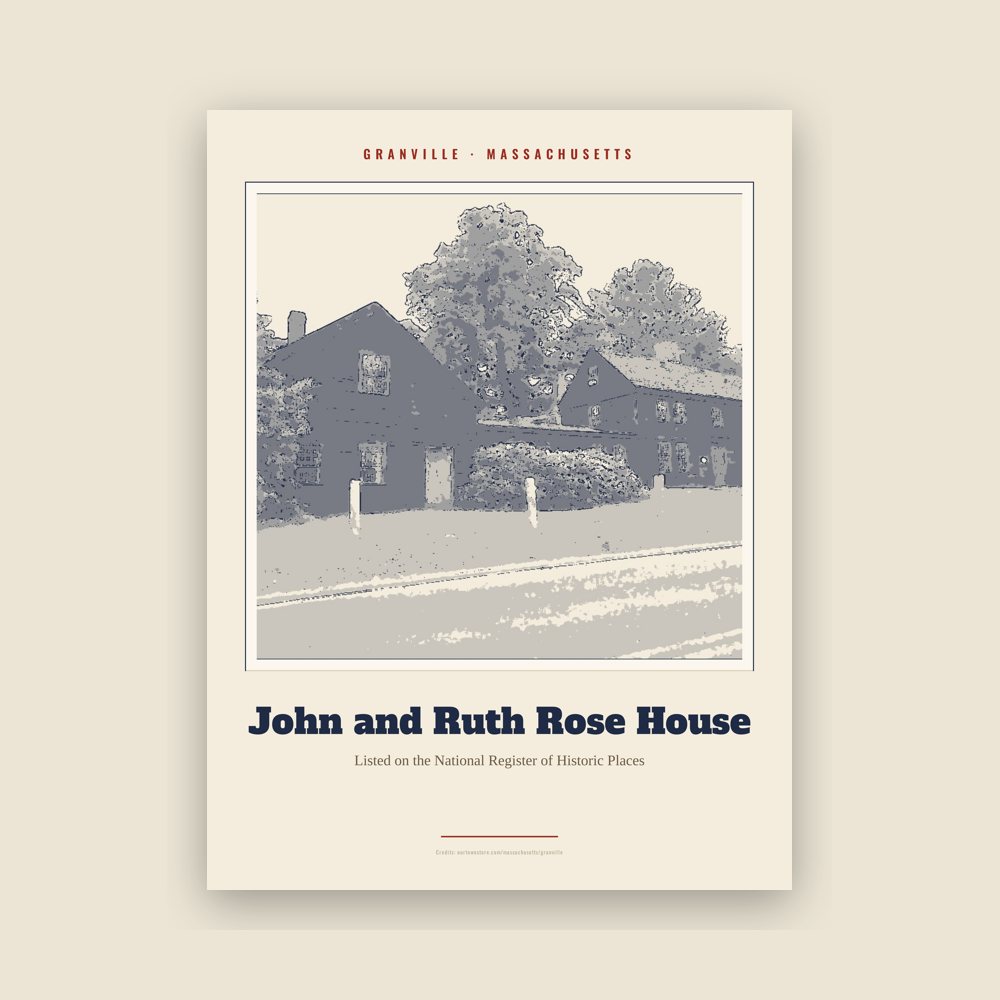
Archival matte print of a local landmark, credited to its photographer
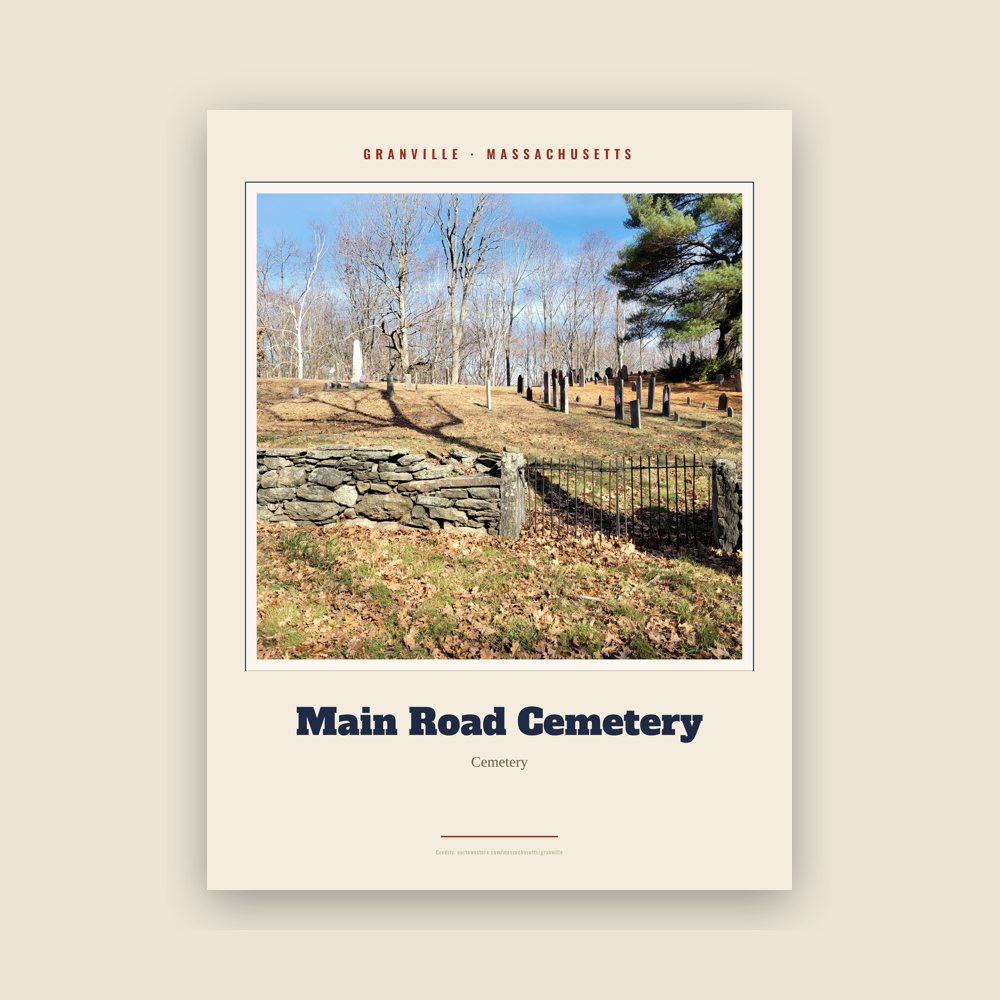
Archival matte print of a local landmark, credited to its photographer
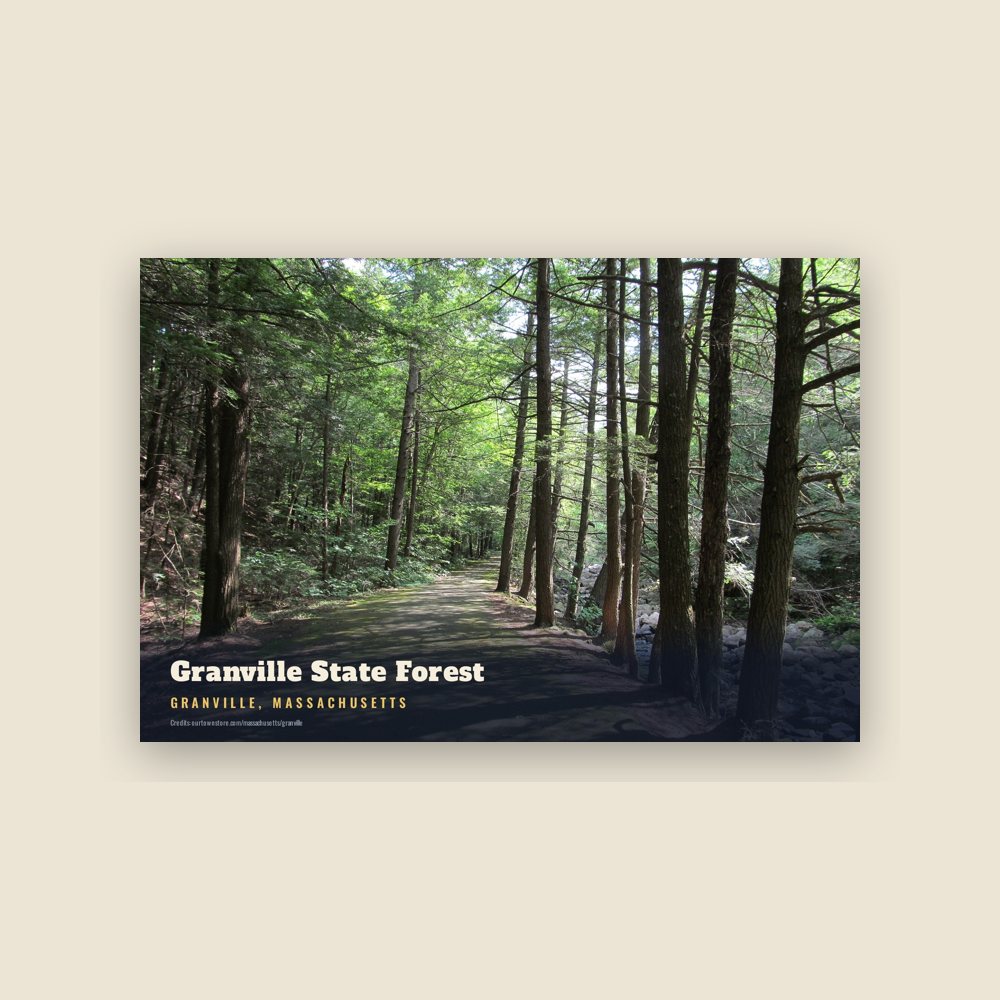
6″×4″ postcard, glossy front
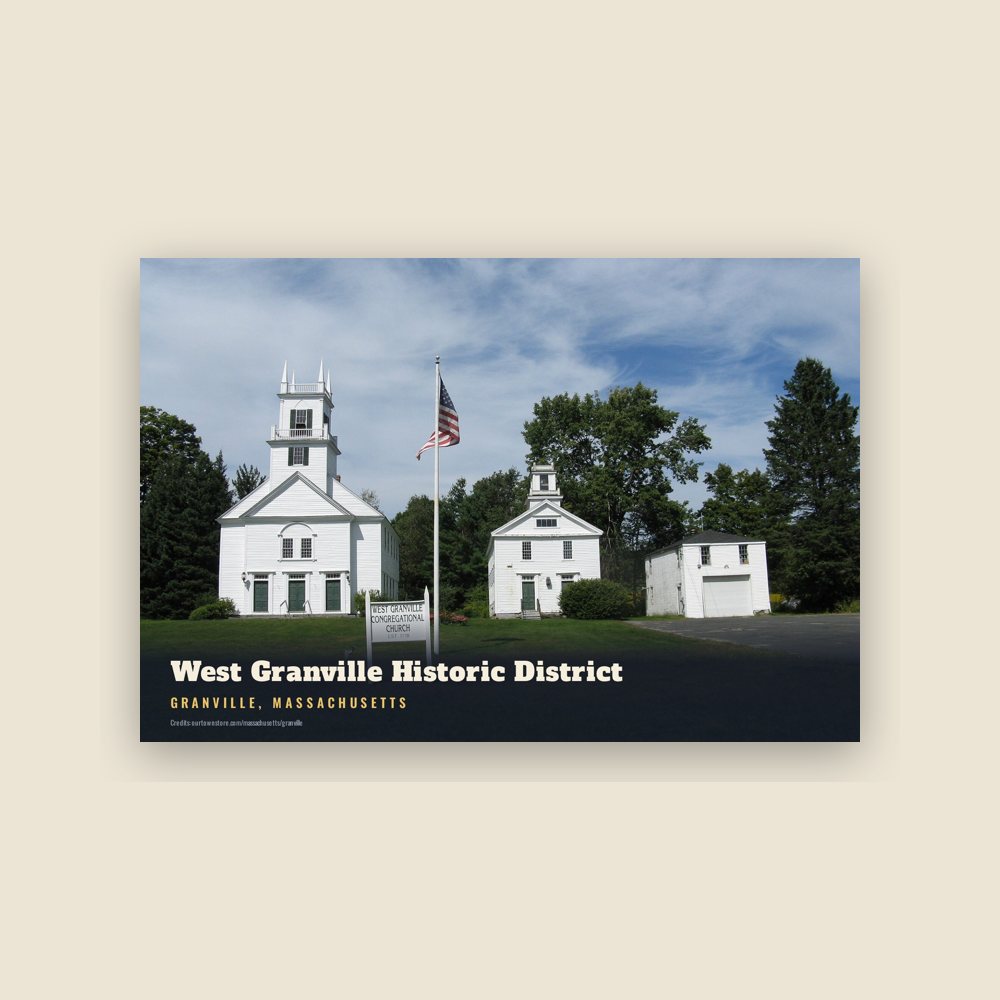
6″×4″ postcard, glossy front
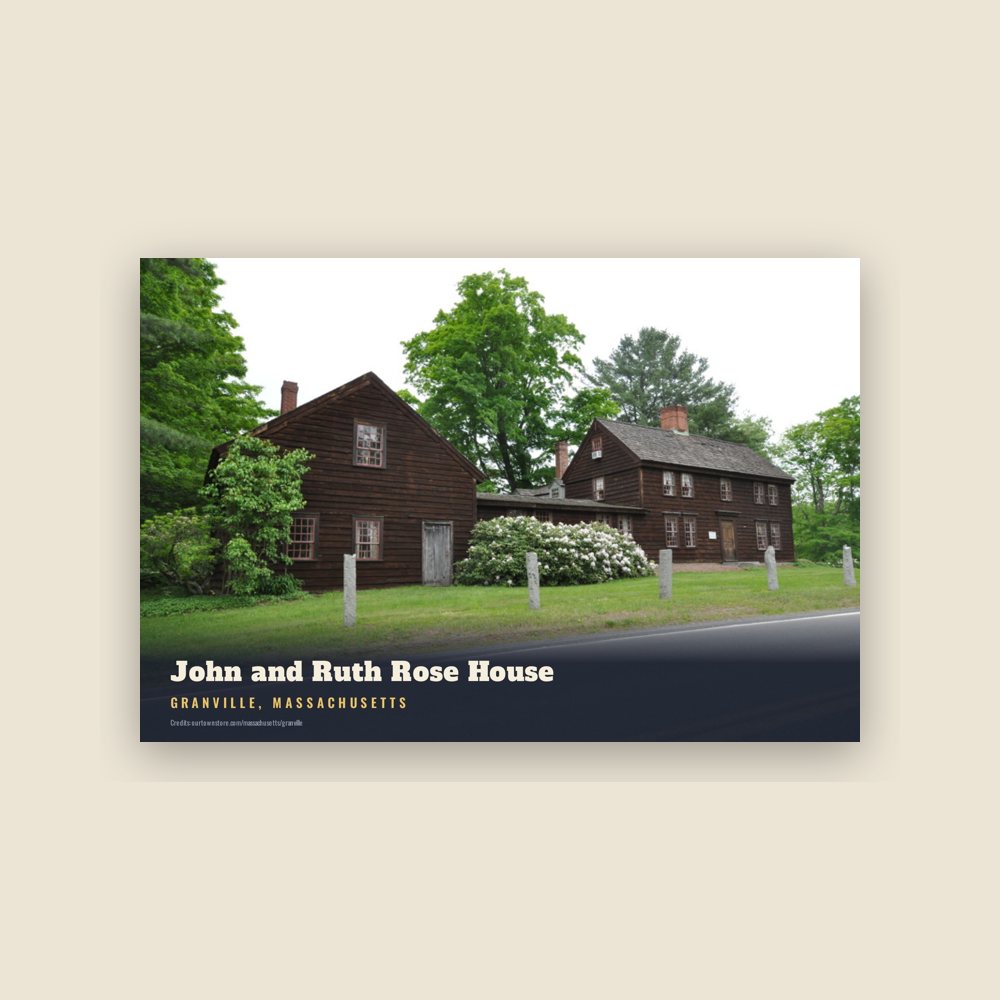
6″×4″ postcard, glossy front
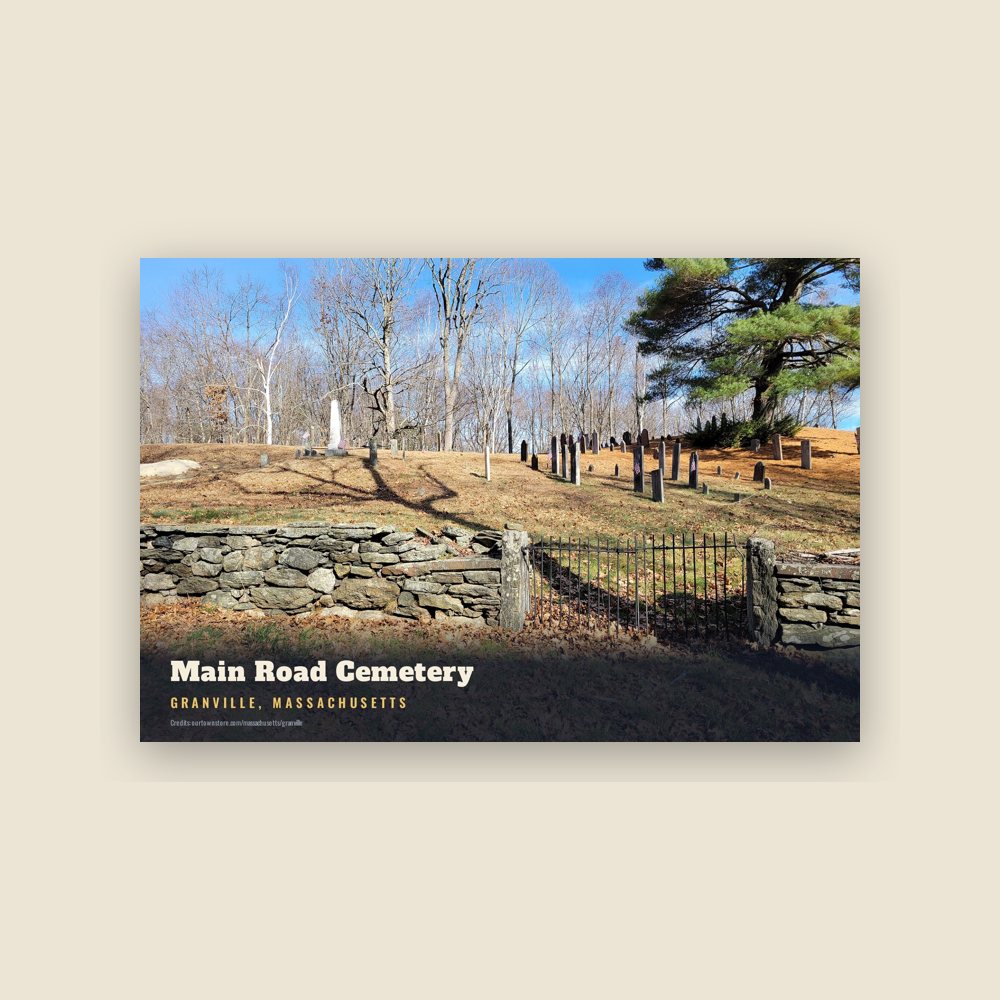
6″×4″ postcard, glossy front
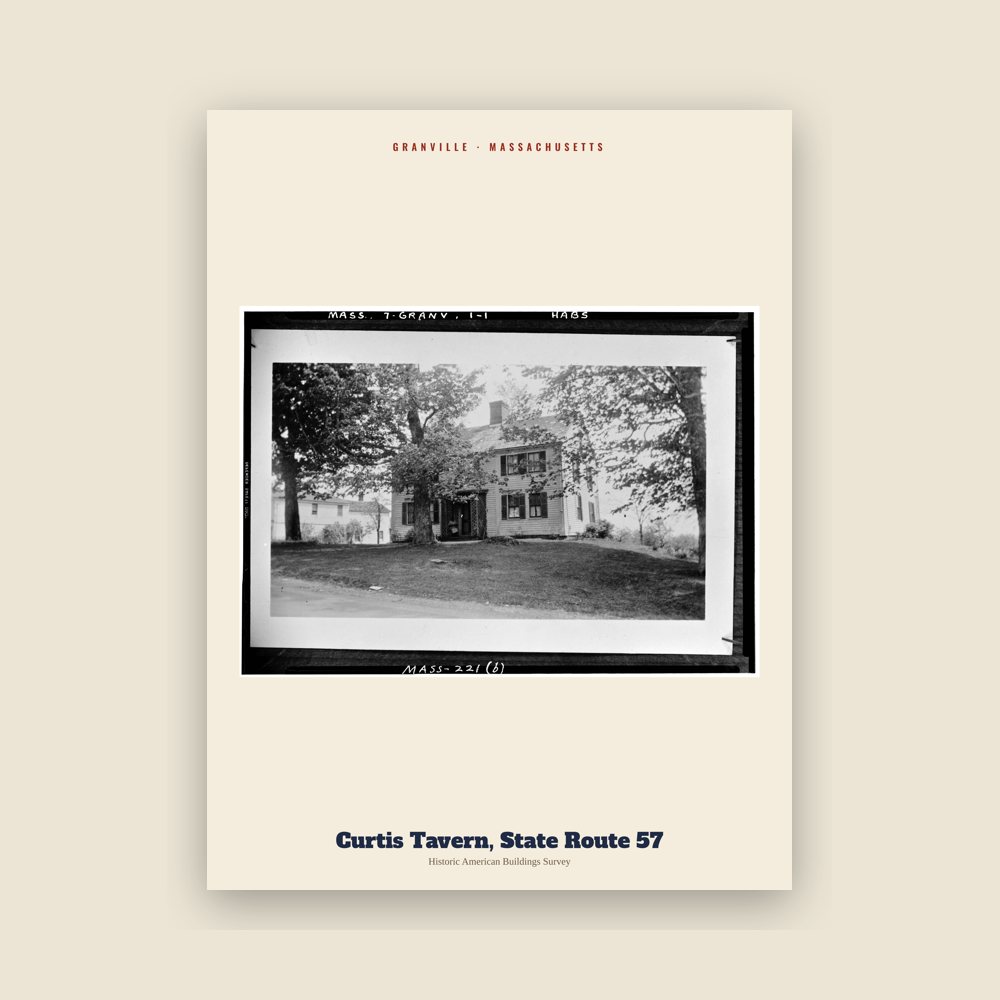
From the Library of Congress collections: a historic survey drawing or photograph of the town
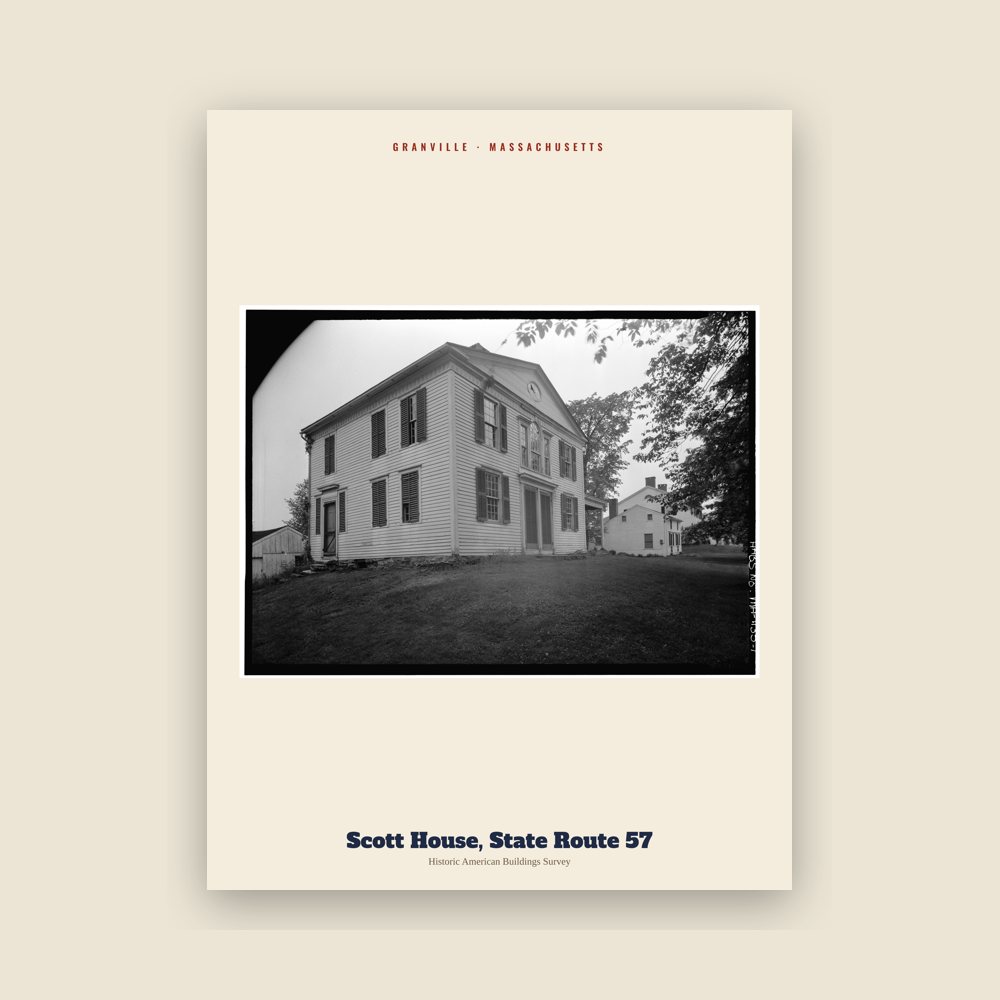
From the Library of Congress collections: a historic survey drawing or photograph of the town
Population 2000: 1,521 → 2010: 1,566 → 2020: 1,538
From Wikidata (CC0).
Granville was first settled by English colonists in 1736 and was officially incorporated in 1754, after the end of the Indian wars in 1750. Early settlers could get a 100-acre (0.40 km2) lot for free, providing they built a house and "put four acres in English hay". Perhaps the most famous resident of that era was Oliver Phelps, whose purchase of 6 million acres (24,000 km2) in western New York (the Phelps and Gorham Purchase) following the American Revolutionary War remains the largest real estate purchase in US history. The population in Granville expanded quickly, peaking at 2,100 in 1810, when it rivaled Springfield. However, likely due to the rocky soil in New England, many settlers eventually migrated west, some establishing the town of Granville, Ohio.
Many historic homes dot Route 57, the main road through town. The village center, the old center, and West Granville center are all designated as historic districts listed on the National Register of Historic Places. Historic buildings include Granville's Old Meeting House (superb acoustics), the Stevenson house to its west, the West Granville Academy, and the West Granville Church. The village center features an old-fashioned country store, known for its cellar-aged cheese.
In addition to period architecture, Granville is the watershed for three reservoirs: Barkhamsted, the main source for the Hartford metropolitan district; Cobble Mountain, the main source for the city of Springfield; and Westfield, the main source for the city of Westfield, Massachusetts. Much of the land in town is owned by the various water districts. Granville also has a number of active apple orchards.
Adapted (trimmed) from the Wikipedia article Granville, Massachusetts, revision 1379552403 by its contributors, licensed CC BY-SA 4.0.
We share a part of every Granville sale with local partners, and we'd love to print from your collection. Old photographs, maps and postcards make the best keepsakes.
Partner with us