Since 1789
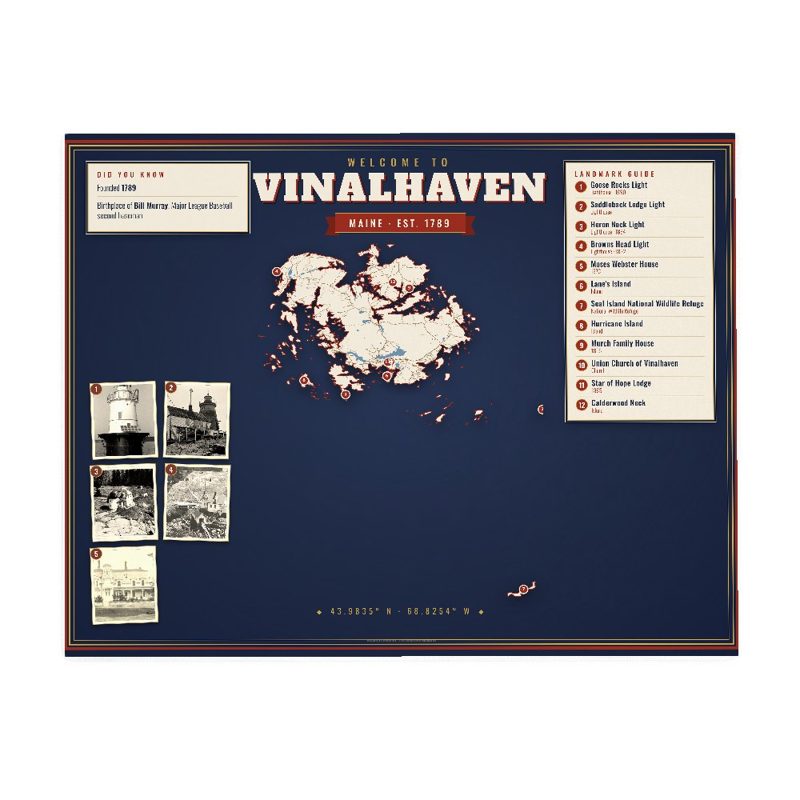
A short history of Vinalhaven
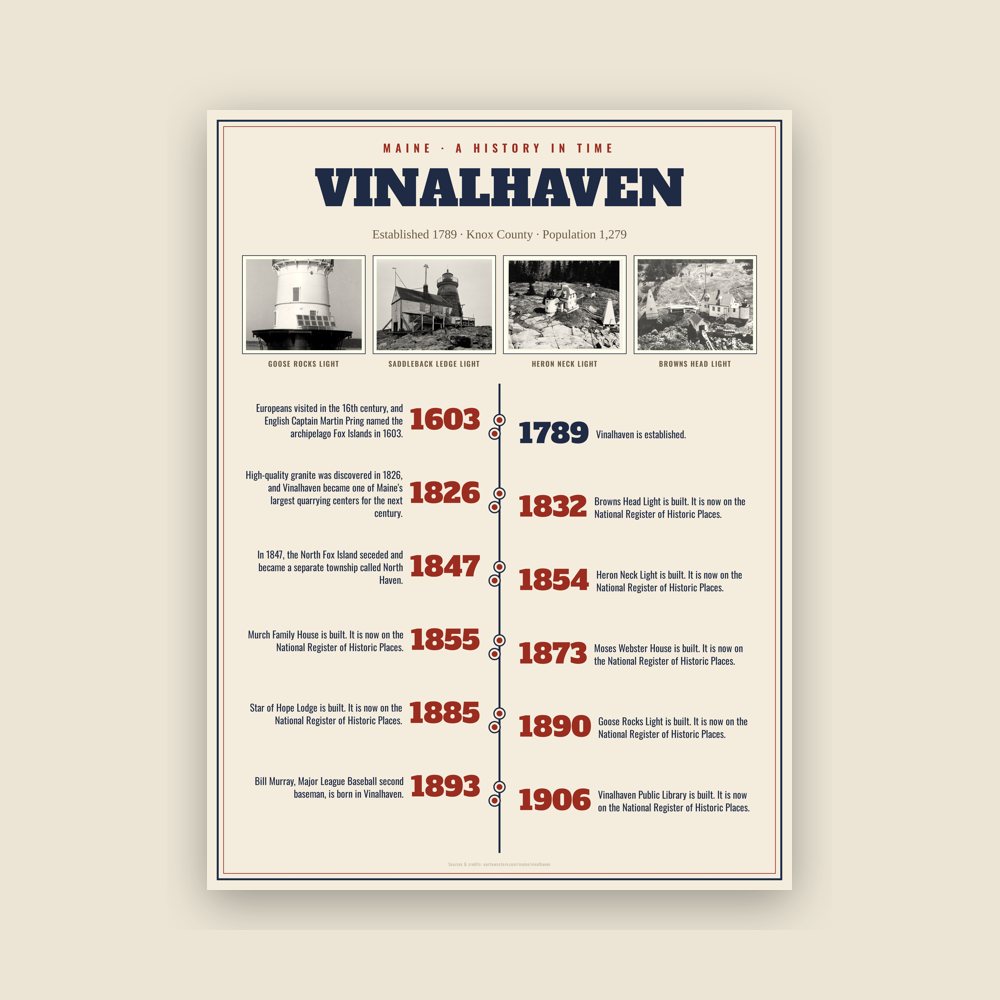
Archeological remains indicate that the island was first inhabited 3800–5000 years ago by the Red Paint People. Later, it became Abenaki territory. Europeans visited in the 16th century, and English Captain Martin Pring named the archipelago Fox Islands in 1603. The first permanent English settlement occurred in 1766 when Thaddeus Carver arrived from Marshfield, Massachusetts, and later purchased 700 acres (283.3 ha) from Thomas Cogswell on the southern shore near what became known as Carver's Harbor.
Others soon followed to establish the remote fishing and farming community in the Gulf of Maine. Vinalhaven's first Anglo families are considered to be Arey, Calderwood, Carver, Coombs, Dyer, Ginn, Greem, Hopkins, Lane, Leadbetter, Norton, Philbrook, Pierce, Roberts, Smith, Warren, and Vinal. On June 25, 1789, Vinalhaven was incorporated as a town, named for John Vinal. Vinal was not an island resident, but the agent who petitioned the Maine General Court to incorporate the new township; nonetheless the name stuck. In 1847, the North Fox Island seceded and became a separate township called North Haven.
Fishing, shipbuilding, logging and shipping were important early businesses on Vinalhaven. High-quality granite was discovered in 1826, and Vinalhaven became one of Maine's largest quarrying centers for the next century. Today the island is dotted with abandoned quarries, many of which have since filled with groundwater and are popular swimming holes for residents and visitors. Pinkish-gray Vinalhaven granite excavated by the Bodwell Granite Company can be seen in the State Department Building in Washington, the Brooklyn Bridge, and the Union Mutual Life Insurance Building in Boston.
Granite was shipped for customs houses and post offices in New York; St. Louis; Kansas City; Buffalo, etc.; the railroad station and Board of Trade in Chicago; the Washington Monument and federal office buildings in the Capital; the Pennsylvania Railroad Station and the Masonic Temple in Philadelphia; as well as private mansions, monuments, bridges, dams, and thousands of tons of paving blocks for the streets of Portland; Boston; New York; Newark; Philadelphia; and other cities. The Vinalhaven quarries were the only ones deep enough to provide the eight huge polished columns called for in the original plans for the apse of the Cathedral of Saint John the Divine in New York City; the massive columns broke under their own weight, and ultimately more than one piece of granite had to be put together to create each column. The quarries also provided foundation stone for the cathedral. One of the 22 eagle statues from the original Penn Station can be found in the center of town because much of the granite used in the project came from Vinalhaven.
A noted lobster fishing community, Vinalhaven has fishing rights to much of Penobscot Bay and its offshore waters. There are ten major fishing grounds around Vinalhaven that the island's fishermen and some Matinicus Isle fishermen have used for centuries to capture such groundfish as cod, haddock, pollock, hake, lobster, scallops and halibut. Shrimp, dogfish, mackerel and herring are also abundant in the waters around Vinalhaven. Vinalhaven lobstermen were the first in the nation to unionize. They began to organize in the winter of 2012–13 after frustration with low lobster prices and disagreements with the Maine Lobstermen's Associations leadership.
Vinalhaven made news in March 2020 during the COVID-19 pandemic after a group of island residents cut down a tree and dragged it into the road in an attempt to forcibly quarantine three roommates with out-of-state license plates they believed could have the virus. As it turned out, the incident was between two groups of workers. One side was Vinalhaven people, the other a crew from New Jersey. The two groups had earlier clashed at a local bar.
Adapted (trimmed) from the Wikipedia article Vinalhaven, Maine, revision 1378257877 by its contributors, licensed CC BY-SA 4.0.
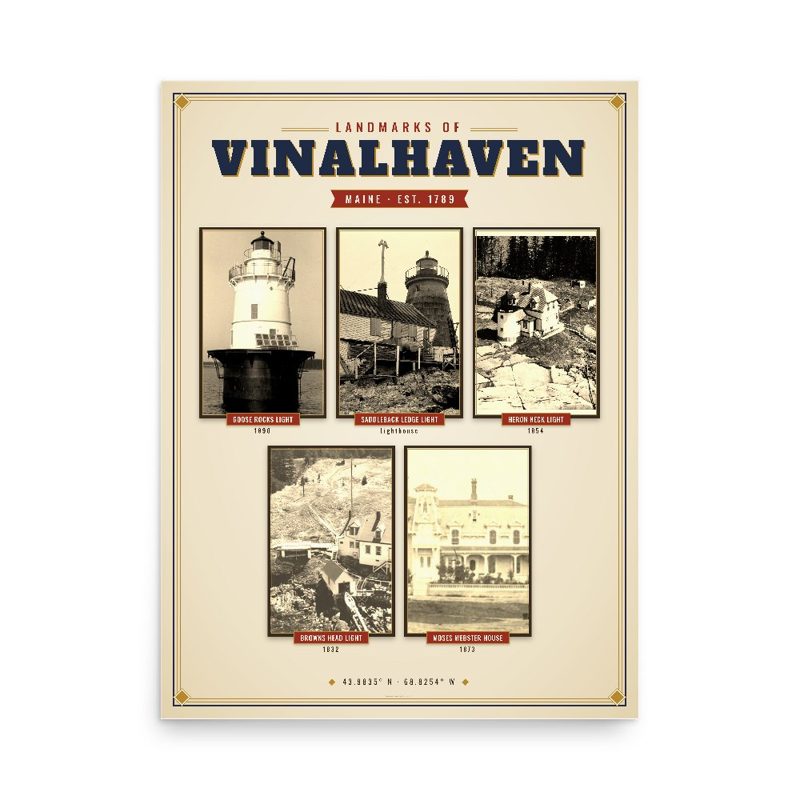
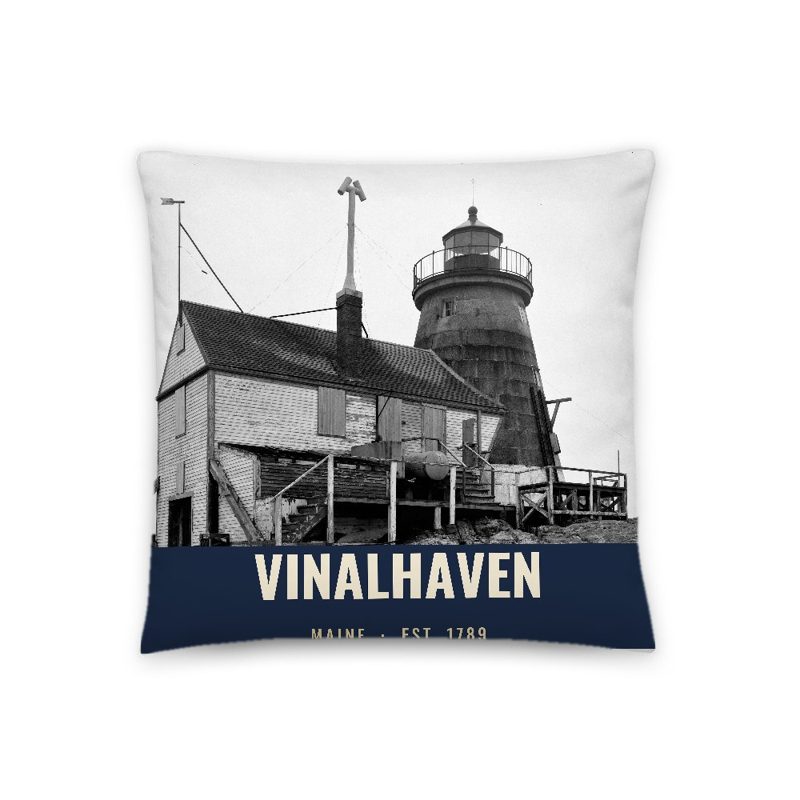

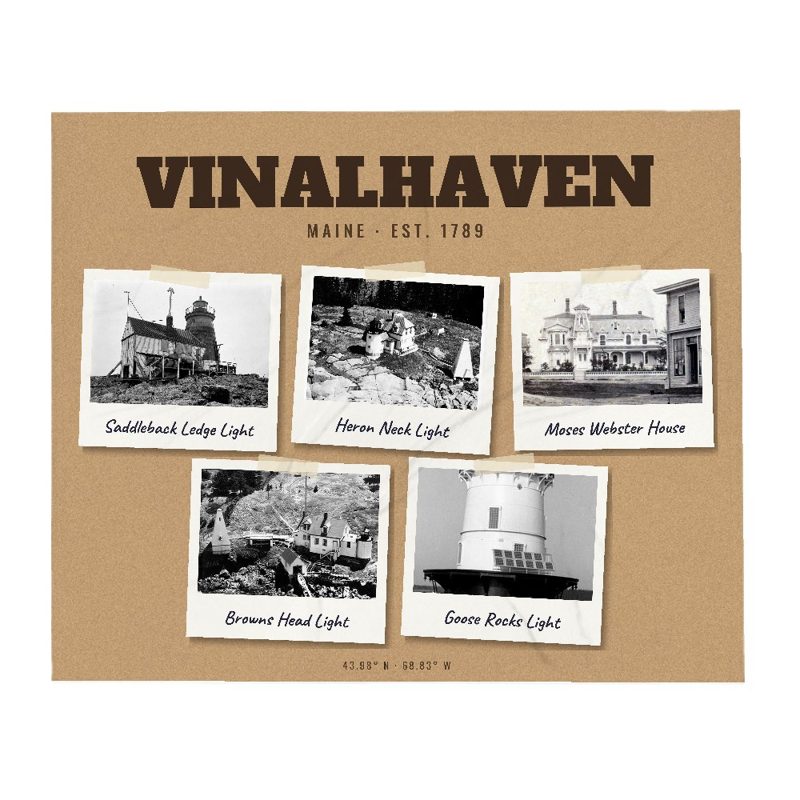
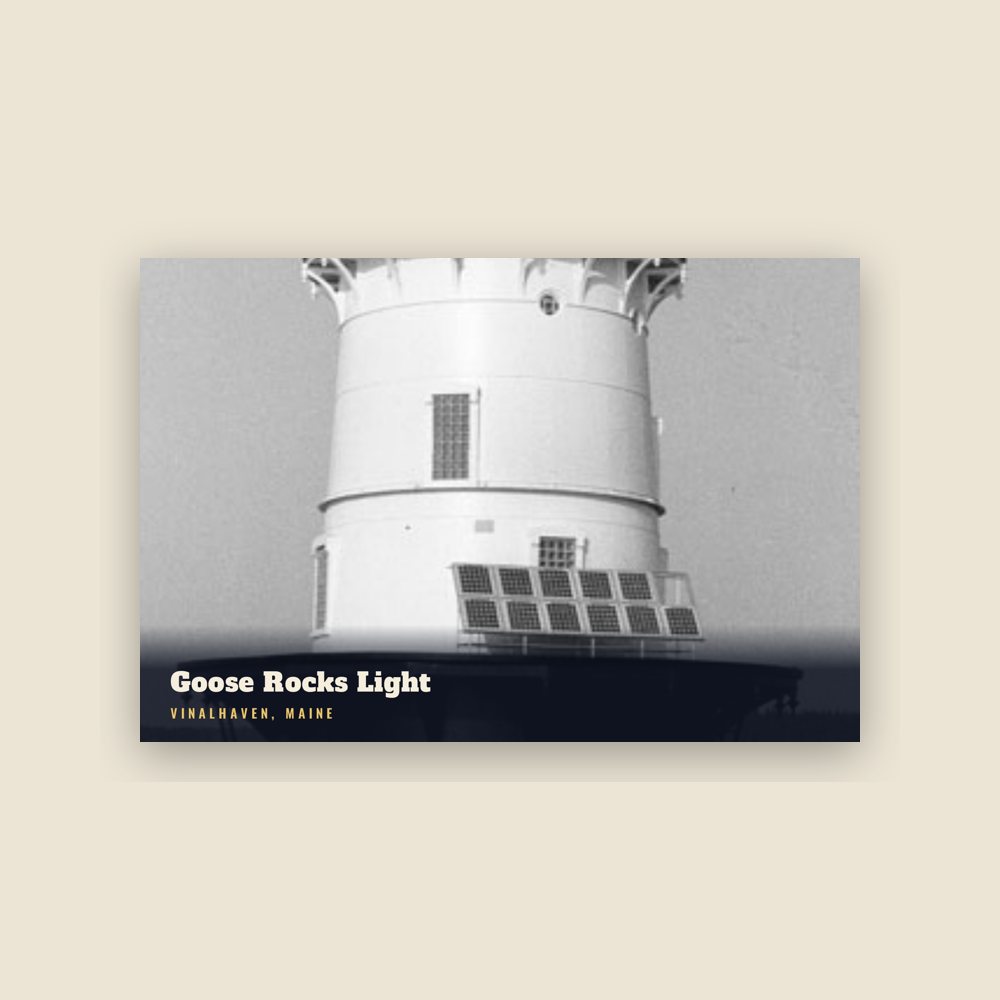
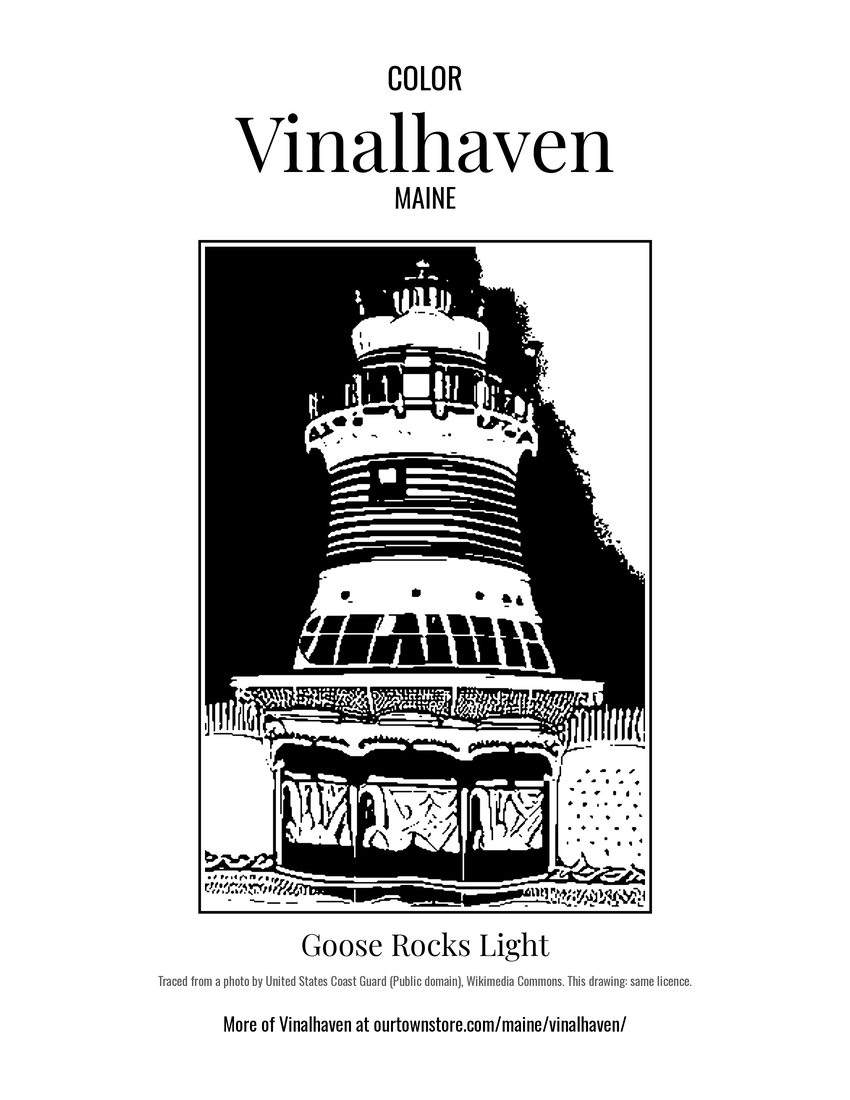 Goose Rocks Light
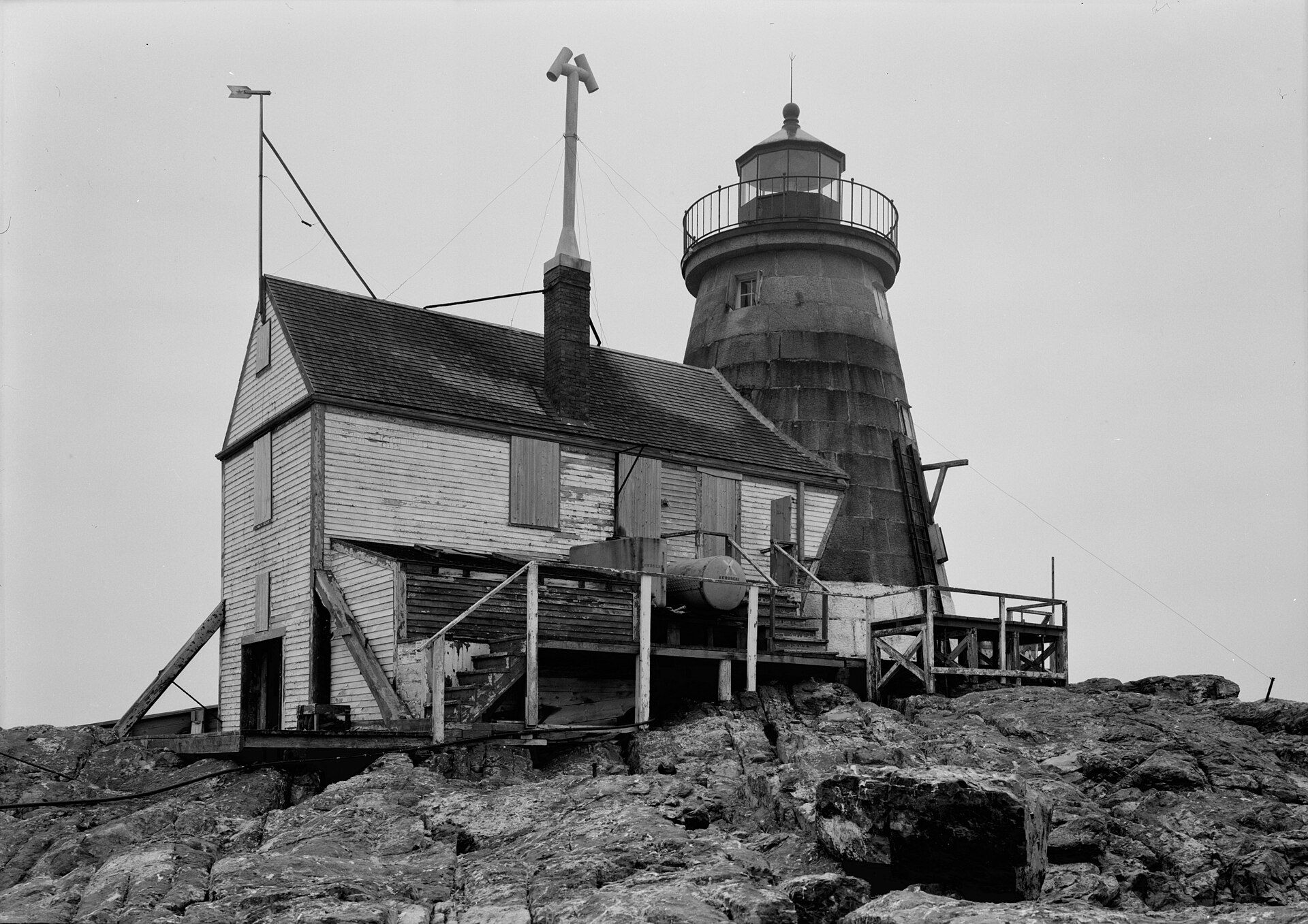
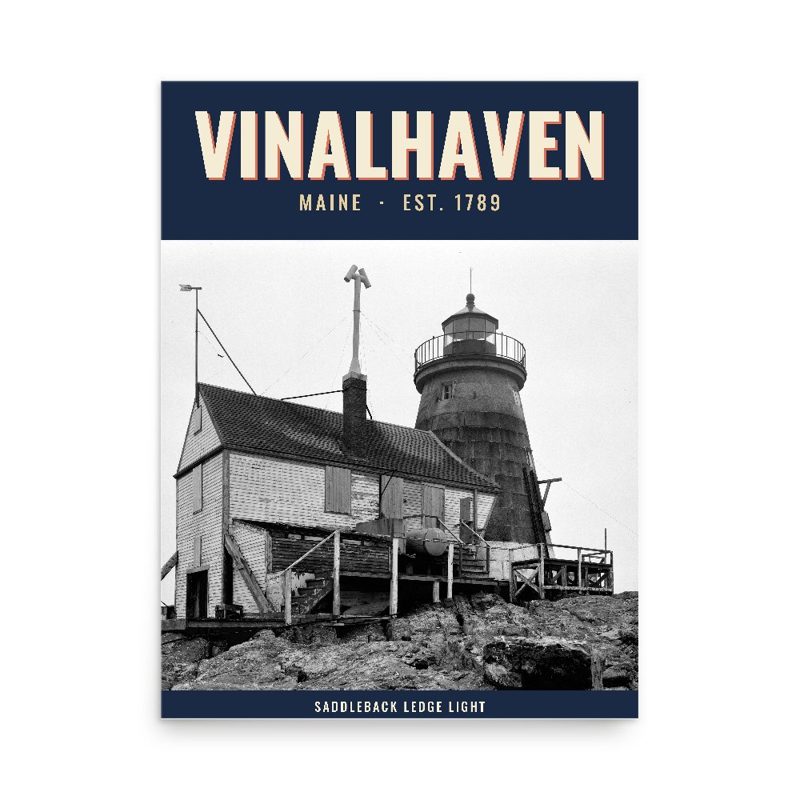
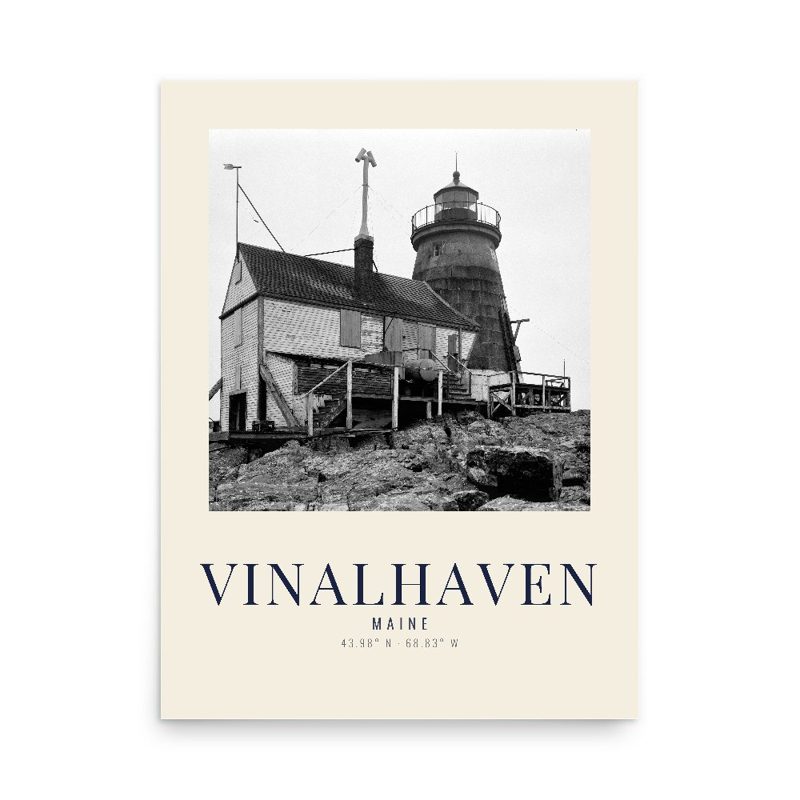
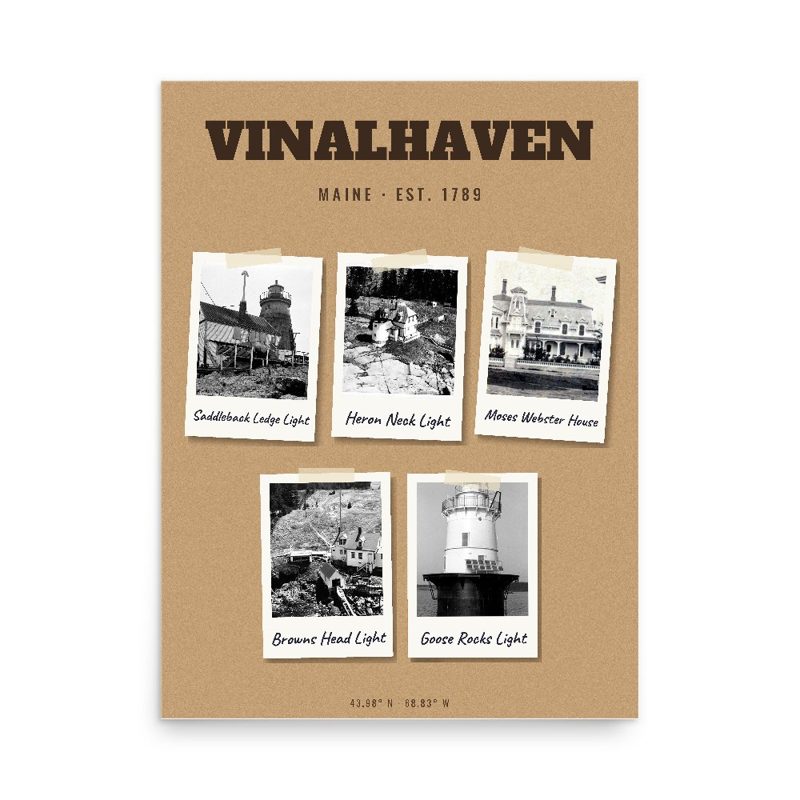
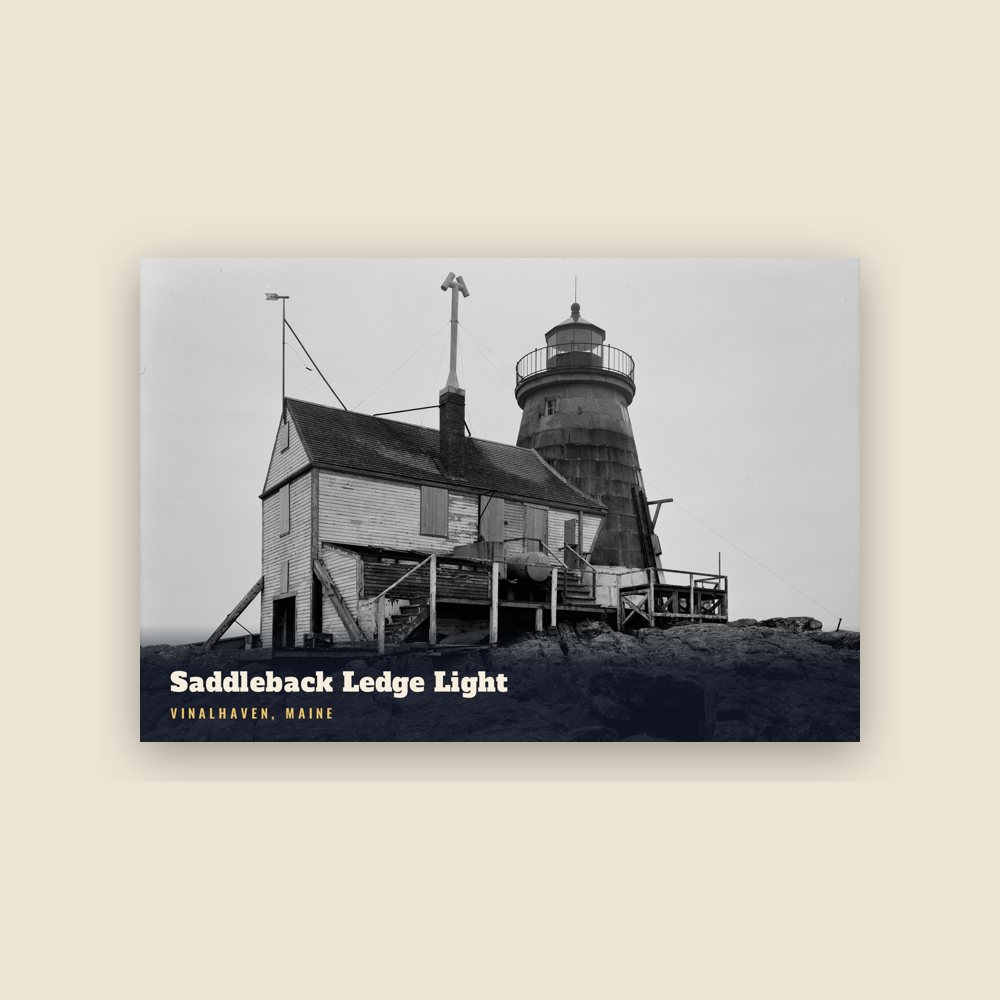
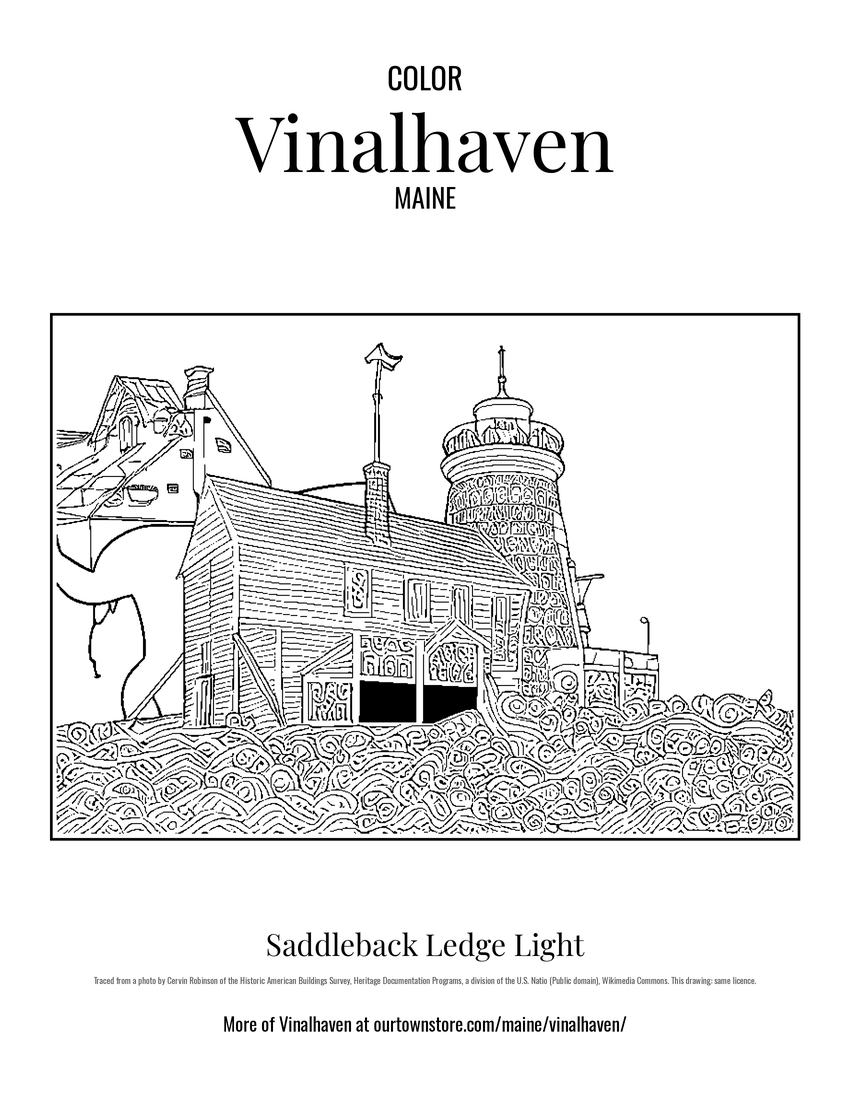 Saddleback Ledge Light
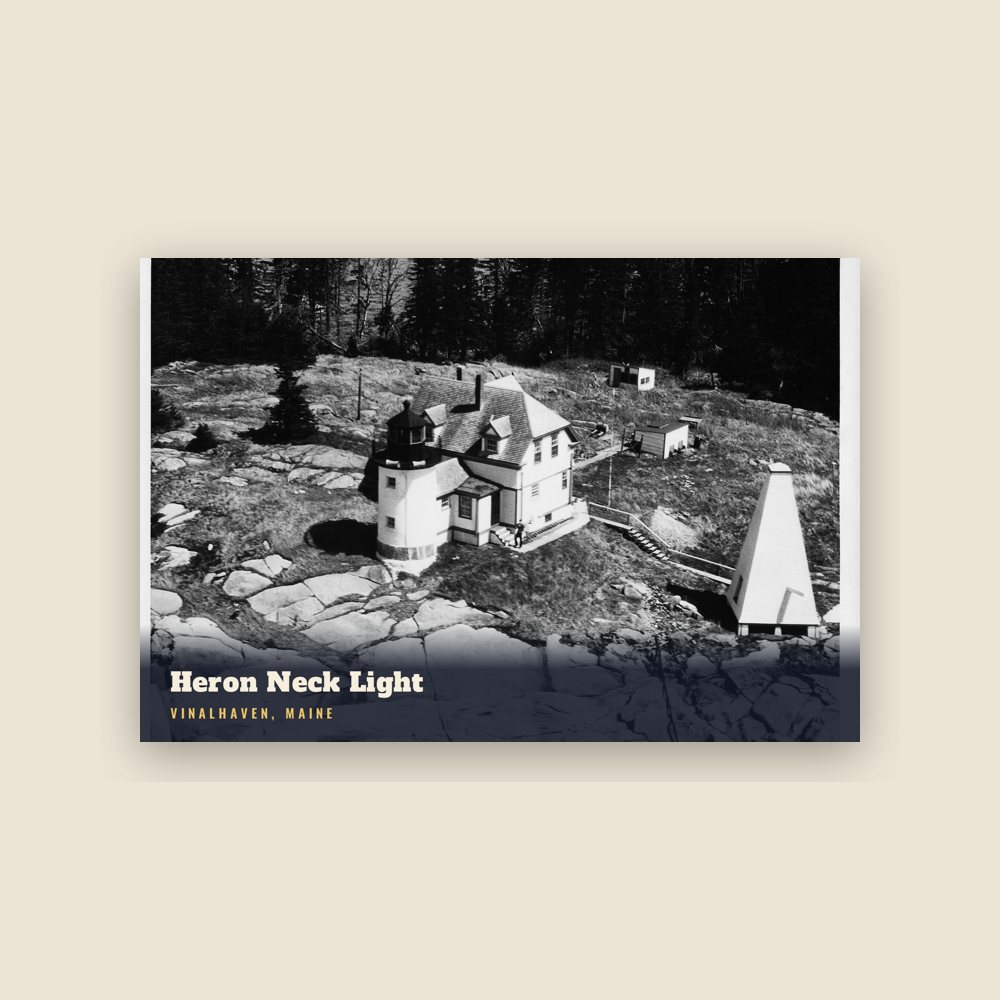
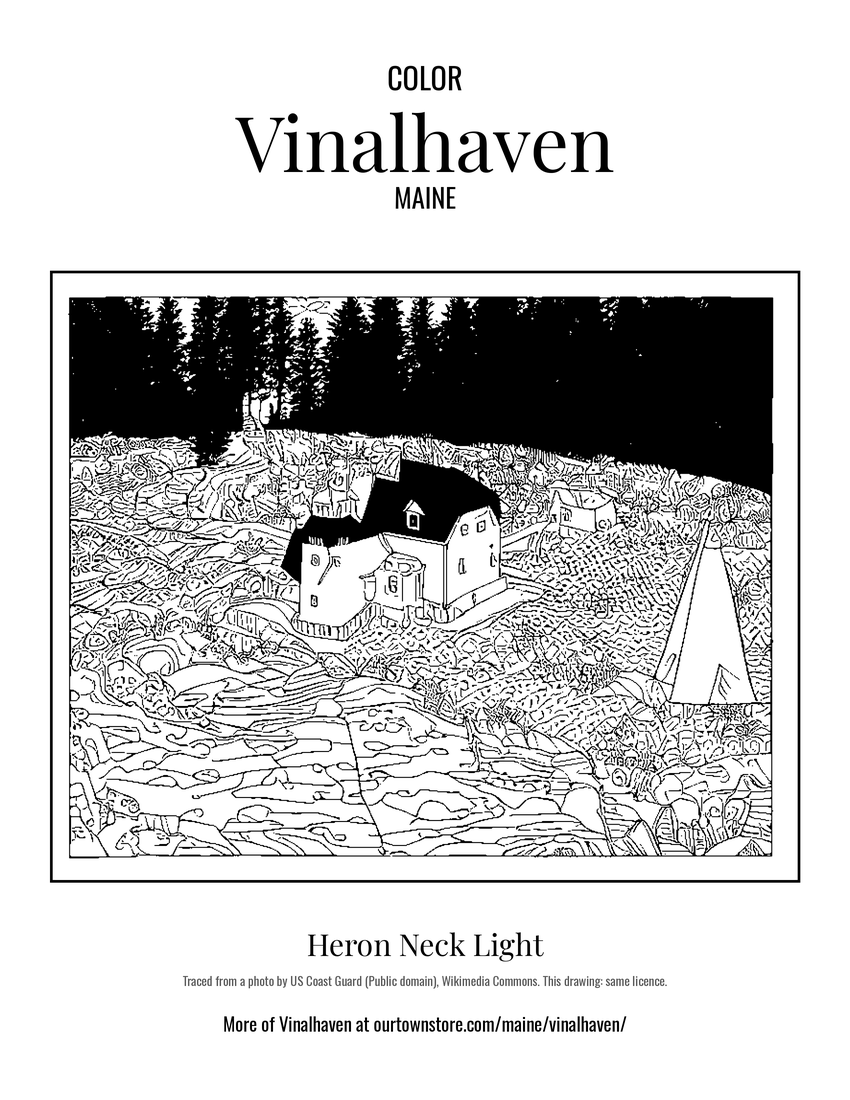 Heron Neck Light
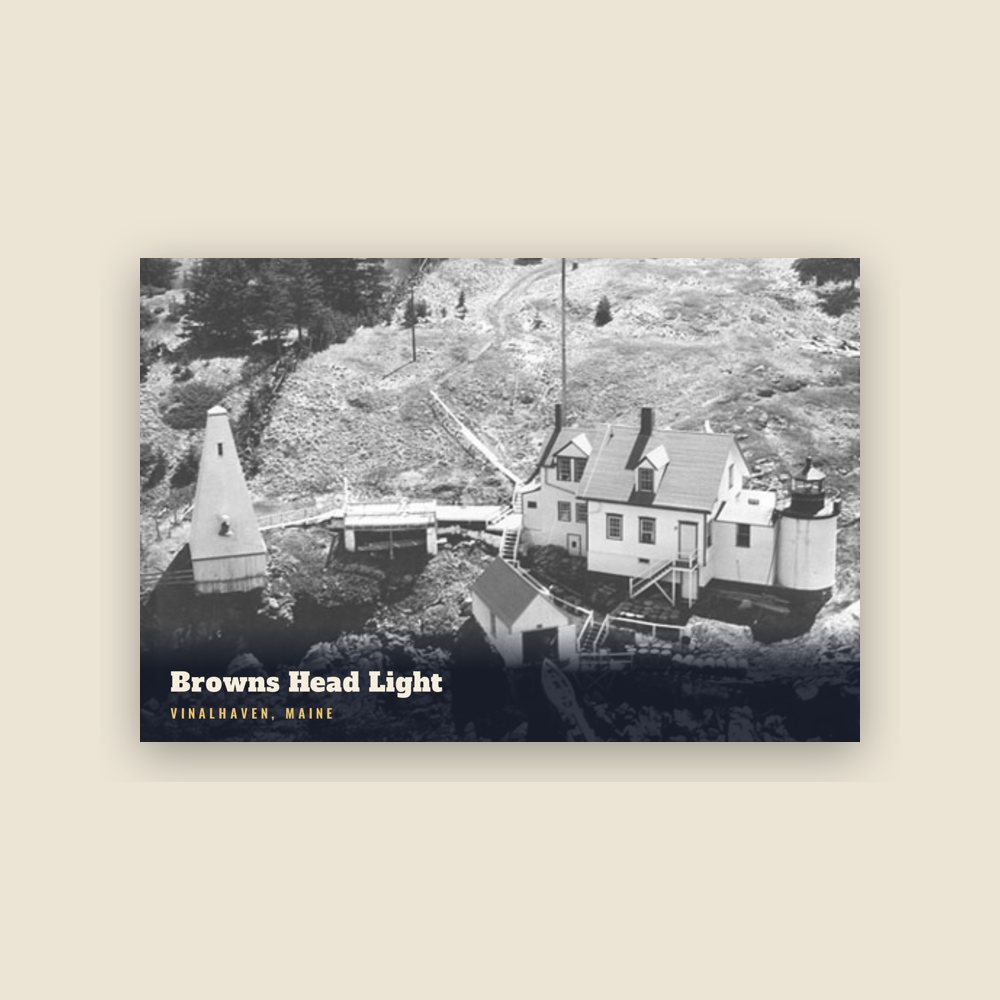
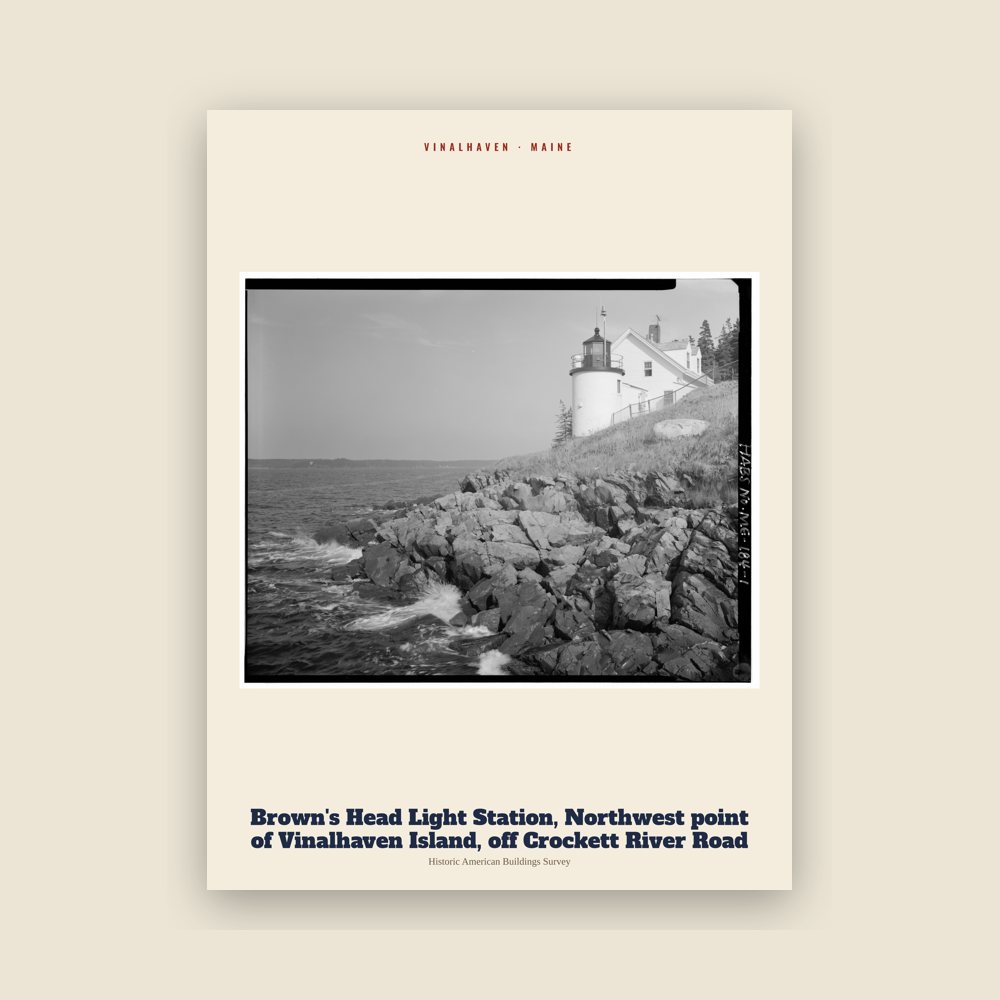
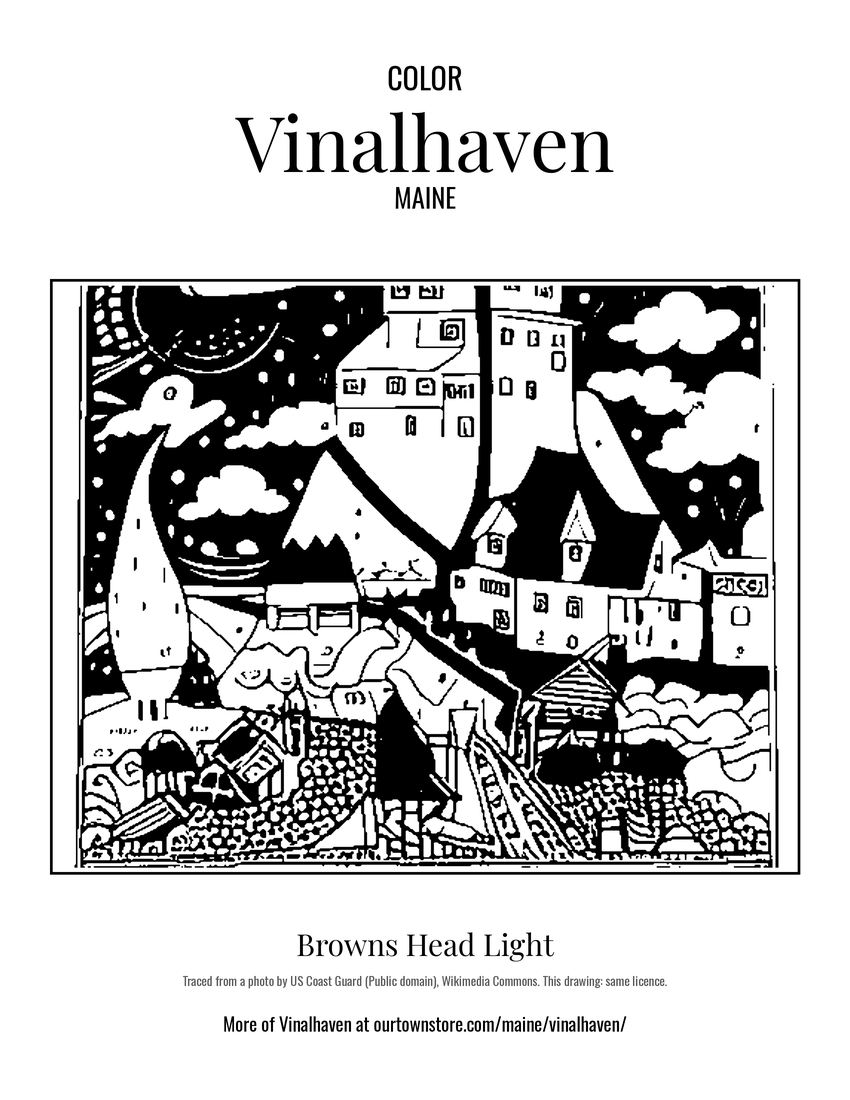 Browns Head Light