Since 1897
A short history of Stonington
Deer Isle settlement
As far back as 6,100 years ago the first inhabitants of Deer Isle were Native Americans known as the Abenaki, speaking a language called Etchemin. One of the first Europeans to explore the area was Estevan Gomez, a Portuguese working for the Spanish Crown. Gomez sailed his ship La Anunciada up the Eggemoggin Reach, amongst other places along the Maine coast, looking for gold and the Northwest Passage. It was the French, however, who would be the most active in the region. Establishing a fort at Castine and intermarrying with Abenaki natives. A body buried in full French armor was discovered on nearby Campbell Island (+44° 13' 20.03", −68° 36' 33.24", south of Oak Point).
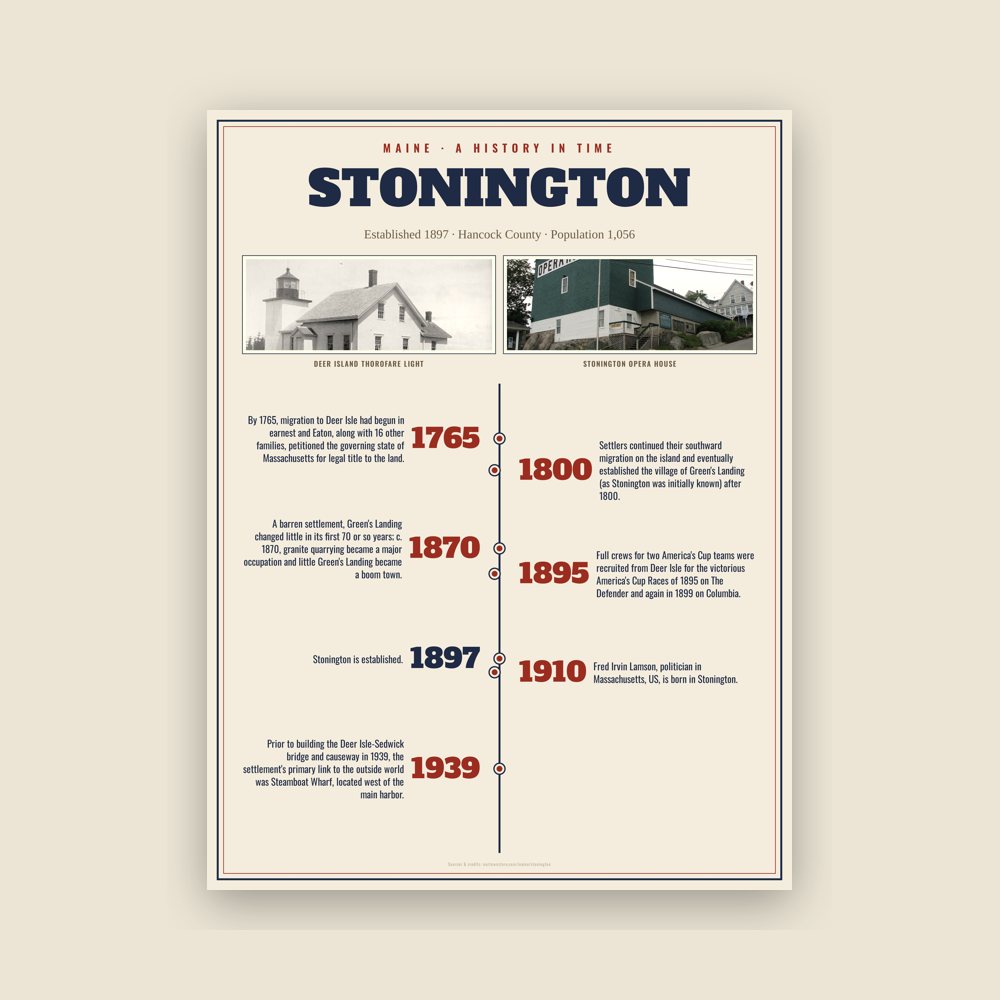
The first white settler of Deer Isle was one William Eaton (born 1720 Salisbury, Massachusetts, died c. 1790 Seabrook, New Hampshire) and family, arriving on the island prior to August 4, 1762. They settled in an area now known as Scott's Landing (so named for the second owner of the property: Nathaniel Scott) located near the Deer Isle/Little Deer Isle Causeway. By 1765, migration to Deer Isle had begun in earnest and Eaton, along with 16 other families, petitioned the governing state of Massachusetts for legal title to the land. The largest group of these first settlers came from Newburyport, Massachusetts and were mostly of Scottish and Irish descent. Ironically, those settlers had come looking for a new life on the land, not the sea. A few cellar holes and foundation stones from the original homesteads can still be found at Scott's Landing and the land they cleared is still open. Settlers continued their southward migration on the island and eventually established the village of Green's Landing (as Stonington was initially known) after 1800.
Read the full history
Green's Landing
Settlement
Hundred-acre "proprietor lots" were granted to those who first settled the island, accelerating the southward migration with the promise of new land. Within a few decades, the yields of acidic soil of the original proprietor lots began to decline and inhabitants of the island took to the sea. Green's Landing, settled c. 1800, was established by a few pioneering souls on the rocky, windswept southern shore of the island. That sparsely populated village became active in shipbuilding, seafaring, fishing and lobster fishing.
Granite
A barren settlement, Green's Landing changed little in its first 70 or so years; c. 1870, granite quarrying became a major occupation and little Green's Landing became a boom town. Europeans, mainly from Italy, immigrated to Green's Landing to implement their old-world skills as stonecutters and masons at the numerous in-town granite quarries. As the demand for stone increased, quarrying moved off-shore to the southerly surrounding islands. Crotch Island, the best known island quarry, was one of 33 major island quarries along the Maine coast, providing work for an estimated 10,000 to 15,000 people. Stone excavated in the area has been used to build important structures across the country, including the approaches to the Brooklyn Bridge (1880s), Croton Aqueduct (NY, 1880), Holyoke Dam (Holyoke, Massachusetts, 1890s), piers for Manhattan/Brooklyn Bridge (Manhattan, 1905), Museum of Fine Arts (Boston, 1907), Rockefeller fountain bowl (Pocantico, New York, 1913), John F. Kennedy Eternal Flame, (Arlington County, Virginia, 1966) and the new Yankee Stadium among many others. Some other major quarries in operation at the time were The Settlement Quarry (on Deer Isle), Green Island Quarry, and St. Helena Quarry (both separate island quarries).
Boom town
Many of the new immigrants lived in hotels and large boarding houses built for that purpose at Green's Landing, the current Tewksbury Building being one of many still in use. Some of these new migrants were housed in bunkhouses on Crotch Island itself. Prior to building the Deer Isle-Sedwick bridge and causeway in 1939, the settlement's primary link to the outside world was Steamboat Wharf, located west of the main harbor. Once busy with vessels arriving daily from ports such as Rockland and Boston, it was the primary terminus for freight and passengers.
Lobstering and seafaring
Sailors on the island became renowned for their maritime skills. Full crews for two America's Cup teams were recruited from Deer Isle for the victorious America's Cup Races of 1895 on The Defender and again in 1899 on Columbia. The Stonington harbor has long been filled with Friendship Sloops among other boat designs, powered by sail only. Lobstermen once used them to haul traps. Most of their trips were to the outer islands (like York Island) near Isle au Haut, fishing during the week and returning to the harbor on weekends. This changed with the advent of gasoline or diesel engines, along with new hull designs, which enabled fishermen to make day trips to fishing grounds in Penobscot Bay.
Stonington incorporation
On February 18, 1897, Green's Landing was set off and incorporated by the Maine State Legislature as Stonington—named for its granite quarries.
Adapted (trimmed) from the Wikipedia article Stonington, Maine, revision 1379138981 by its contributors, licensed CC BY-SA 4.0.
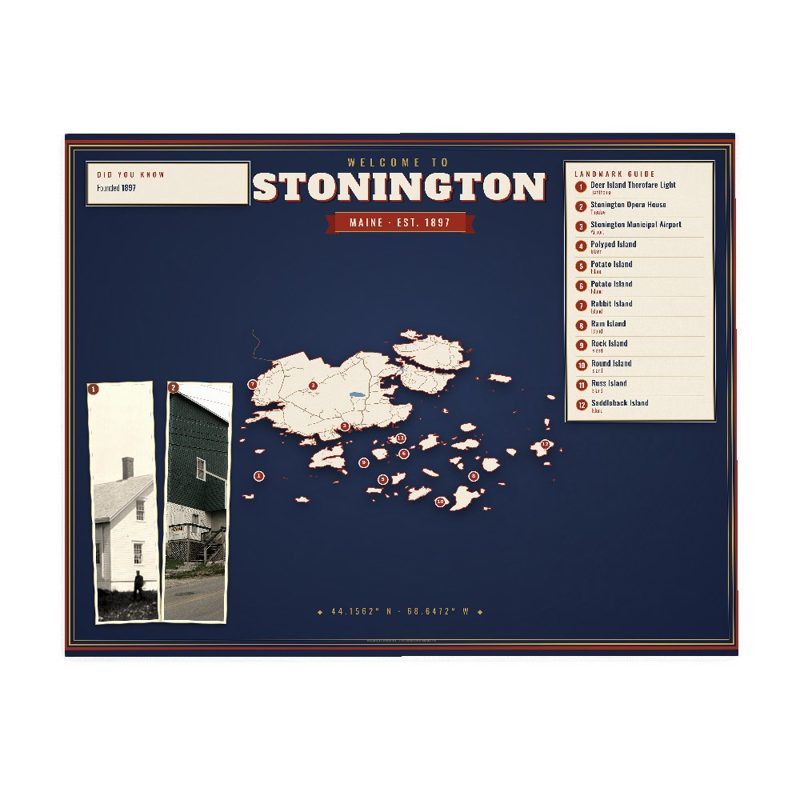






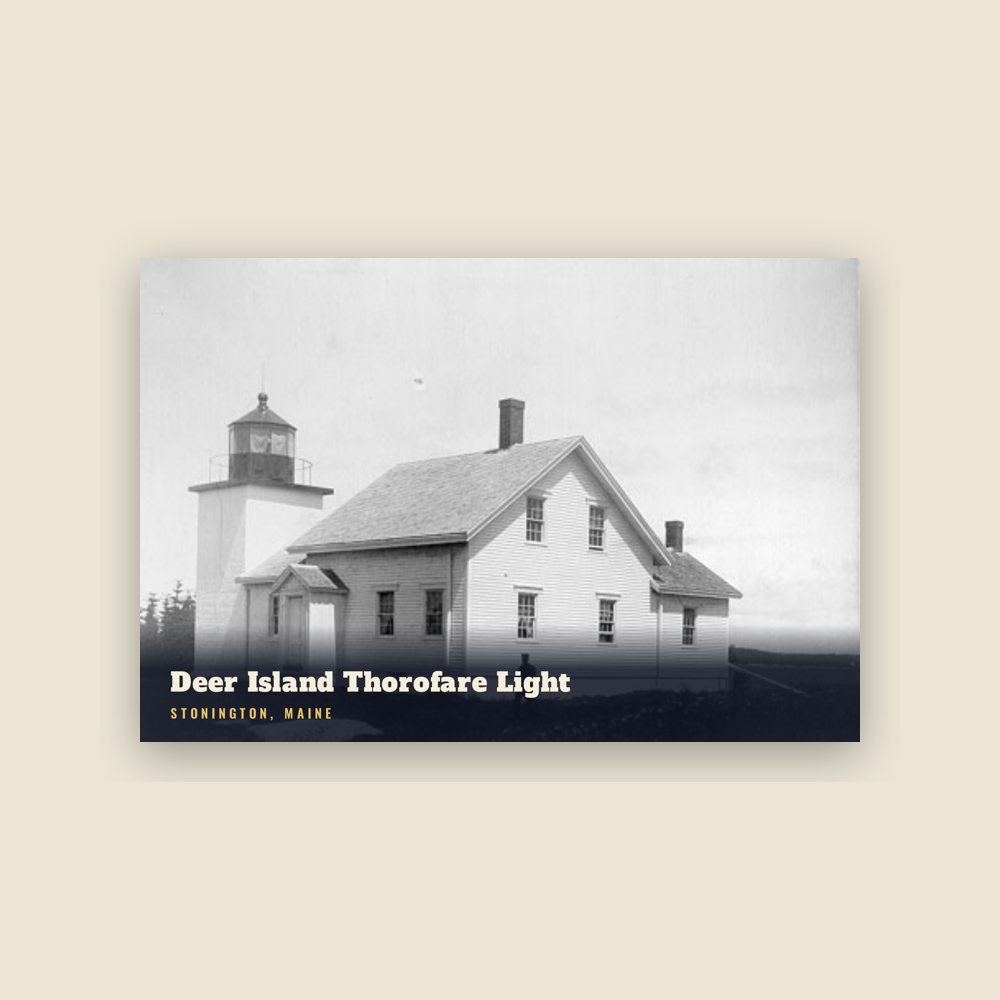
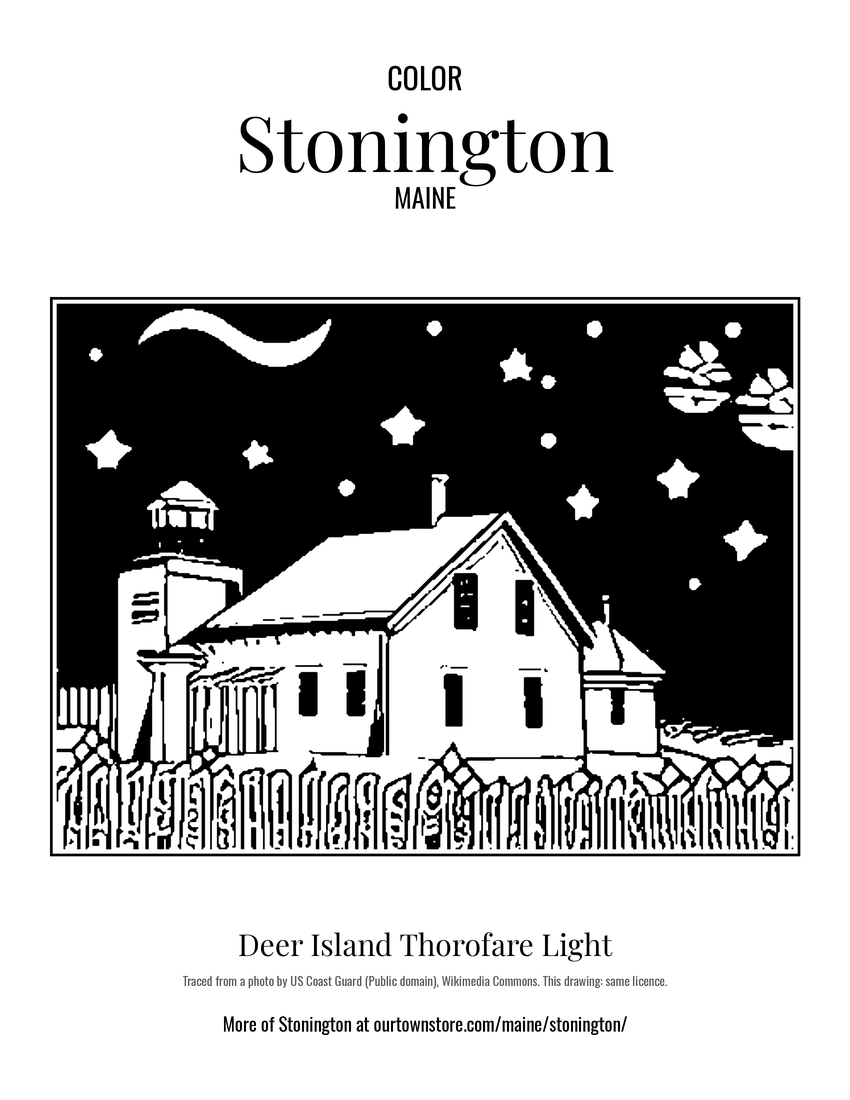 Deer Island Thorofare Light
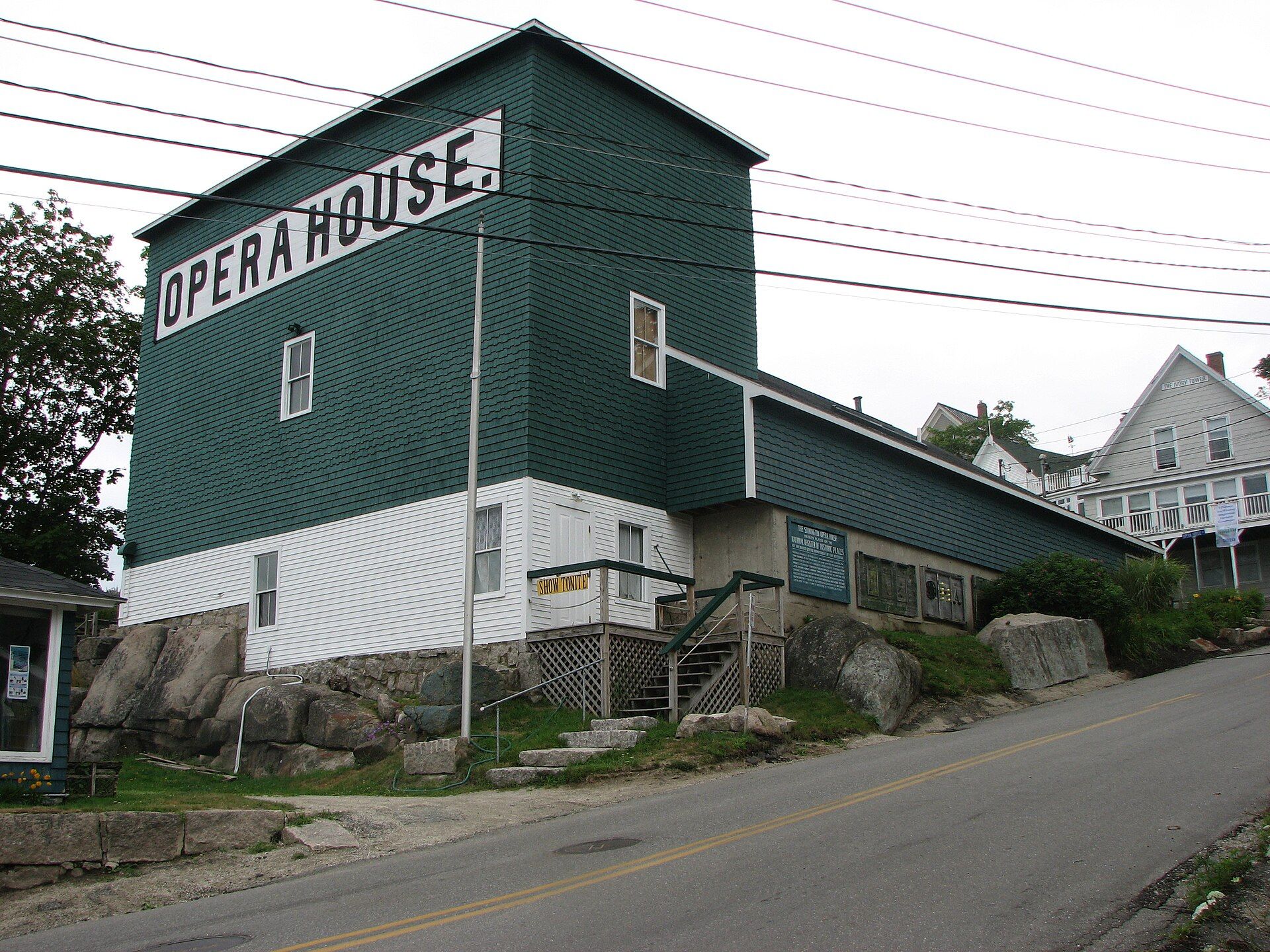
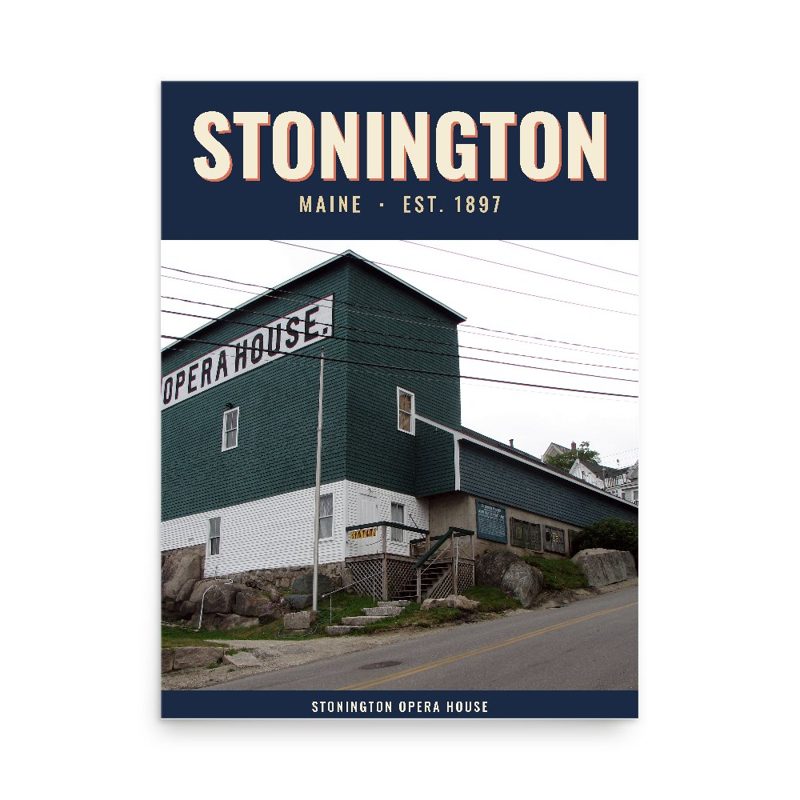
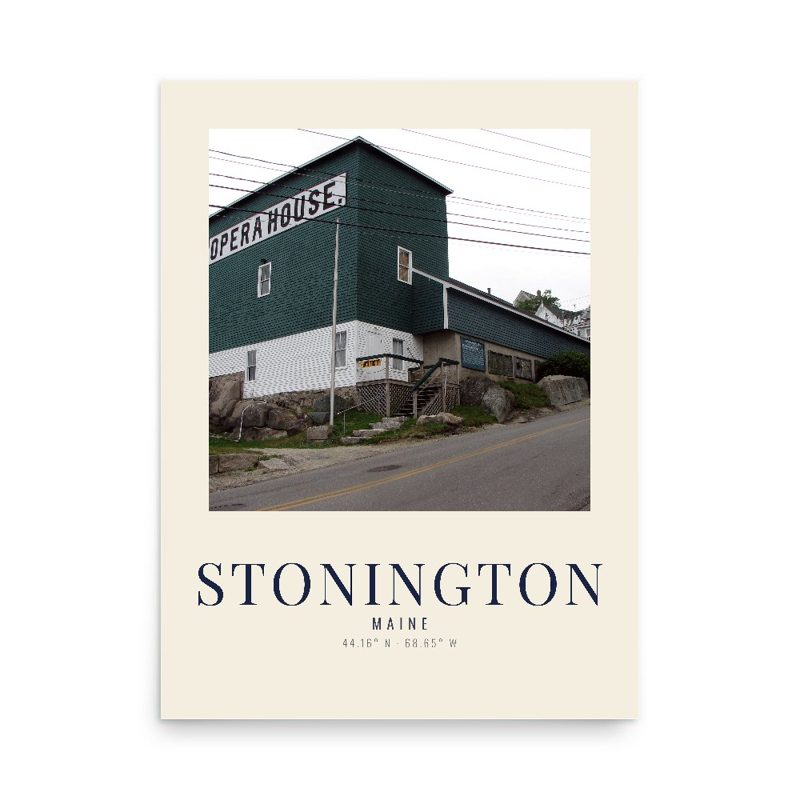
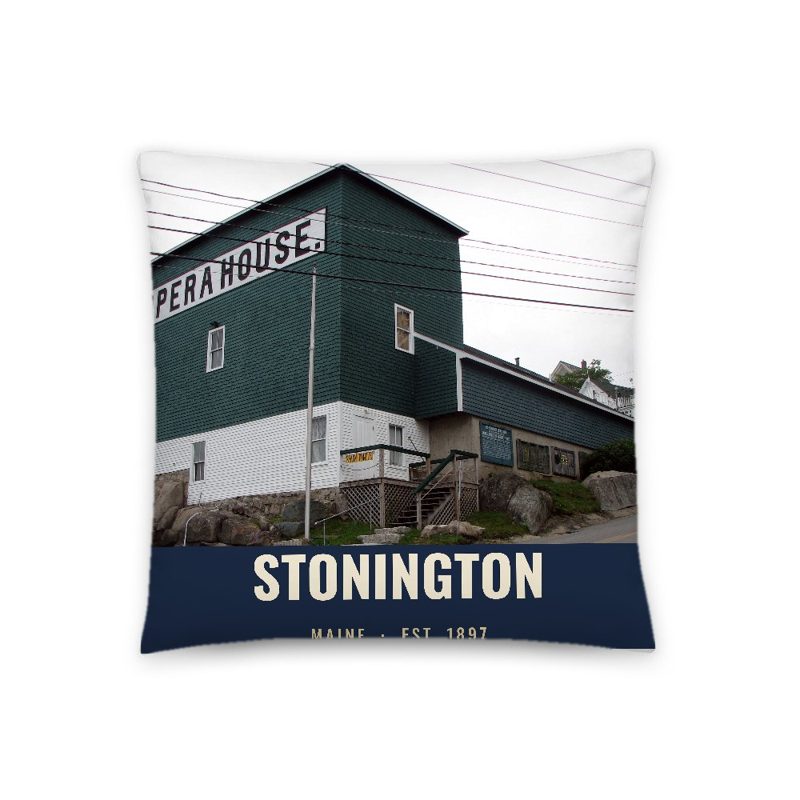
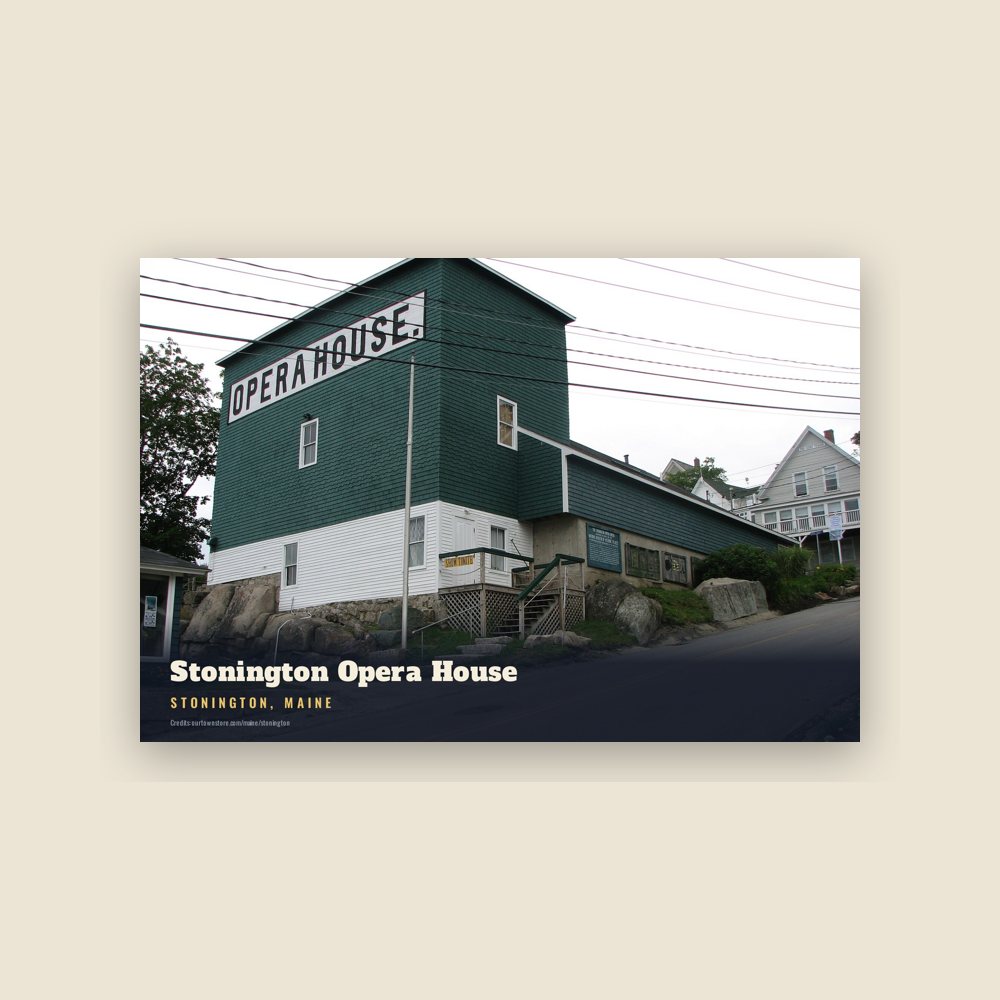
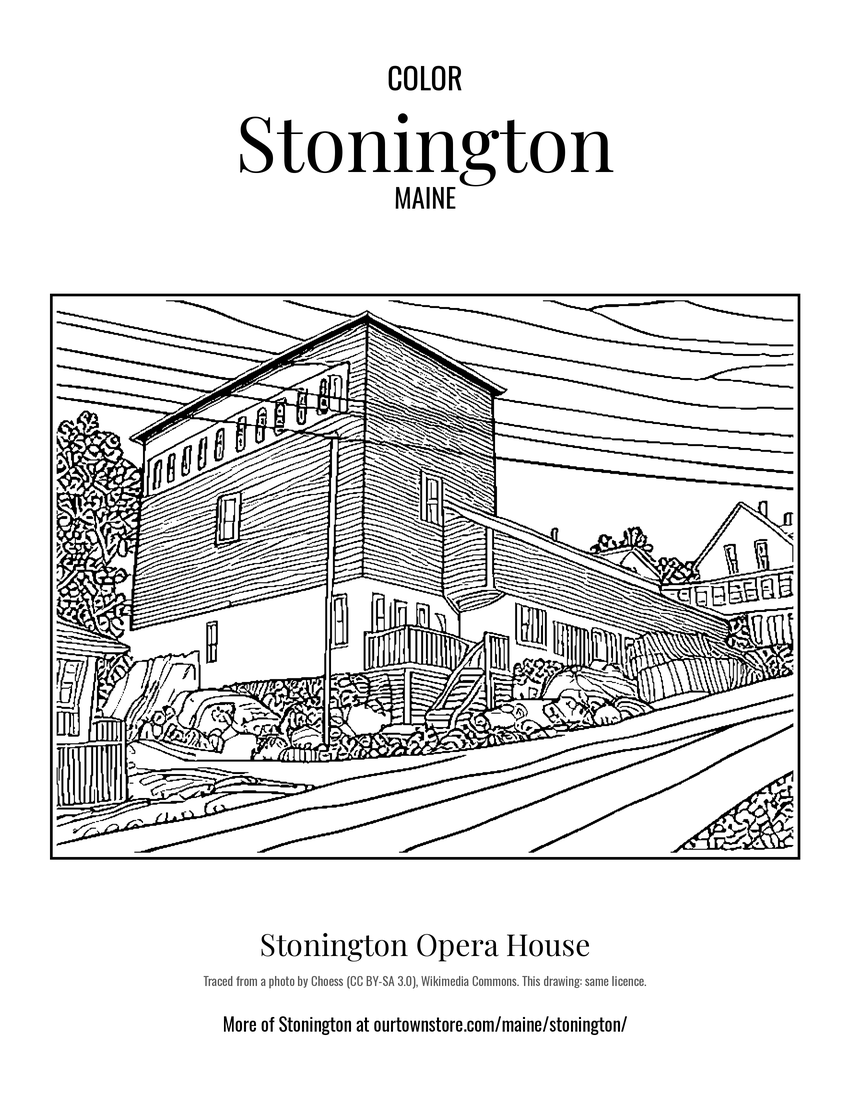 Stonington Opera House
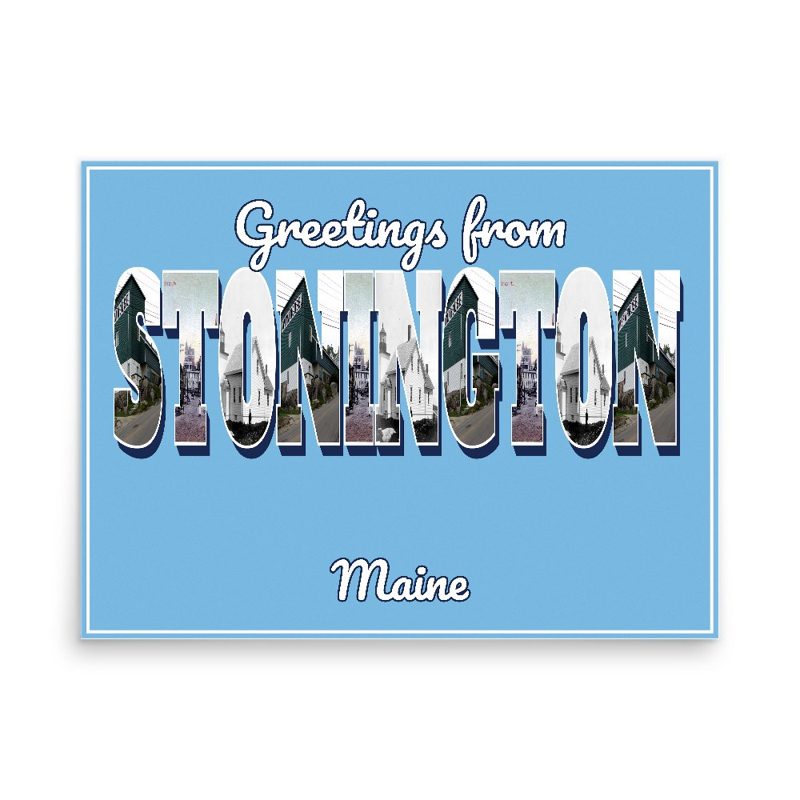
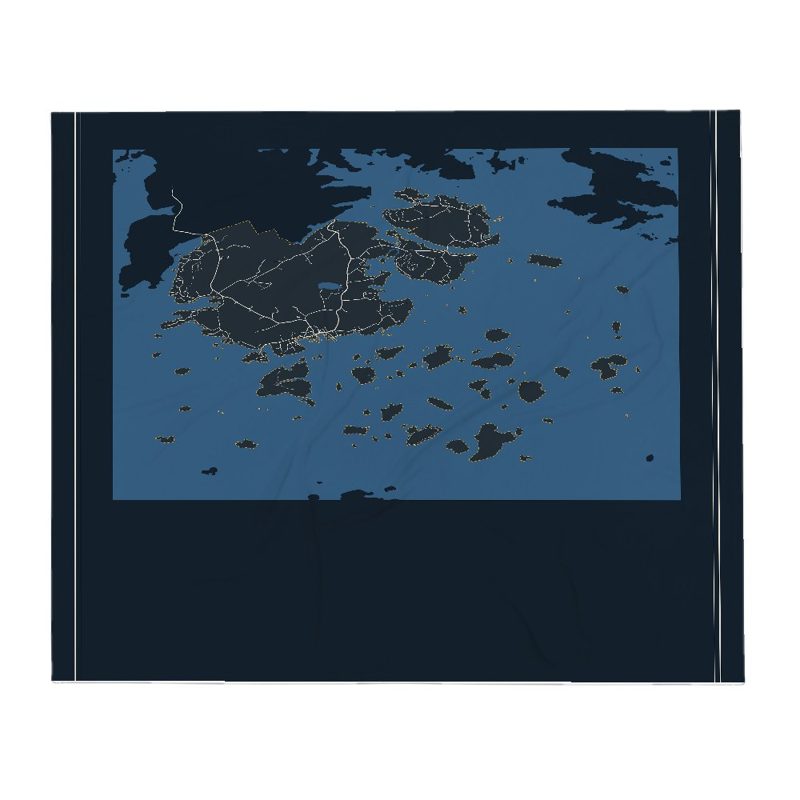
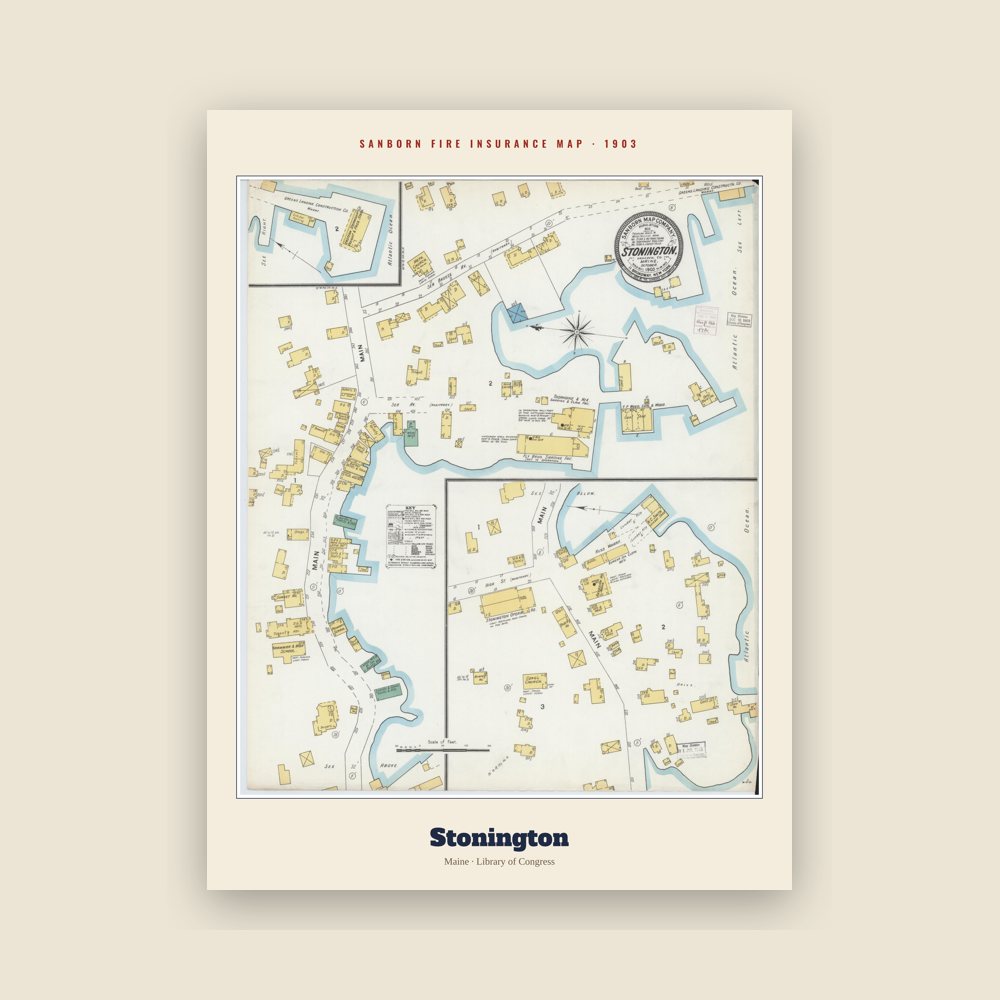
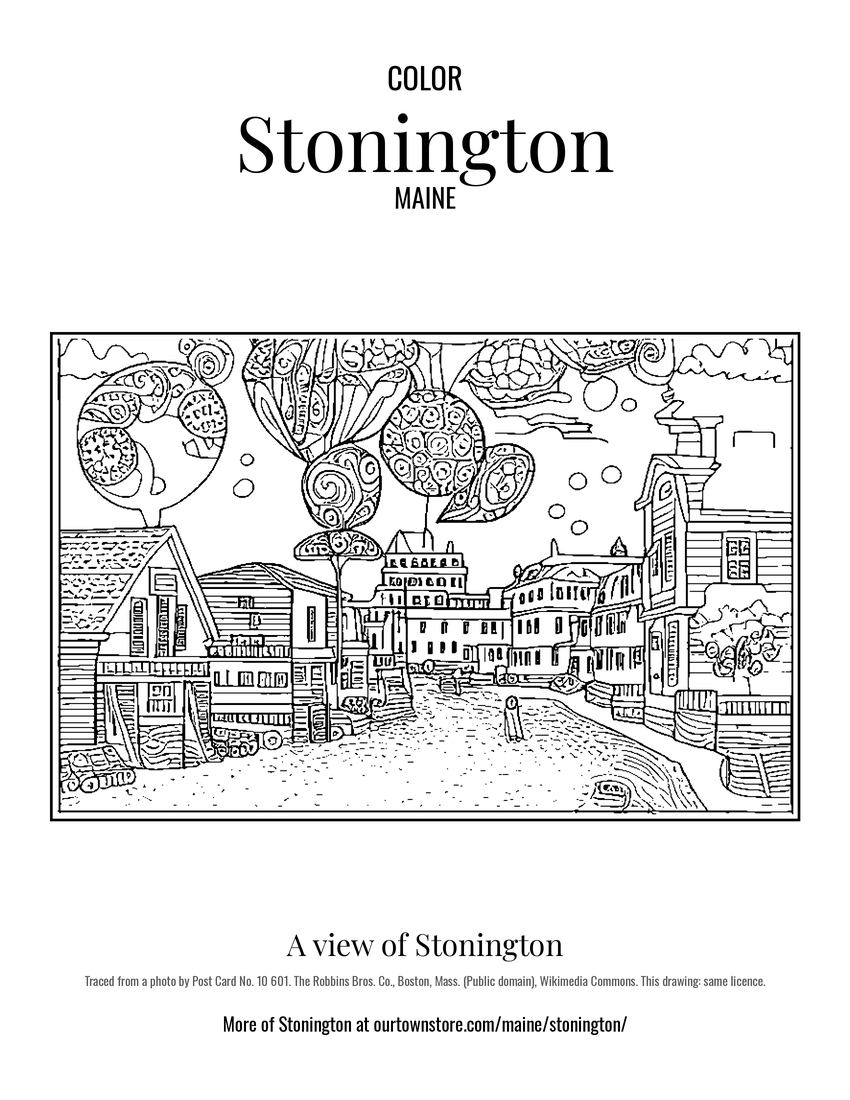 A view of Stonington