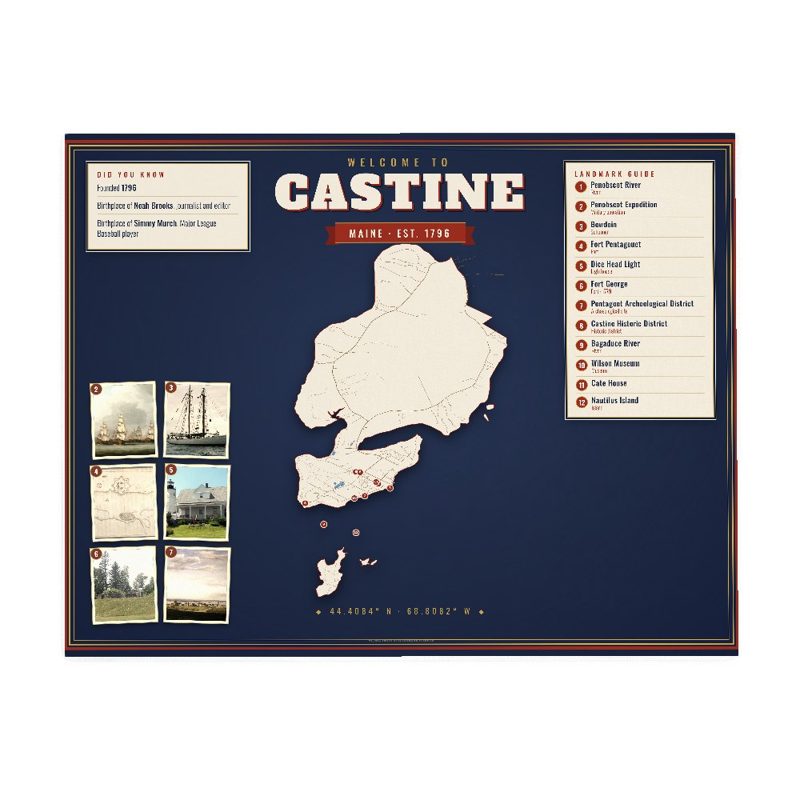
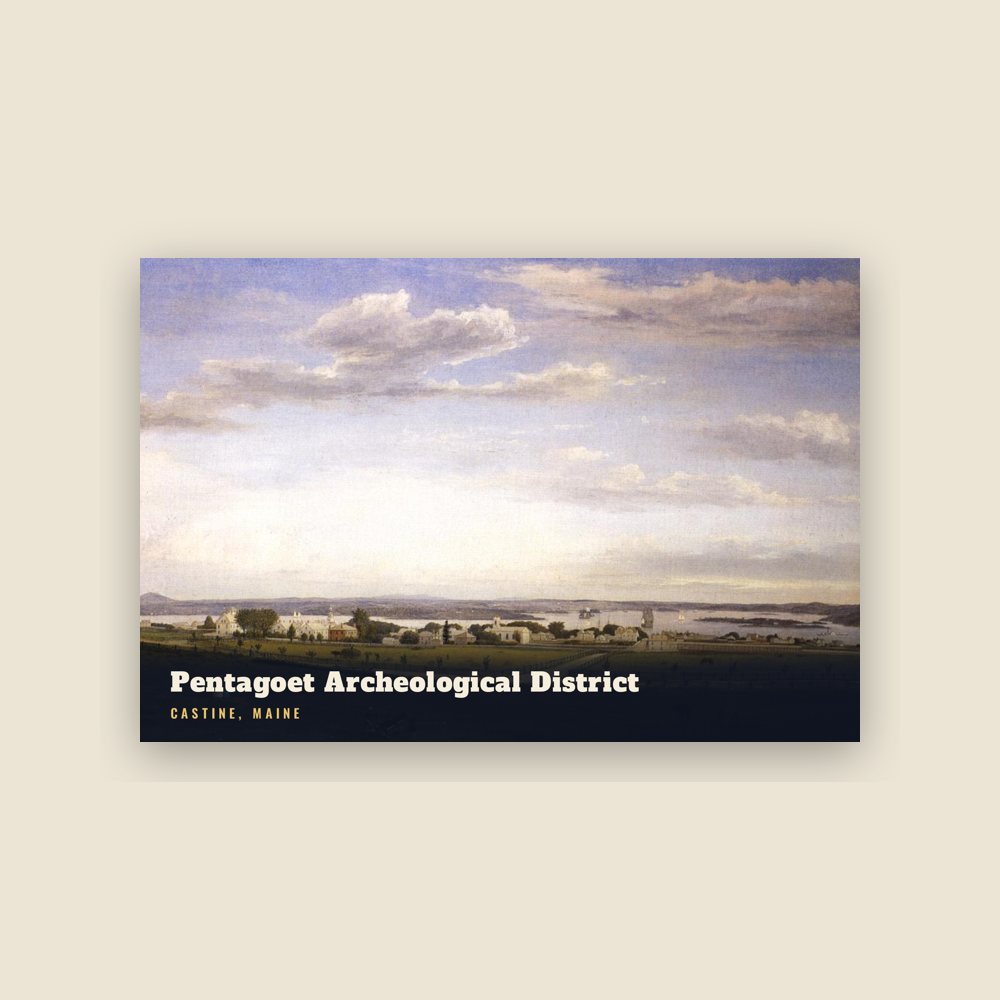
Its commanding position at the mouth of the Penobscot River estuary, a lucrative source of furs and timber, as well as a major transportation route into the interior, made the peninsula occupied by the present-day town of Castine of particular interest to European Colonialization in the 17th century.
Majabagaduce (as the Indian name would be corrupted) changed hands numerous times with shifting imperial politics. At one time or another, it was occupied by the French, Dutch and England's Plymouth Colony.
Read the full history
Contested territory
Castine was founded in the winter of 1613, when Acadian leader Claude de Saint-Étienne de la Tour established a small trading post to conduct business with the Tarrantine Indians (now called the Penobscots).
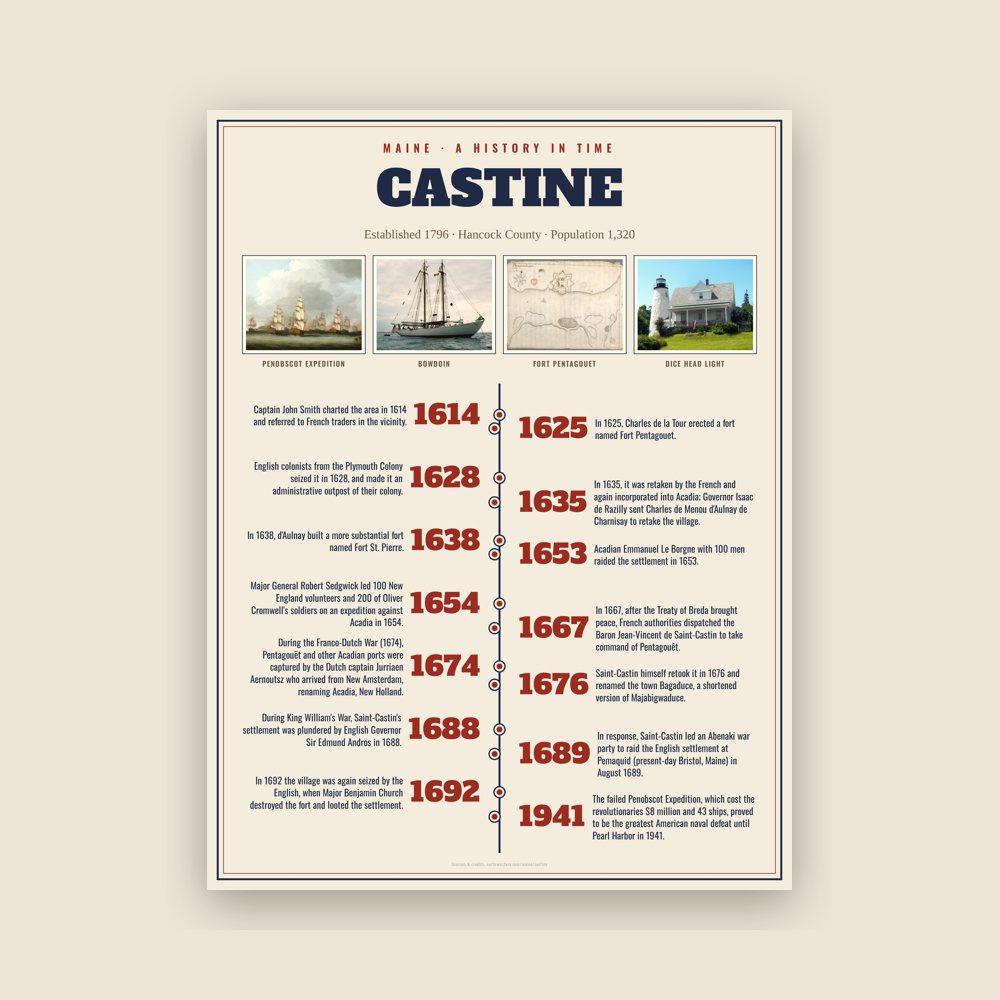
In 1613, a raid by English captain Samuel Argall at Mount Desert Island signaled the start of a long-running dispute over the boundary between French Acadia to the north and the English colonies to the south. There is evidence that de La Tour immediately challenged the English action by re-establishing his trading post in the wake of Argall's raid. Captain John Smith charted the area in 1614 and referred to French traders in the vicinity.
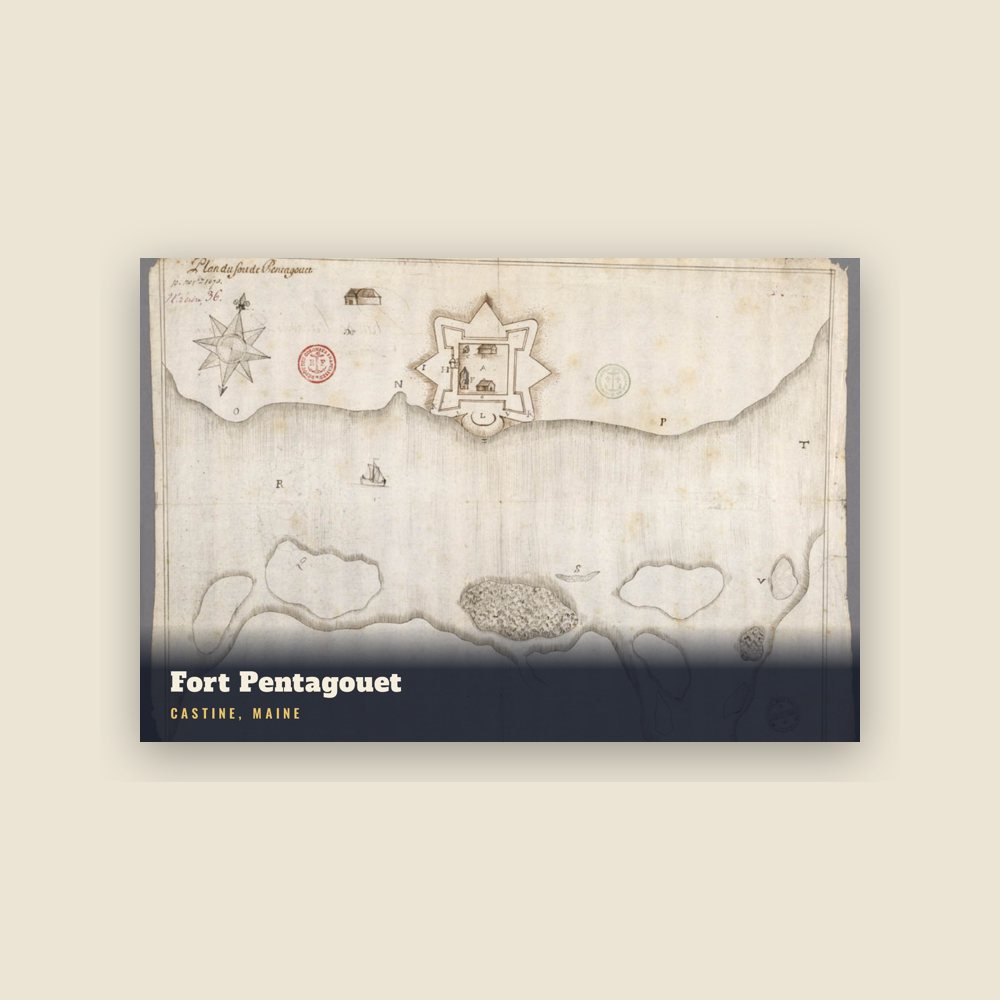
In 1625, Charles de la Tour erected a fort named Fort Pentagouet. English colonists from the Plymouth Colony seized it in 1628, and made it an administrative outpost of their colony. Colonial Governor William Bradford personally traveled there to claim it.
In 1635, it was retaken by the French and again incorporated into Acadia; Governor Isaac de Razilly sent Charles de Menou d'Aulnay de Charnisay to retake the village. In 1638, d'Aulnay built a more substantial fort named Fort St. Pierre.
Acadian Emmanuel Le Borgne with 100 men raided the settlement in 1653. Major General Robert Sedgwick led 100 New England volunteers and 200 of Oliver Cromwell's soldiers on an expedition against Acadia in 1654. Before taking its capital Port Royal, Sedgwick captured and plundered the French settlement at Pentagouêt. The English occupied Acadia for the next 16 years.
In 1667, after the Treaty of Breda brought peace, French authorities dispatched the Baron Jean-Vincent de Saint-Castin to take command of Pentagouêt. The baron married an Abenaki woman, the daughter of the sachem Modockawando. She adopted the French name Mathilde and bore him 10 children. The baron became a widower and then married another Abenaki woman named Marie Pidiwammiskwa who bore him two additional children. Castine soon became a force in colonial trade and diplomacy.
During the Franco-Dutch War (1674), Pentagouët and other Acadian ports were captured by the Dutch captain Jurriaen Aernoutsz who arrived from New Amsterdam, renaming Acadia, New Holland. The Dutch turned the fort's cannon on its own walls and destroyed most of it after the second siege. Saint-Castin himself retook it in 1676 and renamed the town Bagaduce, a shortened version of Majabigwaduce.
During King William's War, Saint-Castin's settlement was plundered by English Governor Sir Edmund Andros in 1688. In response, Saint-Castin led an Abenaki war party to raid the English settlement at Pemaquid (present-day Bristol, Maine) in August 1689. In 1692 the village was again seized by the English, when Major Benjamin Church destroyed the fort and looted the settlement. With the return of Baron de Saint-Castin and his sons to France, the settlement became sparsely occupied.
During Queen Anne's War, in response to the French Raid on Deerfield in February 1704, New England Colonel Benjamin Church raided Saint-Castin's settlement (then known as Penobscot) before moving on to raid the Acadian villages at present-day St. Stephen, New Brunswick, Grand Pré, Pisiguit (present-day Windsor, Nova Scotia), and Chignecto. Saint-Castin's daughter was taken in the raid.
British colony
At the end of the French and Indian War, which secured British control over much of North America, the unoccupied lands along the Maine coast were opened to settlement by Massachusetts colonists. By the late 1760s, farmers, artisans, and small traders were beginning to take title to properties in and around "Major Baggadoose." Though the fur trade was long dead, the region's abundant fisheries and timber attracted entrepreneurs, and the attention of the British government, which was always on the lookout for store to supply its growing navy. Bagaduce was especially valuable for supplying timber suitable for masts on British warships.
American Revolution
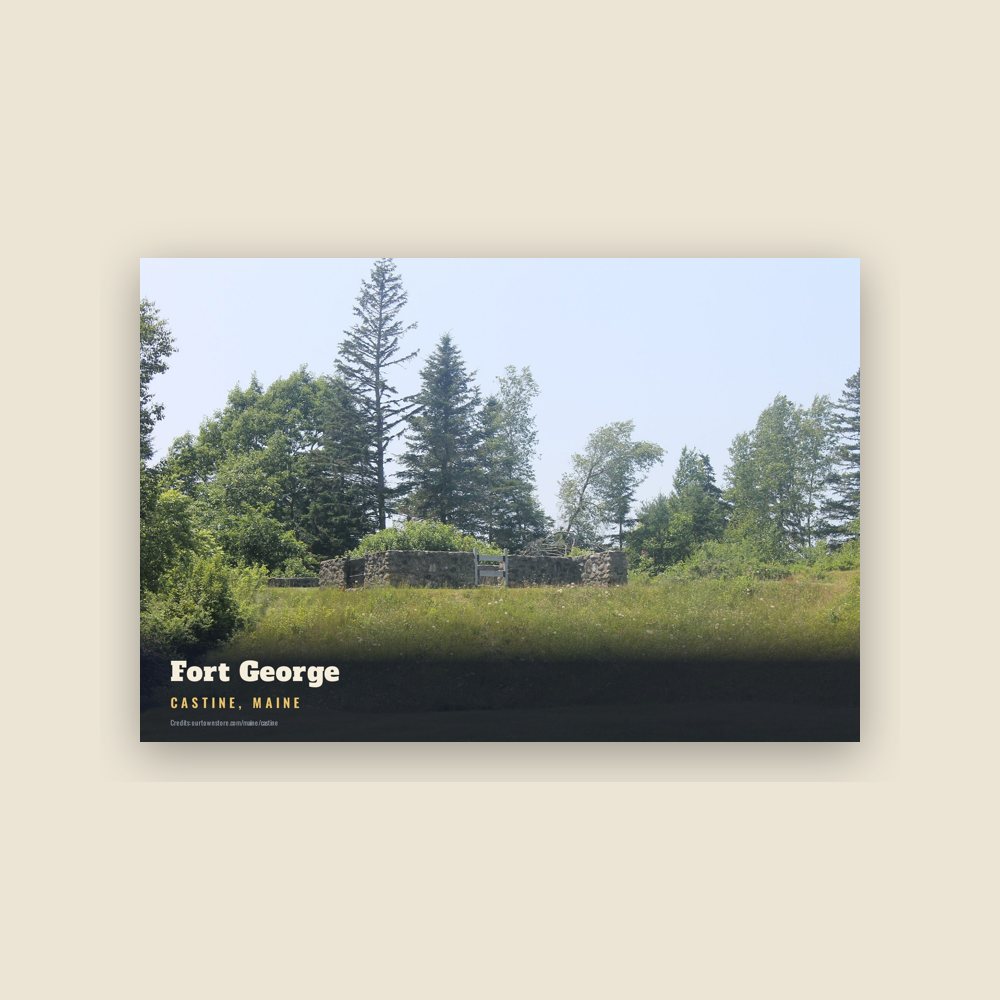
In early July 1779, nearly three years after the American Patriots had declared independence from Britain, a British naval and military force under the command of General Francis McLean sailed into Castine's commodious harbor, landed troops, and established the colony New Ireland. They began erecting Fort George on one of the highest points of the peninsula. Alarmed by this incursion, the Massachusetts legislature dispatched what became known as the Penobscot Expedition. The military expedition consisted of a fleet of 19 armed vessels and 24 transports, carrying 344 guns, under Dudley Saltonstall, and a land force of about 1,200 men, under General Solomon Lovell, seconded by Gen. Peleg Wadsworth. Col. Paul Revere was given charge of the ordnance.
Although badly outnumbered, British soldiers of the 74th Regiment of Foot (Argyle Highlanders), managed to repel American attacks for nearly three weeks. In mid-August, British reinforcements appeared at the head of the bay. The Americans eventually abandoned the fight and retreated up the Penobscot River, destroying their entire fleet along the way to keep it out of British hands. The failed Penobscot Expedition, which cost the revolutionaries $8 million and 43 ships, proved to be the greatest American naval defeat until Pearl Harbor in 1941. The 74th Regiment held Majabagaduce until the end of the war, when it was ceded to the Americans as part of the peace settlement. Saltonstall and Revere were later court-martialed, charged with cowardice and insubordination; the boards found Saltonstall guilty, but acquitted Revere.
At the end of the Revolutionary War, many American Loyalists in the area migrated eastward to the Canadian Maritimes, some towing their houses behind their boats. Subsequently, known as United Empire Loyalists, they crossed the newly established international boundary line of the St. Croix River and established St. Andrews, one of the oldest towns in New Brunswick. In addition, many soldiers of the 74th chose to be disbanded in St. Andrews (last muster May 24, 1784), and took up land grants there along with the Loyalists, rather than return to Britain.
Incorporation
In 1762, the Provincial General Court granted the land designated as Township Number Three, commonly known as Majorbigwaduce or Majabigwaduce, to a group of proprietors. After some disputes concerning the proprietors' claims to the land, the General Court of Massachusetts recognized Township No. 3 and incorporated it as the Town of Penobscot in 1787. Penobscot then included what are now the towns of Castine, Penobscot, and Brooksville. On February 10, 1796, the Commonwealth of Massachusetts passed an act which separated Penobscot into the towns of Castine and Penobscot. Castine held its first town meeting on April 4, 1796.
War of 1812
The population reached 1036 in the 1810 Census. During the War of 1812, from his base in Halifax, Nova Scotia, in August and September 1814, Sir John Coape Sherbrooke sent a naval force and 500 British troops to conquer Maine and (again) establish the colony of New Ireland. In 26 days, they succeeded in taking possession of Hampden, Bangor, and Machias, destroying or capturing 17 American ships. They won the Battle of Hampden (losing two killed while the Americans lost one killed) and occupied the village of Castine for the rest of the war. A raging smuggling trade developed between Castine and the rest of Maine during its occupation. The Treaty of Ghent returned this territory to the United States. The British left in April 1815, at which time they took 10,750 pounds obtained from tariff duties at Castine. This money, called the "Castine Fund", was used in the establishment of Dalhousie University, in Halifax, Nova Scotia. The population was 975 at the Census of 1820.
1820–1960
With the growth of the postwar economy, the town became a prosperous place: the seat of Hancock County and a center for shipbuilding and coastal trading. By the 1820s, it had become a major entrepot for American fishing fleets on their way to the Grand Banks of Newfoundland. It also prospered from the lumber industry, in which eastern Maine dominated before the Civil War. During this period of growth and prosperity, many of the handsome Federal and Greek Revival style mansions that still grace the village's streets were constructed.
Castine declined after the Civil War. By then its fleet, which once sailed the globe, carried coal, firewood, and lime to coastal ports in competition with railroads and steamships. Ambitious young people sought their fortunes elsewhere. In 1838, the Hancock County seat moved to Ellsworth.
By the 1870s, Castine's quaint old architecture and cool summer air attracted "rusticators"—well-to-do urban families seeking rest and recreation. Its charms also drew activists, including Harriet Beecher Stowe and Henry Wadsworth Longfellow, whose writings romanticized its past. By the 1890s, wealthy families from Boston, Hartford and Chicago were buying up old farms and sea captains' houses. Hotels and inns opened as Castine became a flourishing summer colony. Since 1867, it had been site of the Eastern State Normal School.
In the 1930s, the Great Depression and the automobile killed off the hotel trade, the steamship lines that had linked coastal towns and islands, and the local fishing industry. The fortunes of the community did not revive until the 1960s, with the rediscovery of the town's charms by a new generation of summer tourists.
1980s–2000s
A key element in the revival of Castine has been the expansion of the Maine Maritime Academy. Established in 1941 to train merchant seamen, by the 1980s the academy offered a range of courses in engineering, management, transportation, and nautical and ocean science. Its campus, once the home of the Eastern State Normal School, features a library (available to the public) and extensive athletic facilities.
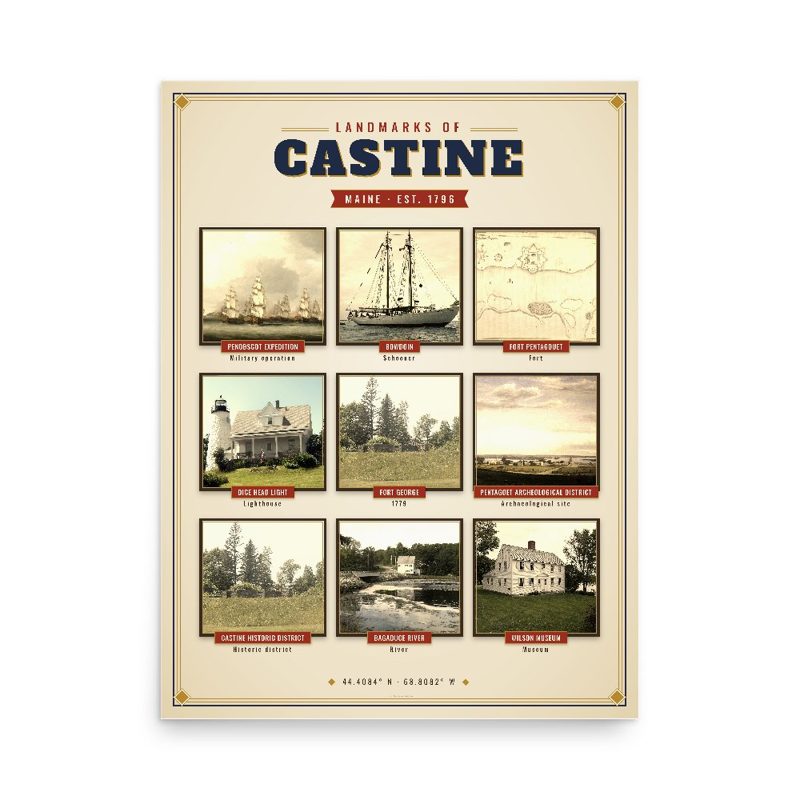
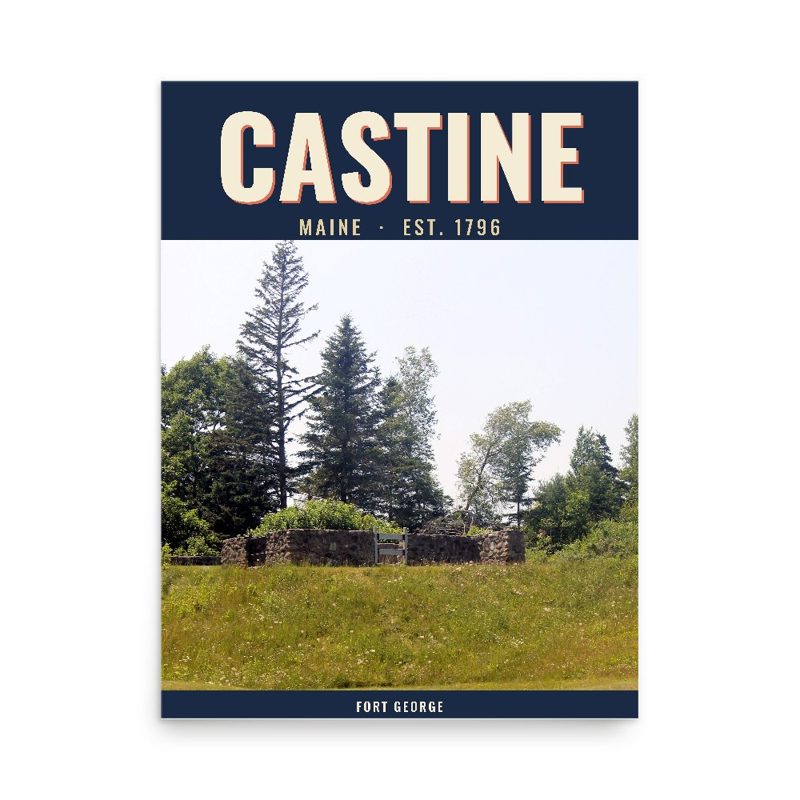
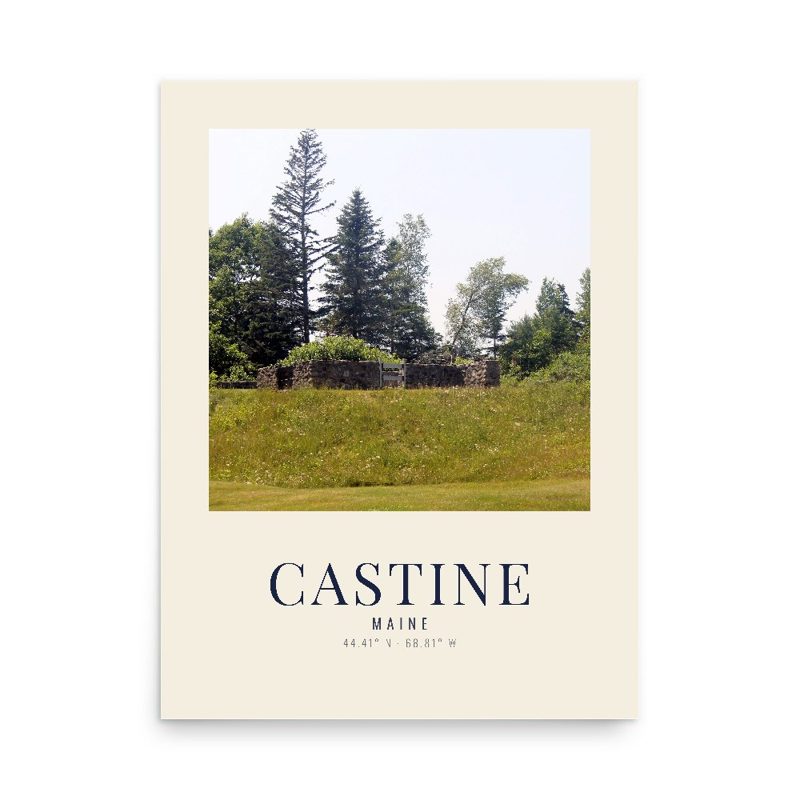
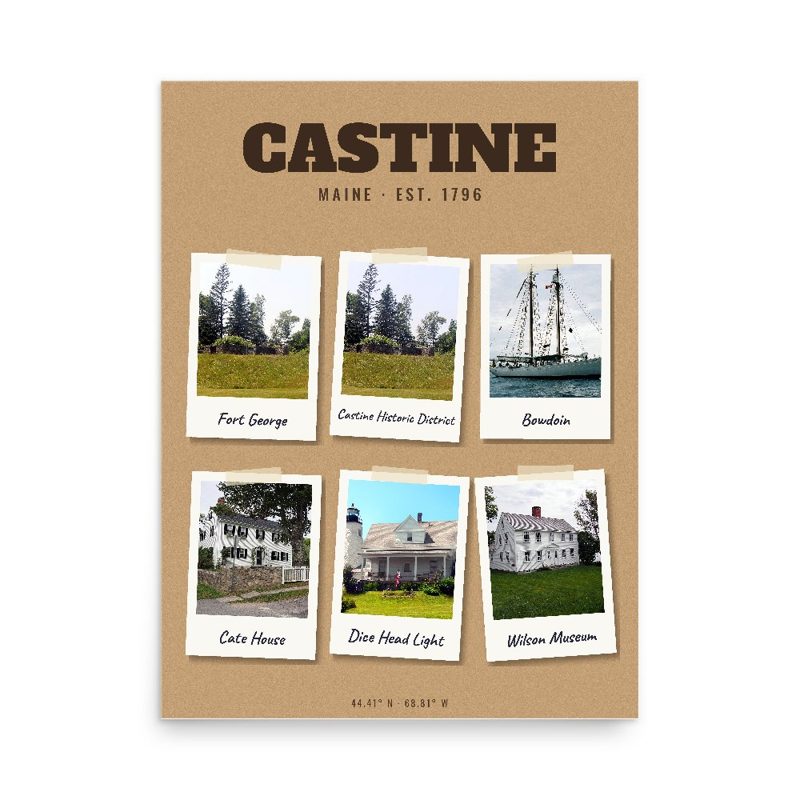
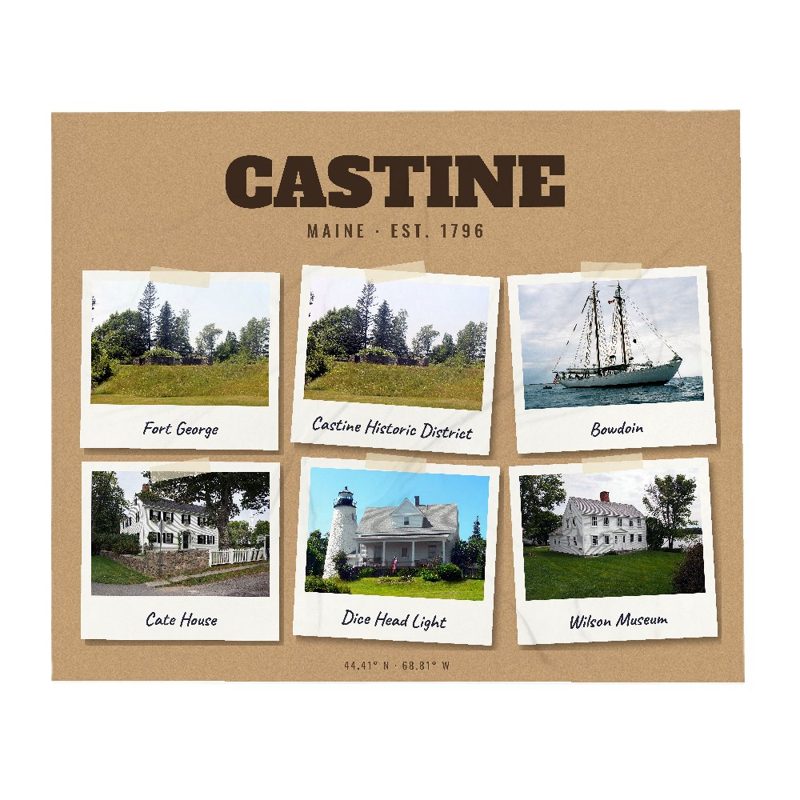
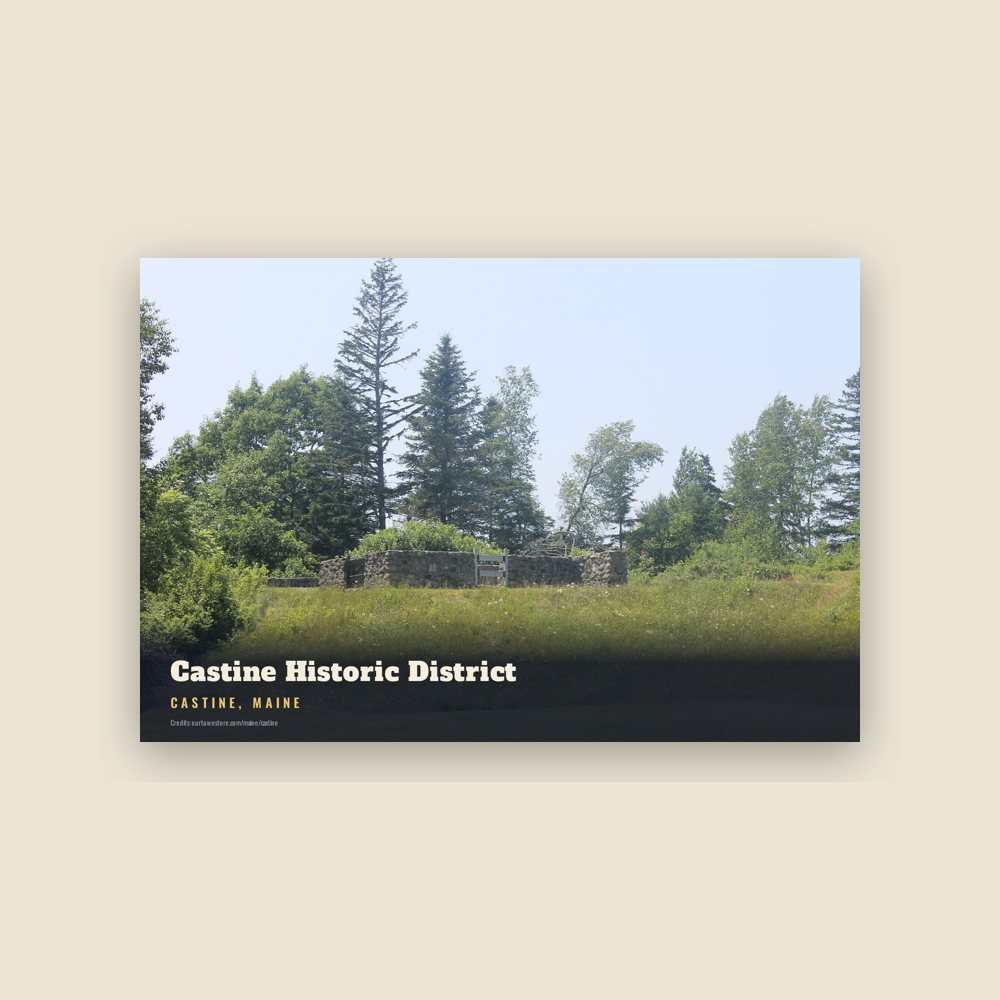
Castine has a number of historic sites and parks (including the ruins of British earthworks at Fort George), a deep water harbor (with tie-ups for small boats beyond the current of the Penobscot and Bagaduce rivers), a non-exclusive club offering golf, tennis and yachting facilities, restaurants, and four churches (Episcopal, Roman Catholic, Congregational and Unitarian Universalist). In addition, the town has a public library, an historical society, and the Wilson Museum, an institution featuring exhibits of anthropological, natural and local artifacts. Castine's streets are lined with Federal, Greek Revival, Cape Cod and other antique style houses, and shaded by large elms which are replaced with disease-resistant strains when they succumb. The Castine Post Office is in one of the oldest Post Office buildings in continuous operation in the United States. The Federal government began leasing the building (built in 1817) in 1833 and later purchased the building. In 1869 the building was renovated to accommodate the Castine Post Office.












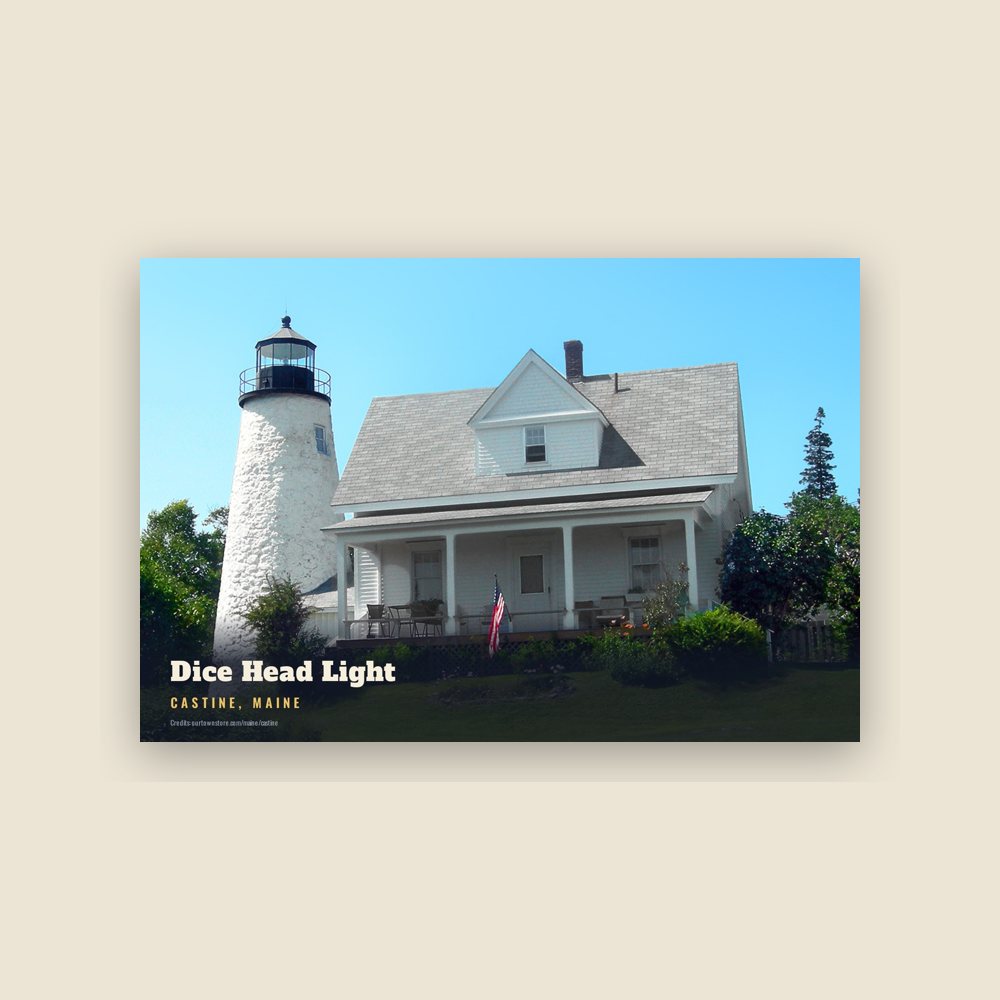

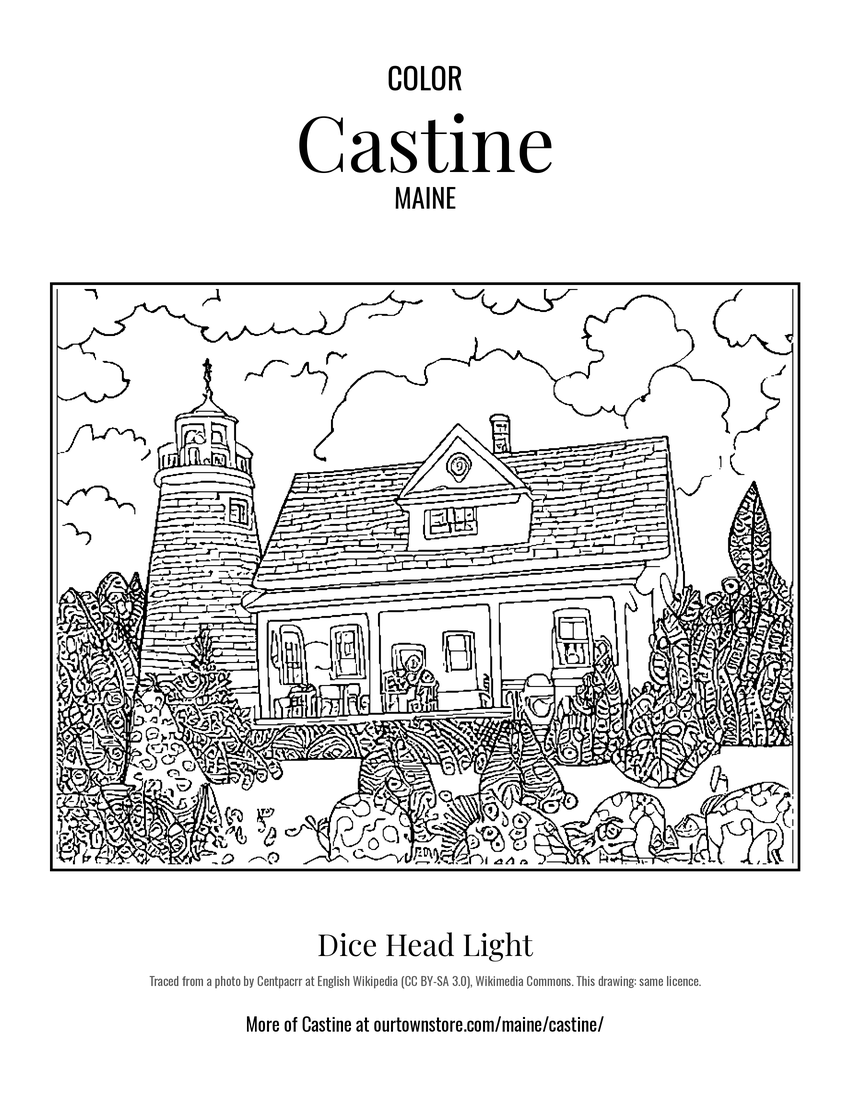 Dice Head Light
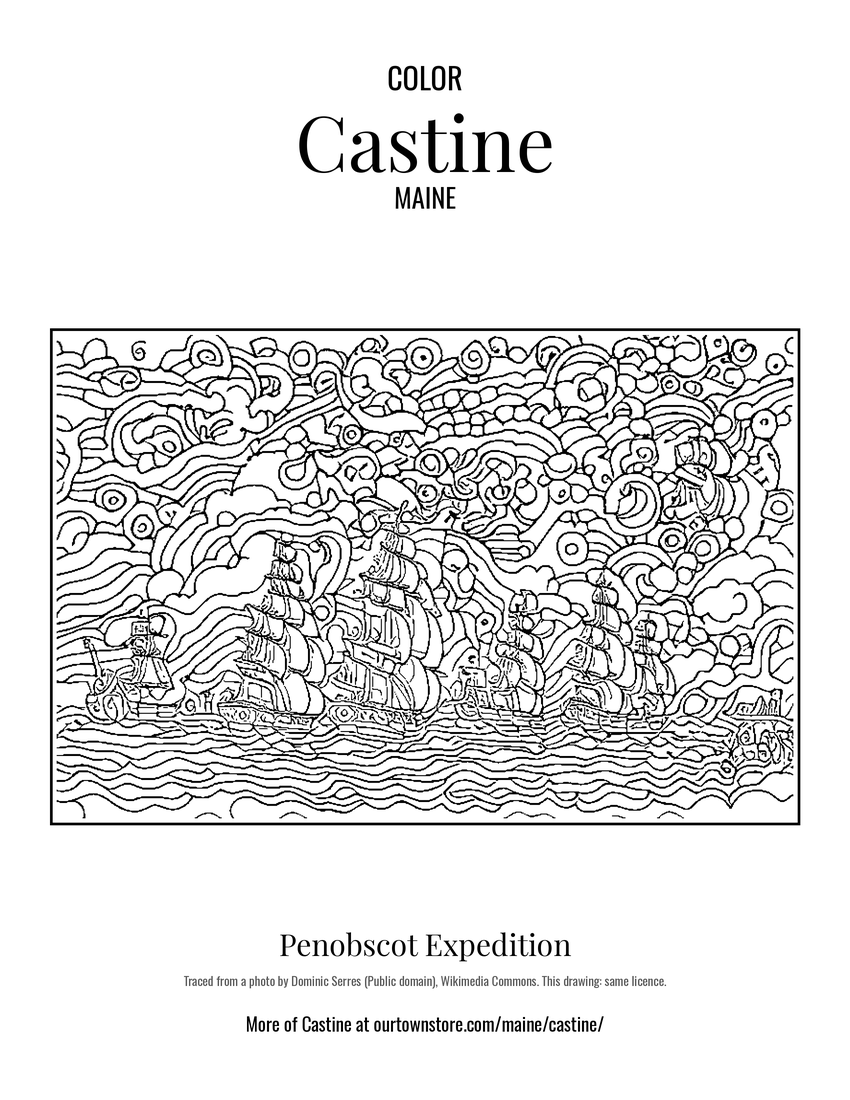 Penobscot Expedition
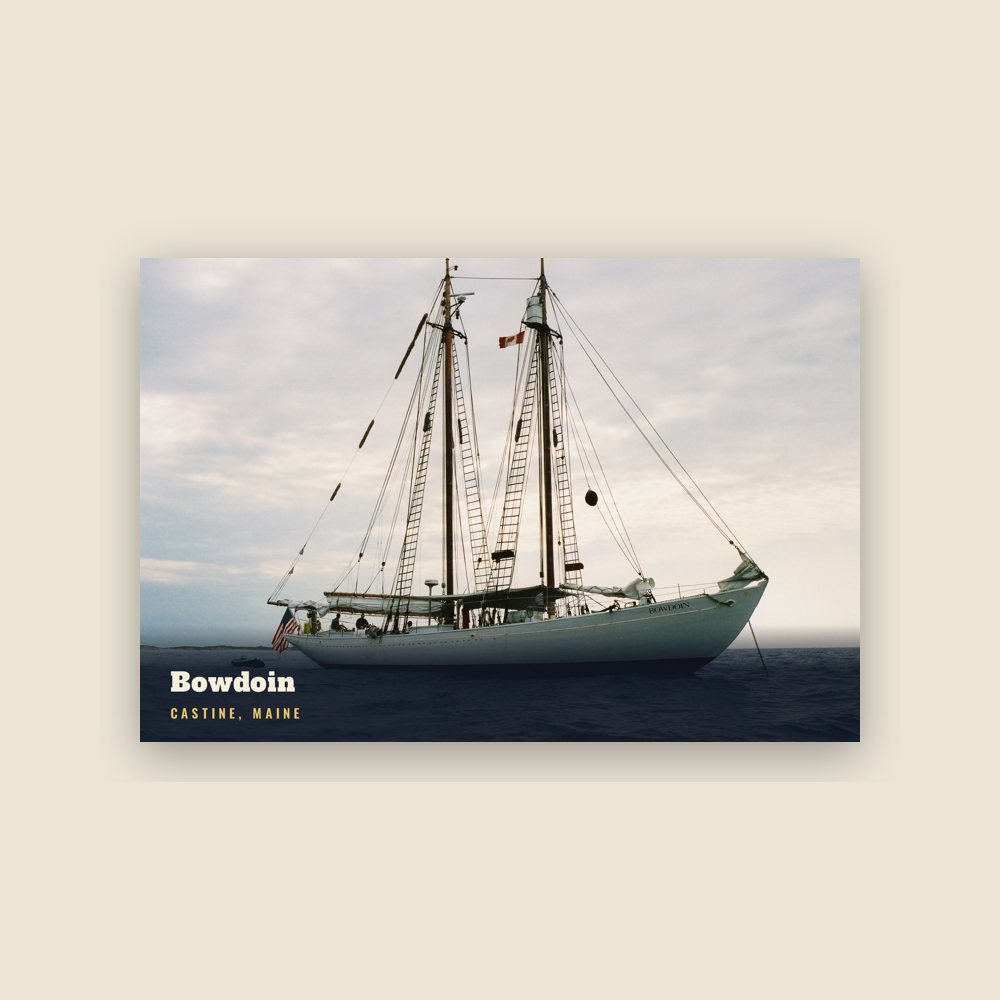
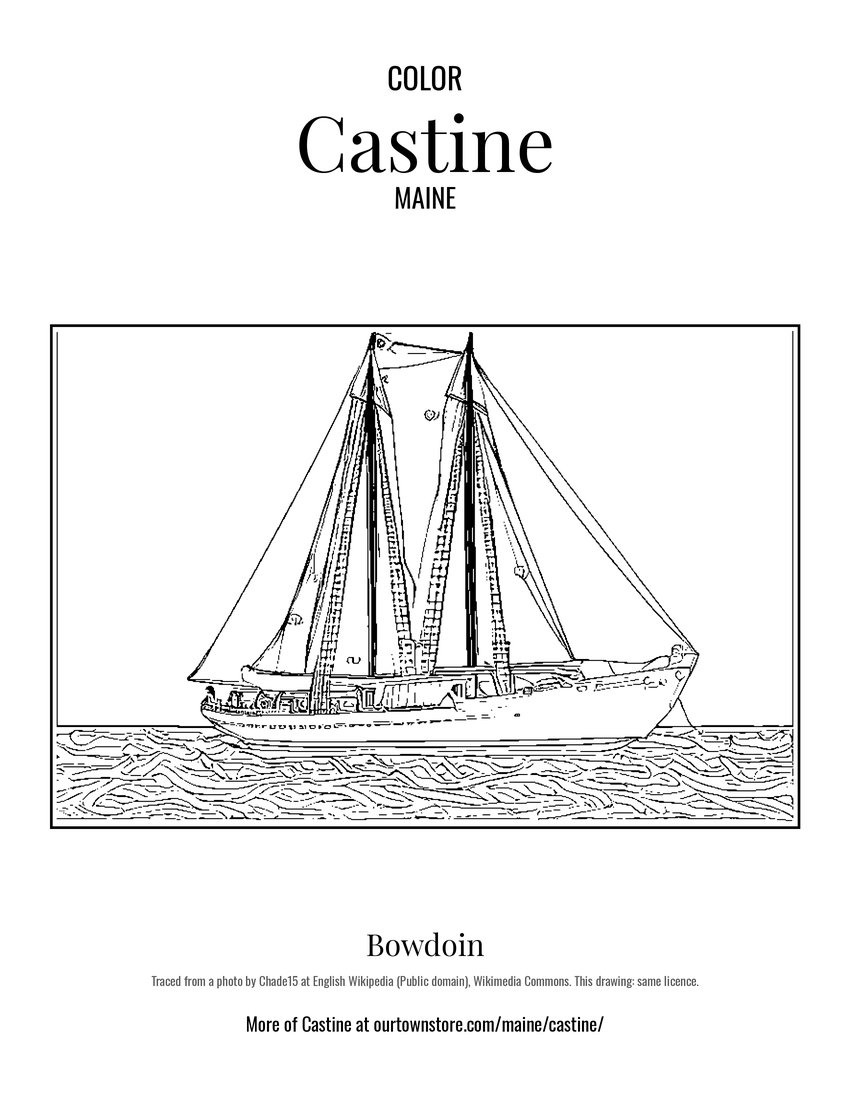 Bowdoin
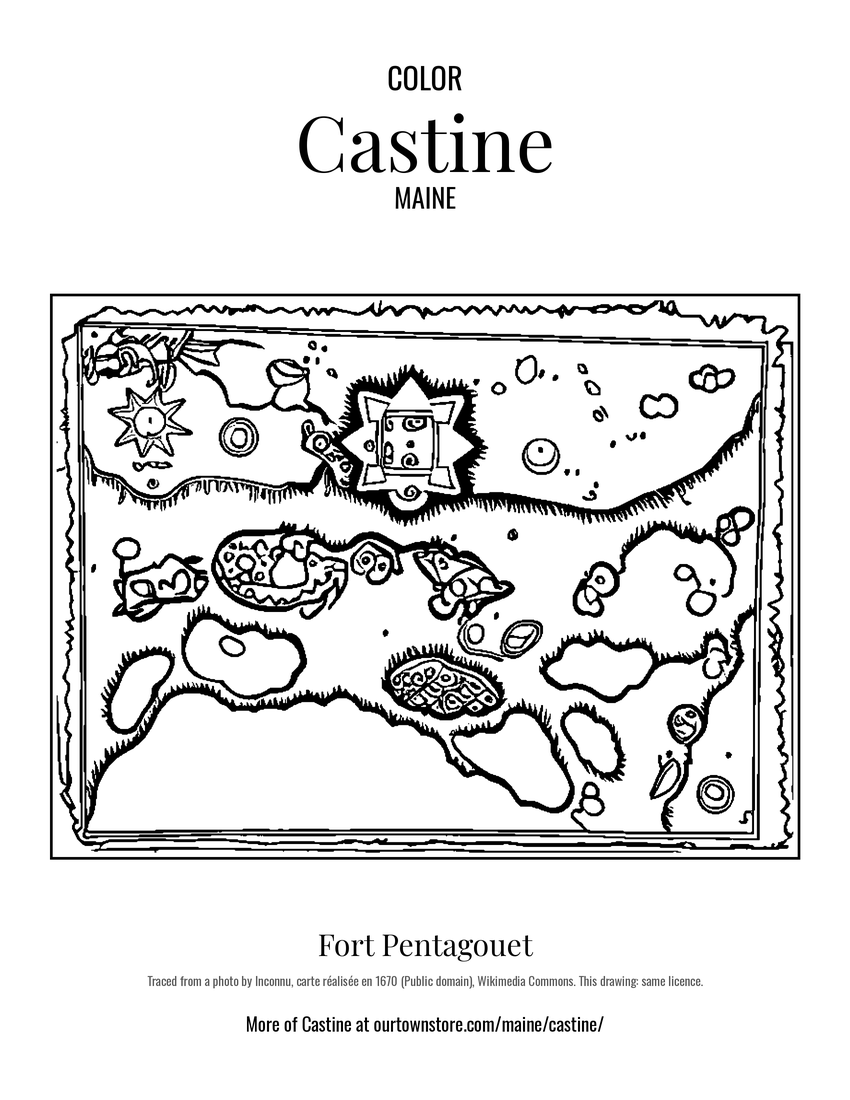 Fort Pentagouet