Since 1789
A short history of Blue Hill
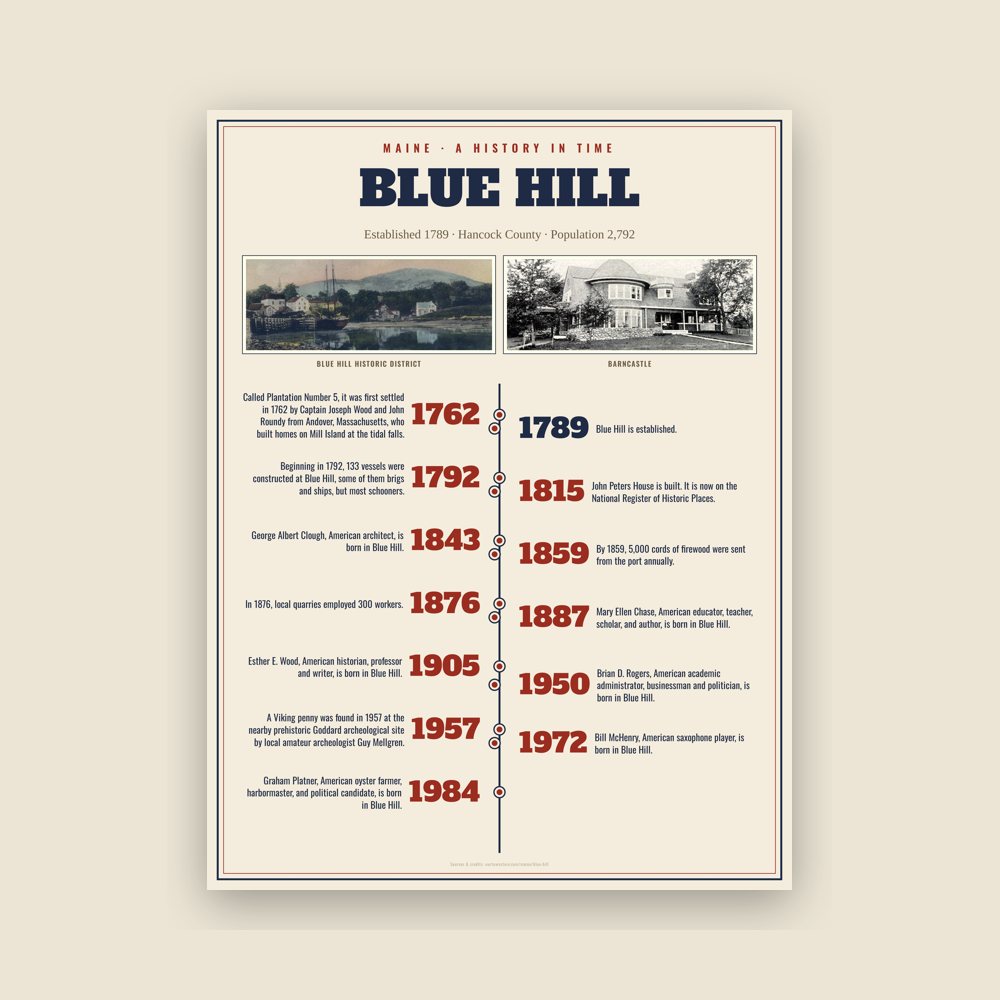
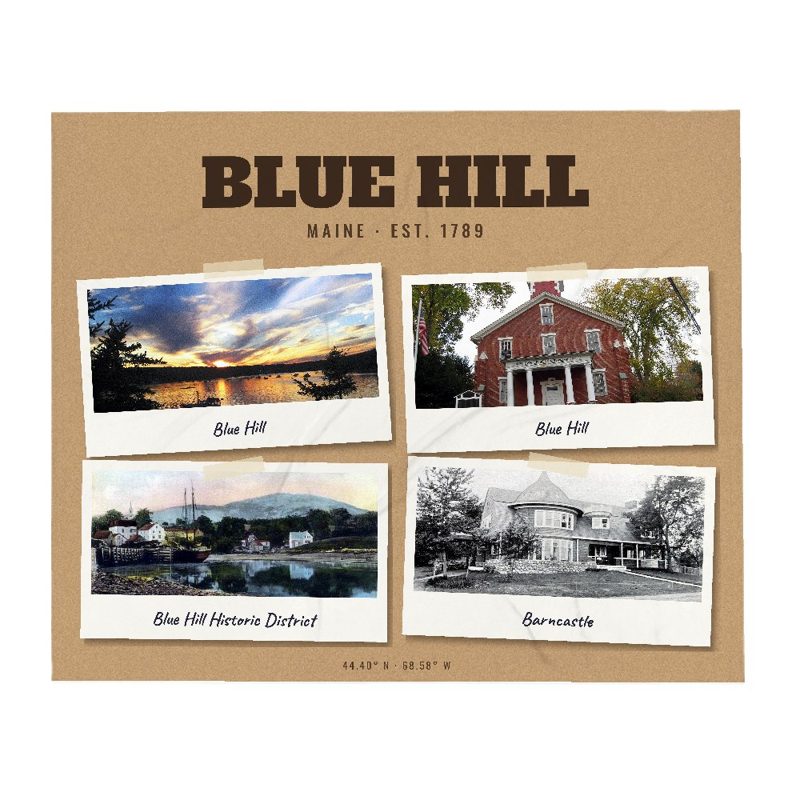
It was one of six townships granted by the Massachusetts General Court to David Marsh and 351 others for their service in the French and Indian War. Called Plantation Number 5, it was first settled in 1762 by Captain Joseph Wood and John Roundy from Andover, Massachusetts, who built homes on Mill Island at the tidal falls. It would then be called Newport Plantation. On January 30, 1789, the town was incorporated as Blue Hill, named after its commanding summit overlooking the region.
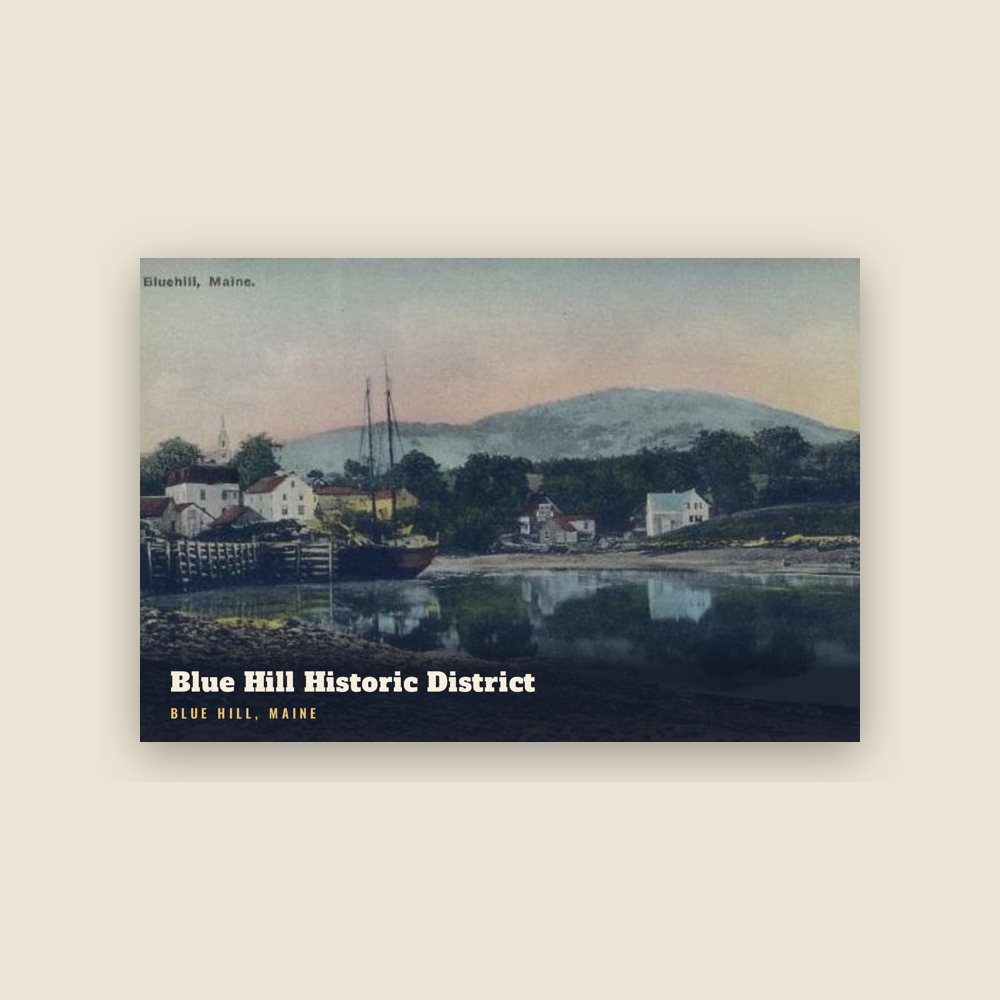
The outlets of various ponds provided water power for several sawmills and gristmills. By 1859, 5,000 cords of firewood were sent from the port annually. Other products included lumber, masts and roof shingles, but the predominant industry was shipbuilding. Beginning in 1792, 133 vessels were constructed at Blue Hill, some of them brigs and ships, but most schooners. The town was also noted for the quality of its granite, some of which was used to build the Brooklyn Bridge, New York Stock Exchange Building, and the U.S. Custom House at Norfolk, Virginia. In 1876, local quarries employed 300 workers.
A Viking penny was found in 1957 at the nearby prehistoric Goddard archeological site by local amateur archeologist Guy Mellgren. The coin is believed to be from the 11th century reign of Olaf Kyrre.
Adapted (trimmed) from the Wikipedia article Blue Hill, Maine, revision 1378500207 by its contributors, licensed CC BY-SA 4.0.

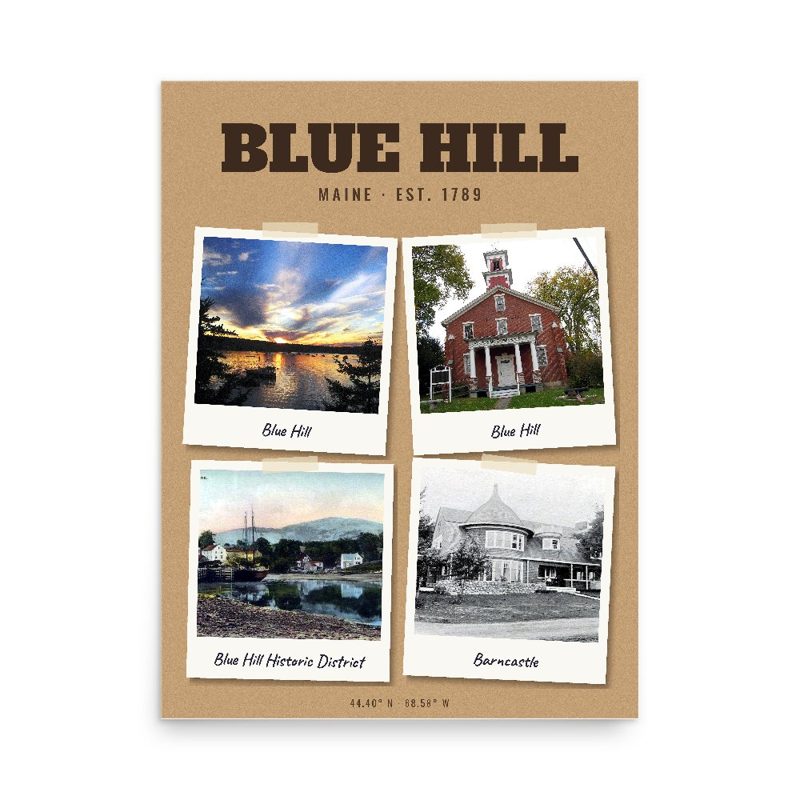
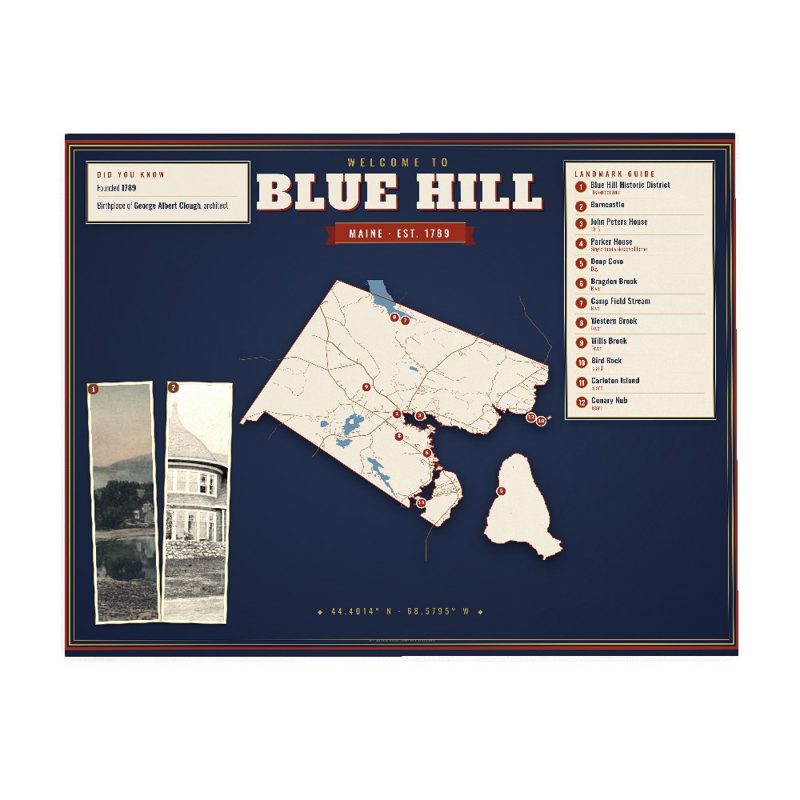















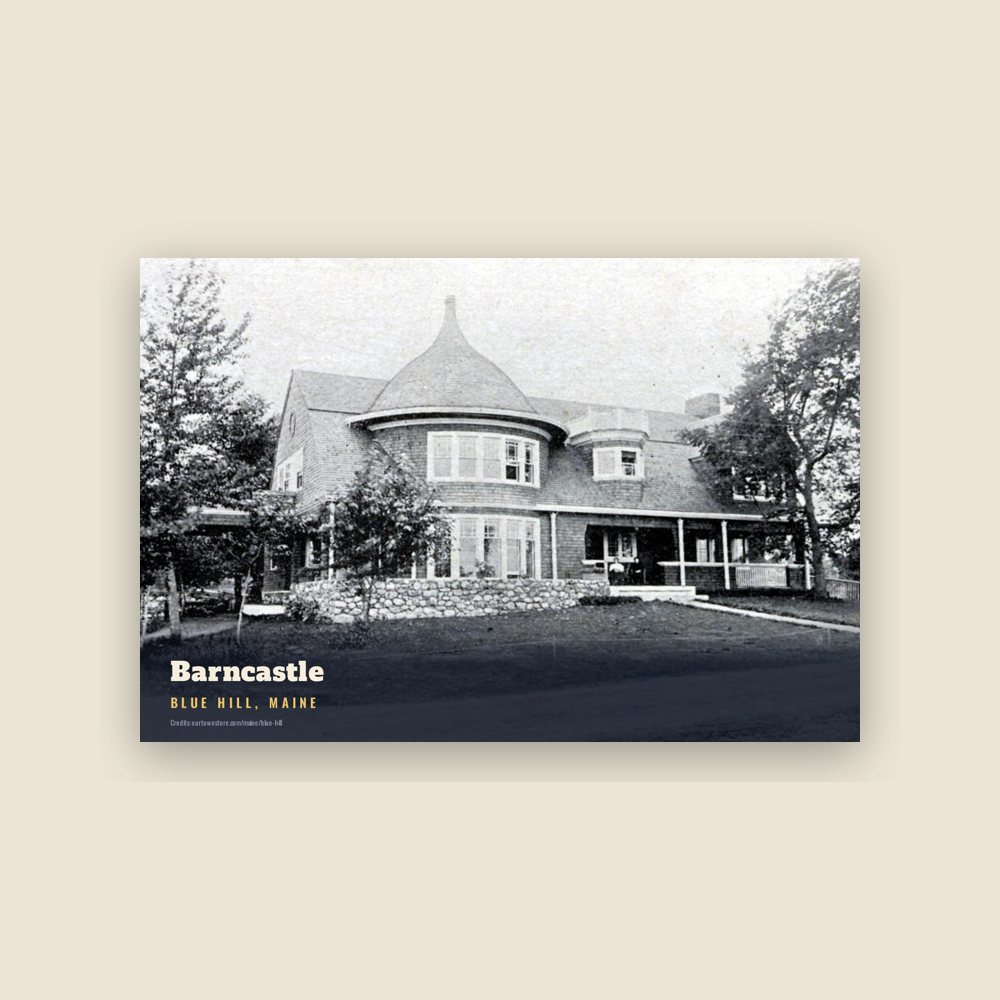
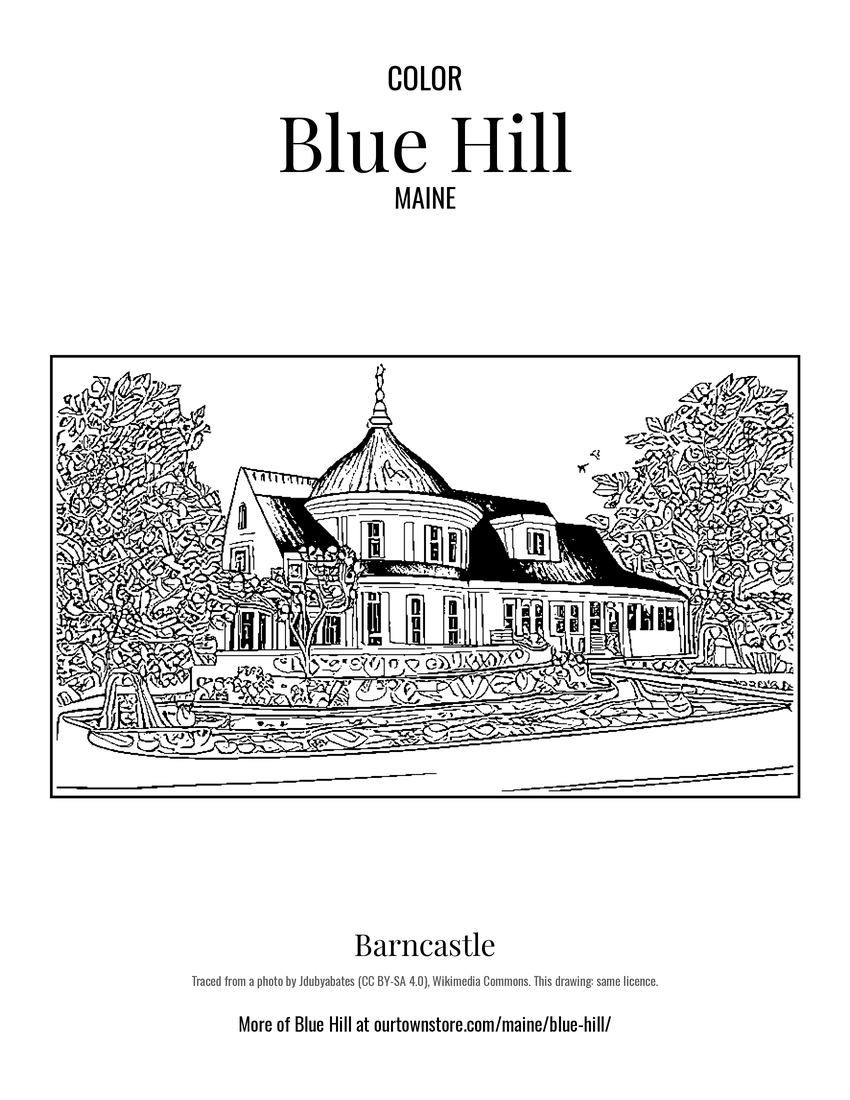 Barncastle
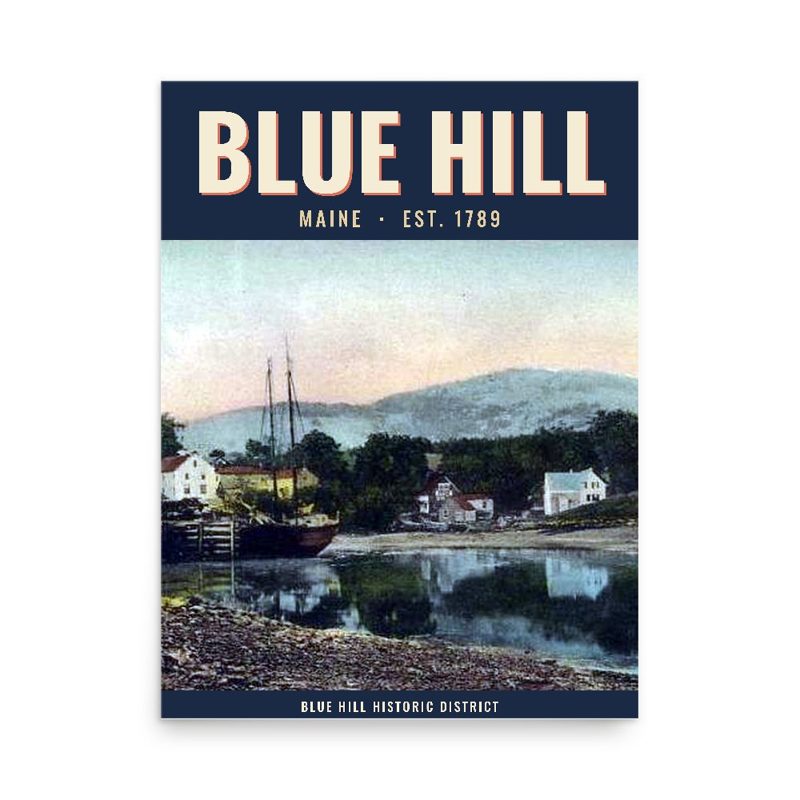
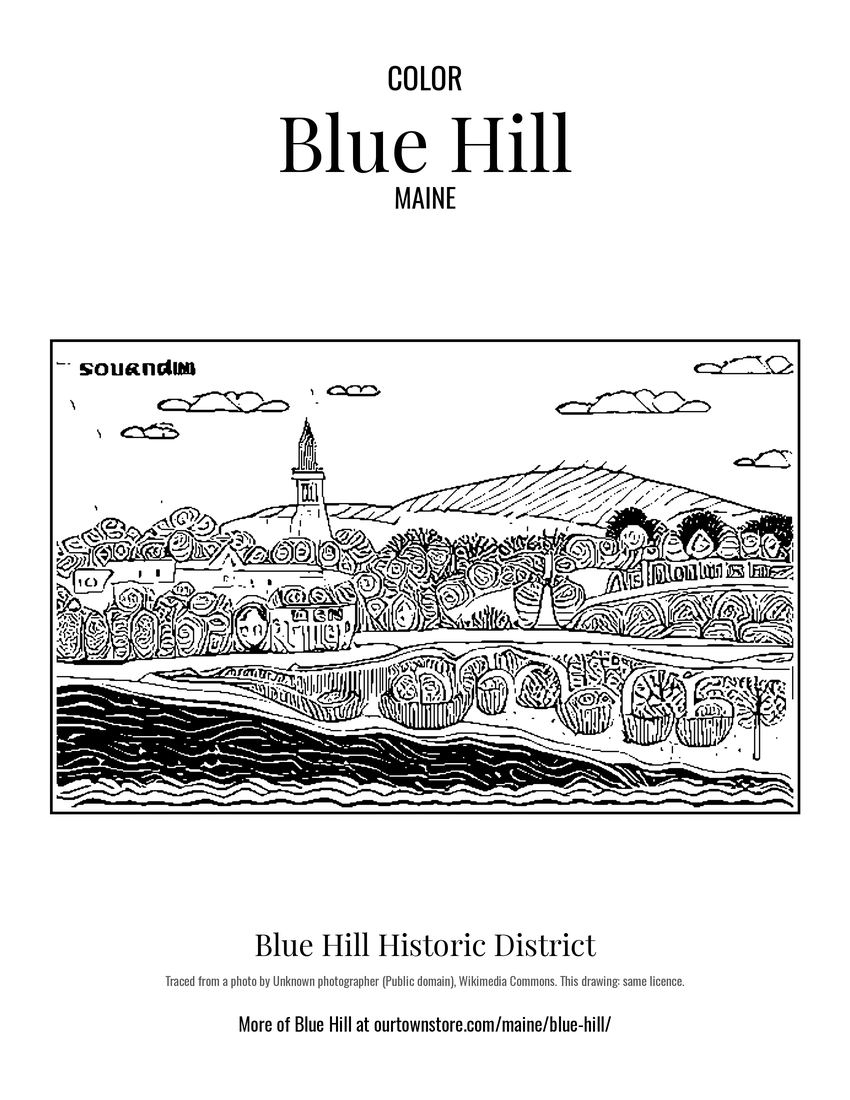 Blue Hill Historic District
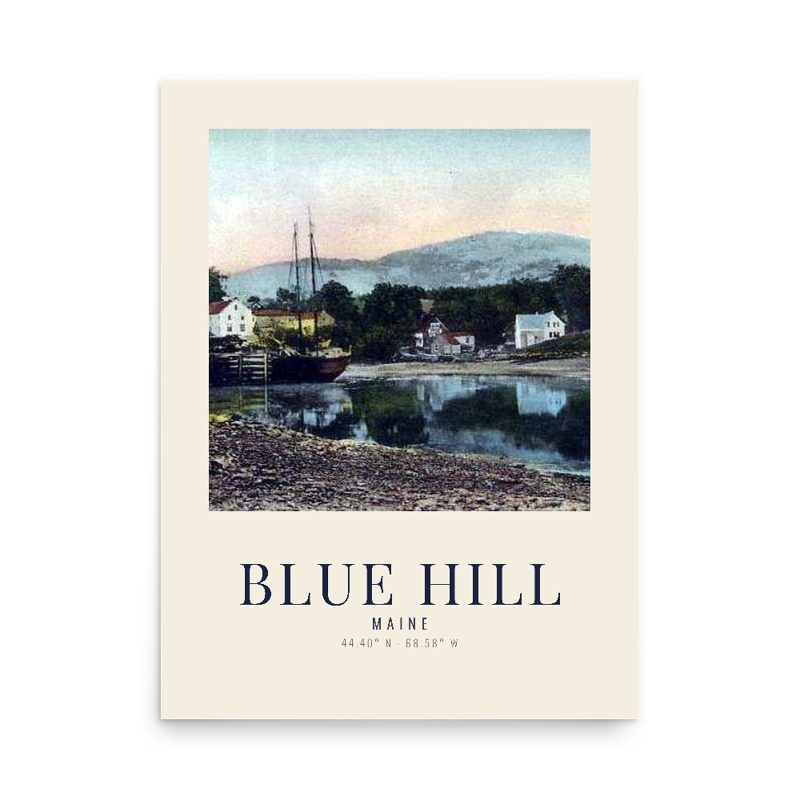
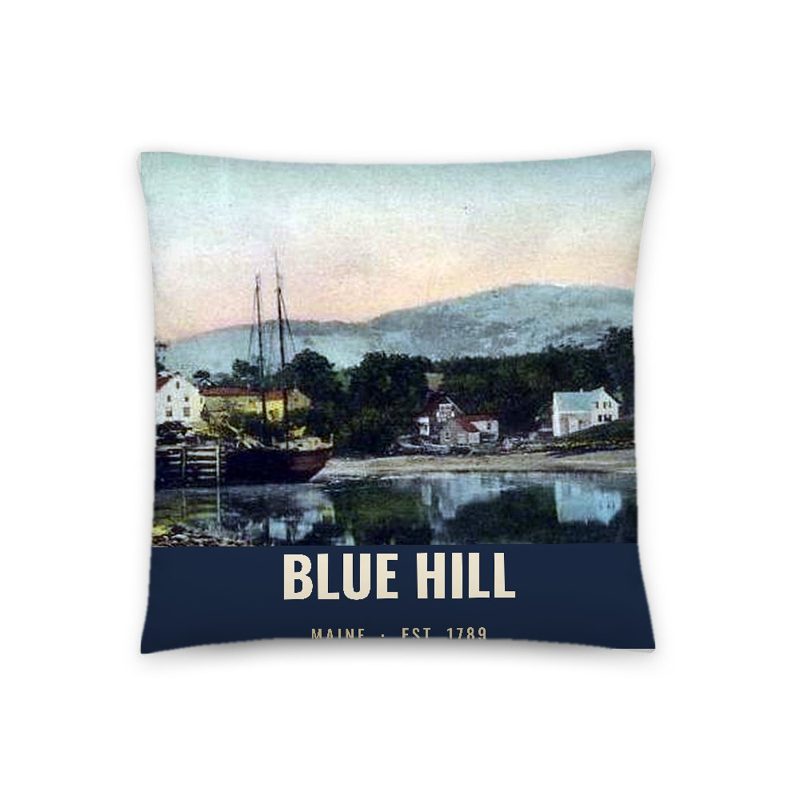
 A view of Blue Hill
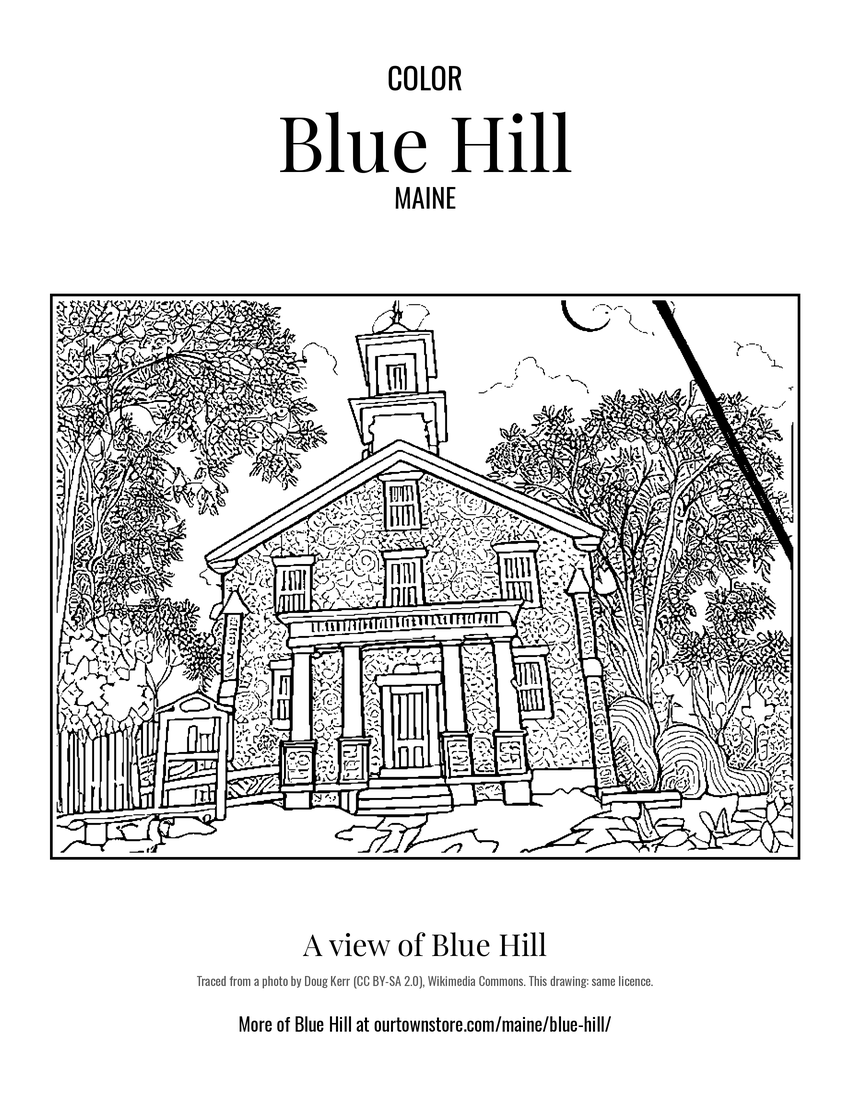 A view of Blue Hill