A short history of Albia
On Feb. 14, 1893, there was a coal mine explosion in the Chicago and Iowa mine, about 2.5 miles west of Albia. This room and pillar mine had opened around 1877. By the time of the explosion, mining extended more than 1,000 yards from the hoisting shaft, and the mine employed 60 miners and 20 other men. One miner was killed outright and seven died later of their injuries, after a "shot" (gunpowder charge used to bring down the coal) ignited a dust explosion in the mine. This was one of only two major mine disasters in Iowa between 1888 and 1913.
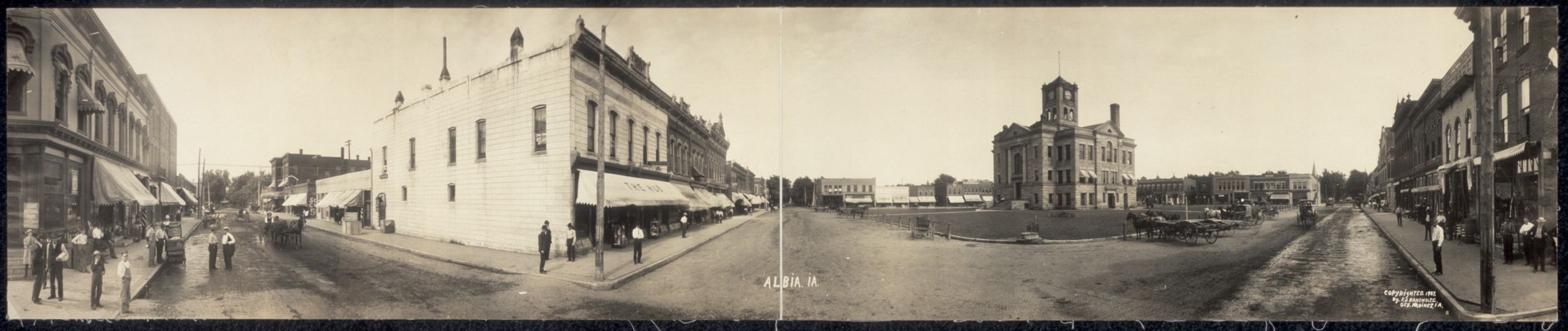
In the early 20th century, the region around Albia was dotted with coal mining camps and company towns. Of these, Buxton, 9 miles north of Albia, is the most widely studied. It had a large Black population. Other former coal camps in the area include Hiteman, Bluff Creek, Lockman, Coalfield, Hocking, and Hynes.
The growth in membership in the United Mine Workers union, as shown by the following data, is a useful measure of the importance of mining in the region. In 1902, UMW Locals 692 and 793 in Albia had an aggregate membership of 216. By 1912, UMW Locals 407, 782 and 793 in Albia had an aggregate membership of 338 (about 7.2% of the 1910 population). Miners in Hiteman, 5 miles northwest of town, joined the UMWA in 1898; between 1902 and 1912, membership grew from 450 to 688. Miners in Hynes, 7 miles east, joined the UMWA in 1896; between 1902 and 1912, membership grew from 330 to 543.
Adapted (trimmed) from the Wikipedia article Albia, Iowa, revision 1374586802 by its contributors, licensed CC BY-SA 4.0.







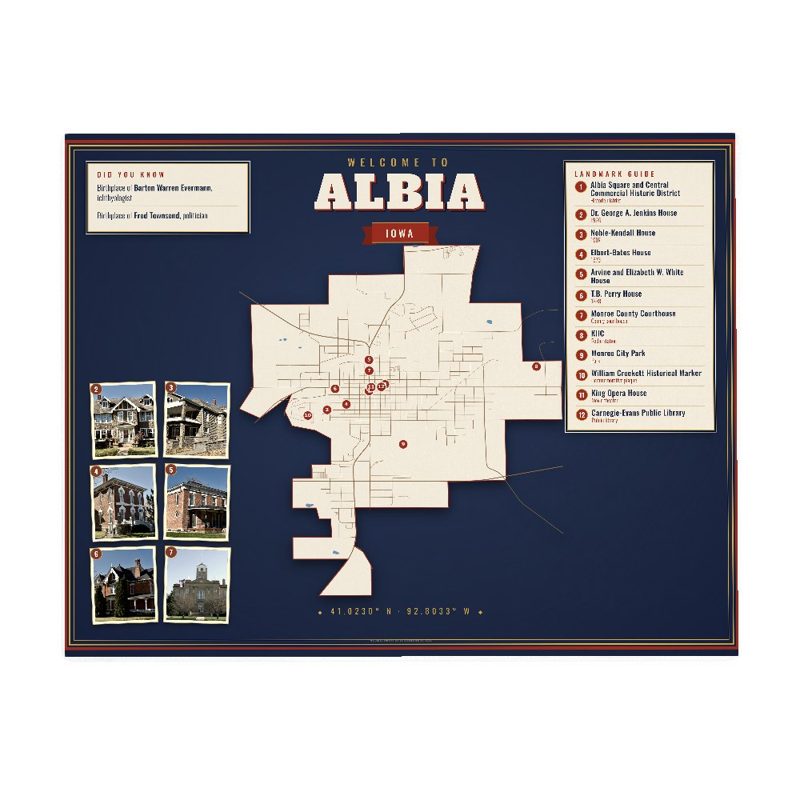






















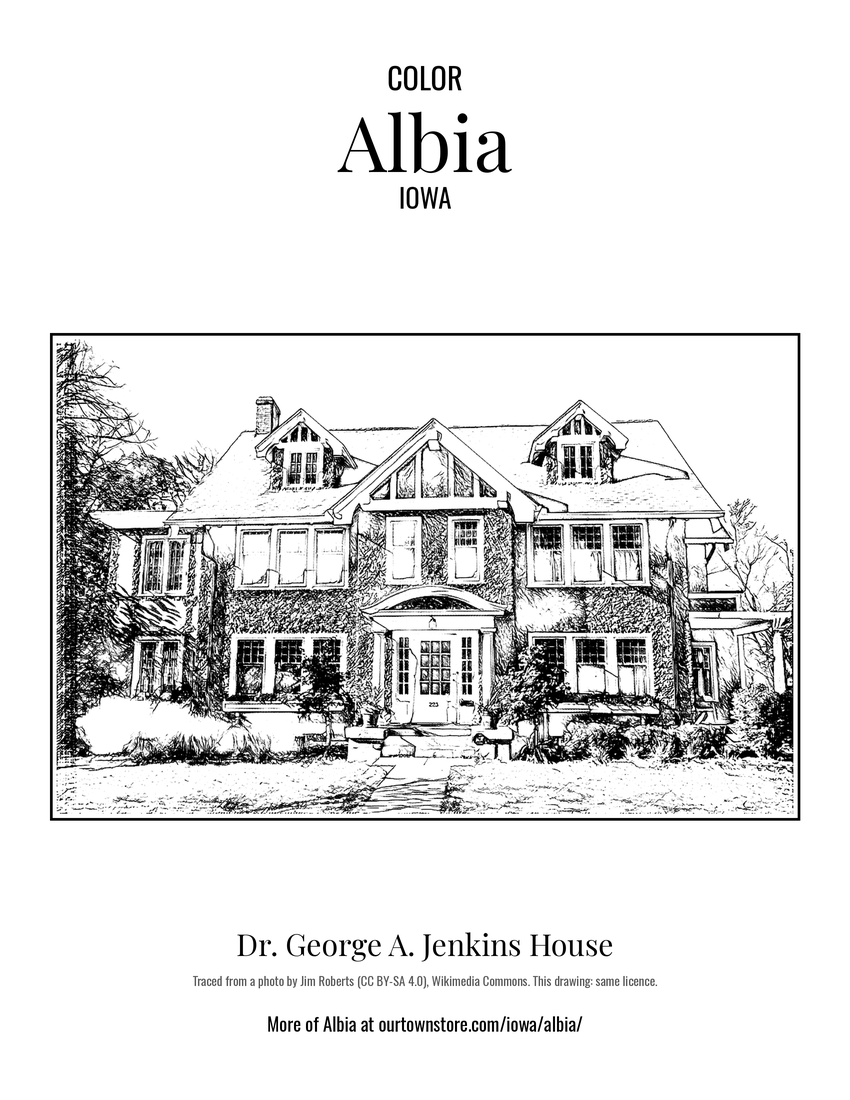 Dr. George A. Jenkins House
 Noble-Kendall House
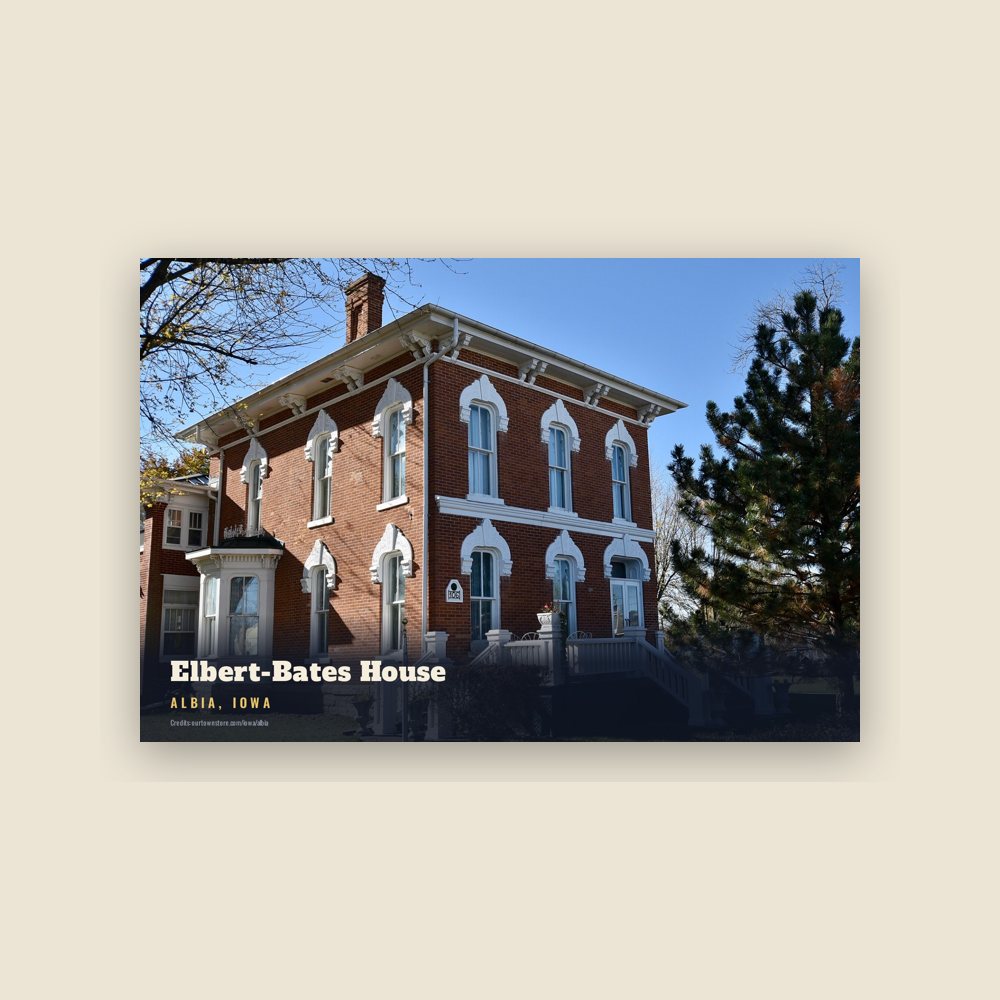
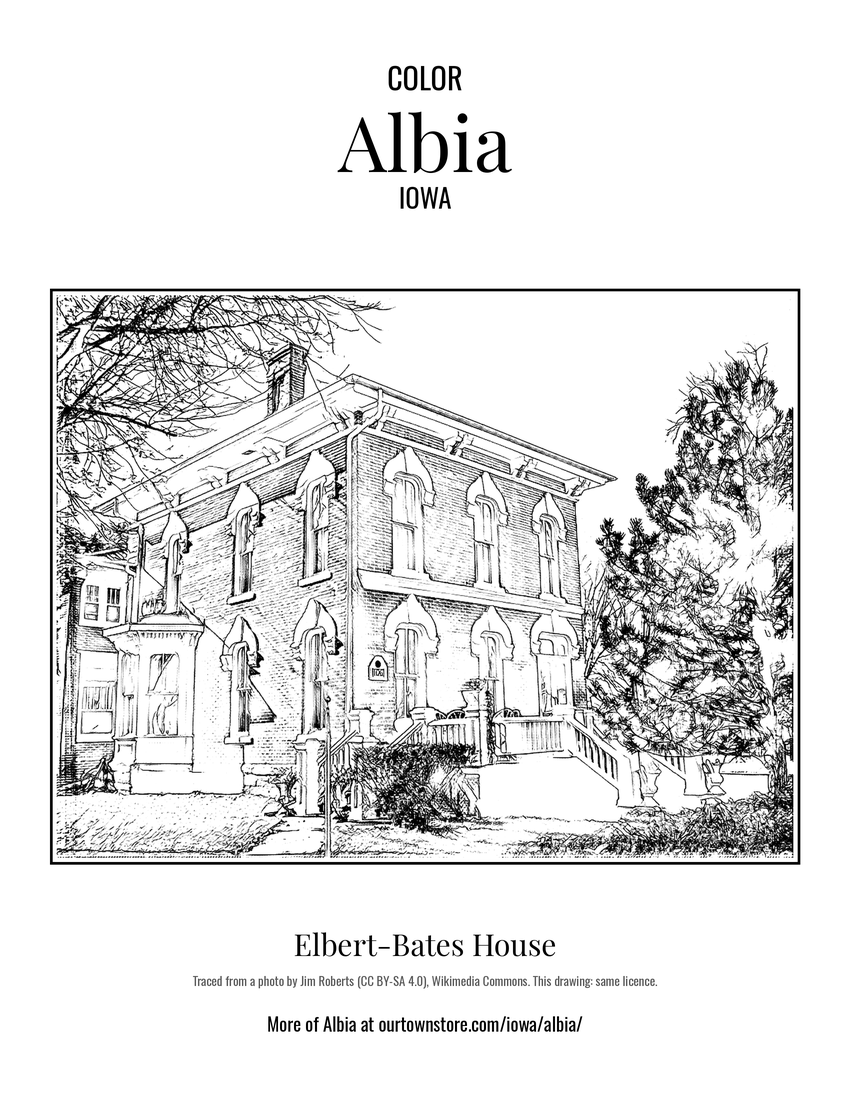 Elbert-Bates House
 Arvine and Elizabeth W. White House