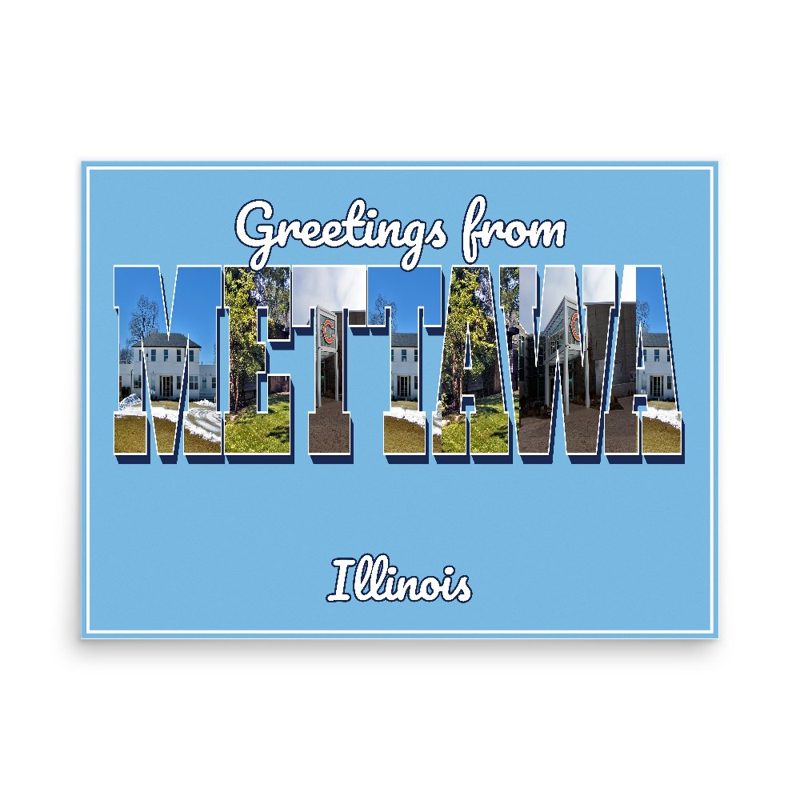
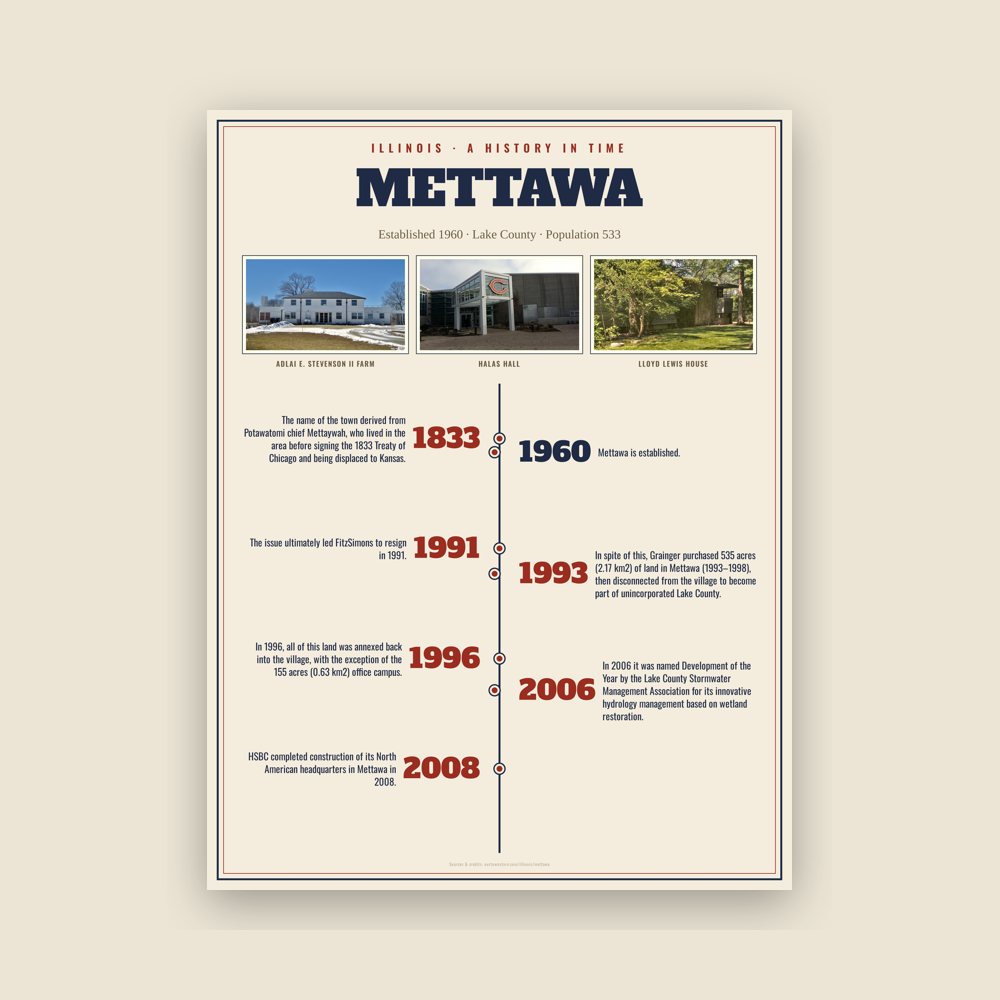
The name of the town derived from Potawatomi chief Mettaywah, who lived in the area before signing the 1833 Treaty of Chicago and being displaced to Kansas. The traveler Colbee reported visiting the chief's village near the Des Plaines River and eating pork, cakes fried in pork fat, and a corn and bean dish. Many Potawatomi returned to Illinois annually until the end of the nineteenth century to visit their burial grounds.
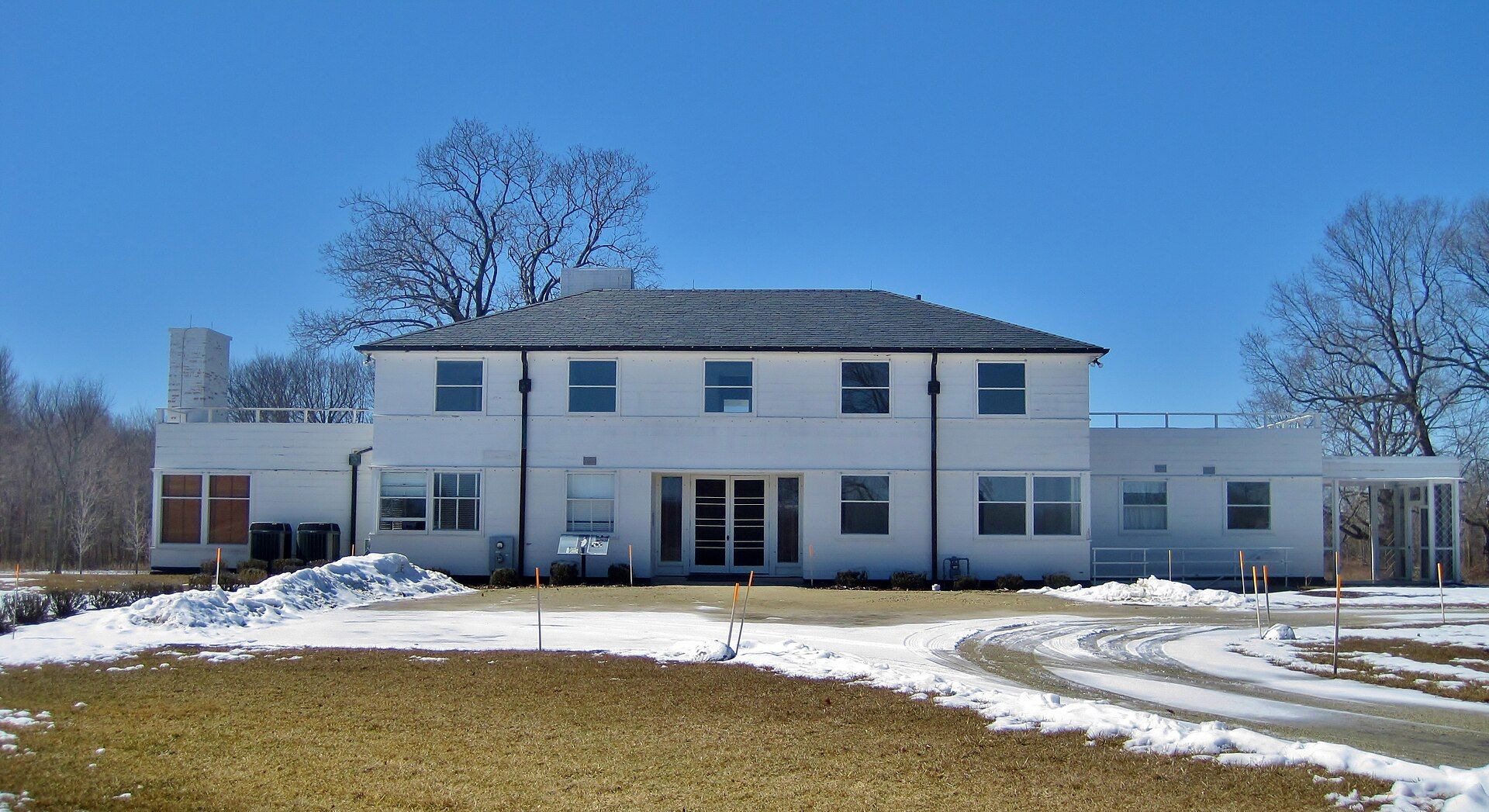
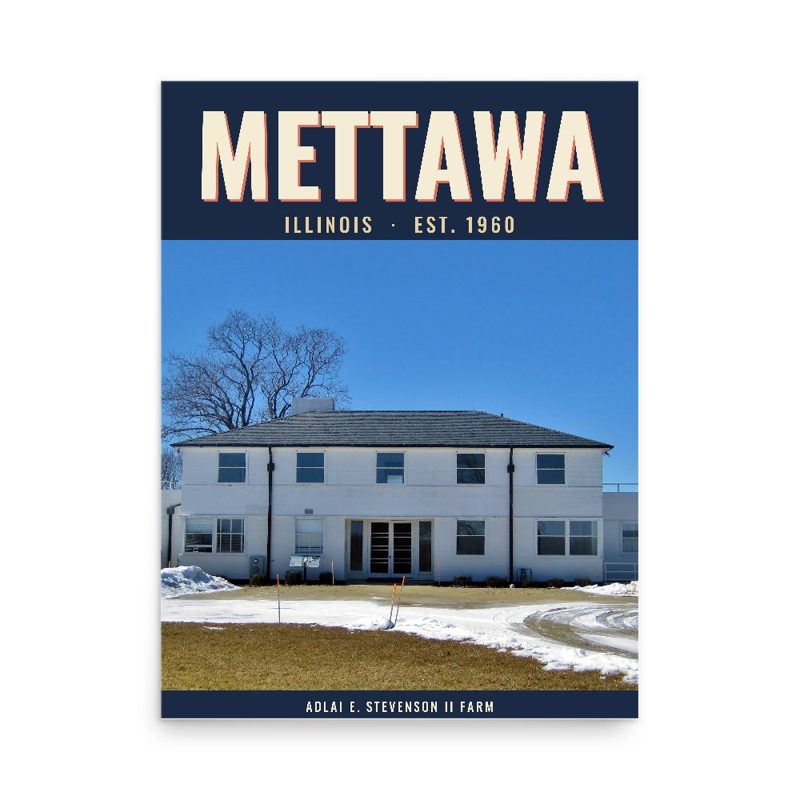
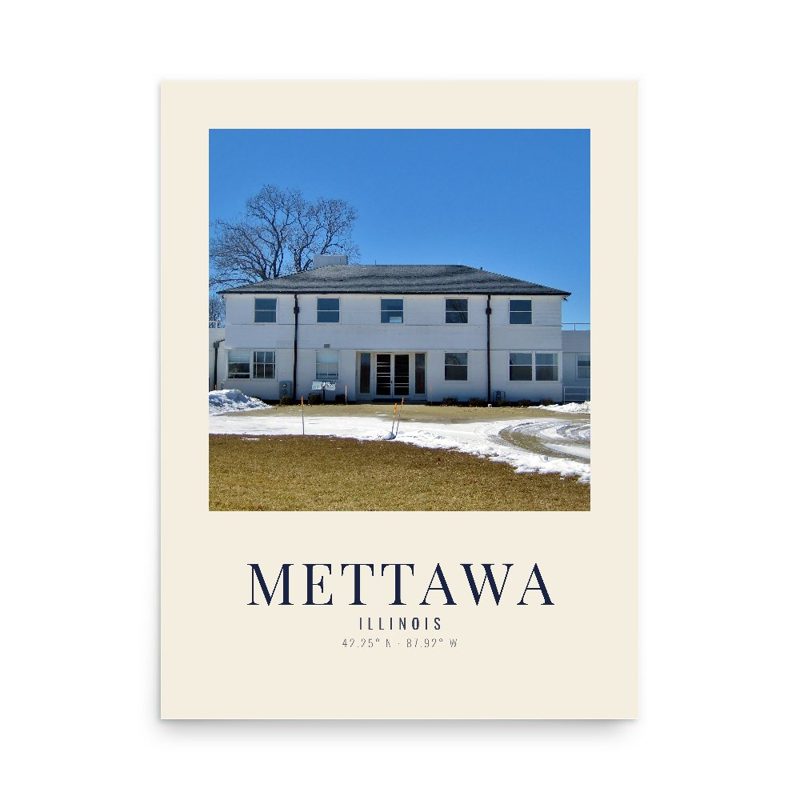
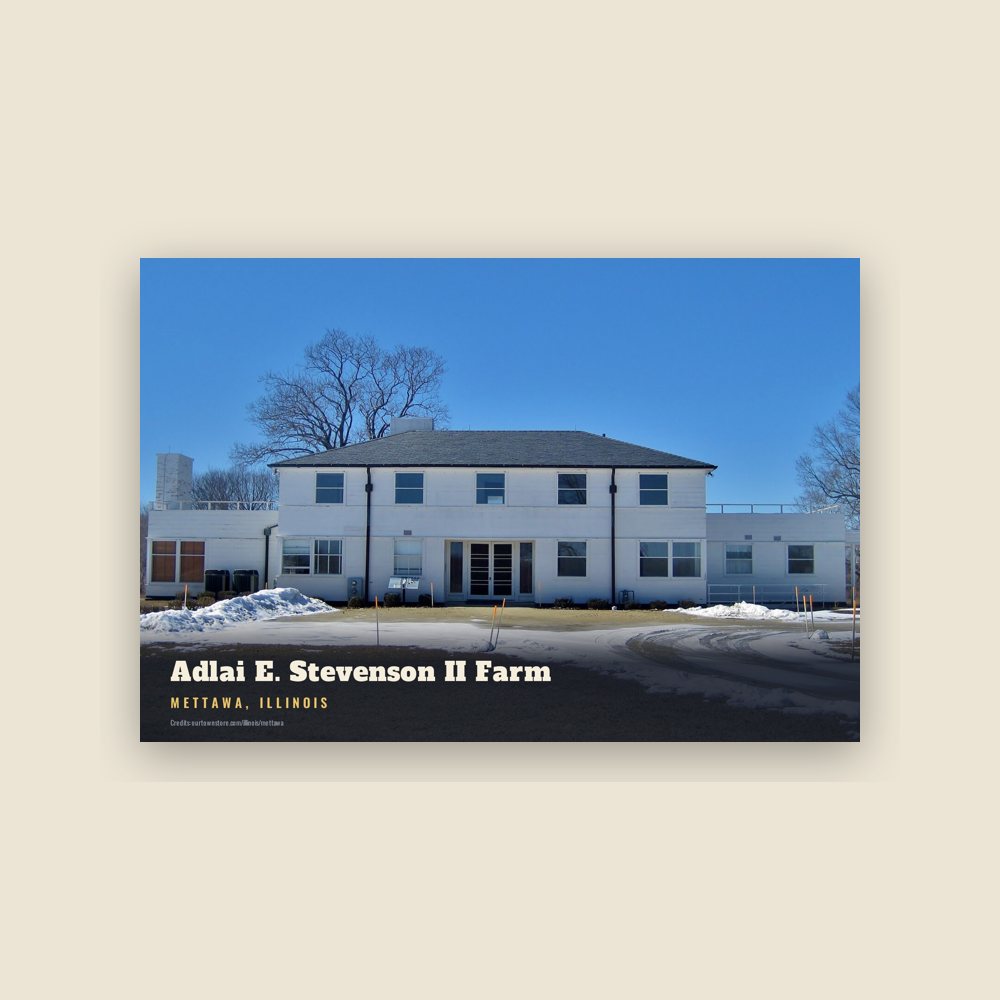
Mettawa was founded by area residents in 1960 who worked together with a common goal of protecting their rural area from encroaching commercial development. Mettawa's first mayor was James Getz; subsequent mayors included Edward FitzSimons, Julius Abler, Barry McLean and Jess Ray. The current treasurer is Amy Weiland. Famous residents and property owners within the area now known as Mettawa have included two-time presidential nominee Adlai E. Stevenson, city planner Edward H. Bennett, and more recently, news anchor and rancher Bill Kurtis and Chicago Bears' linebacker Brian Urlacher (brother of current Mettawa Mayor Casey Urlacher) and running back Matt Forte. Stevenson's Mettawa estate on the Des Plaines River is a designated Illinois Historic Site and is listed on the National Register of Historic Places.
Read the full history
Conservation and recreation
Mettawa was founded by conservationist landowners and continues to be a center of land conservation and restoration activities. The village also supports a rural, equestrian-friendly lifestyle. Some residents maintain small farming operations, and there are eight horse stables within the village's borders.
The Mettawa Open Lands Association (MOLA) is a non-profit organization that promotes quality open space within the village and encourages the protection of public and private open lands. MOLA supports Mettawa-area residents and open lands (including unincorporated housing developments that are surrounded by village land) with public workdays and educational programs, and provides quality open space management on village properties. In celebration of Mettawa's 50th anniversary in 2010, MOLA distributed complimentary wildflower seed packets to all village residents and to many residents in neighboring areas, and suggested that recipients plant the seeds along roadsides to help beautify the area.
MOLA maintains the Whippoorwill Farm Preserve, an open lands area owned by the village (just west of I-94 at the northwest corner of IL-60/Townline Road and Riverwoods Boulevard). Whippoorwill Farm is currently undergoing restoration to a native prairie/wetland habitat.
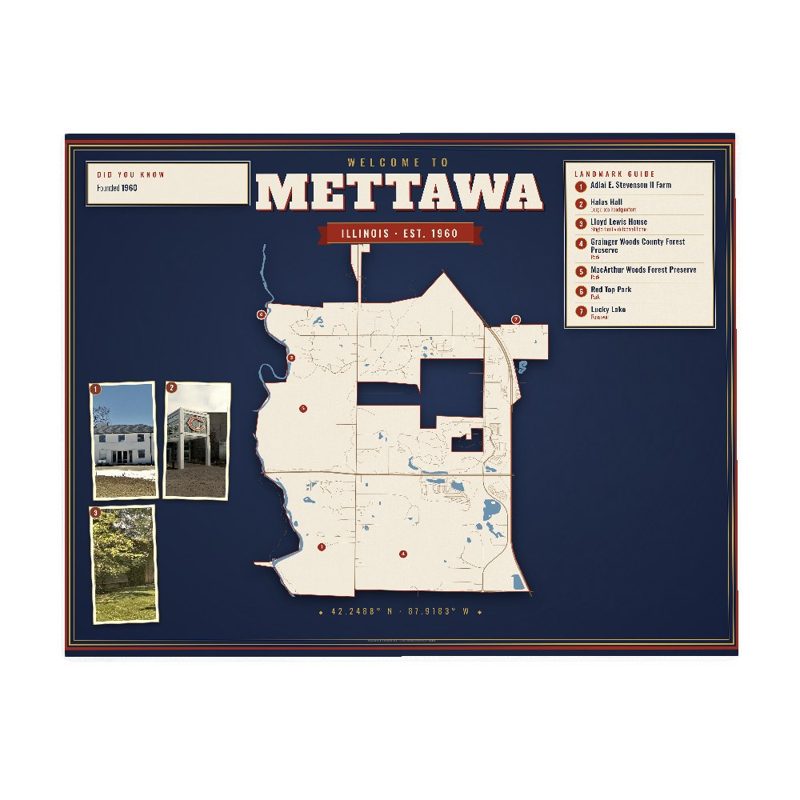
The Lake County Forest Preserve District maintains five forest preserves within village boundaries, including Old School, Grainger Woods, McArthur Woods, Captain Daniel Wright Woods and Adlai Stevenson Historic Home.
Mettawa also includes nine areas designated as Illinois Nature Preserves, one area within the Libertyville Township Open Space District, and the Covington Charitable Trust area (maintained by the Lake Forest Open Lands Association).
The Des Plaines River Trail runs through the western edge of Mettawa and connects with the village's own Mettawa Trail system, which is used by pedestrians, cyclists and equestrians.
Commercial development
Commercial development has occurred within and adjacent to Mettawa in recent years, despite resistance by residents and the Village Board). However, an unusually high percentage of the commercial structures are green buildings which have achieved high Leadership in Energy and Environmental Design (LEED) ratings. Tax revenues from businesses in Mettawa provide income to the village, which in turn provides eligible residents with a tax rebate.
HSBC completed construction of its North American headquarters in Mettawa in 2008. Although no longer corporate headquarters, the building remains partially occupied by HSBC. This building achieved LEED Gold Certification and in March 2009 was named Green Development of the Year by the National Association of Industrial and Office Properties (NAIOP).
The W. W. Grainger company's headquarters is located on unincorporated land enclosed within Mettawa's borders. In 2008 this building was updated to achieve its 2009 Gold LEED certification. Through the 1980s and 1990s, many residents of Mettawa opposed Grainger's plans for office development, fearing it would compromise the village's pastoral character. This issue was a source of significant contention during the tenure of Mayor Edward FitzSimons, who argued that fighting Grainger outright rather than negotiating could lead to unfavorable outcomes for the village. The issue ultimately led FitzSimons to resign in 1991. He was succeeded by Julius Abler, a staunch opponent of Grainger's development plans. In spite of this, Grainger purchased 535 acres (2.17 km2) of land in Mettawa (1993–1998), then disconnected from the village to become part of unincorporated Lake County. In 1996, all of this land was annexed back into the village, with the exception of the 155 acres (0.63 km2) office campus. Grainger donated 257 acres (1.04 km2) to the Lake County Forest Preserve District. The resulting Grainger Forest Preserve hosts an equestrian center and includes open lands filled with rare ecosystems and species. The remaining Grainger acreage is within the village and zoned 5-acre (20,000 m2) residential. Major businesses are also located near the busy intersection of Interstate 94 and Illinois Route 60 in Mettawa.
Residential development
The village maintains a low-density five-acre zoning requirement for residential development. Most of Mettawa's Planned Unit Developments (PUD) have included conservation easements and land restoration.
The Deerpath Farm conservation community, Mettawa's largest (200-acre (0.81 km2)) PUD, includes 140 acres (0.57 km2) of restored open lands managed by the Lake Forest Open Lands Association, and also sponsors community workdays and nature education events. In 2006 it was named Development of the Year by the Lake County Stormwater Management Association for its innovative hydrology management based on wetland restoration.