A short history of Lincolnshire
Prior to incorporation
The first inhabitants of what would become the village of Lincolnshire were Native American Potawatomi migrants from Canada and Wisconsin. The tribesmen left these northern places in the 16th century in search of a warmer, more temperate climate. The first Europeans to visit the area were the French Jesuit explorers Father Jacques Marquette and Louis Jolliet. Shortly after arriving in 1673 at the site of what later became Waukegan, they sailed down the Des Plaines River and made contact with the local Potawatomi, who would dominate the area by 1768. One of the Potawatomi villages that they encountered stretched along the west bank of the Des Plaines River, from what later became Illinois Route 22 south to Aptakisic Road, the first real settlement in the Lincolnshire and Half Day region.
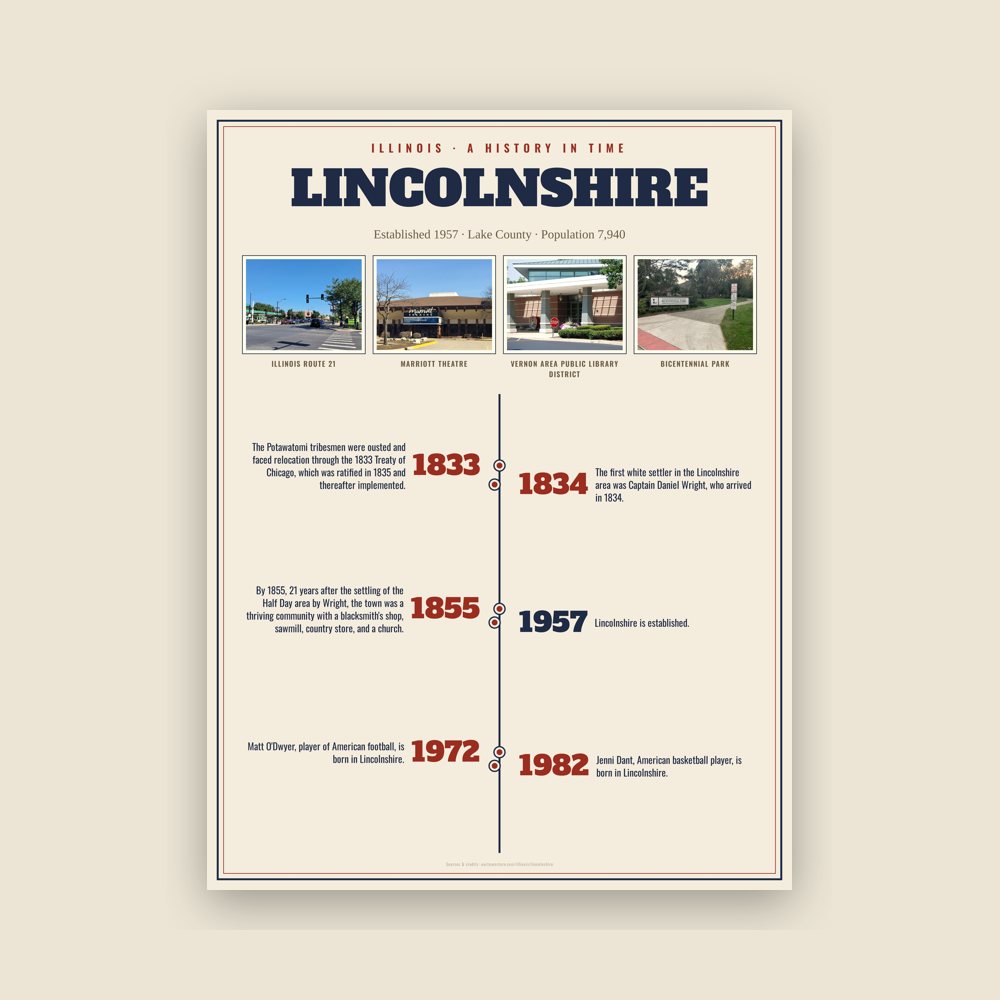
The Lincolnshire area was originally a part of the town of Half Day, the first region settled by non-Native American peoples in Lake County. The first white settler in the Lincolnshire area was Captain Daniel Wright, who arrived in 1834. Chief Halfda allowed Wright to build his cabin at the south end of the Potawatomi village at the site of the intersection of present-day Milwaukee Avenue and Aptakisic Road. The Potawatomi tribesmen were ousted and faced relocation through the 1833 Treaty of Chicago, which was ratified in 1835 and thereafter implemented.
The Half Day area experienced an economic boom with the arrival of new settlers during the two decades after Wright's arrival. Among these pioneers were Seth Washburn, the first postmaster of the Vernon Township, who settled at the site of what later became the Lincolnshire-Prairie View School District 103's Half Day Intermediate School, and Laura Sprague, the first teacher to reside in the area. By 1855, 21 years after the settling of the Half Day area by Wright, the town was a thriving community with a blacksmith's shop, sawmill, country store, and a church. At this time, the Chicago and Milwaukee Railway connected Milwaukee to the county seat of Waukegan, and it expanded throughout the Lake County area over the next few decades; this also contributed to the town's prosperity. Henry Ford's invention of the automobile in the early 20th century made Half Day a more accessible destination to other communities within the Chicago metropolitan area, and the village became a popular recreation area. This prompted the opening of many businesses, including an amusement park, a race track, a bowling alley, a dance hall, and taverns, that catered to visitors.
Read the full history
Incorporation and growth
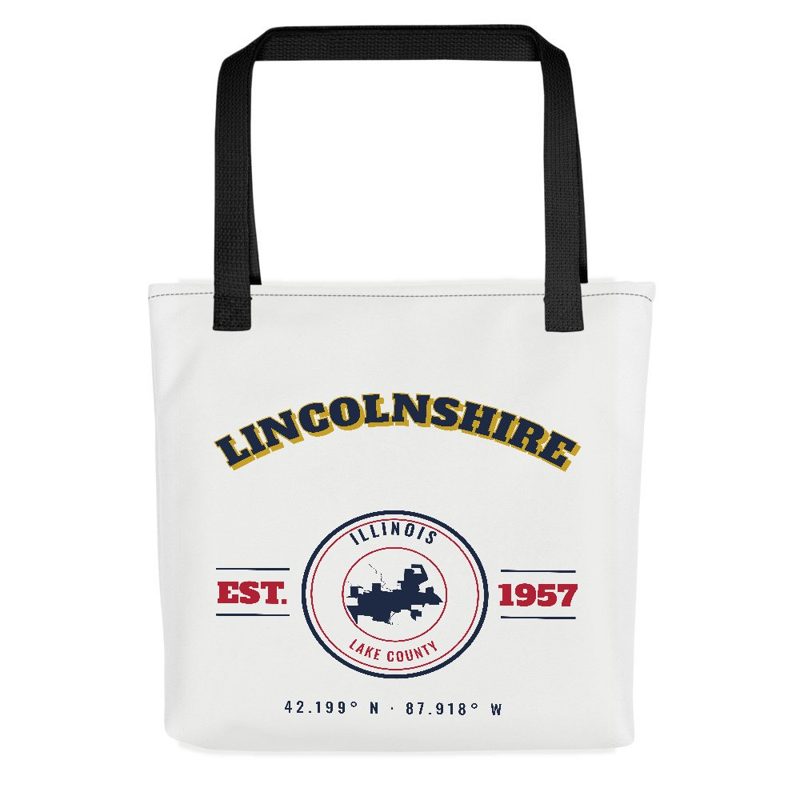
Vernon Township, which encompassed the village of Half Day, was carved up between wealthy farmers after the end of World War I. Edward Ryerson, Adlai Stevenson II, Samuel Insull, and Louis Leverone bought the majority of the territory within Vernon Township's borders. Leverone, who had purchased the Half Day area, sold a tract of land to developer Roger Ladd and his eponymous company in 1955. The company organized a residential subdivision out of the ceded town of Half Day and christened it "Lincolnshire", the precursor to the present-day village of the same name. However, life in the village was problematic, as the new subdivision was served by dirt roads and had neither a sufficient communal sanitation system nor a gas line. Lincolnshire's police coverage was inefficient, as officers patrolling the area had to be dispatched from Waukegan, approximately 16 miles (26 km) to the north. As a result, the Cambridge Forest Association (CFA) was formed to lobby for improvement in the livelihoods of the people of Lincolnshire. With sponsorship from the Cambridge Forest Association, Lincolnshire was incorporated as a village on August 5, 1957. The CFA was later renamed the Lincolnshire Community Association.
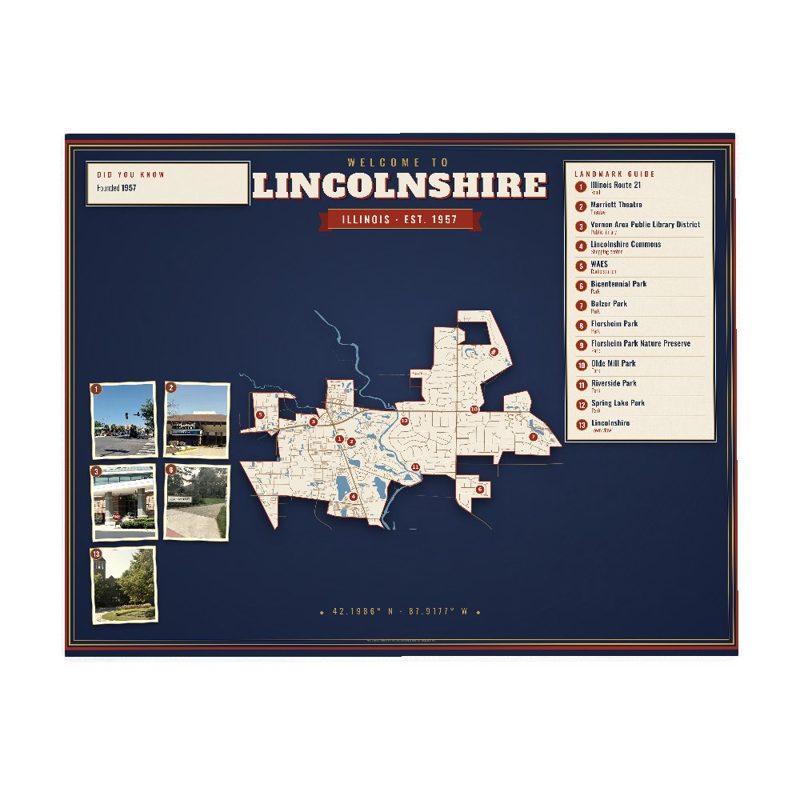
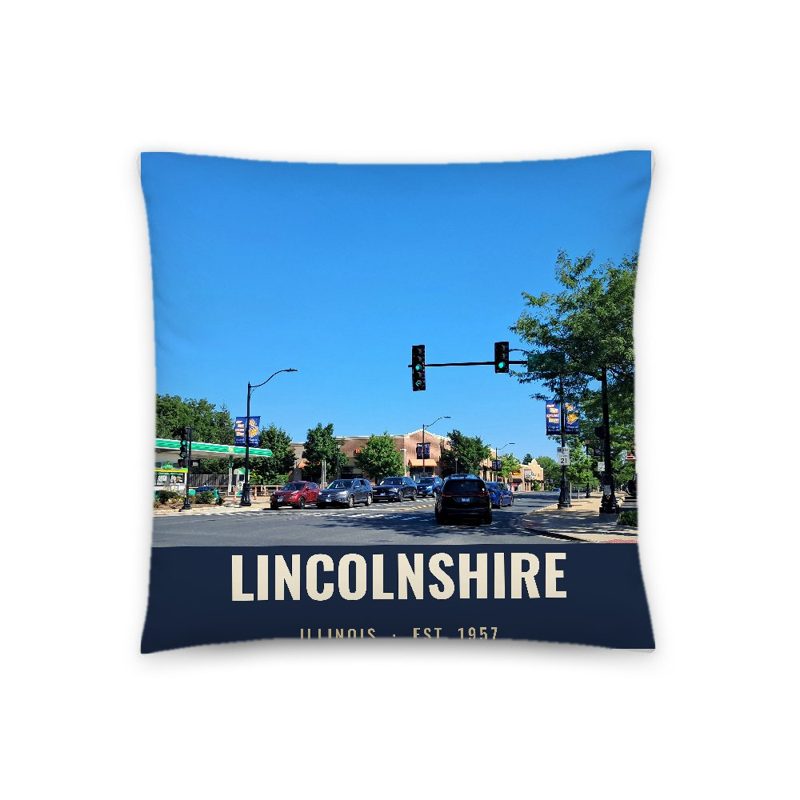
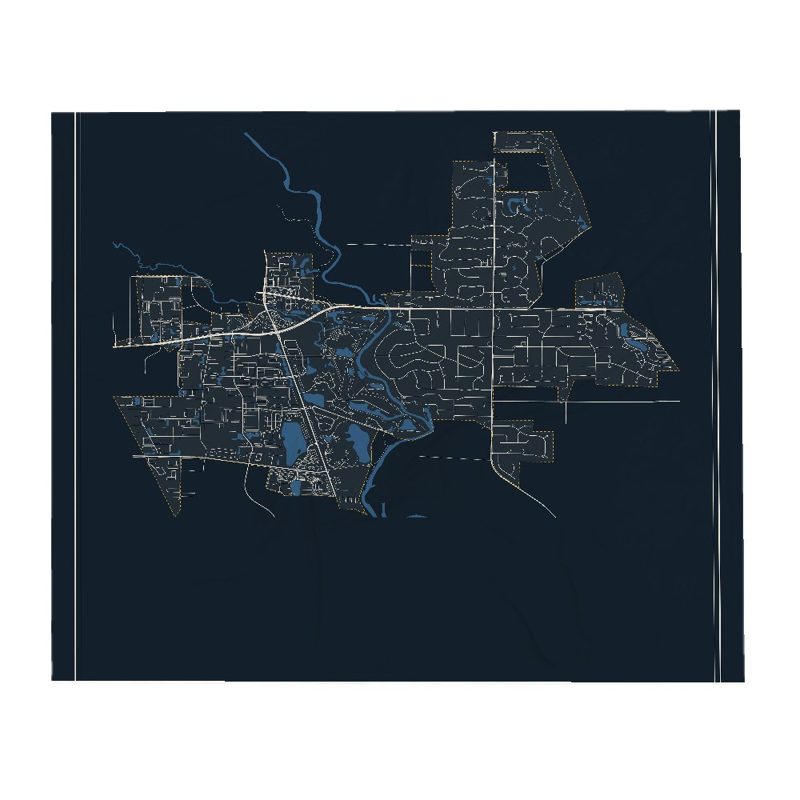
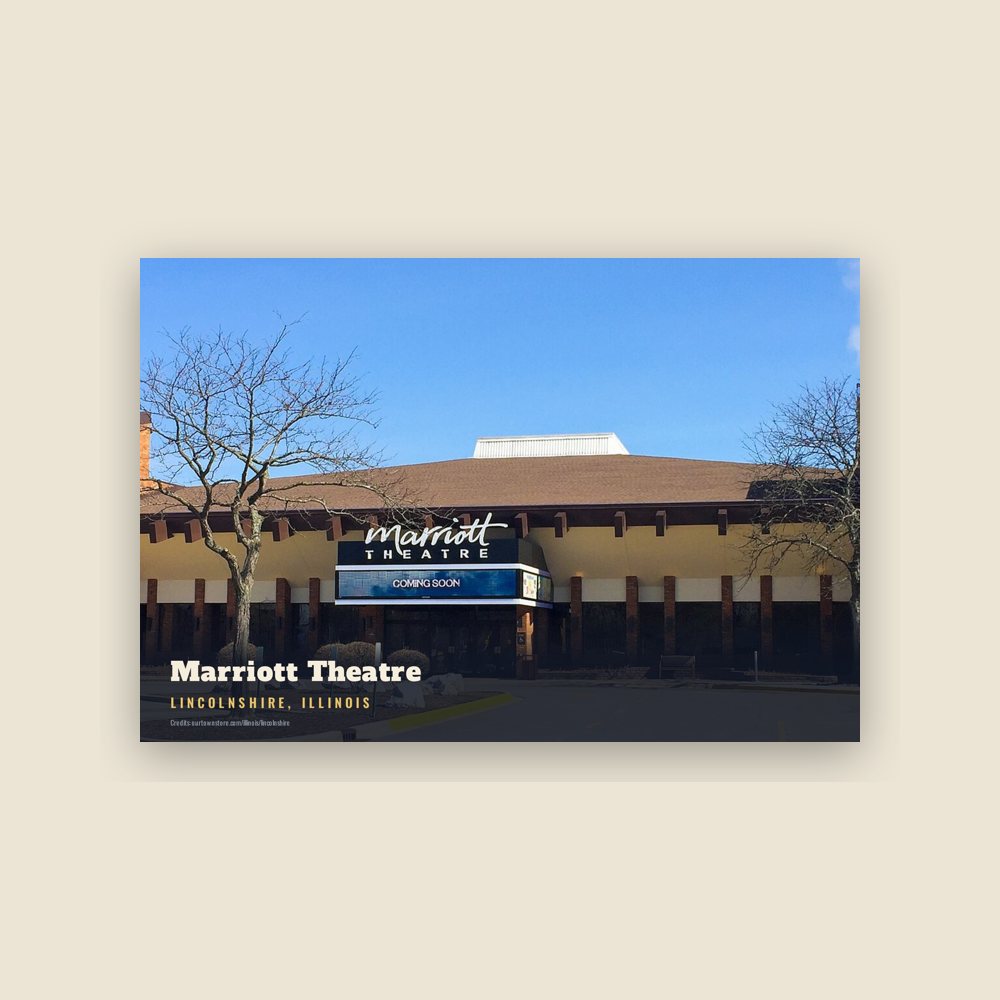
Lincolnshire's government initially adhered to a conservative and cautious approach, and refused to annex two corporate park divisions in the 1980s. Opponents to the village government's methods, however, won out in later years; supporting a quick growth to rival the increasing affluence of surrounding villages, they oversaw the Marriott Lincolnshire Resort and Lincolnshire Corporate Center over a period of years following 1983. Lincolnshire also sought to annex the old remnants of the unincorporated community of Half Day from which it was created, but lost in a court battle with the village of Vernon Hills in 1994; the court case set the present-day border between the two villages, which lies along Route 22 up to its intersection with Milwaukee Avenue. To consolidate these new acquisitions, Lincolnshire set to work on a new village hall that was completed in 1993, and constructed a downtown area centered on the intersection of Aptakisic Road and Milwaukee Avenue; the village's endeavors included commercial regions like the Lincolnshire Corporate Center, City Park, and the Lincolnshire Commons. These facilities were planned and constructed from the mid-1990s to the mid-2000s.
In 2005, Buffalo Grove and Lincolnshire reached a boundary agreement with respect to the allocation of properties surrounding and concerning the unincorporated Prairie View area, which lay in between the two Lake County villages. The acreage in question was divided equally between the two villages.
Adapted (trimmed) from the Wikipedia article Lincolnshire, Illinois, revision 1379536722 by its contributors, licensed CC BY-SA 4.0.