A short history of Glencoe
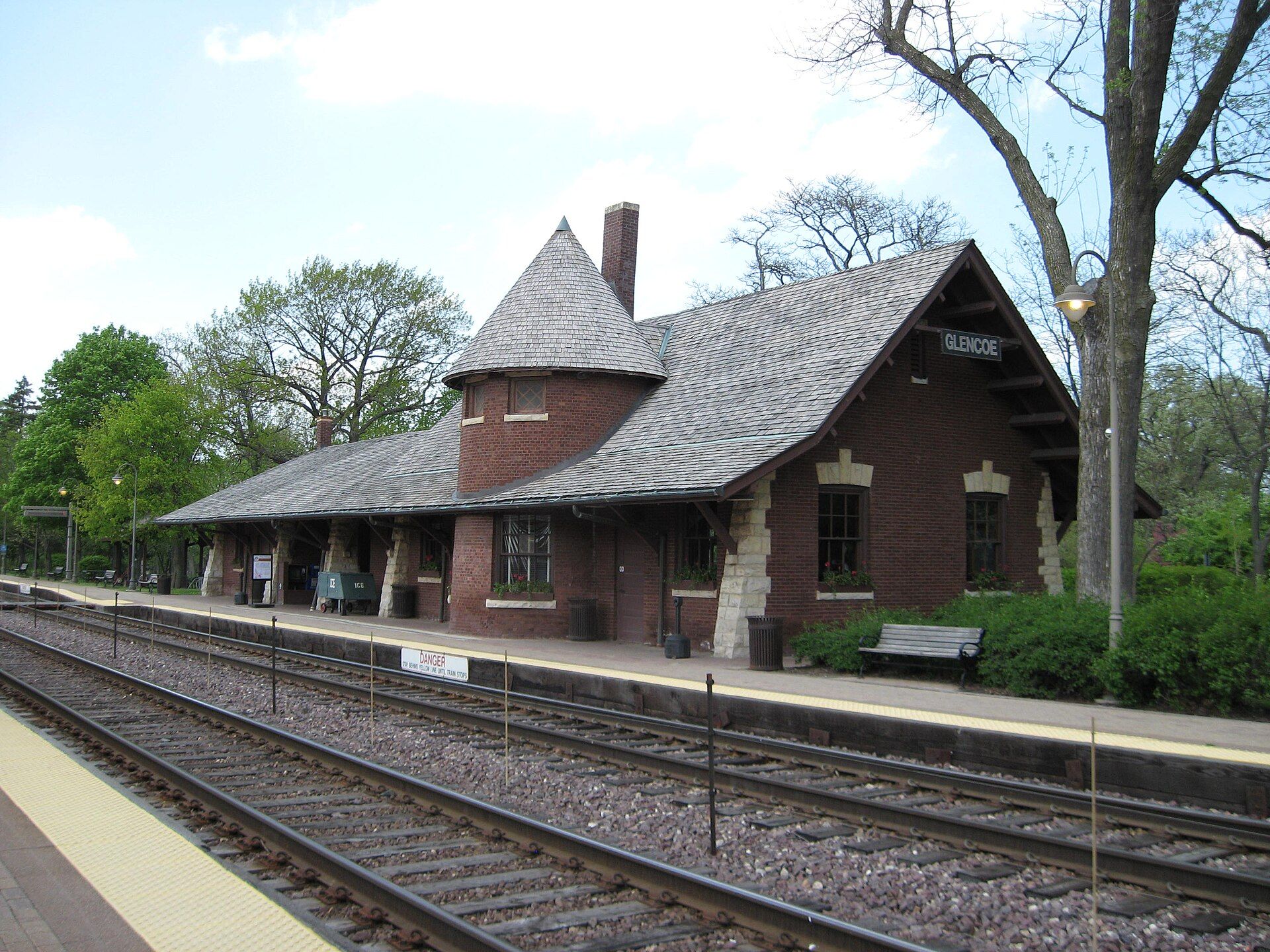
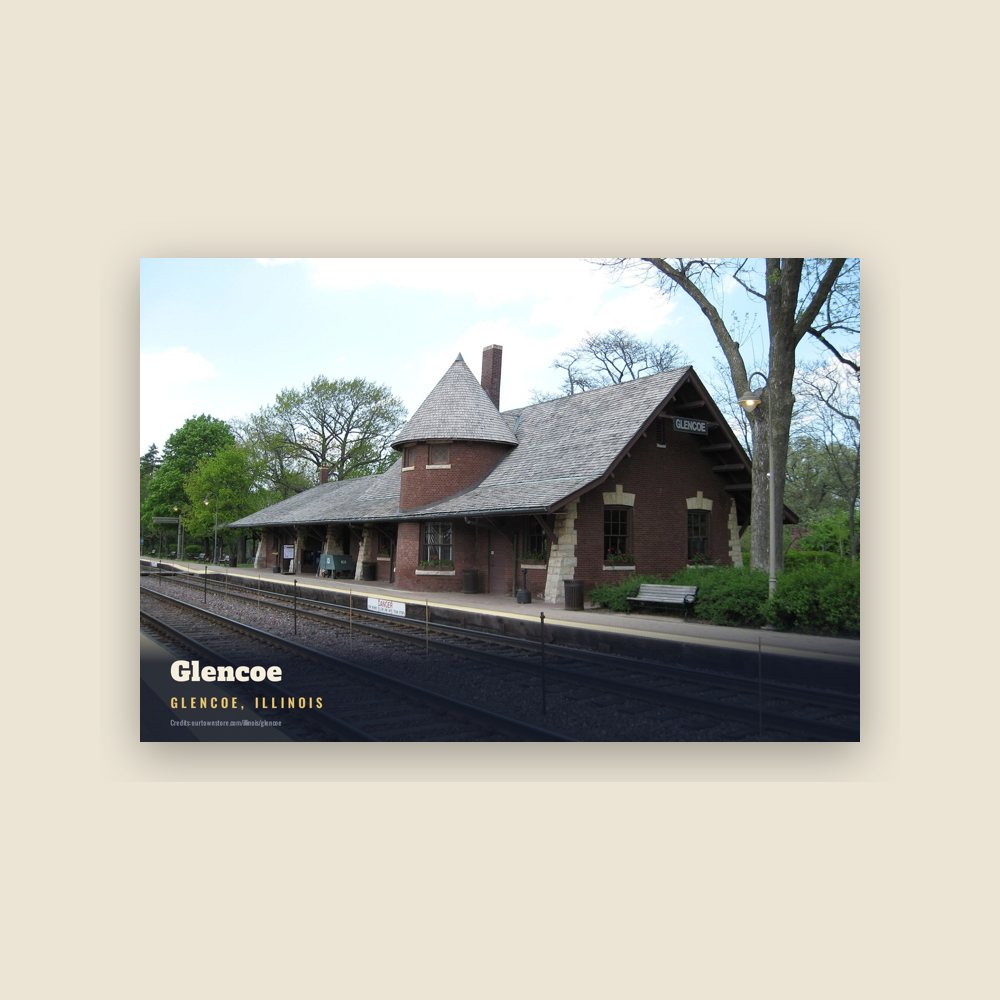
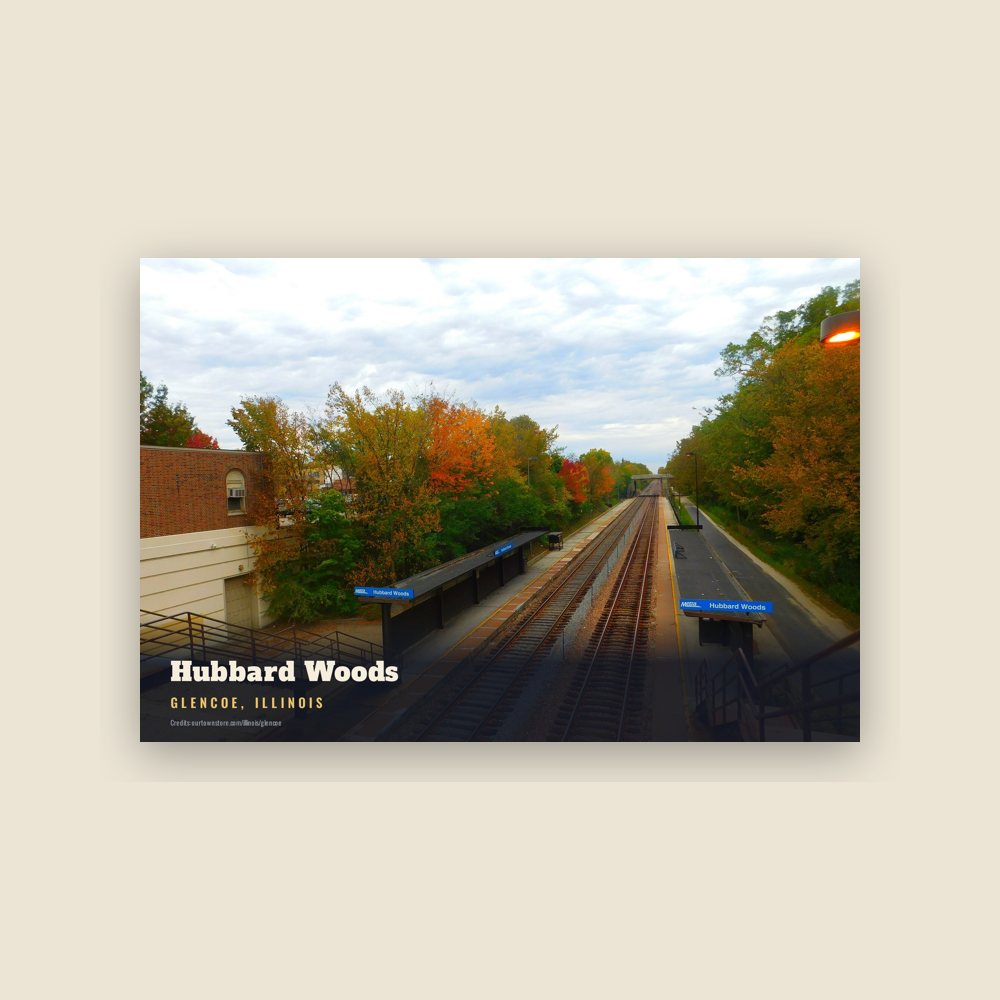
Opinions differ about the origins of the village's name. Some attribute it to an early resident, Matthew Coe. Others say it is named for the area of Scotland of the same name. It developed in the late 19th century around a railroad stop. Former Chicago mayor Walter S. Gurnee had become president of the line connecting Chicago and Milwaukee, and often bought up and developed land around railroad stops. Thus, one historian believes the name derives from the maiden name of Gurnee's wife, since Gurnee bought the land in 1867 and began subdivision, although financial problems prevented him from building a home there and he returned to New York for his final years. The village's first seal was based on the seal of Glencoe, Scotland.
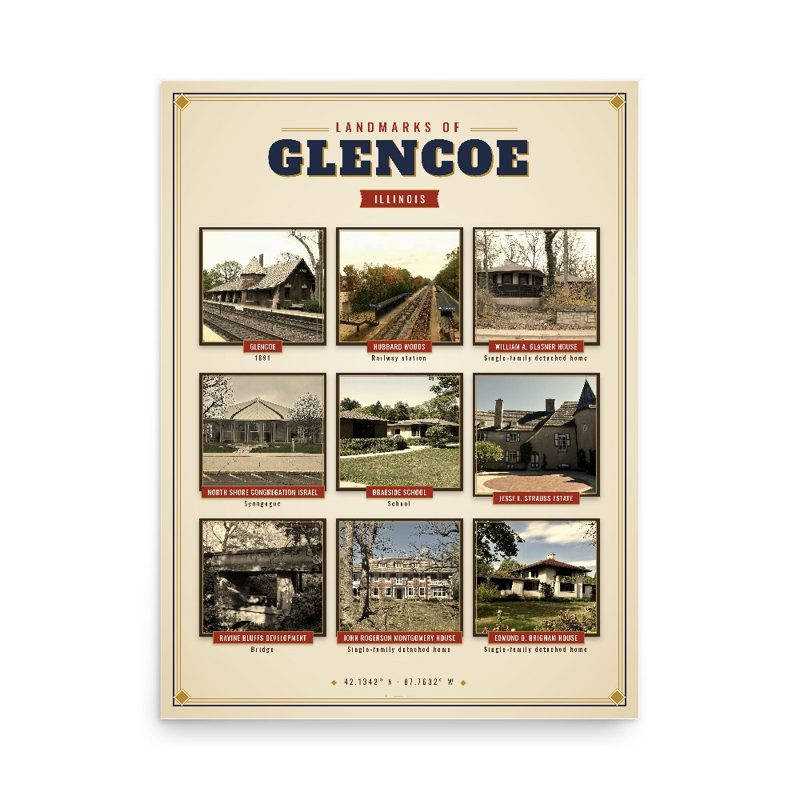
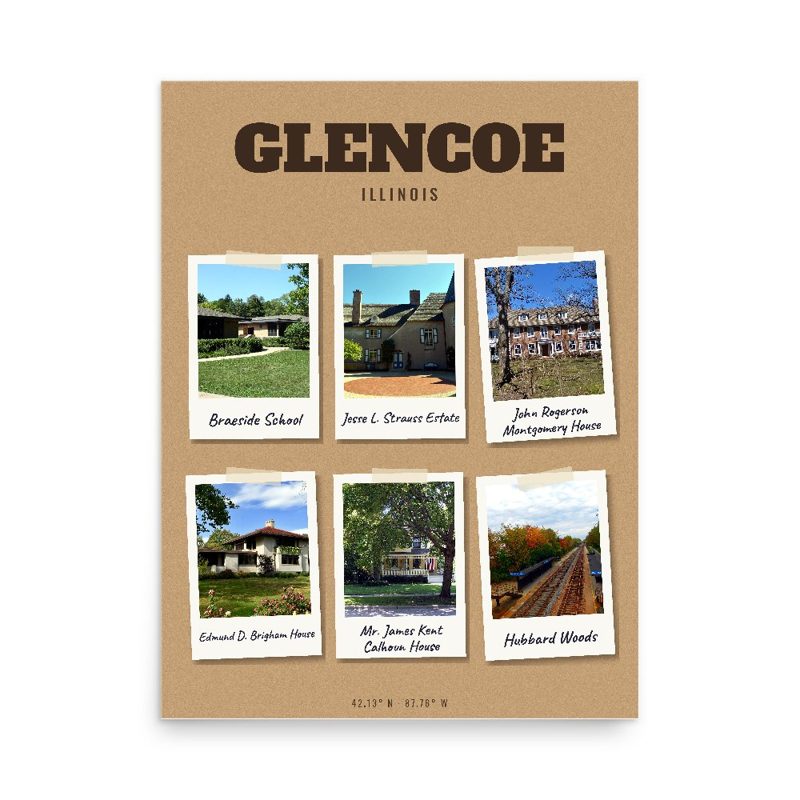
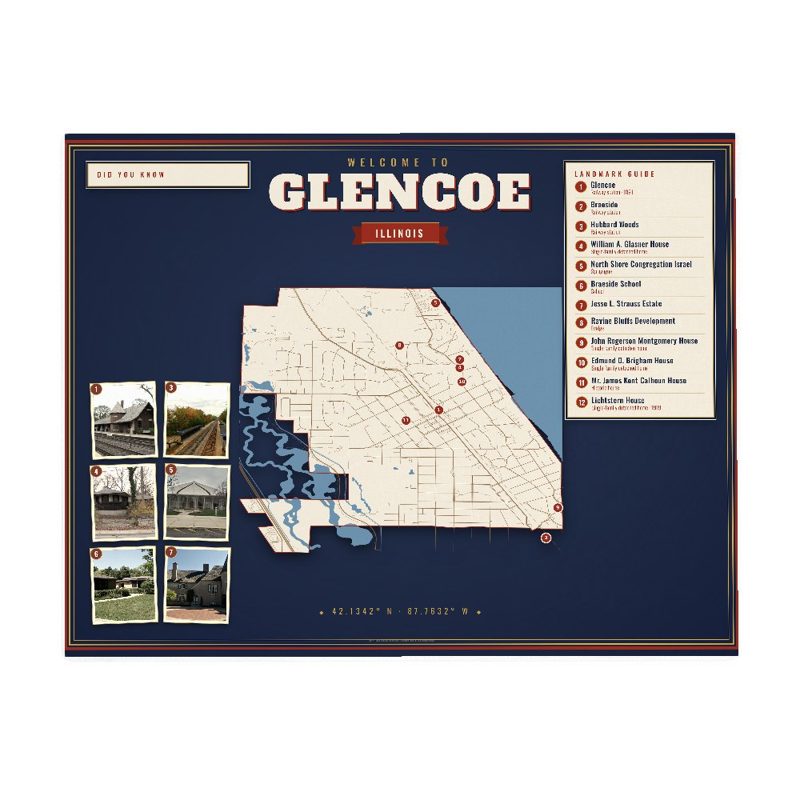
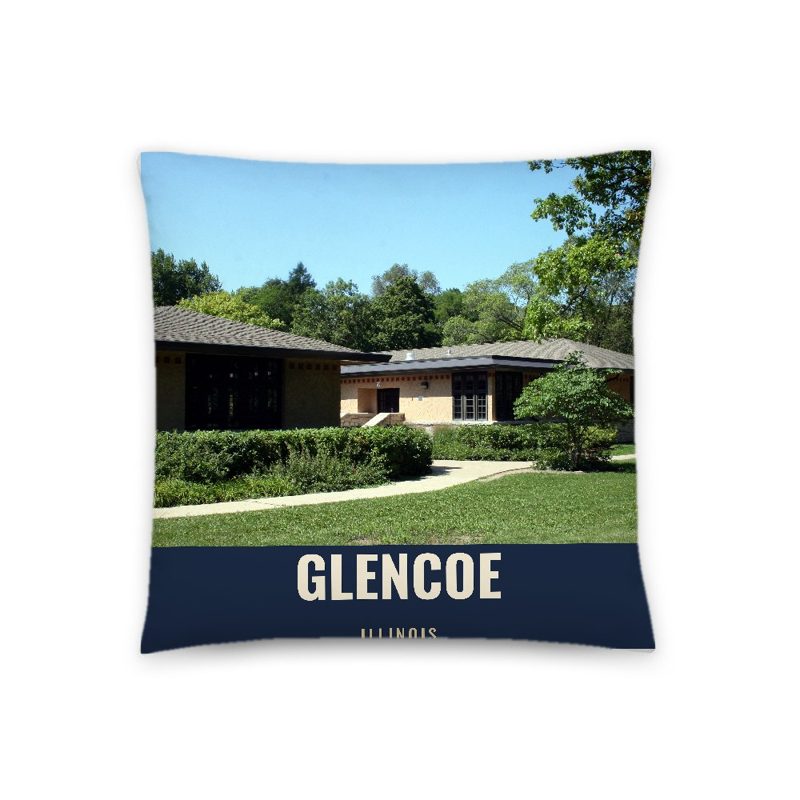
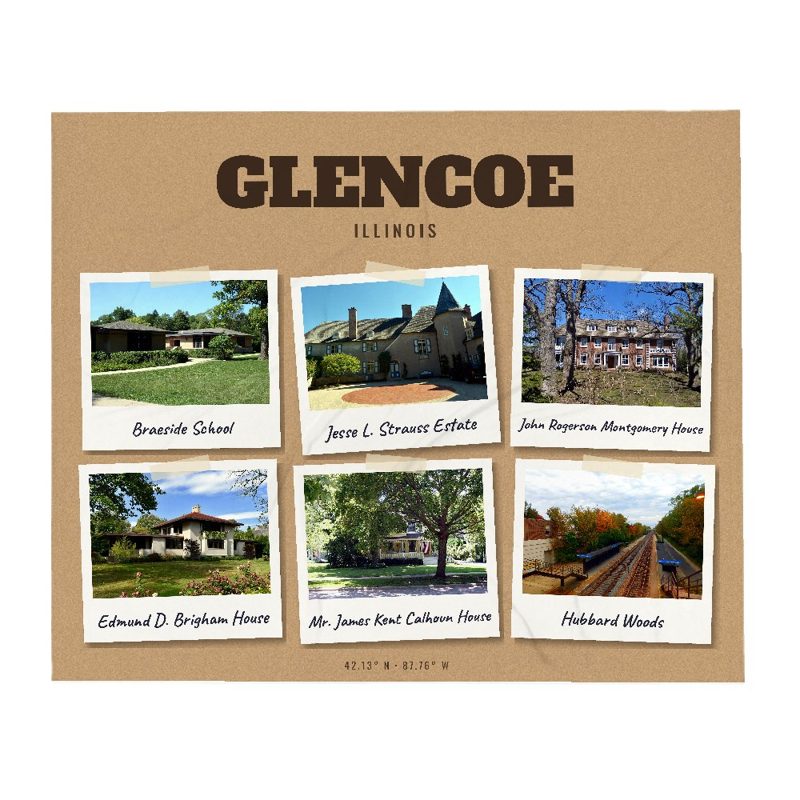
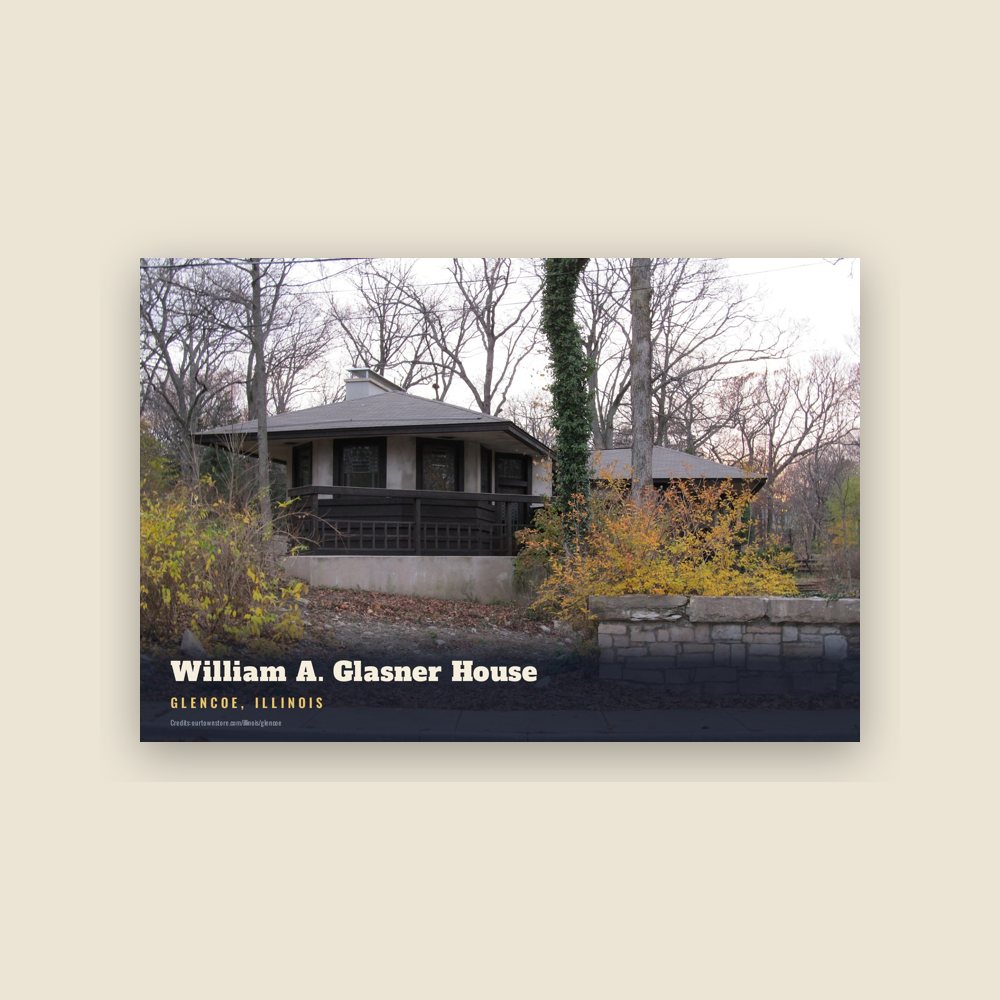
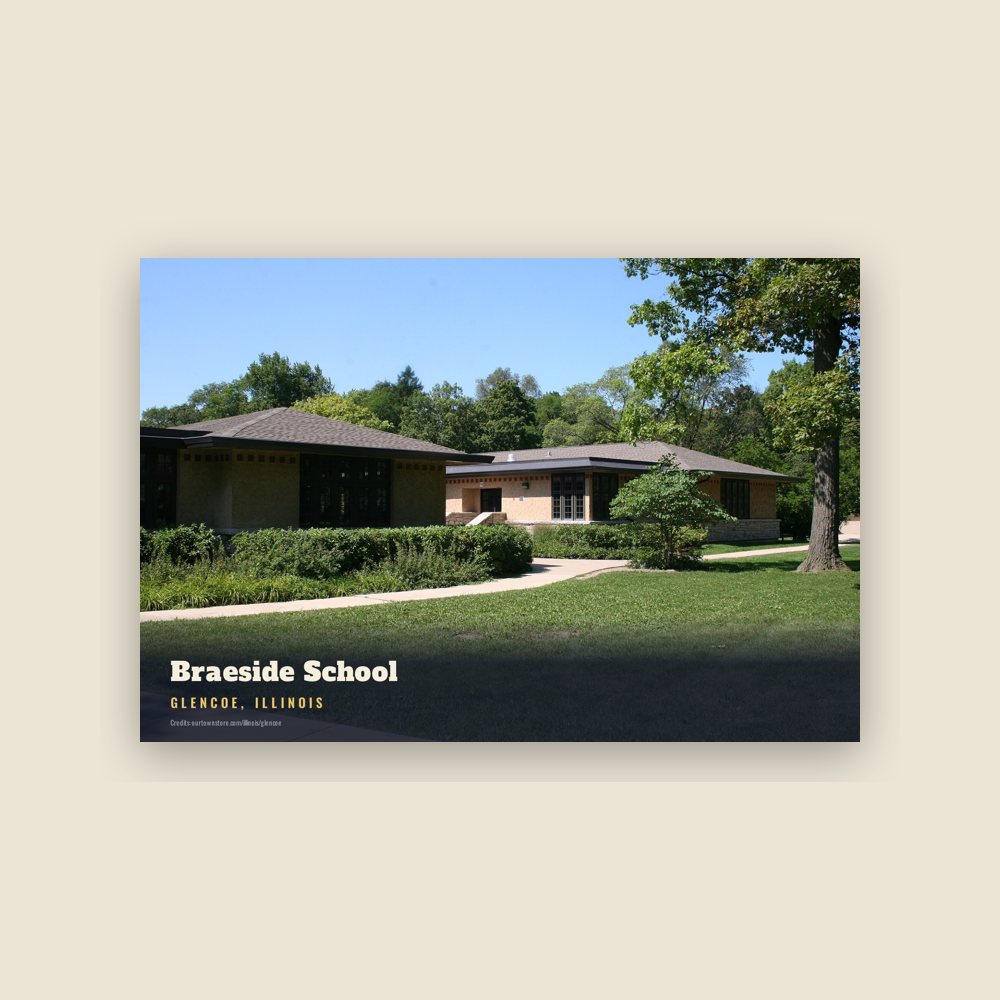
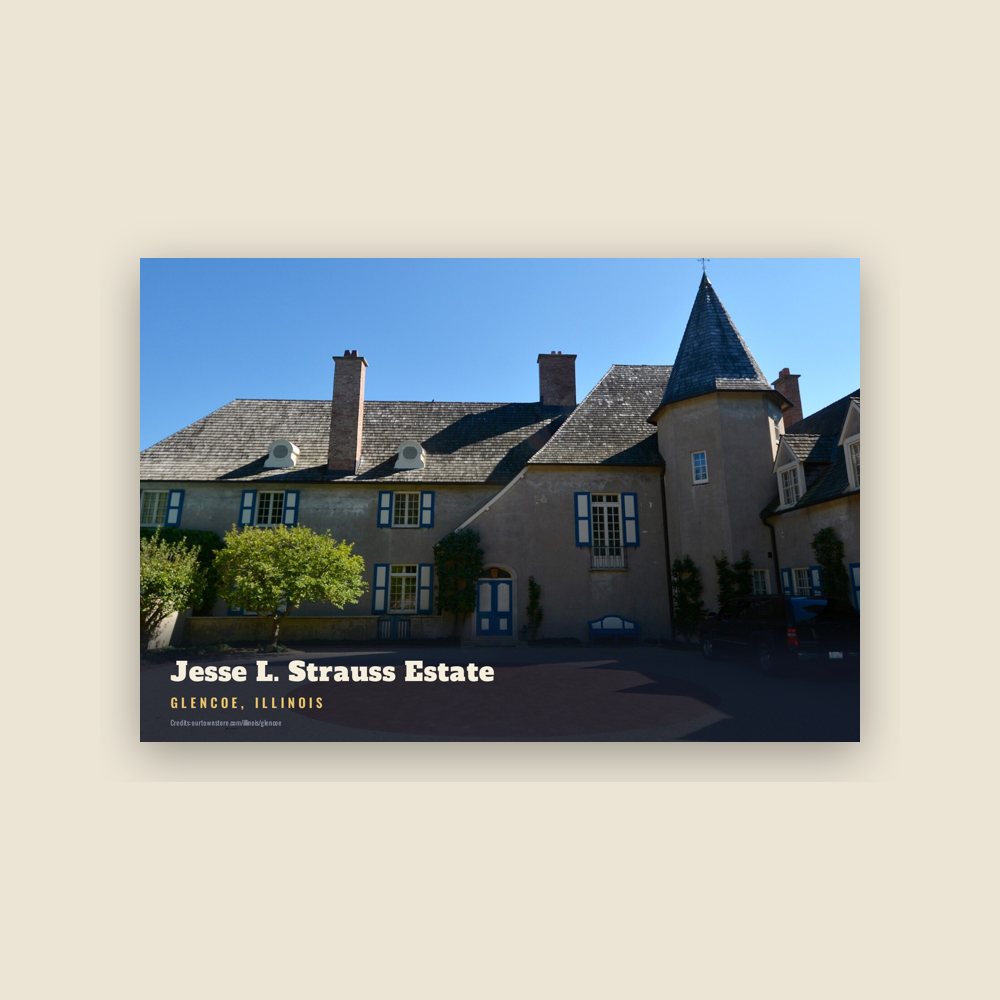
During the late 19th and early 20th centuries, many elegant homes were built in Glencoe. Most notably, the village is home to the world's third largest collection of Frank Lloyd Wright structures: the Ravine Bluff subdivision contains seven houses, a concrete bridge and three sculptural markers. There are also two larger, individually built homes, located nearby Ravine Bluffs. In addition to Wright, there are houses designed by Howard Van Doren Shaw, David Adler, Robert E. Seyfarth and George Washington Maher, Benjamin Marshall, among others. Writers Theater was designed by Jeanne Gang.
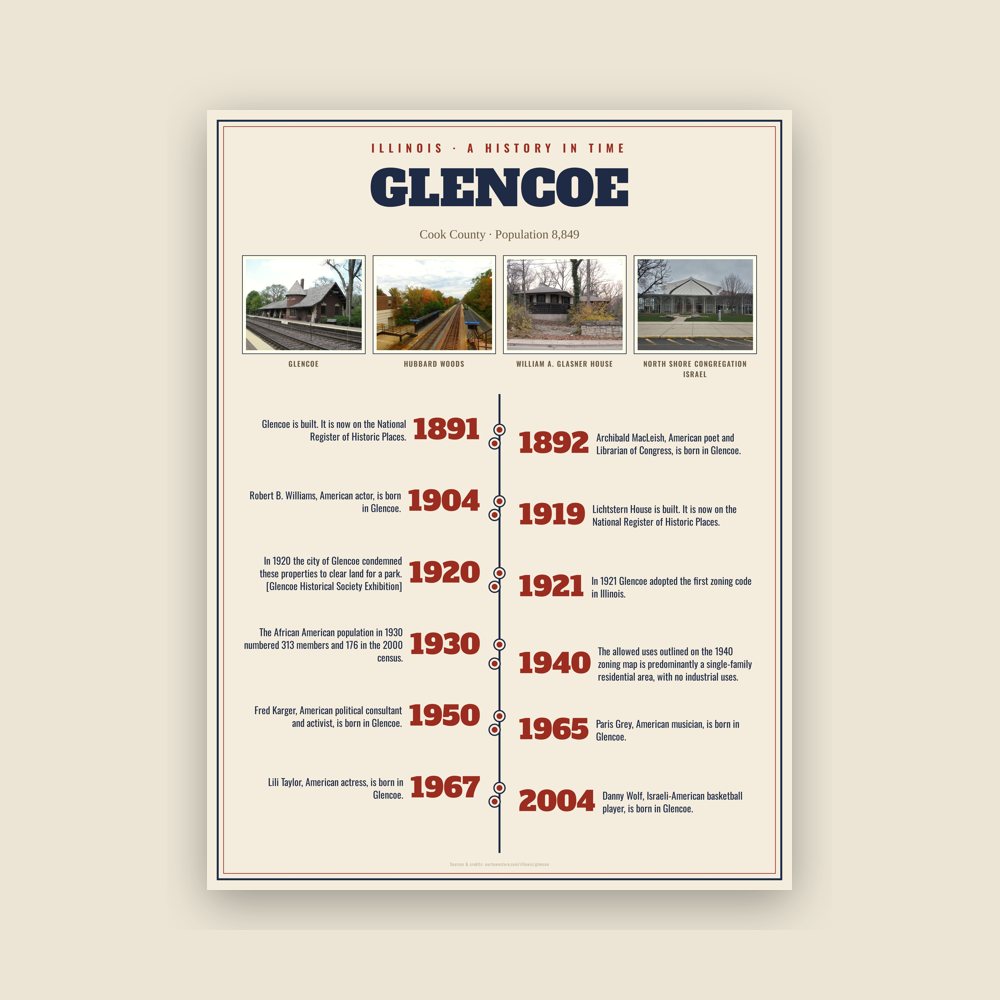
In 1920 the African American community in Glencoe grew to 676 residents. The African American population in 1930 numbered 313 members and 176 in the 2000 census.
Homer Wilson was the first Black property owner in Glencoe. He went on to mortgage his home to found the St. Paul AME Church which is still active in Glencoe under the leadership of Katrese Kirk McKenzie. Glencoe beaches were not integrated until 1942 when a court injunction allowed the sale of beach passes for the (formerly white-only) Park Avenue beach to the family that requested them, A.L. Foster, his wife, Mildred and their two sons who lived at 379 Jefferson.
Glencoe has a Village Manager form of government. It had one of the first public safety departments (combined police/fire/paramedic). In 1921 Glencoe adopted the first zoning code in Illinois. Its land-use plan, adopted in 1940, has been adhered to with minor changes since then. For example, eminent domain law was used to condemn homes of the Black and Italian residents to make way for a new park next to South School. The allowed uses outlined on the 1940 zoning map is predominantly a single-family residential area, with no industrial uses. It has a small cohesive central business district that provides most basic services, including post office, library, Village Hall, performing arts theatre, train station (to Chicago), and other shopping needs.
Adapted (trimmed) from the Wikipedia article Glencoe, Illinois, revision 1378187975 by its contributors, licensed CC BY-SA 4.0.