A short history of Evanston
Prior to the 1830s, the area now occupied by Evanston was mainly uninhabited, consisting largely of wetlands and swampy forest. However, Potawatomi Native Americans used trails along higher lying ridges that ran in a general north–south direction through the area, and had at least some semi-permanent settlements along the trails.
French explorers referred to the general area as "Grosse Pointe" after a point of land jutting into Lake Michigan about 13 miles (21 km) north of the mouth of the Chicago River. After the first non-Native Americans settled in the area in 1836, the names "Grosse Point Territory" and "Gross Point voting district" were used through the 1830s and 1840s, although the territory had no defined boundaries. The area remained only sparsely settled, supporting some farming and lumber activity on some of the higher ground, as well as a number of taverns or "hotels" along the ridge roads. Grosse Pointe itself steadily eroded into the lake during this period.
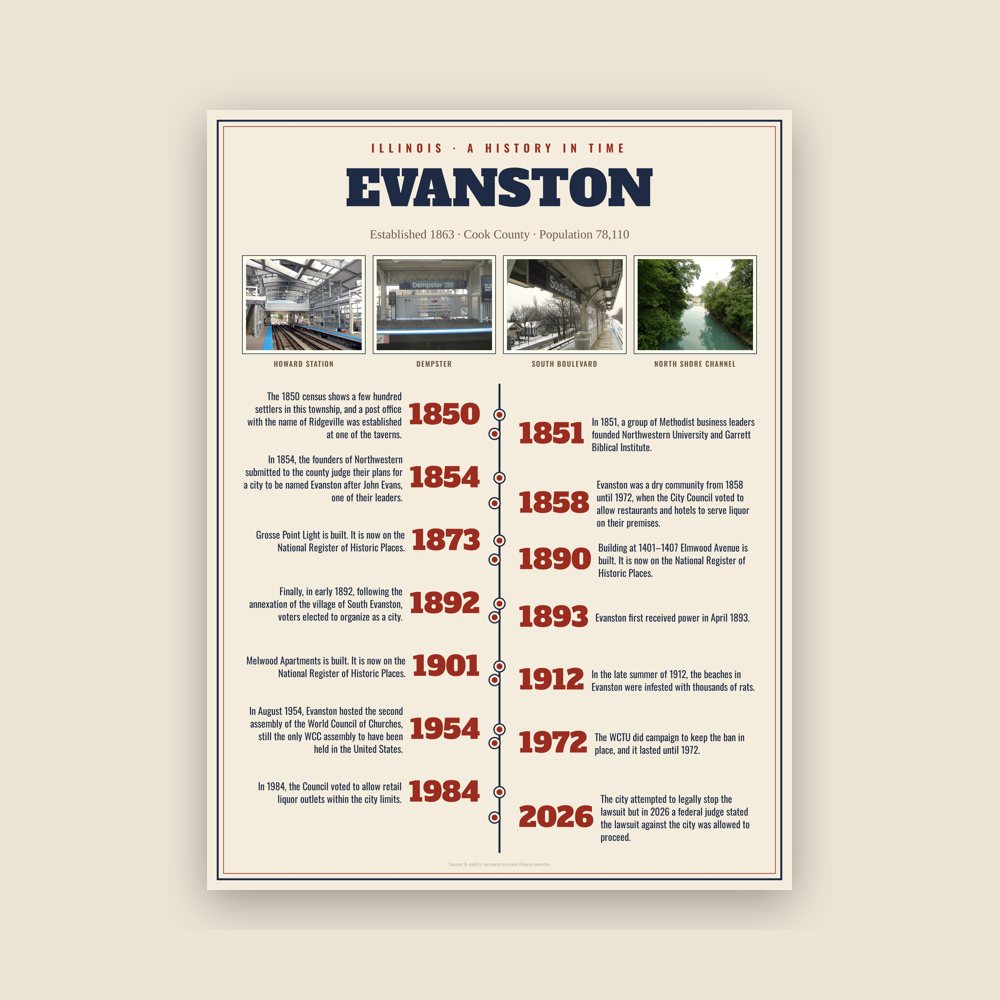
In 1850, a township called Ridgeville was organized, extending from Graceland Cemetery in Chicago to the southern edge of the Ouilmette Reservation, along what is now Central Street, and from Lake Michigan to Western Avenue in Chicago. The 1850 census shows a few hundred settlers in this township, and a post office with the name of Ridgeville was established at one of the taverns. However, no municipality yet existed.
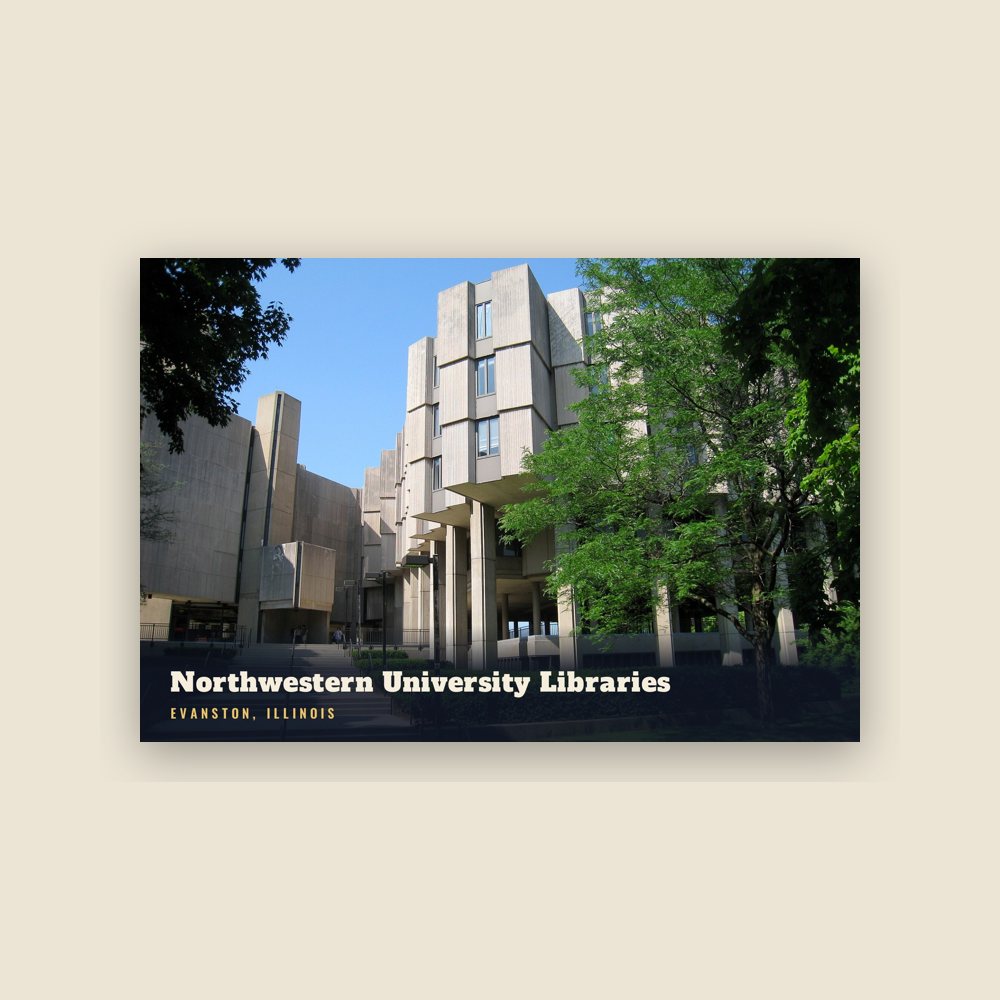
In 1851, a group of Methodist business leaders founded Northwestern University and Garrett Biblical Institute. Unable to find available land on the north shore up to Lake Forest, the committee was ready to purchase farmland to the west of the city when Orrington Lunt insisted on one final visit to the present location. They chose a bluffed and wooded site along the lake as Northwestern's home, purchasing several hundred acres of land from John Foster, a Chicago farm owner. In 1854, the founders of Northwestern submitted to the county judge their plans for a city to be named Evanston after John Evans, one of their leaders. In 1857, the request was granted. The township of Evanston was split off from Ridgeville Township; at approximately the same time, that portion of Ridgeville south of Devon Avenue was organized as Lake View Township.
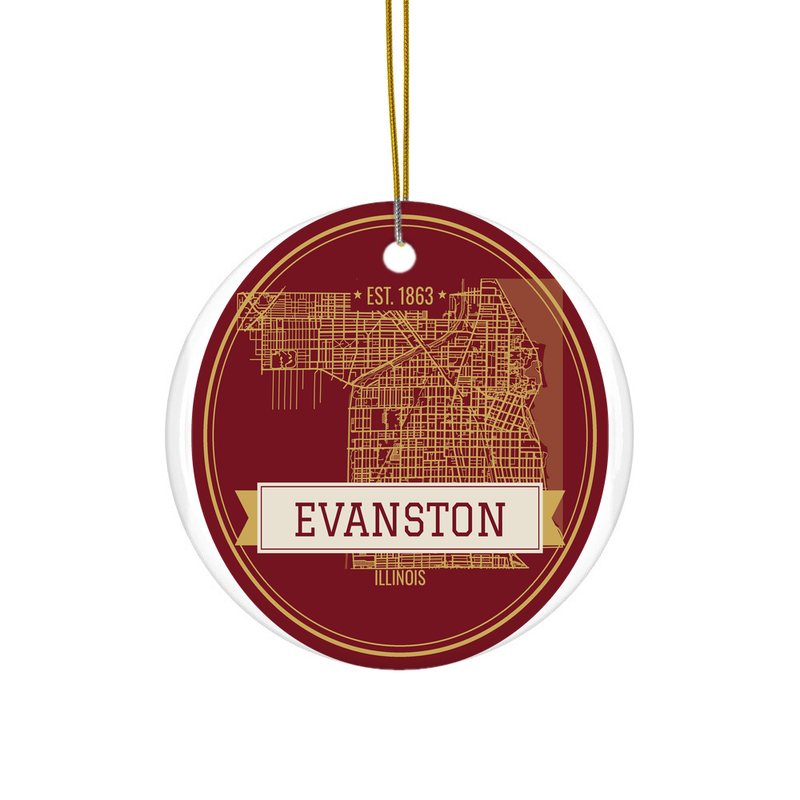
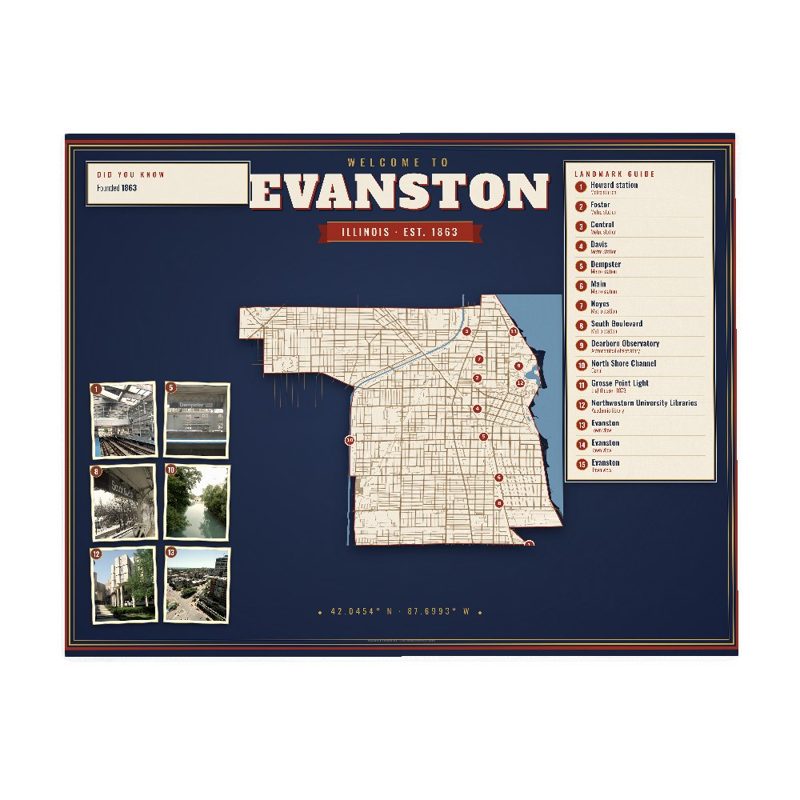
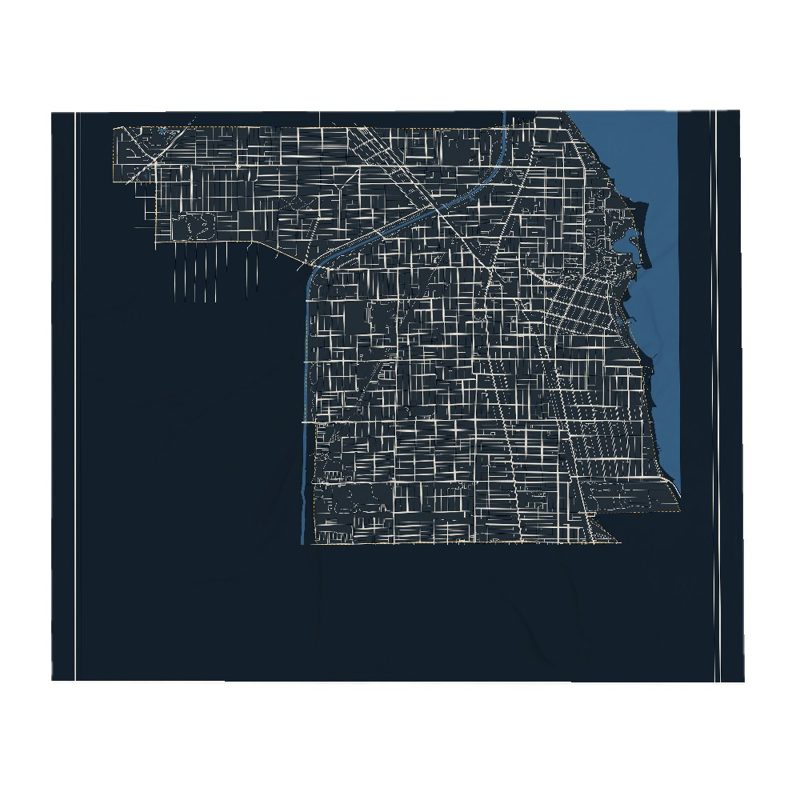
Evanston was formally incorporated as a town on December 29, 1863, but declined in 1869 to become a city despite the Illinois legislature passing a bill for that purpose. Evanston expanded after the Civil War with the annexation of the village of North Evanston. Finally, in early 1892, following the annexation of the village of South Evanston, voters elected to organize as a city. The 1892 boundaries are largely those that exist today.
In the late summer of 1912, the beaches in Evanston were infested with thousands of rats. The rats had burrowed into the sides of the lake banks, dug holes in the sand, and hid under piers. Most of the rats were extremely large and savage, attacking people who disturbed them. Local bathers struggled to navigate the shores, constantly stepping into the hidden rat holes. John Morgan, the manager of an extermination company tasked with removing the vermin, stated that it was not uncommon for rats to live around the lake's shore because of the quantity of dead fish that was cast to shore by the waves. The weather also played a role since the close proximity to the beaches allowed the rats to swim out in the water during the hot summer.
In August 1954, Evanston hosted the second assembly of the World Council of Churches, still the only WCC assembly to have been held in the United States. President Dwight Eisenhower welcomed the delegates, and Dag Hammarskjöld, secretary-general of the United Nations, delivered an important address entitled "An instrument of faith".
Evanston first received power in April 1893. Many people lined the streets on Emerson St. where the first appearance of street lights were lined and turned on. Today, the city is home to Northwestern University, Music Institute of Chicago, and other educational institutions, as well as headquarters of Alpha Phi International women's fraternity, Rotary International, the National Merit Scholarship Corporation, the National Lekotek Center, the Sigma Alpha Epsilon fraternity, the Sigma Chi fraternity and the Woman's Christian Temperance Union (WCTU). Evanston's 117 years as a "dry" town are often attributed to the WCTU, but the ban actually dates to a clause in Northwestern University's charter, which stated "no spiritous, vinous, or fermented liquors shall be sold under license, or otherwise, within four miles" of the school. The WCTU did campaign to keep the ban in place, and it lasted until 1972.
Evanston is the birthplace of Tinkertoys, and is one of the locations claiming to have originated the ice cream sundae. Evanston was the home of the Clayton Mark and Company, which for many years supplied the most jobs.
Evanston was a dry community from 1858 until 1972, when the City Council voted to allow restaurants and hotels to serve liquor on their premises. In 1984, the Council voted to allow retail liquor outlets within the city limits.
In March 2021, Evanston became the first city in the United States to pay reparations to African American residents (or their descendants) who were victims of unfair housing practices between 1919 and 1969. The city council of the city voted 8 to 1 to approve the reparations which consisted of a $25,000 payment to African American households that can be used as down payments on their homes, house payments or for home repairs. This was the initial payment, with plans to distribute $10 million in reparations payments to Black residents over the next decade. In 2024, a conservative legal group filed a federal lawsuit stating the reparation program's race-based eligibility criteria violates the Equal Protection Clause of the Fourteenth Amendment in the U.S. Constitution. The city attempted to legally stop the lawsuit but in 2026 a federal judge stated the lawsuit against the city was allowed to proceed.
In August 2021, Evanston became one of the first cities to approve a pilot project providing a guaranteed income to select residents, drawing upon a combination of public funds and a partnership with Northwestern University.
Adapted (trimmed) from the Wikipedia article Evanston, Illinois, revision 1384228647 by its contributors, licensed CC BY-SA 4.0.