A short history of Evergreen Park
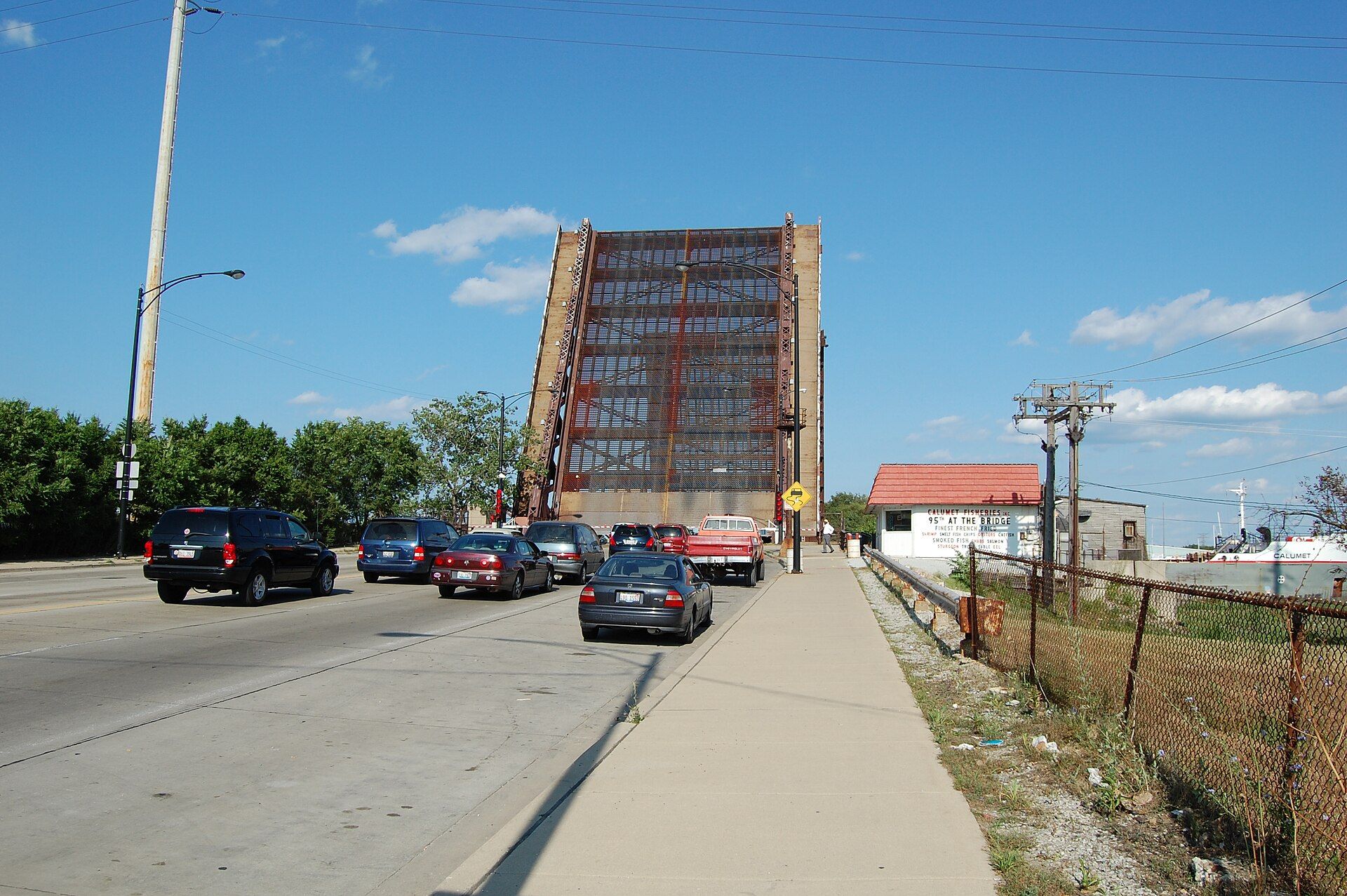
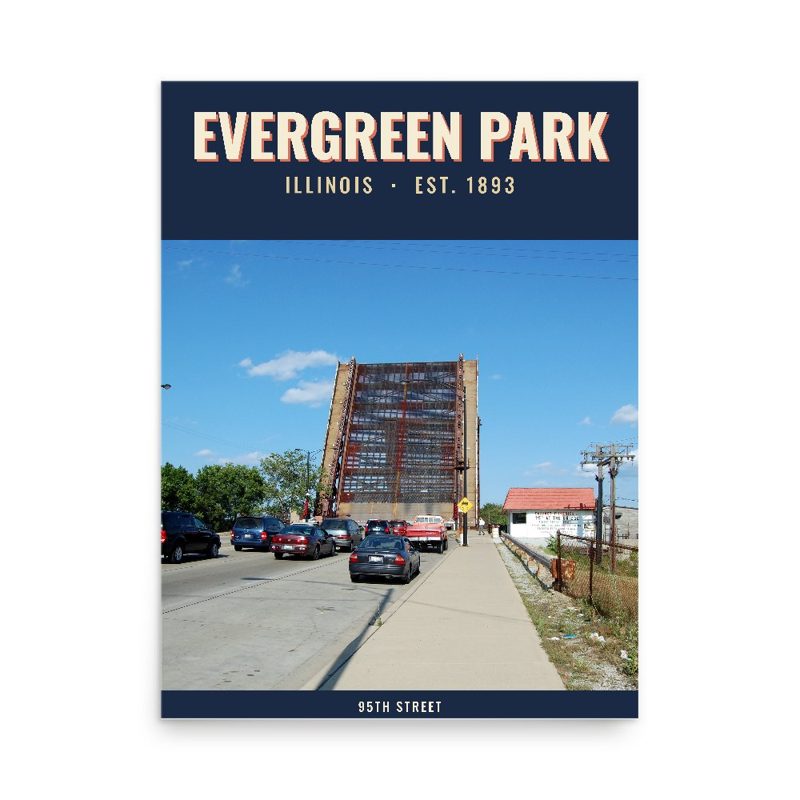
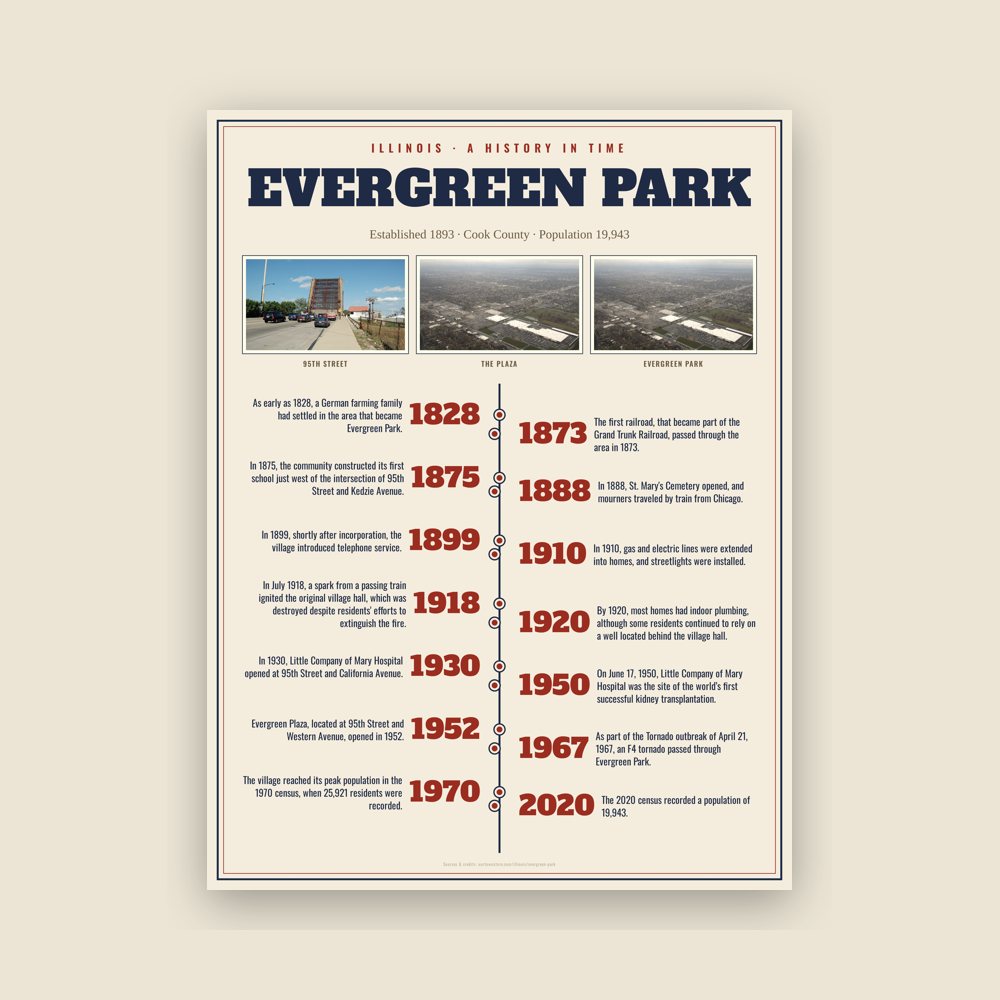
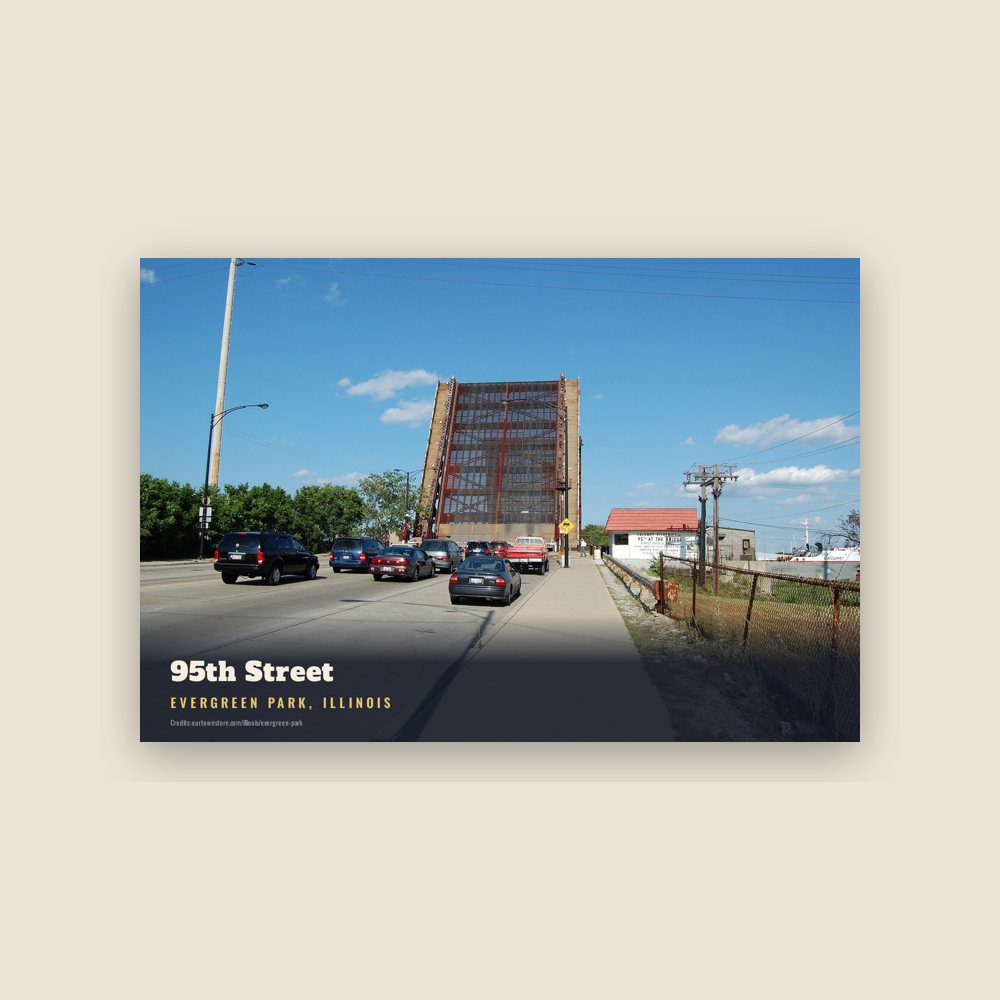
As early as 1828, a German farming family had settled in the area that became Evergreen Park. In the following decades, additional German settlers arrived. Kedzie Avenue and 95th Street crossed the farmland and provided access to markets. The first railroad, that became part of the Grand Trunk Railroad, passed through the area in 1873. In 1875, the community constructed its first school just west of the intersection of 95th Street and Kedzie Avenue. This school, along with the stores that later clustered around the intersection, defined the community's central business district.
Nearby, a real estate developer, inspired by the Arc de Triomphe area of Paris, designed a star-shaped park with eight streets radiating outward. Evergreen trees planted in the park inspired the village's name. Although the park’s location and layout were intended to form the town’s center, the intersection of 95th Street and Kedzie Avenue later proved to be a more accurate midpoint. Following the death of Mayor Henry Klein shortly after the village’s 75th anniversary in 1968, the park was renamed Klein Park in his honor.
In 1888, St. Mary's Cemetery opened, and mourners traveled by train from Chicago. Restaurants and taverns were established to serve cemetery visitors. Within five years, the village developed into a recreation center that attracted hundreds of Chicago residents to its picnic groves, beer gardens, and dance halls. The first of the village's thirteen churches was established in 1893.
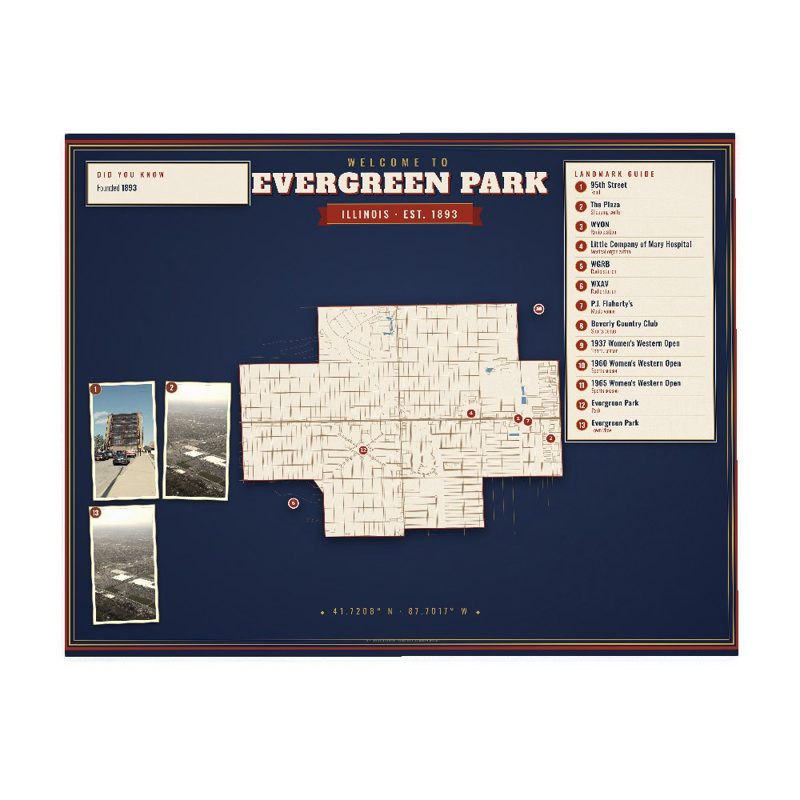
During the financial panic of the 1890s, several surrounding communities voted to be annexed by Chicago. Recognizing the present and future potential of its strong business district, and seeking to avoid annexation, Evergreen Park was incorporated on December 20, 1893. Prior to incorporation, the village was sustained by approximately 500 regional residents. The decision to incorporate as a separate entity from Chicago was approved by a vote of 41 out of 50 village residents. John M. Foley, a real estate and insurance agent, became the village's first mayor. The village is bordered by Chicago on the north, south, and east sides and is located 17 miles southwest of the Loop.
In 1899, shortly after incorporation, the village introduced telephone service. In 1910, gas and electric lines were extended into homes, and streetlights were installed. By 1920, most homes had indoor plumbing, although some residents continued to rely on a well located behind the village hall. In the early 20th century, many residents continued farming, and numerous open fields remained within the village limits. As a result, fire posed a constant threat, and water supplies were limited. In July 1918, a spark from a passing train ignited the original village hall, which was destroyed despite residents' efforts to extinguish the fire. A new village hall was constructed in 1920. The census that year recorded 705 residents.
In 1930, Little Company of Mary Hospital opened at 95th Street and California Avenue. Within its first year of operation, 232 babies were born there. As part of the Tornado outbreak of April 21, 1967, an F4 tornado passed through Evergreen Park. The village reached its peak population in the 1970 census, when 25,921 residents were recorded. The 2020 census recorded a population of 19,943. Evergreen Park is also known as the "Village of Churches" due to its thirteen established religious congregations located in close proximity.
Read the full history
The Plaza
Evergreen Plaza, located at 95th Street and Western Avenue, opened in 1952. Developed by real estate developer Arthur Rubloff, he enclosed the complex, making it the first indoor shopping mall in the Chicago area. From the 1950s onward, Evergreen Plaza underwent extensive renovations and later became commonly known as The Plaza. The mall encompassed approximately 1,200,000 square feet (110,000 m2) across two stories. As of 2006, it attracted roughly 7 million visitors annually. After 61 years of operation, The Plaza closed in 2013. Its redeveloped replacement, Evergreen Marketplace, opened in 2018.
First successful kidney transplant
On June 17, 1950, Little Company of Mary Hospital was the site of the world’s first successful kidney transplantation. Richard H. Lawler, a surgeon at Cook County Hospital in Chicago, led the medical team that performed the operation, which was considered hazardous and highly controversial at the time. In preparation, Lawler spent several years researching and practicing organ transplantation, using canines as test subjects. He concluded that the most viable approach involved transplanting a human kidney from a post-mortem donor. The recipient, Ruth Tucker, a 44 year old woman with terminal polycystic kidney disease, survived for an additional five years following the procedure.
Lawler's work initially drew significant criticism, including repudiation from many colleagues and opposition from the Catholic Church. By the 1970s, as organ transplantation became widely recognized as a life-saving medical practice, Lawler and his team gained acceptance and respect within the medical community. Lawler retired in 1979 and died in 1982.
Adapted (trimmed) from the Wikipedia article Evergreen Park, Illinois, revision 1368584999 by its contributors, licensed CC BY-SA 4.0.