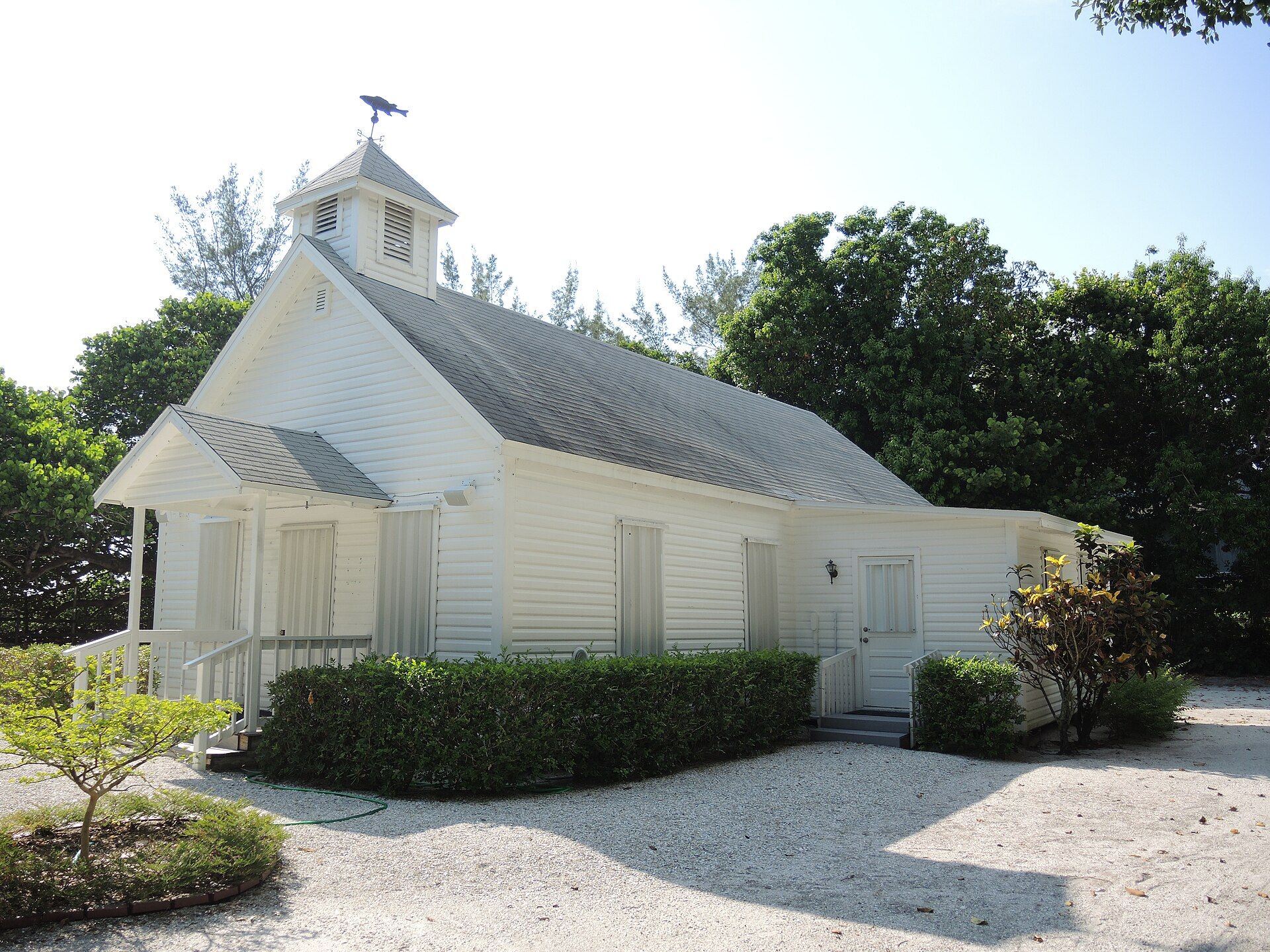
It is on Captiva Island. Landmarks include Captiva School and Chapel-by-the-Sea Historic District, Tween Waters Inn Historic District and Redfish Pass.
- CountyLee County
- Population318 (2020 U.S. Census)
- Historic places2 on the National Register
Captiva, Florida gifts and souvenirs: 31 designs made from Captiva's own map, landmarks and history, from $10 to $99. Printed to order and shipped free in the USA.
| Popular | Price |
|---|---|
| Captiva Hometown Ornament | $23 |
| Captiva Landmarks Photo Poster | from $40 |
| Captiva Vintage Travel Poster | from $40 |
| Captiva Varsity Crewneck | from $57 |
| Captiva Est. Tee | from $33 |
| Captiva Town Line Mug | from $26 |
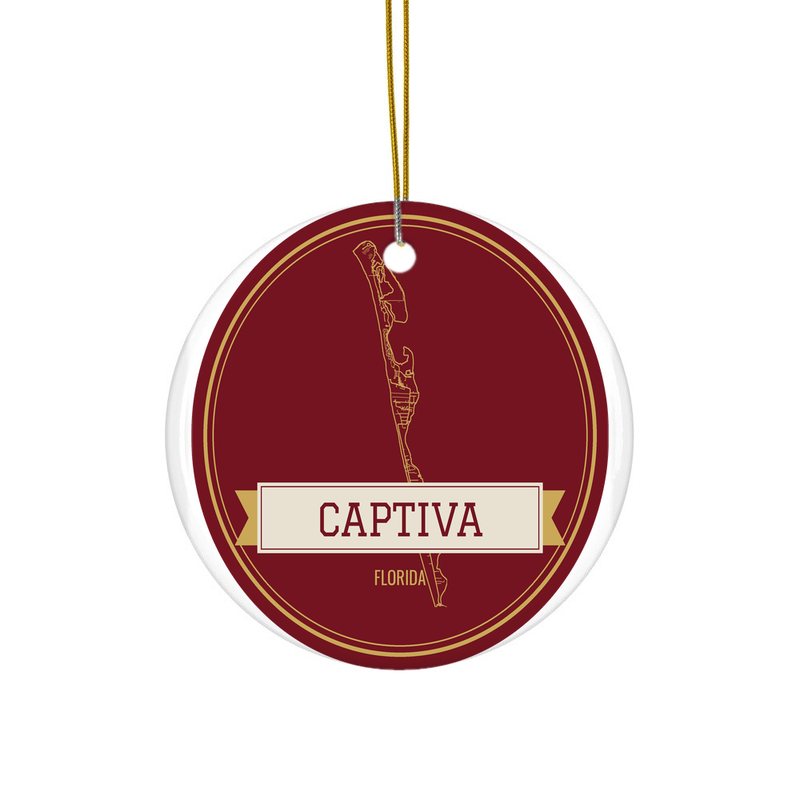
Ceramic keepsake, gold ribbon
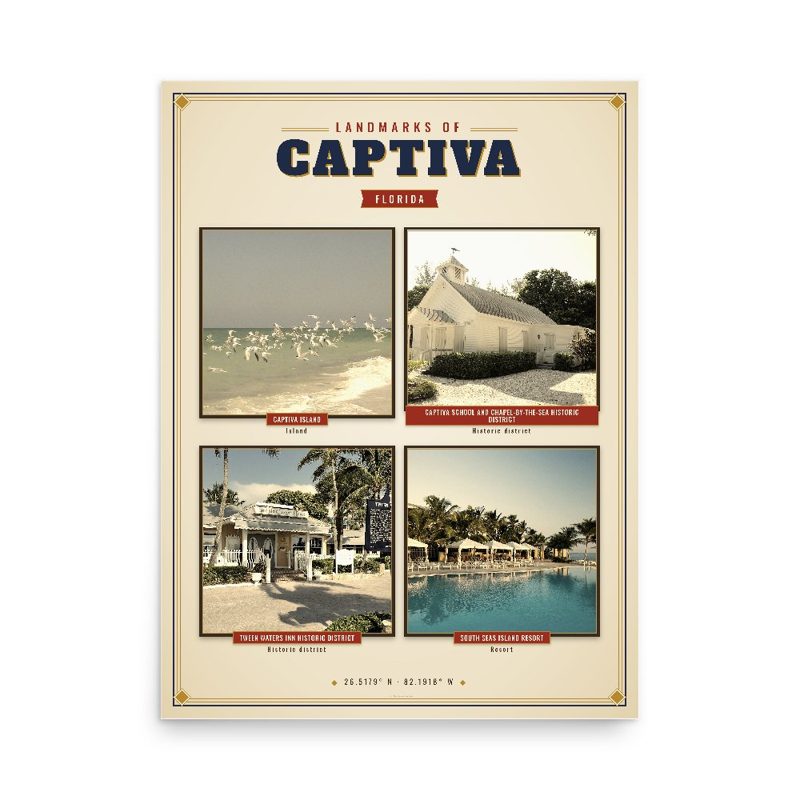
Nine local landmarks, archival matte
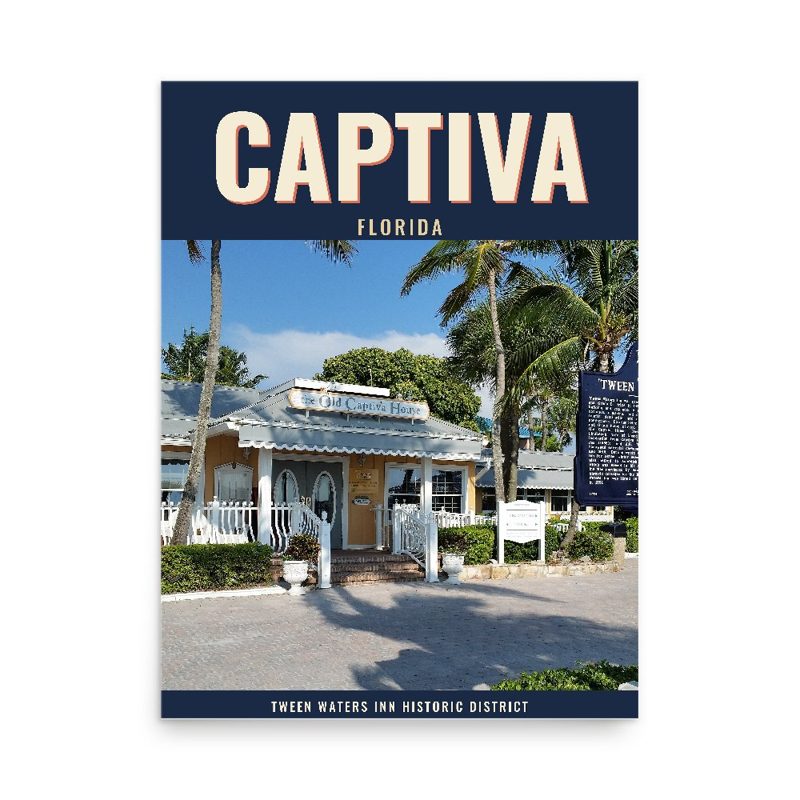
Its landmark photo in a classic travel-poster layout
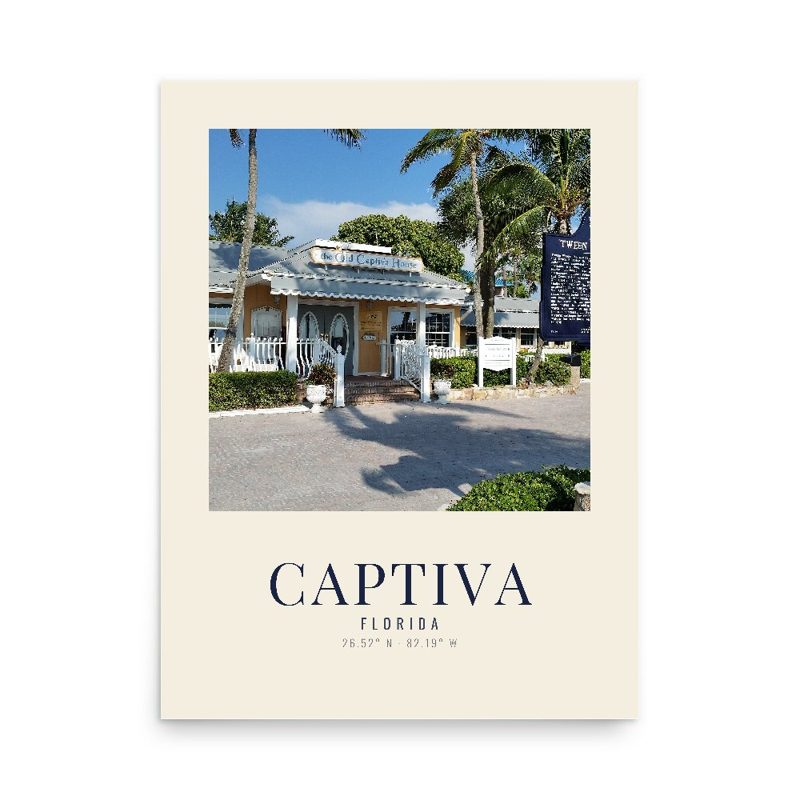
A local landmark photo as a gallery print
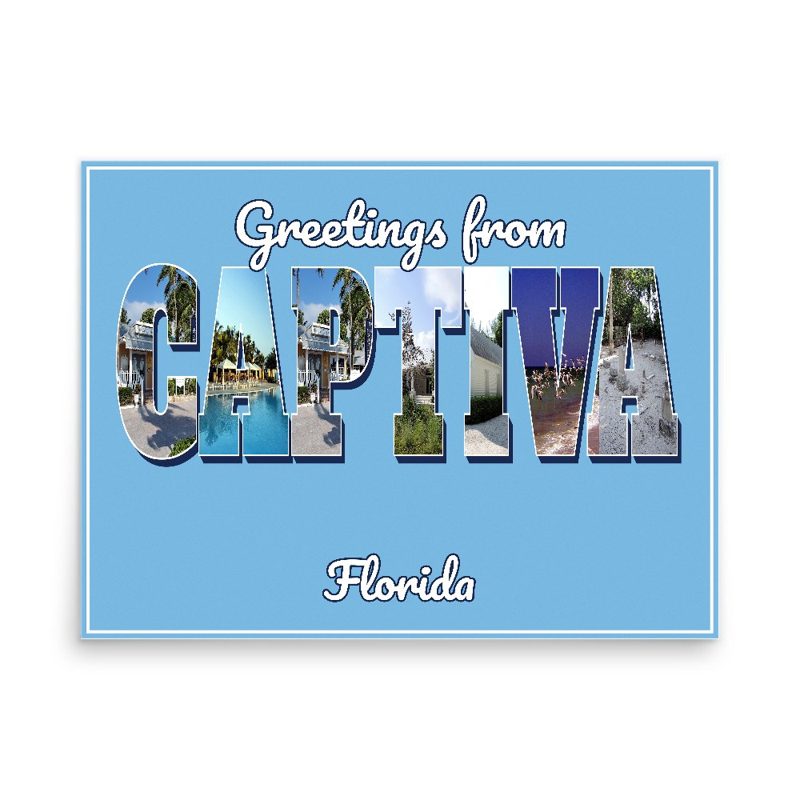
Classic large-letter postcard art, filled with local photos
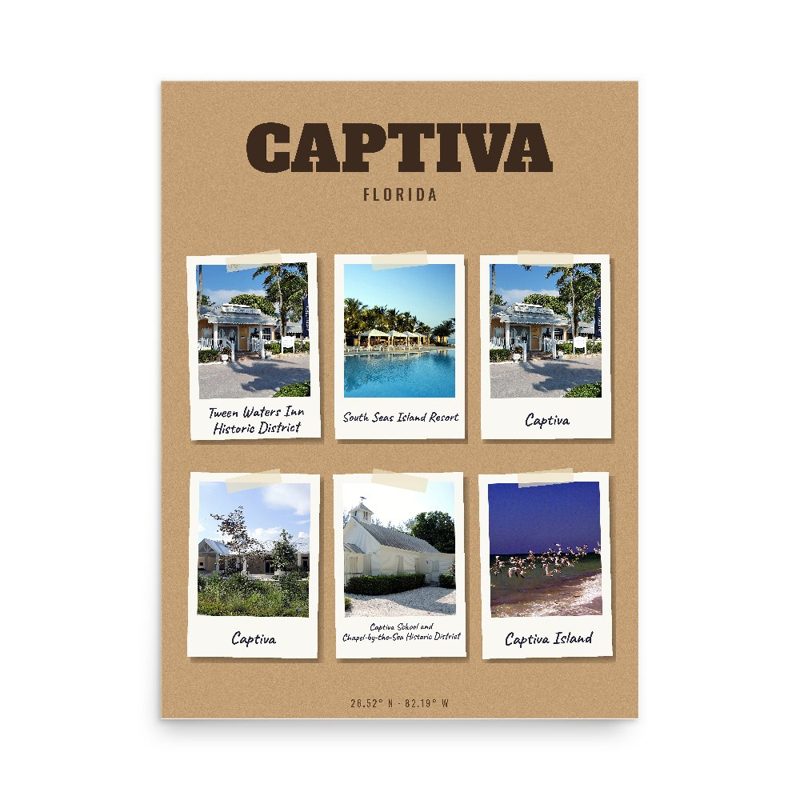
Six local landmarks as instant photos on kraft paper
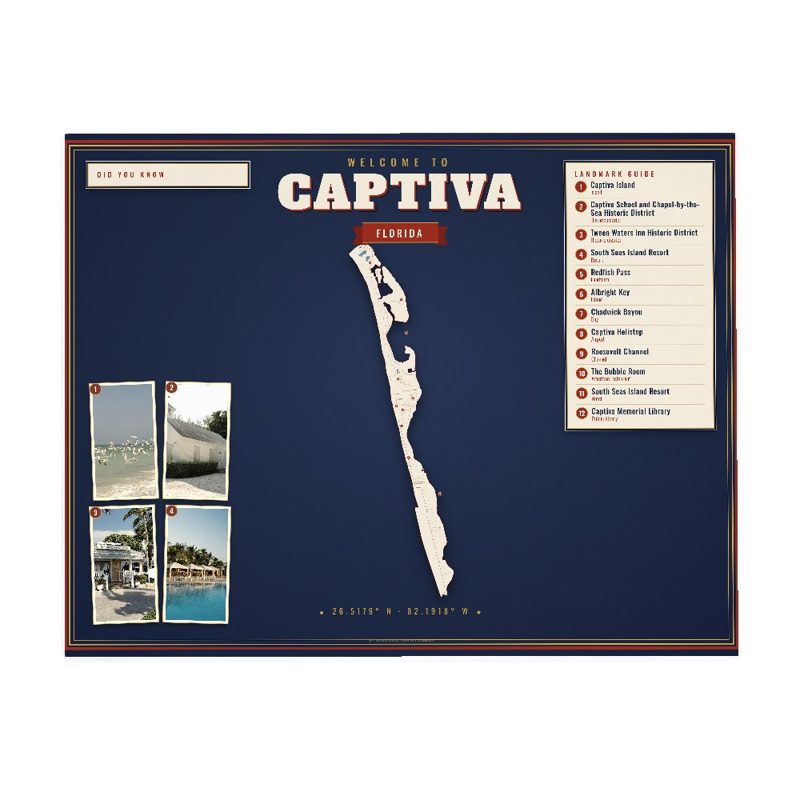
Map of local landmarks, washable fabric
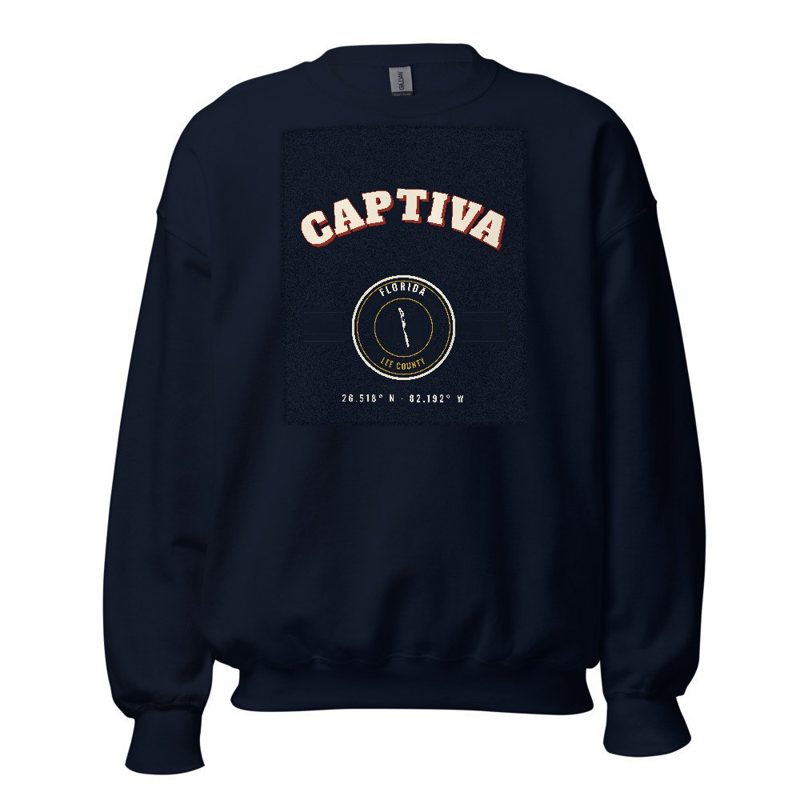
Heavy-blend fleece, street map printed on the back
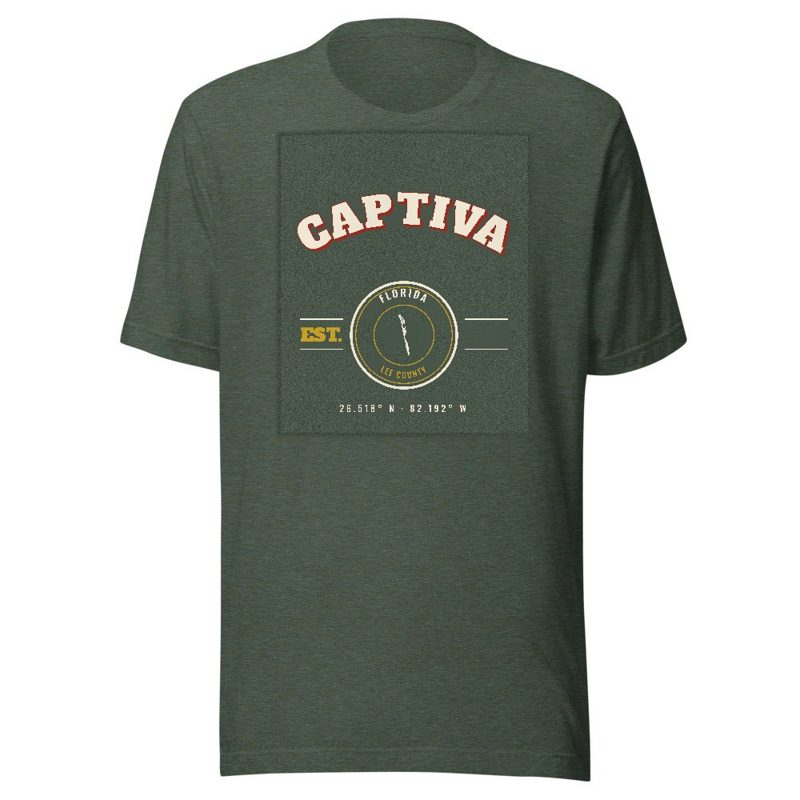
Soft Bella+Canvas jersey
Kids' Bella+Canvas jersey, youth sizes
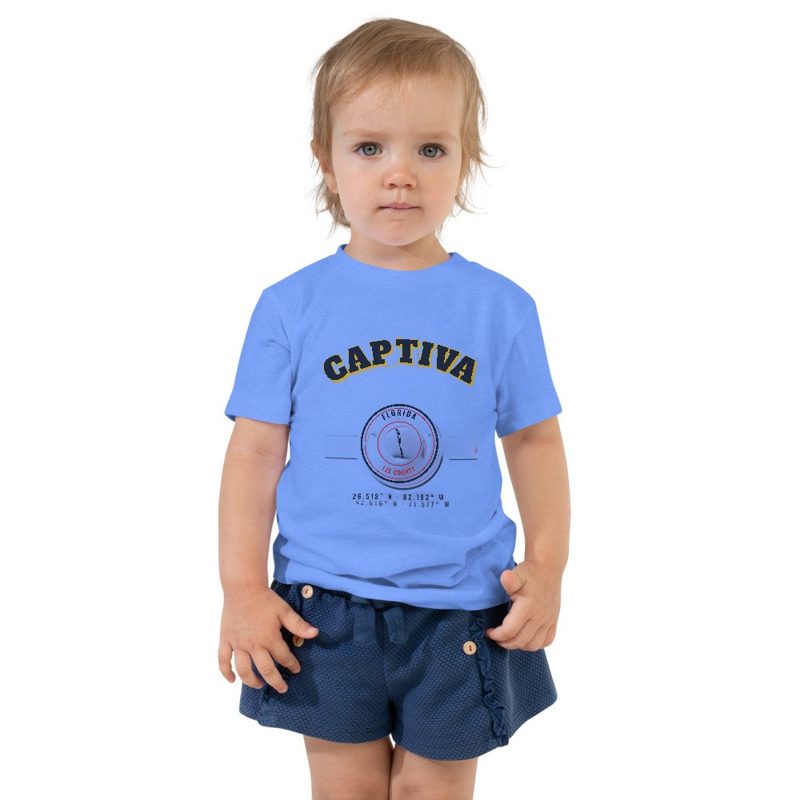
Bella+Canvas toddler jersey
Bella+Canvas baby bodysuit
Large-letter postcard art filled with local photos
Glossy ceramic, dishwasher safe
Large-letter postcard art filled with local photos, 11 oz ceramic
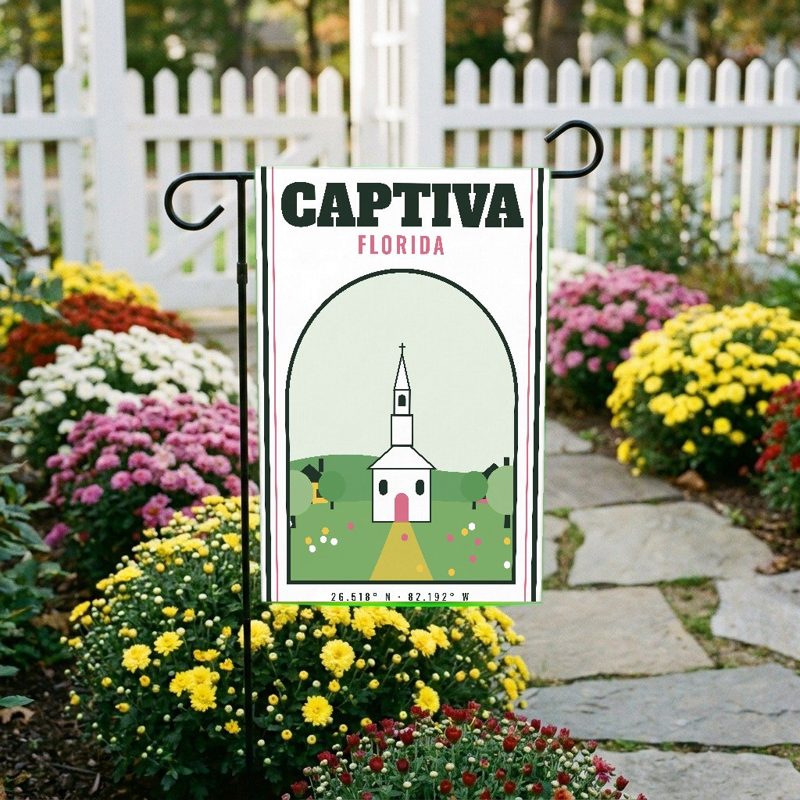
Weatherproof, for the front walk
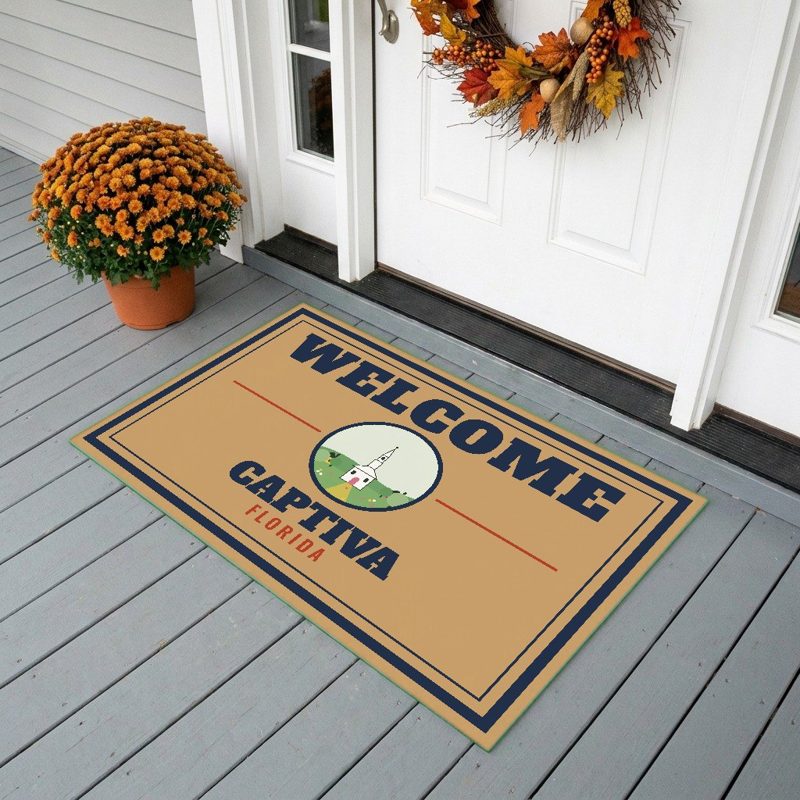
24″×16″, printed coir-look fibers, rubber back
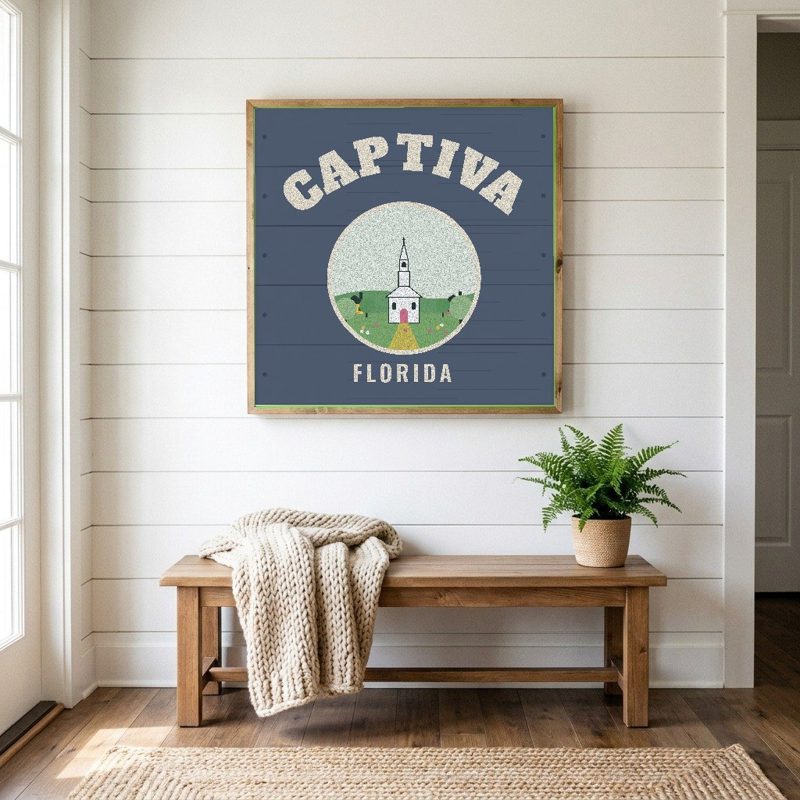
12″×12″ printed wood, ready to hang
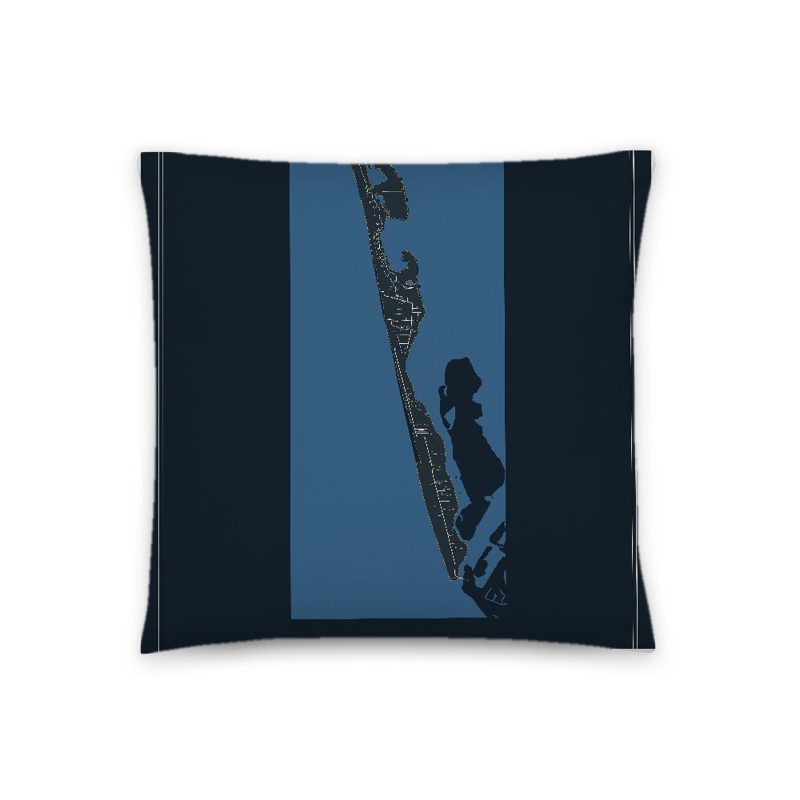
Soft-touch, zip cover
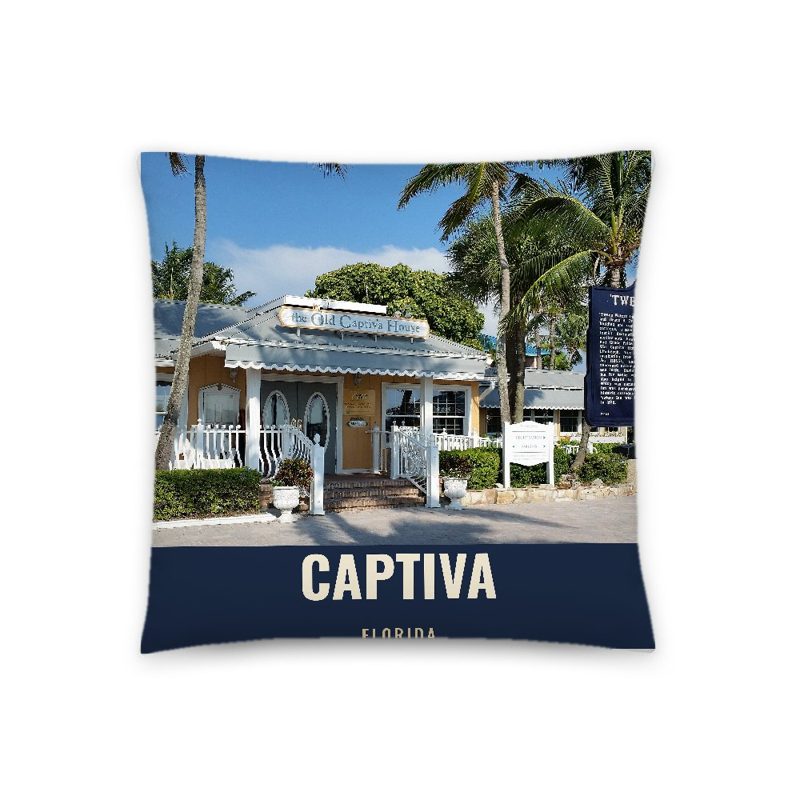
A local landmark photo with the town name, 18″×18″
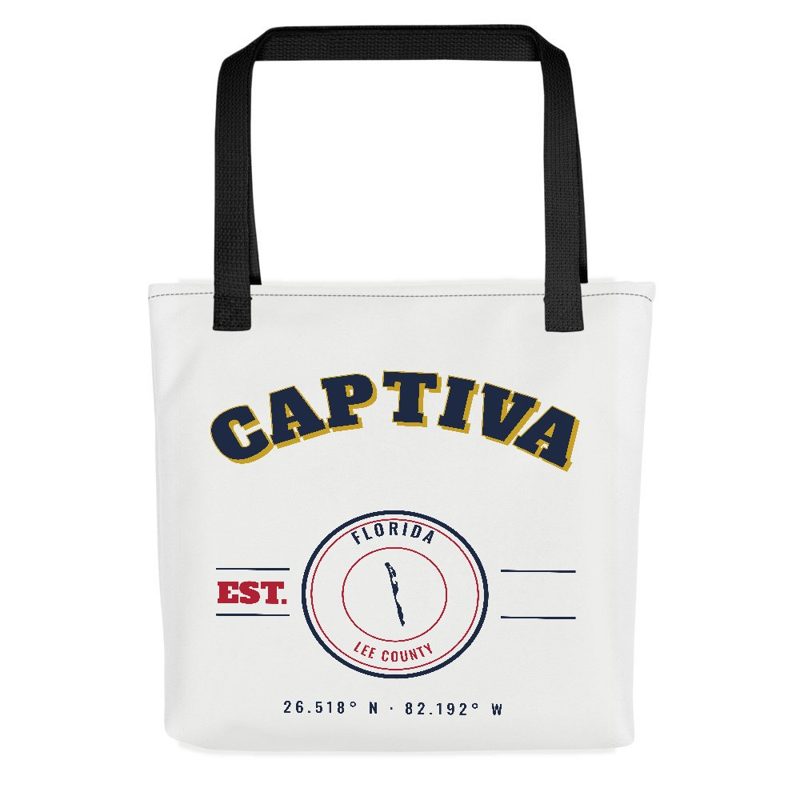
Sturdy all-over-print tote
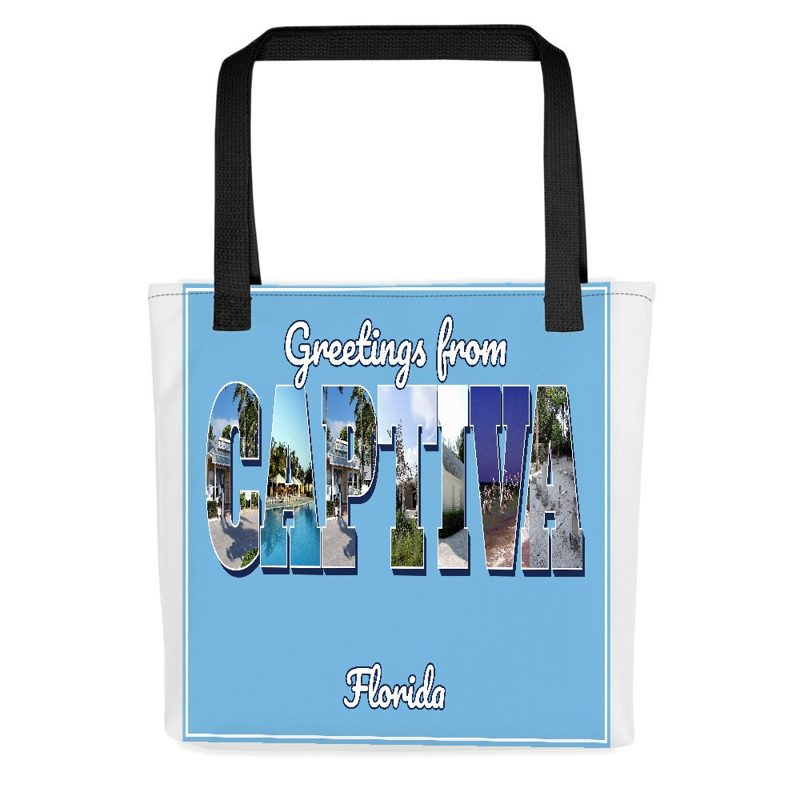
Large-letter postcard art on a sturdy tote
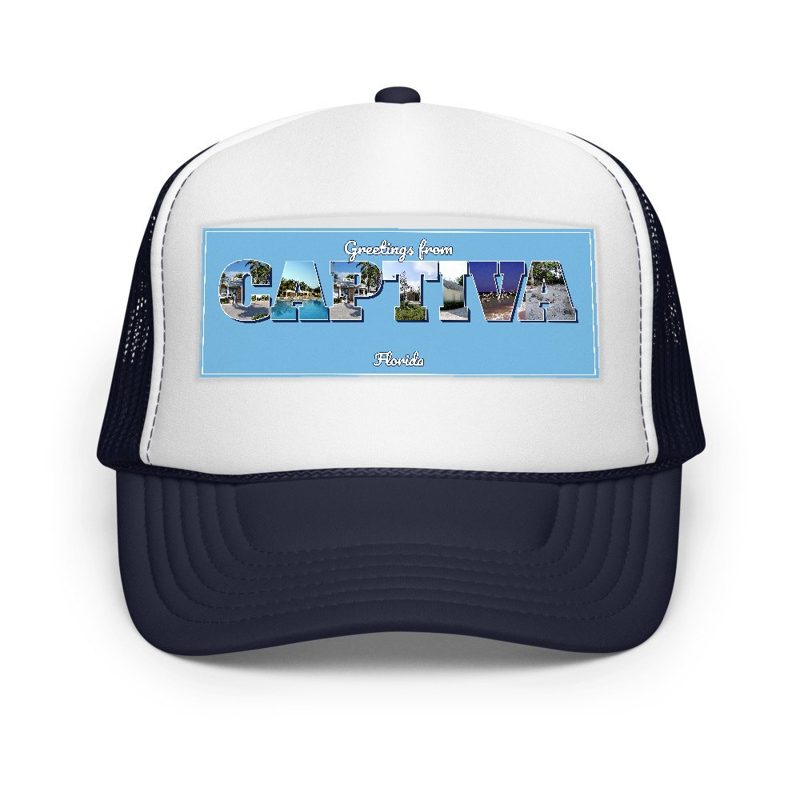
Foam-front trucker, printed (not embroidered) with local photos
Glossy top, cork back
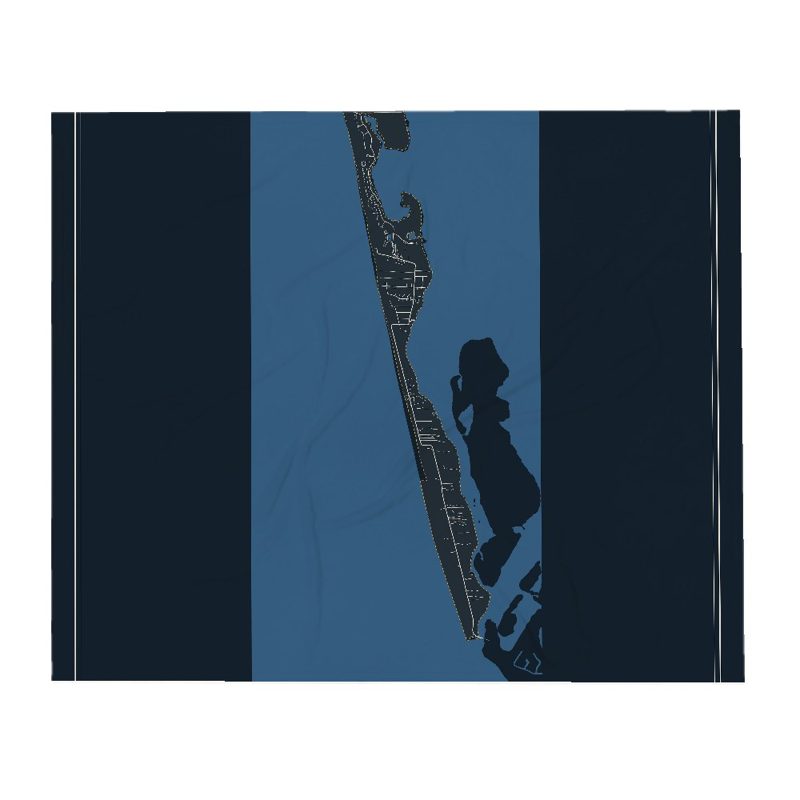
Soft fleece, 50″×60″
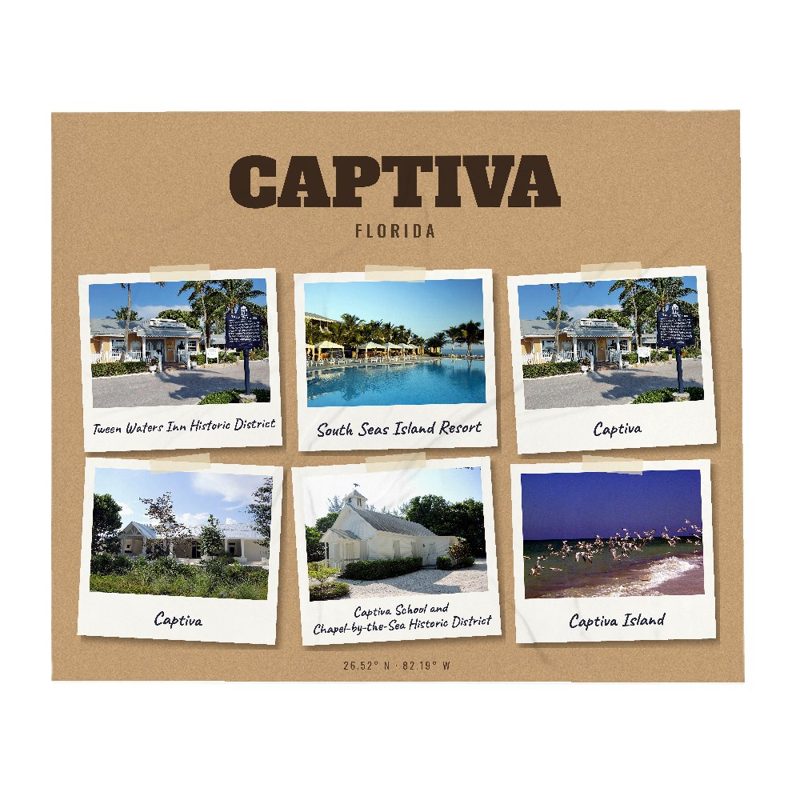
Six local landmarks as instant photos, soft fleece 50″×60″
20 oz, double-wall stainless
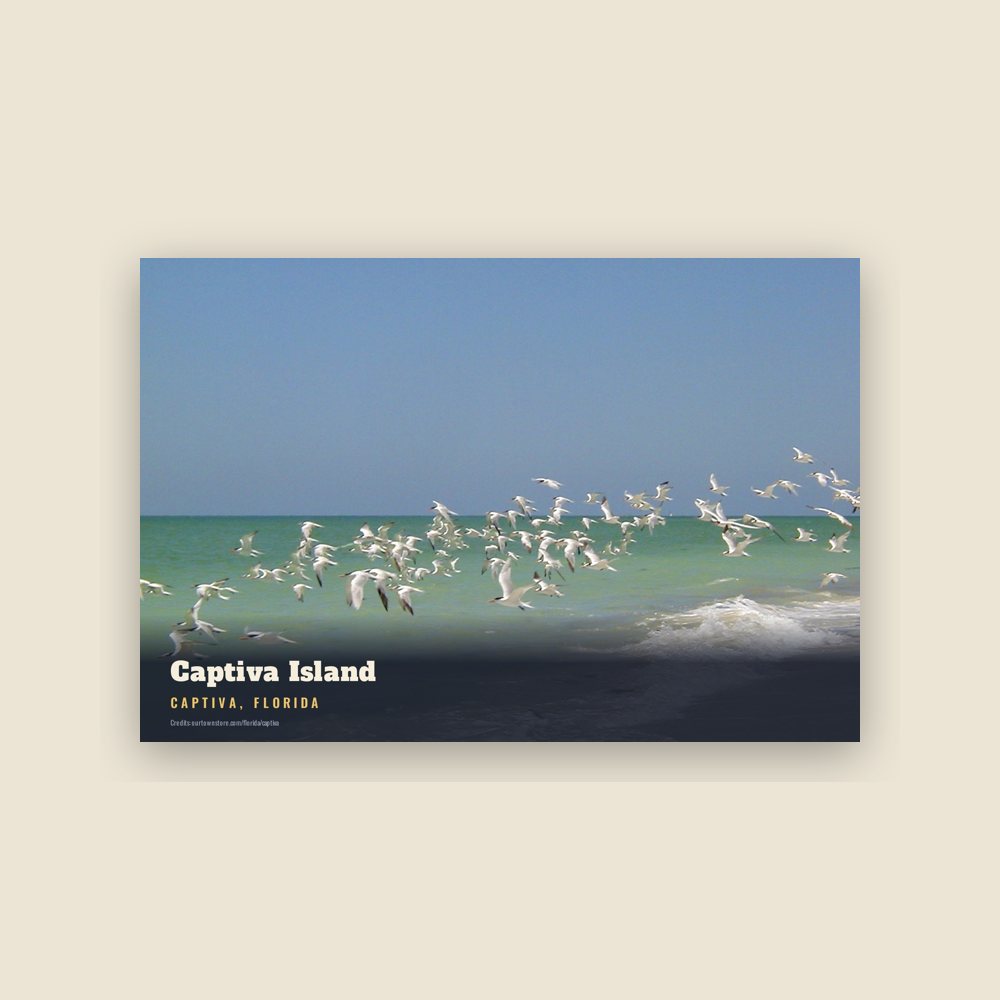
6″×4″ postcard, glossy front
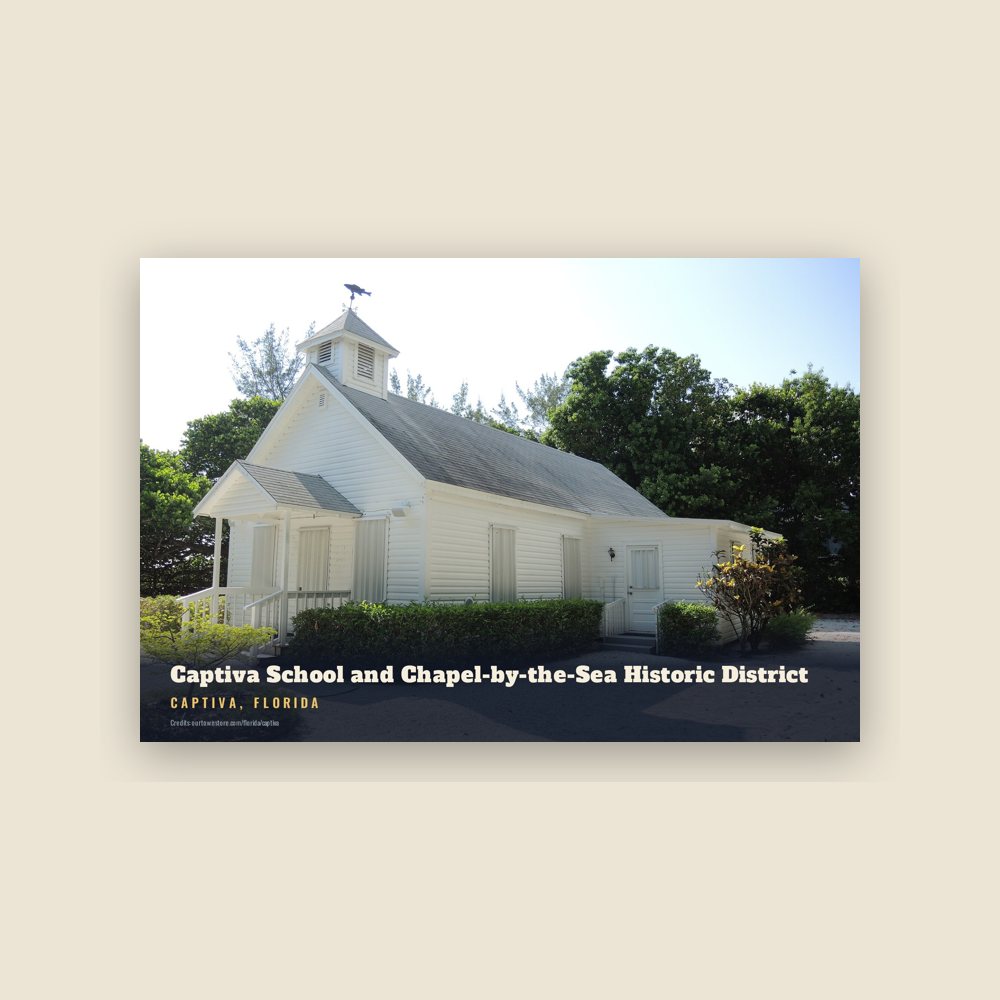
6″×4″ postcard, glossy front
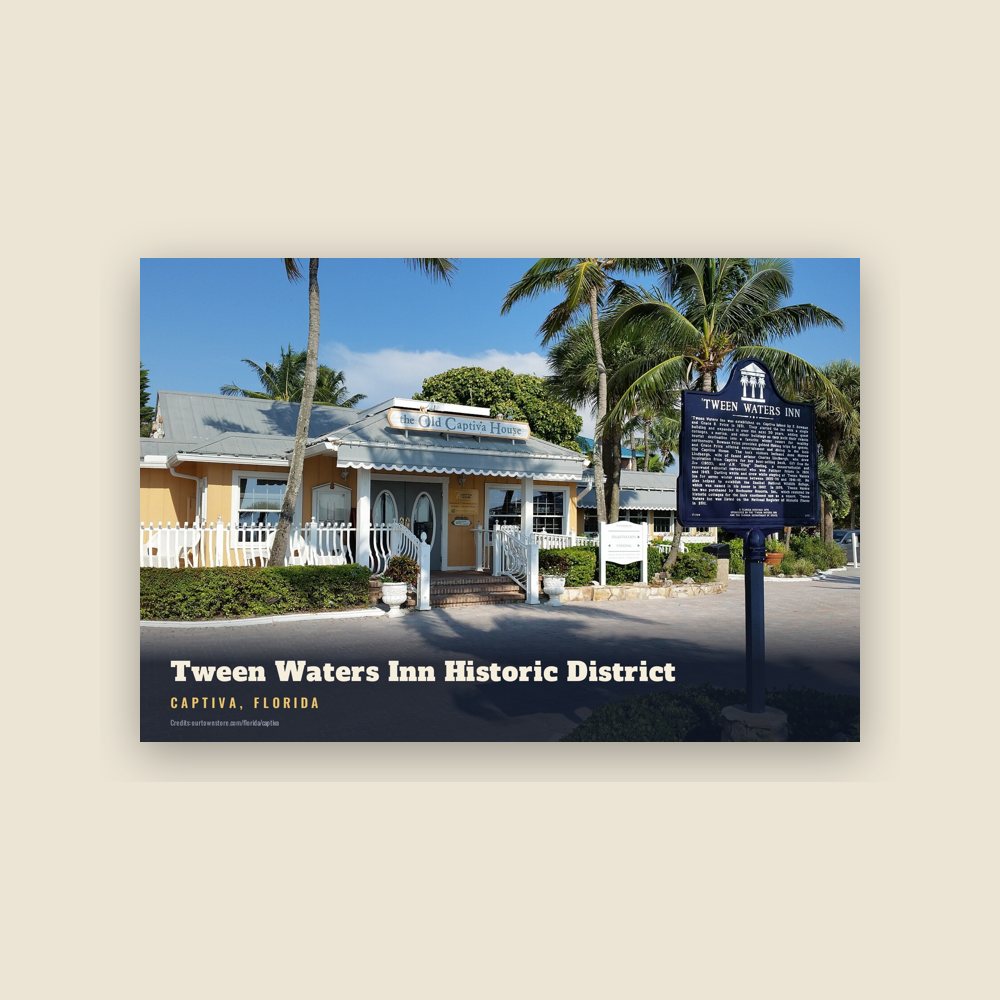
6″×4″ postcard, glossy front
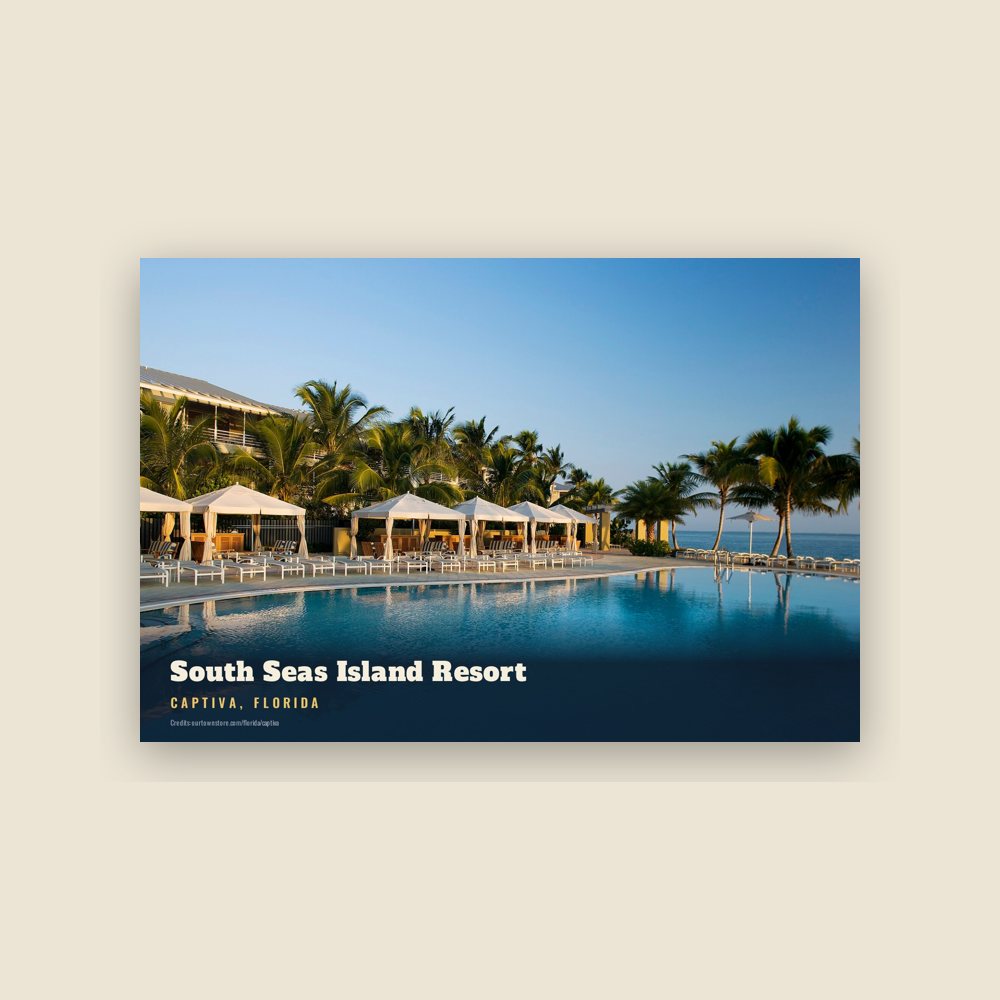
6″×4″ postcard, glossy front
It is on Captiva Island. Landmarks include Captiva School and Chapel-by-the-Sea Historic District, Tween Waters Inn Historic District and Redfish Pass.
Population 2000: 379 → 2010: 583 → 2020: 318
From Wikidata (CC0).
According to local folklore, Captiva got its name because the pirate captain José Gaspar (Gasparilla) held his female prisoners on the island for ransom. But Gaspar's existence is sourced to an early 20th-century developer's advertising brochure and may be a fabrication.
Around 3000 B.C., the sands of Captiva started to erode, resulting in the eventual formation of Sanibel Island. The Gulf of Mexico waters were eight feet lower than they are today. It is said that Captiva's first inhabitants were the Calusa Indians. The population of the Calusa is believed to have reached as many as 50,000 people. "Calusa" means "fierce people", and they were described as warlike. The Calusa were resistant to colonization and attacked explorers who came into their territory. They built their houses on stilts without walls. They wove palmetto leaves together to build roves (twisted strands of fibers), and fished for food on the coast, bays, rivers, and waterways. They did not farm. "The Calusa Indians did not farm like the other Indian tribes in Florida. Instead, they fished for food on the coast, bays, rivers, and waterways. The men and boys of the tribe made nets from palm tree webbing to catch mullet, pinfish, pigfish, and catfish. They used spears to catch eels and turtles. They made fish bone arrowheads to hunt for animals such as deer. The women and children learned to catch shellfish like conchs, crabs, clams, lobsters, and oysters." The Calusa used shells for utensils, jewelry, tools, weapons, and ornaments.
By the late 1700s most of the Calusa Indians had died out. Many were captured and sold as slaves while others died from diseases such as smallpox and measles.
William Herbert Binder, an Austrian, was on a German freighter headed to New Orleans when the ship ran aground off Boca Grande. He washed up to shore on Upper Captiva. "He lived for several weeks on what the unoccupied island had to offer, built a makeshift raft, and got himself to Pine Island, where he was helped to return to his home. By 1888, due to his having fought with the U.S. Army, he became naturalized, and was allowed to homestead on Captiva in 1888, when he was 38 years old. For 10 years he was Captiva's first and only modern-era inhabitant. He died in 1932."
Adapted (trimmed) from the Wikipedia article Captiva, Florida, revision 1378523397 by its contributors, licensed CC BY-SA 4.0.
We share a part of every Captiva sale with local partners, and we'd love to print from your collection. Old photographs, maps and postcards make the best keepsakes.
Partner with usA favorite landmark, your street, a school or team, an anniversary gift, a different product. Tell us and we'll get back to you by email.
7 free coloring pages of Captiva, each traced from a photo of a local landmark. Print them at home, at school or for story hour.
Captiva's population was 318 in the 2020 U.S. Census, down from 379 in 2000.
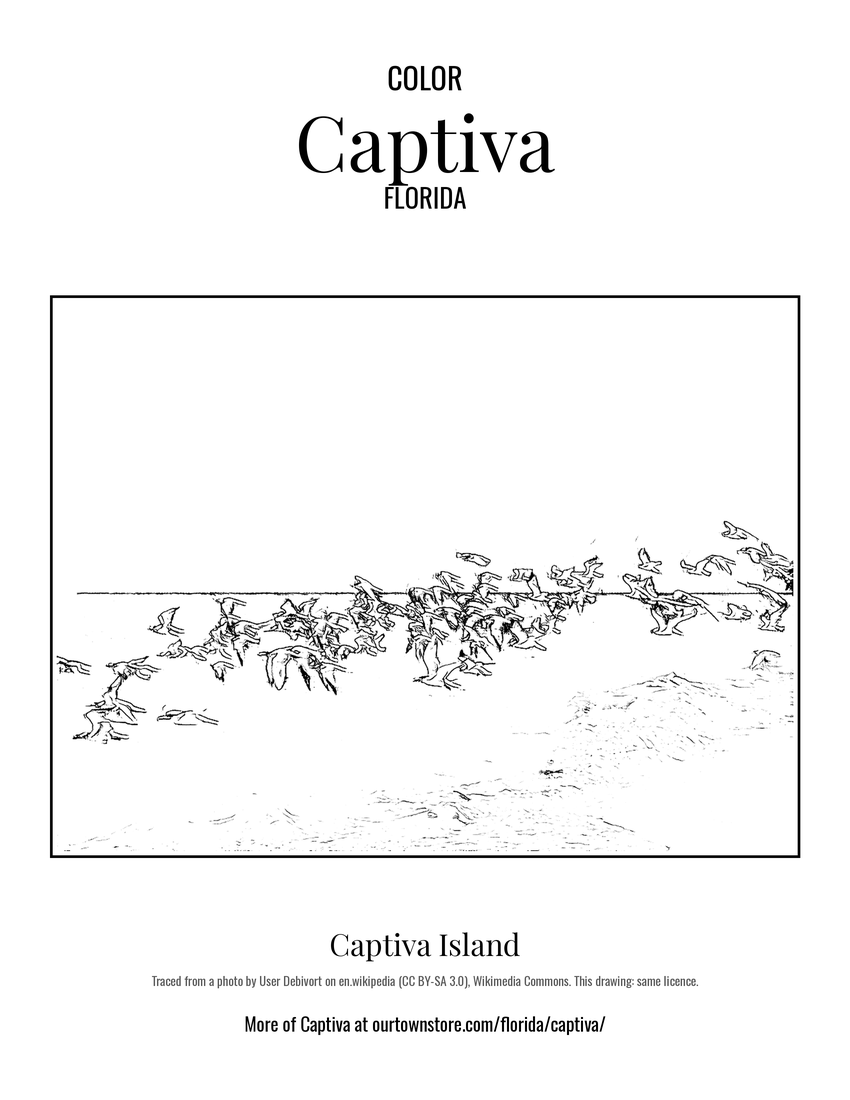 Captiva Island
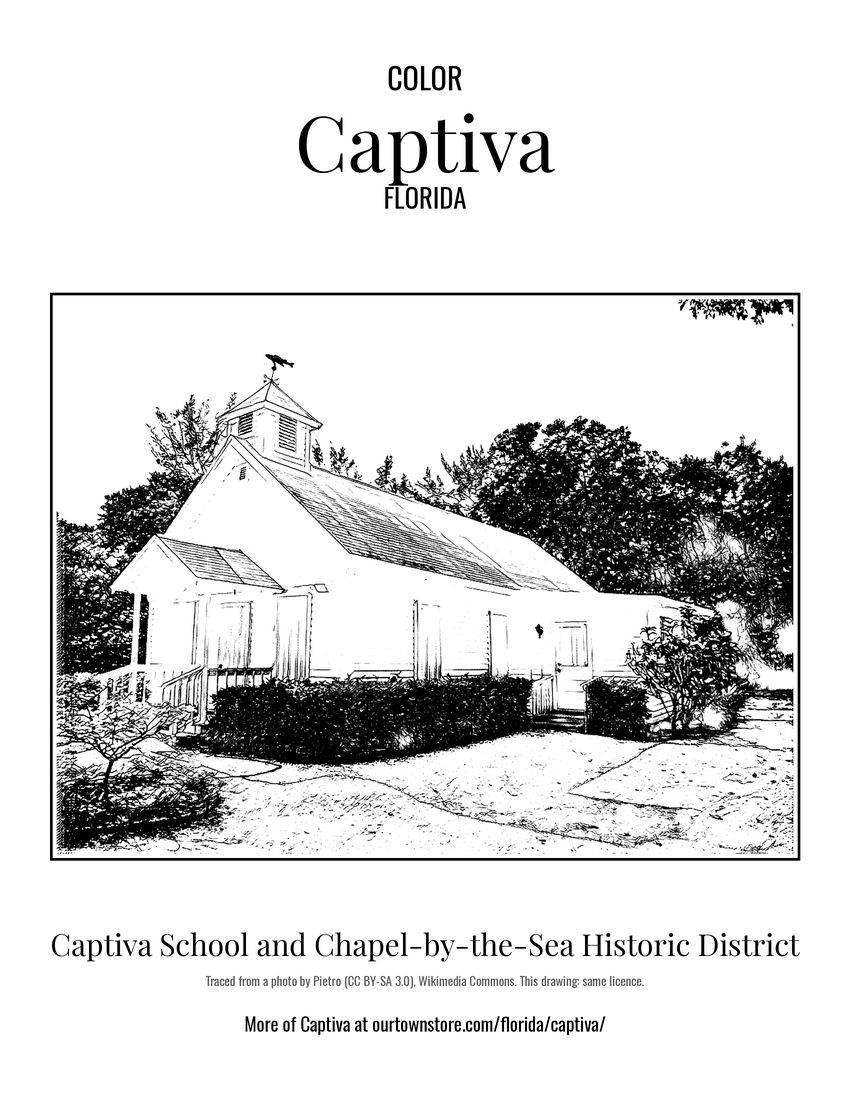 Captiva School and Chapel-by-the-Sea Historic District
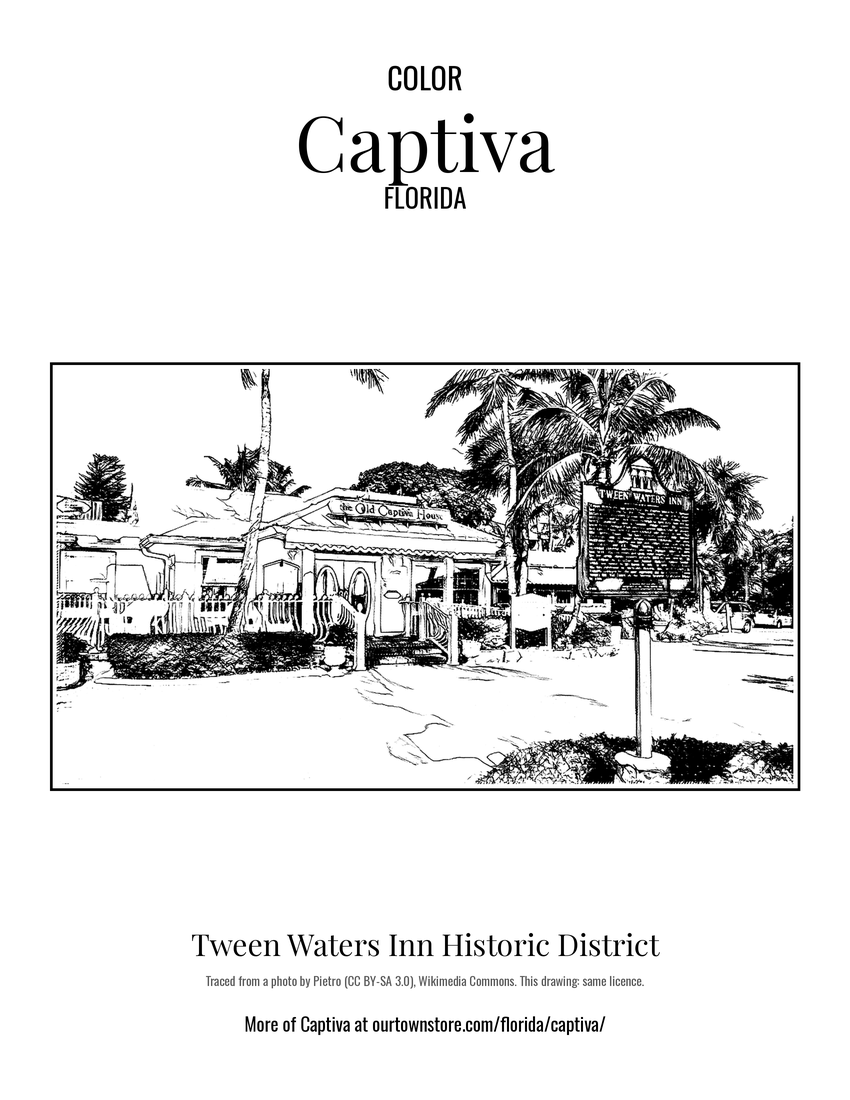 Tween Waters Inn Historic District
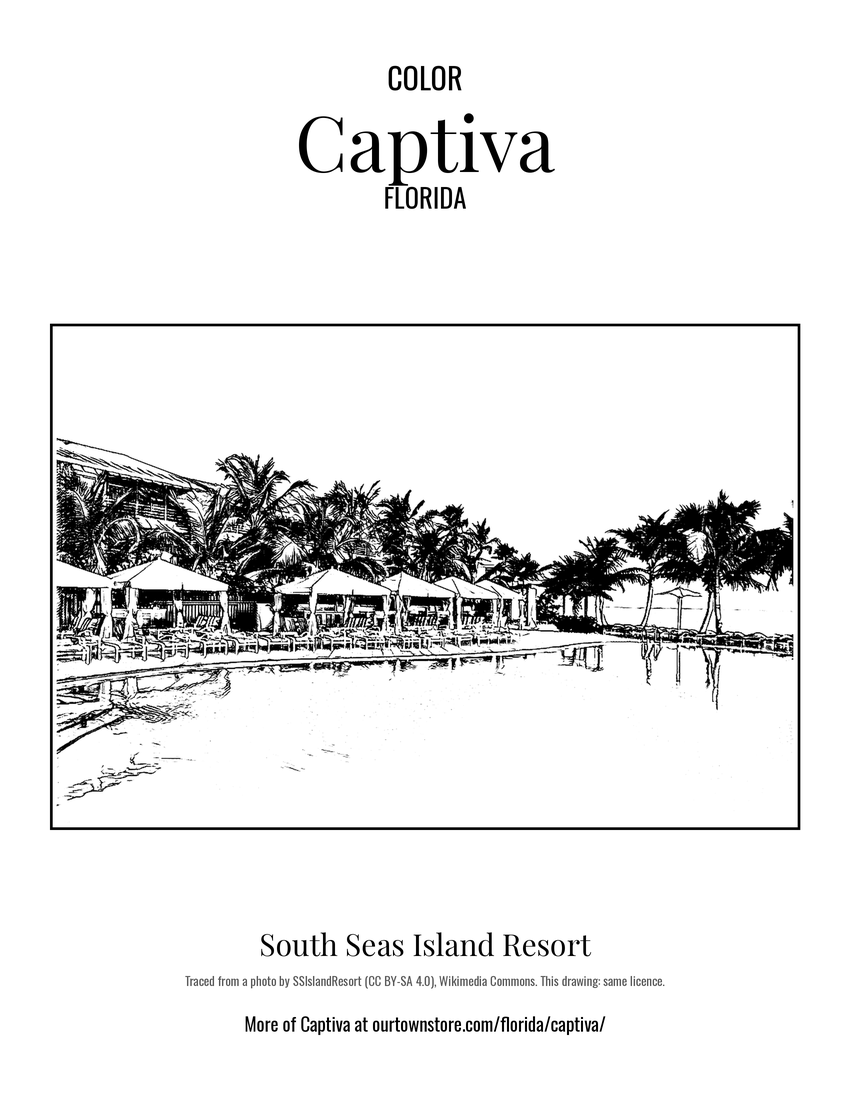 South Seas Island Resort