A short history of Sanibel
Sanibel and Captiva formed as one island about 6,000 years ago. The first known humans in the area were the Calusa, who arrived about 2,500 years ago. The Calusa were a powerful Indian nation who came to dominate most of Southwest Florida through trade via their elaborate system of canals and waterways. Sanibel remained an important Calusa settlement until the collapse of their empire, soon after the arrival of the Europeans.
During the 1700s, Cuban fishermen seasonally traveled from their homes and set up fishing camps along the Gulf Coast, called ranchos, including on Sanibel Island.
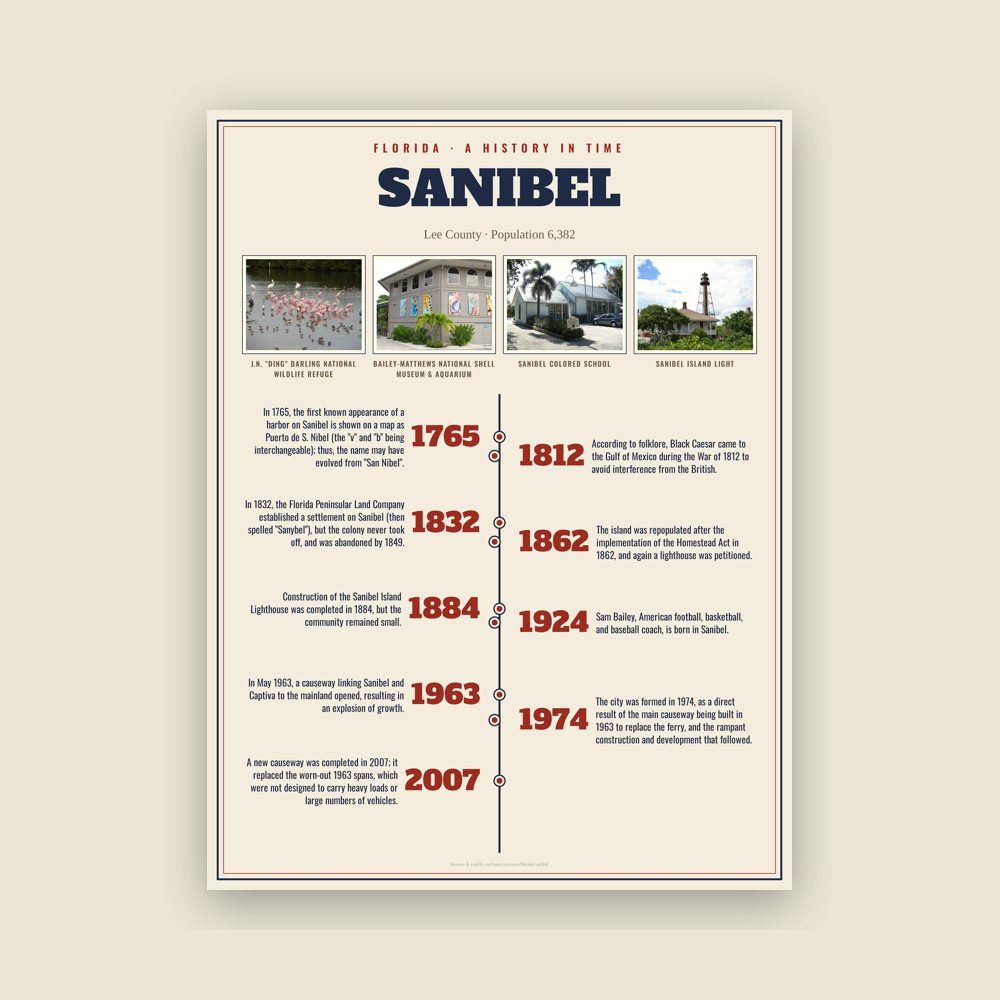
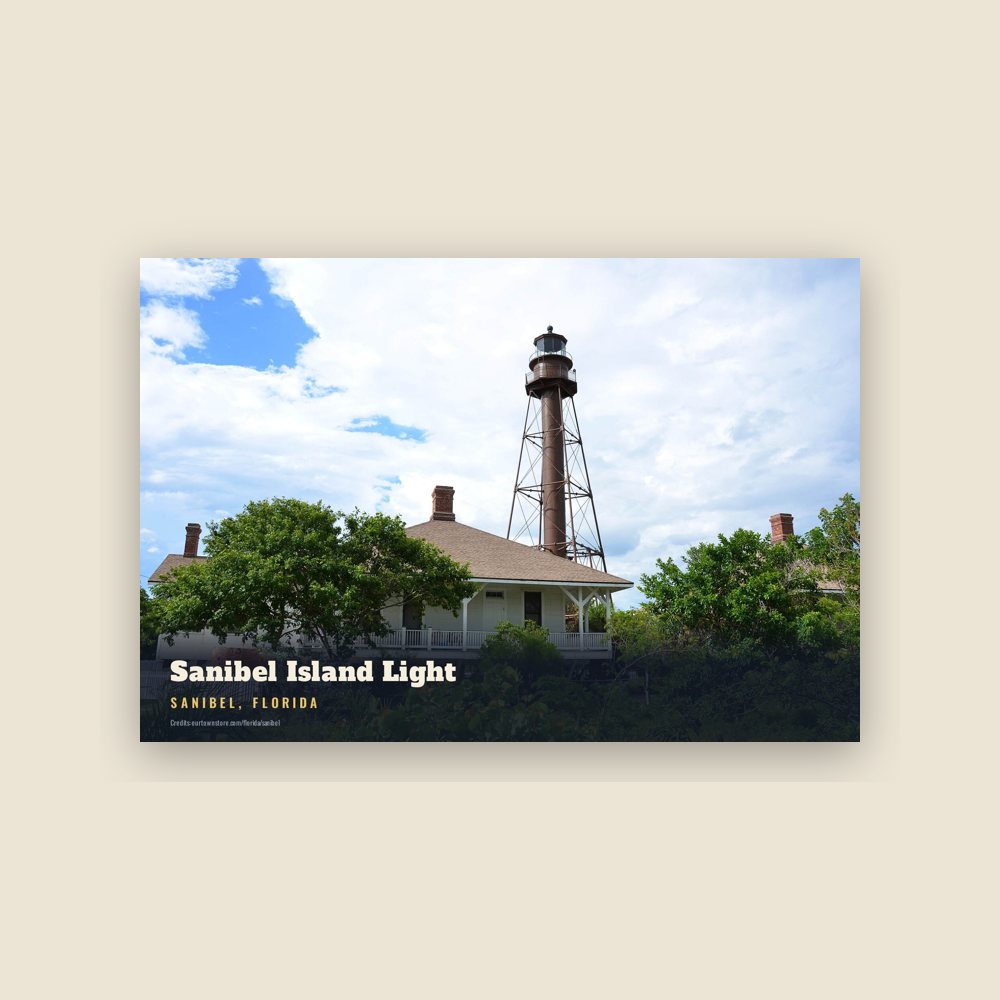
In 1765, the first known appearance of a harbor on Sanibel is shown on a map as Puerto de S. Nibel (the "v" and "b" being interchangeable); thus, the name may have evolved from "San Nibel". Alternatively, the name may derive, as many believe, from "(Santa) Ybel", which survives in the old placename "Point Ybel", where the Sanibel Island Light is. How it would have gotten this name, however, is a matter of conjecture. One story says it was named by Juan Ponce de León for Queen Isabella I of Castile or the saint whose name she shares. Another attributes the name to Roderigo Lopez, the first mate of José Gaspar (Gasparilla), after his beautiful lover Sanibel whom he had left behind in Spain, but like most of the lore surrounding Gasparilla, this story is apocryphal, as the above references to recognizable variants of the name antedate the buccaneer's supposed reign.
Sanibel is not the only island in the area to figure prominently in the legends of Gaspar; Captiva, Useppa, and Gasparilla are also connected. Sanibel also appears in another tale, involving Gaspar's ally-turned-rival Black Caesar, said to have been a former Haitian slave who escaped during the Haitian Revolution to become a pirate. According to folklore, Black Caesar came to the Gulf of Mexico during the War of 1812 to avoid interference from the British. In the Gulf he befriended Gasparilla, who allowed him to establish himself on Sanibel Island. Eventually the old Spaniard discovered Caesar had been stealing from him and chased him off, but not before his loot had been buried.
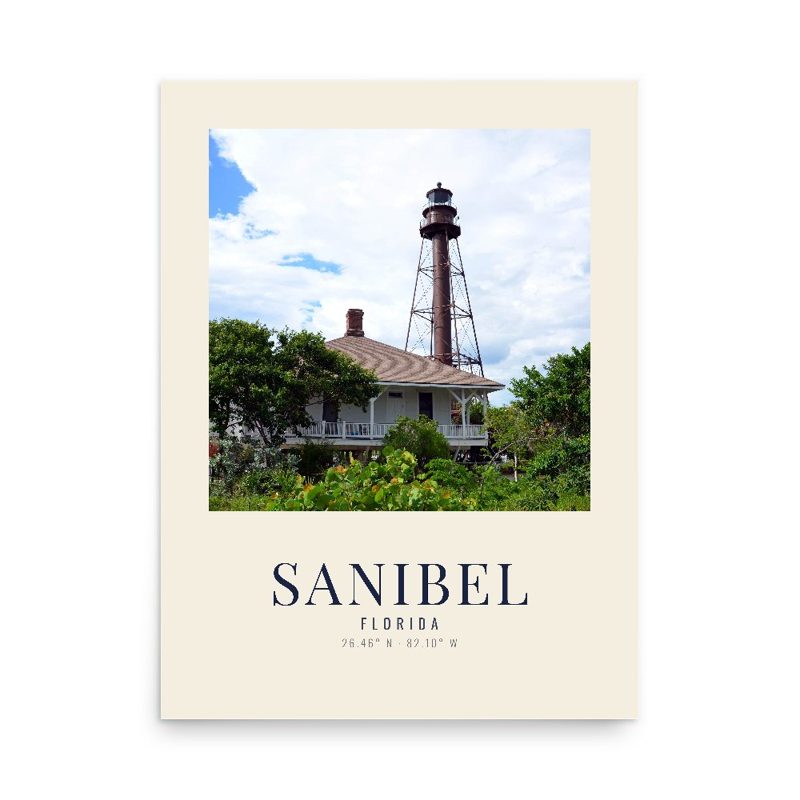
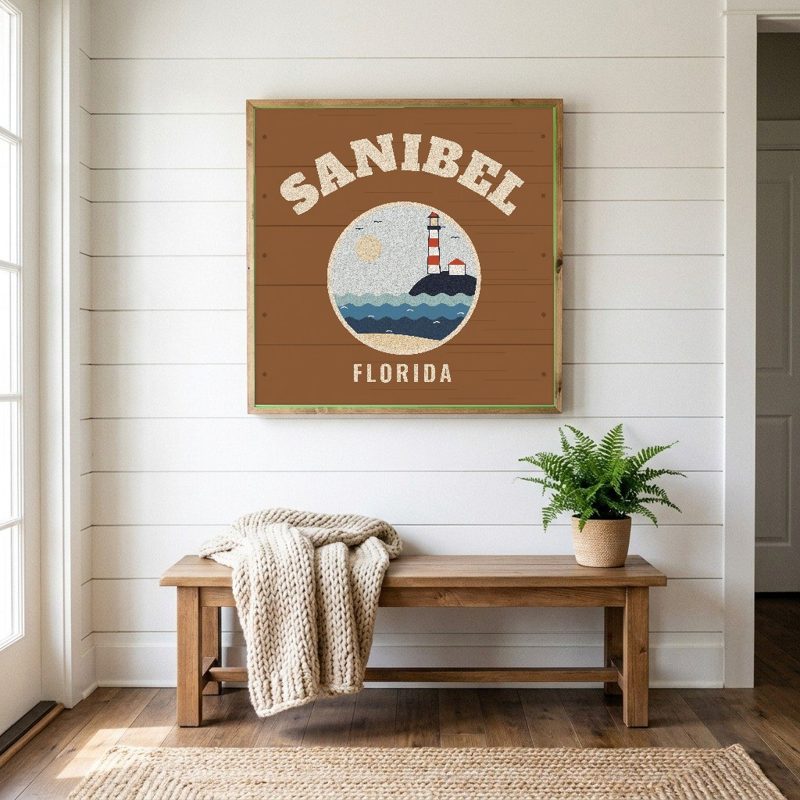
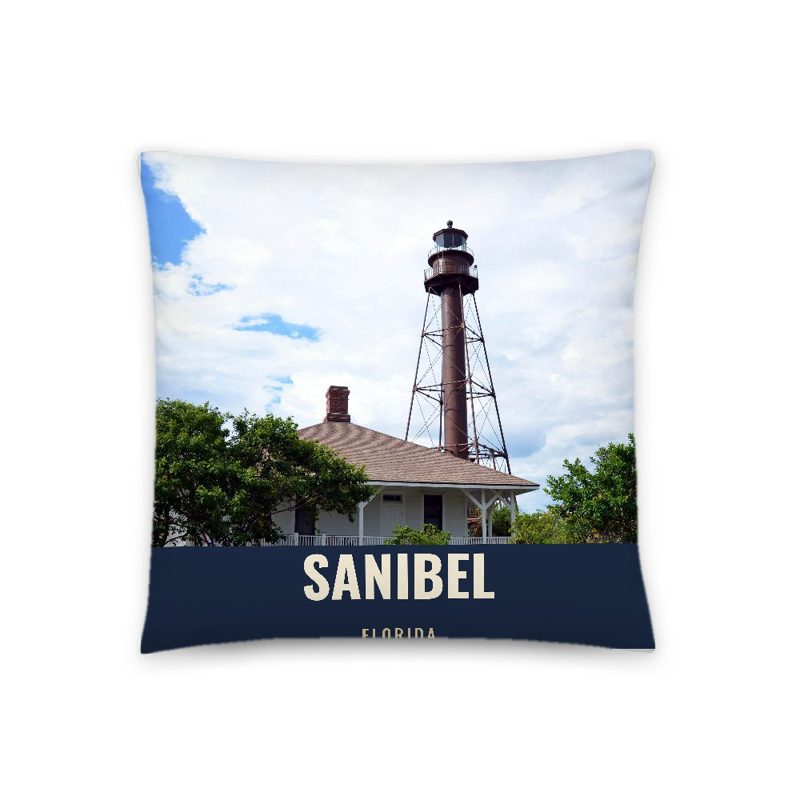
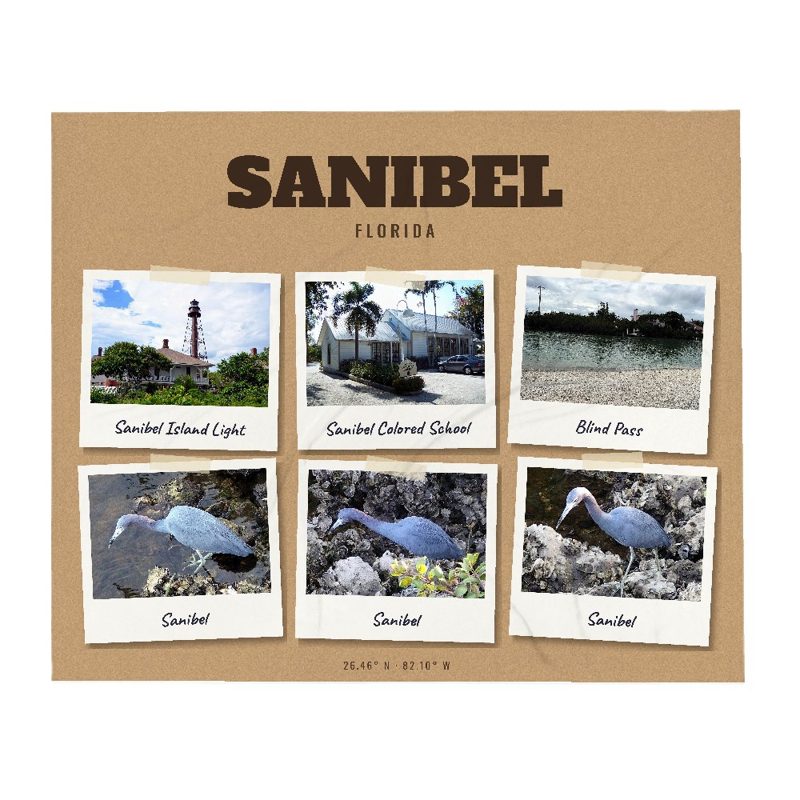
In 1832, the Florida Peninsular Land Company established a settlement on Sanibel (then spelled "Sanybel"), but the colony never took off, and was abandoned by 1849. This group initially petitioned for a lighthouse on the island. The island was repopulated after the implementation of the Homestead Act in 1862, and again a lighthouse was petitioned. Construction of the Sanibel Island Lighthouse was completed in 1884, but the community remained small.
In May 1963, a causeway linking Sanibel and Captiva to the mainland opened, resulting in an explosion of growth. The City of Sanibel passed new restrictions on development after it was incorporated; developers challenged them to no avail. The island's only buildings taller than two stories antedate 1974, and no fast-food or chain restaurants are allowed on the island except for two that were there before the laws were enacted. A new causeway was completed in 2007; it replaced the worn-out 1963 spans, which were not designed to carry heavy loads or large numbers of vehicles. The new bridge features a "flyover" span tall enough for sailboats to pass under, replacing the old bridge's bascule drawbridge span. The original bridge was demolished and its remains were sunk into the water to create artificial reefs in the Gulf of Mexico.
Read the full history
Development
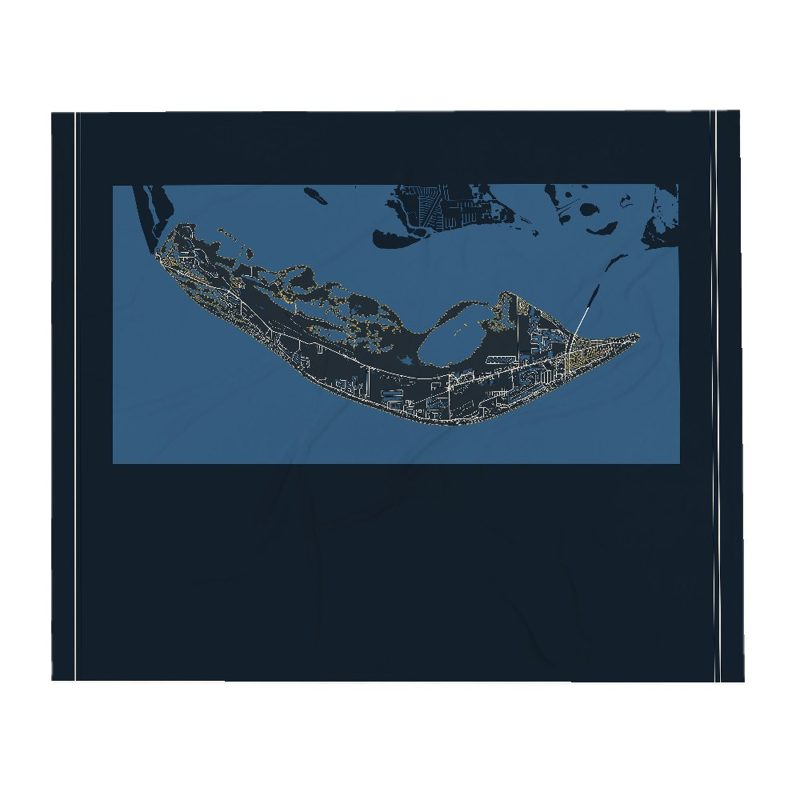
The main town is on the island's eastern end. The city was formed in 1974, as a direct result of the main causeway being built in 1963 to replace the ferry, and the rampant construction and development that followed. Developers sued over the new restrictions, but the city and citizens prevailed in their quest to protect the island. The only buildings above two to three stories on the island were built during that period.
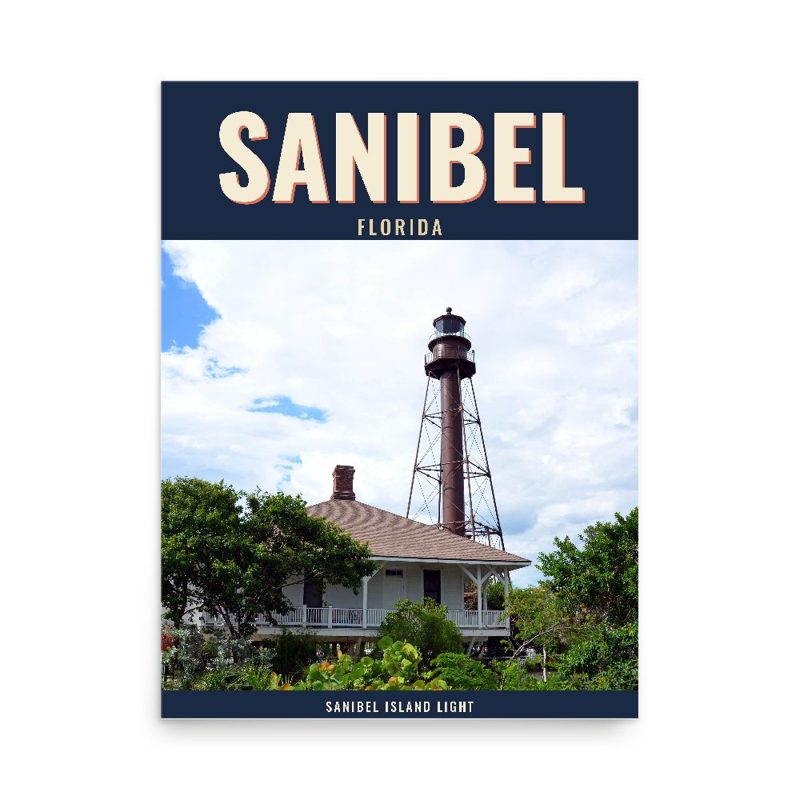
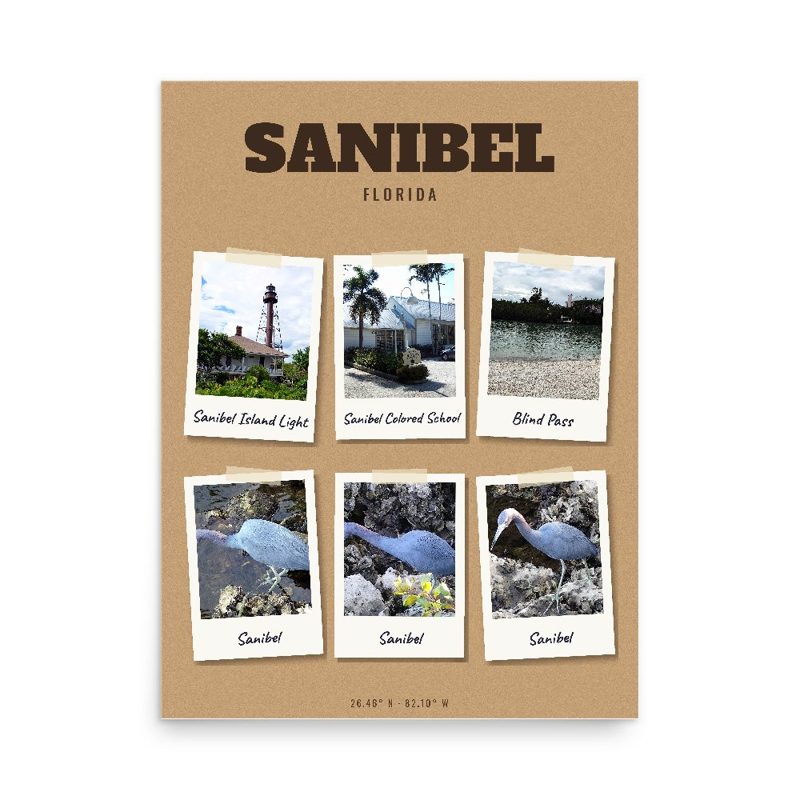
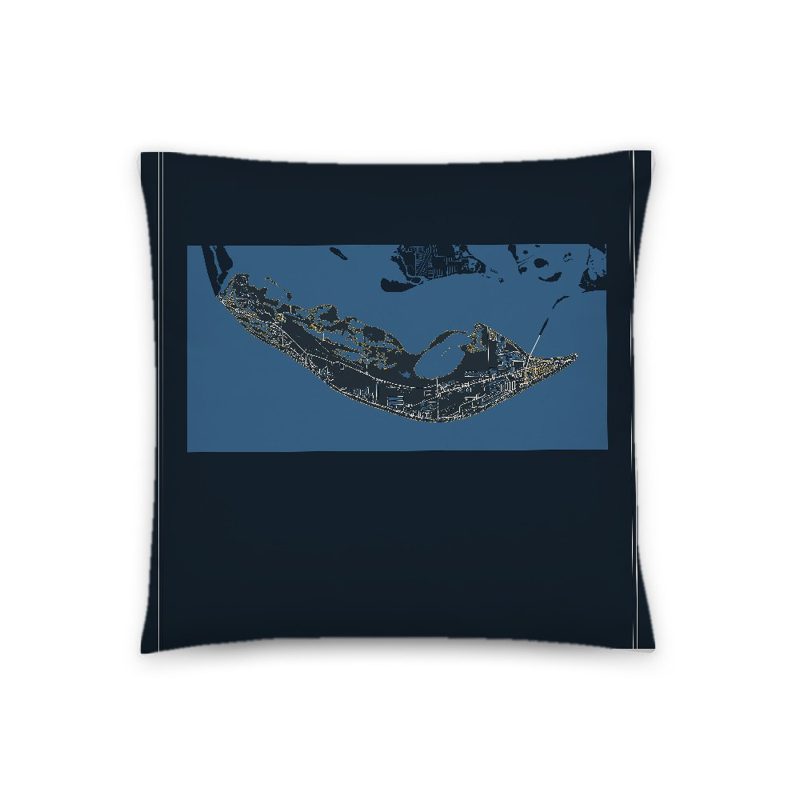
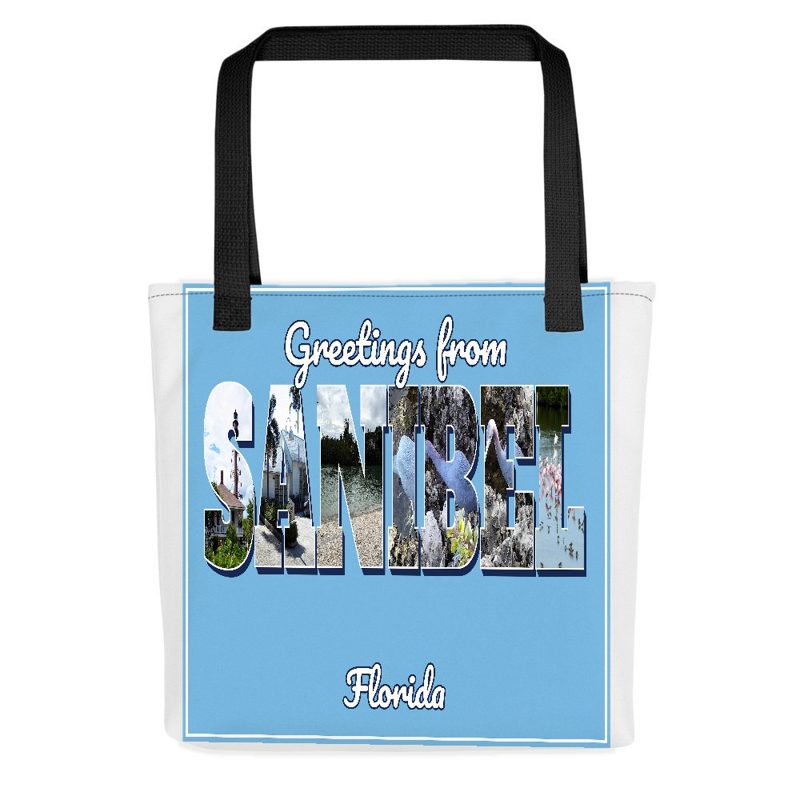
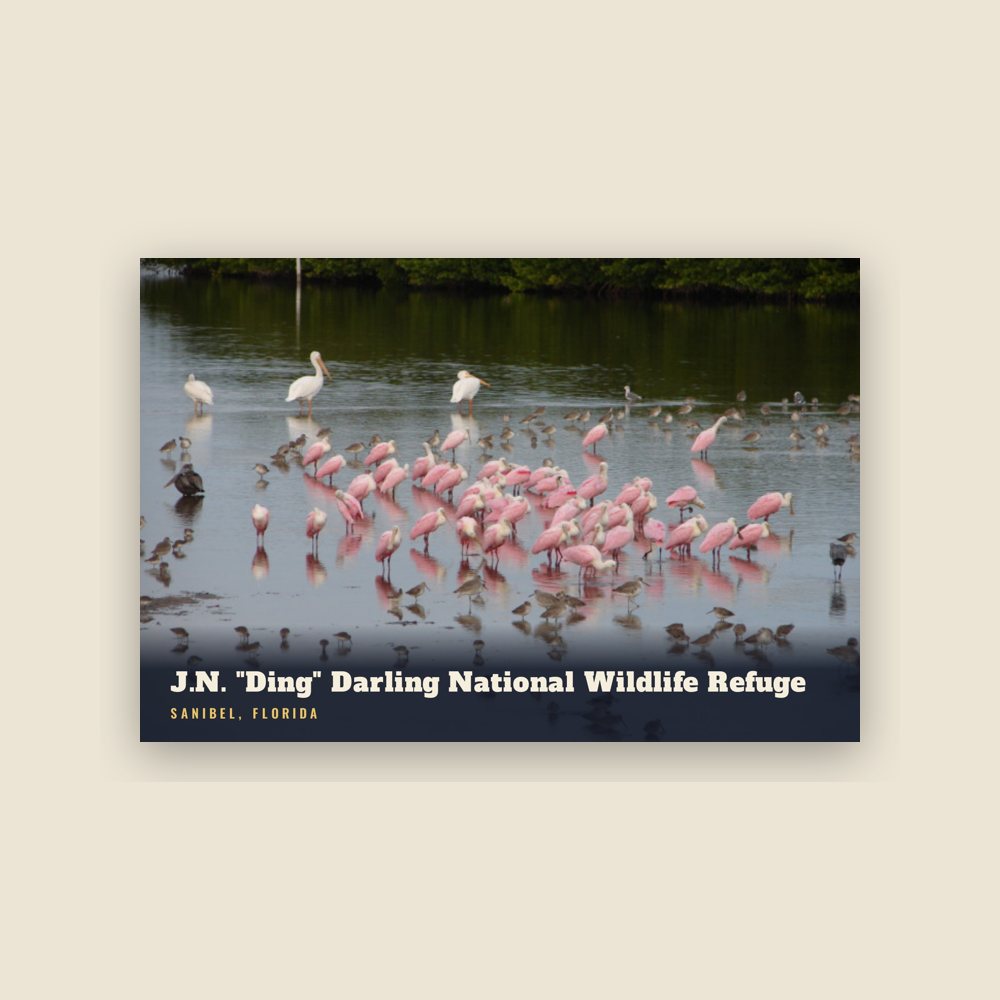
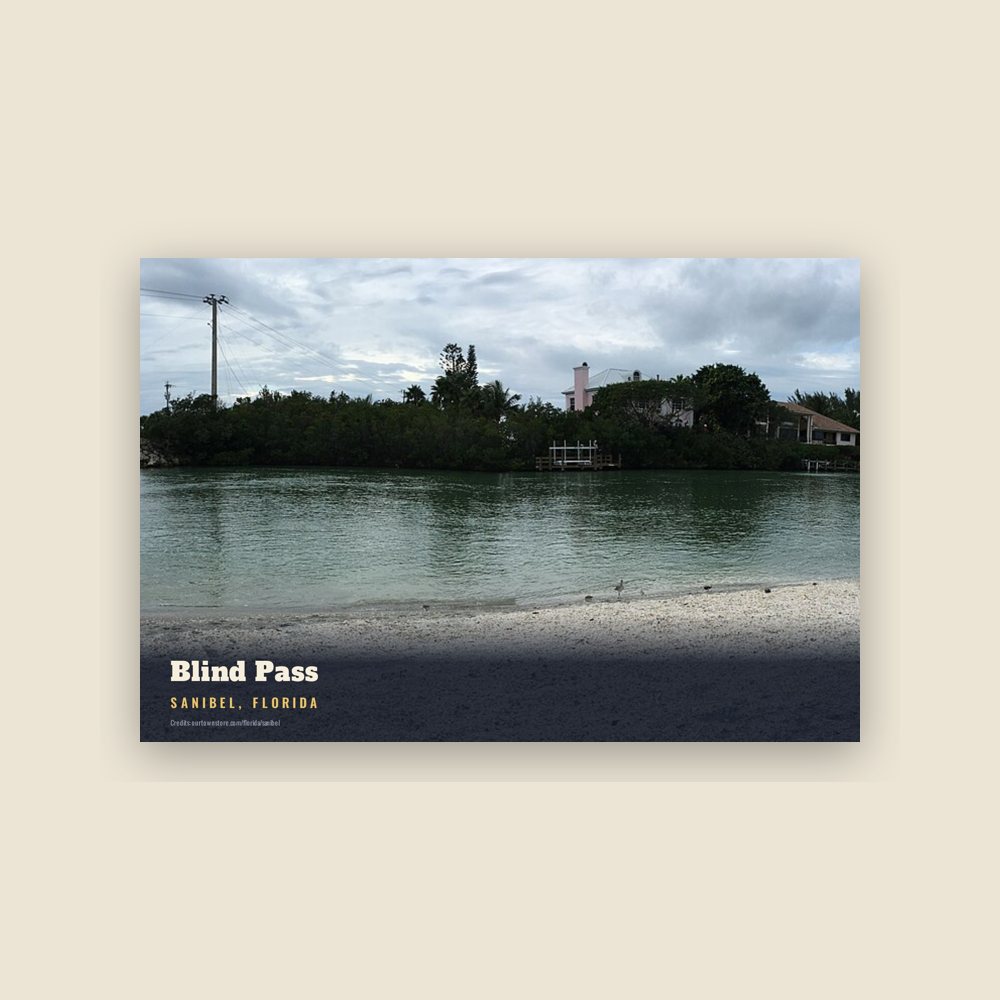
A short bridge over Blind Pass links Sanibel to Captiva Island. More than half of areas of the two islands are preserved in their natural state as wildlife refuges. Visitors can drive, walk, bike, or kayak through the J. N. "Ding" Darling National Wildlife Refuge The island's most famous landmark, the Sanibel Lighthouse, is at its eastern end, adjacent to the fishing pier. The main thoroughfare, Periwinkle Way, is where most of Sanibel's stores and restaurants are, while the Gulf Drives (East, Middle, and West) have most of the accommodations.
The Sanibel-Captiva Conservation Foundation, a nonprofit organization, has been a key player in curbing commercial growth and development on the island. Since 1967, it has been dedicated to preserving natural resources on and around Sanibel and Captiva and has led efforts to acquire and preserve environmentally sensitive land on the islands, including critical wildlife habitats, rare and unique subtropical plant communities, tidal wetlands, and freshwater wetlands along the Sanibel River.
Adapted (trimmed) from the Wikipedia article Sanibel, Florida, revision 1378600669 by its contributors, licensed CC BY-SA 4.0.
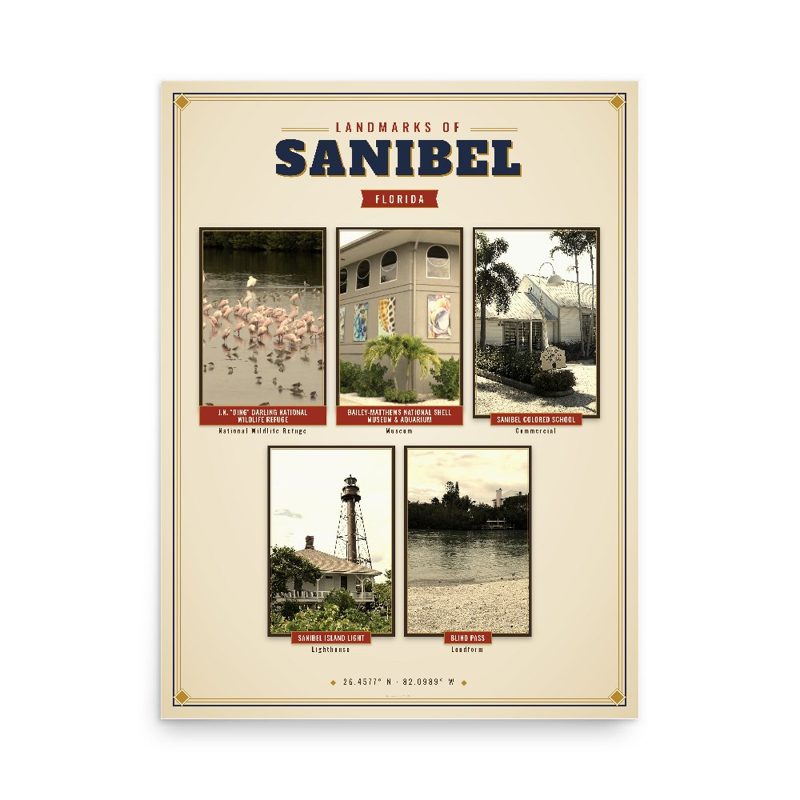
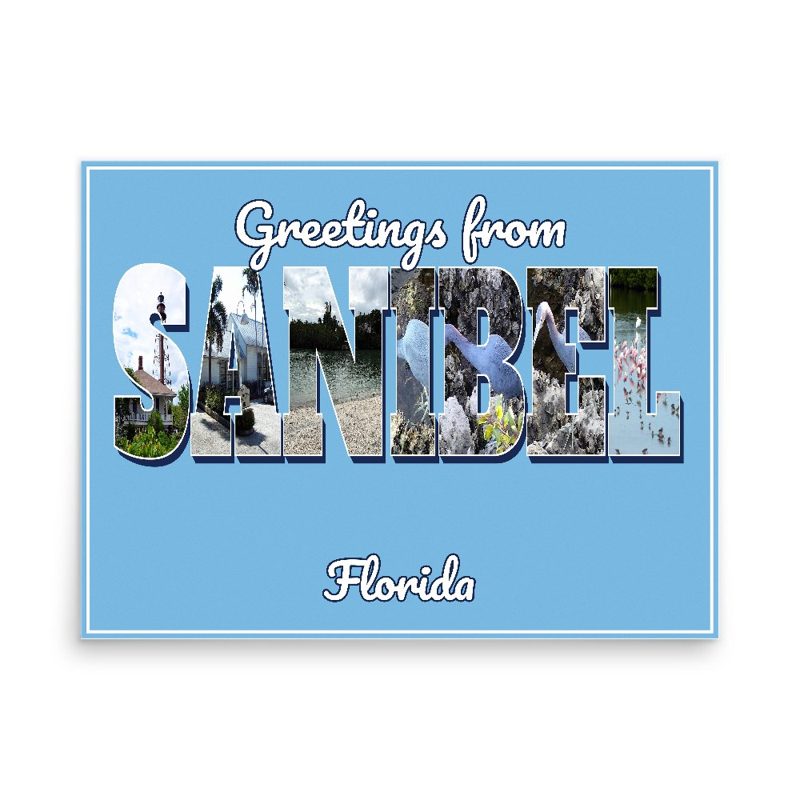
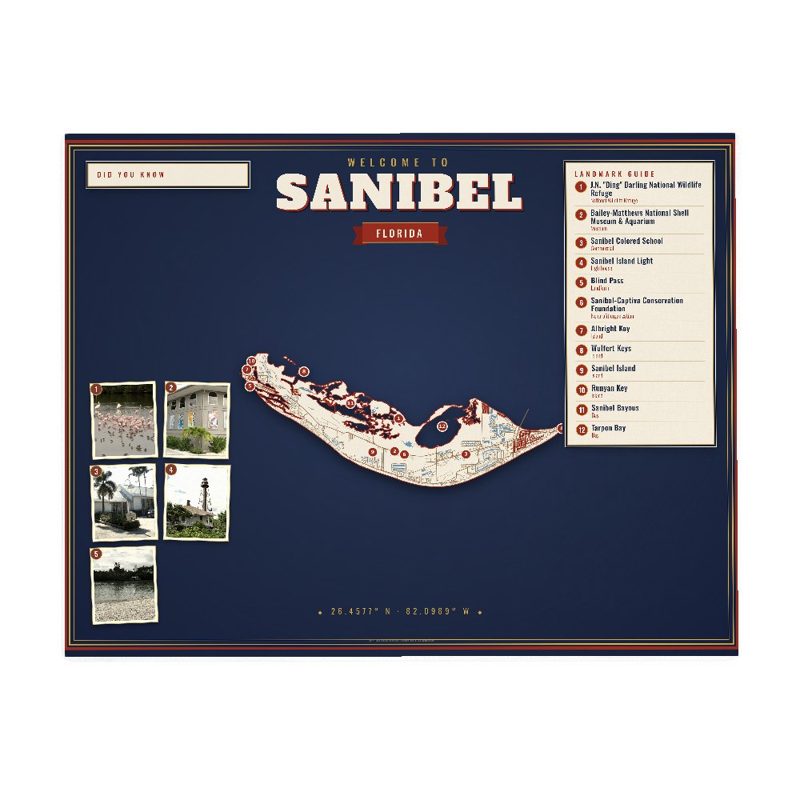

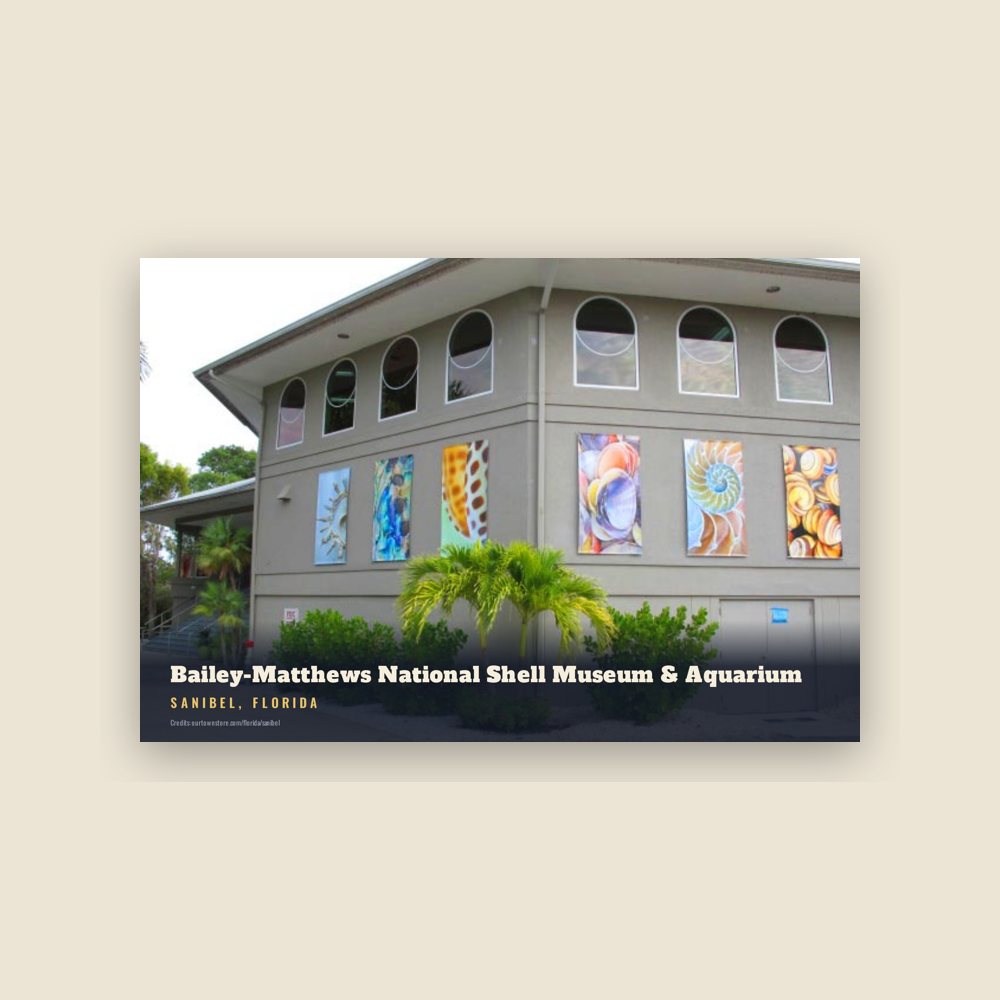
 Bailey-Matthews National Shell Museum & Aquarium
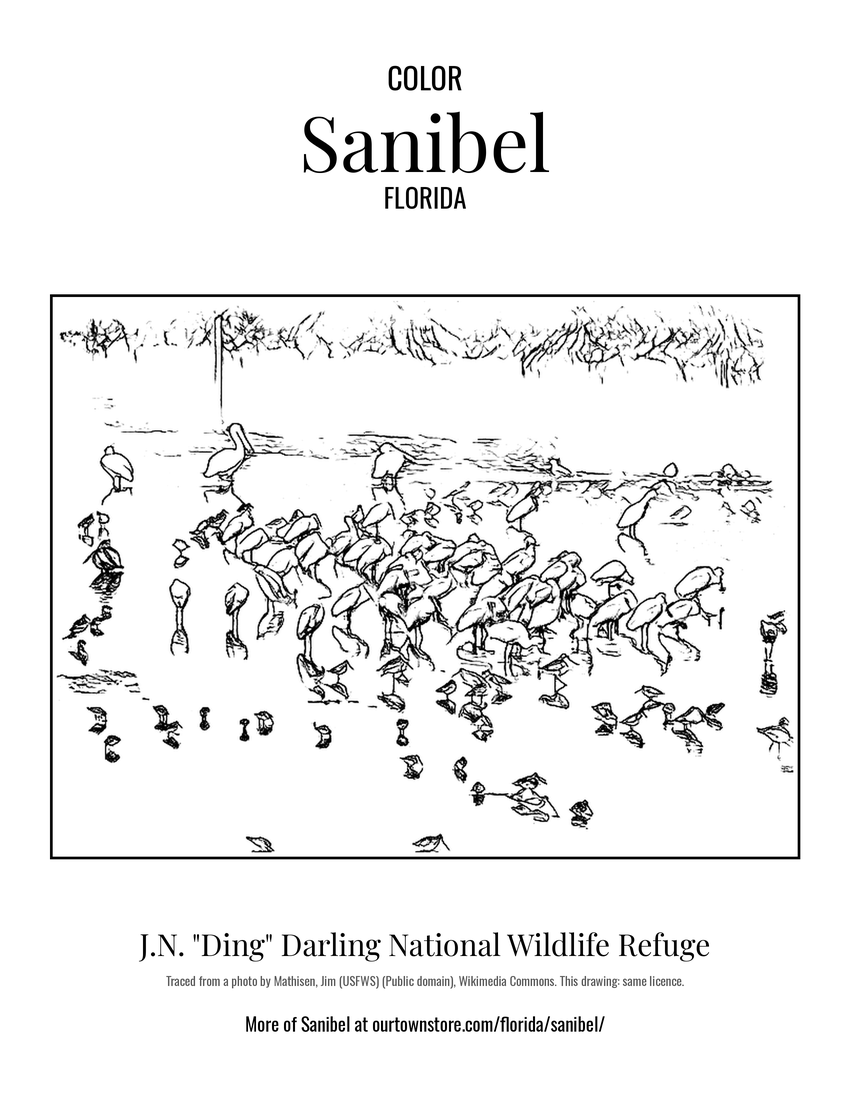 J.N. "Ding" Darling National Wildlife Refuge
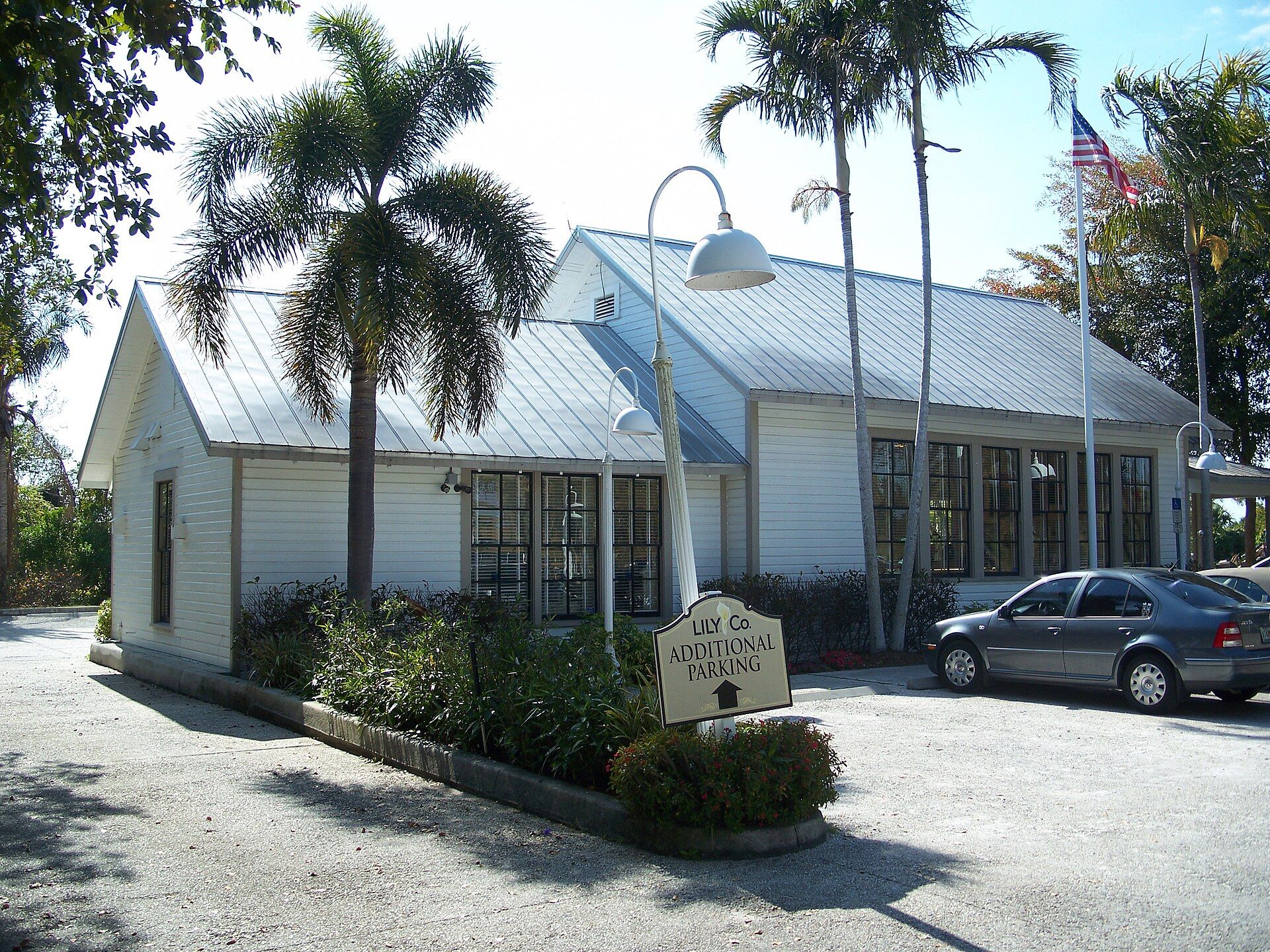
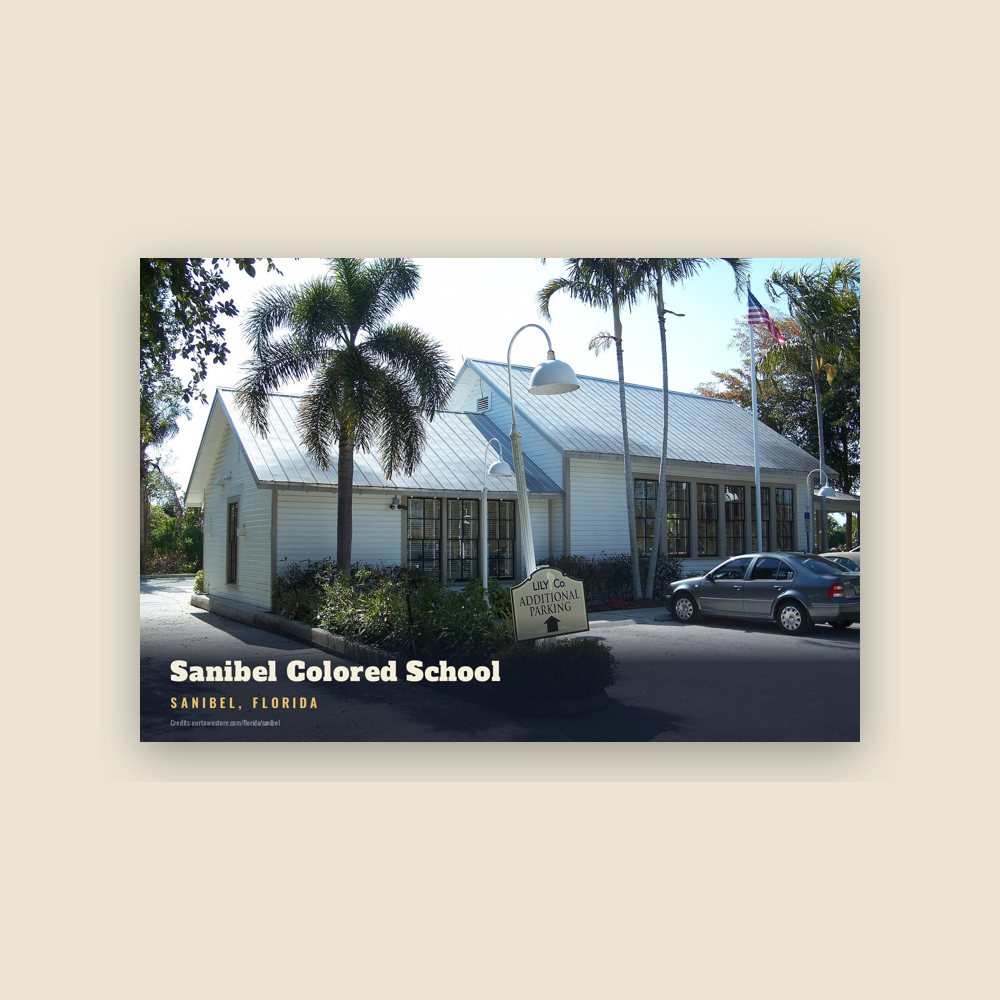
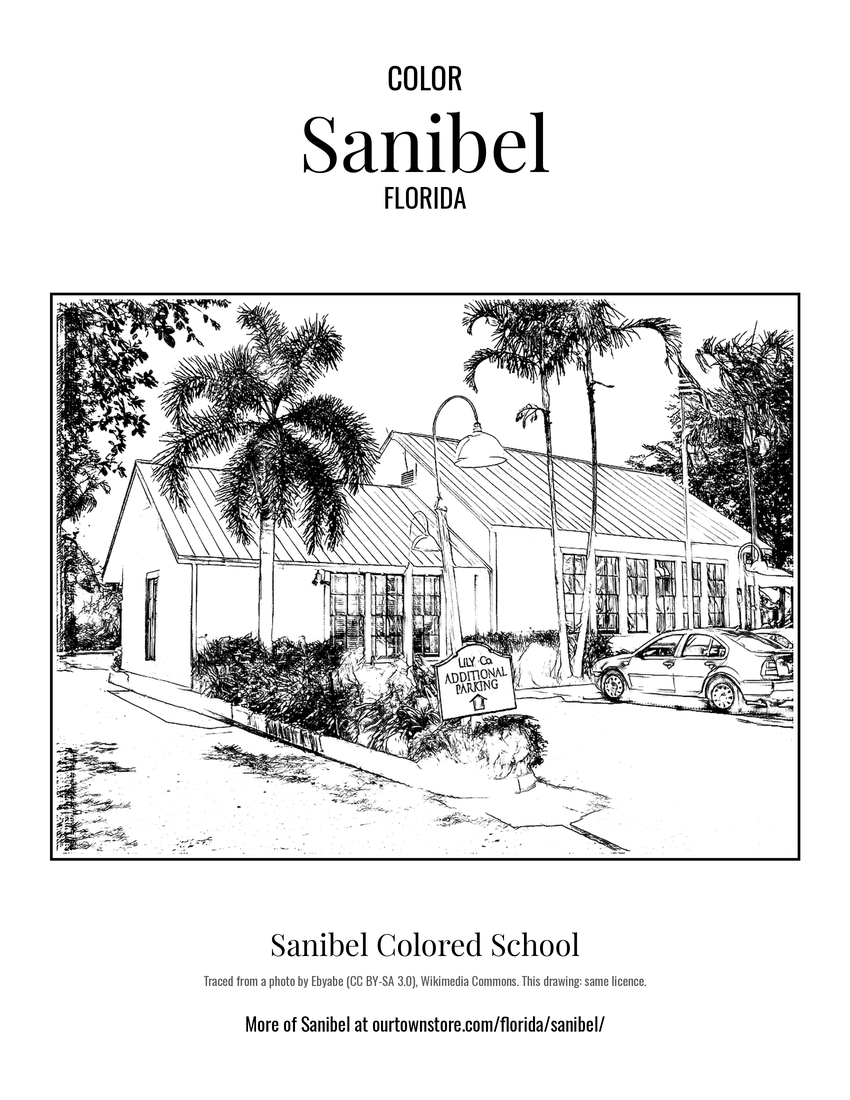 Sanibel Colored School
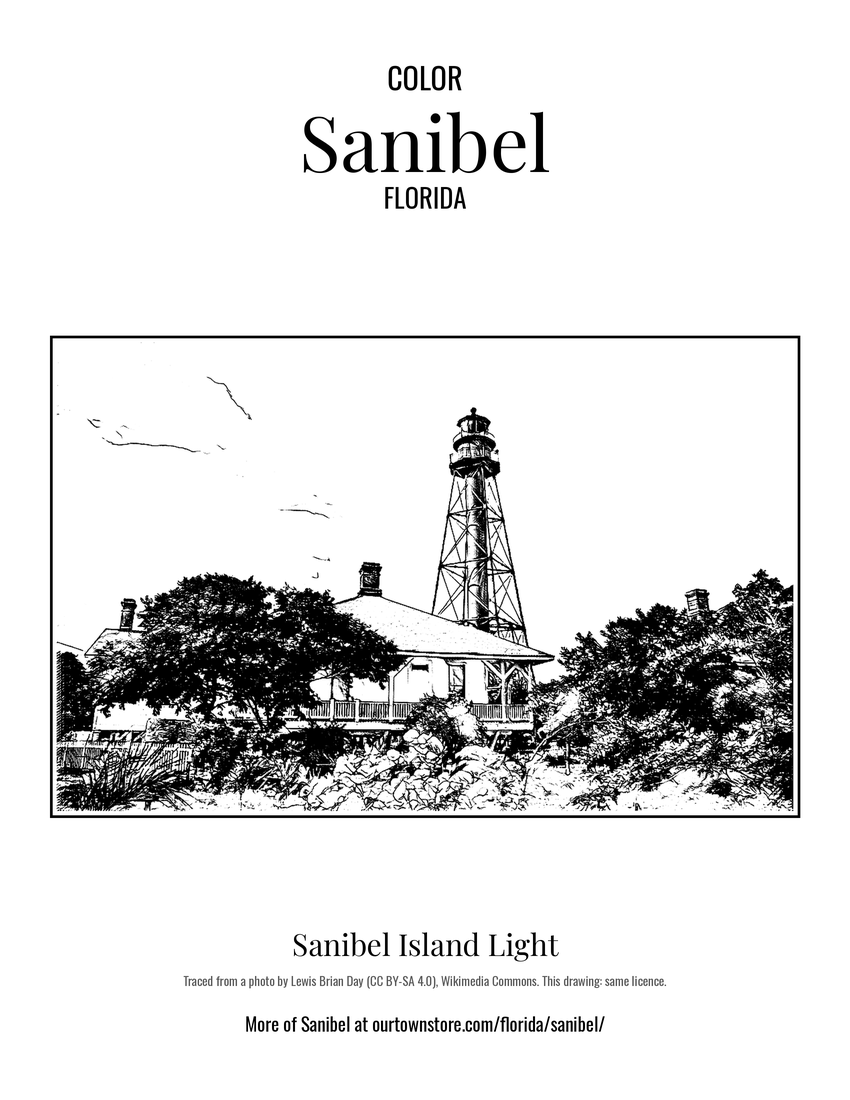 Sanibel Island Light