Since 1885
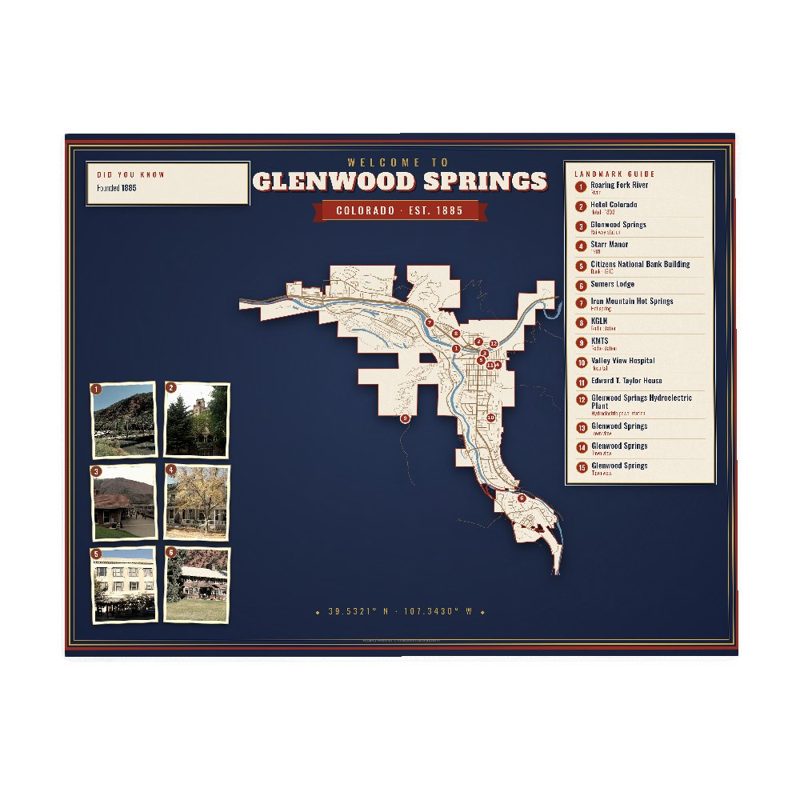
A short history of Glenwood Springs
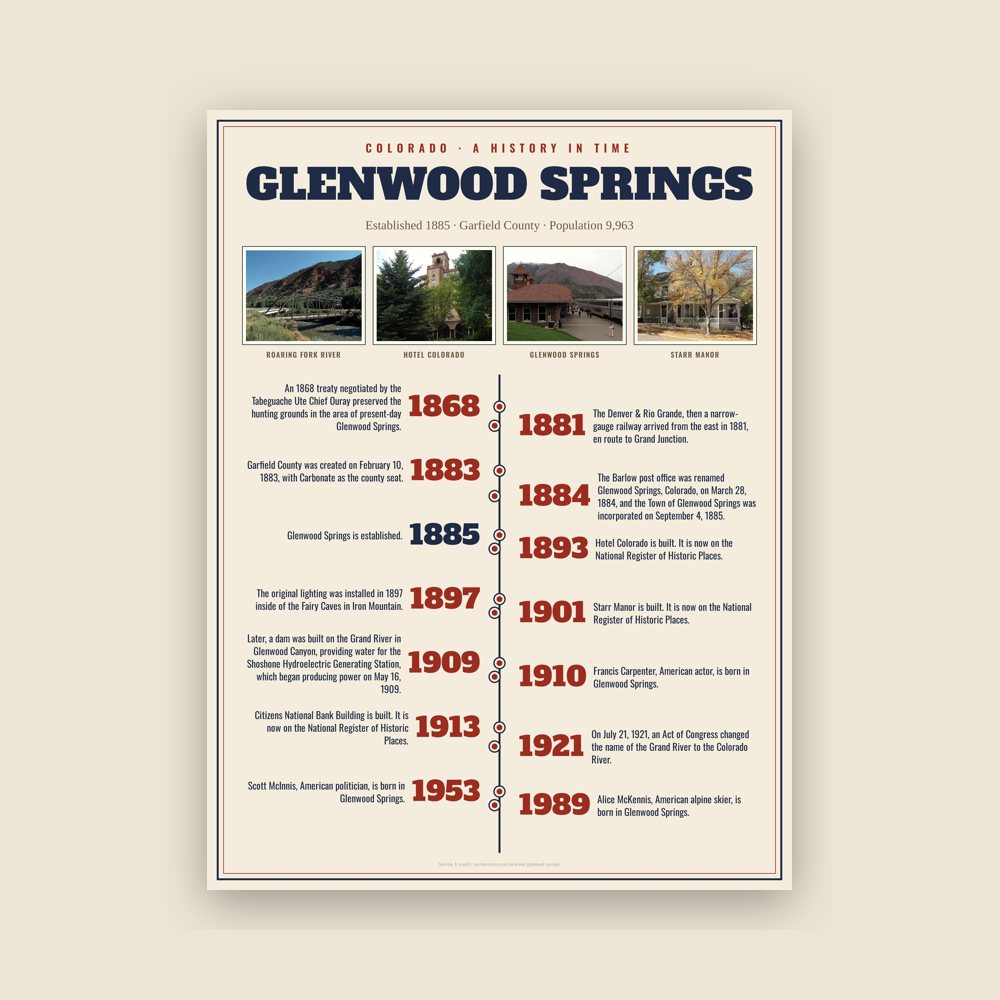
For thousands of years, the area now known as Glenwood Springs has been inhabited by Indigenous people. The oral history of the Kapuuta and Mouache bands recall that Glenwood Springs is located within the traditional Nuuchiu tuvupu (The People's Land) of the Subuagan and Parianuche bands. Fred Conetah's History of the Northern Utes states that the Yampa or White River bands used the area, which is now in the Ute ancestral jurisdiction. The Utes were nomadic hunter-gatherers who seasonally used the natural hot springs in the area. The U.S. government surveyed the land in the mid-19th century, although they had no claim on the land. An 1868 treaty negotiated by the Tabeguache Ute Chief Ouray preserved the hunting grounds in the area of present-day Glenwood Springs.
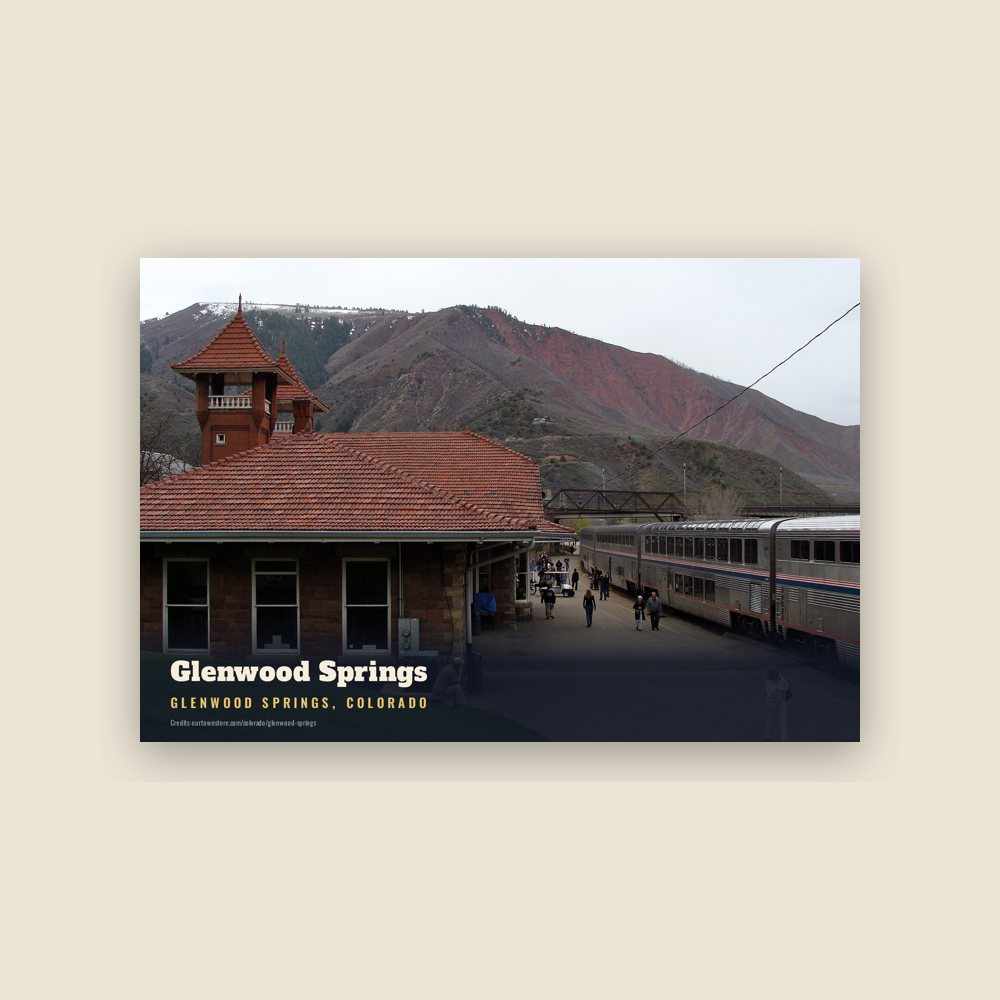
Glenwood Springs was originally known as "Defiance" because its original white settlers squatted on the Ute Indian Reservation. Defiance was a camp of tents, saloons, and brothels. The Denver & Rio Grande, then a narrow-gauge railway arrived from the east in 1881, en route to Grand Junction.
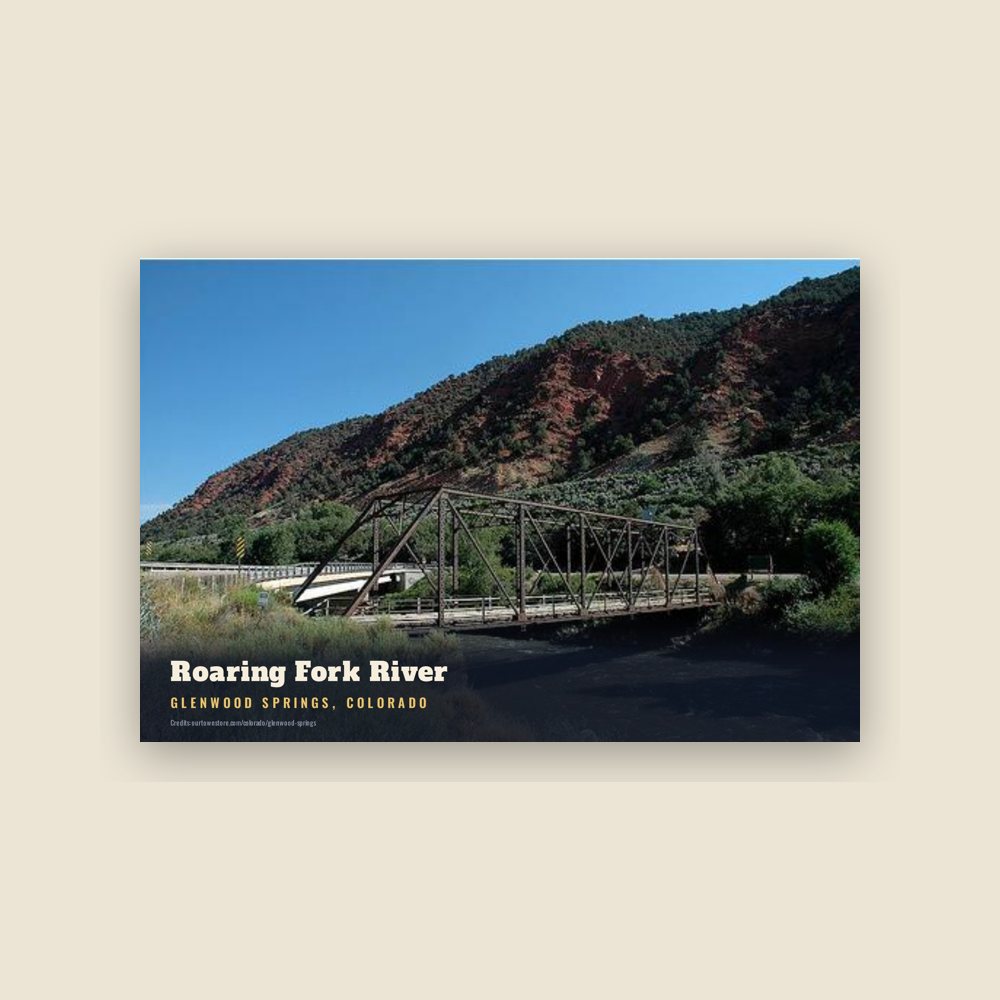
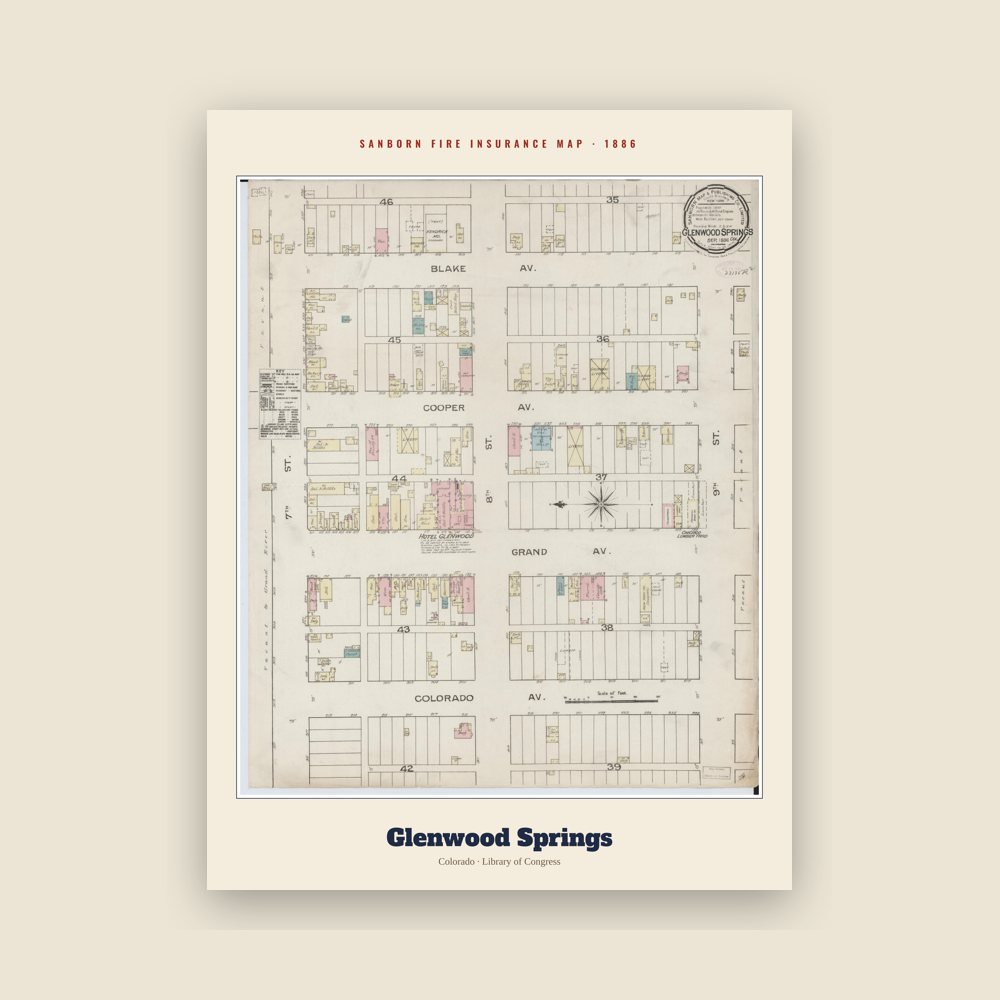
Garfield County was created on February 10, 1883, with Carbonate as the county seat. The mining town of Carbonate was located high in the remote Flat Tops mountains. Isaac Cooper platted a legal settlement named Barlow at the confluence of the Roaring Fork River and the Grand River where Defiance had been, and the Barlow, Colorado, post office opened on June 25, 1883. Garfield County voters moved the county seat to the much more accessible Barlow later that year.
Isaac Cooper's wife Sarah had a hard time adjusting to the frontier life and, in an attempt to make her environment somewhat more comfortable, persuaded the founders to change the name of Barlow to Glenwood Springs, after her hometown of Glenwood, Iowa. The Barlow post office was renamed Glenwood Springs, Colorado, on March 28, 1884, and the Town of Glenwood Springs was incorporated on September 4, 1885.
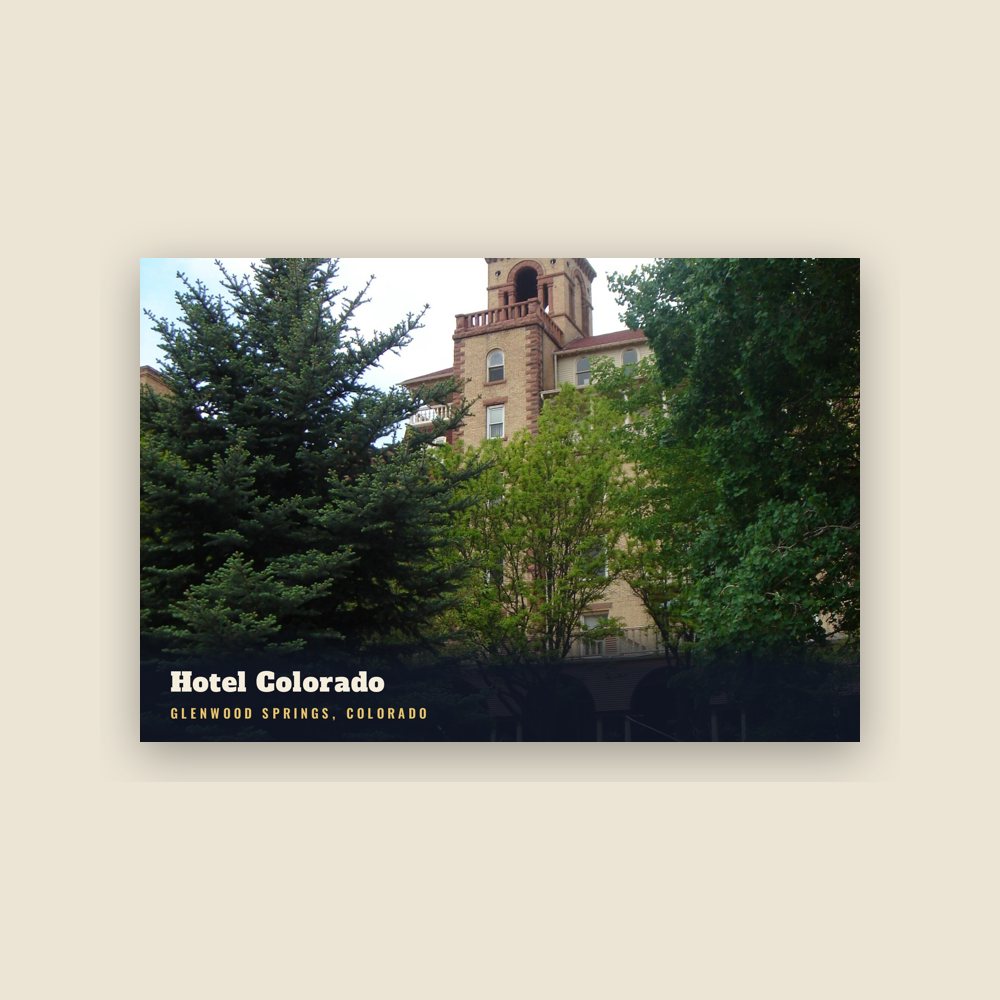
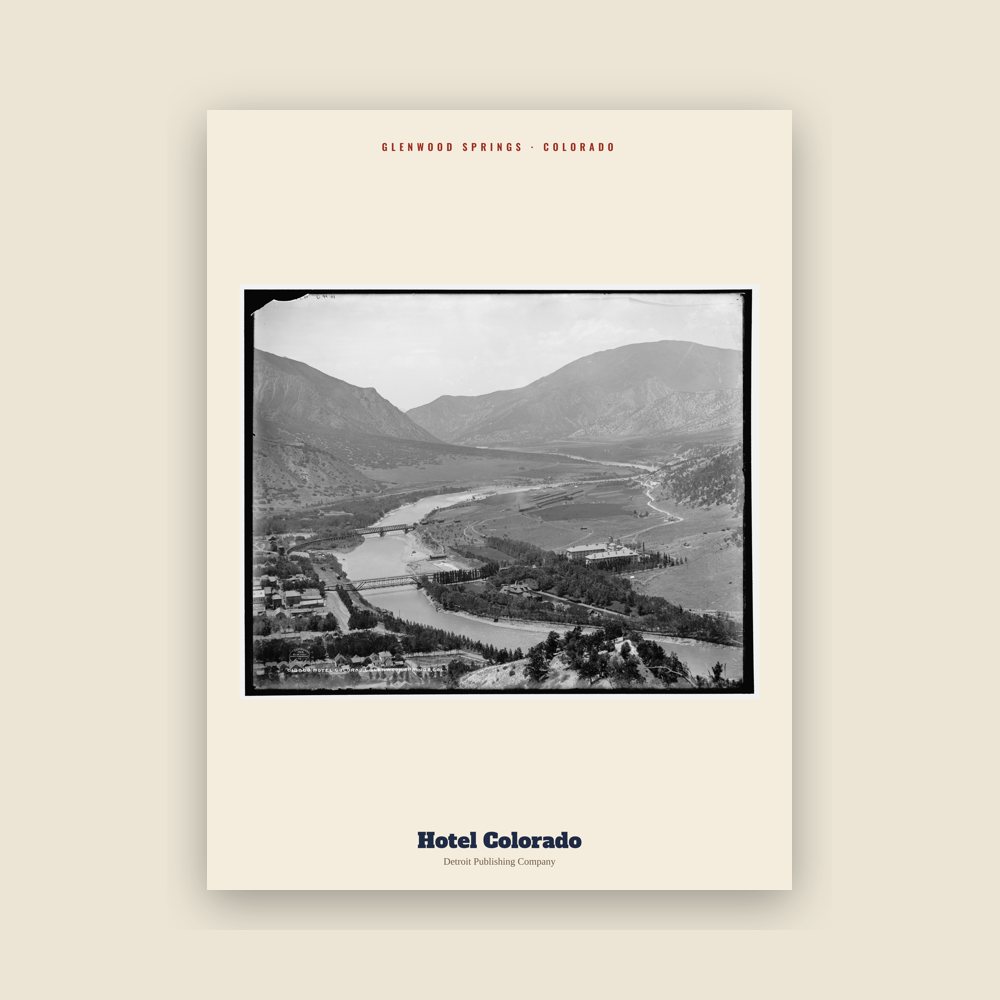
The location of Glenwood Springs, and its railroad stop, established a center of commerce in the area. The city has seen well-known visitors, including President Teddy Roosevelt, who spent a summer vacation living in the historic Hotel Colorado. Doc Holliday, who was known for the O.K. Corral gunfight, spent the final months of his life in Glenwood Springs and is buried in the town's original Pioneer Cemetery above Bennett Avenue. Kid Curry is buried in the same location.
Glenwood Springs was one of the first places in the United States to have electric lights. The original lighting was installed in 1897 inside of the Fairy Caves in Iron Mountain. Later, a dam was built on the Grand River in Glenwood Canyon, providing water for the Shoshone Hydroelectric Generating Station, which began producing power on May 16, 1909. On July 21, 1921, an Act of Congress changed the name of the Grand River to the Colorado River. The Shoshone plant retains some of the largest and oldest water rights on the upper Colorado River, the "Shoshone Call", which is valuable for the protection of Colorado River water rather than the minimal electricity produced.
The serial killer Ted Bundy was imprisoned in the Garfield County Jail until he escaped on the night of December 30, 1977, an escape which went undetected for 17 hours.
Adapted (trimmed) from the Wikipedia article Glenwood Springs, Colorado, revision 1381683478 by its contributors, licensed CC BY-SA 4.0.
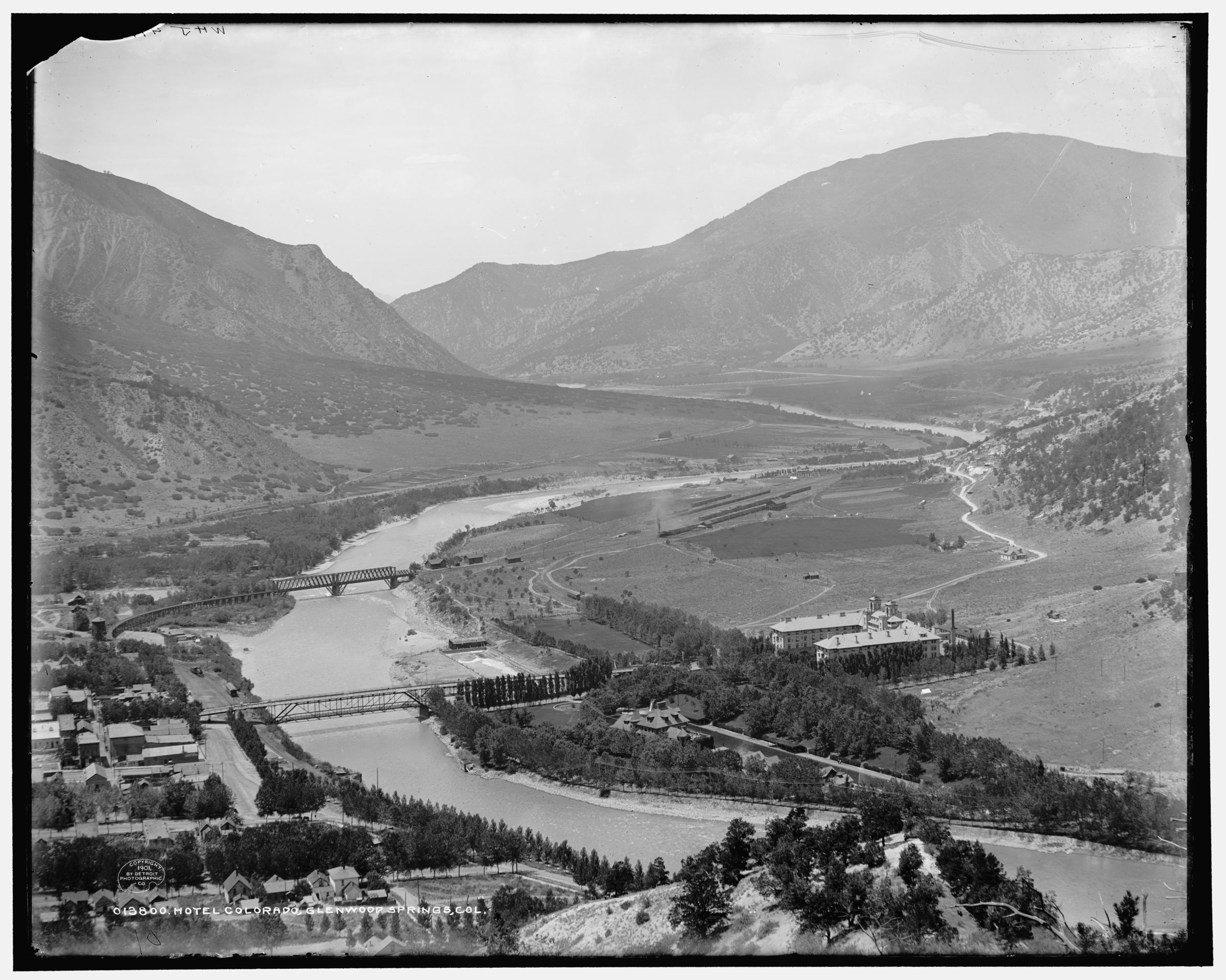
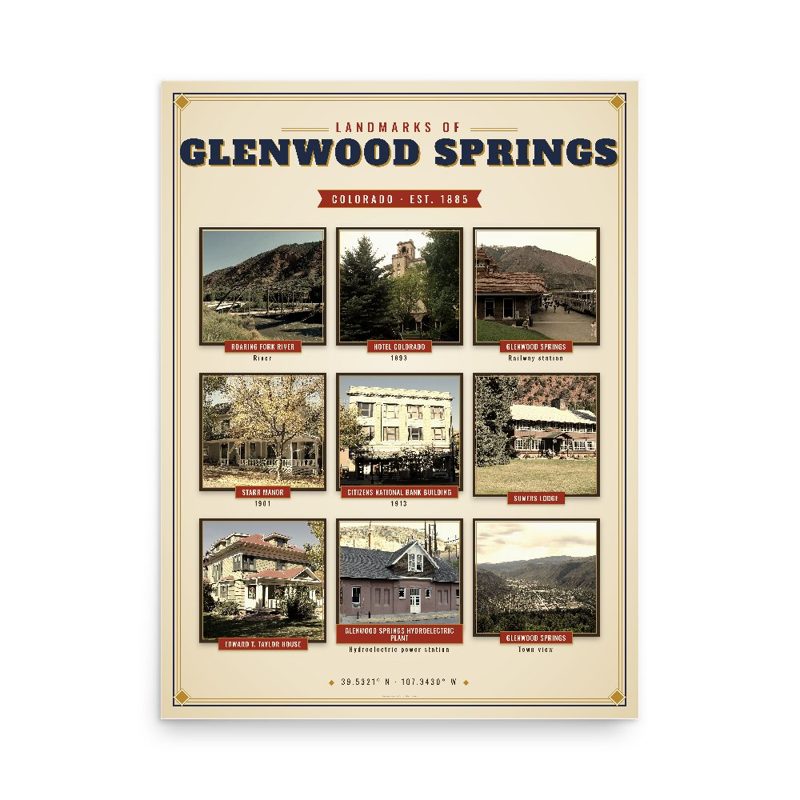




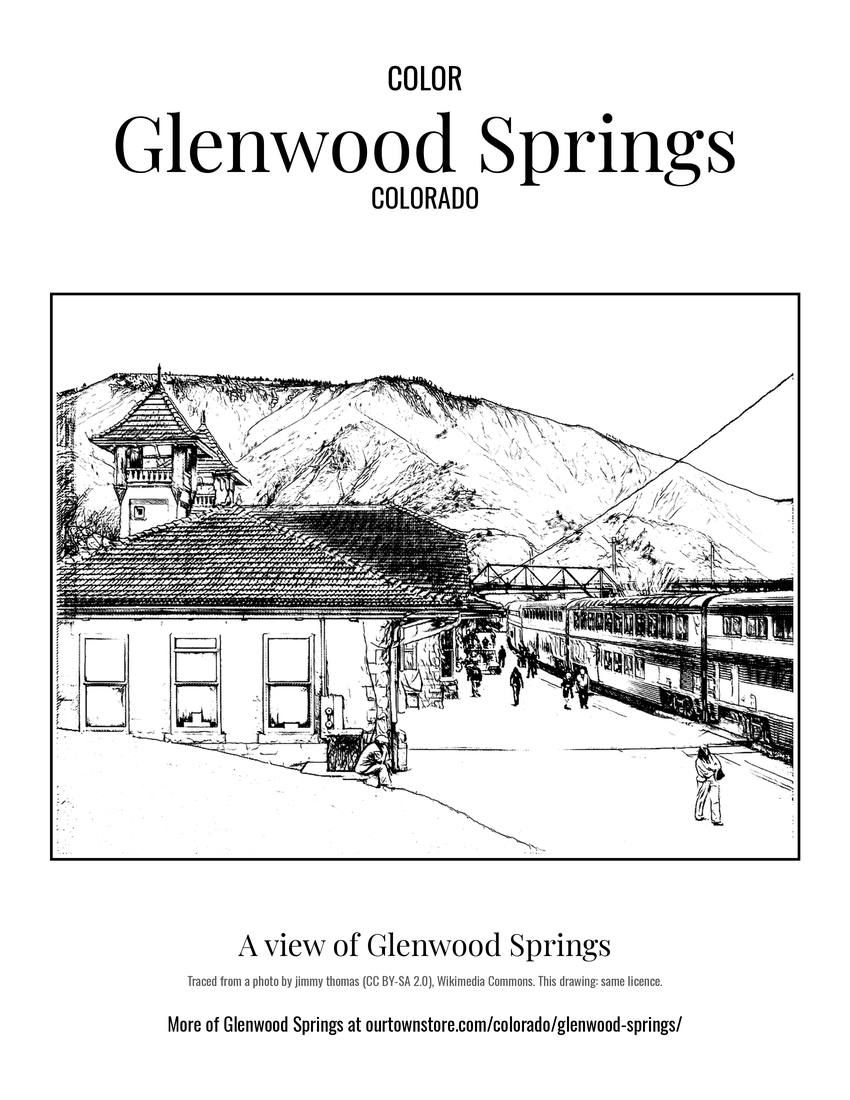 A view of Glenwood Springs
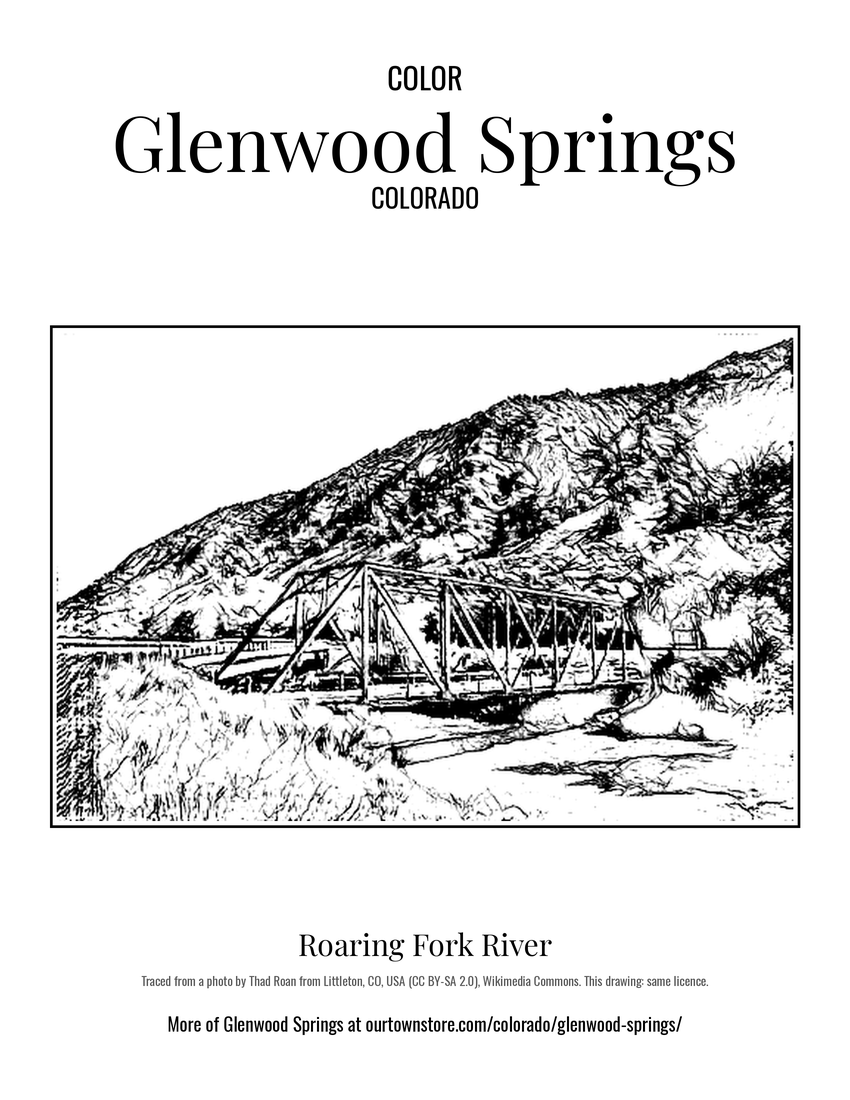 Roaring Fork River
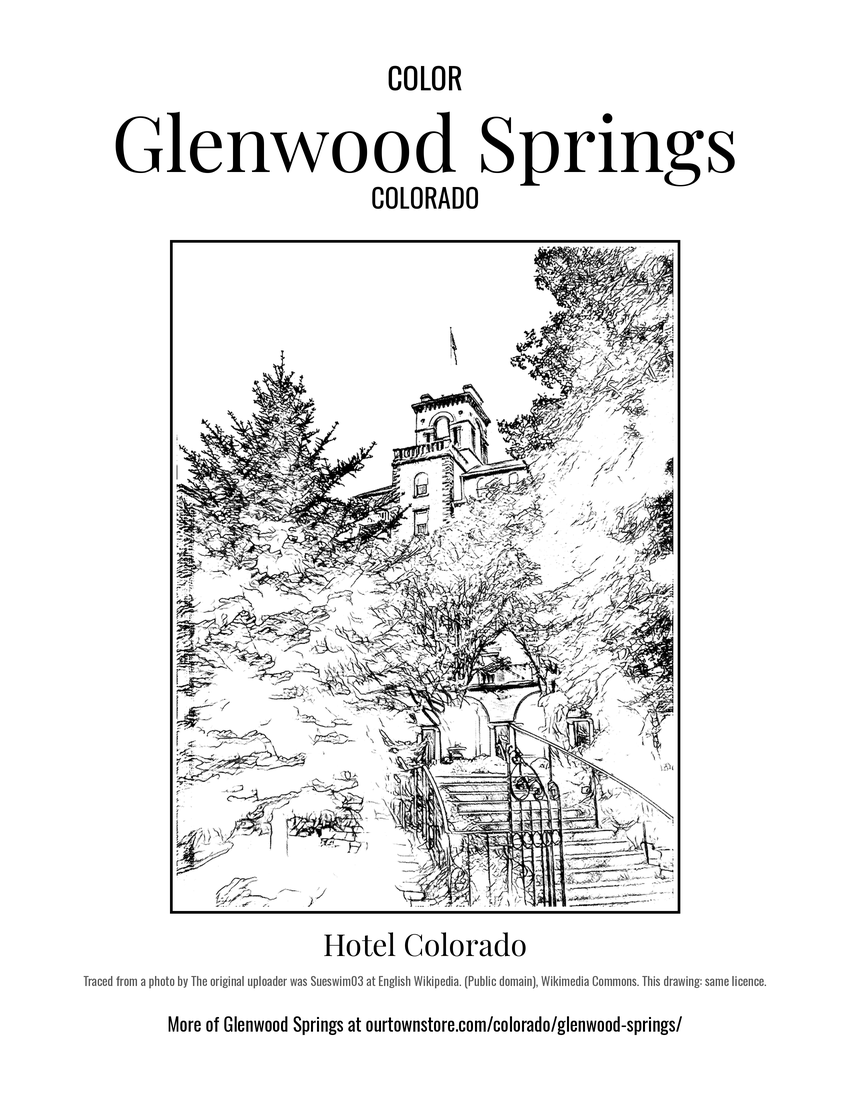 Hotel Colorado
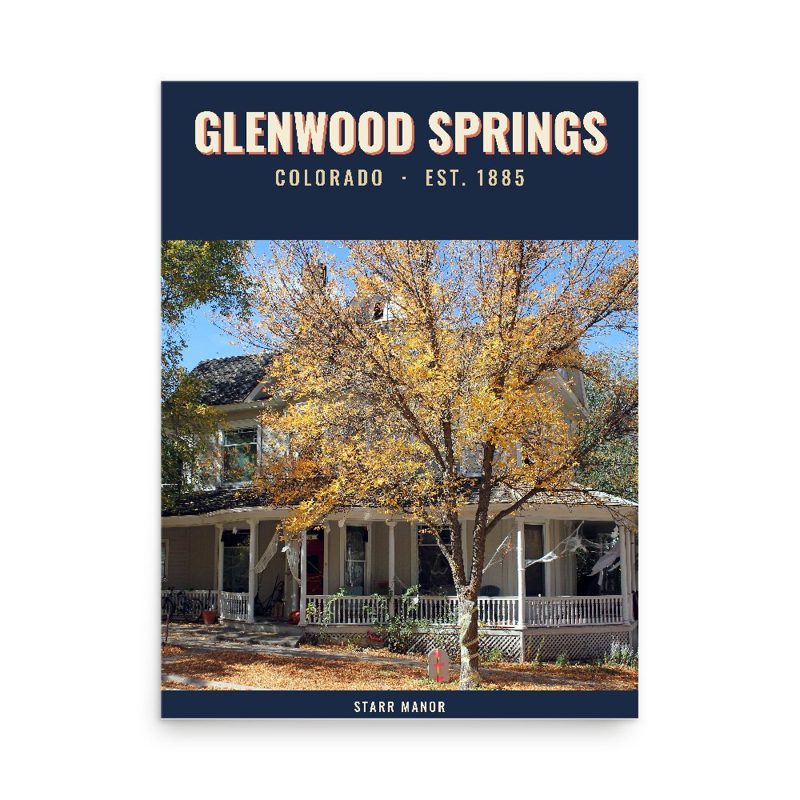
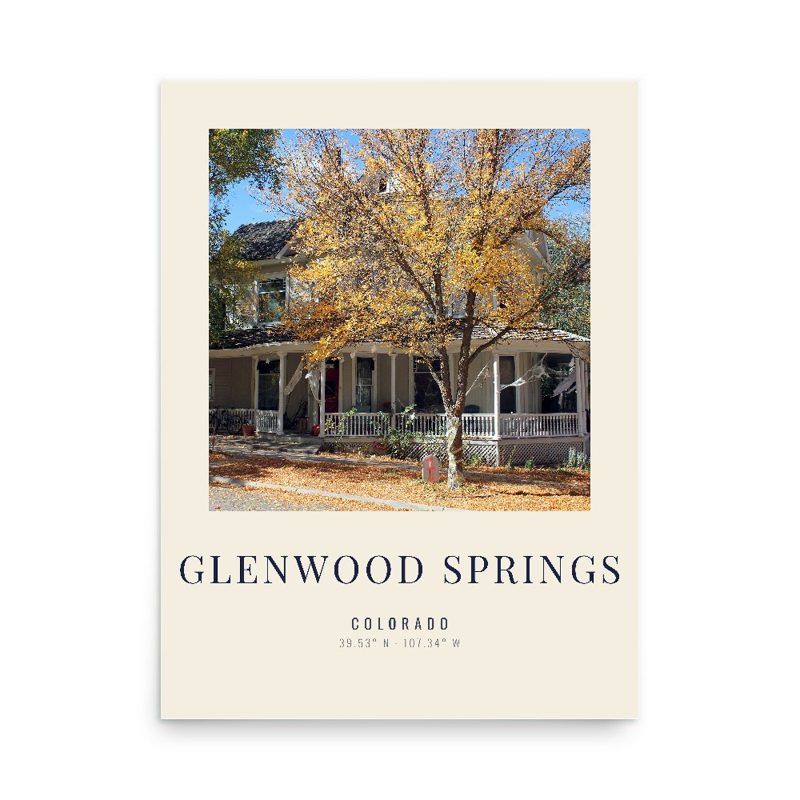
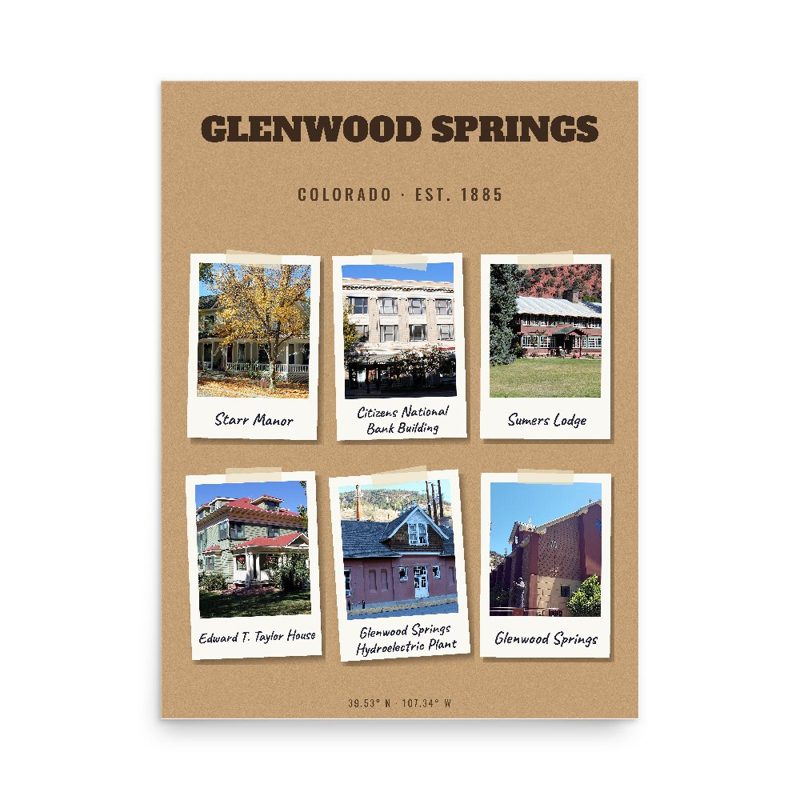
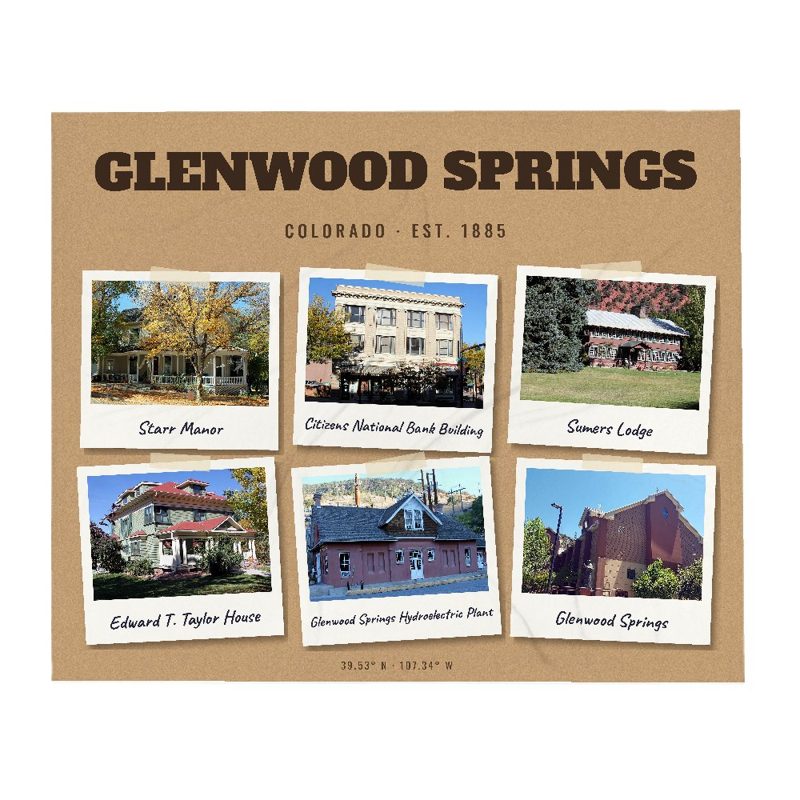
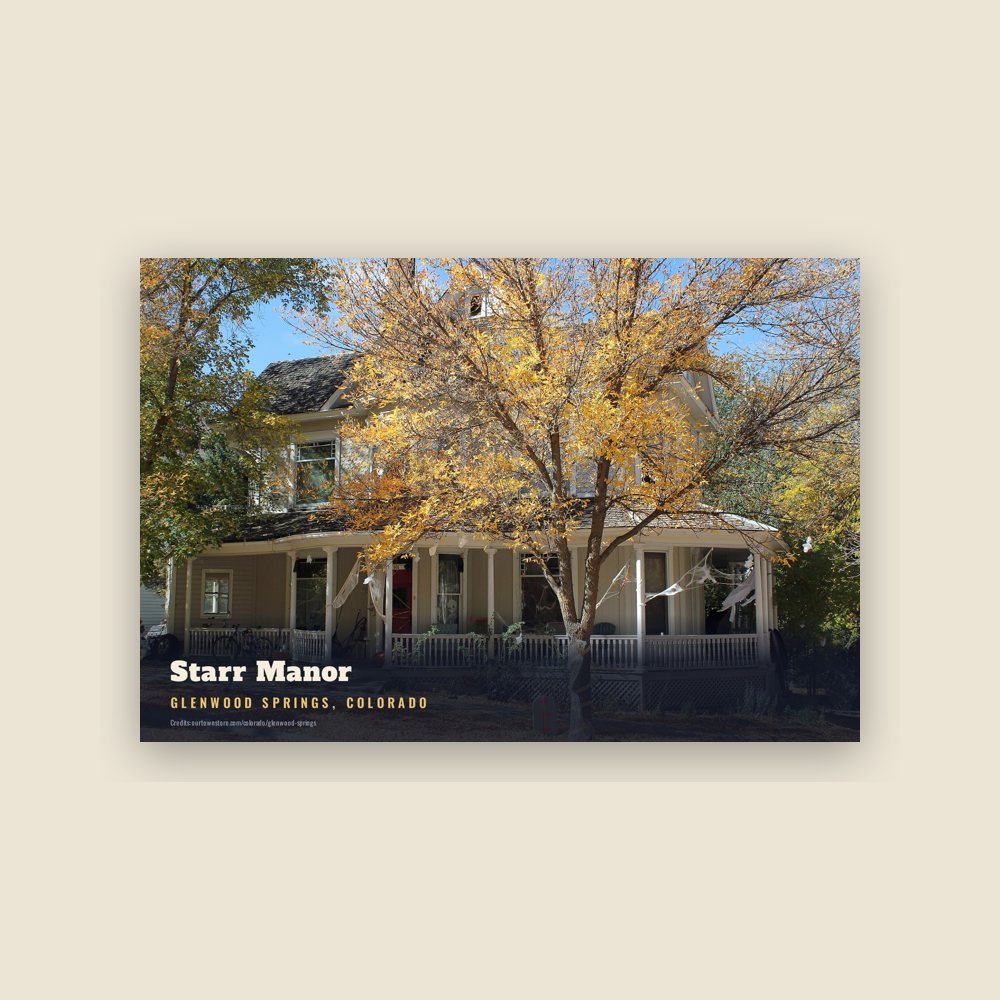
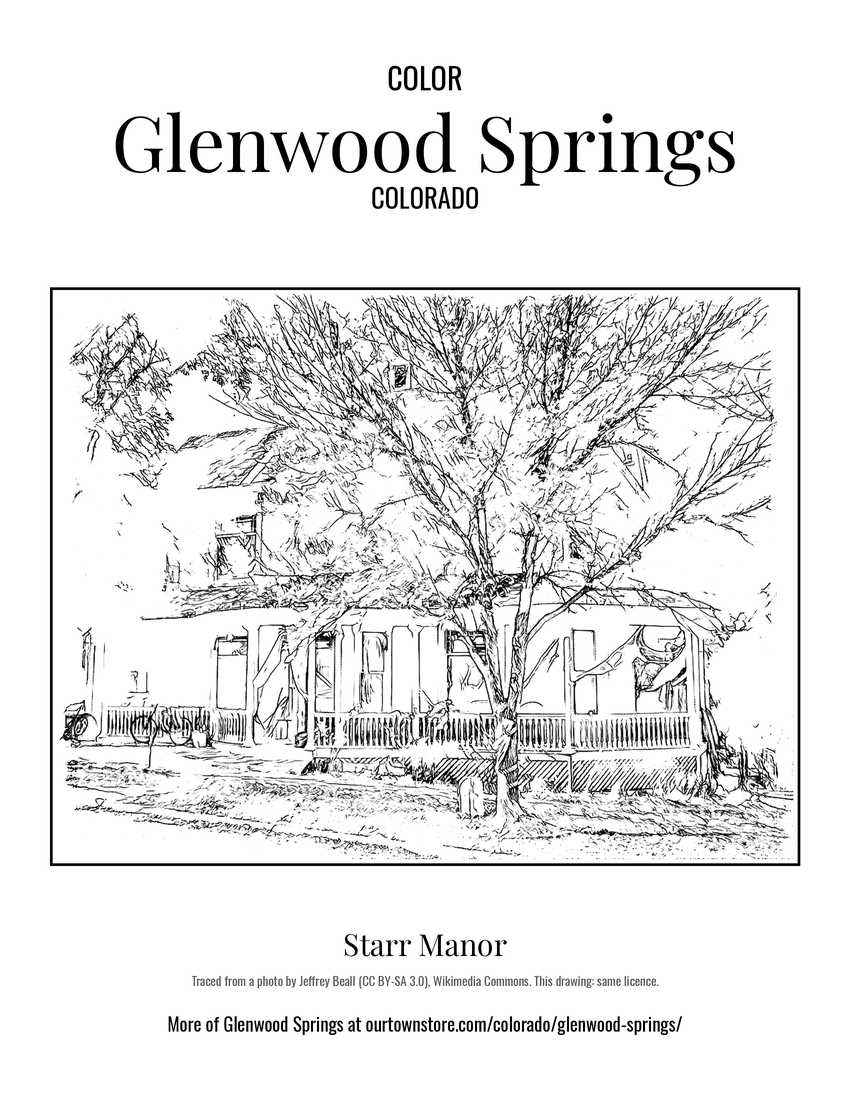 Starr Manor