A short history of Ridgecrest
Native American tribes of the Paiute, Shoshone, and Kawaiisu thrived in the Indian Wells Valley. The Shoshone tribe left behind petroglyphs in the Coso Range that can be found in Big and Little Petroglyph Canyons. Their petroglyphs and artwork are displayed in the Maturango Museum and Petroglyph Park.
During the mid-1800s, travelers began crossing through the Indian Wells Valley. In 1826, Jedediah Smith's beaver trappers arrived, followed in 1834 by Joseph Walker when he crossed Walker Pass into the Indian Wells Valley. Throughout the rest of the nineteenth century, mining booms brought more settlers to the valley. In the 1880s, Chinese railroad workers briefly settled in the area, giving local China Lake its name.
Until the twentieth century, non-permanent settlers had arrived and traveled throughout the Indian Wells Valley. This changed, however, when the Los Angeles Aqueduct was built and finished from 1908–1913. This, plus the arrival of the Southern Pacific Railroad brought lasting settlers to the Indian Wells Valley.
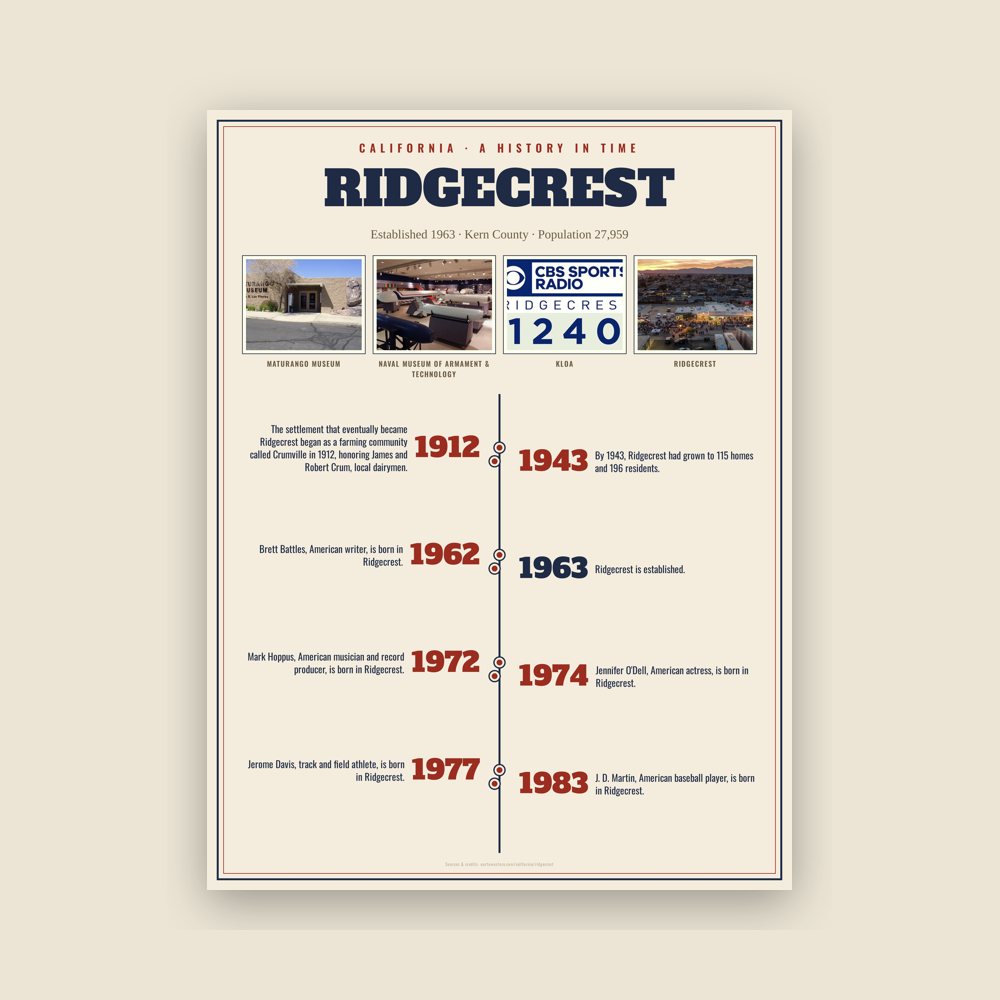
The settlement that eventually became Ridgecrest began as a farming community called Crumville in 1912, honoring James and Robert Crum, local dairymen. The first post office opened in 1941. By 1943, Ridgecrest had grown to 115 homes and 196 residents. The Naval Ordnance Test Station (NOTS) was established in November 1943, providing a strong job base for the years to come.
Ridgecrest incorporated in 1963. During this era the growth of Ridgecrest was governed by the continuing needs of the high tech industries coupled to the Naval Air Weapons Station (NAWS) programs for testing arms and guidance systems. Today, the city serves as an essential housing and business community for NAWS China Lake.
Adapted (trimmed) from the Wikipedia article Ridgecrest, California, revision 1374799772 by its contributors, licensed CC BY-SA 4.0.
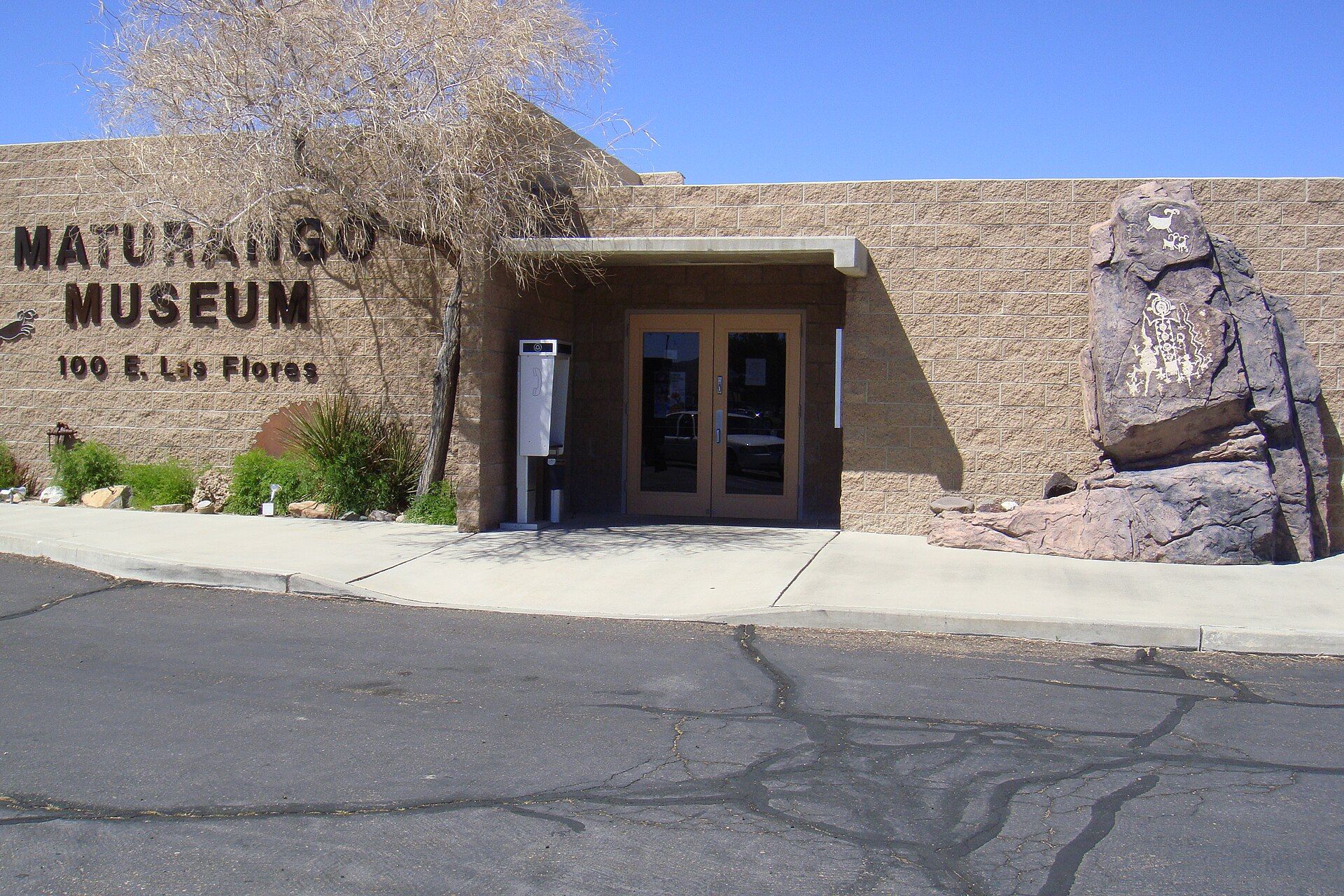
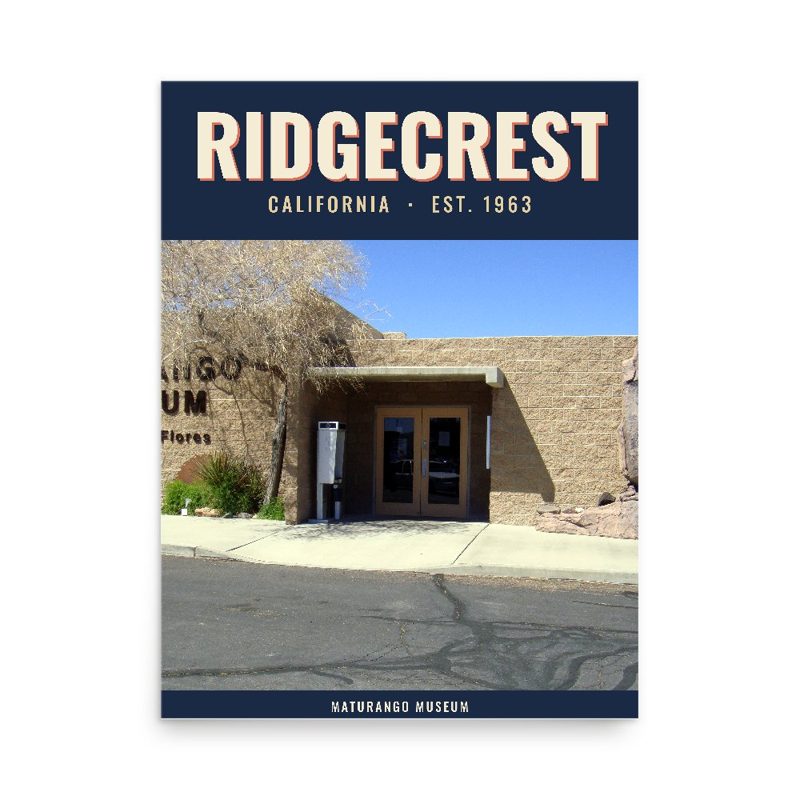
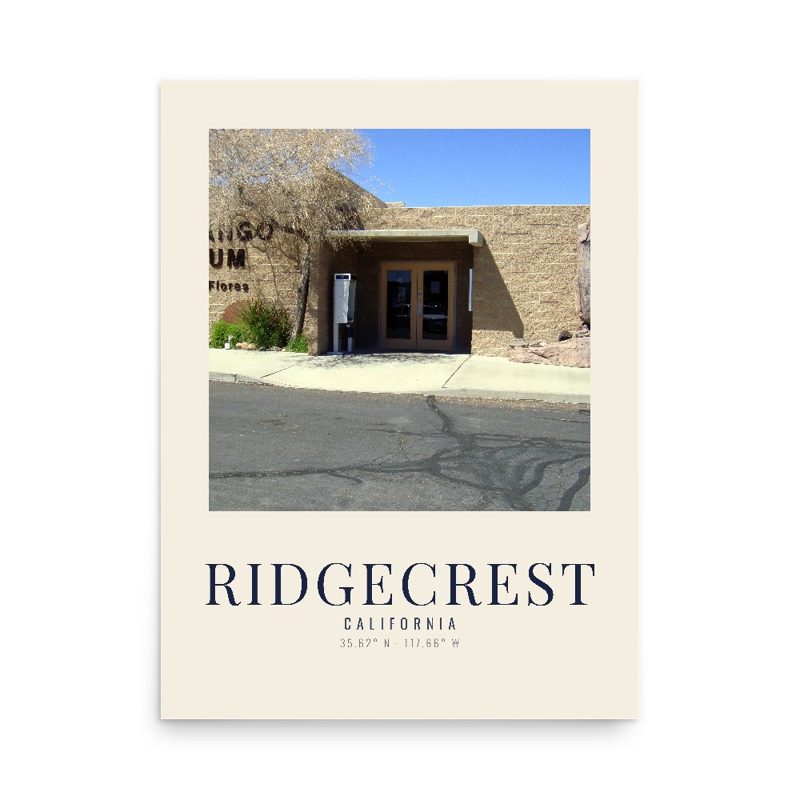





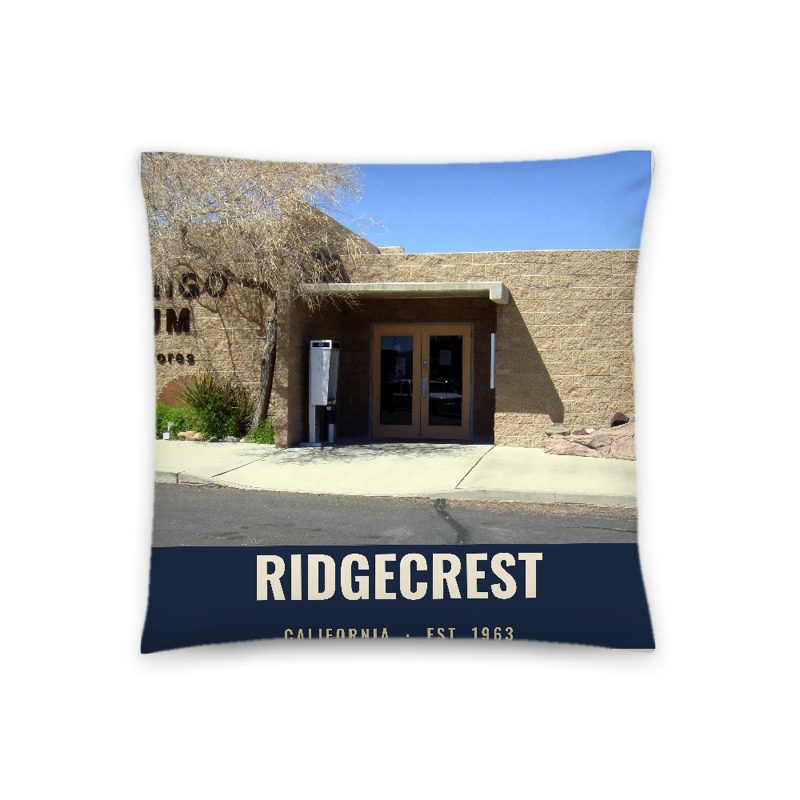

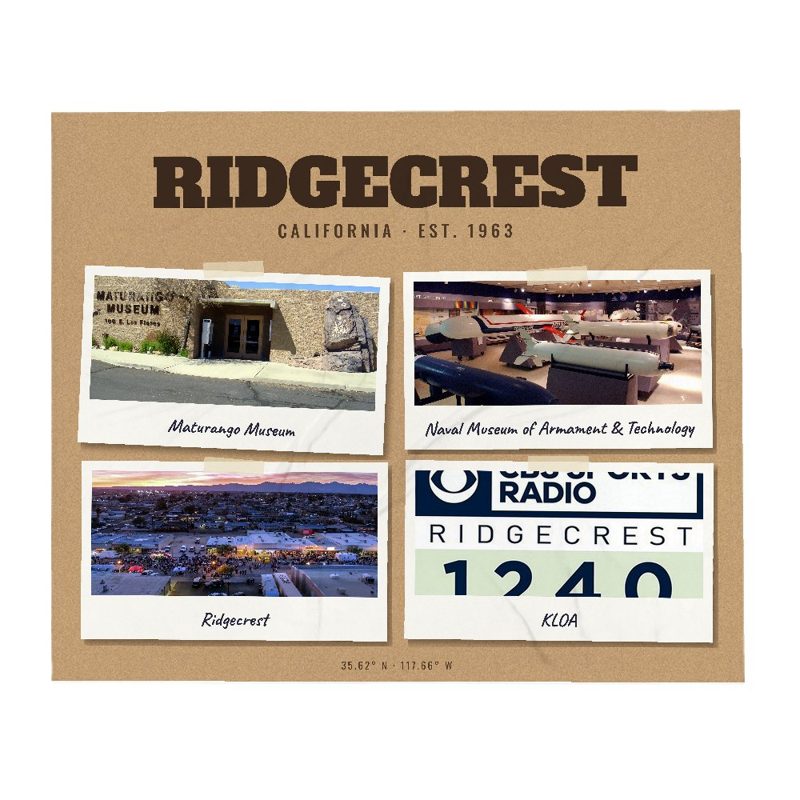
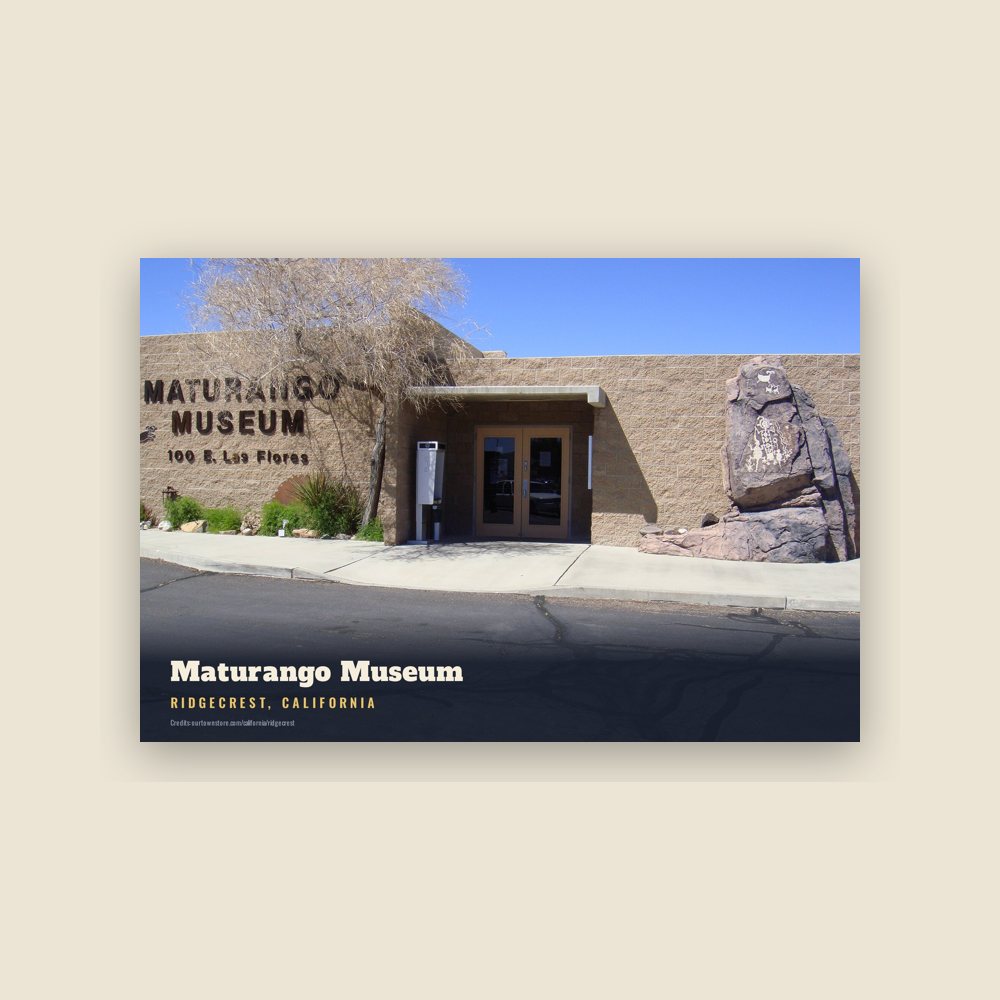
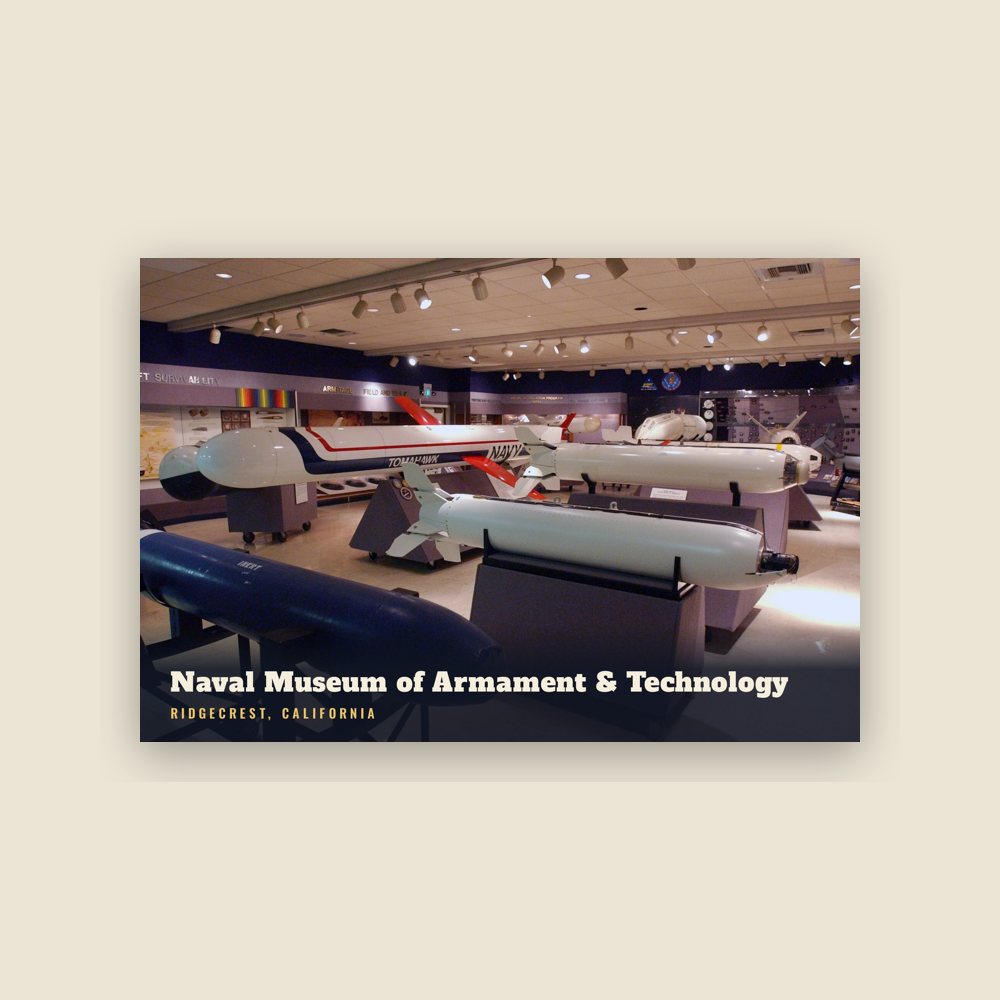

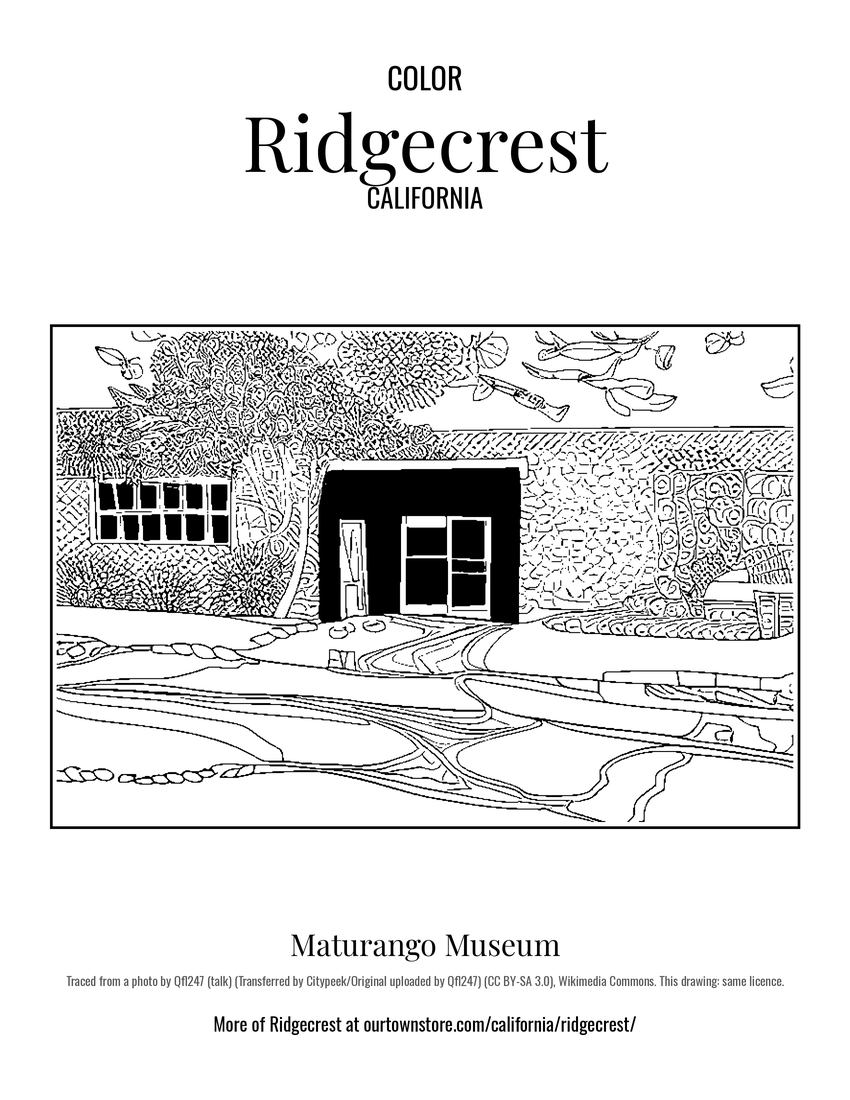 Maturango Museum
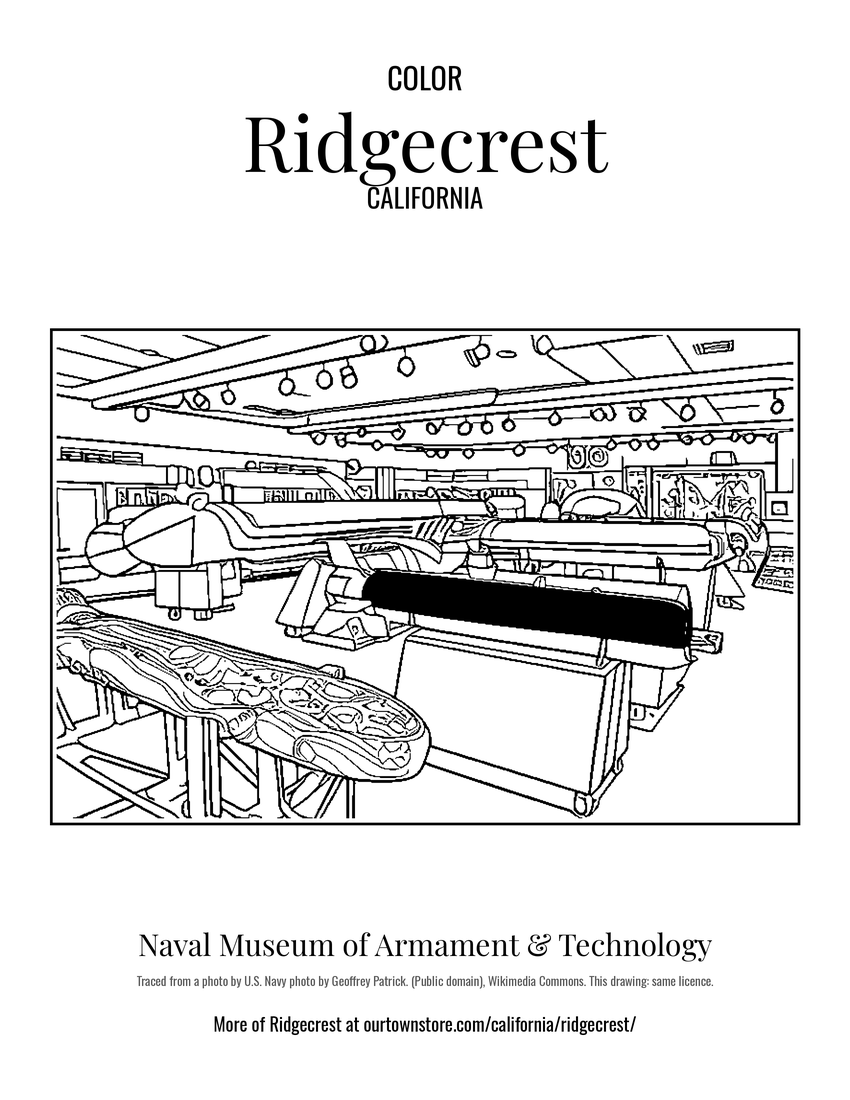 Naval Museum of Armament & Technology
 KLOA
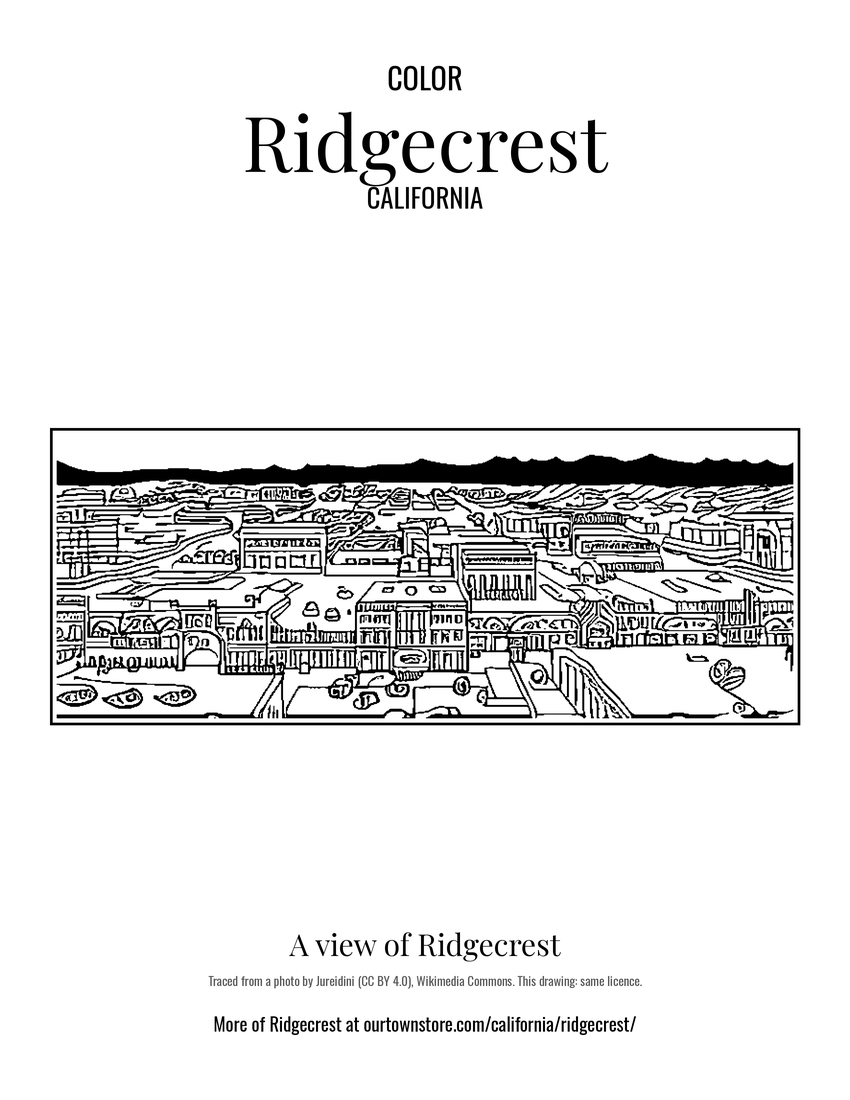 A view of Ridgecrest